| he/him | @CornellAEP phd student |
- Tweets 201
- Following 433
- Followers 209
- Likes 6,000
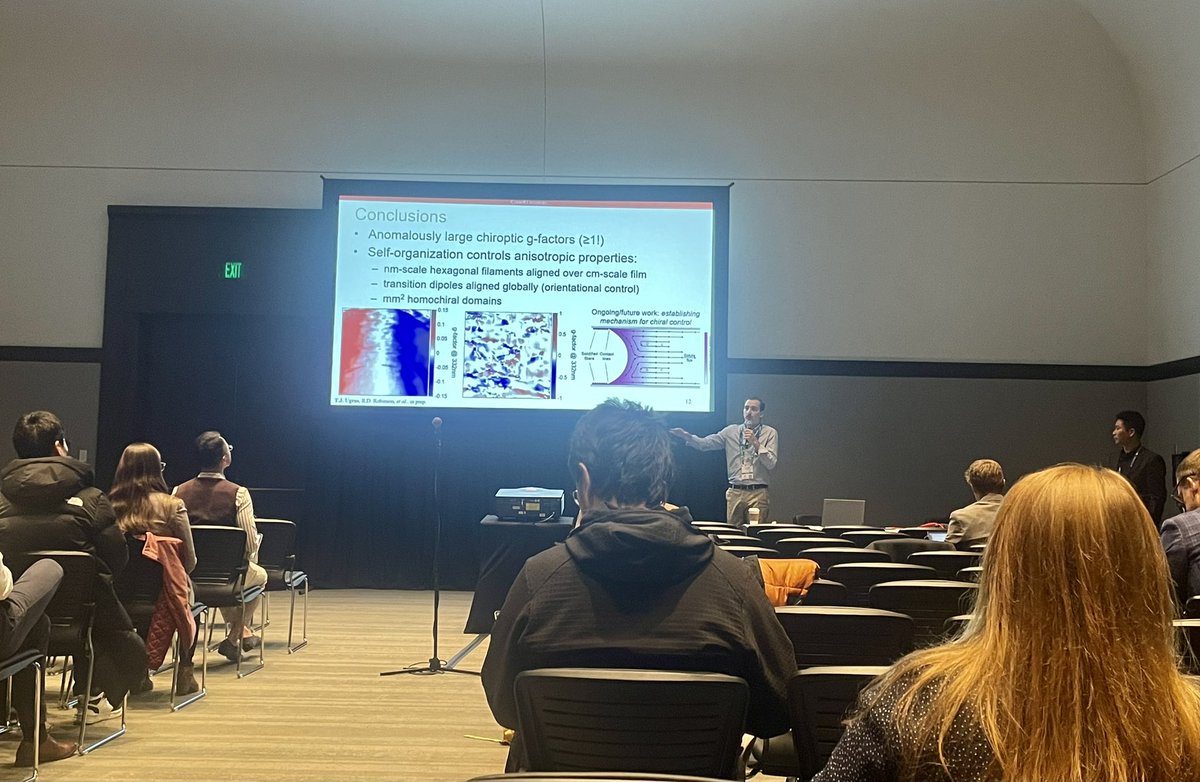

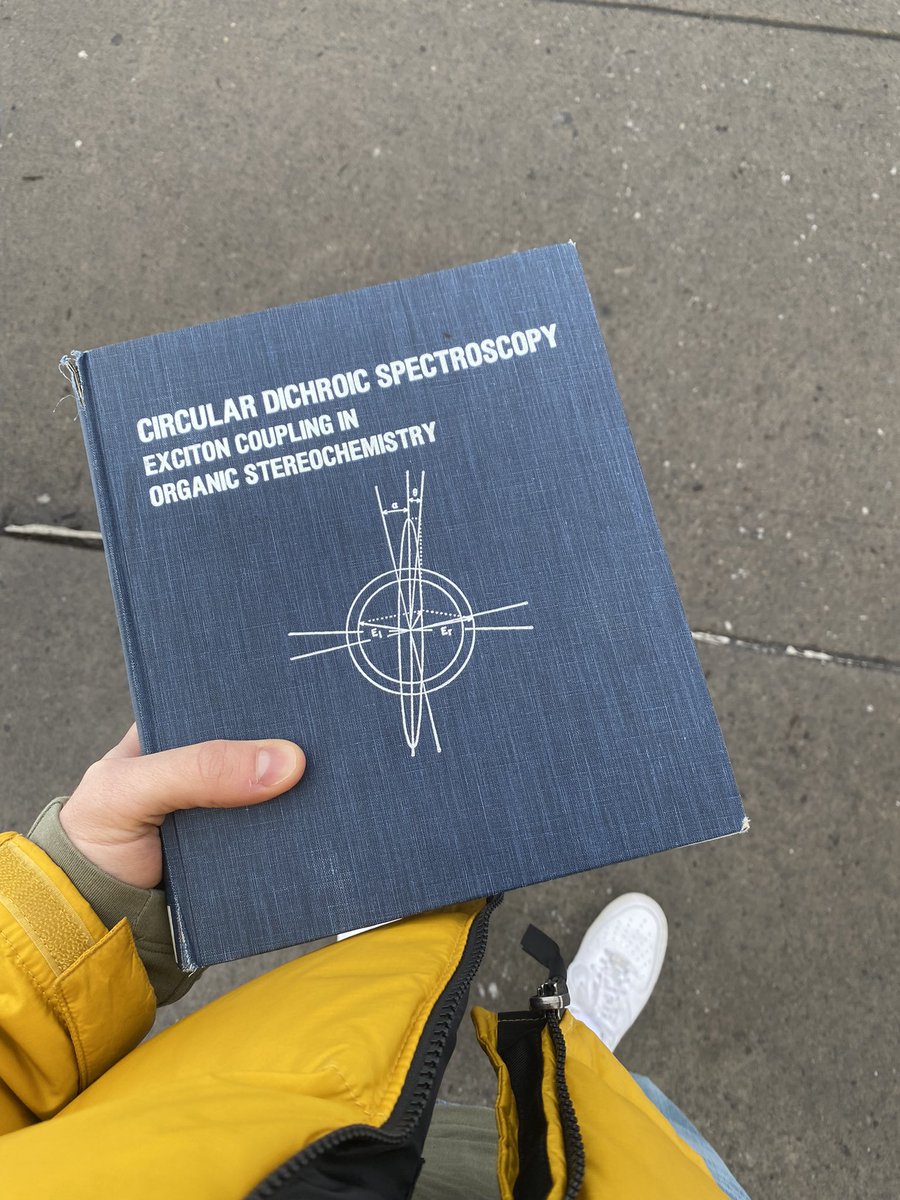


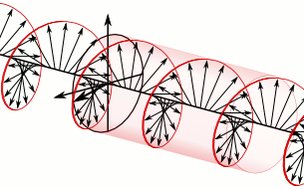

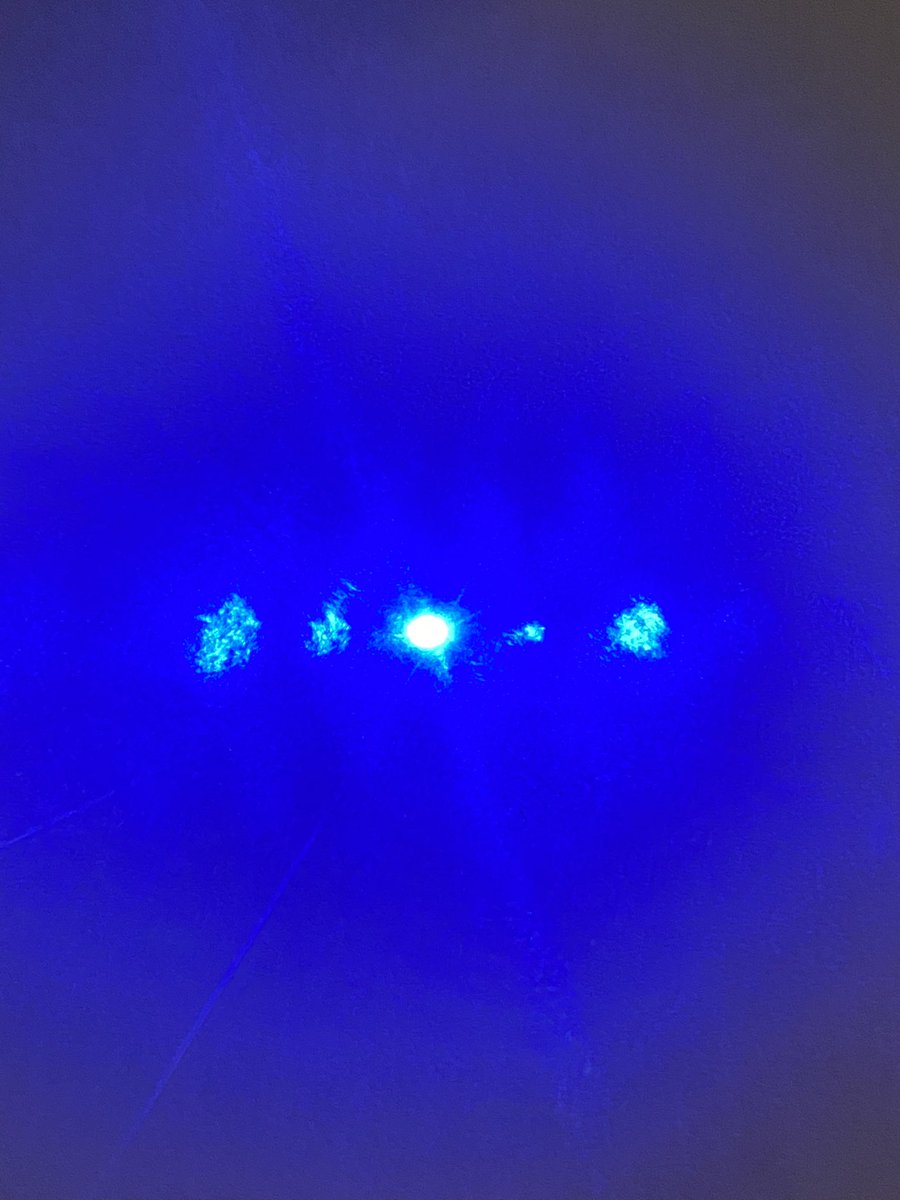

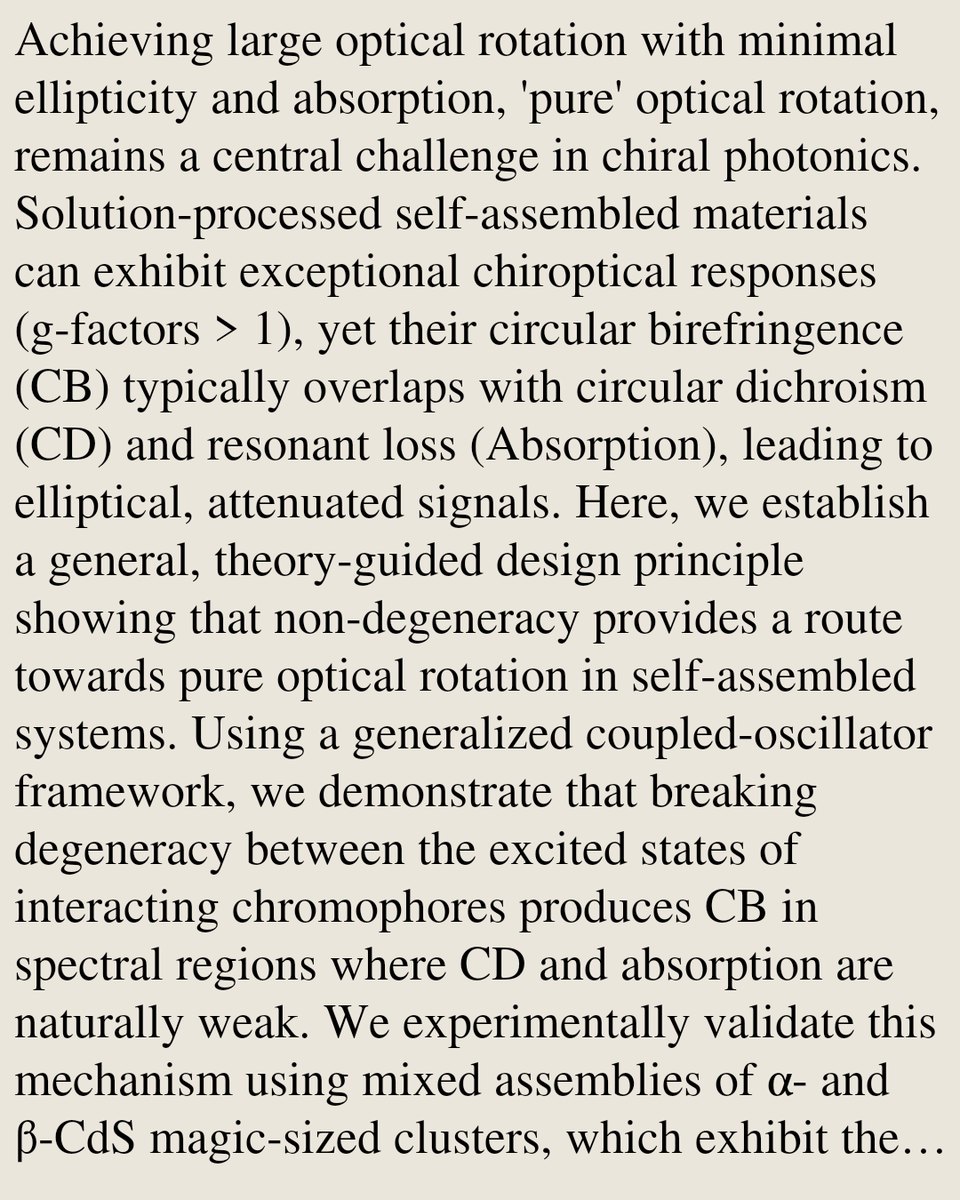
ALT Achieving large optical rotation with minimal ellipticity and absorption, 'pure' optical rotation, remains a central challenge in chiral photonics. Solution-processed self-assembled materials can exhibit exceptional chiroptical responses (g-factors > 1), yet their circular birefringence (CB) typically overlaps with circular dichroism (CD) and resonant loss (Absorption), leading to elliptical, attenuated signals. Here, we establish a general, theory-guided design principle showing that non-degeneracy provides a route towards pure optical rotation in self-assembled systems. Using a generalized coupled-oscillator framework, we demonstrate that breaking degeneracy between the excited states of interacting chromophores produces CB in spectral regions where CD and absorption are naturally weak. We experimentally validate this mechanism using mixed assemblies of α- and β-CdS magic-sized clusters, which exhibit the predicted off-resonant, emergent CB. Guided by this principle, we design a laye


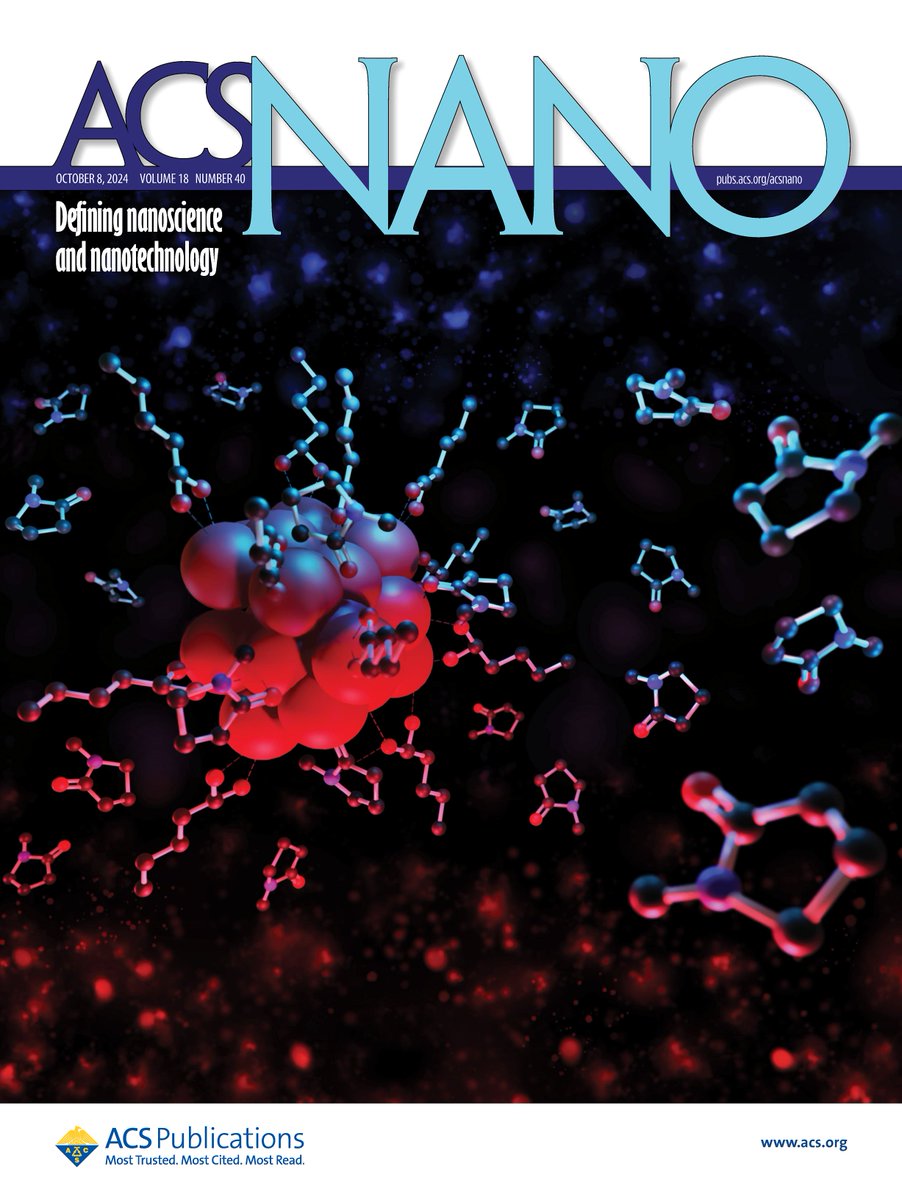
ALT TOC image from the article











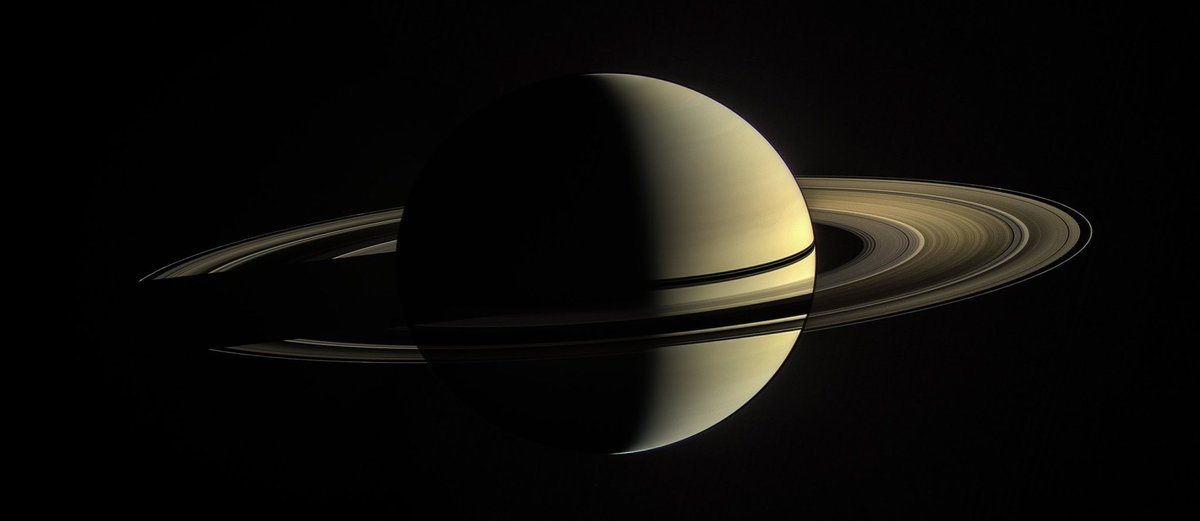
ALT A view of Saturn taken by the Cassini spacecraft. Its right side is lit up by the Sun and the left side is a shadow, giving the planet a crescent shape. Its rings are also visible.
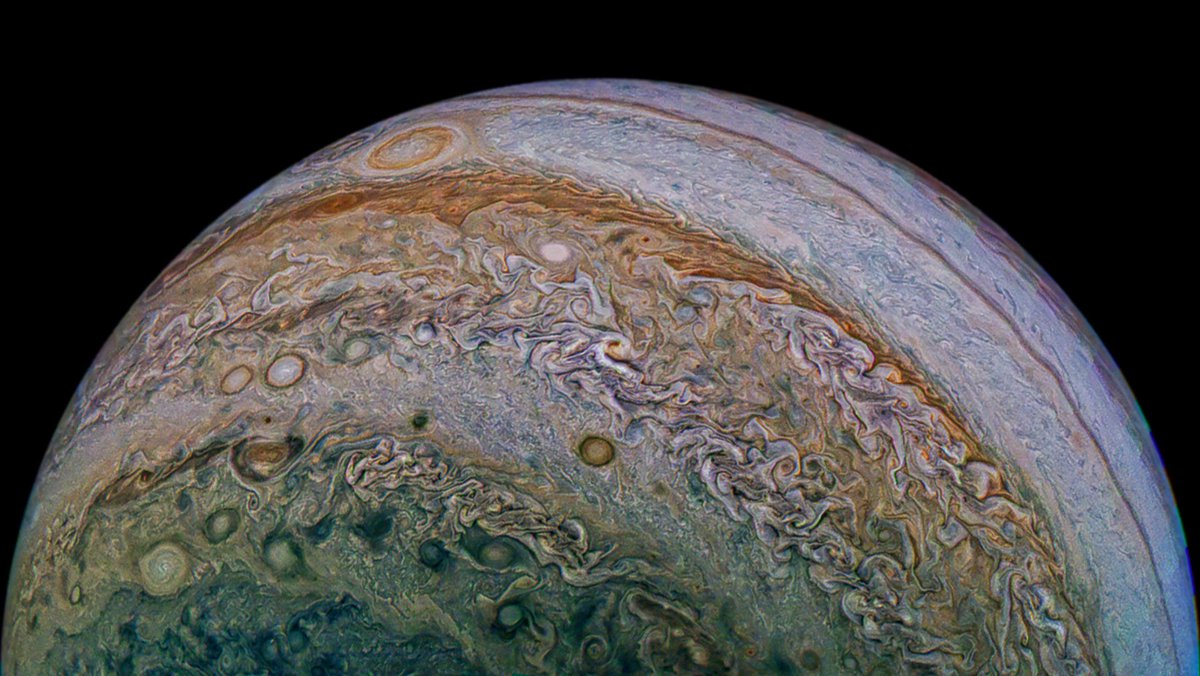
ALT A view of Jupiter taken by the Juno spacecraft. The planet is enveloped in swirling clouds and storm systems and the Great Red Spot is visible in the upper left. The planet showcases hues of orange, white, and blue. Image credit: NASA / JPL / SwRI / MSSS / David Marriott
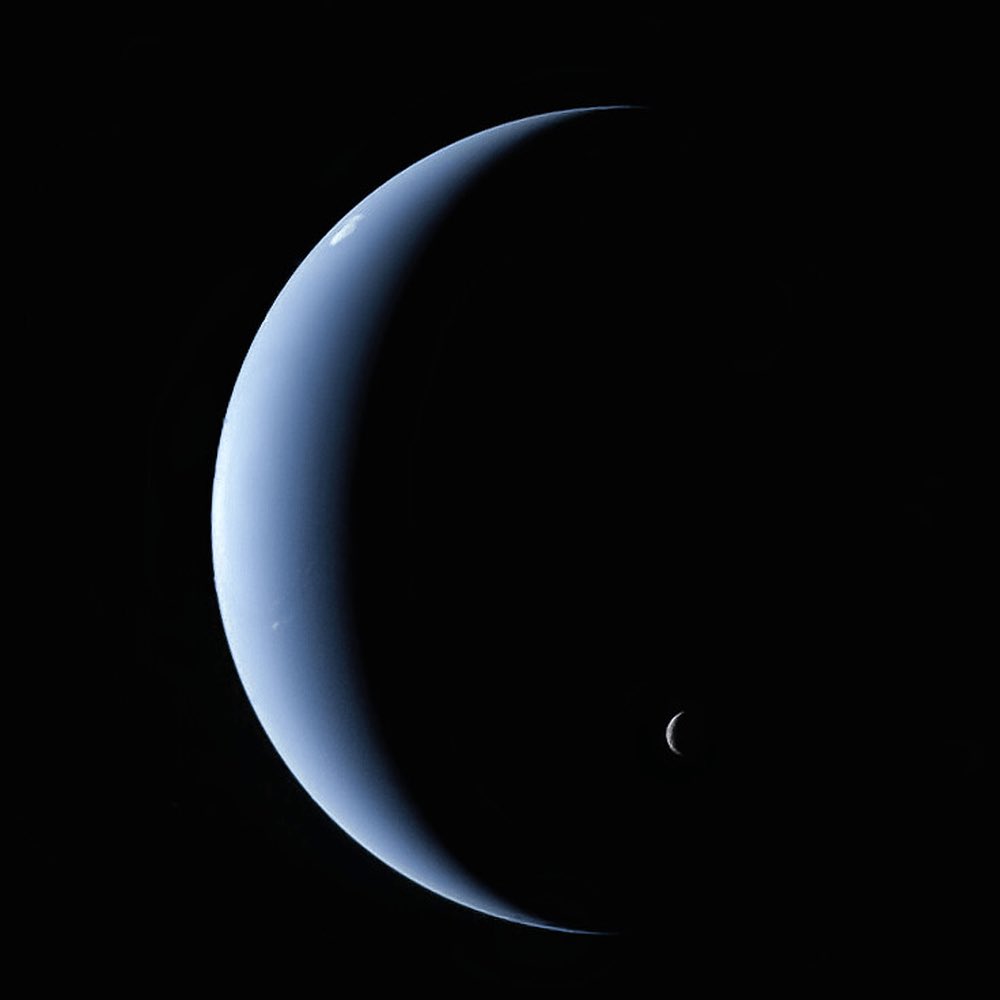
ALT A view of Neptune and its moon Triton from Voyager 2. Neptune appears as a blue crescent shape and Triton is a much smaller gray crescent shape. Image Credit: NASA/JPL-Caltech/Kevin M. Gill
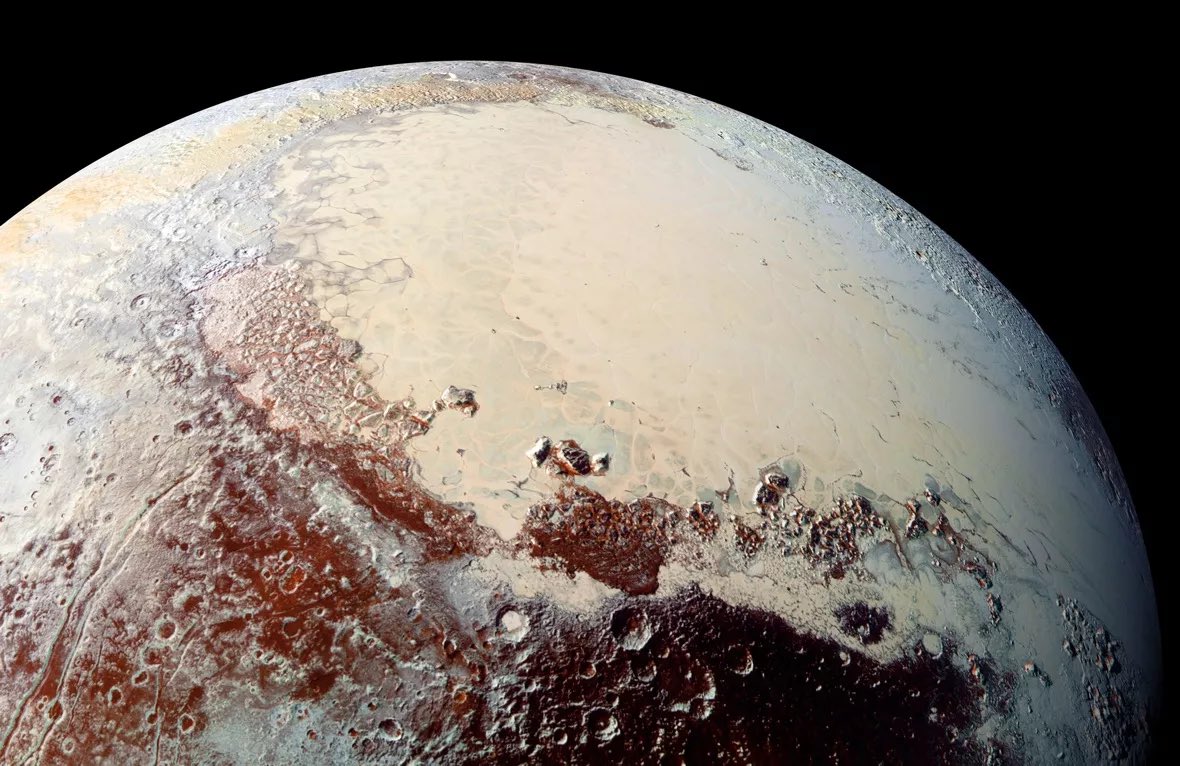
ALT This high-resolution image captured by NASA’s New Horizons spacecraft combines blue, red and infrared images taken by the Ralph/Multispectral Visual Imaging Camera (MVIC). Pluto’s surface shows a remarkable range of subtle colors, enhanced in this view to a rainbow of pale blues, yellows, oranges, and deep reds. The bright expanse is the western lobe of the “heart,” informally known as Tombaugh Regio. The lobe, informally called Sputnik Planum, has been found to be rich in nitrogen, carbon monoxide, and methane ices. Credit: NASA/JHUAPL/SwRI