My (re)posts are not endorsements unless (re)posted in triplicate. Views aired here are mine only.
Joined November 2008
- Tweets 76,790
- Following 876
- Followers 984
- Likes 60,741
906 Photos and videos






twistedlogix retweeted

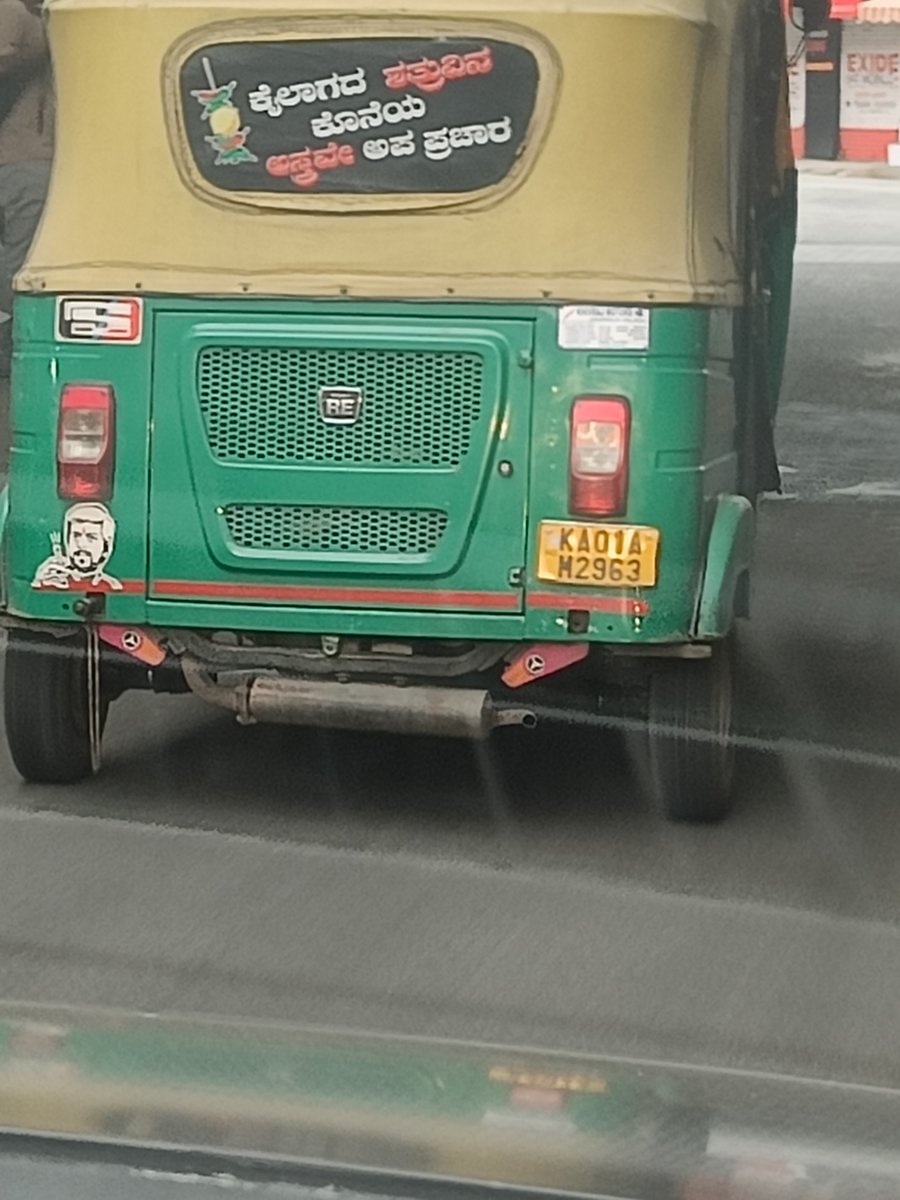
ಆಟೋ ಹಿಂದಿನ ಬರಹ.
ನೋಡಿದಾಗ ಯಾಕೋ ನಮ್ಮ ಹೋಂ ಮಿನಿಸ್ಟರ್ @PriyankKharge ನೆನಪಾದರು!
3
37
1,473

Only Karnataka hasn’t made use of proximity of Kalyan Karnataka to Hyderabad
TN has Hosur, AP has Anantpur on this side & Sri City near Chennai
But then I don’t entirely blame politicians, these things hardly get importance during elections. Caste & money take precedence

Bengaluru - Anantpur is same distance as Gulburga - Hyderabad. Sadly we don't promote Gulburga enough. We though there is plenty of human capital available but I never saw a single leader asking to have better connectivity between two cities.
5
8
54
1,430
twistedlogix retweeted

When Mulayam Singh Yadav was throwing out English typewriters from UP CMO,
Chandrababu Naidu was arranging for Microsoft office in Hyderabad
Quality of local leaders matters a lot.

All naarth-savuth, freight equalization, mlechch invasion reasoning forgets the following: competency of politicians, agency of citizens, quality of human capital matter. KA, AP and TN are fighting to get satellite manufacturing despite no multiple engine sarkar.
10
73
406
12,756


If ISRO has been operating out of Hassan for decades, private players can definitely do it too. The state government needs to incentivise them by making the ecosystem conducive for them to start up in places other than just Bengaluru. @MBPatil
Jun 17

trying to get land for making a satellite factory in the outskirts of BLR has been way more difficult than actually making said satellites
1
1
128
twistedlogix retweeted

Sigh. People keep regurgitating the same cliched trope.
Nope. It is not true.
Jun 16

By 2030, India’s Data Centers to Consume 558 Billion Liters of Water Just for Cooling.

1
3
39
1,389
twistedlogix retweeted

Jun 17
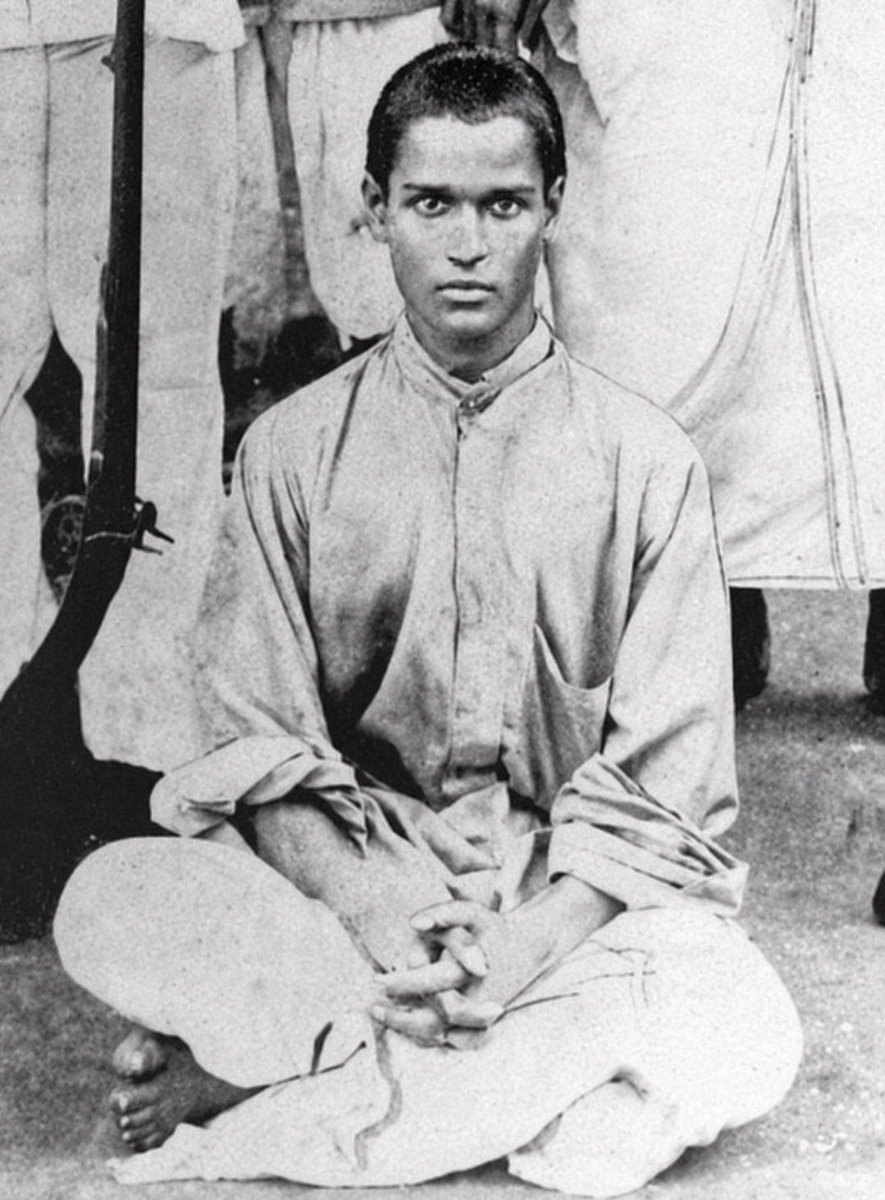
Today we remember Veera Vanchinathan who sacrificed his life for the freedom of Bharath. On 17 June 1911, Vanchinathan entered a first-class compartment at Maniyachi Junction and shot Tirunelveli Collector Ashe, who was responsible for the repression of the Swadeshi movement and the persecution of V.O. Chidambaram Pillai and Subramania Siva. Moments later, Vanchi took his own life rather than be captured.
He was only twenty-five. He had given up his career, distanced himself from family life and chosen a path from which he knew there would be no return. His method may be debated, but his courage, sacrifice and uncompromising commitment to Bharat’s freedom cannot be denied.
On his remembrance day, let us honour the martyr who placed the nation above his own life.
Jun 13

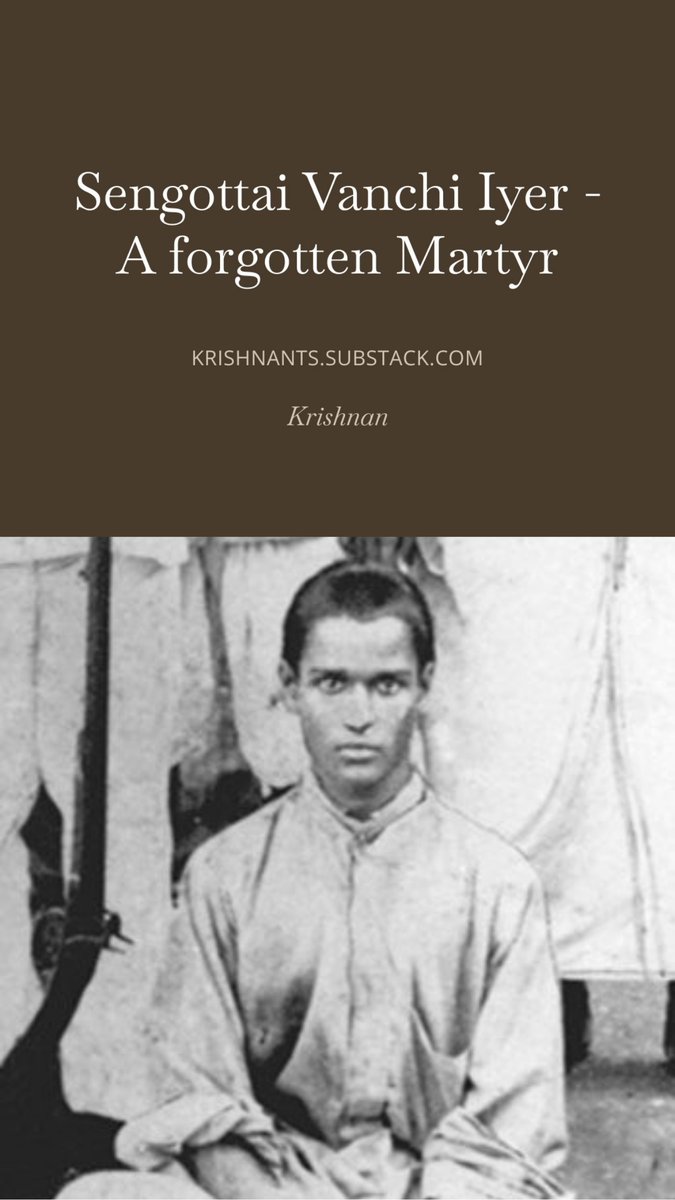
As we will be observing the memorial day of Veera Vanchinathan this week, here is a tribute to a forgotten martyr whose courage, sacrifice and uncompromising commitment to India’s freedom deserve to be remembered.
krishnants.substack.com/p/se…
20
351
832
12,074
twistedlogix retweeted

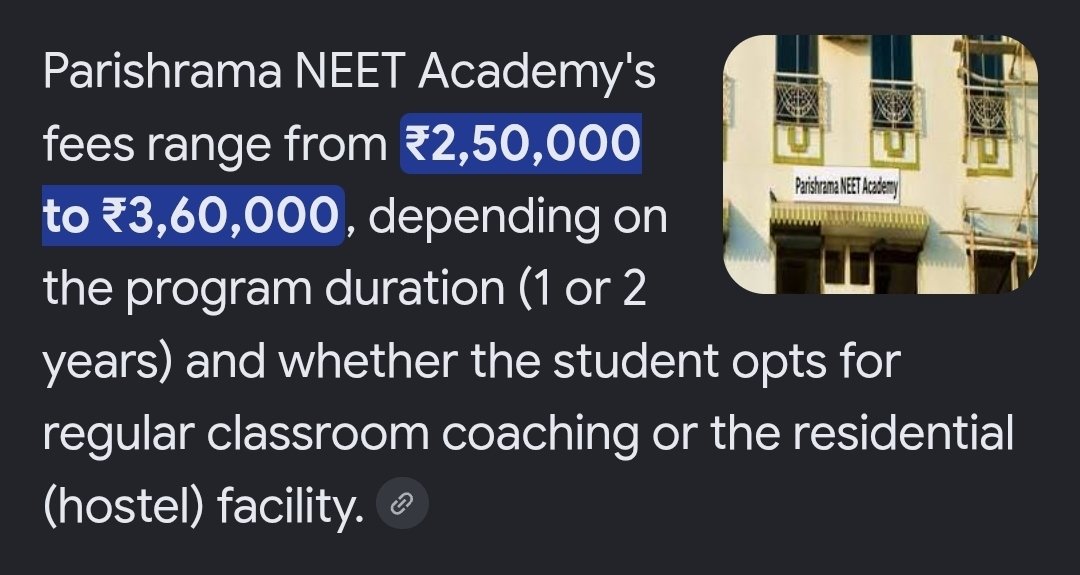
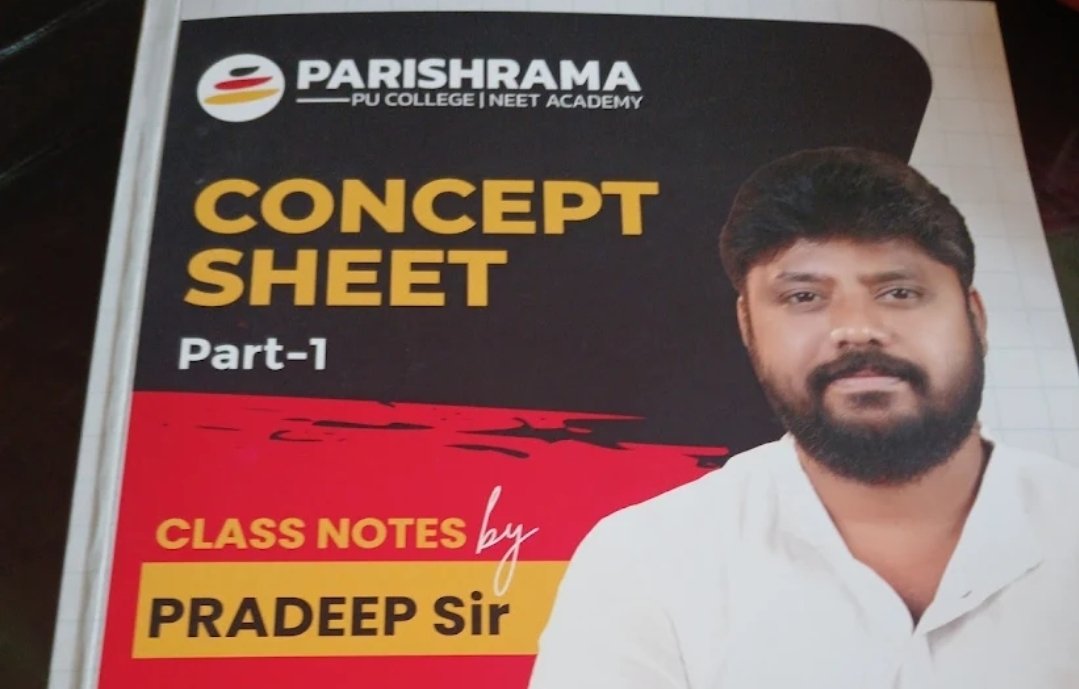
Money extracted by the system from NEET students. True. Karnataka has a Congress MLA who runs a NEET institute that squeezes ₹2.5 lakh to ₹3.6 lakh.
If Congress is dead against NEET, why is your party MLA minting money out of hard earned money of parents?
2
9
30
971
twistedlogix retweeted
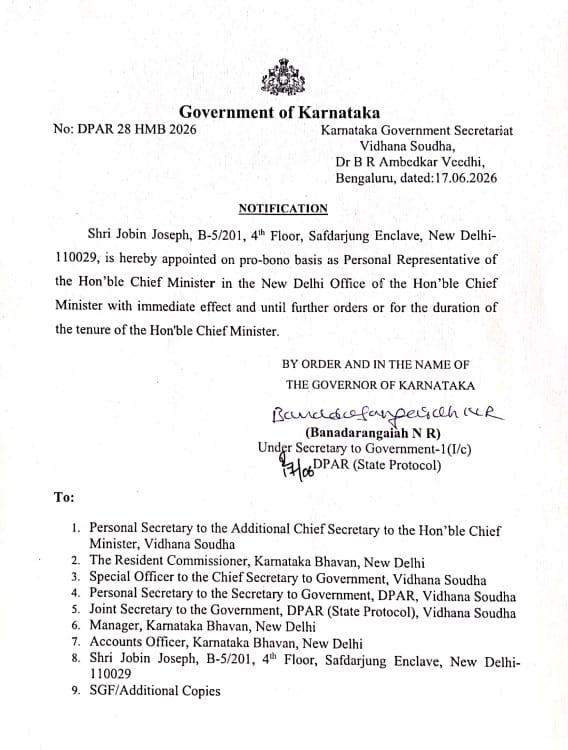
So CM of Karnataka could not find a single Kannadiga in Delhi to represent Karnataka?
Had to find a Malayali to do that?
Where are the useless Olatgaras when you need them?

Jobin Joseph appointed on pro-bono basis as Personal Representative of Karnataka CM DK Shivakumar in the New Delhi office on the CM with immediate effect.
22
150
639
27,429
Some Churumuri vendors are already following the FSSAI's directive not to serve food in printed paper.
6
17
776
twistedlogix retweeted

Jun 17
I wonder why.
Jun 16

Trust in news hits a new low, research suggests bbc.in/4uFL0Zz
189
19,484
286,522
9,384,207
twistedlogix retweeted

Jun 17
Industry minister has replied to OP so there is hope of a swift resolution.
But Caleb’s point holds. Olaatas and their favourite goonda deputy CM turned CM are busy with low IQ nonsense like “AI township”, who will control BDA, will Tumakuru become part of Bengaluru.
Jun 17

Sorry to hear this Kshitij!
Getting land in India should not be more difficult than literal space technology.
May have better luck in Andhra, Telangana, or Gujarat (Ahmedabad). Have seen a lot of founders gravitating towards those states instead of building in Bengaluru.
2
8
72
4,902
twistedlogix retweeted

Jun 17
But sir @JethmalaniM
Do you know more about laws/Constitution /judgements more than a 12th fail dynast?
You don't know anything
#SarChasm
Jun 17

.@PriyankKharge’s letter addressed to RSS Chief Shri Mohan Bhagwat Ji is not an exercise in constitutional inquiry.
It is a calculated political provocation: thin on law, thick on presumption, and conspicuously marked by the entitlement of dynastic politics.
For a full century, the Rashtriya Swayamsevak Sangh has served the nation openly, in the full glare of public scrutiny: building character, fostering discipline, strengthening social cohesion, and doing so without seeking state patronage.
Certain Congress leaders, by contrast, have preferred suspect diplomacy - flying to China to sign an MoU with the Chinese Communist Party, shrouded in secrecy and political discomfort.
The contrast could not be starker.
One has operated in Indian sunlight for a hundred years.
The other has repeatedly found comfort in foreign shadows.
Let us address Priyank Kharge’s demands with the precision they lack.
Article 19(1)(c) of the Constitution guarantees every citizen the fundamental right to form associations, unions or co-operative societies. This is not a privilege granted by the State. It is a constitutional freedom.
Article 19(4) permits reasonable restrictions on this freedom only on specified constitutional grounds, and only by authority of law.
Nowhere does the Constitution mandate that every voluntary association must first obtain registration from the State before it can exist or function.
The RSS is precisely such a voluntary association of citizens, united by a shared ideological, cultural and national vision.
It requires no certificate of existence from a minister.
It requires no political permission slip from a dynast.
It requires no registration merely because a Congress leader wishes to manufacture a controversy.
Priyank Kharge’s demand that the RSS must “register” or justify its legal existence is not rooted in constitutional text, statutory obligation or settled principle. It is a whimsical assertion unsupported by law.
In a constitutional democracy governed by the Rule of Law, no individual, however exalted his office, may issue dictates and expect compliance merely because he occupies public office.
Priyank Kharge may be a Minister in the Government of Karnataka. That office confers upon him only those executive powers that law recognises. It does not confer upon him the authority to summon any citizen or organisation and demand that it restructure itself according to his personal fancies.
Such demands, unmoored from any legal mandate, are non est in law.
A dynast indulged by inheritance does not become larger than the Constitution merely because he sits in a ministerial chair.
It was perhaps in anticipation of precisely this species of overreach by those clothed with temporary authority that Thomas Fuller observed: “Be you ever so high, the law is above you.”
Those words were later immortalised by Lord Denning in The Due Process of Law.
The point applies squarely here.
Further, Mr. Kharge’s insistence on disclosure of funding, expenditure, assets and taxation conveniently ignores settled judicial pronouncements.
The question of taxability of Gurudakshina - the voluntary offerings received by the RSS from its members - has already been examined by a constitutional court.
In Commissioner of Income-Tax vs. Rashtriya Swayamsevak Sangh, the Patna High Court upheld the principle of mutuality and held that Gurudakshina received from members is not taxable.
The RSS has never claimed exemption from the law.
It has simply refused to be bullied into accepting obligations that the law itself does not impose.
For a hundred years, it has functioned openly, published its activities, withstood bans, political hostility and repeated attempts by Congress governments to delegitimise it.
It has done so without taxpayer money. Or foreign funding.
The letter addressed by Junior Kharge in the garb of accountability stems from legal misconception and political malice.
It is unworthy of the constitutional office he holds and of the democratic traditions he claims to defend.
The RSS needs no certificate of good conduct from any dynast, however high his office.
The law remains above all of us.
Kharge junior’s pompous demands lie beneath it.
1
1
38

Jun 17
Mall or chor bazaar?
Jun 16

You should also shut down all the shopping malls since there might be a theft in one of them. And close the roads because I heard someone was speeding.
64
twistedlogix retweeted

Jun 17
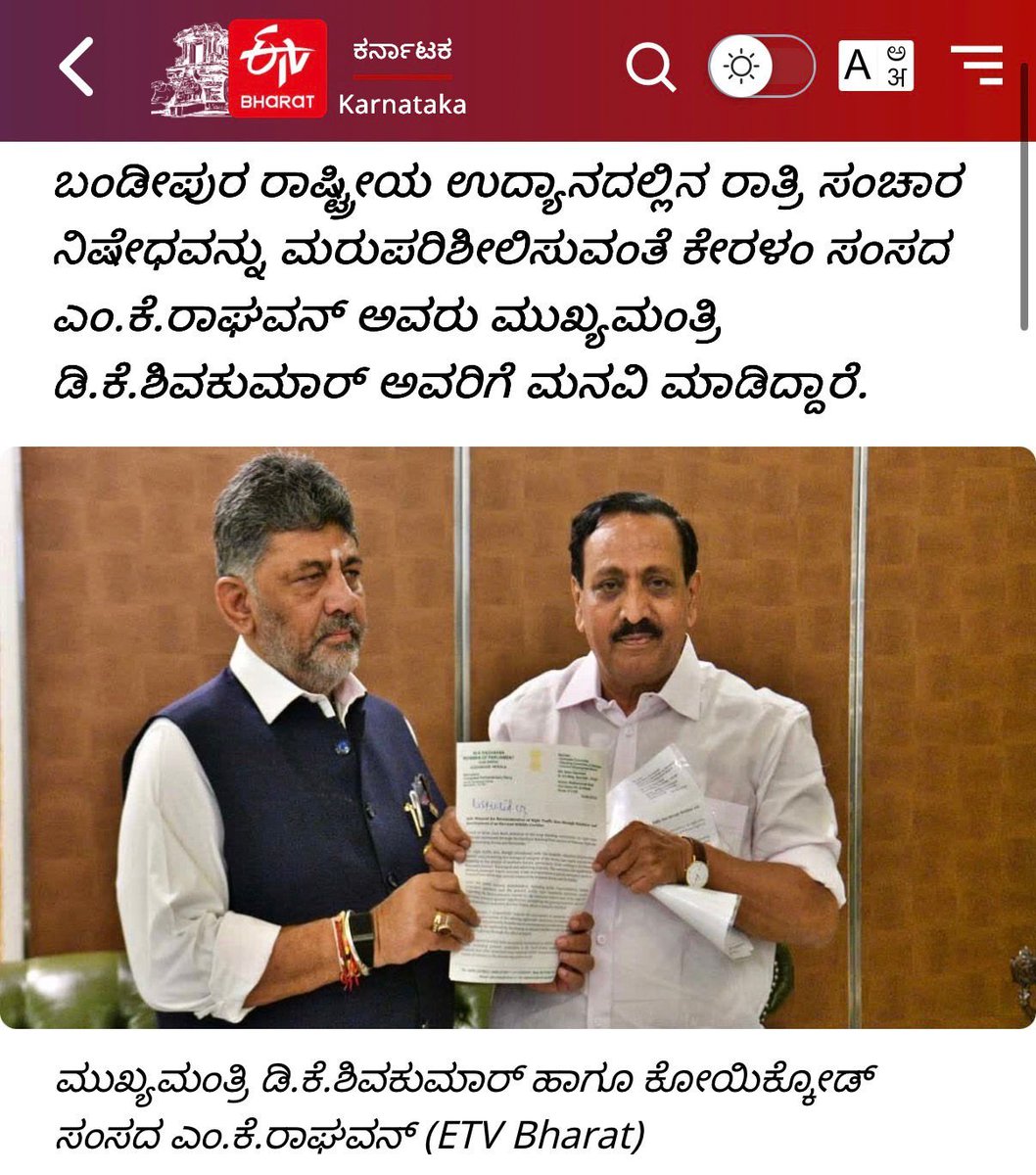
Back in 2024, during the Wayanad bypoll, the then DCM D.K. Shivakumar had promised to consider reopening Bandipur night traffic if Priyanka Gandhi Vadra was elected. Today, Keralam MP M.K. Raghavan has once again approached the now Chief Minister D.K. Shivakumar with the same demand.
Bandipur is not a bargaining chip for electoral politics. It is one of Karnataka’s most precious ecological assets, home to fragile wildlife and a critical part of the Nilgiri Biosphere.
I strongly urge CM @DKShivakumar to categorically reject this request and put an end to any attempt to trade Karnataka’s natural heritage for political convenience.
22
216
606
22,826
twistedlogix retweeted

FCRA bill is coming up. That’s the reason. They wanna use @RSSorg as a bargaining tool on behalf of other religious institutions that have violated Foreign Contribution.
Jun 16

Why have the Congress Chief Ministers and Ministers from the South launched a frontal attack on @RSSorg and @narendramodi government. Listen Telengana Chief Minister @revanth_anumula . And. Karnataka Home Minister @PriyankKharge on RSS. Something is boiling? x.com/AHindinews/status/2066…
28
476
1,469
35,782
twistedlogix retweeted

25 Feb 2021
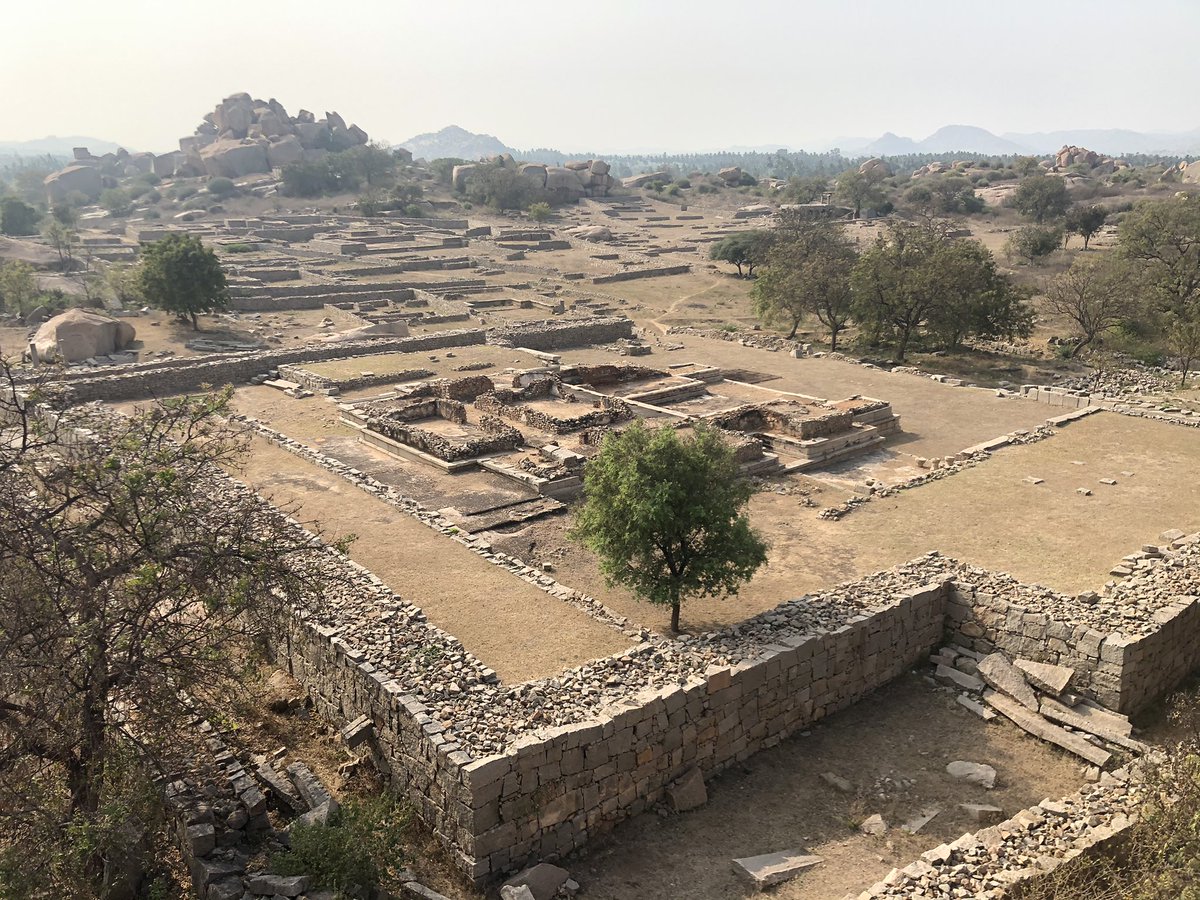
And our Gynapitha winner playwright tried to paint a picture it was destroyed from people within. Horrible distortionist. 😡
21 Feb 2021

“The largest city in the world was savagely pillaged for six months and never recovered.” Extract from Sanjeev Sanyal’s book ‘The ocean of Churn.’
9
35
131
twistedlogix retweeted

Jun 16
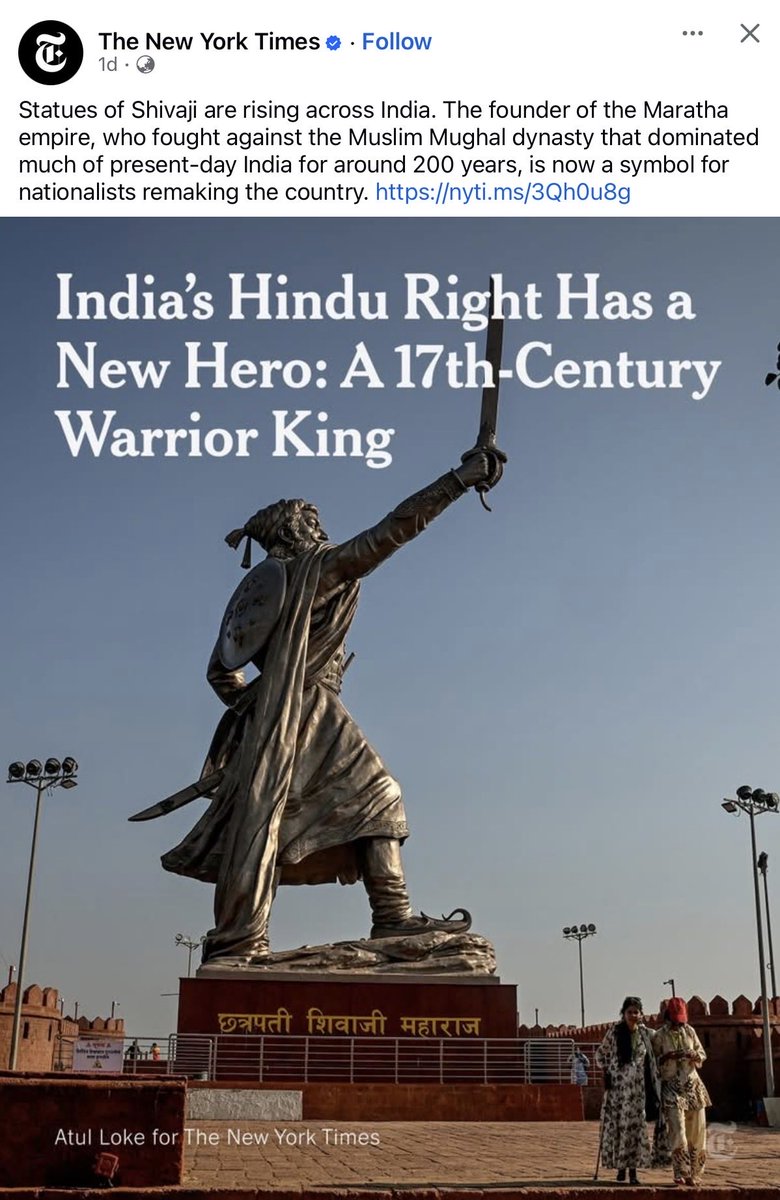
New York Times woke up and got to know the existence of a hero so late who existed long before their nation actually did 😅
2
25
76
1,722