
Joined February 2012
- Tweets 93
- Following 235
- Followers 317
- Likes 913
4 Photos and videos



Original Article: Endovascular Treatment of Stroke Due to Medium-Vessel Occlusion (ESCAPE-MeVO) nej.md/40LTUaL
Editorial: Medium- and Distal-Vessel Occlusion — The Limit of Thrombectomy? nej.md/40Hu9bP
@AHAScience | #ISC25
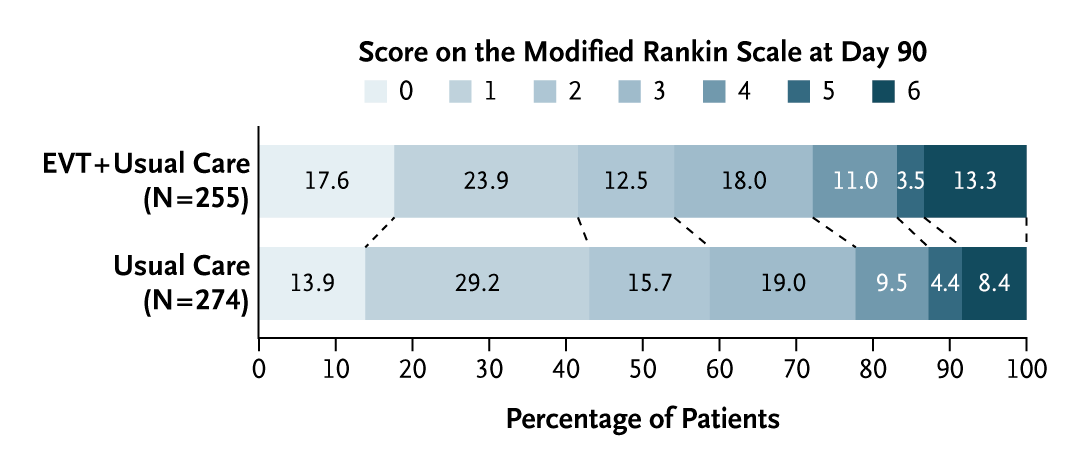
ALT A chart of the distribution of scores on the modified Rankin scale at 90 days (intention-to-treat population)
15
42
14,487
Stephanie Reiter retweeted

20 Jan 2023
Anterior Choroidal Artery territory ⬇️⬇️
important as strokes here may be caused by
✨cardioembolism
✨distal ICA steno-occlusive disease
⚠️Not just the typical small vessel that defines other deep territory strokes
Cool video map from @StrokeAHA_ASA ahajournals.org/doi/10.1161/…
5
106
316
59,930
Stephanie Reiter retweeted

2 Jan 2025
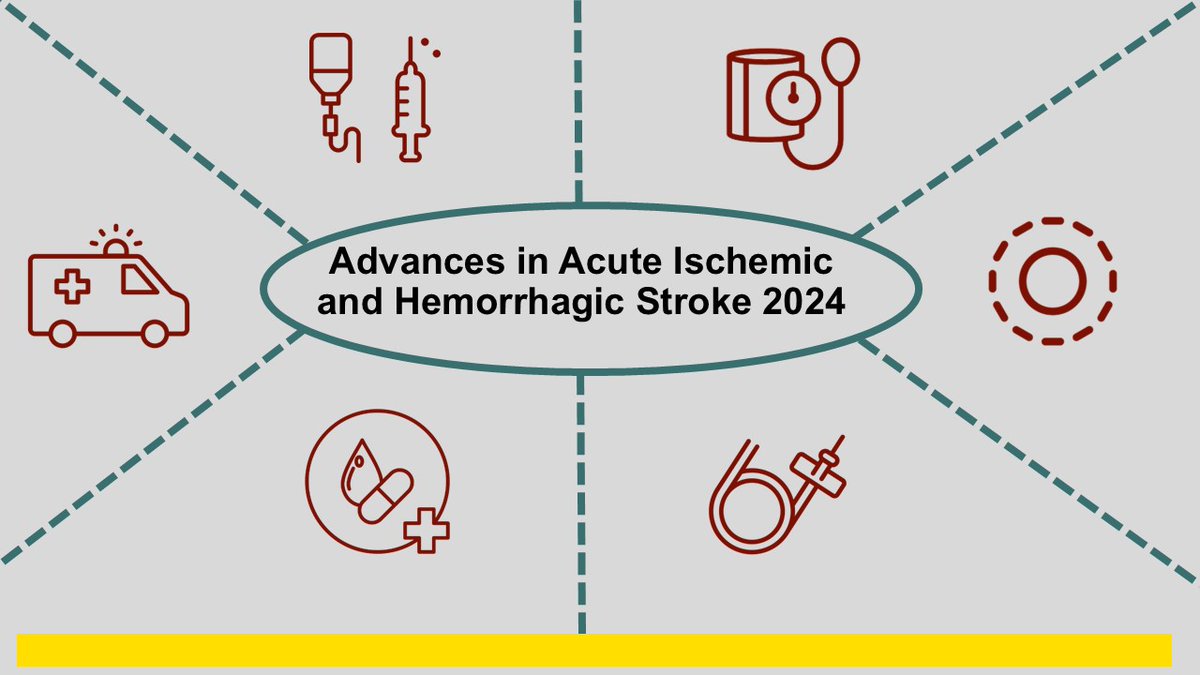
#STROKE: This Advances in Stroke article by @NguyenThanhMD et al. discusses the latest advances and emerging trends in 2023 and 2024 that inform the triage, interventional, and hemorrhagic realms of patient stroke care. #AHAJournals ahajournals.org/doi/full/10.…
2
20
60
4,163
Stephanie Reiter retweeted

20 Dec 2024
1/11
Neurological complications post-transplant are very important for #neurohospitalists and 🧠#residents who see these consults in 🏥. These complications occur in 10-30% of organ and HSCT recipients!! While often multifactorial, immunosuppressants are major contributors.
5
26
88
9,947
Stephanie Reiter retweeted
25 Oct 2024
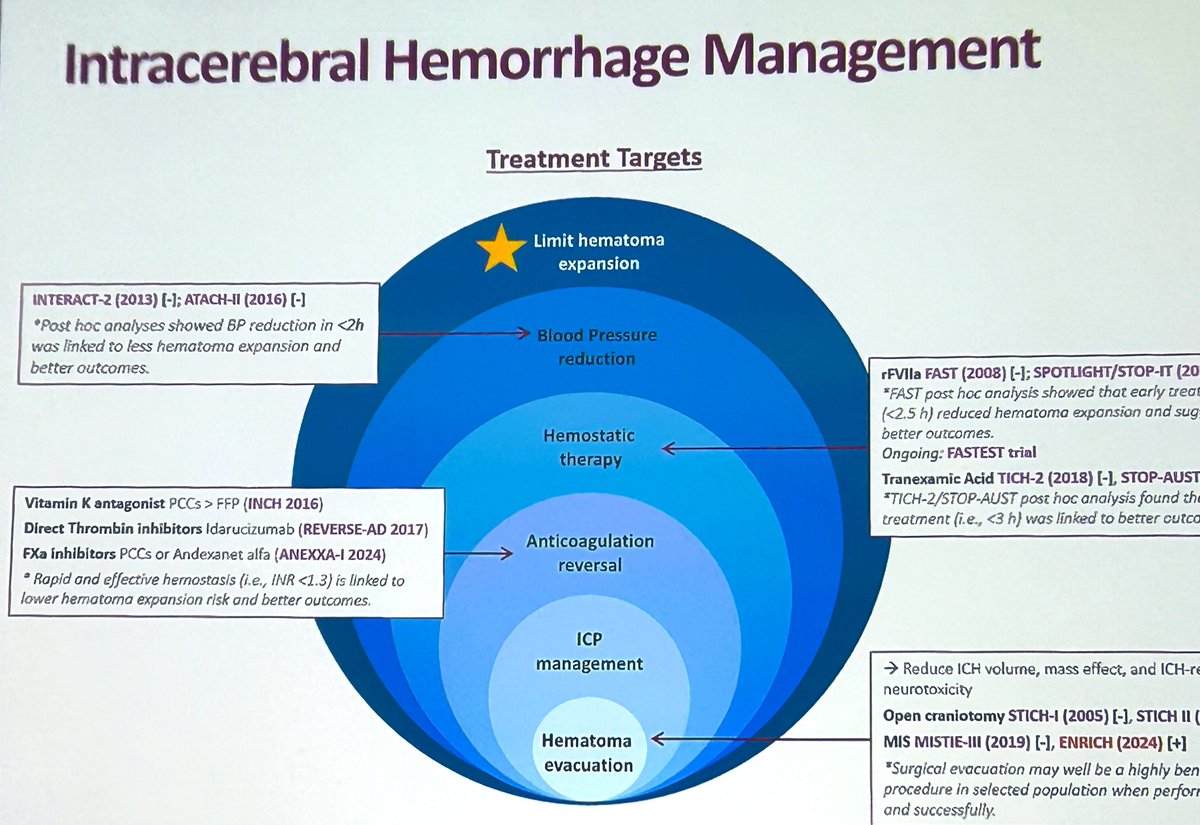
Amazing slide for some of the key trials in ICH: #AANFC
1
98
426
65,335
Stephanie Reiter retweeted

2 Sep 2024
Pleased to share the final version of the Canadian Best Practice Guidelines for Cerebral Venous Thrombosis. Many thanks to an outstanding multidisciplinary team of experts who provided unique perspectives on this complex disease. doi.org/10.1017/cjn.2024.269
16
53
2,916
Stephanie Reiter retweeted

11 Jul 2024
🧠Nuances in using the Boston criteria v2.0 for Cerebral Amyloid Angiopathy diagnosis in non-hemorrhagic presentations. 👇🎥
🏥 Relevant for memory clinics!
Thank you @neurology_live @marcomeglio1 for the opportunity to discuss these issues!
#NeuroTwitter #NeuroRad #Neurology #Neurosurgery #stroke #MedStudentTwitter #FOAMncc #MedTwitter #amyloidangiopathy #neuroscience #brain #Alzheimers #Alzheimer #neuropath #cSVD
10 Jul 2024

@a_charidimou, of @bmcneurology, provided clarity on recent findings on a validation study demonstrating the low accuracy of the Boston criteria v2.0 in patients who are asymptomatic or only have cognitive symptoms. @BUMedicine #stroke
🎥 View Now: neurologylive.com/view/compl…
4
9
50
5,326
Stephanie Reiter retweeted

26 Jun 2024
Do you know the signs of stroke? Students at Thorncliffe Park Public School (@TPPS_TDSB) do! Dr. Manav Vyas, neurologist at St. Michael's Hospital, visited the school to teach the kids to be FAST (face, arms, speech, time) heroes!🦸♀️@fast_heroes @CTVToronto toronto.ctvnews.ca/video/c29…
3
15
4,583

27 May 2024
Proud of all of you!
27 May 2024

Congratulations to our wonderful PGY5s at @UofTNeurology on successfully passing their Royal college! Go celebrate!
@uoftneurons
@UofTNeurologyPD
@UofT_DoM
8
687
Stephanie Reiter retweeted
17 Apr 2024
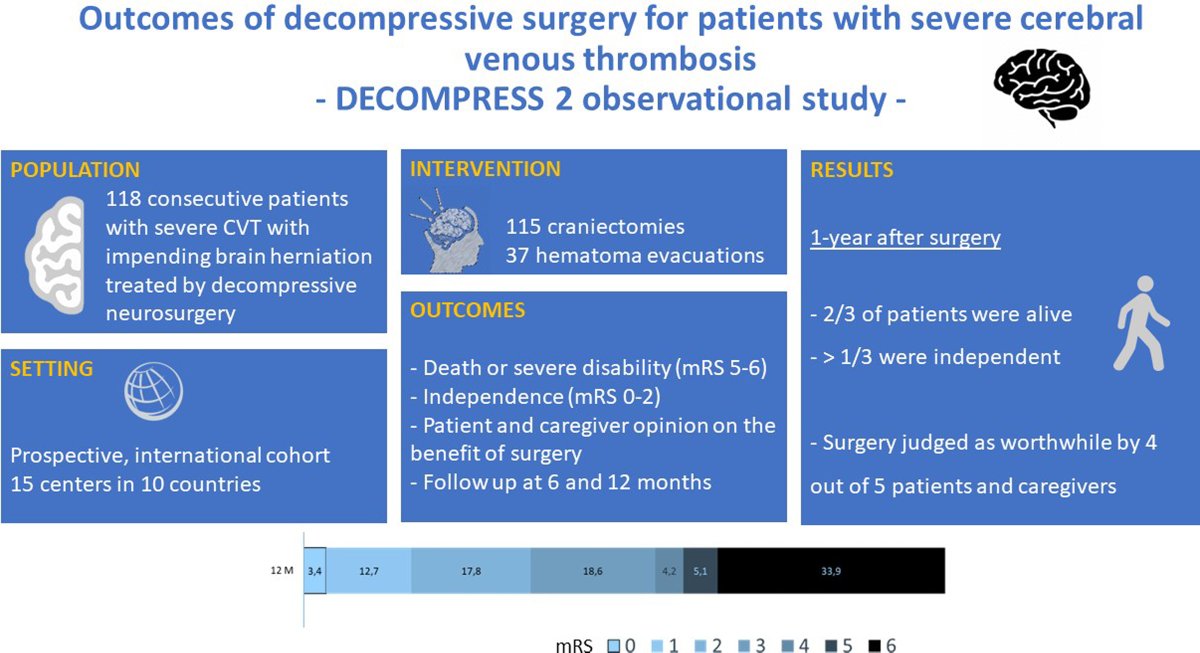
🧵#STROKE: The DECOMPRESS-2 prospective, observational, cohort study evaluated clinical outcomes in patients with cerebral venous sinus thrombosis who underwent decompressive hemicraniectomy.
2
23
55
6,363
Stephanie Reiter retweeted

19 Apr 2024
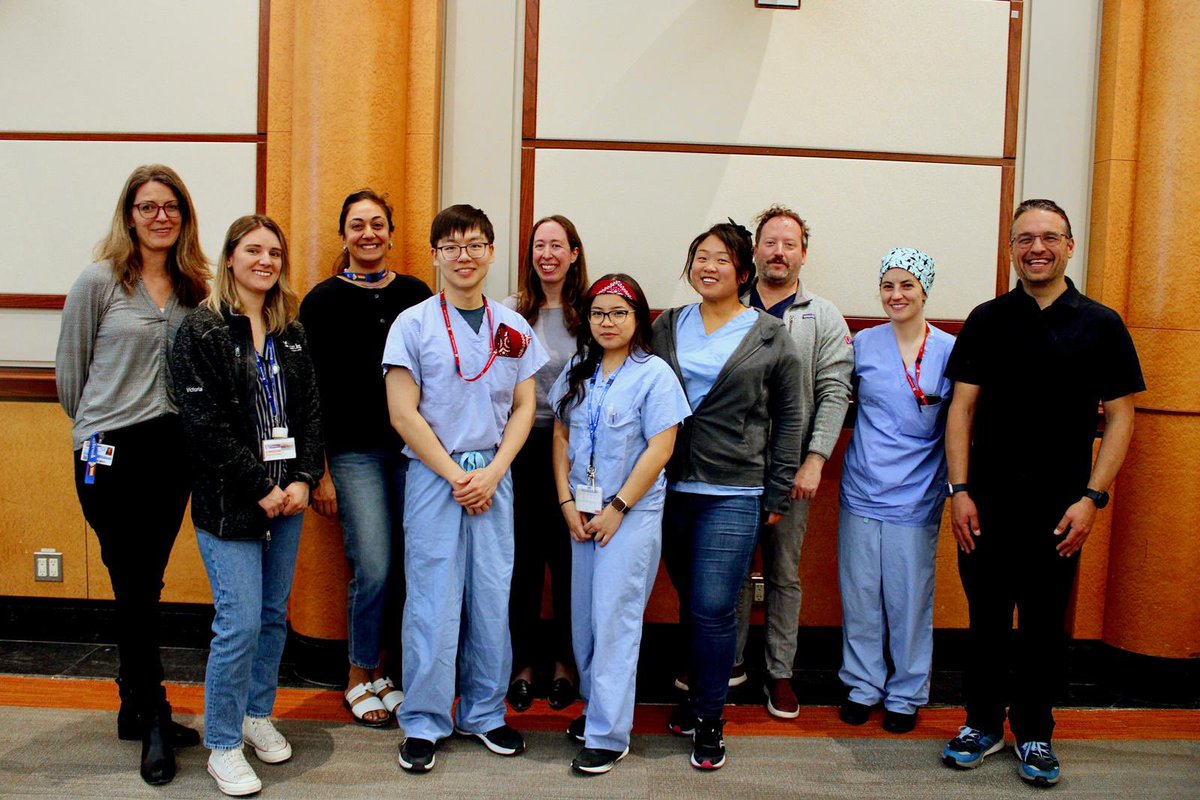
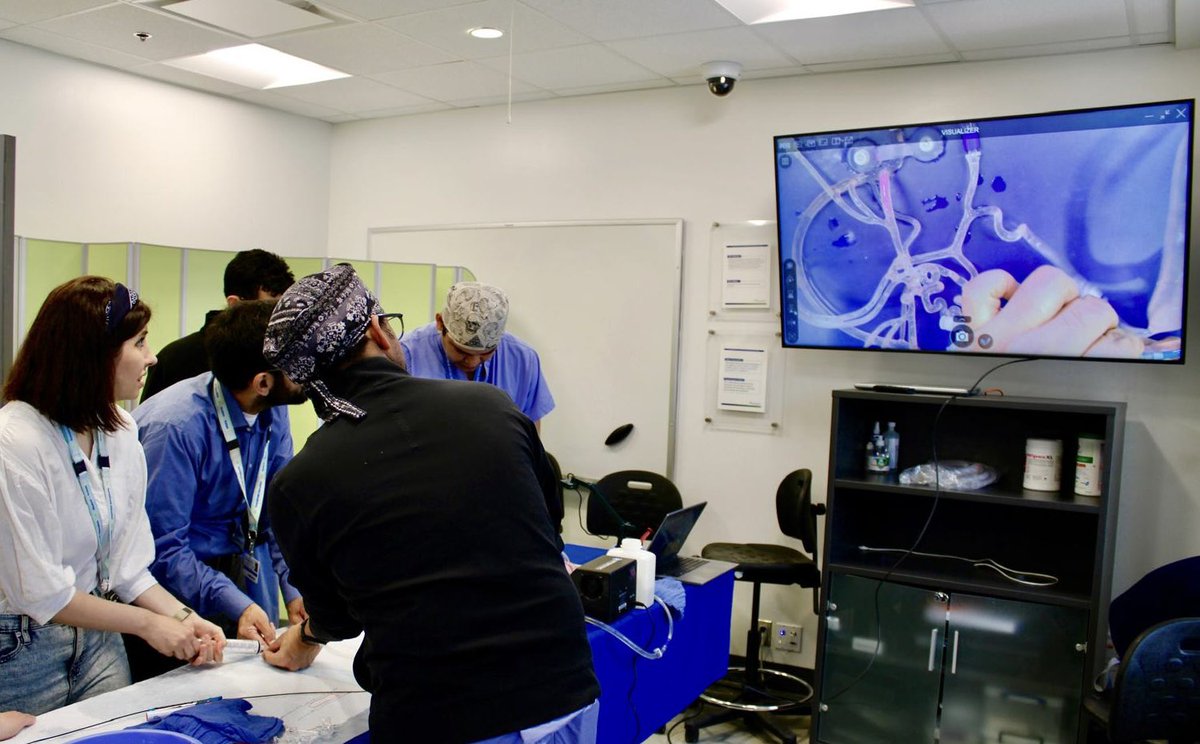
Such a fun and educational with this wonderful #simulation team and exceptional neurology residents. @neuroccm @WilSKingston @typereiter @ashneuro
4
14
1,080
Stephanie Reiter retweeted

16 Mar 2024
This is part of an excellent thread on under-recognized complications of drug therapy. The interaction below is mechanistically fascinating and applies to all carbapenems.

7. Meropenem (M) use in a pt receiving valproic acid (VPA) can lead to rapid ⬇️ in VPA levels within a few days & precipitate seizures. Even after stopping M, VPA levels may take 1-2 wks to recover. The interaction is so strong that M has been used to treat VPA overdose!
3
13
54
15,270
Stephanie Reiter retweeted

14 Feb 2024
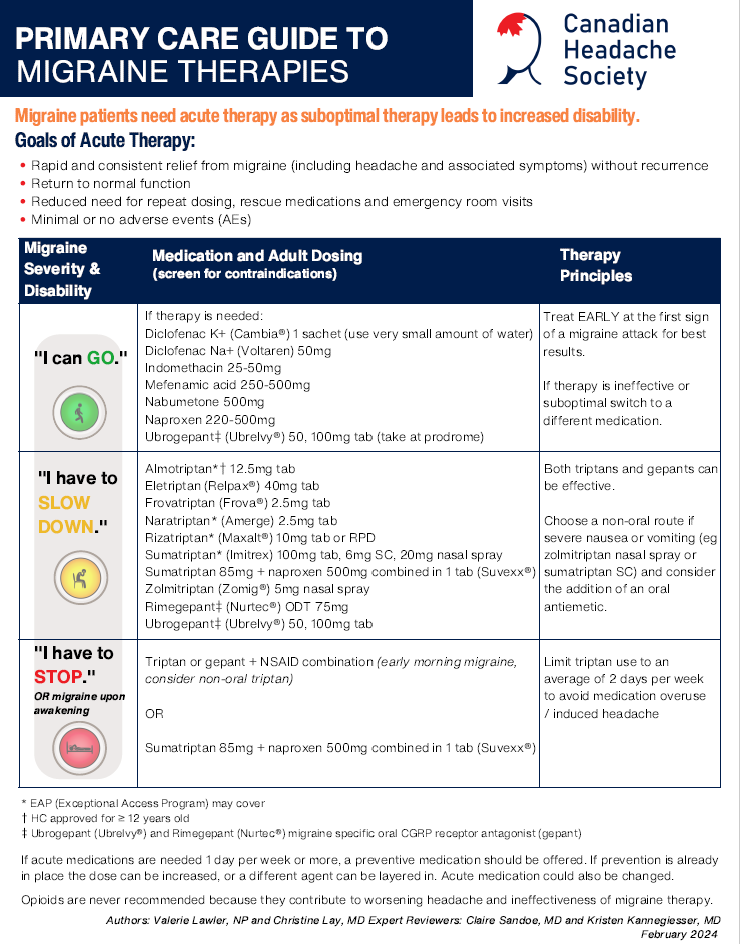
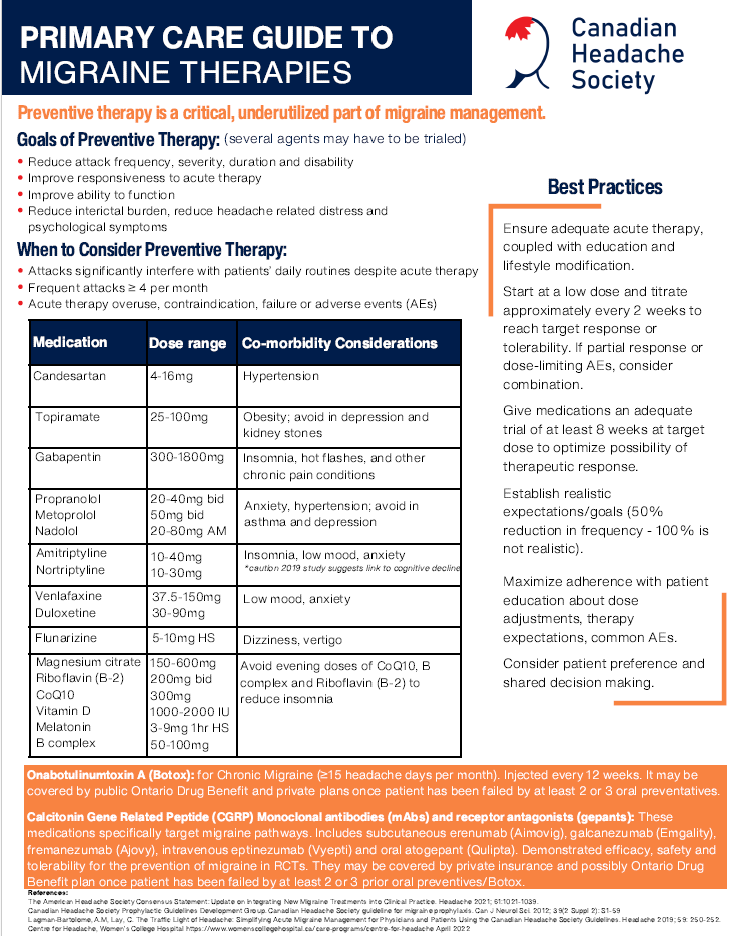
New resource to disseminate to those of you in primary care (and beyond since everyone who sees patients also sees people with migraine). It does not replace a headache consult but it’s a great starting point for those who can be managed in primary care or those who are waiting to see a specialist!
@CanHeadacheSoc
14 Feb 2024

The CHS is excited to share a recently developed clinical guidance document for #primarycare physicians on #migraine management.
This resource can be downloaded on our website at: headachesociety.ca/copy-of-c…
8
13
2,472
Stephanie Reiter retweeted

4 Feb 2024
Attention Canadian #neurology residents (and #sleep fellows, and interested #psychiatry and #pulmonology residents):
We are please to announce the 5th National Course on Sleep Medicine that will take place at the @TheNeuro_MNI on November 23-24, 2024!
mcgill.ca/neuro/channels/eve…
2
7
3,213
Stephanie Reiter retweeted

1 Feb 2024
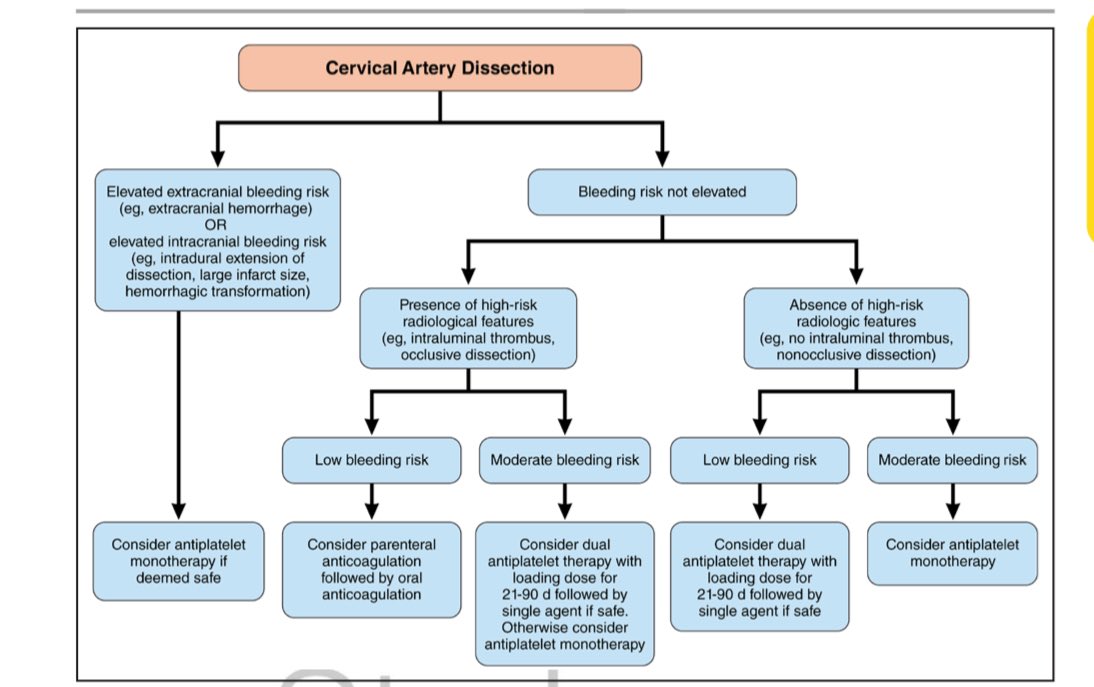
A helpful guide for providers managing patients with cervical artery dissection. Grateful for @AHAScience for commissioning this statement and for all the support they provided. Also grateful for being part of this incredible co-author team. #stroke #CAD ahajournals.org/doi/10.1161/…
7
88
198
26,665
Stephanie Reiter retweeted

29 Jan 2024
#MondayTip
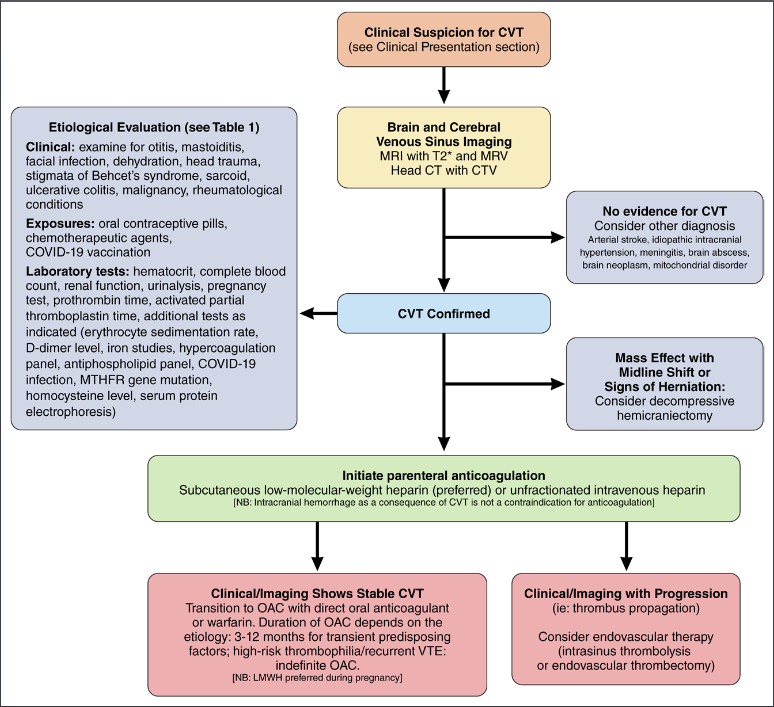
🧠Proposed #algorithm for the management of Cerebral Venous Thrombosis
💡Just released #Guidelines offer essential insights for diagnosis and management of #CVT
🙌Great work by @gsaposnik @CBushnellMD & all the writing group
@StrokeAHA_ASA⤵️
ahajournals.org/doi/abs/10.1…
113
231
24,126
Stephanie Reiter retweeted

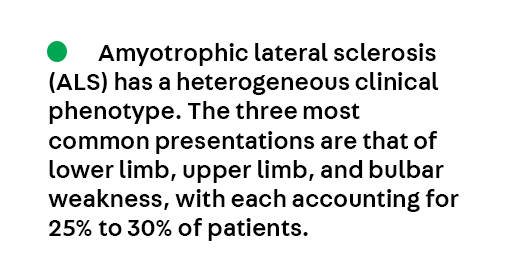
Key Point 1 from the article Amyotrophic Lateral Sclerosis and Other Motor Neuron Diseases by Dr. Aaron Izenberg from the October Peripheral Nerve and Motor Neuron Disorders issue, which is available to subscribers at bit.ly/3RoZkoL. #ALS #Neurology #NeuroTwitter #MedEd
3
15
1,821
Stephanie Reiter retweeted

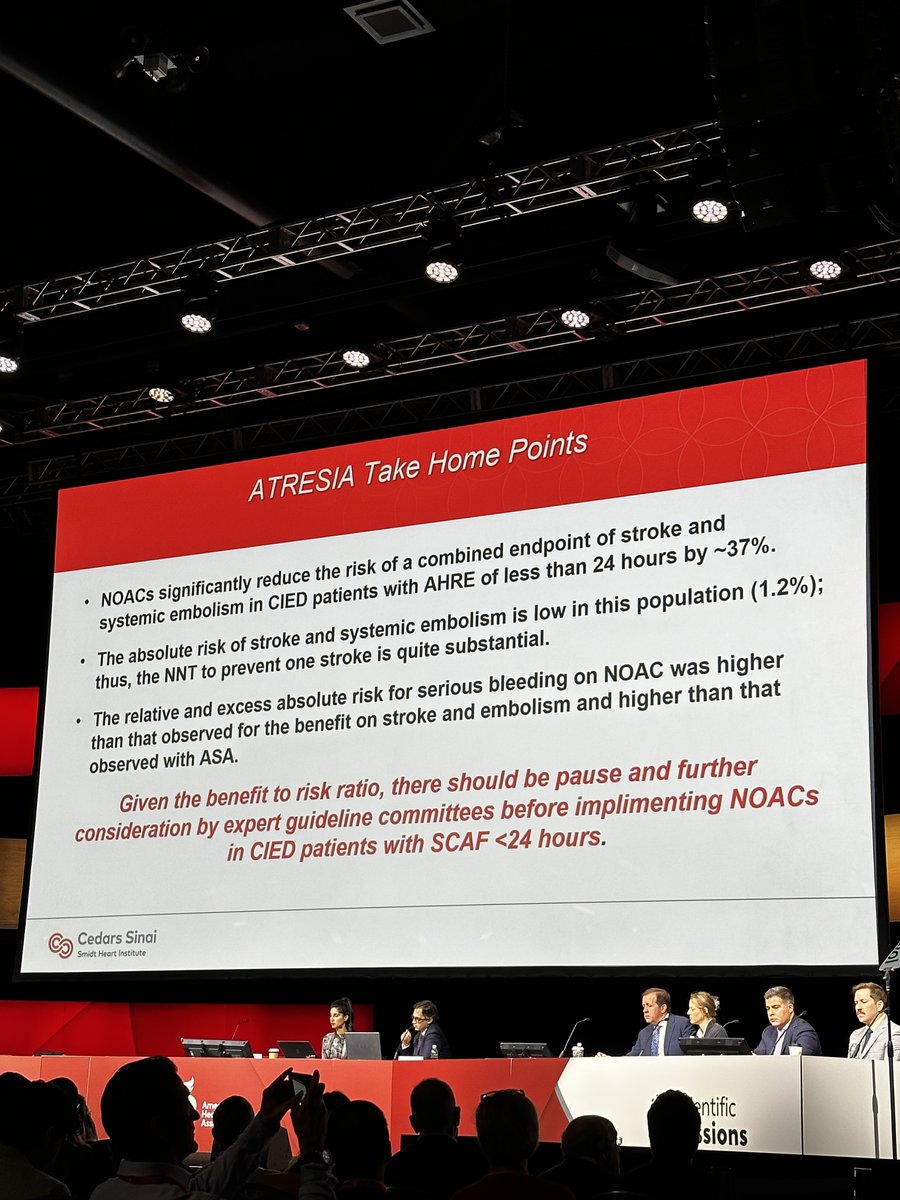
ATRESIA Take Home Points by Dr. Christine Albert: NOACs significantly reduce the risk of a combined endpoint of stroke and systemic embolism in CIED pt with AHRE of < 24 hrs by ~ 37%, NNT (=250) to prevent one stroke is substantial @AHAScience @StrokeAHA_ASA #AHA23
1
13
34
4,844
Stephanie Reiter retweeted

8 Nov 2023
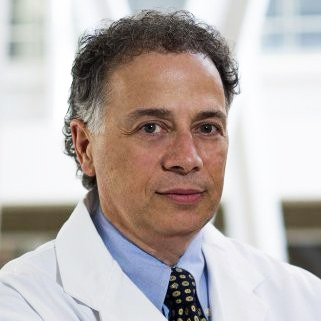
Congratulations to #neurologist @franklsilver, as a 2022 Appointee to the #OrderofOntario.
Dr. Silver is an integral part of #stroke care as a founding member of the Canadian Stroke Strategy & Chair of the H&S Stroke Best Practices in Virtual Care.
🏆👏🧠
news.ontario.ca/en/backgroun…
3
5
20
2,697
Stephanie Reiter retweeted

11 Oct 2023
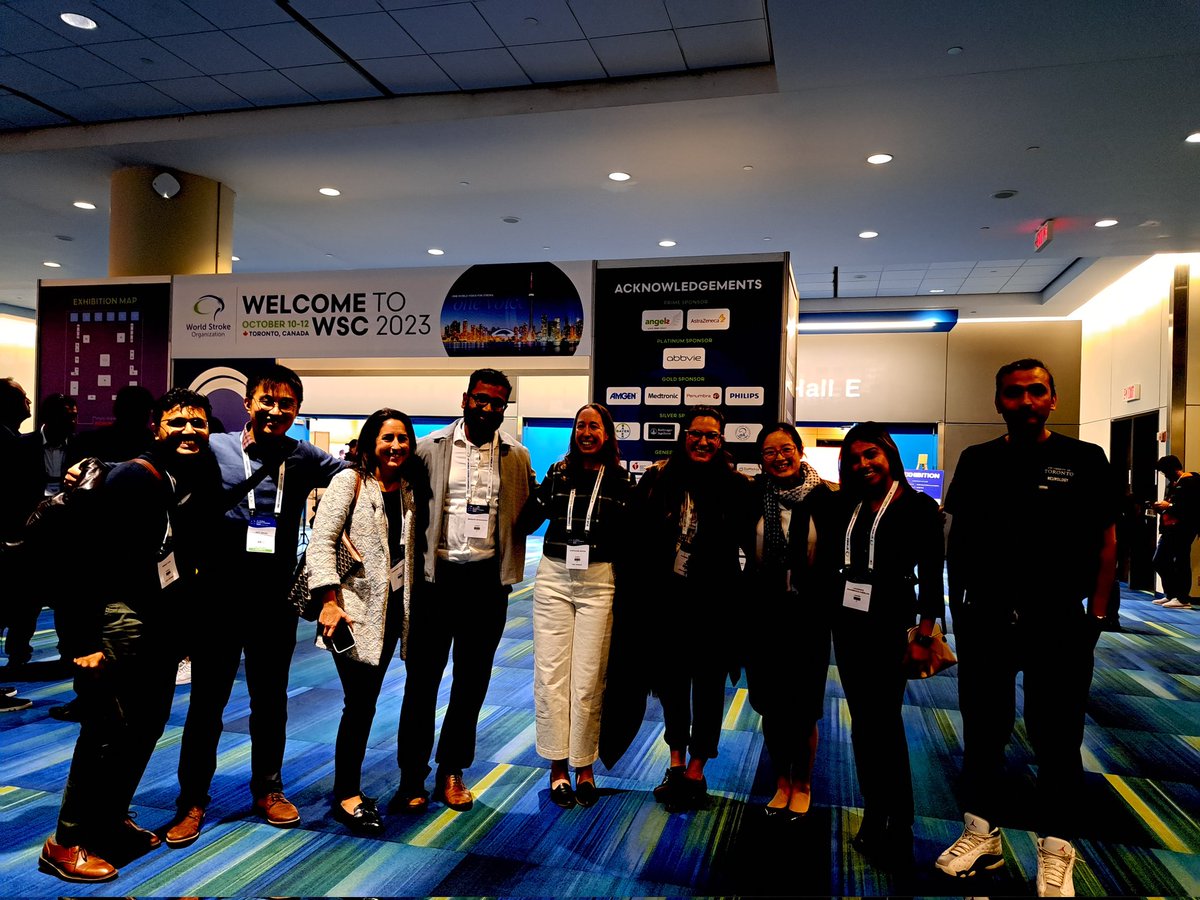
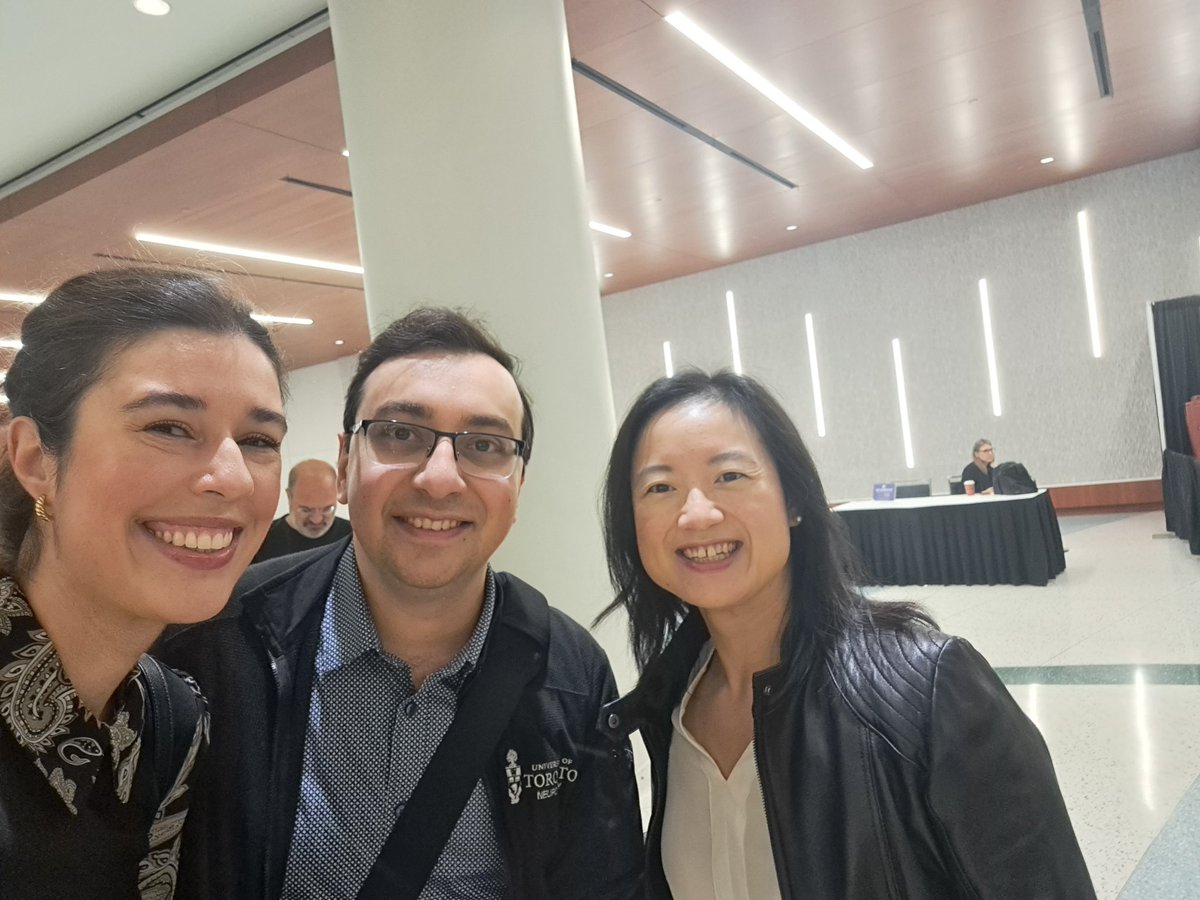
Fantastic engagement from @UofTStroke @UofTNeurology at #WSC2023 ❤️
I love seeing the success of our fantastic residents @Brindan_MD @LaavanyaDharma @FTaghdiri Andrea Kuczynski - any other @uoftneurons here?
4
28
1,944