
Strategic area leader at @ceebankwatch. Tweets cover all things fossil fuels in Eastern Europe. In love with free mountain rivers. Born at 340 ppm.
Joined September 2009
- Tweets 1,750
- Following 537
- Followers 584
- Likes 2,783
80 Photos and videos



Ioana Ciuta retweeted

22 Jan 2025
Zašto je gasifikacija FBiH loša ideja❓
Denis Žiško iz Aarhus Centra u 🇧🇦 objašnjava👇
youtube.com/watch?v=U1HE81j8…
1
1
75
Ioana Ciuta retweeted
21 Jan 2025
Want to help drive forward a sustainable energy transformation in the Western Balkans?
If so, read on 👇
bankwatch.org/get-involved?r…
3
2
111
Ioana Ciuta retweeted

20 Jan 2025
We are still waiting to see how the prefeasibility studies for biomass-based projects, such as the EBRD’s TE Tuzla 3 in BiH and KfW’s for six towns in Serbia, will justify burning biomass, much of which comes from forests affected by chronic illegal logging in both countries.
20 Jan 2025

🌲🔥Burning trees for heating is not green energy.
1/ 🧵Development banks such as @KfW_int and the @EBRD can and must play an important role in the Western Balkans’ energy transition. But they must take into account the region’s poor environmental enforcement and stick to no-regrets solutions.
1
2
81
Ioana Ciuta retweeted
13 Jan 2025
We've challenged the Commission's approval of Western Balkans Reform Agendas for ignoring transparency and green safeguards. 🚨
15 harmful projects—including 6 gas ones—violate the Do No Significant Harm principle. The @EU_Commission has 16 weeks to respond. 🌍
13 Jan 2025
🚨The Western Balkan countries’ Reform Agendas include environmentally damaging investment projects, including gas pipelines. Yet the @EU_Commission still approved them. Together with @CANEurope, we’ve asked for a formal review.
📰Read more: bankwatch.org/press_release/…
2
6
124
Ioana Ciuta retweeted
14 Jan 2025
Sarajevo’s 36MW heat pumps project based on the waste heat, announced in 2022, could modernize district heating and replace gas, yet it’s barely discussed. Meanwhile, FBiH pushes costly gas pipelines, locking the town into fossil fuels. Why?
14 Jan 2025
🪫 Fossil gas makes up only 3 per cent of Bosnia and Herzegovina’s energy supply. But the Federation’s government has announced plans to gasify the whole entity. This is completely detached from reality and must be stopped.
It’s high time for the European Commission to clearly tell Western Balkan leaders that the era of gas is coming to an end.
ℹ️Read more: bankwatch.org/blog/against-a…
1
3
77
Ioana Ciuta retweeted

18 Dec 2024
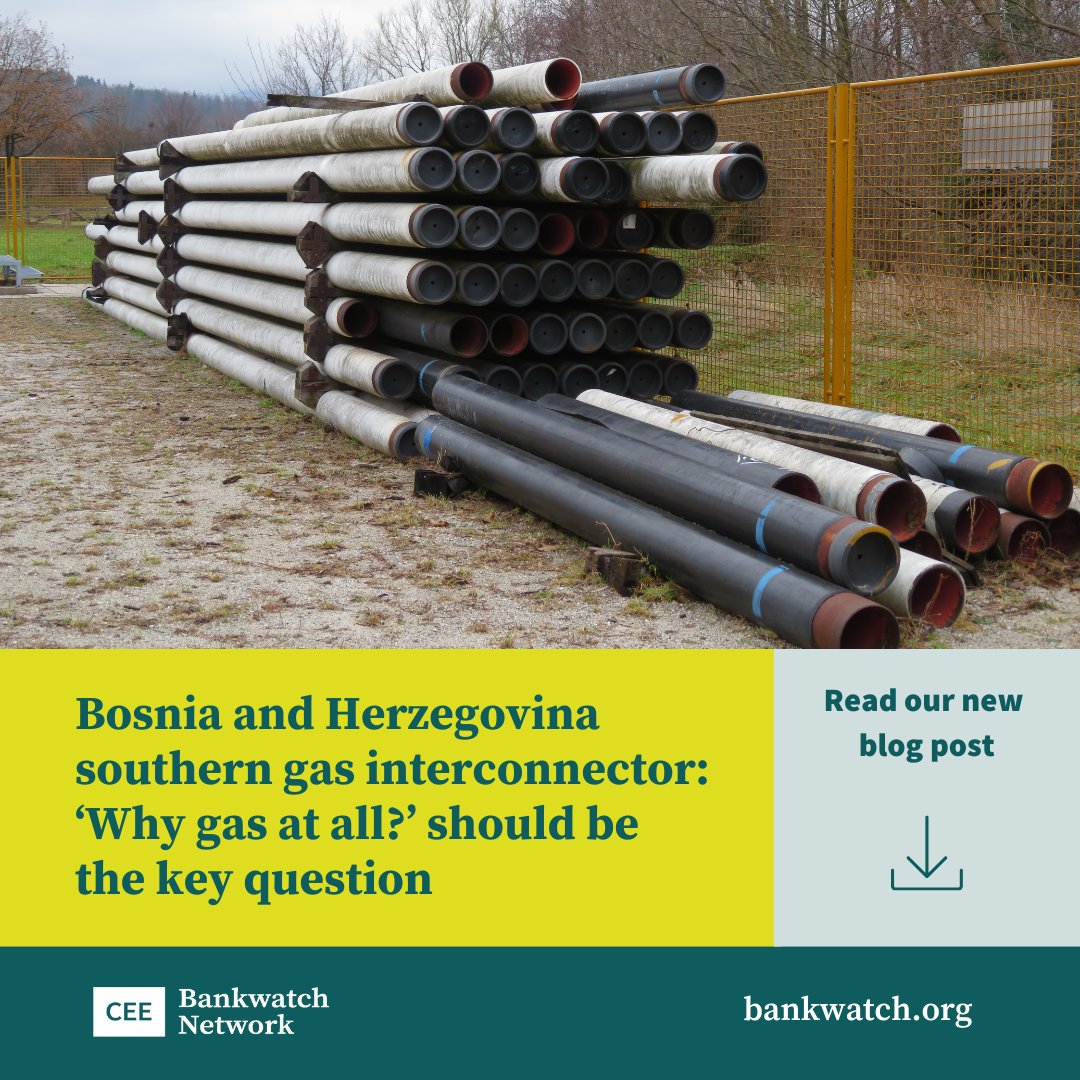
🗣️ The debate on the planned southern gas interconnector between Croatia and Bosnia and Herzegovina (BiH) has dramatically reignited this month.
But political disputes are dominating, with key questions unanswered:
Does the project make sense?
Why is BiH planning to increase its gas dependence when it could leapfrog straight to renewables?
ℹ️Read more: bankwatch.org/blog/bosnia-an…
4
5
204
Ioana Ciuta retweeted
17 Dec 2024
🌊In Romania, the outdated Răstolița hydropower plant project, planned over 30 years ago, is economically unviable and incompatible with modern environmental standards.
⚠️It also poses a severe threat to the biodiverse Răstolița river, located at the foothills of Călimani National Park. If it were to go ahead, the project would destroy this unique ecosystem, which is home to the endangered Danube salmon.
We urge the @EU_Commission to investigate Romania’s non-compliance with the Habitats and Water Framework Directives. We demand an immediate intervention to prevent irreversible damage to this protected ecosystem.
🙌Together for the Răstolița.
@EU_ENV
@EUClimateAction
@Energy4Europe
2
5
258
Ioana Ciuta retweeted
13 Dec 2024
So surreal, 🇷🇸 opening Europe's last new coal power plant #KostolacB3, a year before #CBAM charges start.
The plant's feasibility study showed that even low carbon prices would put it in the red.
Most govts have finally got the memo on new coal: now we have to sort out gas❗️
13 Dec 2024

After seven years of construction, Chinese contractor CMEC handed over the Kostolac B3 #coal-fired thermal power plant to state-owned EPS. It is the Serbian company’s first major production facility after more than three decades. #Serbia #China #energy balkangreenenergynews.com/se…
1
3
104
Ioana Ciuta retweeted
13 Dec 2024
Montenegro's energy minister says he's asked the @Ener_Community @EU_Commission for a #CBAM exemption.
But 🇲🇪's coal power plant, Pljevlja, has been working illegally for four (❗️) years, without even any fines being issued.
Astonishing chutzpah...
cdm.me/ekonomija/ministar-mu…
1
1
65
Ioana Ciuta retweeted
4 Dec 2024
We've suspected this for a while but now it's clear. The #WesternBalkans are not ready for #CBAM.
Once taxes on EU electricity imports start on 01.01.2026, the region's coal phase-out will speed up.
If chaos is to be avoided, just transition planning has to accelerate as well.
4 Dec 2024
None of @Ener_Community contracting parties, including the #WesternBalkans, can get an exemption for electricity by the start of implementation of #CBAM on January 1, 2026, Energy Community Secretariat Director @Artur_Lorkowski said. #decarbonization balkangreenenergynews.com/lo…
1
2
149
Ioana Ciuta retweeted
21 Nov 2024
❌Unfocused, unrealistic and unaffordable – three adjectives that sum up the misguided hydrogen strategies of Hungary, Poland and Romania. The lack of connection between policy objectives and reality reflects a political perception of hydrogen as a magic bullet, when in practice it’s almost completely missed the target.
📰Read more about their empty promises in our latest blog post: bankwatch.org/blog/hydrogen-…
4
2
177
Ioana Ciuta retweeted
19 Nov 2024
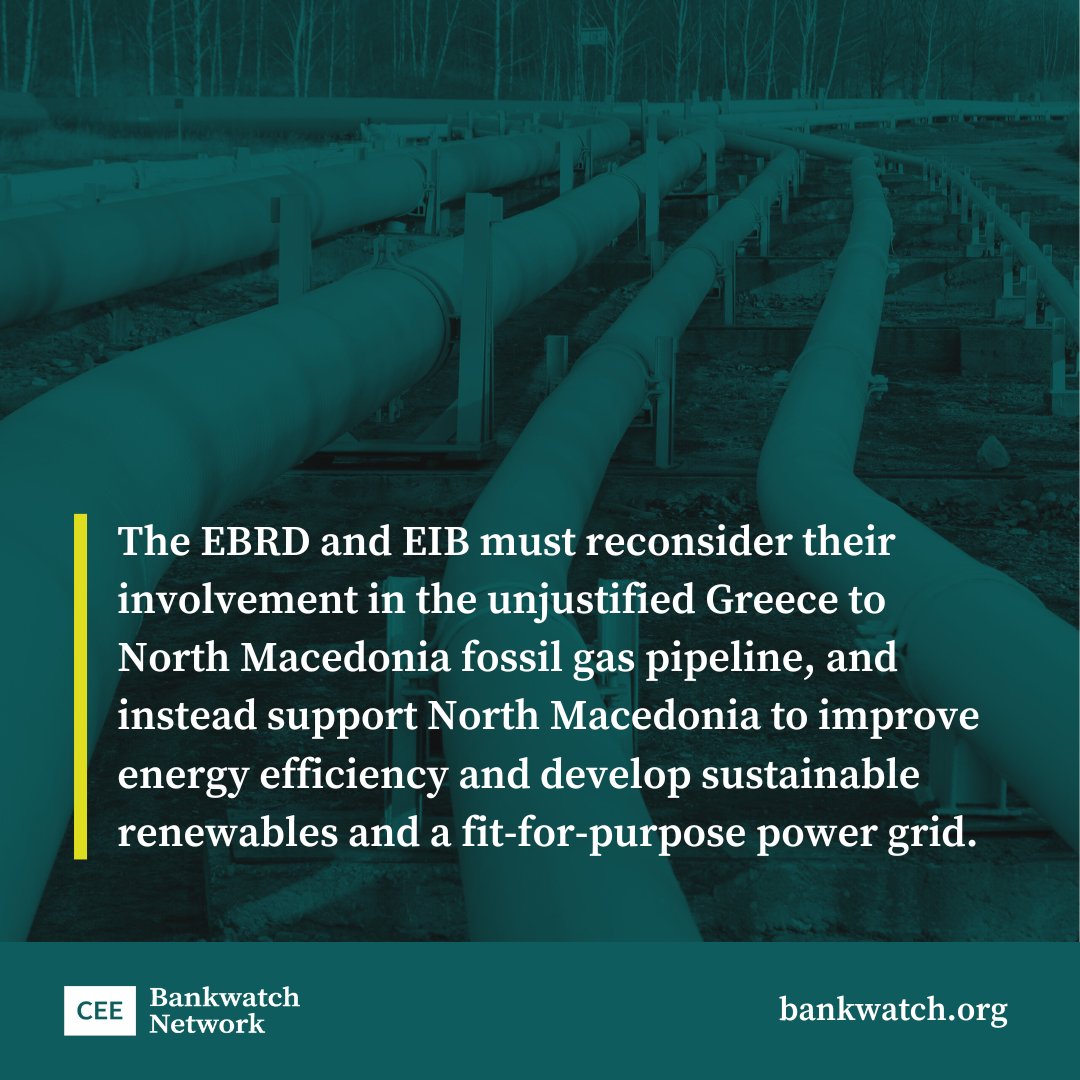
Six months since the @EBRD approved a EUR 98 million loan for the 🇬🇷 to 🇲🇰 gas pipeline, the project’s purported benefits remain unproven, delays are setting in, and a damning state auditors’ report suggests more setbacks are likely.
Read our briefing: bankwatch.org/publication/gr…
1
6
6
381

15 Nov 2024
Love heading for the weekend with some good news
15 Nov 2024

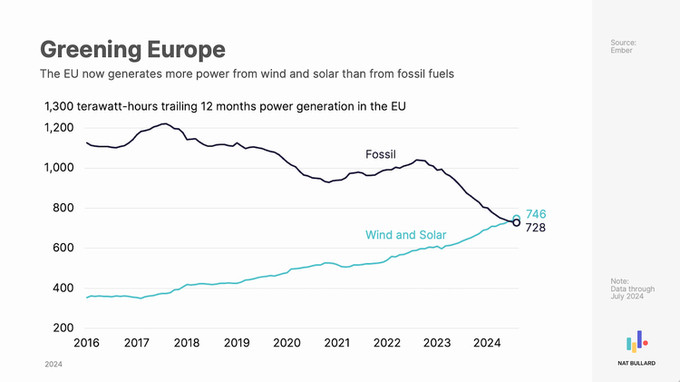
NEED SOME GOOD NEWS?
The EU now generates more electricity from wind and solar than from fossil fuels.
Graph from @NatBullard graphic using @ember_energy data.
31
Ioana Ciuta retweeted
11 Nov 2024
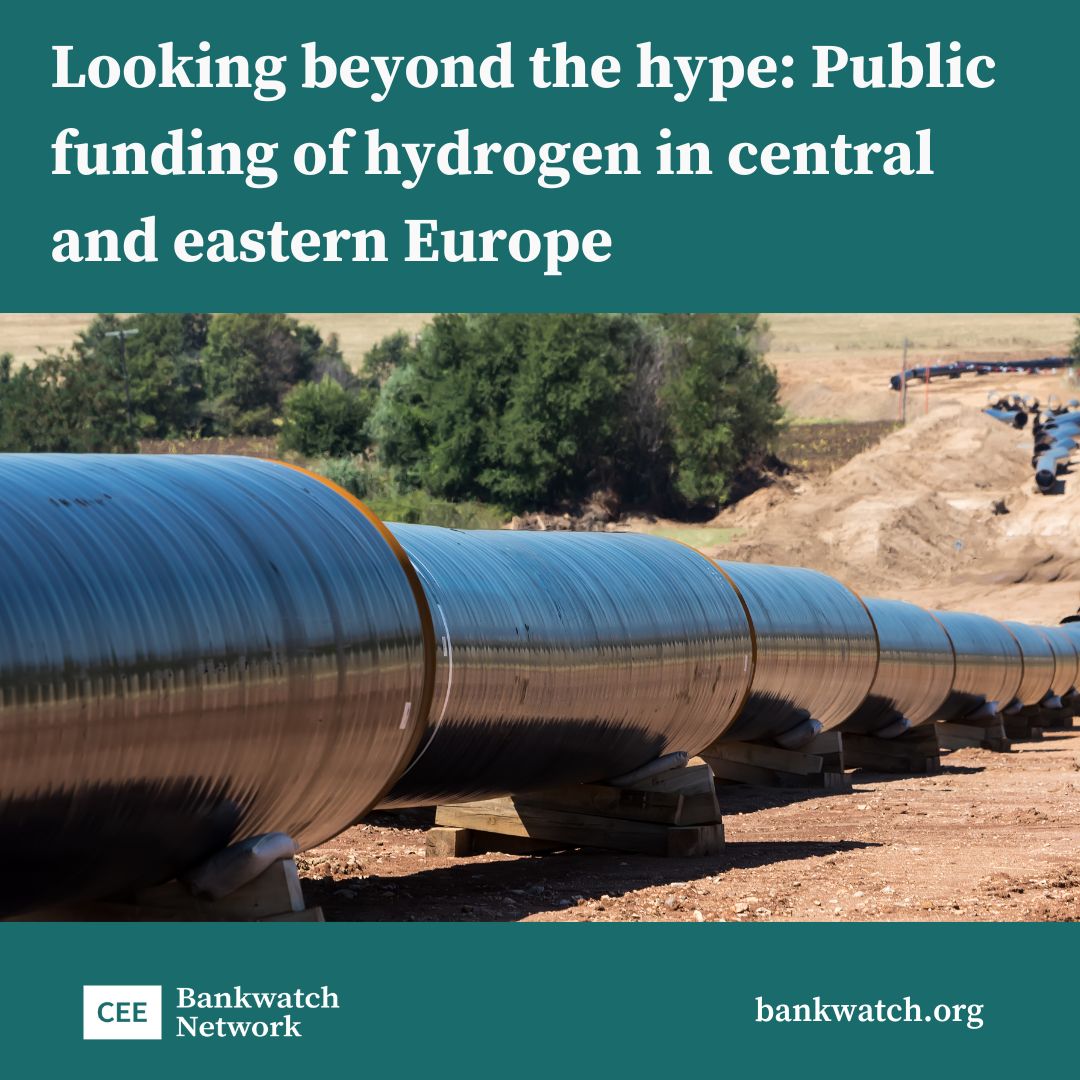
Our latest report examines the public funding of hydrogen in Hungary, Poland and Romania.
We show that the hype has prevailed over evidence-based policymaking, resulting in national strategies that are unfocused, unrealistic and unaffordable.
Find out more - bankwatch.org/publication/lo…
2
6
195
Ioana Ciuta retweeted
25 Oct 2024
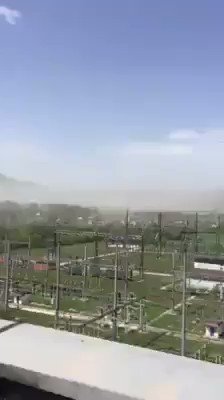
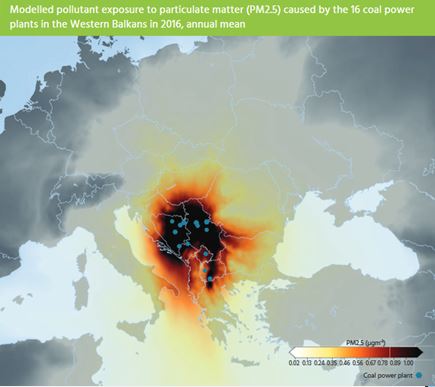
❗️TE u BiH 🇧🇦 su najveći relativni zagađivači u regiji
✅ S. Makedonija 🇲🇰 napušta ugalj do 2030.
❌ ali se planira oslanjati na gas i RHE Čebren
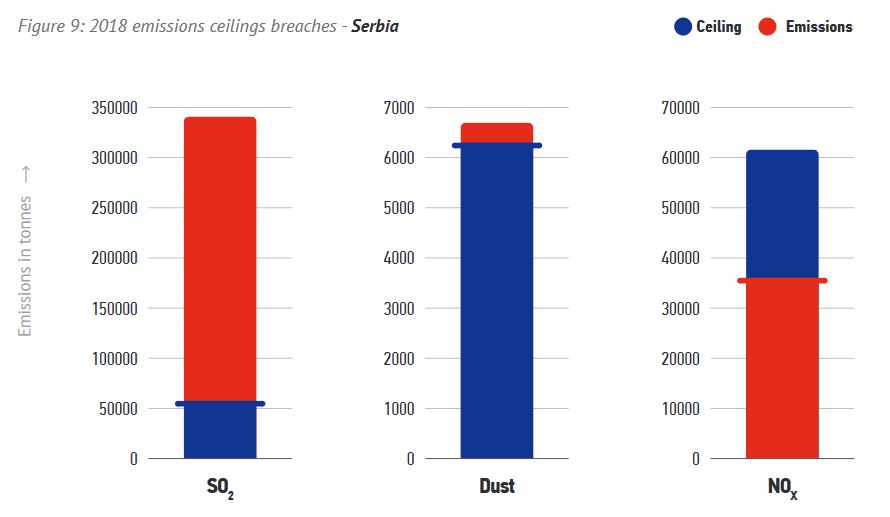
⁉️ Srbija 🇷🇸 smatra ulaganje u de-sox u Kostolac B1&2 uspješnim iako su se emisije SO2 jedva smanjile
ba.bloombergadria.com/ekonom…
1
6
123
Ioana Ciuta retweeted
23 Oct 2024
⚠️Rastolita #hydropower project in Romania is an outdated and poorly planned project that can harm nature. It threatens to destroy 10 rivers, endanger Danube salmon and affect several Natura 2000 sites.
As you can read in @Forbes ‘Given that the Rastolita project dates back to the 1980s – and that it will impact multiple rivers and multiple protected areas for just 35 MW of new capacity – it may be hard to find a proposed new hydropower project that better reflects outdated ways of designing energy projects.’
forbes.com/sites/jeffopperma…
1
1
2
185
Ioana Ciuta retweeted
22 Oct 2024
Good to see @Forbes covering the appalling #Rastolita hydropower project in 🇷🇴 today.
Going ahead would be a major threat to the already endangered Danube Salmon, multiple rivers and Natura 2000 areas -- all for just 35 MW❗️
We must stop this crime.
forbes.com/sites/jeffopperma…
7
13
487
Ioana Ciuta retweeted
20 Oct 2024
Западен Балкан на раскрсница: Наместо гасоводи, обновливи извори на енергија
mkd.mk/zapaden-balkan-na-ras…
5
3
181
Ioana Ciuta retweeted
30 Sep 2024
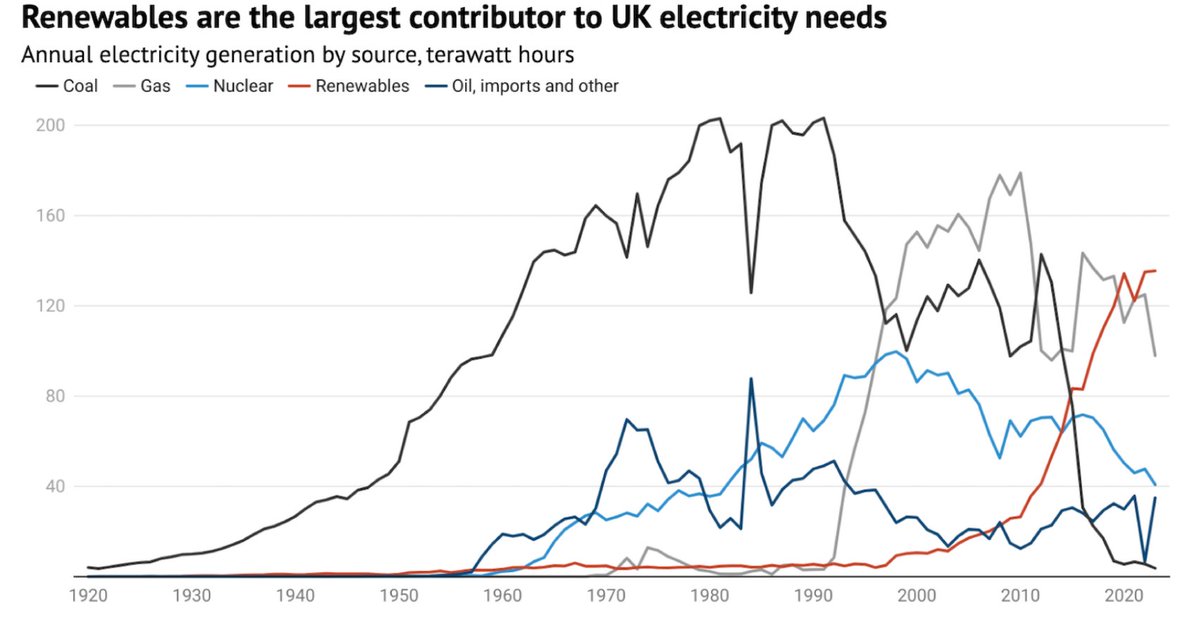
If the UK can do it, with 67 million inhabitants, then the #WesternBalkans with its 17 million certainly can.
Most importantly, phasing out coal is not being replaced by more gas and nuclear, but by renewables
(Source: Carbon Brief):

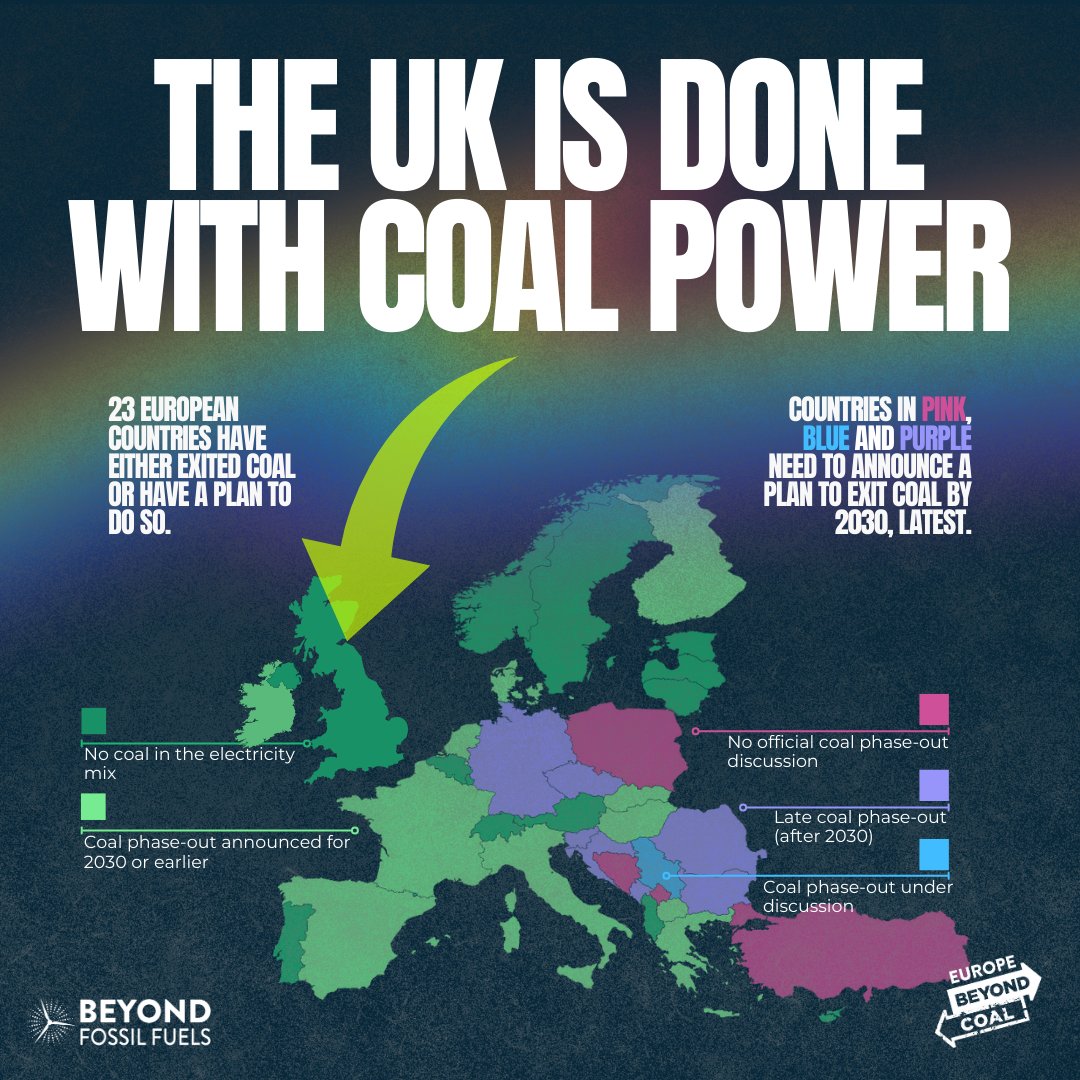
Today, the UK closes its last coal-fired power plant, becoming the fifth European nation to go #BeyondCoal.
At the time of the London 2012 Olympics, coal generated 40% of the UK’s power. Tonight, it drops to zero, while #wind produces enough electricity to power 92% of UK homes.
1
6
130
Ioana Ciuta retweeted

30 Sep 2024
Since the UK became the world’s first country to announce a #Coal phase-out, 22 European nations have followed suit:
✅ Five are now #BeyondCoal
⏳ The rest of Europe has five years catch up
🇩🇪🇵🇱🇧🇬 we're especially looking at you.
1
3
11
391