
Joined November 2012
- Tweets 2,516
- Following 1,011
- Followers 4,589
- Likes 22,913
485 Photos and videos

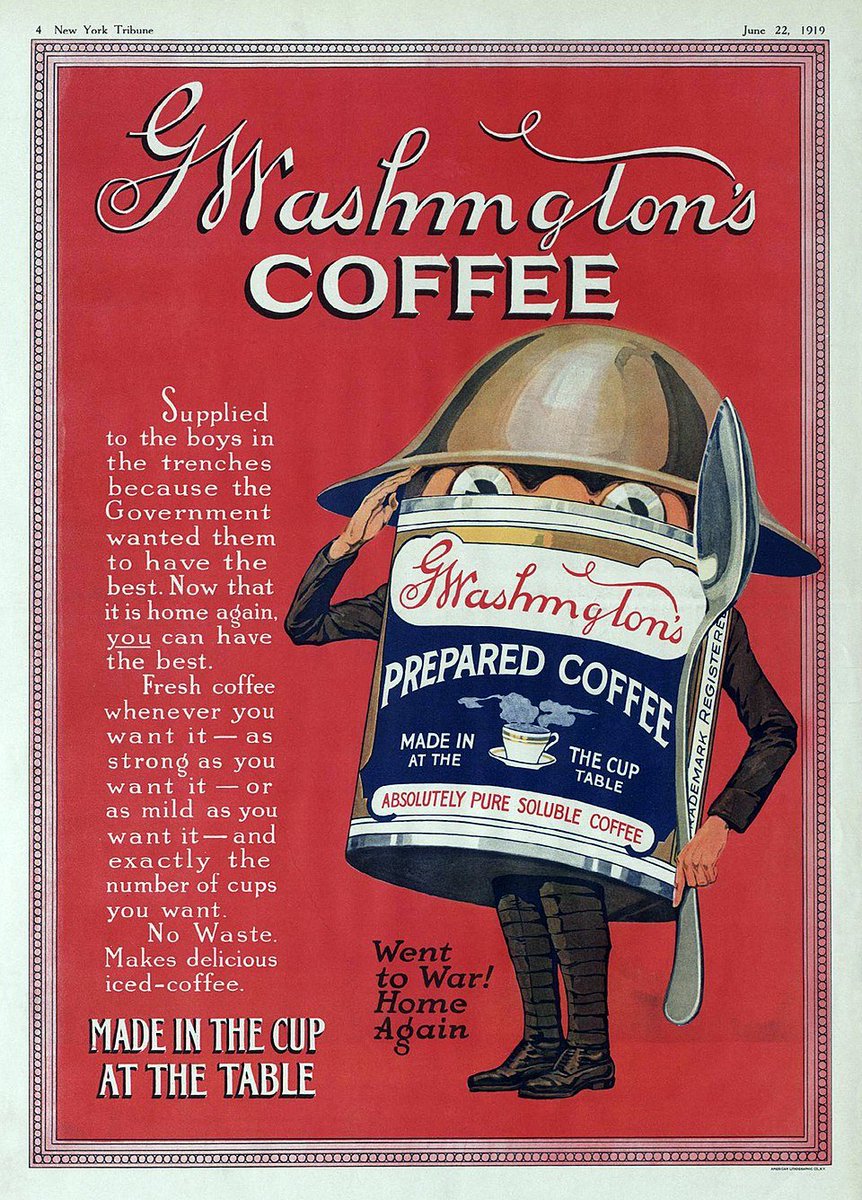


Rachel Edwards retweeted

Very much enjoyed this piece in the latest @WorksInProgMag about how Alberta became a rat-free sanctuary and the only significant human-inhabited place on earth that is free of them. Excellent "you can just do things" energy.
"William Lobay, a crop protection supervisor at the Alberta Department of Agriculture, came up with the idea of a buffer zone focused on the area of prairie and parkland that was most vulnerable to penetration. In late 1950, Albertan officials approved his Rat Control Zone, a roughly 600-by-29-kilometer strip along the part of its eastern border with Saskatchewan. In the zone, William Lobay and his colleagues surveyed cargo and vehicles that entered the province, and inspected vulnerable sites like farms, grain elevators, feed stacks, barns, sheds, and abandoned buildings, where food and shelter made rat establishment most likely."
worksinprogress.co/issue/alb…
11
17
115
22,368
Rachel Edwards retweeted

I was surprised to learn rats aren’t native to North America — they came in on ships with European traders
Fun visual from my upcoming @WorksInProgMag article on how Alberta eliminated rats, out online this week

1
4
24
1,131
Rachel Edwards retweeted

Jun 9
Just outside downtown Vancouver, the Squamish Nation is building one of the most remarkable housing projects in the world: Senakw, which will eventually house 9,000 people. Because it's on First Nations reserve land, Senakw is being built without zoning rules, height limits, parking minimums, or extended public consultations. The only thing they kept was Vancouver's safety standards.
worksinprogress.co/issue/how…
- The project singlehandedly accounts for 7% of the entire city's new housing between now and 2033.
- It's expected to generate around C$10 billion in total income, equivalent to more than two million dollars per member of the Squamish Nation.
- The Squamish people approved the project in two referendums that passed with landslide support.
Apart from just being really cool, Senakw shows two things that have wider relevance for getting things built.
The first is that microdemocracy can deliver support for development if the decisionmakers will benefit from it. This is one example of many that devolving decisions *down* can work at least as well as moving them *up* to higher levels of government.
The second is that microdemocracy can bring wider legitimacy. Vancouver's city government *could* have blocked Senakw if it had tried – it is notoriously sceptical of projects like this. The fact that it actually supported the project may show that local self-government can deliver upzoning that has the consent of the wider community, without the need for 'stakeholder consultations'. The fact that the Squamish are a First Nations group does complicate this, though.
The story of how Senakw got built is pretty incredible, since much of the Squamish people's 20th Century was spent fighting to get land back that had been confiscated from them illegally in 1913. It was thanks to one Squamish elder (the "Keeper of the Names") and Catholic church records that their property was restored to them.
Read the story of Senakw now at Works in Progress, and in our new print issue, arriving at subscribers' doors this week.
19
56
305
94,886
Rachel Edwards retweeted

Jun 5
Had a whale of a time talking about the art direction and design of @WorksInProgMag at our most recent subscriber-only event in NYC this Monday. Thrilled to get to talk about serif fonts, cannibalism and Bronzino. Thank you so much to everyone who came along!
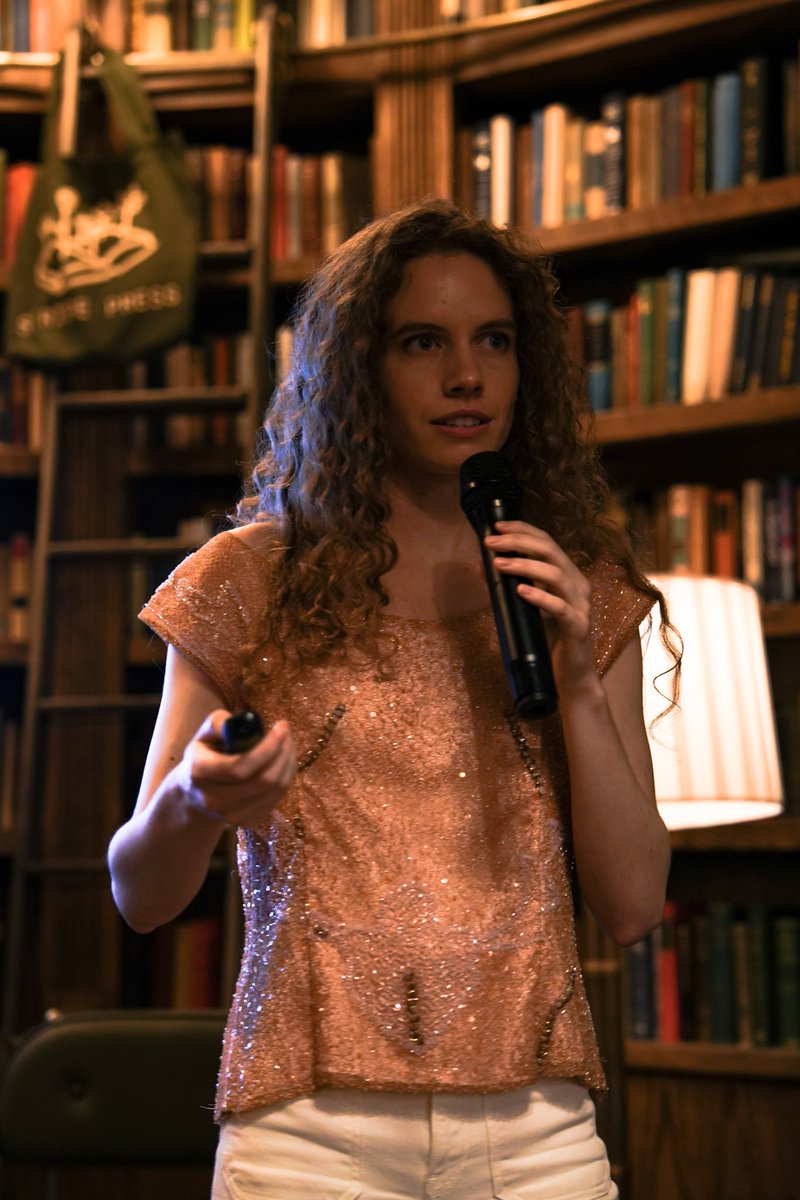
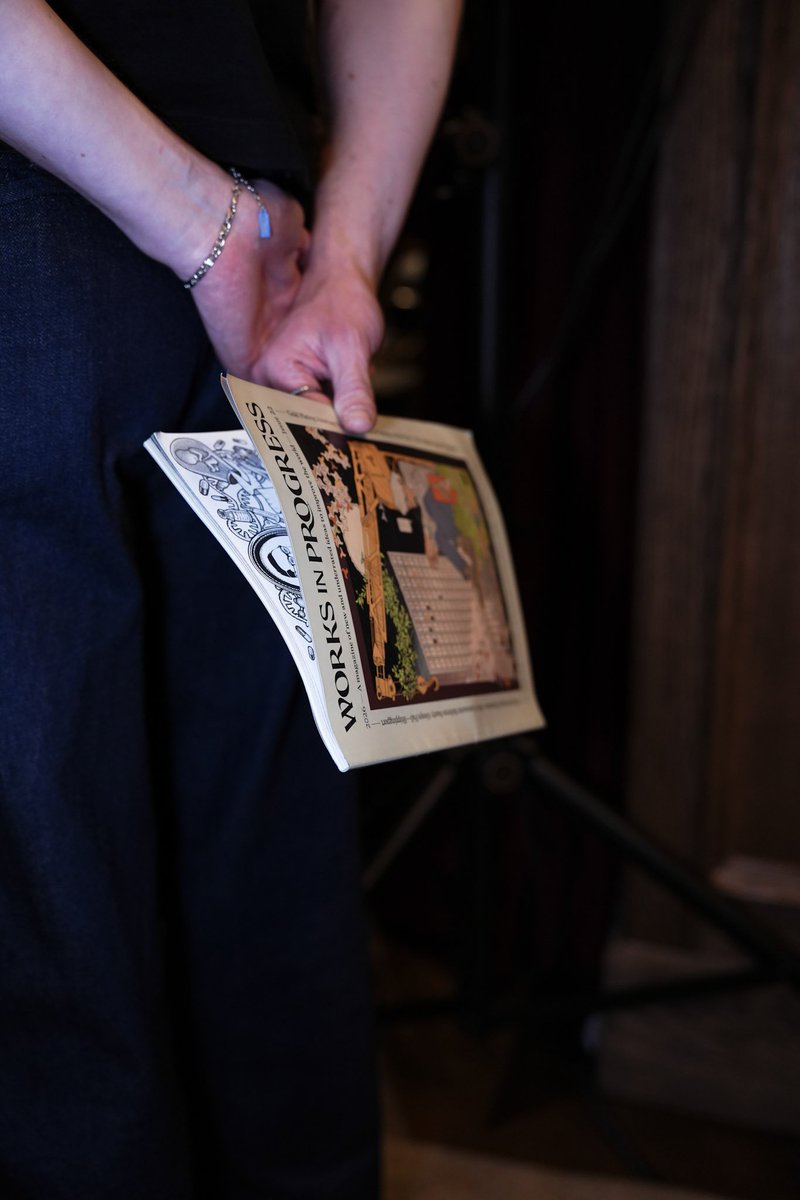
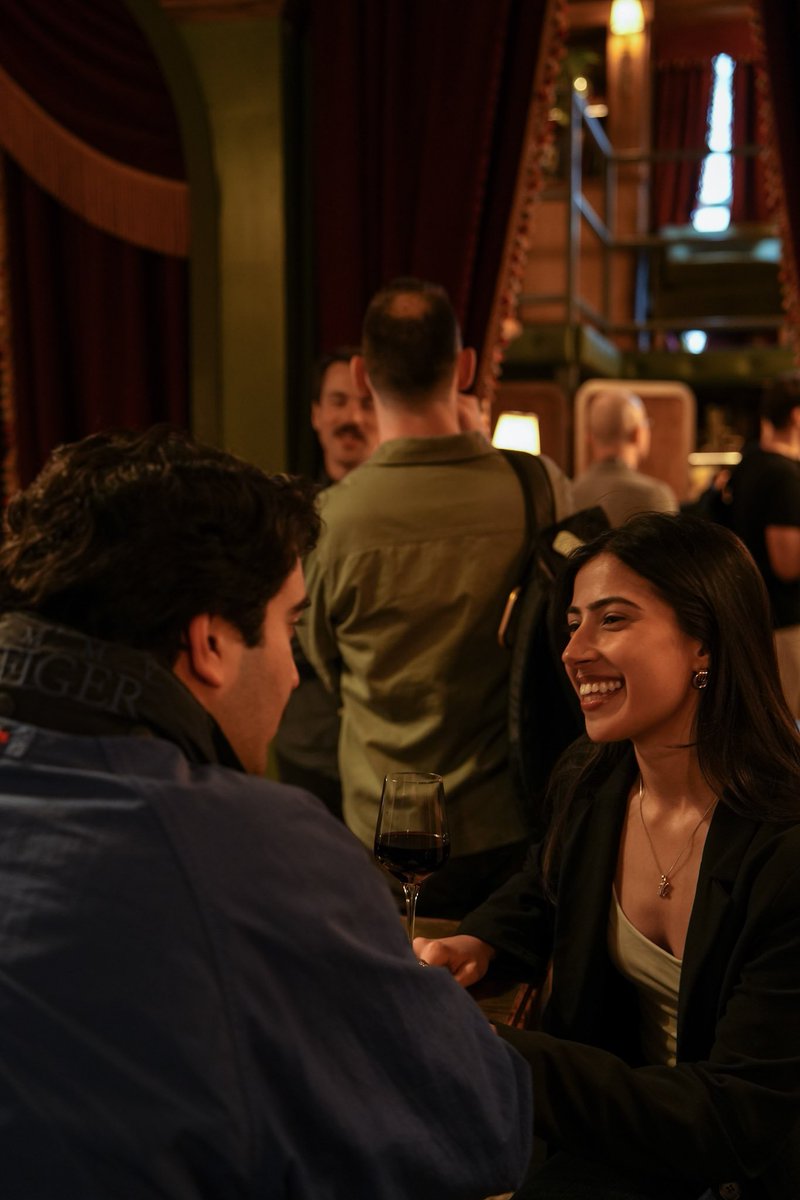
1
4
68
9,299
Rachel Edwards retweeted

Jun 3
Nineteenth-century cities grew much faster than modern Western ones. Some grew a hundredfold or even a thousandfold in a century. And on the whole, they did a better job of it than we do. @Aria_Babu, @bswud and I discuss the rise and fall of the liberal city. We talk about:
- Why American towns were so much less dense than European ones, even before modern transport technology;
- How Thatcher would have done privatisation differently if she had studied the Victorians;
- When the Victorians opted for Stalinist-style central planning, and when for carnivorous laissez-faire. And why they were right in both cases;
- Why East Coast cities are surrounded by forests, not agricultural land;
- How the expansion of Nottingham was blocked by the 'cowocracy', a cabal of cow farmers who paralysed the city and caused rampant overcrowding;
- How price controls and inflation wrecked Western public transport, and how they would have done so even without the rise of the car;
- How Victorian local governments behaved like private companies owned by local ratepayers, and why this was mostly a good thing.
11
25
139
40,109
Rachel Edwards retweeted
Jun 2
Premodern societies tended to be rent by terrible wars. In the early modern period, tens of millions died in wars in Europe, India and China. Just one society found a kind of solution: Japan. Between 1603 and 1853, Japan enjoyed near-perfect peace. The ruling Tokugawa family achieved this through creating what might be seen as the largest prison in the history of the world, the city of Edo (modern Tokyo).
worksinprogress.co/issue/sam…
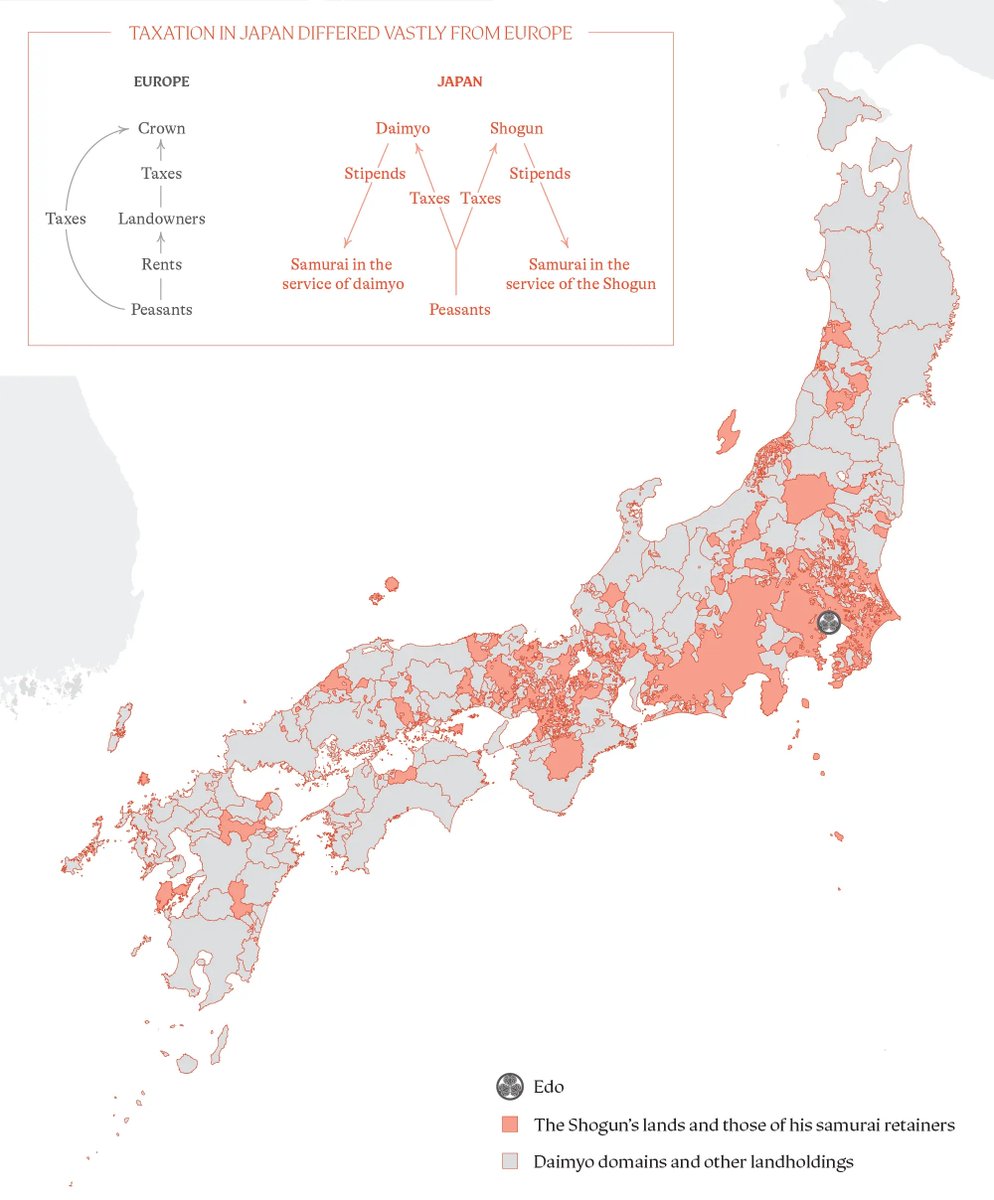
Most of Japan was governed by about 260 nobles, called ‘daimyo’ (see first map). To secure their loyalty, the government required that the daimyo leave their families permanently in Edo, essentially as hostages to the state. Most daimyo women thus never saw the domains over which their husbands and sons ruled. The daimyo were also required to alternate years in Edo personally.
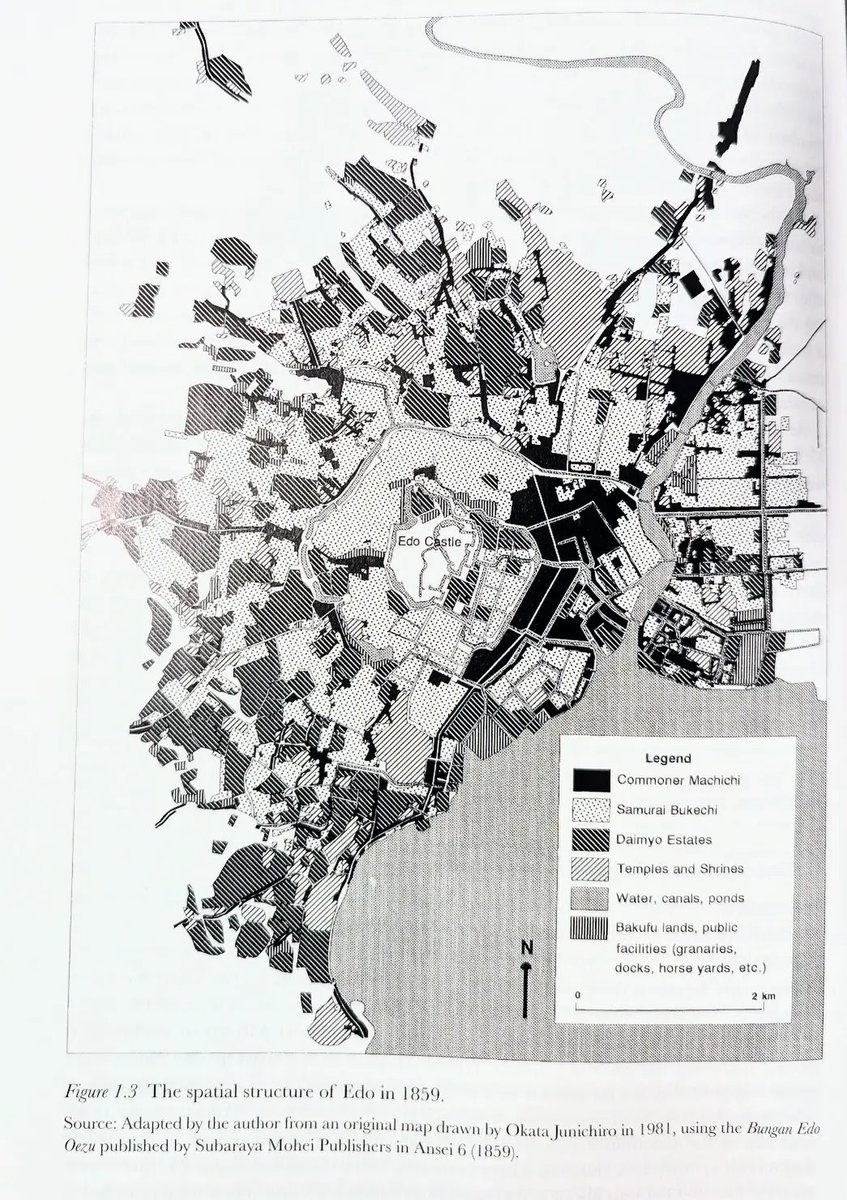
The result was that most of the surface area of Edo was given over to daimyo palaces, or to accommodation for the hundreds of thousands of samurai retainers they brought with them (see second map). This was arranged through an elaborate zoning system, probably the largest use of zoning before modern times.
Edo was extraordinarily top-heavy socially: about half of its population were samurai. Samurai were theoretically a warrior class, but since Japan was at peace, they did little real work apart from gentlemanly occupations like calligraphy. Their main income came in the form of tiny hereditary stipends from their daimyos or the government.
These stipends were fixed in perpetuity around 1600, declining gradually with inflation over the next quarter of a millennium. Most samurai thus lived in dignified but extreme poverty, their income determined by the favour in which one of their ancestors had stood centuries earlier.
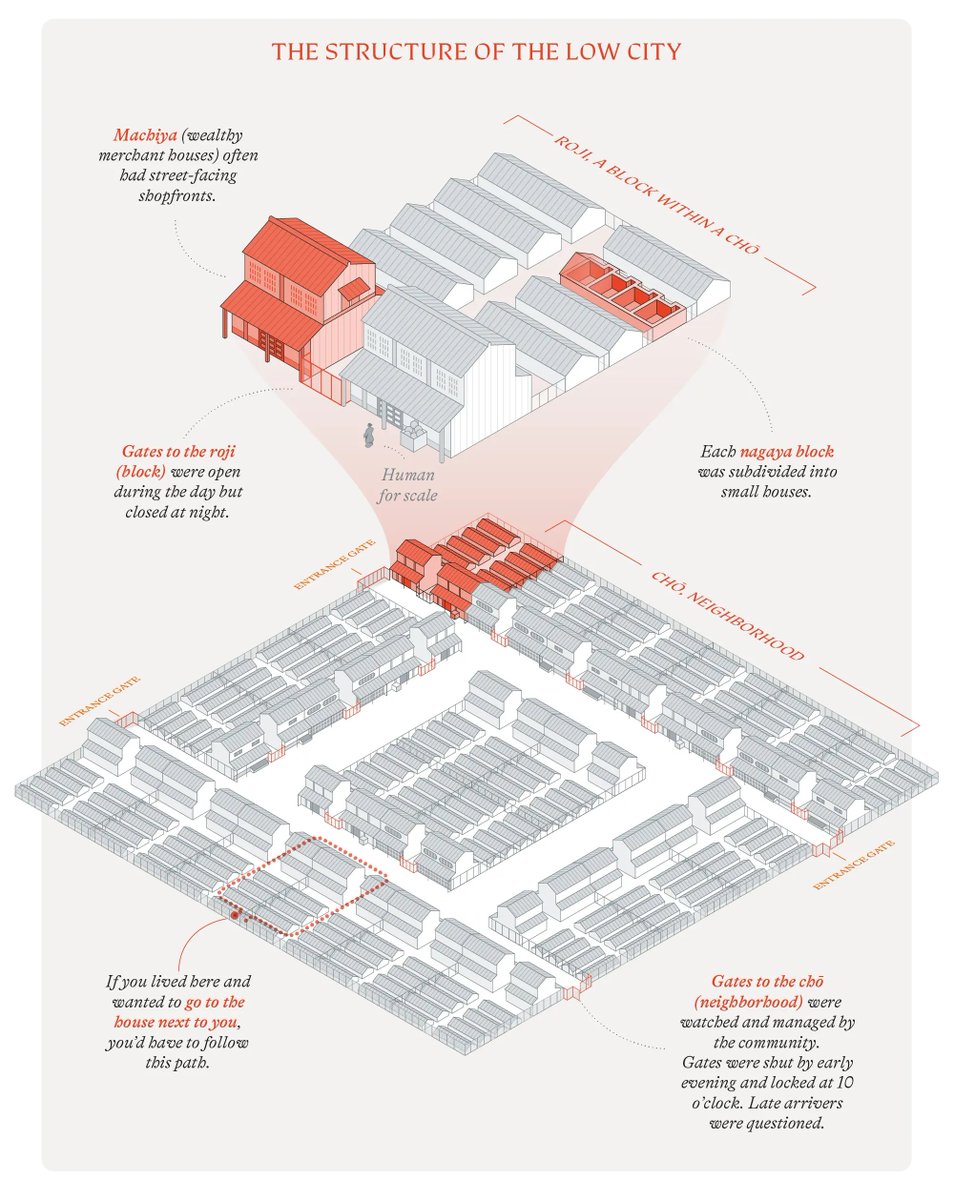
The commoner population was also tightly controlled. Commoner Edo was divided into some 1,500-2,000 fenced and gated blocks. These were then subdivided into gated alleys lined with small houses (see third map). The Low City was thus divided up by tens of thousands of internal checkpoints, all of which closed at night. Edo was not under threat of attack in the Tokugawa period and the city as a whole was not fortified. The purpose of this immense labyrinth of walls and gates was to control and monitor the movement of the population.
Prisons are useful things, and the Tokugawa system was a kind of success, making Japan the most peaceful society on earth. But it is also a disconcerting reminder of the power of rent-seekers, and how a whole city can be warped by the political exigencies they create. Edo is a particularly striking case of this, but it is far from alone.
41
141
1,016
440,417
TIL: The world's largest city in 1700 was a purpose-built prison for Samurai.
Jun 2

Premodern societies tended to be rent by terrible wars. In the early modern period, tens of millions died in wars in Europe, India and China. Just one society found a kind of solution: Japan. Between 1603 and 1853, Japan enjoyed near-perfect peace. The ruling Tokugawa family achieved this through creating what might be seen as the largest prison in the history of the world, the city of Edo (modern Tokyo).
worksinprogress.co/issue/sam…
Most of Japan was governed by about 260 nobles, called ‘daimyo’ (see first map). To secure their loyalty, the government required that the daimyo leave their families permanently in Edo, essentially as hostages to the state. Most daimyo women thus never saw the domains over which their husbands and sons ruled. The daimyo were also required to alternate years in Edo personally.
The result was that most of the surface area of Edo was given over to daimyo palaces, or to accommodation for the hundreds of thousands of samurai retainers they brought with them (see second map). This was arranged through an elaborate zoning system, probably the largest use of zoning before modern times.
Edo was extraordinarily top-heavy socially: about half of its population were samurai. Samurai were theoretically a warrior class, but since Japan was at peace, they did little real work apart from gentlemanly occupations like calligraphy. Their main income came in the form of tiny hereditary stipends from their daimyos or the government.
These stipends were fixed in perpetuity around 1600, declining gradually with inflation over the next quarter of a millennium. Most samurai thus lived in dignified but extreme poverty, their income determined by the favour in which one of their ancestors had stood centuries earlier.
The commoner population was also tightly controlled. Commoner Edo was divided into some 1,500-2,000 fenced and gated blocks. These were then subdivided into gated alleys lined with small houses (see third map). The Low City was thus divided up by tens of thousands of internal checkpoints, all of which closed at night. Edo was not under threat of attack in the Tokugawa period and the city as a whole was not fortified. The purpose of this immense labyrinth of walls and gates was to control and monitor the movement of the population.
Prisons are useful things, and the Tokugawa system was a kind of success, making Japan the most peaceful society on earth. But it is also a disconcerting reminder of the power of rent-seekers, and how a whole city can be warped by the political exigencies they create. Edo is a particularly striking case of this, but it is far from alone.
3
11
2,376
Rachel Edwards retweeted

May 27
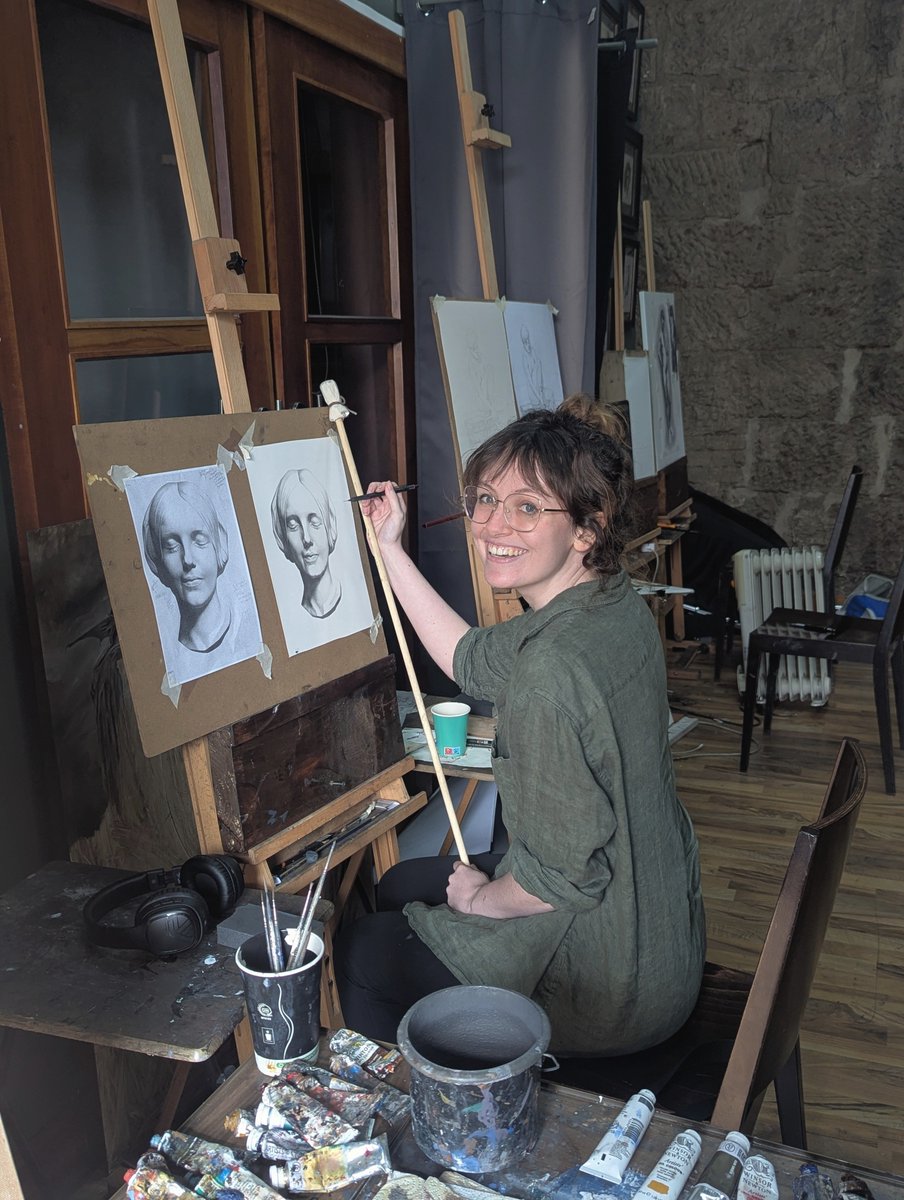
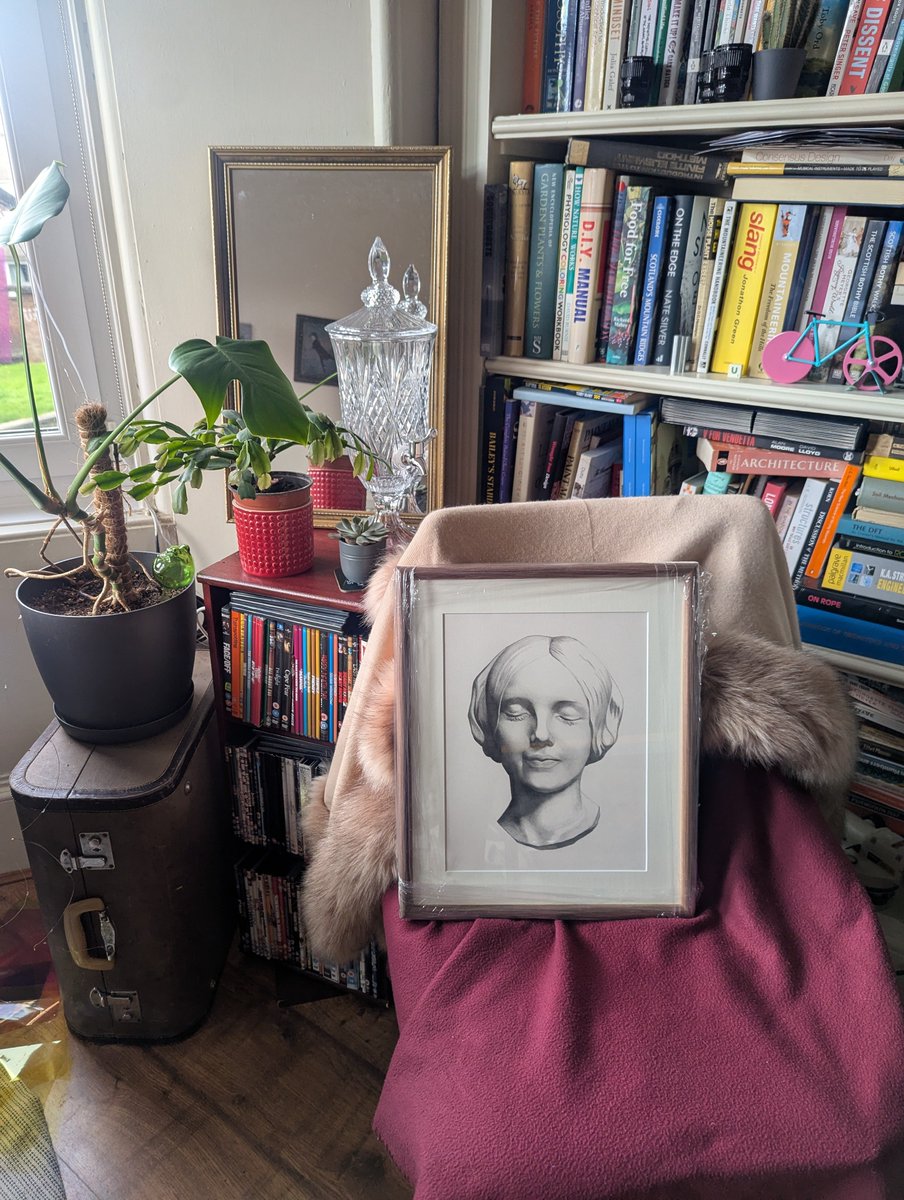
Finally framed my first Bargue drawing - L'Inconnue de la Seine or Ma Wee Chérie
Can you believe I drew this with A PENCIL?!?
6
1
43
2,546
Rachel Edwards retweeted

There are some articles one shares or thinks about again and again, because the ideas or information they contain are so startling, or useful, or both. Here are five that fall into that category for me:
1. The Gossip Trap - Erik Hoel. Modern humans have been around for 200,000 years, so why did civilisation begin only 10,000 years ago? Why did we waste so much time?
theintrinsicperspective.com/…
2. The Teratogenic Grid - Holt N. Parker, in Roman Sexualities. The Romans didn't have a concept of heterosexuality or homosexuality. How did they view sex? Very NSFW. uvm.edu/~jbailly/courses/11P…
3. The Nerd as the Norm - John Nerst. You know what a nerd is, but what's a wamb? A useful new term is coined. everythingstudies.com/2017/1…
4. We're not going to run out of new anatomy anytime soon - Matt Wedel. Human anatomy is an unknown frontier to a deliriously exciting extent: for example, there's a ligament in the knee that we only realised is present in most people in 2012. svpow.com/2024/09/07/were-no…
5. Ending Footbinding and Infibulation: A Convention Account - Gerry Mackie. Female footbinding endured for a thousand years in China, and then ended in a single generation. How do we end horrible practices with high defection costs? jstor.org/stable/2096305
1
4
58
3,799
Rachel Edwards retweeted
May 8
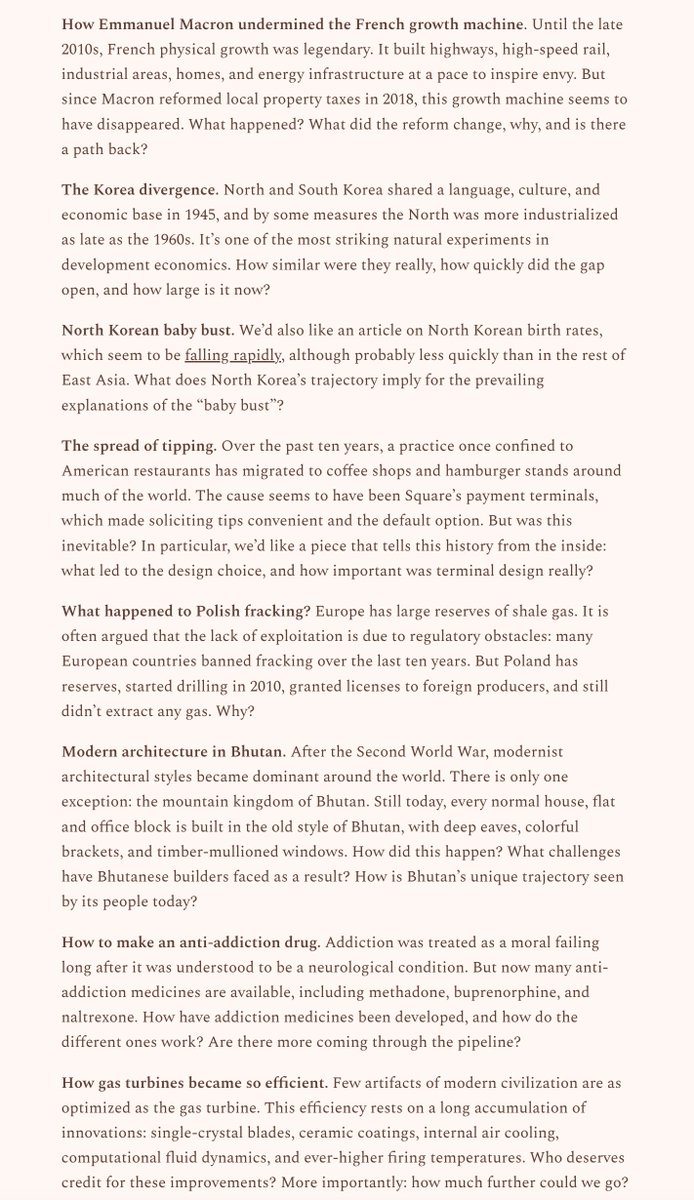
Articles we would like to commission at Works in Progress. Could you write one?
worksinprogress.news/p/more-…
22
30
218
63,930
Rachel Edwards retweeted

do these people want gifted designers locked in sweatshops making Mao suits? should beautiful clothes be made for display, never to be worn?
the Met Gala is functionally a privately funded art show, and paying for extravagant artistry is one of the most virtuous uses of wealth!

it would be wiser of the ultra-rich to display their wealth in private; when it is public we can see--literally--how their tax cuts allow them to waste millions of dollars on absurdly extravagant costumes of no benefit to anyone.
granted this is a fund-raiser, & without providing a platform for vanity, by keeping the displays private, not so much money would be raised.
6
15
138
3,943
Rachel Edwards retweeted
May 2
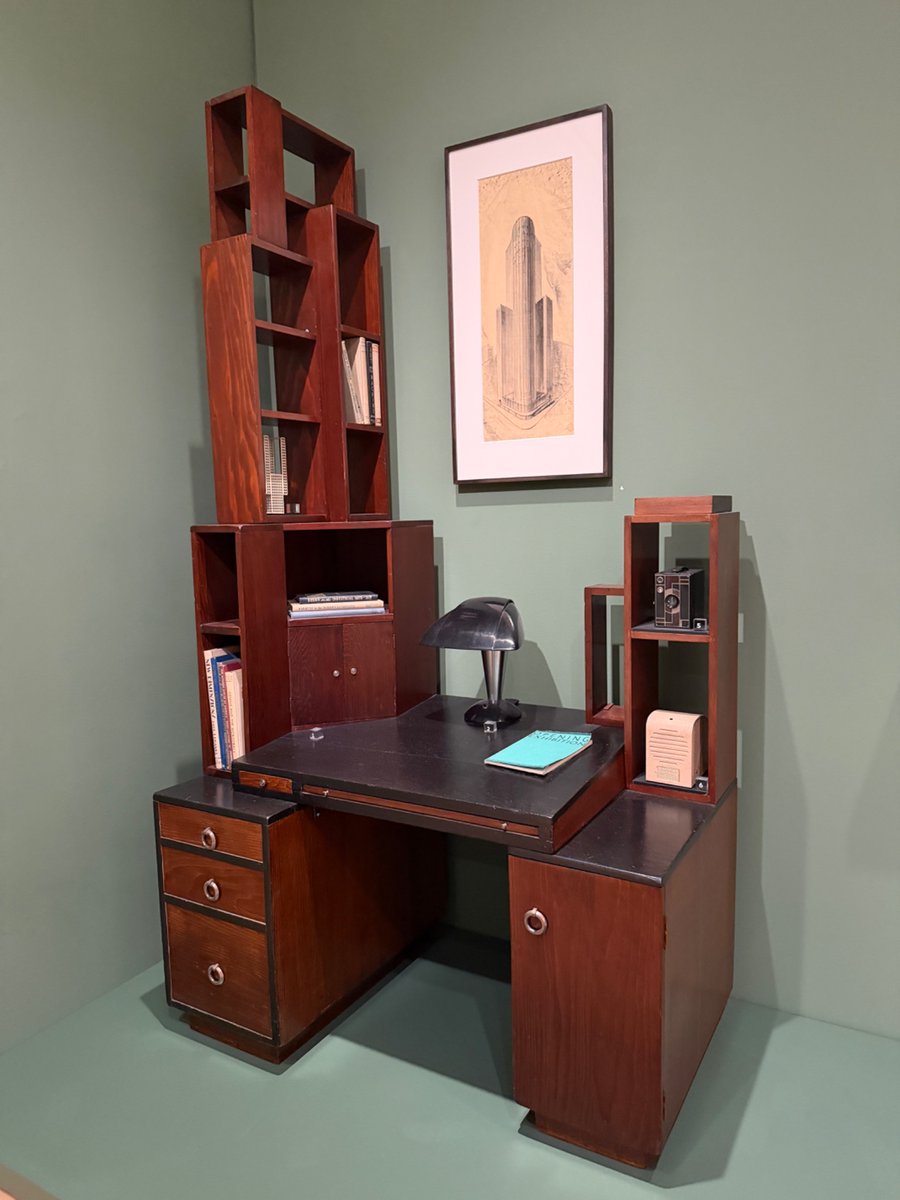
Is there a company that does cheap copies of public domain furniture designs? And if not, why? Who wouldn’t want a Frankl Skyscraper desk (1925).
1
4
39
1,322
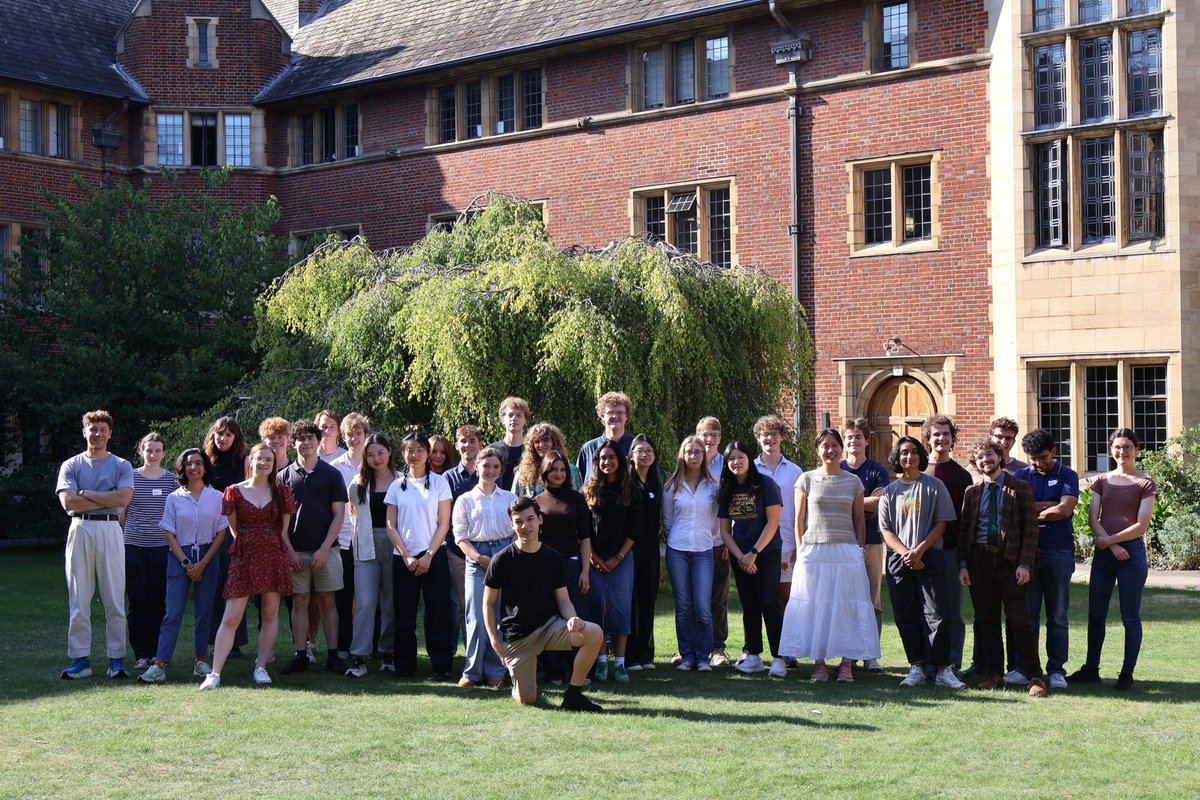
Applications for Invisible College, our weeklong seminar in Cambridge, close next week. If you are 18-22 years old, bright, ambitious, and interested in ideas: apply!
Our past students have really wowed us: two of last year’s attendees are currently employed within our network, several have won Emergent Ventures grants, and one led his company to a $180 million Series A raise.
The aim is to give students a serious introduction to important ideas, and to put them in touch with other unusually thoughtful and ambitious people their age.
Over the course of the week, attendees will take part in lectures, lightning talks, and group work on some of the topics that matter most to us from spatial economics and the Industrial Revolution to scientific fraud.
4
11
36
7,500
Here's the link to apply: worksinprogress.co/invisible…
1
2
343
Rachel Edwards retweeted

Apr 28
you’re on Very thick ice with me . i love you
238
30,827
278,981
5,124,638
Rachel Edwards retweeted

Apr 27
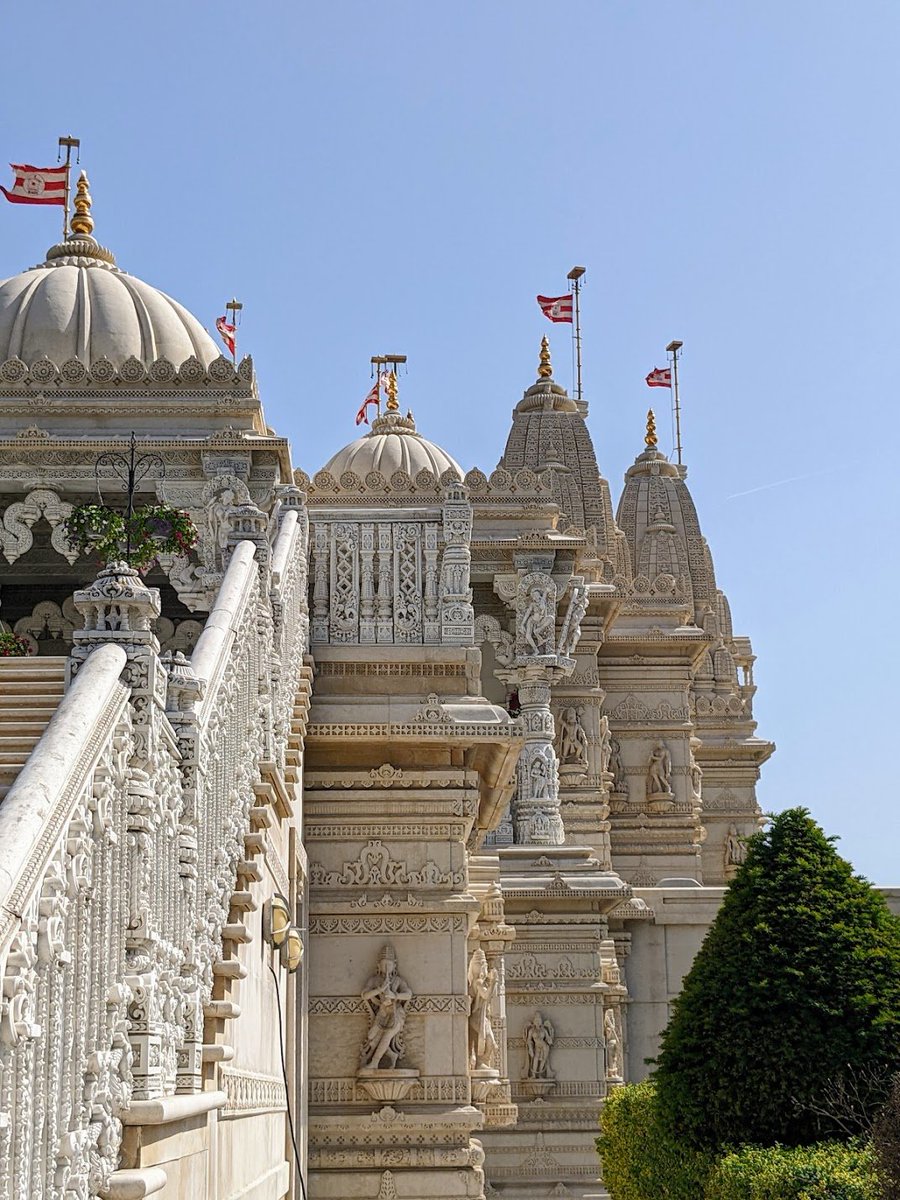
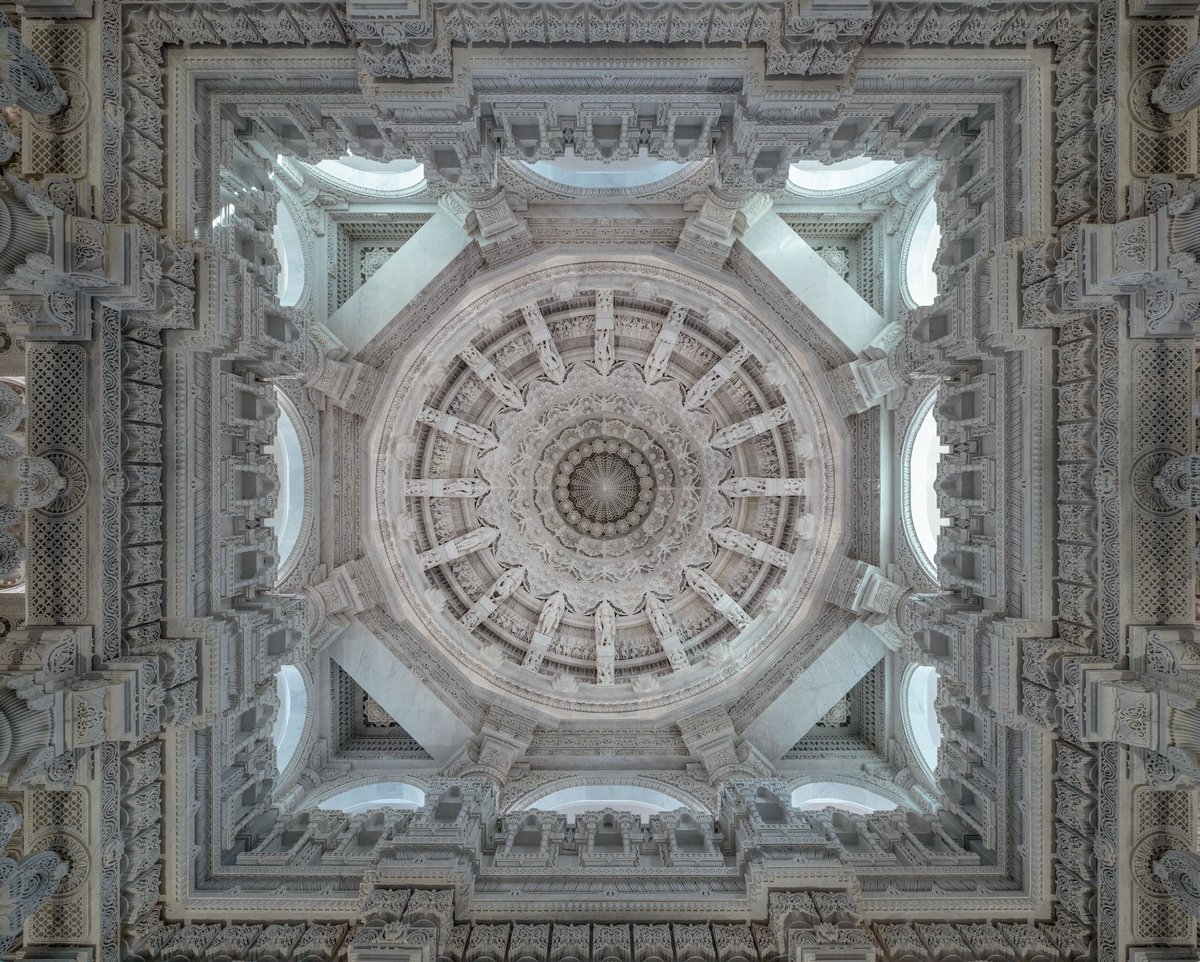
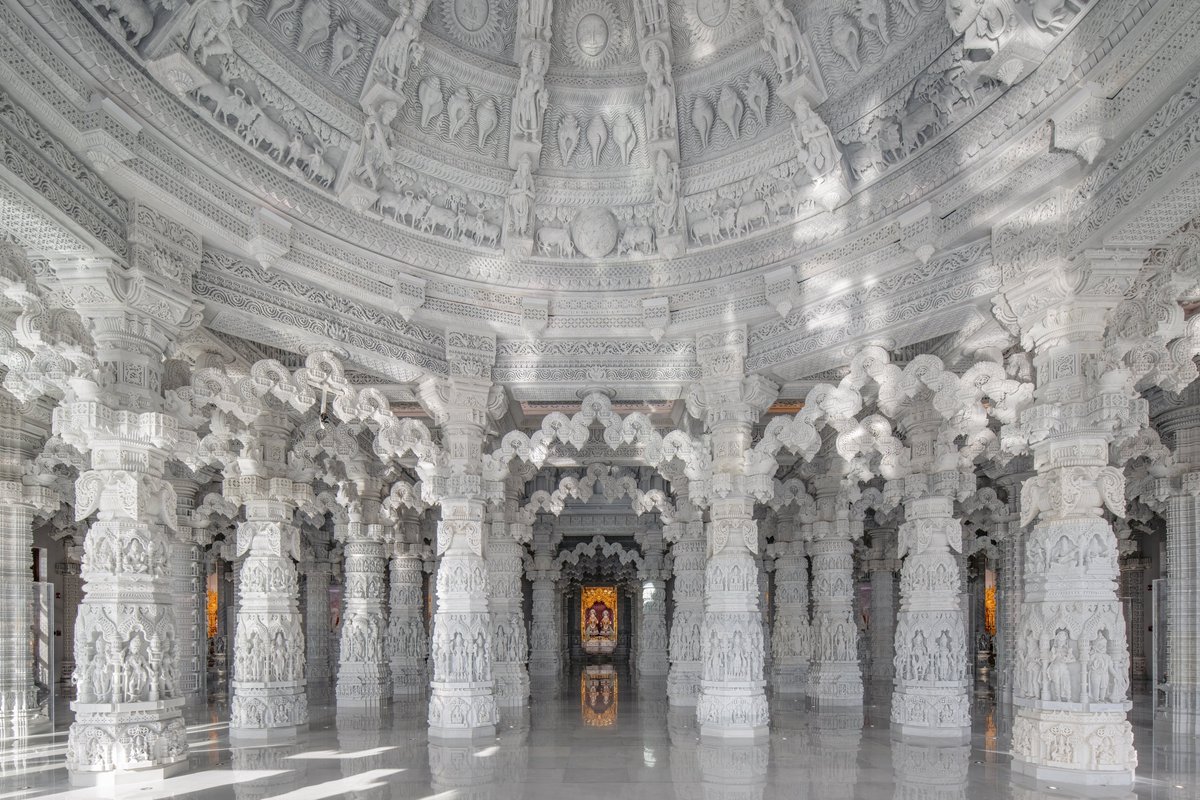
Most houses built in Britain, America, Germany, France, and around much of the world, are built in a vaguely traditional-vernacular style. But nearly all public buildings have been built in a modernist style for almost 100 years. This is as true of churches as it is of secular buildings.
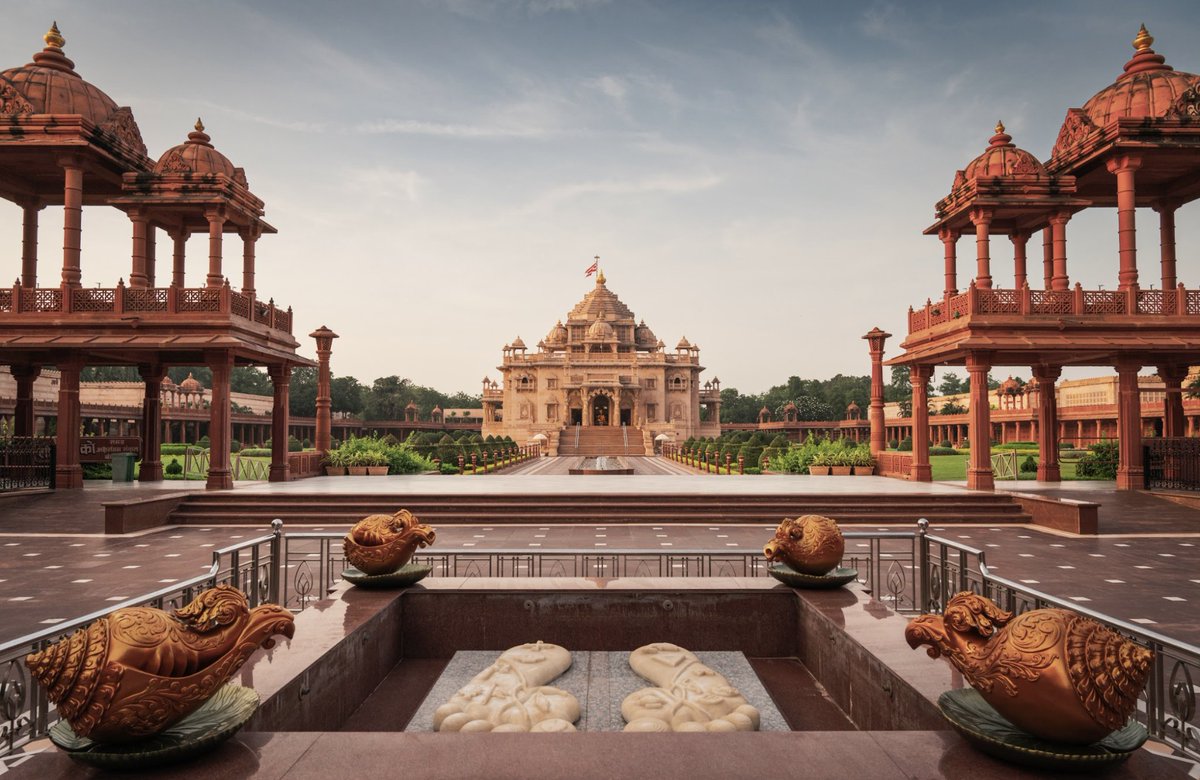
Hindu India, and the Hindu Indian diaspora around the world, provides a striking contrast to this development. As time has gone on, Hindu religious architecture has gotten more ornate and elaborate. As such, it forms a 'living tradition', stretching back thousands of years.
I remember how impressed I was visiting Neasden Temple in my schooldays. And there are dozens of these around the world at even greater scale!
Check out @TilakParekh's article in the latest issue of Works in Progress.
Apr 27
Most of the world's great traditions of ornamental masonry architecture faded away in the twentieth century. But one remained: the Hindu temple.
The classical style of Hindu temples never died out, and in recent decades has grown steadily more vibrant and powerful. Much of the best traditional architecture in the world today is in India, or in places around the world where Hindu communities have settled.
Temples still make little use of structural steel or even arcuation, relying instead on trabeated masonry like the ancient Egyptians and Greeks. Because stone does not corrode, these buildings will last for many thousands of years with minimal maintenance, far longer than the fabric of the modern cities that surround them.
With the help of temple staff around the world, my friend Tilak Parekh has put together a wonderful review of modern Hindu temple architecture, looking at the ingenuity and sacrifice which created these great buildings.
worksinprogress.co/issue/mod…
5
7
59
8,758

Apr 26
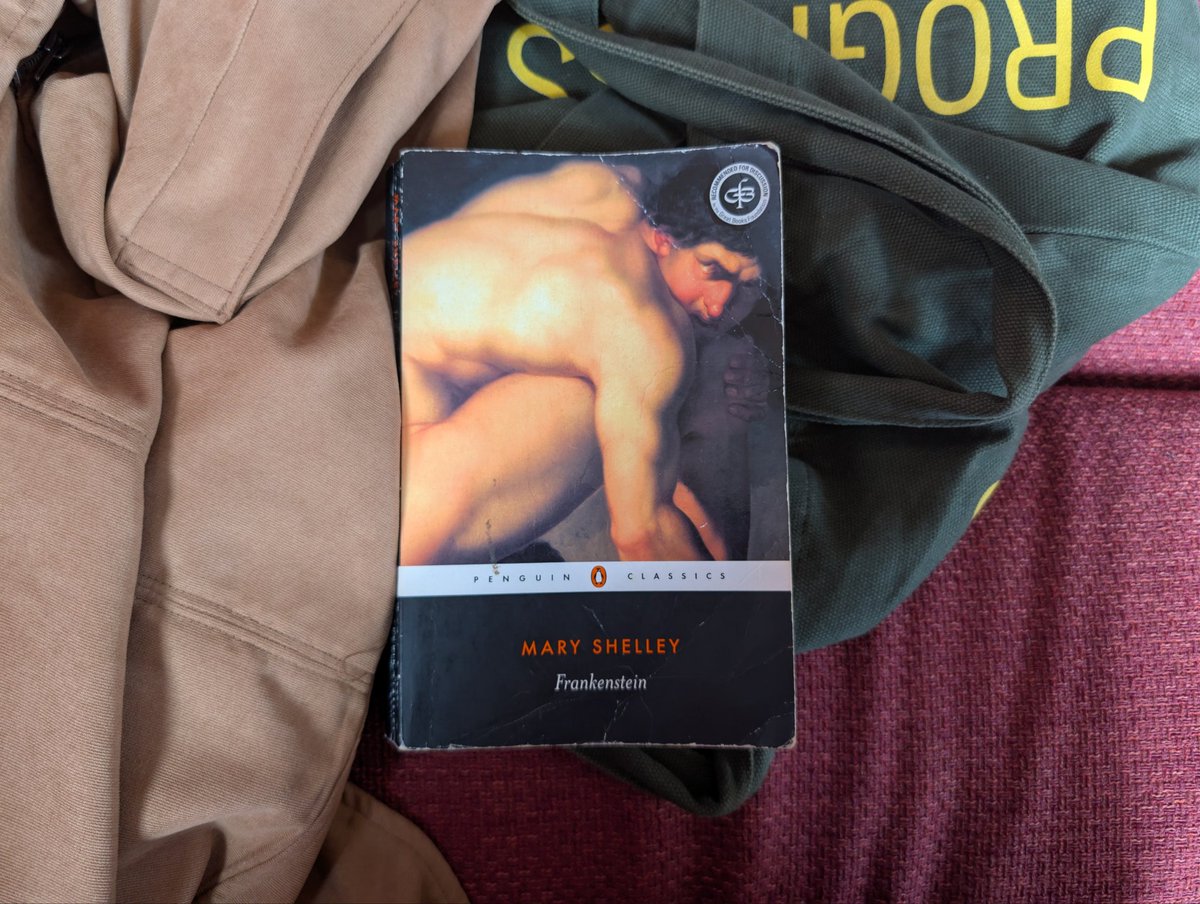
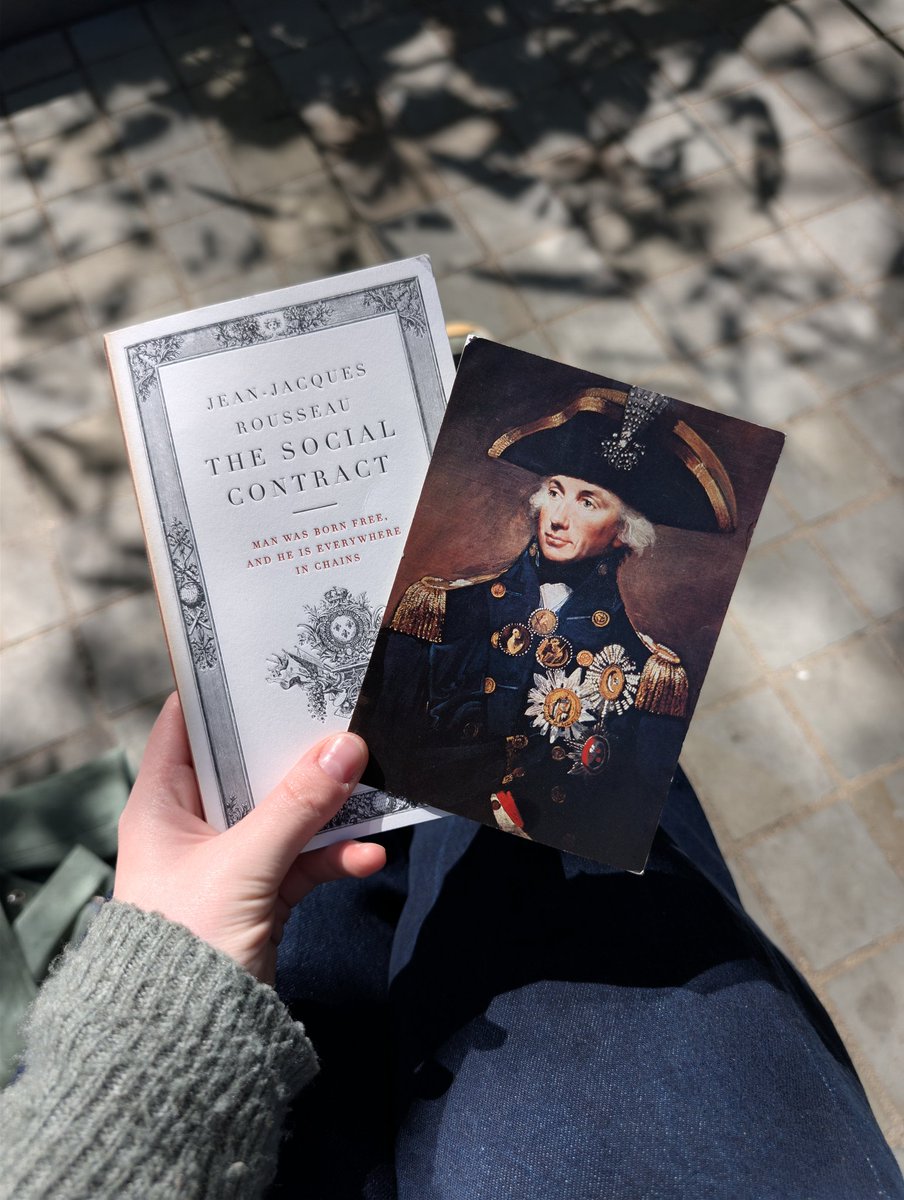
The Social Contract 🤝🏻
Jean-Jacques Rousseau
Credit where it's due etc. But I really can't see past Rousseau abandoning his five babies to die & then writing a book about how to raise children. Smug & naive disengagement from reality which shows up also in his political philosophy. His ideal state is like a delicate little orchid that could potentially survive for a few weeks under perfect conditions.
x.com/i/status/2041137980102…

reading Rousseau in the park but using a postcard of Nelson as a bookmark so nobody gets the wrong idea
1
186
Apr 26
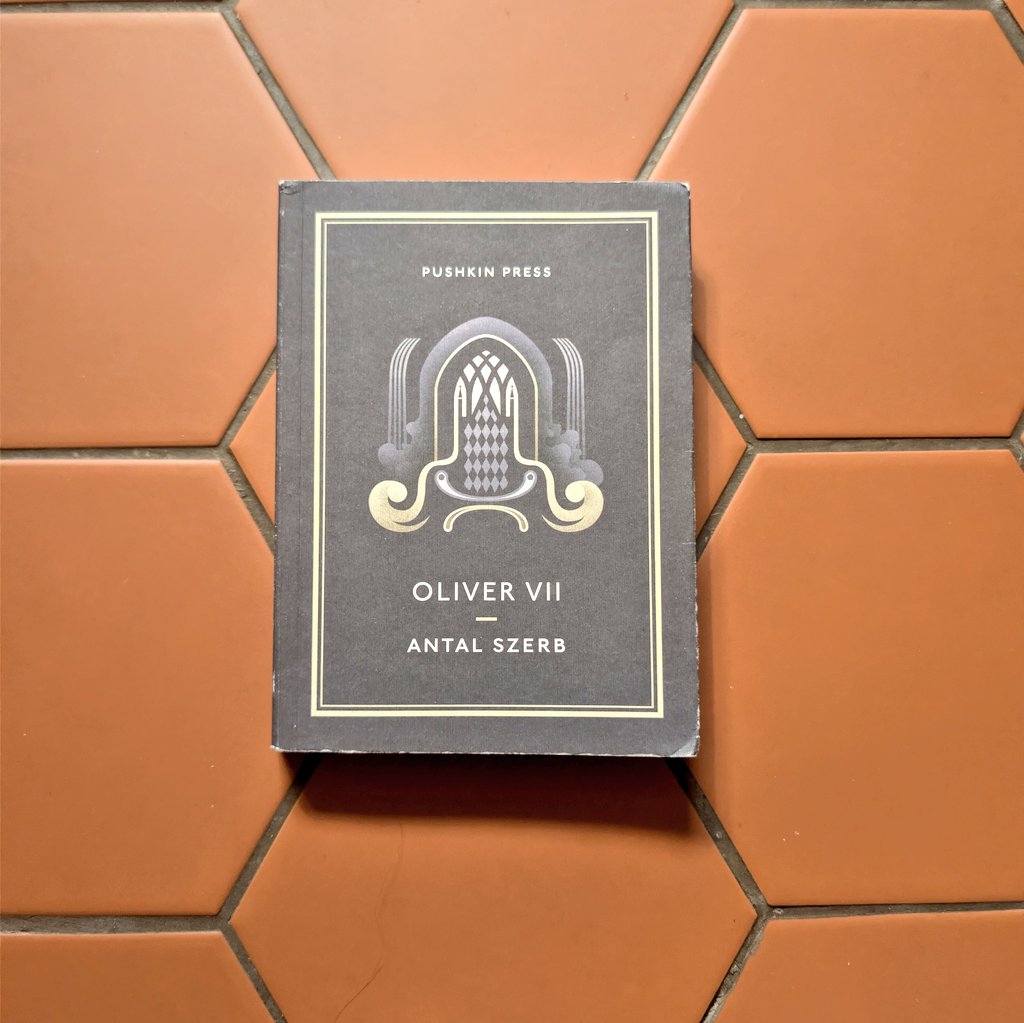
Oliver VII 👑
Antal Szerb
Another banger from everyone's favourite depressed Hungarian writer. Oliver II, king of a small impoverished European nation, carefully orchestrates a coup against himself, and flees to Venice. While there, he falls in with a group of conmen, who propose a daring scam: for their new friend to impersonate the exiled king. Hilarity ensues.
185
Rachel Edwards retweeted
Apr 23
On 19 May I am going to be in Berlin, my onetime home city, discussing European housing and transport policy with @AnyaM8_, @FraukeStehr and @DominikWKH.
All are welcome to join, and we hope to make many new friends interested in the future of European cities.
luma.com/bdc8as5a
3
10
22
5,847