
SSRI injured. Living with neurological damage from an adverse reaction to Citalopram.
Joined September 2022
- Tweets 2,696
- Following 1,227
- Followers 556
- Likes 43,601
104 Photos and videos
Arvid retweeted

When you say that what patients are experiencing is not related to the drug (that this is prima facie not plausible) and discuss psychological characteristics, nocebo effects, psychosomatic disorders, that people are adopting a 'withdrawal identity' rather than having a real condition etc, etc of course you are blaming the patient not the drug. That you are doing it with many words doesn't change the essential thrust of your argument.
2
6
26
1,556
Arvid retweeted

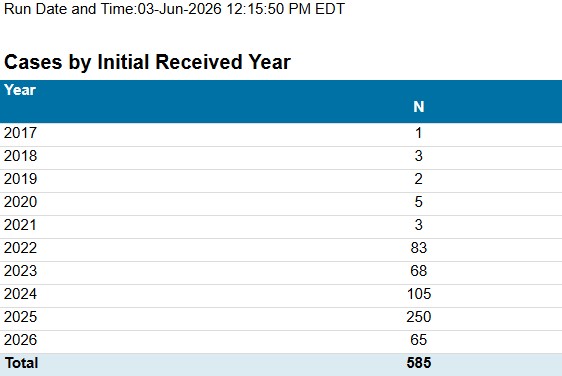
We have received a response to a freedom of information request made to the @US_FDA. The FDA Adverse Event Reporting System (FAERS) had 585 cases of the MedDRA term "post-SSRI sexual dysfunction" (MedDRA code 10086208) as of June 3, 2026. None of these cases are listed as fatal.
1
12
26
1,099

A study on 6.6M FAERS reports shows strong, repeated signals of the same symptoms that define PSSD. It doesn’t name it — it documents it. Persistence isn’t missing from the data; it’s missing from studies designed not to see it. 👇🏻
sciencedirect.com/science/ar…
1
8
10
1,093
Arvid retweeted

Yeah that is not true at all. Every single time any of us speak up about this issue online, you will see comments like "lets not villainize these medications" "sexual dysfunction is better than being dead" "these drugs save lives, you're steering people away from life saving medications".
This is all 'stigma'. It's downplaying our experience and coercing us into silence, regardless if the word 'stigma' is used. The word stigma is defined by "a collection of negative attitudes, beliefs, and stereotypes directed at a person or group based on perceived differences, health conditions, or behaviors".
Any PFS/PSSD victim will tell you that this is a CENTRAL part of the entire experience, and potentially the worst part of it, because they've lost their ability to be authentic, to be believed, to speak about what they're going through without entering a debate.
There are entire channels dedicated to mocking the suicide victims from Post Finasteride Syndrome (what I suffer from) and literally anyone who speaks up about the condition is vehemently attacked, publicly shamed and mocked.
Please don't assume that we don't know anything about wider societal stigma. There is INFINITELY more compassion and understanding on a societal level of mental illness than there is for iatrogenic harm and it's not even close.
2
9
41
1,607
Arvid retweeted

Jun 8
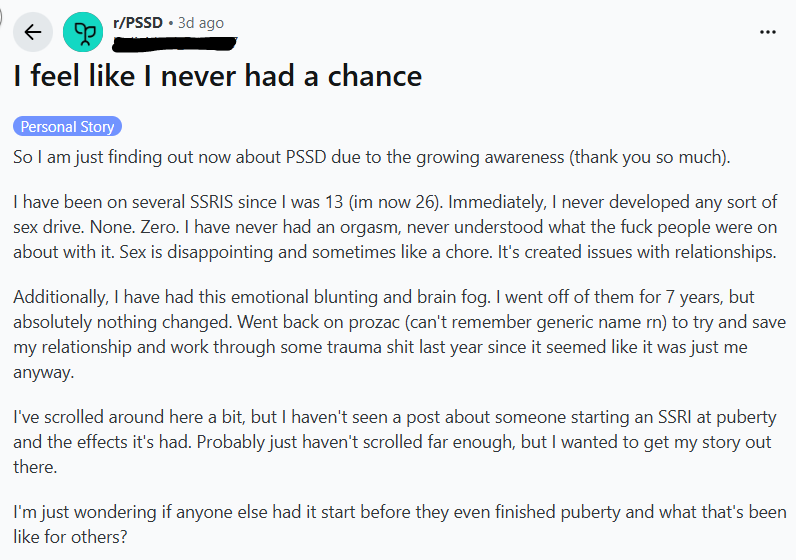
Still happening (see more stories in the comments). Never shutting up about this, even though I'm not severely affected myself, cause it's just so wrong! #PSSD
reddit.com/r/PSSD/comments/1…
28 Aug 2024

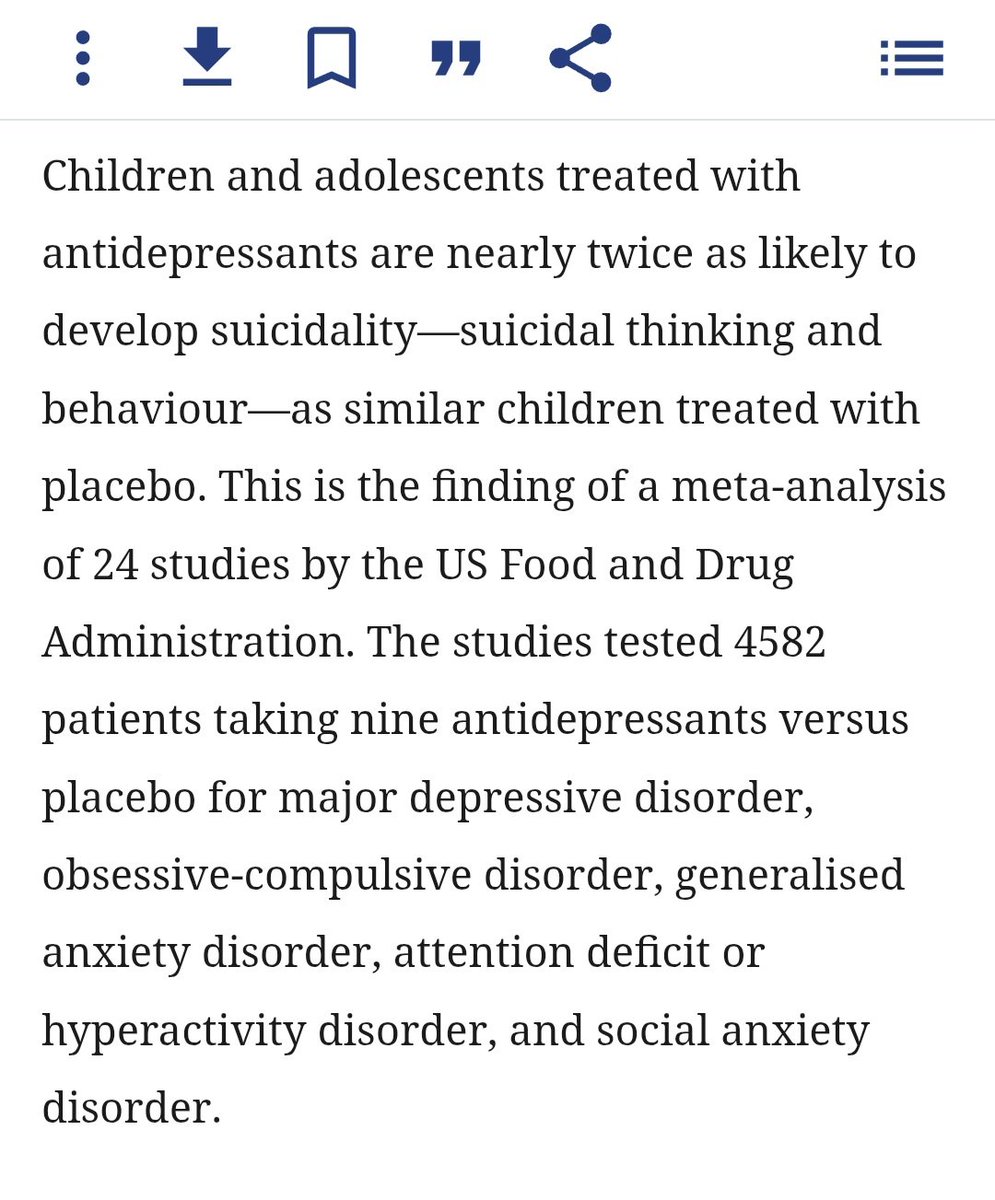
How can anyone justify giving minors SSRIs that can enduringly damage their sexual function before maturity, only marginally outperform placebo & increase suicidality? 3 such posts in last 4 days on Reddit.
reddit.com/r/PSSD/comments/1…
reddit.com/r/PSSD/comments/1…
reddit.com/r/PSSD/comments/1…
1
9
39
1,534
Arvid retweeted
PSA: Post SSRI Sexual Dysfunction is a body wide neurological injury that effects far more than sexual dysfunction. It also results in a total loss of the emotional and reward responses for the rest of your life. The severe cases are physically debilitated.
Doctors use cozy textbook language like 'side effects that persist beyond discontinuation' to try to obscure the horrific reality of PSSD.

Sexual side effects certainly are. Contact @US_FDA if you think persistent sexual side effects after stopping a drug should be included in the label and see what they say. Those labels tend to be over inclusive, so if the evidence supports it I’m sure they’ll add it.
4
12
45
1,522
Arvid retweeted
To the 'it's all psychosomatic or FND crowd' who seem to be out in full force at the moment: it would be quite peculiar for 100,000s of people to all develop FND a few days or weeks after stopping antidepressants or other psychiatric drugs. That would be some co-incidence!
And for those charming souls who are going for the 'these sort of people are really nutters and not a word they say can be taken at face value': in the US in some states more than 50% of people have been prescribed an antidepressant at some point in their life: that is a lot of nutters out there who can't be taken seriously!
The comments section to my blog is full of clinicians who did not believe stories about withdrawal until they went through it themselves, including psychiatrists, GPs and nurses: mhorowitz.substack.com/p/why…
But this blog probably needs to be updated at this point to include the point that there are none so blind as those who will not see.
13
37
116
8,501
Arvid retweeted
I think people under-estimate how much people's lives are derailed by severe withdrawal effects that last for years (that should probably be seen as 'withdrawal nervous system injuries' more accurately as they cannot be reversed by re-instatement) and the effects on dependents, ability to work, and relationships. Impressive poise and grace required to go and deliver this message to the prescriber that did this to you - as is so often, as in this case, without realising. I do think that the academic and leadership class in psychiatry who are more aware of this issue suffer less from ignorance and instead are unfortunately placing reputational management above patient safety.
Jun 6

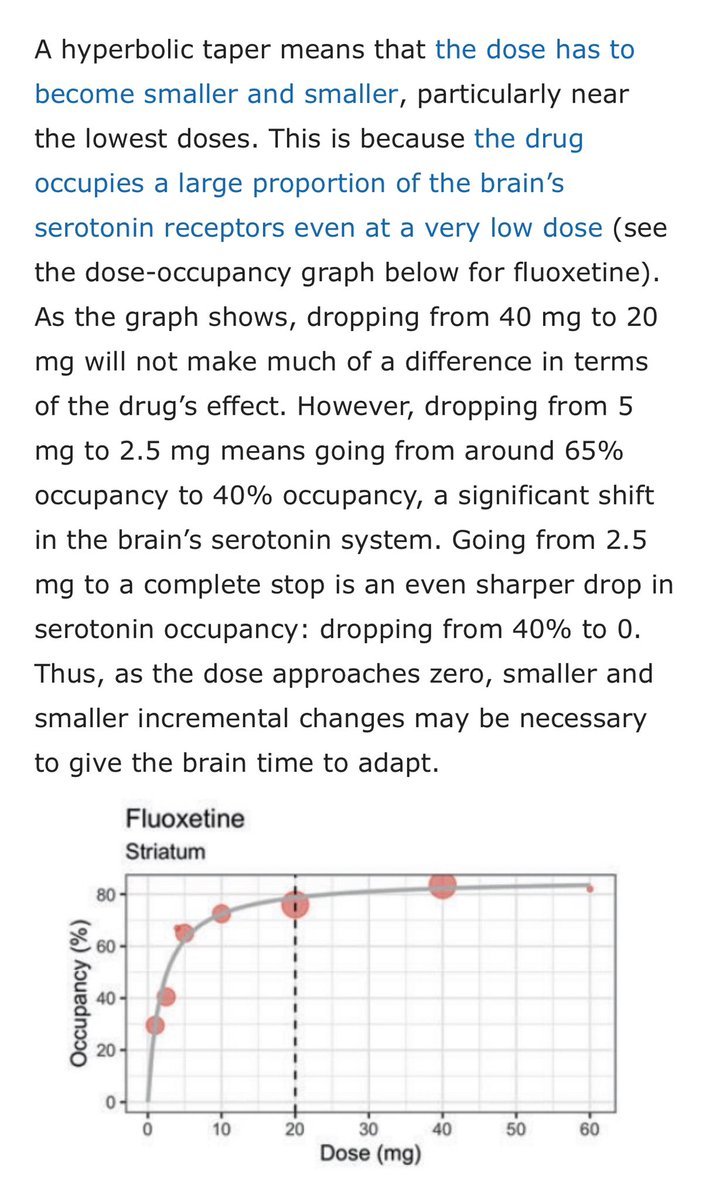
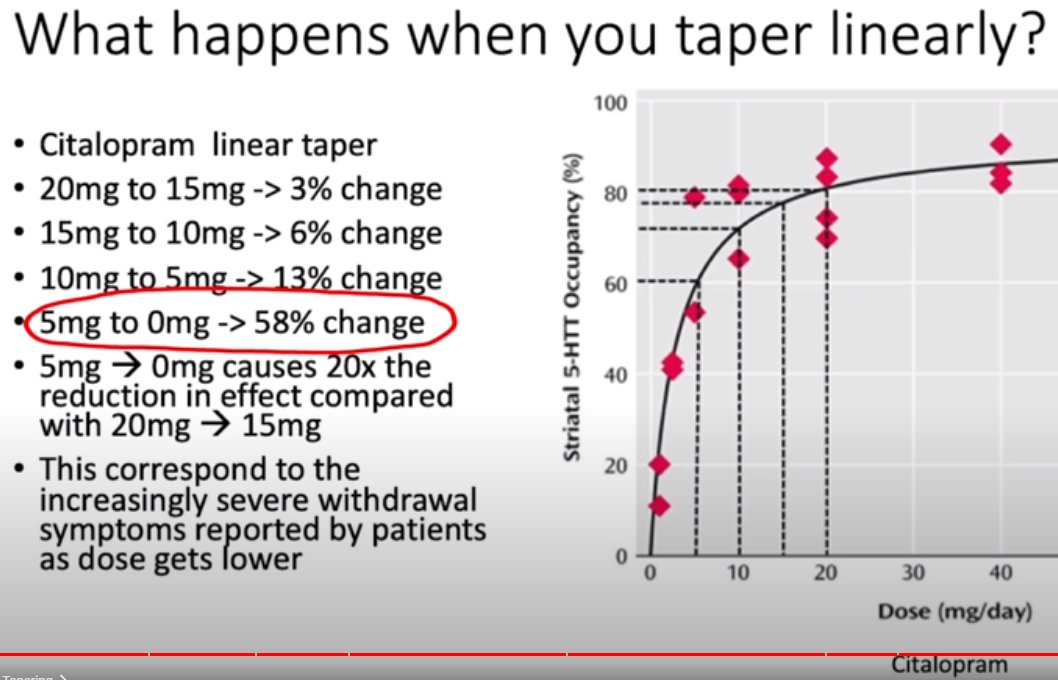
This week, I returned to the doctor who, four years ago, tapered me using a conventional, linear taper schedule. All this time, I’ve fantasized about this meeting, daydreaming about all the clever things I would say when I finally saw him again. I would bob my head and wag my finger, shaming him for his recklessness and how it derailed not just my life, but my spouse’s and children’s. In the depths of the dark, inhumane suffering that is severe and protracted antidepressant withdrawal, I would sometimes conjure up this fantasy as a distraction. I would be the hero and he would be the villain. Protagonist and antagonist, my story would be complete with this ending of vindication.
As much as I want to hate him for upending my life, I found him to be exactly as Mark describes in his recent Substack: “naively ignorant.” I also found myself deeply sympathizing with the man as he apologized, stuttering nervously, and, I’m sure, fearful of possible recourse. As a friend once said, we shouldn’t be upset with doctors for not knowing. We should be upset with them once we’ve told them and they refuse to learn. In the end, he was open to receiving resources on safer tapering and information on serious withdrawal. I highly recommend Mark’s article to better understand why doctors don’t see, understand, or even know about serious withdrawal.
5
30
80
3,930
Arvid retweeted

From his real life picture you could be fooled into thinking that he maybe a pleasant individual. A wolf in sheep’s clothing comes to mind. Dr Murray Walters the physician that describes extreme WD difficulties as Flamboyant & harmed patients as ‘Unusual.
belmontprivate.com.au/health…
2
5
20
568
Arvid retweeted

Jun 6
I warn everyone of PSSD before I prescribe an SSRI or SNRI.
Most refuse the prescription.
A psychiatrist who does not encounter high rates of refusal is not properly risk counseling their patients.
7
8
69
10,919
Arvid retweeted
Coming forward with PFS/PSSD is the equivalent of being hit by a drunk driver, being crippled for life, and then hearing "cars are beneficial for most people" whenever you decide to speak up about it. This has got to change.
Jun 4

People with #PSSD share tragic and harrowing stories with the hope of being helped somehow. And so many people out there put us down, meet it with hostility, denial, projection, or cognitive dissonance.
Meanwhile people with PSSD are out here grieving lost identities, fighting low motivation, and trying to stay strong. When will people start to respond with compassion or show respect? PSSD almost feels exempt from human decency at times.
I'm really tired of being trapped in a hostile space with a horrible condition that's outside of my control.
1
7
21
542
Arvid retweeted

Jun 4
People with #PSSD share tragic and harrowing stories with the hope of being helped somehow. And so many people out there put us down, meet it with hostility, denial, projection, or cognitive dissonance.
Meanwhile people with PSSD are out here grieving lost identities, fighting low motivation, and trying to stay strong. When will people start to respond with compassion or show respect? PSSD almost feels exempt from human decency at times.
I'm really tired of being trapped in a hostile space with a horrible condition that's outside of my control.
4
11
44
1,909
Arvid retweeted

>Me: I have a problem - I need something that'll get me from A to B
>Used car salesman: This car could help
>Me: I need to know more about it
>UCS: It'll get you from A to B
>Me: Sounds good, how quickly?
>UCS: TBH in most cases no quicker than walking
>Me: Okay that's not good but still, tell me more
>UCS: With 1 in 6 of these cars, stopping it is bad
>Me: This doesn't sound so good...
>UCS: I didn't finish that sentence - with 1 in 35 of these cars, stopping it is really really bad
>Me: This seems to be going from bad to worse...
>UCS: Still not finished my sentence - with all these cars, we've been selling them without brakes
>Me: Wow I appreciate the honesty - sorry for the stereotype but you're not like most used car salesmen
>UCS: I'm one of the rare good ones, so now you know, do you want to buy the car?
>Me: No, I'll pass thank you
The above is what the prescribing of SSRIs would have been like if psychiatry had prioritised informed consent in prescribing them from day one.
But because psychiatry didn't champion informed consent and respect patients' right to give it, we now have millions of people taking SSRIs, even though...
- in 85% of cases they perform no better than placebo (Stone et al, 2022), but unlike placebo...
- based on a study *praised by psychiatry* 1 in 6 will have withdrawal when stopping, and for 1 in 35 that withdrawal will be severe (Henssler et al, 2024)
With SSRIs, psychiatry has been no better than the stereotypical used car salesman who convinces you to buy a car that doesn't just perform poorly but endangers your life in the process.
3
12
457
Arvid retweeted

After stopping antidepressants, this 23-year-old said she experienced a “chemical castration." What to know about PSSD, according to experts. usatoday.com/story/life/heal…
1
7
28
914
Arvid retweeted

We need better informed consent and more thoughtful use of these drugs that can lead to enduring sexual, physical, and emotional dysfunction after stopping the drug. #PSSD, #PFS, #PAS. @CorewellHealth @BeaumontUrology
usatoday.com/story/life/heal…
7
28
83
4,944

After stopping antidepressants, this 23-year-old said she experienced a “chemical castration." What to know about PSSD, according to experts. usatoday.com/story/life/heal…
14
50
112
18,904
Arvid retweeted

Jun 2
Mark was a totally mainstream psychiatrist before antidepressant withdrawal derailed everything he had been taught about psychiatric drugs. This excellent piece outlines what he learned from being on both sides of the debate.
It’s a piece about the structural factors that prevent mainstream psychiatrists from recognising withdrawal, but my favourite bits are where Mark draws (often humorously) on his own experiences in withdrawal. Give it a read and make sure to follow Mark for more!

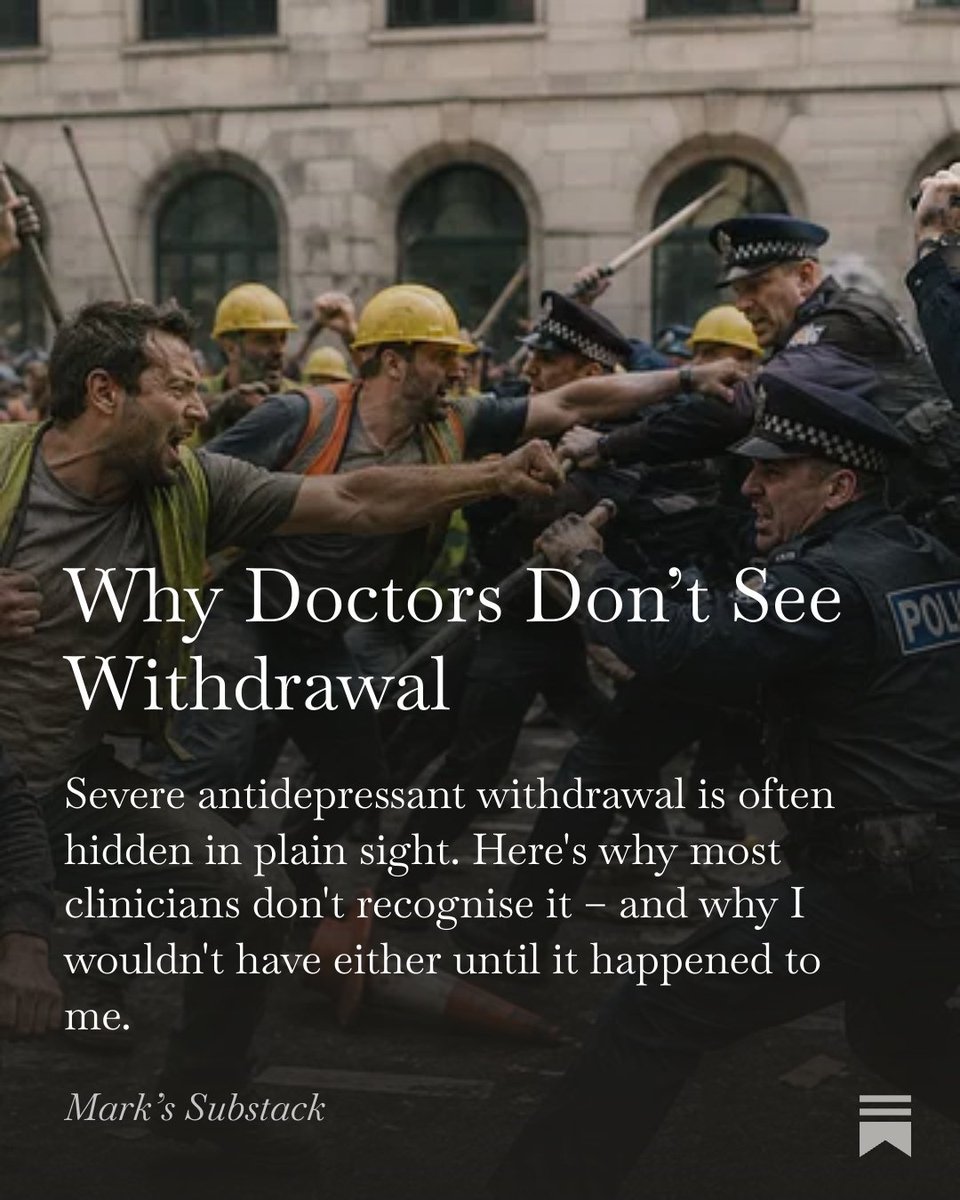
I wrote a blog on "Why Doctors Don’t See Withdrawal:
Severe antidepressant withdrawal is often hidden in plain sight. Here's why most clinicians don't recognise it – and why I wouldn't have either until it happened to me." Link below. Please re-tweet.
2
24
45
3,826
Arvid retweeted

May 29
Post-SSRI sexual dysfunction (PSSD) is a real condition where people experience genital numbness for years....sometimes permanently....after coming off antidepressants too quickly.
Your psychiatrist probably didn't tell you this was possible before prescribing.
The withdrawal effects from psychiatric medications can be debilitating & prolonged & in some cases permanent. This is not fringe information. It's documented. It's just not discussed in the standard appointment where you're handed a prescription in 12 minutes.
Be an informed patient. Ask the hard questions before you start.
9
22
90
4,867
Arvid retweeted
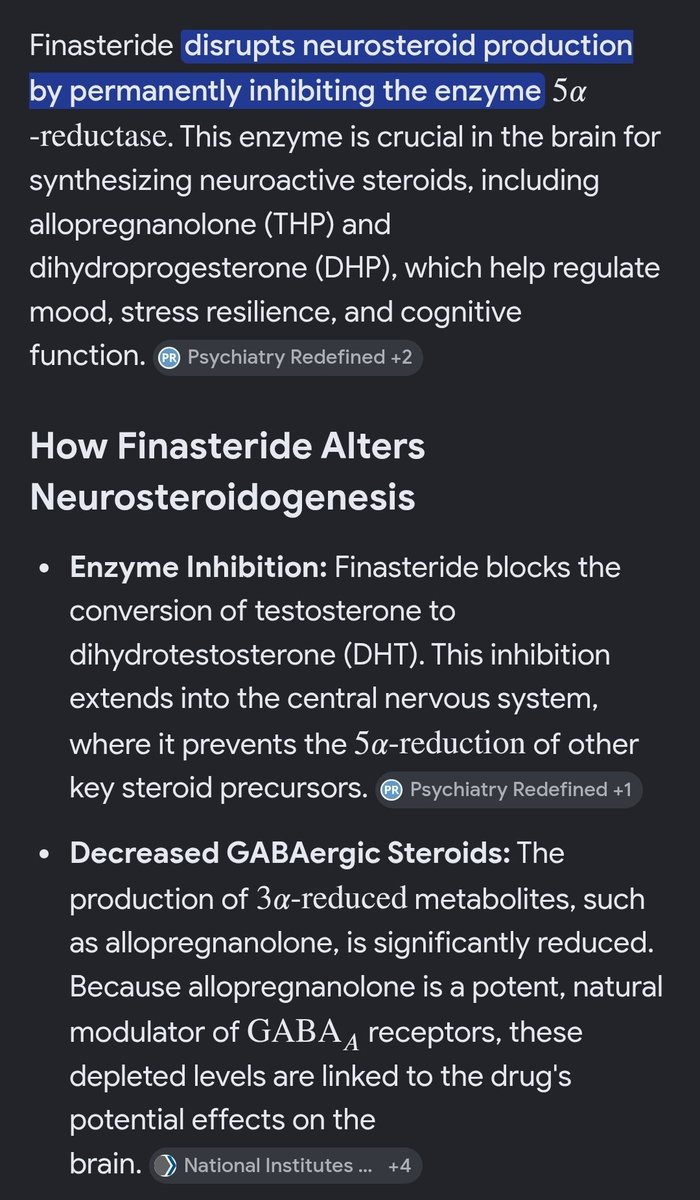
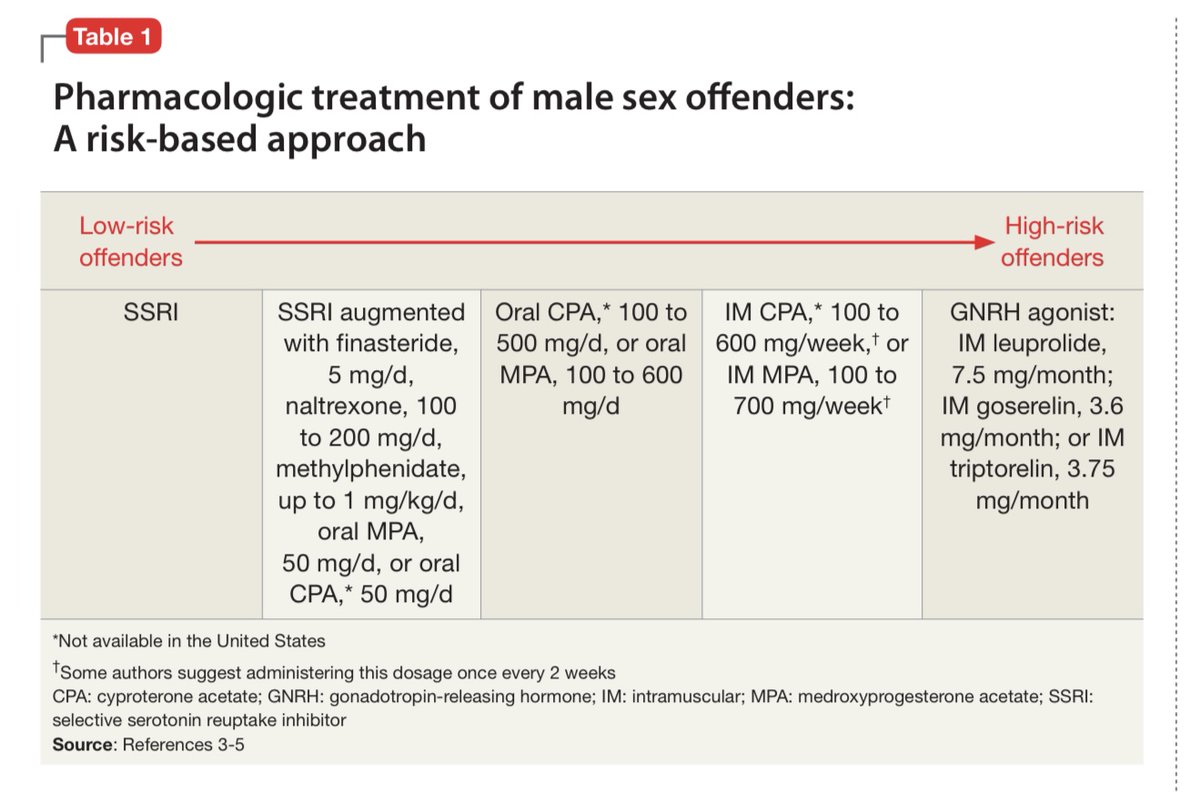
SSRIs, augmented with Finasteride, are the suggested 'treatment' for male sex offenders, both used in tandem to reduce their sex drive. These are literally chemical castration drugs and psychiatry knows it.
8
14
97
27,441
Arvid retweeted
May 26
At 21 years old, I took the first pill of a 'treatment' that would chronically compromise my sexual and emotional capacity.
I wasn't told about the sexual or emotional side effects of #fluoxetine (Prozac), and my GP avoided this topic when I repeatedly raised my symptoms.
21 is an incredibly young age to lose your sexuality and ability to connect with peers. I lost my developmental adult years - there is no treatment pathway or accountability for this condition.
Friends in the #PSSD community had tried to warn the #NHS before me, but they were not listened to. If they had been taken seriously, I might have escaped this avoidable harm.
#SSRIs turned my resolvable struggles into an ongoing nightmare, and at 35 years old, I'm starting to see the true long-term impact on my life.
Meanwhile, the healthcare system treats me and other people with PSSD as a statistic. The #MHRA made the choice not to inform doctors about this condition.
Doctors continue to prescribe SSRIs to young and vulnerable people without properly informing them of the potential risks to their personal development and futures.
May 26

youtube.com/watch?v=0dwIkZsv…
Another warrior has stepped forward to share their experience with Post-SSRI Sexual Dysfunction (PSSD).
Katie was prescribed fluoxetine (Prozac) at 21 years old during a difficult period in her life. What followed was a profound and life-altering change.
She describes developing emotional numbness, sexual dysfunction, loss of attraction, and an inability to form romantic connections, symptoms that have now persisted for approximately 14 years.
Despite repeatedly seeking help, nobody informed her that her symptoms could be related to the medication.
Thank you for your courage in speaking out and helping bring awareness to this issue, Katie.
Subscribe, comment, and share to help break the silence.
📩 Share your story: moralmedicine2023@gmail.com
6
23
84
9,507