
building undisclosed identity (redacted)
Joined September 2015
- Tweets 7,202
- Following 3,776
- Followers 4,047
- Likes 35,849
988 Photos and videos









Jun 11
knicks have me sweating so much it feels like im in pool2 again
4
23
1,038

Voltron retweeted

May 27
the attack surface is much broader than you think. [ ] is the only viable solution i’ve seen beyond schelling tests.
[ ] exposes the kayfabe on the timeline including the IRL performance art as memetic origination.
iykyk. it really all boils down to who you trust and what proxies are down stream of that up to and including PEAK cult status parishioners.
3
2
23
1,585
May 25
many [ ] cases

6
1
26
1,805
Voltron retweeted

May 25
CERN accidentally made the simulation on heaven mode. I hope you are prepared for this. One particle shifted the entire matrix into you thriving effortlessly.
92
300
5,750
359,672
May 25
computer activate quantum vibe shift put smiles on all my homies faces
3
24
567


[ ]

I’m very sympathetic to Prof Tabarrok’s point of view. And of course he’s right that AI hyperdeflates costs in many areas, from code to math to biomedicine to robotics.
However…AI is also breaking as many markets as it creates. It’s flooding sales, marketing, recruiting, email, social media, identity verification, education, and countless other verticals with an onslaught of increasingly convincing scams, spam, and slop.
Essentially, just like cryptocurrency and social media, AI accelerates digital tribalism. Within the trusted tribe, you can indeed share code and context to accelerate progress. But outside the trusted tribe, every message will soon be presumed untrusted slop till proven innocent. (Just look at social media these days for a preview!)
That means the result of AI is not universally positive. There is a first order offsetting term where some markets have their verification costs radically increased by AI (eg email). And there is a second order cost in terms of boosting digital tribalism, and consequent distrust between groups. These are largely separate from the third question of whether AI actually takes jobs or not.
China currently has an advantage in the AI era because it’s the largest scaled digital tribe on the planet. With its centrally controlled network, it’ll have an easier time dampening the bad aspects of AI (like digital fraud) while amplifying the good parts (like physical robotics).
For the free Internet, however, we’ll need to evolve different tools to deal with the AI environment. Likely a web3 of trust, to deter fraud while promoting commerce.
But anyway…I just wanted to sound a note of caution. AI, like every technology, has both costs and benefits. It’s going to create a lot of wealth (already has), but it’s also going to create a lot of costs. And we should enumerate those costs in order to mitigate them.
4
1
33
3,903
May 16
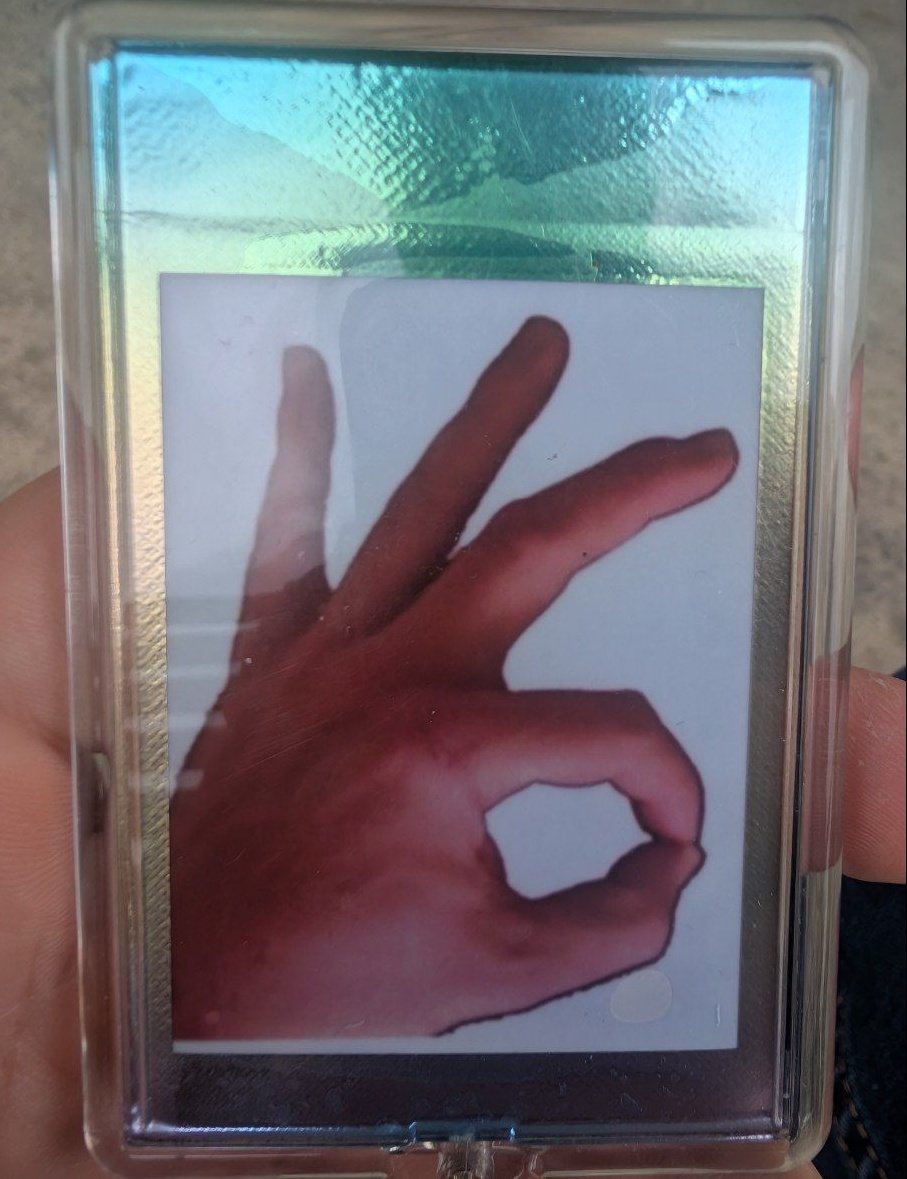
front ran drake on the 👌 event security/bouncers around the world hate to see me coming
they do a pat down and inevitably flip the tag over and say "damnnn u got me" 😂
2
42
1,914
May 15
[ ]

2
27
1,538


May 11
[ ]
May 9

A new study shows that individuals with similar levels of autistic traits are naturally drawn to one another. Brain scans reveal they use alternative, highly effective neural strategies to connect, challenging traditional deficit-based models of autism. dlvr.it/TSSN7t
13
11
105
9,992

Voltron retweeted

May 7
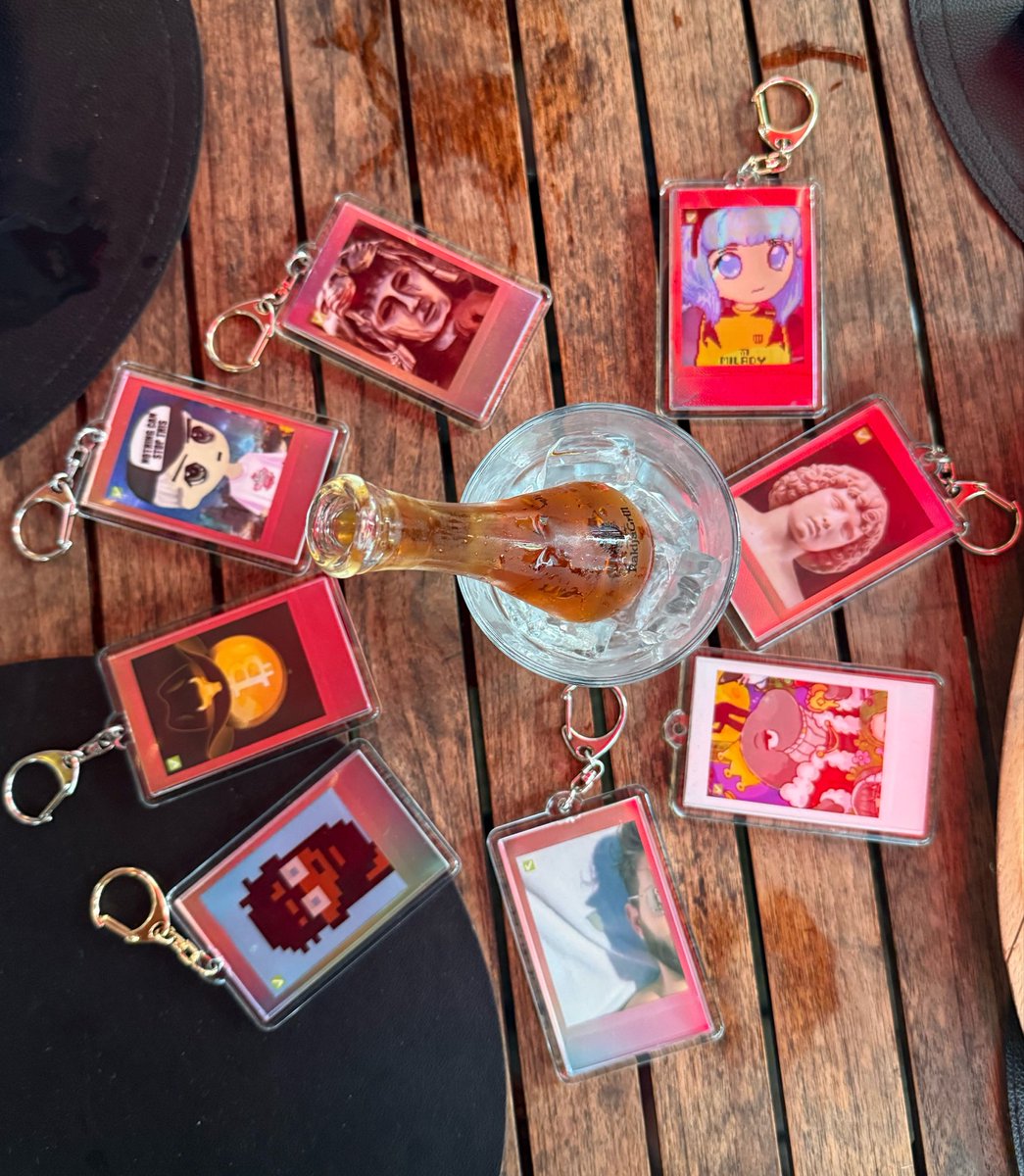
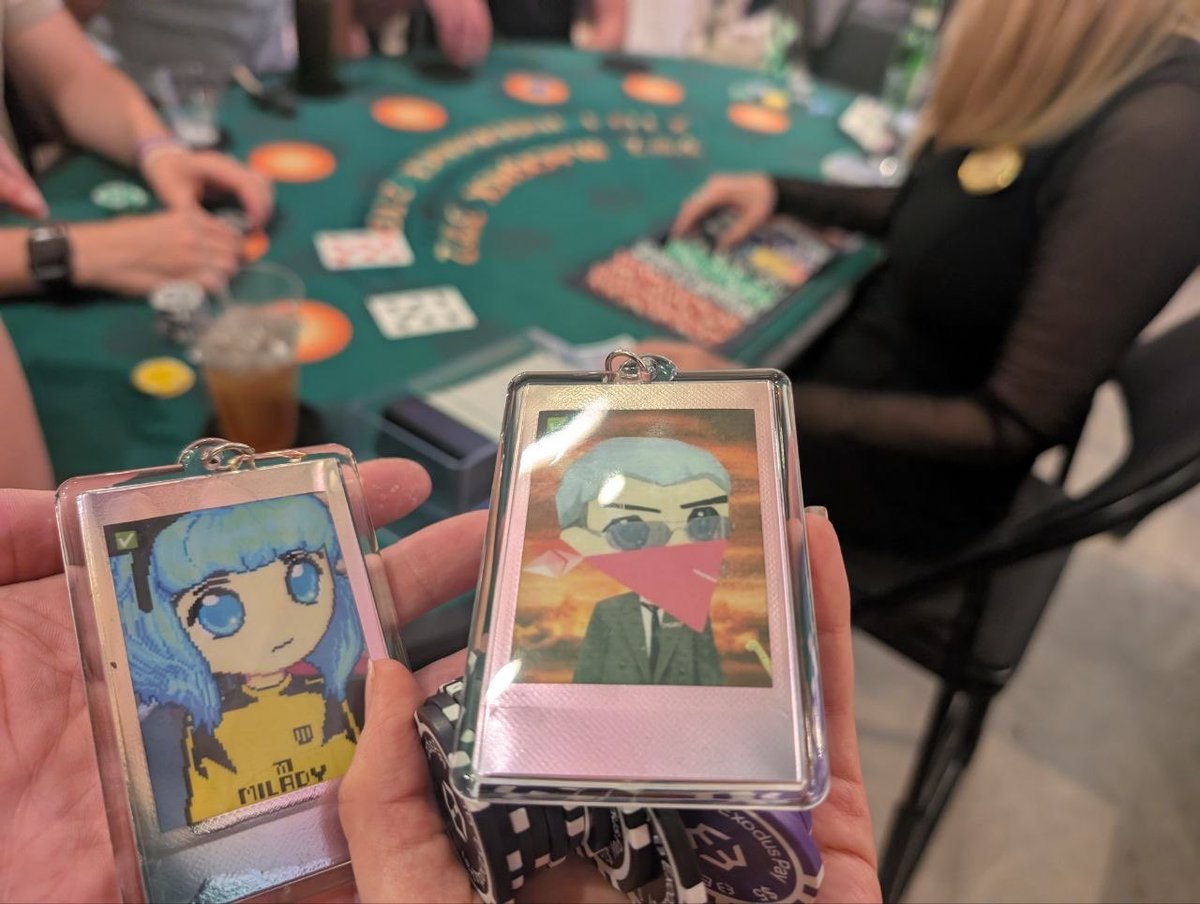
someone walked up to me in a casino and gave me a clouted tag
fucking respect
10
1
40
2,198