
Random person or Russian bot. I retort. You decide.
Joined August 2021
- Tweets 8,047
- Following 2,299
- Followers 290
- Likes 74,356
958 Photos and videos












Wasted Thoughts retweeted

Jun 14
For those who haven't been following -- and nobody's been following because nobody cares, least of all the journalists' NGOs -- Hamas and Islamic Jihad have been steadily releasing death notifications for one "journalist" after another, listing them invariably as fighters and commanders in the organizations' ranks.
It's dozens now. Maybe more.
But the "Israel targets journalists" meme is forever. The facts will never penetrate the thick fog of ideological confirmation bias that has overtaken the NGO and activism world and its journalistic arms in the mainstream media.
Literally no one cares about whether journalists were actually hunted down by Israel, as it was depicted by @pressfreedom and others, or whether Hamas used fake "journalist" claims to protect combatant commanders, counting on a global NGO and media ecosystem it knew was looking to confirm its biases.
No one will examine these falsehoods or report on them in a visible way because no one cares about the wellbeing of the real journalists, who are desperately endangered when combatant commanders are labeled "journalists" -- and even the world's major journalist advocacy groups decide to play along.
Jun 13

🧵FAKE Gaza Journalist Alert: Helmi Al-Faqawi is listed by @pressfreedom as a journalist killed by the IDF at a "reporter's tent" at Nasser Hospital. But PIJ confirmed he was a commander—he used the hospital as a base. The 14th fake journalist outed in the last few weeks. 1/
56
582
2,008
146,859

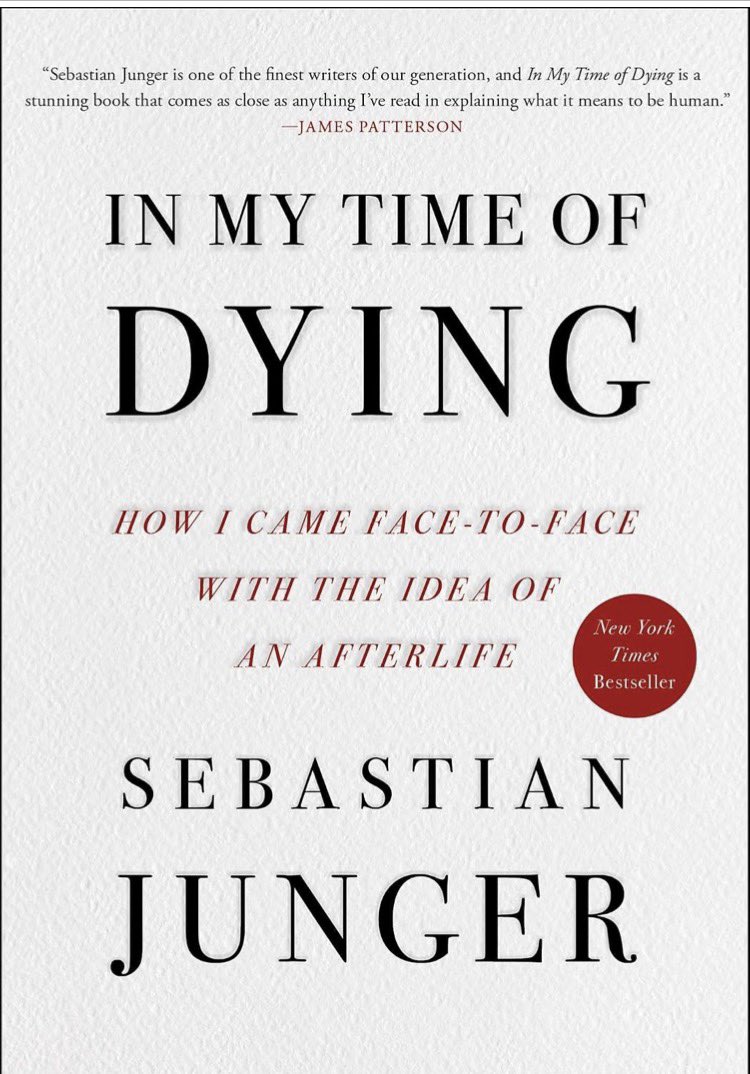
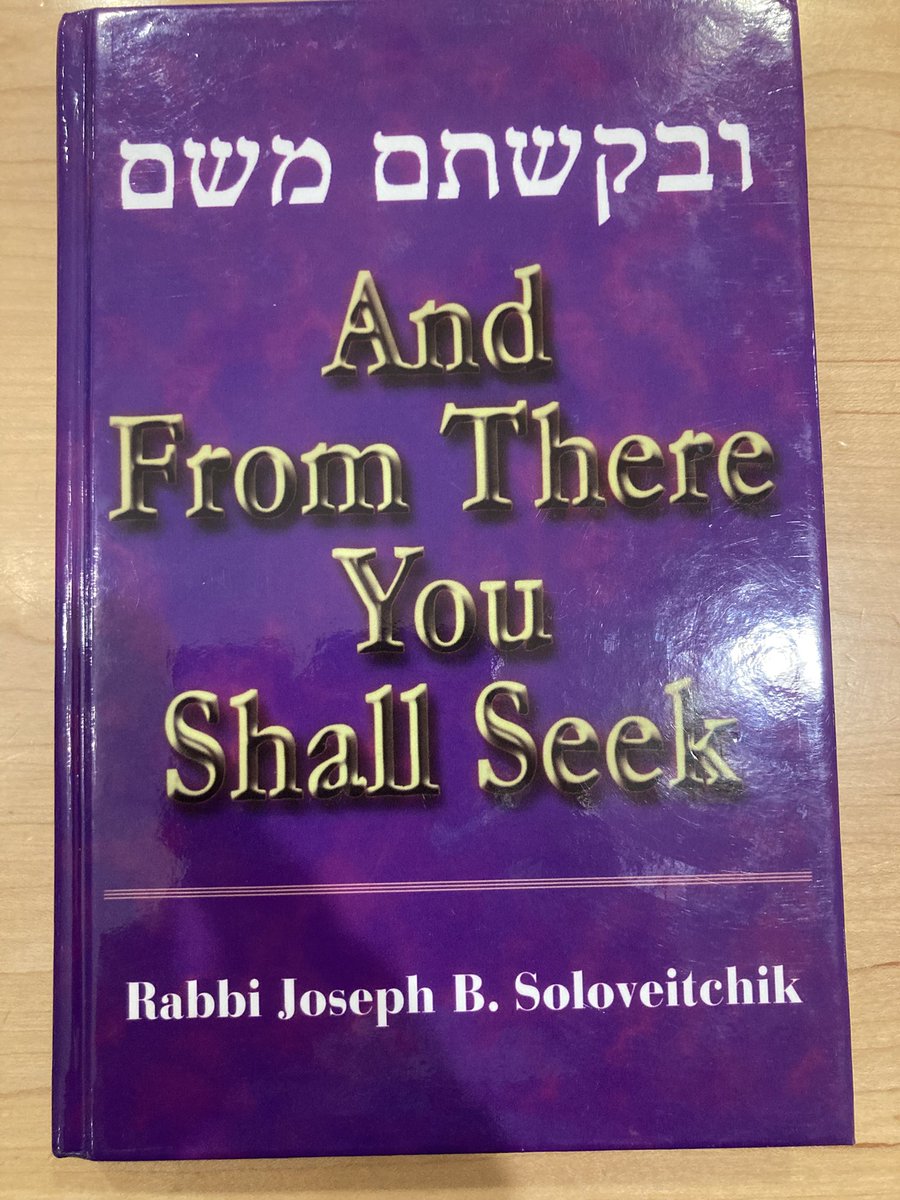
After hearing @sebastianjunger interviewed by @EconTalker, I read (or, more accurately, finished reading) this book over Shabbat.
@ShabbosReads
1
1
3
1,179
Wasted Thoughts retweeted

Jun 12
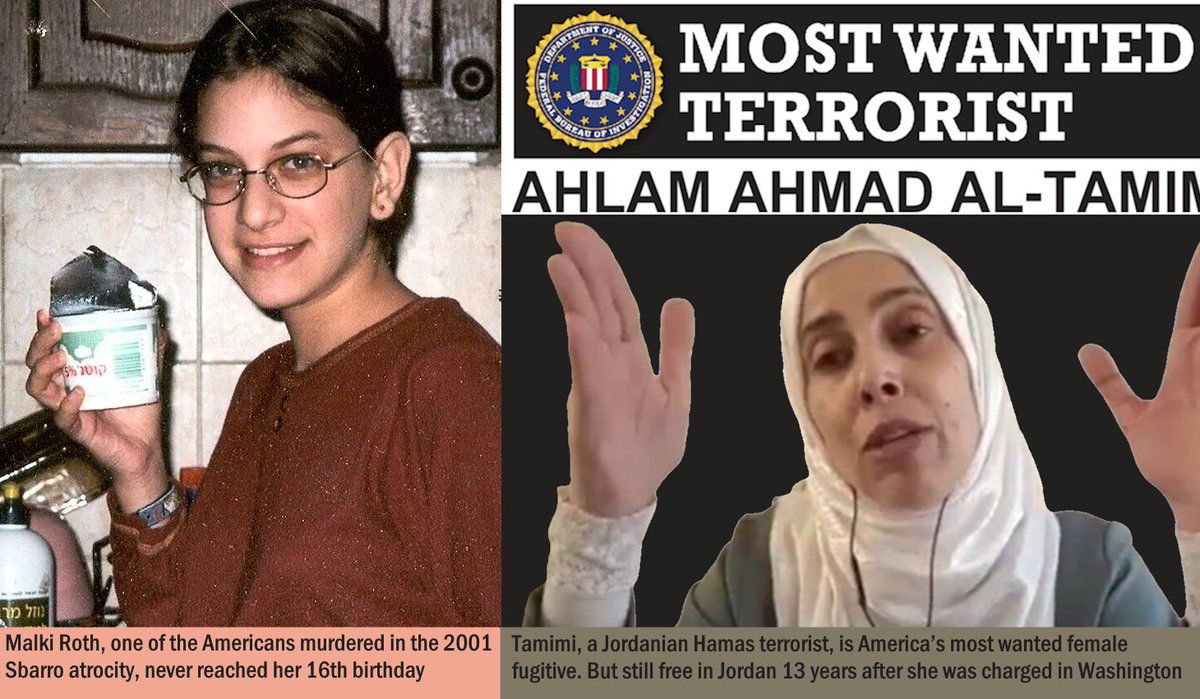
For those wondering why the Jordanian fugitive who planted a human bomb at the entrance to a pizzeria filled with children remains free in Jordan...
Jun 11

Question for the organizations and committees tagged on the post above and who stare at us in silence.
Utter silence.
For years.
If
she
murdered
your
child,
what
would
you
do
so
she
gets
brought
to
US
justice
and
criminal
trial
in
Washington?
19
24
295
Wasted Thoughts retweeted
Jun 9
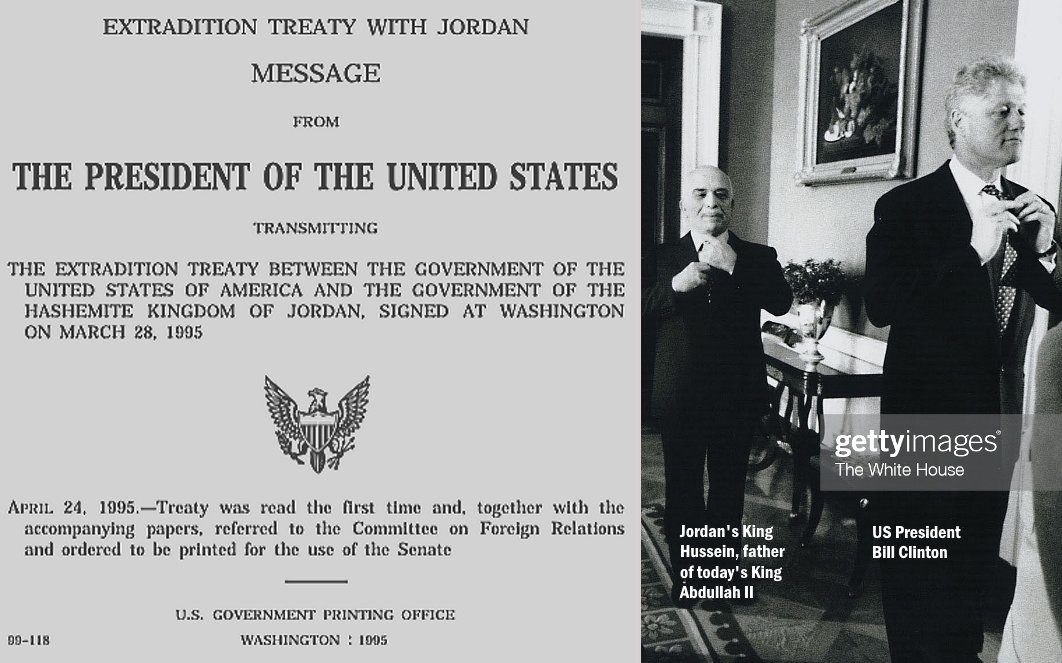
How the #AhlamTamimi negotiation needs to go:
The U.S.: We first notified you in 2013 quietly and respectfully to extradite her under your treaty with us. It's now 2026. She had better be on the Amman to Washington flight this afternoon.
Jordan: OK
3
6
96
Taxation without representation is tyranny! We used to believe that, anyway.
Jun 7

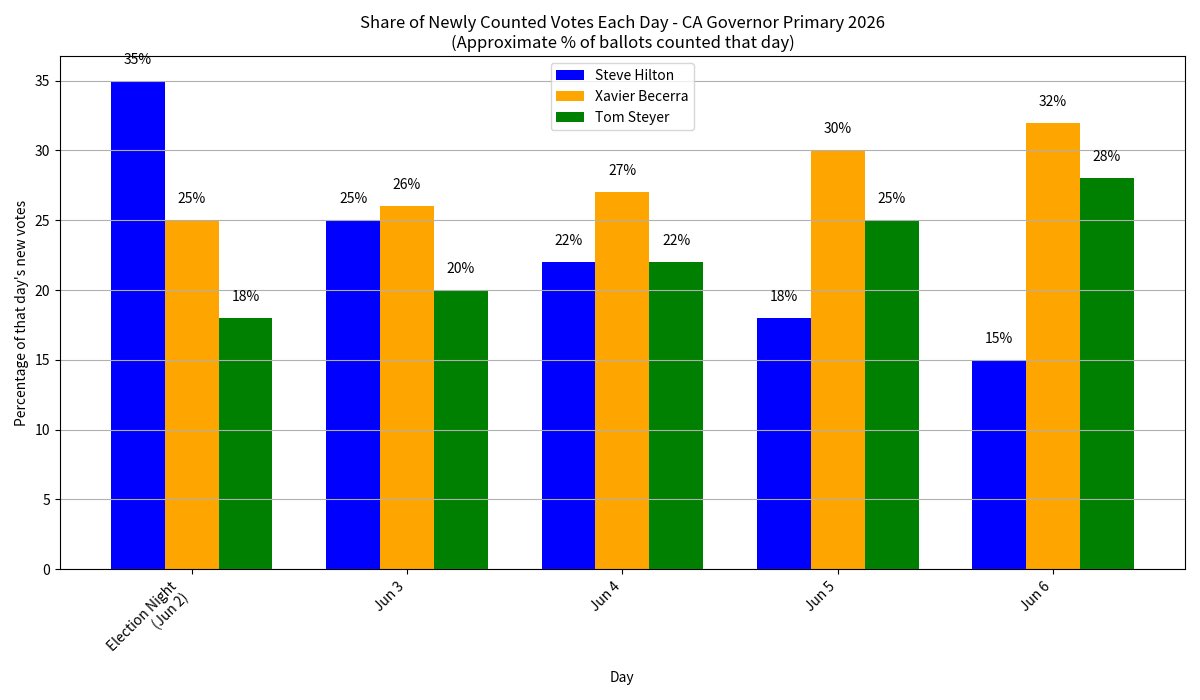
When statistically impossible things happen, we should not be expected as a society to accept them. Evidence of fraud isn’t limited to video surveillance. Statistical impossibilities are hard evidence of fraud.
1
24
Wasted Thoughts retweeted

Jun 7
This is exactly my take. It’s a trust-crushing, shambolic, third-world disgrace. And if you wonder why the one party cabal that runs the place keeps this atrocious system intact, it’s because it works for them — even if doesn’t work in any other sense.
Jun 6

This is happening in both the LA mayor race and governor race
Even if you think this is entirely legitimate, you have to understand what it looks like and how delegitimizing that appearance is
Conducting an election this way is a choice
113
761
2,982
122,429
I’m not one who usually advocates for protests or demonstrations, but if I lived in LA, I would be seriously considering holding a Santa Monica Tea Party, because the people’s representation is clearly being thwarted at the same time that they are being taxed up the wazoo.

If you disclaim even the possibility of mass fraud looking at this graph and accounting for California's incredibly lax-by-design approach to election security, you're simply not being honest. This graph is hugely suspect and the system is such that there's very little way to even investigate the matter.

18
Wasted Thoughts retweeted

Jun 6
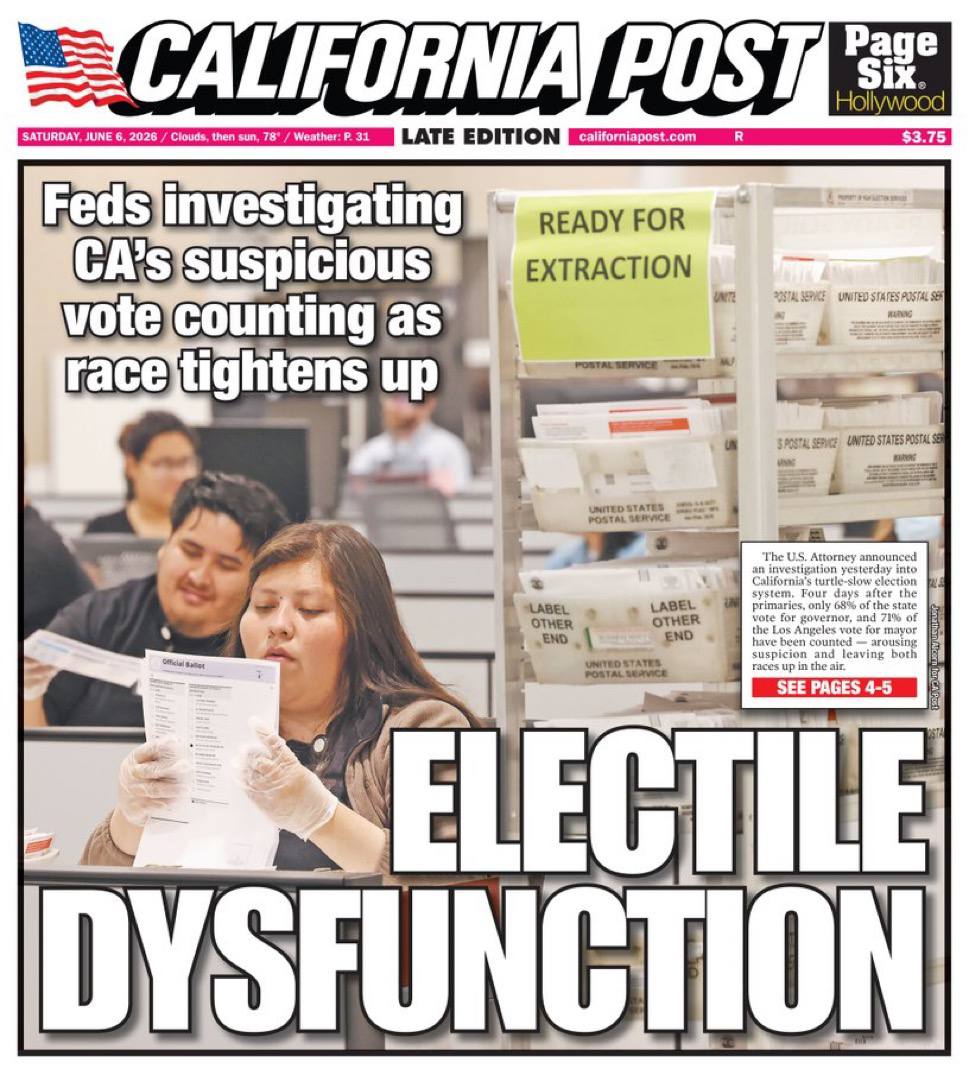
Bravo to the California Post for borrowing my favorite term to describe our elections:
ELECTILE DYSFUNCTION
Remember, Electile Dysfunction is best described by five key symptoms.
1) You have difficulty maintaining an election
2) Your election lasts for longer than four days
3) You have a sudden, severe, and noticeable loss of interest in voting
4) Government goes soft on accountability
And finally, like Arizona voters know all too well…
5) Premature inauguration
Learn and share the symptoms so this doesn’t happen to a state you love.
67
1,084
2,950
68,484
Wasted Thoughts retweeted

California
Before 2016 law changes: Elections resolved on election night or within days. Republicans won seats, held seats, results were stable.
2016: Democrats pass ballot harvesting and universal mail ballot laws. Signed by Democratic governor.
2018 onward: Every close race follows the same script. Republican leads on election night. Slow count begins. Lead shrinks daily. Republican loses weeks later.
Seven House seats in 2018 alone. All the same pattern. All in one direction. Never reversed.
Since 2018, there hasn’t been one single race where the slow counting of votes didn’t take away a Republican victory by the end.
167
2,466
6,931
89,576
Wasted Thoughts retweeted

Jun 4
"One of the most difficult realities confronting Jews about antisemitism is that their outrage is part of the reward structure. It is part of the fun." tabletmag.com/sections/news/…
3
11
49
3,884
Wasted Thoughts retweeted

Jun 4
Florida processes more than 10 million votes in a matter of hours.
California takes days — or sometimes even weeks — to count the votes.
It’s pathetic — and it’s corrosive to our civic culture.
Jun 4

Sad to see you post this. Who exactly is ‘dumping votes?’
2,296
9,715
67,044
1,251,749
Wasted Thoughts retweeted

Jun 3
If Israel would have attacked an international airport injuring 63 people we would have seen global condemnations and many prominent figures shouting “war crimes”.
When Iran does it the respond is “oh well”
Jun 3

June 3 (Reuters) - At least 63 people were injured in Iran's attack on Kuwait on Wednesday, including airport workers and passengers, the health ministry said.
Kuwait's foreign ministry said one person was killed in the Iranian attack.
603
540
2,666
634,281
Wasted Thoughts retweeted

On This Day — June 3, 1922
Britain rewards Arab violence with the Churchill White Paper.
Following the Jaffa Riots when Arab mobs slaughtered 47 Jews & wounded 146, Britain issued a major policy statement.
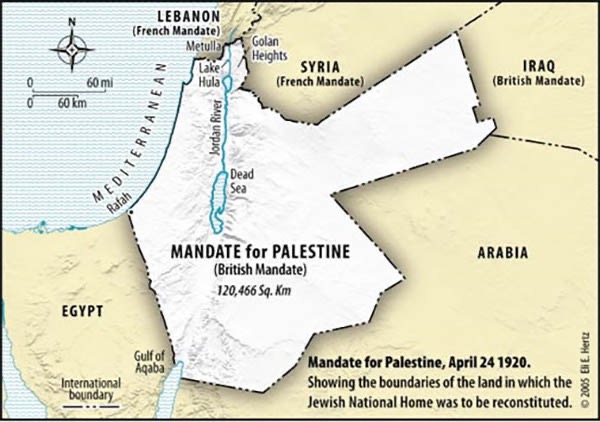
At the time, the Mandate for Palestine included everything west of the Jordan River plus all territory east of the Jordan (today’s Kingdom of Jordan) — a full 77% of the total Mandate.
The White Paper declared that the Jewish National Home would exist in Palestine — not that the whole of Palestine (on both sides of the Jordan) would become a Jewish state.
Jewish immigration was described as a “necessary” legal term of the Mandate that would be limited only by the “economic absorptive capacity” of the country.
Crucially, the Paper affirmed that Jews were returning to their ancient homeland “as of right and not on sufferance.” It recognized that Jews had already rebuilt a community of 80,000 with its own political, religious, and social organizations, its own language, customs, and life — a community that already possessed clear “national” characteristics.
Jewish rights, it stated, rested upon their "ancient historic connection" to the Land, and the National Home must be internationally guaranteed.
This White Paper became the decisive step in carving Transjordan (the eastern 77% of the Mandate, east of the Jordan River) out of Palestine and handing it to the Hashemite family — the first partition of Palestine into an Arab state and a much smaller Jewish one. All done to appease Arab demands after violence.
A dangerous pattern was set early: Jewish rights would be conditional. Arab violence would be rewarded with territorial concessions.
12
126
334
5,099
Wasted Thoughts retweeted
Jun 3
This is how it has been since the US federal charges against the @Sbarro bomber were finally, years after being issued in Washington, unsealed.
Shameful, self-damaging silence.
May 29
Requesting a call, Mr @DAGToddBlanche.
1
10
21
406
Wasted Thoughts retweeted
Jun 3
Just don’t say there was nothing you could have done. This travesty of justice, ongoing day after day for years, is driven by apathy, inaction, silence.
Give your voice to us as we battle for the Jordanian savage to finally be brought to US justice.
Sign change.org/ExtraditeTamimi
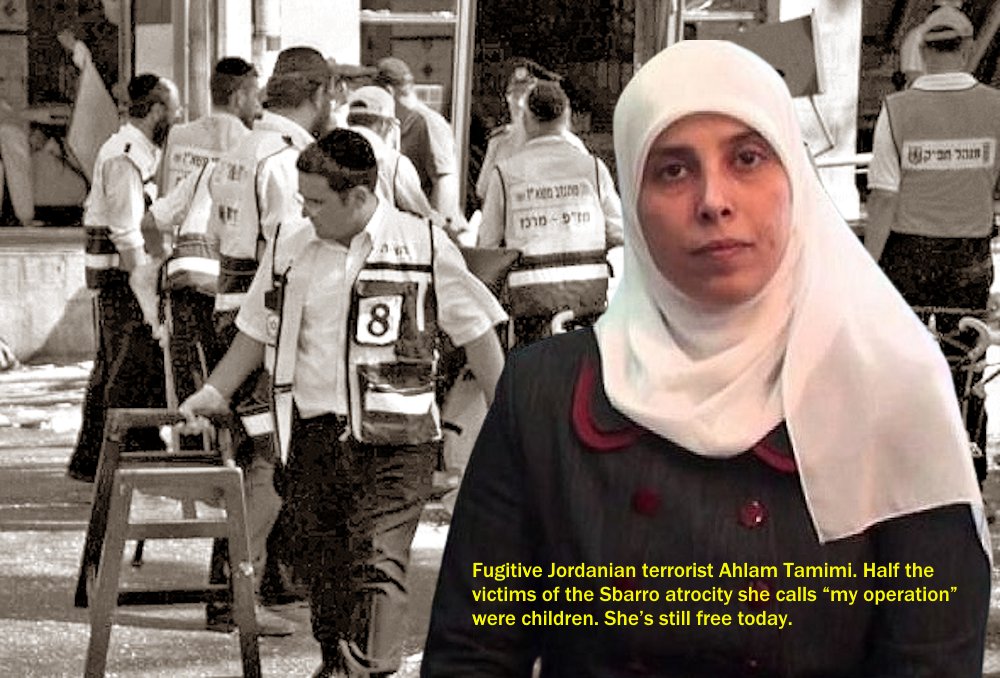
As the 25th anniversary of the @Sbarro atrocity approaches, it’s vital to expose how its central figure, a fugitive from US justice, lives free in Jordan as a media celeb. The Jordan/Tamimi case is a mostly suppressed watershed with chilling implications.
15
23
712
RT @ADL: Yesterday, on the one-year anniversary of the antisemitic firebombing attack in Boulder, the local SJP chapter chose to share a le…
370
Wasted Thoughts retweeted

Jun 1
Mainstream media refuses to grapple with one of the most consequential revelations of the Gaza war: Hamas & PIJ openly admitting dozens of operatives posed as journalists. It undermines countless claims the IDF targeted civilians and exposes how fake reporting from Gaza was.
Jun 1
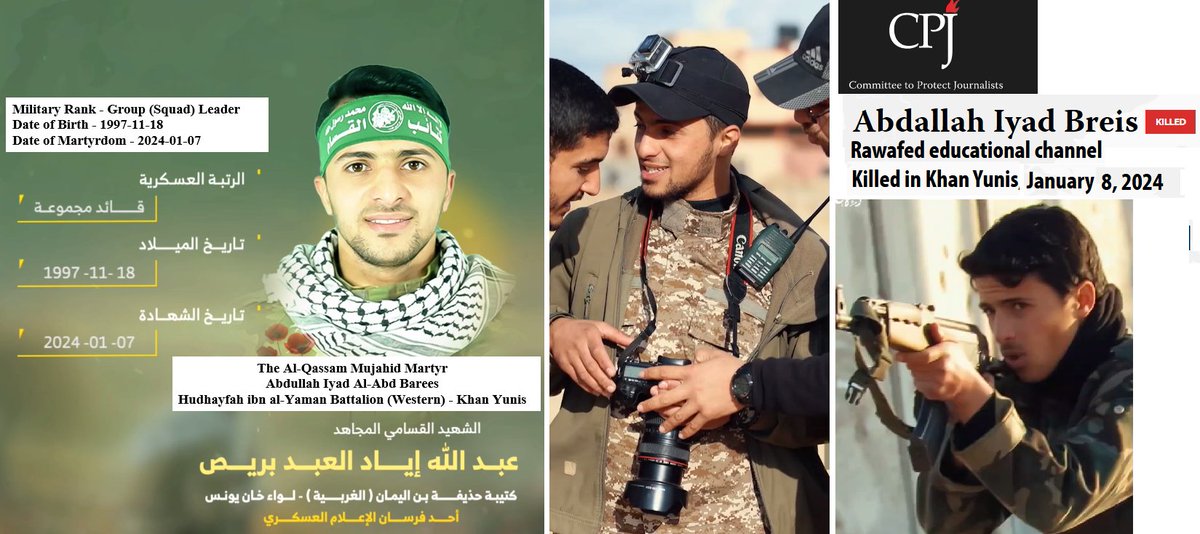
🧵TODAY Hamas admitted that Abdullah Breis was a commander posing as a “journalist”— it is no longer “Israel says so” evidence. Over 60% of "journalists" killed in Gaza are outed as combatants, more every week. A systematic human shield strategy. NINE recent examples below: 1/
5
298
720
13,732
Wasted Thoughts retweeted
On This Day — June 1, 1967
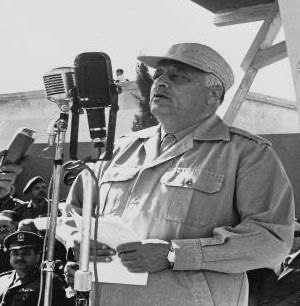
In case anyone still doubts the genocidal intent of the Arab armies massed on Israel’s borders just days before the Six Day War, the Chairman of the PLO made it crystal clear.
Ahmed Shukairy stated in a Friday sermon in Jerusalem:
“This is a fight for the homeland – it is either us or the Israelis. There is no middle road. The Jews of Palestine will have to leave. We will facilitate their departure to their former homes. Any of the old Palestine Jewish population who survive may stay, but it is my impression that none of them will survive.”
He added:
“We shall destroy Israel and its inhabitants and as for the survivors — if there are any — the boats are ready to deport them.”
This was the official leader of the PLO speaking before Israel had fired a single shot — while the Jewish state was still entirely inside the 1949 armistice lines (the so-called “67 borders”). No “occupation,” no “settlements,” no control over the "West Bank" (then Jordanian) or Gaza (Egyptian).
The actual goal was simple: total destruction of the Jewish state and the extermination or expulsion of its Jews.
Yet today, the same movement and its defenders still pretend the conflict began with the “occupation” that only existed after Israel survived yet another attempt at its annihilation.
32
425
825
25,381
Wasted Thoughts retweeted

May 31
One of the biggest problems in discussions about Israel is that most people have never heard of the Cairo Geniza.
And yet it may be one of the most devastating pieces of evidence against many of the myths surrounding the conflict.
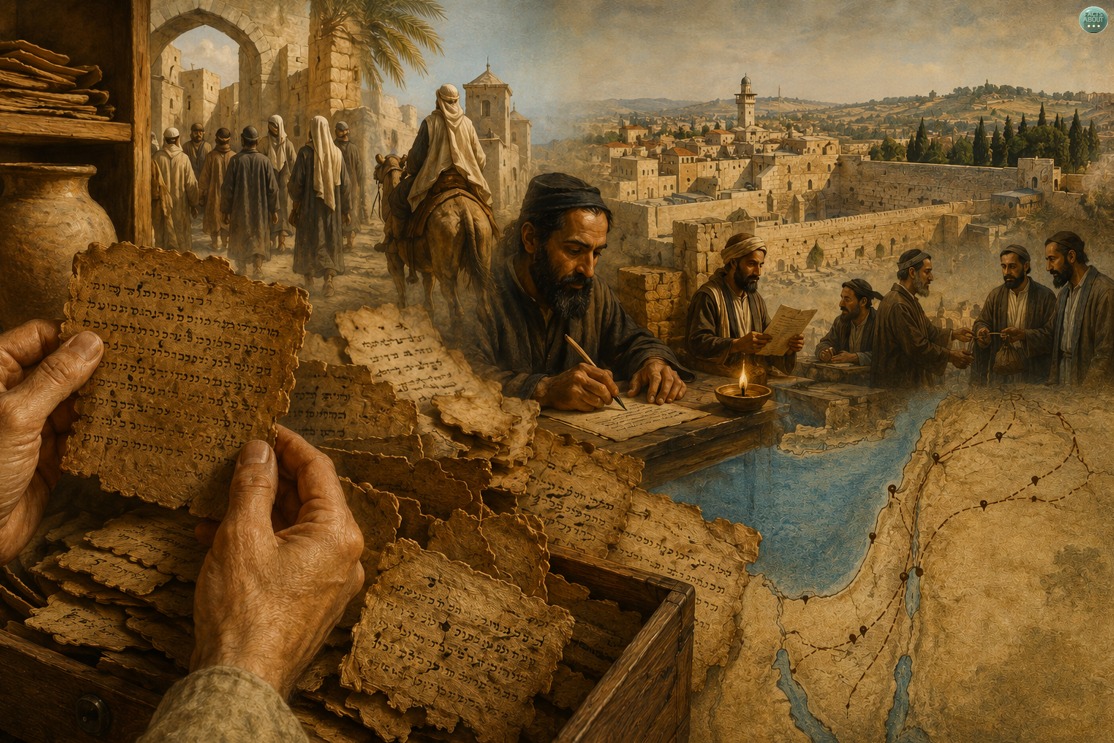
The Cairo Geniza was a storage room in a synagogue in Egypt where Jews deposited old documents for nearly a thousand years. When scholars finally examined its contents, they discovered roughly 300,000 manuscript fragments dating from the 9th to the 19th centuries.
Not religious texts - Real life:
Letters.
Contracts.
Tax receipts.
Court cases.
Business records.
Marriage agreements.
Personal correspondence.
In other words, not propaganda.
Not nationalist history.
Not modern politics.
The actual paperwork of ordinary people living a thousand years ago.
And what does it show?
First, it destroys the claim that Jews are foreign colonists with no historical connection to the land.
The Geniza contains countless references to Jewish communities in Jerusalem, Hebron, Tiberias, Safed, Ramle, Acre, and other towns throughout the Land of Israel.
Before the twentieth century.
Before Herzl.
Before Zionism.
Centuries before any of those things existed.
The documents show Jewish pilgrims traveling to Jerusalem, donations being sent to Jewish communities there, rabbis corresponding with scholars in the land, and families moving between Egypt and the Land of Israel.
The connection never disappeared.
It never had to be "invented."
Second, it shows that Jewish identity remained tied to the land even after centuries of exile.
The Jews of Cairo, Baghdad, Yemen, Morocco, and Spain did not view Jerusalem as some distant historical curiosity.
They viewed it as the center of their civilization.
A place they prayed toward.
A place they supported financially.
A place many hoped to return to.
Long before modern nationalism was invented.
Third, it destroys the fantasy that Jews and Muslims lived in some utopian age of perfect coexistence before Zionism arrived and ruined everything.
The Geniza records periods of cooperation and prosperity.
But it also records jizya taxes, discrimination, legal inequality, extortion, restrictions, persecution, and the vulnerability of Jewish communities living as dhimmis under Islamic rule.
The reality of a subordinate minority.
Forth, the Geniza also challenges another popular myth: that Hebrew was a "dead language" resurrected out of nowhere by Zionists.
The Geniza contains countless Hebrew documents - letters, contracts, legal rulings, religious texts, poetry, and correspondence between communities separated by thousands of miles.
For centuries, Jews used Hebrew as a common civilizational language connecting communities from Morocco to Iraq and from Yemen to Jerusalem.
Eliezer Ben-Yehuda did not resurrect a dead language. He transformed an ancient, continuously used literary and religious language into a modern spoken one.
The Cairo Geniza proves that Hebrew never disappeared. It evolved, adapted, and survived long before modern Zionism emerged.
Fifth, it reminds us how sparsely populated and underdeveloped much of the region was before modern times.
The Land of Israel was not some densely populated "Palestinian" nation-state waiting to emerge. It was part of a larger Ottoman and earlier Islamic world, with small communities of Muslims, Christians, Jews, Druze, Bedouins, and others living across the region, that was vastly abandoned.
Perhaps most importantly, the Geniza reveals something that infuriates modern anti-Zionists:
The Jews never left history.
The Jewish people did not disappear from the land.
They did not forget Jerusalem.
They did not suddenly arrive from Europe one day and invent a connection.
The connection is documented continuously across centuries by the people who actually lived it.
It proves that the story told by activists - that European Jews arrived in a foreign land with no roots there - is historically indefensible.
The Cairo Geniza is thousands of voices speaking across a millennium.
And together they tell a story that modern ideologues desperately wish did not exist:
The Jewish connection to the Land of Israel was not created by Zionism.
Zionism was created because that connection never died.
May 11

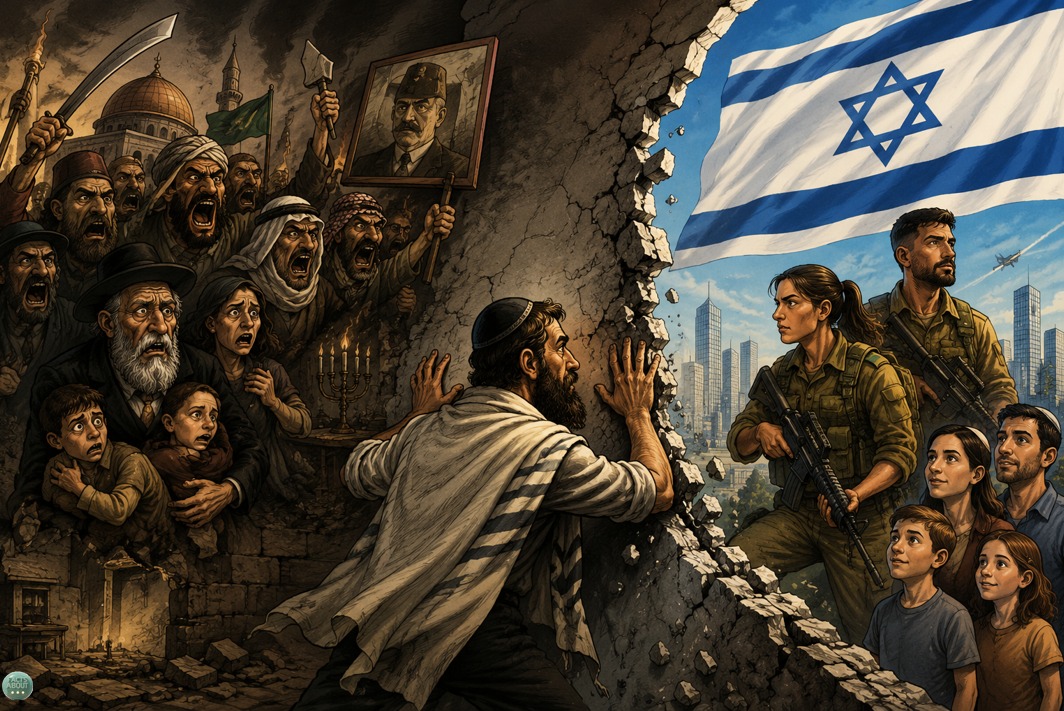
The claim that “Arabs and Jews lived peacefully before Israel” is one of the most useful myths in modern politics.
Not because there were never peaceful moments. Of course there were. There were friendships, business ties, shared cities, neighbourly decency, and even Arabs who saved Jews during massacres.
But that is precisely what makes the myth so dishonest.
Because “some people were decent” is not the same as “Jews were safe.”
Before Israel, Jews (like Christians) in the land did not live as equal sovereign citizens. Under Islamic rule, Jews were historically dhimmis - tolerated, sometimes protected, but subordinate. Their safety depended less on rights than on rulers, local power, mood, extortion, clerical incitement and the willingness of others to restrain the mob.
Israel Joseph Benjamin, the 19th-century Jewish traveller who visited Jewish communities across Asia and Africa, described the Jews of Palestine in devastating terms. He wrote of “deep misery and continual oppression”, saying they were “entirely destitute of every legal protection and every means of safety”, subject to arbitrary taxes, robbery, plunder and violence. In Hebron, he wrote, Jews had been murdered and plundered, women treated with “brutal cruelty”, and survivors left in misery. That was not "Zionist propaganda". That was a Jewish eyewitness writing decades before the State of Israel existed, and many of the people in the land were religious and were not Zionists.
And then came the pogroms.
Safed, 1834: during a revolt against Egyptian rule, the Jewish community was attacked for more than a month. Homes were looted. Jews were robbed, assaulted and left defenceless.
Jerusalem, 1920: during the Nebi Musa riots, five Jews were killed and hundreds wounded. Amin al-Husseini and other Arab nationalist figures were associated with the anti-Zionist agitation around the festival; Husseini and Aref al-Aref were later sentenced in absentia for incitement after fleeing to Syria.
Jaffa, 1921: riots that began in Jaffa turned into attacks on Jews, leaving 47 Jews dead and 146 wounded. The British Haycraft Commission identified Arab hostility to Jews as a fundamental cause.
And then Hebron, 1929.
Hebron is where the lie dies.
The Jews of Hebron were not aggressive secular Zionist pioneers with rifles and flags. Many were old Yishuv Jews. Deeply religious. Non-Zionist or not politically Zionist in the modern sense. They had lived among Arabs for generations. They believed their neighbours and local Arab notables would protect them. When Haganah representatives offered to help defend or evacuate them before the violence, the leaders of the Hebron Jewish community refused, trusting the local Arab elite.
That trust was repaid with slaughter.
On August 24, 1929, Arab mobs attacked the Jewish community of Hebron. Between 67 and 69 Jews were murdered. Dozens more were wounded. Homes were looted. Synagogues were desecrated. Women, children, rabbis and yeshiva students were killed. Twenty-four of the murdered were students from the Hebron yeshiva; several were American or Canadian. Some victims were tortured or mutilated. British High Commissioner Sir John Chancellor wrote that “the horror of it is beyond words”.
And yes, the comparison to October 7 is unavoidable.
The pattern is chilling: rumours about Jews threatening Al-Aqsa; religious incitement; mobs attacking unarmed Jewish families; murder inside homes; cruelty against the defenceless; and a world eager afterwards to explain, contextualise or minimise the massacre. The 1929 riots were fuelled by claims that Jews were trying to seize Muslim holy sites; Hamas even named its October 7 massacre “Operation Al-Aqsa Flood”.
There is one important detail we must include: some Arabs in Hebron did save Jews. Some Jews survived, because they were sheltered by Arab families. It proves individual courage existed. It also proves the larger point: Jewish life depended on whether a neighbour chose to hide you from the mob.
But that is not safety, and not living together in peace.
The Hebron massacre shattered something, especially for religious Jews who had believed that being pious, apolitical and locally rooted would protect them. Many still did not become ideological Zionists overnight. But the basic Zionist argument became harder to deny: if Jews cannot rely on empire, neighbours, clerics, kings or policemen to protect them, then Jews must be able to protect Jews.
That is what Zionism means at its most basic level.
Not supremacy.
Not conquest.
Not revenge.
A Jewish state means Jews are no longer permanently dependent on the mercy of others.
Then came the 1930s and 1940s, and the picture became darker. Haj Amin al-Husseini, the Grand Mufti of Jerusalem, became one of the most important Palestinian Arab leaders of the period. He met Hitler in Berlin on November 28, 1941. In the official record, he told Hitler that Arabs and Germany had the same enemies: “the English, the Jews and the Communists”. The US Holocaust Memorial Museum records that he worked as a Nazi propagandist, opposed Jewish immigration to Palestine, and helped spread Axis propaganda in the Arab world.
He collaborated with the Nazis, campaigned against Jewish refugees reaching Palestine, and in 1944 broadcast: “Kill the Jews wherever you find them”, propaganda that spread throughout the Arab world, that never underwent the marshal plan and are now re-importing the same old ideas to Europe.
At the very moment Jews were trying to flee Europe, Britain, betrayed the Jews and the mandate they received from the league of nations and slammed the door. The 1939 White Paper limited Jewish immigration to Palestine to 75,000 over five years and said that after that, further Jewish immigration would require Arab consent. In plain English: Jews fleeing Hitler needed the permission of those collaborating from Hitler to escape the persecution, while Arab immigration was unlimited.
Jewish refugee ships were intercepted. The Struma, carrying nearly 800 Jewish refugees from Romania toward Palestine, was blocked from entering and later sank in the Black Sea in 1942, killing almost everyone aboard. The Exodus 1947, carrying more than 4,500 Holocaust survivors, was intercepted by the British and its passengers were forcibly returned to Europe, including Germany.
So when people say Jews and Arabs lived peacefully before Israel, ask them: peacefully compared to what?
Compared to Hebron?
Compared to Safed?
Compared to Jaffa?
Compared to the Mufti collaborating with Hitler?
Compared to British ships turning Jewish survivors back to Nazi extermination camps?
Compared to centuries in which Jews survived not as equals, but as tolerated minorities whose fate could change the moment power changed hands?
The Jewish lesson from history is memory.
Spain expelled the Jews. Europe emancipated the Jews and then produced Auschwitz. The Arab world once had ancient Jewish communities from Baghdad to Cairo to Damascus, and most of them are gone. Today, Jews are again discovering that even in Europe, police protection, elite sympathy and liberal slogans are not the same as safety.
That does not mean Jews cannot have allies. They can, and they do. It does not mean every Arab was an enemy. Many were not. It does not make every Israeli policy correct.
But it does destroy the infantile fantasy that everything was peaceful until Zionism arrived.
Zionism did not emerge because Jews were bored.
It emerged because Jews studied history and noticed the pattern.
When Jews had no power, they wrote petitions.
When Jews had no army, they buried children.
When Jews had no state, they begged empires to open gates - and the gates closed.
The world keeps asking why Jews need Israel.
The answer is brutally simple:
Because every other arrangement was tried first and failed.
70
812
1,905
63,080
Wasted Thoughts retweeted

May 31
Remember the European Hospital in Khan Younis last May?
Israel struck a targeted site there, and the world lost its mind.
Palestinians denied any tunnel existed underneath. The UN and European governments rushed to condemn Israel for attacking a “hospital.” Outrage, headlines, accusations of war crimes… the usual script.
Then June came.
The IDF took international media into the very same location and showed them the tunnel… a full Hamas command center, right under the emergency room.
Weapons, rooms, infrastructure. And yes, that’s where they found and confirmed the body of Mohammed Sinwar, Hamas’s top military commander and brother of Yahya Sinwar.
The strike that killed one of the architects of October 7 was surgically precise, and entirely justified.
Under the Geneva Conventions of 1949, hospitals and other medical facilities lose their protected status when they are used for military purposes, such as command centers, weapon storage, or troop movements. By deliberately turning the European Hospital into a Hamas base, the terrorists themselves stripped it of any legal protection.
Not a single apology from the UN or the European governments that rushed to condemn Israel. Not one admission they were wrong. They simply moved on to the next round of accusations.
This is the pattern. Hamas hides its terror infrastructure under civilian sites, uses hospitals as shields, and the international community reliably attacks the defender for responding, only to be proven wrong again and again and again when the evidence emerges.
How many times does this have to happen before the world stops falling for it?
450
9,992
26,561
535,342