In love with Stella, Father of Cecilia, Ximena and Alexis. Maths & Computers passionate ! Working for Microsoft Corporation since 1996. Tech & Biz impact !

Joined May 2008
224 Photos and videos
Pinned Tweet
25 Apr 2020
Our superpower is to empower !
1
3
19
willynet retweeted
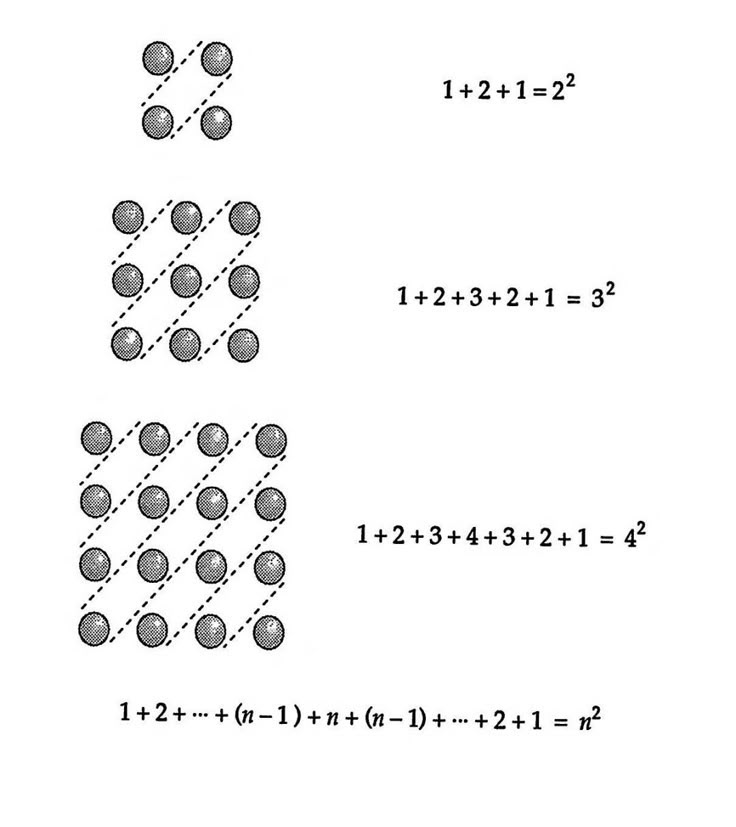
How square numbers form through a simple rise-and-fall pattern of consecutive integers. Top: 1 2 1 = 2² Middle: 1 2 3 2 1 = 3² Bottom: 1 2 3 4 3 2 1 = 4² General formula: 1 2 ⋯ (n-1) n (n-1) ⋯ 2 1 = n² The pattern holds exactly because twice the sum of the first n whole numbers, minus the middle n, always simplifies to n². This helps count total items in square grids or layouts built row by row with matching increases and decreases, such as planning square garden beds, seating charts, or pixel arrangements.
3
28
145
4,175
willynet retweeted
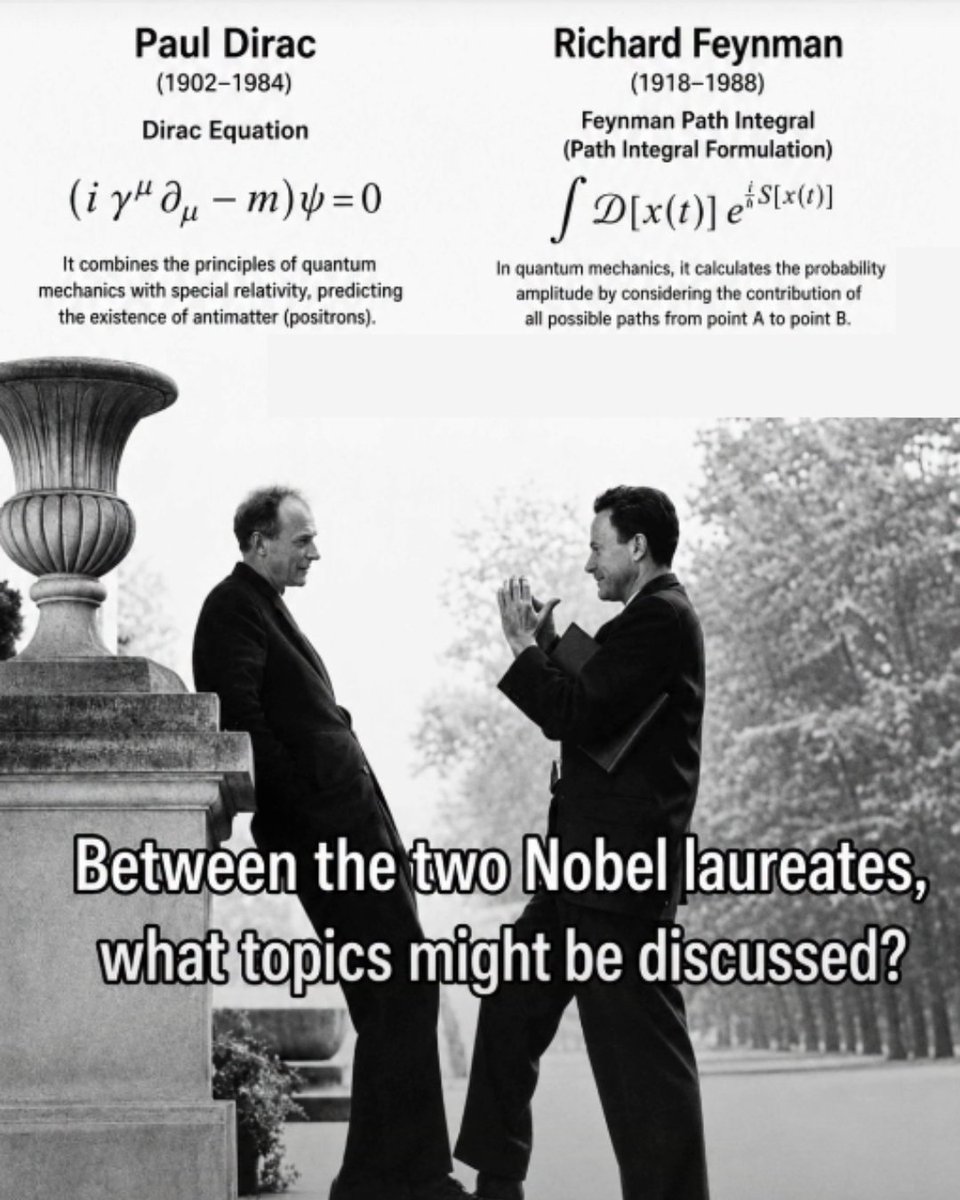
One of the most difficult auras in the history of physics
10
27
306
14,473
willynet retweeted
"Mathematics is not about numbers, equations, computations, or algorithms: it is about understanding." — William Paul Thurston
10
53
290
8,379
willynet retweeted
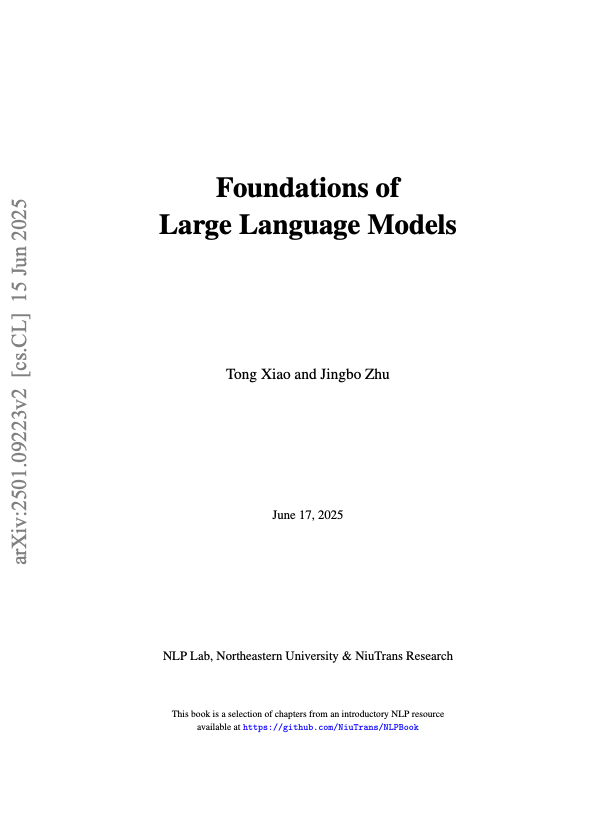
This 277-page PDF unlocks the secrets of Large Language Models. Here's what's inside: 🧵
9
155
795
44,072
willynet retweeted
A new Science study shows that bumble bees can position a ball underneath a fake “flower” to reach a reward, suggesting they can exhibit spontaneous problem-solving and challenging the notion that such advanced cognitive abilities are exclusive to large-brained vertebrates. Learn more: scim.ag/4vvcNwr
85
650
3,950
396,081
willynet retweeted
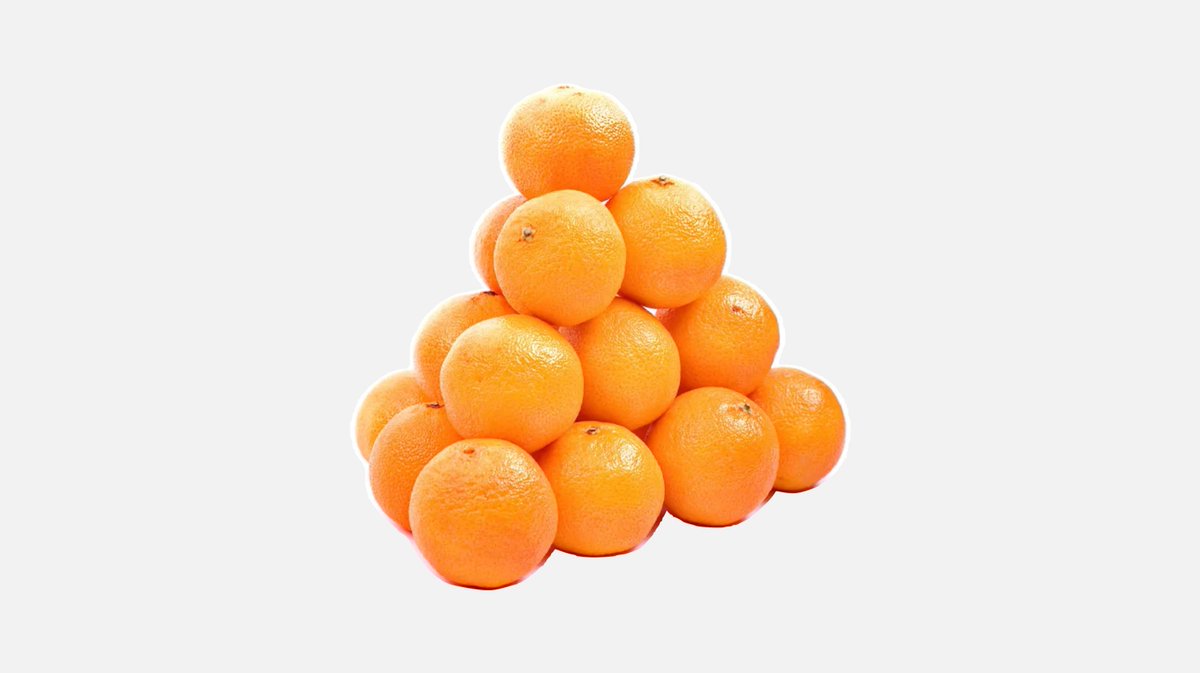
FUN FACT In 1611 Kepler conjectured that the densest way to stack spheres is the pyramid arrangement greengrocers use for oranges. It took 387 years to prove. Thomas Hales' 1998 proof was so massive that referees spent 4 years on it and could only certify they were "99% certain" it was correct. Hales spent the next decade building a formal proof, machine-verified line by line. It finished in 2014.
9
88
671
49,704
willynet retweeted
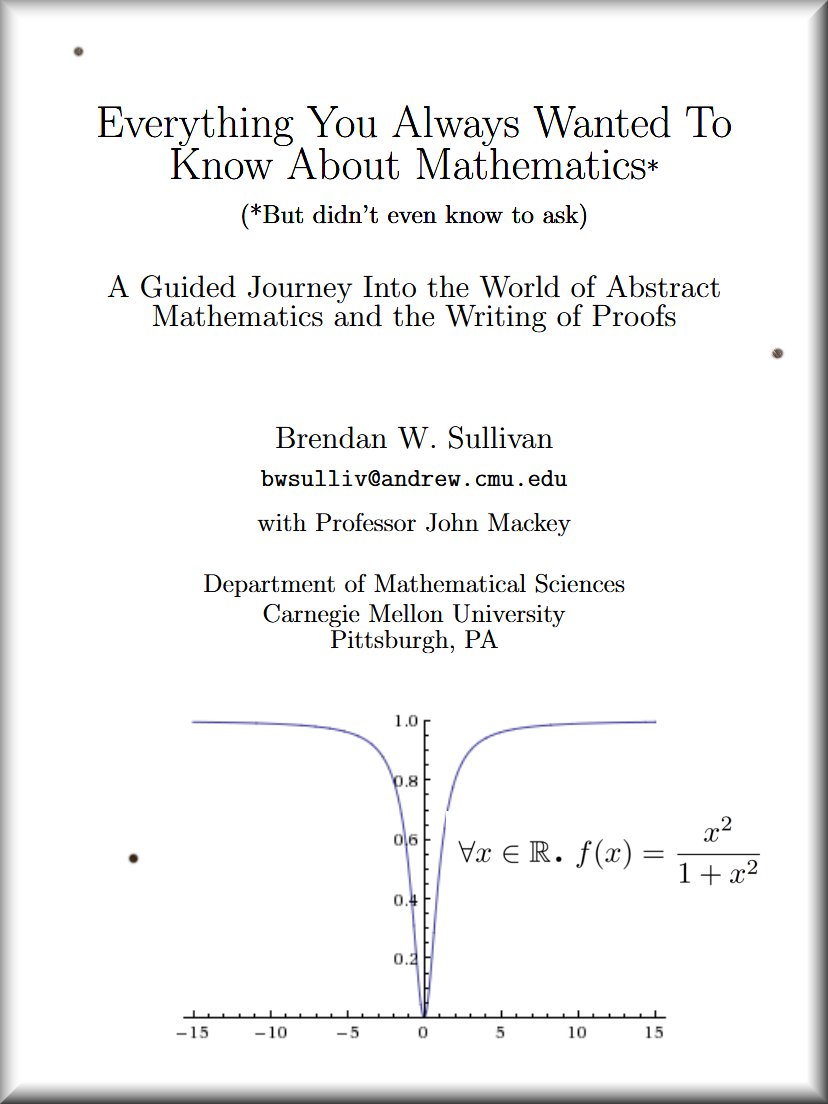
FREE Math book. 700 pages. "Everything You Always Wanted To Know About Mathematics: A Guided Journey into the World of Abstract Mathematics...", by Sullivan, with Mackey. Polynomnomnomials, Gauss in the House, The Full Monty Hall, Dominoes and Tilings, The Tower of Hanoi, Combinatorics, Pigeonhole Principle, Jections, Cardinality, Proofs, Set Operations, etc. Link: Instructor John Mackey at CMU, Welcome Page, math.cmu.edu/~jmackey/151_12…
2
100
587
19,424
willynet retweeted
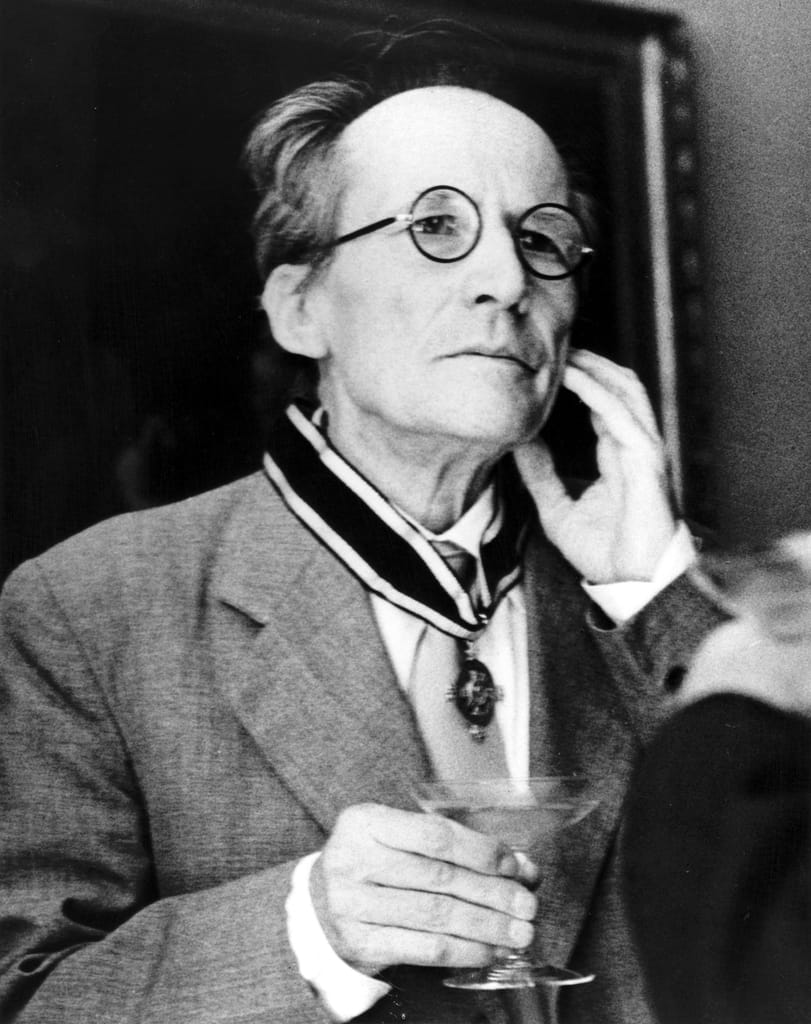
Erwin Schrödinger on consciousness ✍️ Although I think that life may be the result of an accident, I do not think that of consciousness. Consciousness cannot be accounted for in physical terms. For consciousness is absolutely fundamental. It cannot be accounted for in terms of anything else. - as mentioned in The Observer (1931)
27
66
307
15,558
willynet retweeted
For decades, NASA’s exploration of the solar system has been dominated by the search for water, because as far as we know, water is essential for life. So it may come as a surprise that scientists don’t really know how water first arrived here on Earth. quantamagazine.org/where-did…
8
17
78
6,342
willynet retweeted
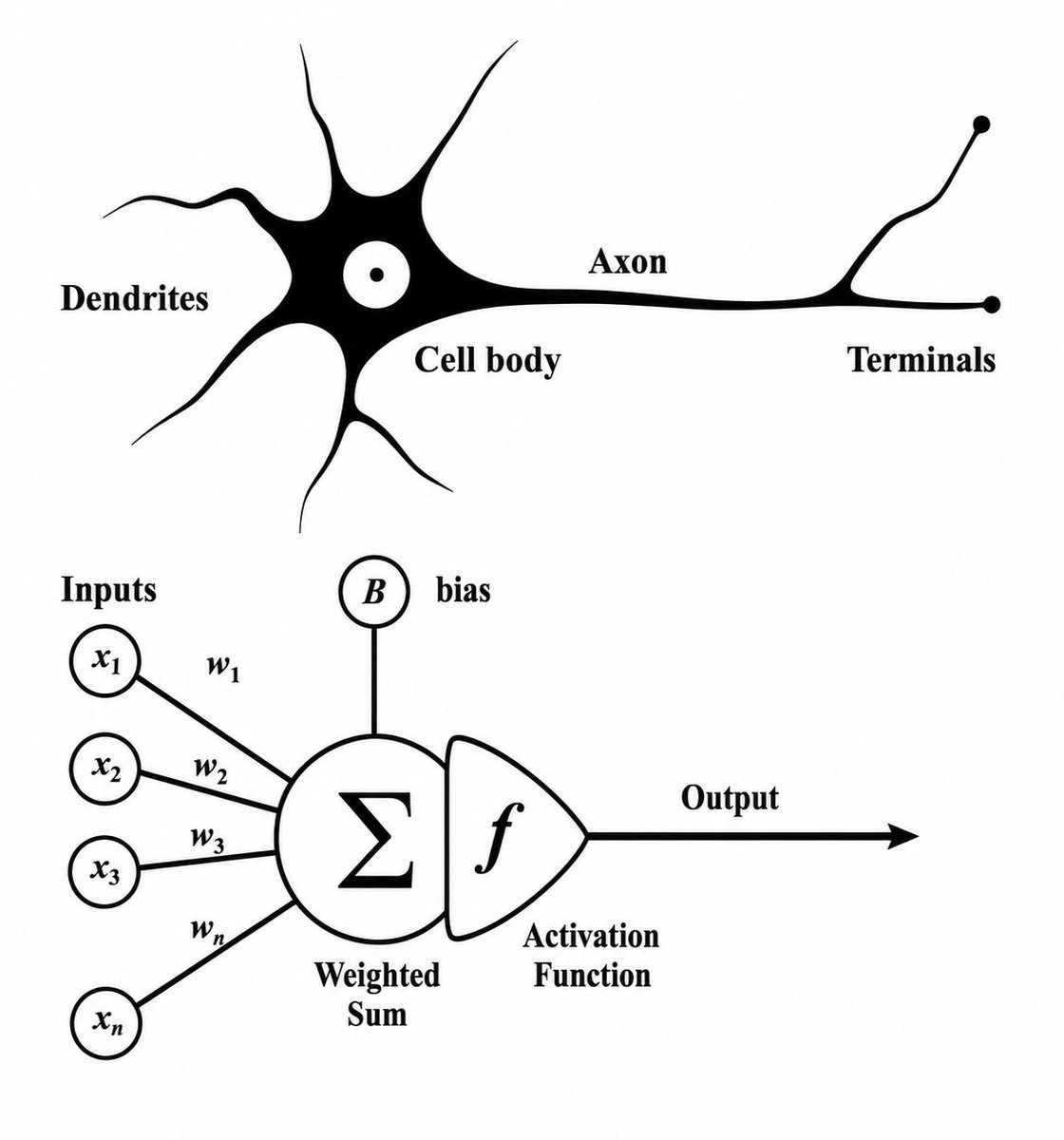
Biological neuron compared to the artificial neuron used in neural networks. - The top shows a biologic neuron: dendrites receive signals, the cell body processes them, the axon transmits the signal, and terminals pass it onward. - The bottom shows an artificial neuron: inputs x₁ to xₙ are weighted by w₁ to wₙ, summed with bias B, then passed through activation function f to produce output. This model is the basis for artificial neural networks. It drives applications such as image classification in social media and voice recognition in virtual assistants.
29
380
1,741
50,874
willynet retweeted
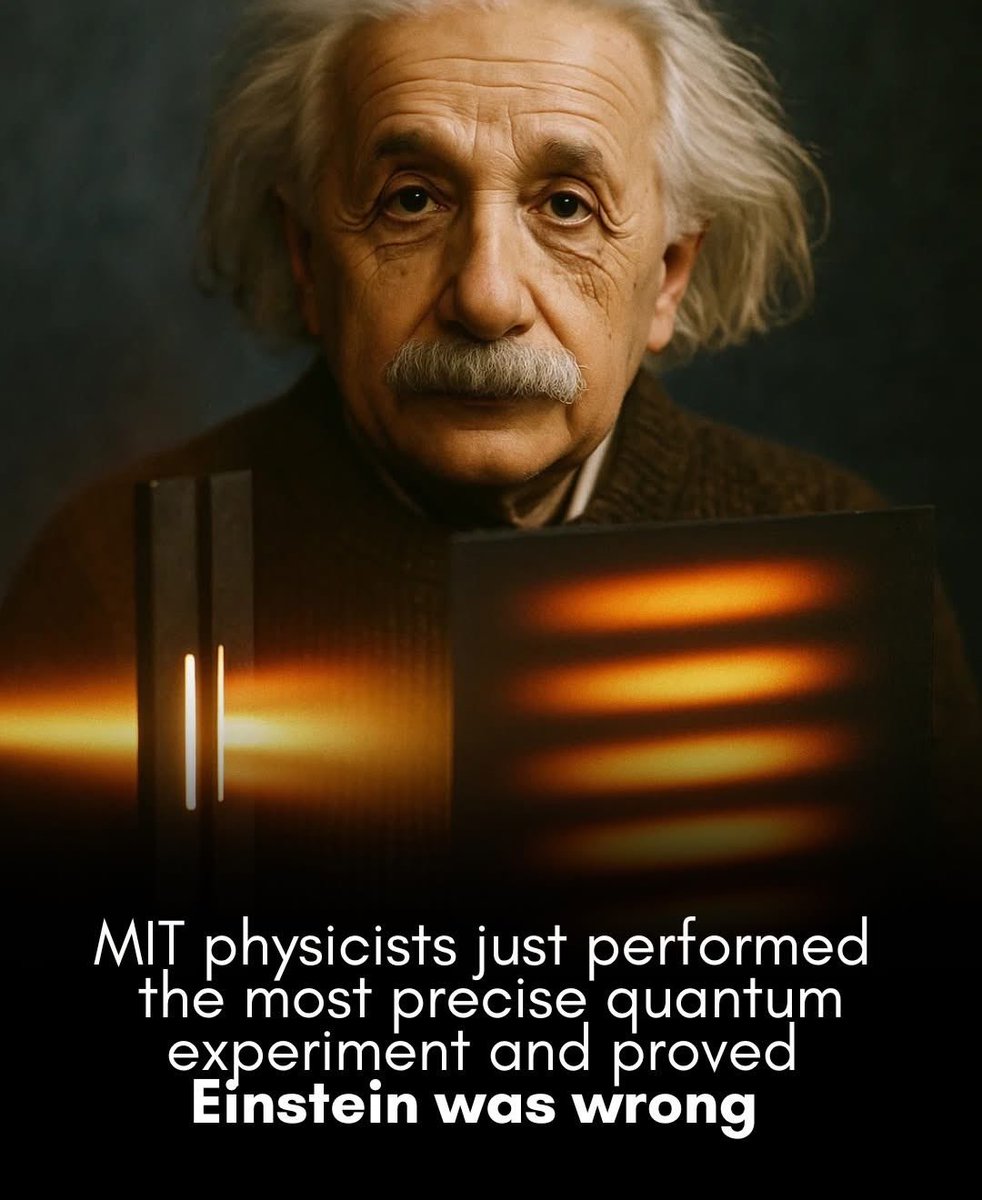
MIT settles quantum debate, proving Einstein wrong MIT physicists have just delivered the most precise version yet of the iconic double-slit experiment — and in doing so, they’ve effectively proven Albert Einstein wrong about one of quantum physics’ greatest mysteries. Using ultracold atoms and single photons, the team recreated the experiment at a level Einstein and his rival Niels Bohr could have only imagined. The result? Bohr was right: a photon can act like a wave or a particle—but never both at once. Their work demonstrates that when information about a photon's path is gained—even indirectly—its wave-like interference disappears, affirming the uncertainty principle at the heart of quantum mechanics. The breakthrough came from a novel method that used isolated atoms as “slits” and tuned their “fuzziness,” or spatial uncertainty, to control whether light acted like a wave or particle. In doing so, the MIT team stripped away classical components like springs or screens and showed that Einstein’s proposed workaround for observing both aspects of light simultaneously doesn't hold up. This experiment not only clarifies a century-old debate but also marks a milestone in quantum research during what the UN has declared the International Year of Quantum Science. The findings shine new light on the strange, fundamental rules that govern the quantum world. source “Coherent and Incoherent Light Scattering by Single-Atom Wave Packets” by Vitaly Fedoseev, Hanzhen Lin, Yu-Kun Lu, Yoo Kyung Lee, Jiahao Lyu and Wolfgang Ketterle, 22 July 2025, Physical Review Letters.
30
54
176
7,976
willynet retweeted
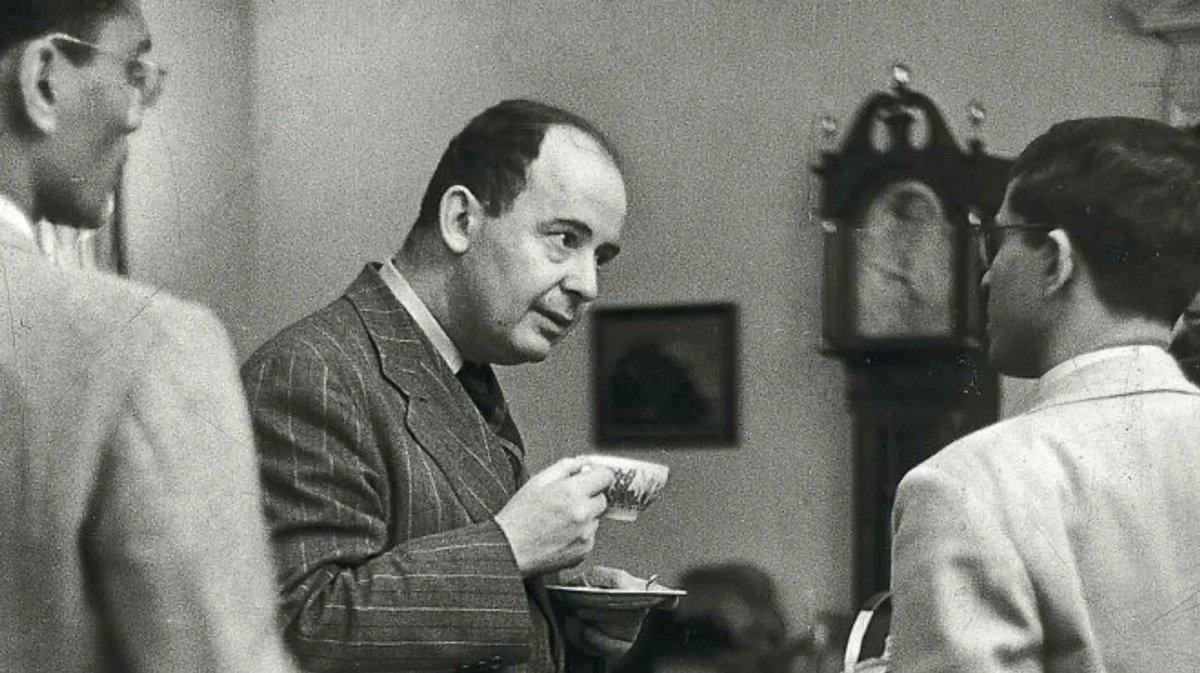
By age 6, John von Neumann was already fluent in eight languages; including Ancient Greek and Latin; while casually dividing eight-digit numbers in his head for fun. At just eight, he was studying calculus. He entered the University of Budapest at 15, earned a degree in chemical engineering by 19, and completed his PhD in mathematics in Berlin at 22. What followed was extraordinary. Von Neumann helped build the mathematical foundations of quantum mechanics, invented game theory, laid the theoretical groundwork for modern computers, shaped nuclear strategy during the Cold War, and played a pivotal role in the early development of artificial intelligence. A mind so far ahead of its time that its impact is still shaping our world nearly eight decades later.
11
49
278
10,954
willynet retweeted
A free MIT course breaking down fundamental math concepts in computer science: bit.ly/4kXuqQ6 Here, MIT prof. Erik Demaine breaks down state machines (Lecture 4). v/@MITOCW
11
181
1,289
75,397
willynet retweeted
12
85
544
18,529
willynet retweeted
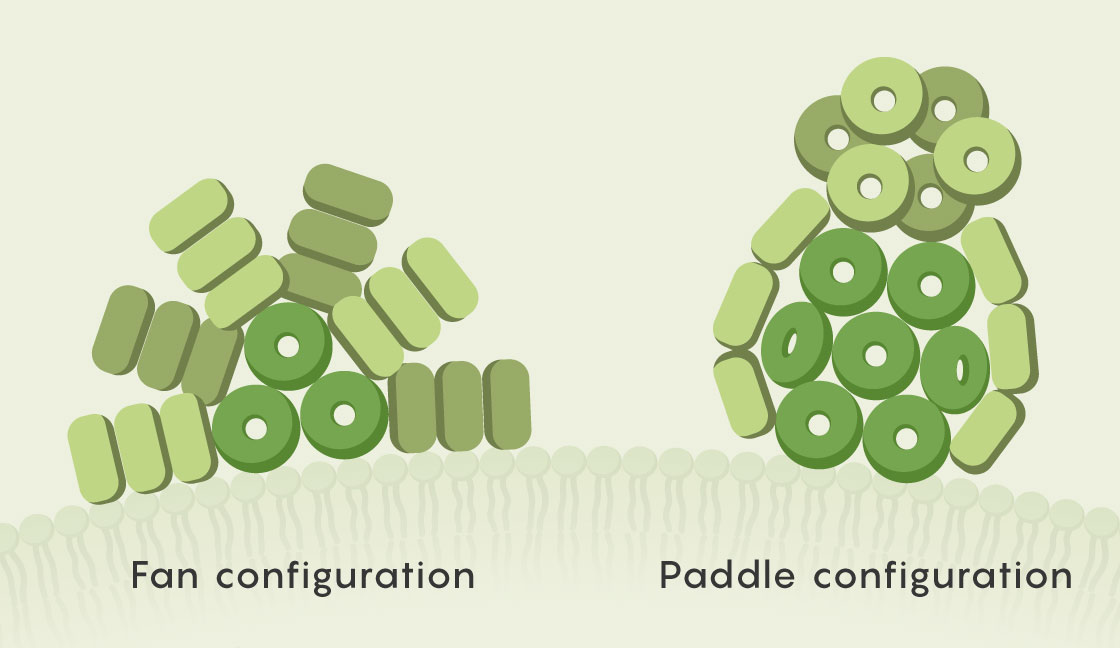
Plants and cyanobacteria use antenna complexes to collect sunlight for photosynthesis. A lineage that branched off 2 billion years ago has an antenna shaped like a paddle, which is worse at gathering photons than the more modern fan shape. quantamagazine.org/an-early-…
3
17
76
6,491
willynet retweeted
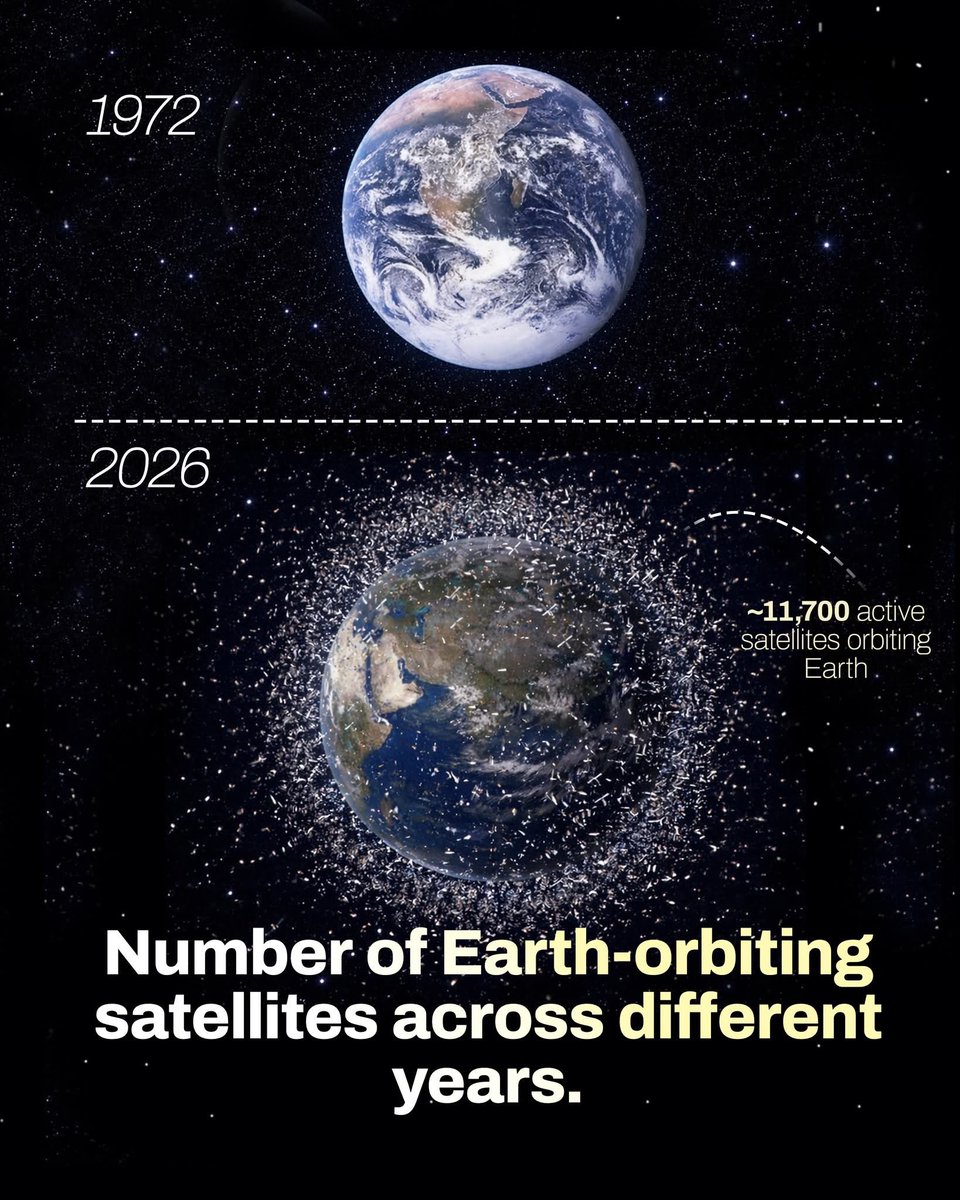
In 1972, Earth’s orbit was still relatively empty, with only a few hundred satellites circling the planet, mostly dedicated to science, weather, and early communications. Over the following decades, advances in technology and lower launch costs steadily accelerated the pace of satellite deployment. By 2026, Earth is surrounded by roughly 11,700 active satellites, forming a dense shell of human-made objects in space. This dramatic growth is driven largely by global communication networks, navigation systems, Earth observation, and massive satellite constellations. The comparison highlights how quickly near-Earth space has transformed from a quiet frontier into one of the most crowded regions humans have ever created.
9
34
99
5,850
willynet retweeted
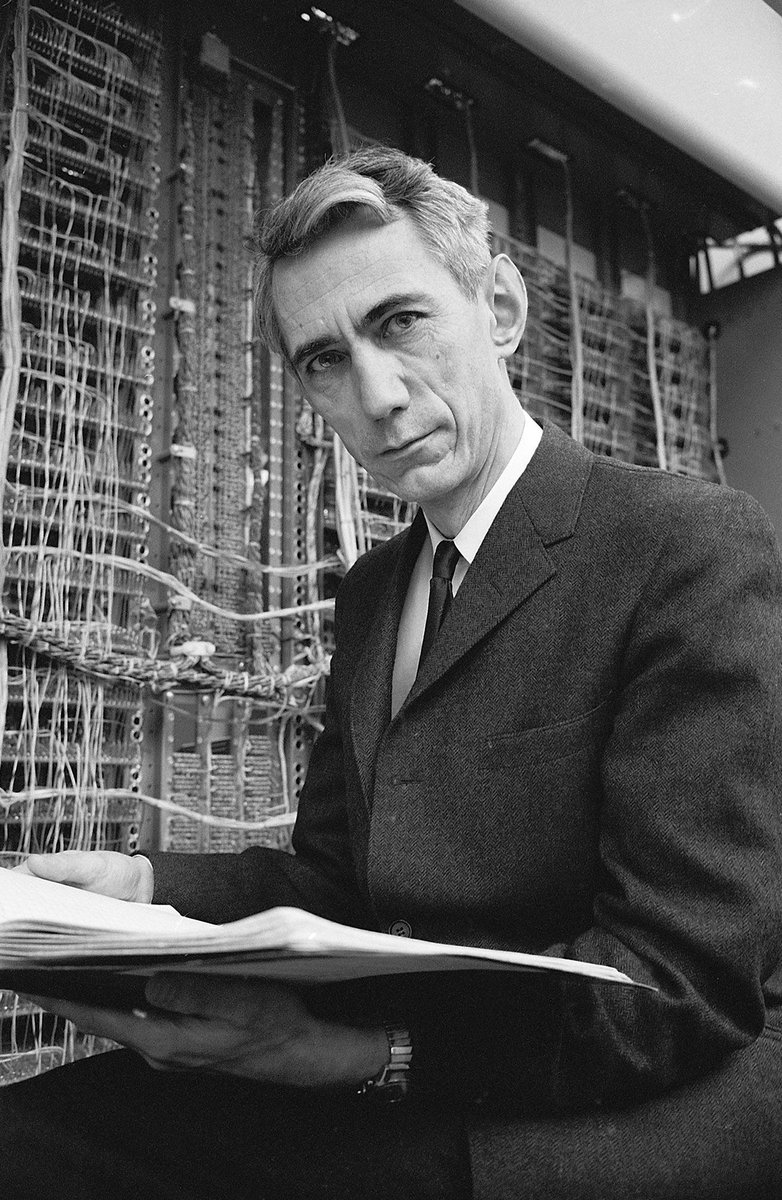
In 1937, a 21-year-old MIT student sat in a quiet library, mapping abstract philosophical logic onto electrical circuits to pass the time. By the time he finished his thesis, the young man had mathematically proven that mechanical telephone switches could perform complex calculations. Instead of just routing phone calls, they were destined to become thinking machines. He had just discovered the mathematical trigger for digital computing. But when he published his work, the leading engineers of the industrial world paid little attention, viewing his mathematics as a mere academic parlor trick. His name was Claude Shannon. It would take years for the industrial establishment to fully realize he was right and adopt the binary logic that now powers every computer, smartphone, and network on Earth. His breakthrough against traditional engineering is the ultimate lesson in what happens when rigid practices clash with unexpected philosophical reality. In the early 20th century, engineers believed they understood circuit design. They knew that as telephone networks grew, they needed more physical wires and relays. But traditional engineering offered no universal science; it was a manual process of brute-force trial and error. The systems would grow into a chaotic, tangled mess of blueprints and copper lines. The entire industrial establishment agreed: every circuit, no matter how complex, had to be wired by manual experimentation. It was a tedious, costly formula. But in that library, Shannon realized the establishment had left a massive variable out of their equations: 19th-century symbolic philosophy. Shannon recalculated the engineering, factoring in what happens when you treat an electrical switch using the laws of Boolean algebra. What he found shattered the industrial consensus. He proved that an electrical switch has only two possible states: it is either closed and letting power through, or open and blocking the current. This was mathematically identical to True (1) and False (0). The circuit could evaluate logical statements. There was no limit to what it could compute. It could automate human thought, transforming physical electricity into digital logic. When Shannon presented this concept, mainstream electrical engineers were skeptical. They couldn't accept that an abstract philosophical concept could solve real-world hardware bottlenecks. Shannon was initially ignored. The establishment stuck to their traditional wiring methods. Instead of fighting a rigid, closed system, Shannon quietly expanded his work into Information Theory, proving that all data could be compressed into a universal currency called the "bit." Decades later, when the global tech revolution exploded, the world realized the 21-year-old student had been right all along. The philosophical blueprint Shannon left behind is a vital truth for navigating complex problems and institutional pushback: Comforting traditions will always be more popular than disruptive innovations. Trust the system's underlying logic anyway. Most of us approach our careers and projects seeking the validation of current experts or established guidelines. When we propose a radical new idea or try to change a broken system, and the authorities tell us we are wrong, our instinct is to assume our logic is flawed. We abandon our data to fit the consensus. But Shannon’s legacy proves that traditional industry consensus is not the same thing as truth. Gatekeepers are human; they protect their own methods, their own training, and their own comfort. What is a bottleneck, a project, or a direction you’ve abandoned just because an expert or a boss told you it wouldn't work? What happens if you stop looking for their permission and trust the structural logic of your own work?
40
222
966
60,398
willynet retweeted
Terence Tao doesn’t think AI will replace human mathematicians anytime soon, but he does consider it well suited to helping solve certain types of complex mathematical problems: ones that can be broken into thousands of small, manageable subproblems. quantamagazine.org/how-terry…
5
41
158
11,675
willynet retweeted
Jun 11
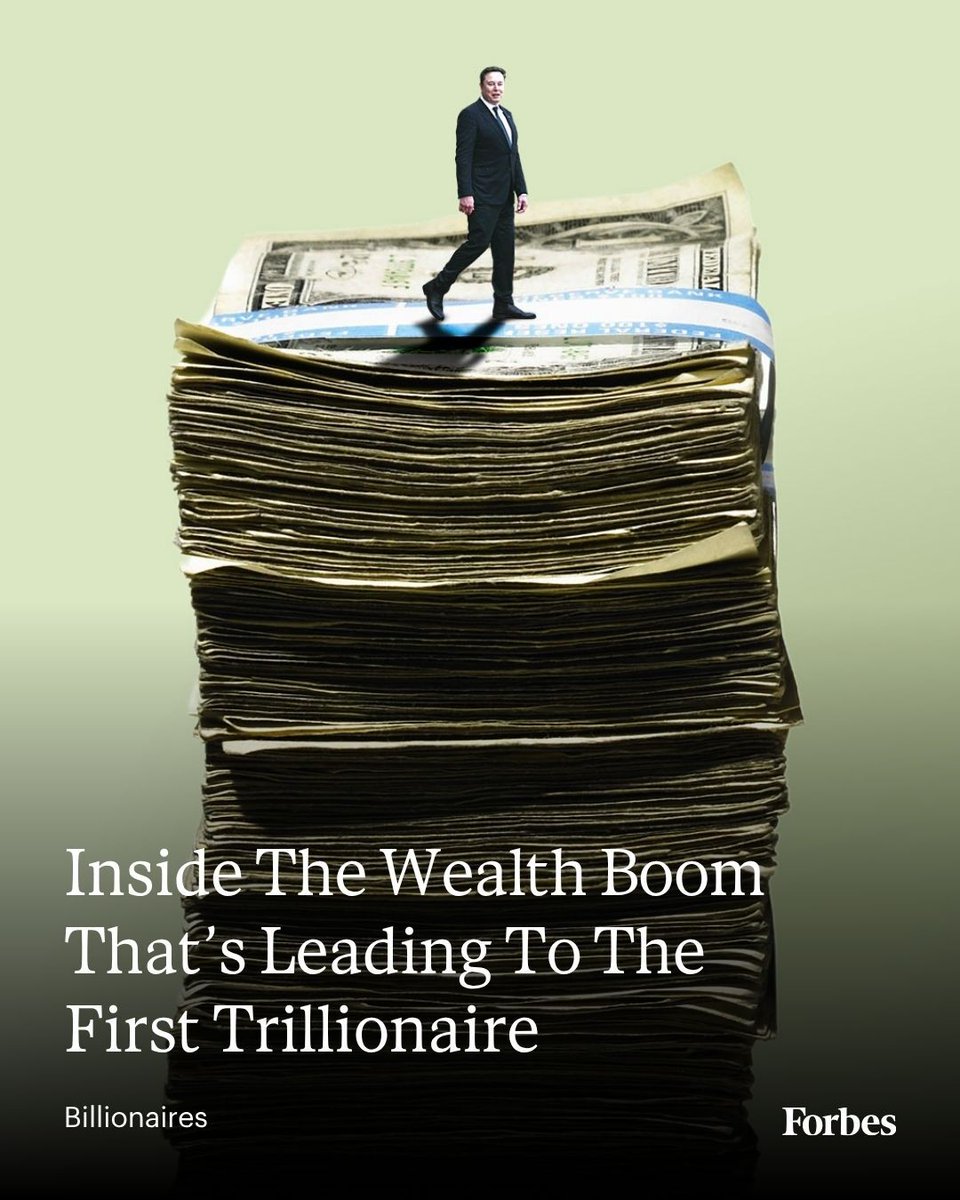
The making of the world’s first trillionaire, if sudden—Musk was worth less than $25 billion just six years ago and $150 billion five years ago—has always been inevitable. Read more: forbes.com/sites/chasewithor… Illustration: Macy Sinreich for Forbes; Photo: Lauren Nicole and Brendan Smialowski via Getty Images
68
190
711
31,769
willynet retweeted
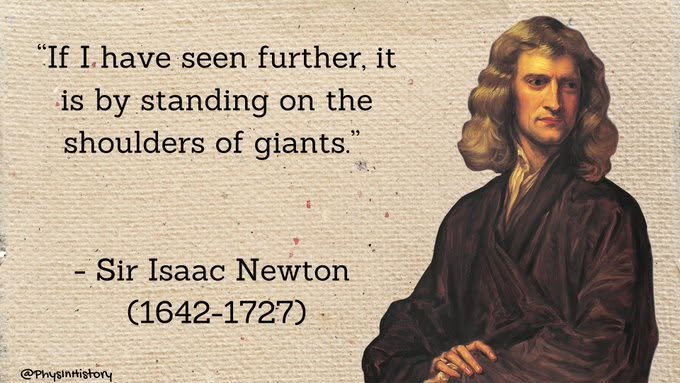
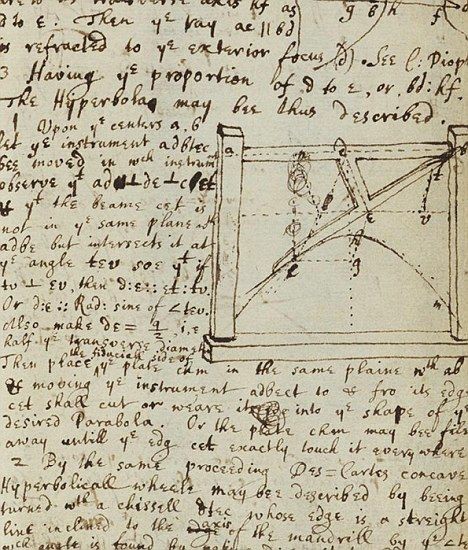
Newton's English is recognisably different from our own, but his maths - building on work done by Rene Descartes - is exactly the same as what mathematicians use today. Here, he describes the curve of a mathematical function.
21
59
374
16,182