
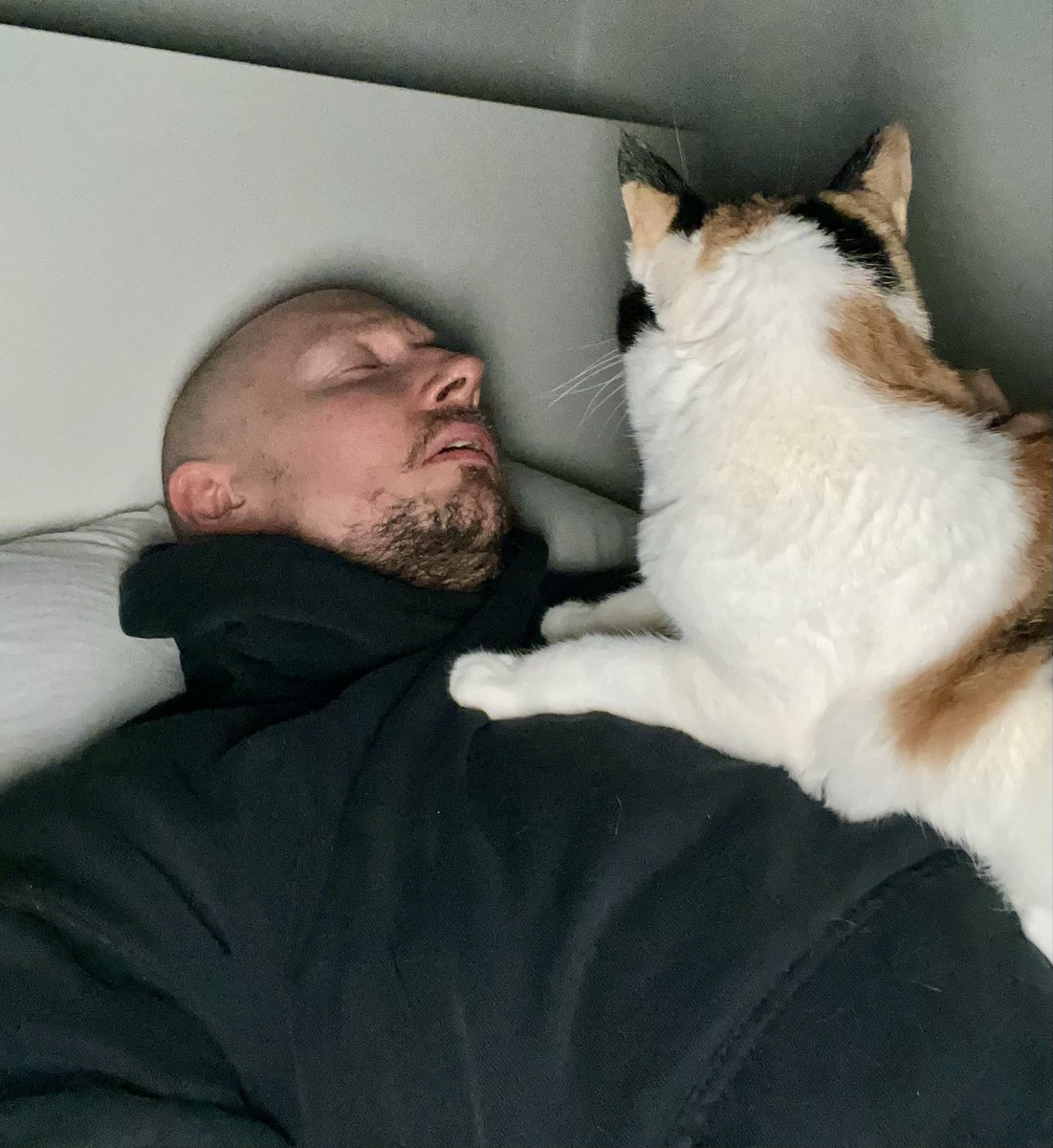
Need urgent life-saving care in Germany | All support appreciated ❤️ | GoFundMe | Figaro's got my back as always 🐈 | Myalgic Encephalomyelitis @millionspod |
Joined September 2025
- Tweets 122
- Following 79
- Followers 154
- Likes 82
29 Photos and videos

Pinned Tweet

31 Oct 2025
I desperately need exposure for life-saving treatment in Germany
Please share - not a scam - all medical documentation avaliable - please 💔
Three rare conditions converging destroying my brain:
• CSF leak →bleeding into CSF→ Infratentorial Superficial Siderosis (iSS)
• Triple-Positive APS → requires warfarin blood thinner → increases bleeding and fuels iSS
• Together=vicious cycle of bleeding, neuroinflammation, iron toxicity & permanent nerve death
#GoFundMe #livingwithss #csfleak @csfleakuk @spinalCSFleak @csfleakinfo @LivingwithSS @APSFA #APSAwareness
gofund.me/872b025e3
8
63
87
27,037
Rich & Figgy retweeted

4 Dec 2025
I just nominated 25% M.E. Group, as well as @MEResearchUK
The more nominations each charity receives, the higher their chance of winning £1,000!
It only takes a minute or so to submit your nomination/s - thank you! 🙏🏻💙 movementforgood.com/index.ph…
3
3
311
Rich & Figgy retweeted

4 Dec 2025
A lot of us long to work. Because the government refuse to fund medical research, listen to Drs re sorting out the NHS, provide better housing and higher wages for carers, we are incapable of working. They have the whole thing upside down and now they are using bully boy tactics
1
5
45
624
Rich & Figgy retweeted

4 Dec 2025
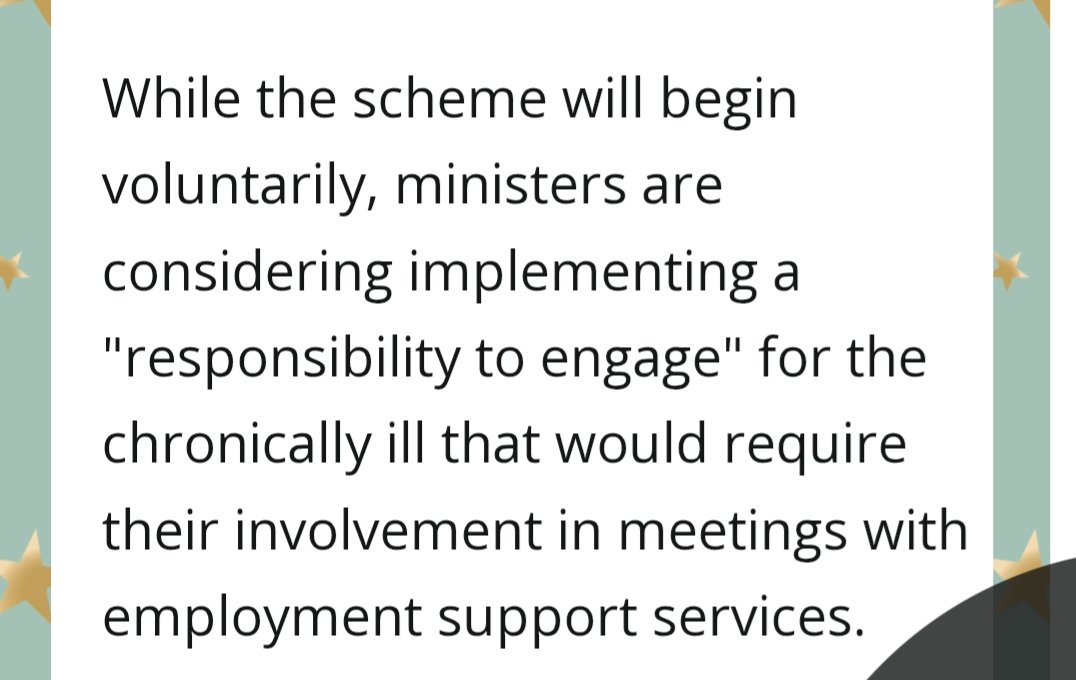
I had to talk someone out of suicide last night after they read your statements about “responsibility to engage”, @patmcfaddenmp.
This isn’t theory, your messaging is pushing disabled people into crisis.
Please rethink your approach. @stephenctimms
This is what triggered them ⬇️

35
130
307
12,107
Rich & Figgy retweeted

2 Dec 2025
Please donate between the 2nd and the 9th of December and your donation will be doubled!! Give what you can to help people with ME and Long Covid. Thank you ♥️♥️♥️
#BigGive #ChristmasChallenge #MECFS #MyalgicEncephalomyelitis
35
92
315
19,646
5 Dec 2025
Admission pushed back to January
No dates yet
Extreme survival mode engaged
Thank you all for the continued support and thoughts — it means everything in this devastating isolation
3
13
369
Rich & Figgy retweeted

3 Dec 2025
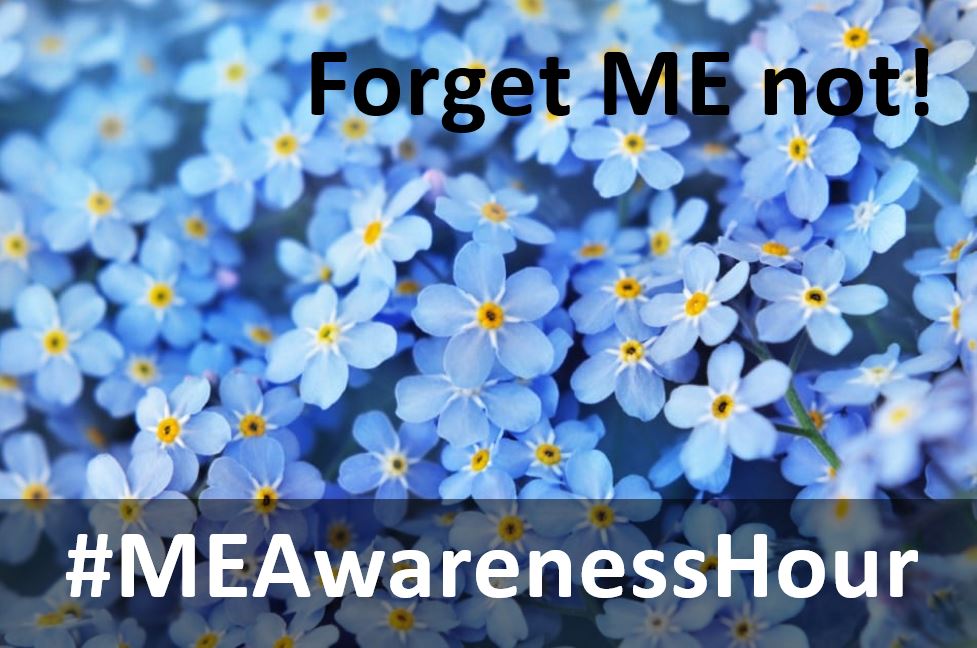
Forget ME not! ME is a neurological illness that affects tens of millions of people worldwide. Severe cases may be bedridden, unable to care for their basic needs, and sensitive to sound, light, and touch. Despite its severe nature, patients are often dismissed. #MEAwarenessHour
1
16
55
1,290
3 Dec 2025
Update posted on GoFundMe
Things continue to be extremely difficult to navigate and I am doing my best to stick around in hopes of an end to this nightmare
Love to everyone for their support
gofund.me/b40c640b9
4
10
22
789
2 Dec 2025
There are no words for the surreal amount of pain in my brain, and the destruction of my entire life. I've lost everything.
The erosion of my cranial nerves, the havoc that the neuroinflammation is wreaking and the extreme sensitivity to light and sound is impossible to live with.
The stress of trying to arrange care and travel to another country in this extreme state is devastating.
This is far beyond what anyone could ever endure, and I need this to end one way or another.
I'm trying to hold on. Desperately.
4
8
28
1,363
Rich & Figgy retweeted
16 Nov 2025
Just to say how much I love and appreciate every one of the #ME brigade that post on here. Some can only watch and that’s ok, some have valuable information and that’s ok, some are scared and that’s ok, all of us understand and care and dare to hope for better days to come. 💙
17
21
203
2,933
17 Nov 2025
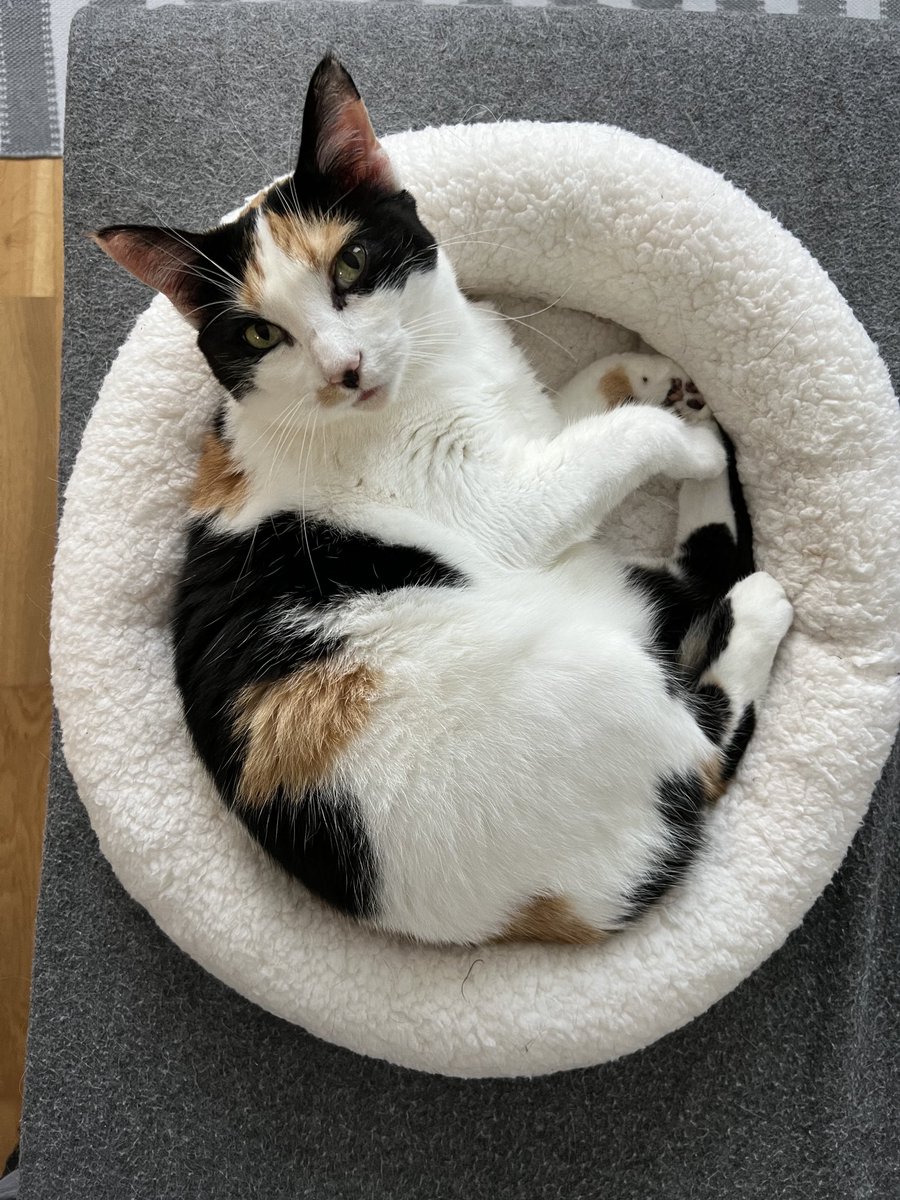
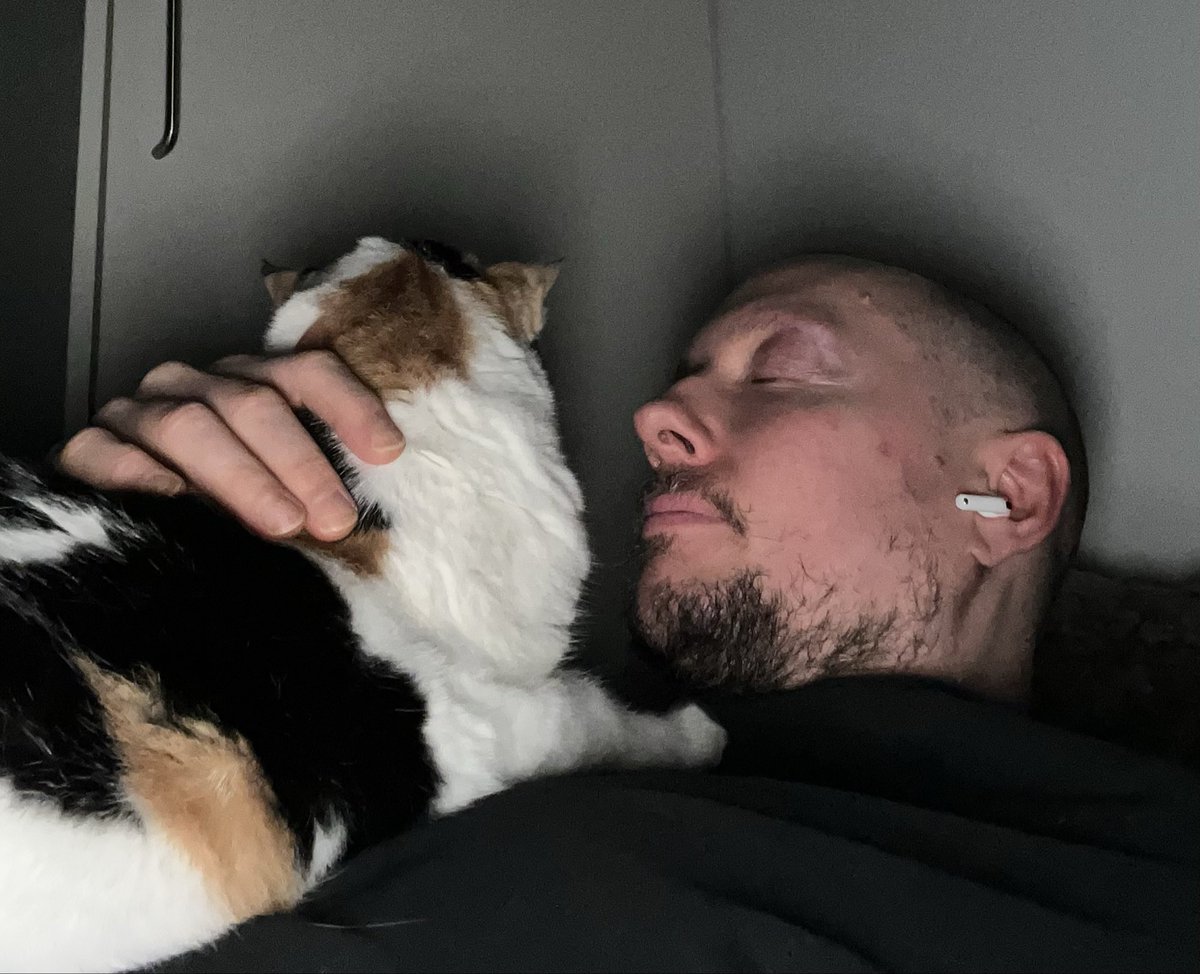
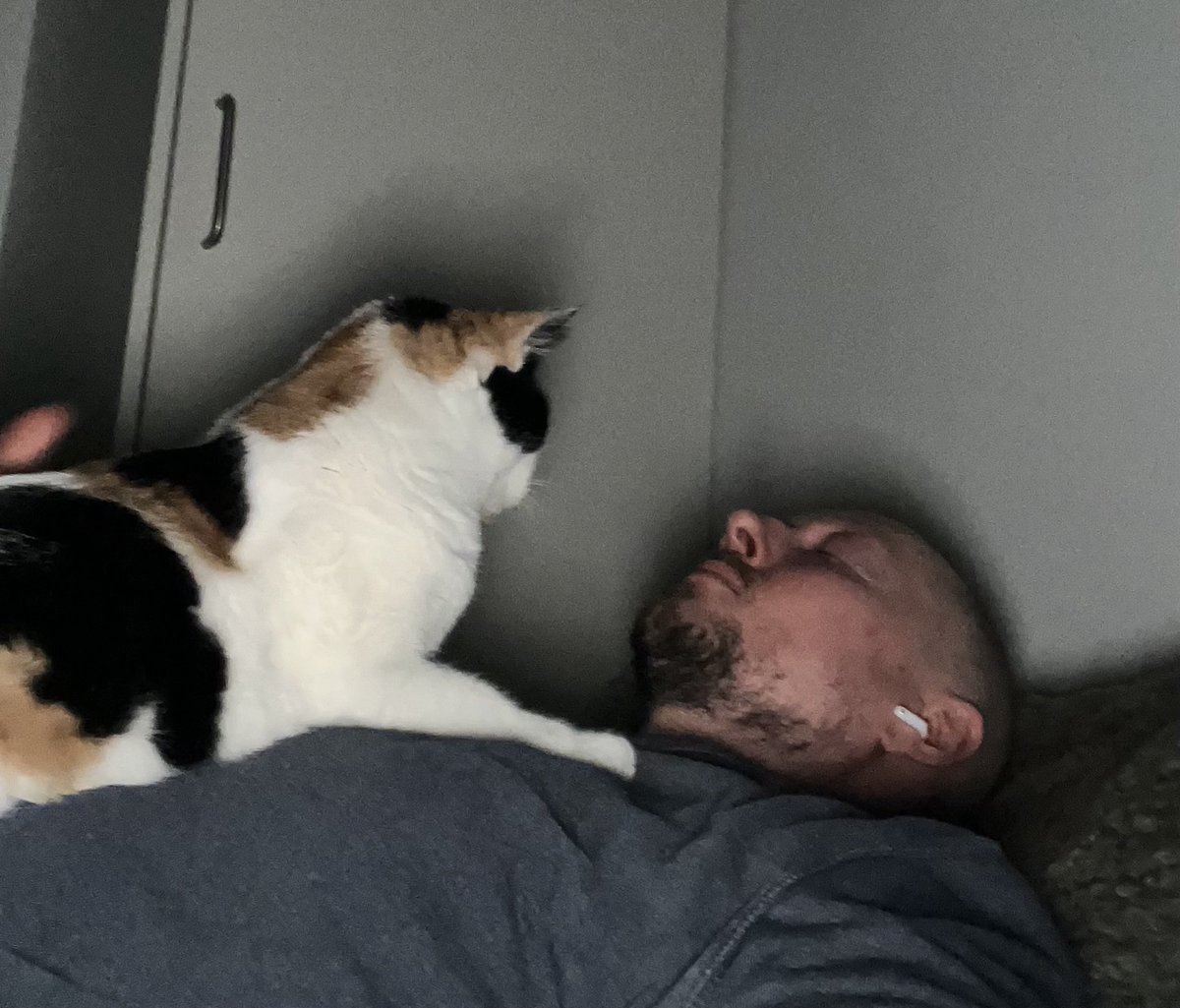
She's literally keeping me alive during this surreal, seemingly endless nightmare
Talk about carrying your weight
Pet? Nah. Best friend. Family. Everything.
#cats
1
3
51
1,459
17 Nov 2025
I don't want a blue rose and a retweet when I die
I want a retweet to expose this ongoing medical scandal and get access to treatment—while I’m still alive
My life can be saved.
Even if healthcare in #Sweden doesn't value my life, I think it has value and I'd like to stick around a bit longer. Figaro agrees.
gofund.me/506bd49f7
2
107
240
7,963
17 Nov 2025
Alex has been struggling with a debilitating condition that has changed his life. He needs support for medical costs and basic living expenses. Every little bit helps! Please consider donating or sharing. gofund.me/46eab6009
6
4
10
301
17 Nov 2025
For you heartless, incompetent Swedish doctors at the back, that have been more than ok with effectively leaving me to die at home:
•They point out that early detection of the dural defect and timely surgical repair may stop further progression of neurological damage.
•They also note that evidence for other treatments (iron-chelation, medical therapies) is limited; surgery to stop the bleed is the strongest intervention.
6 months without treatment and ticking ⏰
#Sweden #CSFleak #InfratentorialSuperficialSiderosis #APSAwareness
17 Nov 2025

Key findings from the article
•The paper describes a 55-year-old man with classical iSS (blood-siderosis pattern in infratentorial regions) who had a longstanding history of hearing loss and gait ataxia.
•Imaging and CSF analysis in this case revealed:
•MRI showed siderosis (iron/haemosiderin deposition) in the cerebellum, brainstem etc.
•There was a ventral epidural cerebrospinal fluid (CSF) collection fronting the spinal cord, and a dural defect at T9-10 identified via a “reverse dynamic CT myelography” technique.
•After surgical repair of the dural defect (closing the leak), follow-up lumbar puncture showed dramatic reduction in CSF ferritin (from 413 ng/mL to 18 ng/mL) and RBCs went from >4,000 to <1.
•At 18-month follow-up, the patient’s neurological symptoms had not progressed further.
•The authors emphasise: classical iSS is caused by persistent bleeding into the subarachnoid space (via a dural defect/CSF leak) which deposits iron (haemosiderin) on brain/nerve surfaces.
•They point out that early detection of the dural defect and timely surgical repair may stop further progression of neurological damage.
•They also note that evidence for other treatments (iron-chelation, medical therapies) is limited; surgery to stop the bleed is the strongest intervention.
6 months without treatment and ticking.
#Sweden #InfratentorialSuperficialSiderosis #APSAwareness #CSFleak
link.springer.com/article/10…
1
2
311
17 Nov 2025
Key findings from the article
•The paper describes a 55-year-old man with classical iSS (blood-siderosis pattern in infratentorial regions) who had a longstanding history of hearing loss and gait ataxia.
•Imaging and CSF analysis in this case revealed:
•MRI showed siderosis (iron/haemosiderin deposition) in the cerebellum, brainstem etc.
•There was a ventral epidural cerebrospinal fluid (CSF) collection fronting the spinal cord, and a dural defect at T9-10 identified via a “reverse dynamic CT myelography” technique.
•After surgical repair of the dural defect (closing the leak), follow-up lumbar puncture showed dramatic reduction in CSF ferritin (from 413 ng/mL to 18 ng/mL) and RBCs went from >4,000 to <1.
•At 18-month follow-up, the patient’s neurological symptoms had not progressed further.
•The authors emphasise: classical iSS is caused by persistent bleeding into the subarachnoid space (via a dural defect/CSF leak) which deposits iron (haemosiderin) on brain/nerve surfaces.
•They point out that early detection of the dural defect and timely surgical repair may stop further progression of neurological damage.
•They also note that evidence for other treatments (iron-chelation, medical therapies) is limited; surgery to stop the bleed is the strongest intervention.
6 months without treatment and ticking.
#Sweden #InfratentorialSuperficialSiderosis #APSAwareness #CSFleak
link.springer.com/article/10…
2
6
507
17 Nov 2025
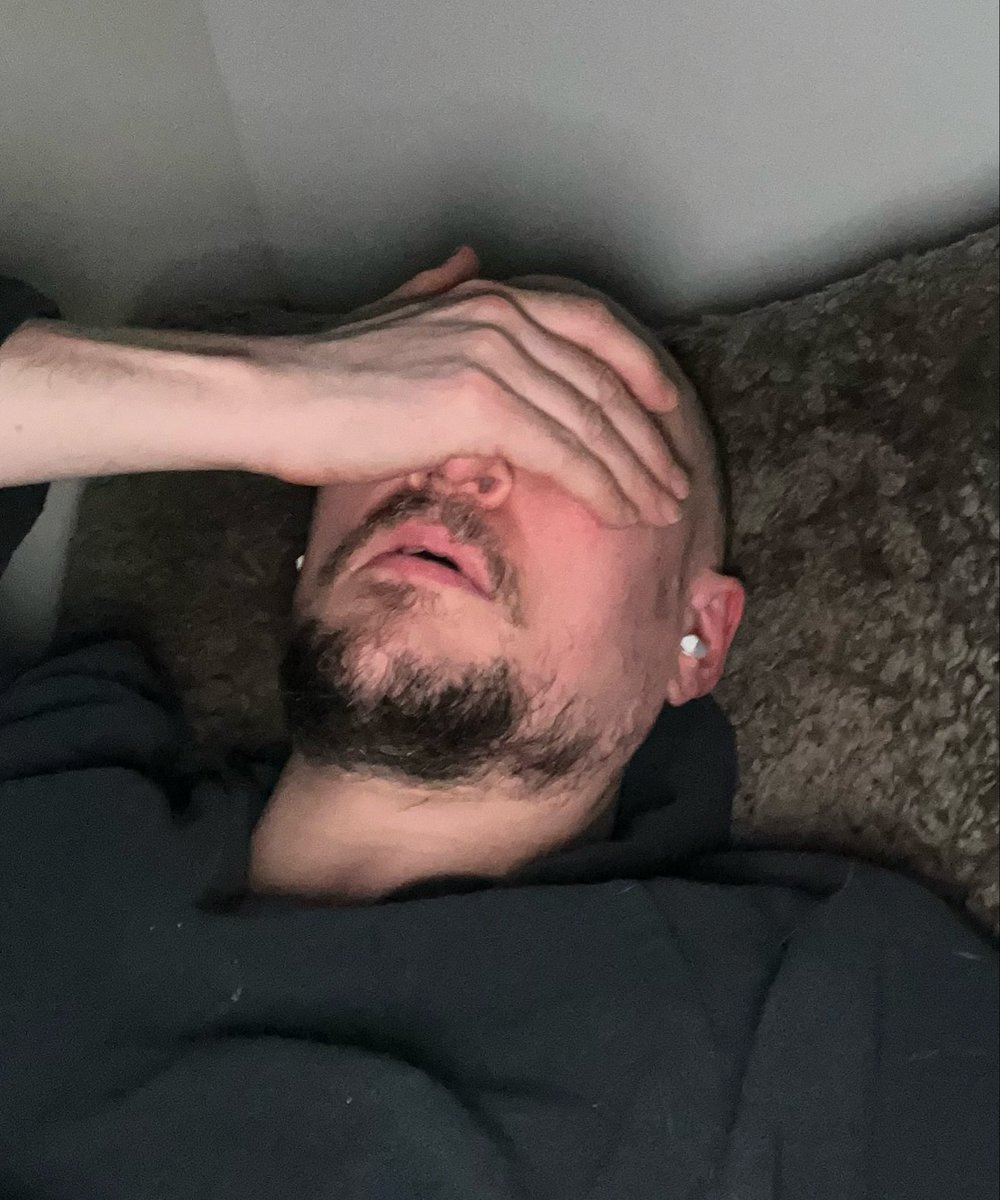
After six months I'm still laying at home in the dark rapidly deteriorating while THERE IS TREATMENT:
CSF leak
→ Low pressure
→ Brain sags and stretches fragile vessels
→ Vessels tear → bleeding into areas blood doesn’t belong
↓
Infratentorial Superficial Siderosis (iSS)
→ Blood breaks down → iron released
→ Iron is toxic to the brain and cranial nerves
→ Nerve damage causes severe light and sound sensitivity
→ Leads to progressive, permanent brain and nerve damage
→ Triggers chronic neuroinflammation and overall health deterioration
↓ ↑
Triple-positive APS
→ Requires Warfarin (blood thinner)
→ Greatly increases bleeding
→ More bleeding → more iron → faster toxicity
→ Rapid, ongoing neurological decline
#Sweden healthcare is complicit in all the permanent brain damage I've suffered for the past six months
Hopefully I'll be able to reach proper specialist treatment in Freiburg Germany while there's still some brain function and overall health left
17 Nov 2025
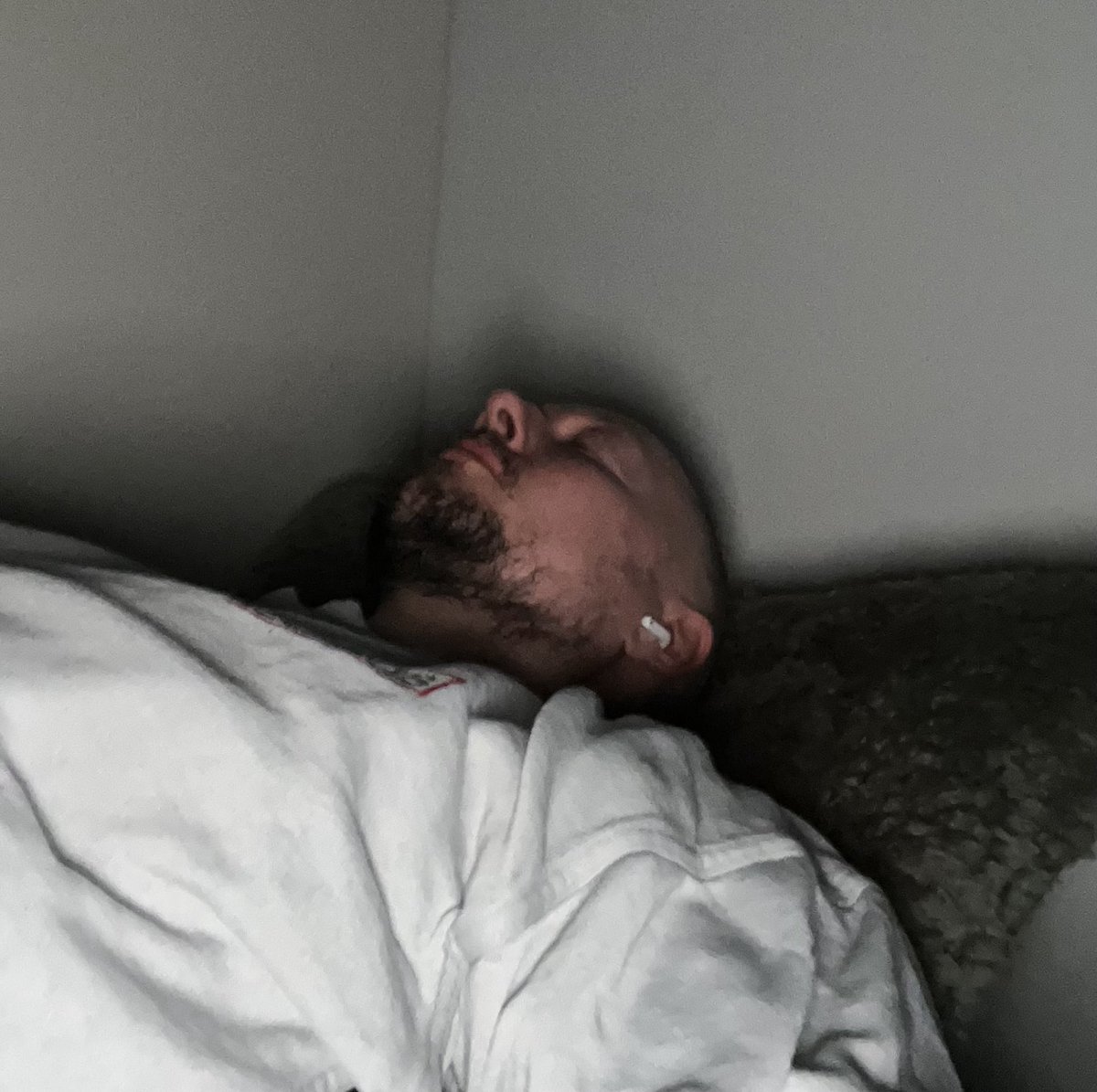
189 days without treatment
Waiting in the dark for my weekly INR blood test
I could have gotten treatment many months ago, living my life, but unfortunately I live in #Sweden
#CSFleak #InfratentorialSuperficialSiderosis #APSAwareness #livingwithss
1
13
858
17 Nov 2025
189 days without treatment
Waiting in the dark for my weekly INR blood test
I could have gotten treatment many months ago, living my life, but unfortunately I live in #Sweden
#CSFleak #InfratentorialSuperficialSiderosis #APSAwareness #livingwithss
3
6
1,072
16 Nov 2025
A mother of four is facing serious health challenges that have drastically impacted her life. She needs urgent surgery to recover and care for her children. Please consider donating or sharing to help her cover medical bills and find a safe place to live. Every bit helps. gofund.me/cf73b15bd
2
1
186
16 Nov 2025
2
3
8
469