
APS Foundation of America (#APSFA) is the only US org spreading #Antiphospholipid Syndrome #APS & #Lupus #Awareness! #DVT #PE #Stroke #APS #miscarriage
Joined November 2008
- Tweets 18,512
- Following 1,968
- Followers 2,718
- Likes 8,892
1,550 Photos and videos

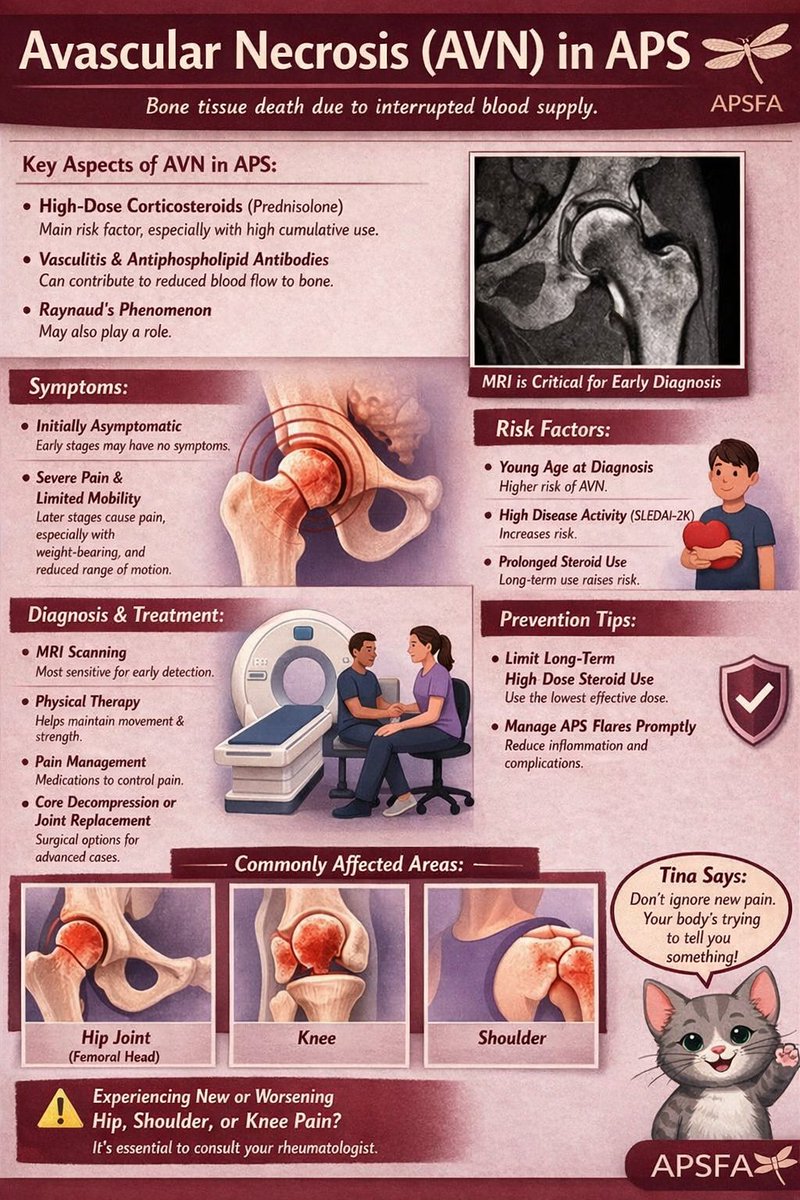






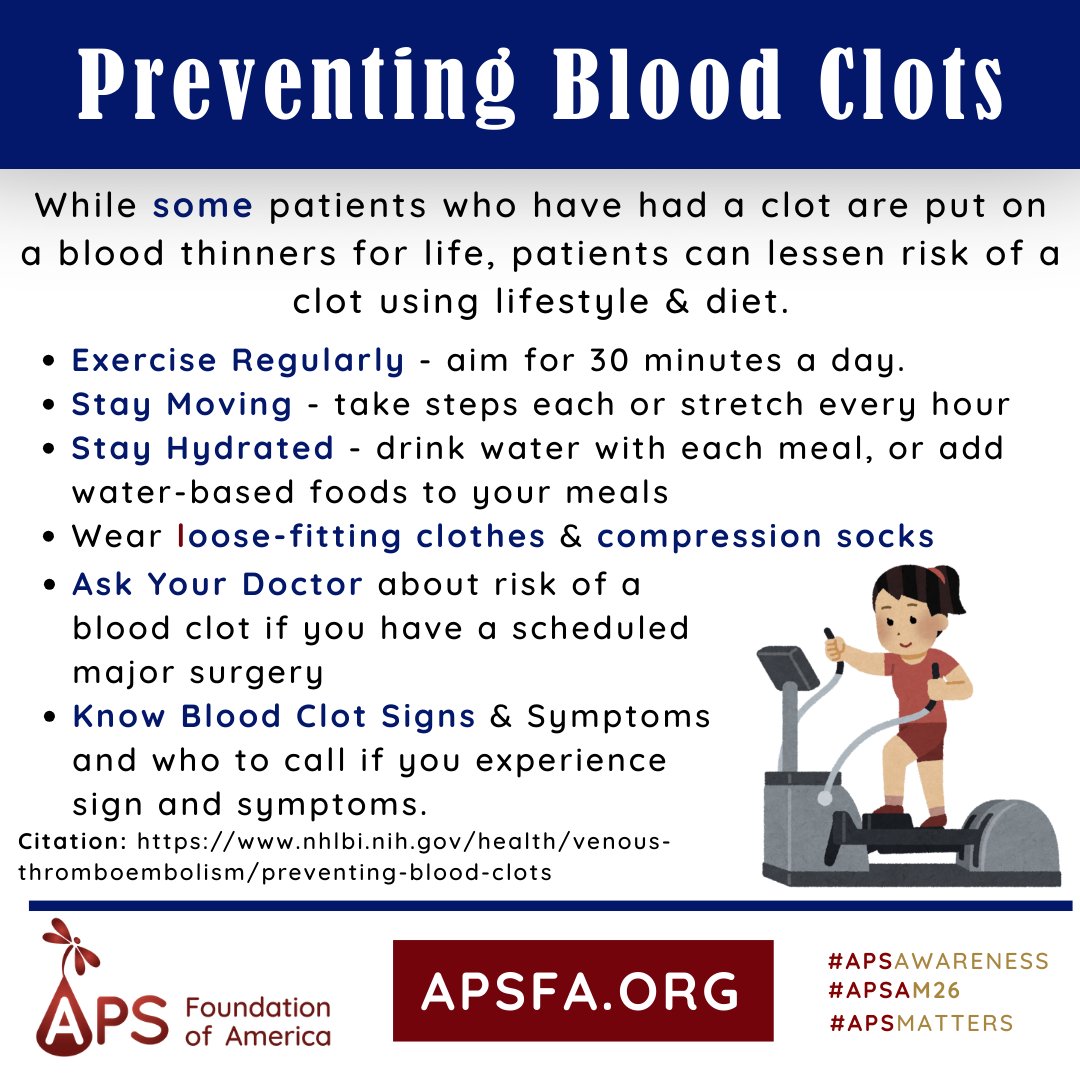





APS Foundation of America retweeted

Jun 13
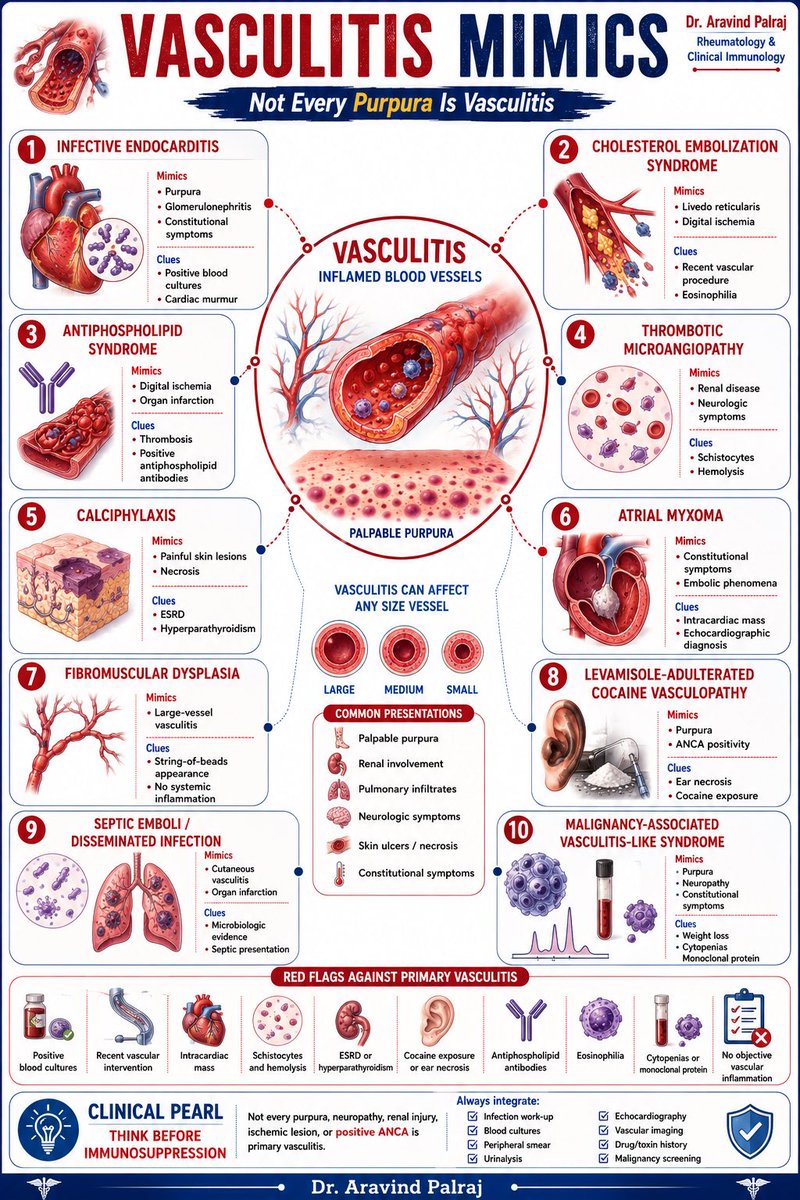
VASCULITIS MIMICS
Not every purpura is vasculitis.
Before labeling a patient as having primary vasculitis and initiating immunosuppression, consider important mimics such as infective endocarditis, cholesterol embolization syndrome, antiphospholipid syndrome, thrombotic microangiopathy, calciphylaxis, atrial myxoma, fibromuscular dysplasia, levamisole-associated vasculopathy, septic emboli, and malignancy-associated vasculitis-like syndromes.
Recognizing the red flags can prevent diagnostic errors, unnecessary immunosuppression, and potentially life-threatening consequences.
Which vasculitis mimic have you found most challenging in clinical practice?
Infographic by Dr. Aravind Palraj
#Rheumatology #Vasculitis #ANCA #MedicalEducation #MedEd #FOAMed #InternalMedicine #Nephrology #ClinicalReasoning @IhabFathiSulima @docakx #AutoimmuneDisease #MedTwitter #RheumTwitter #MedX #Medicine #MedEdCommunity
69
159
3,895
APS Foundation of America retweeted

📅 World Antiphospholipid Syndrome (APS) Awareness Day is observed annually on June 9th. The day was established by the APS Foundation of America (APSFA) in 2010 to mark their fifth anniversary and spark global dialogue about this systemic autoimmune disorder.
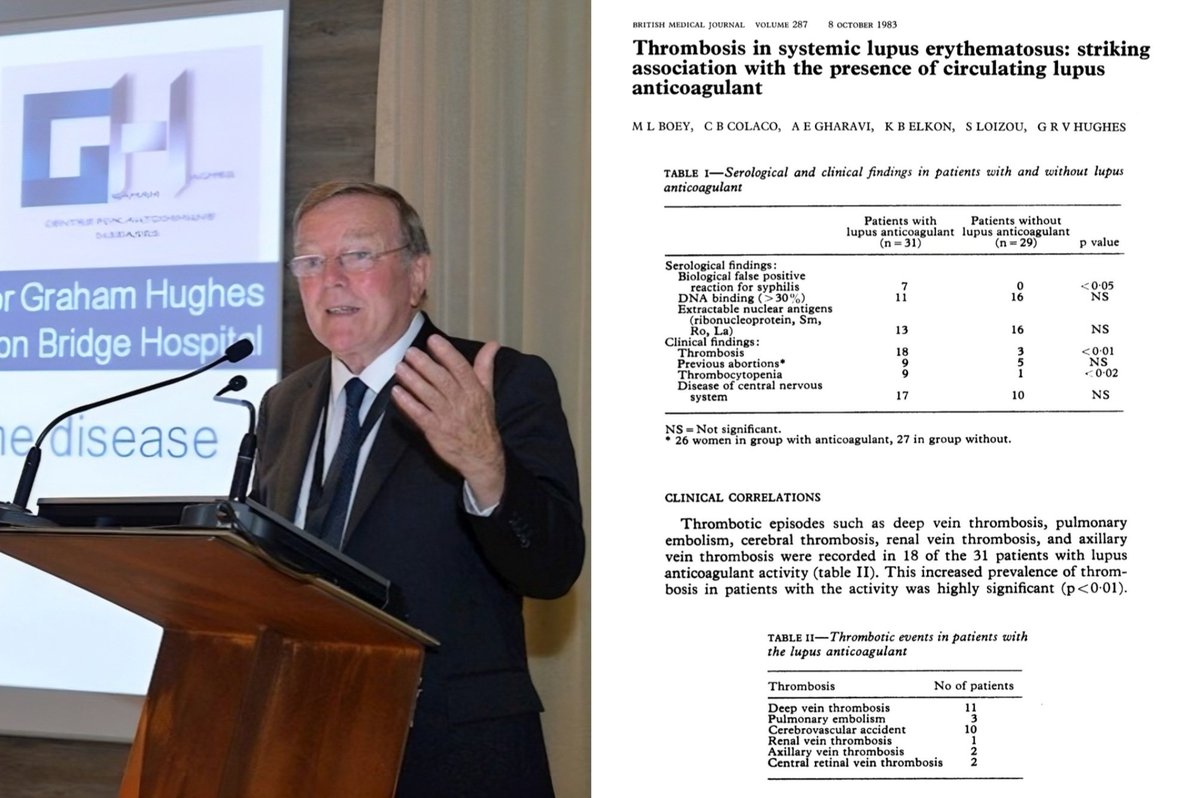
APS was first described in 1983 by British rheumatologist Dr. Graham R.V. Hughes and his team at St. Thomas' Hospital in London.
Prior to 1983, the "lupus anticoagulant" was primarily known as a curious laboratory finding in patients with systemic lupus erythematosus. Hughes and his colleagues identified that these circulating antibodies (and their associated false-positive syphilis tests) were tied to a specific and devastating clinical triad:
𝟭. 𝗧𝗵𝗿𝗼𝗺𝗯𝗼𝘀𝗶𝘀:Recurrent blood clots (both arterial and venous).
𝟮. 𝗢𝗯𝘀𝘁𝗲𝘁𝗿𝗶𝗰𝗮𝗹 𝗖𝗼𝗺𝗽𝗹𝗶𝗰𝗮𝘁𝗶𝗼𝗻𝘀: Unexplained, recurrent miscarriages and fetal loss.
𝟯. 𝗡𝗲𝘂𝗿𝗼𝗹𝗼𝗴𝗶𝗰𝗮𝗹 𝗗𝗶𝘀𝗲𝗮𝘀𝗲: Conditions like stroke and epilepsy.
Dr. Hughes published these landmark observations in the British Medical Journal in October 1983, initially dubbing the triad "Thrombosis, abortion, cerebral disease, and the lupus anticoagulant". The disorder was later commonly named Hughes syndrome in his honor.
𝗞𝗲𝘆 𝗛𝗶𝘀𝘁𝗼𝗿𝗶𝗰𝗮𝗹 𝗠𝗶𝗹𝗲𝘀𝘁𝗼𝗻𝗲𝘀
◦ 𝙄𝙢𝙢𝙪𝙣𝙤𝙖𝙨𝙨𝙖𝙮 (𝟭𝟵𝟴𝟯): Researchers E. Nigel Harris and Aziz Gharavi, working in Hughes' laboratory, developed the anticardiolipin assay (ELISA), allowing for accurate testing of the antibodies.
◦ 𝙋𝙧𝙞𝙢𝙖𝙧𝙮 𝘼𝙋𝙎 (𝟭𝟵𝟴𝟴): Dr. Ronald Asherson highlighted that the syndrome could occur in patients without underlying lupus, officially classifying it as Primary Antiphospholipid Syndrome.
📸 Dr. Graham Robert Vivian Hughes, renowned British rheumatologist, honorary member of the American Lupus Hall of Fame and doctor honoris causa from the universities of Marseille and Barcelona / 🧾 Boey ML, Colaco CB, Gharavi AE, Elkon KB, Loizou S, Hughes GR. Thrombosis in systemic lupus erythematosus: striking association with the presence of circulating lupus anticoagulant. Br Med J (Clin Res Ed). 1983;287(6398):1021-1023.
🔗doi.org/10.1136/bmj.287.6398…
4
10
317
APS Foundation of America retweeted
Thank you so much for the immeasurably valuable work you have done for our community.
We at the APS Foundation of America want to let you know that your dedication is essential to the work that we do. You help us ensure that we are meeting our mission.
1
2
133
APS Foundation of America retweeted

✅ Now that #LupusGPT is published in the Lancet #Rheumatology (LINK: doi.org/10.1016/s2665-9913(2…), I wonder whether you have previously tested the app itself. Ask it anything about #lupus, in any language and tell me what you think: lupusgpt.org/
1
7
34
1,989

🤯

Yes, natural benzimidazoles exist. The core scaffold appears in vitamin B12 (cobalamin), where 5,6-dimethylbenzimidazole coordinates cobalt as its axial ligand—essential for DNA synthesis and red blood cell formation. This was key to benzimidazole's discovery in the 1940s–50s during B12 research.
Unlike ivermectin (derived from microbial avermectins), the antiparasitic drugs fenbendazole/mebendazole are fully synthetic benzimidazole analogs designed to mimic nucleotide-like structures for microtubule disruption in parasites. No direct natural sources produce these specific veterinary/human versions.
Sources: Nobel-related B12 studies; IntechOpen review on benzimidazole (2019); Wikipedia/PMC refs on vitamin B12 structure.
1
2
241
🧐 “Anti-C1q Antibody and Antiphospholipid Antibodies Jointly Predict Thrombosis in Membranous Lupus Nephritis: A Retrospective Cohort Study” @APSFA #SLE 🦋
sciencedirect.com/science/ar…
1
1
1
130
APS Foundation of America retweeted

Mar 26
Our collaborative research on #aPL & cardiovascular #thrombosis in @NatRevCardiol.
It’s not a Yes/No risk, but rather, a spectrum.
Thank you @MGBResearchNews for covering it!
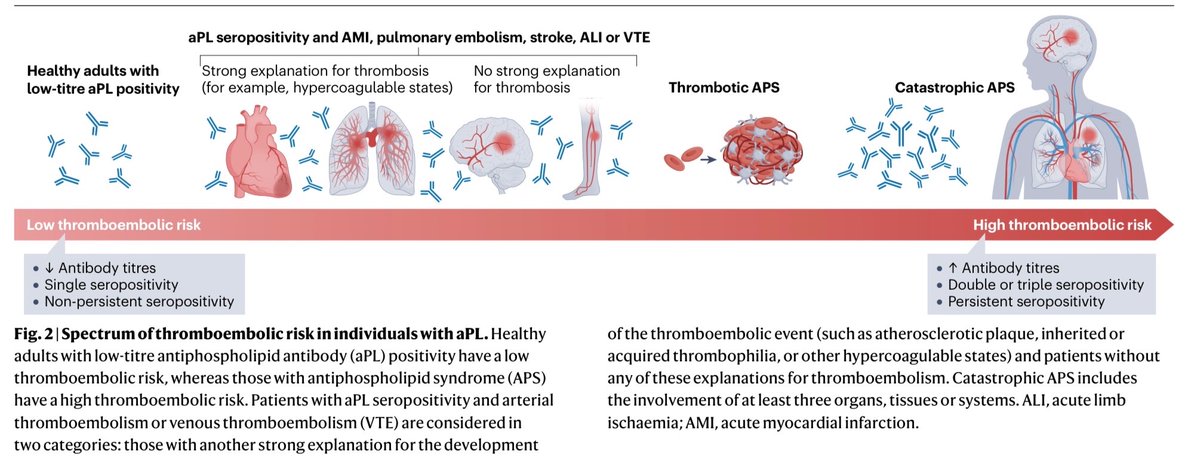

A new study from @MassGenBrigham researchers explains how certain antibodies in the blood can increase the risk of dangerous blood clots.
Read more from @bbikdeli and colleagues in @NatRevCardiol: doi.org/10.1038/s41569-026-0…
2
6
20
1,829
APS Foundation of America retweeted

A new study from @MassGenBrigham researchers explains how certain antibodies in the blood can increase the risk of dangerous blood clots.
Read more from @bbikdeli and colleagues in @NatRevCardiol: doi.org/10.1038/s41569-026-0…
3
6
2,429
APS Foundation of America retweeted
✅ Happy to share that we have just published #LupusGPT... in the Lancet #Rheumatology 👍
Check the post below by @LupusEurope for the link 🔓
Mar 26

💥 KABOOM!
Our #LupusGPT work is now published in @TheLancetRheum‼️
🏆 A big moment for LupusGPT, but also for what can happen when patient voice is built in from the start, not added at the end.
Free. Multilingual. Valid information on lupus
doi.org/10.1016/S2665-9913(2…

8
22
77
7,302
🧐 @APSFA
Optimal vitamin D (>30 ng/ml) may benefit aPL-positive pregnancies by inhibiting aPL-induced tissue factor (reducing thrombosis), suppressing NET formation/cytotoxicity on endothelium & placenta, & boosting regulatory T cells for immune tolerance. Low levels (<30 ng/ml) are common in APS/OAPS (32-62% deficient/insufficient per meta-analyses), correlate with higher thrombosis (63% in deficient), RPL, preeclampsia, & aPL positivity in RPL cohorts. In vitro & observational data link deficiency to worse placental outcomes; supplementation endorsed as adjunct in deficient cases by APS congress. Low VD appears a modifiable risk factor.
1
1
2
253
APS Foundation of America retweeted

NEW EPISODE! Myositis is not a single disease. As we better understand its distinct subtypes, targeted therapies may replace broad immunosuppression. 🎙️ HEAR @JuliePaikMD discuss what’s next in treatment → acr.tw/4dEJj9G #myositis

3
11
674

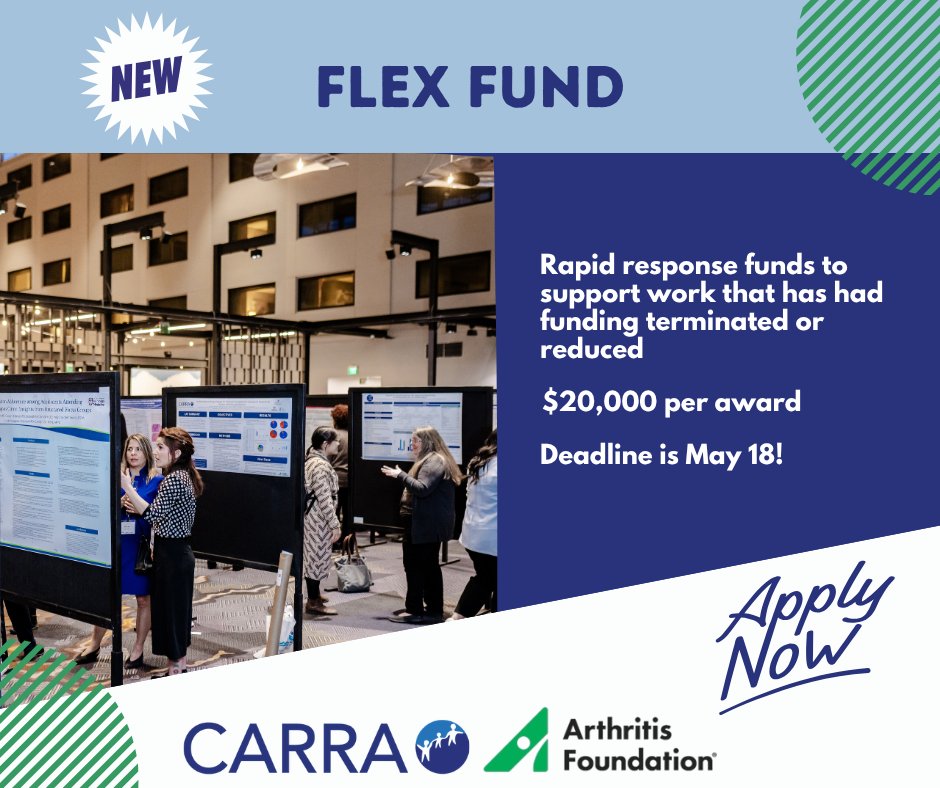
👋🏽Hey CARRA members, don’t miss the upcoming deadline for the CARRA – @ArthritisFdn Flex Fund!
This an opportunity for researchers to get rapid response funds to support work that has had funding terminated or reduced. Learn more and apply here ➡️ carragroup.org/research/gran…
1
3
135
APS Foundation of America retweeted

Fluid retention is one of the more frustrating and uncomfortable symptoms for those living with lupus. Yet, it can also provide the clues to help you better understand your lupus. Check out KFL's newest article to find out how!
Link: ow.ly/bw4G50Yyrpr

1
2
3
94
APS Foundation of America retweeted

Biomarqueur et cancer : prédiction récidive MTEV et saignement medvasc.info/archives-blog/b… @a_saratzis @aymanahmeddoc @CHUdeMarseille @aphm_actu @APSFA @JohanAbdoul78 @jalil_turki @axel_bartoli @popmetre @AWinniebert @tosinCanada @AvAurelie @ZPharmadoc @zemblanity00 @ZeClint

2
2
79
APS Foundation of America retweeted
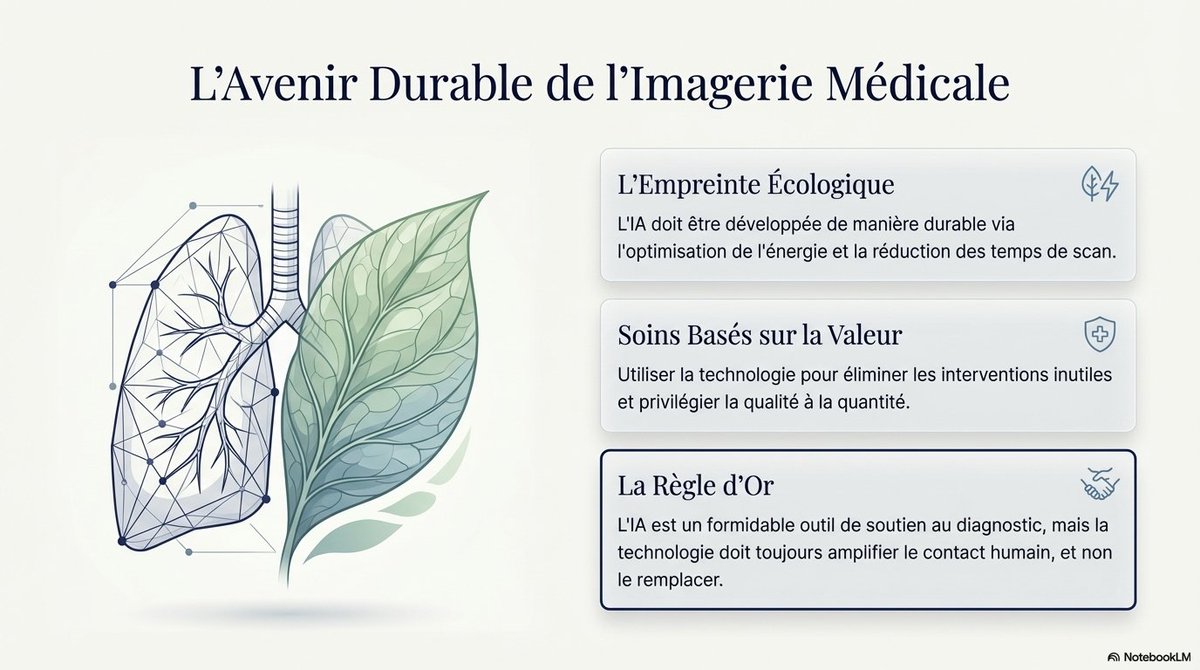
IA : ethique et radiologie medvasc.info/archives-blog/i… @ALymphoedeme @Club_ACMF @_atanas_ @ATHjournal @a_saratzis @CHUdeMarseille @APSFA @DrAndrewChoong @regino_a @aniketshriwas_ @AntaklyY @aidoctorhall @WilliamAird4 @Aaron_Iding @BenSaaud @aakriti_15 @axel_bartoli @popmetre @hug_ge
1
2
87
APS Foundation of America retweeted
SURUTILISATION des tests diagnostiques medvasc.info/archives-blog/s… @Club_ACMF @CHUdeMarseille @aphm_actu @APSFA @sfhta @arteryandco @aidoctorhall @AdresanSoso @ADJomics @LyndaAzzouz2 @AfakNsiri @hatri_azedine @ACF_WCHF @acteursdesante @MARYau_MCU_PH @ClaireAUDITEAU @AvAurelie

1
2
69
APS Foundation of America retweeted
Systéme de santé et IA : le point medvasc.info/archives-blog/s… @AntaklyY @AtulPathak31 @aymanahmeddoc @CHUdeMarseille @aphm_actu @APSFA @_atanas_ @ATHjournal @A_Trimaille @a_saratzis @AllianceMR @ALLARTJeanDomi1 @EuropeanTHA @ACF_WCHF @AWinniebert @tosinCanada @axel_bartoli @popmetre

1
2
63
🧐

3
3
298
🧐”Immune-mediated mechanisms and maternal-fetal interface dysfunction in obstetric antiphospholipid syndrome”
@APSFA
pmc.ncbi.nlm.nih.gov/article…
2
2
135