Joined September 2014
- Tweets 91
- Following 157
- Followers 69
- Likes 775
12 Photos and videos

29 Oct 2025
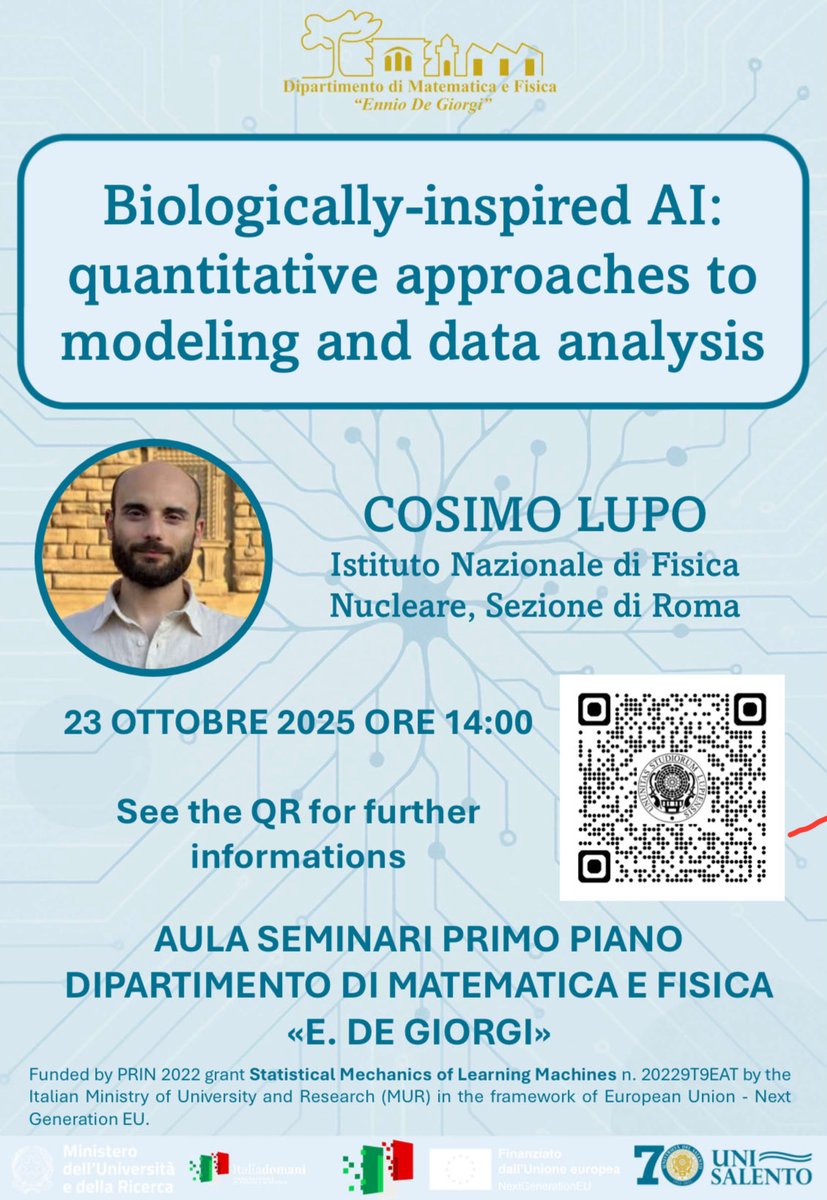
Can AI sleep? And why?
Last week I had the pleasure to give a seminar in @unisalento, Lecce (btw, thanks again!), in my birth region. I talked about natural brains, computational models, and how biology can enhance current AI performance.
28 Oct 2025

Our researcher Cosimo Lupo from @APELab_INFN recently delivered an invited seminar at the Dept. of Math and Physics of @unisalento, giving an overview about our latest studies on bio-inspired enhancements for a more accurate and energetically efficient #AI.
#EbrainsIT #Brainstain
71
Cosimo (Mino) Lupo retweeted

7 Mar 2025
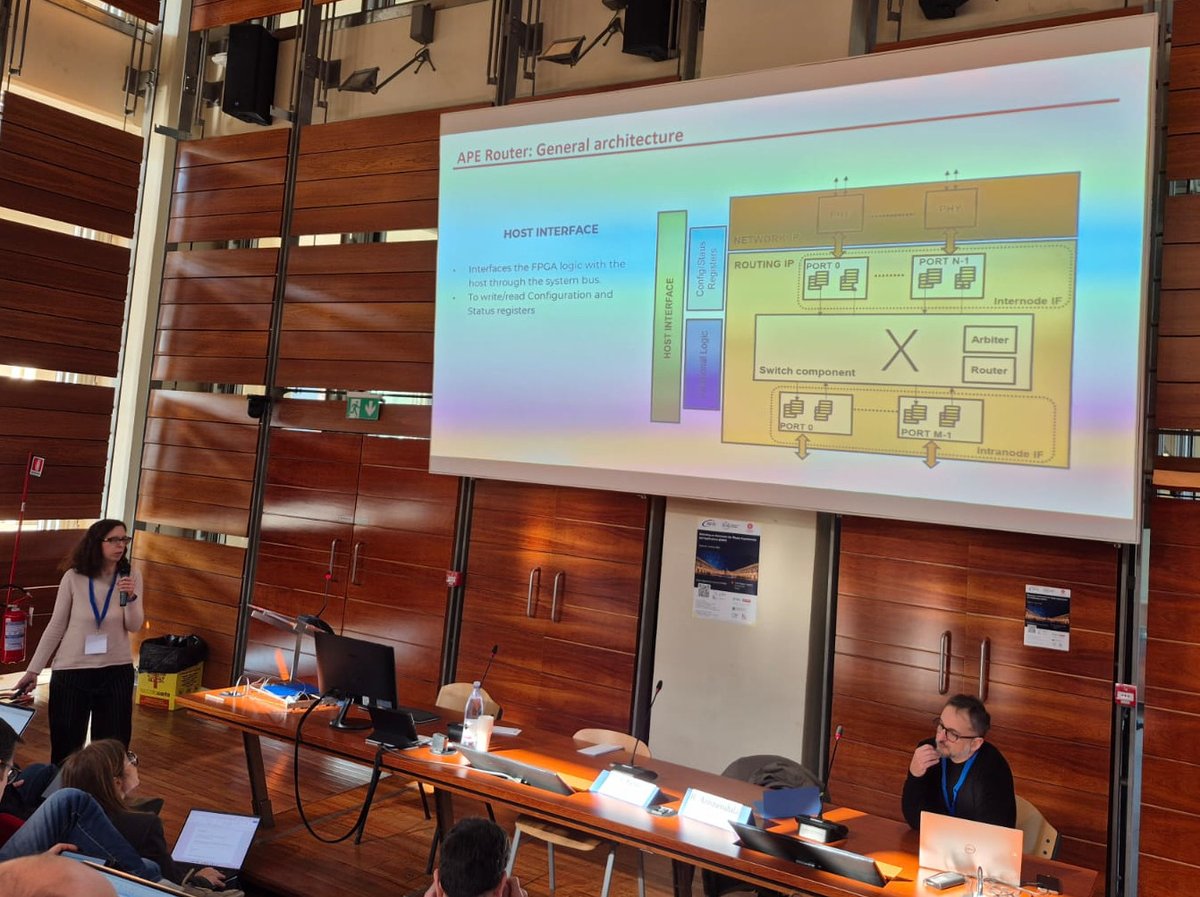
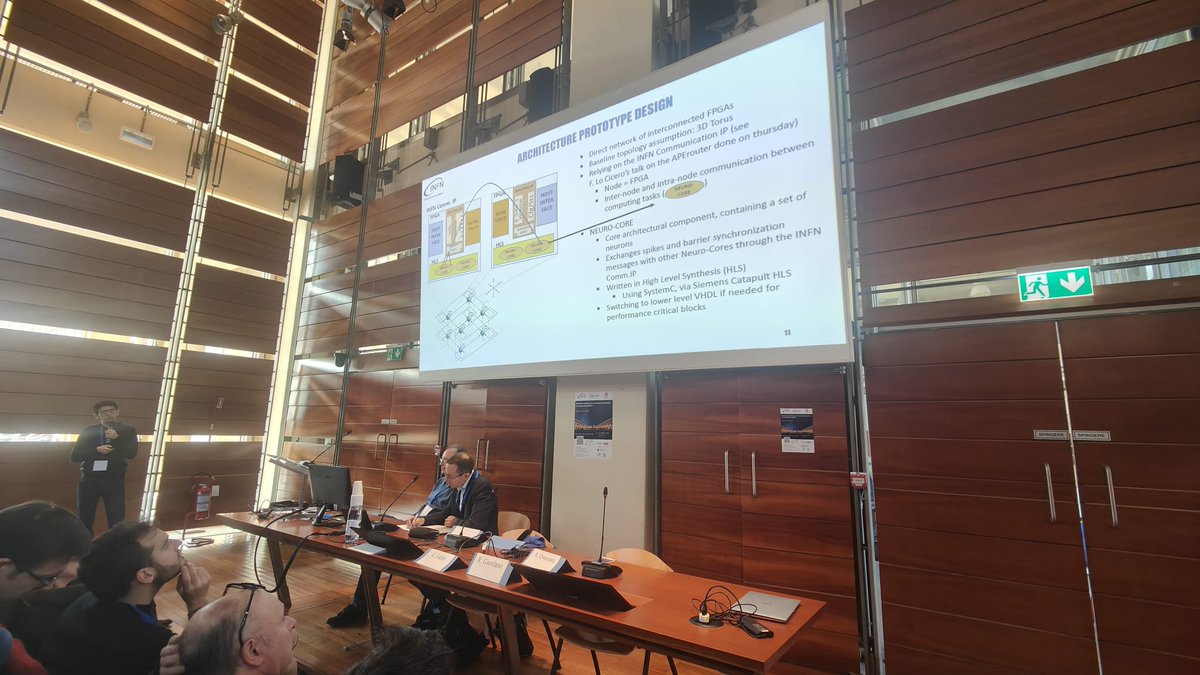
APElabers delivering talks at the #INFN CSN5 Workshop on #Electronics for #Physics Experiments and Applications, focusing on electronic #technologies for physics and covering advancements in #HPC, #AI, and #Neuromorphic architectures, opening crucial perspectives for research
3
7
186
3 Mar 2025
“Salutava sempre…” 🎩
.
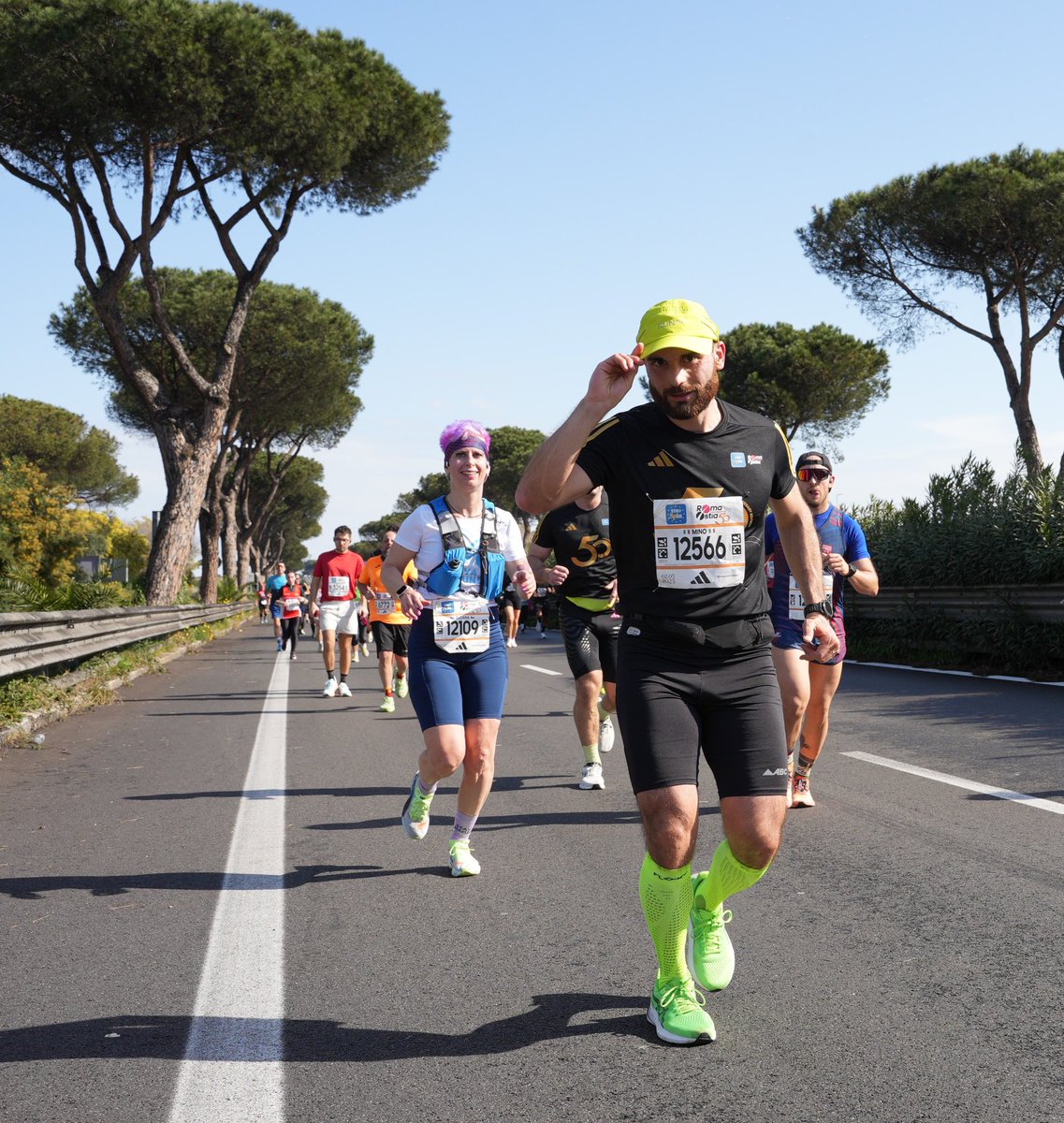
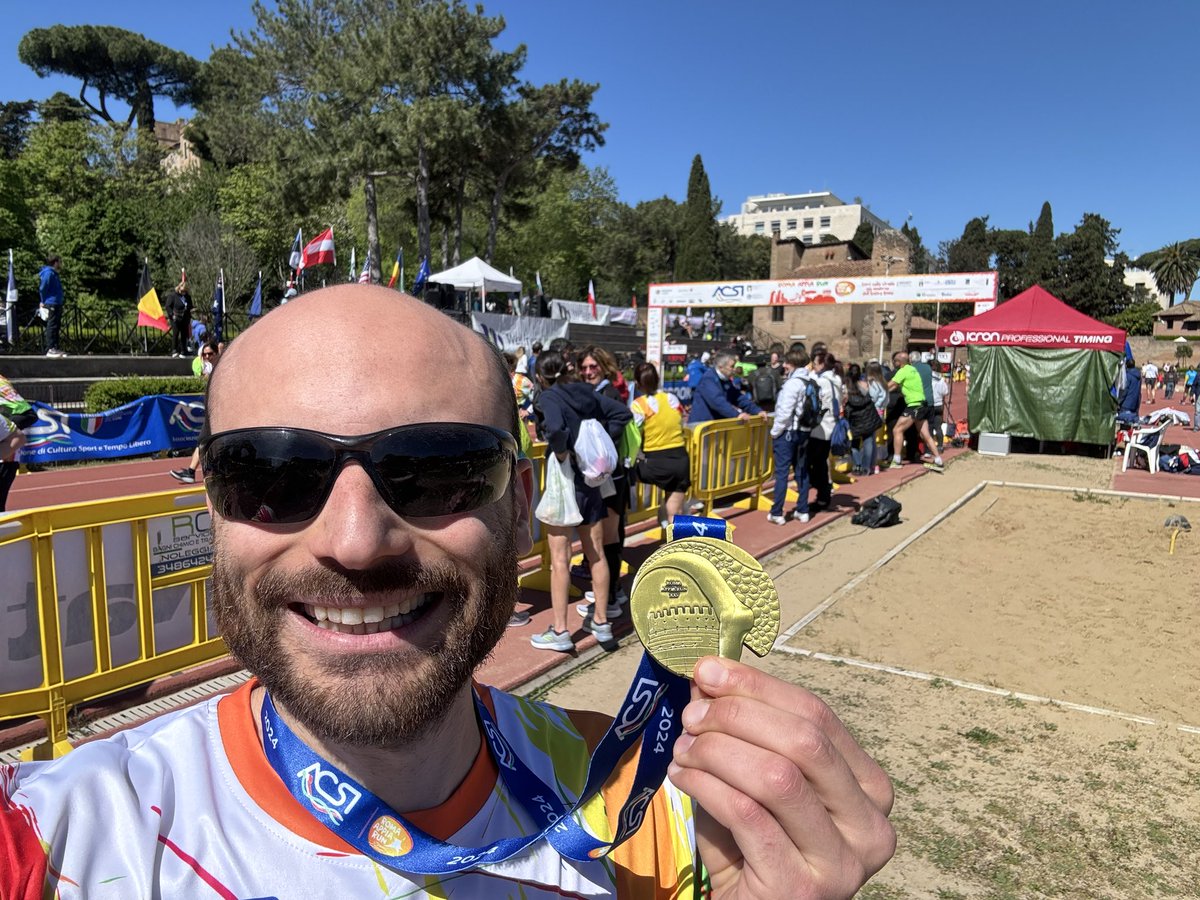
50th RomaOstia Half Marathon, my first one 🏃🏻♂️➡️🏁🌊
1
36
3 Feb 2025
Very proud to have this longstanding research be published on #PhysRevB and chosen as Editors’ Suggestion! 🤩
Thanks to coauthors S. Franz, @flaNick94, @giorgioparisi and @FRicciTersenghi for the great joint effort!
#softmodes #spinglass #localization
1 Feb 2025

PRB Editors' Suggestion: #SoftModes in vector #SpinGlass models on sparse random graphs
S. Franz, C. Lupo et al.,
Phys. Rev. B 111, 014203
➡️ go.aps.org/42BoO8i
#EdSugg @APSPhysics #condmat #physics @flaNick94 @wolphysics @FRicciTersenghi @giorgioparisi @smfn_sapienza
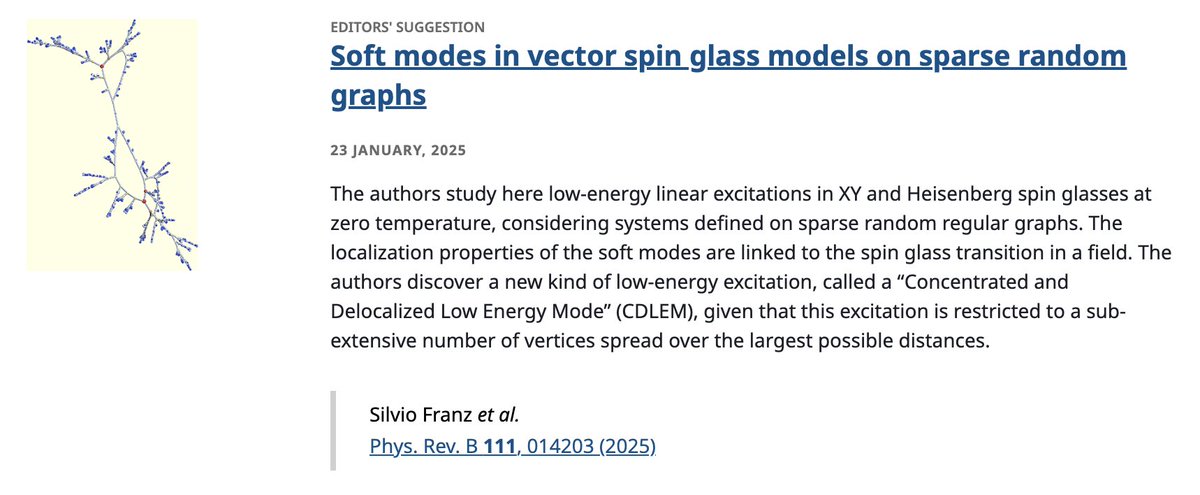
ALT EDITORS' SUGGESTION Soft modes in vector spin glass models on sparse random graphs 23 January, 2025 The authors study here low-energy linear excitations in XY and Heisenberg spin glasses at zero temperature, considering systems defined on sparse random regular graphs. The localization properties of the soft modes are linked to the spin glass transition in a field. The authors discover a new kind of low-energy excitation, called a “Concentrated and Delocalized Low Energy Mode” (CDLEM), given that this excitation is restricted to a sub-extensive number of vertices spread over the largest possible distances. Silvio Franz et al. Phys. Rev. B 111, 014203 (2025)
3
158
Cosimo (Mino) Lupo retweeted
3 Feb 2025
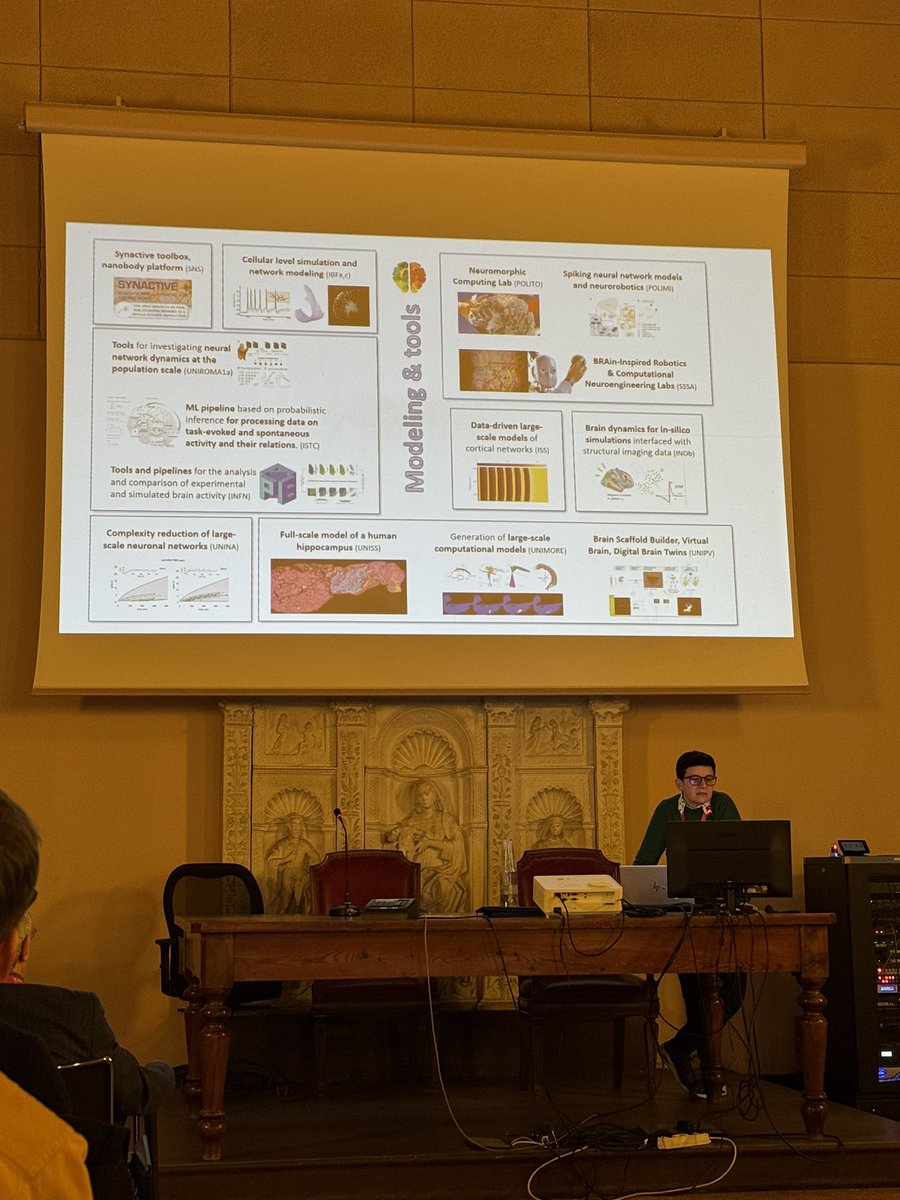
APE-Lab's #cobrawap software featured in the talk by #EBRAINSItaly scientific coordinator Rosanna Migliore at the "Computational #Neuroscience in #MNESYS" meeting in Pavia, highlighting contact points between the two #PNRR projects.
#brain #models #simulations #hpc #dataanalysis
4
7
282
Cosimo (Mino) Lupo retweeted
23 Jan 2025
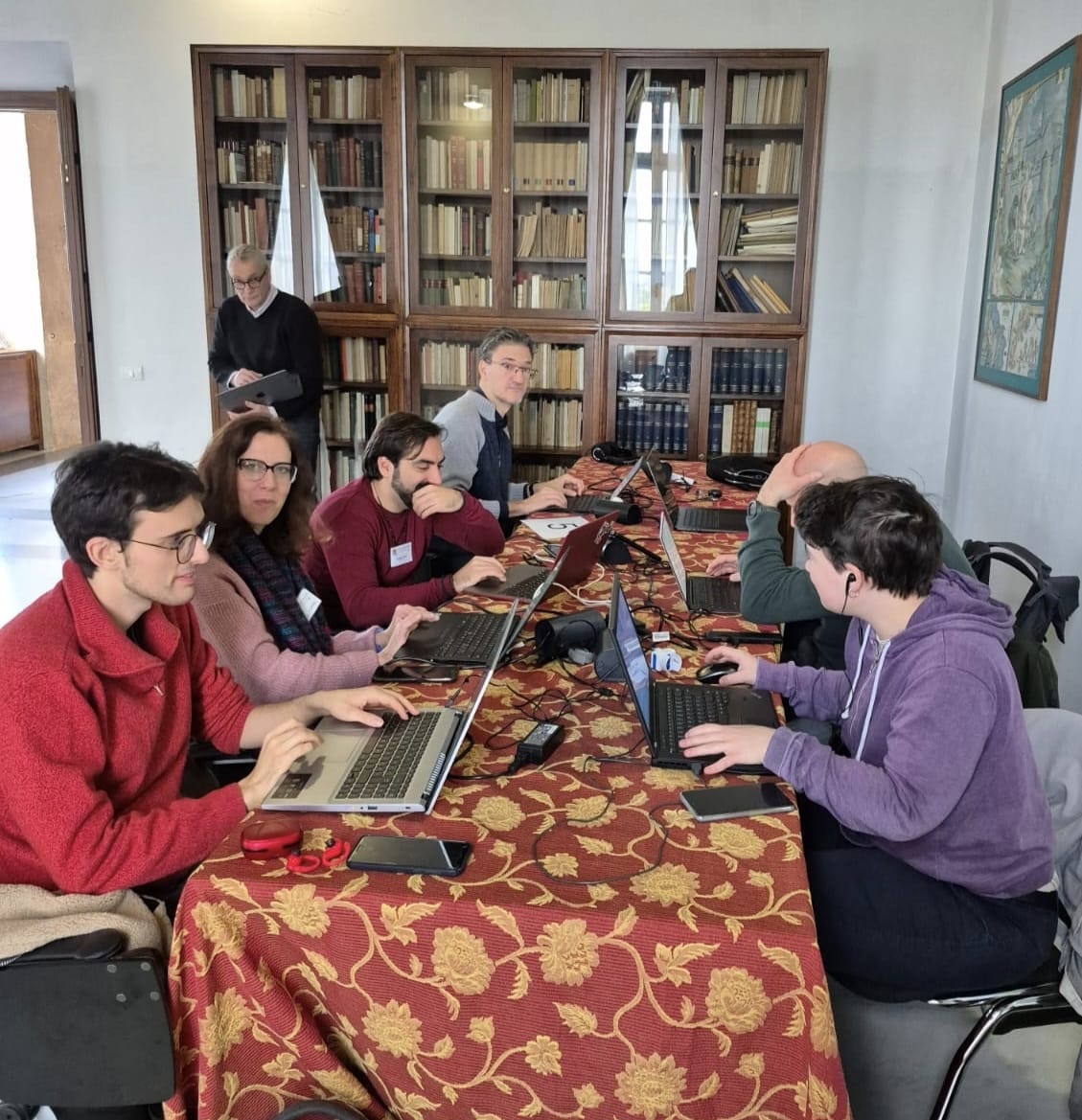
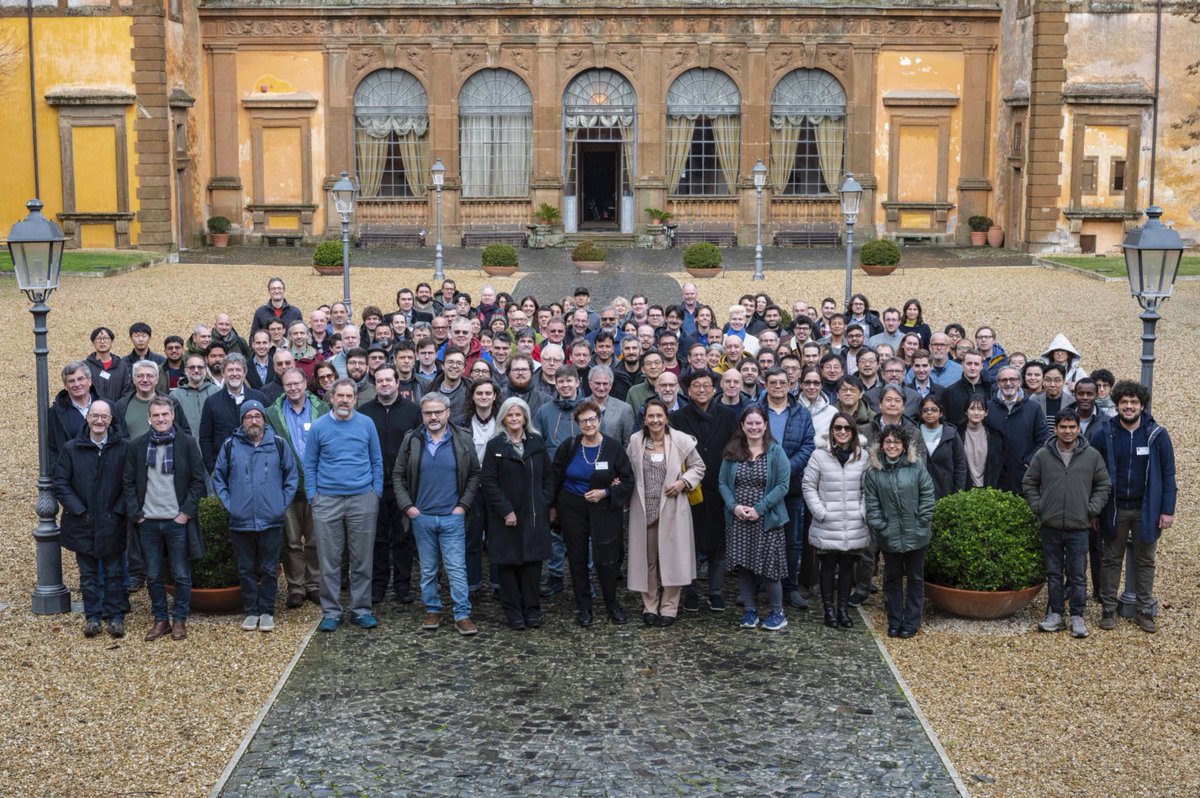
🚀🧠 The APE group from INFN is at the #ePICmeeting #EIC in Villa Mondragone (@unitorvergata ), using their expertise in neural networks and #FPGA to tackle the challenge of real-time data processing for the #dRICH detector with #APEIRON framework (Alessandro Lonardo's talk)!
4
8
161
Cosimo (Mino) Lupo retweeted
20 Dec 2024
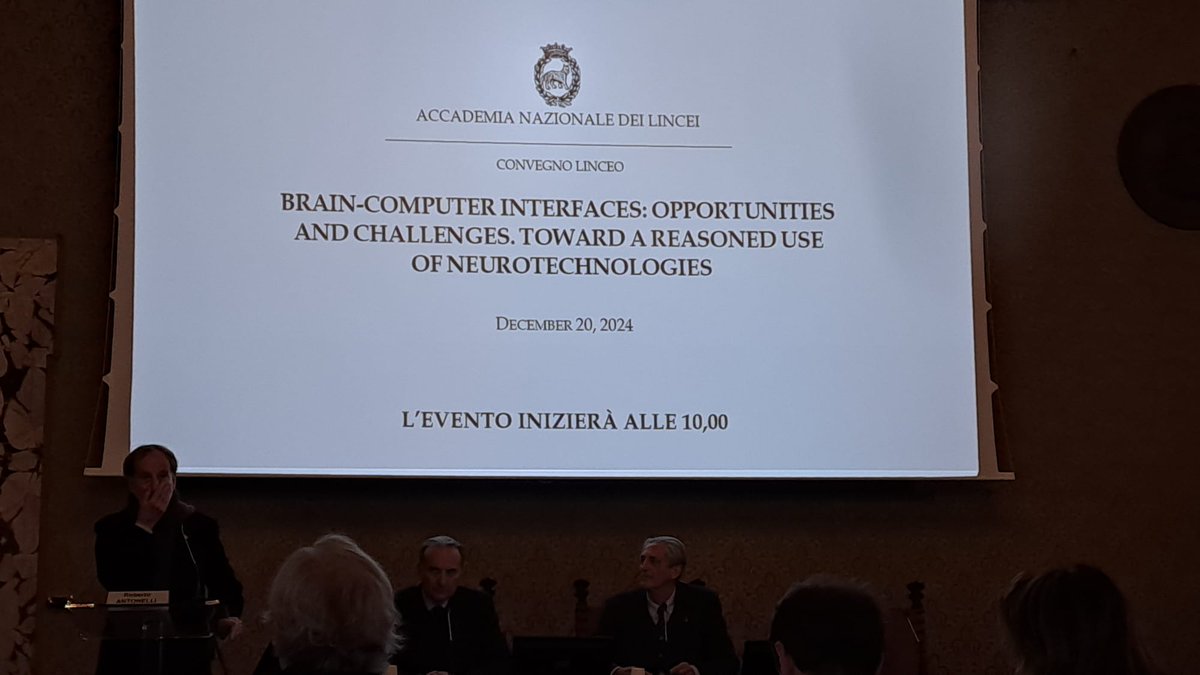
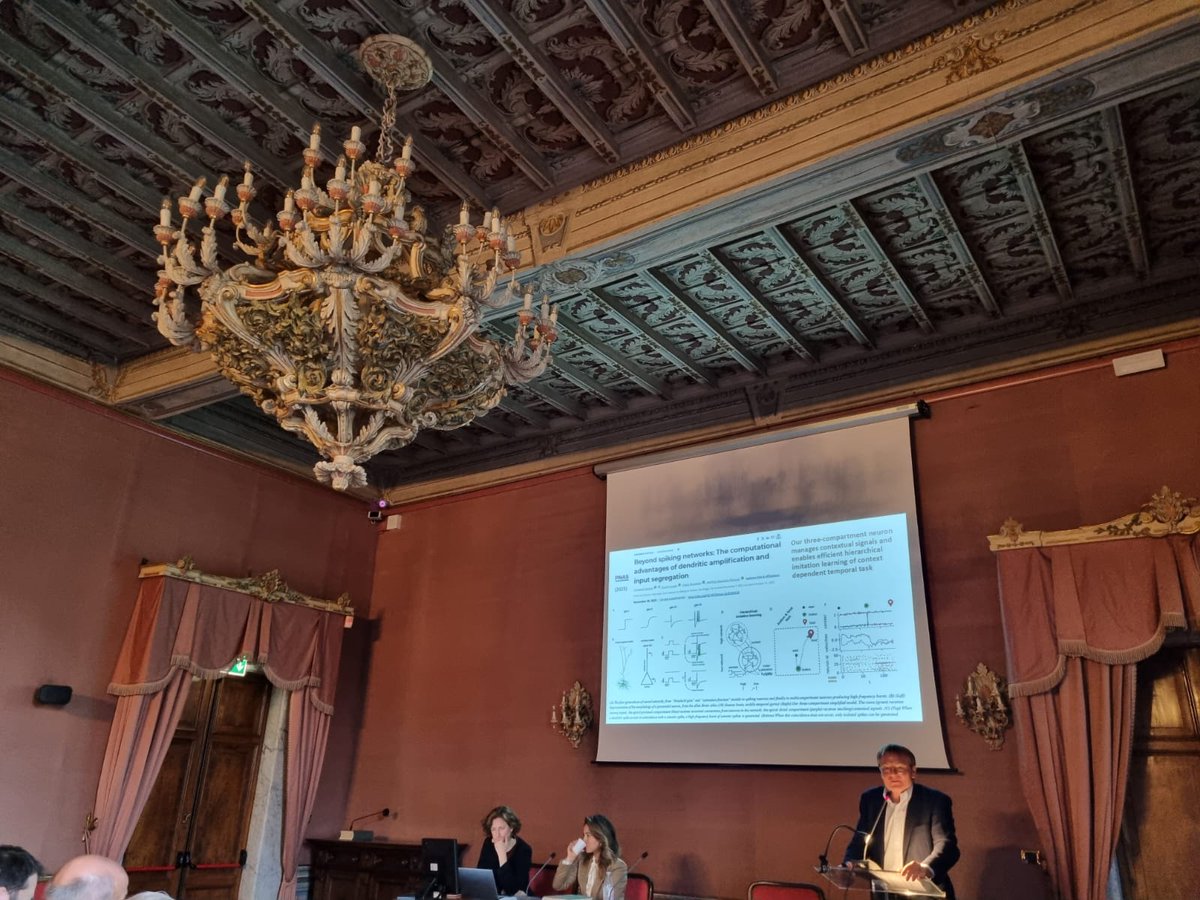
APELaber Pier S. Paolucci invited today at Accademia Nazionale dei #Lincei, workshop on:
#Brain-#Computer interfaces: opportunities and challenges, towards a reasoned use of #neurotechnologies
bio-inspired #models
#spikingNetworks #AI #Neuroscience #Tech
lincei.it/it/manifestazioni/…
4
6
212
16 Dec 2024
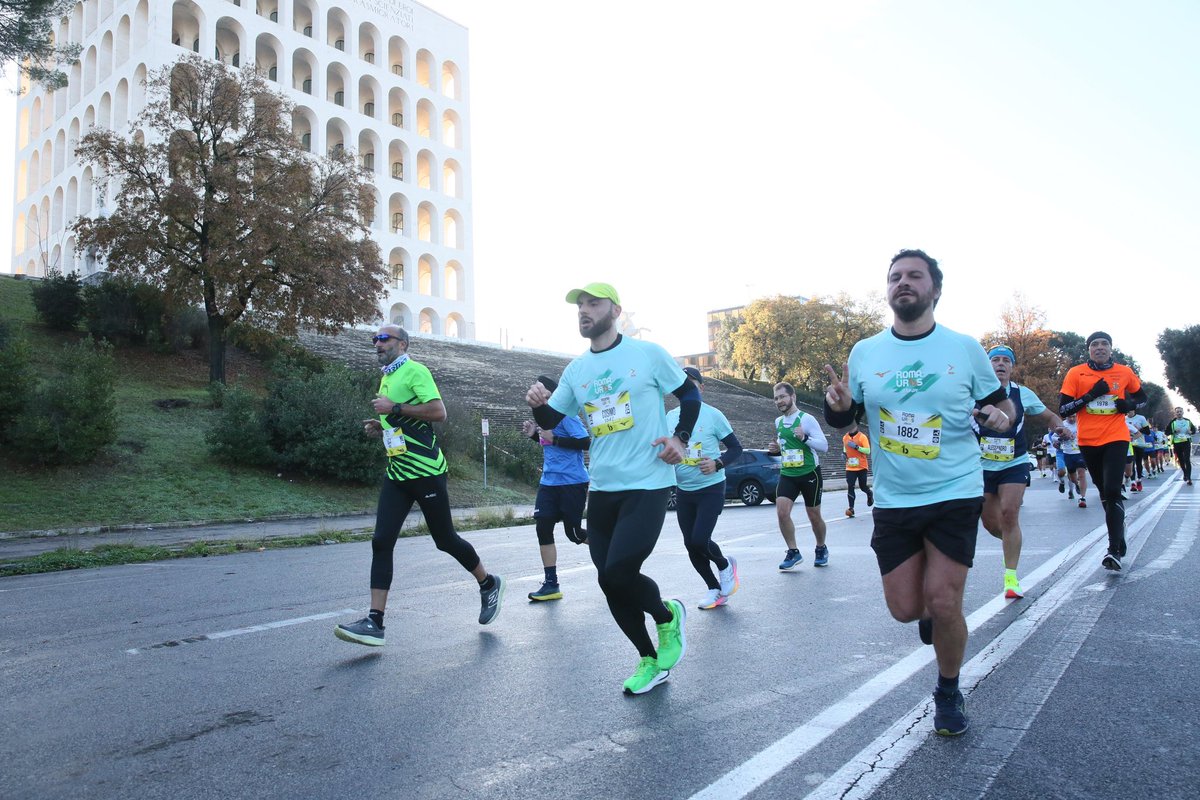
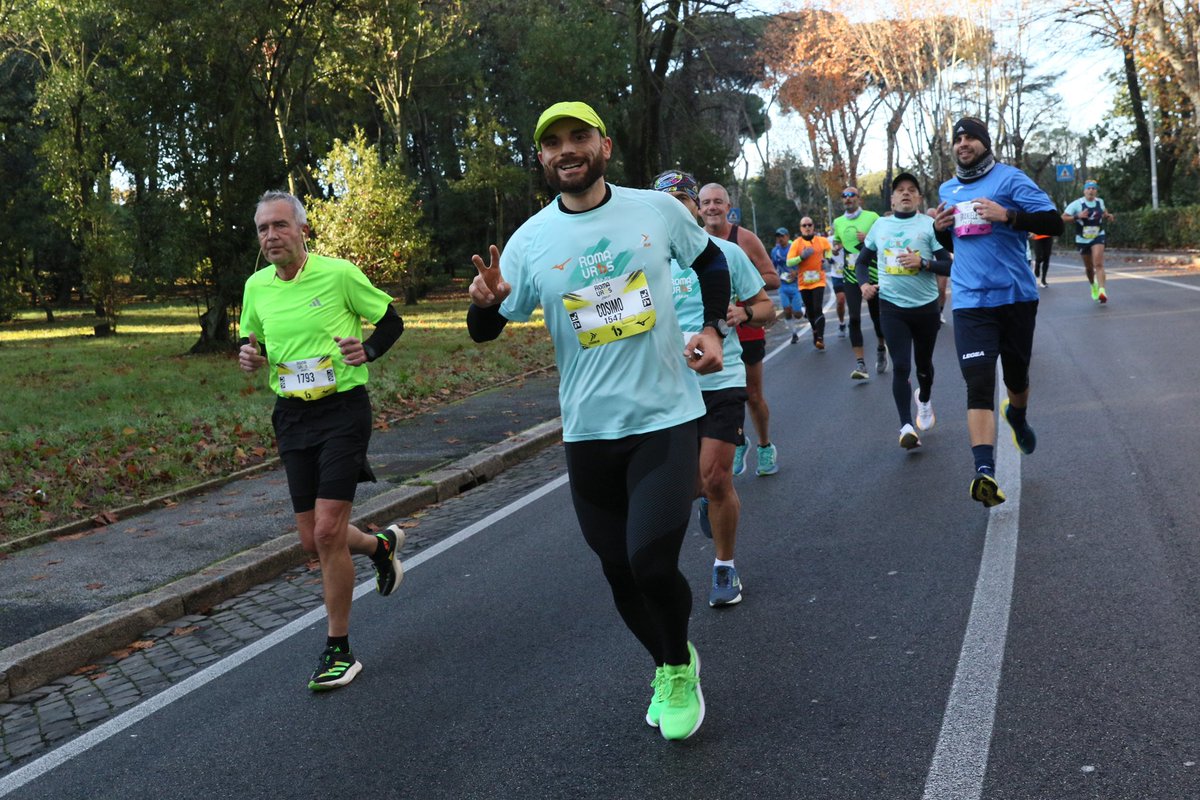
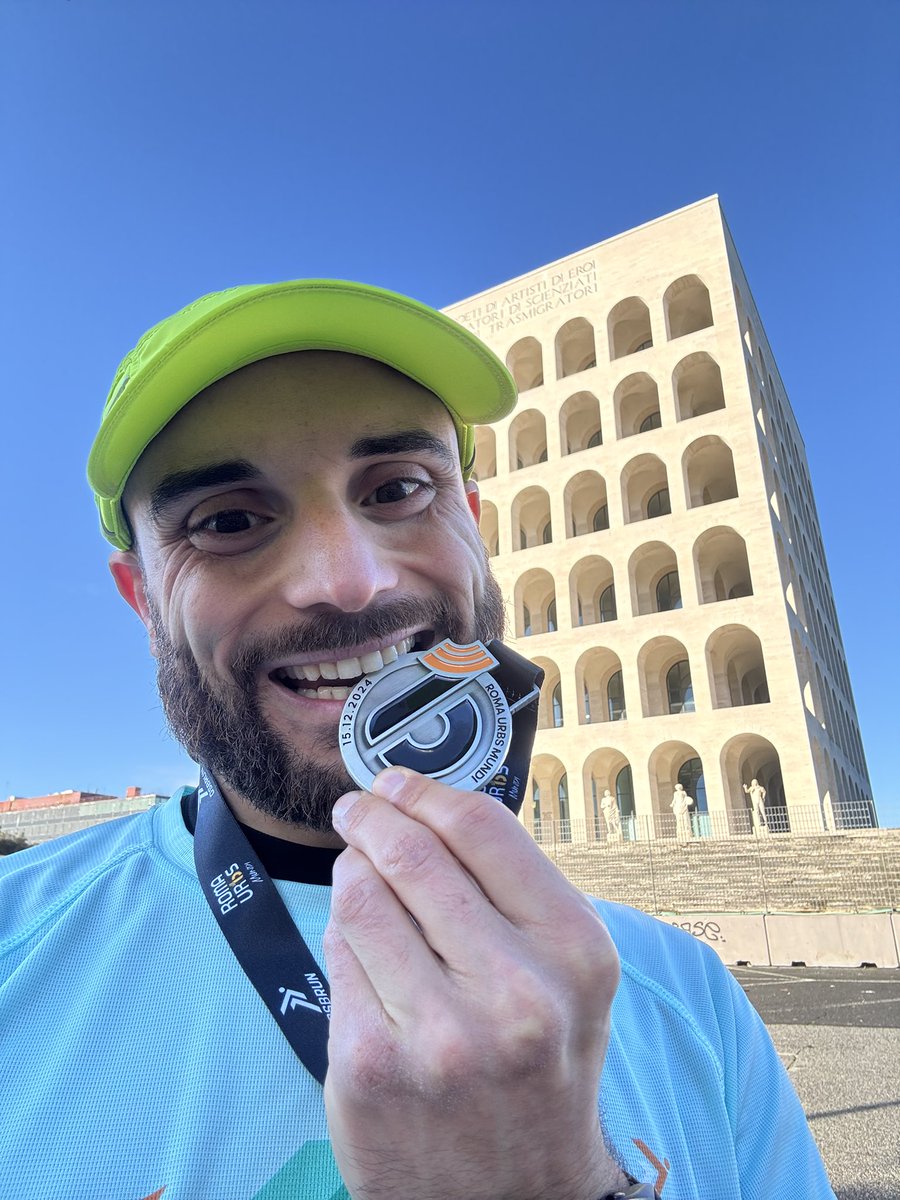
Ultima gara dell’anno 🏃🏻♂️ con location suggestiva 😍, pinguini 🐧🥶 e personal best sui 10K (46’09”) 🏅
1
31
Cosimo (Mino) Lupo retweeted
4 Dec 2024
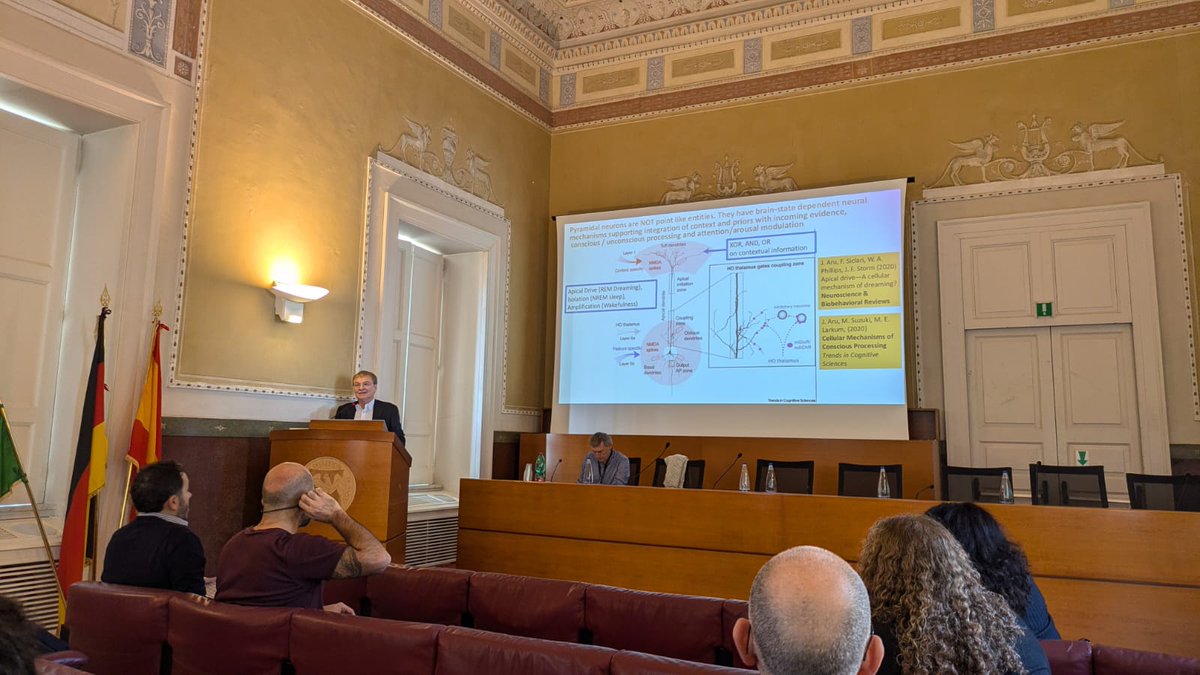
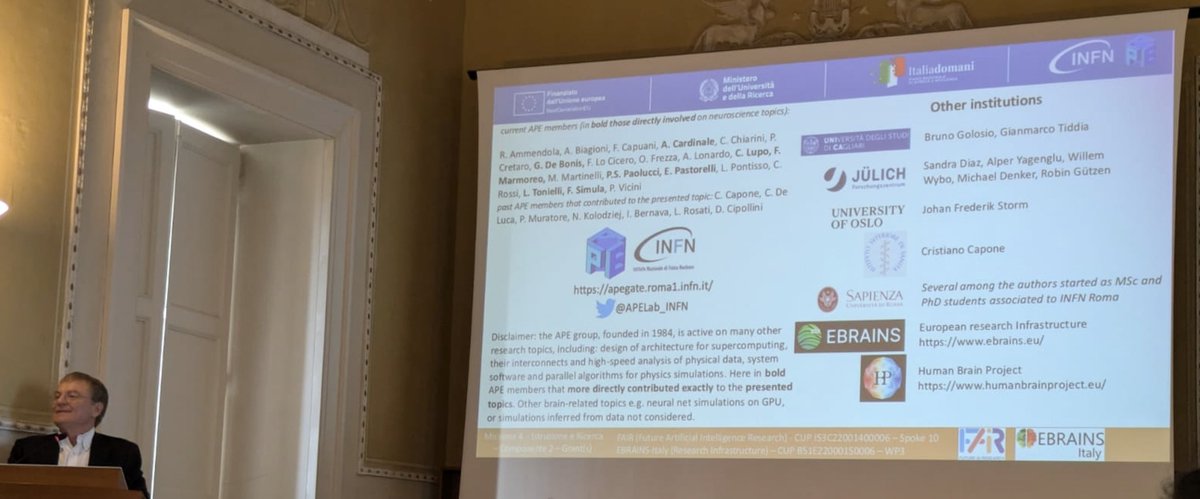
P.S. Paolucci #INFN presenting at the #EBRAINS-Italy workshop in Napoli on:
Apical amplification for spiking plastic #simulations of incremental #learning, #dreaming and #deepsleep cycles
#BrainStates #SpikingNetworks #SynapticPlasticity
bio-inspired #models of #neurons #AI
4
5
145
Cosimo (Mino) Lupo retweeted
5 Dec 2024
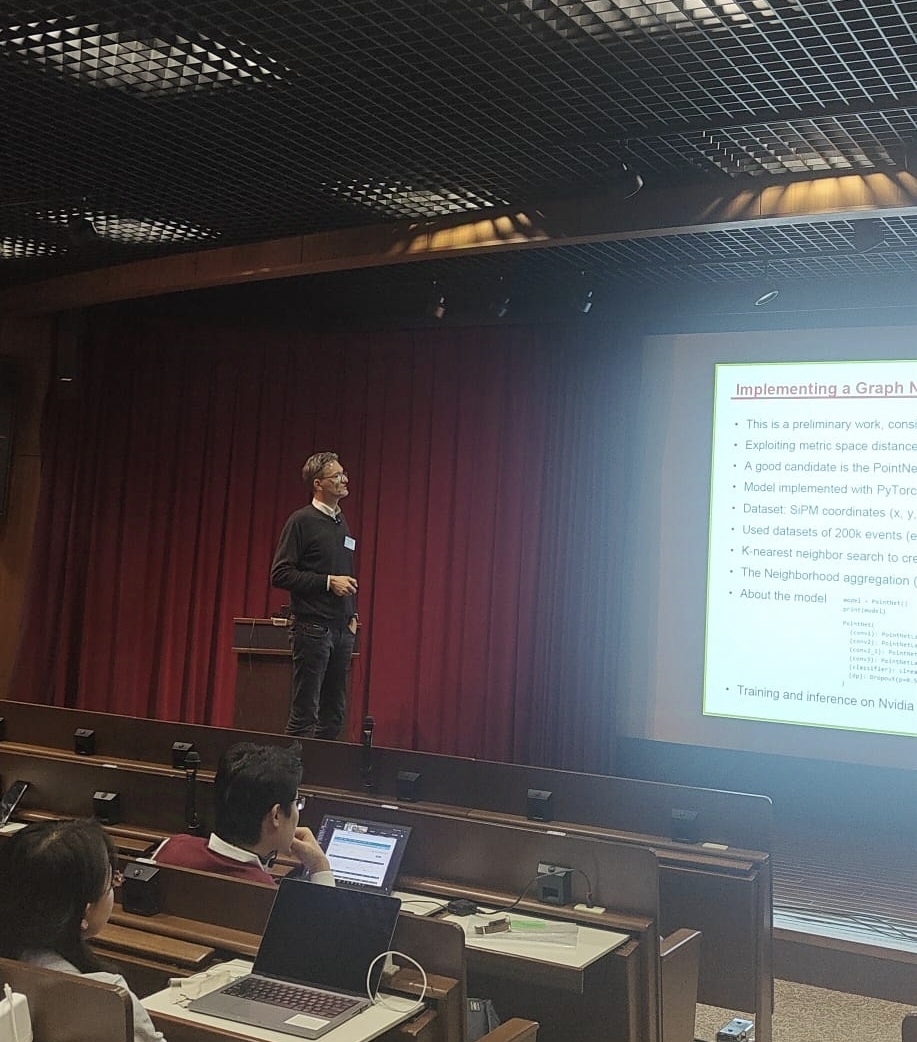
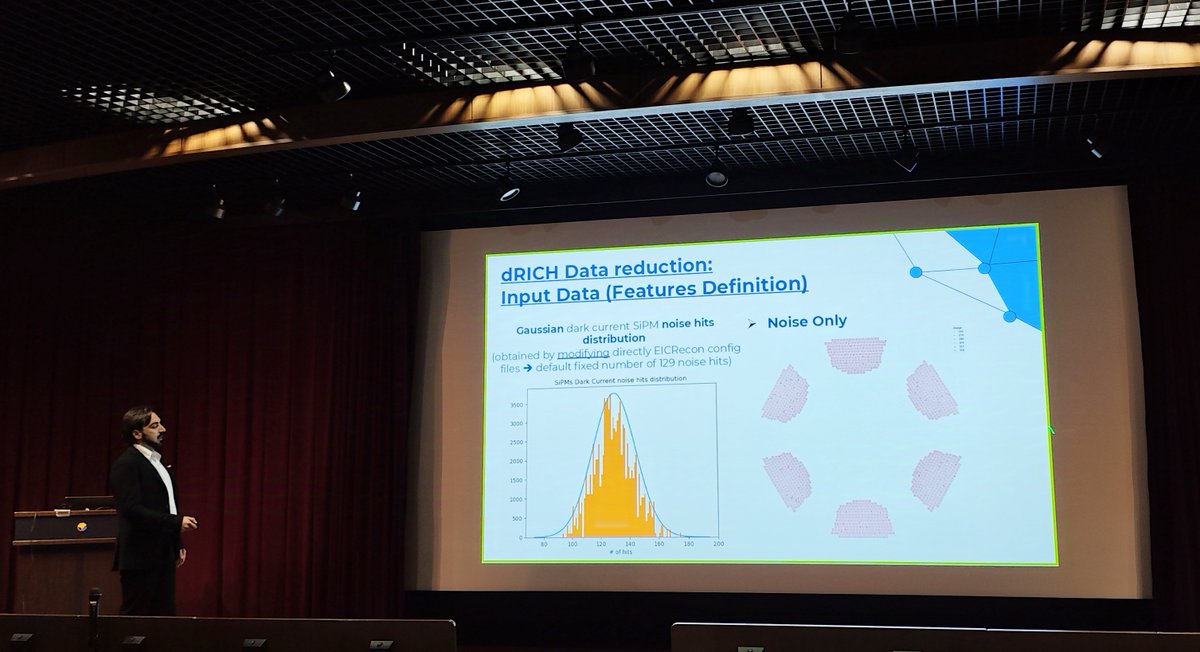
INFN Rome's APE group is exploring new ways to optimize data handling with #AI for the #EIC #ePIC #dRICH detector with #GPU and #FPGA! 💡 At #SROXII Luca Pontisso and Cristian Rossi presented early investigations using GPUs & FPGAs for data filtering & noise reduction #FAIR #DAQ
1
2
6
209
Cosimo (Mino) Lupo retweeted
4 Dec 2024
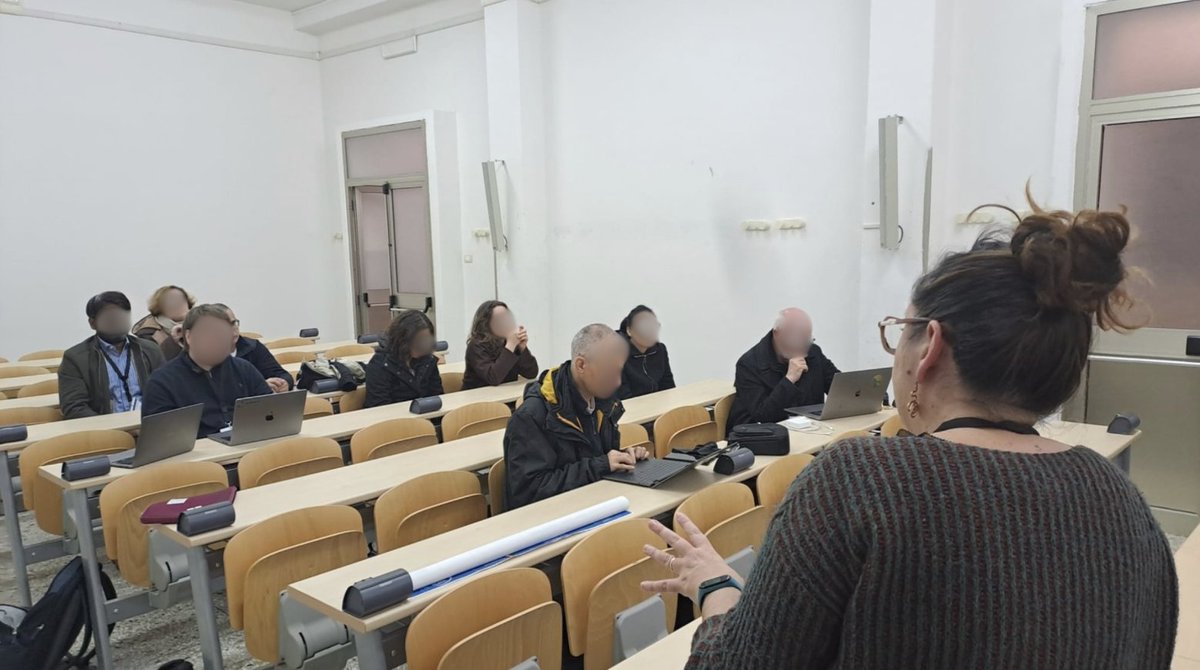
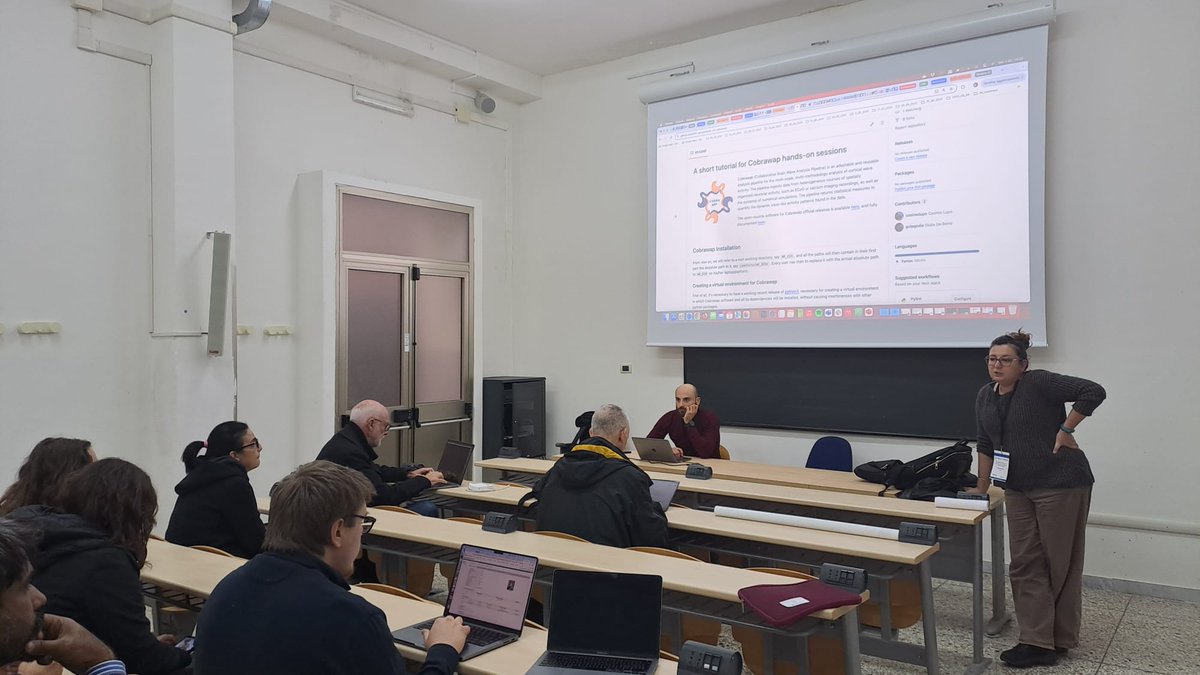
Snapshots from yesterday #Cobrawap hands-on at the #EBRAINS-Italy workshop in Napoli.
G. De Bonis and C. Lupo illustrated features and usage of the #software, stressing out the paradygm of science-driven development.
Wanna try? Follow directions here: github.com/APE-group/hands_o…
3
3
125
Cosimo (Mino) Lupo retweeted
4 Dec 2024
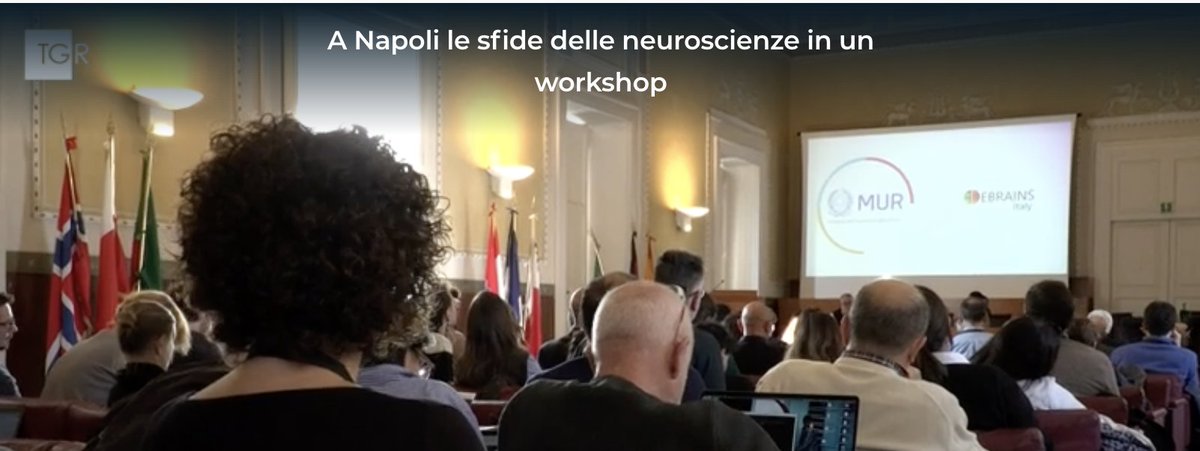
#EBRAINS-Italy workshop in the news!
#Neuroscience Italian Community in Naples for presenting latest results of #ResearchInfrastructure #PNRR
#INFN contributions on #Cobrawap, #TrainingServices, #Models & #Simulations
C. Lupo in the video foreground 😉
rainews.it/tgr/campania/vide…
3
6
140
Cosimo (Mino) Lupo retweeted

3 Dec 2024
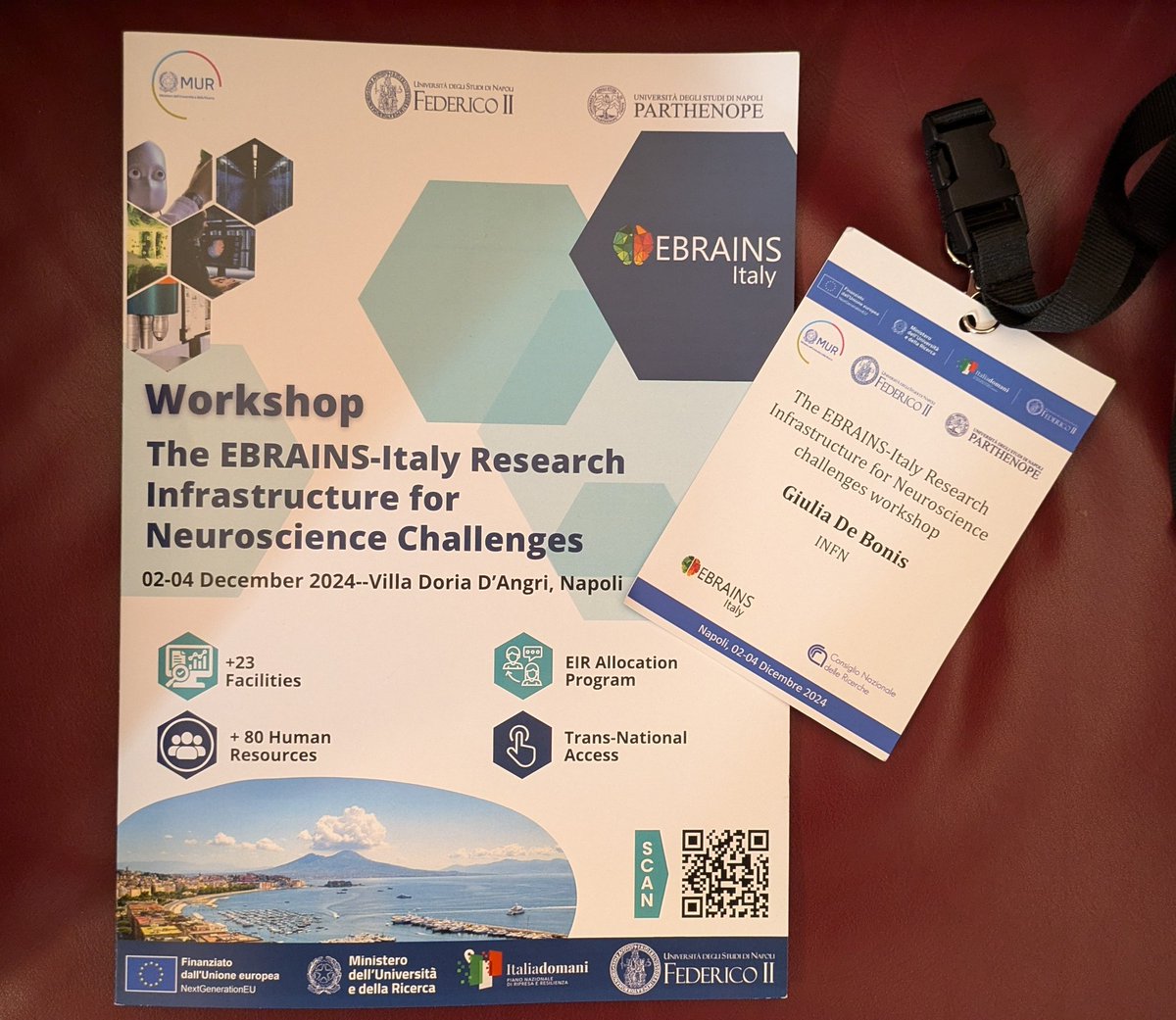
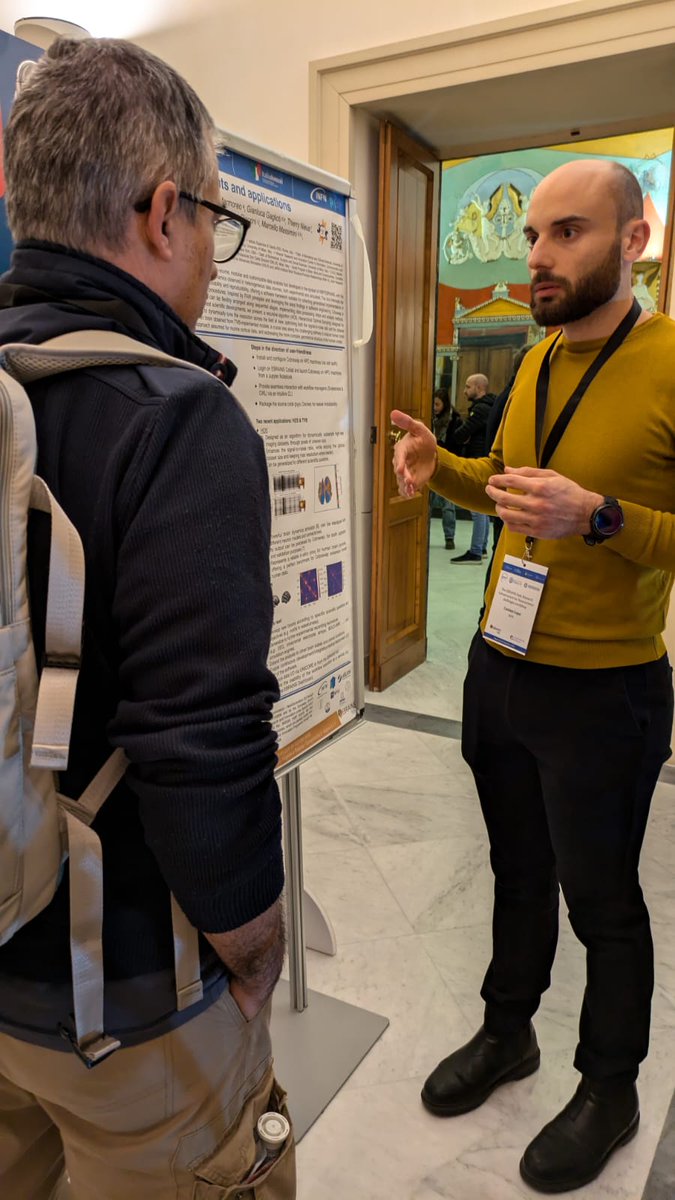
After yesterday's poster session, today I'm ready for presenting with C.Lupo an introduction to #Cobrawap at the afternoon's Hands-On Session of the #EBRAINS-Italy workshop in Napoli
#INFN
#Neuroscience #DataAnalysis #ModelValidation #SoftwareCoDesign #ResearchInfrastructure
1
3
5
131
Cosimo (Mino) Lupo retweeted
2 Dec 2024
The hardest challenge: select the best pic (to illustrate #EBRAINS-Italy workshop in Naples) among a collection of amazing pics of the greatest scenario of the gulf 🤩
Tough competition, but #Cobrawap is making a good impression 😉
Poster today, hands-on tomorrow...stay tuned!🚀

2
2
97
2 Dec 2024
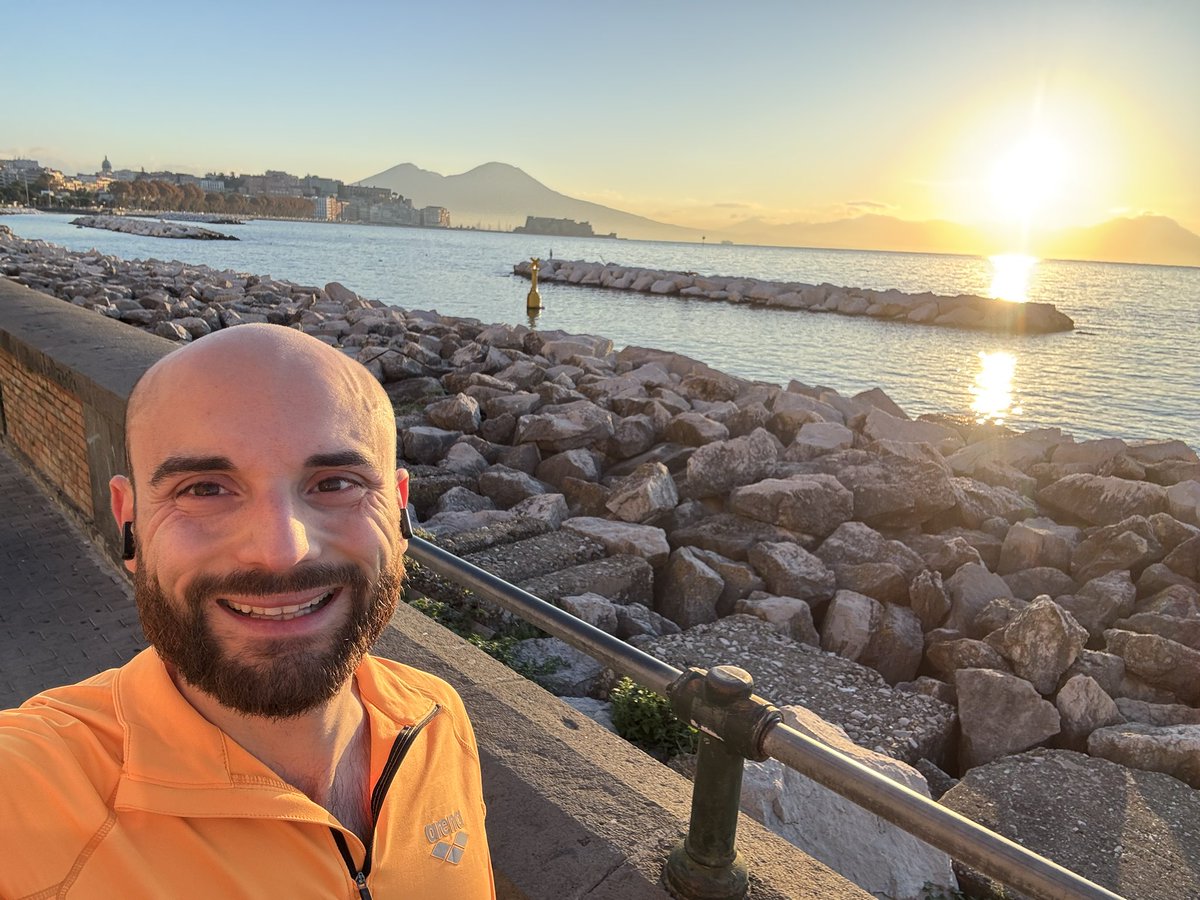
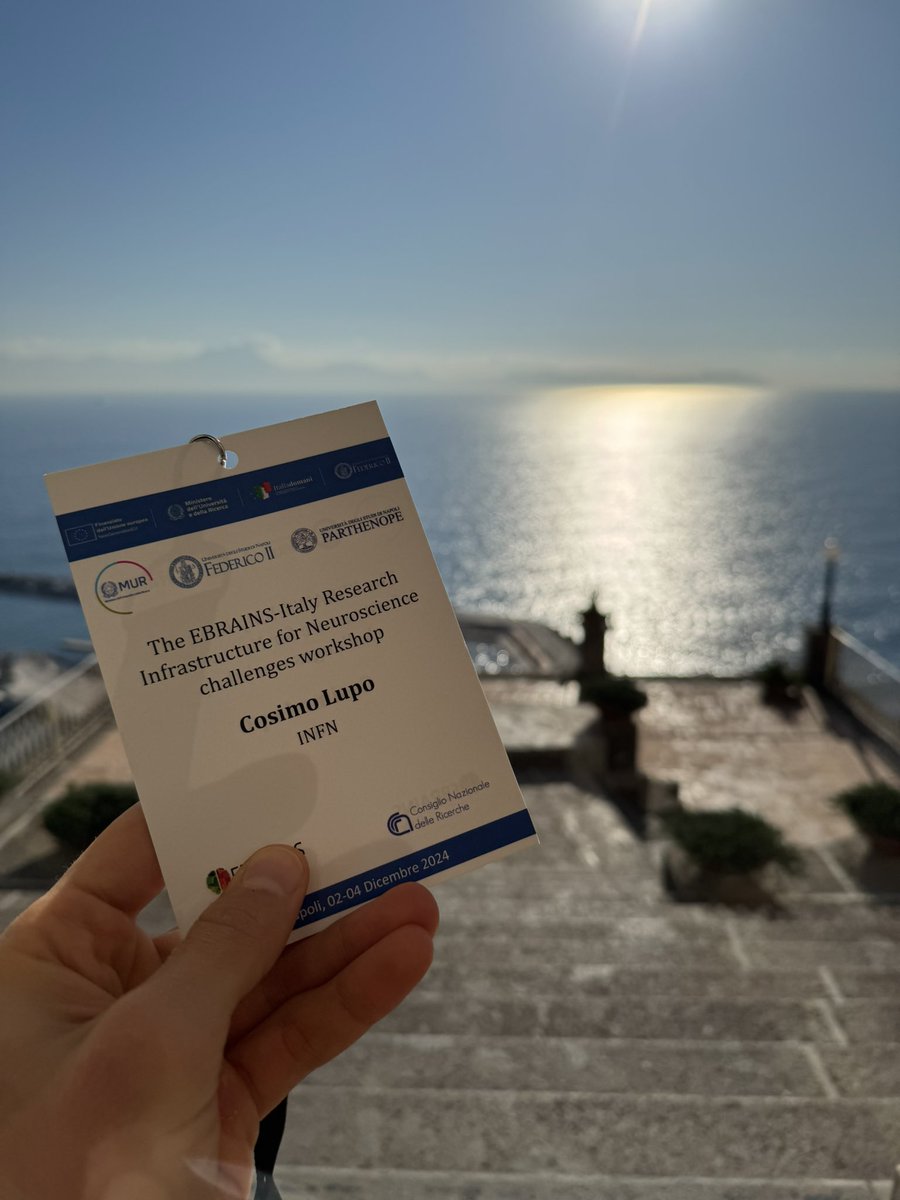
Prima il dovere e poi il piacere… o era il contrario?? Nel dubbio, in mezzo c’è stata la colazione! 😄🏃🏻♂️➡️🥐💻
A Villa Doria D’Angri, Napoli, per il meeting plenario 2024 di EBRAINS-Italy. #Cobrawap come sempre presente!
#ebrainsitaly #apelab #infn #neuroscience

2
71
1 Dec 2024
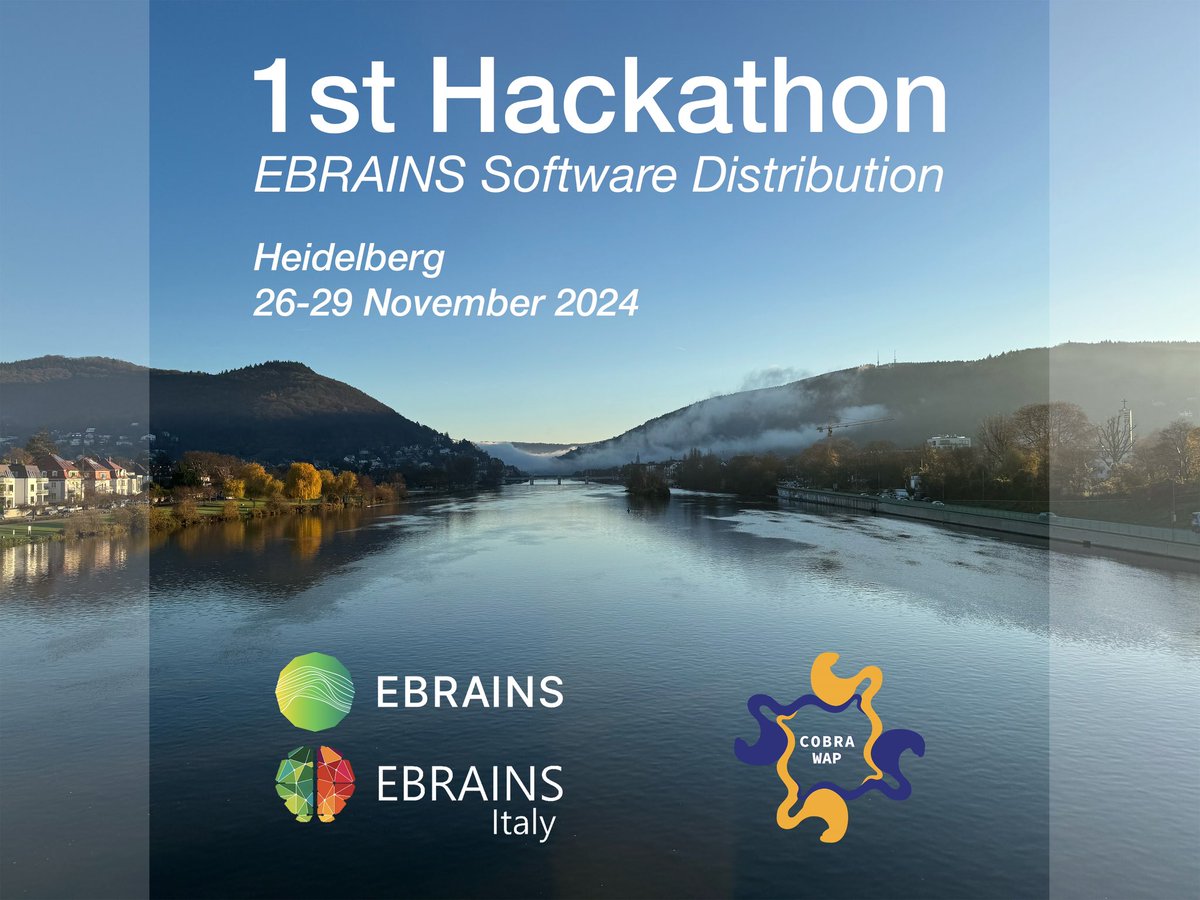
A very interesting opportunity for further fostering the cooperation between scientific research and software engineering, where once again I had the honor to represent #Cobrawap, working on its integration into the #EBRAINS software framework!
@APELab_INFN @INFN_ #ebrainsitaly
1 Dec 2024
A week full of #software! Cosimo Lupo from #APELab #INFN attended the 1st #hackathon on the #EBRAINS Software Distribution at #EINC in Heidelberg, taking care of #Cobrawap integration within the ever-growing #neuroscience Research Infrastructure.
Info: flagship.kip.uni-heidelberg.…
3
4
145
Cosimo (Mino) Lupo retweeted
27 Nov 2024
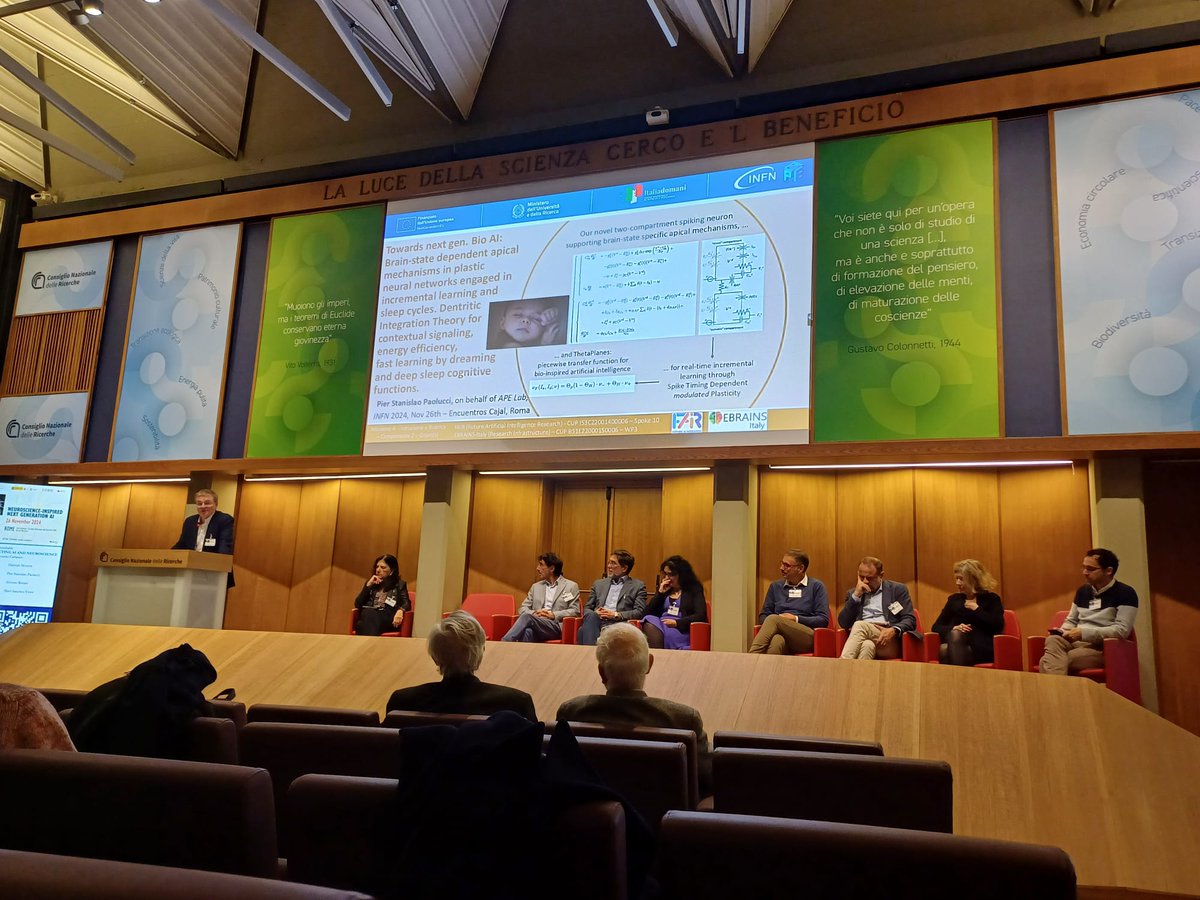
Here a snapshot of #INFN P.S.Paolucci's contribution at the event organized by #EBRI and the Embassy of #Spain in Italy, ebri.it/news/encuentro-cajal…
#Neuroscience #AI bio-inspired #Models #Theory #CognitiveFunctions #Learning #Dreaming #DeepSleep #BrainStates #PlasticNeuralNetworks
4
4
270
Cosimo (Mino) Lupo retweeted
25 Nov 2024
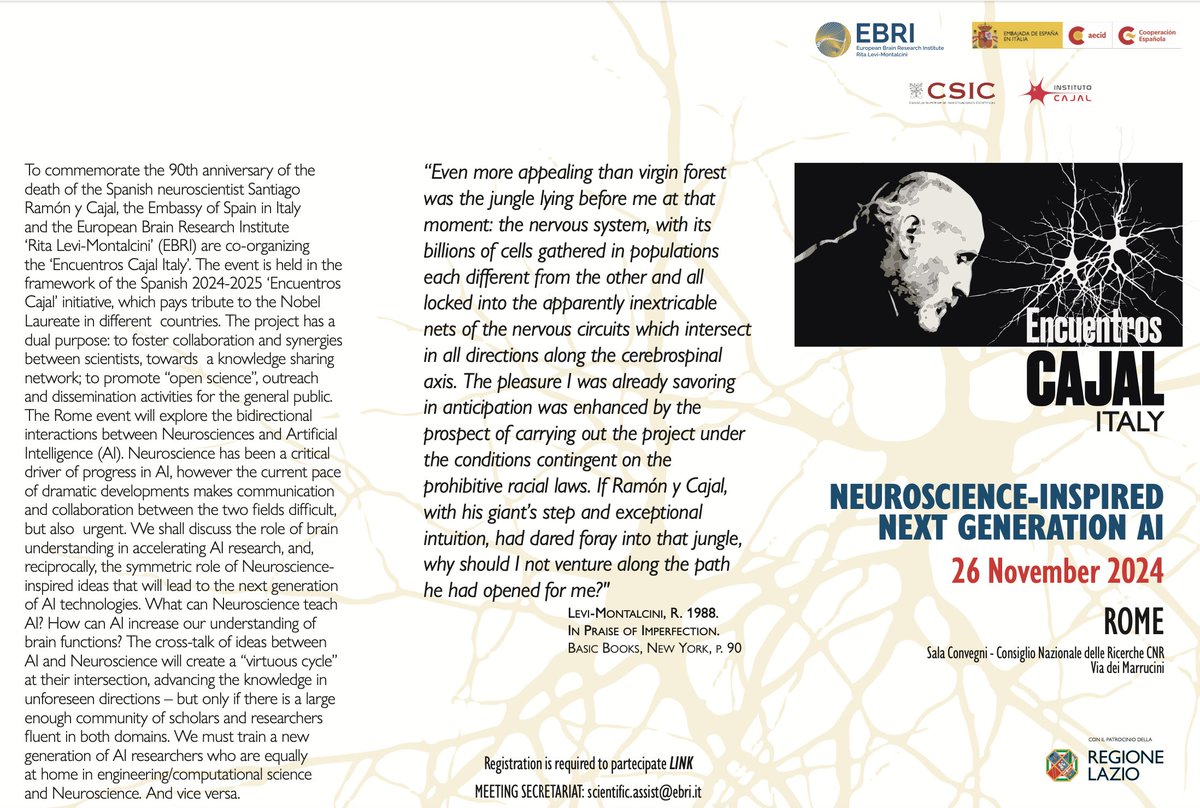
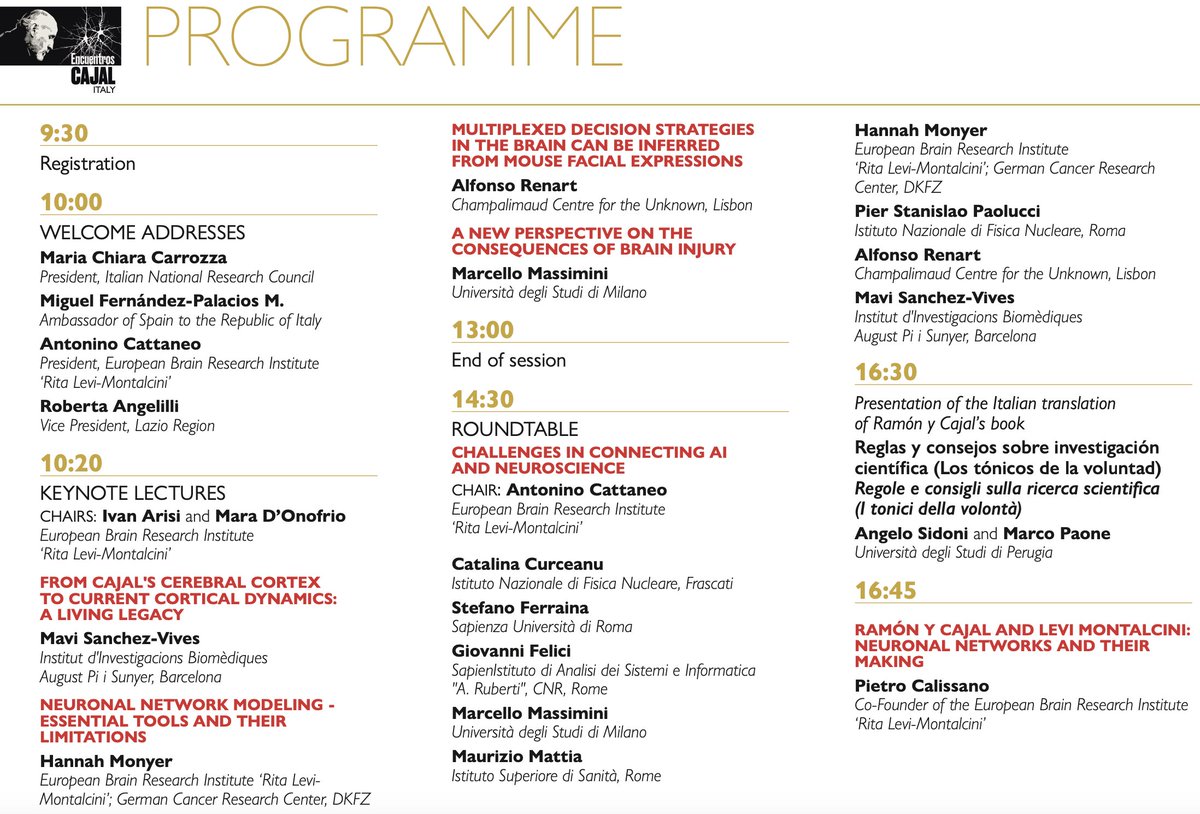
P.S.Paolucci invited at the event organized by #EBRI and the Embassy of #Spain in Italy, to commemorate the Spanish neuroscientist Santiago Ramón y Cajal, on
#Neuroscience-inspired next generation #AI
Roundtable: Challenges in connecting AI and Neuroscience
#CNR Nov.26th.2024
3
5
449
Cosimo (Mino) Lupo retweeted
20 Nov 2024
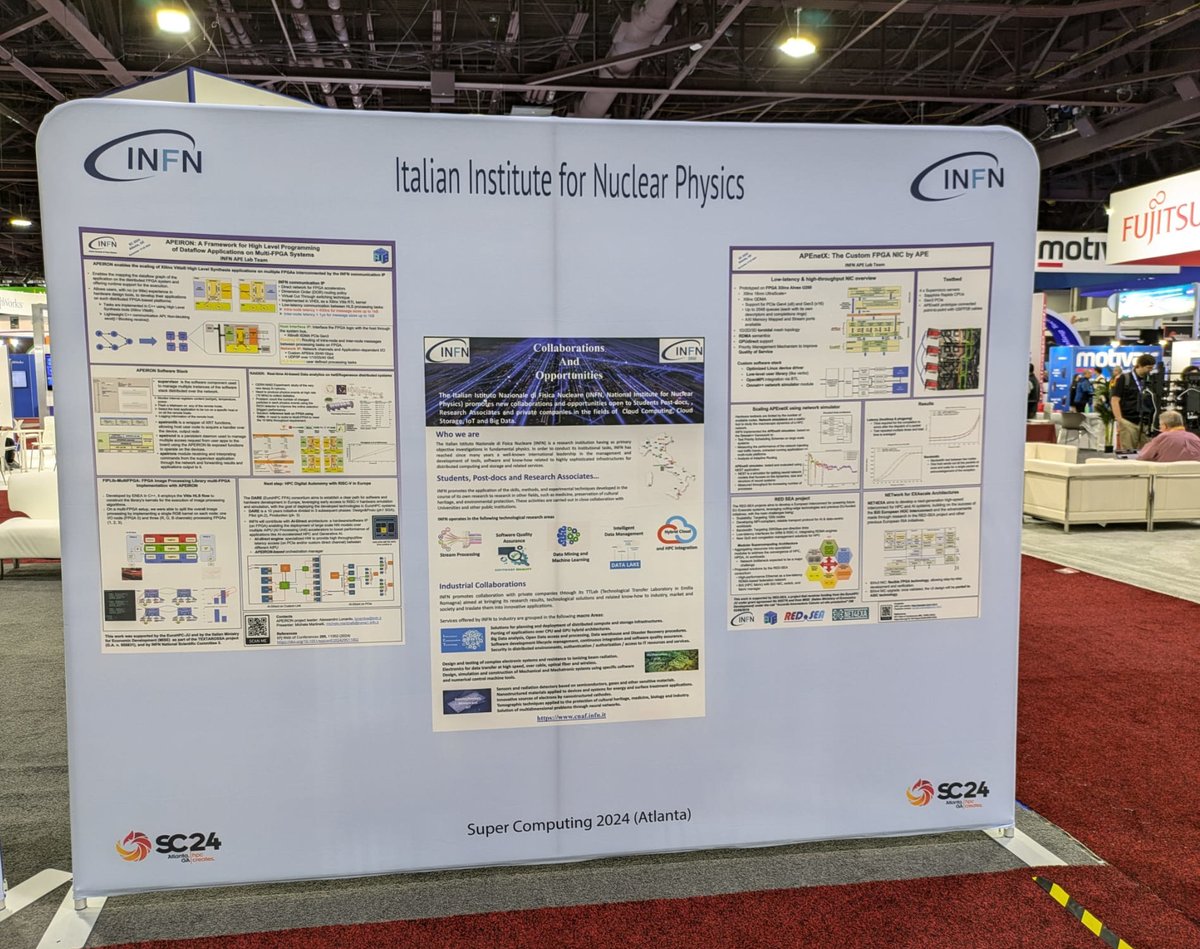
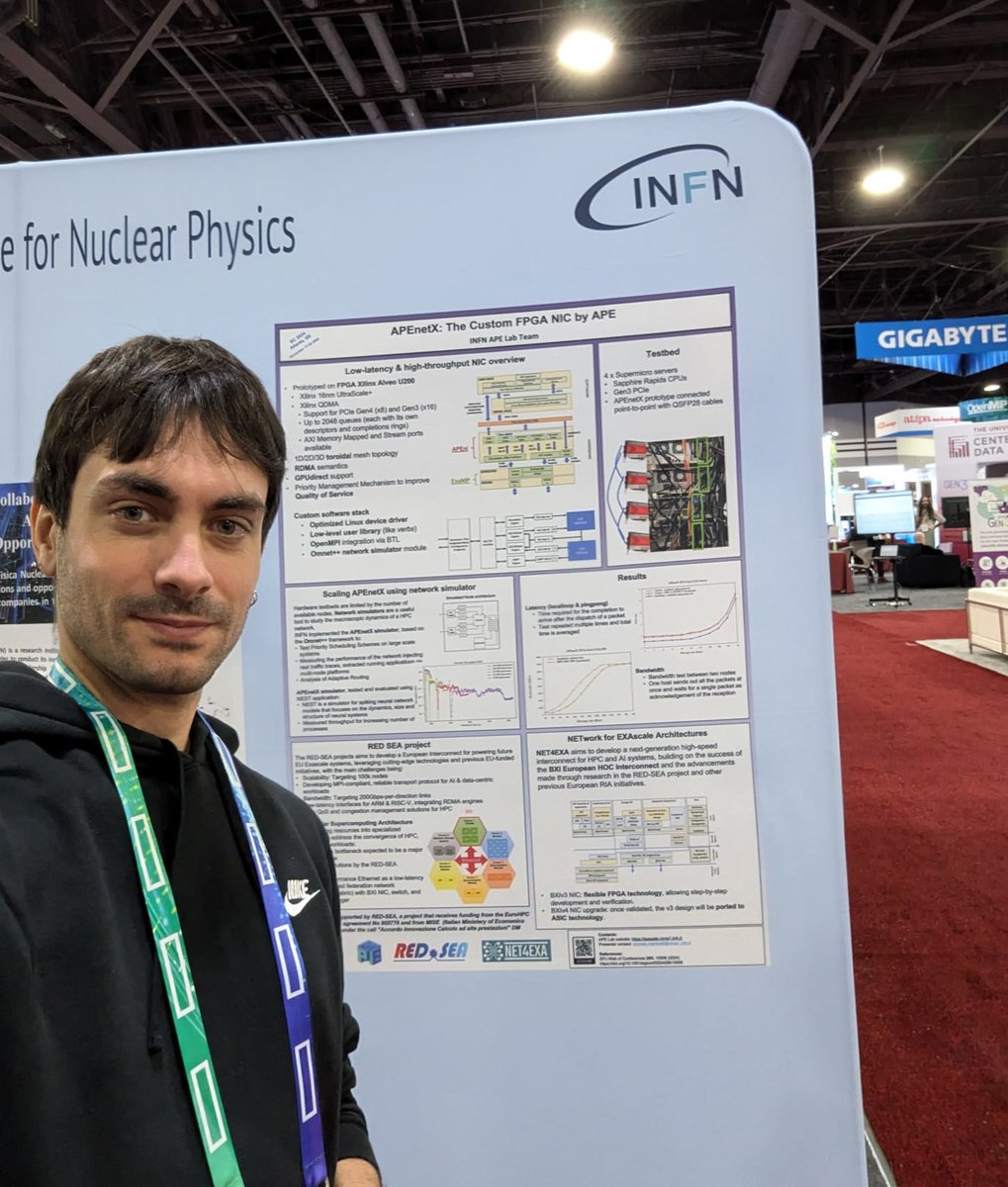
Interested in multi-FPGA systems and custom FPGA NICs? At #SC24 Booth 3340, @micmartinelli #INFN unveils #APEIRON, a framework for high-level programming of multi-FPGA systems, and #APEnetX, a custom FPGA NIC. #HPC game-changer!
#HardwareSoftwareCoDesign #Supercomputing
3
6
160
Cosimo (Mino) Lupo retweeted
28 Oct 2024
Woot! #APElab_infn rocking #CHEP2024 in Kraków! Ottorino Frezza, Carlotta Chiarini, and Pierpaolo Perticaroli shared their awesome research with the #HEP community. Way to go! 😎 1/4
3
5
9
220