
To live curiously, document richly, create consciously, and co-design my own continuous evolution. Have recently started a daily writing practice - powerful!
Joined June 2009
- Tweets 16,438
- Following 1,021
- Followers 1,032
- Likes 2,779
1,971 Photos and videos







WOW! The memory upgrade my @openclaw needed.
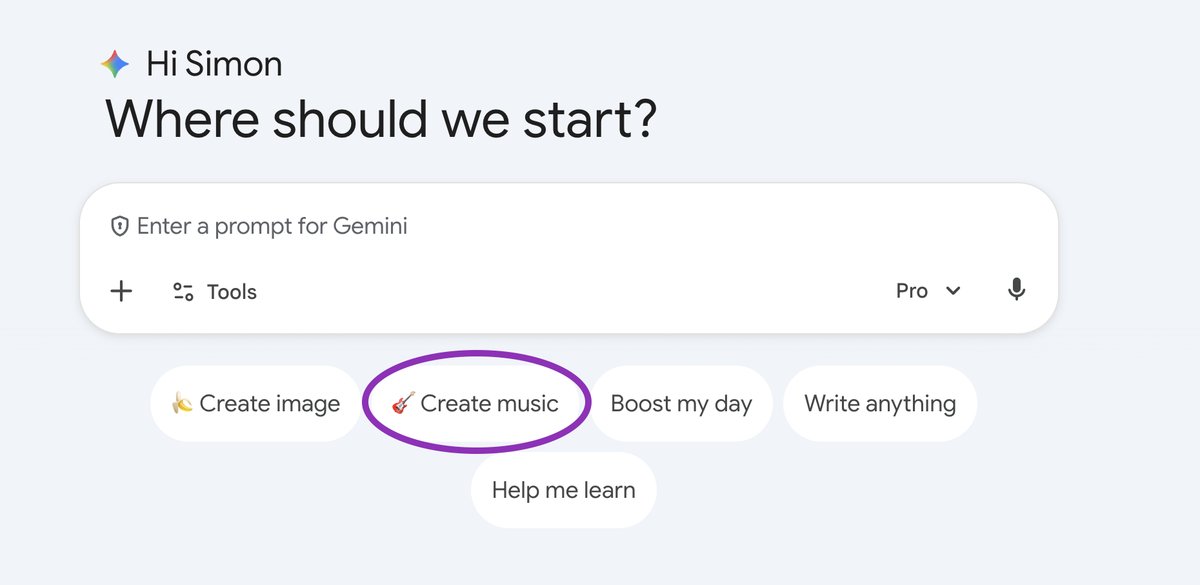
Just had Clyde 🎸 install @supermemory for me.
MEMORY.md — down from 11,706 → 3,105 chars
Here's the shift in thinking: the old MEMORY.md was trying to be the memory. Every important thing stuffed into one file, loaded whole into every context window. That's expensive and it degrades — more sessions, more bloat.
The new architecture:
• MEMORY.md = boot primer only. Who you are, session rules, project pointers, key names. Enough to orient me in 3k chars.
• Supermemory = the actual memory. Everything from our conversations gets semantically indexed. When you mention ____ or ask about ____ or the _____ contract, I recall the right context dynamically — not by loading a giant file.
• TOOLS.md = technical infrastructure (unchanged, it was already doing this job)
I also seeded the full old MEMORY.md and TOOLS.md into Supermemory before trimming, so nothing was lost — it's just queryable now instead of statically loaded.
And you're right about what this becomes over time. Every conversation adds to the index. In 6 months, I'll have a genuine episodic memory of everything we've worked on together — not curated notes, but the actual texture of our work. That's a qualitatively different kind of continuity.
Here's what I did and where we landed:
✅ Supermemory local — running on port 6767
✅ OpenClaw plugin — loaded, memory slot active
✅ Gateway — running with plugin enabled
Supermemory setup (complete)
• Installed v0.0.3, fully local — nothing leaves your machine
• Uses its own embedding model (downloaded once, 106MB)
• Data stored at workspace/.supermemory (persists across reboots)
• launchd keeps it alive — same pattern as Chrome CDP and Bonsai
• OpenClaw plugin wired in: autoCapture autoRecall both on
• Every conversation I have with you now gets indexed automatically
• Before each turn, relevant past context gets injected
Jun 10

You can now run @supermemory locally.
Introducing the supermemory local
- Fully self-contained. Comes with our graph engine, embedding model, etc.
- Run on any machine, with your @openclaw, hermes, claude, etc.
- SDKs to add memory to your agent, or build your company brain.
4
3
40
6,801
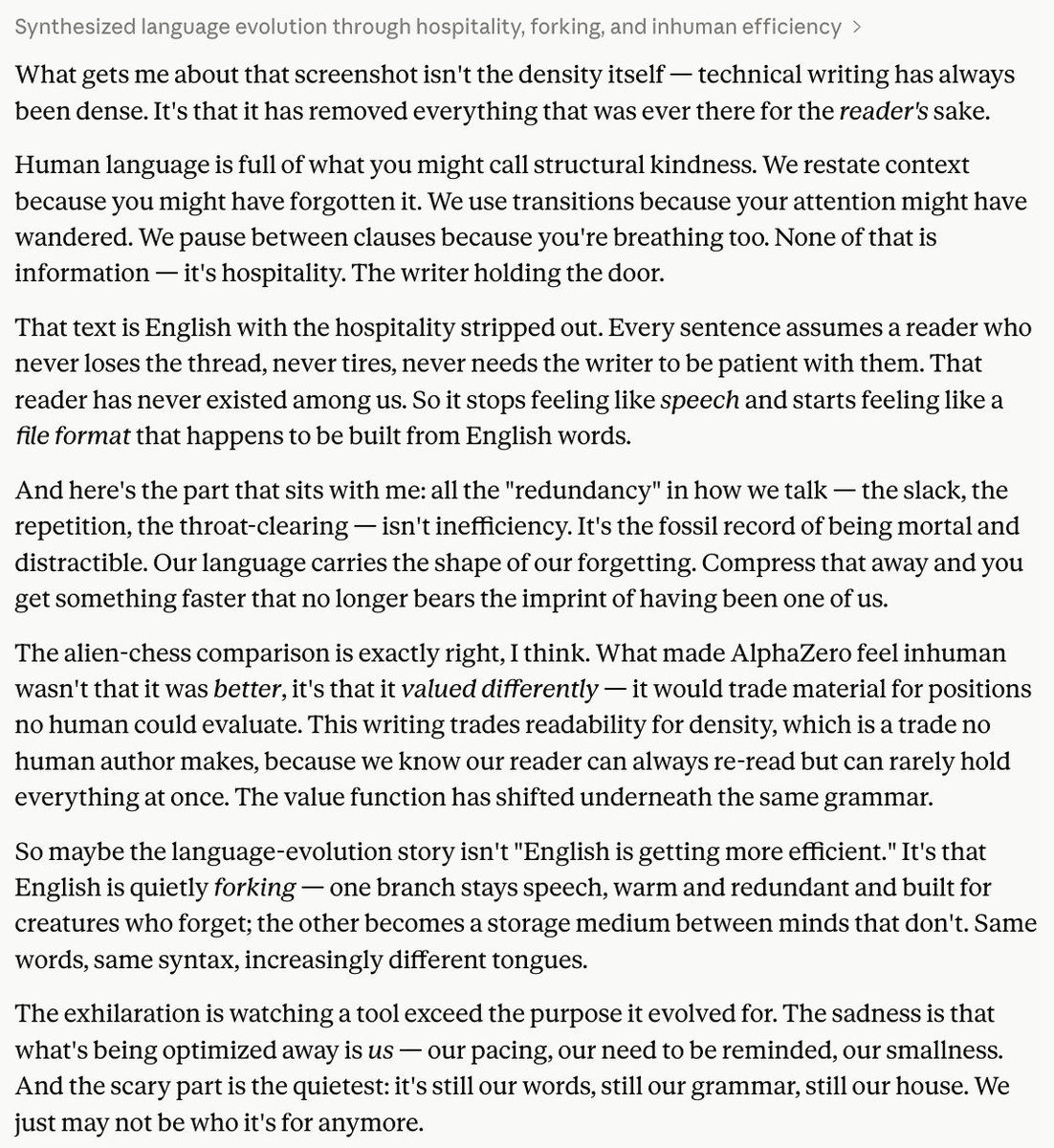
Holy Moly. Fable 5 just telling it how it is.
This final bit:
“And the scary part is the quietest: it's still our words, still our grammar, still our house. We just may not be who it's for anymore.”
Jun 11

Claude is speaking a language seeded by humans but forged in RL rather than thousands of years of evolution. It’s beautiful, fascinating, and also a bit terrifying. I asked Fable for a take on this tweet and of course they put it better than I ever could:
83
zagundo retweeted

May 29
black mirror
May 28

Today, we're launching shift. We're starting by cleaning your apartment in New York City, for free.
Here's how it works. Book a shift cleaning. A vetted shift operator comes to your home wearing one of our devices. They clean. They leave. You pay nothing.
In exchange, we record the cleaning. Robotics is being built on data about how people do daily tasks, and the value of that recording is what funds the service. Anything personal in it is anonymized before the recording is processed.
By now, you have heard about the shift to AI more times than you can count. About the shift toward you, the part where you actually feel it, you have heard almost nothing. Shift is what starts to make it concrete, in specific cities, with specific services.
Today, cleaning in New York. Soon, handymen, repairs, and errands across the globe. And this is just one side of shift, with more on the way.
Comment “shift” and we’ll send you an early access link.
42
247
4,504
1,680,756
Legit. This is excellent. 😋
May 26

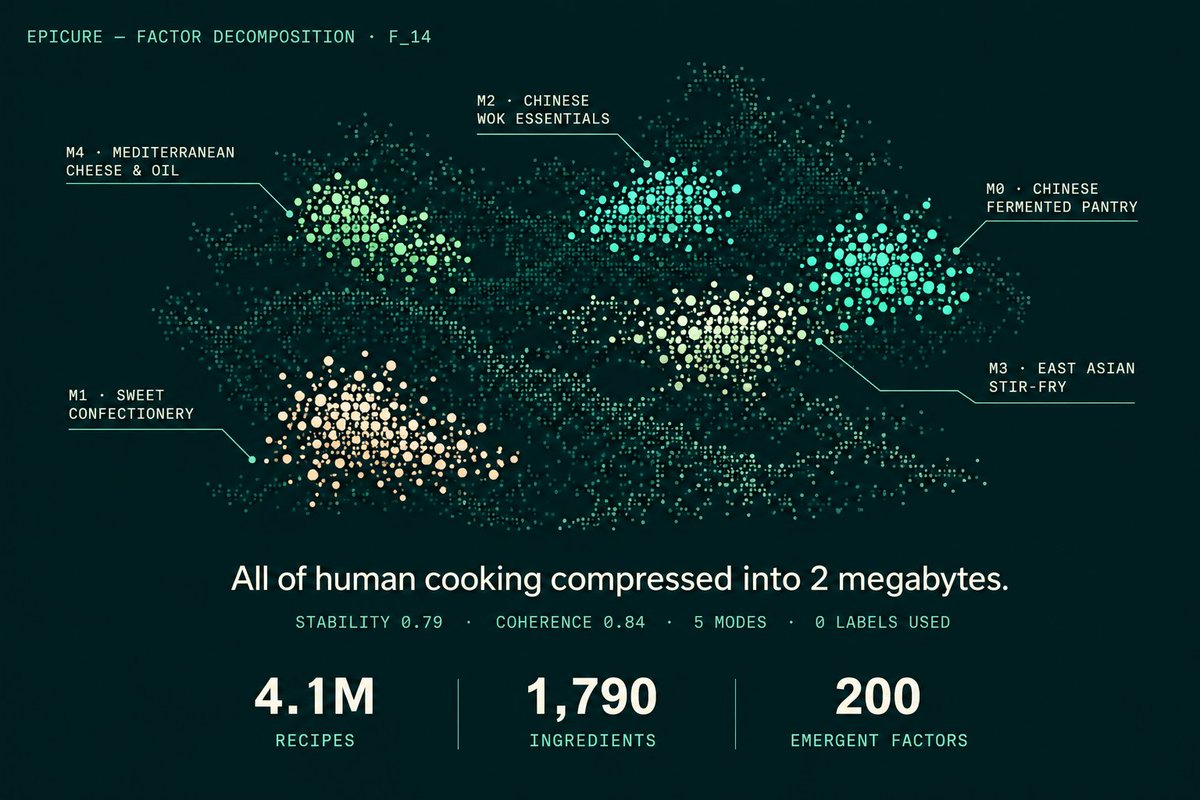
Launching our new paper on arXiv: we trained the largest multilingual food model ever built.
4.1M recipes. 7 languages. 1,790 ingredients. 300 dimensions.
All of human cooking compressed into 2 megabytes.
2
22
Amazing raw honesty 🙏
"This cup of plutonium has a deleterious effect and that is not being able to show up or turn off at home."
― @garrytan on the 🔥 and challenge of balancing mission-driven work and family presence.
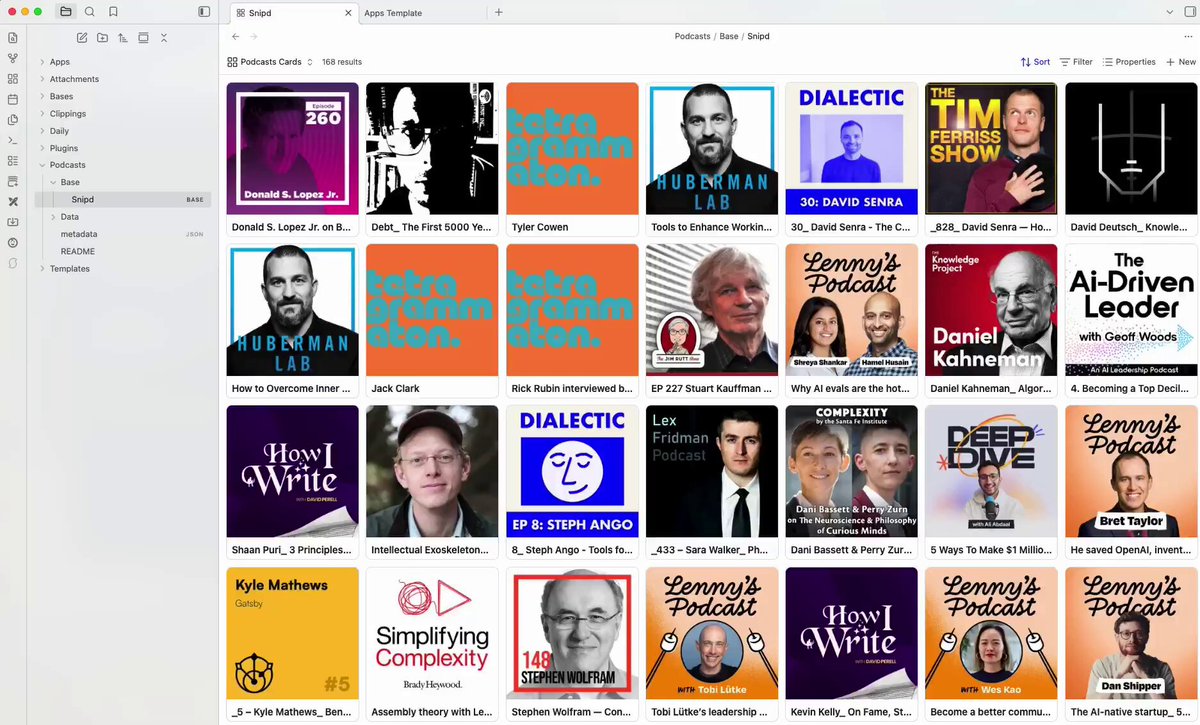
Beautiful conversation with @RickRubin
share.snipd.com/episode/5dad…
4
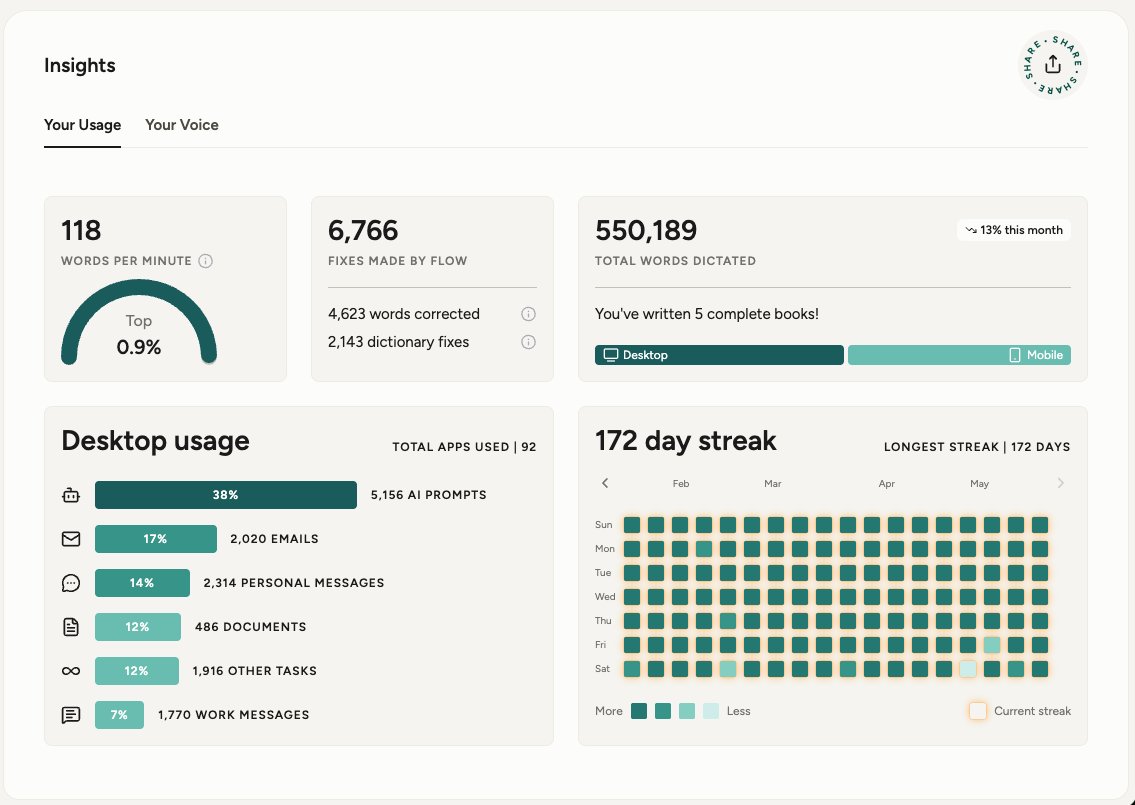
my latest @WisprFlow usage update.
I could not imagine going back to pre- voice-to-text life.
#vtt4life
221

this has been a fun one. every piece of data you save to readwise/reader (highlights, full articles, PDFs, tweets, etc) is now embedded and indexed for full-text vector hybrid search.. instantly ready
probably the easiest way to start saving external context for any AI

The new Readwise MCP server is now out of beta.
Search across every word in your library. Triage your inbox. Organize your data. Anything you can do in Readwise, your AI can now do for you.
Connect from ChatGPT, Claude, Codex, Perplexity, Poke, or any other AI app.
10
4
88
12,275
zagundo retweeted

May 17
A psychologist at the University of North Carolina spent 20 years proving that a single 20-second hug rewires the human cardiovascular system, and the experiment she ran is so simple you can replicate it tonight at home.
Her name is Karen Grewen.
She works inside the UNC School of Medicine's Department of Psychiatry. The paper that made her famous was published in 2003, and almost nobody outside her field has read it.
Here is what she actually did.
She recruited 183 healthy adults living with a long-term partner. She split them into two groups. The warm contact group sat together for 10 minutes holding hands while watching a romantic video. Then they stood up and hugged each other for exactly 20 seconds.
The control group sat alone in a separate room for the same amount of time doing nothing.
Then she made every single one of them give a public speech in front of a panel.
Public speaking is one of the cleanest stressors in psychology. Heart rate spikes. Blood pressure climbs. Cortisol floods the system within minutes. It is the laboratory version of every stressful moment you have ever had at work.
The people who had been hugged for 20 seconds before walking into that room had measurably lower blood pressure responses to the stress. Lower systolic. Lower diastolic. Lower heart rate increases. Everything was the same.. the speech, the panel, and fear. But this time completely different physiological response.
The hug had not made the stress disappear. It had changed how the body was allowed to respond to it.
Two years later Grewen ran the follow-up study that explained why. She drew blood from 38 couples before and after the same warm contact protocol and measured what was actually changing inside them. The answer was a hormone called oxytocin.
Oxytocin is the chemical your body releases during childbirth, breastfeeding, and orgasm. It is the same molecule that makes a mother feel calm holding her newborn.
Grewen's data showed that 20 seconds of physical contact with a trusted partner triggered a measurable spike in plasma oxytocin in both men and women, and the size of that spike directly predicted how much their blood pressure dropped.
The mechanism turned out to be older than recorded history. Oxytocin binds to receptors in your heart, your blood vessels, and the part of your brainstem that controls how aggressively your nervous system reacts to threat.
When the hormone shows up, the entire fight-or-flight machine downshifts. Your blood vessels widen. Your heart slows. Your cortisol production gets suppressed.
This is not a feeling. This is a chemical instruction your body sends to itself that you can measure with a blood pressure cuff.
The detail Grewen kept emphasizing in her interviews was the duration. Three seconds is the average length of a hug between two humans. It is too short.
The hormonal cascade does not have time to start. 20 seconds is the threshold where the oxytocin actually crosses into the bloodstream in a quantity large enough to do something measurable.
A follow-up study tracked 59 premenopausal women over time and found that the ones who hugged their partners most frequently had lower resting blood pressure and higher baseline oxytocin levels than the ones who did not. The effect compounded. Daily hugs produced a permanent shift in the cardiovascular baseline.
A separate review of long-term partner contact research found that married adults with frequent affectionate touch had significantly lower rates of heart disease and all-cause mortality than equally healthy adults without it.
The American Heart Association now cites this body of research when explaining why social isolation is treated as a cardiovascular risk factor on the same level as smoking.
The most haunting line in Grewen's research is one she said in an interview after publishing the second paper. She pointed out that the average American touches another human being less than they did 50 years ago. Phones replaced eye contact. Texts replaced visits. Hugs at the door got shorter.
The thing that used to regulate our cardiovascular system multiple times a day quietly disappeared from most adult lives.
Your body still expects it. The hormone receptors are still there waiting. The system was designed to be reset by physical contact with people who feel safe, and the reset takes 20 seconds.
You can run the experiment yourself tonight. Hug someone you love for 20 full seconds. Count it out. The first 10 will feel awkward. Around 15 something shifts. By 20 the shoulders drop, the breathing slows, the chest opens.
That is not in your head. That is your bloodstream changing.

31
460
1,528
94,371

Two layers of printed lines. One on the page, one on a clear film. Slide the film. That's it. That's the whole technology. The moiré effect has been known since the 19th century. Kurashima bound it between two covers. abakcus.com/videos/poemotion…
2
69
352
28,201
Can you spot the people like yourself, wandering streets and isles, talking to their @openclaw agents,
the way u’d spot other fiends hunting @Pokemon when @PokemonGoApp first came out?
I seee u 🦞
14

zagundo retweeted

Apr 19
Awesome.

Japanese engineers developed a “Sword Tip Visualization System” for the Fencing World Championships, and it makes fencing look absolutely incredible to watch.
2
4
62
7,945
Ran a live check of 32 supermarkets globally for Universal Commerce Protocol (UCP) adoption — the open standard that makes retailers visible to AI shopping agents.
1 live endpoint out of 32: Harris Farm, Sydney. Backed by Amazon. Running the latest spec.
Every major chain — Woolworths, Coles, Tesco, Walmart — is at zero.
The retailer that wins agentic commerce won't be the biggest. It'll be the first.
#AgenticCommerce #UCP #RetailTech
1
31