Joined March 2019
- Tweets 242
- Following 930
- Followers 736
- Likes 20,615
24 Photos and videos



Zara Baloch retweeted

Jun 13
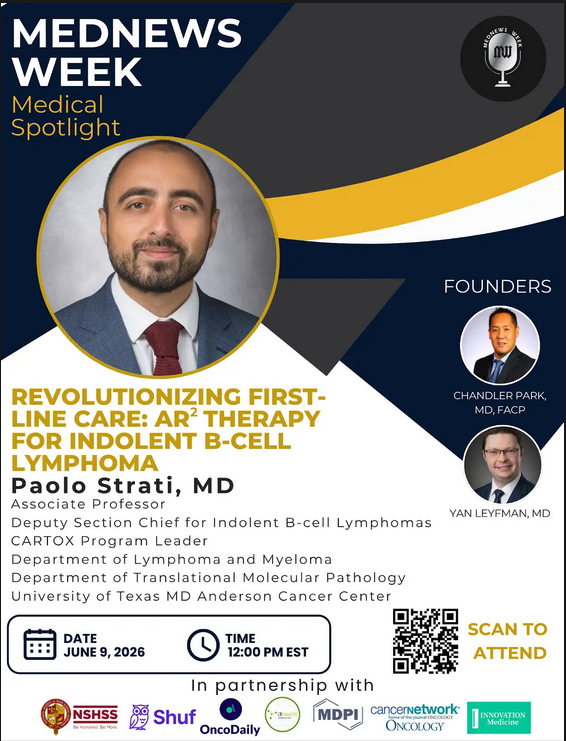
🚨 What if we could move beyond “watch and wait” and fundamentally rethink first-line therapy for indolent B-cell lymphomas?
Join us for the next episode of MedNews Week Medical Spotlight featuring Paolo Strati, one of the world's leading experts in lymphoma immunotherapy and cellular therapy.
Dr. Strati serves as:
• Deputy Section Chief for Indolent B-Cell Lymphomas
• CARTOX Program Leader
• Internationally recognized investigator in lymphoma therapeutics
In this masterclass, Dr. Strati will discuss the emerging role of AR² therapy and how novel treatment strategies are reshaping the frontline management of indolent B-cell lymphomas.
Topics include:
🔹 Evolution of first-line treatment paradigms
🔹 Clinical data supporting AR² therapy
🔹 Patient selection and practical implementation
🔹 Future directions in lymphoma care
Whether you're a hematologist, oncologist, trainee, advanced practitioner, researcher, or patient advocate, this is a discussion you won't want to miss.
📺 youtube.com/watch?v=YXVSavaK…
#Lymphoma #Hematology #Oncology #Immunotherapy #CellTherapy #MedicalEducation #MedTwitter #HemOnc #CancerResearch #MDAnderson #BCellLymphoma @MedNewsWeek
4
7
8
435

Jun 5
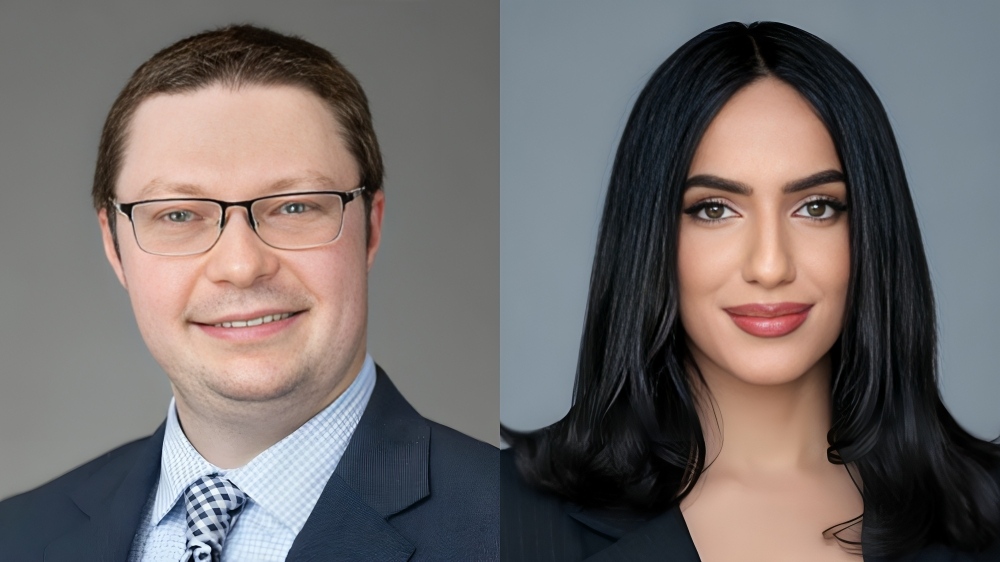
Thank you Oncodaily! I am truly honored and excited to join this inspiring leadership team. I look forward to contributing to a shared mission of advancing medical education and making oncology knowledge more accessible worldwide. Ready to help shape the future together
Jun 5

Thrilled to Welcome Dr. Zara Baloch to the MedNews Week Leadership Team - Yan Leyfman
@YLeyfman @zarabaloc @MedNewsWeek
oncodaily.com/voices/yan-ley…
13
1,279
Zara Baloch retweeted
May 20
🎥 Watch the full episode here: youtube.com/watch?si=3xZCdD5…
@stanfordimmuno @StanfordHeme @StanfordBMT_CT @Stanford @LMikkMD @StanfordMed @CParkMD @oncodaily @OncoDailyIO @Innov_Medicine @Cancers_MDPI @MDPIOpenAccess @jeremy02766919 @MedNewsWeek
1
3
2
453
Zara Baloch retweeted

Jun 3
Welcome to the MedNews Week leadership team, Dr. Zara Baloch!
We are excited to have you join our growing global community and look forward to the many contributions you will make in education, research, and scientific communication.
The best is yet to come.
Jun 3

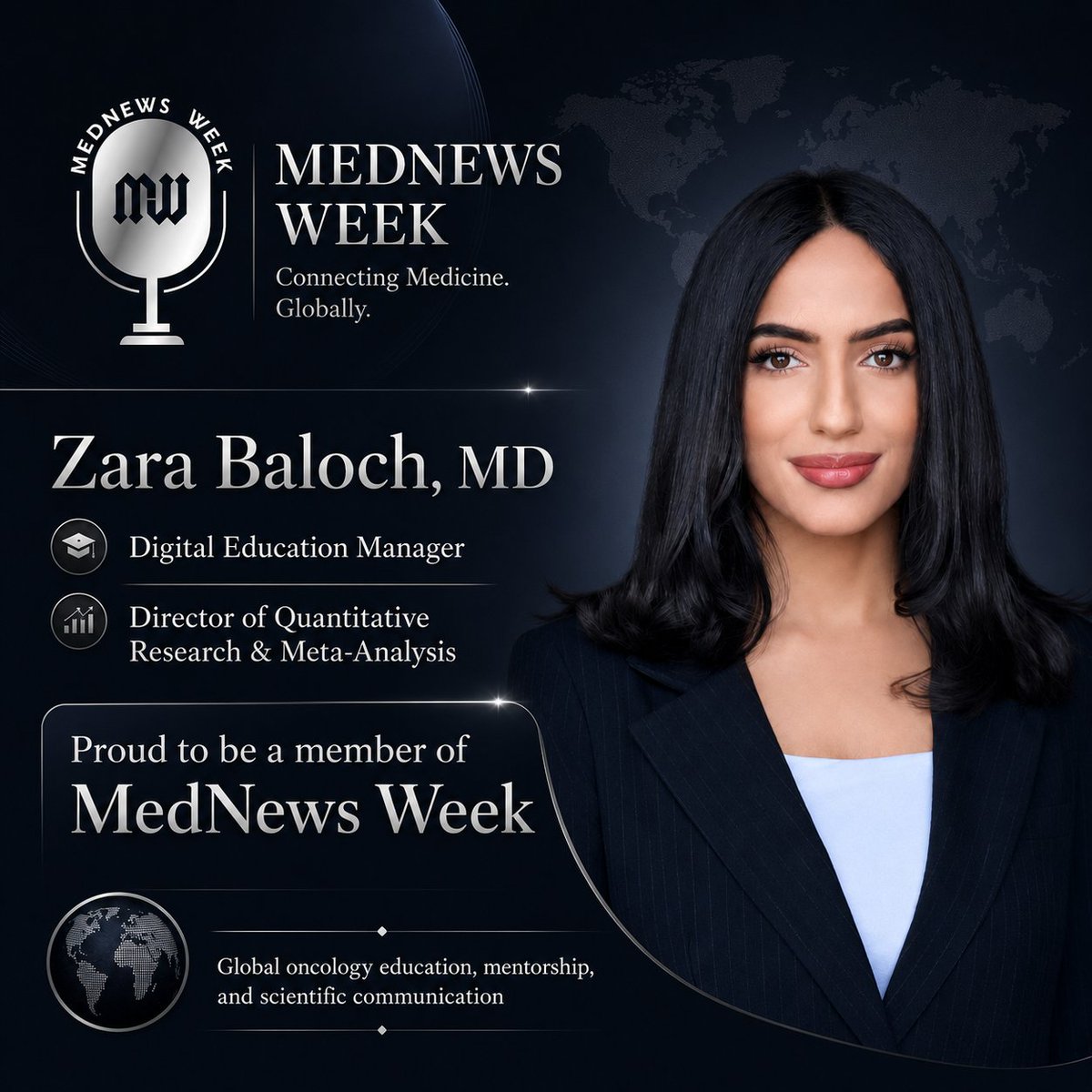
Excited to share that I've joined @MedNewsWeek as Digital Education Manager and Director of Quantitative Research & Meta-Analysis! 🧵
2
4
825
Zara Baloch retweeted
Jun 3
We are thrilled to welcome Dr. Zara Baloch to the MedNews Week leadership team as our Digital Education Manager and Director of Quantitative Research & Meta-Analysis.
Dr. Baloch brings tremendous talent, vision, and dedication to advancing medical education, research, and scientific communication. Her passion for evidence synthesis, quantitative research, and community engagement will play an important role as we continue expanding our global impact.
At MedNews Week, we believe in investing in exceptional people, and we are excited to watch Dr. Baloch grow as a leader while helping elevate our educational and research initiatives to new heights. We look forward to seeing her contributions showcased through impactful research, international collaborations, major scientific meetings, and peer-reviewed publications.
Welcome to the team, Dr. Baloch. The future is bright, and we are excited to have you as part of the MedNews Week family.
#MedNewsWeek #Oncology #MedicalEducation #Research #Leadership #GlobalHealth @MedNewsWeek
Jun 3
Excited to share that I've joined @MedNewsWeek as Digital Education Manager and Director of Quantitative Research & Meta-Analysis! 🧵
2
12
1,210
Jun 3
Excited to share that I've joined @MedNewsWeek as Digital Education Manager and Director of Quantitative Research & Meta-Analysis! 🧵
1
16
2,730
Jun 3
4/ Excited to be hosting some of medicine's global leaders and learning from them firsthand. Also contributing to multiple abstracts and helping grow a thriving research division.
1
111
Jun 3
5/ We're always looking for new talent. If this mission resonates with you, come join us. 🎙️
#MedNewsWeek #Oncology #MedicalEducation #GlobalHealth
84
Zara Baloch retweeted
Jun 2
Could medications originally designed for diabetes and obesity help slow cancer progression?
New real-world data presented at ASCO 2026 raise that provocative possibility.
Investigators analyzed more than 10,000 patients with stage I-III cancers who started GLP-1 receptor agonists after their cancer diagnosis and compared them with matched patients receiving DPP-4 inhibitors.
The findings were striking.
GLP-1RA exposure was associated with significantly lower rates of progression to metastatic disease in multiple tumor types:
• NSCLC: 50% reduction in metastatic progression risk
• Breast cancer: 43% reduction
• Colorectal cancer: 31% reduction
• Hepatocellular carcinoma: 38% reduction
Perhaps even more intriguing, analysis of TCGA data showed that higher tumor GLP-1 receptor expression was independently associated with improved overall survival across cancers.
While these results cannot establish causality, they add to a growing body of evidence suggesting that GLP-1 receptor agonists may be doing far more than regulating glucose and body weight.
Are we witnessing the emergence of an unexpected anticancer effect from one of medicine's most transformative drug classes?
Prospective randomized trials will be needed to answer that question. But if confirmed, therapies such as semaglutide and tirzepatide may eventually influence not only cardiometabolic health, but also cancer outcomes.
A fascinating signal worth watching closely.
#ASCO26 #GLP1 #Semaglutide #Tirzepatide #Oncology #CancerResearch #PrecisionMedicine #BreastCancer #LungCancer #ColorectalCancer #HCC
cdn.bfldr.com/KOIHB2Q3/as/w3…
2
2
7
1,705
Zara Baloch retweeted
Jan 23
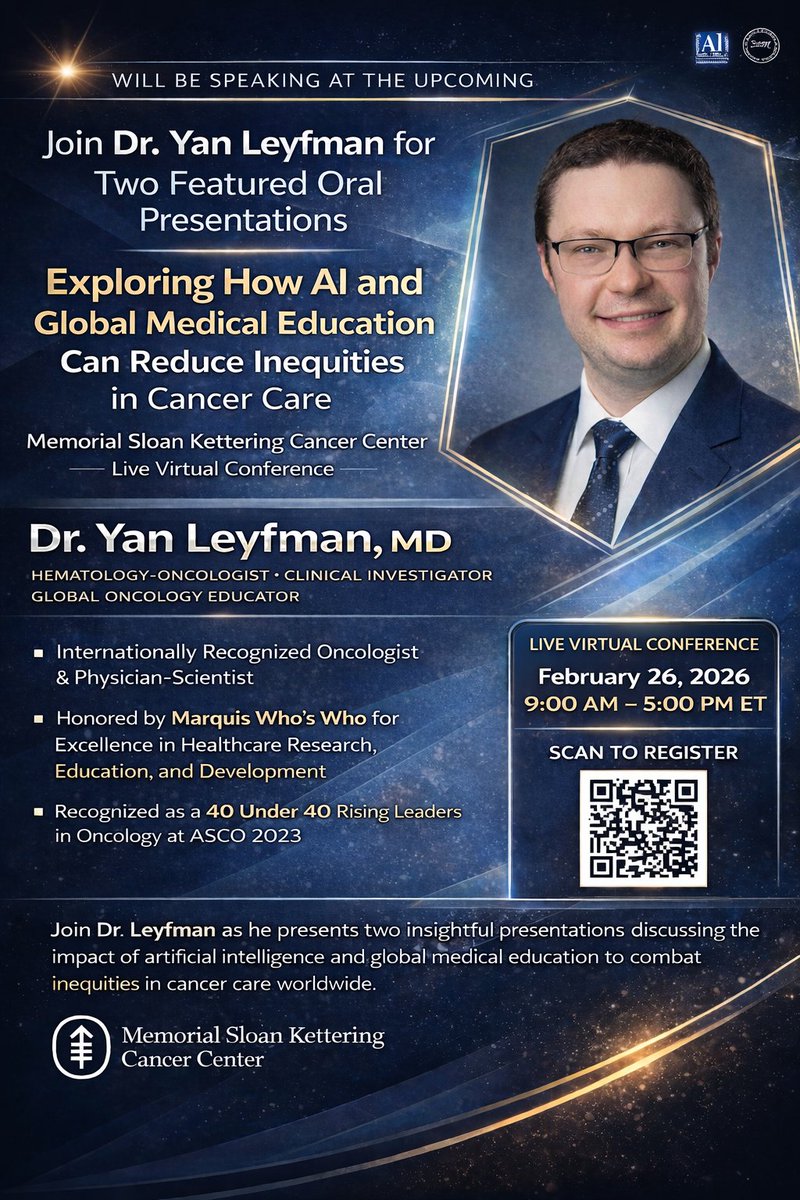
Honored and grateful to be invited to speak at this outstanding forum hosted by Memorial Sloan Kettering Cancer Center 🌍✨
I’m excited to share two oral presentations exploring how global oncology, AI, and evidence-based innovation can be translated into real-world action to reduce inequities in cancer care worldwide 📊🧬🤝
Immense gratitude to my mentors, Dr. Bonilla & Dr. Park, and collaborators whose guidance, support, and trust continue to shape this work — none of this is possible without you 🙏💙
Looking forward to engaging conversations, learning alongside leaders across disciplines, and advancing our shared mission to improve cancer care for patients everywhere 🌎🔬
@DrArturoAI
@CParkMD
3
4
21
2,157
Zara Baloch retweeted
May 30
One of the biggest questions surrounding belantamab mafodotin in multiple myeloma has never been whether it works.
It's been how to harness its potency while minimizing ocular toxicity.
The DREAMM-9 study offers an important clue.
Investigators explored multiple dosing schedules of belantamab combined with bortezomib, lenalidomide, and dexamethasone (BVRd) in transplant-ineligible newly diagnosed multiple myeloma, asking a deceptively simple question:
Can we separate efficacy from toxicity through smarter scheduling?
The answer appears to be yes.
Across all dosing cohorts, response rates exceeded 83%. More intensive induction schedules produced the deepest responses, with up to 75% of patients achieving complete response or better and 55% reaching MRD negativity.
But there was a tradeoff.
Higher-dose intensity schedules also led to substantially more ocular findings, including keratopathy and vision-related side effects.
The most intriguing finding emerged when investigators adjusted the strategy: hit hard early, then ease off.
Patients receiving higher belantamab exposure during induction followed by less frequent maintenance dosing maintained strong responses while experiencing improved tolerability, fewer severe ocular events, and better vision-related quality-of-life outcomes.
In many ways, DREAMM-9 is a study about balance.
Not simply whether a drug works, but how to deliver the right dose at the right time to maximize benefit while preserving quality of life.
As belantamab continues its resurgence in multiple myeloma, these data suggest that schedule optimization may be just as important as the drug itself.
Sometimes the future of cancer therapy isn't a new treatment—it's learning how to use a powerful one more intelligently.
asco.org/abstracts-presentat…
1
6
10
2,134
Zara Baloch retweeted

May 18
@zarabaloc You will go far.
May 17
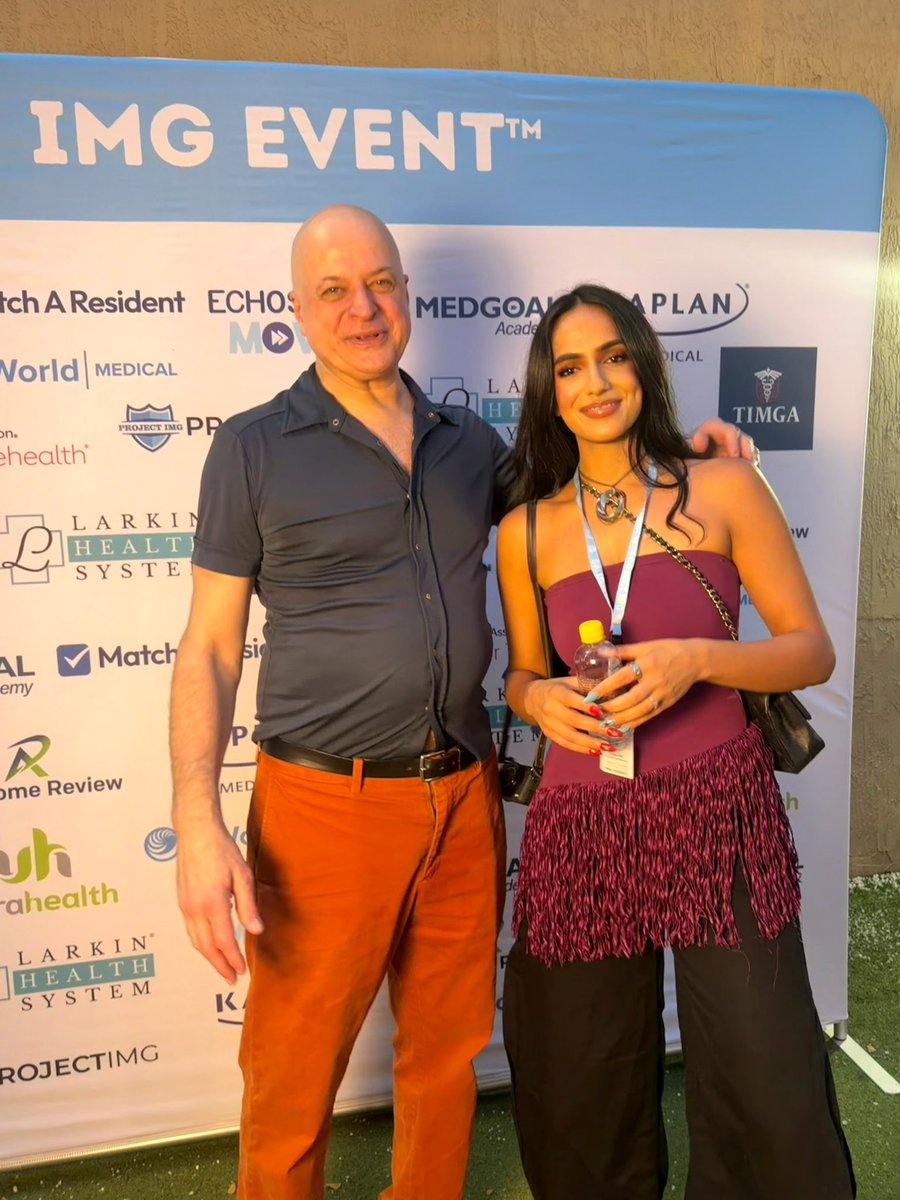
Got to meet Dr. Conrad Fischer @SeeFisch at the @ProjectImg event in Miami this weekend and can confirm he’s every bit as funny and smart in real life as he is on Twitter. Truly the best.
1
49
10,085
May 17
Got to meet Dr. Conrad Fischer @SeeFisch at the @ProjectImg event in Miami this weekend and can confirm he’s every bit as funny and smart in real life as he is on Twitter. Truly the best.
1
69
19,923
Mar 28
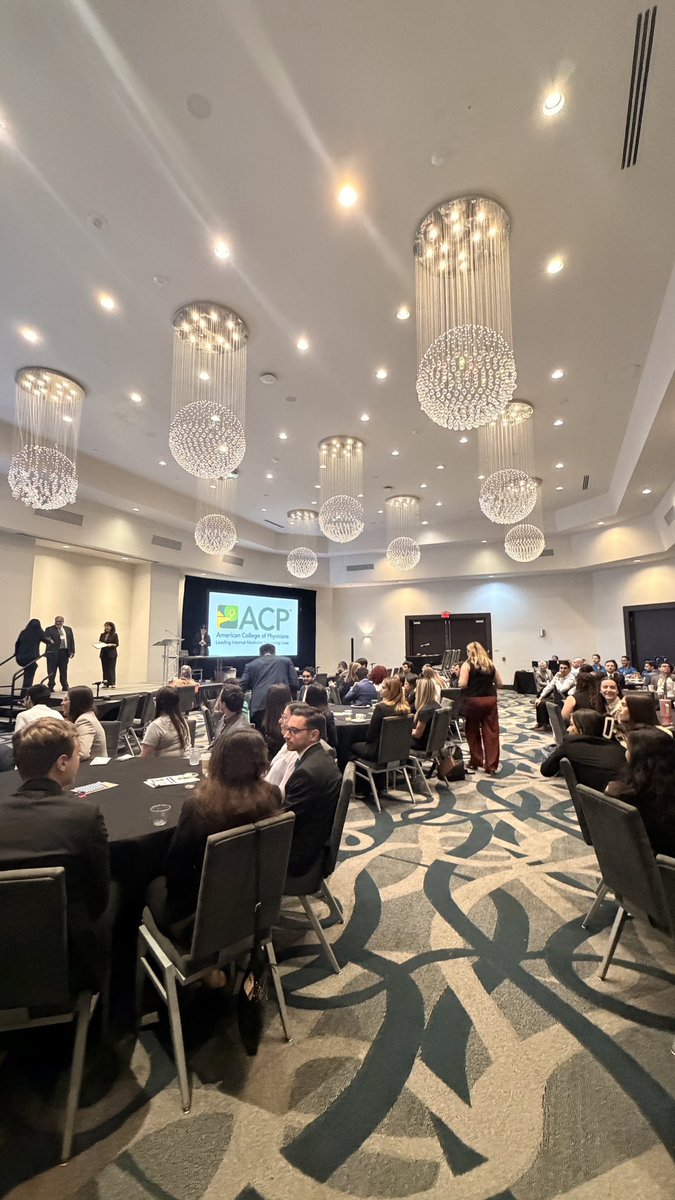
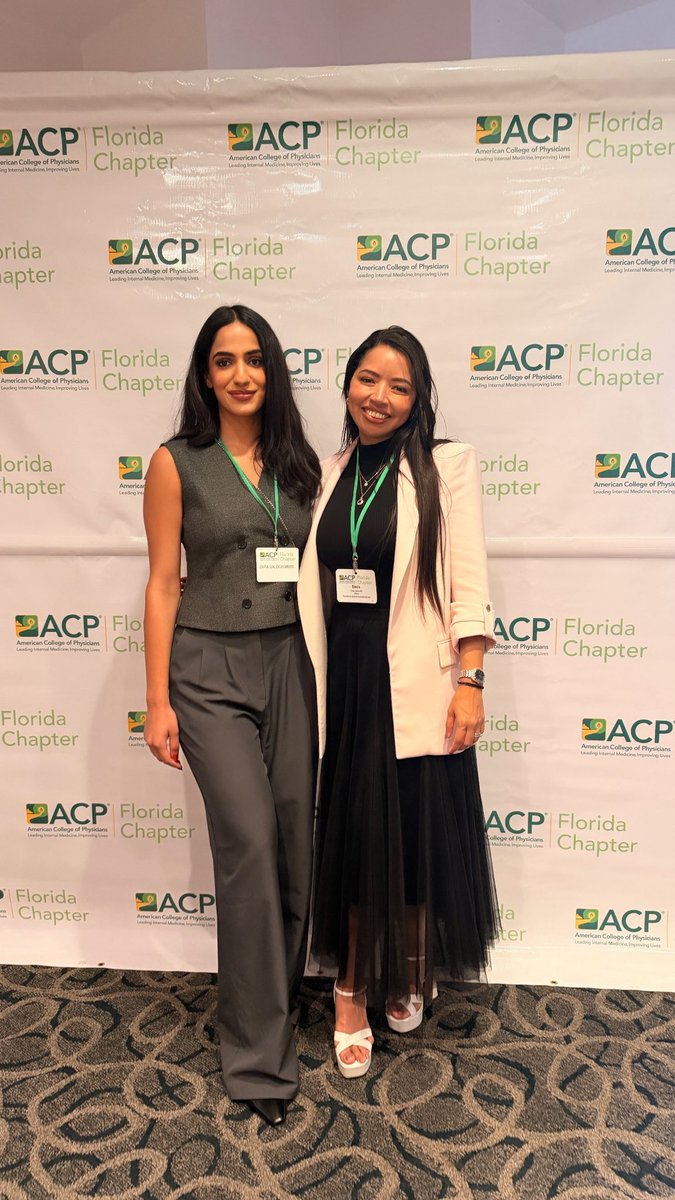
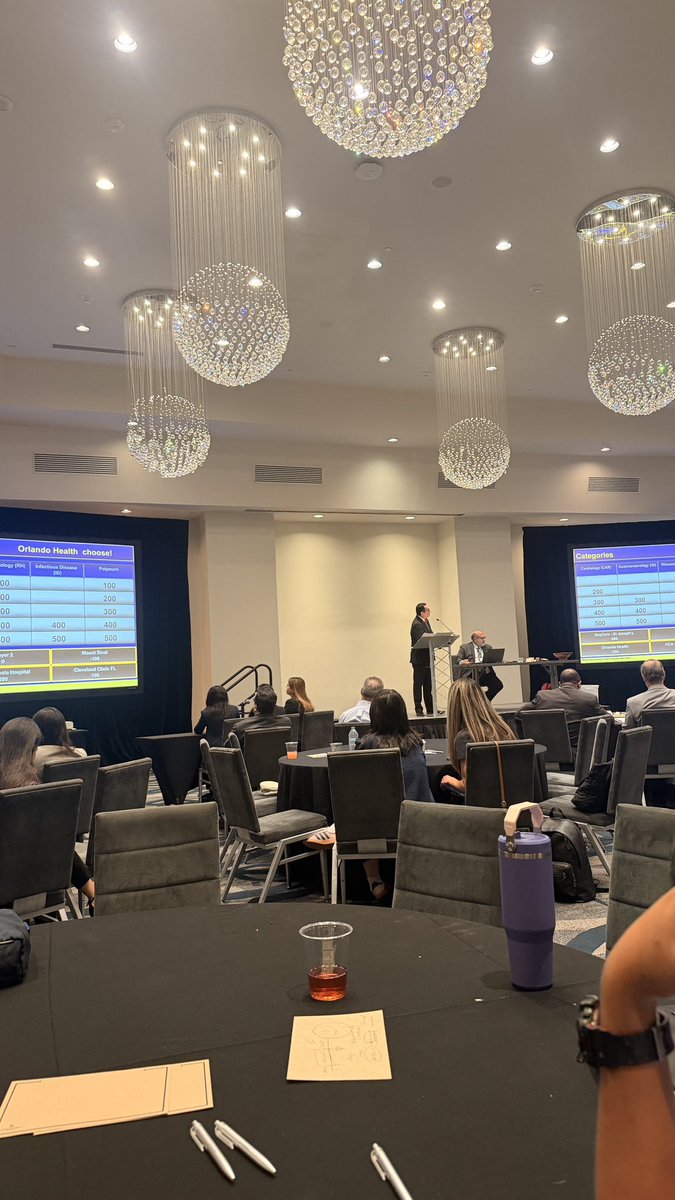
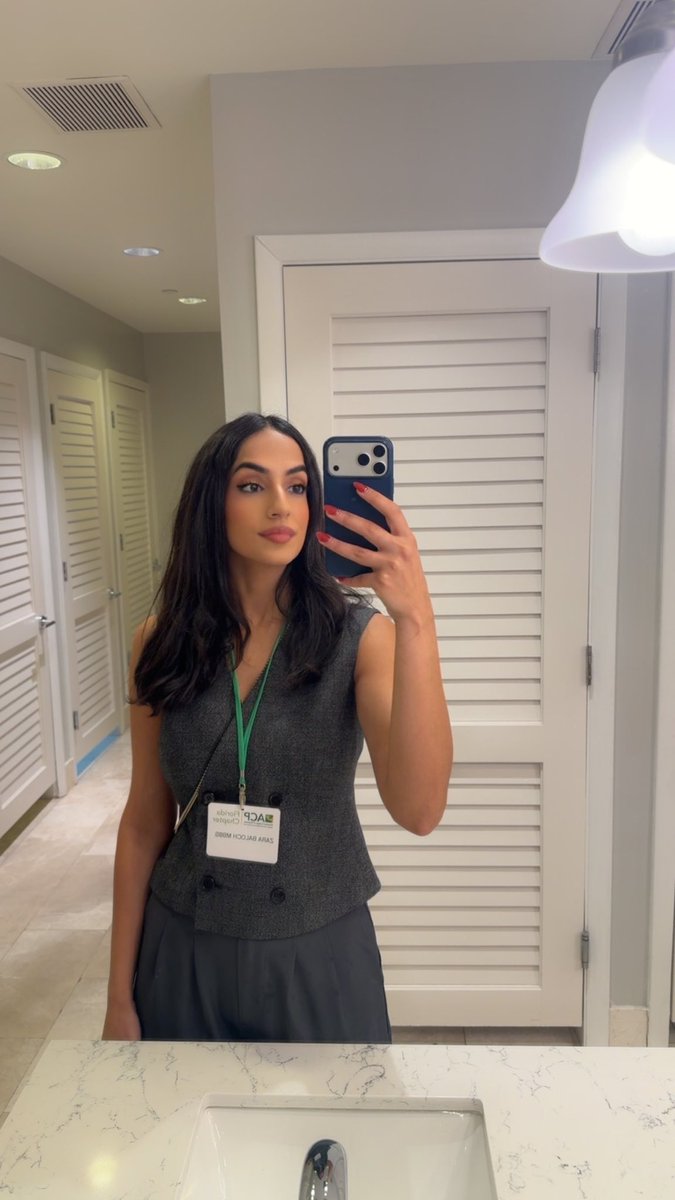
Great time at #ACPFlorida in Orlando networking, learning about residency programs and exploring research posters while connecting with medical students and residents from across Florida! #MedTwitter #FuturePhysicians
6
4
102
9,455
Mar 21
I went unmatched this cycle applying to Internal Medicine
It’s been tough, but I’m committed to growing, improving, and reapplying stronger
Seeking mentors in Internal Medicine who can offer guidance thank you in advance.
#MedTwitter #IM #UnmatchedMD #Match2026 #IMG
42
70
1,007
77,817
Zara Baloch retweeted

4 Oct 2025
Smart people overthink and internalize external things too deeply. Allow mystery. Allow wonder. Allow appreciation for the incomprehensible. Focus on your journey, which includes helping others, but don't let their journey become yours.
8
11
387
63,995
Zara Baloch retweeted

8 Jul 2025
Is @UpToDate going to add an AI to search their database? The info is so reliable. If it just had an AI to help me find what I’m looking for it would be amazing.
13
23
285
23,856