
Building @ Common Knowledge
Joined January 2021
- Tweets 848
- Following 1,656
- Followers 2,017
- Likes 7,981
39 Photos and videos






Benji retweeted

Common knowledge is power.
1
6
19
2,363
Benji retweeted

Mar 13
I'm glad we are having a serious discussion about the nature of "world models", in which my earlier reply read: x.com/yudapearl/status/20323…. I am complimenting it with a discussion in the preface of the 2nd Edition of #Bookofwhy (forthcoming), in which the pertinent paragraphs read: (1) We humans cannot function without a world model because we cannot store the answers to all possible queries and look them up when needed. Instead, we store a parsimonious model of the world and derive the requested answers from the model. Possibly an organism with a gigantic memory may not need to resort to such tricks. Or possibly, it is our human bias toward causal explanations that makes us confuse ersatz causal reasoning with the real thing. (2)This book is replete with examples where different models of the world led scientists to different decisions, some beneficial and some misguided. Most of these examples focus on medical decision making. But to conclude this Preface, I want to emphasize the universality of the concept of “narrative,” and my realization that the mathematical machinery developed in the book constitutes a “mathematization of narratives,” not merely of counterfactuals, including narratives involving multiagents motivated by intricate webs of intentions and desires. The mathematical machinery can therefore be used to manage and understand the dynamics of narratives, their formation, mutation, propagation and implications, in a variety of fields. More importantly, the mathematization of narratives allows us to identify the testable implications of each narrative, to search systematically for evidence that would anchor beliefs to reality, and to explore tipping points where non-conforming evidence overturns a prevailing narrative, giving rise to a paradigm shift.
Mar 12

Our world models are action conditioned, and hence causal.
The concept of world model for planning goes back to the 1950s in optimal control (before I was born).
I didn't just discover it.
But training action-conditioned world models from sensory inputs (like video) requires new techniques.
8
15
114
25,555
Benji retweeted

Mar 4
Following several conversations with founders seeking to reconcile today's strange fundraising market, sharing some candid thoughts on why things feel so paradoxical and how to better play the game on the table

6
6
30
3,820
Benji retweeted

23 Sep 2025
World-changing products come not from established institutions, but from visionary founders and fast-moving startups looking to challenge the status quo.
We’re beyond excited to announce Archetype III today, a $100M fund dedicated to accelerating a founder-led future.
At Archetype, we’ve never been more excited about the future of crypto:
technical innovations in blockchain performance have enabled onchain applications to become sleek mobile-first experiences
blockchain throughput and capabilities are finally reaching parity with web2
stablecoins are creating a $250B (and counting) global payments network
onchain social networks are emerging as a new way for people to connect while owning and leveraging their own data
and crypto is credibly proving it can contribute to foundational innovation in AI while unlocking a new generation of enterprise and consumer use cases
With this $100M of fresh capital, we’re continuing to foster relationships with maniacal founders, operate as their most dedicated advocates, and expand on the deep network and community we’ve built with Funds I and II.
We’ve already begun deploying capital from our third fund into several startups still in stealth. These will join a portfolio that includes @privy_io, @monad, @Hut8Corp, @farcaster_xyz, @RemixGG_, @ritualnet, @RelayProtocol, and other category-leading companies.
Archetype has always been a very high-touch partner to the entrepreneurs we back, putting our relationships and commitment to collaboration front and center. We bring early conviction and perspective to teams of risk takers working to bend the future to their will. Where most funds bring safety and scale, Archetype offers edge and inevitability.
Massive thanks to our investors for placing your trust in us, and to all of the founders who have allowed us to build alongside you. We're honored to play a part in crypto's future and continue accelerating the programmable future with you all.
61
27
246
157,731
Benji retweeted

2 Sep 2025
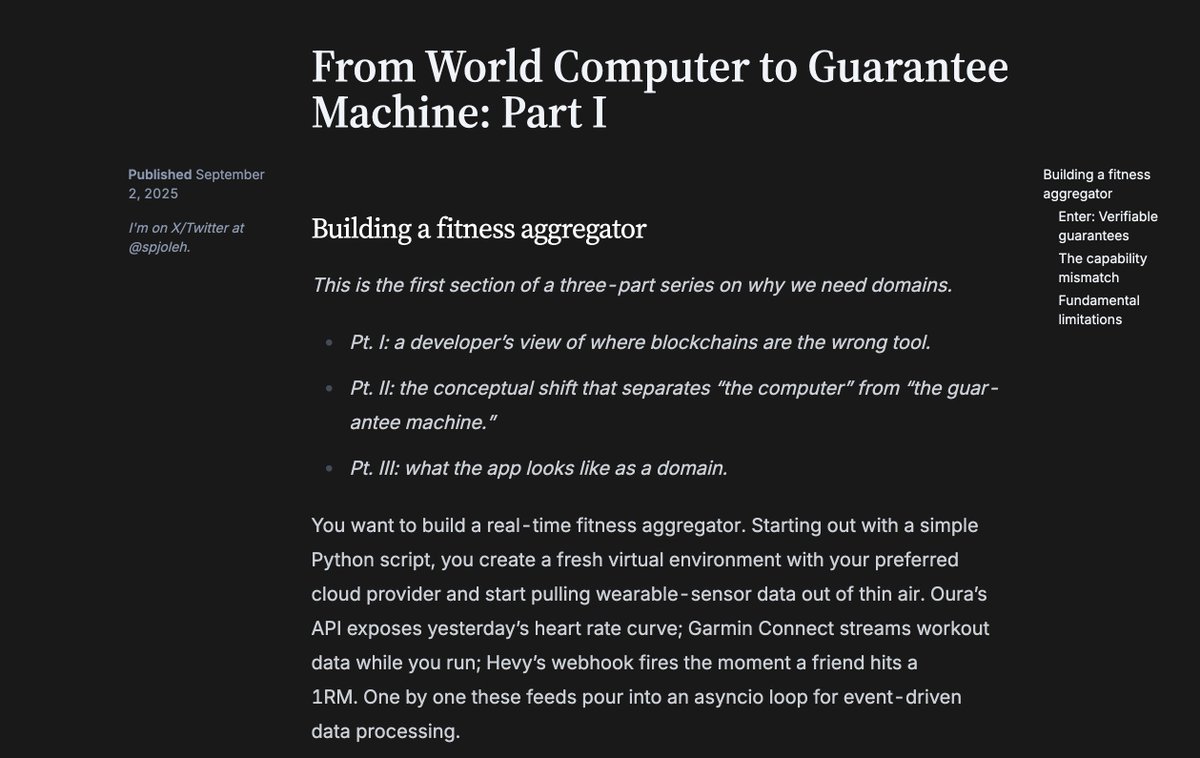
domains let you build a lot of stuff blockchains can't.
Case study: fitness aggregator, a simple hobby project which no blockchain could support
Pt. I of 3, here we look at why blockchains fall short
75
3
120
3,431
Benji retweeted
25 Aug 2025
1/ We’re using zkVMs wrong. We’ve fixated on zkEVM‑style re‑execution, when the real win is proving invariants, not execution.
x.com/spjoleh/status/1959992…

5
5
26
3,160
Benji retweeted
15 Aug 2025
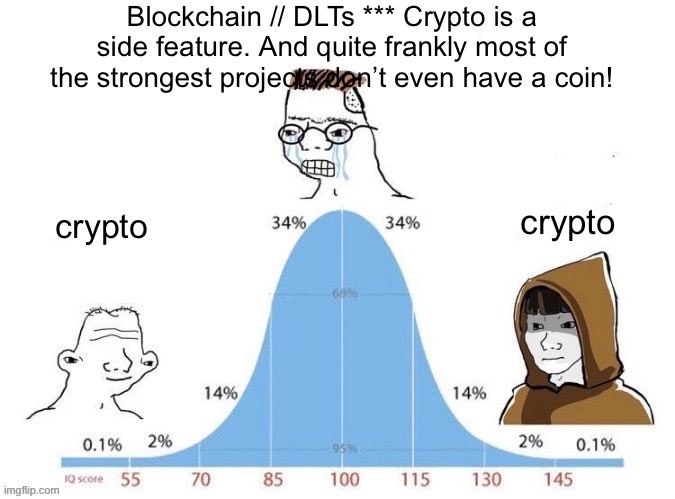
«Blockchain» shouldn’t be a top-level category just as «key-value store» isn’t (database is)
Gotta move beyond 1000 shades of blockchain and start exploring other kinds of verifiable state machines
Domains are one such thing
14 Aug 2025
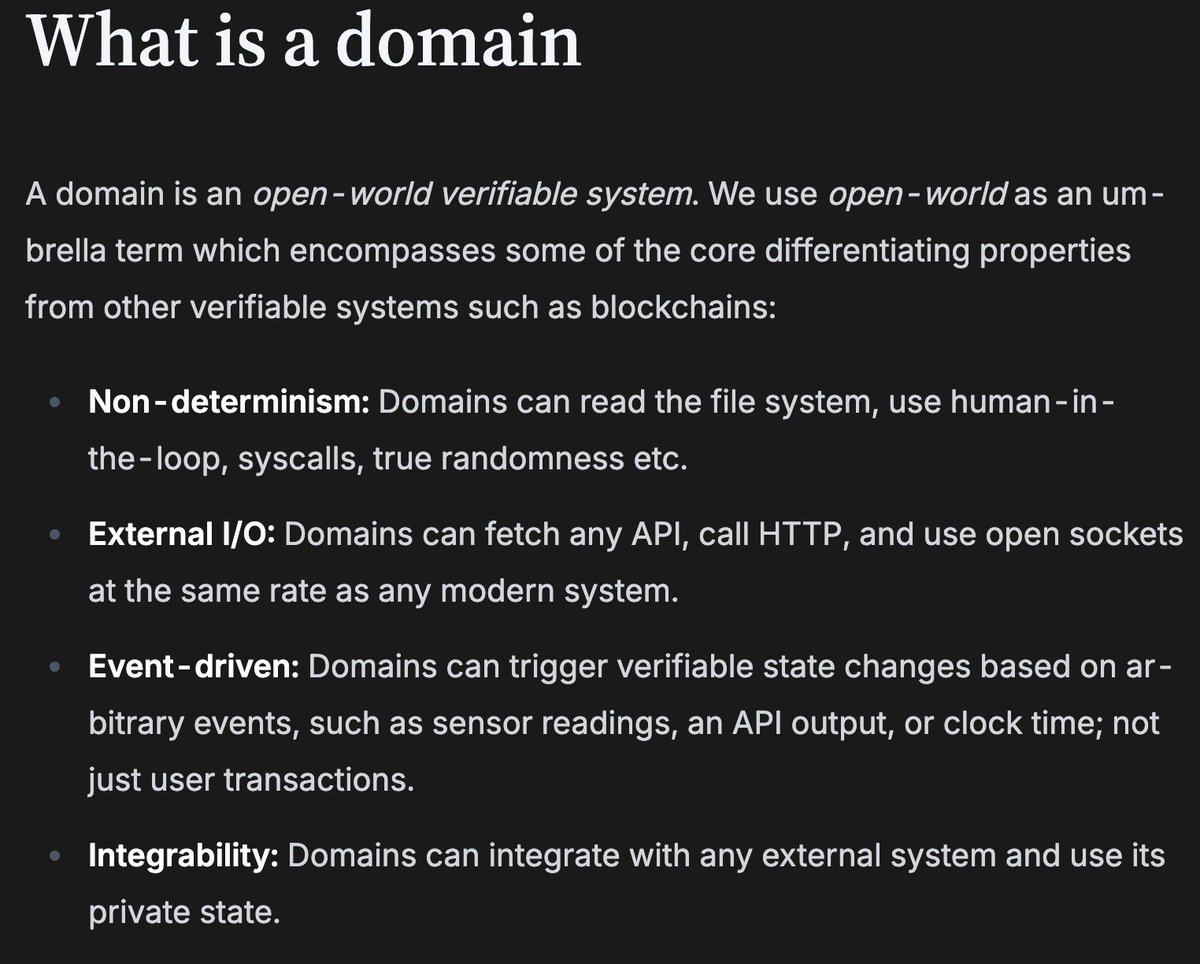
delta is a shared-state network of domains.
Domains are not rollups, appchains, or even blockchains at all. They're more powerful.
See blog post below with an example of something you absolutely could not build on a blockchain.
2
11
1,811
Benji retweeted
12 Aug 2025
great thread
One specific huge unlock: Instant merchant payouts
- Issue “stablecoin” to merchants at T 0
- Grow Stripe economy since merchants can only spend it there
- Get yield attract more merchants money never has to leave Stripe
12 Aug 2025

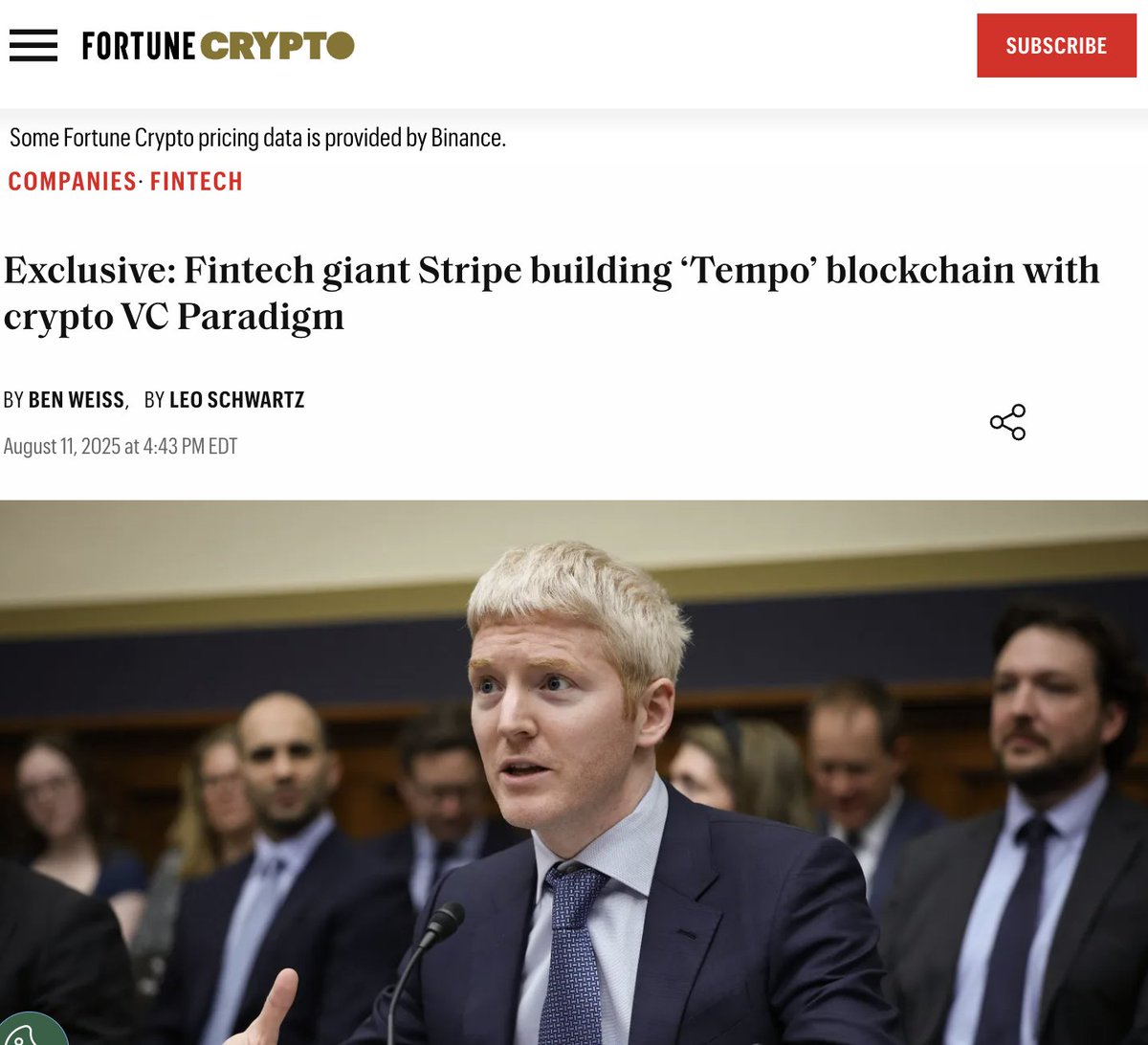
Fortune is reporting that "Stripe" is building a stablecoin-focused chain with Paradigm*
The midwit take is: "This is centralization"
Here's what I think everyone is missing... 🧵
1
2
33
3,921

How do we fix media and its monetization?@daisandconfused is getting to the bottom of it.

The future of media is a bank. dirt-media.notion.site/The-f…
44
4
72
2,430
Benji retweeted
5 Aug 2025
Smoothing out the boundary between onchain and real-world is this enormous problem that no one is thinking about (except us… and… ripple)
2
12
1,828
Benji retweeted
31 Jul 2025
Optimizing for the average case
1
2
9
2,057
Benji retweeted
30 Jul 2025
you’ll be hearing more from me
6
2
24
7,169
Benji retweeted

17 Jul 2025
Brink will guide you home
And ignite your bones
And I will try to fix [your margins]
Get early access to Brink and save up to 90% on transaction cost.
👉 . brinkpay.io

3
7
1,708
Pretty convincing.
15 Jul 2025

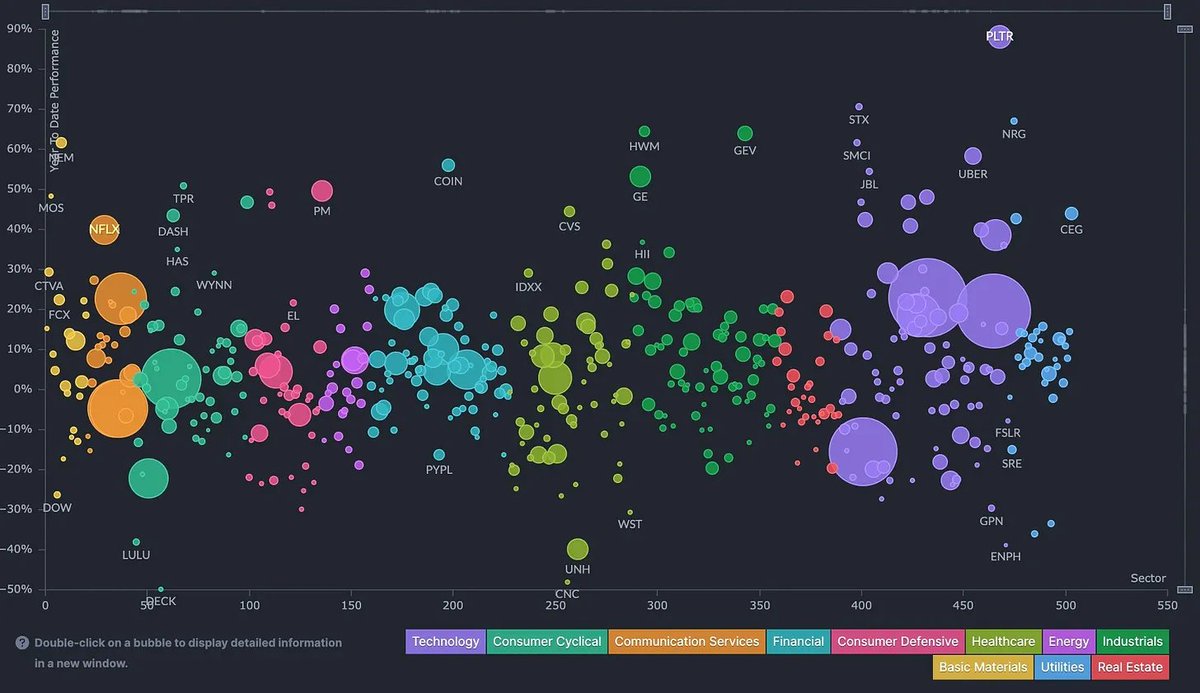
1/ NEW ESSAY:
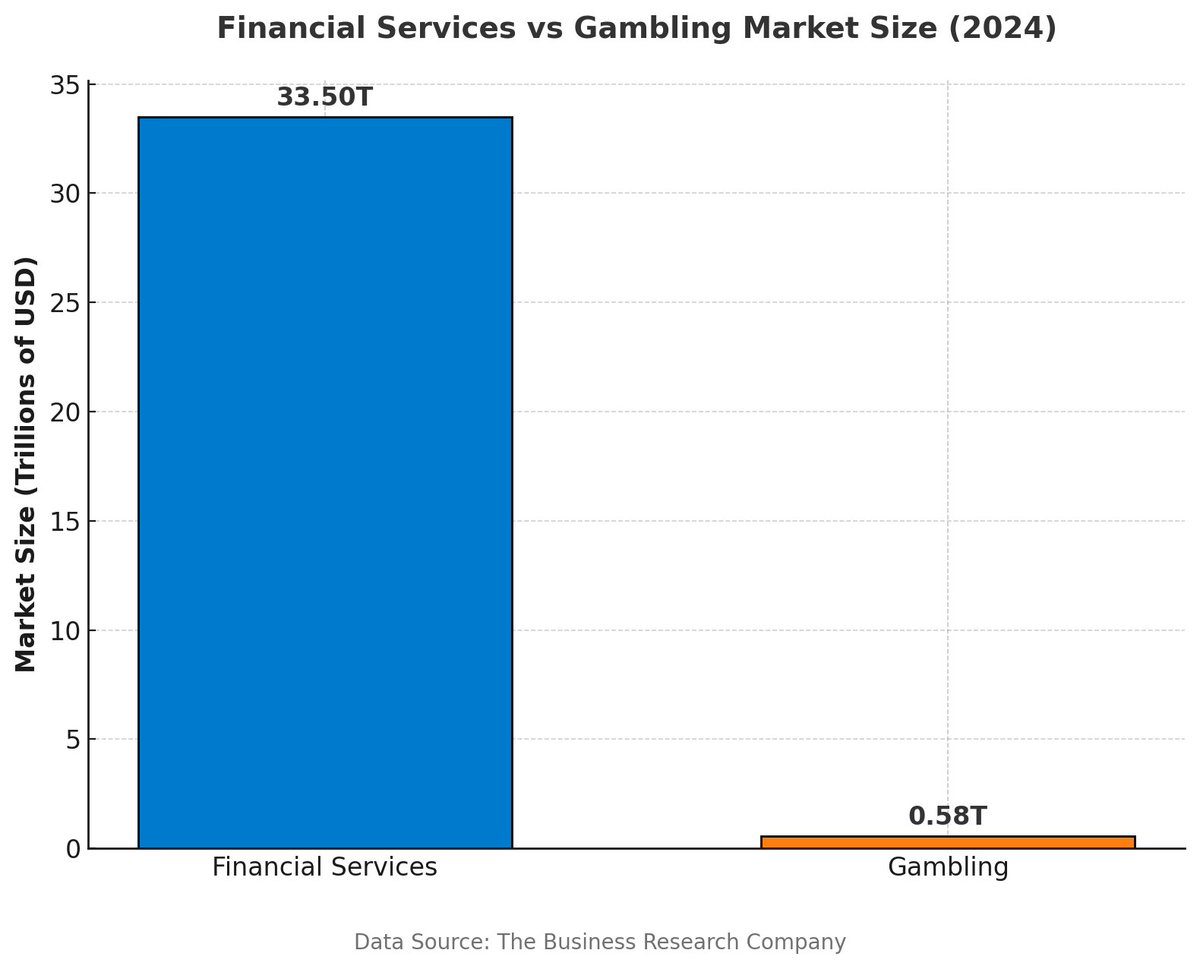
What’s Driving the US Stock Market Growth (or Bloat)?
AI Speculation, Defense Welfare, and Poverty Profiteers
The growth is supposed to signal a healthy economy but, after deconstructing it, the stock market “growth” looks more like the bloat of a rotting corpse.
1
3
440
Benji retweeted

23 Jun 2025
Karsa is now live.
This is our official launch. and it’s a big one.
23 Jun 2025

Karsa is officially live.
A global dollar wallet.
A virtual US bank account.
Send and receive USD. No matter where you live.
And soon: a Visa card to spend it.
21
11
90
8,624
Benji retweeted

12 Apr 2025
GENIUS:
Like others in the trenches, I spent time dissecting @SenatorHagerty GENIUS—alongside its STABLE competitor, and European parallels.
As a builder, I was surprised by its measured, yet innovation-aware, stance. Here’s what matters, and what it quietly repositions.
(1) Reserves. GENIUS allows full backing with money market instruments—short-term Treasuries, repo, and similar. This tilts the field towards narrow-bank issuance and away from forced credit intermediation via deposit-taking banks storing a significant part of customers funds in their (unsecured) deposit book. Opposite direction from MiCA. Clear advantage for consumers, with positive impacts on future composability. At the same time, a clear signal for @ethena or @SkyEcosystem which will be out of scope.
(2) Tokenisation. The bill explicitly allows tokenised assets as reserves. That’s big. It opens the door to onchain composability, novel asset ring-fencing, and potential future DeFi integration. A clear win for tokenisers like @Securitize, @superstatefunds etc.
(3) Superseniority. GENIUS gives super-senior status to stablecoin holders in bankruptcy—stronger protection than bank deposits (which cap out at FDIC limits). Not the same pool of capital (for now), but stables competitiveness vs bank deposits is worth noting.
(4) Yield. Unlike the STABLE Act, GENIUS takes a nuanced stance here. It distinguishes stablecoins from securities without blocking revenue-sharing across the value chain. A more honest treatment of what’s already happening behind the curtain between issuers and distributors. I am convinced, like @milesjennings, that yield portability should be out of scope for decentralised networks, but that is a battle for another day.
(5) Offshore Grandfathering. Treatment of offshore stables (like @tether) in the US remains unsettled. GENIUS opts for realism over absolutism—avoiding the “ban it all” dystopia. Still, the ultimate effective impact on offshore issuance remains TBD.
(6) Size: GENIUS sets thresholds for federal oversight—clearly aimed at decentralising the stablecoin space. Big centralised players like @circle (already facing IPO headwinds) would face tighter supervision and cap requirements. In a world where centralising risks can be offset by distributed networks I think this is one of the most impactful parts of the law.
***
With a broader market structure bill expected soon, this could mark a turning point for next gen financial infrastructure in the US.
The GENIUS Act is thoughtful, forward-leaning, and—most importantly—buildable. These are exciting times for builders.
5
14
57
6,408