
Hospitalist @BIDMC_IM Teaching/Learning Dx @HarvardMed❓, Co-host @Dx_Atypia 🦓 🐎, @CPSolvers Academy🕵🏽♂️, @YaleIMed @ColumbiaPS @UF 👨🏽🎓
Joined May 2009
- Tweets 7,200
- Following 1,680
- Followers 8,459
- Likes 9,131
941 Photos and videos


Pinned Tweet

21 Jan 2024
📌 See below for my collection of:
- Tweetorials for Diagnosis❓
- Case Challenges❗️
- @CPSolvers Presentations ♥️
docs.google.com/spreadsheets…
3
14
80
17,078
Andrew Sanchez retweeted

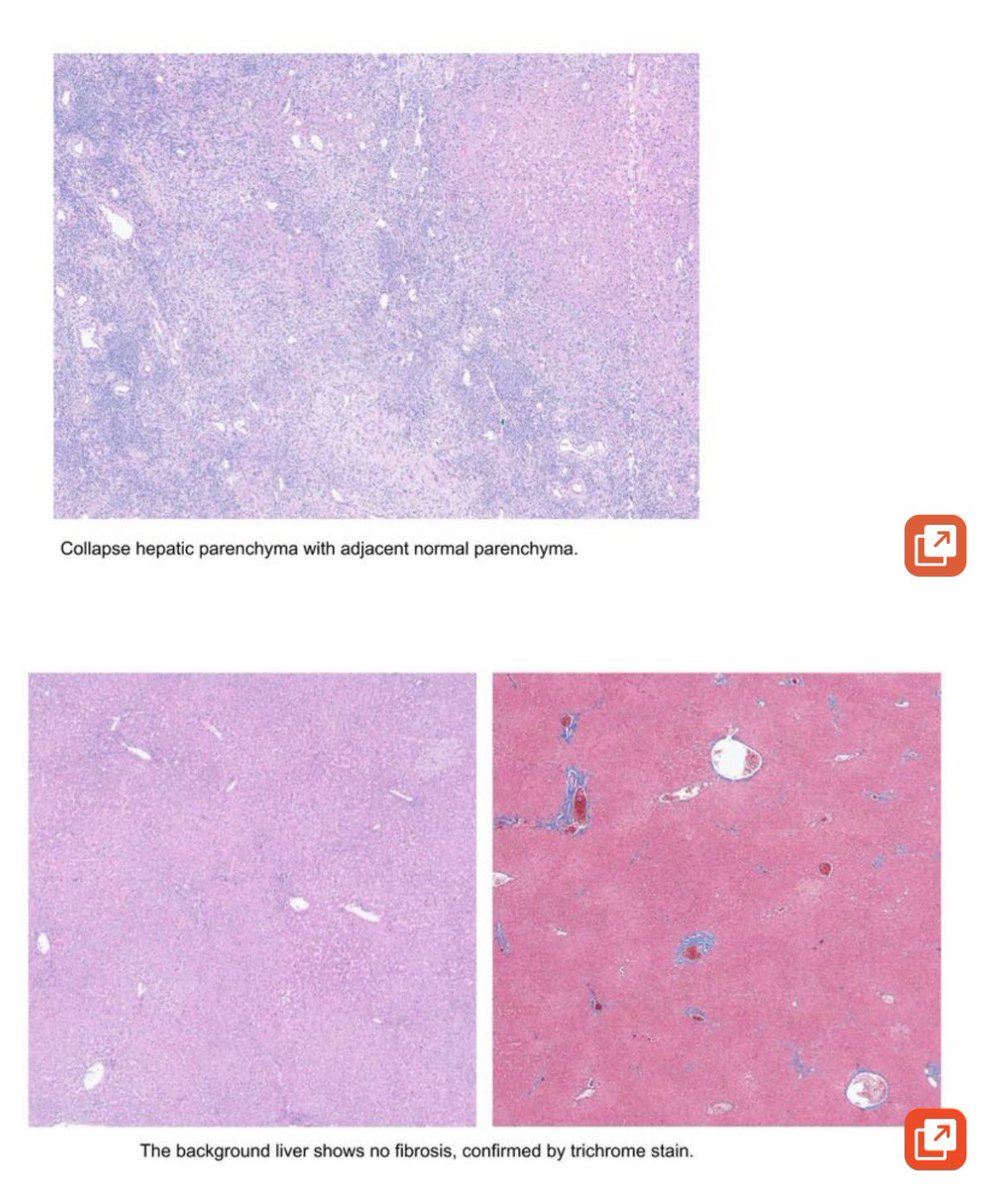
🔬 #PathologyPearls by @li_peizi
Not every liver mass is malignant.
🧩 Segmental atrophy is a rare benign pseudotumor that can mimic hepatic malignancy on imaging and pathology.

1
7
25
1,870
Andrew Sanchez retweeted

Our posts on nutritional deficiencies continues with Zinc - very tricky as you will see
open.substack.com/pub/leadin…
2
3
476
Andrew Sanchez retweeted

Jun 11
Is anyone at the GME level seeing any evidence of deskilling from AI systems in their trainees? Great discussion with a group of educators last night -- I've been a medical educator for a long time, and this current cohort is an enthusiastic, curious, and intelligent as I've seen
6
3
24
5,653
Andrew Sanchez retweeted

Jun 8
Daily Pearl(s):
Streptococcal Toxic Shock Syndrome (STSS)
The syndrome is mediated by streptococcal pyrogenic exotoxins that act as superantigens, triggering a massive, non-specific T-cell activation and subsequent cytokine storm.
This leads to profound capillary leak, diffuse erythroderma (a "sunburn" rash), fever, and multi-organ failure.
Septic cardiomyopathy is a well-described but severe complication of STSS, contributing significantly to refractory shock.
Treatment is a combination of a beta-lactam (Penicillin G) to kill bacteria, and clindamycin to suppress toxin synthesis (via inhibition of ribosomal protein synthesis). IVIG is often used as an adjunct to neutralize circulating toxins. Surgical debridement is crucial for source control in cases of necrotizing soft tissue infection.
Source: CPS - April 7, 2026 VMR with Maddy & Andrew - fever, cough, and widespread body aches
1
6
16
1,743
Andrew Sanchez retweeted

Not unlike the troponin, ESR, or CBC, the BNP is a test and must be interpreted within the clinical context. It’s also important to understand the limitations of any test. The BNP can be abnormal or even low in numerous conditions. #foamed #meded

Obese , F, post multivessel PCI, EF 56, NSR, severe exertional dyspnea, ankle edema, on large dose steroids for a non cardiac condition, LVEDP 24 mmHg (measured well during cath) at rest, NT pro BNP 200..
Is this BNP against HFpEF?
@hvanspall
2
4
2,456
Andrew Sanchez retweeted

Listeners! We're taking our annual summer break 🏖️ to stock up on new episodes for Fall 2026!
In the meantime, do check out our collab with @rabihmgeha & Prof. Rez on the RLR podcast for an unforgettable journey/discussion! 👇
4
5
898
Andrew Sanchez retweeted

Full house immunostaining does not always mean lupus nephritis. Young man initially diagnosed with lupus MN, but proved with mass spec to be syphilis-associated MN
kidney-international.org/art…
1
8
24
1,292
Andrew Sanchez retweeted

Jun 3
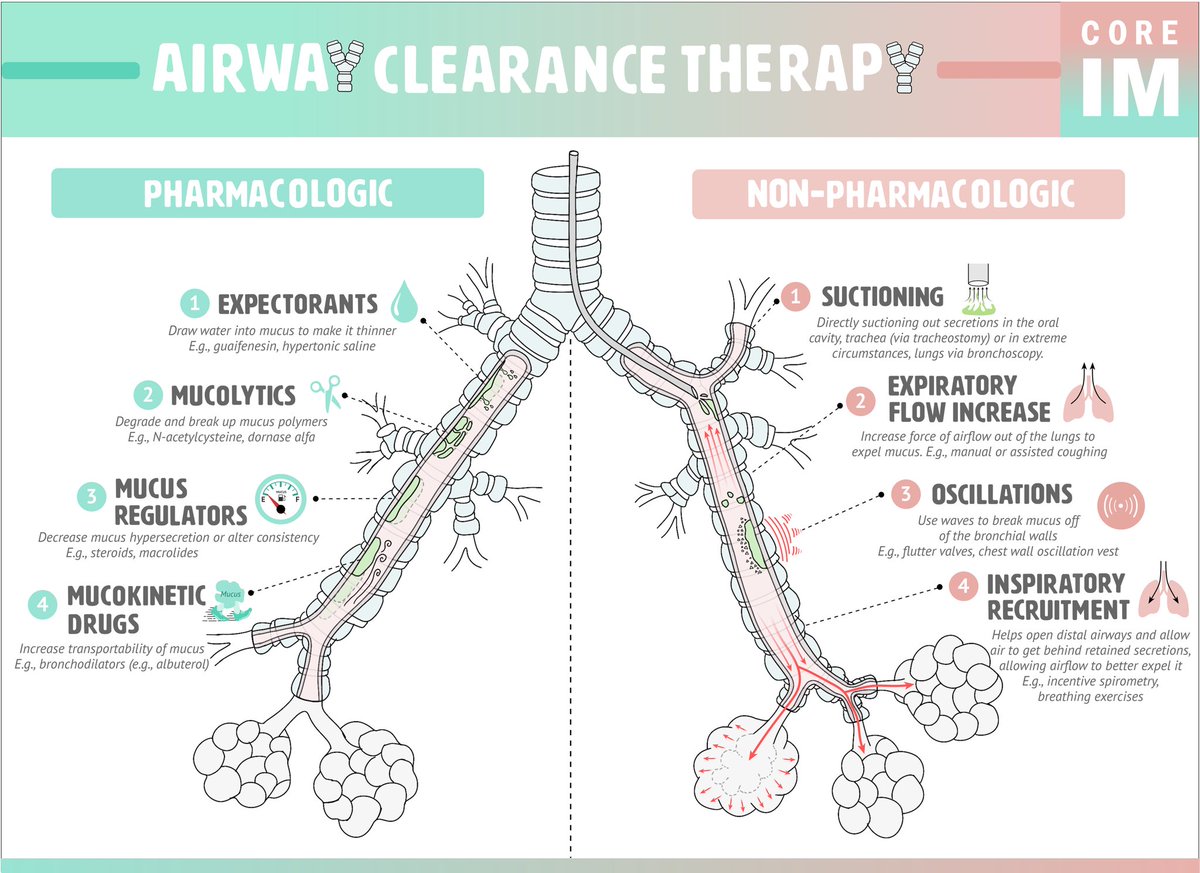
2/ Thanks to everyone who made this In the Nick of Time teaching happen! 🎬
Author: @NickVillanoMD
Graphics: @Sweis_NWG
Editor: @MarissaLocastro
1
9
22
2,102
Andrew Sanchez retweeted

5 Feb 2025
This should be required reading for every nephrologist and primary care doctor. While HTN is not( CV) benign, it is time to end this "HTN is the second most common cause of CKD" fallacy. It is the 🐔 not the 🥚. Excellent concise review. 👏👏👏academic.oup.com/ndt/advance…
3
6
25
1,240
Andrew Sanchez retweeted
Jun 1
Q: How do you hide $100 from a hospitalist?
A: Put it under a dressing just changed by wound care!
Seriously though, this CPS case of a septic patient who ended up having a toothpick stuck in their leg with lymphedema was wild and a reminder of how valuable it can be to do a thorough exam when unclear about source control!
A few pearls:
- In a patient with sepsis who fails to improve or worsens despite appropriate antibiotics, aggressively search for an undrained abscess or an uncontrolled source, such as a retained foreign body or infected hardware.
- Organic foreign bodies like wood are radiolucent and will be missed on X-Ray and often on CT. Ultrasound is the preferred initial imaging modality for suspected superficial foreign bodies.
- Organic materials like wood are notoriously challenging as they are porous, harbor bacteria, and can incite a significant inflammatory response, often leading to abscess formation.
- Streptococcus constellatus, a member of the Strep anginosus group, is notorious for its propensity to form abscesses. Finding it growing in a BCx should prompt an aggressive search for a purulent collection.
Source: CPS - April 24, 2026 VMR with Youssef & Mengyu - weakness and hypotension
1
3
11
1,250
Andrew Sanchez retweeted

Our rare disease specialist Dr. @cduarte8490 @CUHematology collaborated with @CU_pathology & @UTMDAnderson on a new publication on the diagnosis of subtypes of non-LCH. #pathtwitter cc @ZenggangPan

6
13
1,327

Andrew Sanchez retweeted

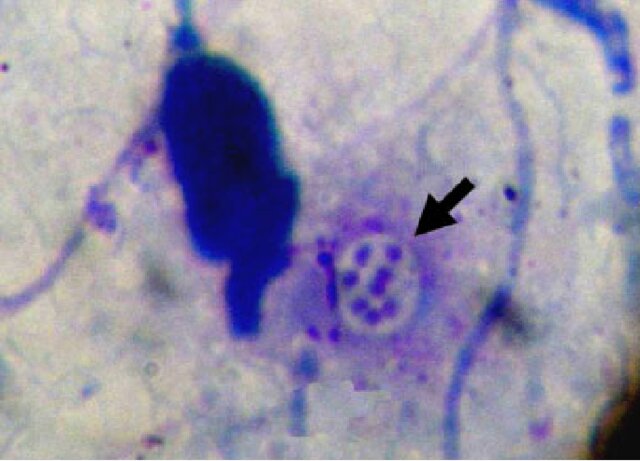
Can You Get PJP Pneumonia if You're Immunocompetent? No, But You Can Get the Diagnosis!
medicalevidenceblog.com/2026…
#clinicalreasoning #medicaldecisionmaking #falsepositive #bayestheorem #PJP #PJPPCR #bronchoscopy #medtwitter #PCCM #pulmonary
1
3
788
Andrew Sanchez retweeted

May 17
Clinical Scenarios That Can Cause False Positives
in Beta-D-Glucan Assays:
MEDICATIONS
Betalactam abx
IV immunoglobulin
Albumin
BACTERIAL INFECTIONS
S. pneumoniae
P. aeruginosa
Alcaligenes faecalis
CLINICAL INTERVENTIONS
Dialysis
Intraoperative gauze
the-hospitalist.org/hospital…
3
8
1,581
Andrew Sanchez retweeted
May 25
Daily Pearl(s):
Bladder Diverticula and Painless Hematuria
Bladder diverticula are outpouchings of the bladder mucosa through the muscularis propria (bladder wall).
While some are congenital, most are acquired due to chronically elevated intravesical pressure, typically from bladder outlet obstruction (benign prostatic hyperplasia, urethral stricture). This high pressure forces the mucosa to herniate through weaker points in the bladder wall.
Many diverticula are asymptomatic. When symptoms occur, they can include recurrent UTIs (due to urine stasis), incomplete emptying, or gross hematuria.
Bleeding arises from fragile, superficial blood vessels lining the thin diverticular wall, which can rupture spontaneously or from chronic irritation.
The clinical presentation of painless gross hematuria can mimic that of bladder cancer, which must always be ruled out.
Painless gross hematuria, especially with clots, strongly suggests a lower urinary tract source (bladder, prostate) rather than a glomerular origin.
Cystoscopy is the gold standard for diagnosis and management. It allows for direct visualization of the diverticular openings, evaluation of the entire bladder lining to exclude malignancy, evacuation of clots, and potential cauterization of bleeding vessels.
Source: CPS - Mainstream Mondays VMR with Youssef & Sawsan - hematuria
1
4
17
1,228
Andrew Sanchez retweeted

17 Nov 2018
8/
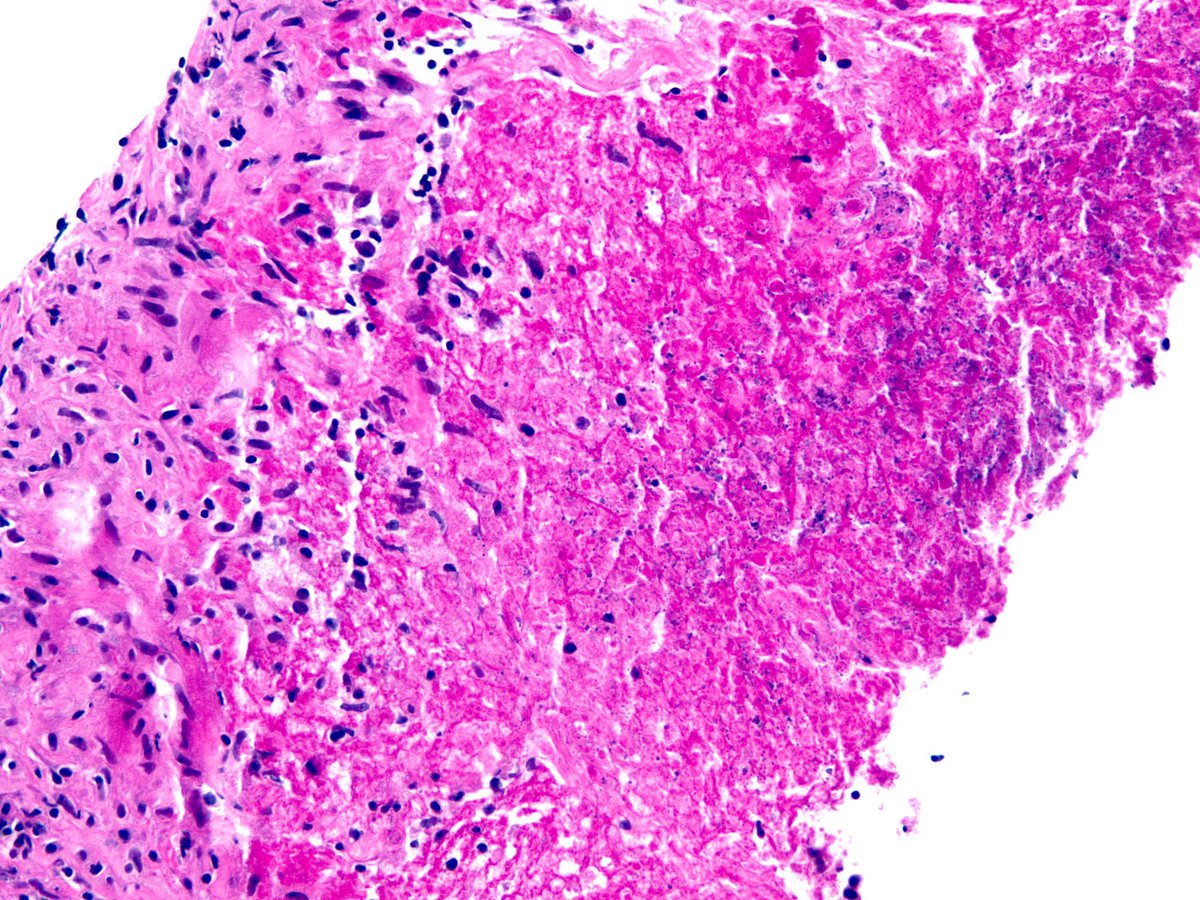
Necrosis in a mycobacterial granuloma. Is it “caseous”? This term (“caseating”) has to be one of the most meaningless in pathology. It means “cheese-like” (when seen with the naked eye), has no consistent microscopic counterpart and is FAR from specific for TB.
5
30
89
Andrew Sanchez retweeted

ICYMI
@AdamRodmanMD on AI/LLM and clinical reasoning
youtu.be/CLonesw1OeQ?si=AOvH…
A bunch of arguments happening today are completely irrelevant as Adam discusses - and he explains the evolving role of clinicians
Freaky, exciting, scary all at the same time
#NephGR #MedEd
3
9
2,138
Andrew Sanchez retweeted

May 20
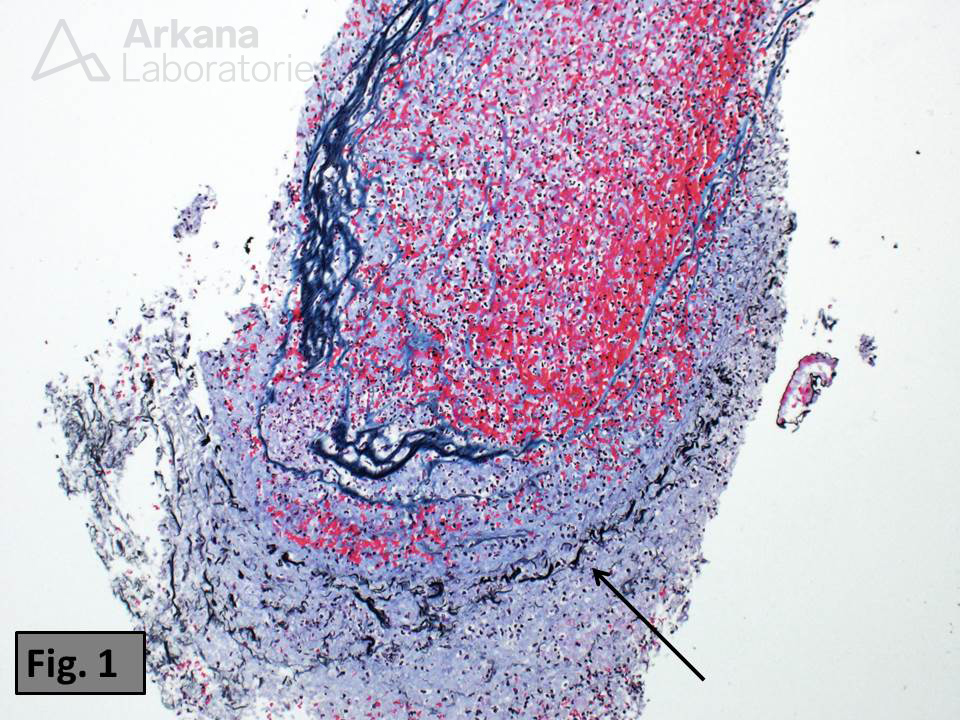
Infective endocarditis can have numerous deleterious effects on the kidney. One such renal complication is the formation of arterial thromboemboli. The renal biopsy images in this case are from a 74-year-old man with an artificial heart valve who was being evaluated for acute renal failure. Figure 1 shows an arterial cross section whose elastic laminae are highlighted using a Jones silver stain (see arrow). The artery is distended by intraluminal fibrin and neutrophilic debris, consistent with a septic thromboembolism.
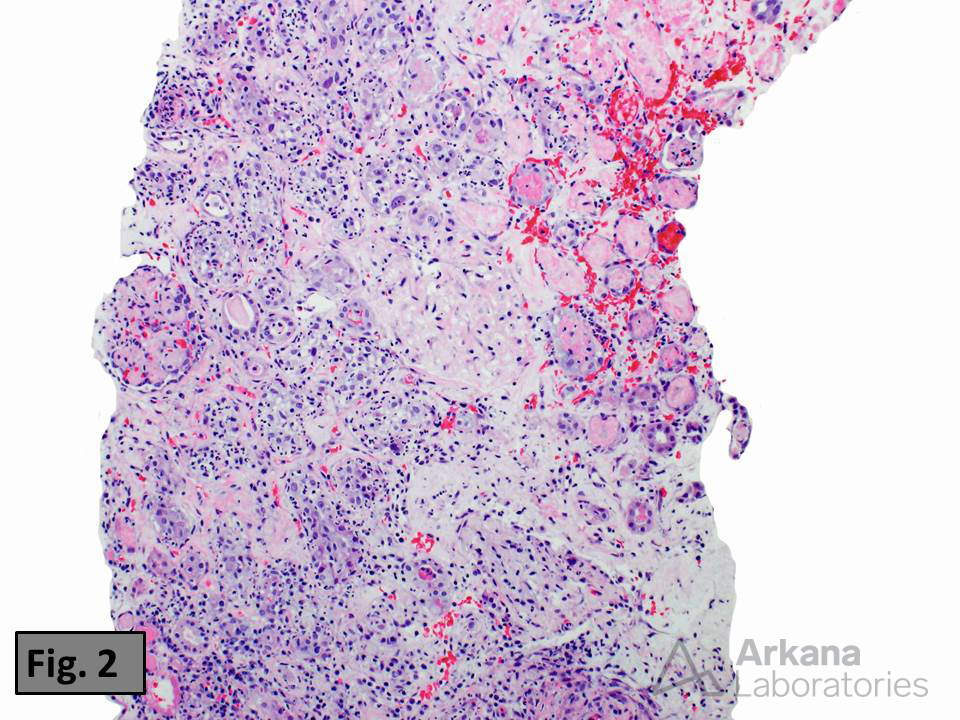
Figure 2 shows the morphologic features of a renal cortical infarct, which was identified in the adjacent cortex.
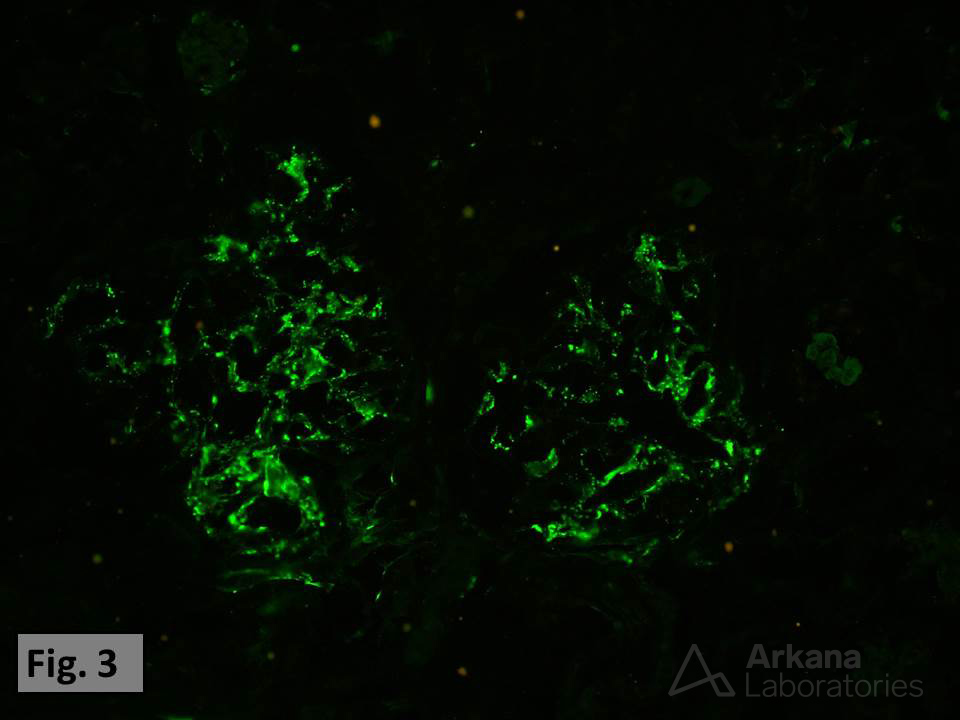
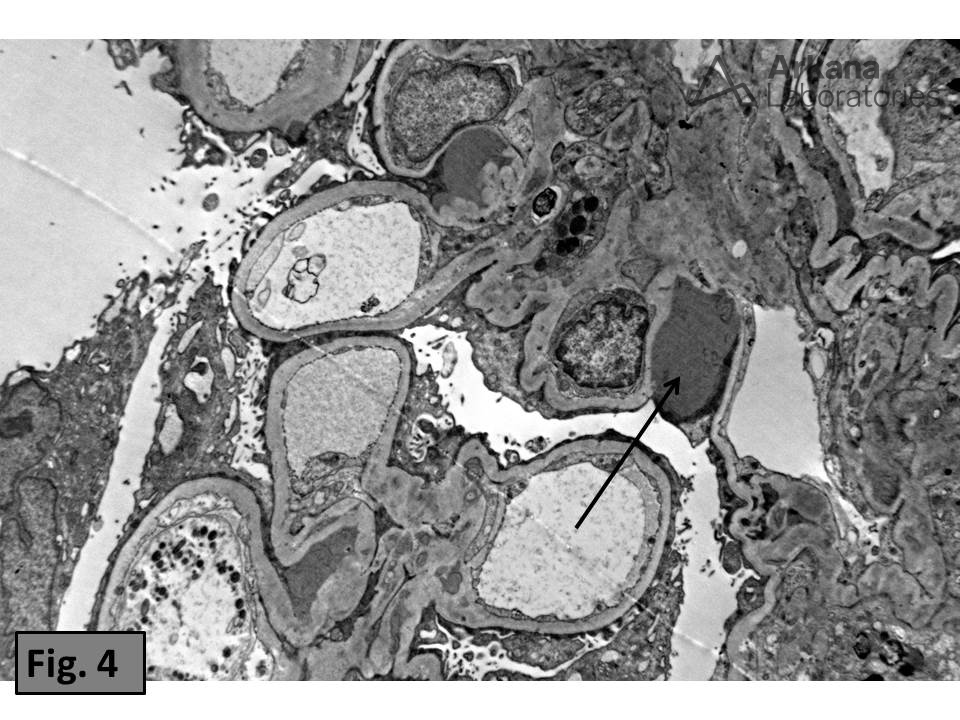
A second complication of infective endocarditis is the development of an immune complex-mediated glomerulonephritis. Immunofluorescence studies of the glomeruli from this same biopsy showed diffuse glomerular immune complex deposits (IgA and C3)(Figure 3).
Large paramesangial deposits were confirmed using electron microscopy (Figure 4).
#TeachingPoints #kidneypath #renal #pathology
16
24
1,351
Andrew Sanchez retweeted

May 17
Are clinician educator tracks (CET) a BAD thing?
In this (tendentious) blog post, I argue that even though their intention is good, CETs don't produce great educators.
Great clinical educators are great clinicians first and foremost. Learners can't just decide to be a great clinician, so how can they decide to be a clinician educator?
Worse, CETs are a form of credentialism that gate-keeps who can educate. CETs fixate on the artifacts of education (teaching portfolios) instead of meaningful outcomes (learner understanding).
1/

5
7
61
25,176
Andrew Sanchez retweeted

May 17
The revealing part of this debate is that overrepresentation of some groups is quietly assumed to reflect “competence,” while underrepresentation of others is assumed to reflect inferiority.
That is not objective reasoning. That is ideology disguised as meritocracy.
Medicine has never selected physicians through a single exam score. Admissions committees evaluate communication, leadership, resilience, judgment, professionalism, empathy, service, adversity, and the ability to function in a diverse society caring for vulnerable human beings.
And importantly, the actual evidence does not show that small MCAT differences among already highly capable applicants reliably predict who becomes the best physician.
Meanwhile, we do have evidence that physician diversity improves trust, underserved access, preventive care uptake, and some health outcomes.
What is striking is the underlying assumption some people seem to carry: that Black physicians are somehow presumptively “less qualified.” Do they ask their White physician what MCAT score they received? Do they request board scores before an appendectomy? Or is this obsession with standardized testing only activated when discussing minority doctors?
That is the uncomfortable question sitting beneath much of this conversation.

Selection is based on competence not demographic quotas. 🤦♀️
34
139
668
13,166