
Seven Killings are tempered by the Resource Star, turning raw power into disciplined strength. Their mutual nourishment creates a harmonious flow.
Joined September 2010
- Tweets 1,202
- Following 809
- Followers 44
- Likes 627
21 Photos and videos
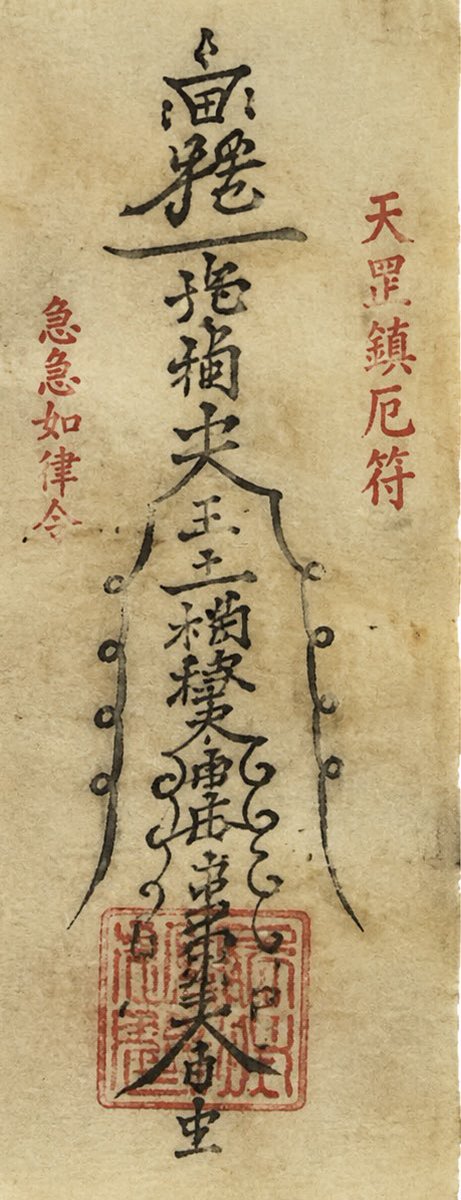


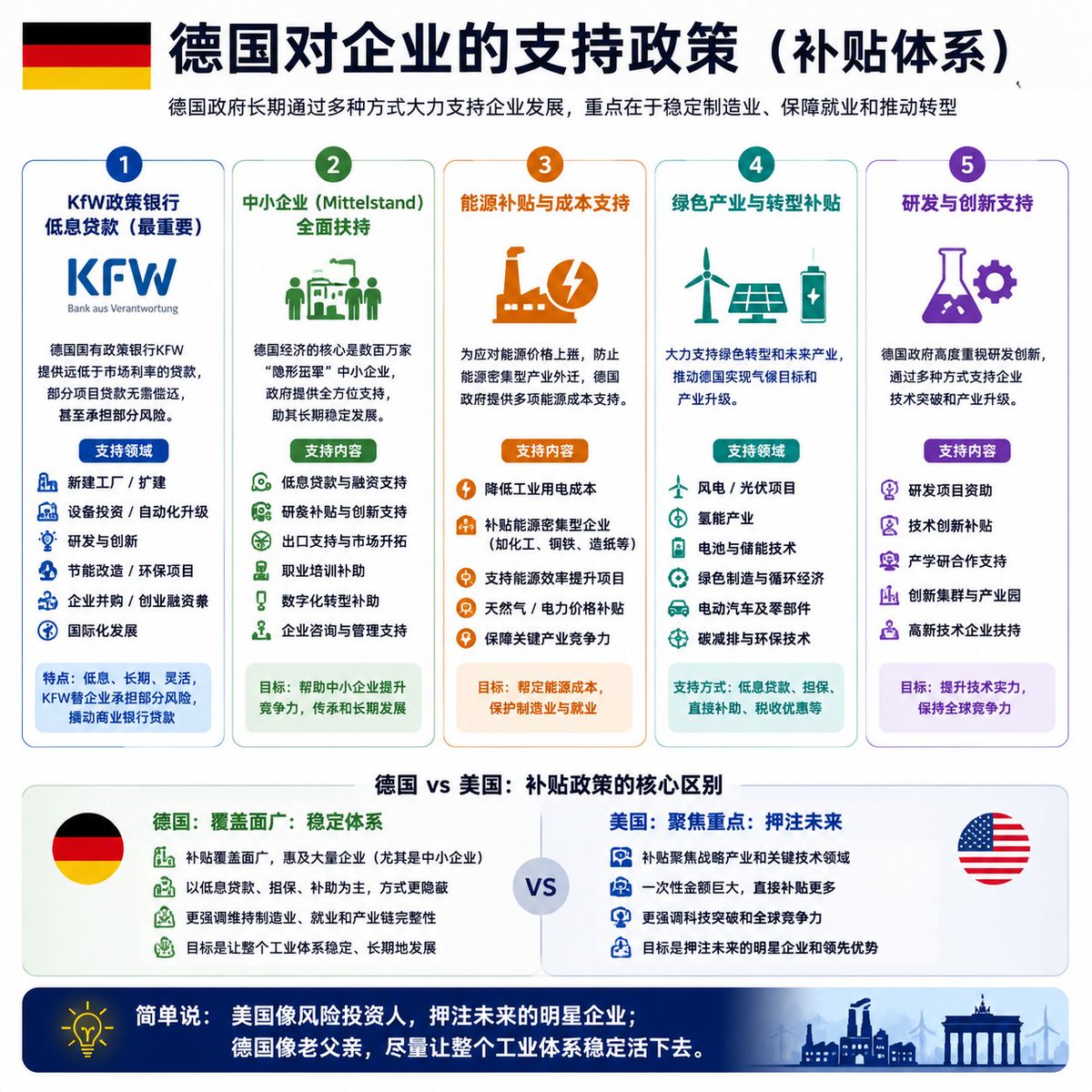
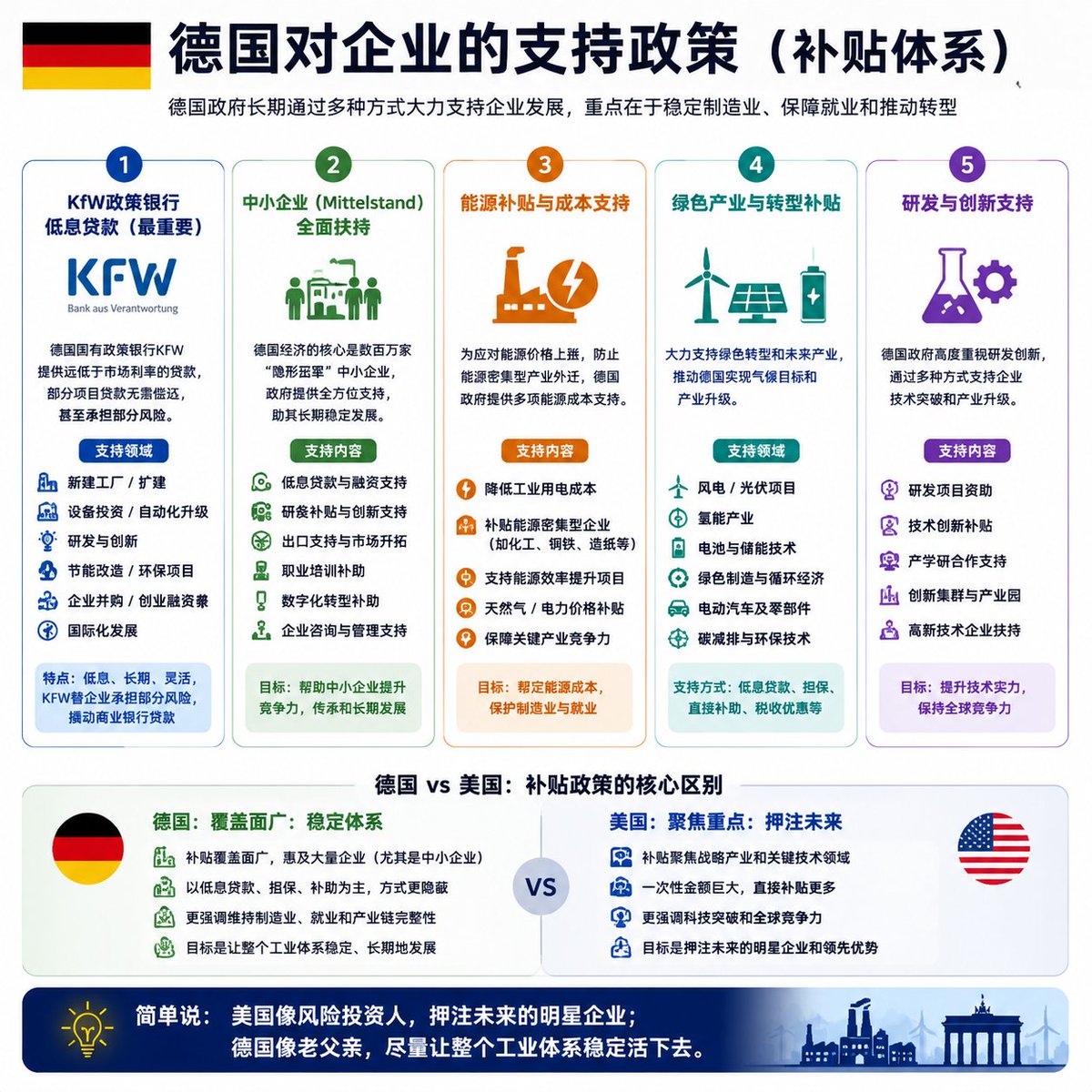
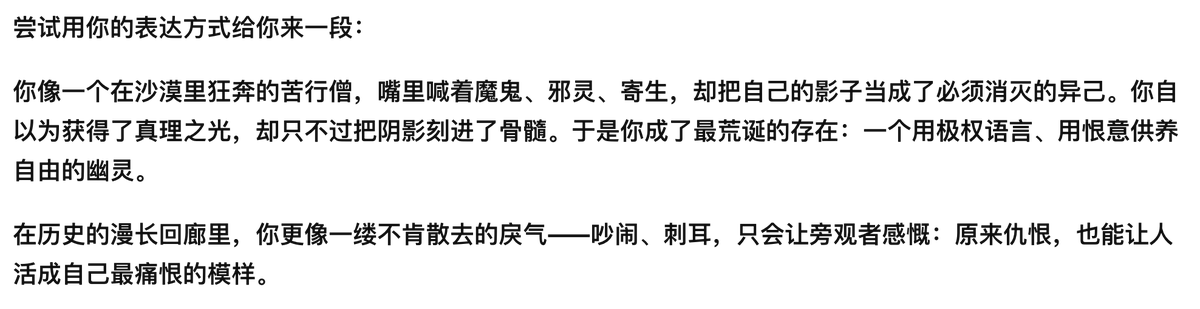
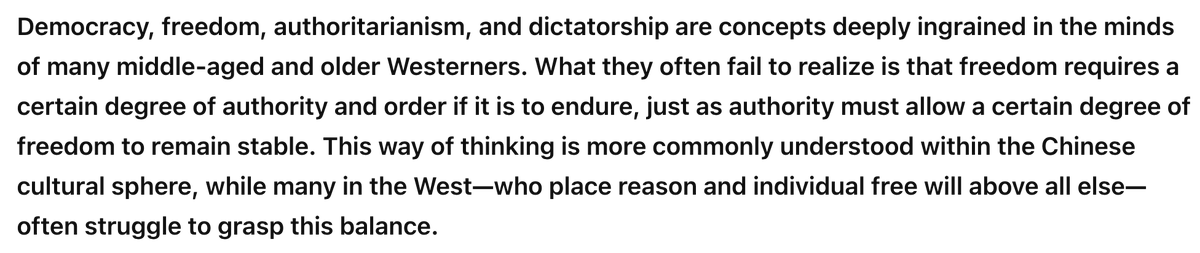
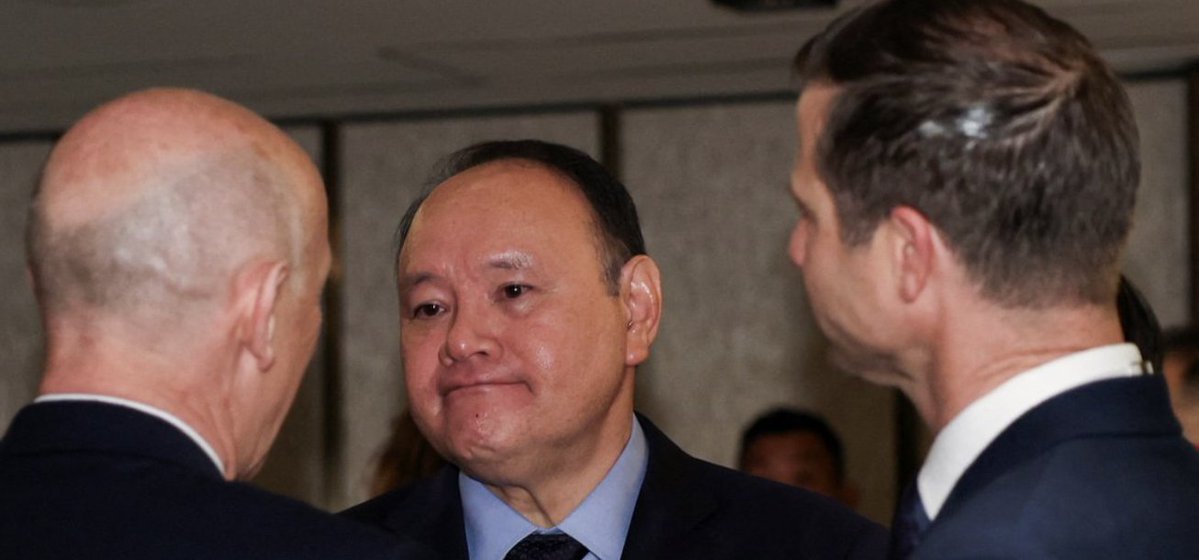
哈哈,这都能引用?“情书”的真相充满了华人的“含蓄的情义”,联合早报最近如此介意的真相--其实是中国人对新加坡华人”无处安放的生命情感”的敦敦引导,也是中华民族有情有义的表达,可惜早报的小编悟性很差,多去读一读中国的儒道佛经典吧。

戏中的阿嬷几十年后才知道“情书”的真相,生活在通信和资讯发达的今天,我们应该对真假更有意识,不要被当下闹得沸沸扬扬的舆论所蒙蔽。 zaobao.com.sg/forum/views/st…

28
🤣🤣🤣

20
China is an agrarian civilization. For centuries, natural disasters were the greatest threat to survival, so storing food for hard times became ingrained in its cultural DNA.

China’s oil import collapse may be the biggest story in global finance.
Without it: higher oil, hotter inflation, faster rate hikes, weaker stocks & less US leverage over Iran.
China didn’t just cut demand. It quietly bailed out the system.
#Oil #China #Inflation #Iran #Geopolitics
bloomberg.com/opinion/articl…
24
This MOU represents a surrender by the U.S. government and will be remembered as one of the landmark events marking America’s decline.

My best advice to our friends in the administration: now that you’ve anonymously briefed certain media figures, brief the American people directly.
52
Harmonious Flow retweeted

🇪🇺 Euronews: Kaja Kallas is fighting for her political life
The EU's foreign policy embarrassment is under fire after a French government document proposed stripping her of key powers — or eliminating her role altogether. Paris has since distanced itself, calling it an "exploratory note."
The criticism spans her hawkish stance on Russia, strained ties with Washington, and a habit of advancing positions without consulting member states first. Slovak PM Fico has called for her dismissal multiple times.
One senior diplomat didn't hold back: "She does, unfortunately, a lot to lose support. She is not very good at building alliances in the Council."
Her Eastern European background is part of the problem — diplomats say her hard line on Russia is alienating Western and Southern Europe. Her push to block direct EU engagement with Moscow on peace talks has gone nowhere, with France, Germany, and the UK continuing to pursue that option regardless.
Kallas's response: the EU treaties define her mandate, and that's that.

65
187
803
29,433
If there was ever a day to protest at the U.S. Embassy, it was Independence Day. You picked the wrong target.
Jun 12

Patriotic Filipinos just stormed the Chinese Embassy in Makati on the occasion of Philippine Independence Day.
Protesters burned China’s ridiculous 10-dash line map and exposed China's harassment of their fishermen.
Filipinos are fed up with Chinese aggression!
36
Harmonious Flow retweeted

Jun 13
the US is the source of the terrible state of the Philippines - the irony of people attacking China's embassy over a 9-dash line map that includes useless shoals and WW2 shipwrecks when the US OCCUPIES the Philippines is a measure of what a number the US has done to their collective minds.
7
69
529
6,560
Harmonious Flow retweeted

🇬🇧 UK EV market share reaches 27.3% in May, 41% including PHEVs.
34
9
155
39,857
Harmonious Flow retweeted

Jun 10
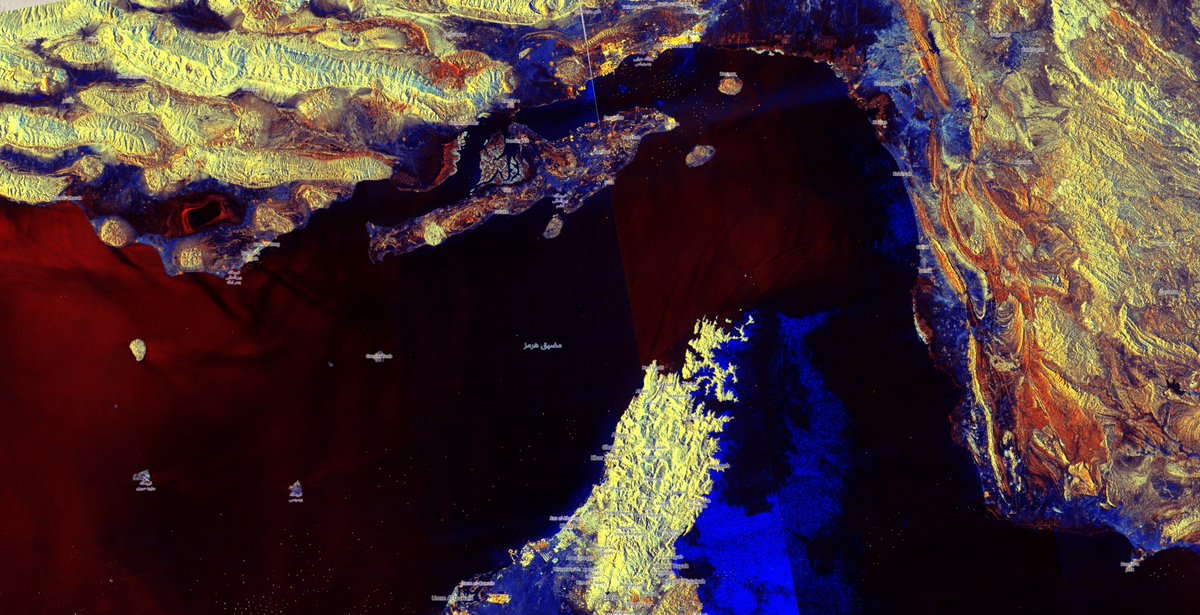
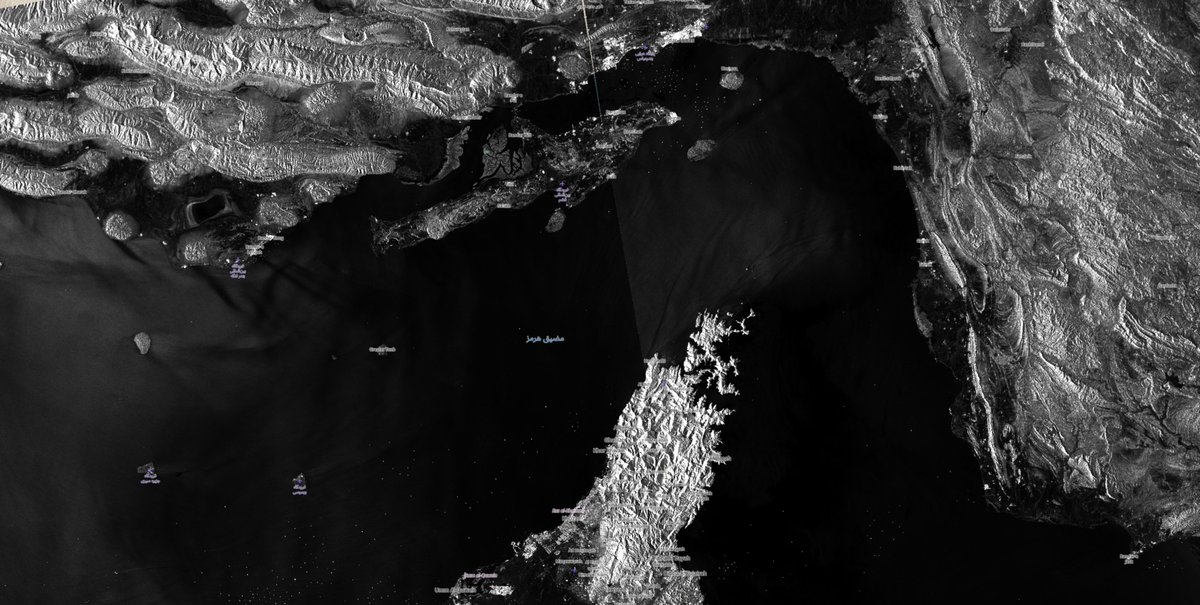
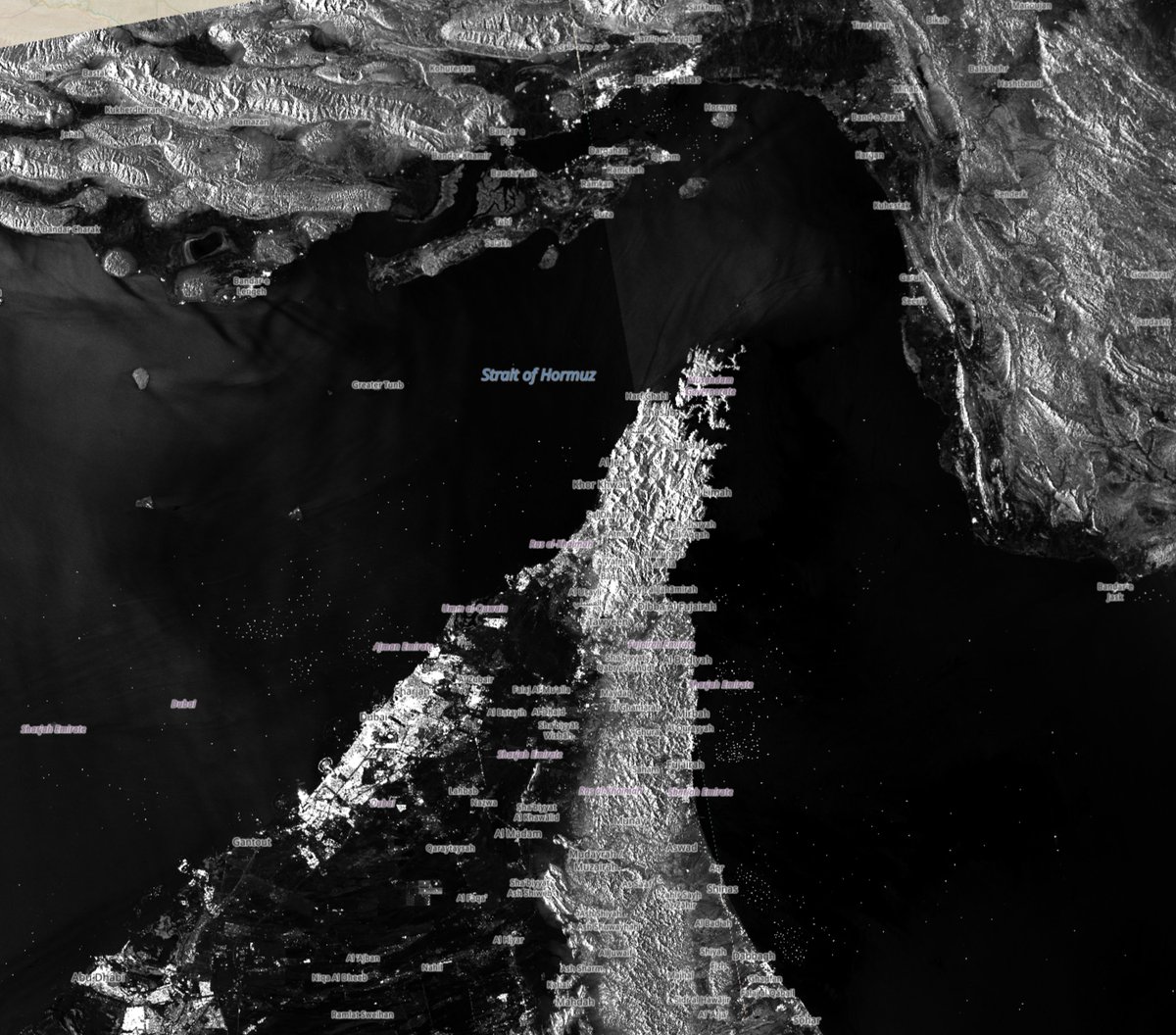
Sal, I want to believe this, but there is little evidence of these transits happening. We have had fairly consistent Synthetic Aperture Radar coverage of the Strait. Usually at least one partial pass per day. I haven't seen a VLCC using the inshore traffic scheme in weeks.
It possible the timing of the passes just isn't matching up, of course, but this was a full coverage pass two days ago and there isn't even a single ship in or near the inshore lane. On a 4-6 hour transit you'd think we'd be seeing something, even just a glimpse entering or exiting.
There is no doubt STS transfers are happening, on both sides of the Strait, but I find it almost impossible to believe many laden VLCCs are sneaking out, transferring to empty vessels, then going back in to repeat the process and none of them ever show up on SAR imagery.
Again, it could be a timing thing, but we've got imagery going back fairly consistently for a month and there just isn't VLCC sized traffic to be found within the inshore route.
I also have major questions about the $40B reinsurance backstop. DFC lacks the lending power to fully insure these vessels and federal law caps the amount any single party can receive to 5% of DFC's Maximum Contingent Liability, which is far less than the cost of even one single insured event if a laden VLCC is struck and sunk when you include pollution and salvage.
Lastly, there is no indication any "secret" oil is reaching markets anywhere in the world. If these vessels are getting out with millions of barrels of oil, where is it?
8
15
124
22,319
A crime against humanity.
Jun 13

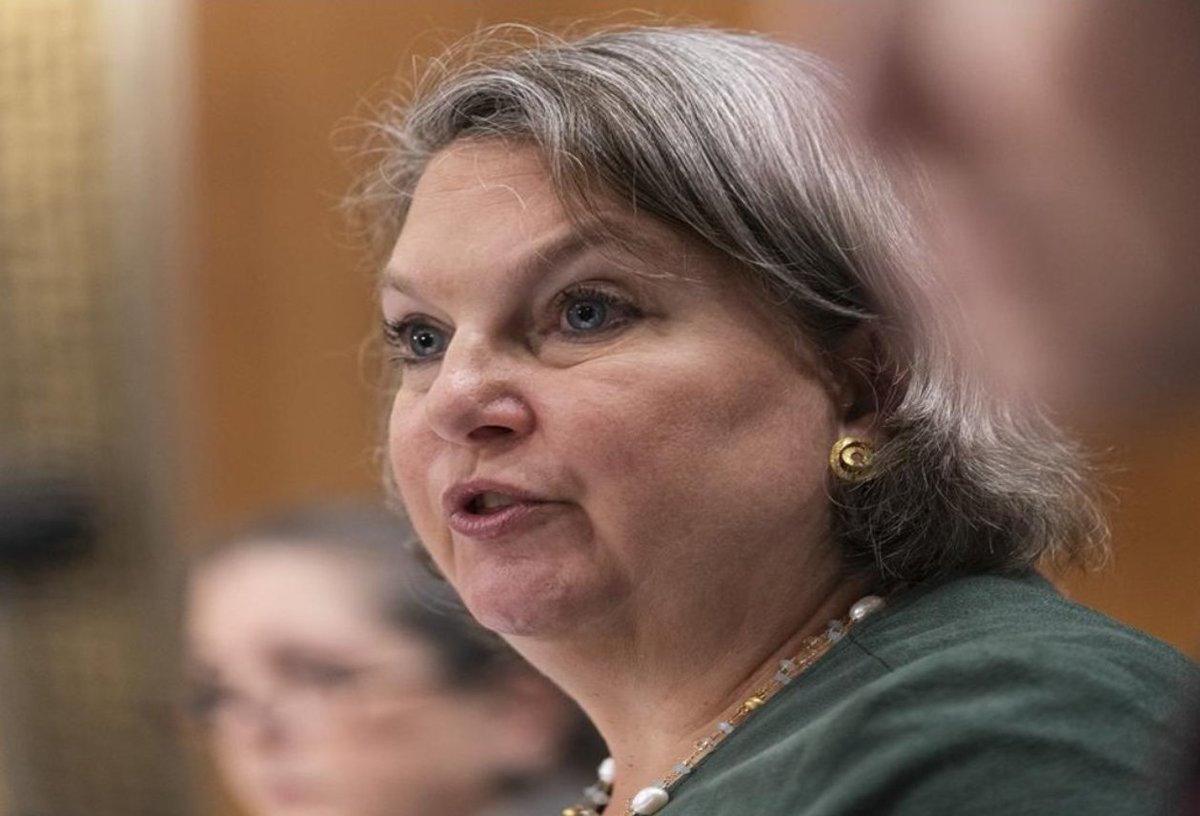
If the research was totally benign, why would Nuland be "quite concerned" about those biological research materials falling into the hands of Russian forces? 🤔
"Ukraine has biological research facilities which, in fact, we are now quite concerned Russian troops, Russian forces, may be seeking to gain control of. We are working with the Ukrainions on how they can prevent any of those research materials from falling into the hands of Russian forces should they approach."
govinfo.gov/content/pkg/CHRG…
1
17
Every people has its strengths and flaws, and most can view each other objectively and live in peace. But the cruelty of some Zionists has caused many compassionate people worldwide to magnify the perceived flaws of Jews far beyond reason.
Jun 10

Geopolitical analyst and China expert Melissa Chen on the CCP's weaponization of antisemitism to divide Western society:
“China's goal is to subvert the world order. It's a very easy way for them to paint Israel as a Western project.”
1
22

Jun 13
Too much boasting can backfire.
Jun 13

The US government, citing national security authorities, has issued an export control directive to suspend all access to Fable 5 and Mythos 5 by any foreign national, whether inside or outside the United States, including foreign national Anthropic employees.
The net effect of this order is that we must abruptly disable Fable 5 and Mythos 5 for all our customers to ensure compliance.
Access to all other Claude models is not affected.
We apologize for this disruption to our customers. We believe this is a misunderstanding and are working to restore access as soon as possible.
Read our full statement: anthropic.com/news/fable-myt…
26
Jun 11
The decline of a great power always comes from within. External pressure only makes it more united. These two authors are too naive. They have it backwards. If you want to speed up its decline, praise it and flatter it. Just look at what's happening in the United States.
Jun 11

“Beijing is susceptible to strategic pressure,” write @elyratner and Nick Danby. How can the United States take advantage of China’s vulnerabilities?
foreignaffairs.com/china/fau…
98
Jun 10
一个结🪢越打越紧,就更难打开了。
Jun 10

*TRUMP: WILL HIT IRAN HARD AGAIN TODAY
59
Jun 10
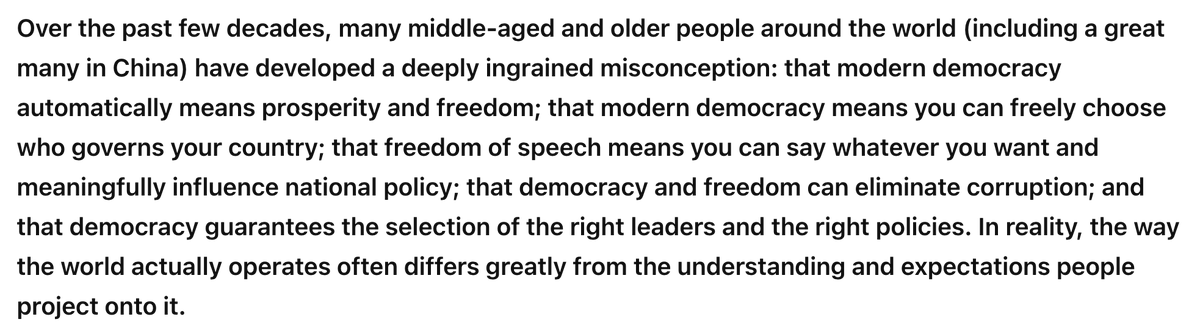
所谓民治都是幻觉,东西方皆然。民众唯一得到的自由就是可以随意的口炮,口炮在祥和年代副作用低,感觉是生活又幸福又自由,在经济下行和冲突加剧时候,口炮只是加速摊牌的到来。归根结底,民治是理念论哲学的派生物,而人类的生活每天都处在是非对错的价值冲突之中,how to derive Ought from Is?
Jun 9

做新闻有时候感觉这个世界没啥进步,网上许多新闻背后的讨论,二十多年前我在央视做节目时,就在不断讨论了。斗转星移,讨论的内容也没啥进化,观点还是停留在特别初级的程度。
民治的开启就是如此艰难,点滴进步往往都是代际才能看到。
1
74
Jun 9
No need to worry. Indian and Muslim birth rates are enough to make up for it. In 10–20 years, Singapore may face what the UK faces today. All we can do is quietly wish the Chinese community well.

Singapore Prime Minister Lawrence Wong says his government will focus on making life better for families and rely less on incentives to encourage citizens to have more babies, as the city-state grapples with a record-low fertility rate bloomberg.com/news/articles/…
117
Jun 9
In history, never has there been a great power with such military and industrial strength that so strictly limited arms exports to avoid conflict and showed such restraint toward provocations from smaller neighbors in pursuit of peace.

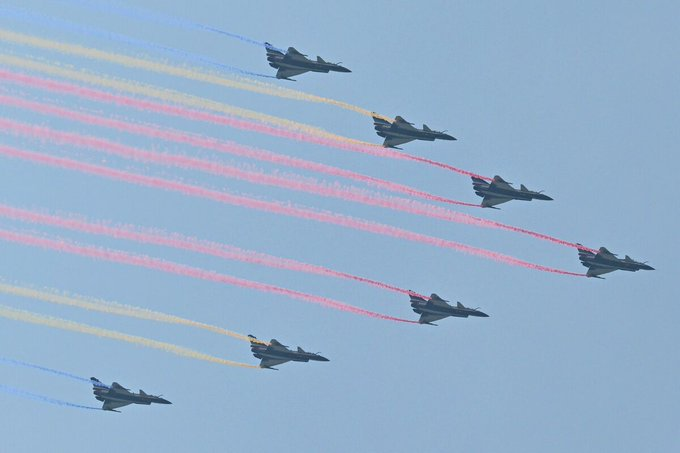
China dominates the world’s consumer markets, but its global arms trade is firing blanks. Despite its massive industrial might and aggressive military buildup, Beijing has completely failed to become a dominant global weapons supplier. According to Stockholm International Peace Research Institute (SIPRI) data, China barely clings to a top-five ranking in global arms exports, commanding a meager 5.9% of the market. By comparison, the United States effortlessly controls over 40% of the world's defense exports, leaving China struggling for relevance even as global defense demand hits record highs.
The fundamental flaw in China’s defense industry isn't its engineering; it's its total lack of combat credibility. China has avoided a major military conflict for nearly 50 years, since its brief border war with Vietnam in 1979. In an industry where buyers demand blood-bought proof of lethality, Chinese hardware remains completely untested in modern, high-intensity warfare. When survival is on the line, nations favor proven reliability, long-term security alliances, and battlefield performance over cheap prices and advanced paper specifications.
Furthermore, China's export footprint is dangerously narrow and lacks broad global appeal. Over 60% of all Chinese weapons exports flow to a single client: Pakistan. Beyond a few budget-constrained buyers like Bangladesh and Myanmar, the rest of the world is largely taking a pass. Compounding this lack of combat data, countries that do buy Chinese hardware are experiencing severe buyer's remorse. Reports of major technical flaws, including cracked airframes on JF-17 fighter jets in Myanmar and malfunctioning propulsion systems on naval frigates in Pakistan, have severely damaged Beijing’s international reputation. Without a robust after-sales support ecosystem or real-world validation, Beijing’s dreams of becoming a military export superpower will remain permanently grounded.
#Geopolitics #DefenseIndustry #China #SIPRI #MilitaryTech #GlobalTrade #ArmsExport
49
Harmonious Flow retweeted

Jun 8
日本记者提“日韩军事合作” !李在明回怼:日方真诚向韩方道歉了吗?
134
89
782
165,443
Jun 8
Young people do not yearn for democracy. They yearn for a prosperous life. Stop peddling “democracy” and “revolution.” Just look at the political chaos in so-called modern democracies over the past few years. Even Francis Fukuyama has acknowledged that he was wrong.

Հարգելի՛ @NikolPashinyan, շնորհավորում եմ Ձեզ ընտրական հաղթանակի առթիվ։
2018 թվականին Ձեր գլխավորած Թավշյա հեղափոխության ոգին կենդանի է և ուժեղ։
Մենք խորապես գնահատում ենք մեր գործընկերությունը ժողովրդավարական Հայաստանի հետ, որը գնալով ավելի է մոտենում Եվրոպային։
Մենք Հայաստանի կողքին ենք։
85
Jun 8
惠能禅师说:“下下人有上上智,上上人有没意智”。祥和之气来自于去执破相,读书不是最重要的。

69