Researcher (Politics and IR), political & security analyst (DRC), Author, 'Not My Worst Day'
Joined January 2012
- Tweets 2,221
- Following 868
- Followers 4,843
- Likes 3,357
280 Photos and videos
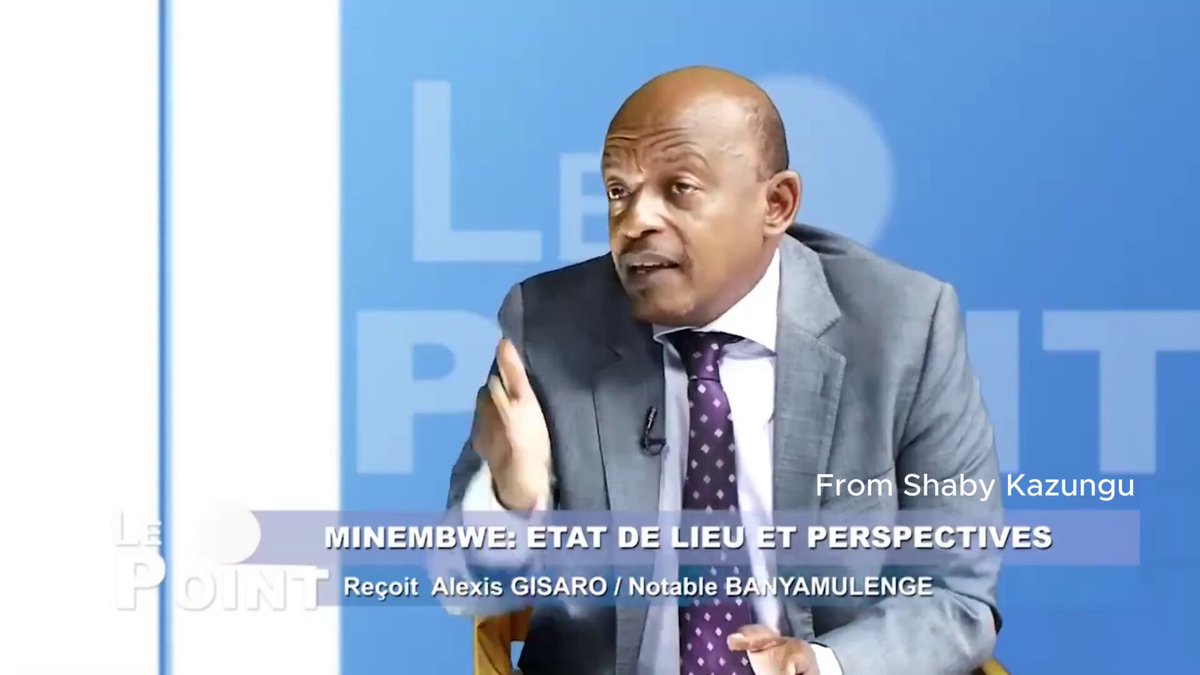
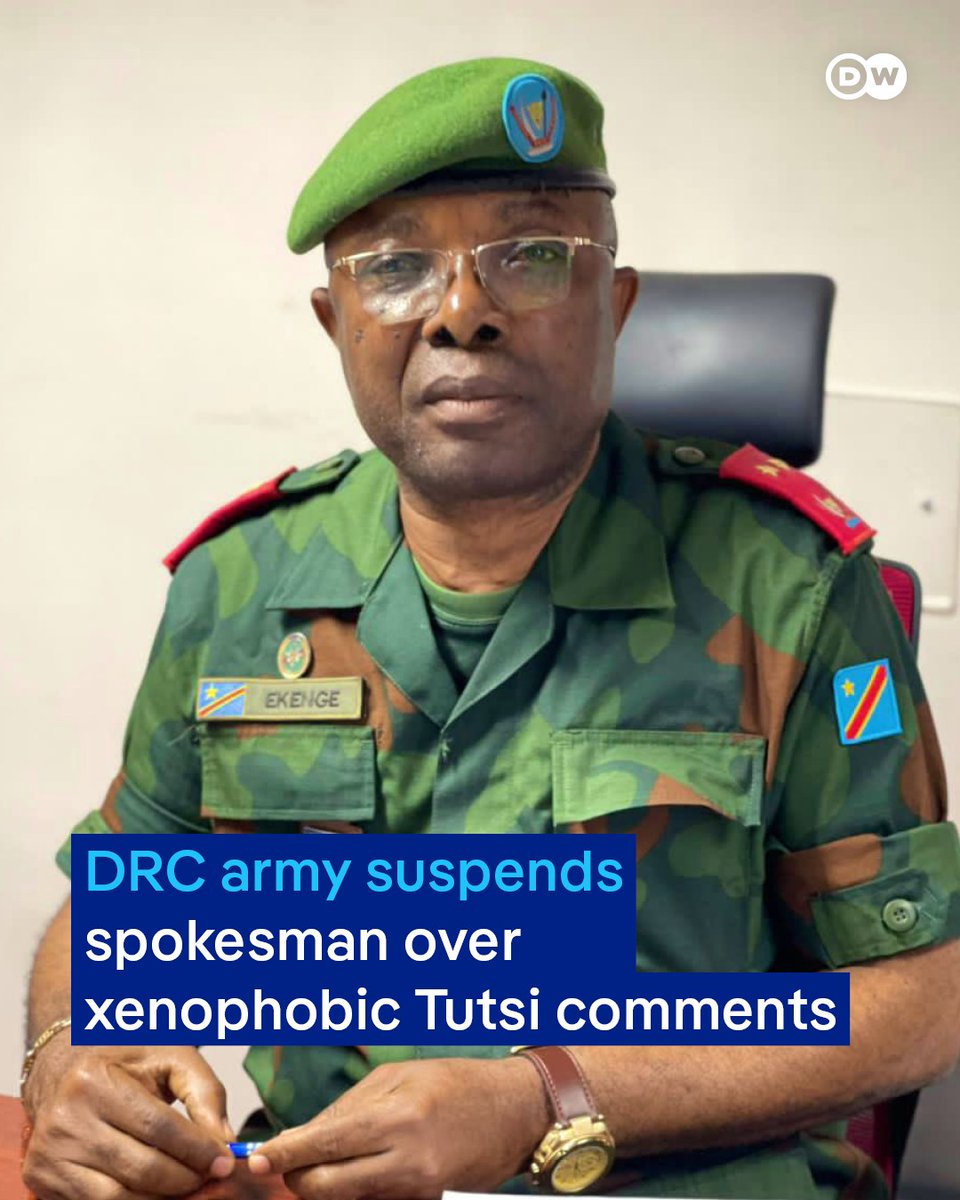
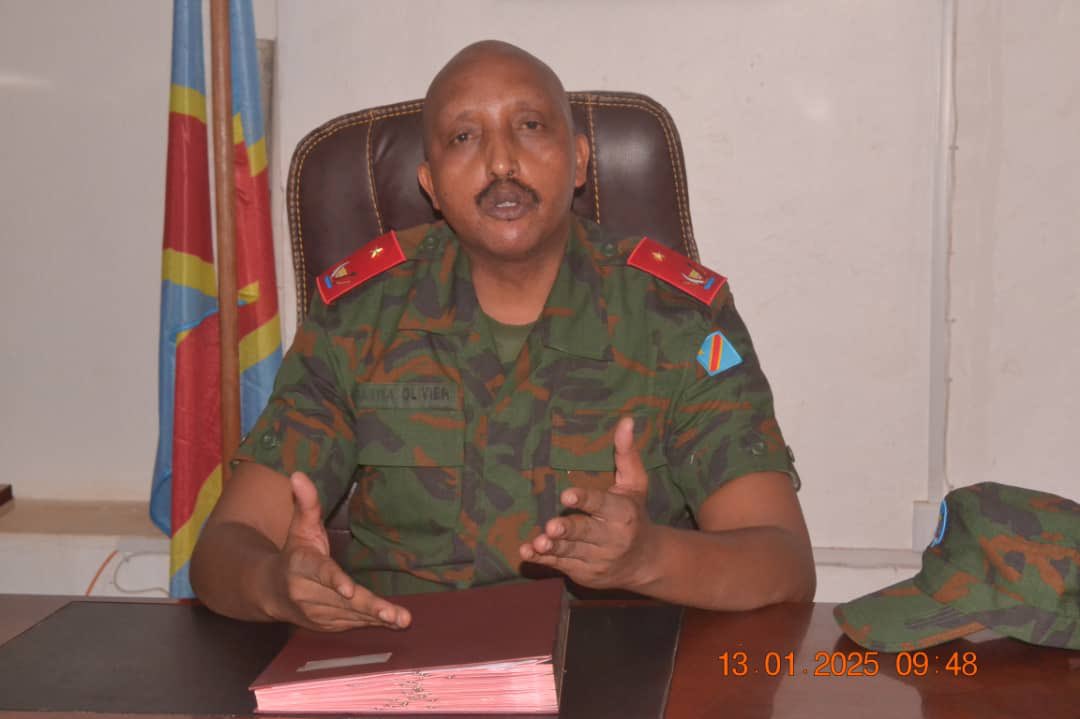
Le général Olivier Gasita et son interview avec Michombero.
Le 5 juin, le général Olivier Gasita a accordé une interview à Michombero. Au cours de cet entretien, le général Gasita a évoqué sa prétendue « résistance de 30 ans contre le Rwanda ».
Dans cette analyse, je présente un parcours qui raconte une tout autre histoire. Gasita a toujours été, avant tout, une victime de l’État congolais. S’associer à une prétendue résistance contre le Rwanda est devenu, au Congo, une stratégie permettant d’obtenir un emploi, une promotion ou certains avantages.
Cette déclaration s’inscrit dans un contexte où l’exploitation des victimes (Tutsi) de persécutions et de discriminations sert à dissimuler les politiques ethnocentriques de Kinshasa. Il existe une véritable économie politique autour des discours d’hostilité envers le Rwanda. Il est possible d’obtenir des promotions ou des avantages matériels en multipliant les déclarations de « résistance » contre le Rwanda. Les porteurs de discours de haine à l’égard du Rwanda bénéficient souvent d’importantes récompenses ou d’avantages lucratifs. À l’inverse, ceux qui s’écartent de cette ligne risquent le chômage, la marginalisation ou l’emprisonnement. C'est le cas de @KalengayiLudov1 et d'autres.
Le parcours du Gen Gasita
Gasita était un jeune homme brillant sur le plan académique, doux et courtois. Il vient d'une famille des personnes integres et dignes. Il est issu d’une famille de personnes intègres et dignes. Fils unique, il était profondément aimé par ses parents. En 1996, il était encore un jeune civil vivant à Uvira. Avec sa famille, il devint victime de l’insécurité provoquée par la présence des réfugiés Hutu rwandais et burundais dans la région.
Entre 1994 et 1996, de nombreux réfugiés hutus rwandais, y compris des personnes impliquées dans le génocide contre les Tutsi, se réfugièrent au Congo. Des rebelles hutus burundais, qui combattaient le gouvernement de Bujumbura, s’installèrent également dans la région d’Uvira. La présence de ces groupes contribua à renforcer les stéréotypes ainsi que les mécanismes de discrimination et d’exclusion visant les Banyamulenge et d’autres Tutsis congolais.
Gasita devint ensuite victime de la décision des autorités zaïroises de vouloir expulser les Banyamulenge vers le Rwanda.
À Uvira, où il résidait, l’administrateur de zone Shweka Mutabazi décida, le 26 octobre 1995, d’expulser les Banyamulenge du Zaïre, les qualifiant dans une lettre de « groupe ethnique inconnu du Zaïre » et de « migrants étrangers ». Cette volonté d’expulsion fut réaffirmée en septembre 1996 lorsque le vice-gouverneur du Sud-Kivu, Lwabanji Lwassi Ngabo, leur donna un délai de six jours pour quitter le pays sous peine de représailles violentes.
À la suite de ces menaces, de nombreux Banyamulenge, dont Gasita, furent victimes de violences au Kivu, à Kinshasa et dans d’autres régions du pays. Ce contexte explique également pourquoi de nombreux jeunes Banyamulenge rejoignirent les rangs de l’AFDL, qui mena la campagne militaire ayant conduit à la chute du régime de Mobutu.
C’est dans ce contexte de révolte contre la politique d’exclusion du régime de Mobutu que Gasita rejoignit l’armée. Il ne se révoltait pas contre le Rwanda. Cette révolte n’avait rien d’exceptionnel : la majorité des jeunes Banyamulenge de sa génération se trouvaient confrontés au même choix.
Après une courte formation militaire à Marungu, il devint l’escorte du commandant Freddy Ntayoberwa. Il accompagna son supérieur à Kalemie puis à Kabimba. Jusqu’à la mort de ce dernier en 1998, Gasita demeura essentiellement affecté à des fonctions d’escorte. Il est donc difficile de soutenir qu’il entretenait alors des relations directes avec le général James Kabarebe.
Par la suite, il devint officier S1 au sein du bataillon du colonel Rujo Jondwe avant d’être promu commandant de compagnie.
C’est durant cette période que le général Pacifique Masunzu, alors simple officier de bas rang, entra en conflit personnel avec le général Dan Gapfizi. Cette situation déboucha sur une forme de mutinerie dans la région d’Uvira.
Peu après ces événements, Gasita servait dans les Hauts Plateaux en qualité d’officier commandant lorsqu’il refusa une nouvelle affectation. Sa famille facilita alors une desertion vers le Burundi afin qu’il poursuive des études de médecine à Ngozi.
C’est là qu’il apprit que Masunzu avait créé un groupe armé dans les Hauts Plateaux. Gasita abandonna alors ses études pour rejoindre ce mouvement. Il reçut le surnom d’Uwarenganye.
Lorsque Masunzu manifesta sa volonté de rejoindre le gouvernement de Joseph Kabila, Gasita s’y opposa et souhaita maintenir la lutte armée contre le gouvernement congolais (pas le Rwanda). En conséquence, Masunzu le fit emprisonner pendant trois ans dans des conditions extrêmement difficiles. Il souffrit profondément des tortures subies et développa de graves traumatismes psychologiques.
Après la réunification du mouvement de Masunzu avec le gouvernement, Gasita retrouva sa liberté et fut déployé à Kisangani. Il y fut de nouveau arrêté, soupçonné de collaborer avec le CNDP de Laurent Nkunda.
Libéré par la suite, il fut affecté à Kinshasa, où il fut encore une fois arrêté et détenu pendant une longue période.
La seule mission historique et louable accomplie par Gasita
Après sa libération, il fut envoyé à Yumbi, une région alors en proie à un conflit meurtrier. C’est dans cette mission qu’il réalisa ce qui demeure probablement sa contribution la plus remarquable. Il fait partie du très petit nombre d’officiers congolais ayant exercé de fait des fonctions d’administrateur territorial dans une zone en crise, assumant des responsabilités dépassant largement le cadre militaire. Il a su pacifier Yumbi entièrement. Ici, il se battait contre les chefs coutumiers et pas le Rwanda.
Exclu par les Wazalendo et par la population de sa ville d’origine en raison de son faciès.
Plus récemment, le président Félix Tshisekedi lui demanda de participer à la défense de Bukavu. Cette mission se solda par un échec. Par la suite, il fut redéployé à Uvira. La population locale ainsi que certains groupes Wazalendo s’opposèrent à cette décision, notamment en raison de son identité tutsi.
Au final, la trajectoire de Gasita apparaît comme celle d’un homme ayant été successivement victime de la discrimination au Zaïre, de l’hostilité de réfugiés hutus rwandais et burundais, prisonnier de Masunzu, détenu à Kisangani et à Kinshasa, artisan de la pacification de Yumbi, puis victime d’humiliations politiques à Uvira.
Son parcours raconte davantage l’histoire d’un homme confronté à de multiples formes d’exclusion que celle d’un prétendu résistant de trente ans contre le Rwanda.

#RDC 🇨🇩: le Général Olivier Gasita, le refus de trahir, 30 ans de résistance face aux pressions du Rwanda
Dans un entretien exclusif accordé le vendredi 5 juin au journaliste indépendant Daniel Michombero, le général Olivier Gasita a brisé le silence. Loin des clichés et des manipulations politiques, l’officier supérieur s’est livré avec la rigueur et la droiture d’un homme dont la vie se confond avec le serment sous le drapeau. À travers ses révélations, il incarne la figure du soldat loyal, resté inflexible face aux sirènes de la trahison et aux pressions incessantes de Kigali, payant son patriotisme au prix de nombreuses années de privation.
Dès l’entame de l’entretien, le ton est donné : le général Gasita ne transige pas avec l’histoire. Pour lui, la résistance contre les velléités de déstabilisation de la République démocratique du Congo n’est pas un engagement de façade, mais le combat d’une vie, engagé dès les premières heures de la chute du régime de Mobutu.
« Depuis 30 ans, je me suis rebellé contre le projet rwandais. J’ai même quitté l’AFDL, j’ai pris la décision de partir. Après la prise de Kinshasa, James Kabarebe m’avait demandé de rejoindre son équipe à Goma. J’avais refusé. Il ne voulait pas que ceux qui s’étaient rebellés contre eux occupent des positions importantes. »
Cette insoumission face aux architectes de la tragédie congolaise va plonger le général dans une traque permanente. Alors que le Rwanda prépare sa deuxième agression sous le couvert d’une nouvelle rébellion, sa position de refus fait de lui une cible prioritaire. L’officier décrit la violence des purges ayant touché sa propre communauté, contestant le narratif de protection souvent avancé par Kigali.
« En 1998, beaucoup de membres de la communauté banyamulenge ont été tués par les militaires rwandais. À cause de Madowa dowa, les gens se sont séparés. On nous a tiré dessus plusieurs fois, et un de mes proches a été tué. En août 1998, je suis arrivé à Uvira. James Kabarebe m’a appelé à Goma pour rejoindre les rebelles, mais j’ai refusé, car j’avais déjà choisi ma voie : la RDC. Lors d’une réunion des rebelles, j’ai dit ouvertement que les Banyamulenge ne sont pas pour les Rwandais. »
Pour symboliser ce refus catégorique de collaborer avec l’agresseur, le général Gasita s’impose alors un vœu de résistance : ne pas se couper les cheveux tant que la patrie resterait violée, rejetant toute forme de compromission.
« Depuis août 1998 jusqu’en janvier 2007, j’ai gardé mes cheveux. J’ai refusé de me faire coiffer jusqu’à ce que la paix revienne dans notre pays. Les rebelles m’ont proposé d’être nommé commandant à une seule condition : que je me coiffe. J’ai refusé. Entre 1998 et 1999, les Rwandais sont venus tuer des militaires banyamulenge, les accusant d’avoir refusé d’adhérer au plan de Kagame. J’ai échappé de justesse ».
L’un des actes les plus marquants de sa carrière reste le blocage stratégique de la frontière de Kamanyola en mars 1999, une action destinée à faire échouer un plan de manipulation démographique et de balkanisation. Avec son collègue, il s’interpose physiquement face à la progression des forces rebelles.
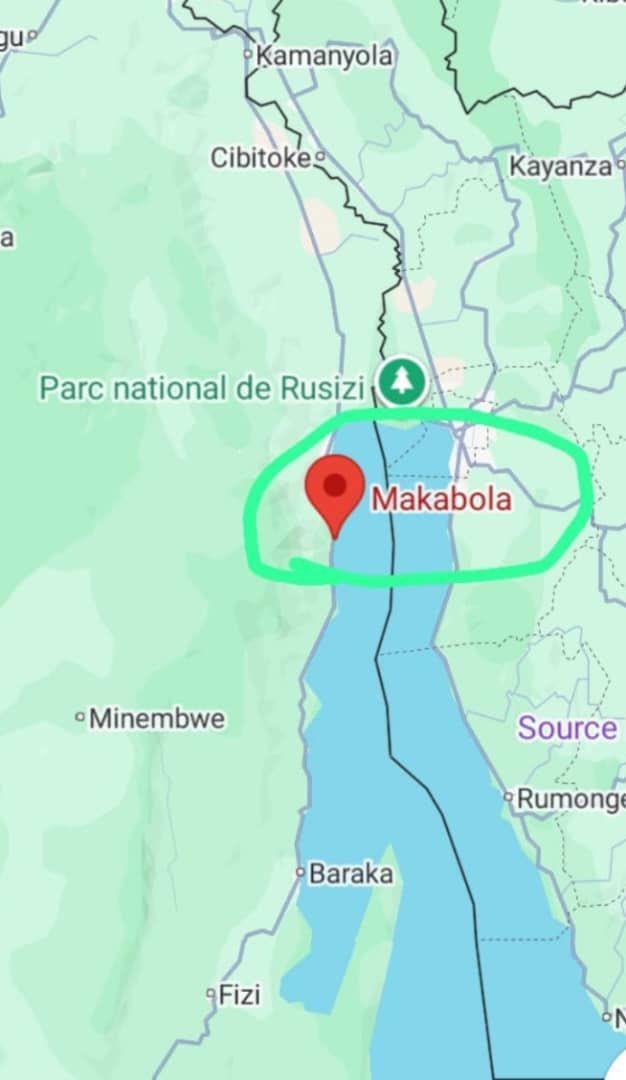
« En mars 1999, avec mon collègue, Dieudonné Rutikanga, on a fermé la frontière de Kamanyola pour empêcher les Rwandais de venir tuer la population dans la plaine de Ruzizi et de Minembwe. Une forte délégation rebelle est venue sur place pour superviser la situation. Tous les officiers ont été obligés de rebrousser chemin, car nous avons refusé d’ouvrir la barrière. »
Avec le recul, le général explique ce geste comme une réponse à un plan plus large visant à vider les territoires de leurs populations afin de fabriquer un récit de persécution justifiant l’invasion.
Pour Olivier Gasita, le salut de la RDC ne viendra pas des divisions communautaires dans lesquelles l’ennemi tente d’enfermer le pays, mais d’une prise de conscience nationale et d’une cohésion sans faille au sein des forces armées.
1/2
2
17
20
3,733

Important reporting here from @olivierliffran.
Confirms that Colonel Gustave Kbwayo, sanctioned by the US Treasury on June 2 as leader of the FDLR’s special forces (CRAP), as a previous UN Group of Experts report claimed, is not in CRAP and in fact a lower level commander.
Also provides insight on Kinshasa’s ongoing collaboration with FDLR and alleged double-dealing. According to Liffran, FARDC-FDLR collaboration has never ceased, and FARDC Major General Ychaligonza discussed the possibility of redeploying FDLR units from FARDC-controlled areas to those controlled by M23 to “support the idea that the main FDLR contingents are now located in rebel-held areas, thereby allowing Kinshasa to justify to international mediators, particularly Donald Trump’s administration, the absence of neutralisation operations against the movement.”
africaintelligence.com/centr…
13
69
81
16,573
Lets talk about the June 2026 Human Rights Watch (HRW) report @hrw on the Great Lakes Region of Africa.
It demonstrates what I consider to be not only a profound bias and irresponsibility in the investigation and reporting of violence, but also the adoption of ethno-nationalist perspectives that, in my view, reinforce narratives associated with genocide ideology.
HRW has increasingly become a platform through which perspectives aligned with the FDLR's ideological framework are amplified. As a result, it is perceived as rarely acting as an independent or impartial observer of violence in the region.
A few months ago, a friend encouraged me to engage with HRW leadership and discuss human rights issues in the DRC. During these exchanges, I shared several concerns.
1. Methodological shortcomings
I argued that HRW's methodology is seriously flawed and often produce unreliable and ethically problematic findings. In my view, there is often a failure to align research methods with rigorous ethical standards and sound scientific principles. Given the sensitivity of conflict environments, such methodological weaknesses can have significant consequences. HRW's response was that it is not primarily a research institution.
2. The problem of omission
I also raised concerns about what I consider to be a pattern of selective omission. In conflict reporting, the deliberate exclusion of crucial context, motives, or relevant facts can shape public perception in a particular direction. I argued that this tendency is particularly visible in HRW's reporting on the DRC conflict. From this perspective, the struggle over narratives is as important as the struggle over physical territory, and the presentation of information can significantly influence international understanding of the conflict.
3. The issue of "good victims," "bad victims," "good perpetrators," and "bad perpetrators"
HRW's reporting appears to apply different standards to different categories of actors. In my own research on the DRC, I described how agencies such as HRW developed a practice of "good victims," "bad victims," "good perpetrators," and "bad perpetrators."
In this framework, I argued that Congolese Tutsi are often treated as "good victims." - the "unwanted or deserved to be killed". When they are subjected to violence, their identity is frequently omitted and they are described simply as "civilians." Pleased check the April 2026 HRW report on South Kivu. HRW describes a few years old humanitarian blockade as "interfering". Likewise, the perpetrators responsible for attacks against them are often not clearly identified. Instead, the violence is sometimes justified.
By contrast, when HRW is reporting on what I termed "bood victims," they are more willing to identify victims by their communal or ethnic identity and to attribute responsibility directly, often to Rwanda or the M23.
Similarly, I argued that certain actors are consistently viewed as "bad perpetrators" and are explicitly named and condemned, while others—including the FARDC, FDLR, Burundian forces, and Wazalendo groups—are "good perpetrators". HRW describes them in ways that appear more justified.
4. Source verification and witness reliability
HRW often relies on witness testimony without being on the ground and sufficient cross-examination or corroboration. As a researcher working on the DRC, I am aware that conflict environments characterised by corruption, political polarisation, and insecurity require particularly rigorous verification procedures.
Participants in such contexts are not merely passive observers; they are often social and political actors whose perspectives are shaped by racial prejudices or personal grievances. Consequently, witness accounts require multiple layers of scrutiny, triangulation, and independent verification before being presented as factual findings.
5. Report on Rwanda is influenced by HRW contentious positionality
HRW representatives stated that Rwanda does not allow the organisation to operate freely within the country. In response, I argued that this situation should not influence the organisation's objectivity or reporting.
Rwanda is a post-genocide society in which media narratives, academic discourse, and public communication are particularly sensitive issues. The 1994 Genocide against the Tutsi demonstrated the devastating role that propaganda, media, and intellectual discourse can play in facilitating mass violence.
For this reason, I believe it is legitimate to examine whether certain forms of reporting, analysis, or framing may unintentionally reinforce hostile narratives or ideological frameworks that contribute to ethnic polarisation in the region.
6. HRW has omitted the Banyamulenge persecution
I also questioned why HRW has devoted relatively no attention to the persecution of the Banyamulenge, which has been ongoing since 2017. In response, HRW representatives referred to their previous reporting on attacks against the Banyamulenge by forces associated with Yakutumba in 2011 and argued that obtaining reliable information from the Minembwe High Plateau has been extremely difficult in recent years.
I found this explanation unconvincing. In my view, despite years of reported violence, repeated military operations, aerial bombardments, and the worsening humanitarian situation in the High Plateau region, HRW appears to have limited awareness of events affecting Banyamulenge communities.
HRW is not merely an external observer but has become a social actor whose reporting influences the political and informational environment surrounding the conflict. Its narratives align more closely with the perspectives advanced by the FARDC, Wazalendo groups, Burundian forces, Imbonerakure elements, and the FDLR than with the experiences and grievances expressed by the tartgeted communities.
Whether one agrees with this assessment or not, these concerns raise broader questions about source selection, representation of victims, balance in conflict reporting, and the responsibility of international human rights organisations operating in highly polarised environments.
2
19
20
771

Jun 12
RT @CoulibalyBojana: Global Witness unethical reporting on Rwanda fuels farther tensions in a conflict-ridden region.
The latest claims by…
62
Jun 11
RT @YolandeMakolo: Human Rights Watch on Rwanda is a 30-year pattern: anonymous claims, no site visits or forensics, sanctions first and in…
299
Alex Mvuka, Ph.D. retweeted

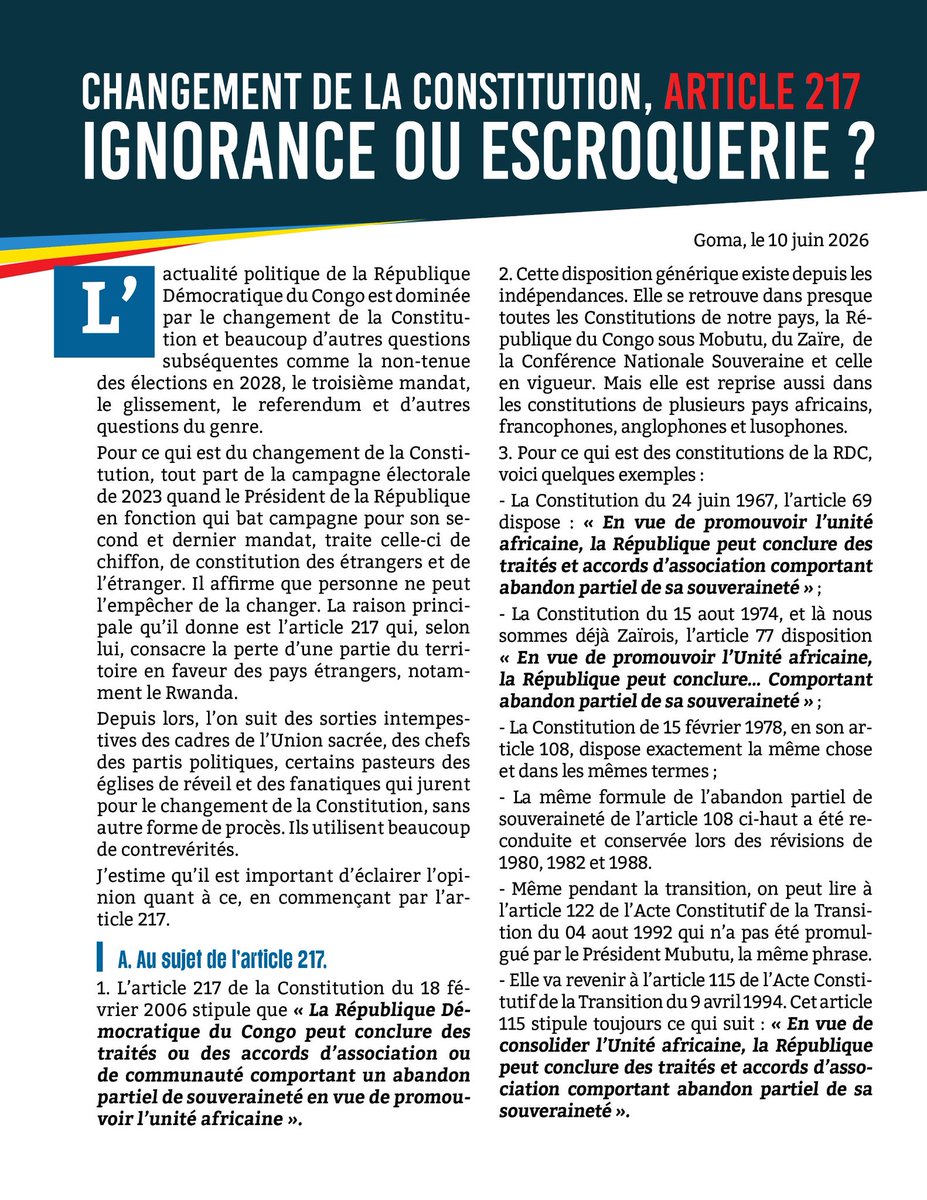
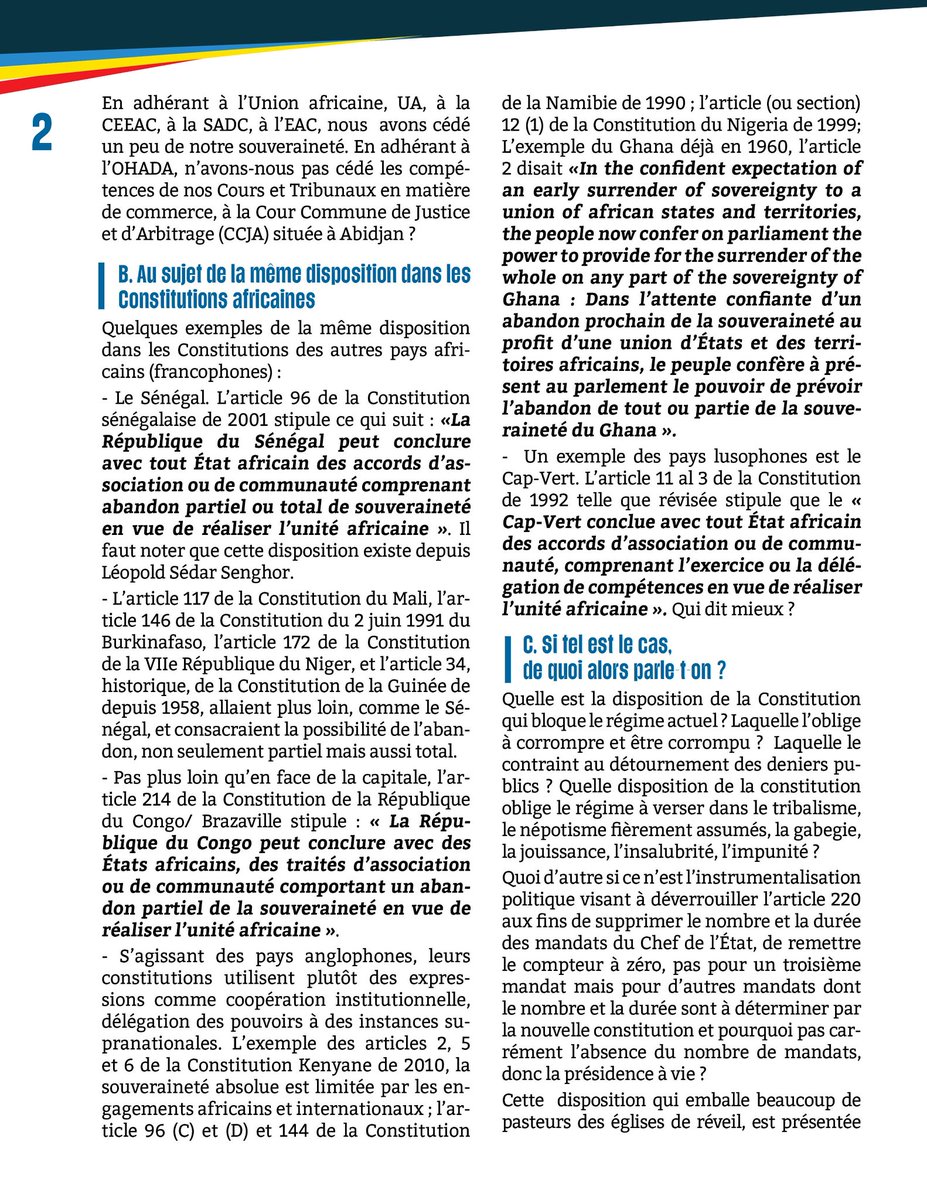
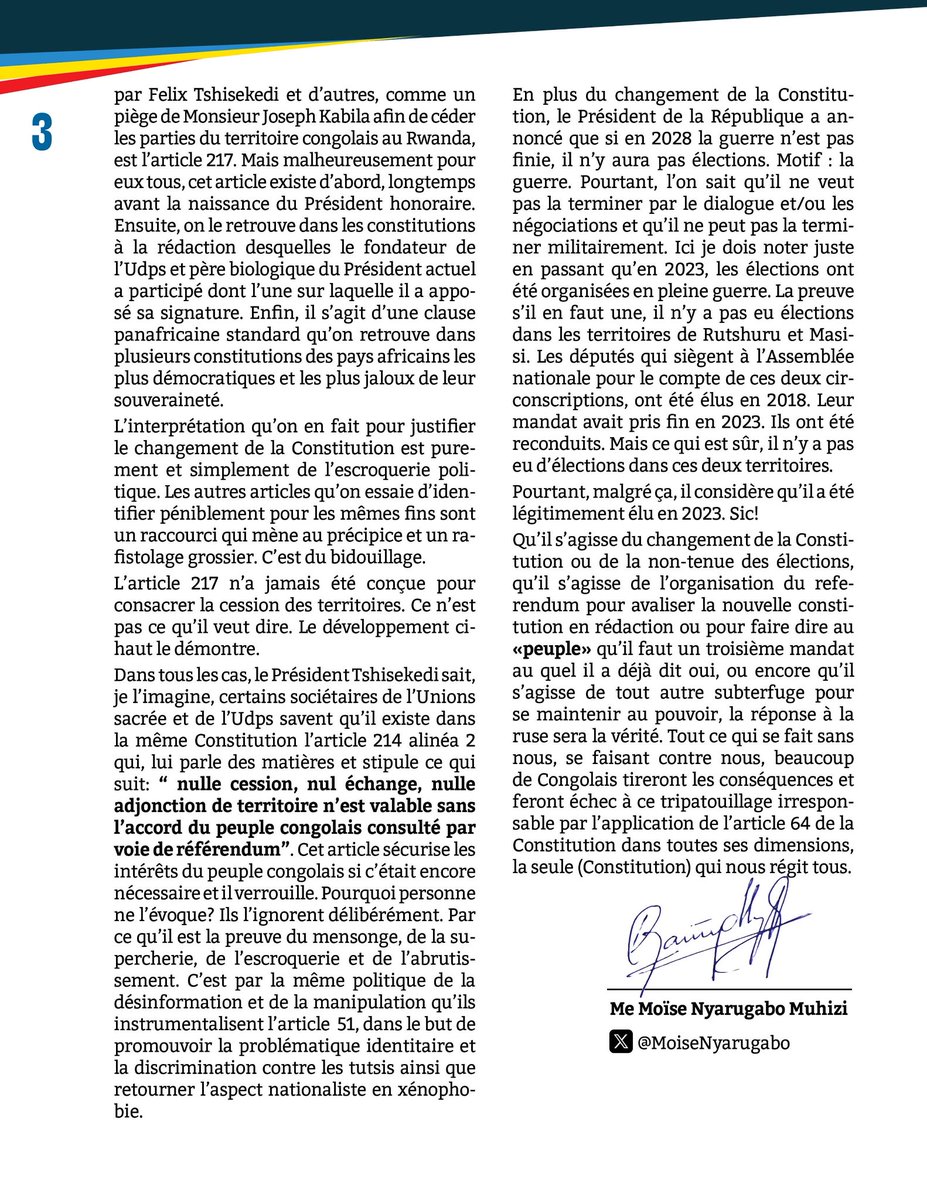
J’ai fait une réflexion sur l’article 217 que Tshisekedi utilise pour le changement de la constitution. Monsieur Tshisekedi, l’Union sacrée, l’udps et certains pasteurs qui ont déposé la bible aux pieds d’un homme, la croix au profit de l’écharpe de partis politiques, l’évangile au profit d’une idéologie mensongère, tous présentent cet article comme un piège de l’ancien président visant à céder des parties du territoire aux pays étrangers, notamment le Rwanda.
Je me suis demandé s’il s’agit de l’ignorance ou de l’escroquerie.
Cet article existe dans nos constitutions avant que le Président honoraire Joseph Kabila ne soit né. Depuis la Constitution de 1967 co-écrite par Étienne Tshisekedi et co-signée par lui jusqu’à l’acte constitutionnel de la transition de 1994 en passant par la constitution de 1974, 1978, 1980, 1982, 1988 et l’acte constitutionnel de 1992 de la CNS non promulgué par Mobutu, cet article est bien là.
La même disposition existe dans la plus part des constitutions africaines.
Lire la note si dessous pour les détails.
Une question à Monsieur Félix Tshisekedi. Comment vous pensez que votre constitution de demain sera opposable à ceux que vous ignorez aujourd’hui? Même s’il est vrai que quand on dépasse les bornes il n’y a plus de limites, il est aussi vrai qu’il y a toujours une limite à tout. Arrêtez avec l’obscurantisme. @realDonaldTrump, @StateDept , @US_SrAdvisorAF, @_AfricanUnion, @ymahmoudali, @antonioguterres, @WilliamsRuto , @PaulKagame, @edmnangagwa, @KagutaMuseveni, @SuluhuSamia, @FelixTshis13, @GeneralNeva, @MofaQatar_EN, @jumuiya, @SADC_News, @JDVance @CyrilRamaphosa, @onduhungirehe, @marcorubio, @EmmanuelMacron, @MONUSCO,@PresidenceTg, @FEGnassingbe, @FelixTshis13 , @kajakallas, @eucopresident, @volker_turk, @HuangXia16, @prevotmaxime, @kikayabinkarubi.
55
46
77
4,809
Jun 9
The ethnic identity politics in DR Congo are fundamentally domestic in origin newtimes.co.rw/article/36359…
12
29
1,248
Jun 9
My analysis in the Southern African Times 👇
How DRC President Leveraged Geopolitics to Secure Political Survival via @TSatNewslive southernafricantimes.com/how…
2
10
21
1,546
Jun 8
#RDC Le paradoxe : pourquoi un Nord-Kivu sans fragmentation des groupes armés ne semble-t-il pas susciter l’intérêt des acteurs internationaux ?
Au début de l’année 2022, je menais des recherches au Nord-Kivu. J’ai parcouru les territoires de Rutshuru, Masisi, Nyiragongo et Kalehe. J’ai emprunté l’axe Goma–Kitshanga, puis Mweso jusqu’à Kalembe, en direction de Pinga (Walikale). J'ai visité quelques villages autour de Nyanzale, mais cette localité était alors devenue un bastion des FDLR. J’ai également faix l'axe Goma-Sake- Masisi. J’ai couvert Nyiragongo, Kibumba, Rumangabo, Kiwanja ainsi que les zones en direction de Kanyabayonga.
L’un des projets que j’avais entrepris consistait à réaliser une cartographie des groupes armés. J’en avais identifié plus de 90 mais presque la moitié avaient des alliances avec les FDLR ou FARDC. Les FDLR étaient les plus efficaces et imposaient l'ordre dans certaines localités.
Dans certaines zones, notamment dans la chefferie de Bashali Mokoto, il était courant d’observer des interactions entre les FARDC et les groupes armés locaux, en particulier les APCLS et les Nyatura. Kishishe était également un bastion des FDLR.
Il y avait des barrières partout, tenues soit par les FARDC, soit par des groupes armés. Il n’y avait presque aucune différence entre ces deux acteurs aux yeux de la population. Tous deux la rançonnaient et l’intimidaient. Les enlèvements étaient également fréquents.
Je me souviens de ma question naïve à mon chauffeur : je lui avais demandé où se trouvaient les kidnappeurs. Il m’a répondu en sarcasme : « Tu m’as vu parler depuis trente minutes !? Ici, nous sommes dans une zone de kidnappeurs. » À cet instant, mon privilège de consulter tranquillement mon WhatsApp en communication avec l'Europe n’était plus agreeable ; avec la frousse, j'ai gardé mon portable dans un petit sac. Avoir un réseau de telephone ou pas n'était plus important. Juste quelques jours, j’avais eu une longue discussion avec Mgr Ngabu. Au cours de cette rencontre, j’ai assisté à un échange téléphonique entre lui et des kidnappeurs qui détenaient plusieurs femmes.
Mon chauffeur m’a également rappelé, en swahili : « Unajua juu ya nini tulikuya na mwenzetu chauffeur nyuma yetu, na hana mwengine mtu anabeba ? » (« Savez-vous pourquoi un collègue chauffeur roule derrière nous sans passager ? »). Je lui ai répondu : « Oui, bien sûr. C’est parce qu’il va peut être dans une mission de travail aussi?. »
Il m’a alors dit : « Non. Il s’agit de mesures de sécurité. Il est venu nous accompagner au cas où nous tomberions en panne dans une zone d’insécurité ou en cas de kidnapping. Nous communiquons par radio. ». C’est à ce moment-là que j’ai commencé à comprendre pourquoi tous nos déplacements devaient être approuvés au préalable par les services de sécurité de la MONUSCO.
Toutes ces zones étaient classées zones rouges par les ambassades des pays européens à Kinshasa. Il y avait juste des mois après l’assassinat de l’ambassadeur italien, Luca Attanasio.
Une autre préoccupation concernait la situation sécuritaire à Goma. Il y avait de nombreux assassinats dans la ville. Celle-ci était profondément marquée par l’insécurité, qui devenait difficile à contrôler.
Aujourd’hui, toutes ces zones sont sécurisées et stabilisées. Pourquoi cela n’est-il pas un sujet d’intérêt pour la plus part des acteurs internationaux? Pourquoi la présence de plus de 90 groupes armés, l’activisme des FDLR, les enlèvements et l’insécurité entretenue par des bandits armés à Goma semblent-ils être davantage souhaités par ces acteurs internationaux que leur disparition ?
6
29
71
7,072
Jun 7
#RDC - A form of apartheid practiced by black people against other black people in the DRC
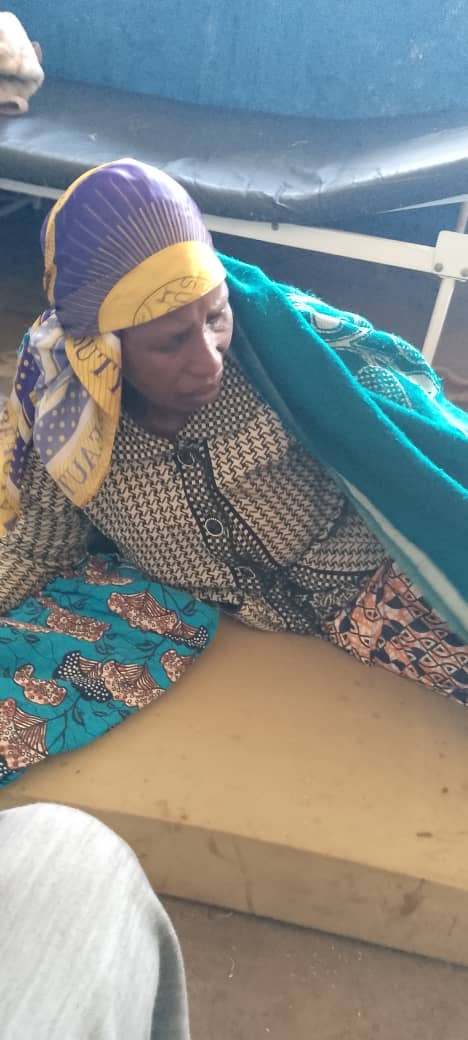
In South Kivu, in the DRC, there is a situation resembling a form of apartheid or internal segregation, in which Black populations discriminate against and persecute daily other Black populations on the basis of ethnicity, identity, language, physical features, or assumed origin.
Nine years of siege affecting Minembwe and the entire Highlands of Itombwe;
Nine years of systematic destruction that has reduced more than 90% of Banyamulenge villages and churches to ruins;
Nine years of systematic looting and killing of approximately 700,000 head of cattle belonging to the Banyamulenge;
Nine years of targeted massacres that have claimed the lives of thousands of Banyamulenge civilians;
Nine years of arbitrary arrests (based on physyical features) of thousands of young Banyamulenge, followed by their transfer to prisons in Kinshasa;
Nine years of genocidal hate speech and incitement to violence directed against the Banyamulenge;
Nine years marked by recurrent lynchings of individuals identified as belonging to the Banyamulenge/Tutsi communities.
Nine years of attempts at ethnic cleansing and the displacement of the Banyamulenge from their ancestral lands;
Nine years of confinement in camps where populations have been deprived of freedom of movement and adequate access to humanitarian assistance;
Nine years of persecution of the Banyamulenge by a coalition composed of the FARDC (Armed Forces of the Democratic Republic of the Congo) and Mai-Mai groups;
Nine years of indiscriminate bombardment, more recently characterized by the regular use of drones;
Nine years of silence from human rights organizations and Western powers regarding the suffering endured by the Banyamulenge of the Highlands. This silence is often justified by the reluctance to confront the DRC government and the fear of losing economic interests, especially mineral deals. It is also justified by the fact that hate toward the Banyamulenge/Tutsi in the DRC has become politically acceptable.
Nine years marked by acts of persecution targeting individuals because of their perceived membership in the Tutsi community.
Nine years of resistance by young Banyamulenge, like the Ukrainians, under the banner of Twirwaneho, and of resilience by their families in the face of what they regard as an existential threat.
3
38
49
2,795
Alex Mvuka, Ph.D. retweeted

Jun 7
#RDC: ‼️🚨Exclusif Cable | L’Angola se retire du projet de dialogue intercongolais, invoquant le non-respect des engagements par le gouvernement de Kinshasa
L’Angola ne prendra pas part au dialogue prévu à Kinshasa , apprend-on de source proche du dossier. Luanda estime que les engagements pris par le gouvernement de Kinshasa n’ont pas été respectés.
« Même après sa victoire militaire contre Jonas Savimbi, l’Angola avait privilégié la voie du dialogue inclusif. L’expérience montre qu’une solution durable passe par des discussions ouvertes entre les différentes parties », affirme cette source diplomatique.
242
249
1,074
132,423
Jun 3
"The rhetoric of ‘non-natives’ in DR Congo: Echoes in current ethnopolitics" newtimes.co.rw/article/36229…
25
30
1,274
Alex Mvuka, Ph.D. retweeted

Près d’un an après la signature initiale d’un accord de paix soutenu par les États-Unis entre la RDC et le Rwanda, le débat américain sur les Grands Lacs change de tonalité. Dans une tribune publiée par Newsweek sous le titre “Washington Must Get Tough on Kinshasa To Bring Peace to Congo”, Liam Karr et Yale Ford estiment que Washington doit désormais « mettre la pression » sur Kinshasa s’il veut sauver les accords de Washington.
Le texte n’est pas une position officielle de la Maison-Blanche. Mais il mérite attention. Ses auteurs ne sont pas de simples commentateurs. Liam Karr est responsable de l’équipe Afrique du Critical Threats Project, tandis que Yale Ford y est analyste. Cette structure est rattachée à l’American Enterprise Institute, l’un des think tanks conservateurs influents de Washington, proche des milieux stratégiques, sécuritaires et républicains.
Autrement dit, cette tribune parle d’abord à Washington. Elle cherche à convaincre l’administration Trump que la paix dans les Grands Lacs ne peut plus reposer uniquement sur la pression contre Kigali, mais doit aussi passer par des contraintes imposées à Kinshasa.
Kinshasa accusé de jouer les “spoilers”
La charge est sévère. Selon les deux auteurs, les États-Unis ont récemment pris des mesures fortes contre le Rwanda : sanctions, restrictions de visas, pressions diplomatiques, sanctions contre l’armée rwandaise et contre l’ancien président Joseph Kabila, accusé d’appui politique et financier au M23. Mais, en parallèle, Kinshasa aurait bénéficié d’un traitement plus favorable.
Les auteurs rappellent que la RDC a signé un partenariat stratégique avec les États-Unis, notamment autour des minerais critiques, du Copperbelt et du corridor de Lobito. Ils soulignent aussi l’alignement de Kinshasa sur certaines priorités migratoires de l’administration Trump. Dans leur lecture, Tshisekedi serait devenu un partenaire utile, mais insuffisamment contraint.
Le passage le plus dur est sans ambiguïté : “Congo is playing spoiler under Washington’s nose” — le Congo jouerait les saboteurs sous le nez de Washington.
Ils accusent Kinshasa d’avoir intensifié les attaques terrestres et par drones, de ralentir les mesures de confiance dans les négociations de Doha, de maintenir des liens avec des groupes armés non étatiques et de ne pas neutraliser les FDLR, considérées par Kigali comme une menace existentielle.
Une lecture alternative du conflit
La tribune reprend plusieurs éléments proches de l’argumentaire rwandais. Elle affirme notamment que le M23 aurait été « largement sur la défensive depuis décembre » et aurait même cédé du terrain en réponse aux demandes américaines. Ce qui est factuel. À l’inverse, elle présente l’armée congolaise et ses partenaires comme des acteurs ayant poursuivi l’escalade.
Pour Kinshasa, cette lecture est difficilement acceptable. Elle relativise l’argument central de la RDC : le M23 n’est pas une rébellion autonome, mais un mouvement appuyé par une armée étrangère. Elle tend aussi à transformer une agression extérieure en conflit interne à régler par concessions mutuelles.
Plus grave encore, les auteurs suggèrent que Washington devrait pousser Tshisekedi à accepter une forme de contrôle transitoire du M23 sur les territoires actuellement occupés comme préconisé dans les drafts de Doha. Pour Kinshasa, ce serait presque une reconnaissance politique de conquêtes obtenues par les armes.
Le troisième mandat : le point le plus explosif
Mais la partie la plus sensible de la tribune dépasse la guerre de l’Est. Liam Karr et Yale Ford accusent Tshisekedi d’utiliser la poursuite du conflit pour justifier un durcissement interne, criminaliser l’opposition et préparer une réécriture constitutionnelle susceptible de retarder les élections de 2028 ou d’ouvrir la voie à un troisième mandat.
C’est ici que le texte devient potentiellement dangereux pour Kinshasa. Car le troisième mandat n’est pas une simple controverse politique en RDC. Il touche au verrou constitutionnel.
16
46
79
10,457
Alex Mvuka, Ph.D. retweeted
Ce récit est d’une exactitude millimétrée (j’en été personnellement témoin) Kyungu et N’gunz Karli-i-Bond ont été les larbins de ce crime pour le compte du maître d’œuvre Joseph Mobutu,
ceci dit, une telle action raciste communautaire à des fins politiques (réduire l’UDPS D’Etienne) ne justifie pas 45 ans plus tard un comportement similaire avec cette fois un but à la fois une action politique contre Kabila et en même temps établir un écran de fumée pour camoufler les pillages massifs des remblais au Katanga par la famille présidentielle…
on attend toujours les résultats de l’enquête initiée par le parquet bruxellois contre neuf membres de la famille présidentielle détenant des passeports belges, l’instruction ouverte concerne les points cités plus haut, pillage au (ex) Katanga,
"La real politik" et "le manque de courage font probablement la différence"
VR
2
6
498
Jun 1
#RDC - Le phénomène des « non-originaires » en RDC et le contexte politique actuel à Kinshasa.
Dans les années 1990, le Katanga a chassé les Baluba du Kasaï en les considérant comme des « non-originaires ». Non seulement Mobutu s’est abstenu d’intervenir dans ce conflit, mais il a aussi instrumentalisé certaines élites kasaïennes à Kinshasa afin de masquer sa responsabilité, tout en orchestrant les violences dirigées contre leurs frères baluba du Kasaï établis au Katanga. Cette situation présente certaines similitudes avec le contexte politique actuel à Kinshasa.
En 1991, deux hommes politiques importants se retirèrent de l’Union sacrée de l’opposition dirigée par Étienne Tshisekedi wa Mulumba. Ces deux Katangais étaient Jean Nguza Karl-i-Bond et Gabriel Kyungu wa Kumwanza. Ils rejoignirent l’Union des forces fédéralistes et républicaines (UFERI). Nguza devint Premier ministre et Kyungu gouverneur du Katanga. Tous deux devinrent des instruments de Mobutu pour déclencher des violences contre les Baluba. Afin d’approfondir davantage la division entre les deux régions, Mobutu nomma en 1992 Étienne Tshisekedi wa Mulumba au poste de Premier ministre. Les tensions s’aggravèrent.
On assista alors à une prolifération de discours de haine utilisant des termes comme « bilulu » (insectes) ou « bifwakiyo » (balayeurs) pour désigner les Kasaïens. Une violence extrême, fondée sur une attitude xénophobe, se développa. Des milliers de personnes furent déplacées vers le Kasaï. Dans le même temps, Mobutu se servait de certains Katangais pour chasser les Baluba, tout en utilisant des personnalités kasaïennes, afin de démontrer qu’il n’existait aucune politique discriminatoire contre les Baluba. Certains des elites du grand Kasai etaient: Étienne Tshisekedi wa Mulumba, Joseph Ngalula wa Mpandajila, André Bobo-liko, Bernardin Mungul Diaka, Frederic Kibassa Malimba, Lambert Mende Omalanga.
À mesure que le conflit s’intensifiait, il fut présenté comme une expression du malaise des autochtones face à la prépondérance de populations considérées comme étrangères au Katanga — une forme de racisme entre Noirs orchestrée depuis Kinshasa.
Les Yaka comme « non-originaires »
En 2022, un conflit sanglant éclata entre les Teke et les Yaka dans le territoire de Kwamouth, dans la province du Maï-Ndombe. Les troubles se propagèrent également aux régions voisines, notamment le Kwilu, le Kwango et la périphérie de Kinshasa.
Les Teke se considèrent comme les premiers occupants et les détenteurs légitimes des terres. Leurs chefs voulurent imposer des taxes aux Yaka, considérés comme des non-originaires. Ces derniers refusèrent. La violence commença avec le soutien de certains acteurs politiques au niveau du pouvoir central. Une confrontation dégénéra en violences, en destructions de biens et entraîna la mort d’un métayer. Le rôle du pouvoir central paraissait évident.
Il y a une ironie historique dans le fait que Félix Tshisekedi, issu d’une communauté qui fut autrefois victime du statut de « non-originaire » au Katanga, soit aujourd’hui tenu pour responsable de politiques fondées sur une perception similaire à l’égard des Banyamulenge.
Félix Tshisekedi mène une politique hostile aux Tutsi congolais en soutenant l’idée qu’ils ne seraient pas originaires du pays. Il conduit des attaques systématiques contre des civils banyamulenge et tutsi à l’aide de drones. Il affirme vouloir provoquer un changement de régime au Rwanda, perçu comme de Tutsi. Il mobilise également des opposants rwandais, y compris des personnes accusées d’avoir participé au génocide, dans le cadre de manœuvres populistes destinées à favoriser une révision constitutionnelle. Au Sud-Kivu, comme Mobutu le faisait autrefois, Félix Tshisekedi s’appuit sur certains Banyamulenge pour convaincre les partenaires internationaux que cette communauté ne subit pas de persécutions. Selon cette lecture, certains sont prêts à sacrifier les leurs pour des avantages financiers, à l’image de certains responsables politiques kasaïens durant les persécutions des Baluba.
Une leçon d'histoire au president Felix Tshisekedi
Cher président Félix Tshisekedi, la presence de Baluba du Kasaï installés au Katanga remonte à l’époque coloniale. Les autorités coloniales estimaient que la population locale ne suffisait pas aux besoins de l’industrie minière du cuivre et du cobalt. Elles firent donc appel à une importante main-d’œuvre provenant du Kasaï oriental, du Rwanda, du Burundi et d’autres régions de la colonie belge, jugées plus aptes au travail de production. Ces populations venues d’ailleurs occupèrent progressivement des postes dans tous les secteurs de la société. La jalousie et les frustrations de certaines populations locales finirent par alimenter le mécontentement.
Les manipulations politiques des identités locales existent depuis l’indépendance du Congo. Les responsables politiques exploitent souvent le sentiment de rejet de l’autre. Pourtant, ces croyances reposent sur des récits mythifiés.
Parmi les populations katangaises, plusieurs groupes sont eux-mêmes issus de migrations anciennes, parfois survenues à des périodes comparables à celles des ancêtres des Banyamulenge. Vers 1856, un groupe de Banyamwezi quitta l’actuelle Tanzanie sous la conduite de Msiri, commerçant originaire de l’Unyanyembe, dont la capitale actuelle est Tabora. Il s’installa dans le sud du Katanga, où il fonda le royaume de Garengaze. Devenus Congolais à l’époque de l’État indépendant du Congo, ces Banyamwezi d’origine tanzanienne donnèrent naissance aux actuels Bayeke du Katanga.
De même, les Chokwe ont des origines angolaises. Quant aux Banande du Nord-Kivu, ils sont apparentés aux Bakonzo d’Ouganda, avec lesquels ils partagent des liens historiques et culturels. Certains sont devenus Congolais, tandis que d’autres sont demeurés Ougandais.
La RDC est responsable de conflit actuel en RDC
Personne ne peut être considéré comme un « non-originaire » dans son propre pays. Au Burundi, la notion de « non-originaire » n’existe pas dans l’organisation politique ou administrative du pays. De même, au Rwanda, il n’existe pas de statut comparable fondé sur l’idée qu’un citoyen serait moins légitime qu’un autre en raison de ses origines régionales.
Le phénomène des non-originaires en RDC ne révèle pas seulement l’absence de l’État ; il met également en lumière le rôle que l’État congolais peut jouer dans des violences locales. Il témoigne de son incapacité à réguler efficacement les relations sociales. Il révèle aussi la superposition de plusieurs formes de pouvoir, créant parfois l’impression de micro-États à l’intérieur de l’État. Ces échecs de gouvernance sont devenus un problème sécuritaire qui dépasse les frontières de la RDC et affecte également ses voisins. Le mal congolais est avant tout un problème congolais.
10
31
36
5,213
May 31
"One would think that Congo is behaving like a model peace partner, but this is far from the truth. While M23 has been largely on the defense since December and even ceded ground in response to U.S. demands, the Congolese army and its partners have only increased drone and ground attacks, sometimes killing civilians in urban areas". newsweek.com/washington-must…
1
14
26
1,654
May 31
La RDC : Un État fantôme et une nation inachevée. Réflexions sans complaisance d'un juriste politologue — Poliscoop Media poliscoopmedia.com/articles/…
13
20
886