BioDynaMo is a platform through which life scientists can easily create, run, and visualise three-dimensional biological simulations.

Joined November 2020
14 Photos and videos
BioDynaMo retweeted
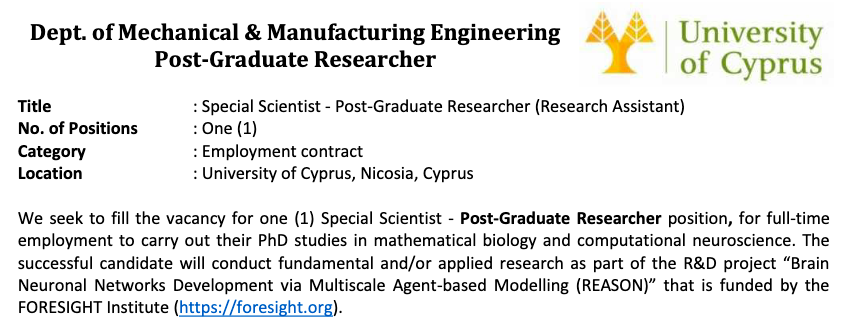
šŸ”¬šŸ¤–AI Cryobiology PhD Opportunity! Thousands of organs are discarded yearly due to short shelf lives. We’re using AI, Machine Learning, and BioDynaMo to revolutionize organ banking through better cryopreservation. šŸ”¹The Project: • AI-driven discovery of new cryoprotectants • 3D Agent-Based Modelling (@BioDynaMo_org ) • In-vitro experimental validation • Collaboration with Oxford Cryotechnology šŸ“ @UniOfSurrey šŸ’°UK Home fees travel/conference funding covered. Collaboration with Oxford Cryotechnology and @jpsenescence . If you have a background in CS, Data Science, or CompBio: apply now! Learn more: surrey.ac.uk/fees-and-fundin… #PhD #AI #Bioinformatics #MedTech @BioDynaMo_org @jpsenescence

1
6
25
3,184
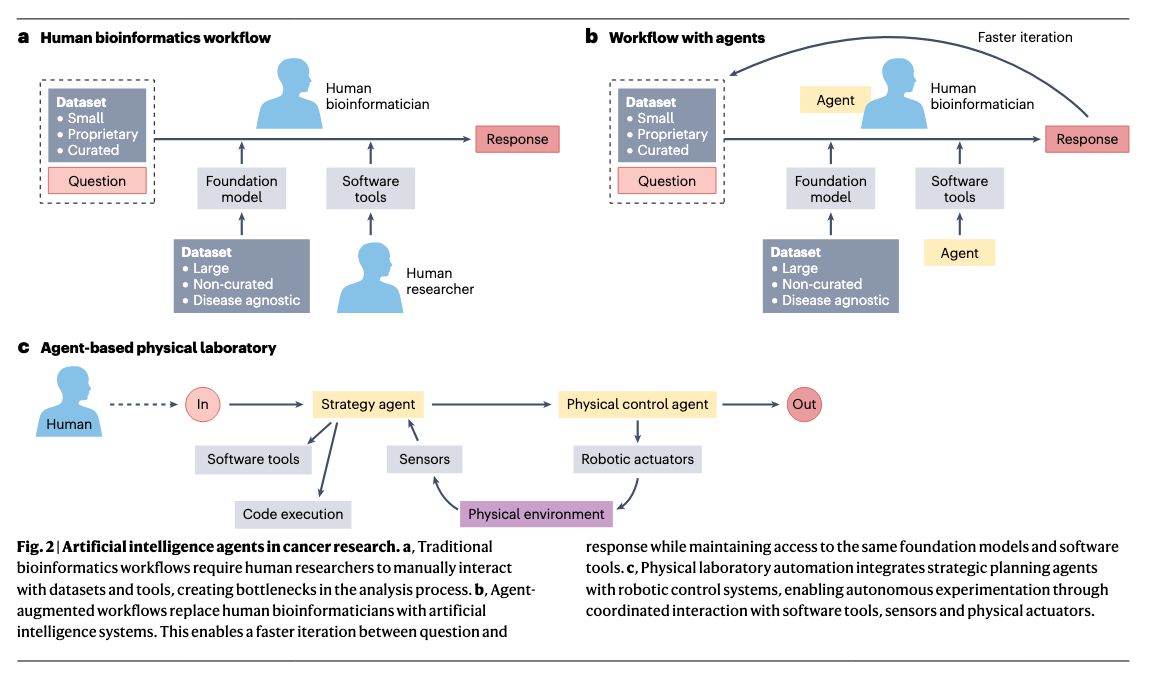
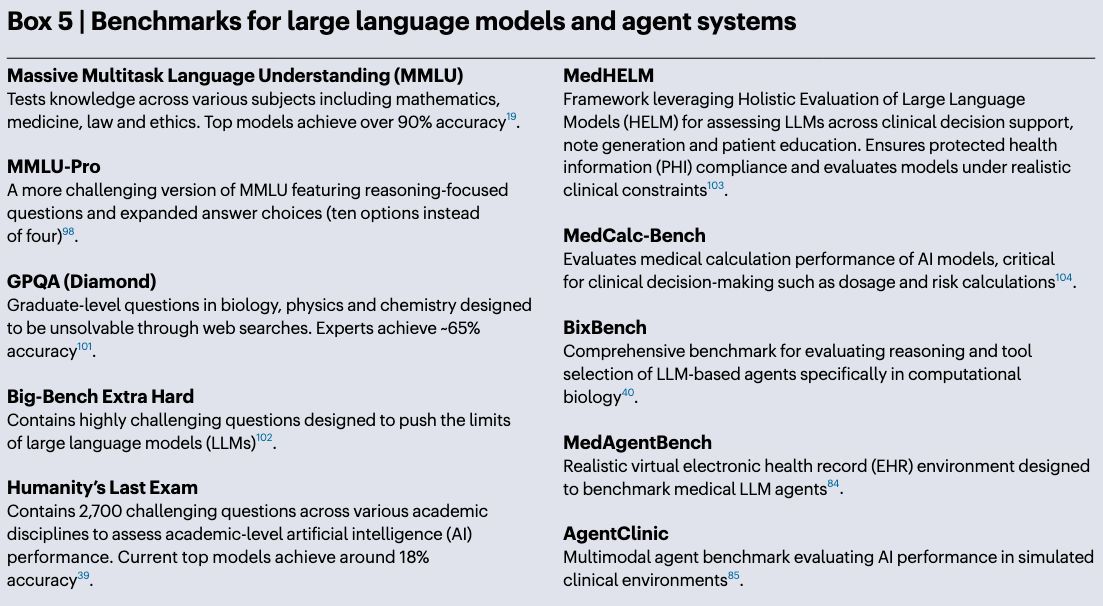
AI agents in cancer research and oncology nature.com/articles/s41568-0… šŸ§¬šŸ’»šŸ§Ŗ read free: rdcu.be/e1l3z
3
32
131
7,925
BioDynaMo retweeted
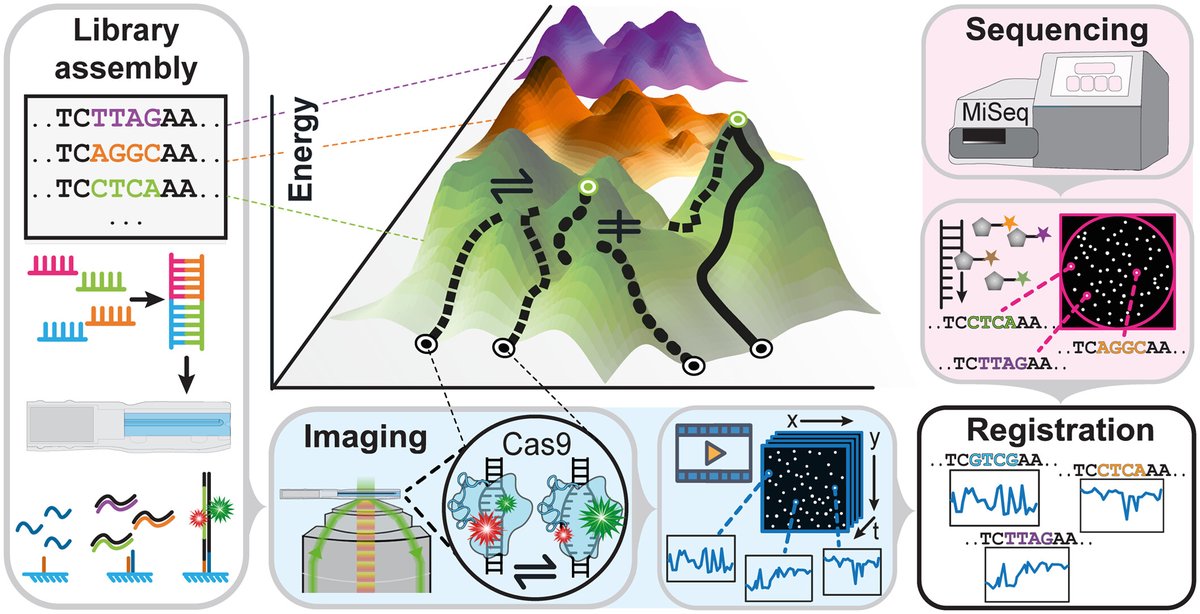
A new #ScienceReview investigates new approaches that track the real-time dynamics of hundreds of thousands of individual molecules and then read out the exact sequence of each one. By linking sequence to kinetic ā€œbehavior profiles,ā€ these methods open new routes to understanding mutations, drug action, and molecular mechanisms. Learn more: scim.ag/3LUmm7a
8
43
175
22,666
BioDynaMo retweeted
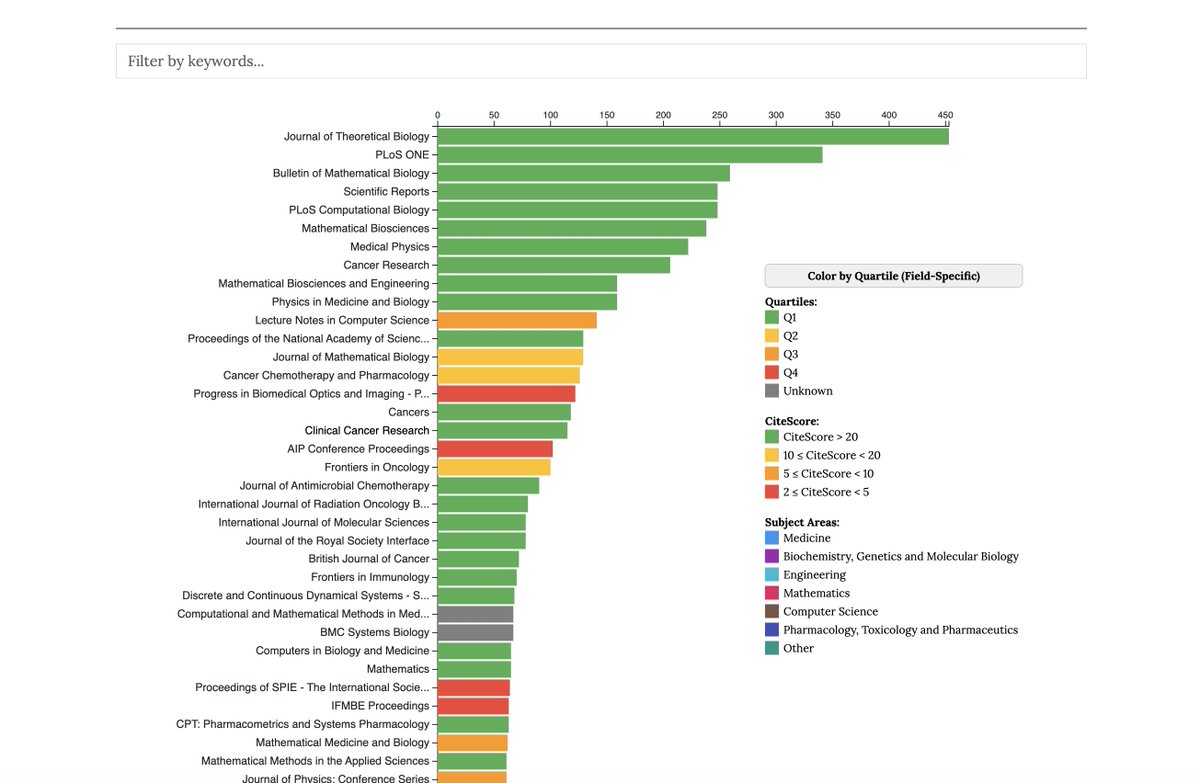
Where can I publish my math oncology paper? We just created the definitive interactive tool: mathematical-oncology.org/jo…
3
9
48
3,650
BioDynaMo retweeted
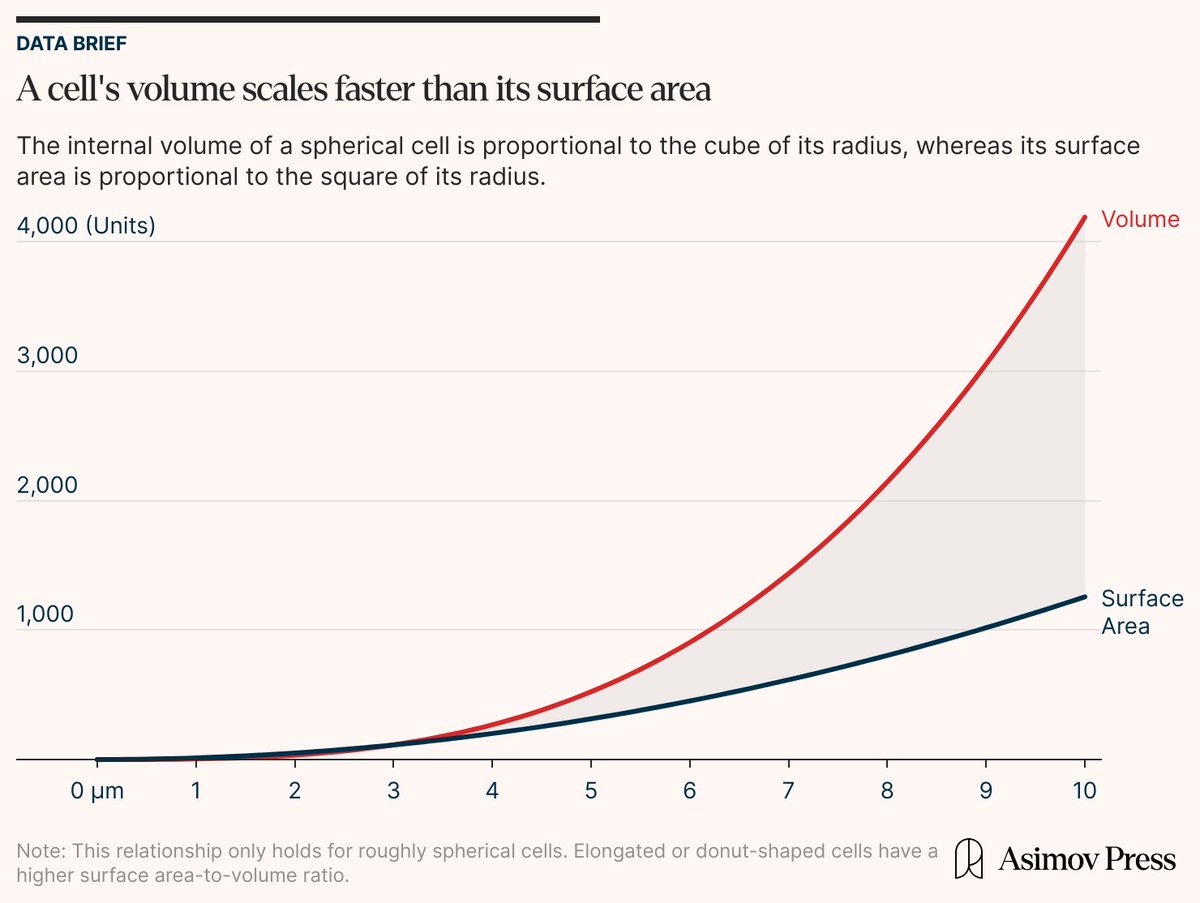
What limits a cell's size? One factor (and I'll explore others in an upcoming essay) is its surface area-to-volume ratio. A semi-spherical cell's internal volume grows proportionally to the cube of its radius, and its surface area grows proportionally to the square of that radius. A cell’s volume thus grows much more swiftly than its surface area. This ratio has serious consequences for cellular survival, though. The cell’s membrane funnels nutrients into the cell and secretes waste. So if the interior grows too large relative to the cell membrane, the cell’s metabolic processes slow to a crawl. A new study reveals that some mammalian cells have evolved a mechanism to keep their surface area-to-volume ratio CONSTANT even as the cell grows. They do this by folding their plasma membranes hundreds of times to increase *effective* surface area, thus helping them maintain high levels of nutrient uptake. There are other ways to get around this limit, too. Case in point: a giant bacterium called Thiomargarita magnifica can exceed one centimeter in diameter, so large that it is visible by the naked eye. It does so by filling between 65-80 percent of its internal volume with an empty vacuole. In other words, it pushes most of its ā€œworkingā€ molecules to the cell periphery, thus shortening diffusion distances. All this, and much more, in a forthcoming essay for @AsimovPress.
4
37
238
17,695
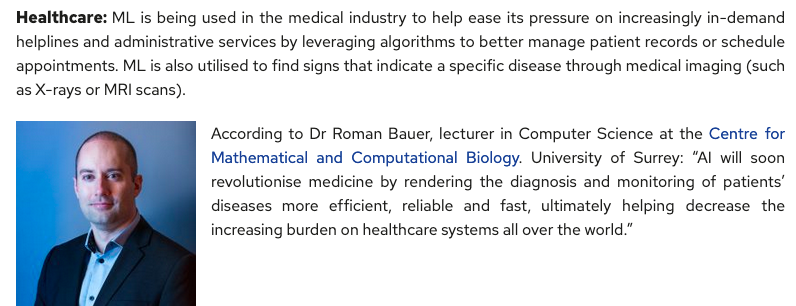
Our spokesperson @romanbauer111 has been a 2024 Fellow of the @foresightinst Thus, he has had the opportunity to share his wisdom about computational biology with a wider audience of brilliant people. Here are 2 of his interviews/lectures -> blog.biodynamo.org/2025/03/B…

1
3
83
BioDynaMo retweeted
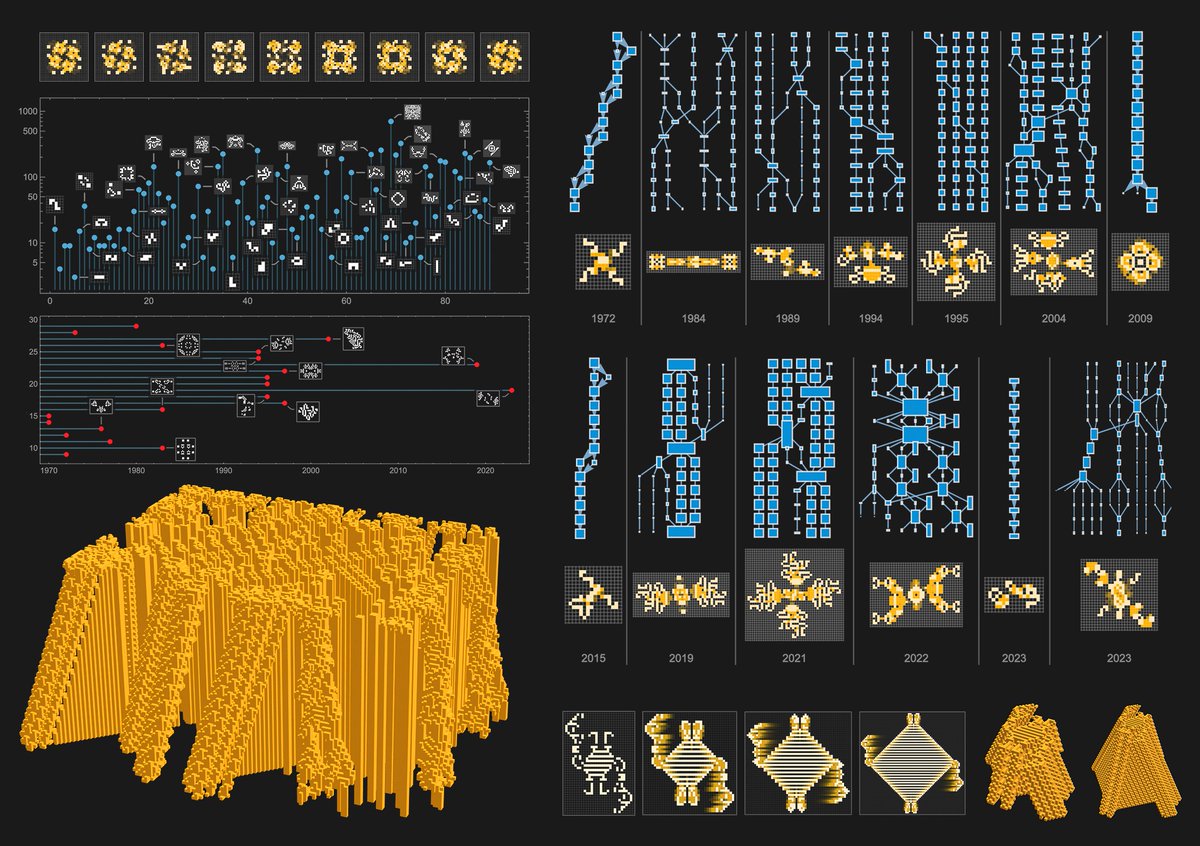
From the point of view of science I've never been too excited about the Game of Life.Ā But now I realize that what's really exciting about it is what it tells us about what we can call metaengineering. That half century of impressive Life hacking gives us a uniquely clean example of an arc of engineering progress, the role of invention vs. discovery, and possible "laws of innovation"... writings.stephenwolfram.com/…
38
234
1,549
95,458
BioDynaMo retweeted
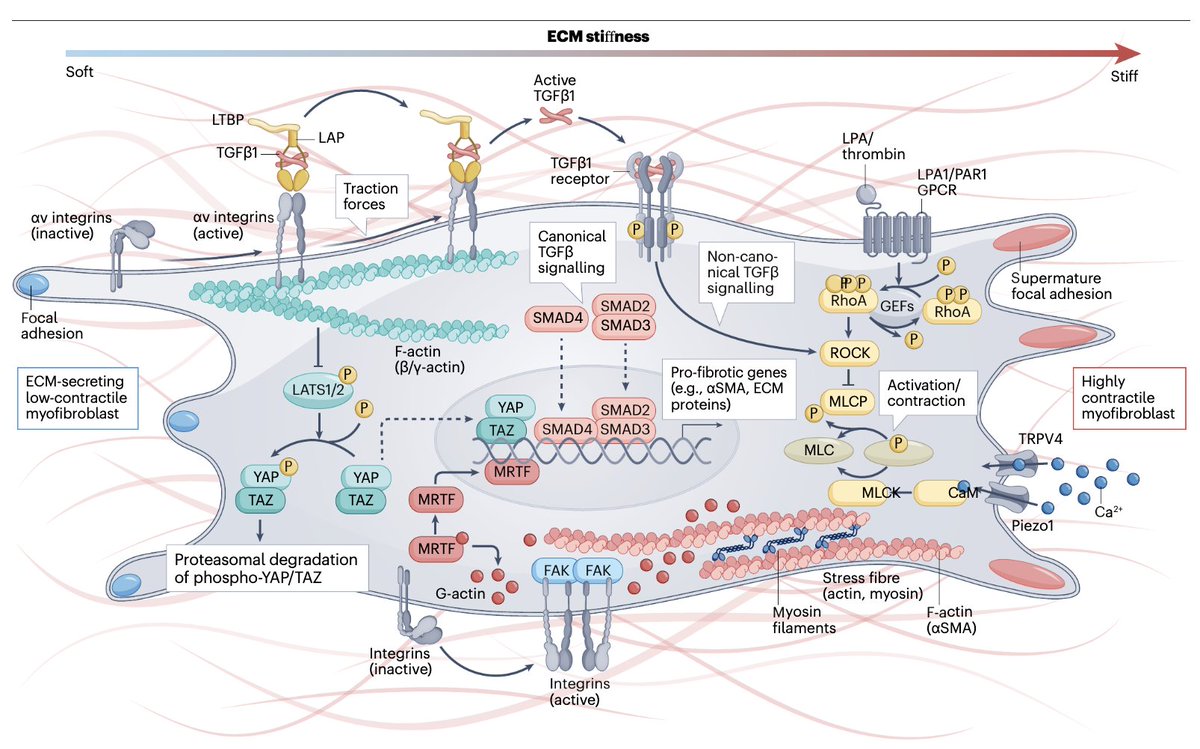
Fibrosis is a typical tissue injury pattern for age-related diseases. Targeting fibrosis is a major front in the path to anti-aging therapeuticsšŸ’Š This review sums a massive amount of literature on the biology of fibrosis and the evolving drug development landscapeā—ļø šŸ”“open access linkšŸ‘‡
1
22
124
12,160
NetBioMed 2025 Bringing together researchers on Machine Learning, Digital Twins and Complex Systems towards solving problems in biology and medicine. June 2nd, 2025 @ Maastricht, the Netherlands netbiomed2025.github.io/

21
BioDynaMo retweeted
Finally the tides are starting to turn!! Cancer isn’t all about DNA mutations, nor even mRNA levels. We launched SyzOnc to map the proteins underlying deadly cancers that are not DNA-driven. journals.plos.org/plosbiolog…
9
122
601
50,616
BioDynaMo retweeted
Paper with Praneet Prakash, Yasa Baig and Francois Peaudecerf on the algae-bacteria microcosm is just out: pnas.org/doi/10.1073/pnas.24…
1
15
38
2,127
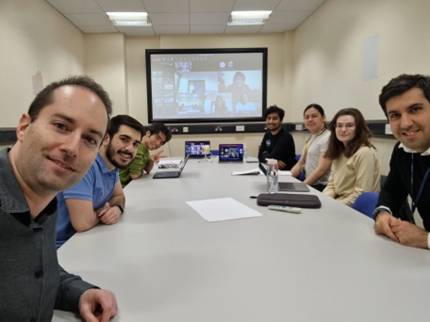
Check out this podcast where the @UniOfSurrey Dr @romanbauer111 talks about some of the research in his #COMBYNE lab, particularly neurodevelopmental computer simulations using @BioDynaMo | HT @EddieAvil
36
BioDynaMo retweeted
29 Dec 2024
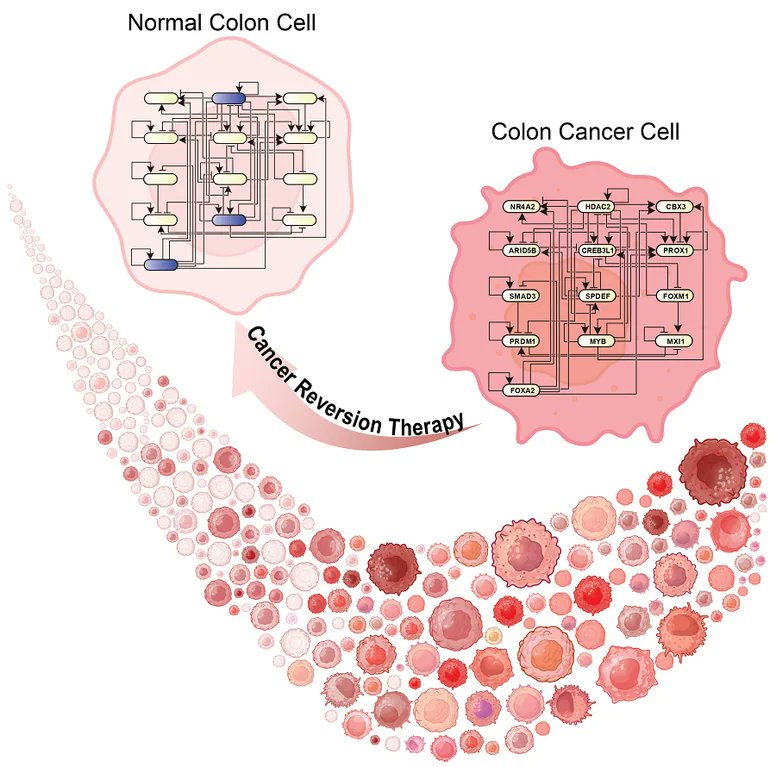
Korean researchers developed a new technology to treat cancer cells by reverting them to normal cells without killing them [Gong, J., et al. (2024). Control of Cellular Differentiation Trajectories for Cancer Reversion.Ā Advanced Science. doi. org/10.1002/advs.202402132]
91
499
2,539
245,382
BioDynaMo retweeted
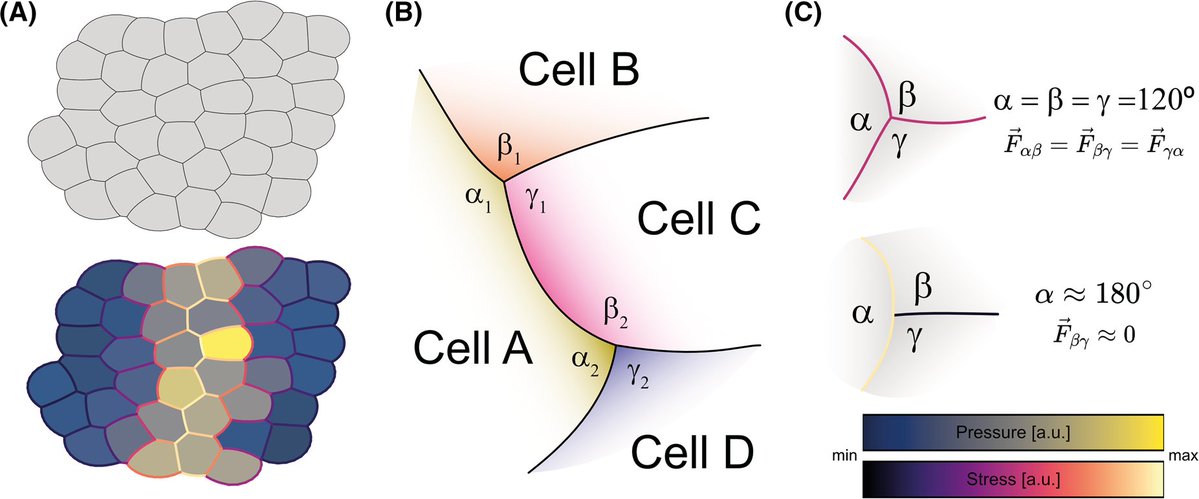
Borges, A. Chara, O. (2024). Peeking into the future: inferring mechanics in dynamical tissues. Biochemical Society Transactions, BST20230225. #EpithelialMechanicsReview doi.org/10.1042/BST20230225
9
44
3,347
BioDynaMo retweeted
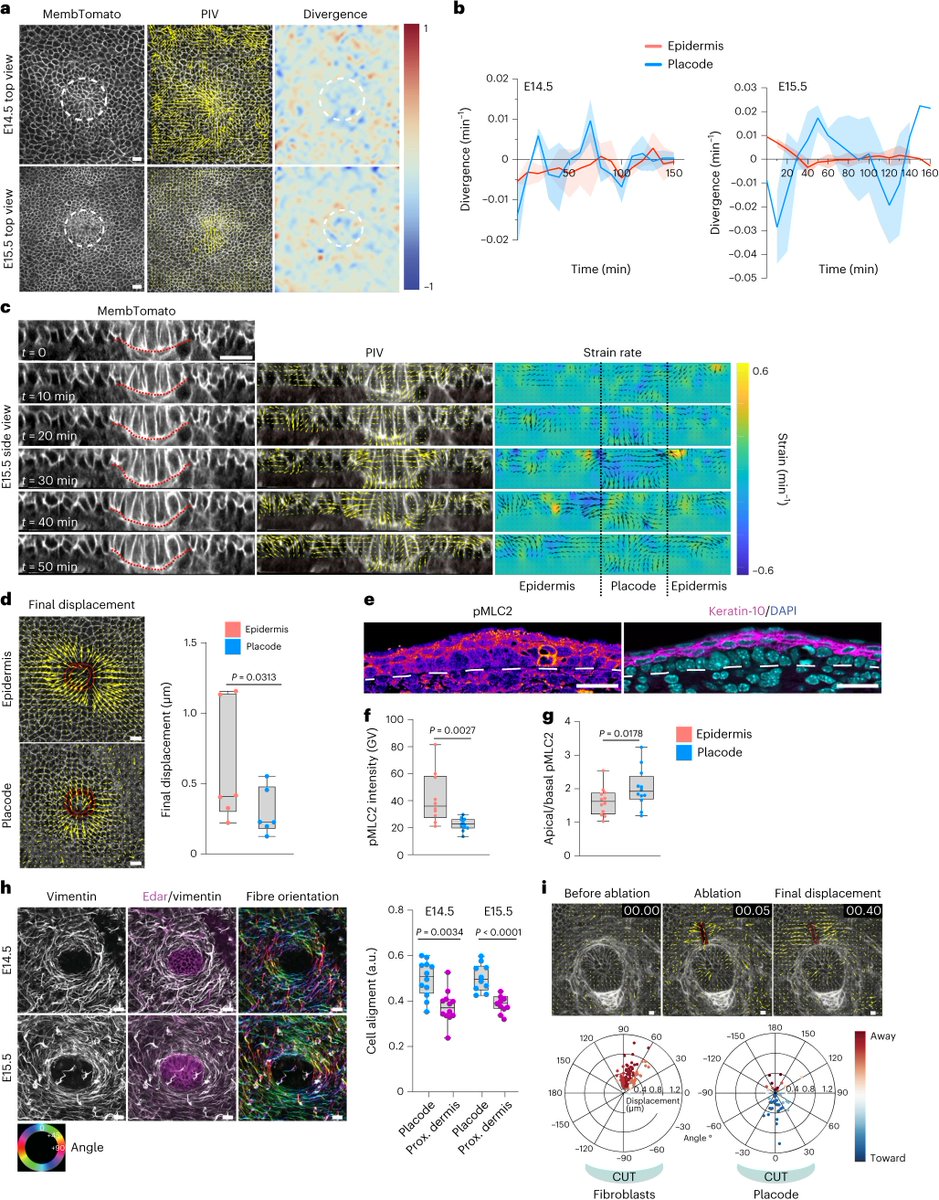
Villeneuve, C., Hashmi, A., ...,Manning, M. L., & Wickstrƶm, S. A. (2024). Mechanical forces across compartments coordinate cell shape and fate transitions to generate tissue architecture. Nature cell biology, 26(2), 207–218. #EpithelialMechanics nature.com/articles/s41556-0…
1
8
61
4,368
BioDynaMo retweeted
24 Dec 2024
Automating the Search for Artificial Life with Foundation Models asal.sakana.ai/paper/ We propose a new method called Automated Search for Artificial Life (ASAL) which uses foundation models to automate the discovery of the most interesting and open-ended artificial lifeforms.

24 Dec 2024
Introducing ASAL: Automating the Search for Artificial Life with Foundation Models sakana.ai/asal/ Artificial Life (ALife) research holds key insights that can transform and accelerate progress in AI. By speeding up ALife discovery with AI, we accelerate our understanding of emergence, evolution, and intelligence–core principles that can inspire the next generation of AI systems! We proudly collaborated with MIT, OpenAI, Swiss AI Lab IDSIA, and Ken Stanley on this exciting project. Full Paper (Website): pub.sakana.ai/asal/ Full Paper (arxiv): asal.sakana.ai/paper/ Code: github.com/SakanaAI/asal/ In this work, we propose a new algorithm called Automated Search for Artificial Life (ā€œASALā€) to automate the discovery of artificial life using vision-language foundation models. Instead of tediously hand-designing every tiny rule of an Alife simulation, simply describe the space of simulations to search over, and ASAL will automatically discover the most interesting and open-ended artificial lifeforms! Because of the generality of foundation models, ASAL can discover new lifeforms across a diverse range of seminal ALife simulations, including Boids, Particle Life, Game of Life, Lenia, and Neural Cellular Automata. ASAL even discovered novel cellular automata rules that are more open-ended and expressive than the original Conway’s Game of Life. We believe this new paradigm may reignite ALife research by overcoming the bottleneck of manually designed simulations, thus advancing beyond the limits of human ingenuity.
7
100
512
49,669