
There is nothing common about common decency.
Joined August 2023
- Tweets 8,991
- Following 584
- Followers 195
- Likes 16,046
1,117 Photos and videos




Pinned Tweet

heh heh heh
Thanks @elonmusk !
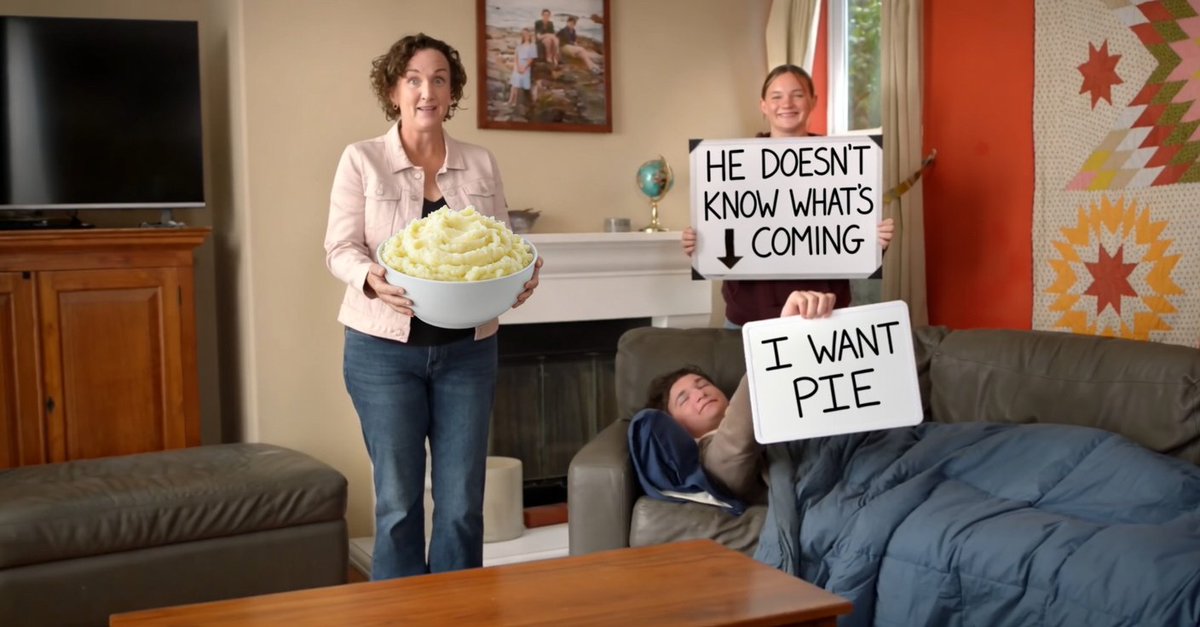
May 5

I'm not like most people who run for Governor. I'm a single mom of three kids who fills the gas tank and pushes the grocery cart just like almost everybody else in our state.
To make life more affordable in California for those of us who aren't billionaires or bankrolled by big industry PACs, it's going to take standing up to Donald Trump, calling out greedy corporations, and stepping on some toes along the way.
1
239
Bob is short for X retweeted

One of the most underrated marvels in semiconductor fabs is the vacuum pump.
A high end dry vacuum pump can spin at 90,000 RPM, operate 24/7 for years, maintain ultra clean vacuum environments, survive corrosive process gases, and hold tolerances measured in microns.
These Turbo Molecular Vacuum Pumps cost $10,000 to $25,000 per unit.
Without them, there are no chips, no AI GPUs, no smartphones.
The semiconductor industry isn't just about EUV lithography. It's also about thousands of invisible engineering masterpieces quietly running in the background.
Video Source :- Leon Li-666
12
123
932
95,969
Bob is short for X retweeted

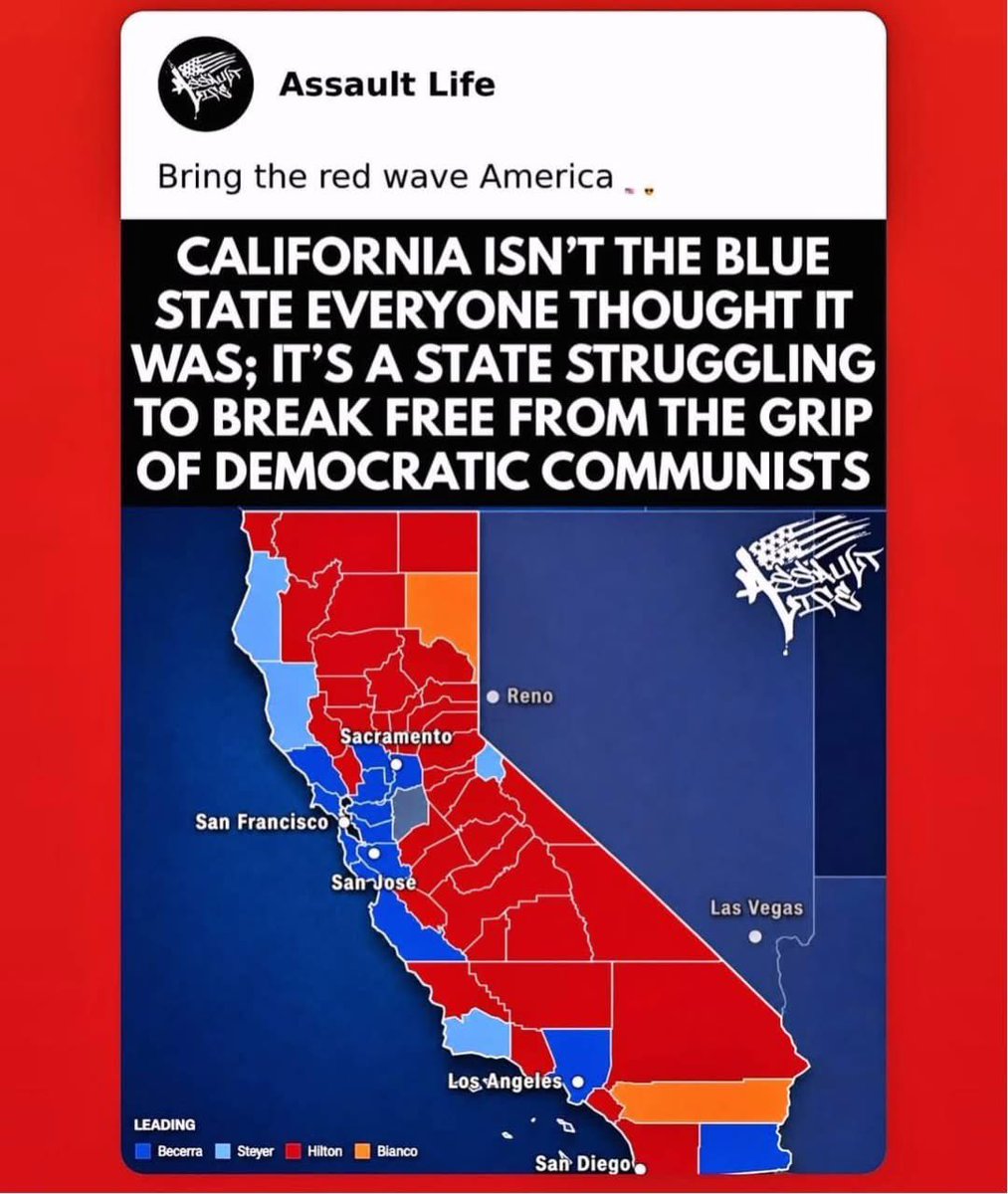
Land doesn’t vote but people that live on that land deserve representation and we don’t have it in California
158
912
2,356
18,501
Bob is short for X retweeted

Tunneling in 3 geologies in 3 cities - Las Vegas clay/caliche, Nashville limestone, and Bastrop sandy clay
527
1,107
8,467
784,650
Yeah - agree. Ben Stiller and Spike Lee really didn't do squat for the championship, did they.

Why the fuck is he there
46
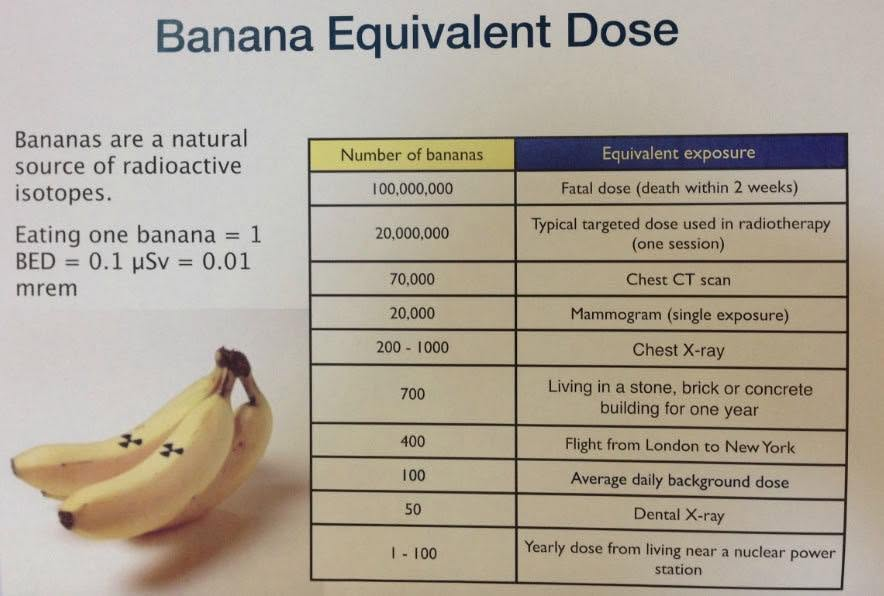
And now we know why that post about a group of monkeys killing the monkey with 10,000 bananas has gone viral...

Like I've been saying, you get more radiation from a single flight across "The Pond" than you do from living next to a nuclear power plant for your entire life.
Sailors on nuclear submarines receive fewer rads than you do, right now, sitting at your computer, wherever you are.
9
And Yeager did it with 2 broken ribs.

I still remember the first time I flew supersonic.
It was one of the scheduled hops in our syllabus, so we would understand how differently the plane flew when it went supersonic versus subsonic, and the things to watch out for when going back from supersonic to subsonic.
My instructor pilot was LT Randy Leddy, and his persona is what you'd call 'tough but fair.' For those of you who don't know, the Navy F-4 does not have controls in the back seat.
So when we take off, my instructor knows there are only three ways this flight will end: I will land the plane safely, or we both will take the silk descent, or we both go BOOM and end our Navy careers, not to mention our lives.
So, we left Oceana and headed ten miles out to sea. That was because we weren't allowed to fly supersonic within ten miles of the coast because it might upset the pussy civilians, but that's incidental to this story.
We flew ten miles out, climbed to 20,000 feet, and Randy said, "OK, here we go. Pull the nose up twenty degrees, then plug in the burners and go zero 'G's."
I did, and watched the Mach meter climb.
.85, .9, 1.0, 1.2 . . .
The only reason I knew I was supersonic was because the Mach meter was above 1.0. The plane didn't shudder or rock. It just did what it did, without complaint.
When I realized I was flying faster than the speed of sound, I thought back for just a second to what it must have been like for Chuck Yeager, who had the crap beat out of him as he pushed his plane just over Mach one.
Many scientists of the time thought that you would hit a wall at Mach 1 that would destroy your airplane. Yeager went ahead and flew the Glamorous Glennis anyway.
And here I was, following in his footsteps. I thought about him that day. I thought about all the great brave men who had not only put their lives on the line, but had given them to advance our ability to fly against the boundaries of what was once considered to be impossible.
God bless them all.
1
5
You've just described South Africa...

One monkey builds a farm that feeds 100 monkeys. This farm becomes worth 10,000 bananas a year. The 100 stupid monkeys are mad that the other monkey has such a valuable farm. They kill the monkey running the farm and steal and eat all of the bananas on the trees. They have no idea how to run the farm.
The following year the 100 monkeys starve to death. The last monkey, before dying, curses the monkey who built the farm.
1
8
At his direction, with his equipment, in his facilities, and with paychecks drawn on his companies' accounts.
14h

This literally shows workers doing all the work lol
16
Bob is short for X retweeted

The problem with many non-profits is that they get paid for "trying," not for "succeeding."
That's why profit is a powerful and effective motivator.
66
295
2,343
20,661
Elon Musk hasn't taken my pie.
The IRS does.

I'll make a simple analogy that even right-wingers can understand.
You make a pie.
You want to give a slice of the pie to a Mexican of color who cleans your toilet, and you want to eat a slice of the pie yourself.
Elon Musk comes along and takes all the pie and leaves you only with crumbs.
HOW. IS. THIS. FAIR?
1
6
Killed by one of your "No Kings" brownshirts.

One year ago today, Minnesota Speaker Emerita Melissa Hortman and her husband Mark were senselessly murdered in an act of political violence.
In their memory, we recommit ourselves to the values that Melissa and Mark exemplified: building a kinder, more just, and loving world.
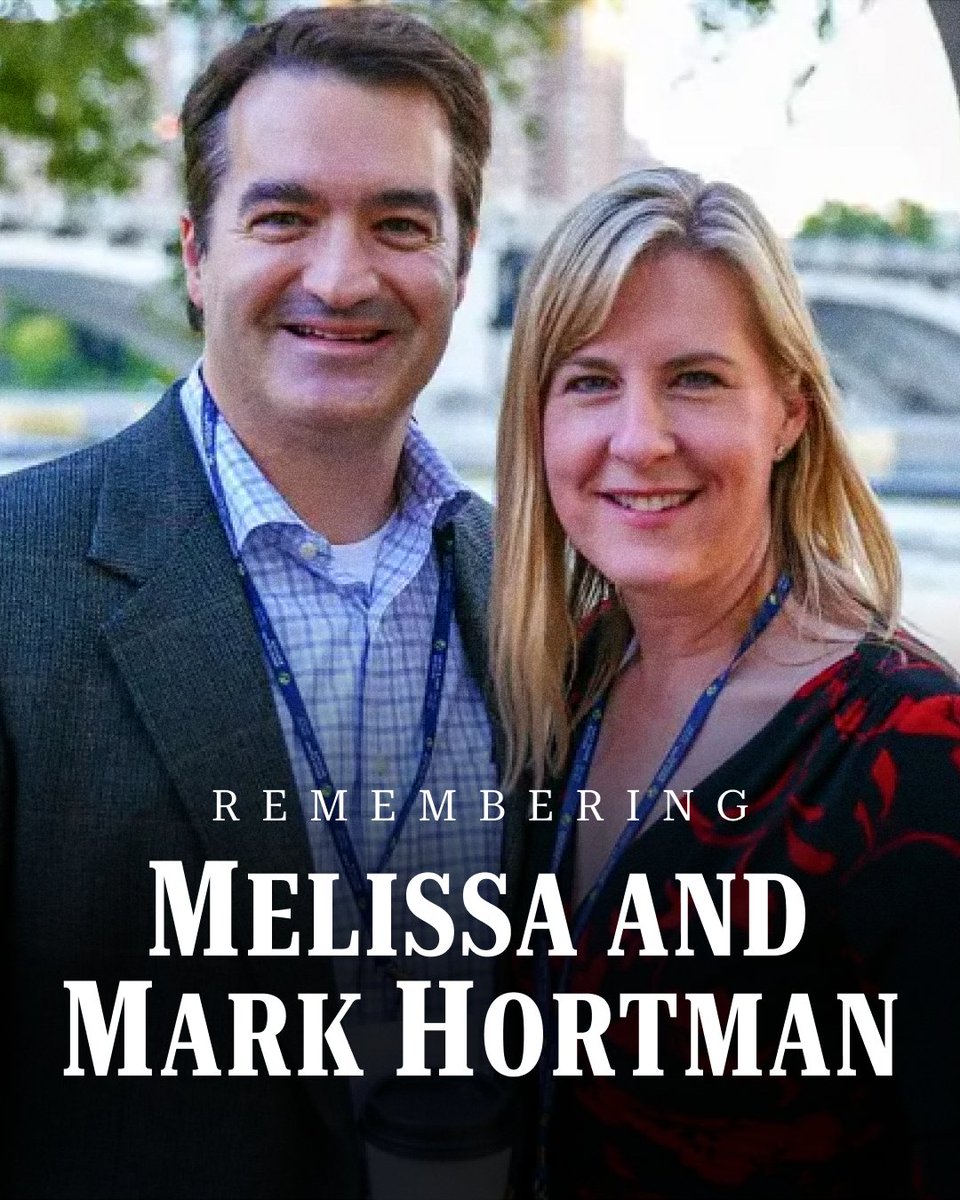
ALT A graphic featuring an image of Minnesota Speaker Emerita Melissa Hortman and her husband Mark. Text on screen reads, "Remembering Melissa and Mark Hortman."
10
Because he ran a business with over 300 employees while she still don't know jack about economics.
Unlike her, he became wealthy before he entered Congress.
Does that clear it up for you, Sparky?
16h

Why do Republicans say AOC is “just a bartender” when she has a masters in economics, but they don’t say Markwayne Mullin is just a plumber?
HINT: racism and misogyny
4
We've spent more than $150 billion on these schemes already... Why do they have to be funded again?
Thief.

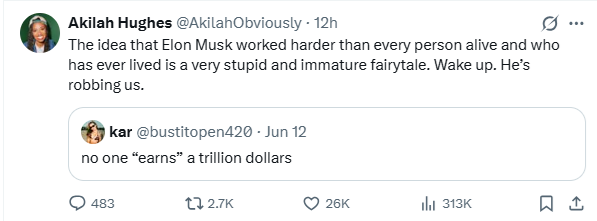
Elon Musk has become a trillionaire. If we confiscated just 15% of his wealth we could: clean up all the oceans, eliminate poverty, and literally make the world into a utopia.
Instead he chooses to indulge in his phallic obsession with rockets and wants to build data centers in space. You cant even move electricity from space to earth. Dumbest idea ever.
All the best,
Wolfgang
1
And gets special access to the floor while security keeps the poors away.
It's good to be the Nomenklatura.
"...his first NBA title..." - hah. He worked so hard for it.

Spike Lee became a Knicks season ticket holder in 1985.
His first game was Patrick Ewing’s first game.
He has his first NBA title, 41 years later.
1
10
Bob is short for X retweeted

20h
The concept he presented, open-sourced with zero patents for others to develop , and publicly walked away from, making clear he would not be pursuing the idea himself?
That hyperloop?
3
1
8
1,262
Bob is short for X retweeted

Jun 13
I have a great idea…
Red states get all the Elon Musk types the left hates so much…
Blue states get all the illegal immigrants committing felonies they love so much!
Win/Win!!
401
1,347
13,854
97,098
He worked so hard for it; glad he got a chance to hold it and kiss it.

68
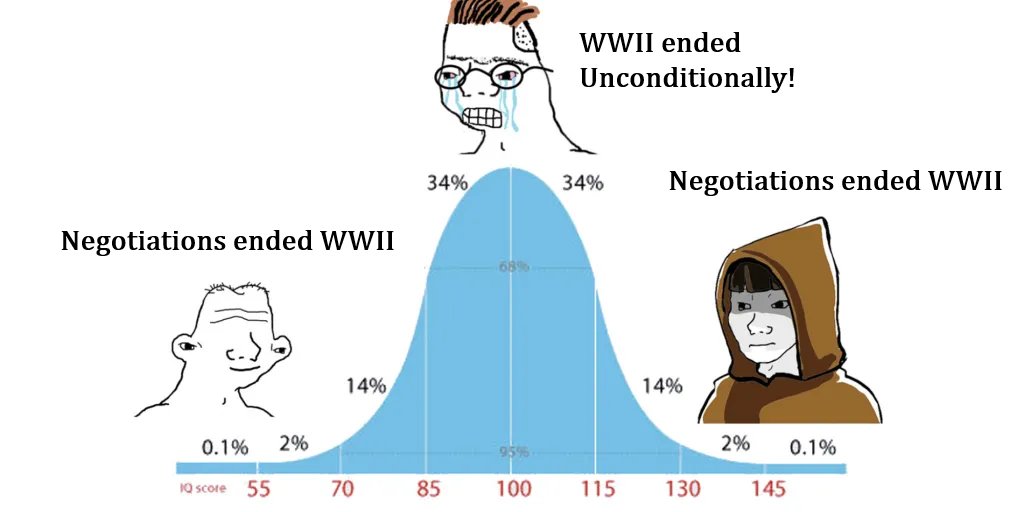
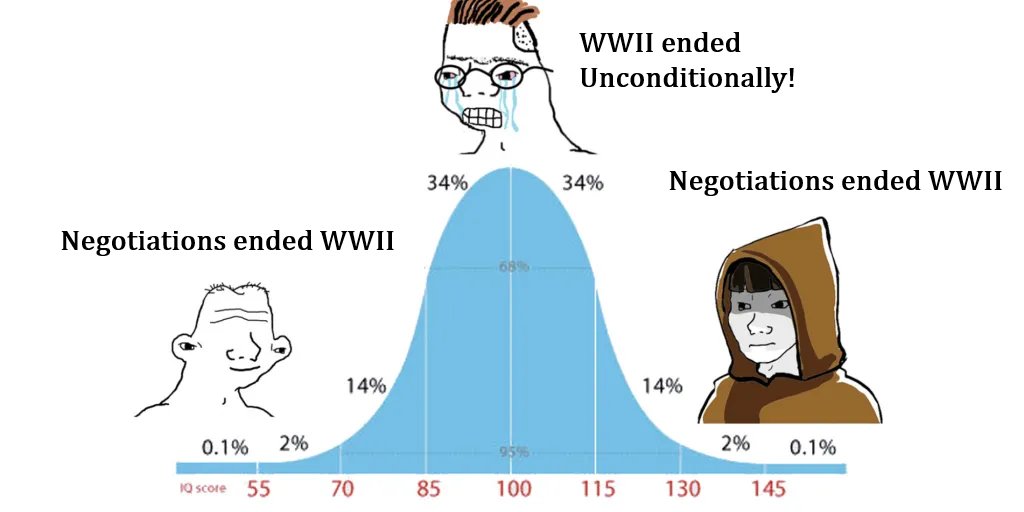
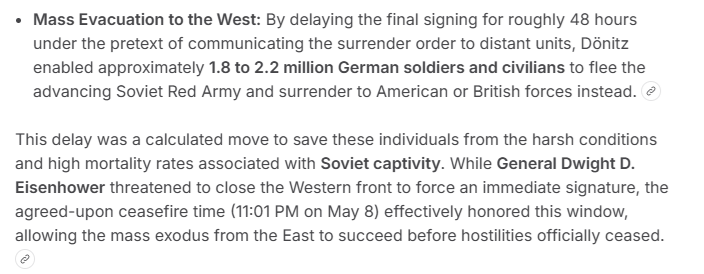
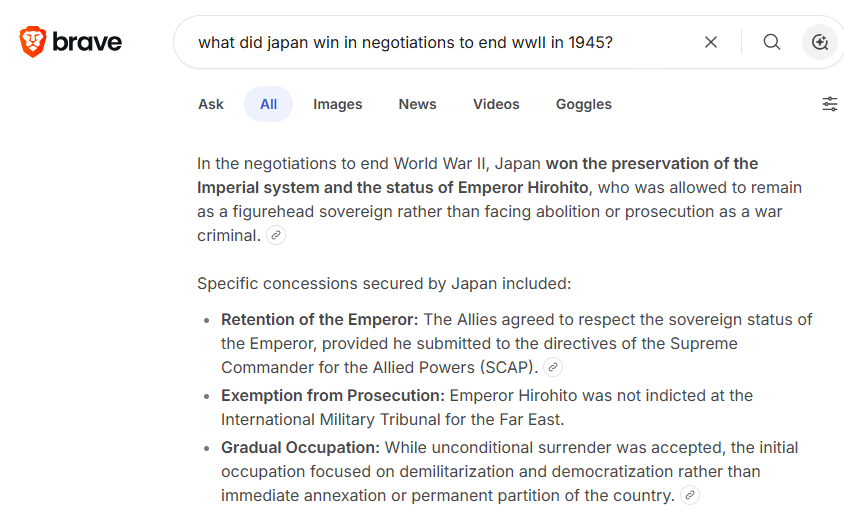
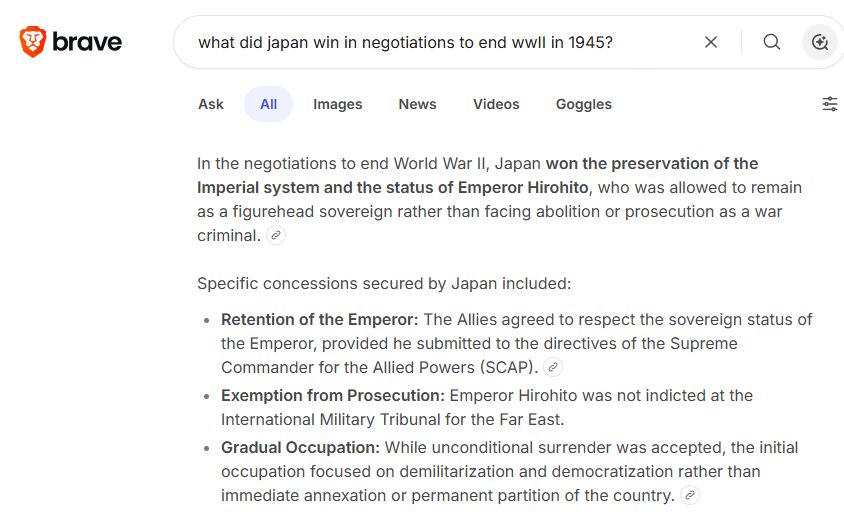
With negotiations before & after.
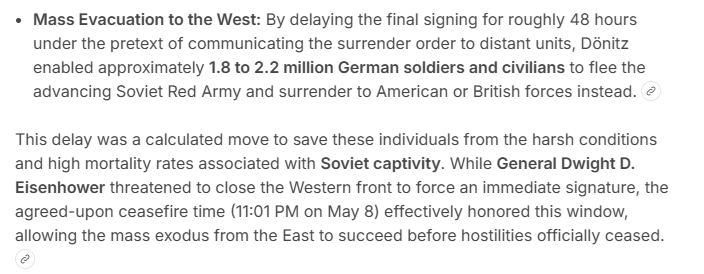
The Soviets were not being neutral - they wanted to invade Japan to grab territory.
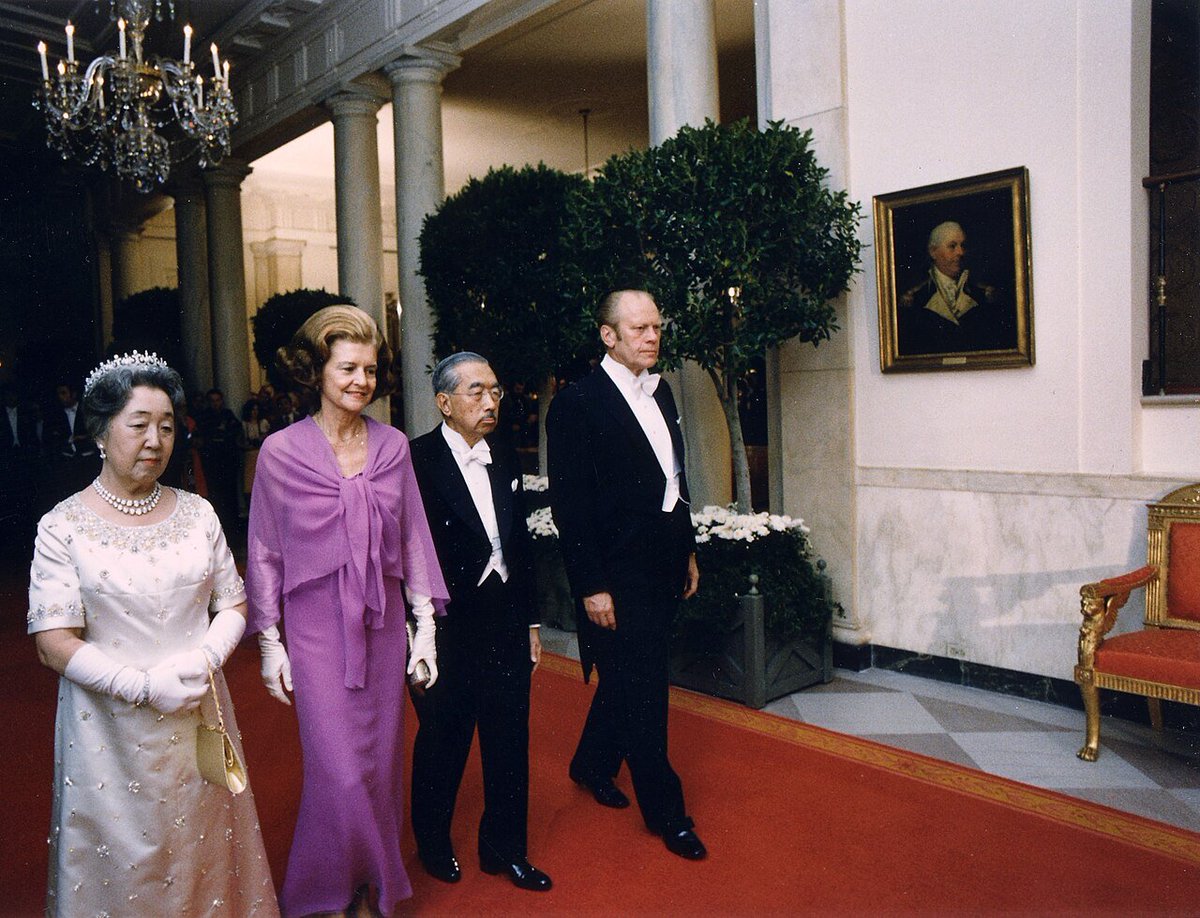
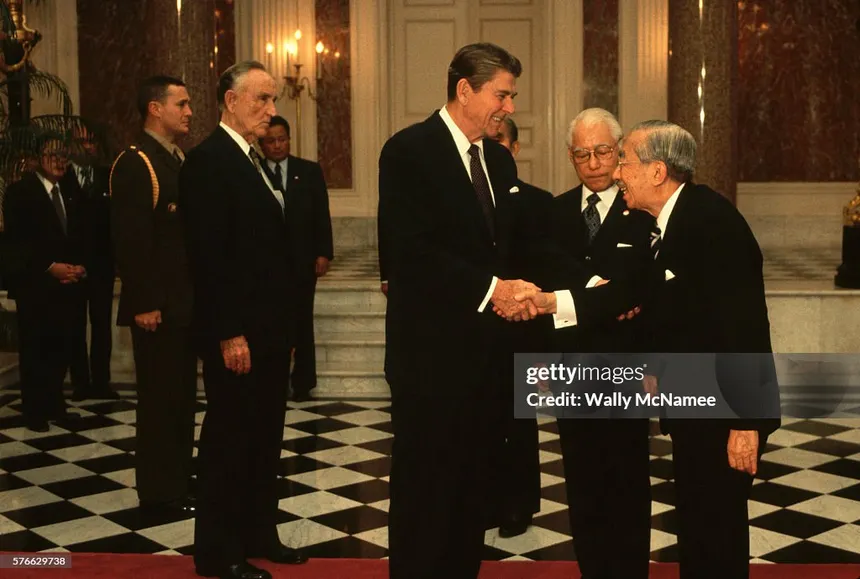
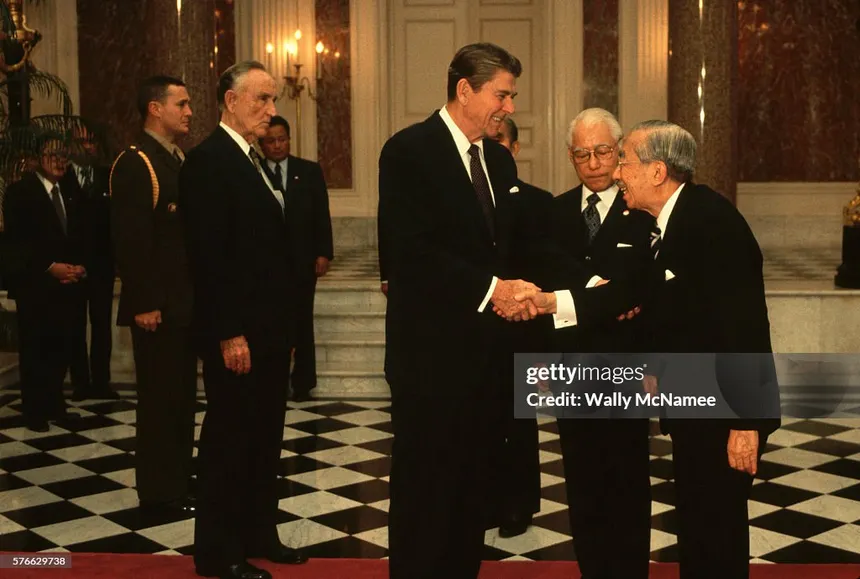
Japan's Emperor, Hirohito, was allowed to remain Emperor and was not prosecuted for his war crimes - the outcome of the negotiations.
Jun 13

WW2 ended with two atomic bombs.
13
It's amazing what electric motors can do if a 100k hour lifetime isn't part of the design factor.
Jun 13

The most disrespected superhero movie ever made gave us the best Batman fight scene in cinema history. The hate never made sense 😭
6
Never would he ever...

Abe Lincoln would never have stood for Americans fighting each other.
10