Joined December 2021
- Tweets 10,543
- Following 647
- Followers 1,414
- Likes 5,134
978 Photos and videos





Pinned Tweet

7 Oct 2025
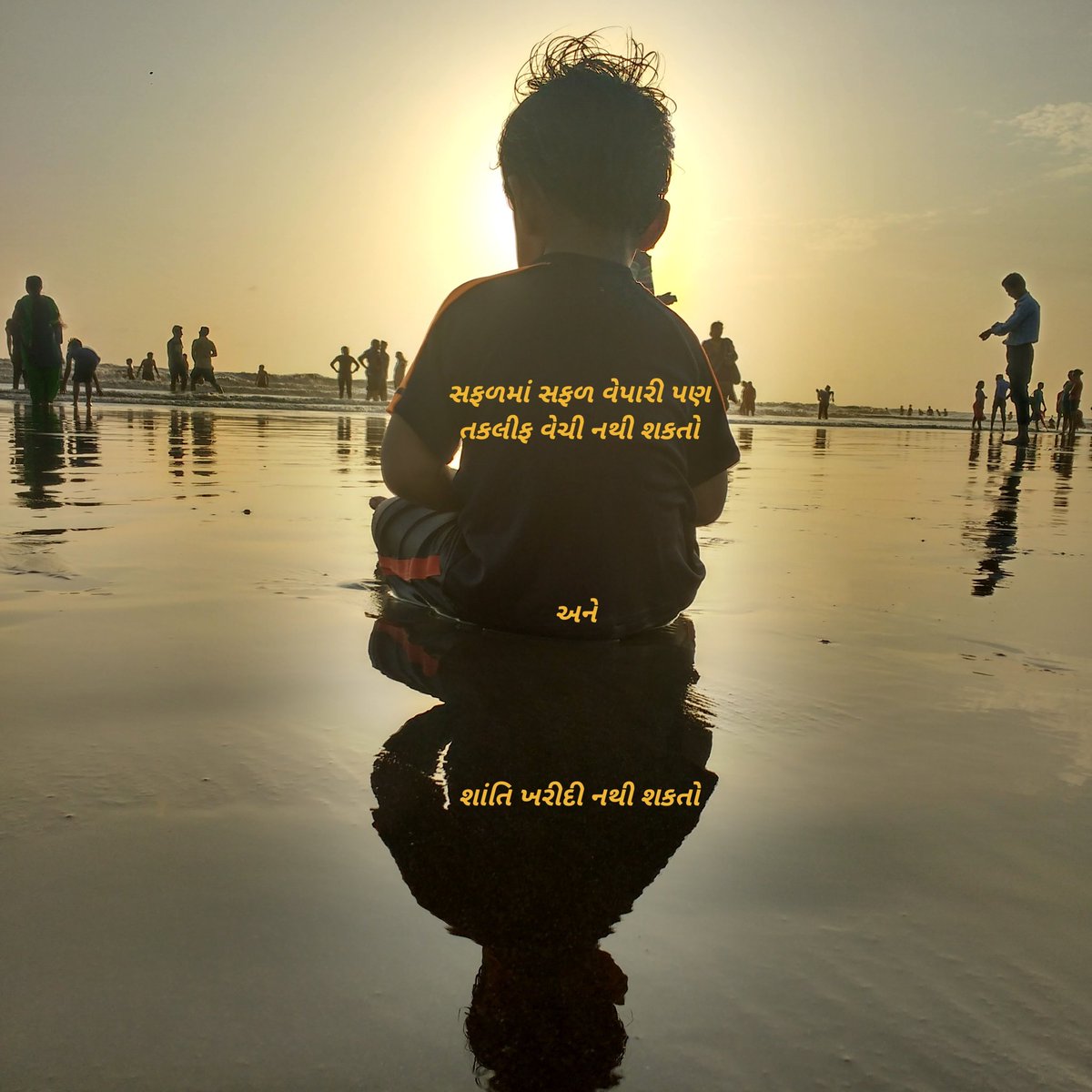
Even the most successful trader cannot sell sorrows or buy content
2
933
BJD retweeted

Jun 15
CO₂ Emissions Per Capita
🇮🇳 India: 1.9
🇧🇷 Brazil: 2.2
🇫🇷 France: 4.9
🇬🇧 UK: 5.4
🇮🇹 Italy: 5.5
🇨🇳 China: 7.0
🇩🇪 Germany: 8.4
🇯🇵 Japan: 8.7
🇨🇦 Canada: 15.4
🇺🇸 US: 16.0
Despite being the world's most populous nation, India has one of the lowest per capita CO₂ emissions among major economies.
🔹 Leading in Paris Agreement compliance
🔹 Among the world's fastest-growing renewable energy markets
🔹 Rapidly expanding solar, wind and green energy capacity
A reminder that development and sustainability can progress together. 🌱


14
451
1,838
30,305
BJD retweeted

Jun 14
🔥🧬 Genetic evidence places India at the centre of early human history, debunking 'Aryan' migration theory.
Renowned historian, @ProfVemsani says the oldest non-African male and female genetic lineages trace back to India, overturning long-standing colonial interpretations of human origins.
Watch the full interview in the first comment. 👇👇
@Pallavi_Aus @JitarthJai @DrAmitSarwal @nickcollins1953 @davidfrawleyved @subhash_kak @HindolSengupta @sanjeevsanyal @MinOfCultureGoI @iccr_hq
33
757
1,844
41,362

Jun 10
Religion = धर्म नहीं अधर्म है ये लोगों को बांटता है मानने वाले बनाम ना माननेवालों में
Jun 9

The deep definition of Dharma, given by Modi ji.
Very nicely explained...
18
BJD retweeted

Jun 9
𝐘𝐨𝐠𝐚 𝐢𝐬 𝐈𝐧𝐝𝐢𝐚’𝐬 𝐠𝐢𝐟𝐭 𝐭𝐨 𝐭𝐡𝐞 𝐰𝐨𝐫𝐥𝐝. 🌍
At the 1st World Yogasana Championship 2026 in Ahmedabad, India led from the front once again. 🇮🇳
Competing against 522 athletes from 79 countries, India delivered a historic performance, winning 𝟏𝟎𝟐 𝐠𝐨𝐥𝐝𝐬 𝐚𝐧𝐝 𝟏𝟏𝟒 𝐦𝐞𝐝𝐚𝐥𝐬 𝐨𝐯𝐞𝐫𝐚𝐥𝐥. From sharing yoga’s timeless wisdom to setting the global benchmark in Yogasana, India continues to inspire the world. 🧘♂️
44
667
3,230
55,356


Jun 9
And some call civilization, pagan and it's people jaahil
Jun 9

The Kailasa Temple at Ellora defies the very definition of construction. It was not built; it was uncovered.
🔱🕉️
In the 8th century, Rashtrakuta artisans didn't stack stone upon stone. Instead, they took a solid basalt cliffside and performed the most audacious act of sculpture in human history: they carved from the top down, slicing away thousands of tons of rock to reveal a finished masterpiece hiding within the mountain.
A Masterclass in Subtractive Engineering:
This is not merely a temple—it is a monolith. Every towering vimana, every intricate pillared hall, every fluid elephant sculpture, and every delicate narrative relief was once part of the living rock.
🔺The Impossible Process: By carving downward, the architects had only one chance. There was no room for error; once a piece of rock was removed, it could never be replaced.
🔺A Fully Realized World: Beneath the open sky, you walk through gateway complexes, cross carved bridges, and wander through colonnades that were never assembled, but rather liberated from the earth.
🔺Artistry and Precision: The line between architecture and sculpture vanishes here. The structure, the surface, and the ornament are inseparable, carved with a level of precision that remains a staggering engineering feat over a millennium later.
At Kailasa, the mountain didn't just host a temple—the mountain became the temple. It stands today as an eternal reminder of what humanity can achieve when vision transcends the limits of traditional building.
📽️chapterofdesign
2
50
BJD retweeted

Superb visualization of the Magnus effect in a totally uncatchable shot.
36
227
7,396
1,223,120
BJD retweeted

Jun 3
Very interesting..Let me try decoding..Apologies if I am wrong..Imagine you are holding a high-powered flashlight in a pitch-black room. You can use that flashlight to see the table, the chairs, the walls & the ceiling. Now, try using that flashlight to illuminate the bulb inside the flashlight itself. Can you do it? No.
Is it because the flashlight is broken? No. Is it because the flashlight is limited? No. It is because the flashlight is the very source of light making everything else visible. It cannot turn around & look at itself.
1
4
14
189
BJD retweeted
Jun 3
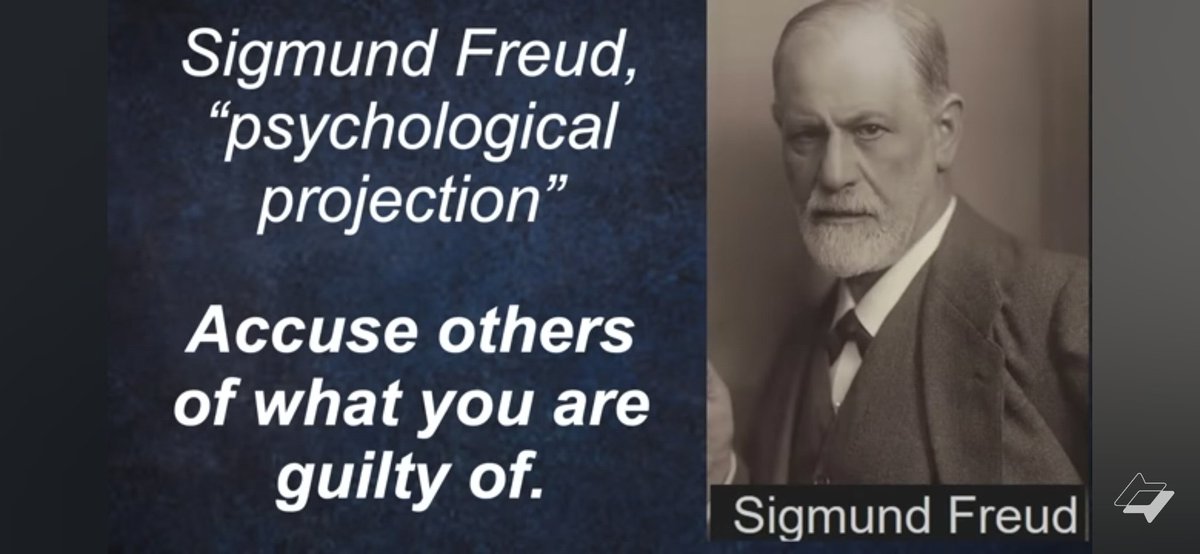
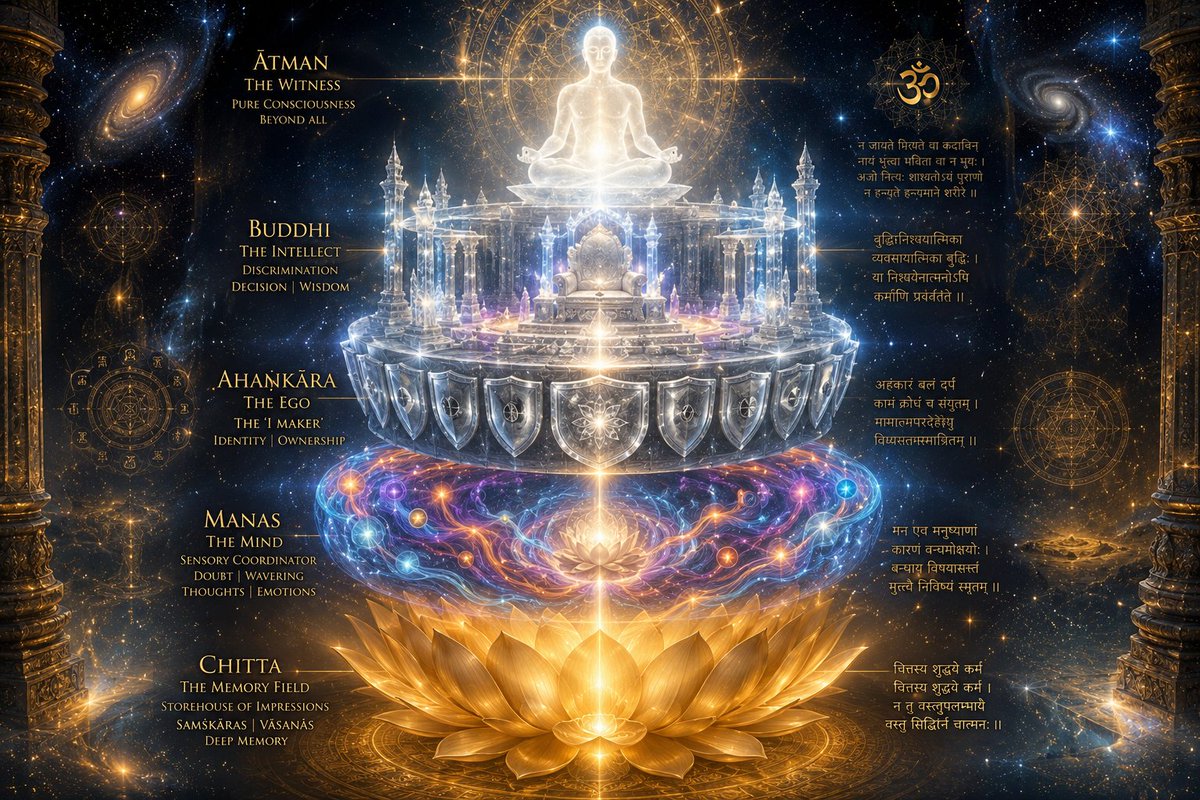
When the West tries to explain the mind, we usually fall back on Sigmund Freud’s clinical trinity: the Id, the Ego & the Superego. But 1000s of yrs before Western psychoanalysis was even a concept, the Vedic rishis had already mapped this entire system with a far cleaner, multi-layered software architecture called the Antahkarana (the inner instrument).
Think of our mind as a hyper-advanced corporate enterprise. The ancient texts break it down into 4 distinct departments:
- 1st, there is Chitta, the hard drive. This is the vast, silent storage room holding every memory, trauma & hidden subconscious impression (Samskaras) we have ever accumulated. It is the ultimate cosmic database.
- Next is Manas, the sensory processor. This is the restless, reactive lower mind connected directly to our 5 senses. It operates entirely on immediate comfort & raw desire, constantly looping in a state of "I want this, I like that, let me avoid pain."
- Then comes Ahankara, the I-Maker/identity filter. It takes the raw data from our senses & our db & draws a protective boundary around it. It claims ownership, stating, "This is my body, this is my opinion, this belongs to me." It creates the concept of personal separation.
- Finally, at the top, sits Buddhi, the CEO. This is our highest intellectual faculty, our capacity for logic, deep wisdom & moral discrimination. While Manas screams, "I want to eat that entire plate of Jalebis right now!", Buddhi steps in as the rational judge & says, "No, it compromises our health goals."
When Sigmund Freud arrived in the 20th century to study human neurosis, he essentially attempted to translate this ancient machinery into a clinical framework. The parallels are striking:
- The ID is purely Manas: Freud's Id is the primitive, unconscious pleasure-seeker driven by basic biological instincts. This is exactly how Manas behaves when left completely unsupervised by higher intelligence reacting impulsively to sensory inputs.
- The SUPEREGO is the high-level Buddhi: The Superego acts as our internal moral compass, enforcing ethics & checking our impulses. In the Indian stack, this is the precise function of a refined Buddhi, which understands the difference b/w Preyas (what is temporarily pleasant) & Shreyas (what is fundamentally good for us).
- The EGO is Ahankara mixed with lower Buddhi: Freud’s Ego is the practical mediator trying to navigate daily reality. It is anchored by Ahankara creating the boundary of the self, using the analytical, survival-based calculations of Buddhi to manage external expectations.
More importantly, Freud assumed that the conscious Ego was the absolute highest peak of human identity. The rishis smiled at this limitation. They understood that the entire mind stack: the memory, the senses, the ego & even the intellect is just material software.
The true us is not the mind. The true us is the Atman: the silent, unchanging, cosmic consciousness that sits quietly above the entire machinery, watching the software run.
17
158
491
18,678
BJD retweeted

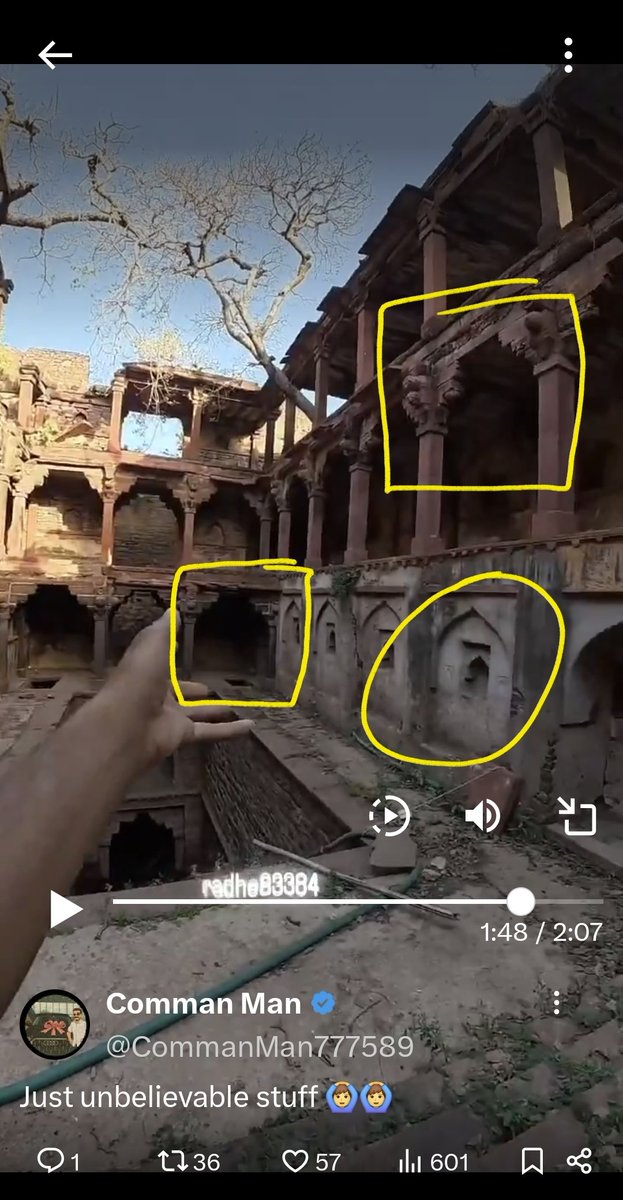
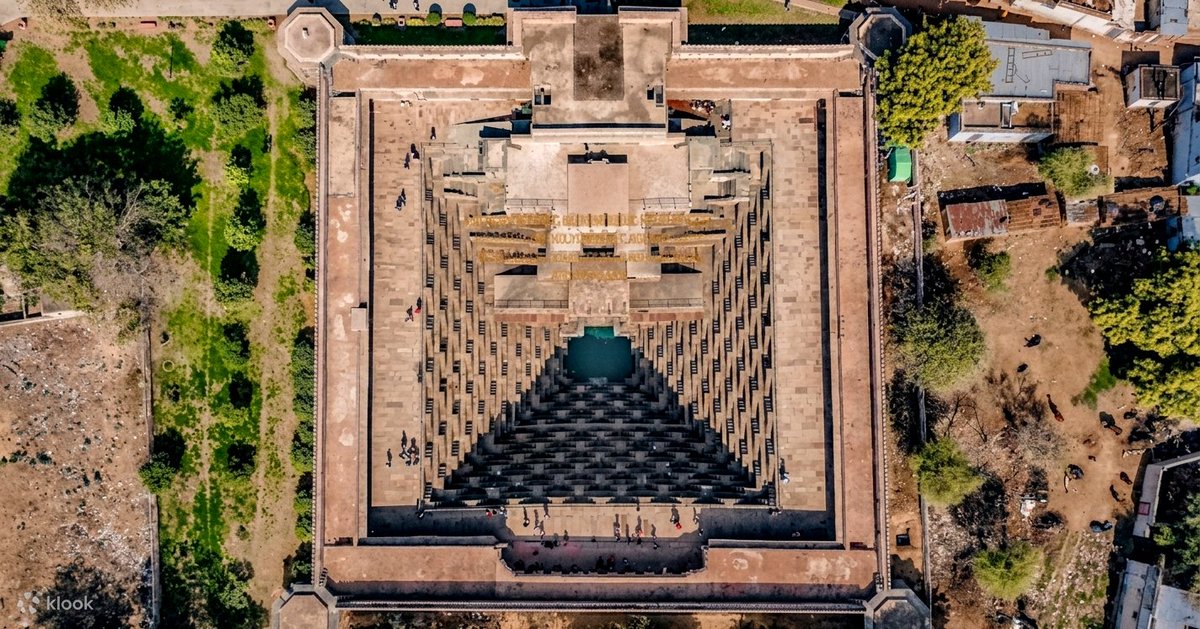
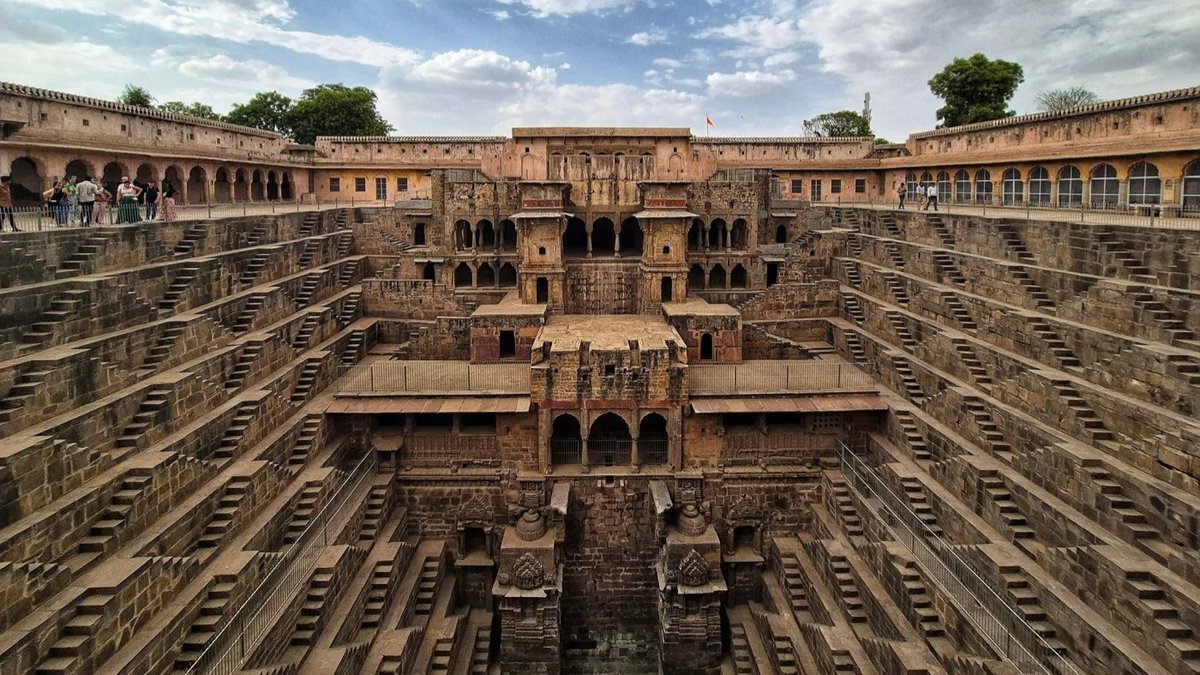
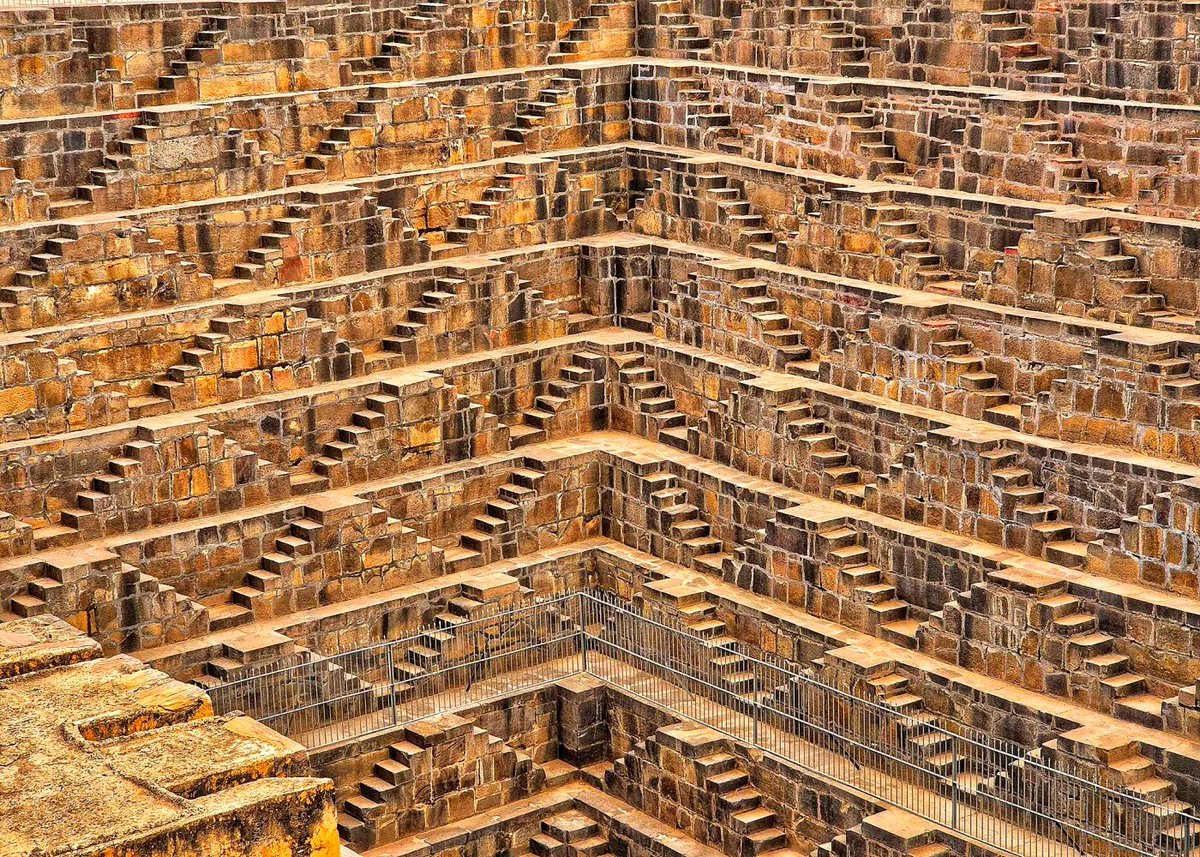
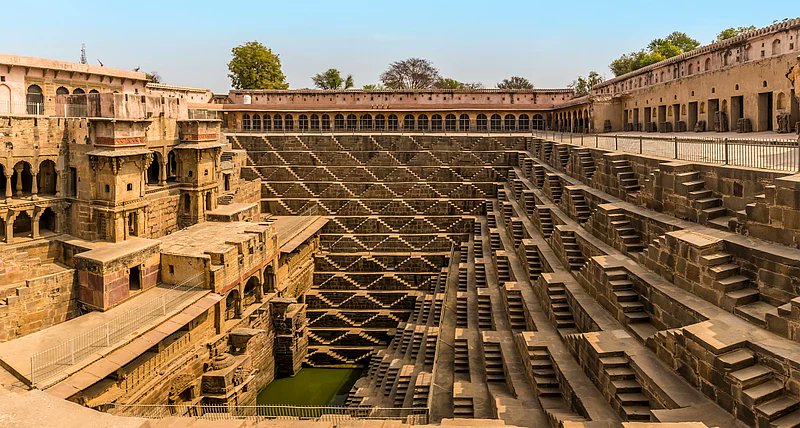
1200 years old Chand Baori or stepwell in Abhaneri Dausa, Rajasthan 🪜🌊🏛️🇮🇳
3
79
821
14,488
May 30
Height of Hypocrisy
May 29

Picture-1: Namaz guidelines by Qatar govt. 'Don't offer prayers in open outdoor areas.' Aljazeera SILENT
Picture-2: Aljazeera says 'Indian muslims denied public spaces for Eid prayers.' 'ISLAMOPHOBIA'
What will Aljazeera apologists say now?


34
BJD retweeted

May 28
Padma Shri for K. Pajanivel, the Man Who Kept India’s 5,000-Year-Old Silambam Tradition Alive
K. Pajanivel, renowned Silambam master and dedicated promoter of India’s ancient martial arts tradition, will be honoured with the Padma Shri for his exceptional contribution to preserving and popularising indigenous martial arts and folk culture.
Hailing from Puducherry, he has devoted over three decades to training thousands of students in Silambam and other traditional martial and folk art forms, while actively promoting Tamil Nadu’s 5,000-year-old weapon-based martial art across India and internationally.
Through free training camps, cultural programmes, and grassroots mentorship, he has played a vital role in keeping India’s rich martial heritage alive for future generations.
Pajanivel supports teaching Silambam in schools and aims to further promote it globally. His work has been vital in keeping India’s rich martial heritage alive for future generations.
Credit : Hindustan Times.
48
1,523
5,239
200,374


May 27
अच्छी अंग्रेजी नहीं आती उसे
अच्छी अंग्रेज़ी की उल्टी पुलती कर
अच्छी तरह तूतिया बनाया जा सकता
May 27

Someone reminded me of this video today
This is a top academic at U of Chicago
She thinks Gujarat is the state most known for rote learning and forcing kids to become IIT engineers
And this is why Gujarat has religious intolerance
Tell me why we should trust liberal academics after this...
37
May 26
Don't pass religious dogma to next generation

1
2
121
May 26
Did they worked hard to loose respect ?

2
128
BJD retweeted

May 21
Famine is never a tragedy to solve—it becomes a thriving market for souls.
The French Jesuits and the German/Danish Lutherans were competing to harvest souls of the Tamils.
In the 1720s, a famine swept the Malabar coast. The Jesuit annual letter in 1729 says, “This year a large number of neophytes, mostly of low caste, attracted by money more than by arguments, passed over to the camp of the Danish heretics (read Lutherans)… They received from the Danes rice and other necessaries of life and thus sold their souls.”
37
558
1,134
20,959
BJD retweeted

Wow
May 21

When I first learned that the proofreading symbol commonly known as carat, an inverted V that we use for adding words in sentences actually came from Sanskrit, I was astounded! In Mrichhakatikam, a Sanskrit play written over 2000 years ago, the villain Shakaara rudely uses the word Kakapada to insult someone’s marking on the forehead. Our teacher Sarvesh Tiwari casually remarked that it is the same symbol we use today. How many more gems am I going to find in Sanskrit language?
22
94
14,374
BJD retweeted

May 20
Nerdeyse Oksijenin bile olmadığı 7620 metre yükseklikten paraşütsüz atlayan Luke Aikins, 30x30 metrede kurulan ağ düzeneğine paraşütü olmadan iniş yapıyor.
Tarihte hiç bir uçuş ekipmanı olmadan bir uçaktan atlayıp, yine ekipmansız inebilen tek kişi…
750
3,193
18,618
30,247,077