Aging lab @Stanford - Epigenomics and metabolism in #aging; Brain aging and rejuvenation; Neural stem cells; C. elegans; African #killifish
Joined March 2010
- Tweets 2,291
- Following 4,392
- Followers 11,104
- Likes 12,618
163 Photos and videos
Brunet Lab retweeted

Jun 12
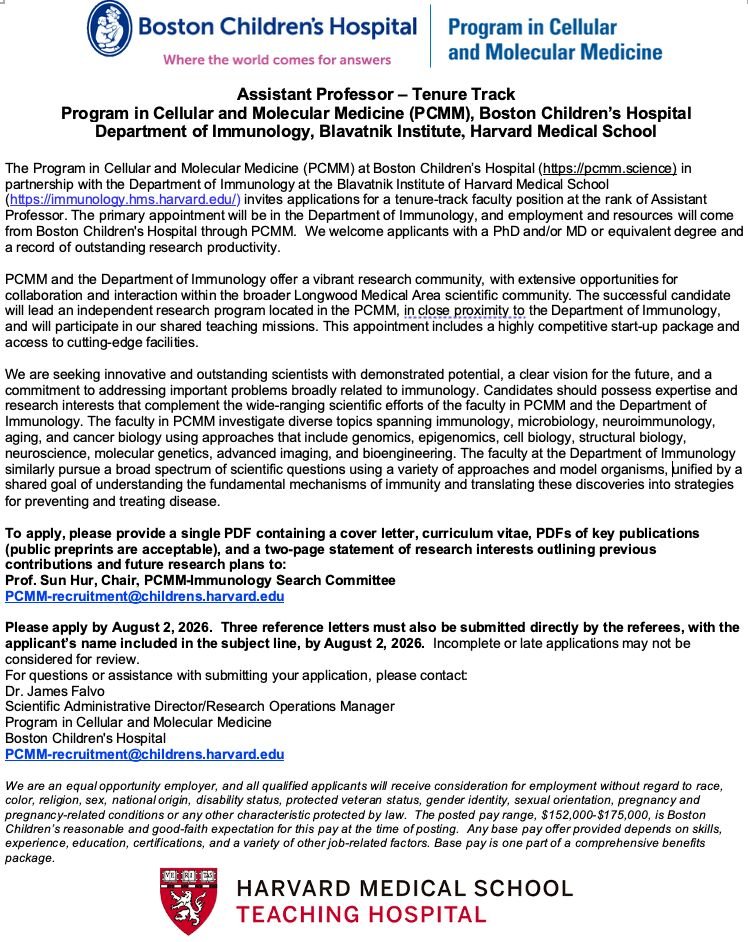
We are thrilled to announce an opening for a tenure-track assistant professor in PCMM, Boston Children's Hospital and Harvard Immunology! Apply by August 2, 2026.
43
115
16,766
Brunet Lab retweeted

Jun 12
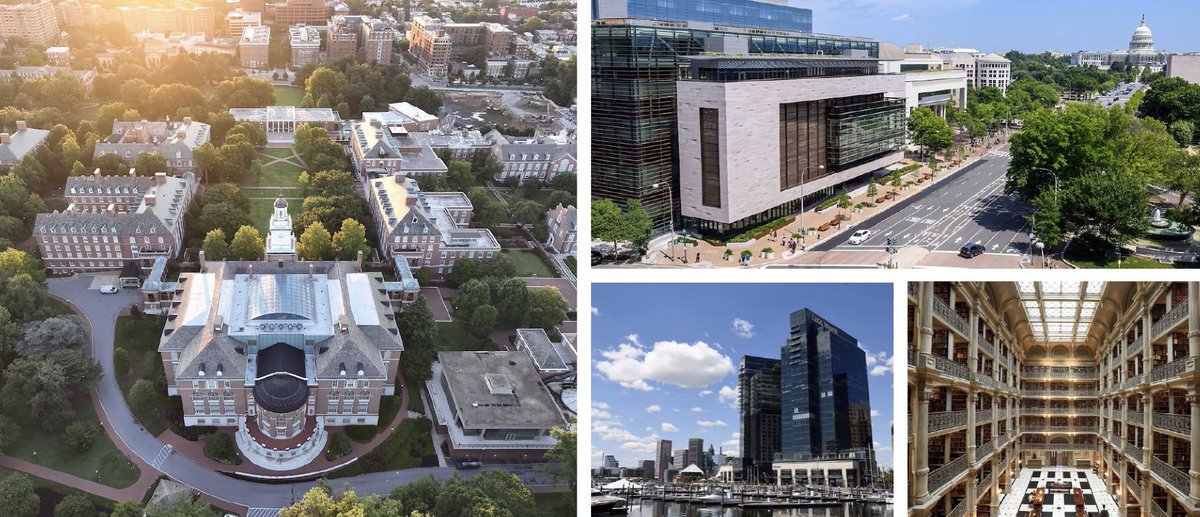
Hopkins will provide $280M in mid-size and large grants to support faculty for 2 years
(1) $160M for all life scientists (from basic to translation)
(2) $120M for all science and engineering.
This cannot replace federal funding, not even close, but it helps.
5
52
314
23,748

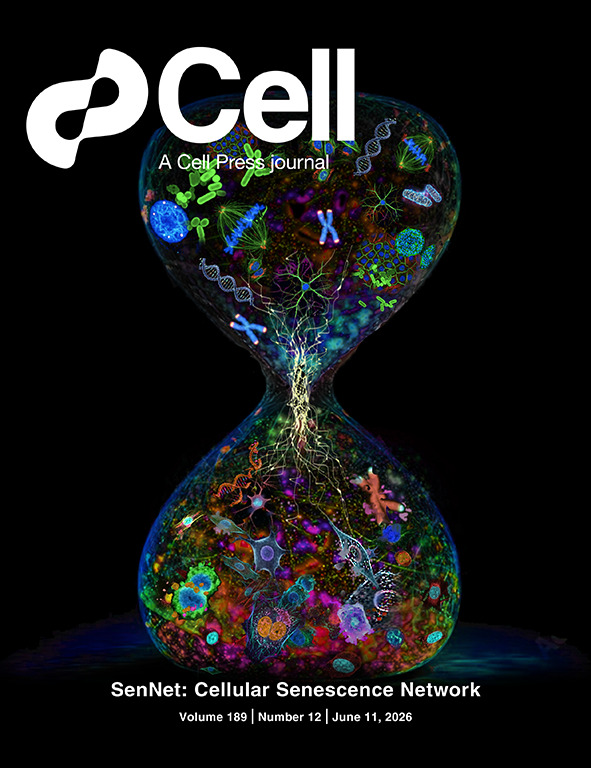
Totally over the moon 🤩 , our paper on charting human cellular senescence in aging and disease is on the cover!! It highlights the collective efforts and the first wave of publications from NIH @sennetresearch consortium to map senescent cell states, heterogeneity and niches!!
Jun 11

New issue alert 👉cell.com/cell/current
This issue's cover artwork portrays the gradual emergence of cellular senescence across the human lifespan reflecting the effort of the Cellular Senescence Network (SenNet) to chart the evolving landscape of human cellular senescence
11
44
274
24,528
Brunet Lab retweeted

Margaret ("Peggy") Goodell (@Goodell_Lab) of Baylor College of Medicine discussed her lab's research in a talk titled "Somatic Mosaicism and Aging: Cause, Consequence, or Clock?" at an Aging Research Seminar.
Thanks, Dr. Goodell, for the insightful talk, and to all who joined!
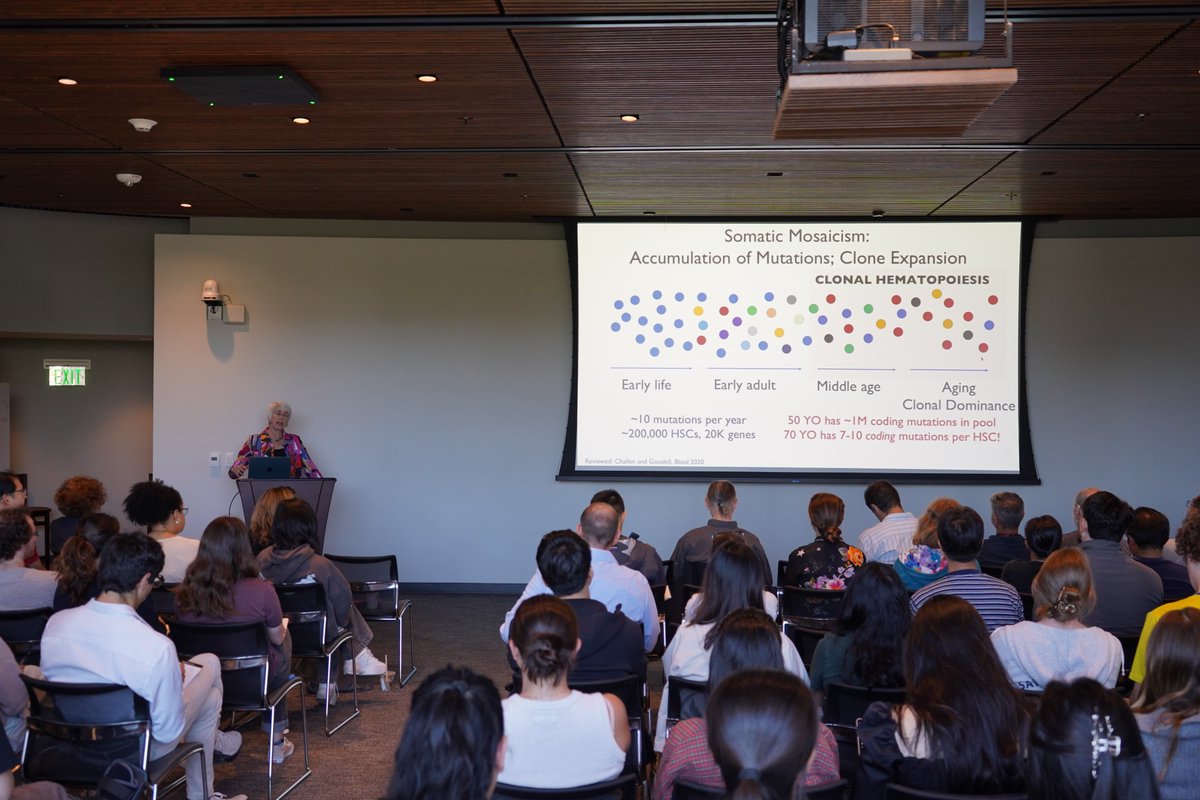
ALT Margaret ("Peggy") Goodell of Baylor College of Medicine discussed her lab's research in a talk titled "Somatic Mosaicism and Aging: Cause, Consequence, or Clock?" at an Aging Research Seminar.
1
1
25
1,404
Brunet Lab retweeted

Jun 8
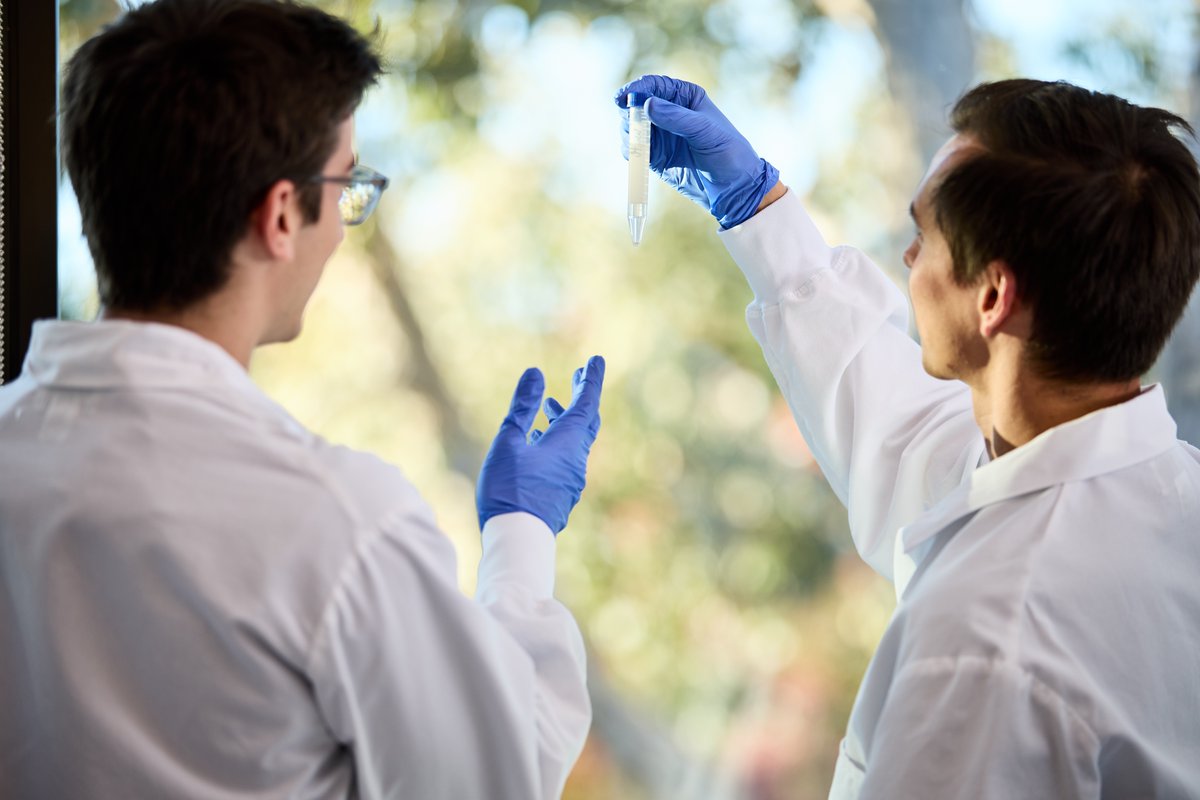
Come build with us! We're hiring a Research Associate II in the Horns Lab at @arcinstitute and @Stanford. Join us to create new technologies for monitoring and manipulating cellular behaviors. Apply here: grnh.se/2kff1gci4us
10
30
5,454
Brunet Lab retweeted

Excited to share our new paper: 'LASER couples damage sensing to ESCRT assembly for lysosome repair.' Congrats to dream team @clairegoul and @aakritijain24 for uncovering a new lysosome repair pathway and its connection to neurodegeneration. bit.ly/49FCPoq
33
64
236
22,914
Brunet Lab retweeted

Jun 3
The incentives and time horizons are different for private and public research funding.
Very, very few private outfits will fund fundamental research. Even fewer will fund PhD fellowships.
Without PhD fellowships, no PhD graduates.
Without PhD graduates, no new scientists.
Without new scientists, no new discoveries,
Without new discoveries, no innovation.
No innovation, no economic growth.
5
13
105
8,130
Brunet Lab retweeted

Want to build some of the most advanced light-sheet microscopes in the world to watch life assemble itself cell by cell?
The Royer Lab @ Biohub is hiring an Optical Engineer (Advanced Light Sheet Microscopy).
🔬🔧 #Hardware #Python Advanced #Optics
job-boards.greenhouse.io/bio…
1
9
16
2,181
Brunet Lab retweeted

Jun 3
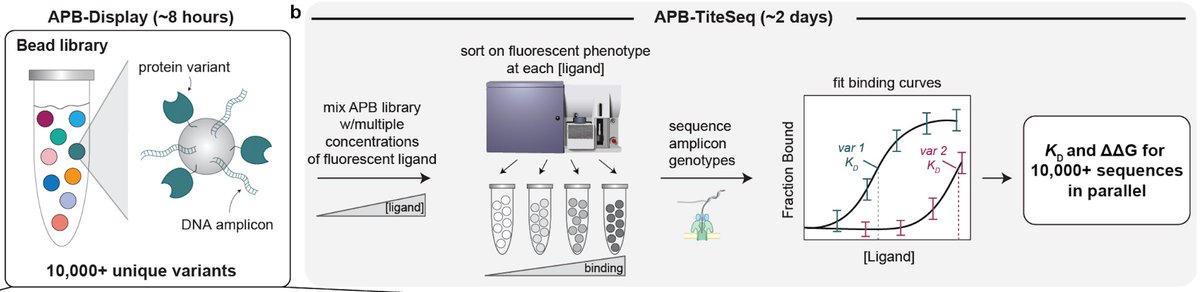
Characterizing AI-designed proteins requires quantitative biochemistry at massive scale. Enter Amplicon/Protein Bead Display (APB-Display), a fully in vitro platform that quantifies Kd's for >100,000 variants in <3 days (preprint link below!) @Stanford_ChEMH @czbiohub (1/n)
3
97
439
62,322
Brunet Lab retweeted

Apr 16
A 🧵
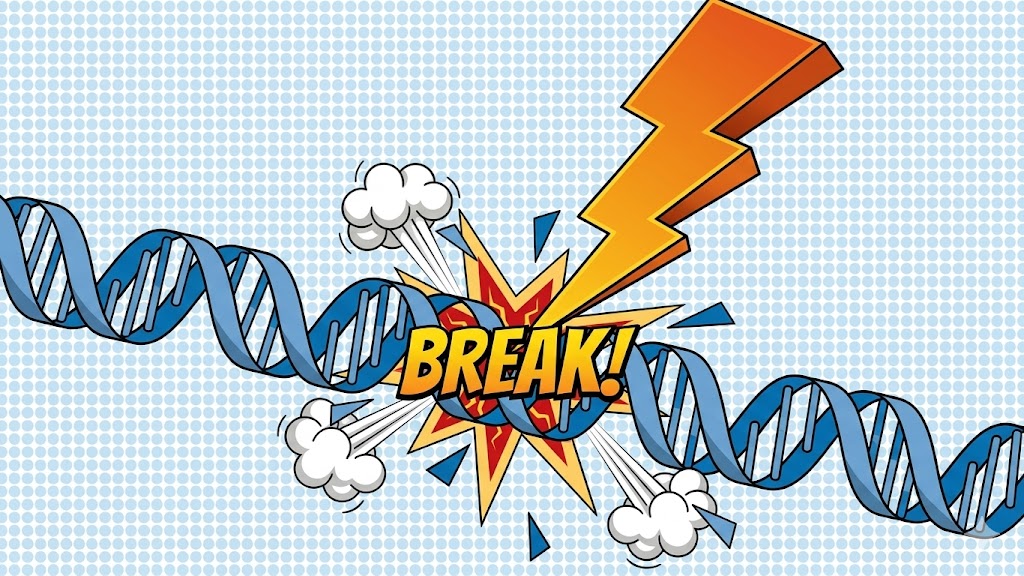
When DNA damage repair (DDR) fails, it activates the innate immune sensor cGAS. But does this sensor actively exacerbate the disease?
Our new paper reveals a dual role for cGAS in shaping both cellular and organismal responses to genomic instability: tinyurl.com/bdf3m9d4
1
6
11
3,385
Brunet Lab retweeted

Directional elements: the preprints are out! Congratulations to our amazing team linked here:
biorxiv.org/content/10.64898…
biorxiv.org/content/10.64898…
biorxiv.org/content/10.64898…
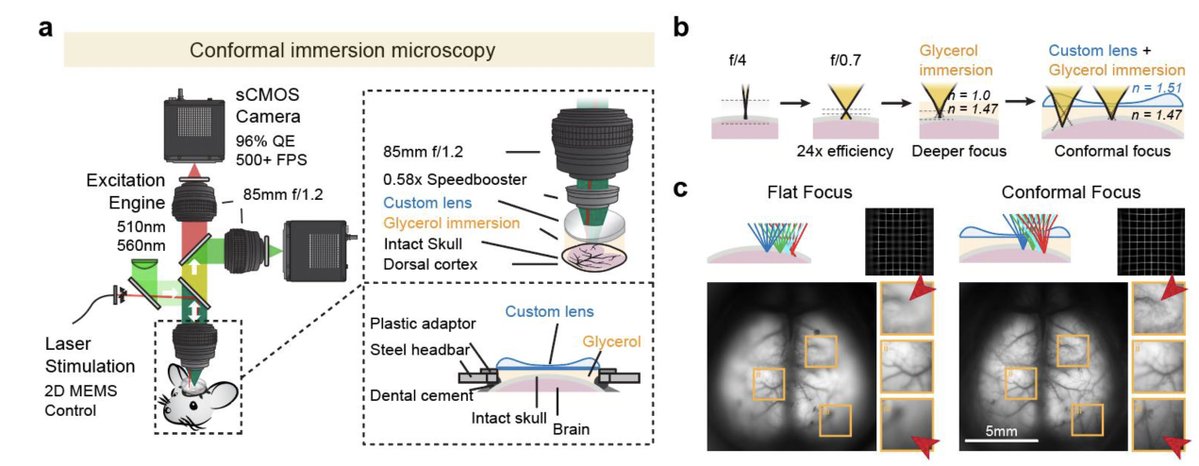
We screened for principles governing global brain dynamics by developing a set of new methods: 1) conformal immersion microscopy for recording high-speed/high-resolution neural activity across dorsal cortex; 2) unbiased computational screening of brain-spanning activity for fast directionally-propagating spatiotemporal elements; and 3) novel genetically-encoded voltage sensing integrated with designed spectrally-compatible opsins (derived from our channelrhodopsin structure work) for systematic causal testing.
This unbiased screening/testing approach (which we show is applicable either to voltage or calcium imaging) allowed discovery and functional validation of a surprisingly well-defined set of directional elements that generalized across cell types and frequencies. The ability to work over long timescales at high speeds and with broad scope, anchored in optogenetic causal testing, unveiled rich spatiotemporal structure that was remarkably tractable.
From the perspective of natural brain function, the directional elements were found to be behaviorally relevant and robust to diverse perturbations; however, we also found specific conditions allowing elemental incidence and boundaries to be selectively modulated, which may provide translational as well as basic-science insight...
I'm so grateful to all our collaborators, and honored to work with all the outstanding students, postdocs, and staff who worked together to develop and apply this approach...
1
60
249
22,153
Brunet Lab retweeted

May 29
Excited to share my first postdoc work co-led with Yuichi Chayama, from @andcyang lab - now out in @CellCellPress! We created a genetic system to trace how the brain clears waste, uncovering surprising new biology about waste clearance pathways. 🧵1/9
🔗 cell.com/cell/fulltext/S0092…
7
34
126
25,095
Brunet Lab retweeted

Our autoimmunity paper is now OA in final form. We found a fascinating landscape of somatic evolution underpinning thyroid autoimmunity, where tens of B cell clones convergently lose immune checkpoints and some acquire 4-6 drivers over years of evolution. nature.com/articles/s41586-0…
3
21
76
10,376
Brunet Lab retweeted

May 27
It's time to rewrite reviews-aKG doesn't just regulate demethylation. Work from my lab and @mzspectrum demonstrates a new role for aKG in promoting histone acetylation and DNA repair through regulating carnitine synthesis. Congrats @ApoorvaUboveja!
nature.com/articles/s41586-0…
14
50
191
22,632
Brunet Lab retweeted

May 15
Going outside of our chromatin comfort zone here, the brilliant @YangXiao_TPCB discovered that SRSF2 undergoes non-enzymatic glycation that disrupts its function & leads to the missplicing observed in cancer! Great collab w/ @CalebLareau & @AbdelWahablab
pubs.acs.org/doi/10.1021/jac…
4
6
40
4,346
Brunet Lab retweeted

Our consortium paper on deep profiling of individuals of different ethnicities located across continents just came out. I HPP initiative involving many different labs from aorund the world and an amazing open access resource. Full of cool results. cell.com/cell/fulltext/S0092…
2
11
35
5,074
Brunet Lab retweeted

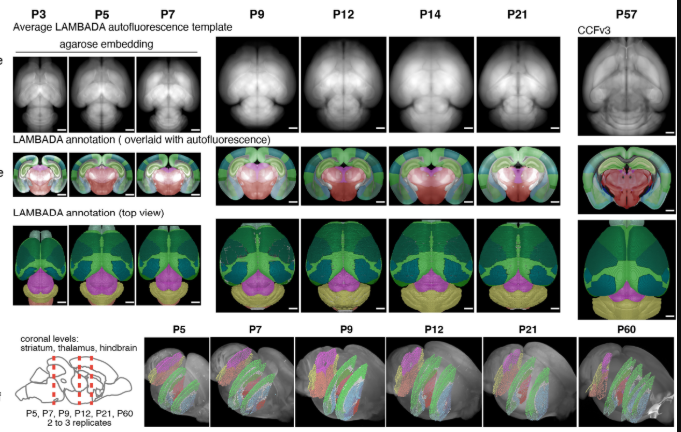
The beautiful PhD work of our postdoc @elisa_delaunoit is out! cell.com/cell/fulltext/S0092…
12
93
9,366
Brunet Lab retweeted

May 7
Happy to share that I've joined Stanford as Professor in Anesthesiology, Perioperative and Pain Medicine. After 20 wonderful years at Baylor College of Medicine, I'm deeply grateful to my outstanding trainees, colleagues, collaborators, and staff. Excited for this next chapter!
2
3
44
4,237
Brunet Lab retweeted

1/ Thrilled to share our new paper, out today in @Nature: "Non-invasive profiling of the tumour microenvironment with spatial ecotypes".
Paper (open access): nature.com/articles/s41586-0…
17
137
405
111,201
Brunet Lab retweeted

Spotlight on Nicolas Altemose, assistant professor of genetics: The Altemose Lab applies new tools and technologies to explore the biology of repetitive areas of the human genome.
stanmed.stanford.edu/repetit…
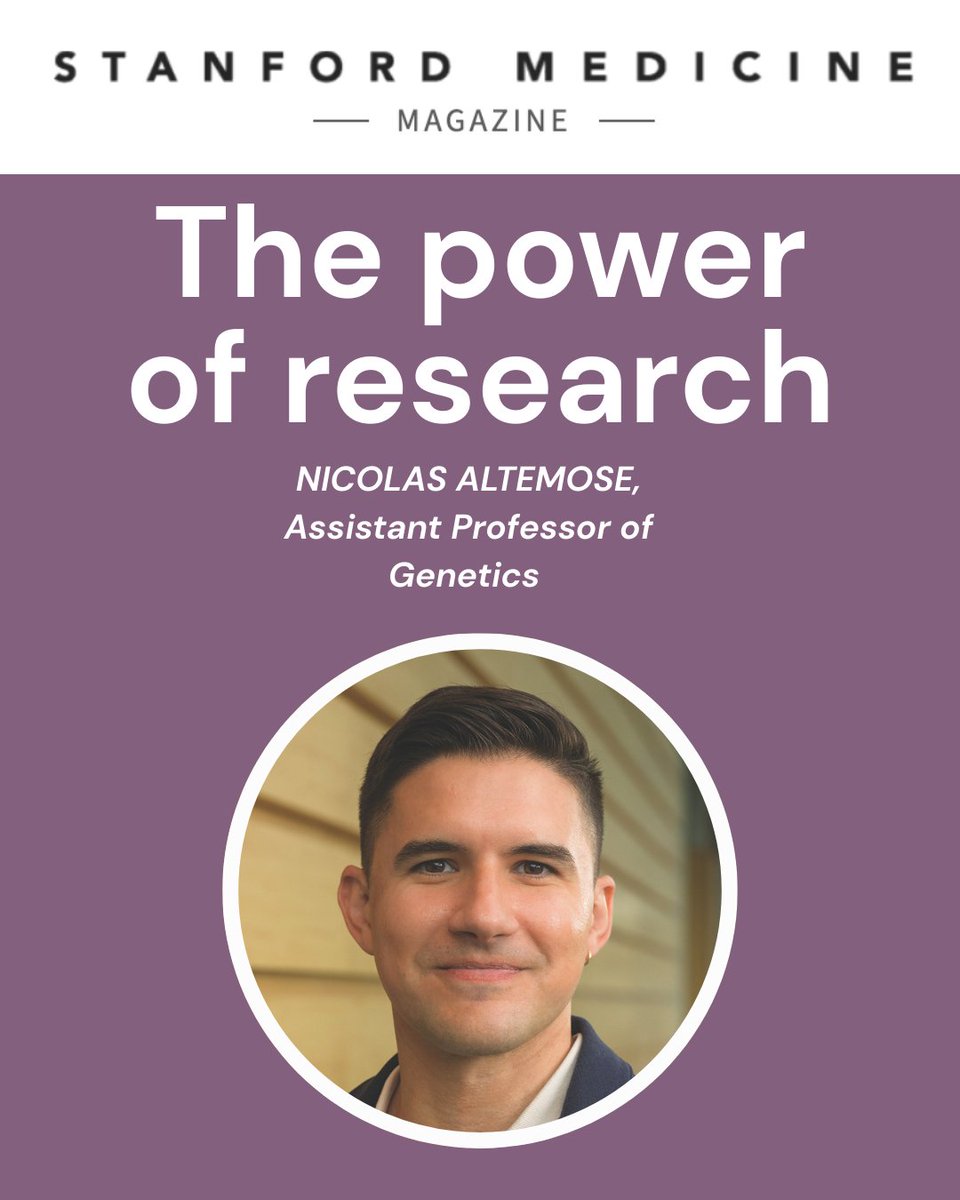
ALT Nicolas Altemose, assistant professor of genetics
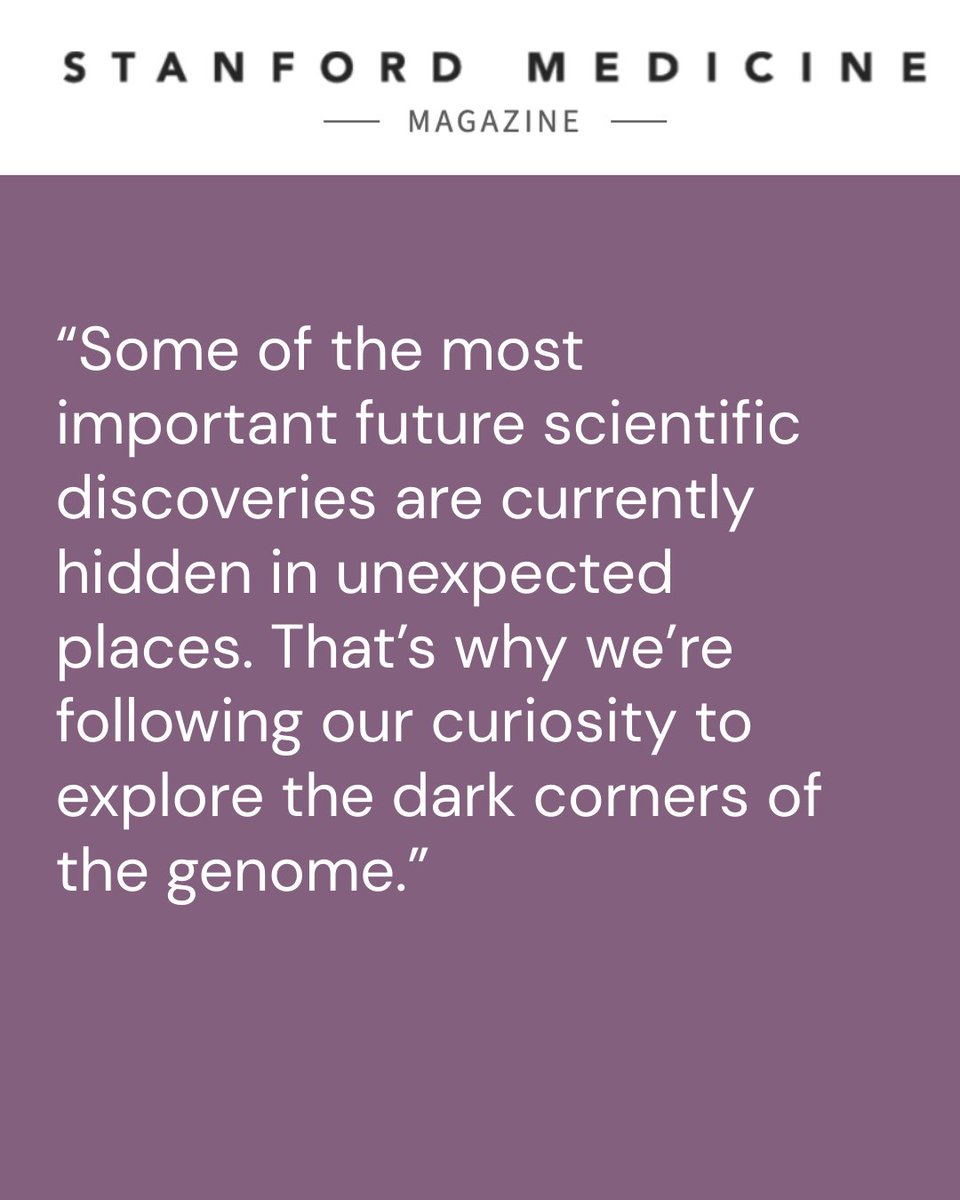
ALT "Some of the most important future scientific discoveries are currently hidden in unexpected places. That's why we're following our curiosity to explore the dark corners of the genome."
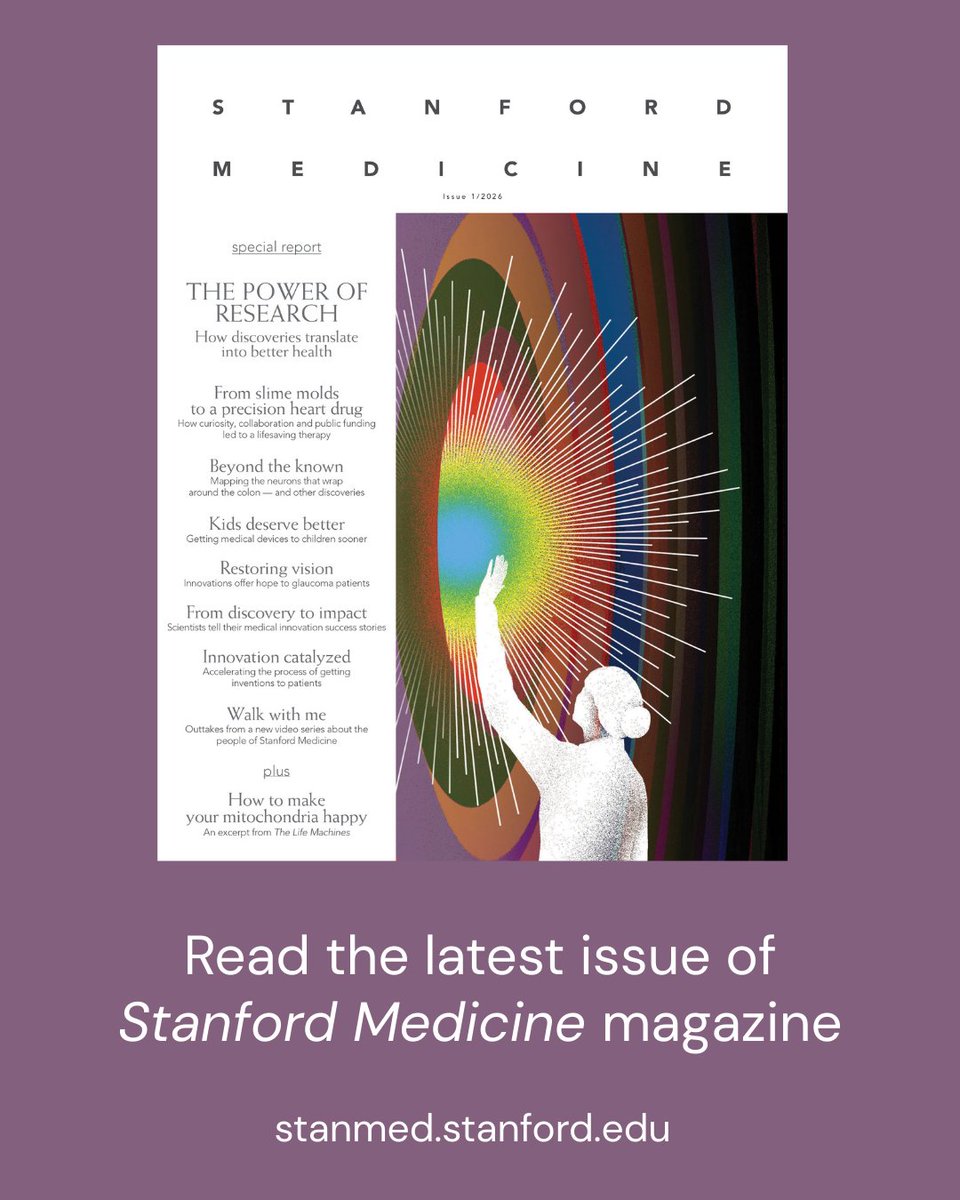
ALT Stanford Medicine magazine: The power of research
1
6
23
4,088