Faculty at University of Saskatchewan. Renewable Resource Management Coordinator. Father, Husband, Curmudgeon. Interested in climate and forests. He/him/il.
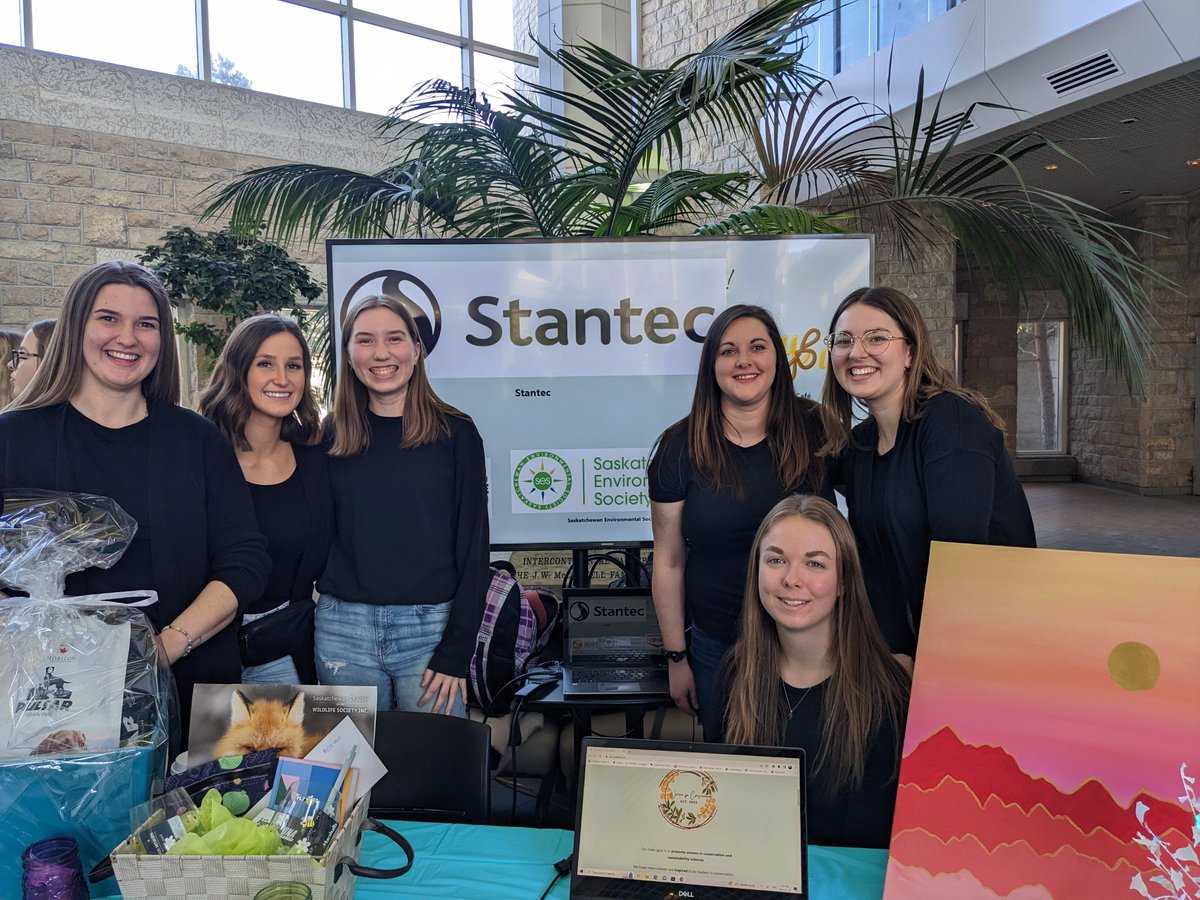
I’m proud to share that @Stantec will be supporting the @usask Women for Conservation student group in their pursuit to raise money to attend an environmental conference this fall. Please consider donating to further these students' education #StantecProudwfc.madlabsk.ca
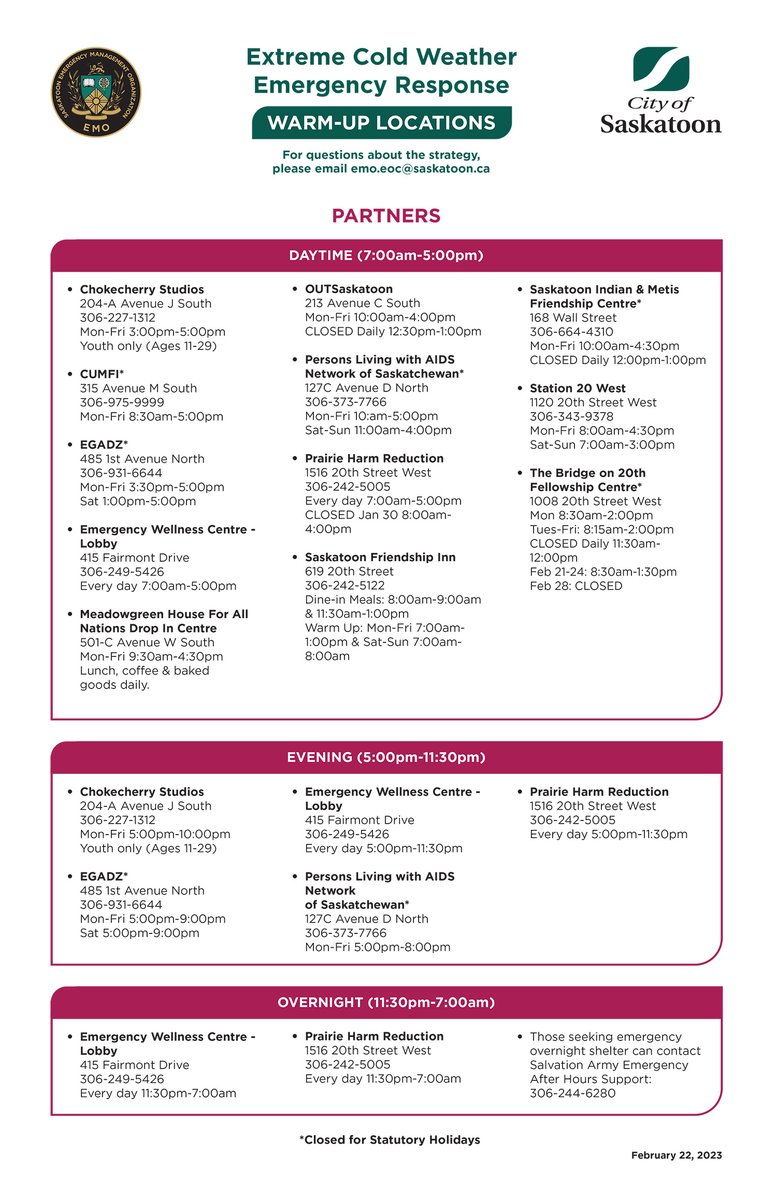
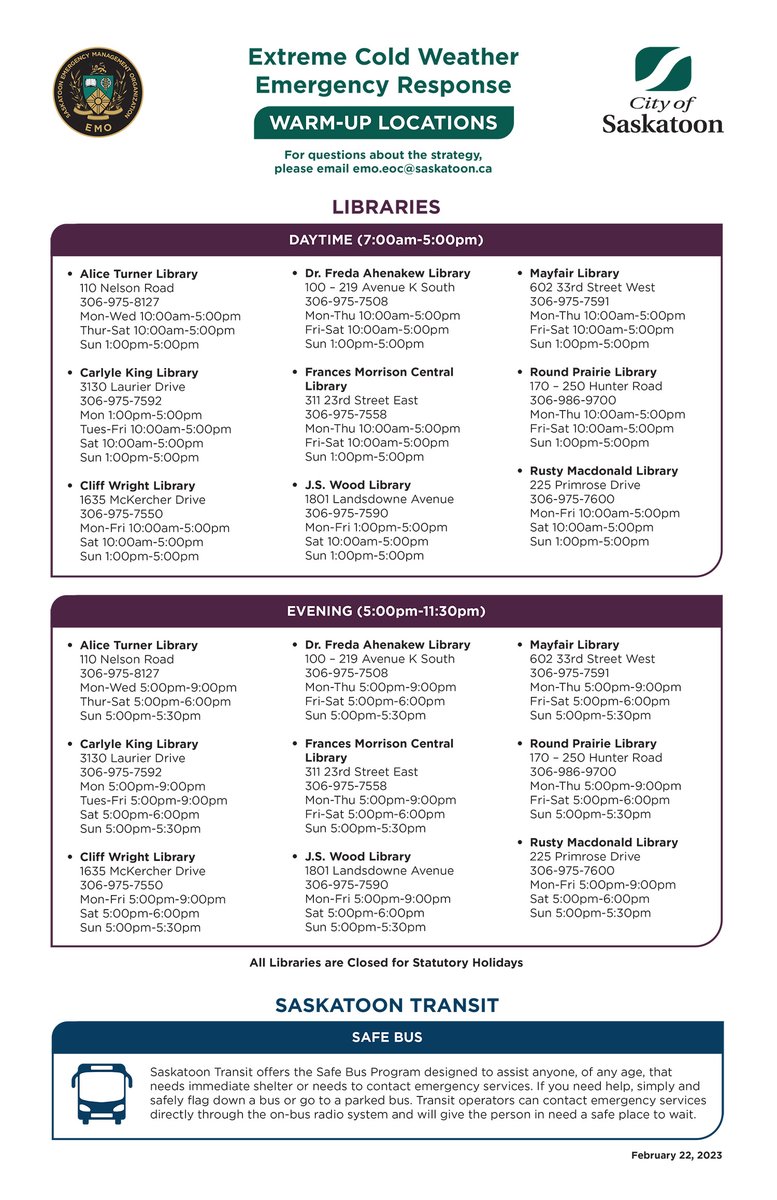
The #yxe Extreme Cold Weather Response has been activated at a Level II. Help us share the latest list of warm-up locations and keep an eye out for anyone who may need assistance.
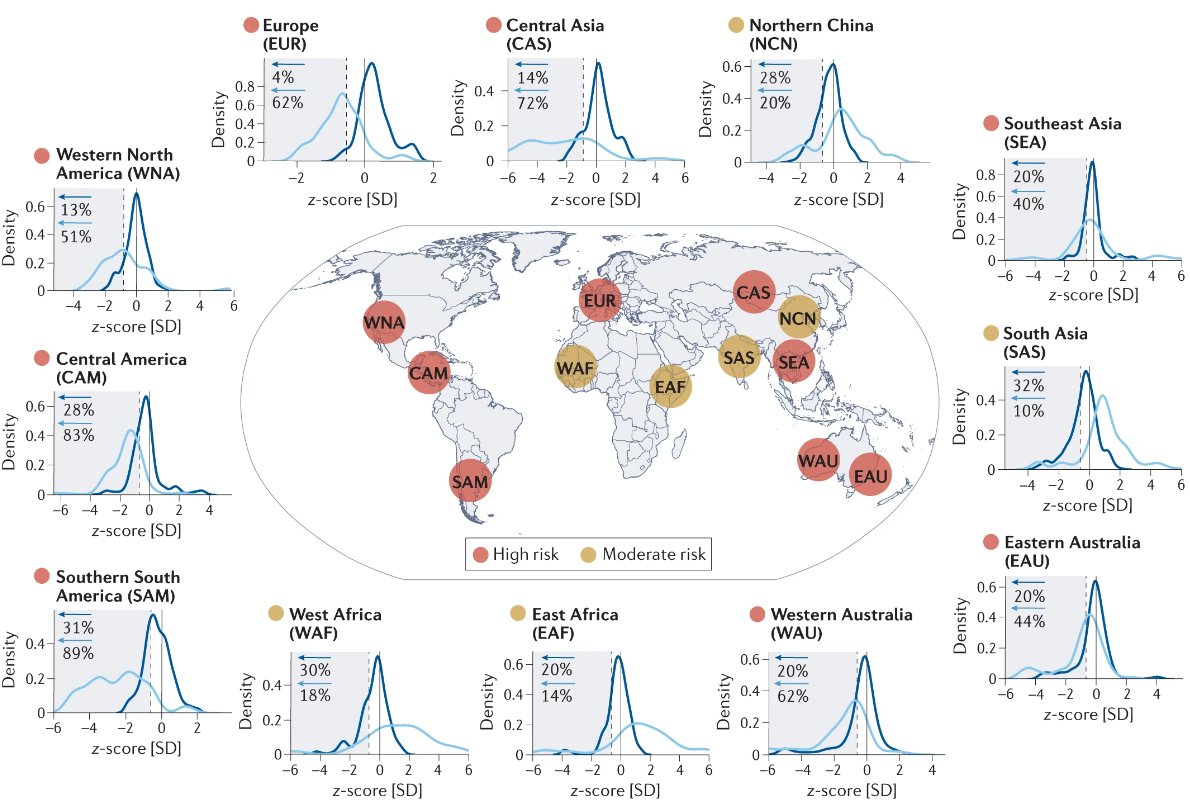
ALT A map showing projected future megadrought risk. On the map, regions of ‘high risk’ in the late twenty-first century (red circles) experience mean shifts in the multi-model ensemble towards drier conditions (for example, western North America, Europe, Central America), whereas those with ‘moderate risk’ (orange circles) typically experience small increases in megadrought risk associated with subsets of models rather than any coherent ensemble-mean shift (for example, West Africa, northern China). Anthropogenic climate change has intensified ongoing megadroughts in south-western North America and across Chile and Argentina. Future megadroughts will be substantially warmer than past events, with this warming driving projected increases in megadrought risk and severity across many regions, including western North America, Central America, Europe and the Mediterranean, extratropical South America, and Australia.
Understanding climate risk is critical to supporting the energy transition. We’re proud that the @GOLDCOUNCIL used our findings to develop recommendations to enhance future gold mining adaption and resilience planning globally.
Learn more:
gold.org/goldhub/research/go…#StantecProud
Pro tip when writing image descriptions for folks: You're not writing a professional newspaper caption of a stock photo.
Just let blind and low vision users know what they might wanna see! For example:
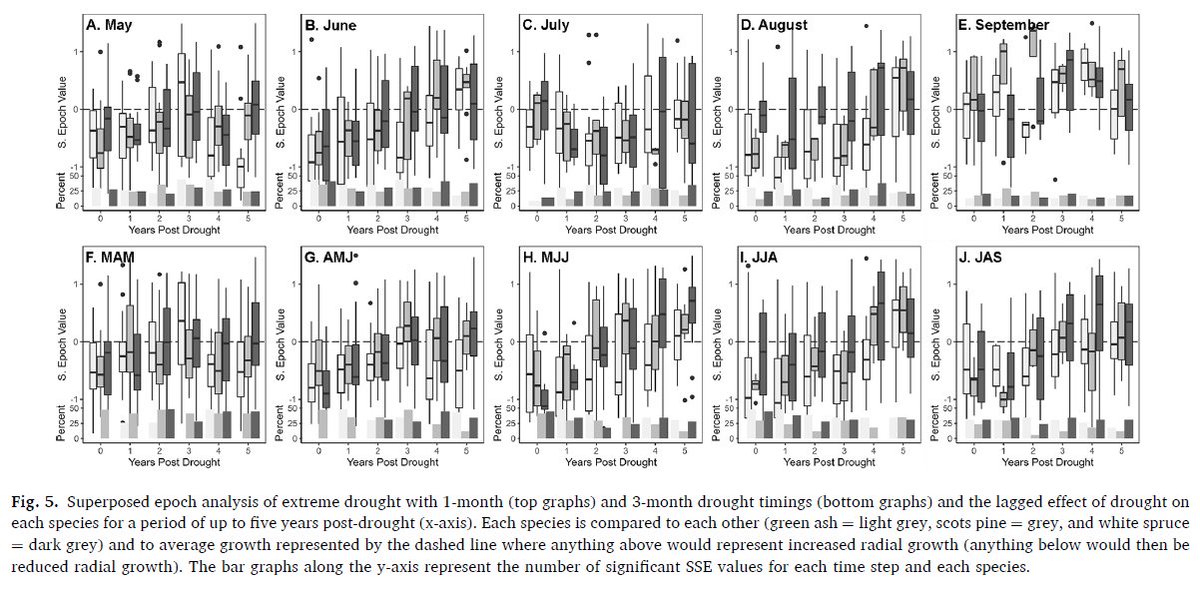
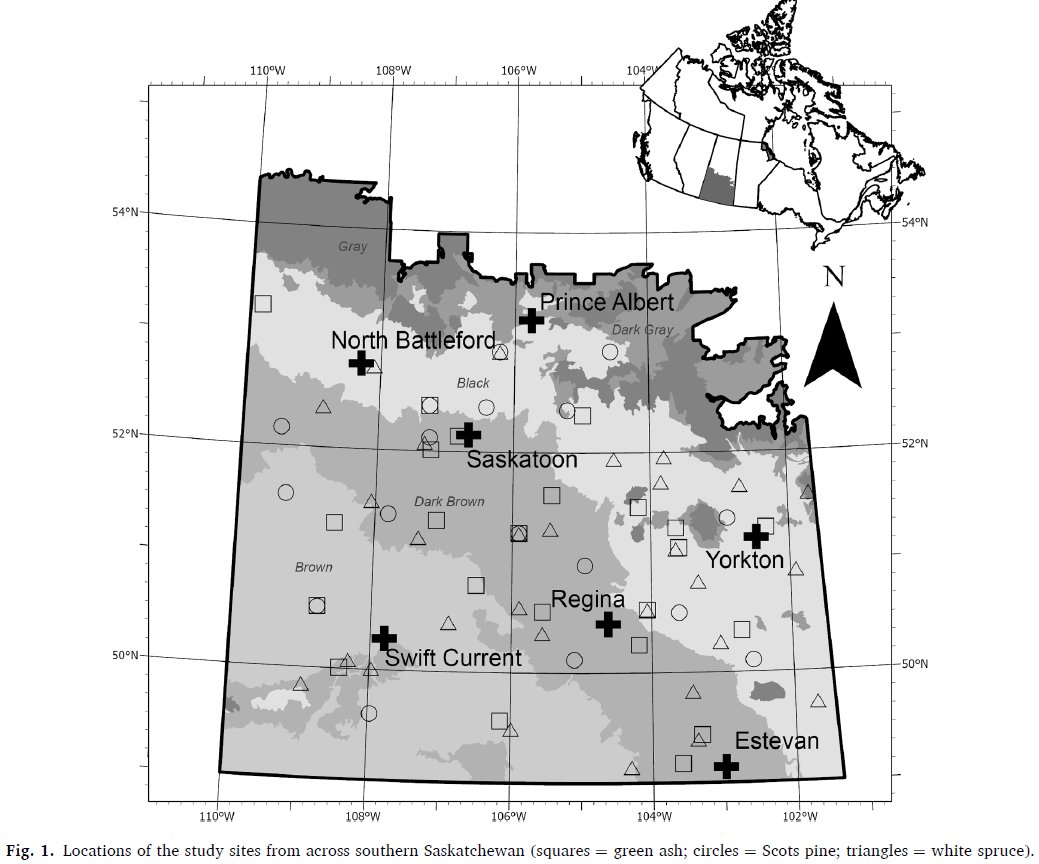
Our paper on drought legacy impacts for three disparate species growing outside of their natural range is out in @agformet!
An opportunity unique to southern Saskatchewan shelterbelts.
authors.elsevier.com/a/1gQRy…
Thread below: (0/7)
While past research indicates green ash as 'drought-tolerant', our study suggests this may not be the case in southern Saskatchewan.
The findings and data from this research will help landowners decide which shelterbelt species to plant moving forward.
(6/7)
The work completed by C. Canning and C. Laroque with @Usask#SENS and @agbiousask, B. Bonsal with @environmentc, B. Howat with @info_at_CLC, and myself with @Stantec
Research was done on Treaty Two, Treaty Four, and Treaty Six Territories and the Homeland of the Metis.
(7/7)
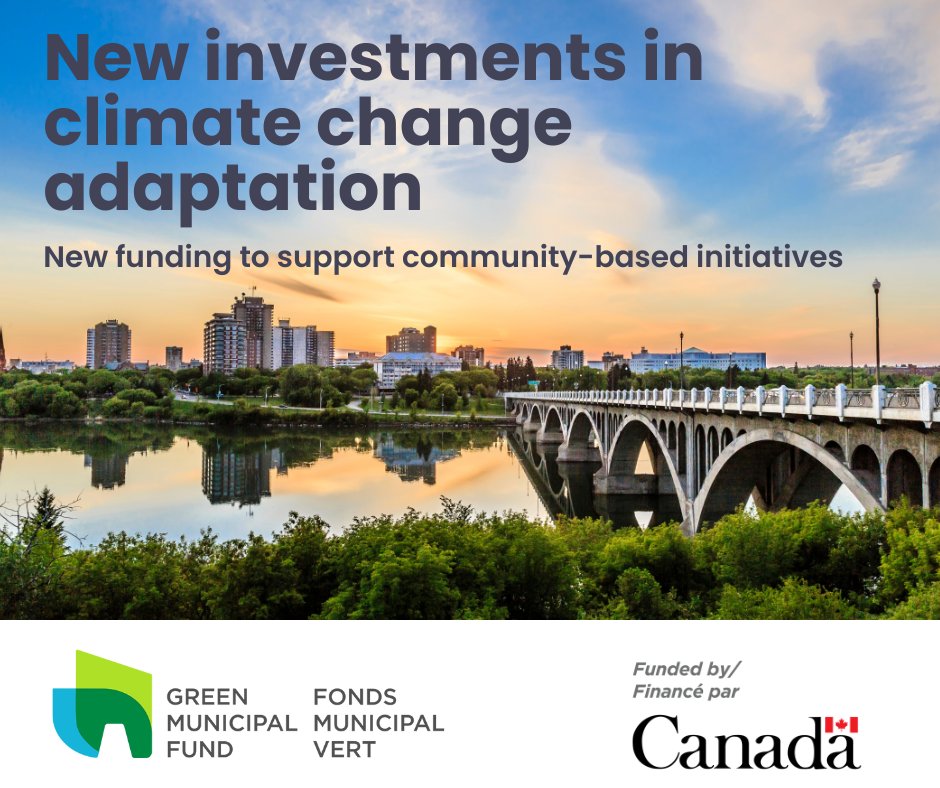
We are pleased to share that today the Government of Canada announced a one-time transfer of $530M to the Green Municipal Fund to support community-based #ClimateAdaptation initiatives. Learn more about this new program in our press release: fcm.ca/en/news-media/news-re…#GoC#CDNmuni
Municipalities are driving local adaptation projects that are cutting GHGs and making communities more resilient. It’s time for bold action. With the right tools, local leaders are ready to do more. Read our National Adaptation Strategy recommendations: fcm.ca/adaptation
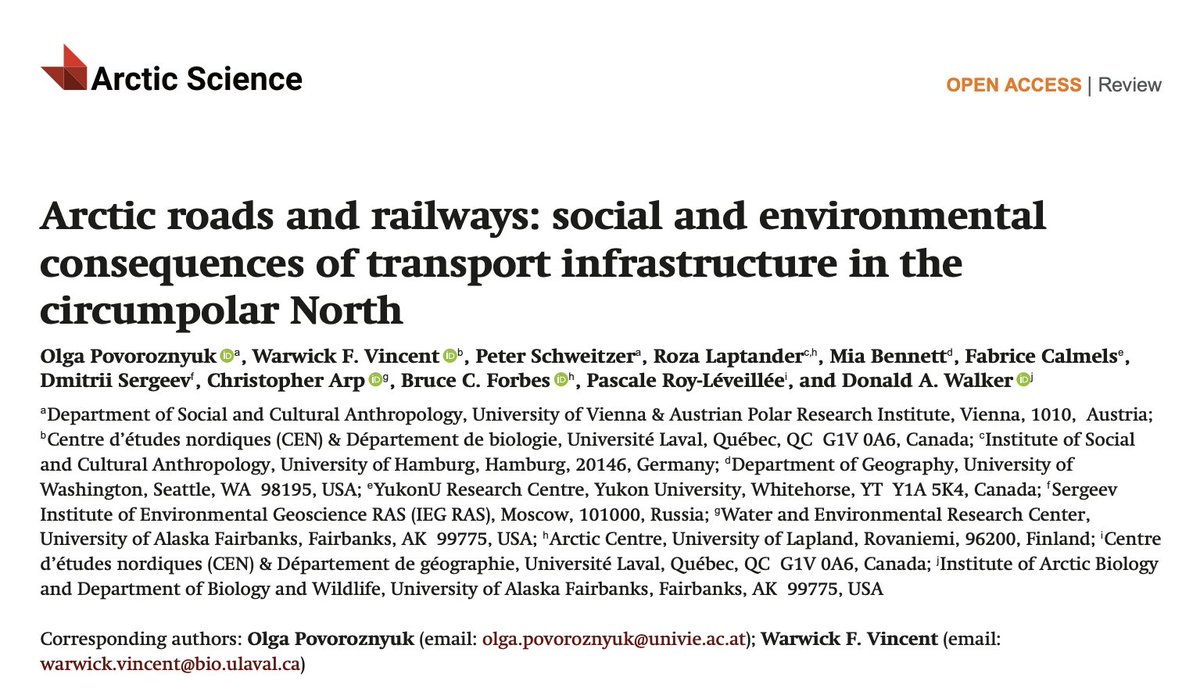
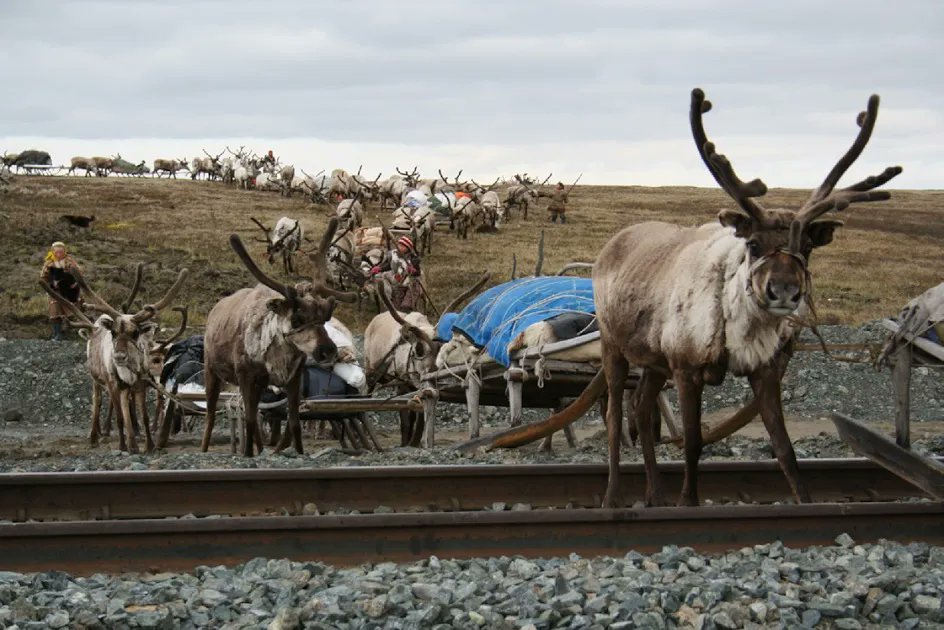
Our paper in @ArcticScienceJ offers 7 case studies of #Arctic infrastructure's impacts:
-Baikal–Amur Mainline
-Bovanenkovo Railway
-Alaska–Canada Highway
-Inuvik–Tuktoyatuk Highway
-Alaska Railroad
-Hudson Bay Railway
-Proposed railways on Baffin Island
cdnsciencepub.com/doi/full/1…