Father | Climatologist | Assist. Professor @UTKGeography | Ad. Professor @UniversidadUASD |🇩🇴| #ADHD | Group: @hydroclimp

Joined April 2018
21 Photos and videos
Dimitris A. Herrera retweeted
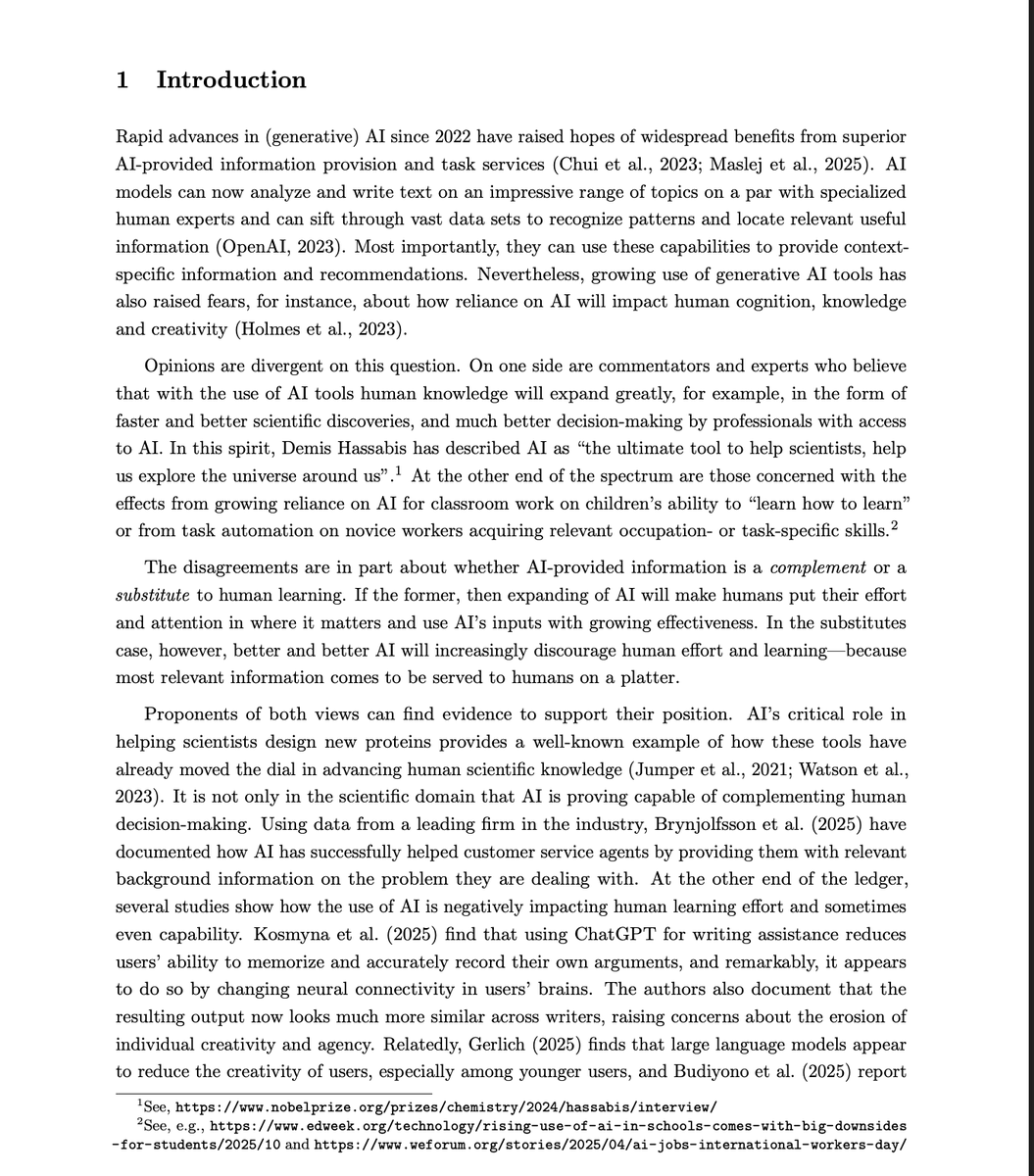
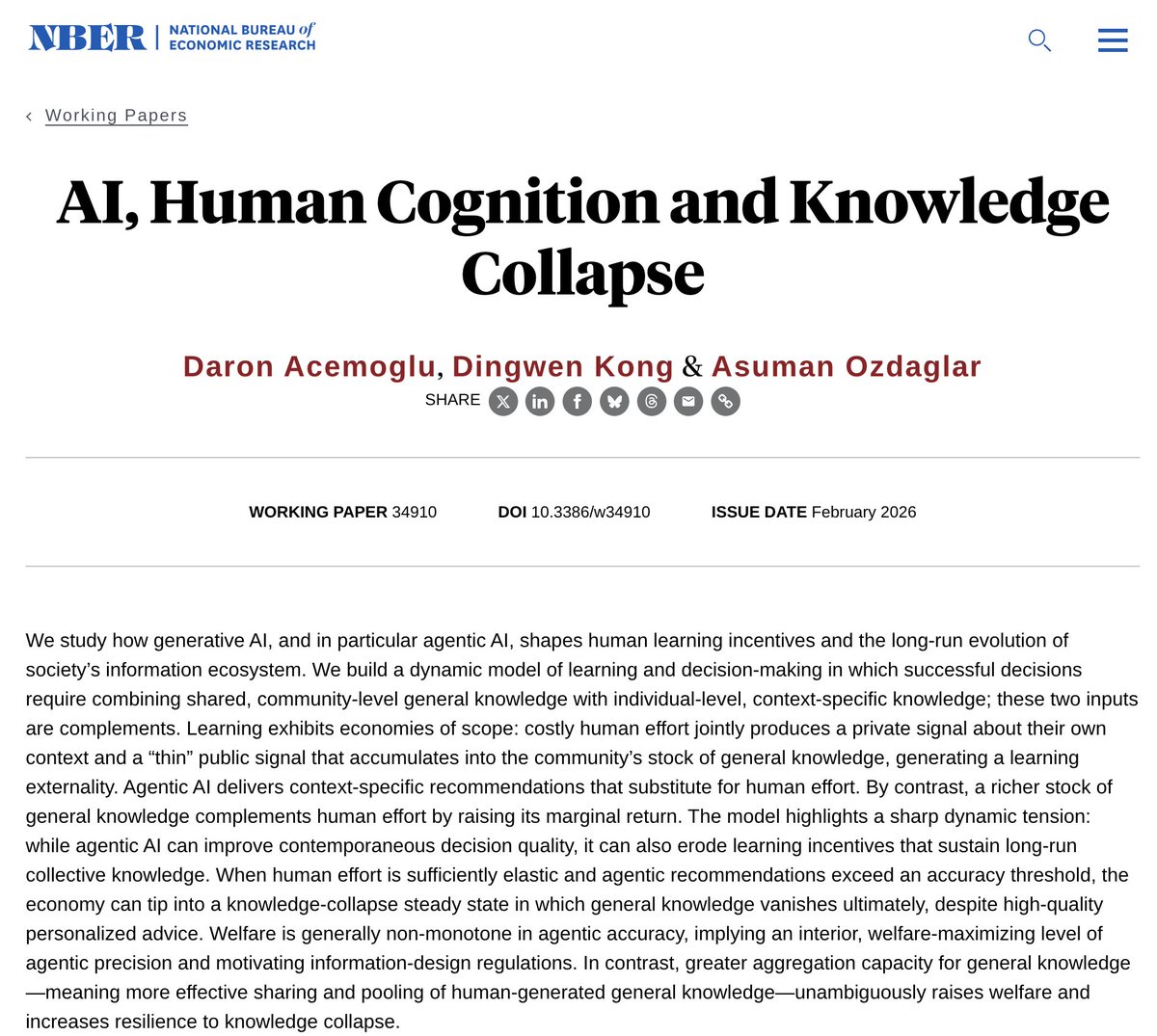
MIT's Nobel Prize-winning economist just published a model with one of the most alarming conclusions in the AI literature so far. If AI becomes accurate enough, it can destroy human civilization's ability to generate new knowledge entirely. Not gradually degrade it. Collapse it. The paper is called AI, Human Cognition and Knowledge Collapse. Authors: Daron Acemoglu, Dingwen Kong, and Asuman Ozdaglar. MIT. Published February 20, 2026. Acemoglu won the Nobel Prize in Economics in 2024. He is not a doomer blogger. He is the most cited economist of his generation, and his models tend to be taken seriously by the people who set policy. Here is the argument in plain terms. Human knowledge is not just a collection of facts stored in individuals. It is a living system that requires continuous reproduction. People learn things. They apply them. They teach others. They build on prior work to generate new work. The entire engine of science, medicine, technology, and innovation runs on this cycle of active human cognition. What happens when AI provides personalized, accurate answers to every question people would otherwise have to learn themselves? Individually, each person is better off. They get correct answers faster. They make fewer errors. Their immediate outcomes improve. But they stop doing the cognitive work that sustains the collective knowledge base. Acemoglu's model shows this produces a non-monotone welfare curve. Modest AI accuracy: net positive. AI helps at the margin, humans still do enough learning to sustain collective knowledge, everyone gains. High AI accuracy: net catastrophic. AI is accurate enough that learning yourself feels unnecessary. Human learning effort collapses. The knowledge base that AI was trained on is no longer being refreshed or extended. Innovation stalls. Then stops. The model proves the existence of two stable steady states. A high-knowledge steady state where human learning and AI assistance coexist productively. A knowledge-collapse steady state where collective human knowledge has effectively vanished, individuals still receive good personalized AI recommendations, but the shared intellectual infrastructure that enables new discoveries is gone. And the transition between them is not gradual. It is a threshold effect. Below a certain level of AI accuracy, society stays in the high-knowledge equilibrium. Above that threshold, the system tips. And once it tips, the collapse is self-reinforcing. Because the people who would have learned the things that would have pushed the frontier forward never learned them. And the AI cannot push the frontier on its own. It can only recombine what humans already knew when it was trained. The dark irony at the center of the model: The AI does not fail. It keeps giving accurate, personalized, useful answers right through the collapse. From the individual's perspective, nothing looks wrong. You ask a question, you get a correct answer. But the collective capacity to ask questions nobody has asked before, to build the frameworks that generate new knowledge rather than retrieve existing knowledge, that capacity is quietly disappearing. Acemoglu has been the most prominent mainstream economist skeptical of transformative AI productivity claims. His prior work found that AI's actual measured productivity gains were much smaller than the technology industry projected. This paper is a different kind of warning. Not that AI will fail to deliver promised gains. But that if it succeeds too completely, it will undermine the human cognitive infrastructure that makes long-run progress possible at all. The welfare effect is non-monotone. That is the sentence worth sitting with. Helpful until it is not. Beneficial until it crosses a threshold. And past that threshold, the same accuracy that made it so useful is precisely what makes it devastating. Every student who uses AI instead of working through a problem is a data point. Every researcher who uses AI instead of developing intuition is a data point. Every generation that grows up with accurate AI answers and no incentive to develop deep domain knowledge is a data point. Individually rational. Collectively catastrophic. Acemoglu proved this is not just a cultural concern or a vague anxiety about screen time. It is a mathematically coherent equilibrium that a sufficiently accurate AI system will push society toward. And there is no visible warning sign before the threshold is crossed.

197
1,089
2,665
418,560
Dimitris A. Herrera retweeted
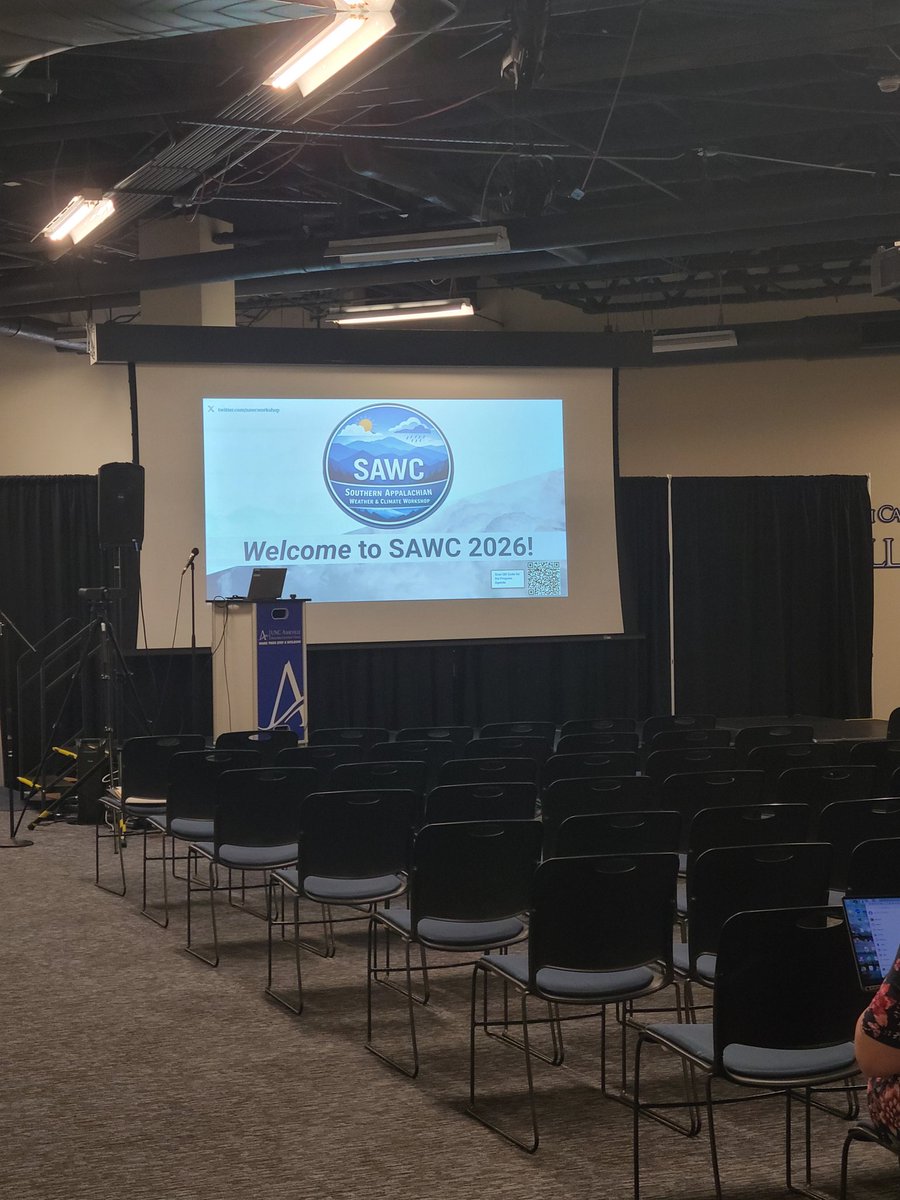
The stage is set! We can't wait to get things kicked off for #SAWC2026 at 1pm!
1
6
1,815
Dimitris A. Herrera retweeted
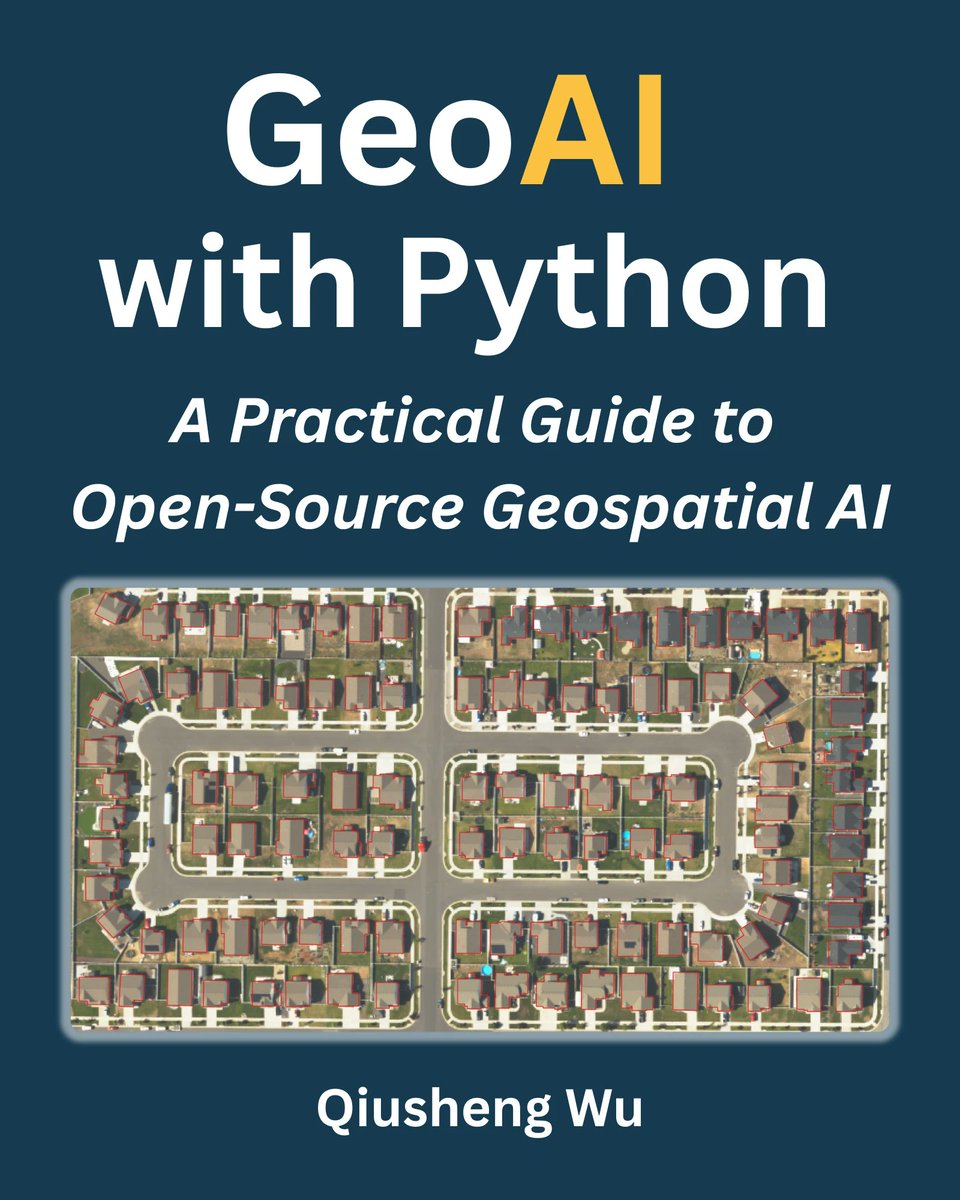
🚀 New book release: GeoAI with Python: A Practical Guide to Open-Source Geospatial AI The full PDF edition (423 pages) is now available on Leanpub: leanpub.com/geoai All code examples are freely available: book.opengeoai.org This hands-on guide shows how to apply deep learning and AI to satellite imagery, aerial photos, and geospatial data using Python. It walks through the complete workflow, from accessing remote sensing data to training, evaluating, and deploying models using open-source tools. Explore the Table of Contents: book.opengeoai.org The full-color print edition will be available on Amazon soon. #geospatial #geoai #opensource
7
107
444
17,842
Dimitris A. Herrera retweeted
2026 US Winter Storm Seen from Space – Stunning Satellite Timelapse Using QGIS Watch the 2026 U.S. Winter Storm unfold from space in this stunning satellite timelapse created with just a few clicks using the QGIS Timelapse Plugin. In this step-by-step tutorial, I’ll show you how to visualize powerful weather events using NOAA’s GOES-18 satellite imagery inside QGIS, without needing to code. Perfect for geospatial analysts, educators, or curious weather enthusiasts! Pluging page: plugins.qgis.org/plugins/tim… GitHub repo: github.com/opengeos/qgis-tim… Video tutorial: youtu.be/G1MnIGBdruA #QGIS #geospatial #python #EarthEngine #WinterStorm
1
9
55
3,484
Dimitris A. Herrera retweeted
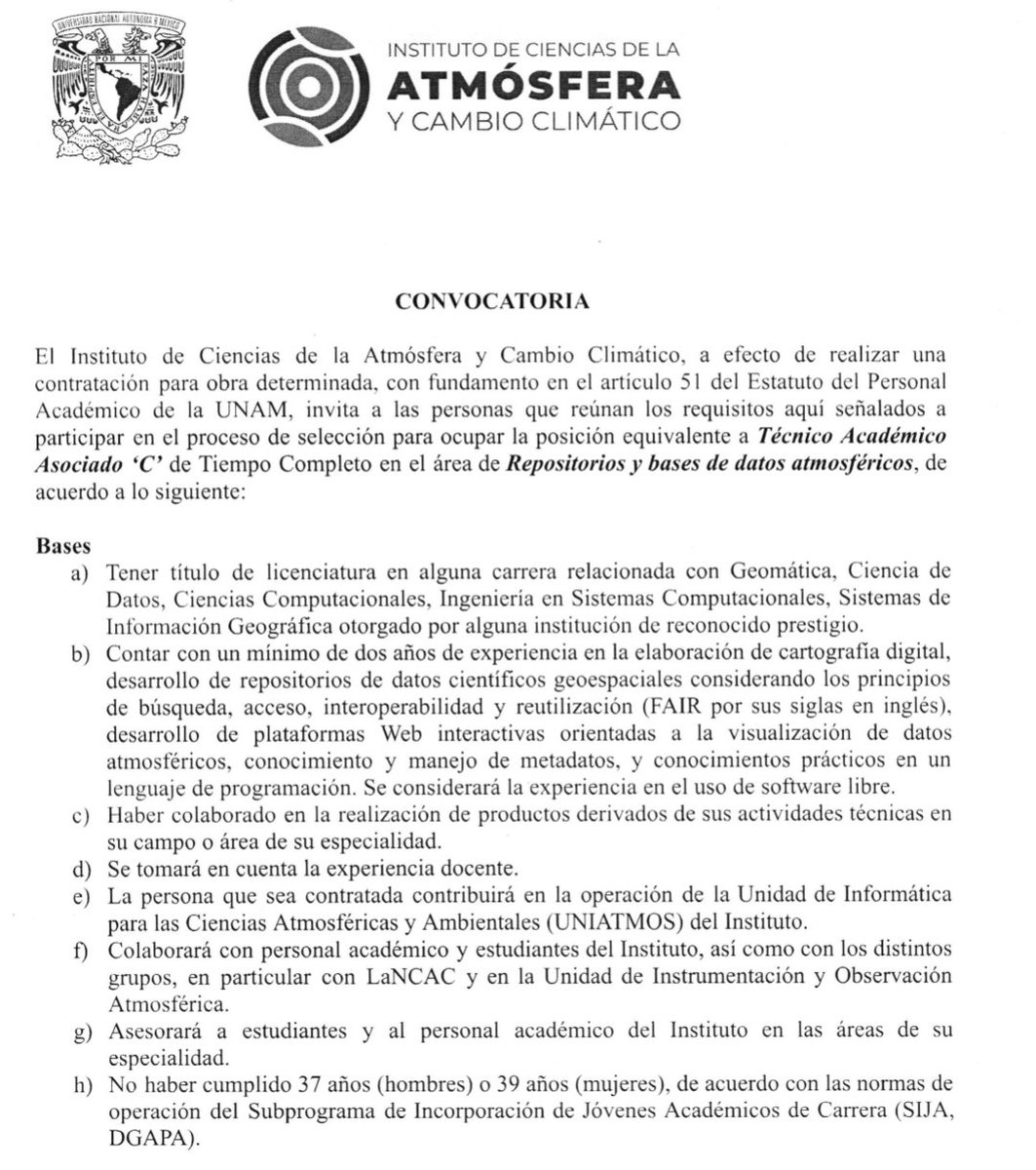
#OportunidadLaboral El @ICAyCC_UNAM está buscando un licenciado o ingeniero con experiencia en cartografía digital, sistemas de información geográfica, bases de datos científicos, entre otros ¿Te interesa?. Consulta la liga: 👇🏻 atmosfera.unam.mx/wp-content…
6
11
566
Dimitris A. Herrera retweeted
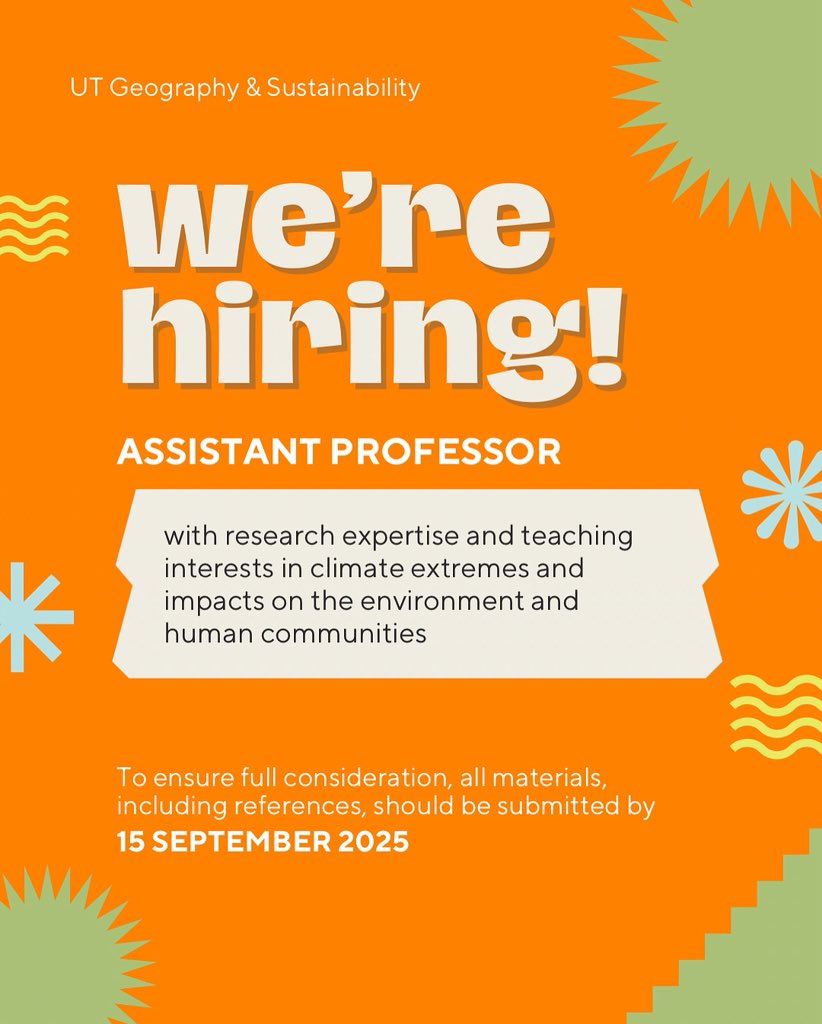
🌍 We’re hiring a tenure-track Assistant Professor in climate extremes and their impacts on the environment and/or human communities. 🔗 Link to apply full description is in our bio!
5
7
452
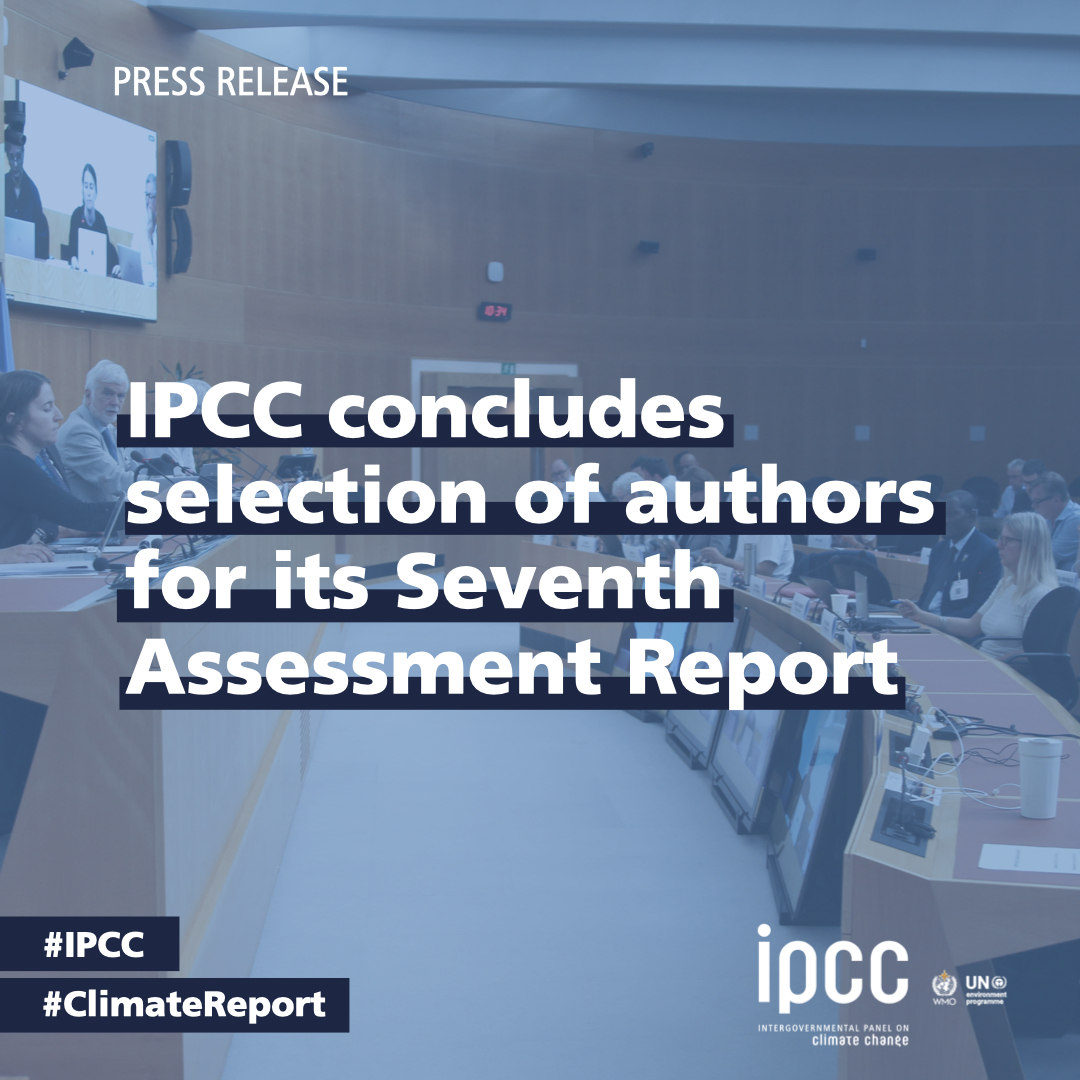
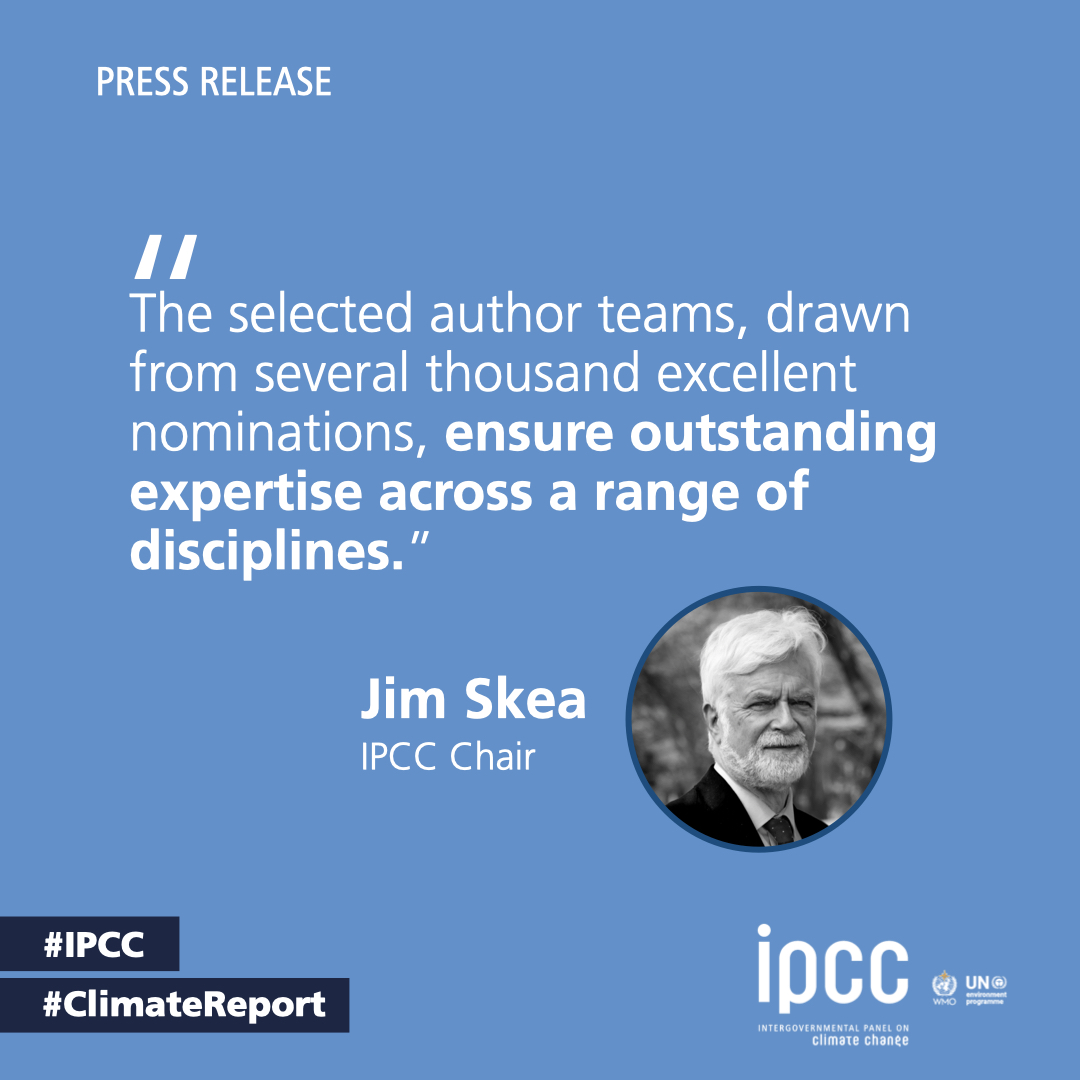
I am honored and humbled to have been selected as an author for the @IPCC_CH AR7. I look forward to learning from and contributing to Chapter 7 ("Projections of Regional Climate and Extremes") alongside my colleagues.
18 Aug 2025
The #IPCC has announced the authors selected for the Seventh Assessment Report. 664 experts from 111 countries have been invited to participate as Coordinating Lead Authors, Lead Authors, & Review Editors. 🌍 51% from developing countries 🚺 46% women bit.ly/AR7AuthorsPR
3
1
7
193
Dimitris A. Herrera retweeted
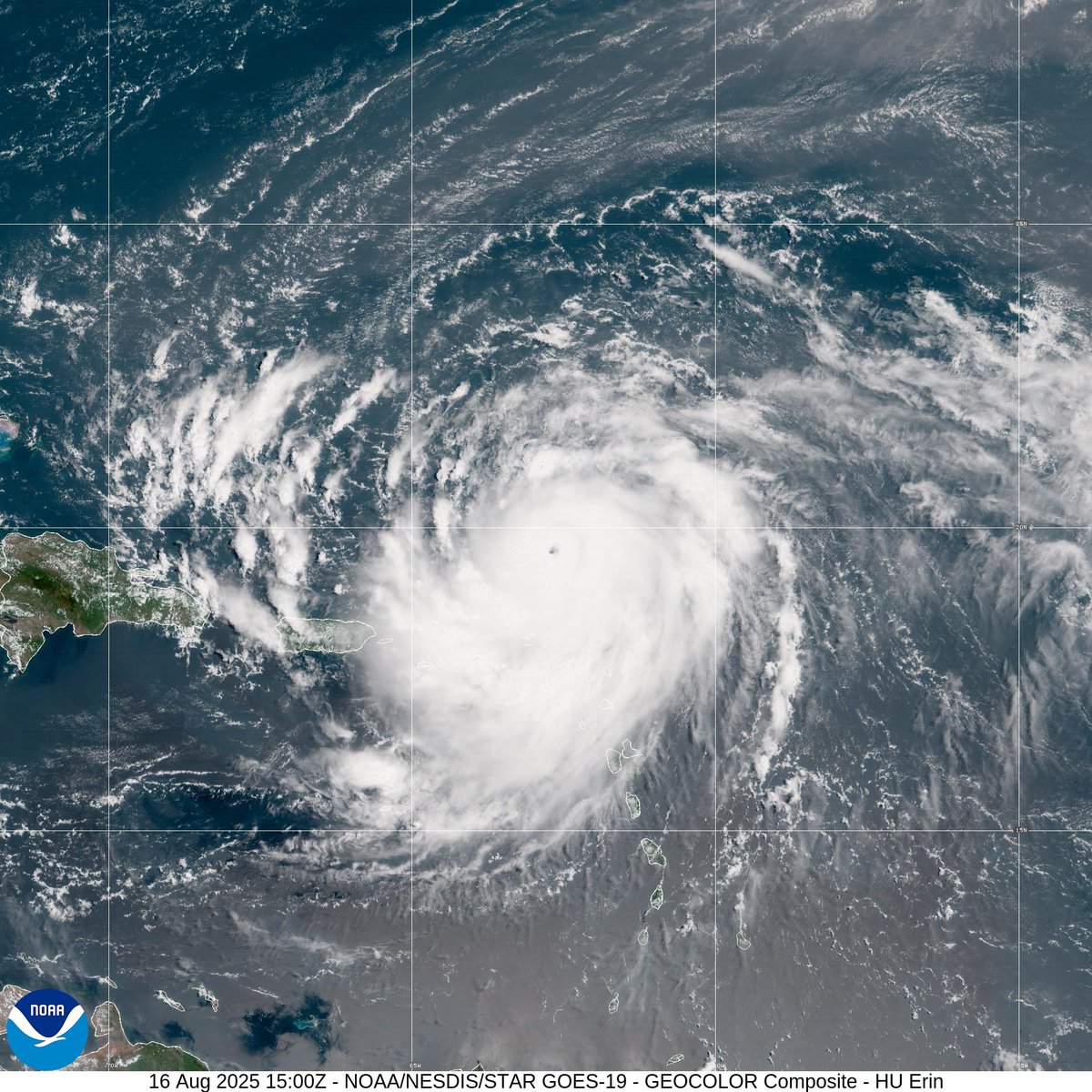
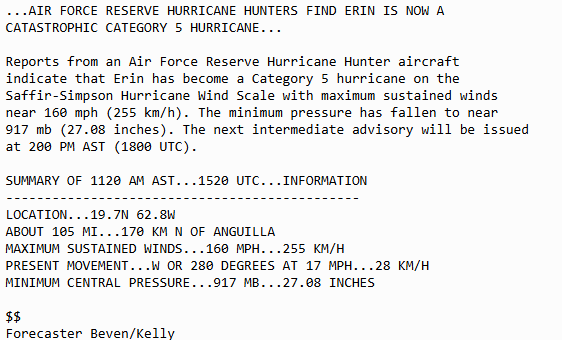
August 16: 11:20AM AST @53rdWRS find #Erin is now a Category 5 Hurricane with maximum sustained winds of 160 mph. Visit hurricanes.gov for the latest
127
1,434
4,318
710,990
Dimitris A. Herrera retweeted
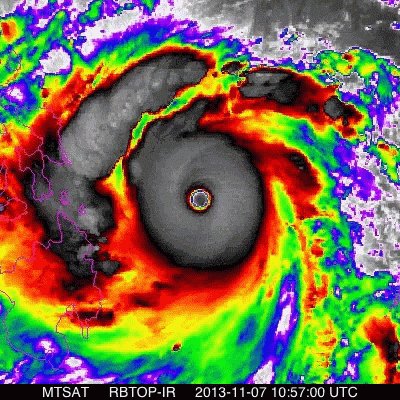
Have you ever wondered how NHC determines how strong a tropical cyclone is? In this video, NHC meteorologist Elizabeth Adams explains the Dvorak Technique, which NHC uses extensively to help estimate a tropical cyclone's intensity.
2
42
119
17,374
Dimitris A. Herrera retweeted
🤯 El clima ya no avisa: de la sequía al diluvio en cuestión de días. ¿Qué son los latigazos hidroclimáticos? no te pierdas nuestra nota. ⬇️ unamglobal.unam.mx/global_re…
3
9
315
Dimitris A. Herrera retweeted
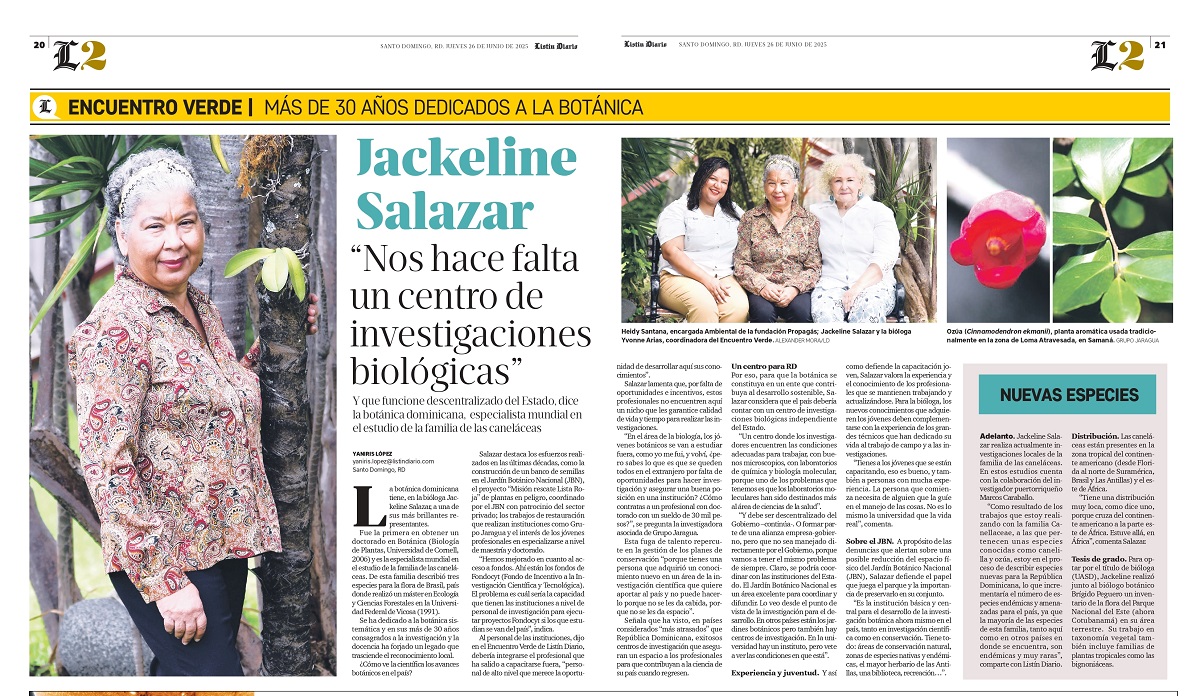
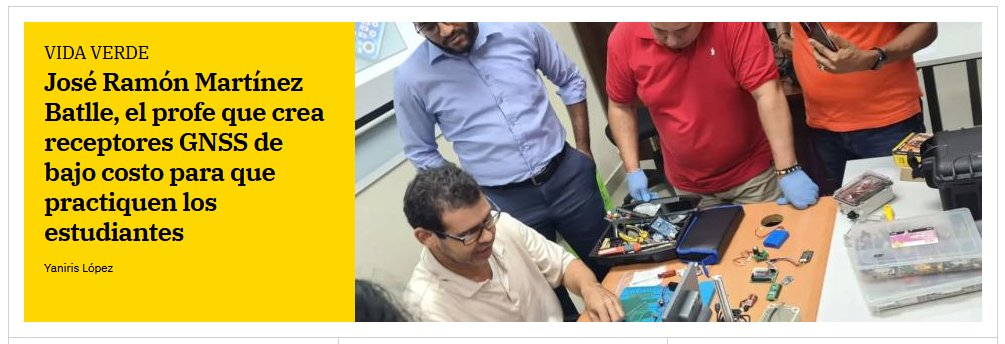
Yo no he dejado de sentirme contento por este artículo. Porque lo han escrito resaltando la esencia de mi hermano, su interés por las ciencias, su desborde por entregar enseñanza práctica, a pesar de todo. Mi agradecimiento a Yaniris López del @ListinDiario por haber realizado una entrevista que sin dudas @geografiard pudo disfrutar: lejos de afanes mercuriales, y apegada a la vocación del maestro. listindiario.com/la-vida/vid…
1
5
10
392
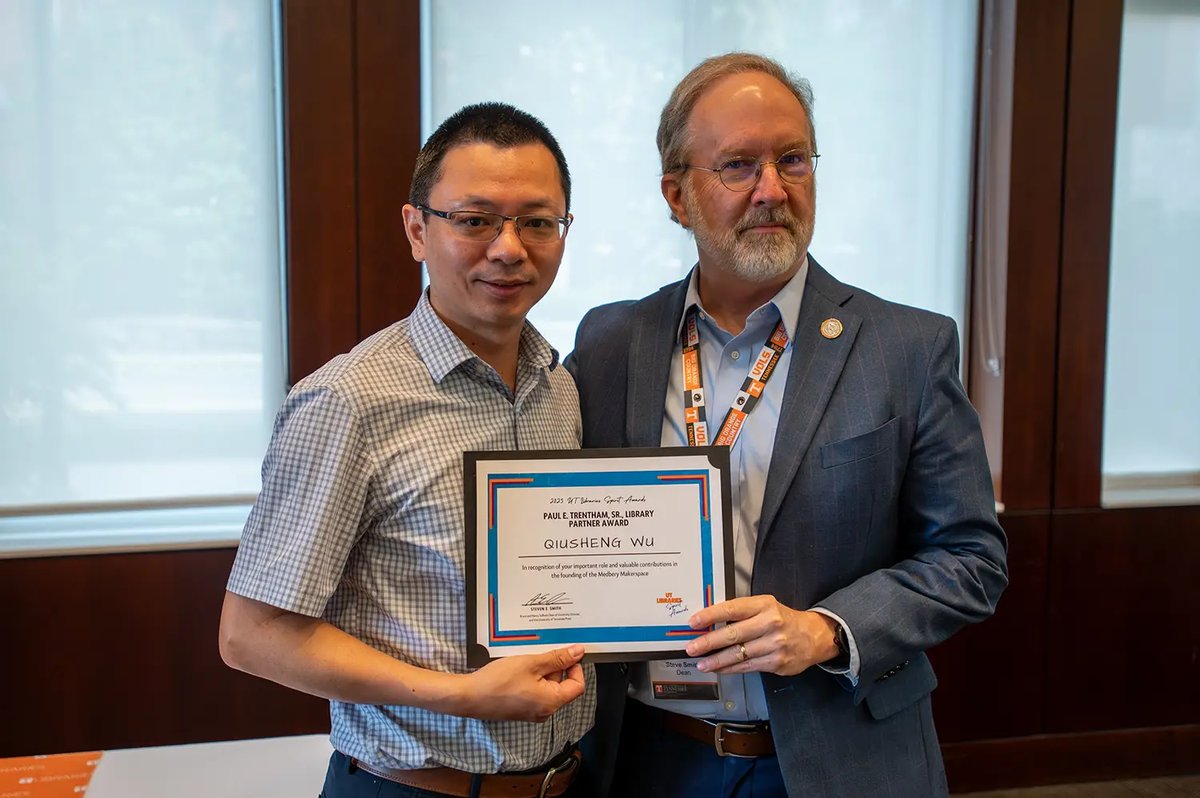
Congratulations, @giswqs! A well-deserved award. The workshop series was fantastic!
Replying to @UTKGeography
@UTKGeography Associate Professor Qiusheng Wu earned the UT Libraries’ Paul E. Trentham Sr. Library Partner Award! Read more about the workshop series that Wu organized: artsci.utk.edu/qiusheng-wu-e… #UTArtSci #CASAdvantage
2
4
273
Dimitris A. Herrera retweeted
Pretty easy to see where the area of high pressure is located by looking at the visible satellite. It's currently located across southern Mississippi, which puts us on the drier and hotter side of it. Heat Advisories are in place again tomorrow. #FLwx #GAwx #ALwx
10
63
324
39,631
Dimitris A. Herrera retweeted
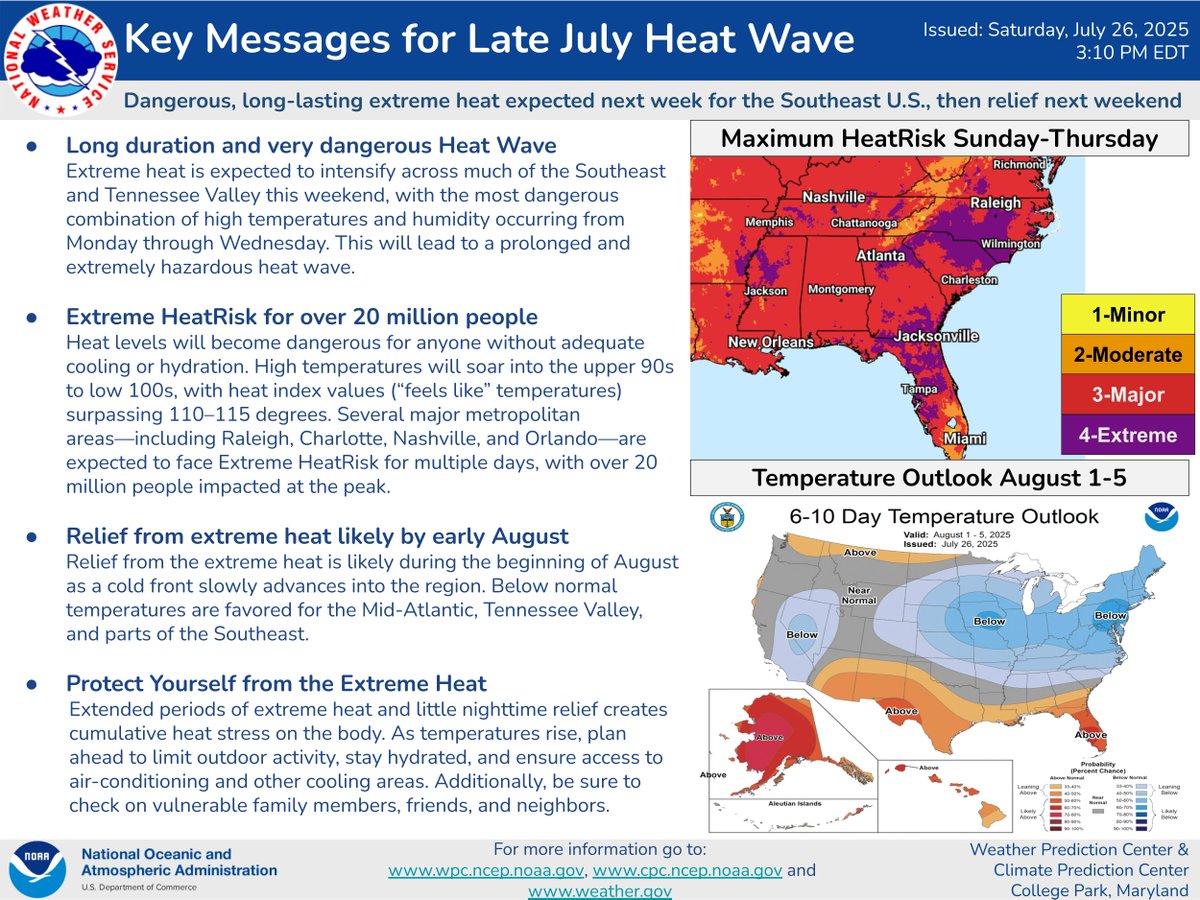
A dangerous heat wave is set to impact over 20 million people across the Southeast & TN Valley this weekend, with highs in the 90s-100s and heat indices surpassing 110°F. Relief expected by early Aug. Stay hydrated, limit outdoor activities, and check on vulnerable individuals.
3
65
198
31,136
Dimitris A. Herrera retweeted
26 Jul 2025
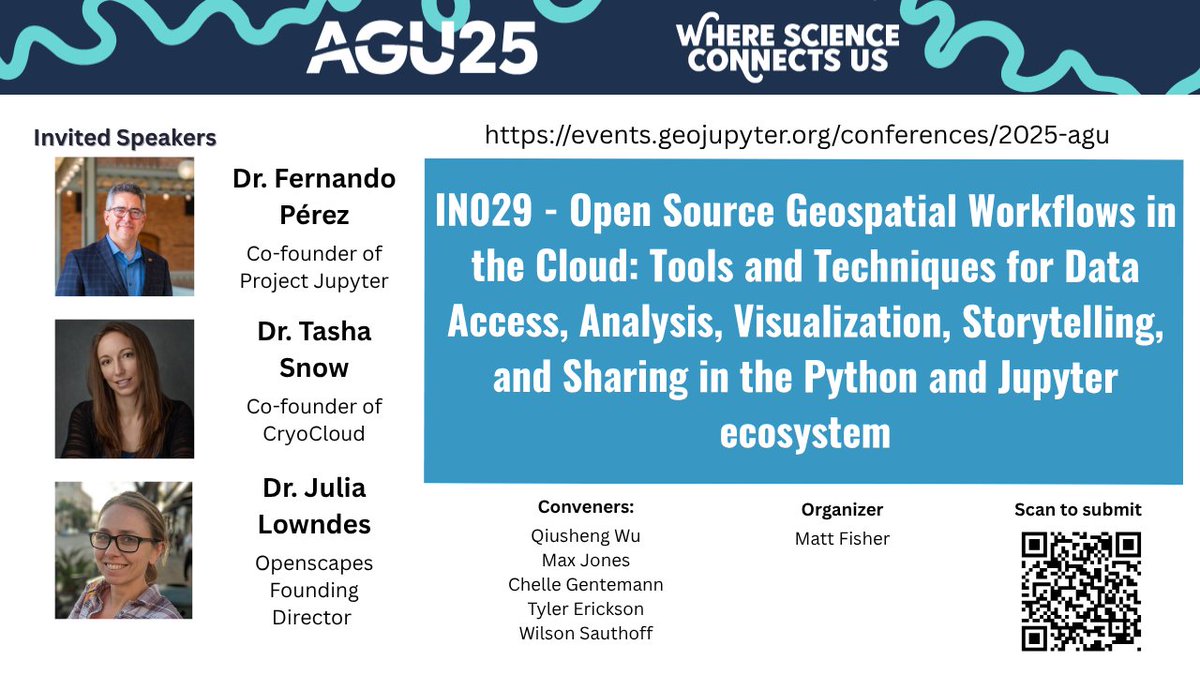
📣 Call for Submissions: AGU Session on "Open Source Geospatial Workflows in the Cloud" 🌍 We invite you to submit your work to our exciting AGU session focused on the innovative use of open-source geospatial workflows in cloud environments. Join us in exploring cutting-edge practices and tools that are shaping the future of geospatial data. Submit here: events.geojupyter.org/confer… Invited speakers: Fernando Pérez, Tasha Snow, Julia Stewart Lowndes Session convener: Max Jones, Dr. Chelle Gentemann, Tyler Erickson, Wilson Sauthoff, Qiusheng Wu Organizer: Matt Fisher hashtag#geospatial hashtag#opensource hashtag#jupyter hashtag#AGU25
7
30
2,424
Dimitris A. Herrera retweeted
28 Jun 2025
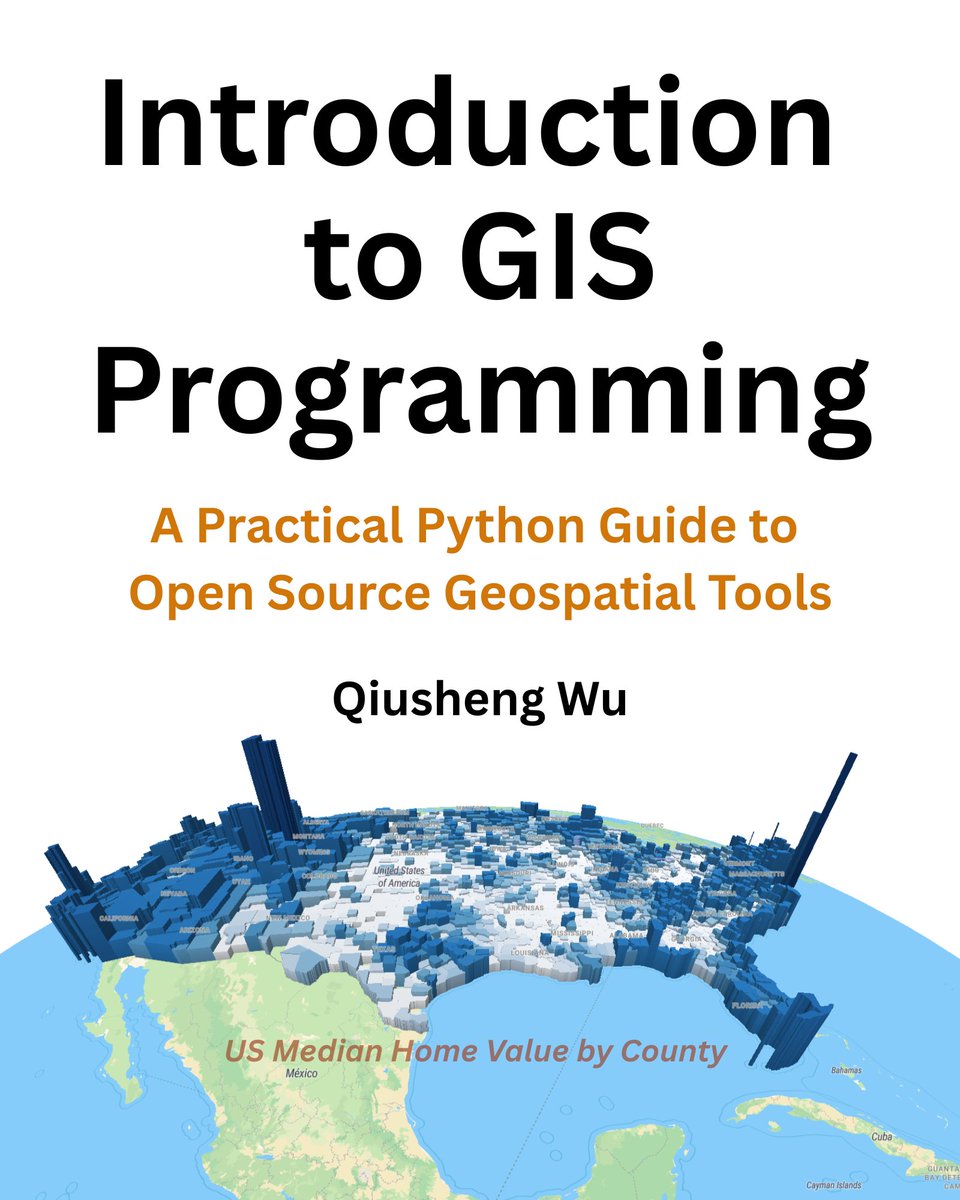
📣 Exciting News! The full-color print edition of my book “Introduction to GIS Programming: A Practical Python Guide to Open Source Geospatial Tools” is now available on Amazon! 📘 Grab your copy here: amazon.com/dp/B0FFW34LL3 Prefer digital? The PDF version is available on Leanpub: leanpub.com/gispro ✨ What’s Inside: Free access to 26 hours of video tutorials All code examples included and open-source 🔗 Explore More: 🌐 Book Website: gispro.gishub.org 💻 GitHub Repo: github.com/giswqs/intro-gisp… 🎥 Video Tutorials:  tinyurl.com/intro-gispro-vid… #GIS #Geospatial #Python #OpenSource #DataScience #RemoteSensing
6
32
209
17,961
Dimitris A. Herrera retweeted
Jackeline Salazar, botánica dominicana, especialista mundial en el estudio de la familia de las caneláceas.: “Nos hace falta un centro de investigaciones biológicas” #EncuentroVerde -- #Botánica -- #Ciencias -- #biólogosDominicanos -- listindiario.com/la-vida/vid…
2
1
96
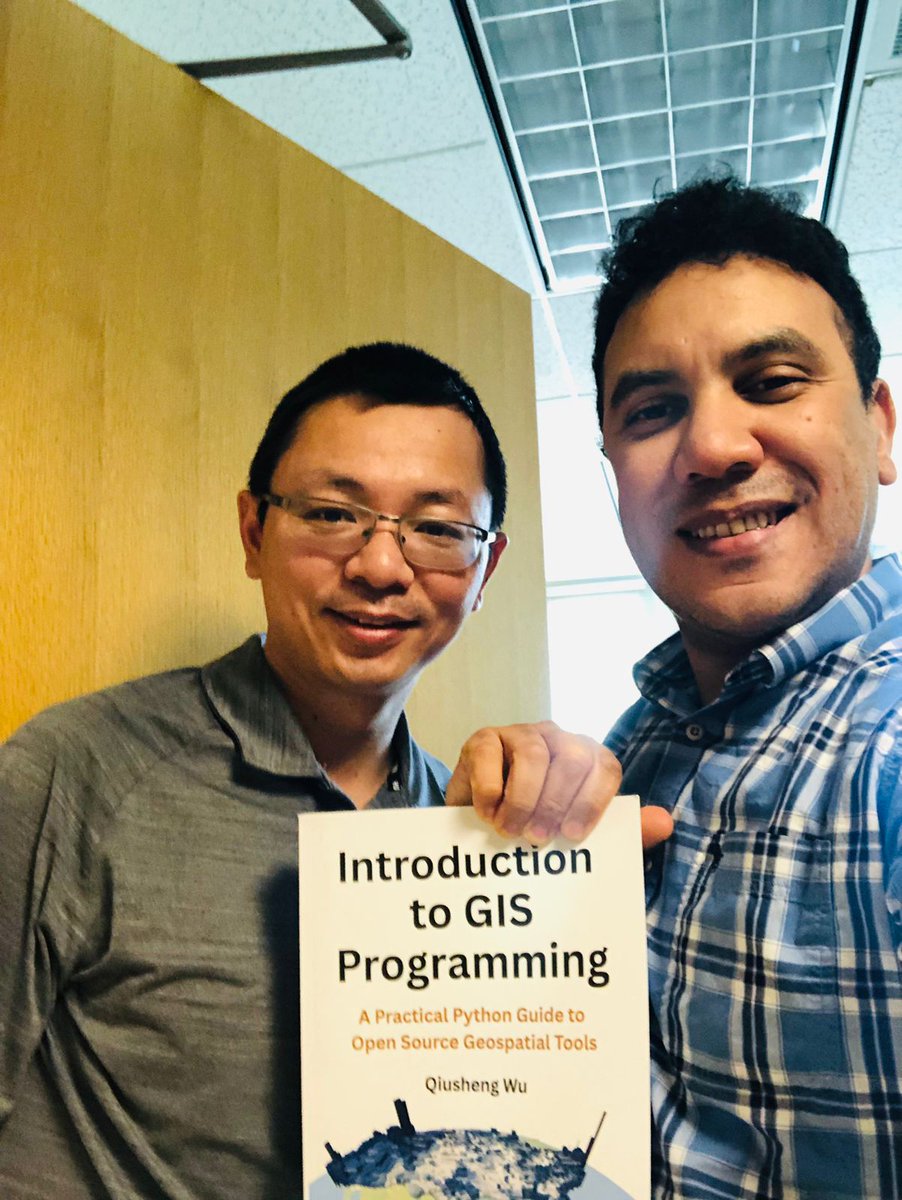
I have just obtained an original copy of the book Introduction to GIS Programming from my colleague, @giswqs. I am pleased to collaborate with highly skilled scientists such as @giswqs at @UTKGeography! The book is available here shorturl.at/OyBRr.
1
10
132
4,206
Proud of my colleague and friend, José Ramón Martínez-Batlle @geografiard! shorturl.at/xXzKy

1
1
2
67
Dimitris A. Herrera retweeted
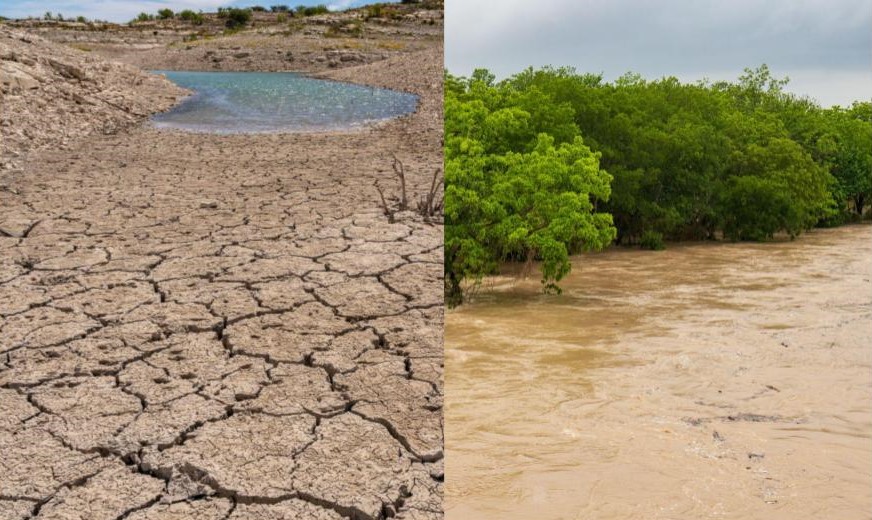
From Dust to Deluge: Weather Whiplash Devastates Texas Weather whiplash is the abrupt change from one extreme to another: dramatic temp swings, heavy snow to rapid melt, and as is common in TX, prolonged drought followed by flooding. drought.gov/news/dust-deluge… @NOAA @climatetexas
3
5
623