Associated account for the Climate & Ecology Spaces
- Tweets 1,735
- Following 130
- Followers 214
- Likes 2,596
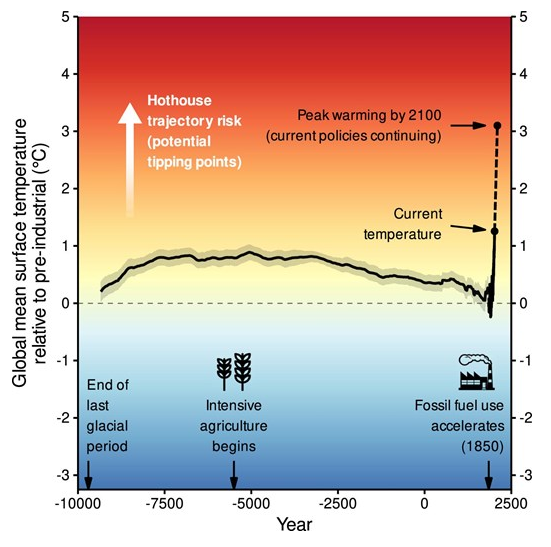

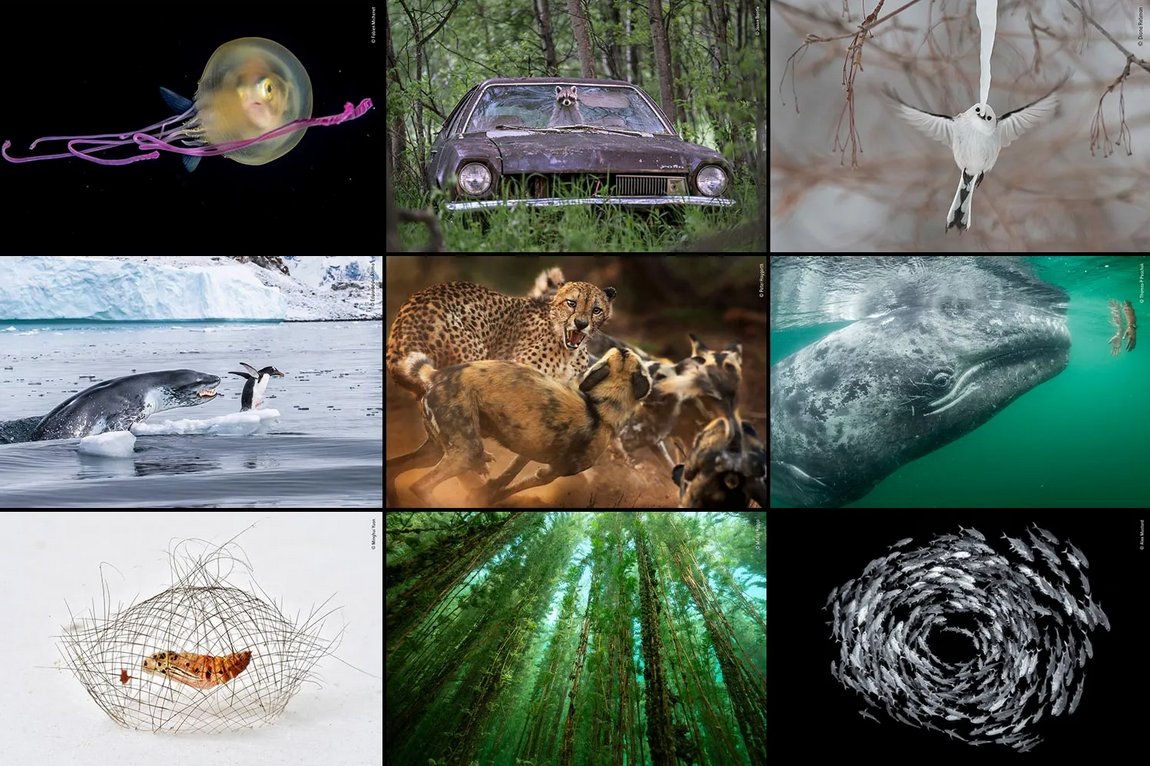
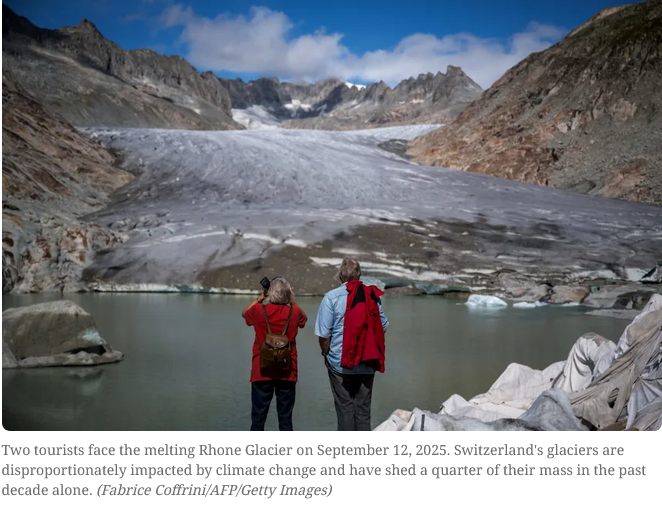
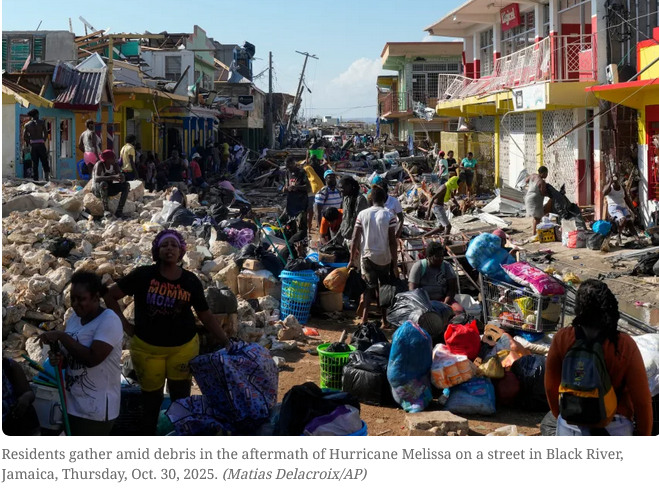







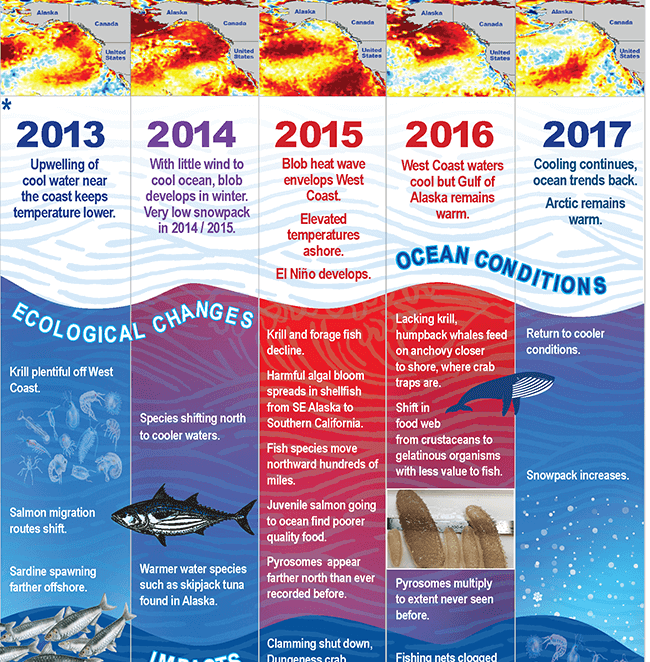
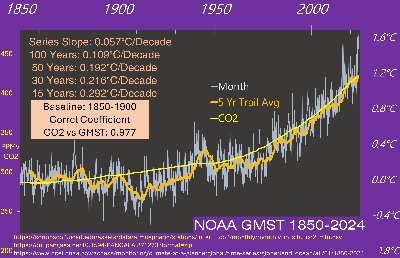
ALT Graphic from NOAA. https://www.fisheries.noaa.gov/feature-story/looking-back-blob-record-warming-drives-unprecedented-ocean-change



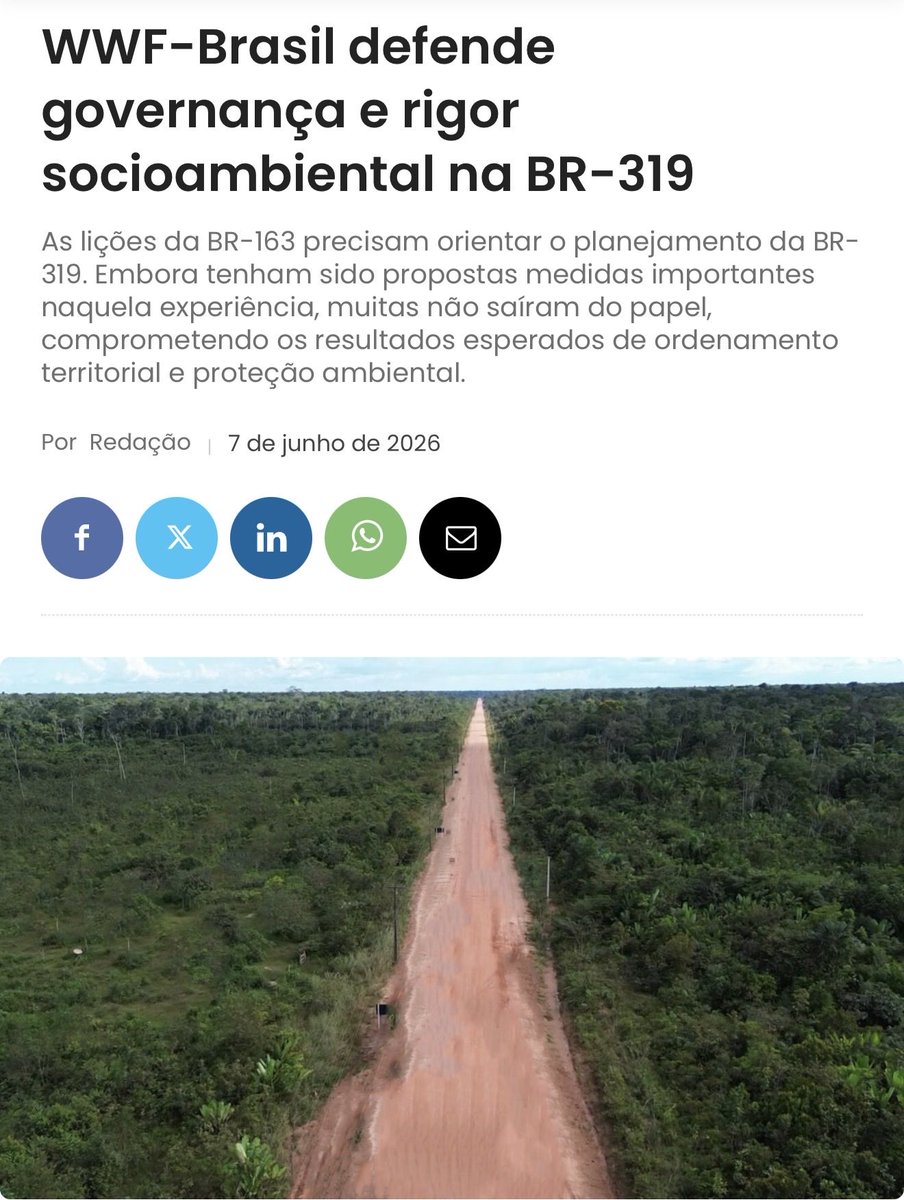

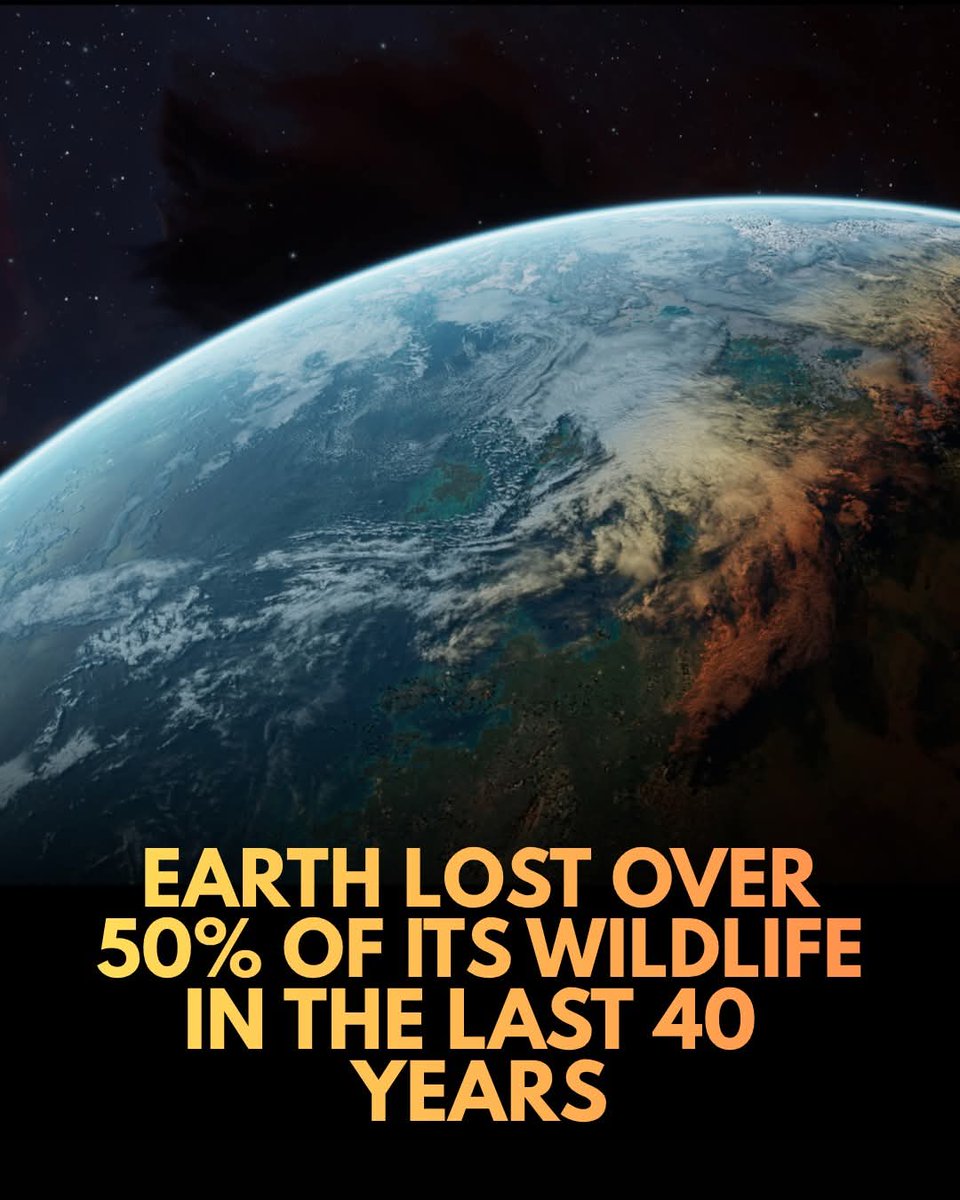
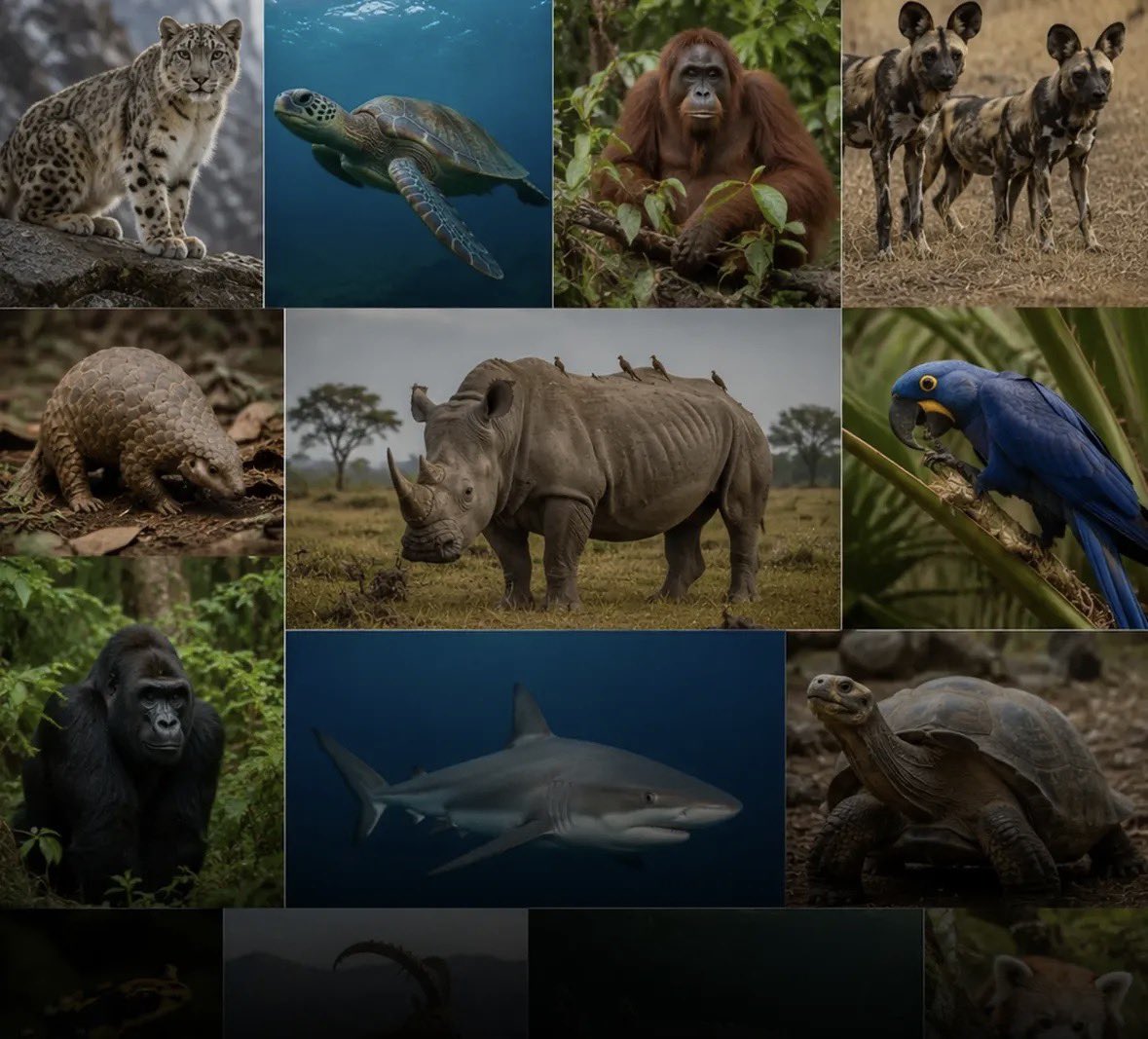
ALT A devastating report reveals that Earth lost half of its wild animal populations in just 40 years, driven by unsustainable human consumption and habitat destruction. A critical report by the World Wide Fund for Nature (WWF) and the Zoological Society of London has delivered a stark wake-up call, revealing that global wildlife populations plummeted by 50% between 1970 and 2010. By tracking 10,000 distinct populations across 3,000 species, researchers created the Living Planet Index to measure the catastrophic scale of human impact on the natural world. Freshwater ecosystems suffered the most devastating blow, with animal numbers crashing by 75% due to severe pollution, excessive water extraction, and river fragmentation by dams. Land and marine species have fared similarly poorly, with both groups seeing their populations tumble by 40% as habitats are cleared and species are overexploited for food.