
Confessional Lutheran Christian
Joined November 2025
- Tweets 9,457
- Following 282
- Followers 90
- Likes 14,918
1,299 Photos and videos






Pinned Tweet

Jun 16
Judges 19 atrocities require Judges 20 justice. I speak to the men of the West, in your vocations as sons, brothers, husbands, fathers, citizens, and holders of any kind of public/civil office (at whatever level).
1
1
41
Cecil Livingstone retweeted

This is the FIFTH Jewish woman I have seen attacking the Rape Gang report. Incredible!

Insane report. 250,000 is not a credible number. You completely undermine your own point with this hyperbole. The malfeasance of the perpetrators and those that were tasked with protecting the UK from them is bad enough, you don't need to lie like this.
250,000 is like 1 in 24 women and girls between the ages of 10 and 25 in the UK. It's not credible. I'd buy that 1 in 24 were victims of sexual assault during the time period, maybe, but 1 in 24 being victims of these specific "gangs" is absolutely ludicrous.
71
236
2,654
23,569
Cecil Livingstone retweeted

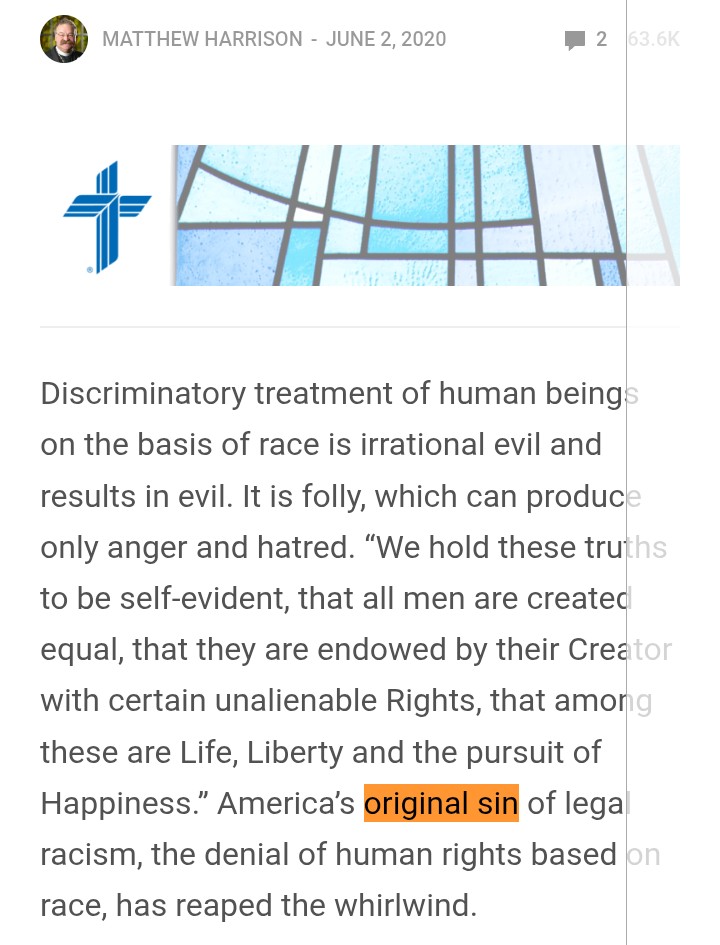
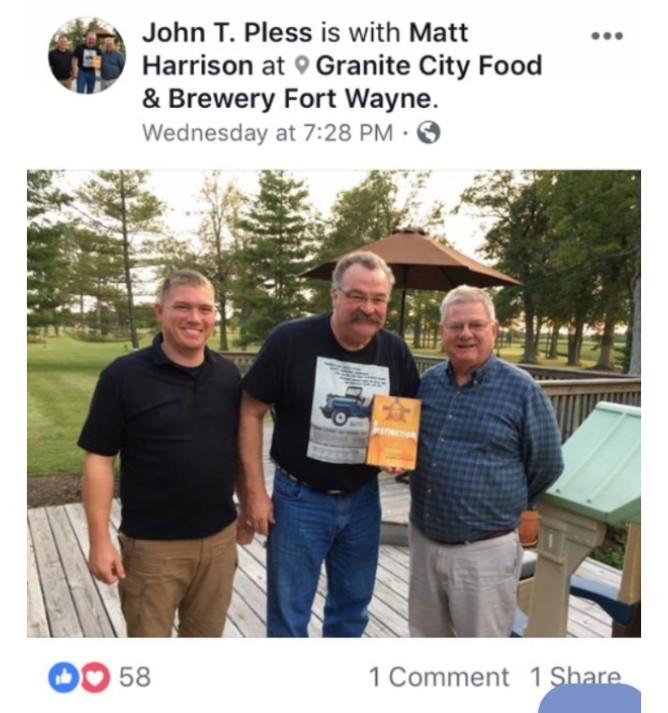
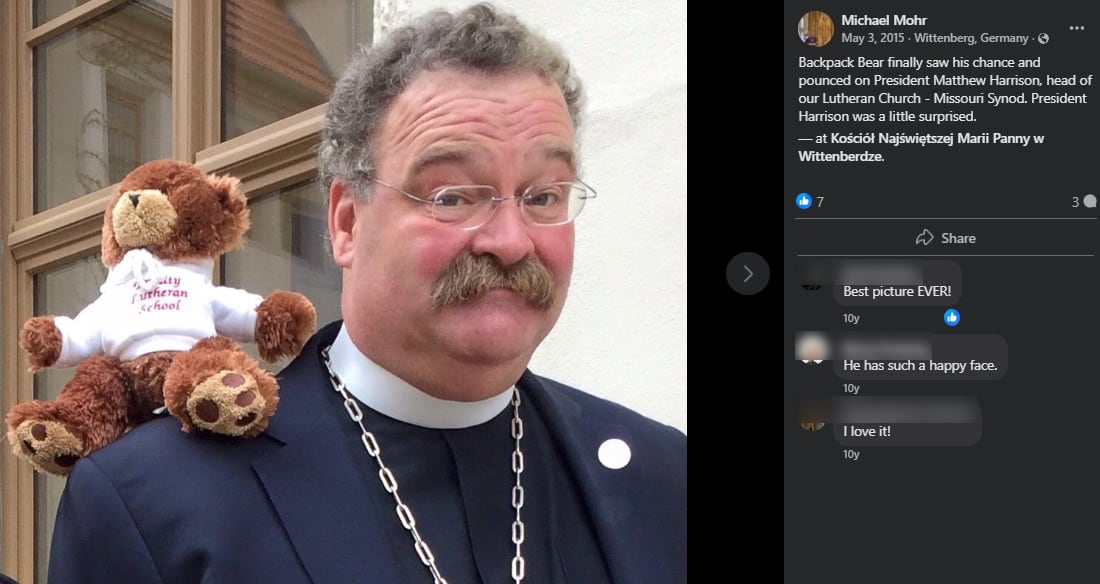
I'd still say God's judgment beginning with his own household looks like re-election of President Matt Harrison.
We get the leaders we deserve.
And yes, still not an endorsement of Joel Biermann.
#PromotersofFakeLutheranism

What does God's judgment beginning with his own household look like?
In the LCMS, I'd say the re-election of President Matt Harrison.
Some might just see incompetence here.
I say, "No, There are far bigger problems..."
May we somehow still obtain God's patience and mercy!
1
2
12
621
Cecil Livingstone retweeted

250K White girls raped.
800K Pakistani males in the UK.
Do the math.
Every single one either did it or knew about it.
Jun 16

250K White girls raped.
800K Pakistani males in the UK.
Do the math.
Every single one either did it or knew about it.
1
3
65
1,479
Cecil Livingstone retweeted

>it’s all Indians around the kid
You can take them out of their hell hole, but they will bring it here. One of them is just looking at his phone while everything is happening.

A 6-year-old boy was found floating unconscious in a Florida pool. Seconds later, an ICE officer jumped in to save him.
ICE law enforcement officer Gregory Simmonds spotted the child in distress in Pasco County on May 16 and immediately pulled him from the water.
The child wasn't breathing, and Simmonds began life-saving CPR at the scene until the boy regained consciousness.
Local authorities say the child is expected to make a full recovery, a rescue DHS is calling an act of bravery.
30
488
10,396
175,579
Cecil Livingstone retweeted

Apr 29
This is where reality sets in.
Magyar campaigned on a manifesto of Orbanist, socially conservative, Hungary First policies, but with better relations with the EU and less corruption. The problem is that the reason the EU and Orban were at loggerheads in the first place was exactly those socially conservative, Hungary First policies.
You can either accept lots of so called asylum seekers from Sub Saharan Africa, the Levant and the Hindu Kush, OR you accept bad relations with the EU.
You either accept European rulings about LGBTQ materials in schools, OR you accept bad relations with the EU.
You either change the judiciary to stop pro-EU liberal progressives stopping by legal legerdemain the Hungary First Policies you were elected by the people to enact, OR you accept bad relations with the EU.
You either put Hungarian taxpayers on the hook for billions of euros to give to Ukraine OR you accept bad relations with the EU.
You either accept that you will have much higher energy costs by breaking relations with Russia OR you accept bad relations with the EU.
While in theory there might be room for compromise on these issues, the EU will brook none—or certainly not from a middling EU country like Hungary. Germany or France perhaps, but not Hungary. The only 'compromise' they offer in such situations is help with the wording of any agreement: that is to say, they are unwilling to move even a quantum from their position, but they are willing to word the communique in a way that helps sell abject subjugation to a local population.
It is highly unlikely that somebody of Mr Magyar's inexperience will be able to stand up for Hungary in this situation, even if he wanted to. While Princess Ursula Minor is incompetent, the permanent EU bureaucrats are not, and are well able to grind down even the most experienced opponents. They run rings greenhorns or dilettantes—especially ones who owe them many favours after electoral support.
(Furthermore, each defeat for Hungary will be of a nature that makes the next line of defence marginally harder to defend than the previous. This is why Orban was so unpopular: he held the first line, and had over many years in power removed nearly all the tools used by the EU to hold the toes of disobedient nations to the fire.)
So if Magyar putting a neoliberal globalist in charge of the economy and an LGBTQ advocate in charge of education, and being supported directly by the EU in the election, wasn't enough to make you question the viability of his 'Orban but with a return of EU funding and grants' — wait till these negotiations end.
Apr 29

Hungary’s incoming PM Péter Magyar is in Brussels today, skipping the waiting period and heading straight into talks with Ursula von der Leyen.
His aim: unlocking billions in frozen EU funds.
🎙️ @zoyashef and @swheaton discuss on #BrusselsPlaybookPod:
podcasts.apple.com/us/podcas…
23
97
617
53,838
Cecil Livingstone retweeted

Apr 30
Arguing over whether this is a “good” or “bad” definition of rape is a trap.
So-called consent-based laws are always rolled out when reported rapes explode in the wake of mass immigration.
Their real purpose is to let authorities claim there is "no real surge, just new norms and definitions", while creating a false equivalence between changing your mind after sex and brutal gang rapes.
The same concept will also be used to let foreign pedophiles off easy by arguing their White victims “consented,” as we’ve already seen in the UK grooming gangs and elsewhere.
Truly dark legislation.
Apr 29

Sex is only sex when consent is freely given, informed, and revocable at any time.
Everything else is rape.
Parliament is once again pushing for an EU-wide definition of rape centred on the absence of consent.
17
351
2,967
101,579
Cecil Livingstone retweeted

She was involved with the inquiry, asked for tons of money, got mad, tried to scheme with victims behind the scenes to turn them against Rupert to try and implode the inquiry, and then got laughed out of the whole situation
She’s a leech who is furious that she didn’t get a payout
27
127
3,763
17,648
Cecil Livingstone retweeted

Jun 16
“Why doesn’t the Confederacy just fade away? Is it because we are irresistibly fascinated by catastrophic loss? Or is it something else? Is it because the Confederacy is to this day the greatest conservative resistance to federal authority in American history?”
Prof David Blight

52
94
856
10,303

Cecil Livingstone retweeted

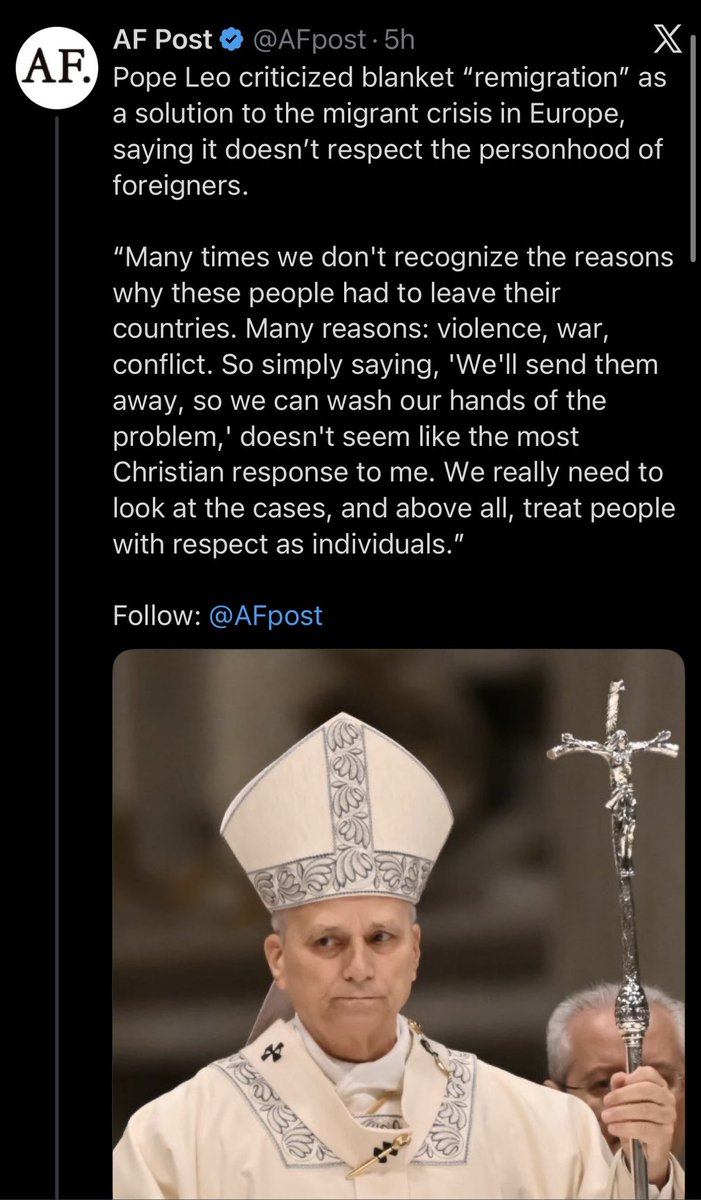
The pope and his clergy are on the side of the rape gangs. It is all satanic
2
4
24
394
Cecil Livingstone retweeted

Jun 13
We want to criminalize murder.
Being female is not a free pass for murder.
Jun 12

Oh, thats right, you're the people who want to criminalize girls and women. That's a sure fire way to turn the country blue. Just attack women in crisis.
7
17
132
1,774
Cecil Livingstone retweeted

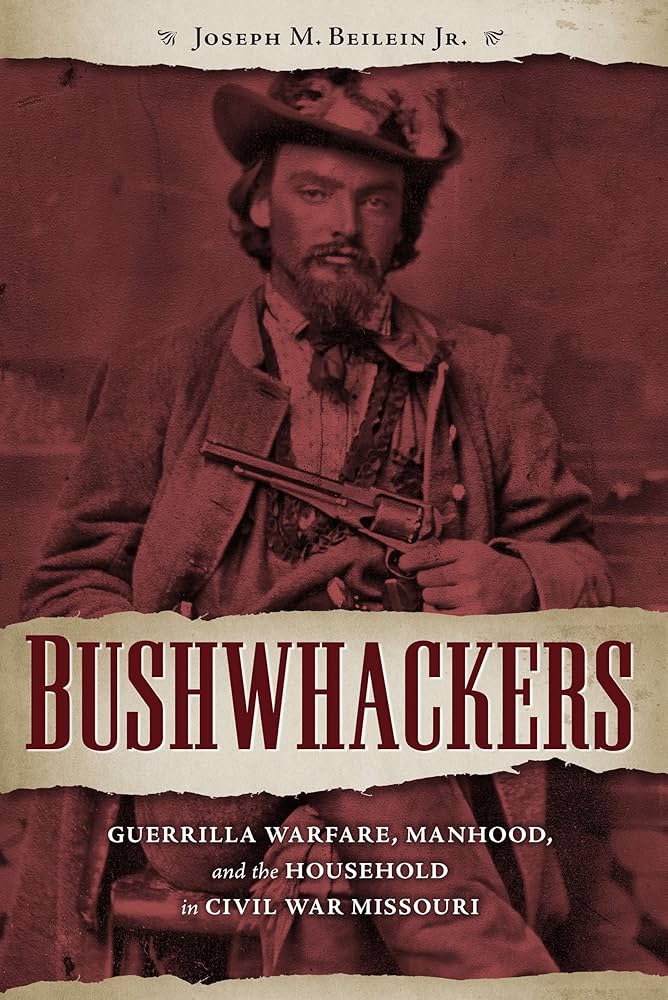
If you don’t read it you’re gonna die, I’m gonna keep harping on it
Read it
28
34
489
8,466
Cecil Livingstone retweeted
Sure you can pick any three random nons on the street and they will be down for a gang rape
But what about their personhood?

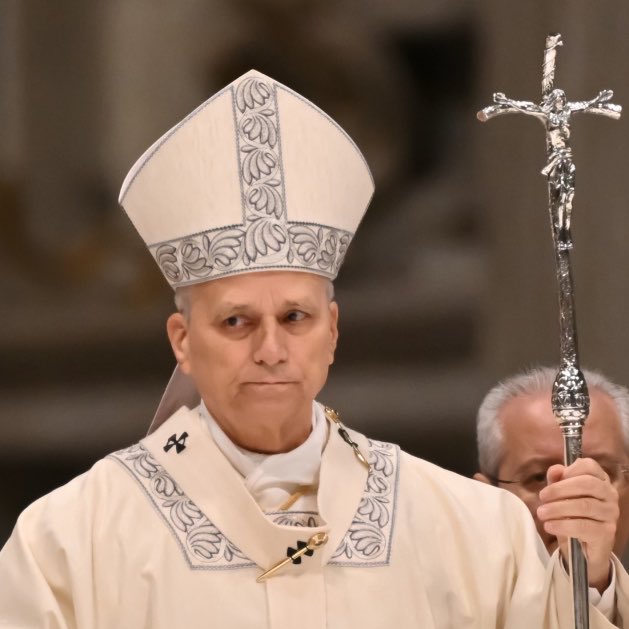
Pope Leo criticized blanket “remigration” as a solution to the migrant crisis in Europe, saying it doesn’t respect the personhood of foreigners.
“Many times we don't recognize the reasons why these people had to leave their countries. Many reasons: violence, war, conflict. So simply saying, 'We'll send them away, so we can wash our hands of the problem,' doesn't seem like the most Christian response to me. We really need to look at the cases, and above all, treat people with respect as individuals.”
Follow: @AFpost
7
11
261
3,172
Cecil Livingstone retweeted
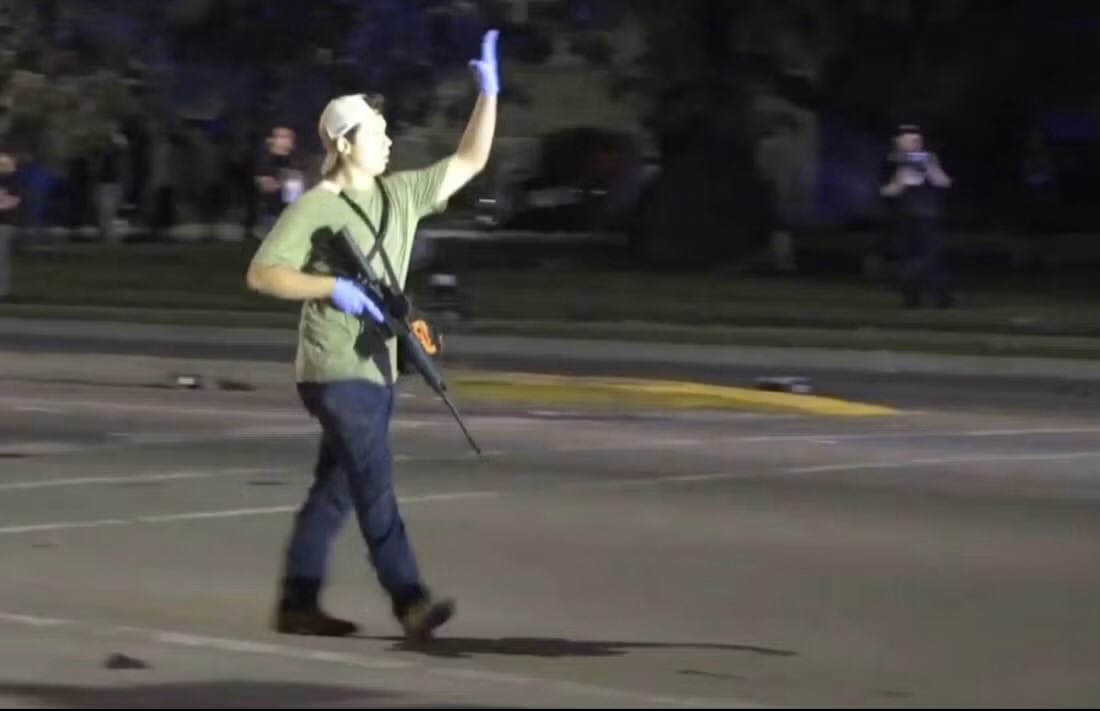
Reminder for the guns don’t matter crowd, @rittenhouse2a shooting a couple pedophiles effectively ended the violent protests in Kenosha
After Aug 25 they all transformed from violent riots into candlelight vigils
26
99
1,269
8,786

"doesn't seem like the most Christian response to me"
Mfw the pope is just your basic indecisive feels-oriented church boomer
Pope Leo criticized blanket “remigration” as a solution to the migrant crisis in Europe, saying it doesn’t respect the personhood of foreigners.
“Many times we don't recognize the reasons why these people had to leave their countries. Many reasons: violence, war, conflict. So simply saying, 'We'll send them away, so we can wash our hands of the problem,' doesn't seem like the most Christian response to me. We really need to look at the cases, and above all, treat people with respect as individuals.”
Follow: @AFpost
3
16
136
2,175
Cecil Livingstone retweeted

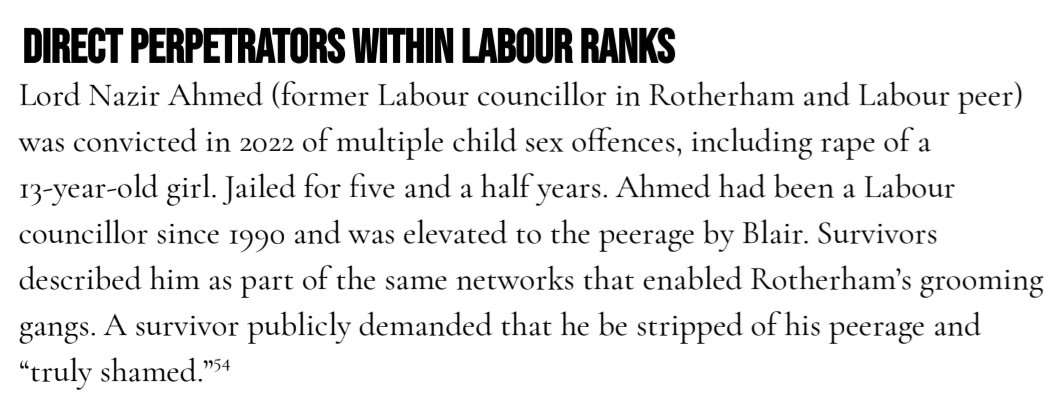
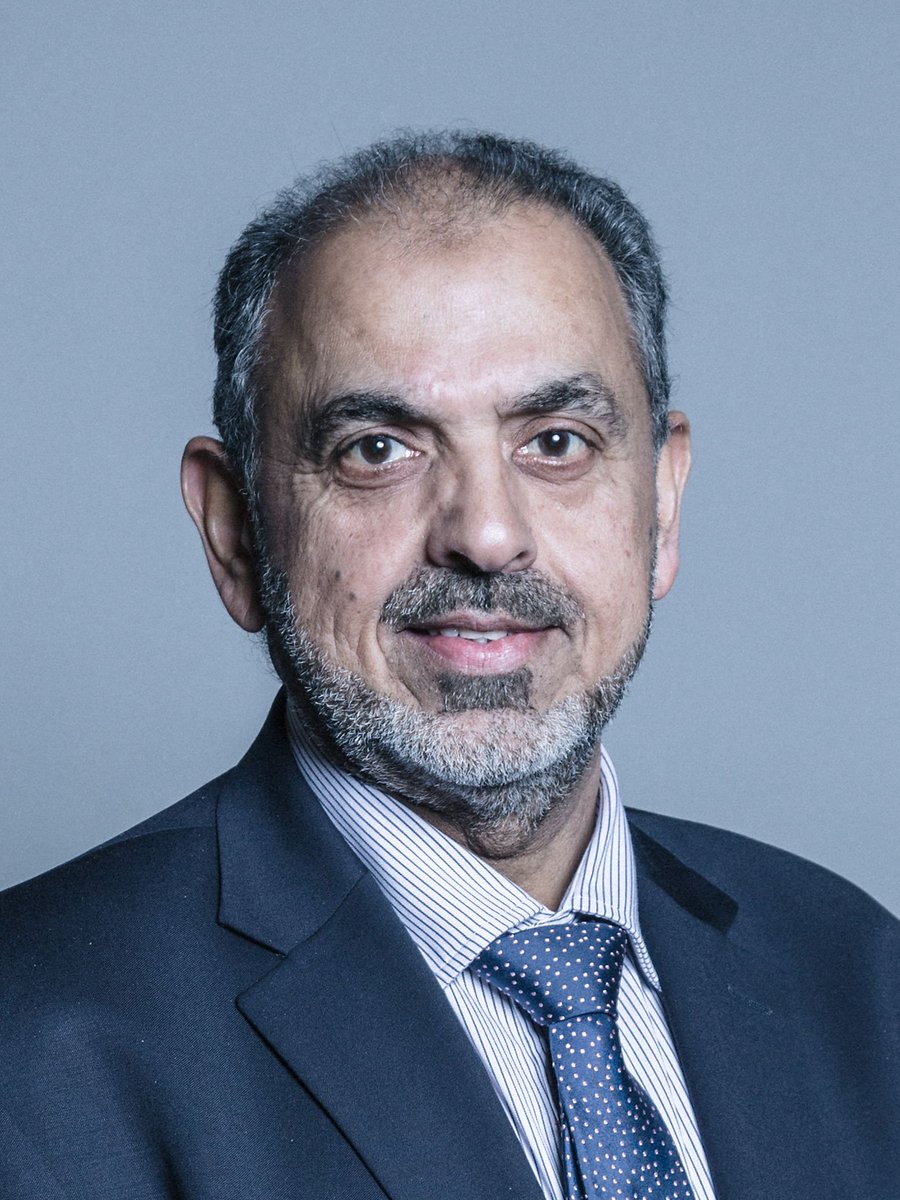
The first Pakistani lord was a convicted grooming gang member.
Jun 16

Tony Blair made a Pakistani pedophile from Rotherham a Baron.
He retains his title.
471
8,894
39,663
470,137

Some years ago this interview to a kid went viral in Spain.
He said the pool was great because he likes peace & that pool isn’t filled with migrants screaming.
Because of the comment, he went to 17 trials for racism.
As a kid!
It’s sickening.
213
6,140
45,662
827,366
Cecil Livingstone retweeted

Just doing a quick check-in to see whether the pope is still the antichrist, and... oh dear.
Pope Leo criticized blanket “remigration” as a solution to the migrant crisis in Europe, saying it doesn’t respect the personhood of foreigners.
“Many times we don't recognize the reasons why these people had to leave their countries. Many reasons: violence, war, conflict. So simply saying, 'We'll send them away, so we can wash our hands of the problem,' doesn't seem like the most Christian response to me. We really need to look at the cases, and above all, treat people with respect as individuals.”
Follow: @AFpost
9
7
93
2,000
Cecil Livingstone retweeted

Jun 17
No, they are not correct.
LCMS District Presidents perform neither the function of a bishop as defined in/by the New Testament (a pastor) nor the function of diocesan supervisors, as occurs with the "bishops" of the papacy. LCMS congregations do not "belong to" districts of the Synod; rather, districts are made up of autonomous congregations, as is the Synod itself in the pure sense (would that it were the only sense).
Knowing these distrinctions is table stakes for this conversation. This is not weird. If you find this state of affairs embarrassing, that is an indictment of you and your ignorance. Read Elert, Eucharist and Church Fellowship in the First Four Centuries. It may help. No, there is no audiobook.
Nor are LCMS District Presidents the civil-ecclesiastical servants of a Christian prince, as was the case in Post-Reformation Germany and, whether they'd admit it or not, in the Evangelical-Lutheran churches of Scandinavia.
"But my heckin' Chemnitzerino and my vaporwave Bo Giertz memes and Lithuanians with croziers!"
Just stop. Chemnitz and Gerhard and the rest of the Lutheran orthodox fathers would not know you. C. F. W. Walther exposits what the doctrine of Chemnitz and Gerhard et al looks like when applied in an interregnum, and there is no material difference between Kirche und Amt from what Luther taught or what the Confessions uphold. None. There has been no "development of doctrine" here, nor can there be. Doctrine is one. Whether explicitly confessed and boldly embraced or implicitly accepted, even if only latently and with a confused and anxious mind riddled by doubts, the exposition of the duplex locus of Church & Ministry exposited by Walther is the Christian position, full stop. And it is inseparable from the right confession of the Gospel in all its articles, q.v., the Book of Concord. No one who wholeheartedly and consciously disavows what is taught in Church & Ministry on the basis of the Scriptures will remain a Lutheran. He will either wear the Lutheran name like a skinsuit (see: the majority of the LCMS "clergy roster") or he will stop pretending and go be gay somewhere else.
A false understanding of Church & Ministry undermines and unravels every other article, including, above all, the chief article: justification. I have said it before, and I will say it again: Walther's Church & Ministry was deliberately retconned in its recent new translation in order to obscure all of this as much as possible. Receipts in the replies.
But I digress.
LCMS congregations do not belong to the LCMS Corp. They exist by divine right, and if, say, the LCMS gets sued under RICO statues and dissolves (God grant it), they will still exist. (Plenty of them wouldn't even know it was gone.) LCMS District Presidents as such have no divine call. Zero. Or rather, they have just as much of a divine call to their work as you do to yours, whoever you are. You pick.
A corporation does not issue divine calls. Pastors do not receive an indelible character at ordination which enables them to issue calls as a group. All such notions are false, fake, gay, and papistic (but I repeat myself).
An LCMS Distict President is not the pastor of the congregations that make up the district to which he is assigned. He is a regional manager serving the interests of a domestic non-profit corporation in Kirkwood, MO, whose entire MO (pun, get it?) consists of mediating relationships between "Synod" and its voluntary "members" (congregational and clerical/professional). 100% corporate hireling, 0% episkopos. Along a different axis: 50% union rep and 50% psychotherapist (exact percentages vary by man). There is yet one mohr axis, but we won't talk about it here.
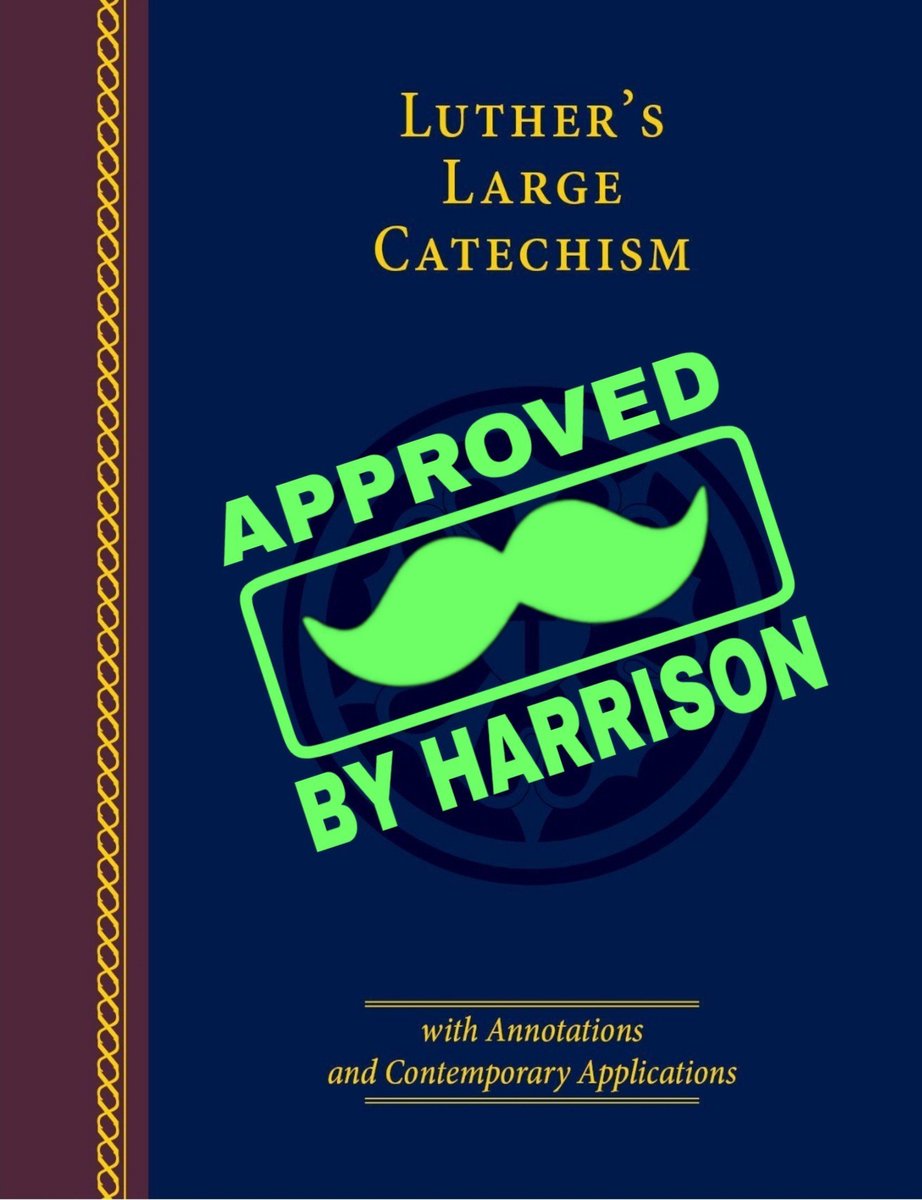
Calling LCMS Corp District Presidents "bishops" would be the gayest of gay farces. In other words, it would be perfectly in line with the LCMS, and though it didn't fly this time, I'm sure they'll get around to it eventually - maybe by the time the second edition of LLCACA is released.
Jun 17

The Zoomers in the LCMS are correct in saying that the use of the secular titles “District” and “District President” are used for no other reason than “bishop” and “diocese” sounds too Catholic, and the boomers don’t like that. This is not sufficient warrant to break with tradition.
4
1
43
4,800