cells and proteins. molecular machines. Assistant Professor: @uwbiochem | Postdoc: @stanford @prakashlab | Ph.D.: @ucsf Wendell Lim @CDI_UCSF
Joined October 2018
- Tweets 590
- Following 234
- Followers 1,253
- Likes 1,261
43 Photos and videos
Pinned Tweet

4 Jan 2024
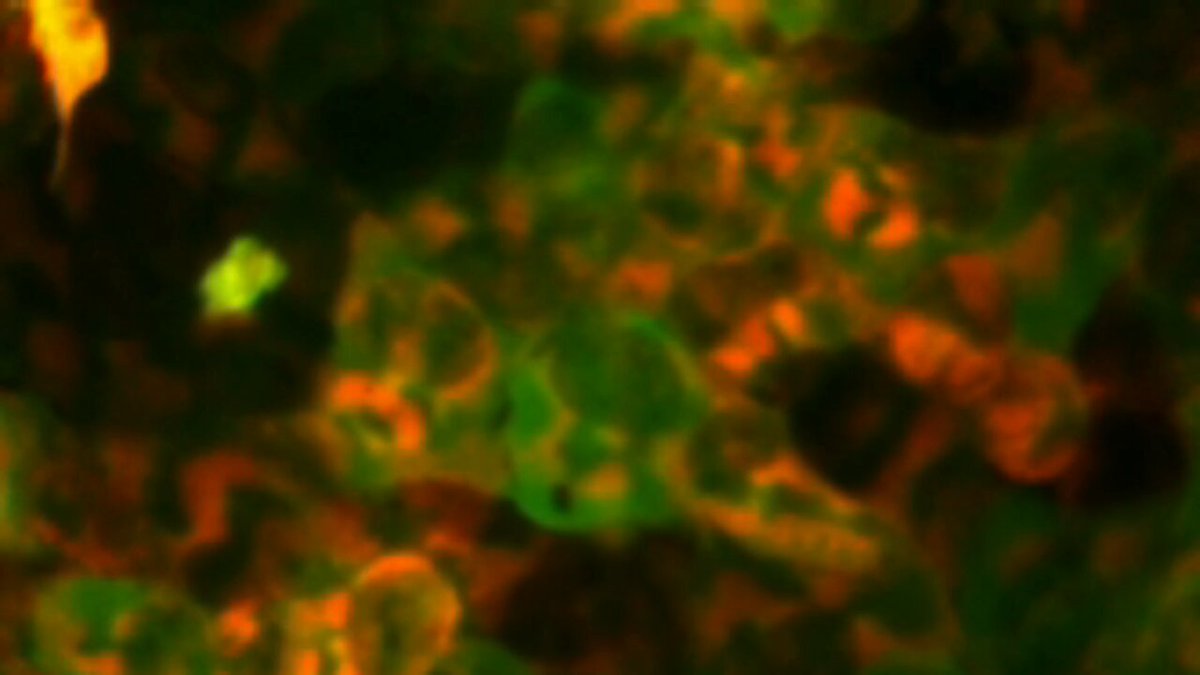
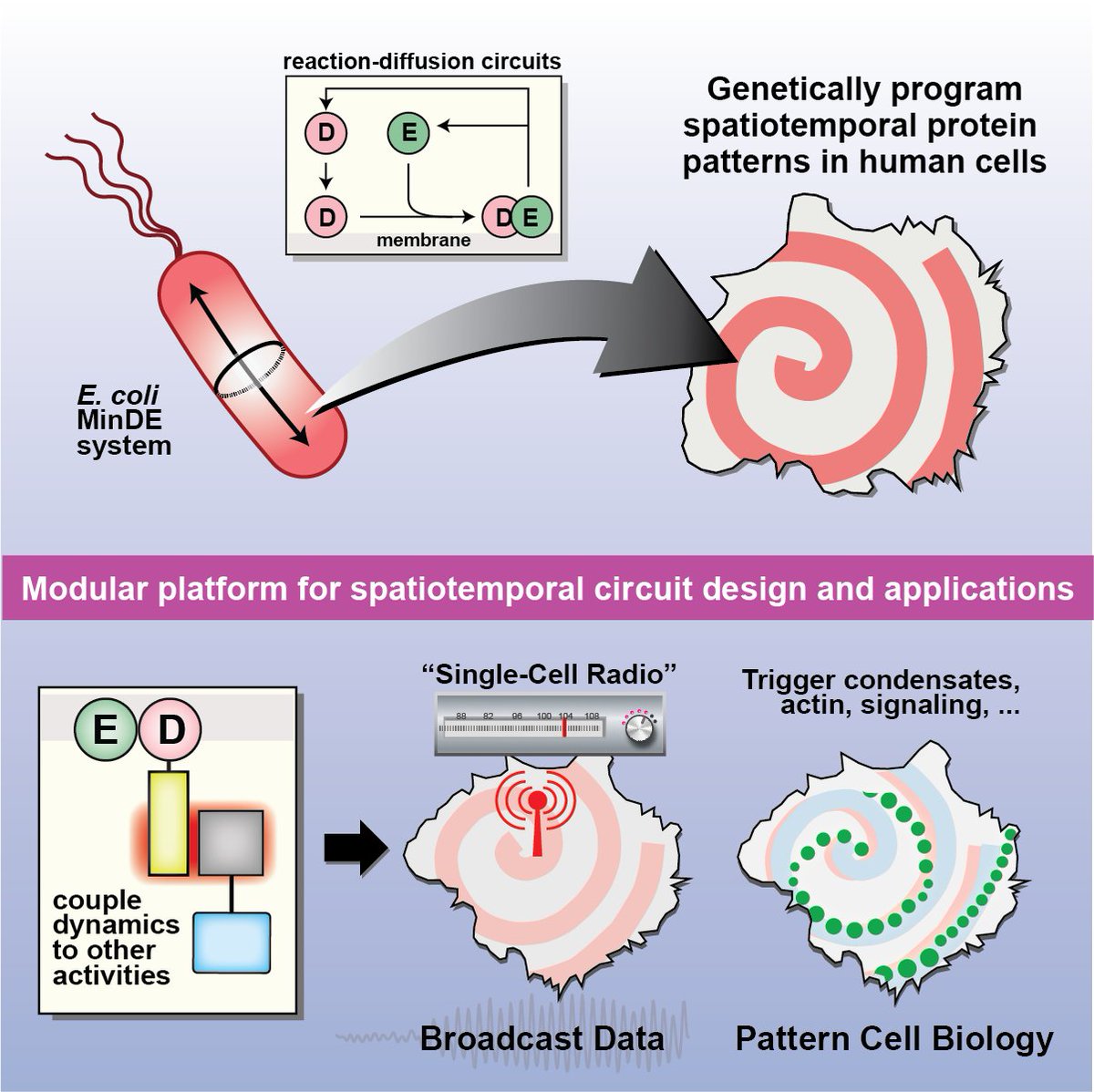
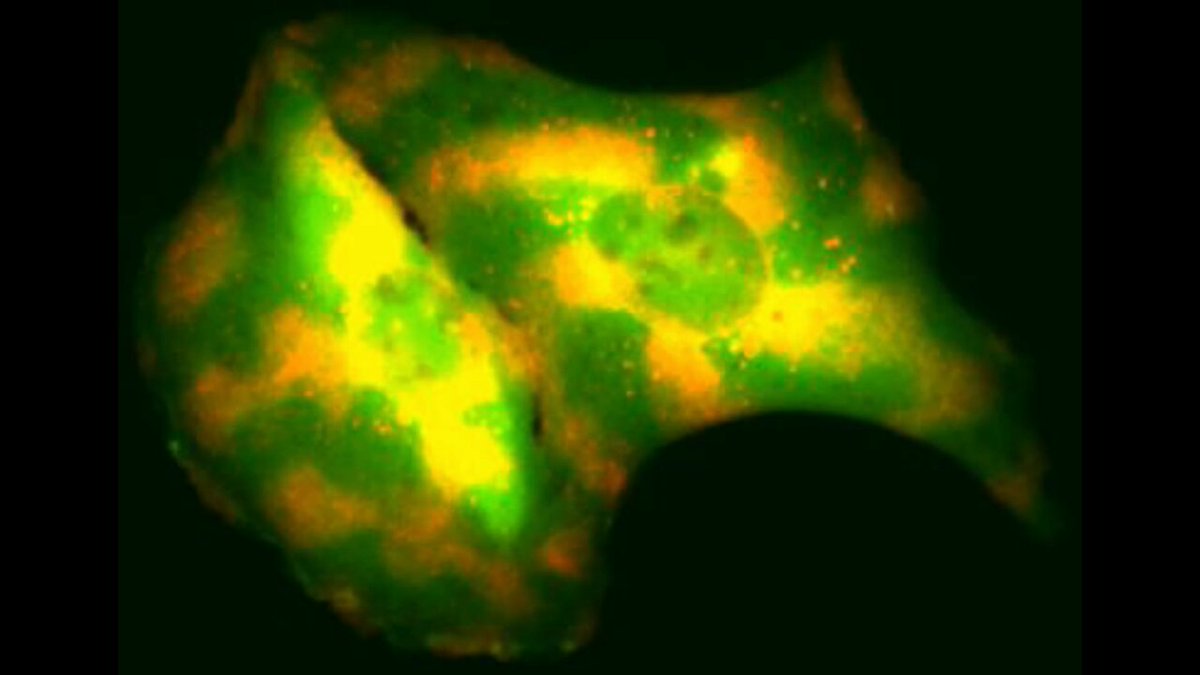
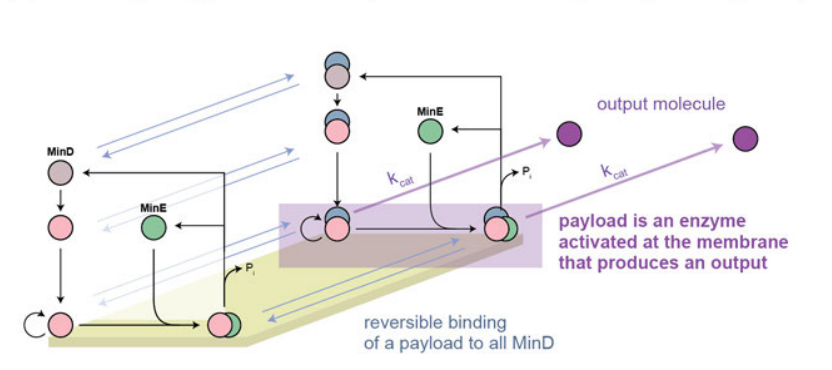
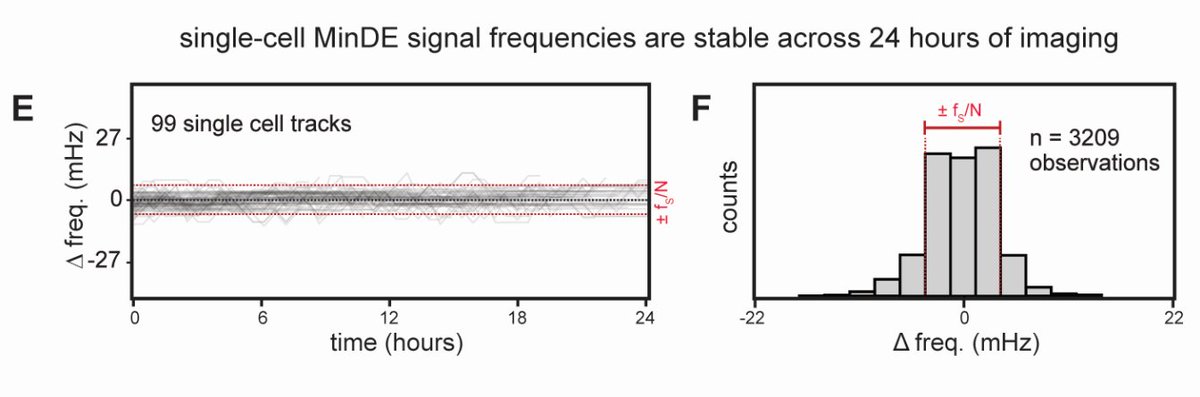
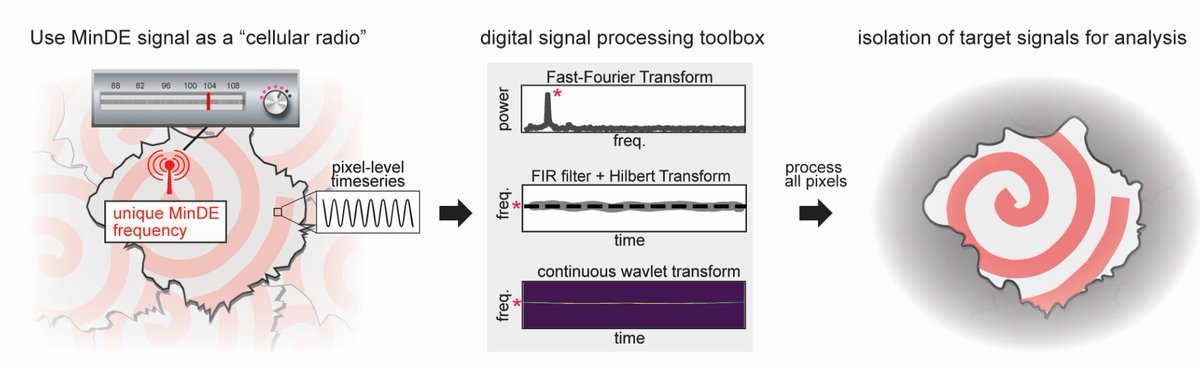
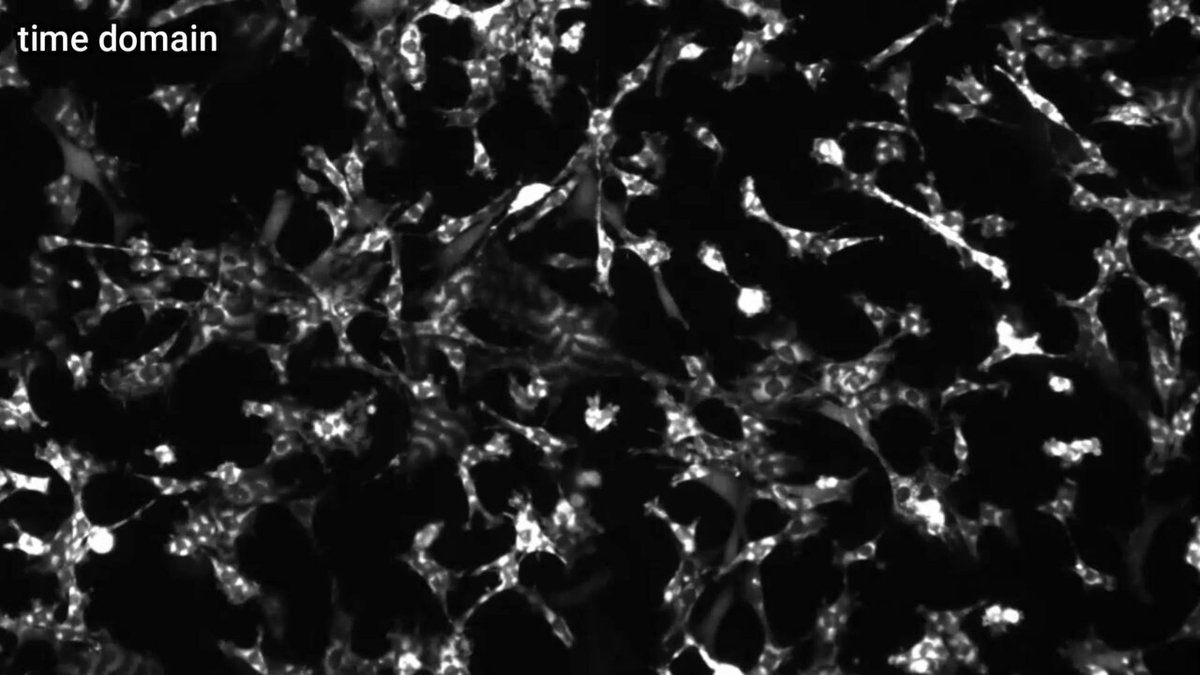
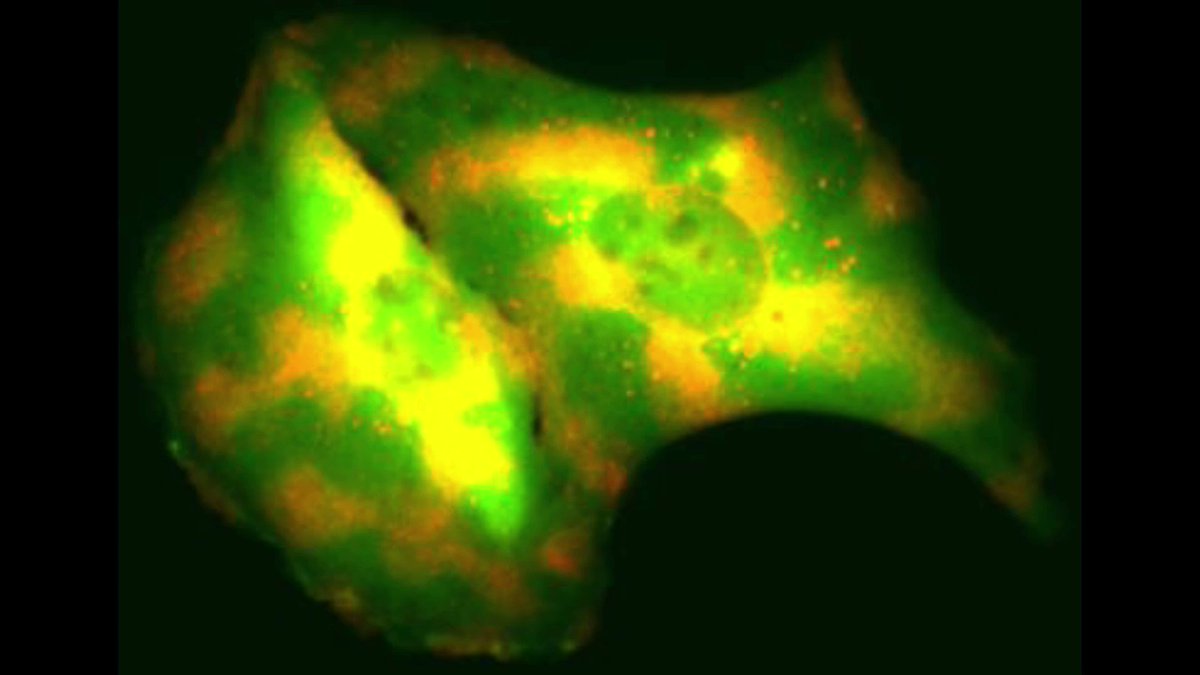
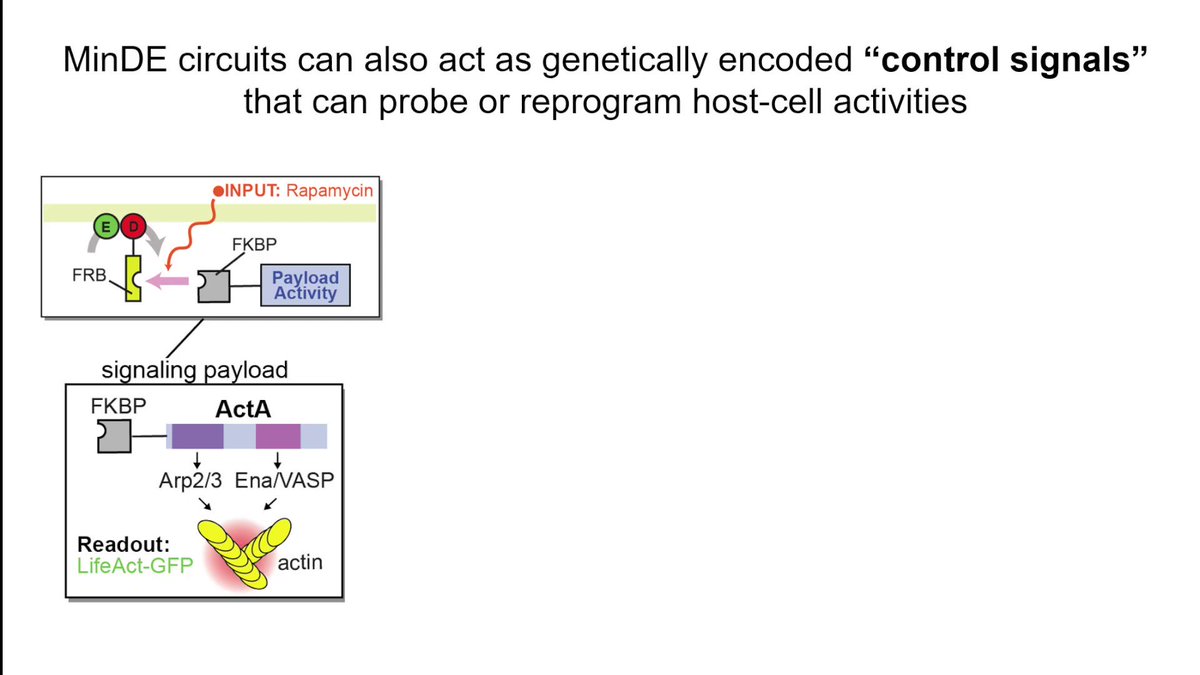
Our first paper is out in @CellCellPress! Led by @born2raisecell, we present a programmable reaction-diffusion system that generates synthetic protein waves, oscillations, and patterns for spatiotemporal circuit design and FM data-encoding in human cells. authors.elsevier.com/a/1iN8Z…
22
188
738
121,607
2 Aug 2024
Excited to share a new paper from the super creative and talented @EdenChang_! Eden engineered droplet-forming sequences to act as regulatable glues for stitching microtubules together inside living cells 🧫🧪
2 Aug 2024

I'm thrilled to share my first project in @CellRaiser_ 🤩we found that MTs-assembly can be tuned at both MTBD and condensates. This project highlights my past(microtubule), present(SynBio), and future(LLPS): doi.org/10.1016/j.jbc.2024.1…
4
12
53
6,014
Scott Coyle retweeted

11 Jun 2024
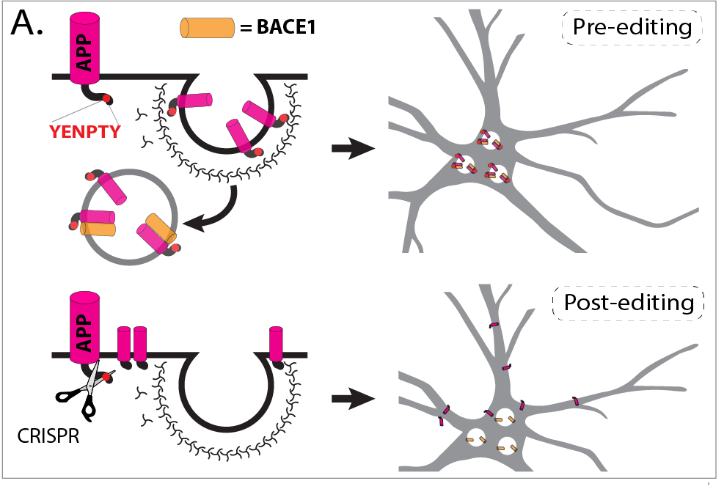
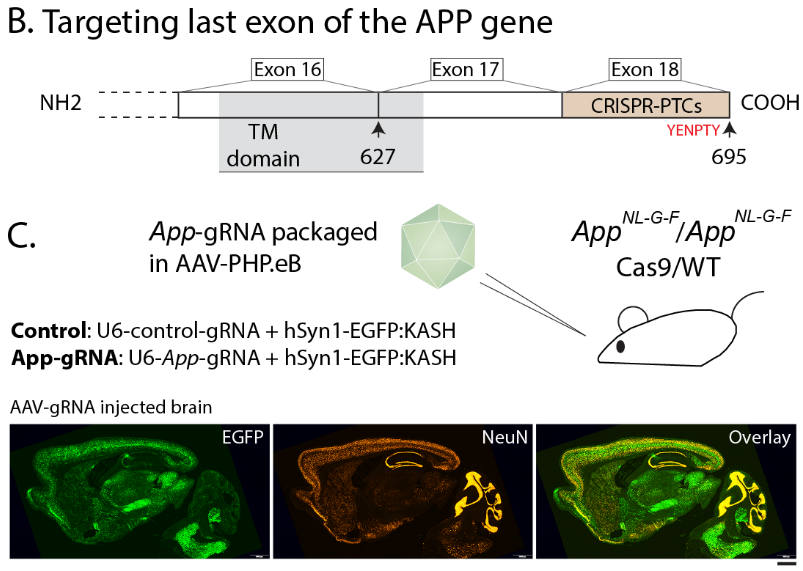
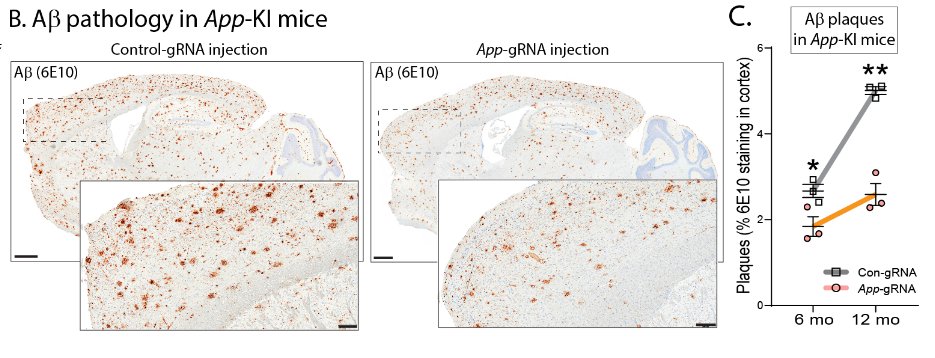
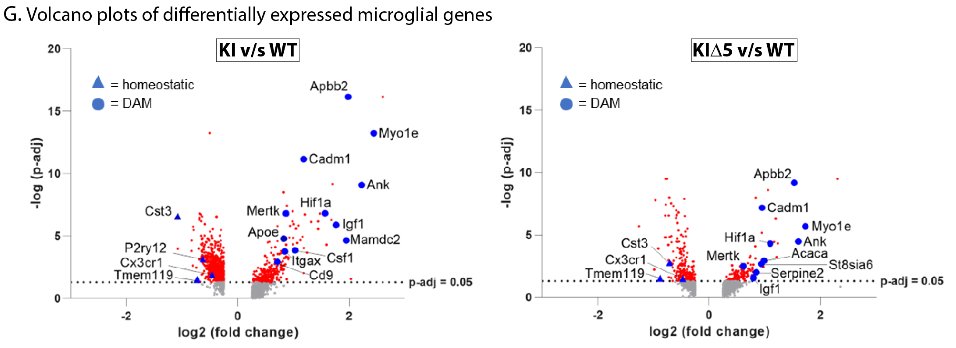
Thrilled to share our collaborative study led by Brent Aulston and @Musing_Naiad in my lab! 👇This work is a pivotal proof-of-concept in mice showing that in vivo #CRISPR editing in the brain has potential to treat Alzheimer’s disease. 🌟🧠 @NIGMS @somaticediting
9 Jun 2024

Gene editing of APP C-terminus rescues neuropathology, ephys, behavior, and transcriptomic changes in #alzheimer knockin mice. Led by Brent Aulston, collaboration with labs of @sahakris
@MarkZylka @MarceloWoodUCI Jon Audhya (Madison) #crispr #therapeutics
biorxiv.org/content/10.1101/…
3
19
2,470
Scott Coyle retweeted

24 May 2024
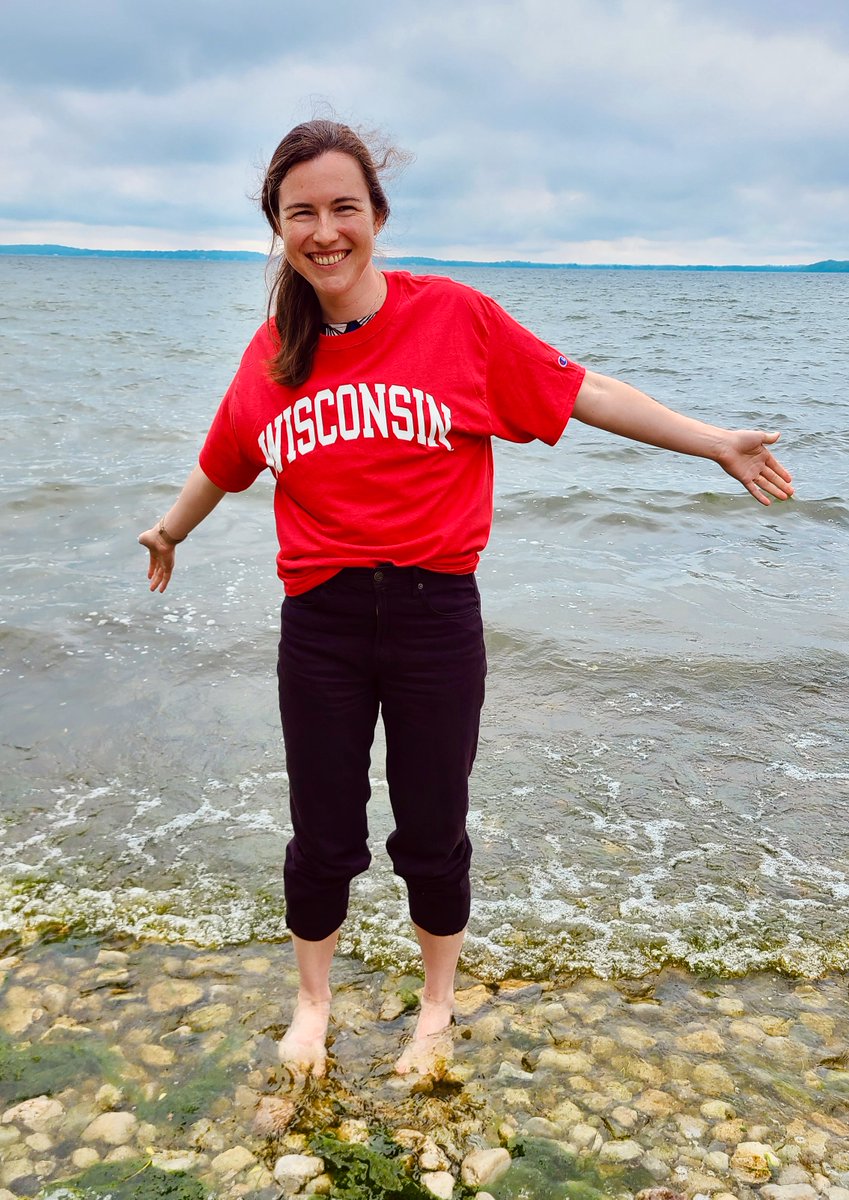
Some say hybrid comp/expt labs, where dry lab meets wet lab, are "at the beach".
Hbt "the shore of Lake Mendota" ?
I'm thrilled to join Biochemistry at UW-Madison!
Starting 2025, the Wayment-Steele lab will unite AI & experiment to transform how we study biomolecular dynamics.
35
23
402
47,655
Scott Coyle retweeted

18 May 2024
Also check out the great write-up by Eli Ramos and @Taylor_Kubota at Stanford Reports:
news.stanford.edu/stories/20…
17 May 2024

👀Glad to see this story out on algae-animal symbiosis🤗and the role of photosynthesis☀️, a wonderful collaboration led by the amazing @NanesDania from @PhysPlanaria lab 🥳🥳
@carnegiescience @Stanford
nature.com/articles/s41467-0…
3
9
2,048
Scott Coyle retweeted

17 May 2024
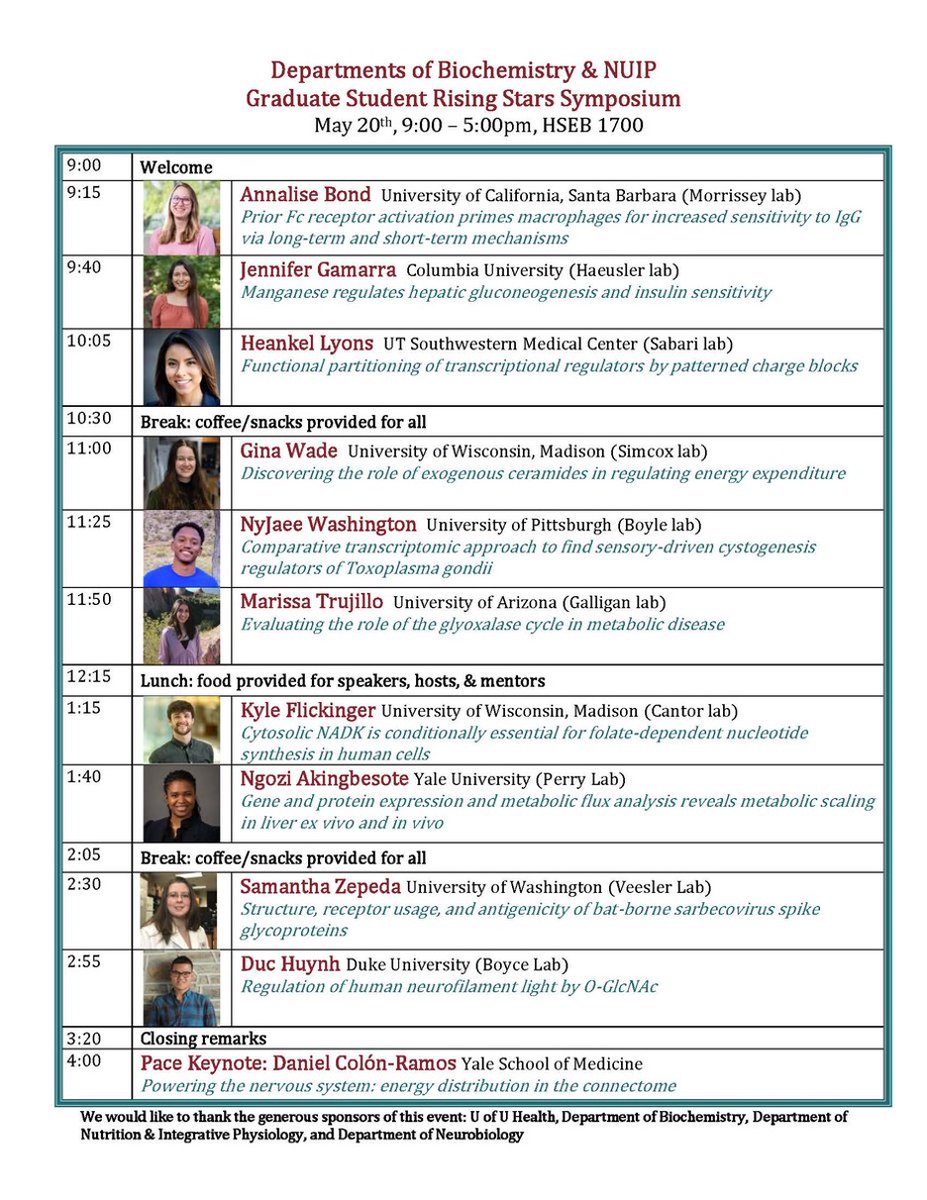
enjoy the awesome experience, science, and people @kyle_flickinger and @JustWadeAMinute! super proud of & very excited for you both! way to rep metabolism & interdisciplinary work @uwmadisonipib @UWBiochem @Morgridge_Inst
cc: @JudithSimcox @RutterLab @gsducker
17 May 2024

On Monday (May 20th) starting at 9am in HSEB 1700, we look forward to welcoming 10 talented Graduate Student Rising Stars! Don't Miss it!
@uofunuip @AnnaliseBond @Heankel_ @JustWadeAMinute @jaee_saucy @MarissaNT96 @kyle_flickinger @dumebiike @Sam_K_Zepeda
@DucHuynh1393 @dacolon
9
20
2,877
Scott Coyle retweeted

16 May 2024
Tenured. Thankful. Look out.
41
3
221
12,008
14 May 2024
Ingenious strategy to repurpose a bacterial E1-like enzyme to emulate ubiquitin-like cascades for ATP-driven protein ligation. Its like a battery pack for powering bioconjugation reactions 🔋!
3
17
2,047
Scott Coyle retweeted

10 May 2024
Our paper is finally out in it's final form!
6 May 2024

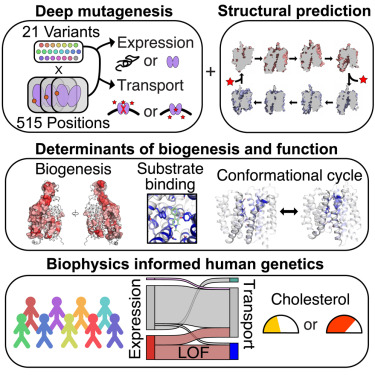
Online Now: The full spectrum of SLC22 OCT1 mutations illuminates the bridge between drug transporter biophysics and pharmacogenomics dlvr.it/T6VdRZ
8
29
136
25,524
Scott Coyle retweeted
6 May 2024
At #ASGCT2024, we're showcasing advances in non-viral gene editing, CAR T cell therapies, & high-throughput screening. Explore our work on vision restoration, cancer therapy, and ethical challenges in the field. Join us to learn about the latest progress in #GeneTherapy research
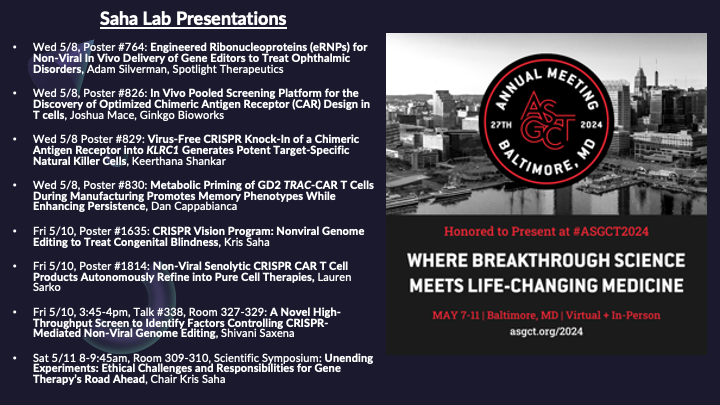
ALT At #ASGCT2024, we're showcasing advances in non-viral gene editing, CAR T cell therapies, & high-throughput screening. Explore our work on vision restoration, cancer therapy, and ethical challenges in the field. Join us to learn about the latest progress in #GeneTherapy research
2
5
19
2,252
Scott Coyle retweeted

5 May 2024
Following our field's inspiring history of building synthetic receptors, here we share our lab's first attempt at a post-transcriptional one. Based on ADAR-editing and compatible with various inputs/outputs.
5 May 2024

Post-Transcriptional Modular Synthetic Receptors
ift.tt/Yu9qIdk
#biorxiv_synbio
6
25
119
38,632
Scott Coyle retweeted

3 May 2024
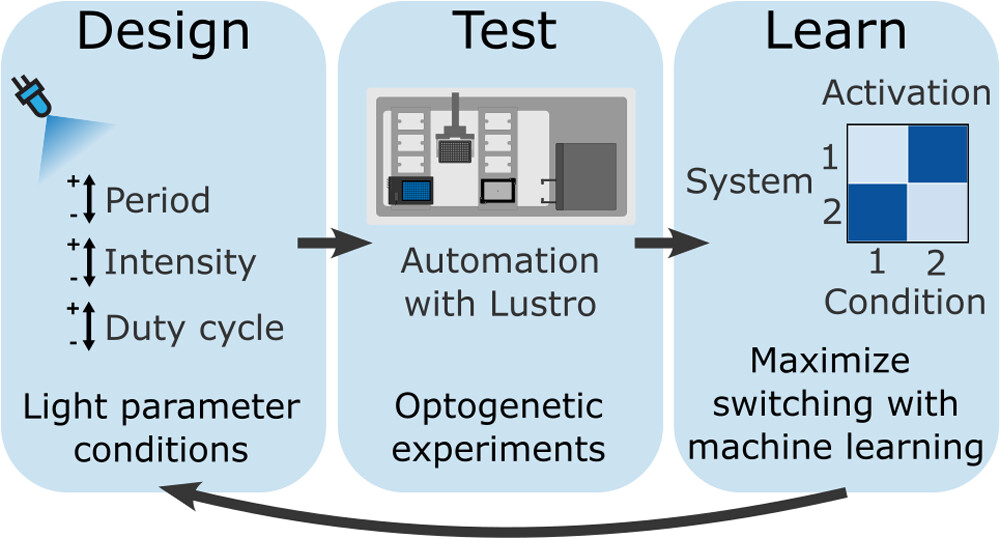
Happy to share that work led by grad students Zack Harmer and Jaron Thompson, with significant contributions from David Cole, is now out in the journal @ACSSynBio. This work developed out of a productive collaboration with the research groups of Zavala and Venturelli.
4
4
23
5,582
Scott Coyle retweeted
29 Apr 2024
Imaging the entire course of tissue regeneration requires transparent animals, efficient transgenesis & microscopes that can image free-behaving animals. Here we present a toolkit and reveal dynamic cellular processes during regeneration of Macrostomum. biorxiv.org/content/10.1101/…
1
8
50
13,477
Scott Coyle retweeted

26 Apr 2024
ASCB MEMBER NEWS
Judith Kimble & Others Wins the 22nd Annual Wiley Prize in Biomedical Sciences
Congrats to ASCB Member Judith Kimble & colleagues who won the 22nd annual Wiley Prize in Biomedical Sciences for their discovery of the stem cell niche.
ow.ly/bhrX50Rpfhf
2
7
29
3,422
Scott Coyle retweeted

24 Apr 2024
Excited to present PHAGEPACK for quantifying genome-wide which bacterial host factors impact phage infectivity. PHAGEPACK combines CRISPRi with phage packaging. Reveals phage-host interactions, evolution, & host resistance. Great work by @chuchitboonthav!
biorxiv.org/content/10.1101/…
1
11
47
4,886
Scott Coyle retweeted

24 Apr 2024
Congratulations to Assistant Professor Monica Neugebauer (@NeugMonicaElena), who is a 2024 recipient of the Shaw Early Career Research Award! The $200,000 award is sponsored by @GrMKEFdn. Learn more about Neugebauer's research: biochem.wisc.edu/2024/04/24/…
7
10
80
6,435
Scott Coyle retweeted

24 Apr 2024
Incredibly honored to be selected as one of the 2024 @SchmidtFellows! Excited to join the SSF community and collaborate with so many inspiring individuals. Looking forward to this journey ahead!
24 Apr 2024

We’re so excited to announce our 2024 Schmidt Science Fellows. 32 exceptional early career scientists will join our global community to pursue interdisciplinary research and help change how science is done. schmidtsciencefellows.org/ne…
7
3
48
7,398
Scott Coyle retweeted

21 Apr 2024
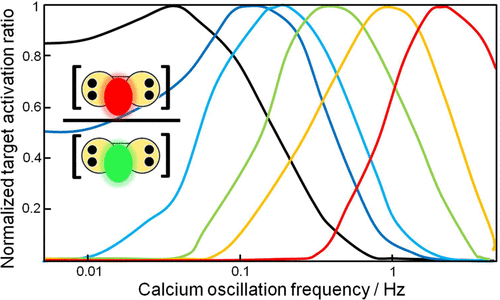
The regulatory capacity of dynamic systems is rich & fascinating.
They can enable a common regulatory hub to differentially regulate diverse physiological processes.
pubs.acs.org/doi/full/10.102…
2
2
1,923
Scott Coyle retweeted

18 Apr 2024
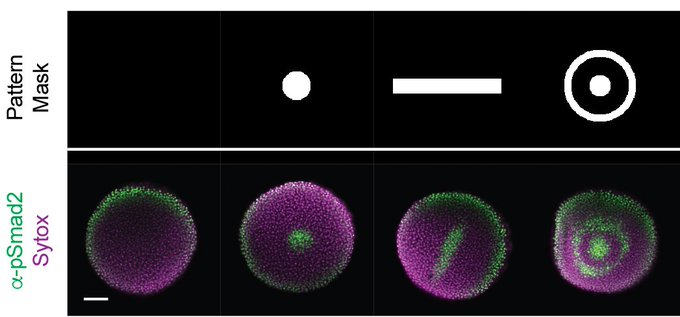
We have a new preprint on optical patterning of Nodal signaling in zebrafish embryos: using light to sculpt embryonic development!
biorxiv.org/content/10.1101/…
Beautiful work led by @LordLab_Pitt and @h4rrymcnamara
18 Apr 2024

We’re very excited to share the first preprint from my lab along with @h4rrymcnamara, @BillZJia, @AdamEzraCohen, and Alex Schier. We describe a set of methods for exerting spatial control over Nodal signaling in zebrafish development.
biorxiv.org/content/10.1101/…
1
14
79
15,216
Scott Coyle retweeted
18 Apr 2024
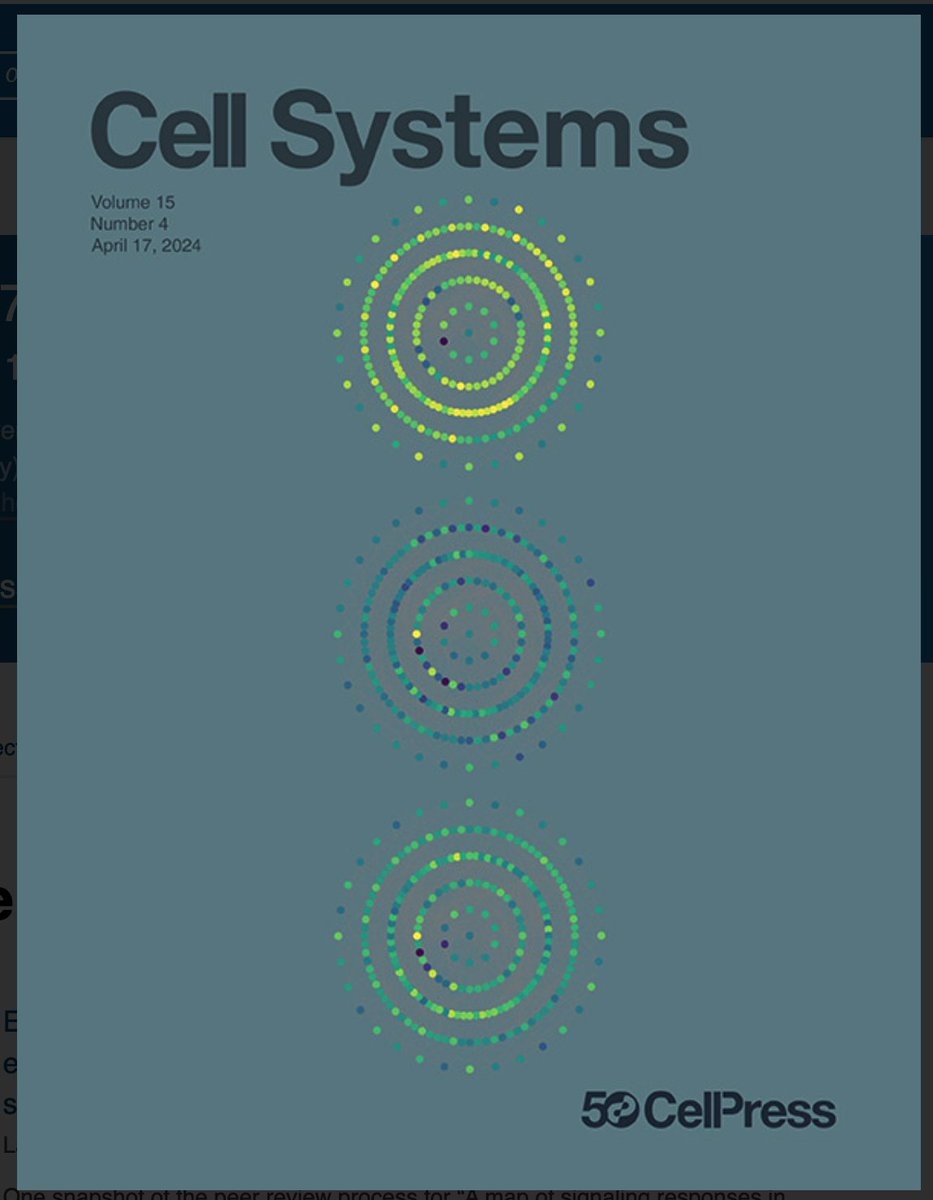
We made the cover of @CellSystems! Elementary landscapes for two fitness functions reveal that combining them creates a more rugged landscape. This highlights the demand on a DNA-binding domain to evolve affinity for distinct half-sites @Jackson_Lab
tinyurl.com/yc2web9a
1
12
42
4,103
Scott Coyle retweeted
24 Mar 2023
New Preprint out from the Vecchiarelli (@CellfOrganized) and Biteen (@JulieBiteenLab) Labs!
"An experimental framework to assess biomolecular condensates in bacteria"
biorxiv.org/content/10.1101/…
1
25
62
19,806