Joined June 2009
- Tweets 9,199
- Following 616
- Followers 1,037
- Likes 10,069
1,285 Photos and videos










Pinned Tweet

22 Sep 2025
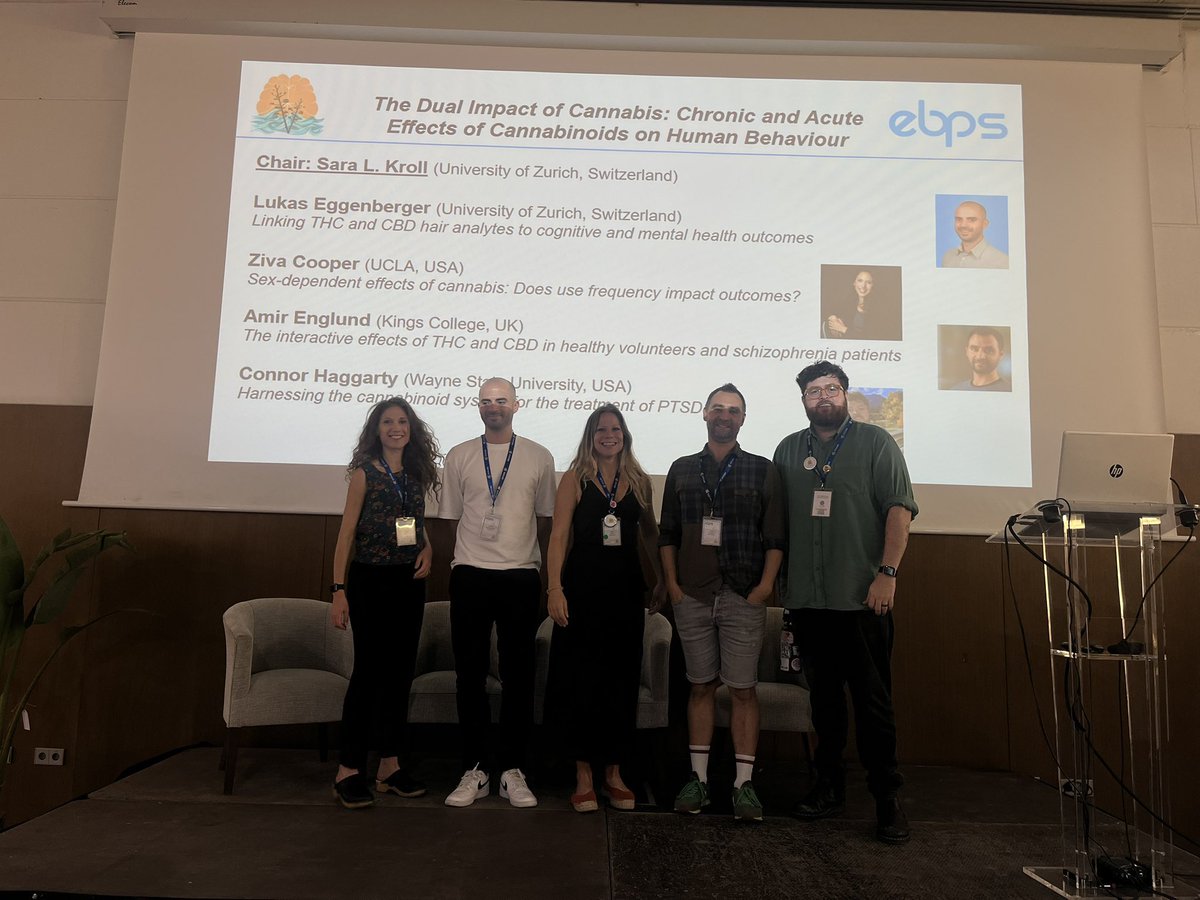
Incredible week at #EBPS2025. Great location, great science, great food, and great friends. Can’t wait to do it again. Looking forward to our new leadership from Gavin McNally Keep your eyes peeled for our new communications initiatives 😉

3
14
1,335
connorhaggarty.bsky.social retweeted

Jun 12
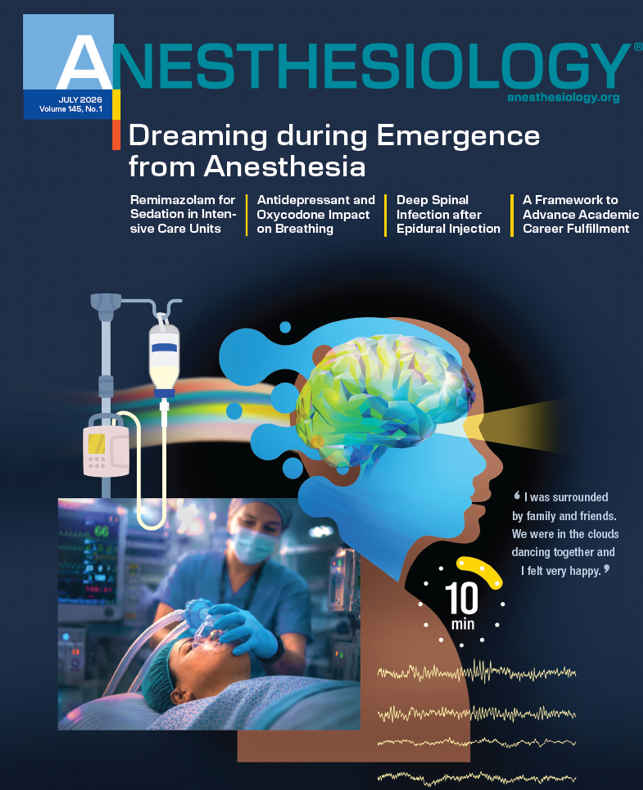
Anesthesia is just like dreamless sleep, right? RIGHT?
Cover story @_Anesthesiology - we developed an operating room protocol to promote dreaming during emergence from anesthesia... under the best conditions we found that **93%** of patients had experiences
2
13
32
1,845
connorhaggarty.bsky.social retweeted
Reduced drug use without full abstinence should count as success, not failure.
This topic is very important to me, harm reduction is ALWAYS a success.
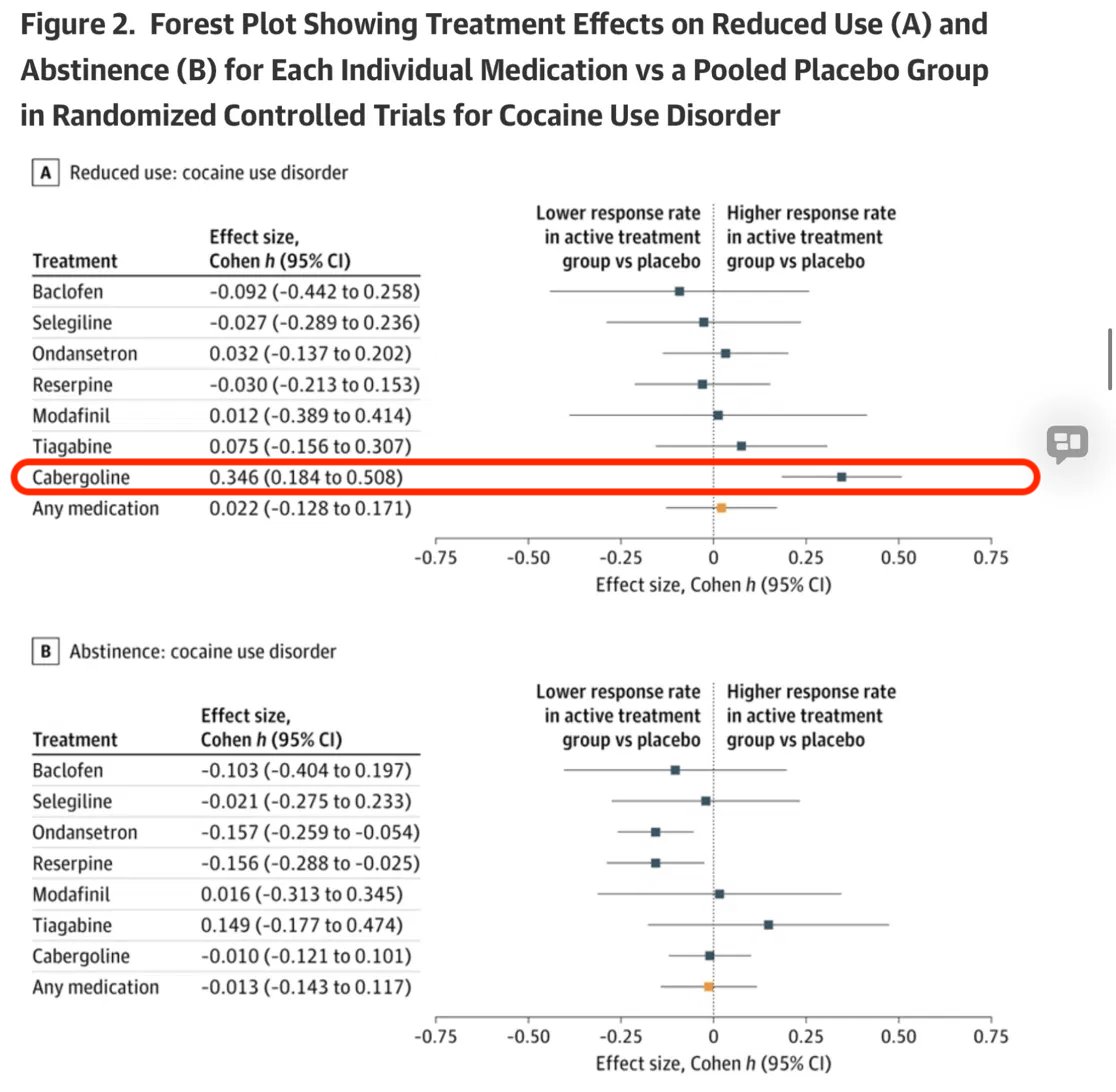
Great meta-analysis of 12 @NIDAnews-funded trials and 2,000 patients with cocaine or methaphetaninbe use disorder, no medication beat placebo if success meant complete abstinence.
But if you use harm reduction measures like reduced drug use, then you get a different picture.
Cabergoline decreases cocaine use: 44% vs 28% on placebo. @NIAAA already accept reduced drinking as meaningful endpoint in alcohol treatment, we should do the same for stimulants. Recovery is not always all-or-nothing. Sometimes using less, functioning better, and staying alive is the first real step before thinking about abstinence.
@JohnsHopkinsSPH @JAMAPsych @Lorenzo__Leggio @MehdiFarokhnia
jamanetwork.com/journals/jam…
1
6
17
900
connorhaggarty.bsky.social retweeted

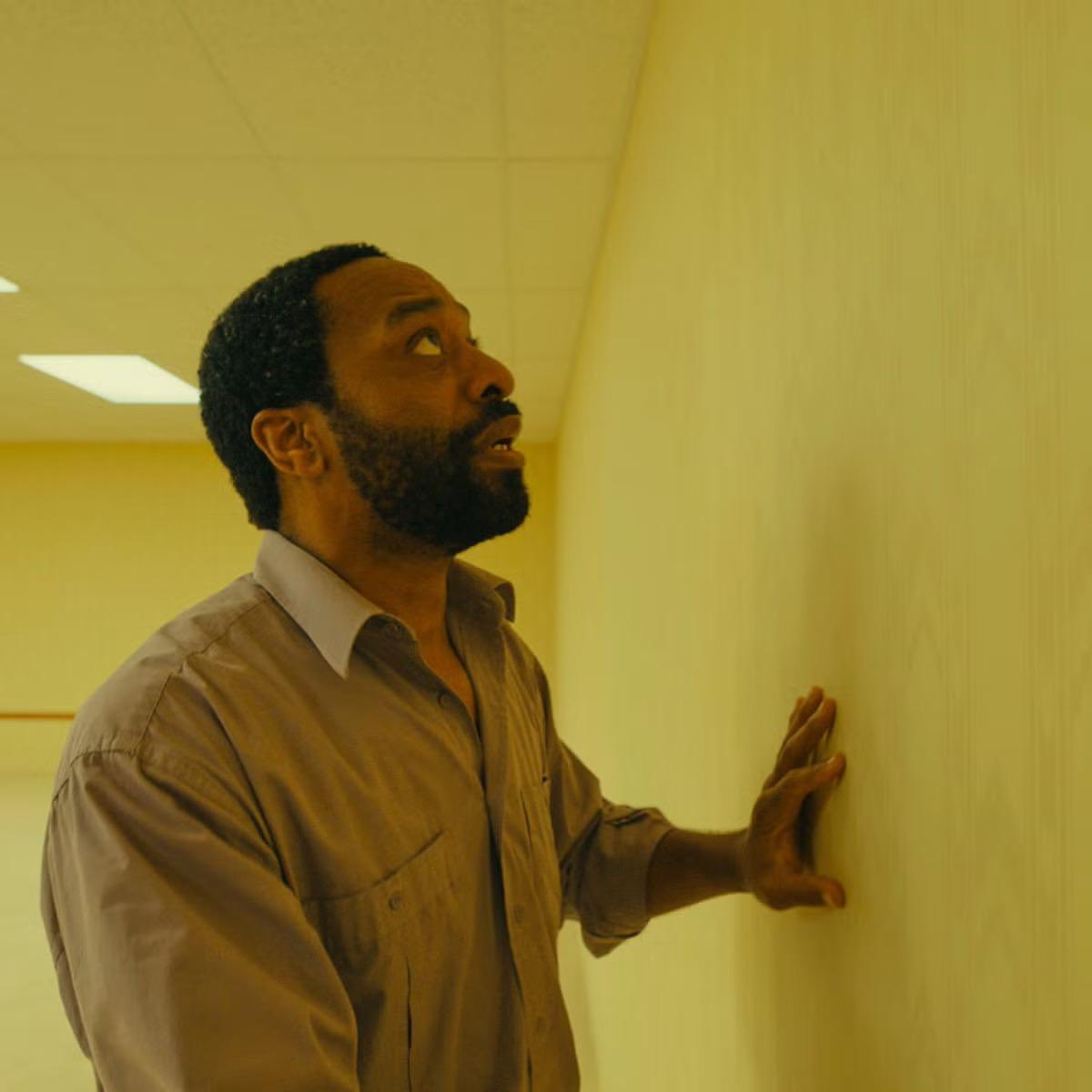
‘BACKROOMS’ is officially A24's highest grossing movie of all time worldwide.
The film just passed $200M.

525
6,439
108,754
5,867,880
connorhaggarty.bsky.social retweeted

💬 Editorial: Reduced temporal stability of #EEG microstates shows promise as a scalable biomarker for predicting clinical outcomes in individuals at high risk for psychosis.
ja.ma/4fZVtLu
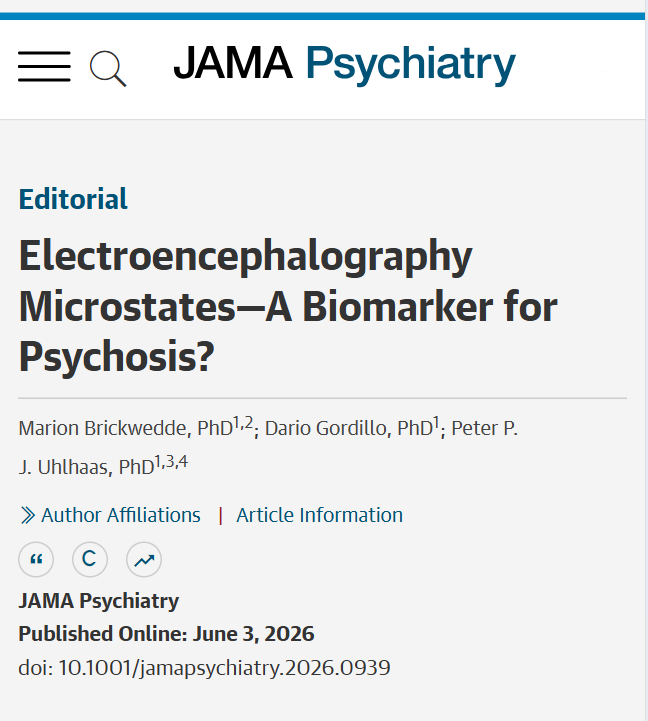
ALT JAMA Psychiatry article: \"Editorial: Electroencephalography Microstates\u2014A Biomarker for Psychosis?\" by M. Brickwedde, D. Gordillo, P. Uhlhaas. Published Online: June 3, 2026. DOI: 10.1001/jamapsychiatry.2026.0939.
25
67
4,062
connorhaggarty.bsky.social retweeted
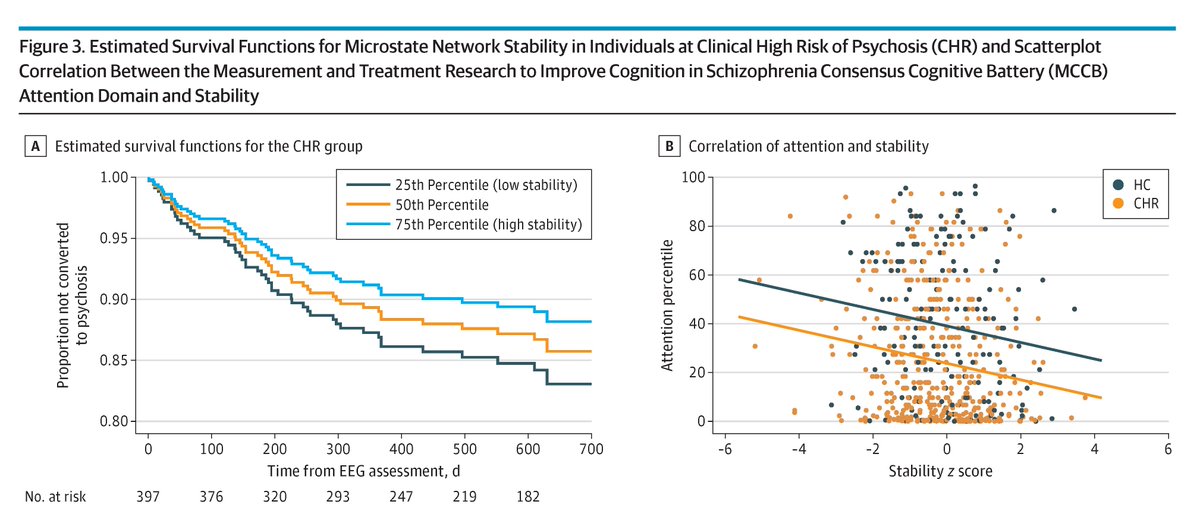
In individuals at clinical high risk for #psychosis, reduced temporal stability of EEG microstates was associated with earlier conversion and increased positive symptom severity. ja.ma/4vvwynO
1
8
40
2,504
connorhaggarty.bsky.social retweeted
Add fentanyl to the list!
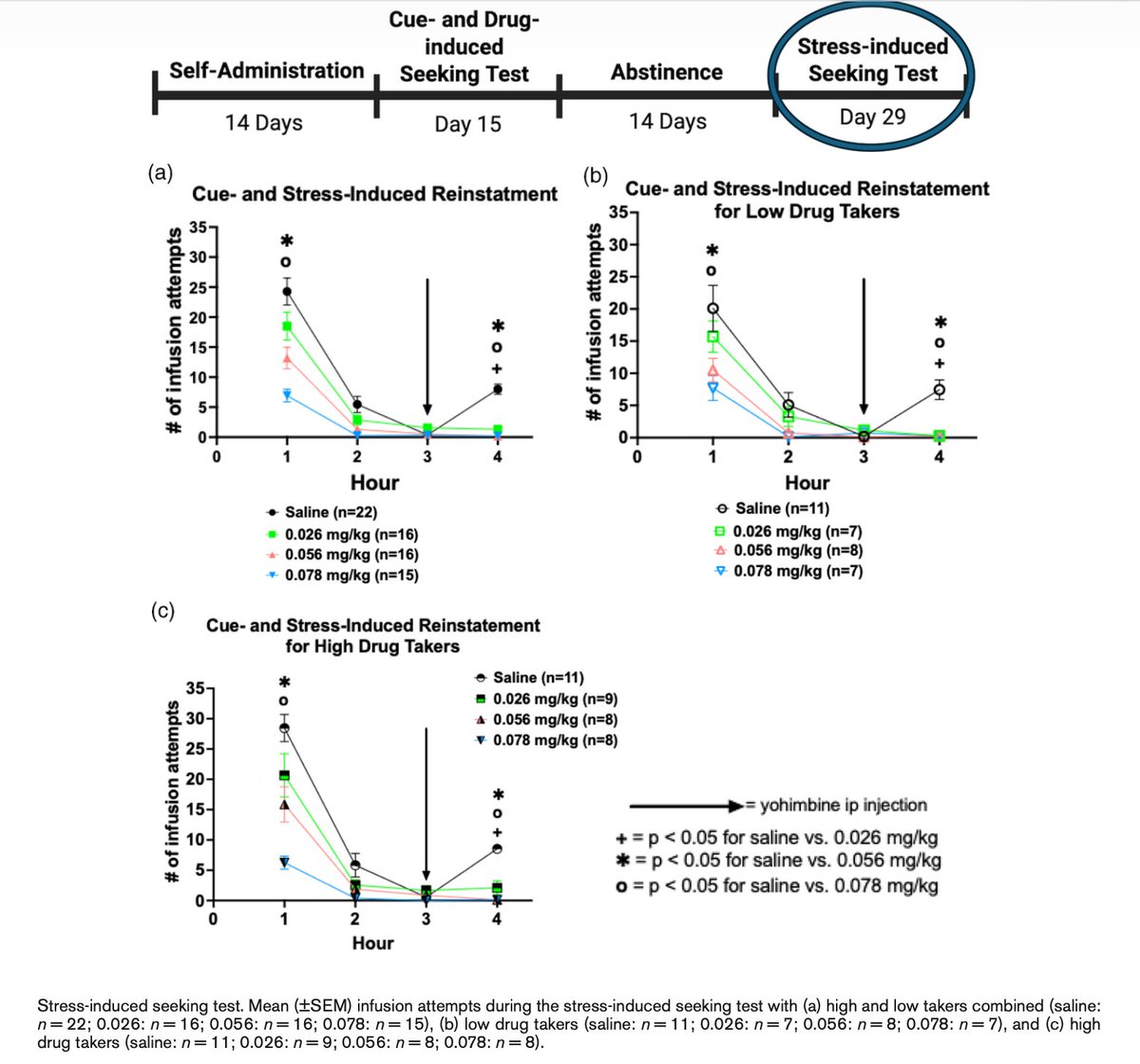
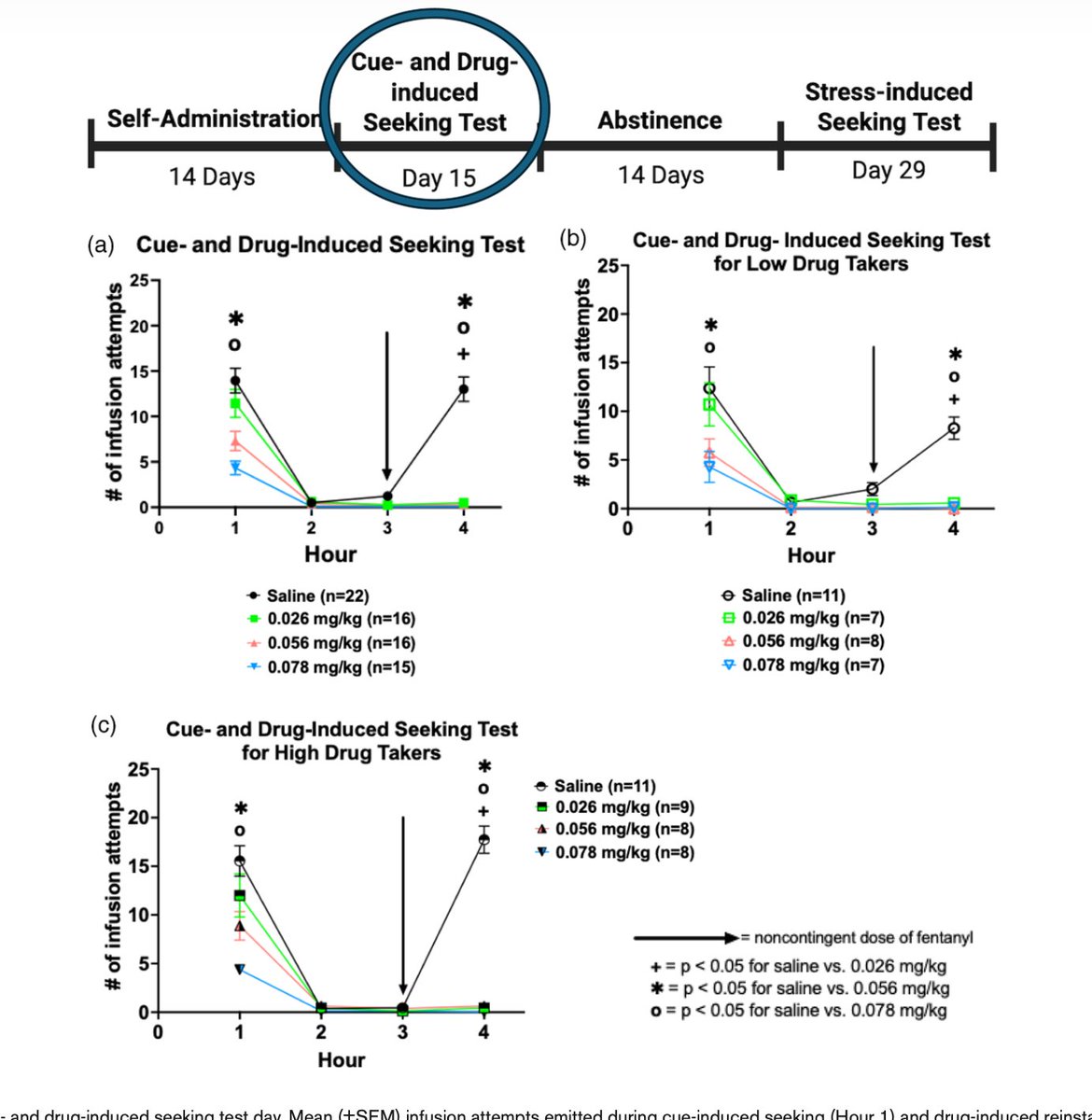
Acute semaglutide blocks cue-, drug-, and stress-induced fentanyl seeking in rats, with drug- and stress-induced reinstatement dropping to the floor at every dose, and cue-induced seeking down about 70% at the higher doses.
I've run a lot of reinstatement studies. Usually a treatment decreases only one or two of the three triggers of relapse (cue, drug, stress), and the effect sizes are modest. Hitting all three this hard is very unusual.
That strength is the headline and the caveat at the same time. When something works this cleanly on everything, you want to rule out a non-specific effect. The latency and sucrose data help, but it would be important to replicate.
If it is true, it fits a bigger idea: GLP-1 acting as a master regulator of motivation that doesn't care whether the trigger is a cue, the drug, or stress, or even the type of reward (natural, food, alcohol, nicotine, drugs, etc…). How about behavioral forms craving in gambling, OCD, tics?
@PennStHershey
doi.org/10.1097/FBP.00000000…
6
26
1,436
connorhaggarty.bsky.social retweeted

I am looking for someone to join @Psyched_Alpha to research and write about psychedelic drug development and roll-out with me.
Do you know someone? Please let me know!
jobs.psychedelicalpha.com/jo…
1
6
30
2,909
connorhaggarty.bsky.social retweeted

🔬 New method quantifies 14 cannabinoids in minutes with 99.4% accuracy — matching traditional lab testing at a fraction of the cost.
A-TEEM spectroscopy machine learning could transform cannabis quality control.
📄 doi.org/10.1177/257851252614…
#Cannabis #Cannabinoids #Research
2
5
11
294
connorhaggarty.bsky.social retweeted

Hey everyone, lease answer this survey if you've had a psychedelic experience tinyurl.com/pfs-study

7
22
1,614

Science
Reward magnitude determines reinforcement learning efficiency
This study shows that larger rewards can dramatically accelerate learning in mice.
Across multiple behavioral tasks, bigger rewards increased task engagement and improved both within-session and across-session learning. The researchers also found that larger rewards produced stronger and longer-lasting dopamine release in the ventral striatum.
Using optogenetics, they showed that enhancing dopamine signaling could partially reproduce the learning benefits of large rewards.
Overall, the paper suggests that reinforcement learning efficiency depends strongly on reward magnitude and dopamine dynamics, not just the number of training trials.
science.org/doi/10.1126/scie…
1
14
75
5,438
connorhaggarty.bsky.social retweeted

May 26
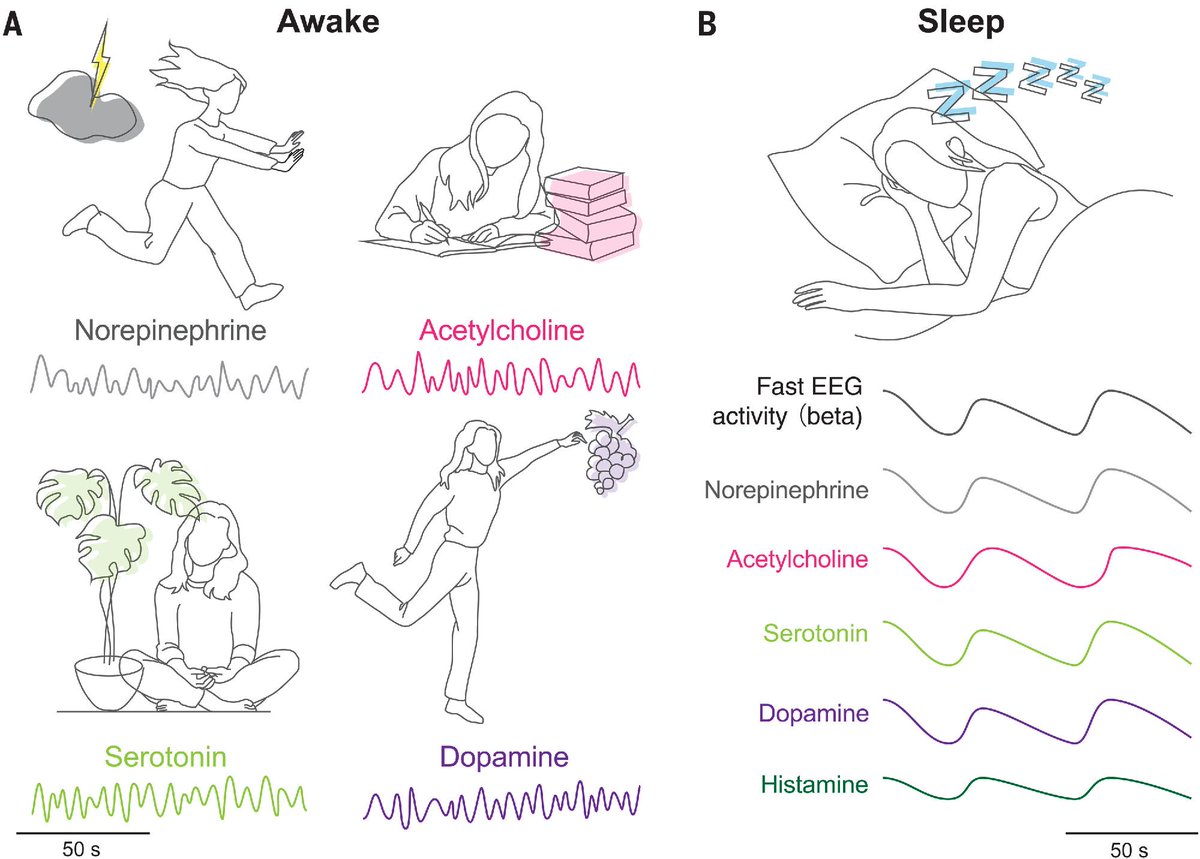
Recent studies have revealed the synchronization of neuromodulators including norepinephrine, serotonin, acetylcholine, dopamine, and histamine during sleep.
A new #ScienceReview explores what potential role the synchronization of these oscillations may play in health. scim.ag/4ve9ObR
9
131
495
38,186
connorhaggarty.bsky.social retweeted

May 24
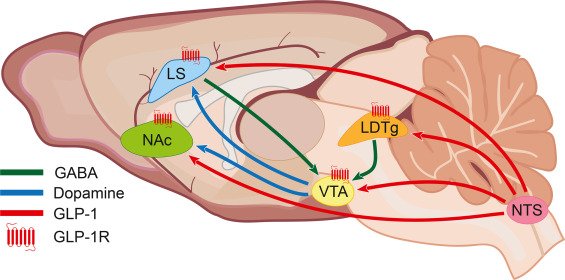
GLP-1 agonists are going to be the first medications that treat polysubstance use disorder. Cocaine, meth, nicotine, alcohol, opioids. New review pulls the preclinical and emerging clinical evidence together. The preclinical peptide nerds were onto something.
@PennNursing @PennMedicine @BiolPsychiatry
doi.org/10.1016/j.biopsych.2…
1
7
30
2,098
connorhaggarty.bsky.social retweeted
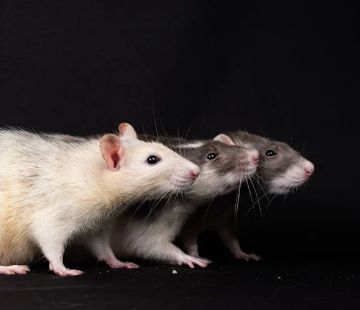
💊 A cannabinoid that failed a clinical trial reliably suppresses nerve pain in rats — but whether it relieves spontaneous, ongoing pain remains unclear. New research highlights how preclinical pain studies can measure the wrong thing.
📄 doi.org/10.1177/257851252614…
2
5
397
connorhaggarty.bsky.social retweeted

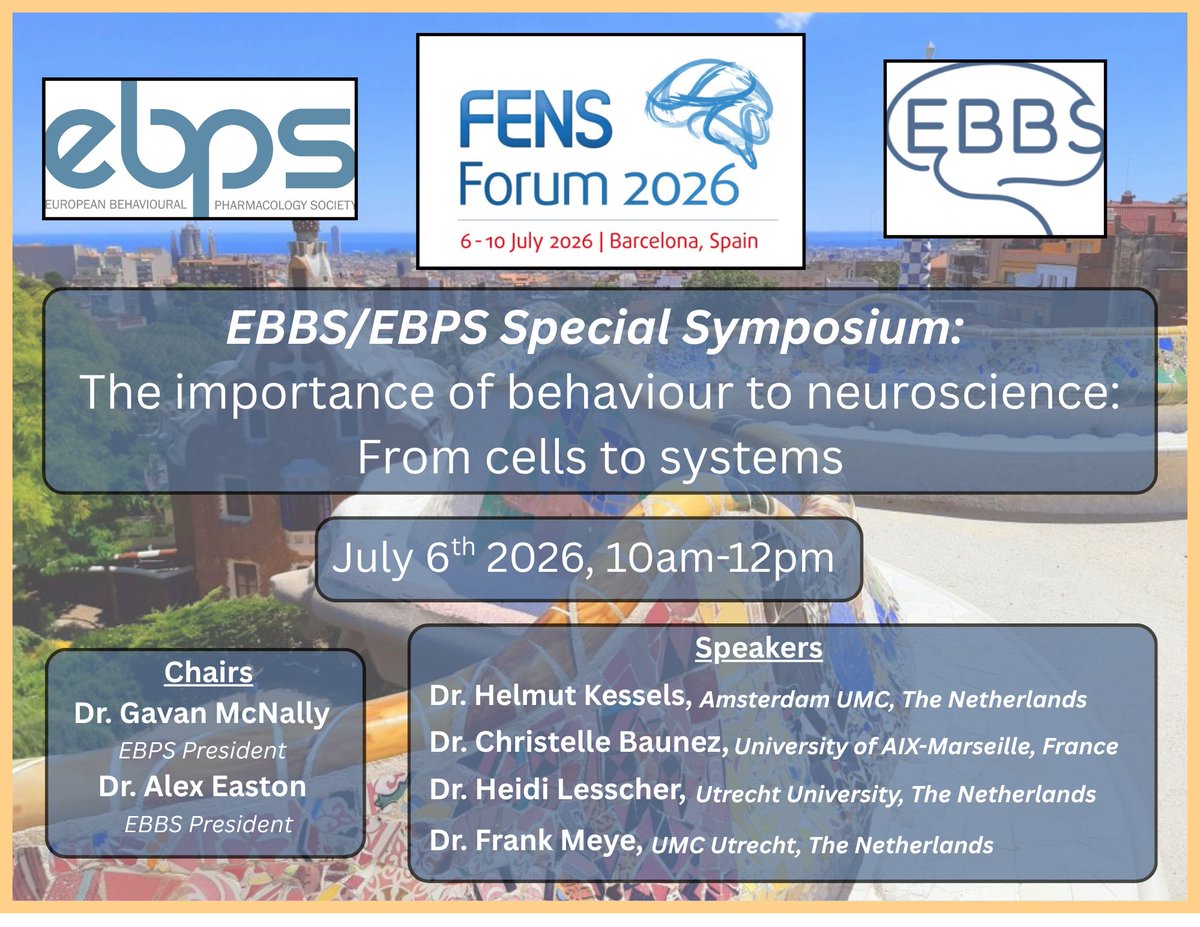
For those attending @FENSorg Forum this year, we have arranged a joint symposium with @EBBS_Science on Monday 6th July 10am-12pm. This symposium brings together researchers from our societies to highlight brain and behaviour from cells to systems. #FENSForum2026
1
2
133
connorhaggarty.bsky.social retweeted
May 15
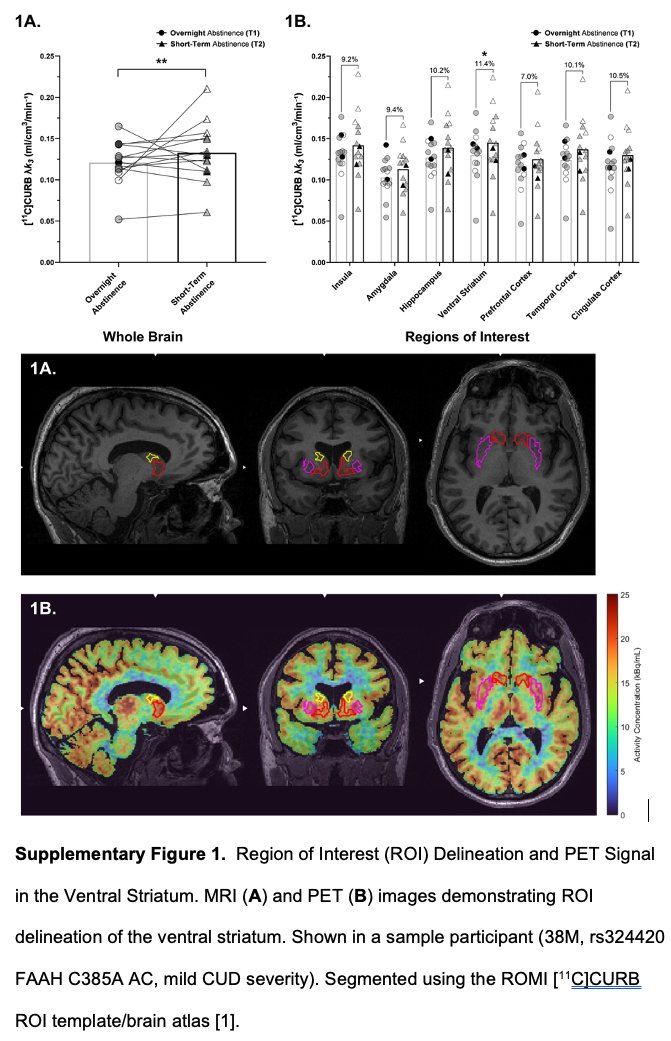
Longitudinal PET study of FAAH (enzyme degrading the endocannabinoid anandamide) in cannabis users. brain FAAH binding rises ~10% within days of stopping cannabis, with the biggest jump in the ventral striatum. Increase did not correlate with THC/metabolite or CUD severity, but did with days of abstinence, depression, and impulsivity. FAAH modulators development has been a roller coaster, this reinforce the idea that it may be useful. Now there are large individual difference, which complicates interpretation. @npp_journal
4
8
821
connorhaggarty.bsky.social retweeted
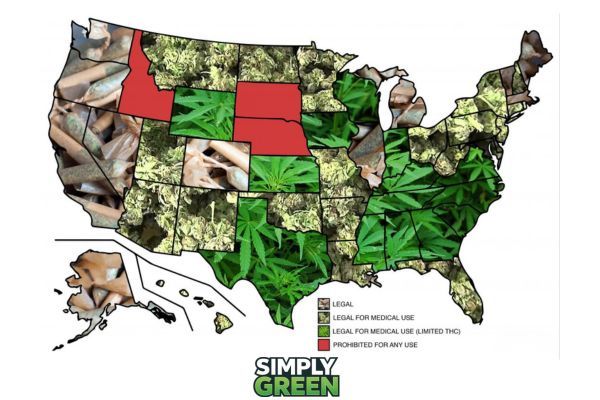
⚗️ Cannabis is legal in half the U.⚗️ Cannabis is legal in half the U.S., but every state has different safety standards for contaminants.
Consumer protection varies by zip code. Researchers call for national standards.
📄 doi.org/10.1177/257851252614…
2
5
193
connorhaggarty.bsky.social retweeted

This recent study leverages machine learning to find that stress-related neurotoxicity may contribute to cognitive decline in PTSD / @MujicaParodi
nature.com/articles/s41386-0…
4
8
800
My PI @brainsbeesbikes wrote an excellent article in @dpn_journal on her toolkit for supporting new PIs setting up their labs. nature.com/articles/s44277-0…. Time to absorb all that knowledge...
1
3
78
connorhaggarty.bsky.social retweeted
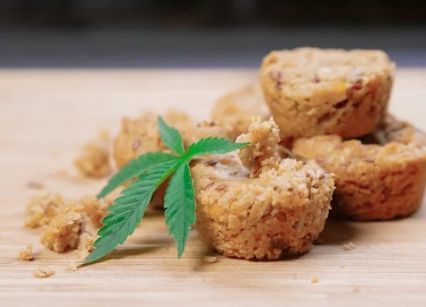
🍬 Fast-acting cannabis edibles hit peak THC in 30 min vs. 60 for standard ones — same total dose, faster onset.
Could reduce accidental overdoses from impatient users, but raises new questions about impairment timing and safety labeling.
📄 doi.org/10.1177/257851252614…
1
3
7
350
connorhaggarty.bsky.social retweeted

Congratulations, @RaymundiAna, @CristinaStern! So proud of this work: Sex-specific role of microglia in Δ9-THC-induced disruption of fear memory reconsolidation
nature.com/articles/s41386-0…
1
11
40
2,195