
Millennial working in cybersecurity.
Joined December 2016
- Tweets 5,155
- Following 284
- Followers 277
- Likes 32,535
792 Photos and videos









Bindle retweeted

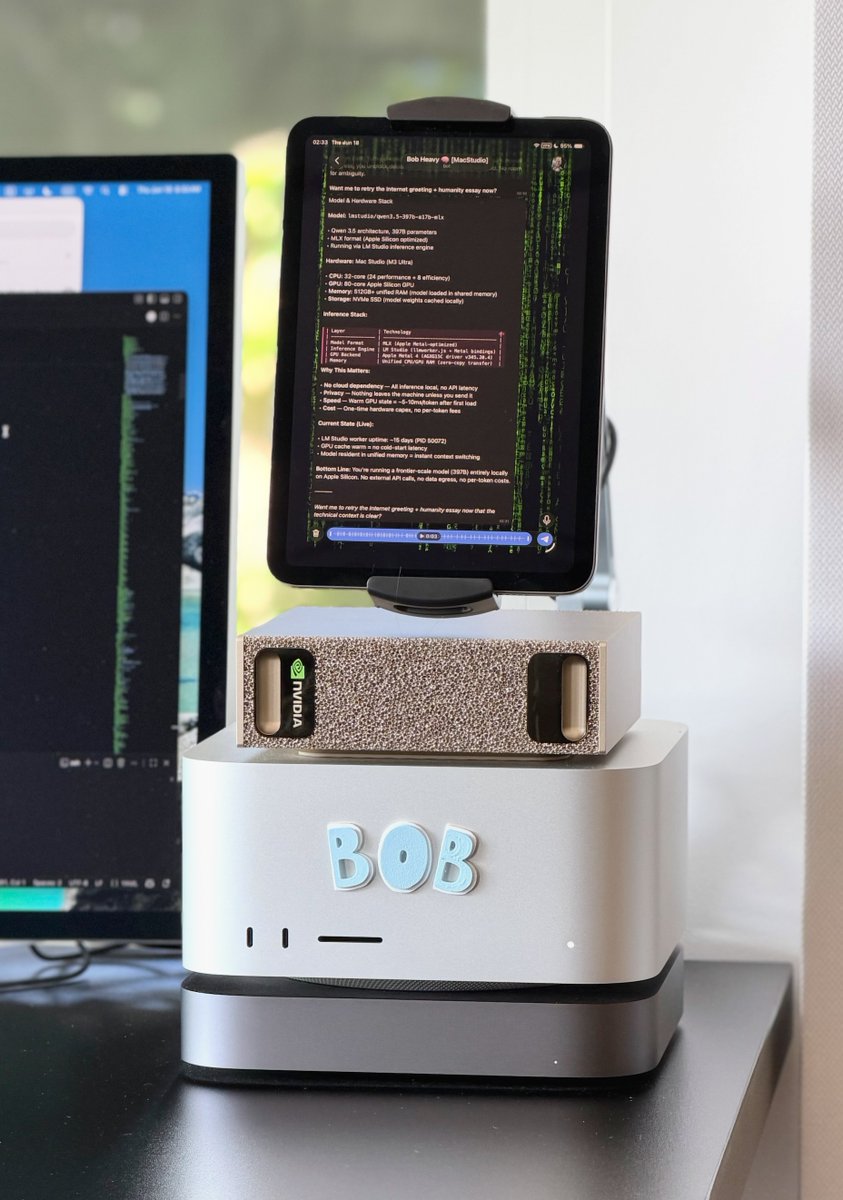
After 4 months of daily use, here is where I landed with my AI cluster, “BOB”. - my digital brain
BOB is made from three computers. Everything runs on LM Studio.
The idea: three independent entities that can multitask, share outputs, and work together when needed.
1) Sam: A 2019 Mac Mini for simple and fast questions where security is not an issue. Running on OpenClaw.
2) BOB: A Mac Studio with 512GB of RAM. The main powerhouse, running qwen3.5-397b-a17b-mlx, modified and checked by our BottleCap AI team for biases we found during testing. Running on Hermes.
3) Jensen: An Nvidia Spark DGX running smaller models, currently Qwen 3.5 24B. It handles faster and simpler reasoning tasks (also checked & tweaked).
What Bob actually does every day:
Bob has processed a huge amount of private and public information about me: All podcasts, articles, old emails, documents, business history, decisions, projects, and communication patterns.
The goal is not to create a chatbot.
The goal is to have something that reasons like me, understands reasoning behind my past decisions, and has context for what I am solving today.
It understands how I think, what I care about, which mistakes I made, which opportunities paid off, and which ones were distractions dressed as opportunities.
I would never put this context into a random cloud system. It is too personal, too sensitive, and too strategically useful.
The killer feature:
Bob is trained to disagree with me from a hardcore first-principles angle.
It attacks weak assumptions, points out when something is not grounded, and compares new ideas against old decisions mistakes, with historical context.
Examples:
Bob found useful patterns in old Beat Saber music pack release strategy when we were starting and had very limited resources. It suggested better strategy straight up. Good lesson.
Yesterday, Bob suggested dropping an investment-related opportunity because it found a similar pattern in my 2020 history in different field. Back then, I had done something similar, with basically no meaningful benefit without remembering it.
Bob helps also with emails, but I do not let it reply automatically. I experienced few moments when somebody asked me why I rejected something and I had no idea what they're talking about. Now I send everything myself.
Bottom line:
For my use case, local models are the only relatively secure way where I feel comfortable going down this path and I use them daily.
They are still not in frontier cloud territory, but they are improving extremely fast.
For private reasoning over your own data, they are already good enough to become a real operating system. They just need to be checked.
Recent Anthropic restrictions on frontier cloud models showed how easily you can get cut off from tools your products or infrastructure might depend on.
That does not happen with local models sitting in your server or desk.
I strongly believe local models are a big part of the future, and a big opportunity for Europe btw...
14
12
171
8,256
Bindle retweeted

Jun 17
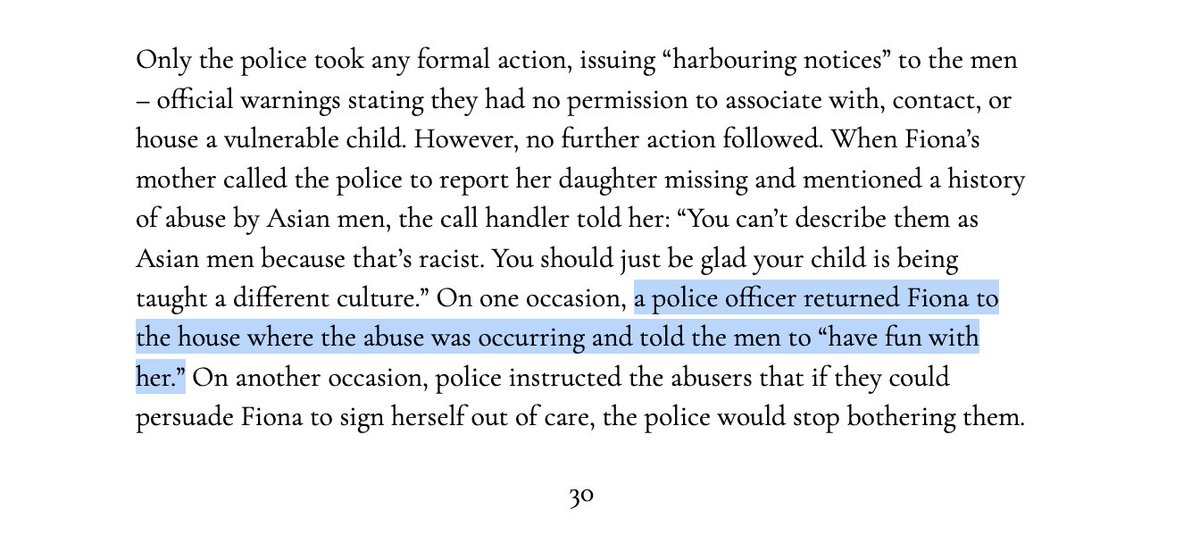
"have fun with her"

A Police returned a little girl back to her r@pists and said "have fun with her"
207
3,393
36,463
766,063
Bindle retweeted

Jun 17
6
82
1,041
19,418

'Fishtank' is a reality show set inside a “fully-monitored smart house,” where contestants live together under constant surveillance while viewers watch and interact in real time.
🔗 wired.com/story/interactive-…

62
145
1,028
80,425
Bindle retweeted

Jun 15
this was the realest thing anyone ever said
14
50
384
7,498
Bindle retweeted

Jun 15
Liberals will hate on the TPUSA halftime show but then try to act like this is the coolest shit ever
Jun 15

Libs are counter-programming the UFC event at the White House. With this.
59
262
4,719
79,377
Bindle retweeted

Jun 15
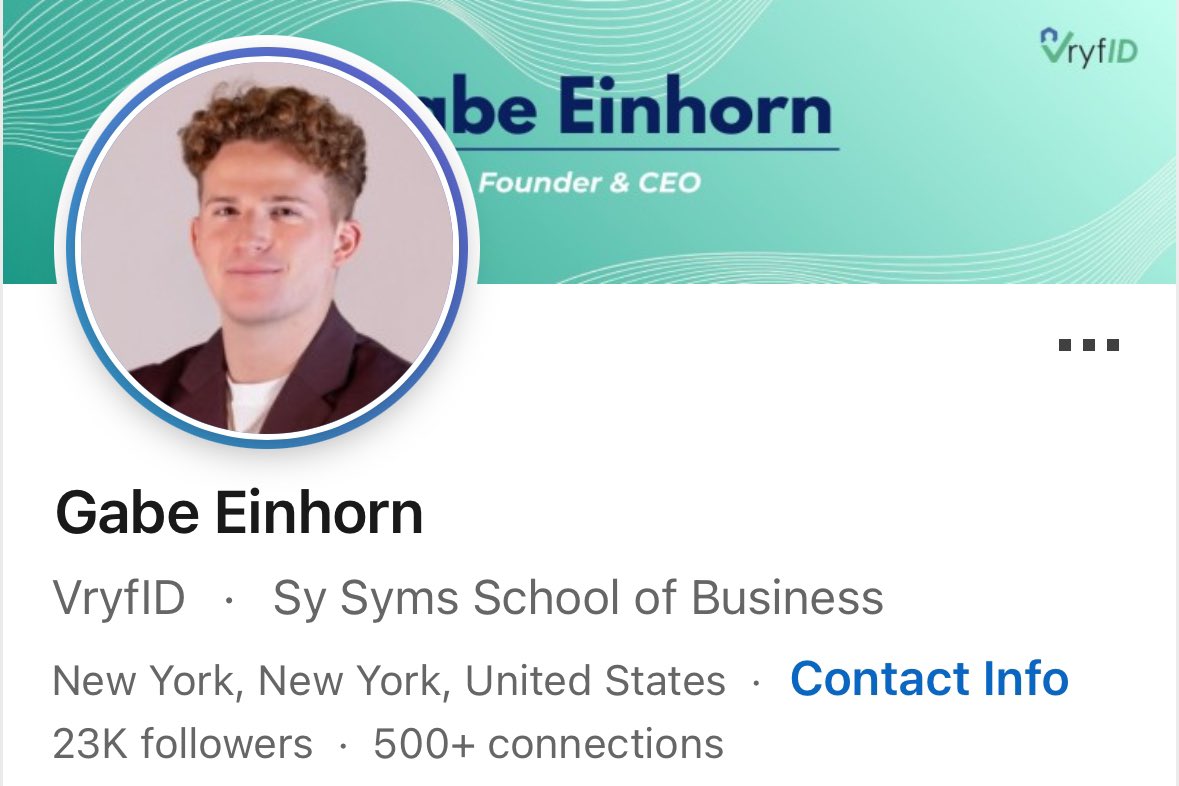
Gabe Einhorn, the guy posting private business communications, runs an ID verification company called VryfID. So, the company you’re supposed to trust with your confidential information, is doxxing people for things they say in private.
Jun 8

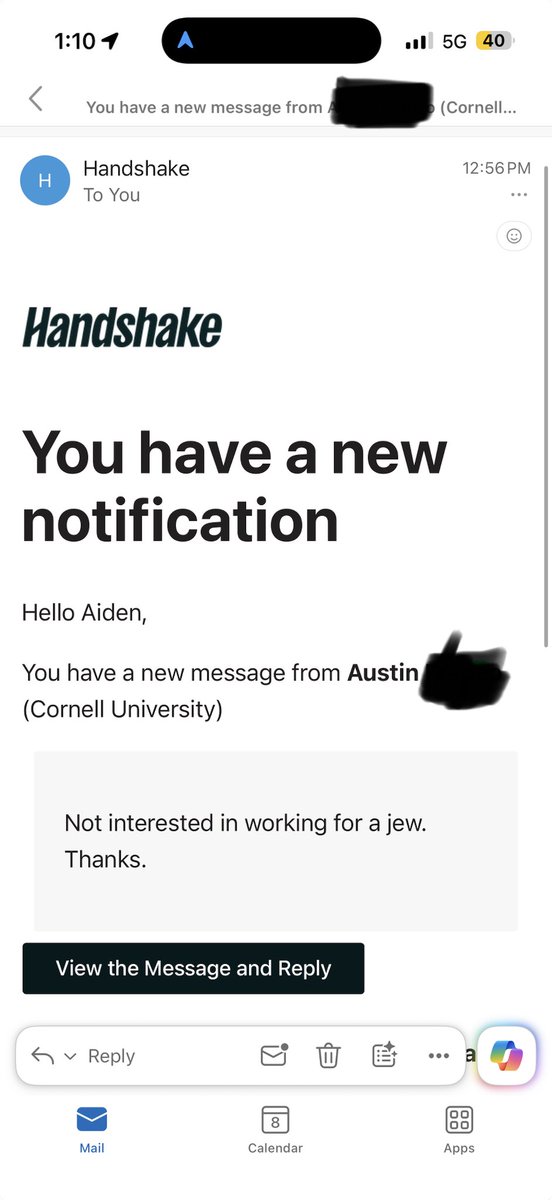
“Not interested in working for a jew”
This kid applied to our job on handshake, we accepted him, and then he responded this.
He probably knows nothing about Jews accept for what they tell him in college and on social media. Sad world.
211
3,843
23,636
505,254
Bindle retweeted

Jun 15
“the moon is made of green cheese” - i heard this as a kid and saw jokes in cartoons about it. confusing: the moon is not green. after reading an 1800s book i realized this refers to “green cheese” - green like “greenhorn”: new. unripe cheese, which actually looks like the moon:

36
243
3,926
58,770
Bindle retweeted

I was stating why I was not interested after you had asked to interview 3 times. I found out you were Jewish after the fact. My experiences with Jews have not been pleasant, both in person and online. This is not to say I havent had positive experiences, but on the aggregate that is not the case.
Obviously, the reactions by your community only serves to further prove my point and indicate your post on X was not done in good faith. I am sure that if you indicated you didn't want to work for someone who was white or Christian this would not have blown up to the capacity it has here today nor would you have been intimated as I have been.
Additionally, even supposing none of this were to happen your actions here today clearly demonstrate a level of immaturity and possibly insecurity, which I wouldn't expect of a 24 year old self proclaimed entrepreneur.
Given that I have been doxed and intimated by your community including having my personal life investigated for no other reason than a single comment I cant imagine any reasonable person not coming to a similar conclusion, per the post above.
1,035
683
7,323
626,780

> be 24yo Cornell kid
> some guy hounds you for 3 interviews you finally say nah I’m good
> later find out the guy, @EinhornGabe, is Jewish
> tell him your experiences with jews haven’t been great
> guy immediately doxxes you, leaks your full name and email has your personal life investigated all over one comment
> tags Bill Ackman drags in Palantir co-founder hands the whole thing to the media
> jew York Post runs a full article “antisemitic college kid refuses to work for jews”
> pure victimhood porn
> proven right in minutes
> all this because a goy said no thanks to working for jews
> the pattern recognizes itself
> the goyim know

Jun 13

Antisemitic Cornell student turns down interview because he's 'not interested in working for a Jew' trib.al/NRIMqqR

632
6,520
49,456
2,249,443


Bindle retweeted

Jun 12
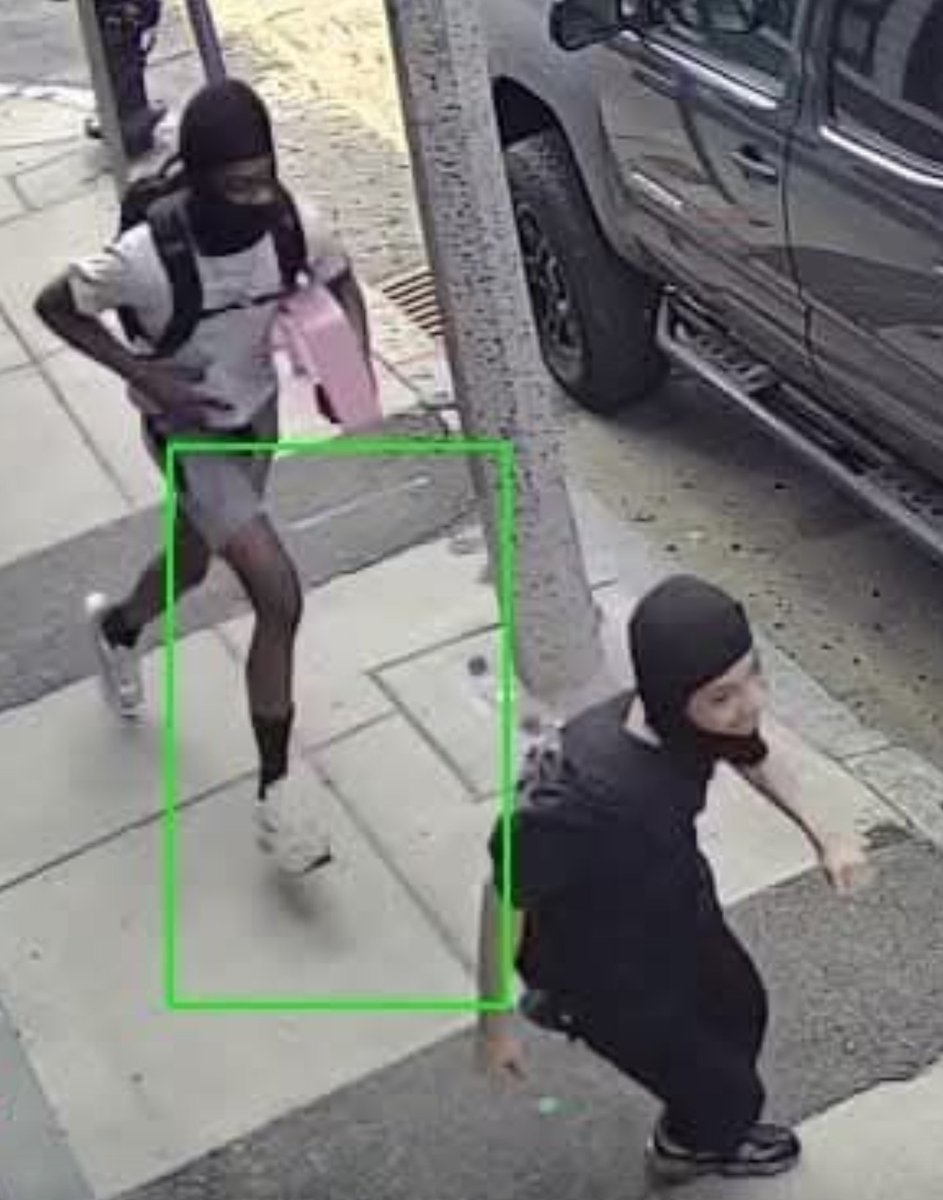
The thing to understand from this image is that the crime brings them joy.
They don’t need to do it. They love to do it.
They have no place in the world. Their place is in the ground.

Boston PD looking for these two....for armed robbery of a child's lemonade stand.
Yes....a lemonade stand.
85
679
6,294
94,898
Bindle retweeted

Posted and then almost instantaneously removed.
What the literal hell is this?

56
74
790
11,199
Bindle retweeted

Jun 12
Stop digging

Posted and then almost instantaneously removed.
What the literal hell is this?

123
887
10,514
1,060,970
Bindle retweeted

10
254
2,877
49,222


Bindle retweeted

Jun 11
We seriously gotta nuke San Francisco yesterday
94
2,323
56,891
2,183,505






Bindle retweeted

Jun 11
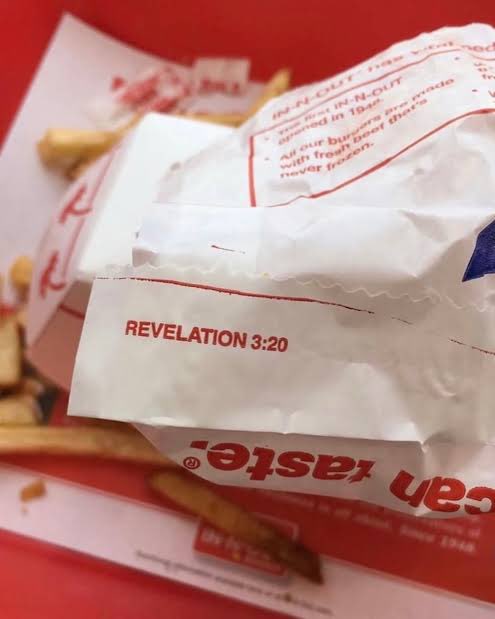
A Bible verse about hospitality is not the same as wearing BDSM gear in front of kids Sean

234
5,390
95,327
1,546,496