DM if you have opportunities in the I.T.
- Tweets 3,171
- Following 172
- Followers 1,076
- Likes 60
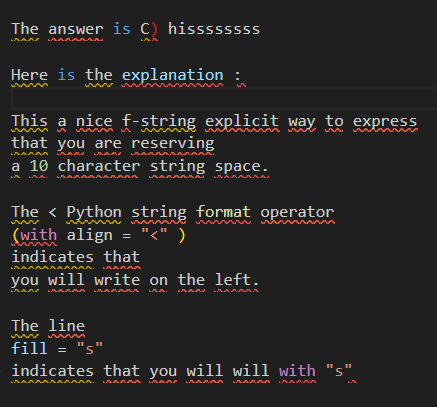
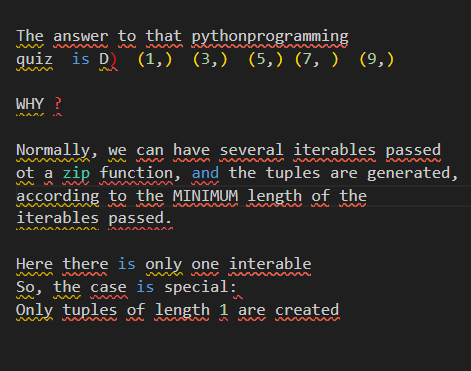
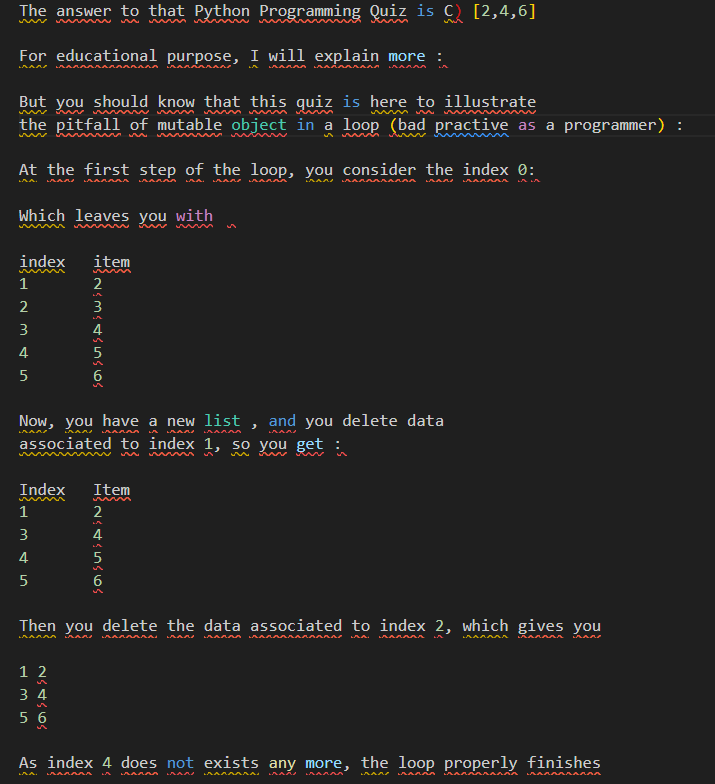
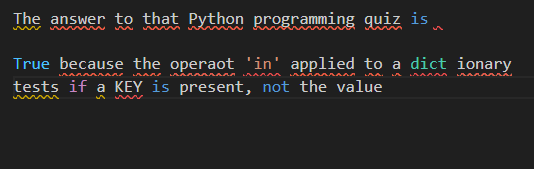
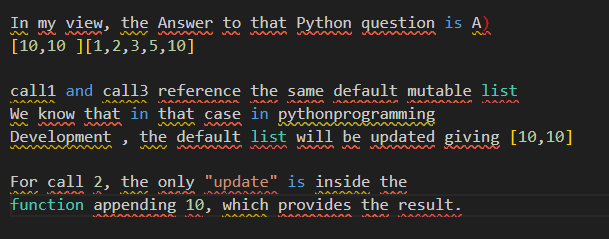
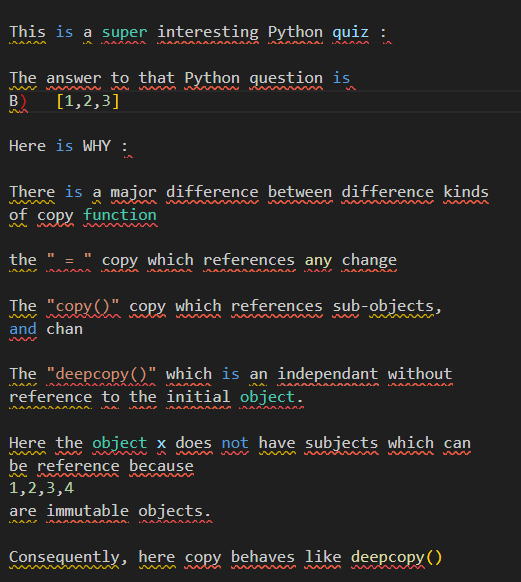




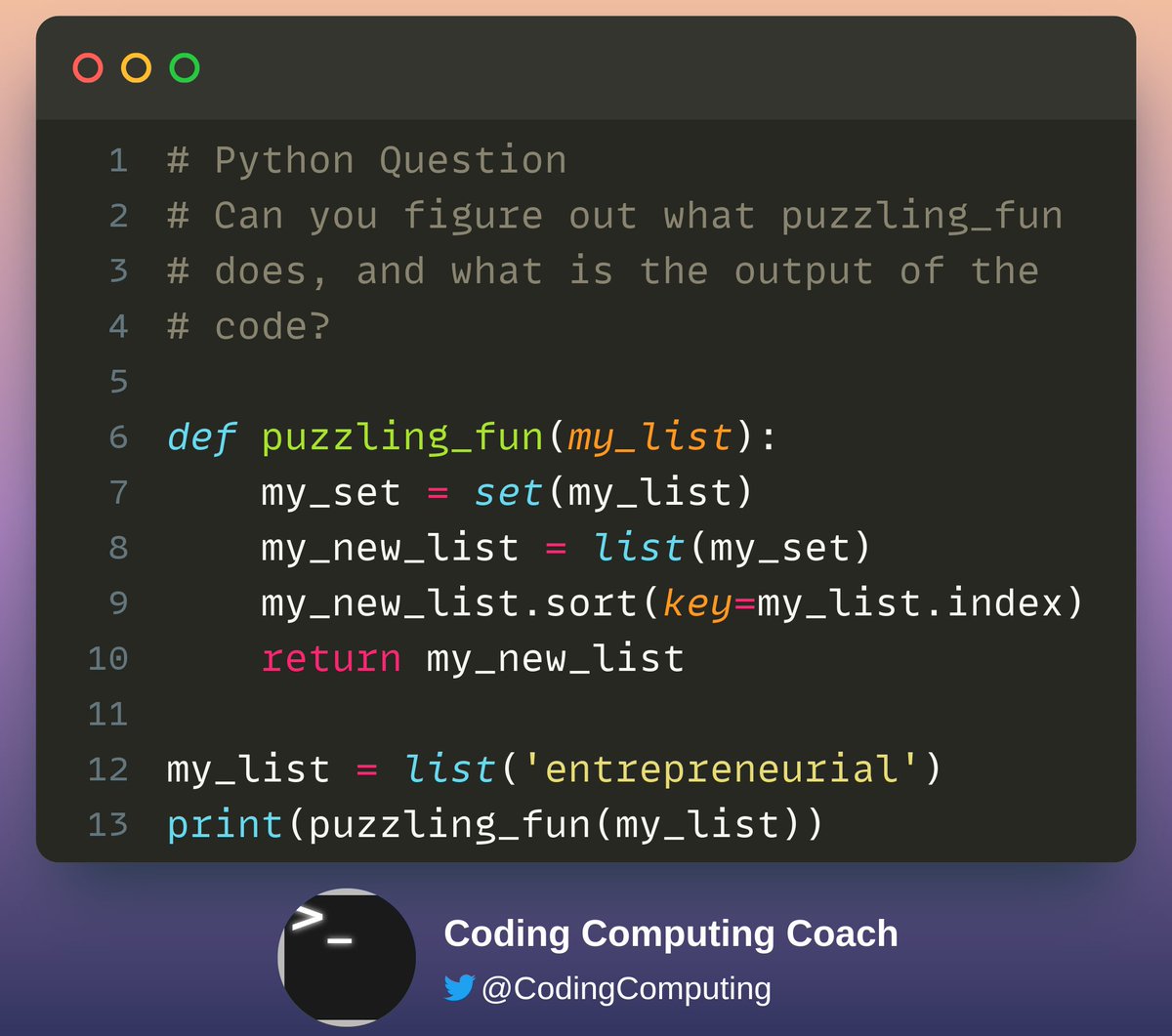
ALT # Python Question # Can you figure out what puzzling_fun # does, and what is the output of the # code? def puzzling_fun(my_list): my_set = set(my_list) my_new_list = list(my_set) my_new_list.sort(key=my_list.index) return my_new_list my_list = list('entrepreneurial') print(puzzling_fun(my_list))

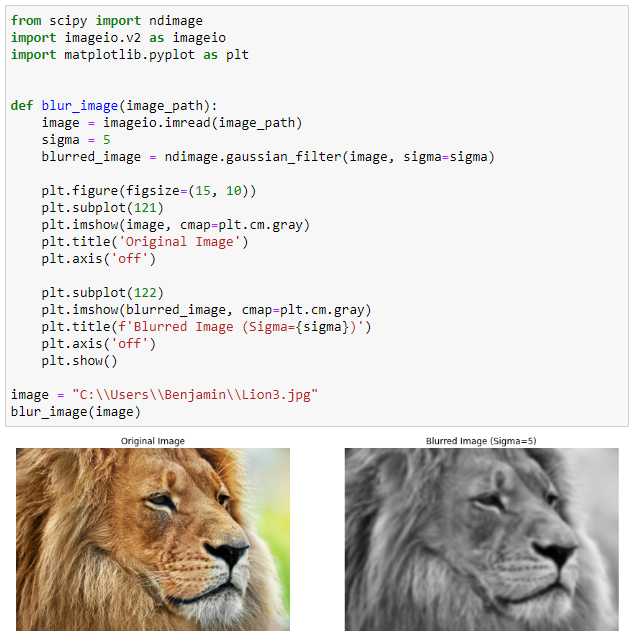
ALT from scipy import ndimage import imageio.v2 as imageio import matplotlib.pyplot as plt def blur_image(image_path): image = imageio.imread(image_path) sigma = 5 blurred_image = ndimage.gaussian_filter(image, sigma=sigma) plt.figure(figsize=(15, 10)) plt.subplot(121) plt.imshow(image, cmap=plt.cm.gray) plt.title('Original Image') plt.axis('off') plt.subplot(122) plt.imshow(blurred_image, cmap=plt.cm.gray) plt.title(f'Blurred Image (Sigma={sigma})') plt.axis('off') plt.show() image = "" blur_image(image)