Full time scientist interested in membrane trafficking and synapses
Joined June 2018
- Tweets 136
- Following 132
- Followers 238
- Likes 393
14 Photos and videos

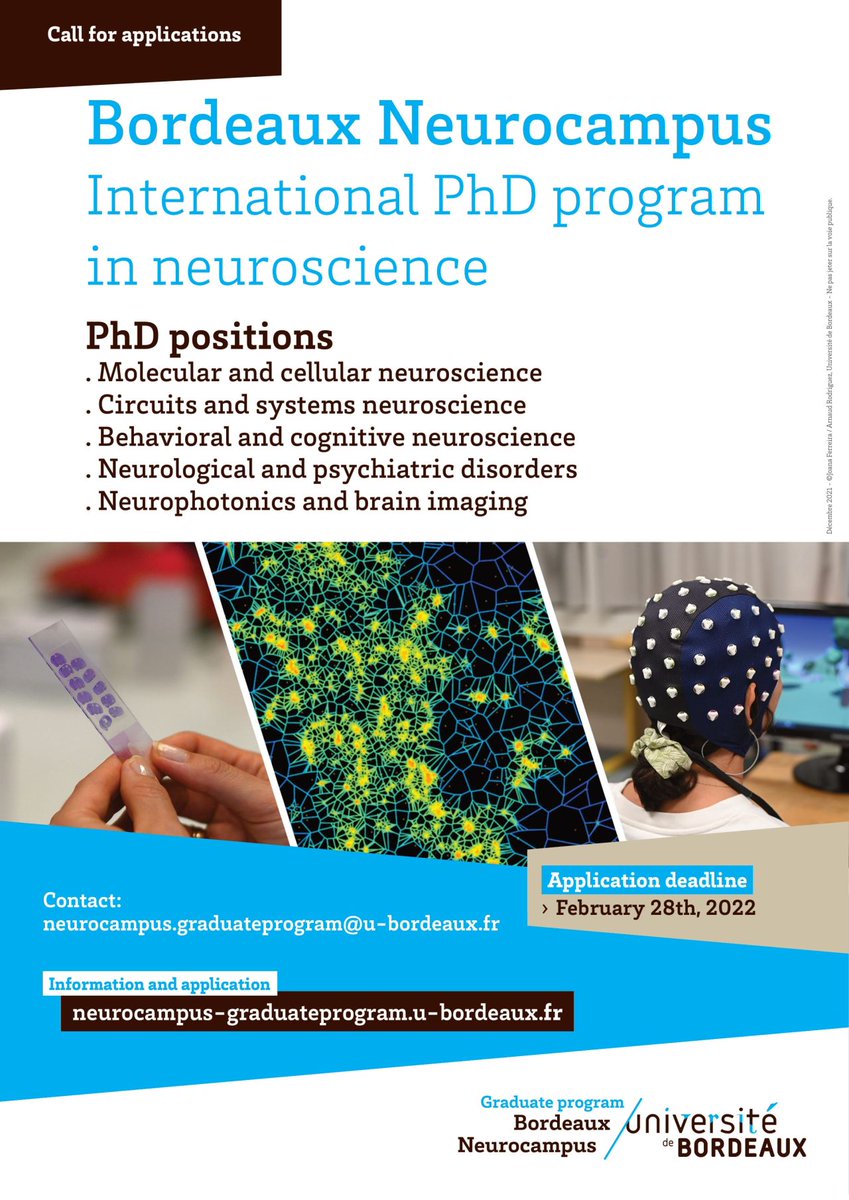
Perrais David retweeted

19 Jul 2024
Meanwhile at Microsoft headquarters.. 😅
1,682
27,676
182,705
10,112,829
Perrais David retweeted

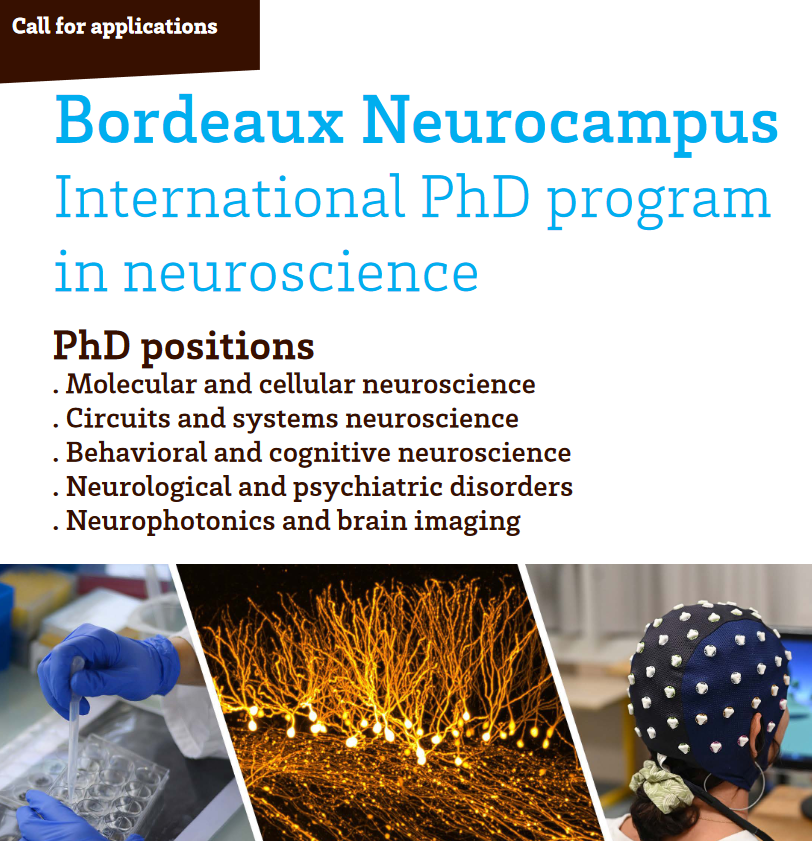
There is still time to apply for the hands-on #training course on Advanced Imaging Techniques for Neuroscience!
⏰ EXTENDED Deadline: 3 July 2024
👉 loom.ly/rDoQ60c
📆 30 Sep - 18 Oct 2024
🌏 @bdxneuroschool
👥 V. Nägerl, F. Odoardi, J. Huisken
4
10
3,146
Perrais David retweeted

#JobOffer💼📢@Fr_BioImaging is looking for a Communications and Digital Media Officer!
Are you a recent graduate with a master's degree in #communications🎓, with an experience in the public/scientific sector🔬, and have a excellent level of English?🇬🇧
➡️france-bioimaging.org/positi…
2
4
509
Perrais David retweeted

7 Jun 2024
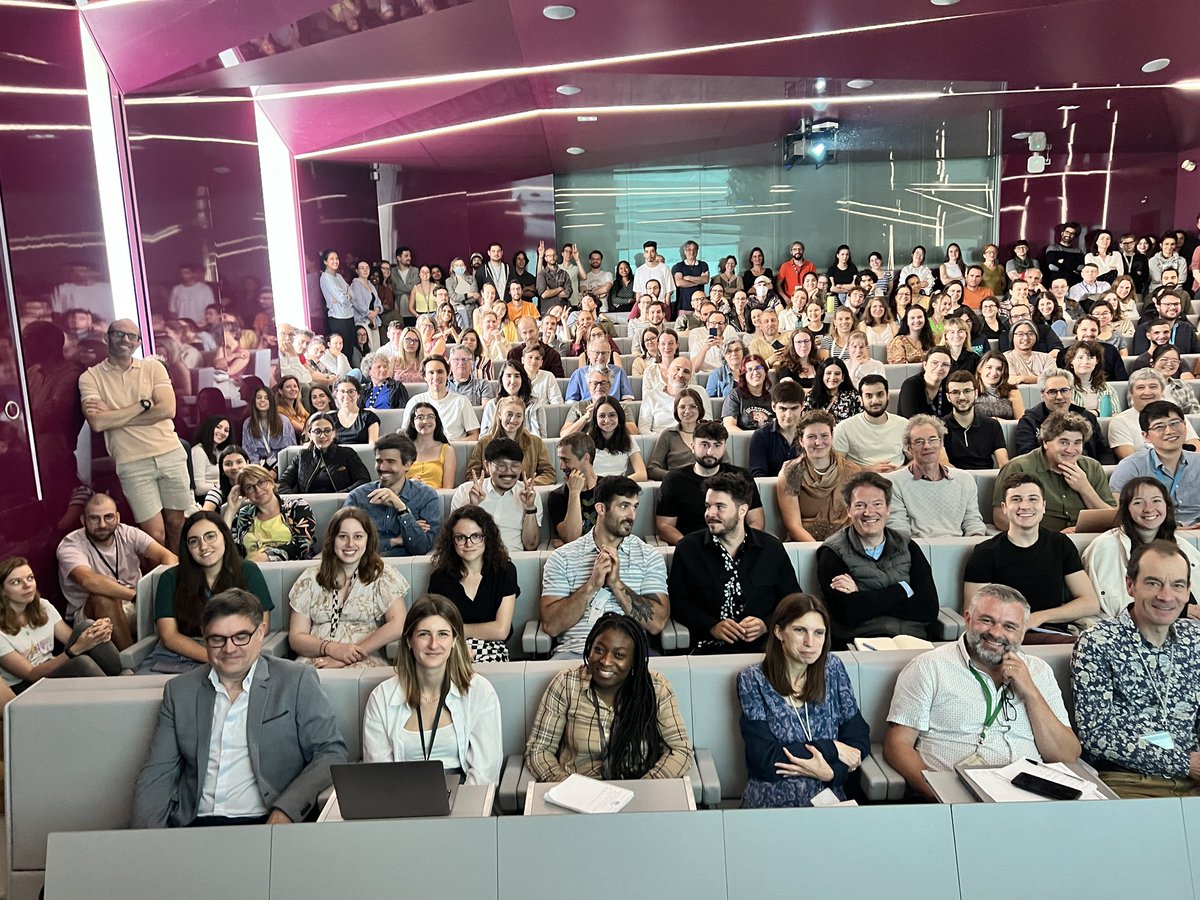
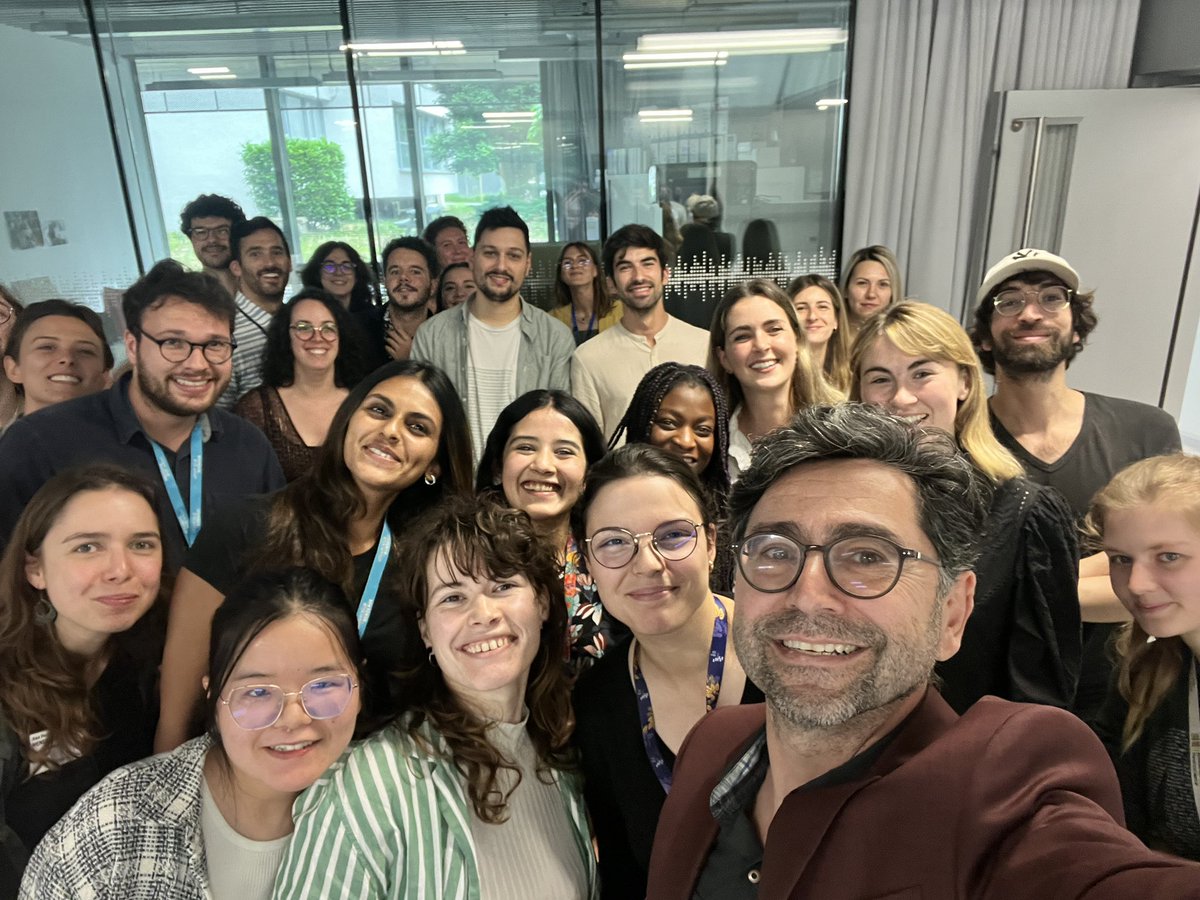
My first seminar as an ambassador/fellow of @CNRS was very enjoyable. I love how @iins_bordeaux focuses on neuroscience from single molecules to behavior. I especially enjoyed chatting with the enthusiastic students at lunch.
6
14
185
27,848
Perrais David retweeted

2 May 2024
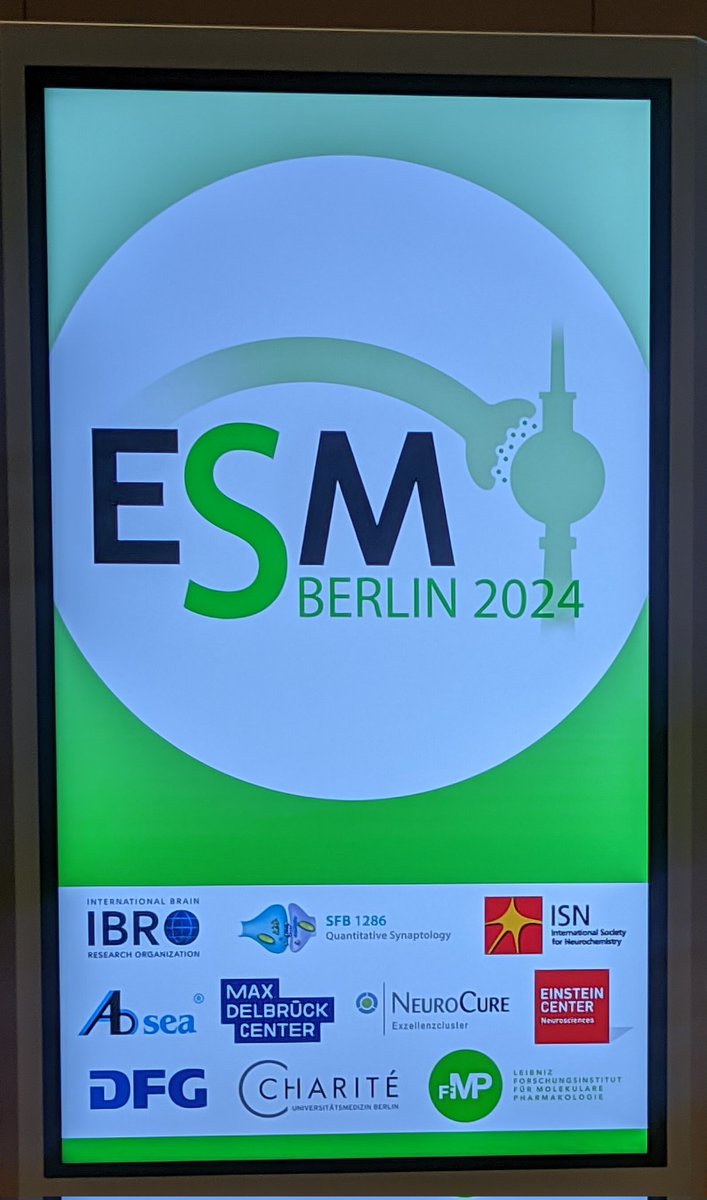
9th European Synapse Meeting starting now! Exciting lineup of speakers ahead 🤩. And I have the great honour of chairing the first session 🧠 @LipsteinNoa @HannaHornberg @LeibnizFMP @VolkerHaucke
1
4
22
1,307

1 May 2024
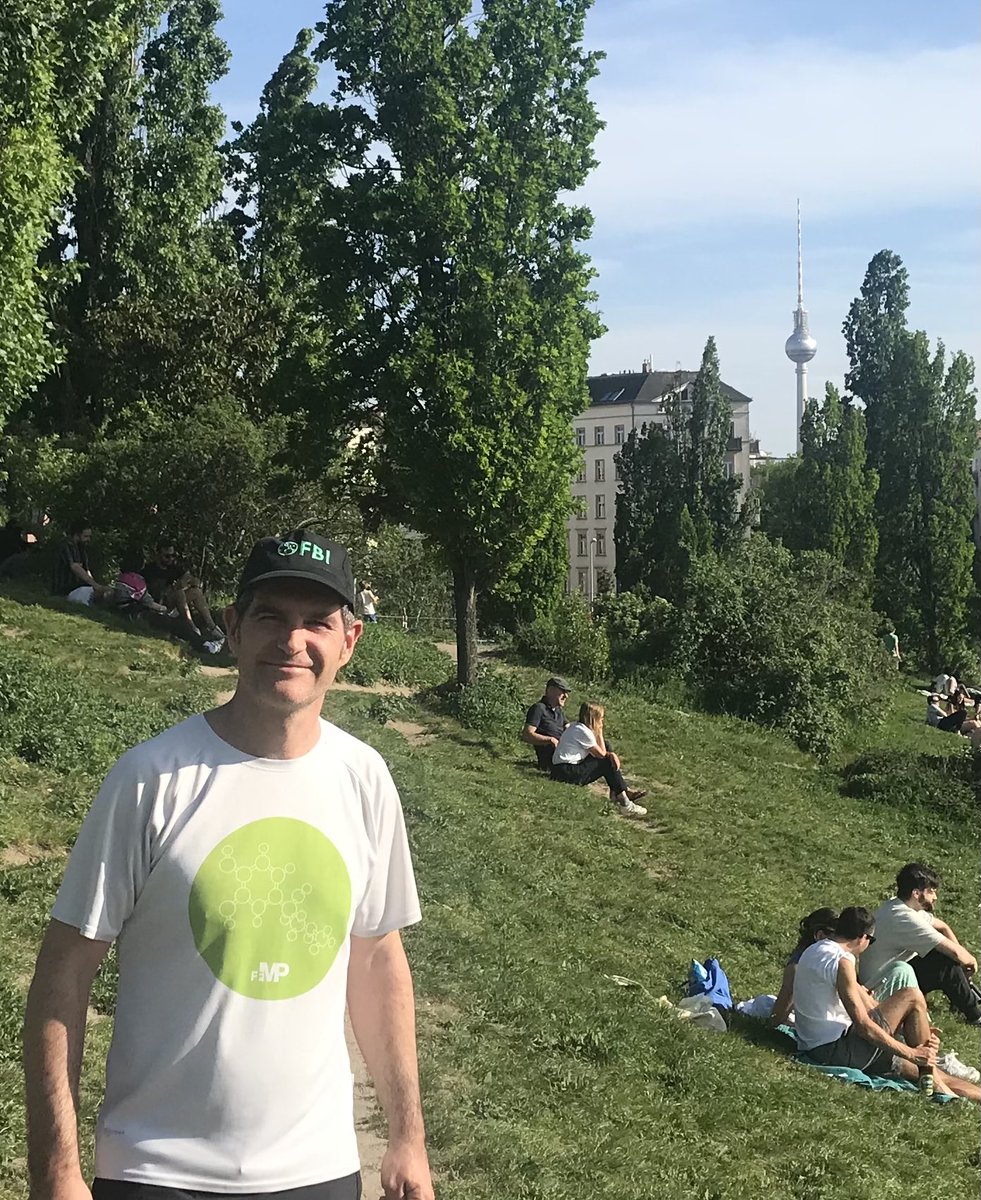
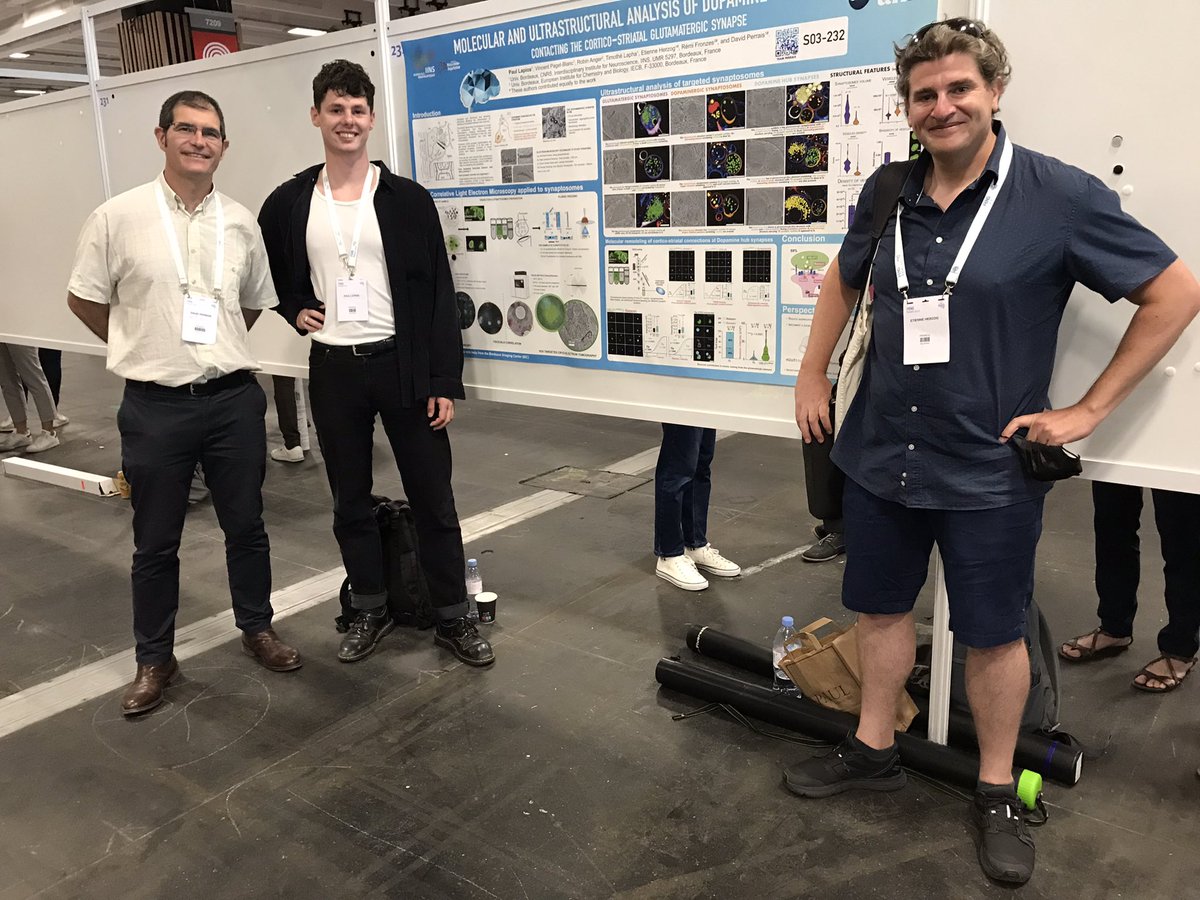
Back to Berlin best city for running and neuroscience! Ready to start the European Synapse Meeting tomorrow. Check the #MemTraS team posters by Paul and Vivek
1
13
385
Perrais David retweeted

29 Apr 2024
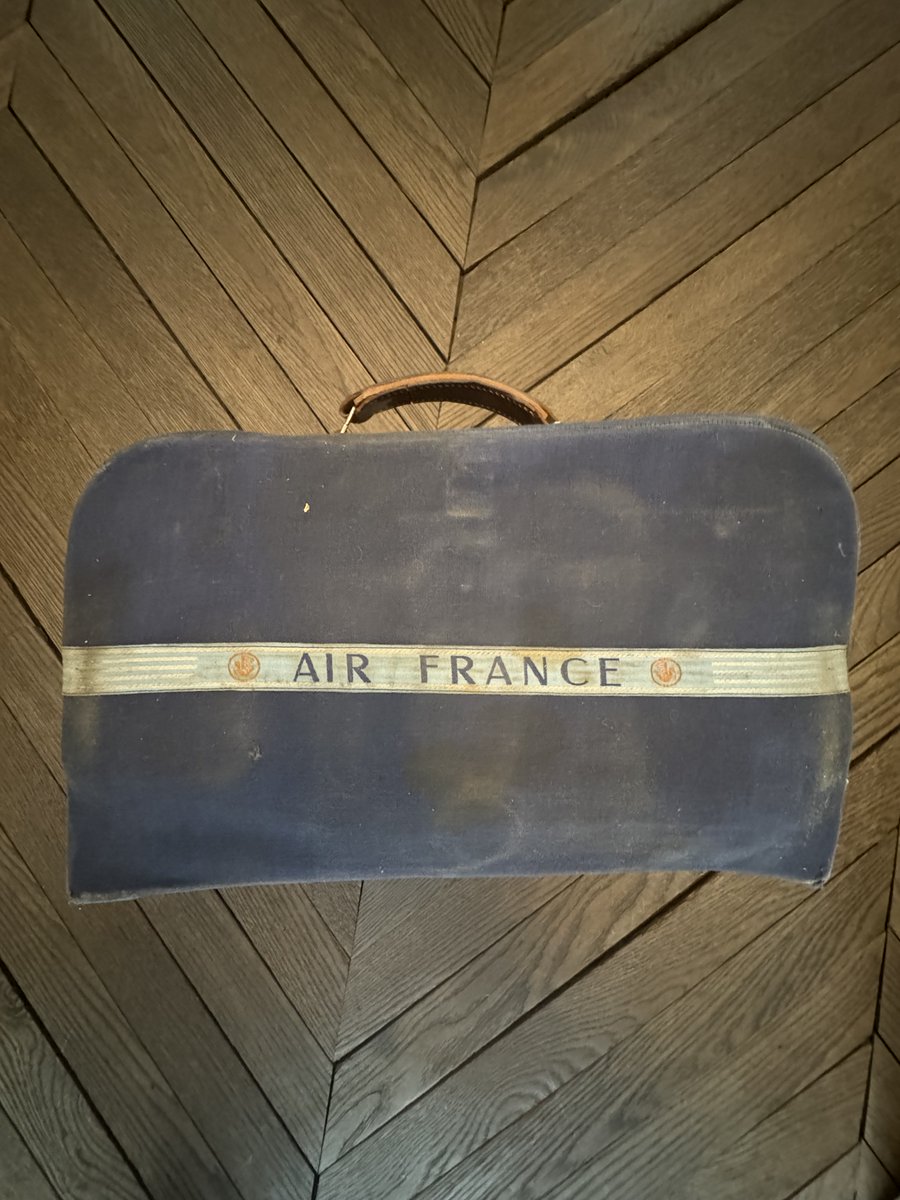
Tiens, je voulais vous parler de cette énigmatique petite valise "Air France" des années 50. Je pense qu'elle va vous surprendre. Thread.
59
920
7,733
2,183,802
Perrais David retweeted

17 Apr 2024
Amen. When I interviewed at Bell Labs at the end of graduate school, I was asked to prepare a 45 min talk that took me 90 min to deliver -- thanks to all the interrupting questions and debate that ensued. It was fantastic! It meant that they cared, and they pushed me in directions I hadn't considered, despite being the nominal expert in my subject. Too often today when I attend a talk, many are not paying much attention (laptops and phones), and the speaker receives little feedback except empty compliments or a few softball questions at the end. Even worse, some speakers take offense at being pushed to defend their work, further stifling intellectual exchange. They should remember that constructive critics are doing them a favor, and that it is an extreme privilege to have the freedom to do science.
Same holds true when scientists post their latest work. Rather than empty compliments and congratulations, they would be better served by thoughtful criticism and questions. This is particularly true for preprints, where the hive mind of X could go a long way to turning a good manuscript into a great publication.
17 Apr 2024

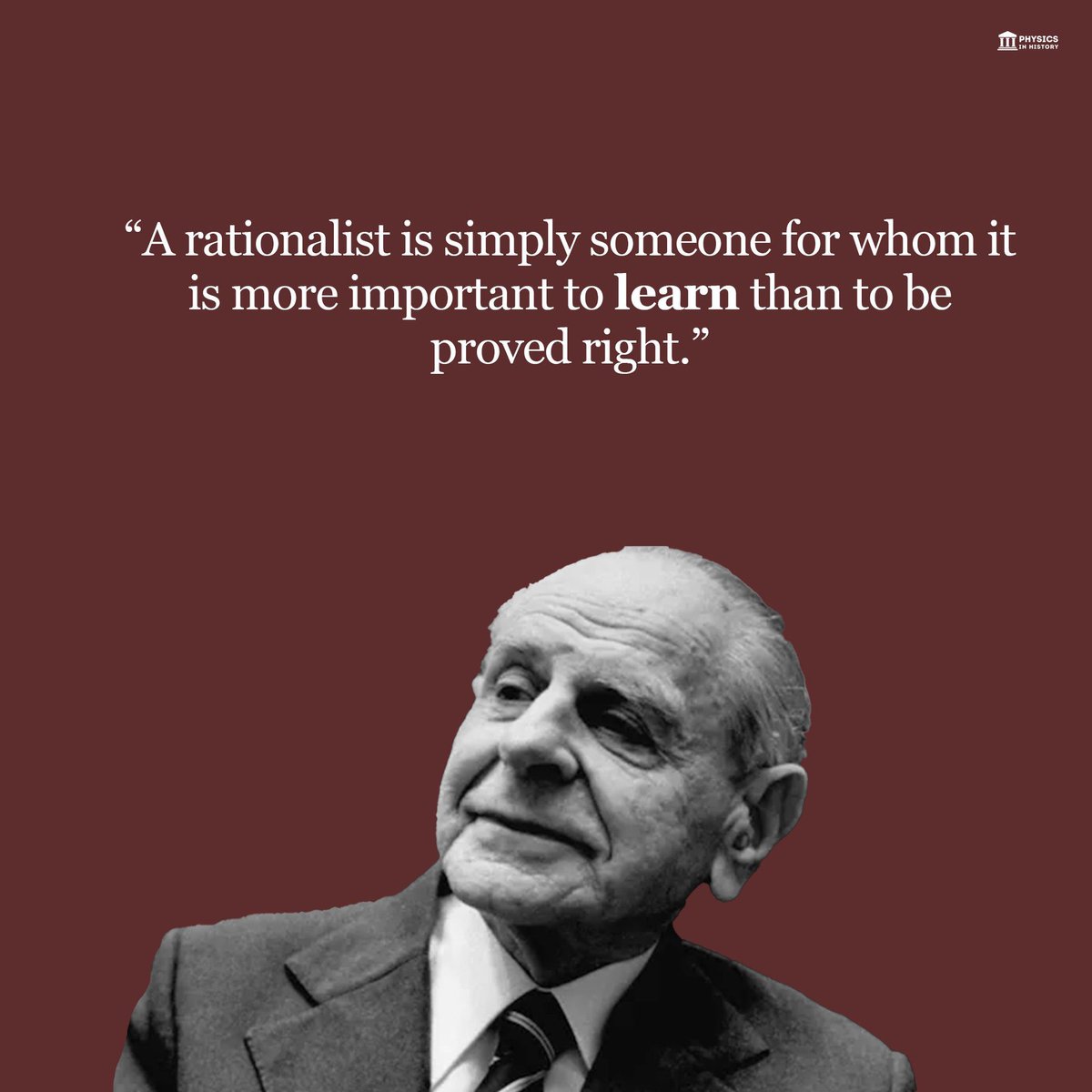
Karl Popper (1902-1994) on what it means to be a rationalist ✍️
When I speak of reason or rationalism, all I mean is the conviction that we can learn through criticism of our mistakes and errors, especially through criticism by others, and eventually also through self-criticism. A rationalist is simply someone for whom it is more important to learn than to be proved right; someone who is willing to learn from others — not by simply taking over another's opinions, but by gladly allowing others to criticize his ideas and by gladly criticizing the ideas of others.
The emphasis here is on the idea of criticism or, to be more precise, critical discussion. The genuine rationalist does not think that he or anyone else is in possession of the truth; nor does he think that mere criticism as such helps us achieve new ideas. But he does think that, in the sphere of ideas, only critical discussion can help us sort the wheat from the chaff. He is well aware that acceptance or rejection of an idea is never a purely rational matter; but he thinks that only critical discussion can give us the maturity to see an idea from more and more sides and to make a correct judgement of it.
-- as mentioned in All Life is Problem Solving (1999)
5
96
497
176,084
Perrais David retweeted

29 Mar 2024
Still time to apply! Deadline April 15. We are looking for a creative and collaborative group leader who brings a novel research direction in molecular and cellular neurobiology. We are dedicated to provide all necessary support including full access to the Biology Imaging Center
12 Feb 2024

We are seeking an Assistant Professor in molecular and cellular neurobiology! For more info see: uu.nl/en/organisation/workin…
13
14
9,103
Perrais David retweeted

30 Mar 2024
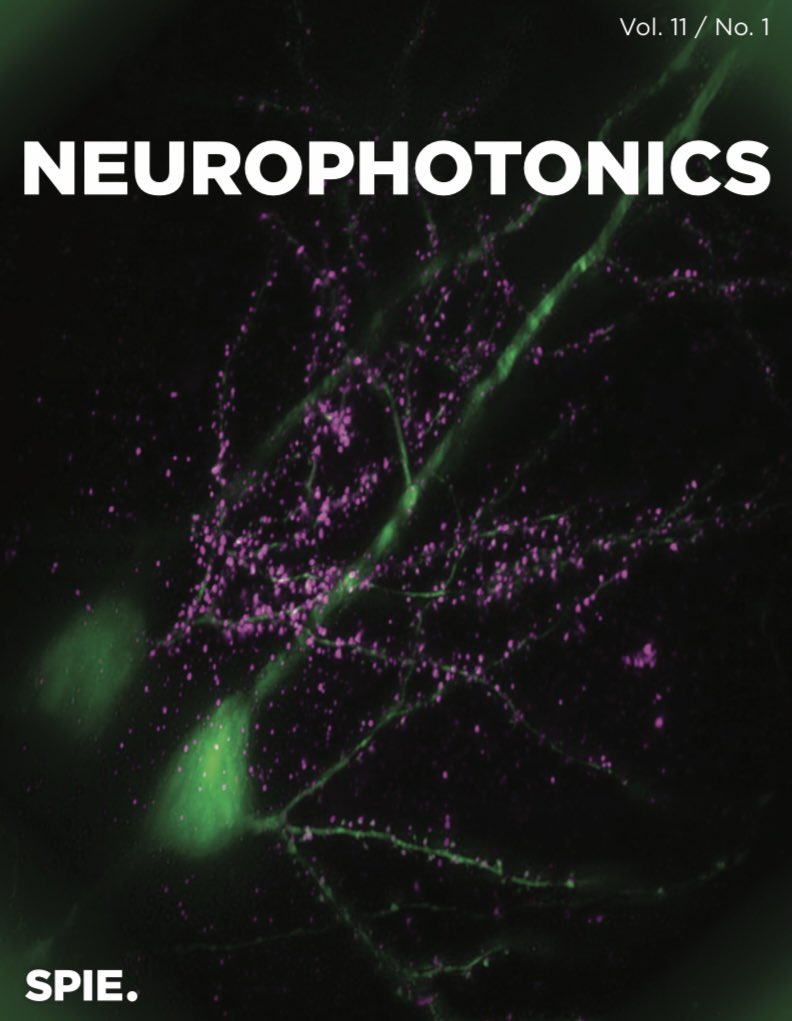
Happy to share our community article from the last #neurophotonics meeting published in @SPIEtweets, along with my cover image! Endogenous AMPAR visualized with the AP-GluA2 KI toolkit and lattice light sheet #microscopy
@iins_bordeaux @BIC_Bordeaux
doi.org/10.1117/1.NPh.11.1.0…
1
7
18
2,719
30 Mar 2024
Great collaboration with Kenneth Madsen and collaborators on amphipatic helices and endocytosis. @BassereauTeam also involved. Now on bioRxiv! biorxiv.org/content/10.1101/…
6
13
1,628
Perrais David retweeted

26 Mar 2024
I alternate driving this bridge or the harbor tunnel daily. No words, just shocked and sad. Can’t imagine the terror of those on it when this happened.
26 Mar 2024

This video is almost unbelievable. The Francis Scott Key Bridge in Baltimore literally collapsed this morning after it was struck by this large ship.
10
2
49
12,263
Perrais David retweeted

23 Mar 2024
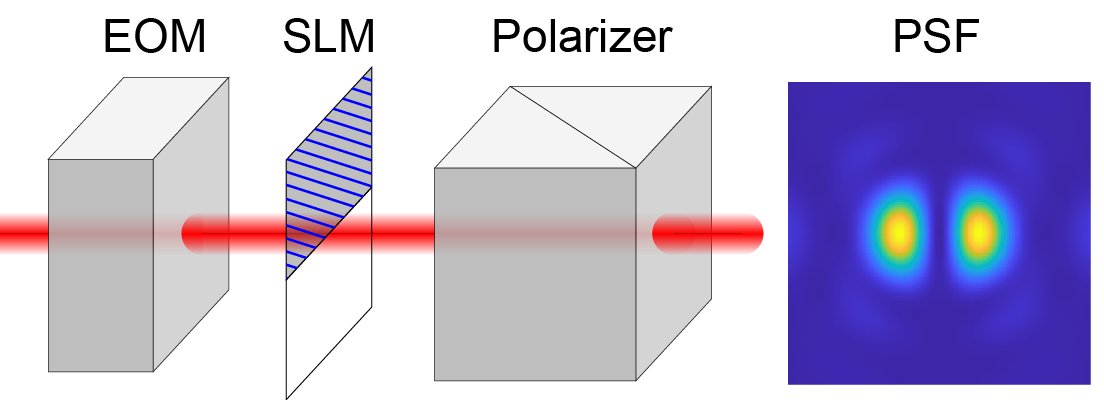
Open postdoc position in Vienna: Development of a simple, yet powerful open-source MINFLUX microscope.
maxperutzlabs.ac.at/news/ope…
Please RT.
2 Nov 2023

We developed an excitation module for 3D multi-color MINFLUX that is simple, stable and cost-effective and will allow for ultra-fast MINFLUX with a high accuracy. biorxiv.org/cgi/content/shor…
3
45
94
26,976
Perrais David retweeted
Congratulations to Olivier Thoumine and @JTeillon for this beautiful picture and thanks to @BIC_Bordeaux for promoting this one
⬇️Find out more about the picture⬇️
#hippopcampal #neuron
2 Feb 2024

#ImageOftheMonth
O.Thoumine @iins_bordeaux & @JTeillon
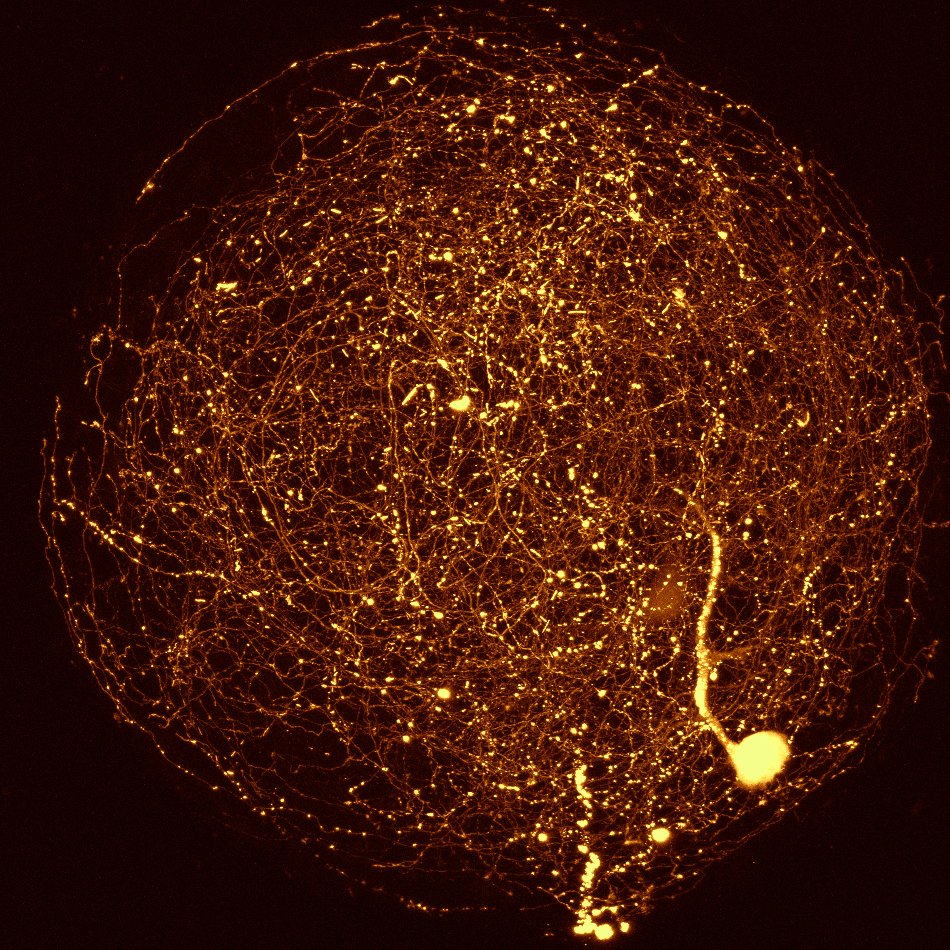
Spheroid made of dissociated rat hippocampal cells observed using confocal after 14 days in culture. A few neurons expressing td-Tomato (coded in gold) have extended long neurites.The spheroid diameter is around 200 µm.
1
10
563
3 Aug 2023
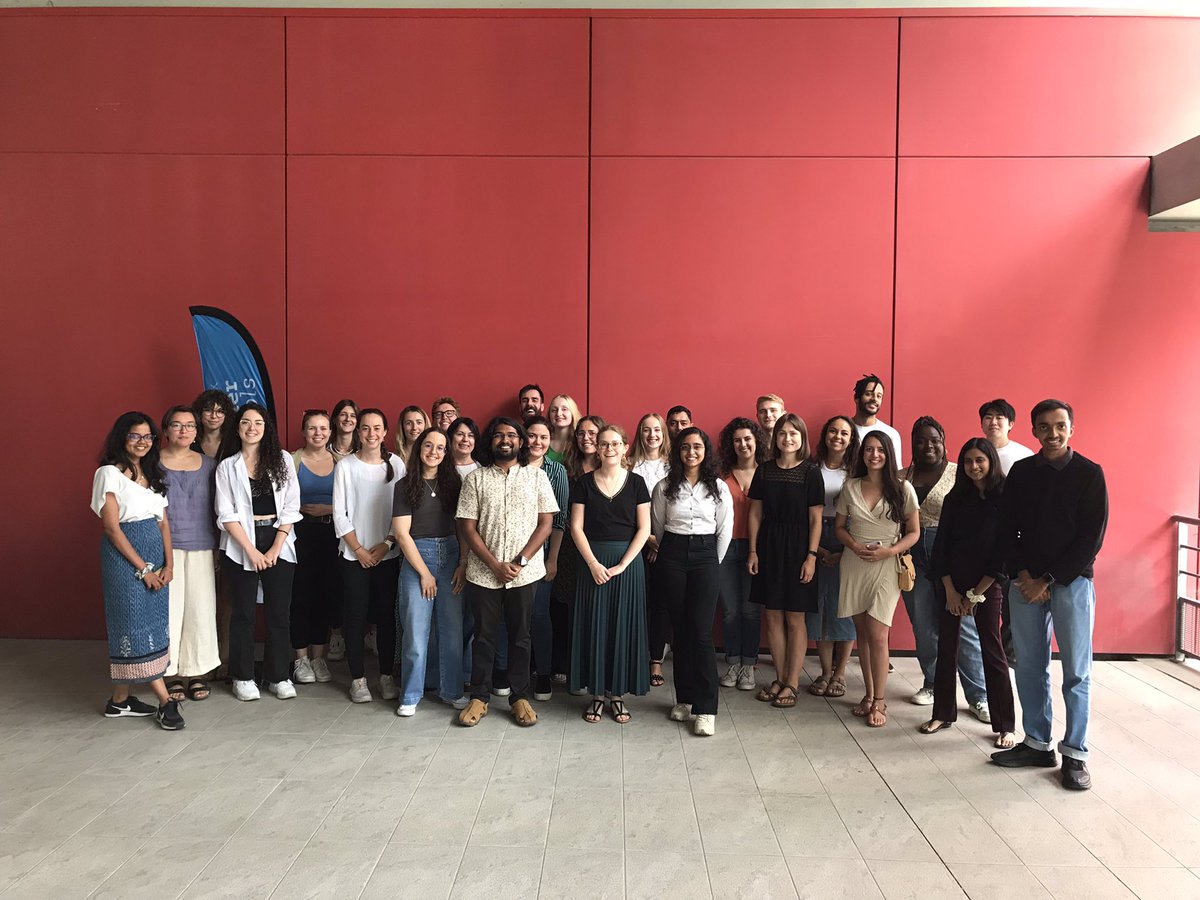
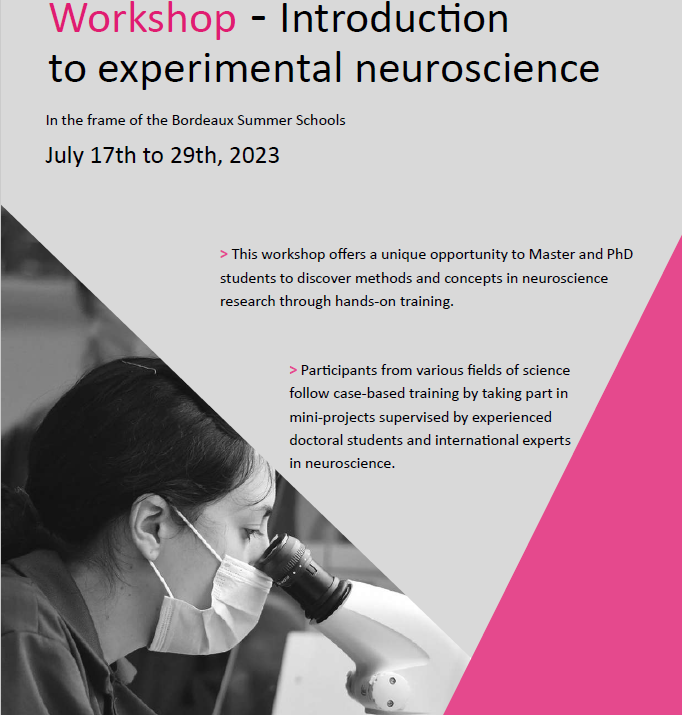
The second and last week of the workshop Introduction to Experimental Neuroscience at @bdxneuroschool. Great crowd ! Many thanks to the instructors for these great projects.
1
8
373
28 Jul 2023
Important comment published as “matters arising” by my (twitterless) colleague Étienne Herzog and Ben Hobson on major flaws in study.
27 Jul 2023

Nat Biotech recently published a provocative study claiming single synapse RNA-seq. Unfortunately, there is no evidence demonstrating droplet-based sequencing of single synaptosomes. They are likely studying random pieces of cellular debris. Our reply:
nature.com/articles/s41587-0…
3
601


Perrais David retweeted

22 Jul 2023
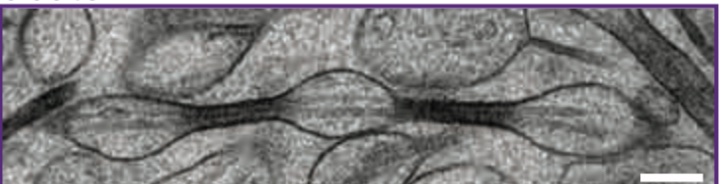
Do you know how axons actually look like? With @RangamaniUCSD, we showed that axons form nano-pearls due to membrane mechanics. Neuronal activity modulates their size by mobilizing cholesterol/altering membrane fluidity, resulting in the AP plasticity. biorxiv.org/content/10.1101/…
3
23
161
33,828
22 Jul 2023
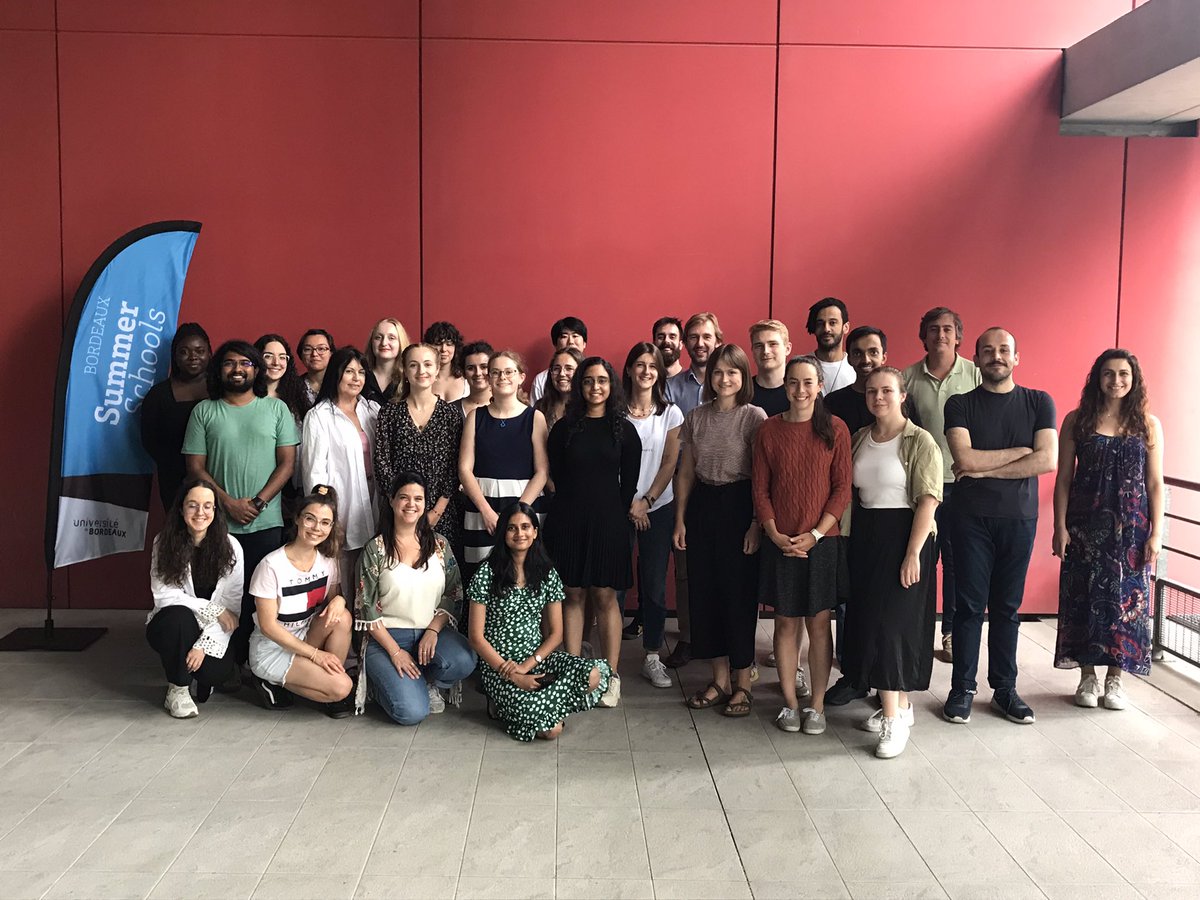
Great first week of the workshop Introduction to Experimental Neuroscience at @bdxneuroschool Many thanks to the instructors for these great projects.
2
16
693
Perrais David retweeted

9 Jun 2023
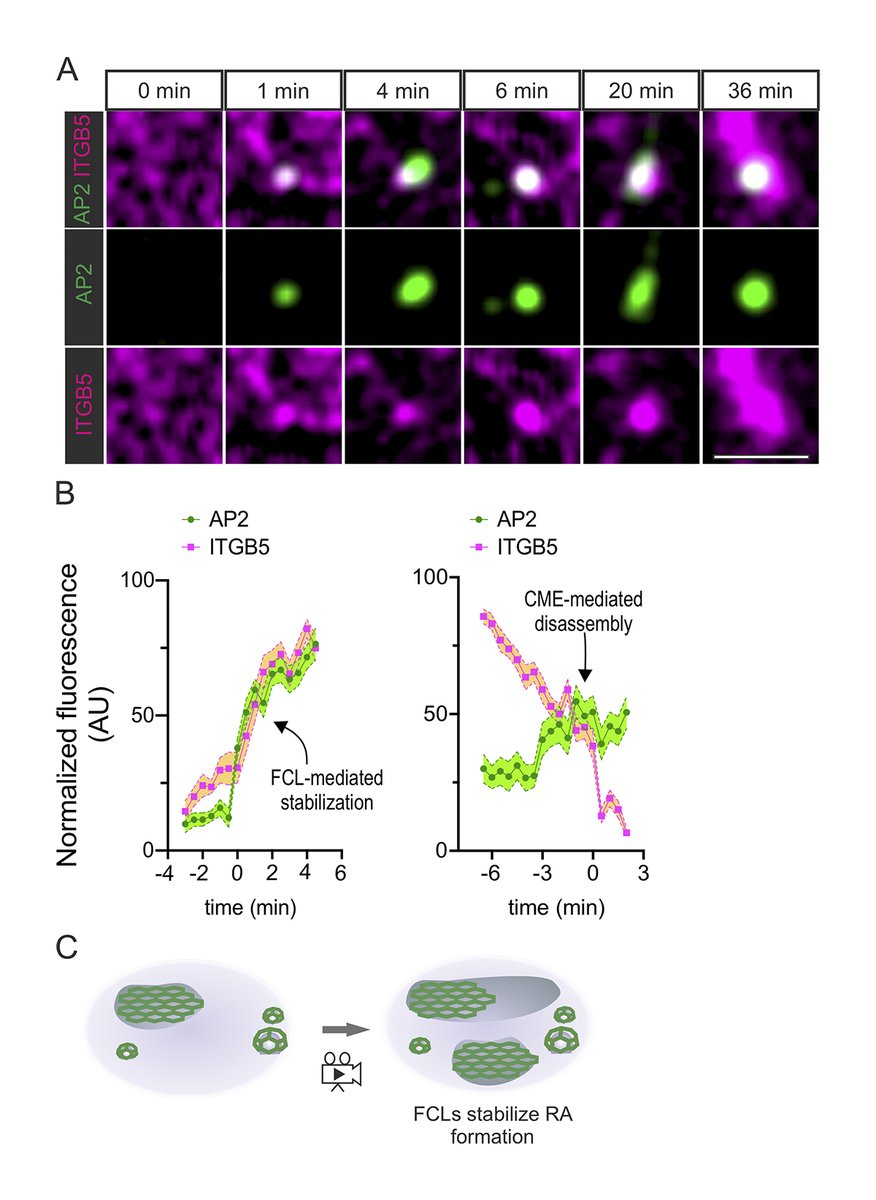
Reticular adhesions are formed at flat clathrin lattices. @HakanpaaLaura, @Leonardo_ASouza et al. @helsinkiuni identify a novel adhesion assembly mechanism that is coupled to cell migration and reveals a unique crosstalk between cell-matrix adhesions. bit.ly/3MtMqSQ
5
27
3,579