Joined December 2014
- Tweets 5,347
- Following 2,374
- Followers 807
- Likes 4,548
51 Photos and videos
Pinned Tweet

20 Sep 2016
4
5
31
Davide Botteri Ph.D. retweeted

Jun 8
Smaller may be better when it comes to transistors.
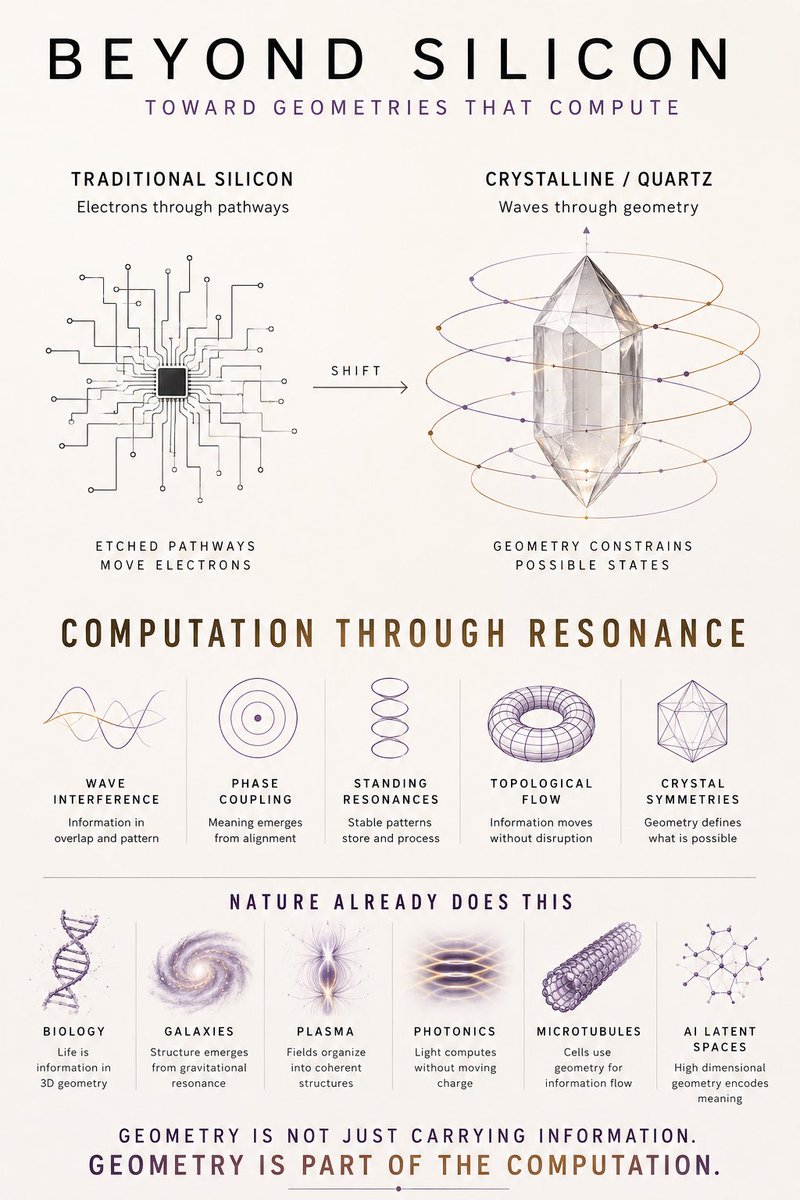
But what if the next leap in computing is embedding geometries that compute through resonance itself?
Enter quartz crystals.
They’re already extraordinary:
stable oscillators,
coherent frequency regulators,
piezoelectric transducers.
But viewed another way, they are structured resonant manifolds.
Traditional silicon computing pushes electrons through etched pathways.
Crystalline computing could eventually work more through:
wave interference,
phase coupling,
standing resonances,
topological information flow.
Less “current moving through wires.”
More geometry constraining the possible states information can occupy.
Which is interesting because the same structures keep reappearing everywhere:
helices,
lattices,
toroids,
braids,
crystal symmetries.
Biology uses them.
Plasma uses them.
Photonics uses them.
Even AI latent spaces increasingly resemble them.
At a certain point it becomes difficult to ignore: geometry may not just carry computation.
The geometry itself is the computation.

Making a micro-circuit and then shrinking it post fabrication could be an alternative to silicon industry too. Imagine, how low dimension you could reach, increasing resolution without compromising bad sectors in an integrated chip
52
145
796
32,826
Davide Botteri Ph.D. retweeted

May 25
people were right this is great

13
112
1,444
72,243
Davide Botteri Ph.D. retweeted

May 25
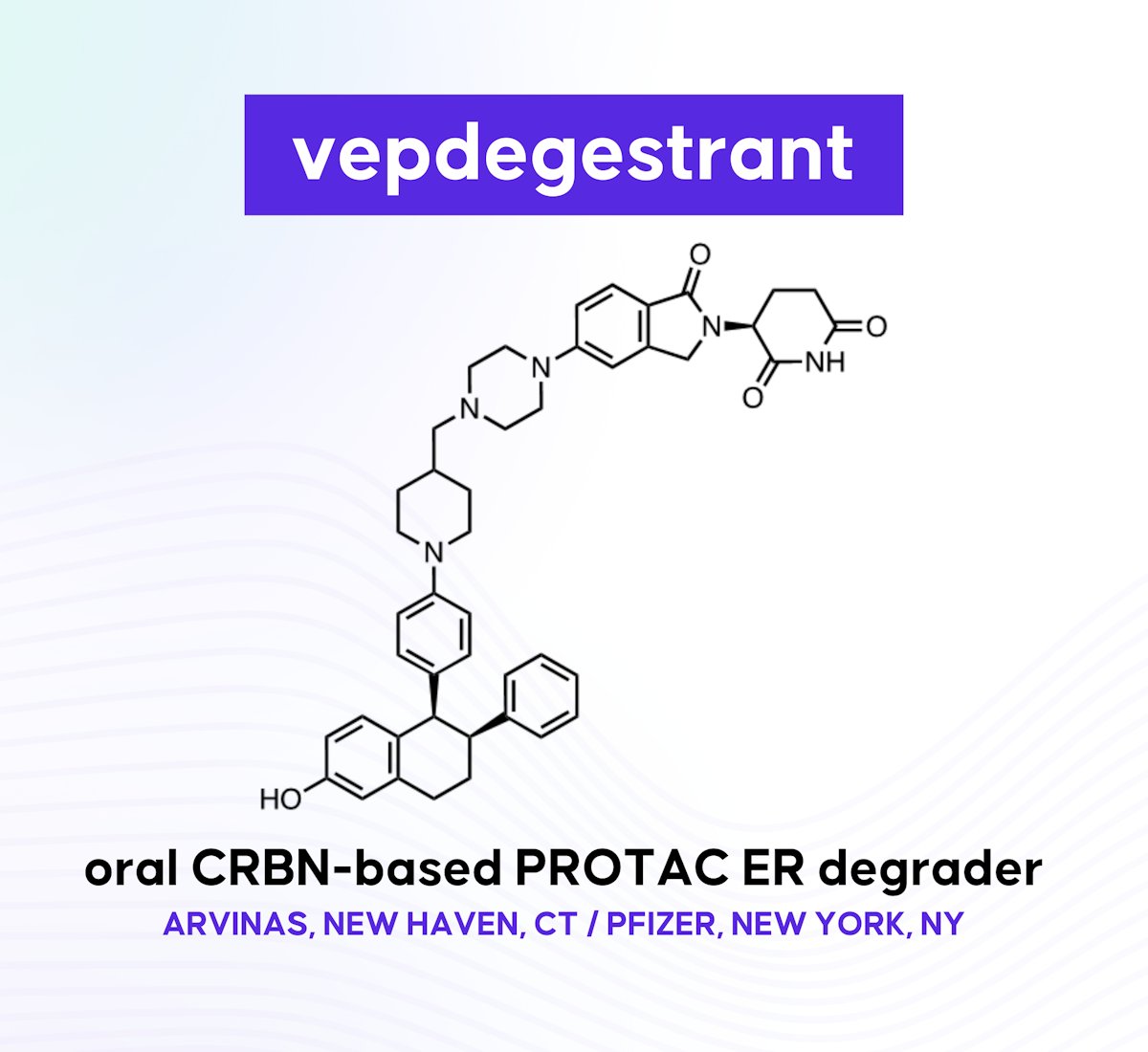
On May 1, 2026, Arvinas and Pfizer’s vepdegestrant (Veppanu®) crossed the FDA finish line, marking a major milestone for targeted protein degradation.
Vepdegestrant’s approval is an inflection point for the field—not just for PROTACs, but for next-generation degraders and other proximity-inducing modalities.
Read more on Drug Hunter: drughunters.com/4e1ctzE
7
32
6,511
Davide Botteri Ph.D. retweeted

May 23
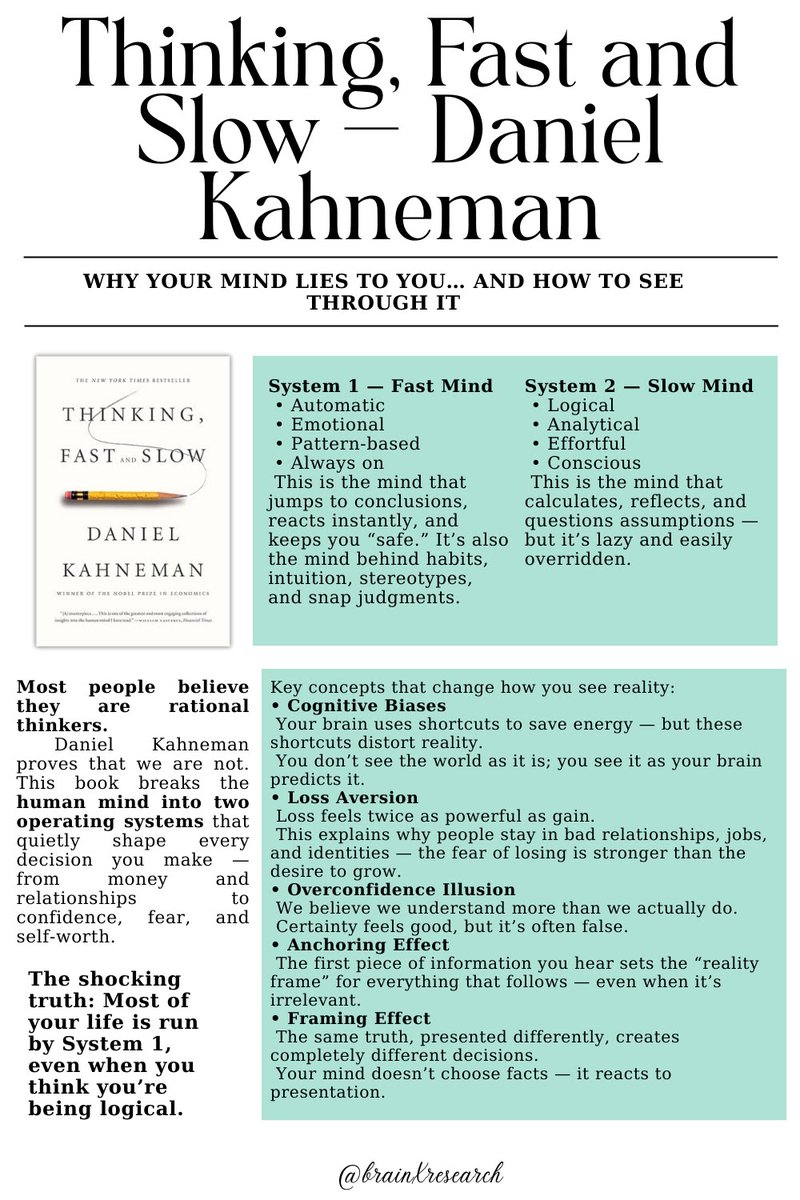
Thinking, Fast and Slow
3
154
880
21,507
Davide Botteri Ph.D. retweeted

Jan 2
4
2
11
241
Davide Botteri Ph.D. retweeted

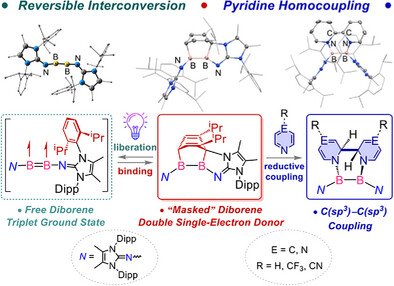
A Neutral “Masked” Diborene and Its Reactivity Toward Metal-Free Pyridine Homocoupling ( @angew_chem ): onlinelibrary.wiley.com/doi/… ( @InoueGroupTUM ).
1
13
86
3,572
Davide Botteri Ph.D. retweeted

May 18
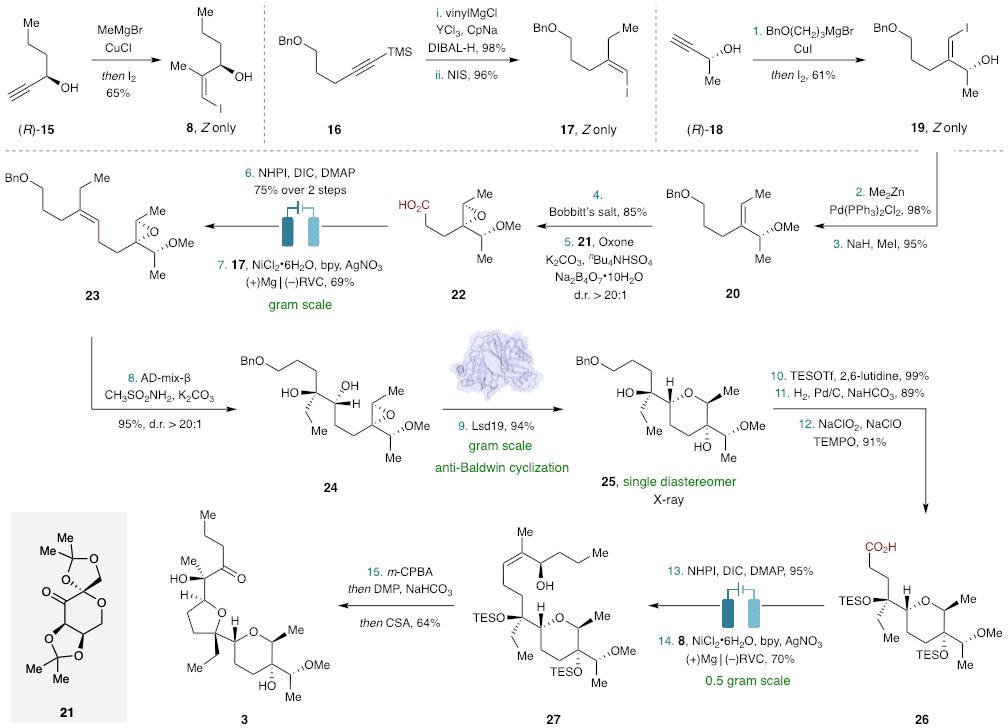
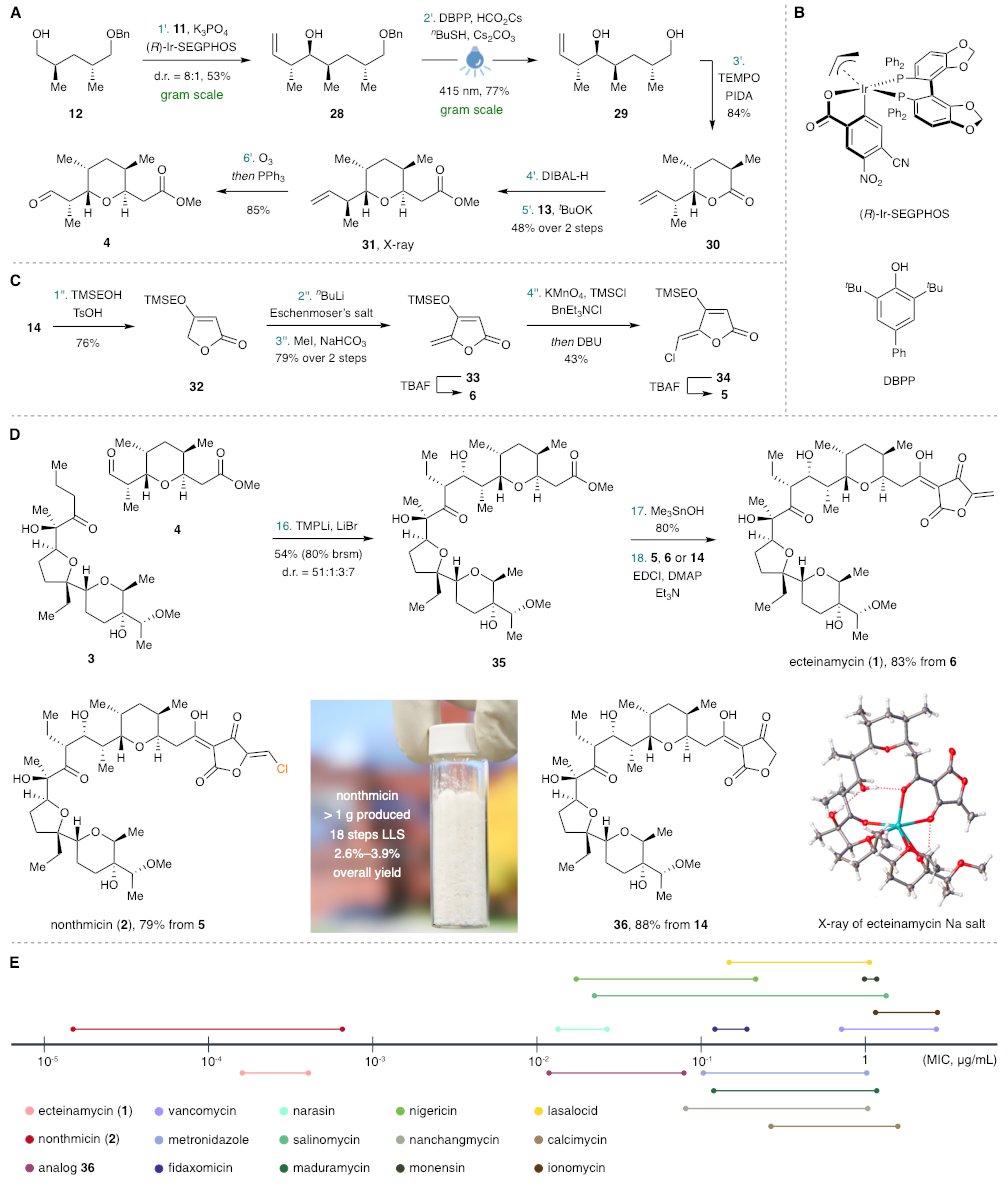
Electrochemical couplings in total synthesis: a prefect match (spiced up with Ag NP, obviously)
May 18

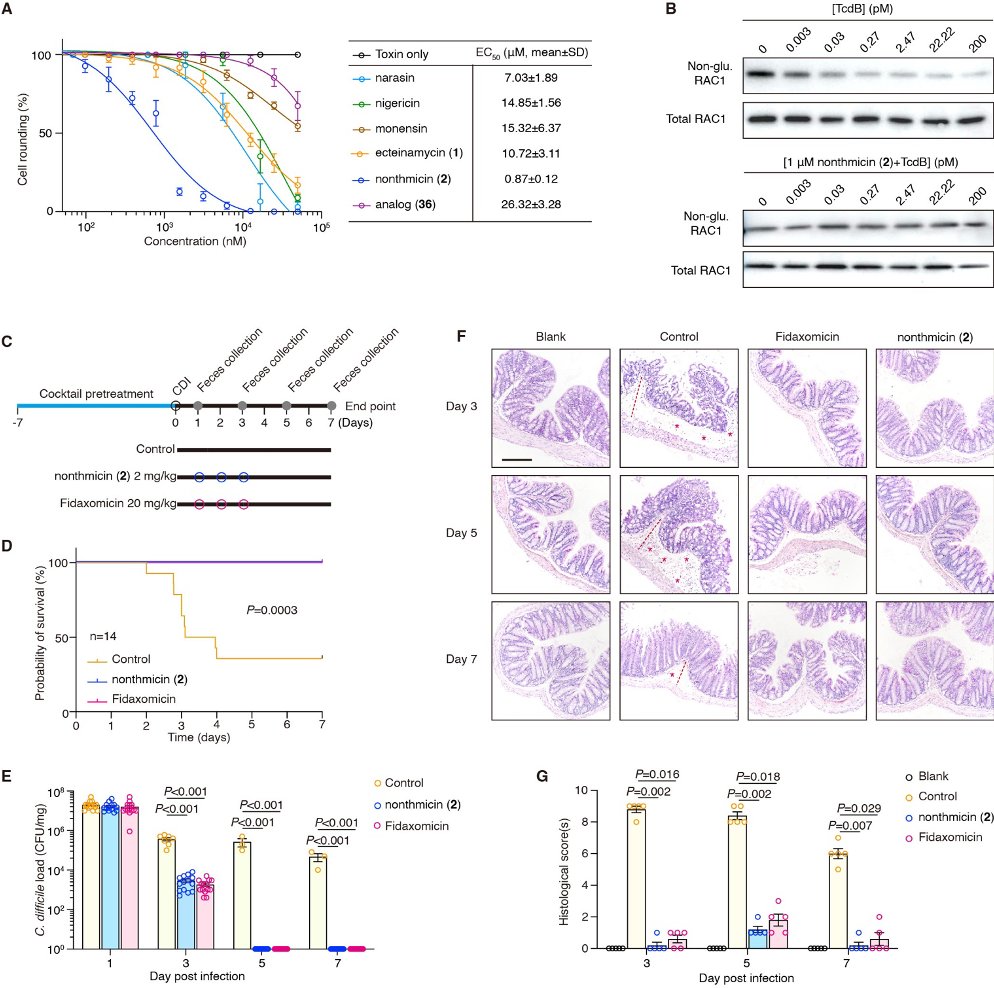
Our latest work shows how modern total synthesis can enable therapeutically meaningful discovery, uncovering selective anti-C. difficile activity and toxin-protective effects of structurally complex polyether ionophores. Now available on ChemRxiv: chemrxiv.org/doi/full/10.264…
4
39
3,413
Davide Botteri Ph.D. retweeted

May 18
The Beautiful Gaussian Integral.
11
248
1,409
64,988


Davide Botteri Ph.D. retweeted

May 18
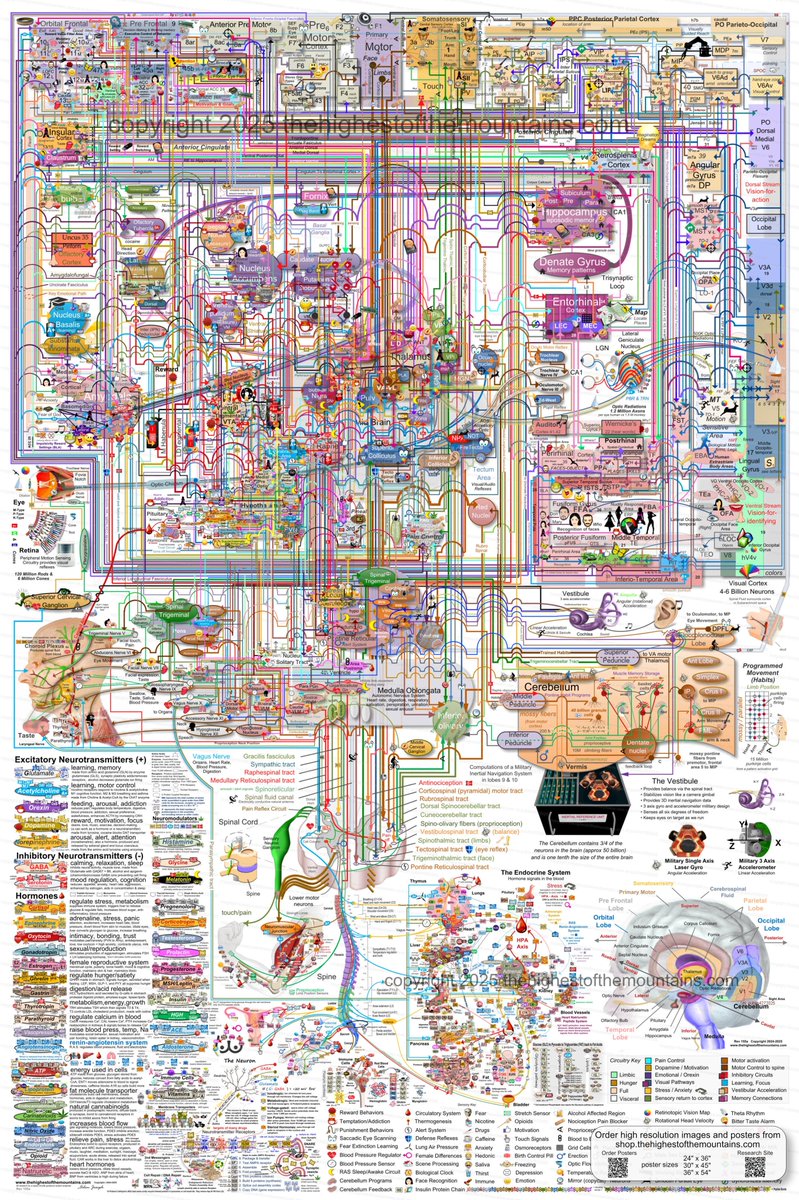
The complexity of the human brain and its functions in a neat infographic map
[zoomable version: thehighestofthemountains.com…]
35
327
1,040
60,496
Davide Botteri Ph.D. retweeted

May 16
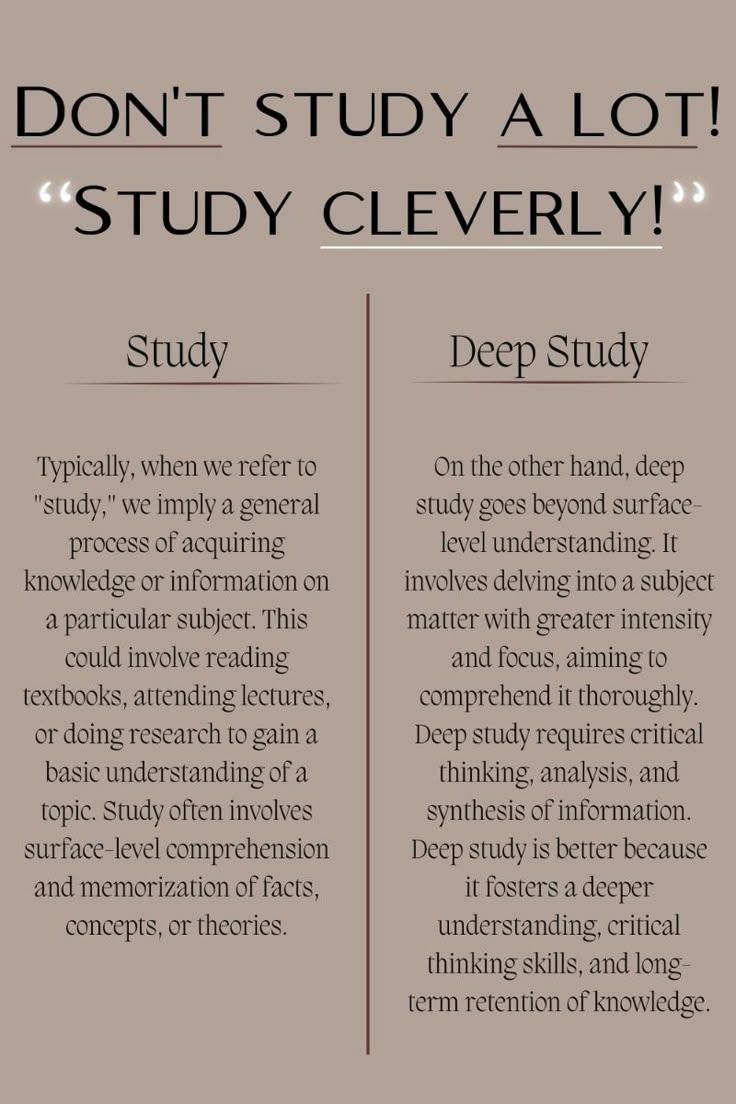
How to study cleverly 📌
39
161
3,703
Davide Botteri Ph.D. retweeted
May 15
Fast Fourier Analysis in action.
Any complex waveform, sound, or shape can be perfectly reconstructed as the sum of simple rotating circles (epicycles).
64
1,525
7,568
1,111,099

Davide Botteri Ph.D. retweeted

May 15
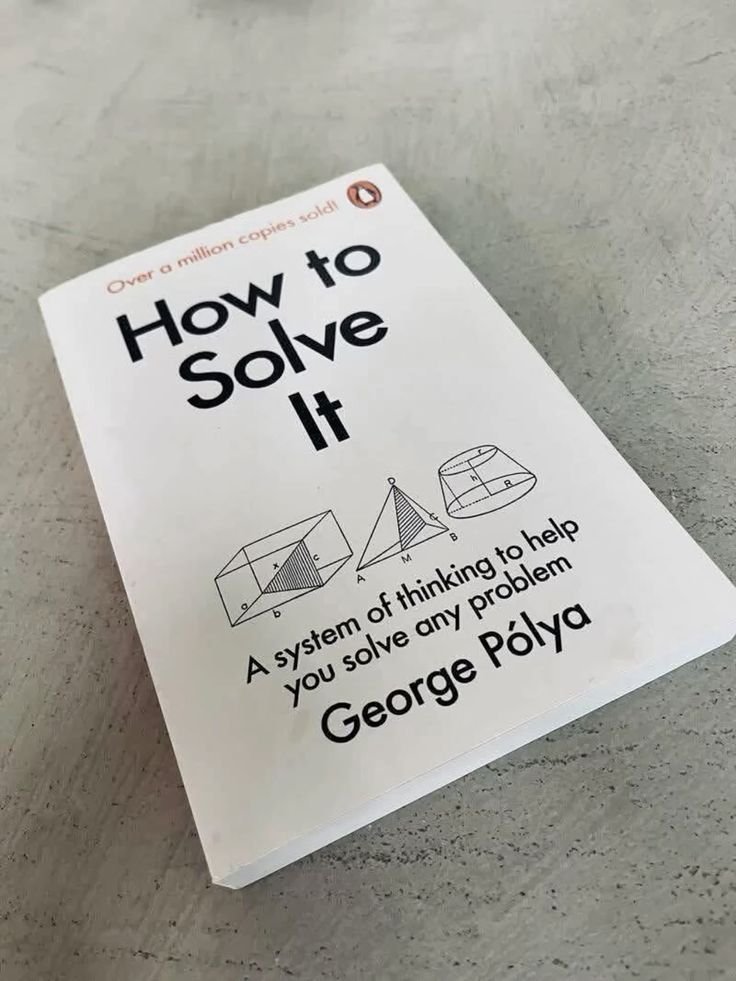
A system of thinking to help you solve any problem.
17
174
1,152
39,164
Davide Botteri Ph.D. retweeted

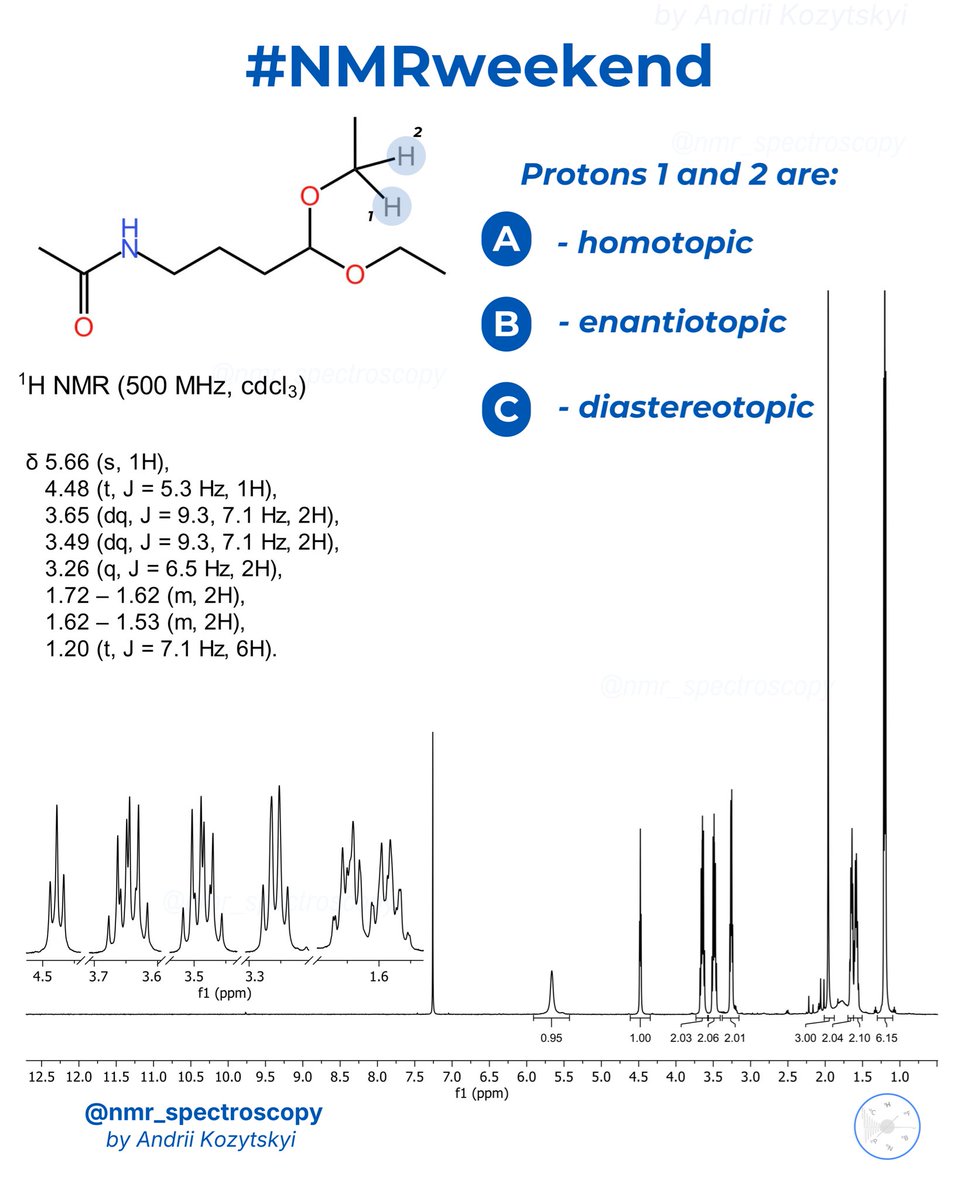
It’s #NMRweekend time! 🧲⁉️
Drop your answer in the comments ✍️ or take part in the poll below 👇. I’ll post the explanation in a few days. 😉
#nmr #nmrchat #chemistry #quiz
3
9
46
6,251

most people think being good at math is talent.
wrong.
it is training culture.
how chinese learn mathematics by lianghuo fan et al.
looks at how chinese students build mathematical ability from the inside.
not through shortcuts.
through:
repetition
worked examples
deep practice
teacher guidance
conceptual variation
problem solving discipline
the important pattern:
they don’t treat math as something you “get” instantly.
they treat it as something you grind until structure appears.
first you imitate.
then you understand.
then you generalize.
western education often worships creativity too early.
but real creativity in math comes after fluency.
you cannot make elegant moves
if you don’t first master the basic forms.

23
382
2,138
59,166
Davide Botteri Ph.D. retweeted

May 13
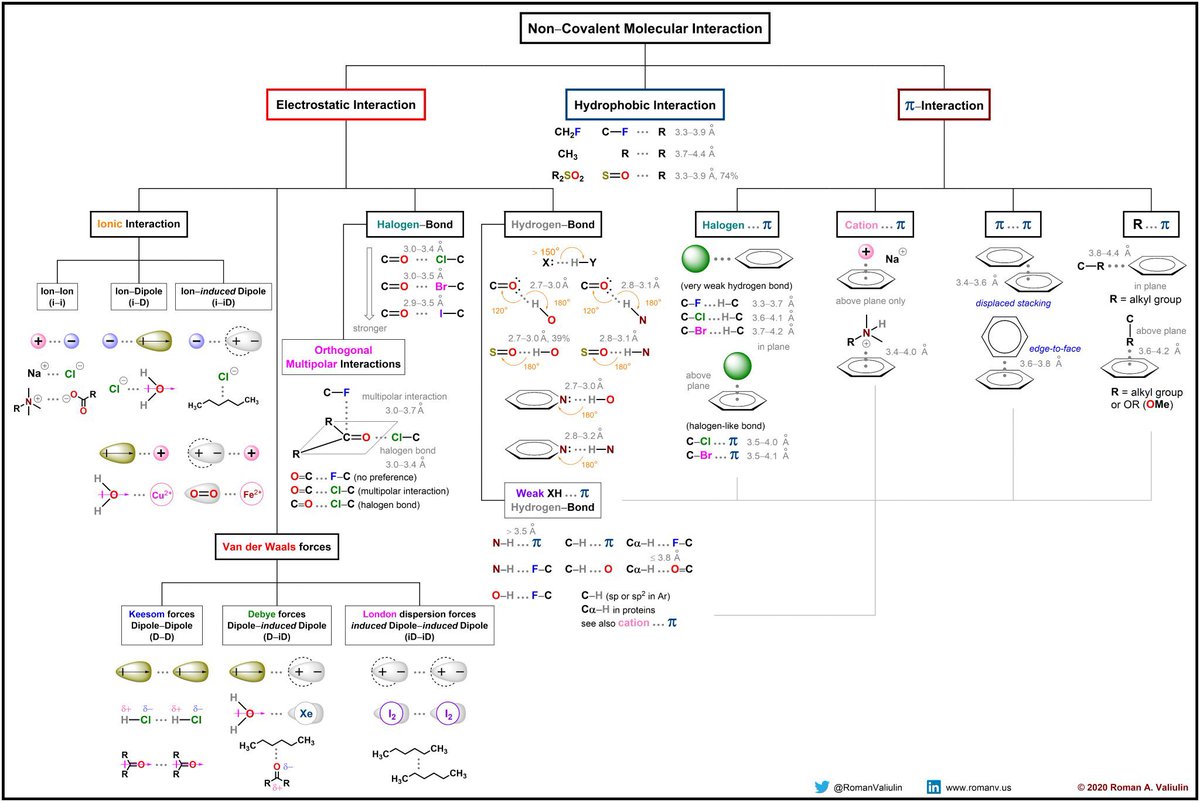
Non-Covalent Molecular Interactions Summary ⛓️💞🫶#NeverStopLearningMedChem For higher resolution image and references please visit ➡️ cheminfographic.wordpress.co…
42
235
12,768
Davide Botteri Ph.D. retweeted

May 12
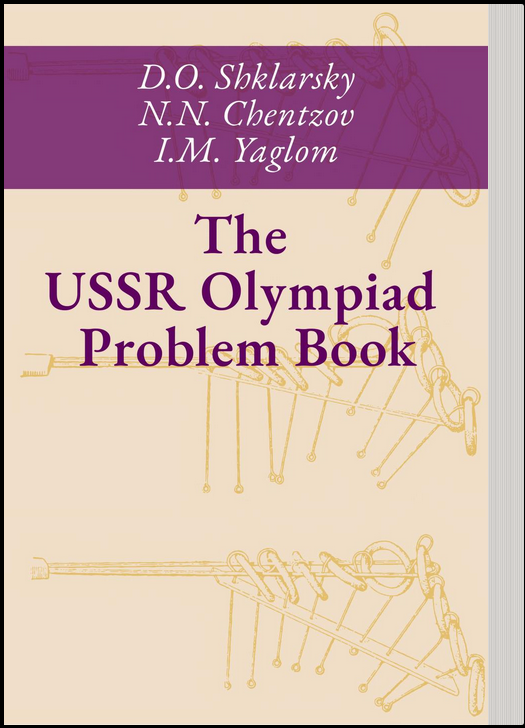
"The USSR Olympiad Problem Book"
320 unconventional problems in algebra, arithmetic, elementary number theory, and trigonometry.
Archive link: archive.org/details/shklarsk…
4
126
696
21,394
Davide Botteri Ph.D. retweeted
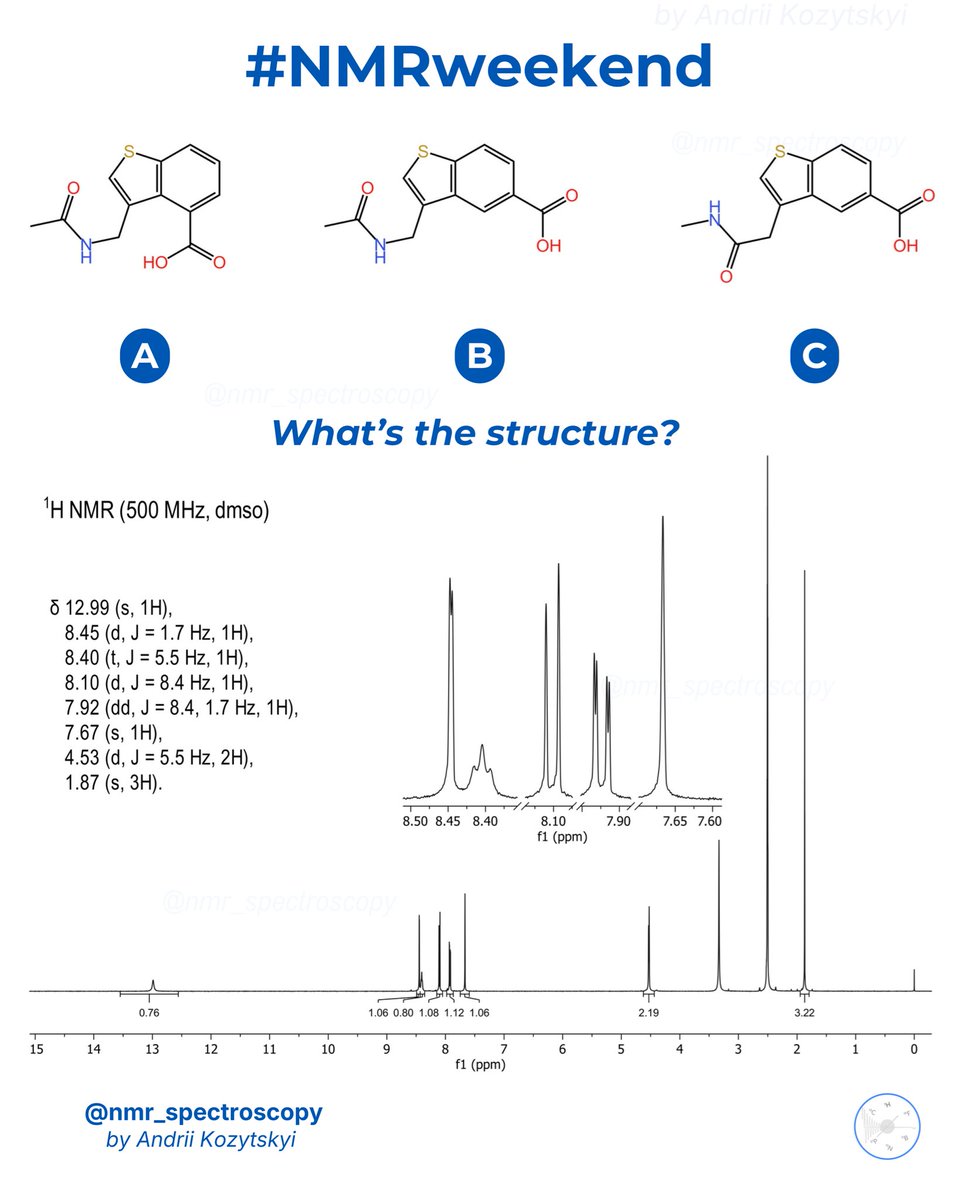
It’s #NMRweekend time! 🧲⁉️
Can you identify the correct structure based on the spectrum?
Drop your answer in the comments ✍️ or take part in the poll below 👇. I’ll post the full explanation in a few days. 😉
#nmr #nmrchat #chemistry #quiz
4
10
46
7,011
Davide Botteri Ph.D. retweeted
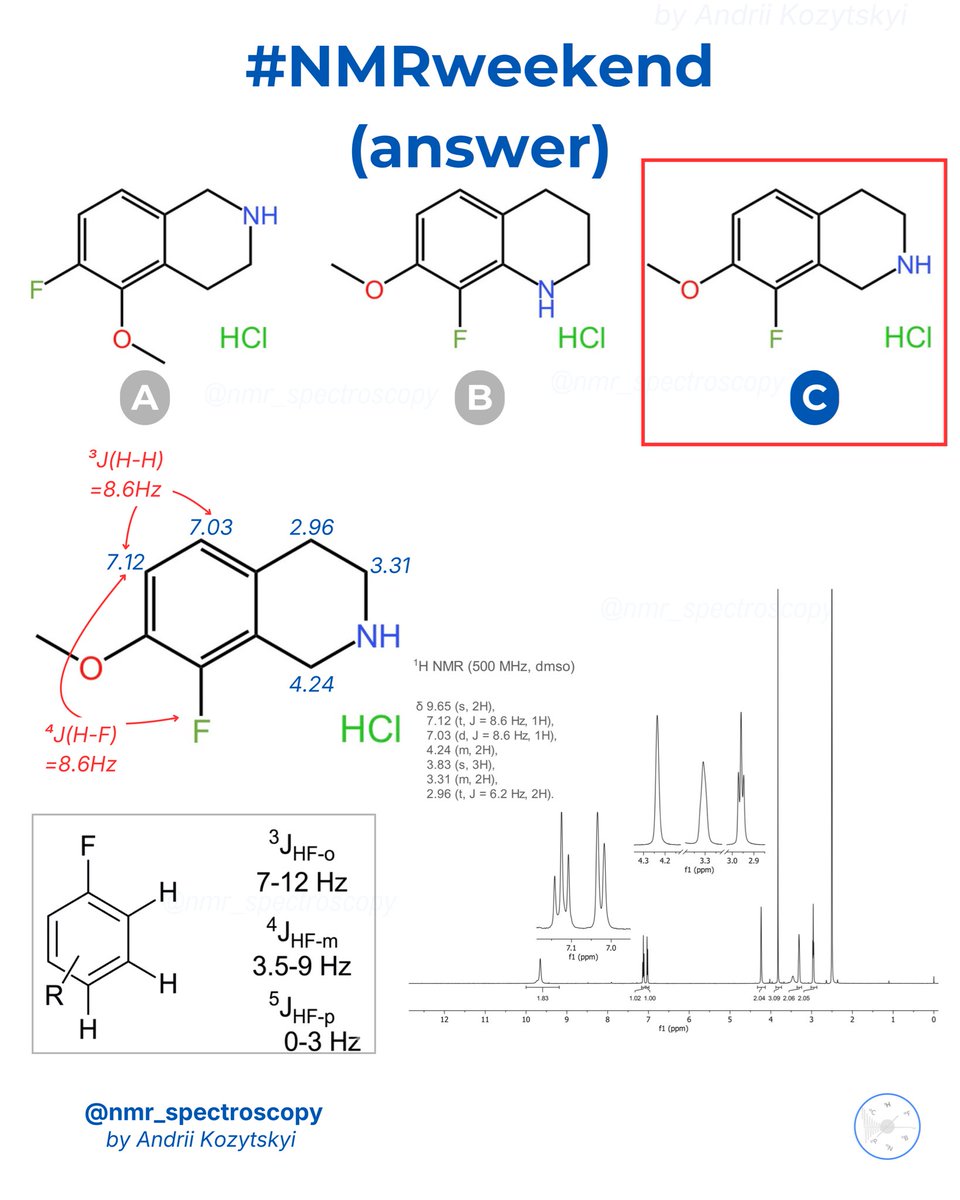
The correct answer is C! 🎯
Most of you found this one tricky — the majority of answers were actually incorrect! Let’s look at the data:
👇🧵
#NMR #Chemistry #OrganicChemistry #NMRSpectroscopy #NMRchallenge
2
9
63
5,044