@HFSP Postdoc @Equipe_lenne @IBDMmarseille. PhD @schiantia lab @unipotsdam. Physics @humboldtuni. Interested in microscopy, spectroscopy & multicellular systems
Joined October 2019
- Tweets 453
- Following 675
- Followers 455
- Likes 1,463
57 Photos and videos
Pinned Tweet

22 Aug 2024
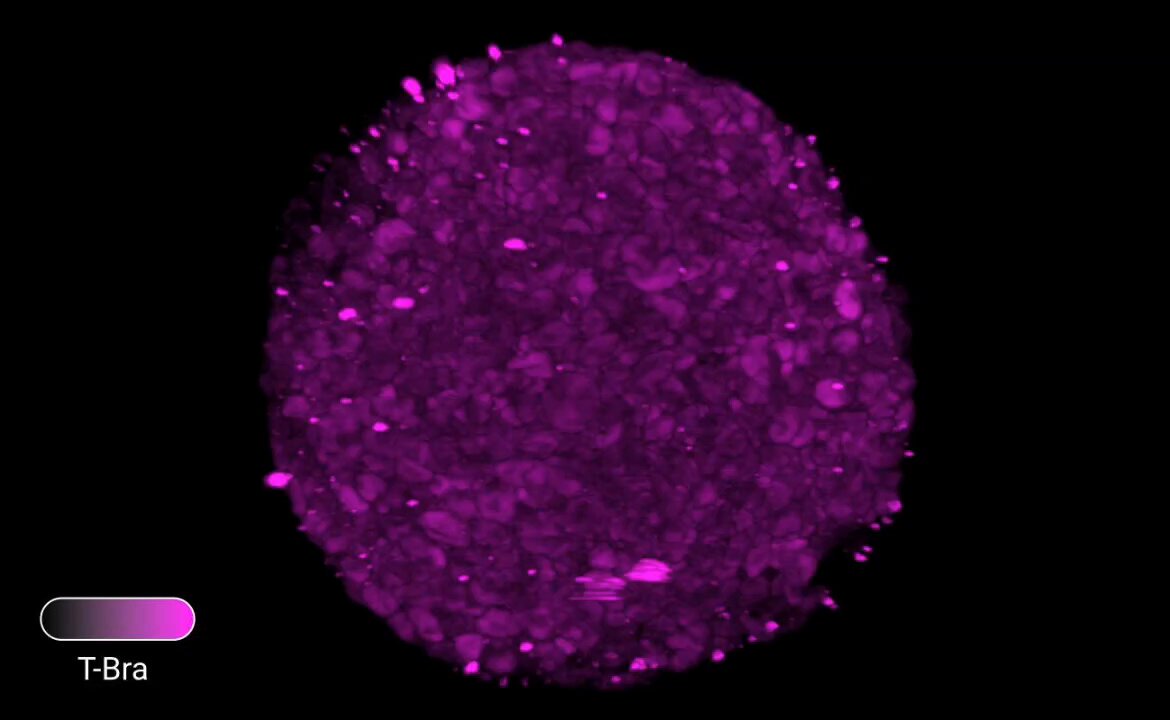
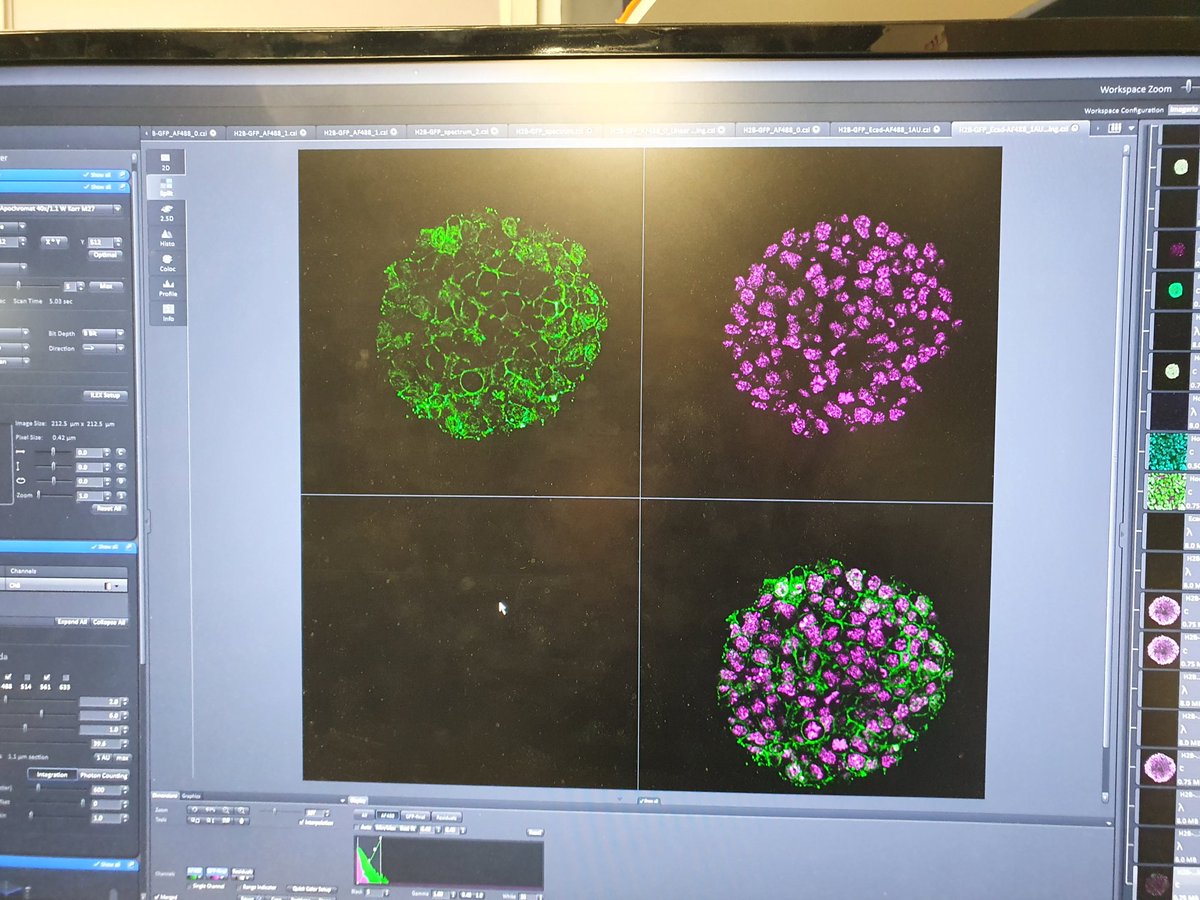
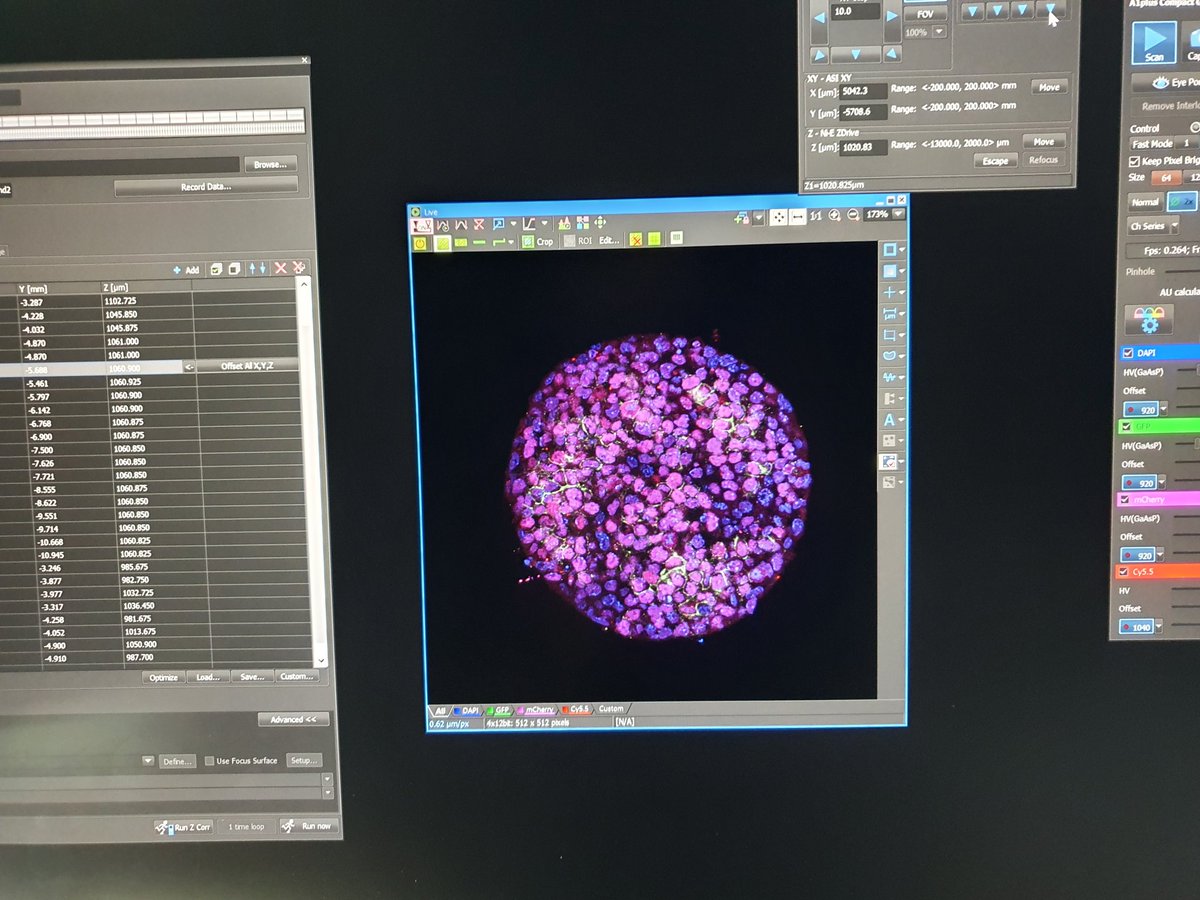
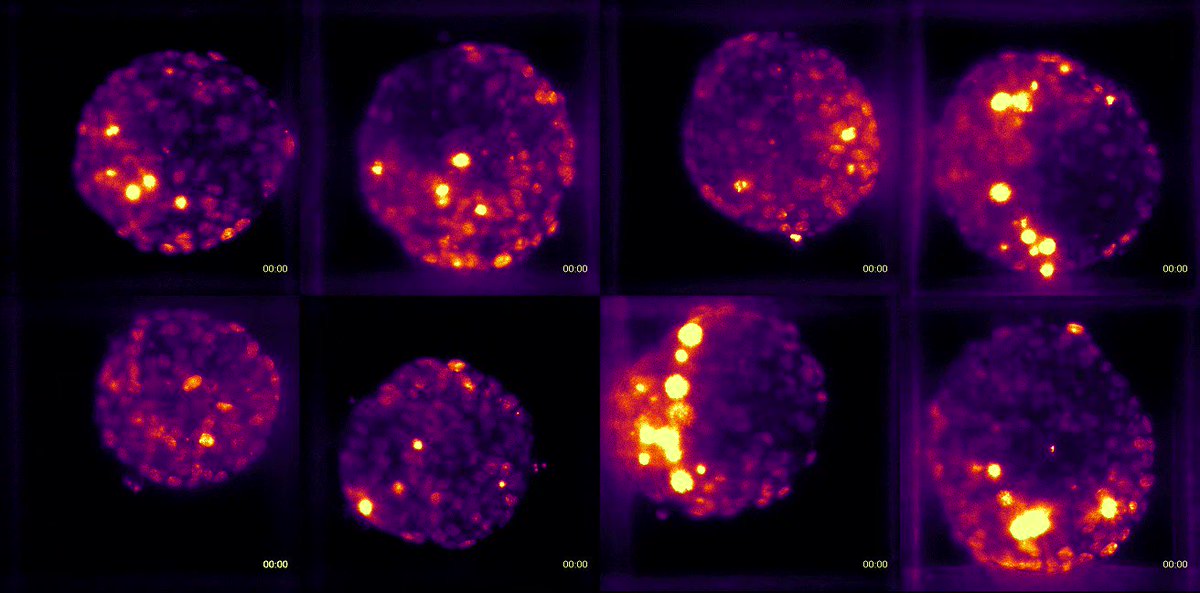
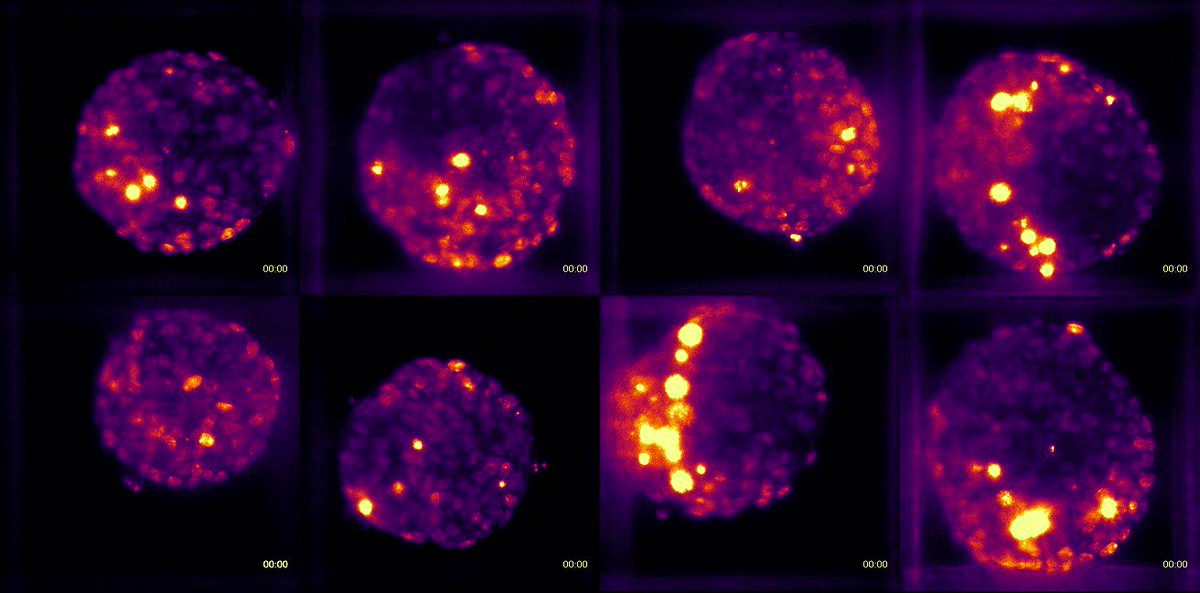
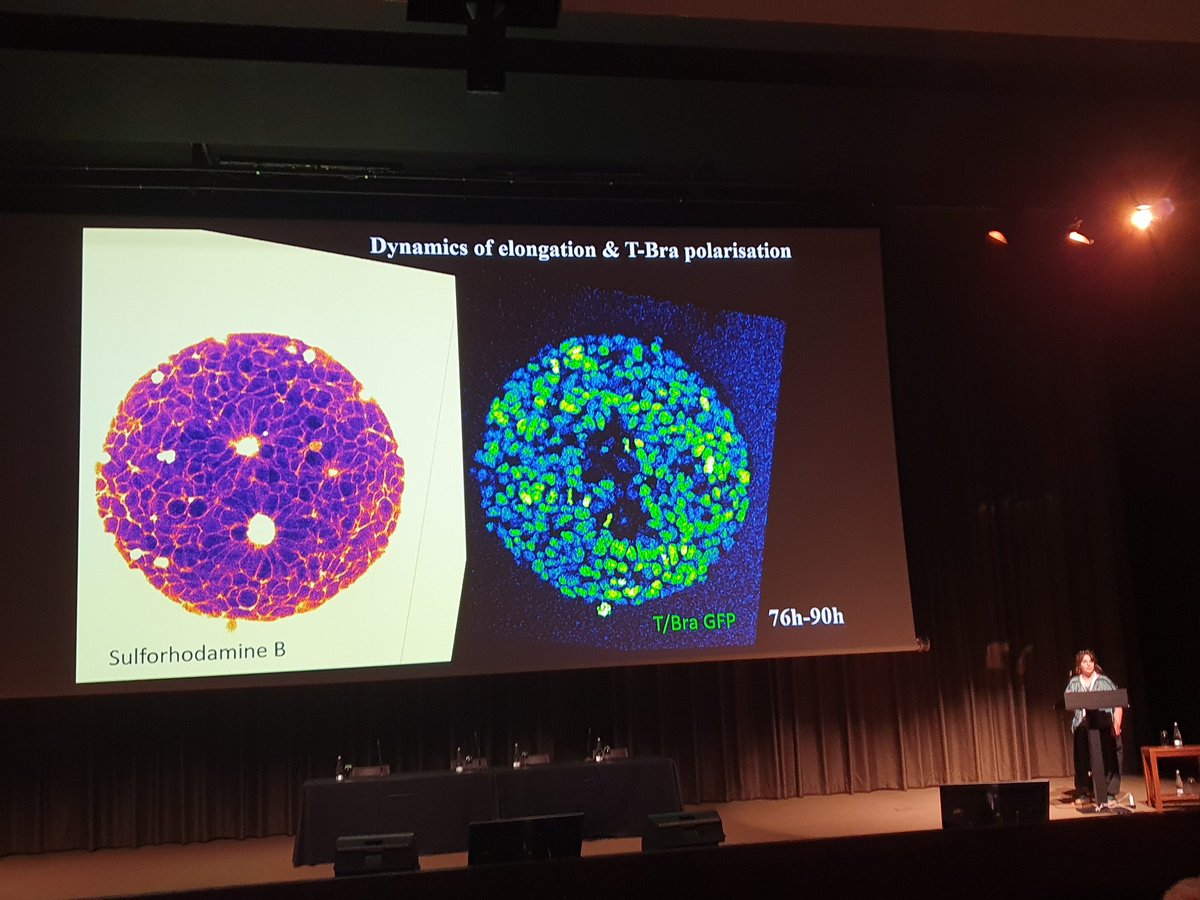
New preprint: We have developed an integrated pipeline to i) image gastruloids in toto with dual-view 2-photon🔬, ii) quantitatify cell and tissue-scale patterns of gene expression and morphometric features, iii) interact with the data in @napari_imaging. biorxiv.org/content/10.1101/…
5
48
177
14,759
Valentin Dunsing-Eichenauer retweeted

11 Sep 2024
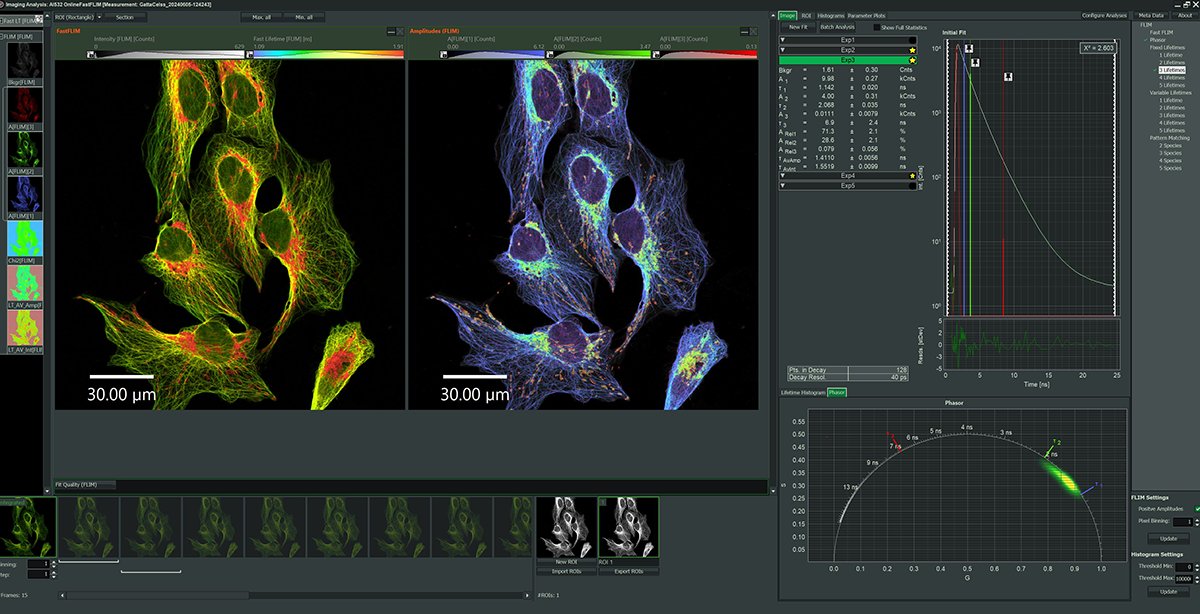
Introducing #NovaFLIM: our new #fluorescence lifetime imaging analysis software. It is designed for an efficient and multi-faceted analysis of #FLIM, FLIM-FRET, and #anisotropy. ➡ Learn more: picoquant.com/products/categ…
1
5
34
1,350
Valentin Dunsing-Eichenauer retweeted

6 Sep 2024
📢Our preprint list is now up on FocalPlane. This list is focussed on new research in bioimage analysis. Drop us a message if there is a preprint that we've missed!
focalplane.biologists.com/20…
18
70
8,445
Valentin Dunsing-Eichenauer retweeted

4 Sep 2024
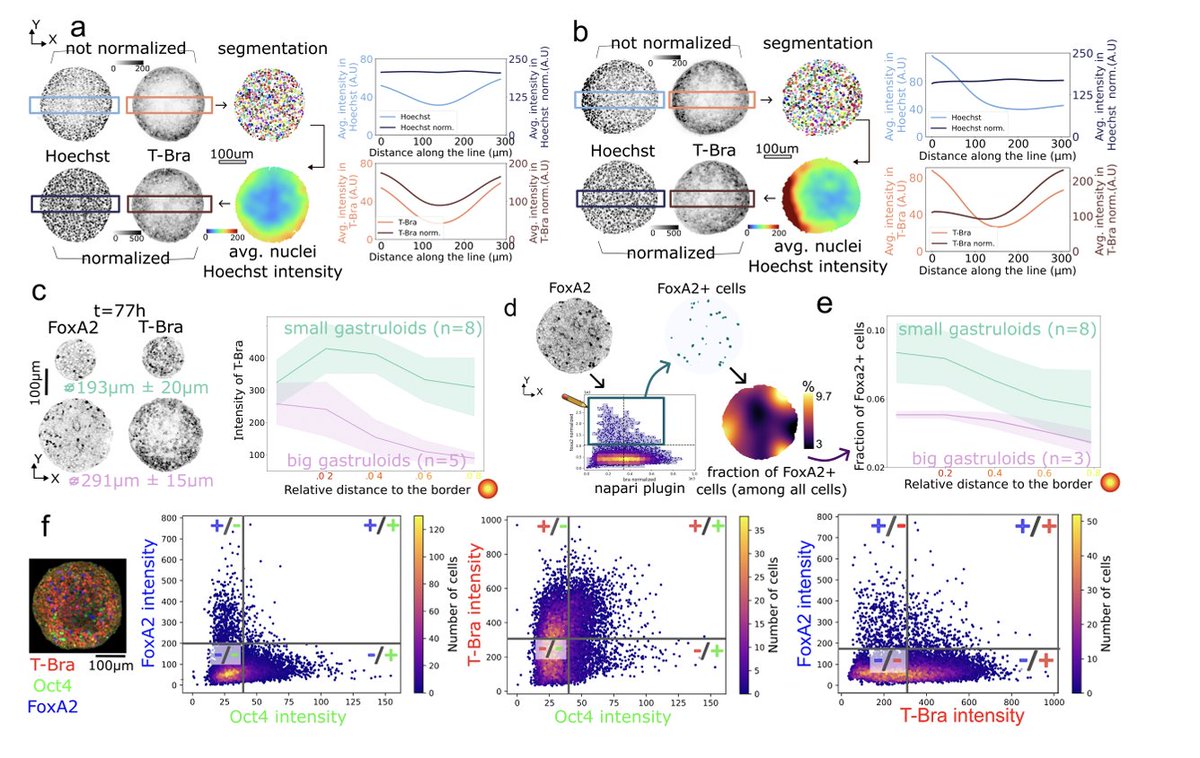
#Gastruloids have many uses as #models for: early mammalian development, #SelfOrganization, mapping signalling/gene expression, morphogenesis. Here @Equipe_lenne use’m to develop gral tools to image gene/protein expression at diff scales biorxiv.org/content/10.1101/… #InNumbersWeTrust
6
36
3,456
Valentin Dunsing-Eichenauer retweeted

3 Sep 2024
📡🧵 Excited to release our preprint: Ultrack: Pushing the Limits of Cell Tracking Across Biological Scales
doi.org/10.1101/2024.09.02.6…
A tour-de-force by @jobragantini, #Ultrack is a versatile, highly accurate, and fast ILP-based cell tracking software for 2D, 3D, and multicolor datasets. It has convenient @napari_imaging and @FijiSc plugin interfaces and built-in HPC cluster support.
github.com/royerlab/ultrack
#cell_tracking #microscopy #devbio @czbiohub
7
101
297
33,539
Valentin Dunsing-Eichenauer retweeted
2 Sep 2024
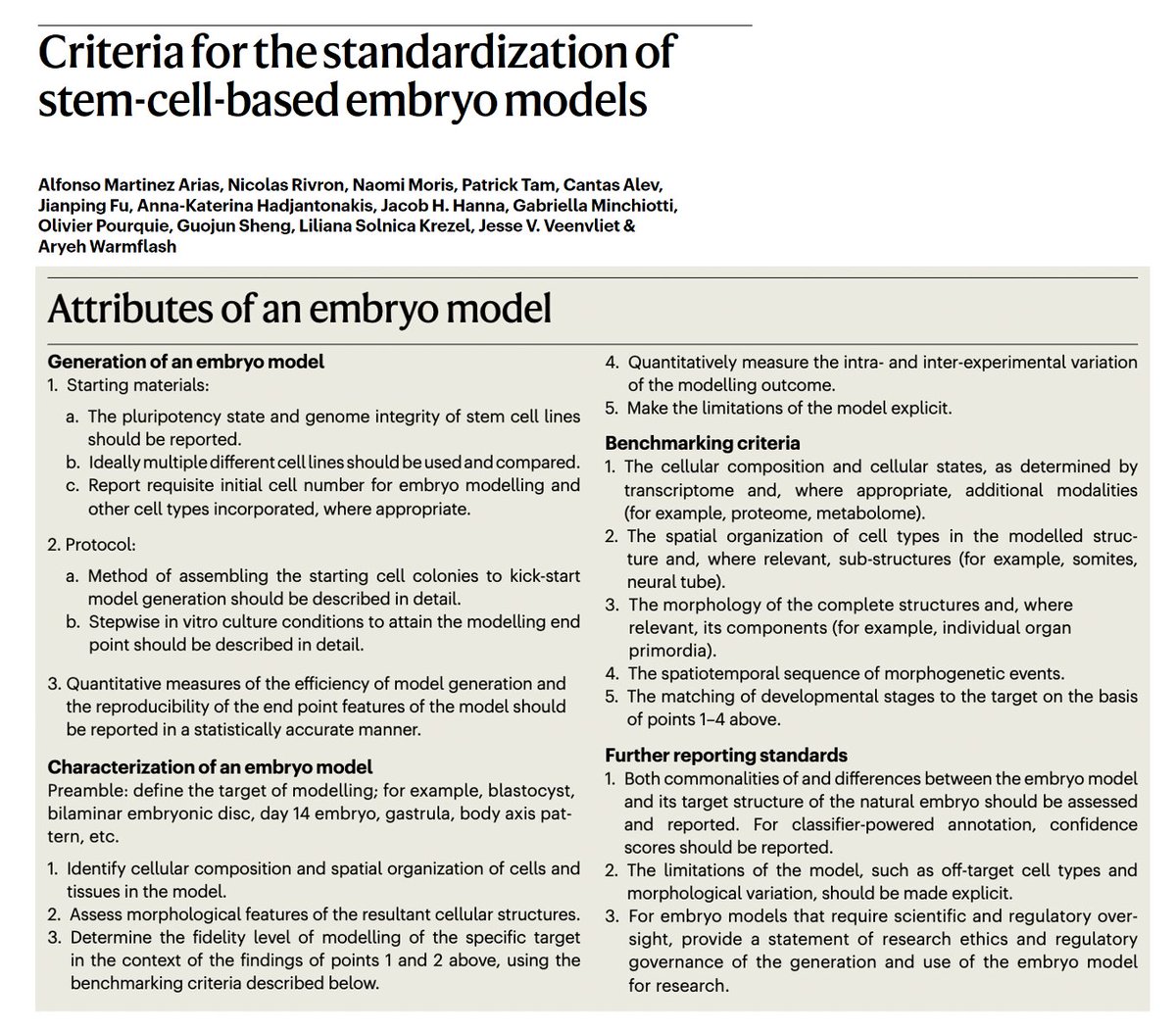
A first step towards a basis for research on #StemCell based #EmbryoModels
rdcu.be/dSHtz @NatureCellBio
We hope that this will be useful in this new field where quality control and appropriate criteria are needed
1
31
102
19,274
2 Sep 2024
Happy that I could contribute 🙂 Flipper-TR also works well with 2-photon excitation 👇. It will be interesting too see in different systems what the probe can tell, and on which time scales. In this context, fast FLIM will be useful. Our attempt here: biorxiv.org/content/10.1101/…
2 Sep 2024

Super happy to share with you a detailed tutorial covering everything you need to know about membrane mechanosensitive Flipper probes (🐬) using fluorescence lifetime microscopy. Accessible here: rdcu.be/dSmET See 🧵 below
1
311

All what you wanted to know about using flipper probes @spirochrome @matile_group for cell biology and didn’t dare asking is in: rdcu.be/dSmET
Thanks to all co-authors and colleagues, thanks to @CRoffay & @vincent81196538 for their great work!
2
24
56
6,459
Valentin Dunsing-Eichenauer retweeted

23 Aug 2024
🚨📢Our paper on imaging, segmenting, visualising and measuring patterns in gastruloids across spatial scales w/ @napari_imaging is out‼️
An project led by @_AliceGros, @JVanaret, @DunsingValentin et al.🤓
A collab. between @Equipe_lenne, @PhilippeRoudot's and our lab.
⬇️Link⬇️
4
19
91
6,703
22 Aug 2024
New preprint: We have developed an integrated pipeline to i) image gastruloids in toto with dual-view 2-photon🔬, ii) quantitatify cell and tissue-scale patterns of gene expression and morphometric features, iii) interact with the data in @napari_imaging. biorxiv.org/content/10.1101/…
5
48
177
14,759
22 Aug 2024
This was a great team effort together with co-first author PhD students @_AliceGros and @JVanaret, jointly supervised by Sham Tlili, @Equipe_lenne, @GuignardLab and @PhilippeRoudot @IBDMmarseille @centuri_ls. All code is available here: github.com/GuignardLab/tapen…. Feedback welcome!
1
4
378
Valentin Dunsing-Eichenauer retweeted

18 Aug 2024
Interested in diffusion and oligomerization? Our brightness-transit statistics pipeline based on sFCS acquisitions just came out in @NatureComms 🥳 Start correlating! Great collab with @pfcespedes @KaredlaNarain @FritzscheLab @MichaelLDustin
nature.com/articles/s41467-0…
7
25
79
8,704
24 Jun 2024
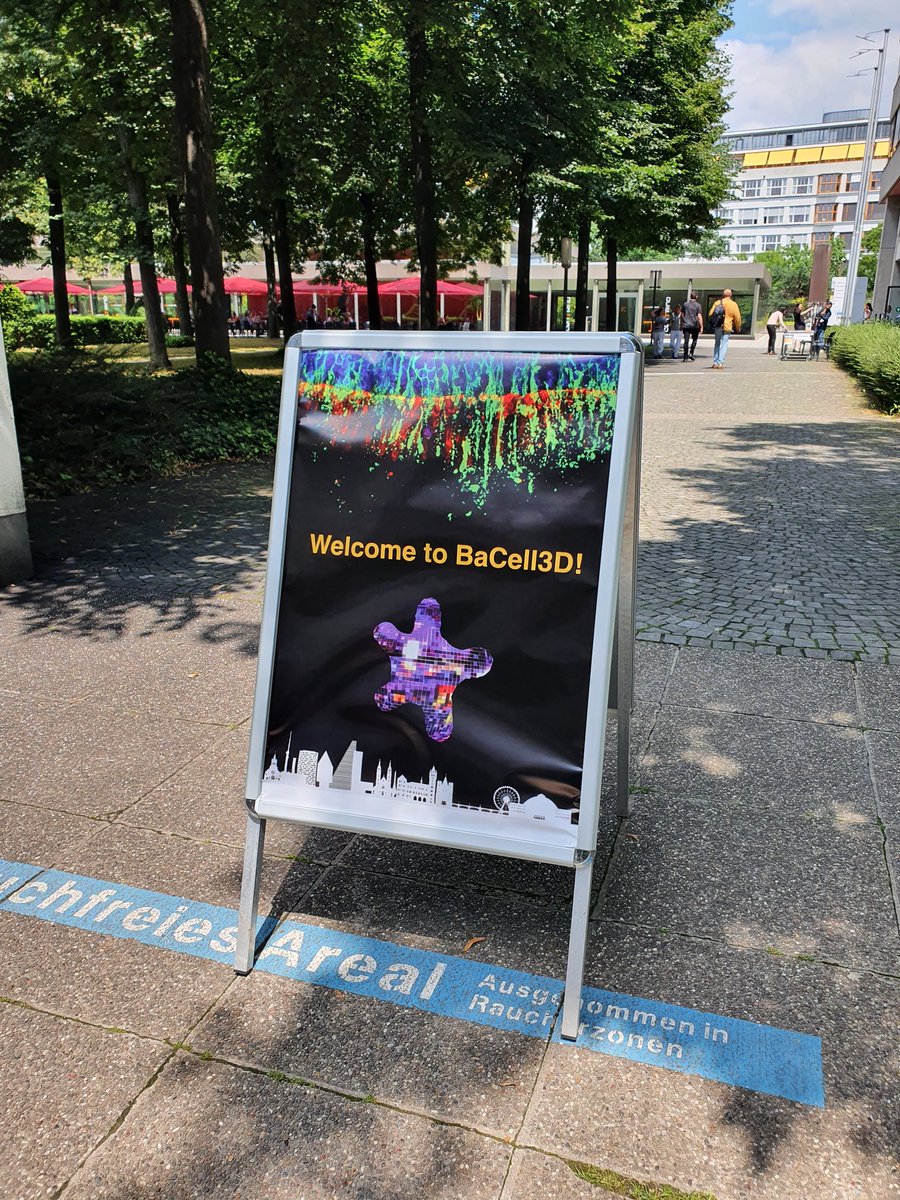
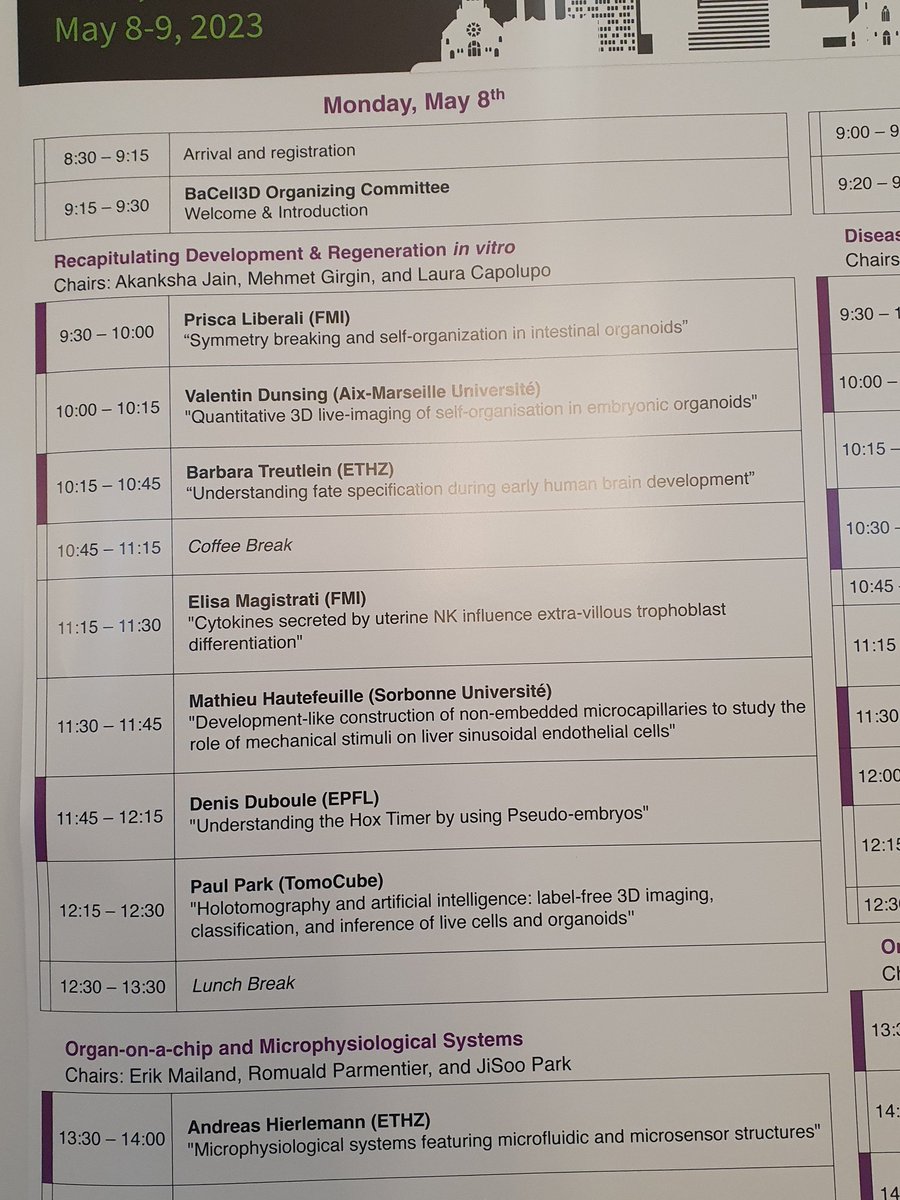
Great to be back in Basel for #BaCell3D. I will present a poster (#216) tomorrow on in toto imaging of organoids, which we use to investigate patterning mechanisms in gastruloids. Looking forward to discuss.
13
507
Valentin Dunsing-Eichenauer retweeted
4 Jun 2024
🧐 unexpected blue-shifted photons !!!
🔬🟥➡️🟦😱😱😱
Great work @AgEggeling @carravilla_p @_Dasgupta_A @uiztok et al
4 Jun 2024

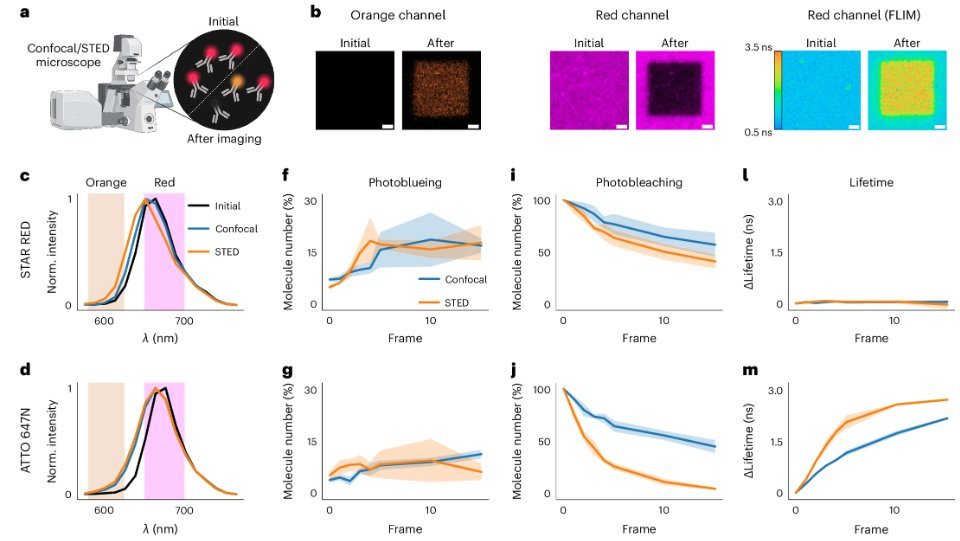
Organic dyes can photoconvert, having unexpected effects on quantitative microscopy. Check out this lovely paper from the Carravilla and Eggeling labs on how photoblueing impacts confocal, STED, and FLIM experiments, and how exchangeable probes can help! nature.com/articles/s41592-0…
2
3
11
896
Valentin Dunsing-Eichenauer retweeted

29 May 2024
PhD position in Mechanobiology in Marseille! Are you excited to study how mechanical forces impact the transcription of muscle nuclei as well as muscle metabolism? Join us at our fantastic campus in Marseille. thenode.biologists.com/jobs/… @Fly_EDS @IBDMmarseille @CNRSbiologie #muscle

40
49
7,295
Valentin Dunsing-Eichenauer retweeted

17 May 2024
I’m so happy to share another story from my PhD with @ErcanLab and @preibischs, where we studied the gene regulation in the dosage compensation system of C. elegans using smFISH! Here are a few highlights…🧵 biorxiv.org/content/10.1101/…
3
16
54
19,242
Valentin Dunsing-Eichenauer retweeted
7 May 2024
🔬🌟Join us for the 3rd @centuri_ls Hackathon for Quantitative Biology in Marseille!💥Both wet and dry lab people are welcome! Dive into amazing projects and experience this year stunning location!🌍 Registration now open!🚀💻#HackBio #QuantBio
⬇️Don't miss out, sign up now!⬇️
1
20
36
9,170
18 Apr 2024
Very happy that I could contribute to this work led by @PRecouvreux. It has always fascinated me how cells coordinate using morphogens. When I started to get interested in biology, C.elegans was the first organism that we imaged at a🔬. Here, both came together with in vivo FCS.
18 Apr 2024

1/n
We are very pleased to see our study on Wnt spreading in C. elegans embryos published in @CurrentBiology
cell.com/current-biology/ful… .
The outcome of an exciting collaboration between Vincent Bertrand's team and our team. A short thread on our main results!
2
1
7
963
Valentin Dunsing-Eichenauer retweeted

12 Apr 2024
Multiplexed in vivo imaging with fluorescence lifetime modulating tags biorxiv.org/cgi/content/shor… #biorxiv_cellbio
3
7
2,215