
Clinical academic dermatologist, interested in rare and common genetic skin diseases. Co-director of @HARPClinicalPhD #Blizard #QMUL #RoyalLondonHospital
Joined August 2012
- Tweets 2,318
- Following 1,860
- Followers 1,844
- Likes 1,019
142 Photos and videos



Edel O'Toole retweeted

Mar 31
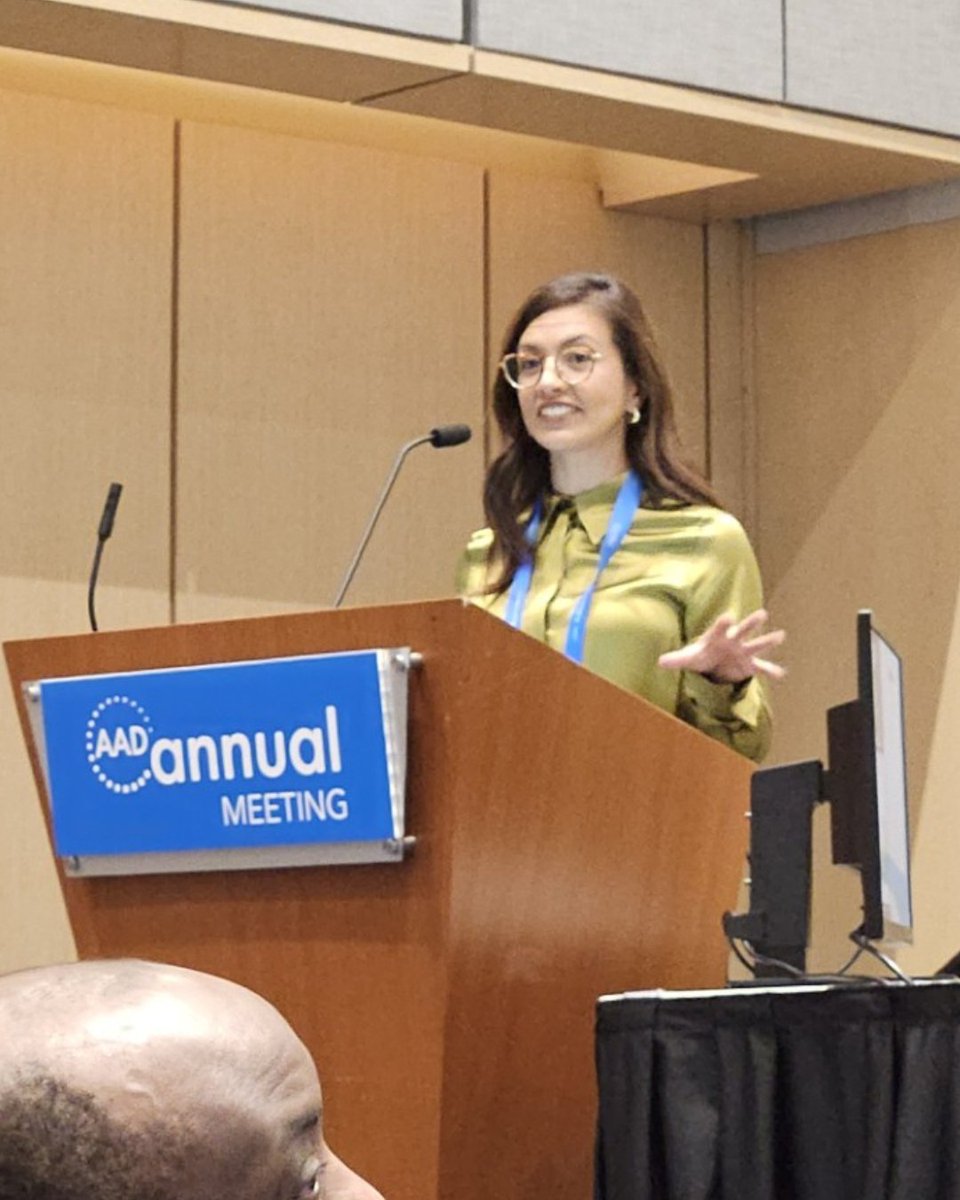
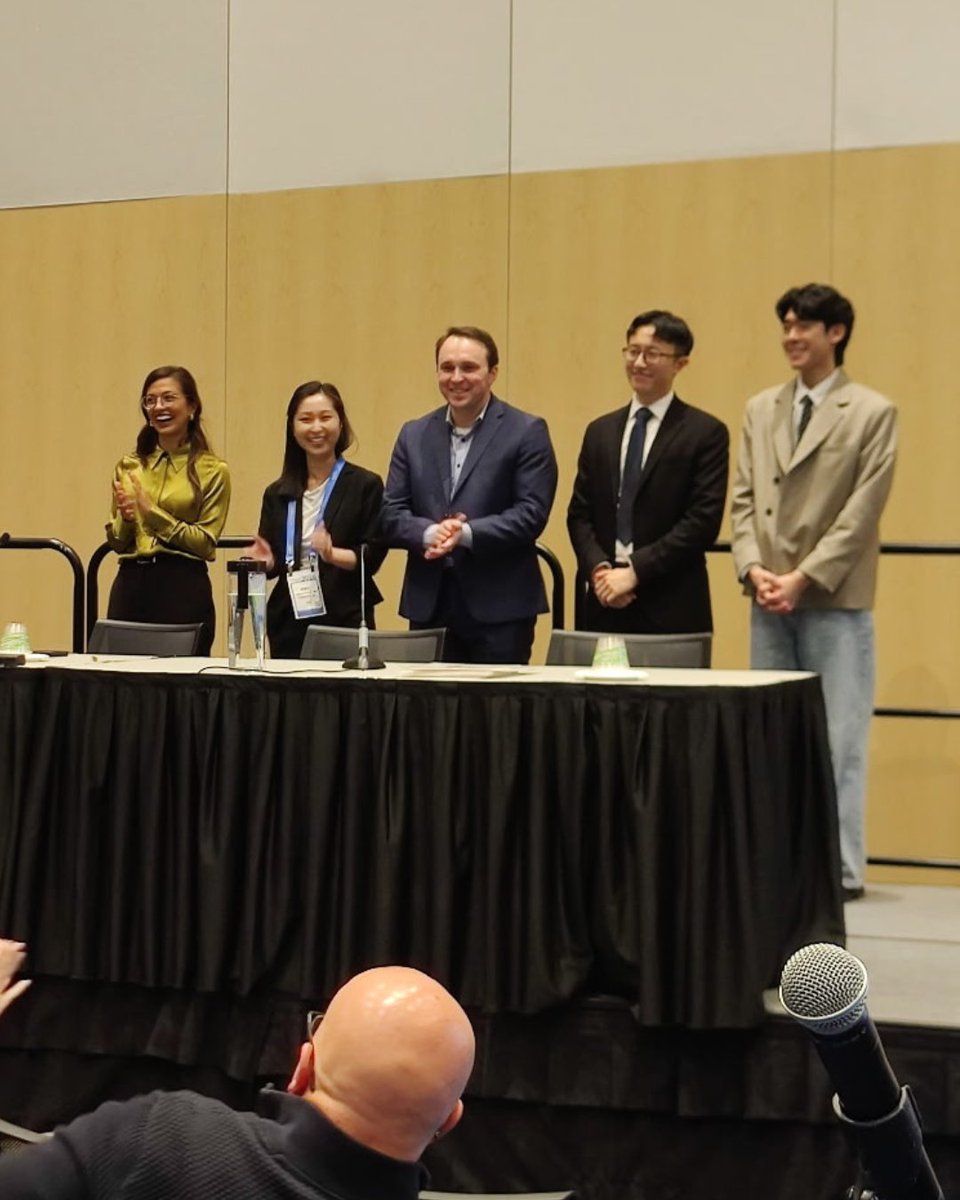
Congratulations to Marianne de Brito on being named one of five winners of the Everett C. Fox Award at the American Academy of Dermatology Annual Meeting! This award recognizes the most outstanding clinical and laboratory research presentations, and each winner received a $700 grant.
Marianne’s work, “Spatial Transcriptomics Provides New Insights Into the Early Pathogenesis of Steatocystoma Multiplex,” was also one of only 18 presentations selected from more than 100 applicants for a special symposium highlighting groundbreaking research by dermatology residents and fellows.
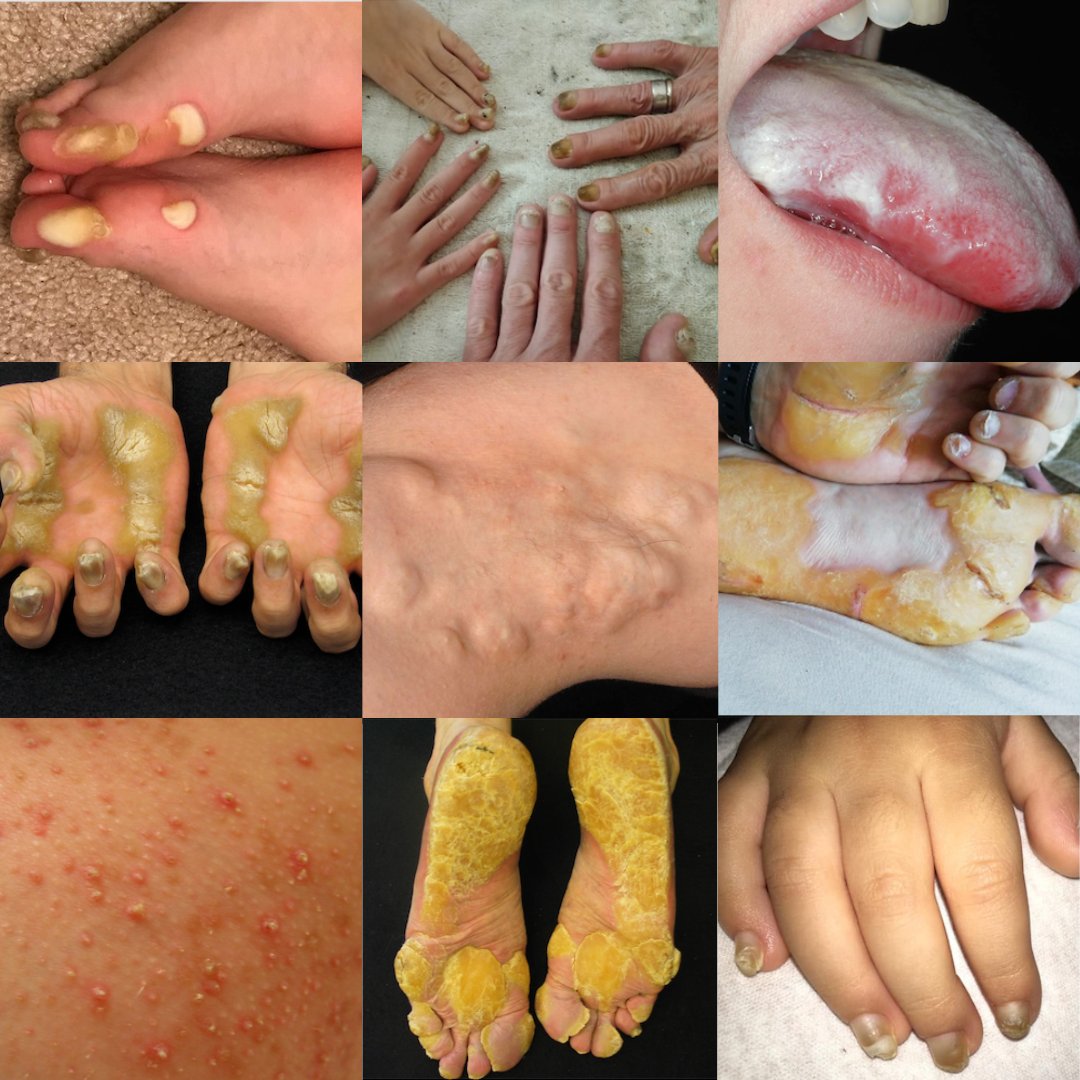
Marianne’s research focuses on the painful cysts (steatocystomas) that so many of our K17 experience. At PC Project, we often talk about the severe foot pain that affects daily life, but it is equally important that those living with inflamed, painful cysts know they are seen, supported, and never forgotten. This aspect of PC matters deeply to our community, and we are so encouraged to see it receiving this level of scientific attention.
Thanks to Marianne, and to her supervisor, Professor Edel O'Toole, for their excellence and commitment to improving life for PC patients.
#EndThePain #AAD2026 #pachyonychia #pEDDs
1
1
109
Edel O'Toole retweeted
Mar 26
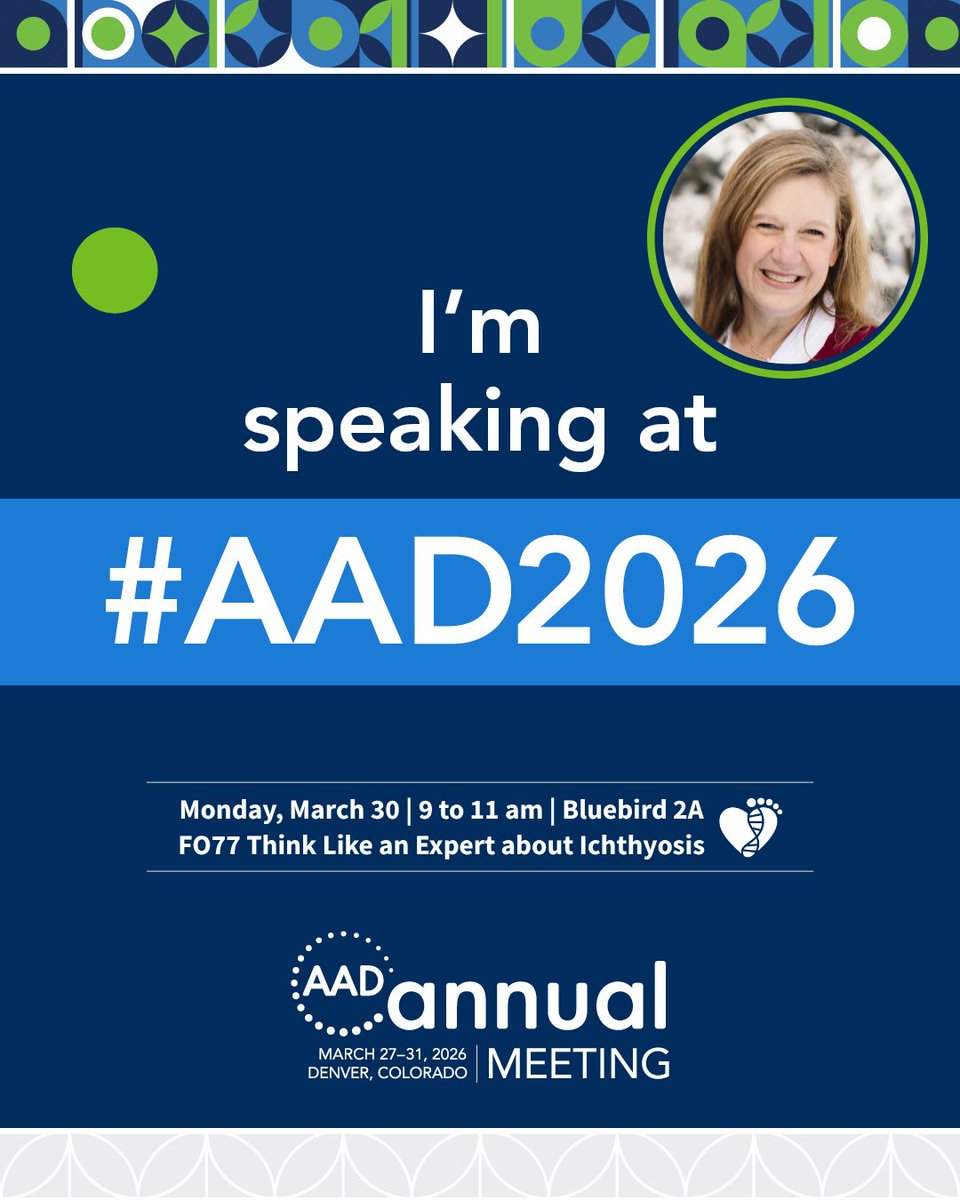
We’re pleased to share that Janice Schwartz, Executive Director of PC Project, will be speaking at #AAD2026 on Monday, March 30!
She will participate in the session “Think Like an Expert in Ichthyosis,” where she’ll help dermatologists better understand how to care for patients with palmoplantar Epidermal Differentiation Disorders (pEDDs).
(PC and other pEDDs are part of the broader Epidermal Differentiation Disorder (EDD) family, which is why we are included in this session.)
Janice will highlight the real needs of our #RareDisease community - emphasizing early and accurate diagnosis, multidisciplinary care, and the importance of collaboration across clinicians, researchers, and patient advocacy organizations like PC Project.
📍 Attending AAD? Come join the session or reach out - we’d love to connect!
#pEDDs #Dermatology #ClinicalResearch #PatientAdvocacy #Genodermatoses
1
3
136
Edel O'Toole retweeted

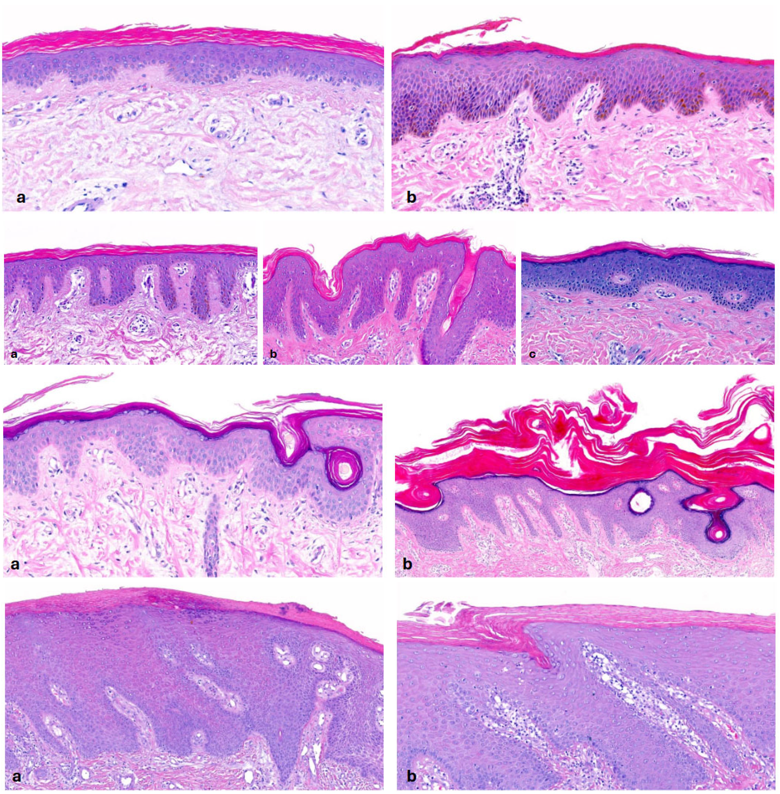
📜#mdpidermatopathology New Publication: Defining Histological Patterns in Inherited Ichthyoses: Toward a Diagnostic Algorithm Based on 66 Confirmed Cases
by Kira Süßmuth et al.
Access for free: mdpi.com/3748758 #mdpidermatopathology #cornificationdisorders #ichthyoses
6
6
401
Edel O'Toole retweeted

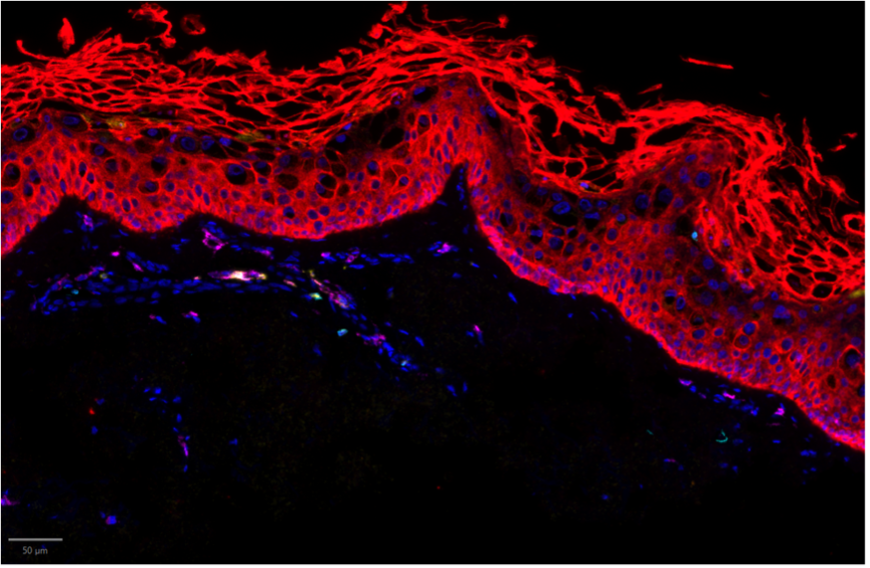
1/ We are excited to report in @SciImmunology that human complete and selective LFA-1 deficiency causes isolated Epidermodysplasia Verruciformis (EV). This surprising phenotype revealed a surprising mechanism 🙂science.org/doi/10.1126/scii…
2
23
77
5,526
Edel O'Toole retweeted

Feb 27
Rare Diseases: Closing the translation gap
💡 Spotlight with with LifeArc: what barriers face rare disease patients – and what it will take to translate advocacy and innovation into lasting treatments.
newstatesman.com/spotlight/r…
2
1,088
Edel O'Toole retweeted

Jan 13
Clinicians should carry out a straightforward spine check during routine bone scans to help detect osteoporosis problems sooner, the National Institute for Health and Care Excellence has recommended
bmj.com/content/392/bmj.s68?…
1
6
12
3,737
Edel O'Toole retweeted

19 Nov 2025
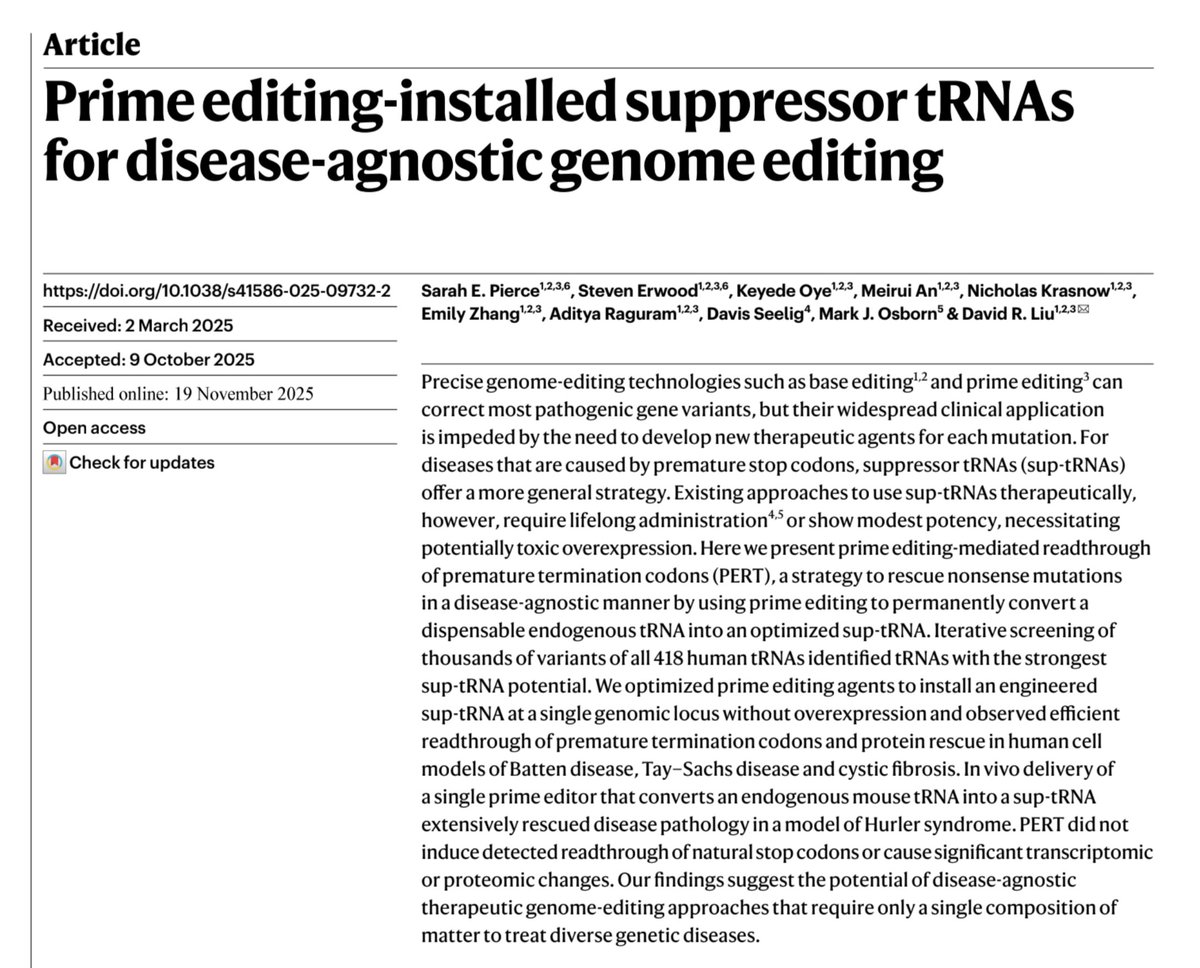
Today in @Nature we report a new prime editing strategy that can rescue a common cause of many genetic diseases in a disease-agnostic manner. This approach converts a redundant endogenous tRNA into an optimized suppressor tRNA, enabling a single prime edit to rescue premature stop codons across different diseases.
(1/15)
drive.google.com/file/d/1bSv…
40
397
1,379
251,463
Edel O'Toole retweeted

14 Nov 2025
Most people missed it.
A study just showed something absolutely wild:
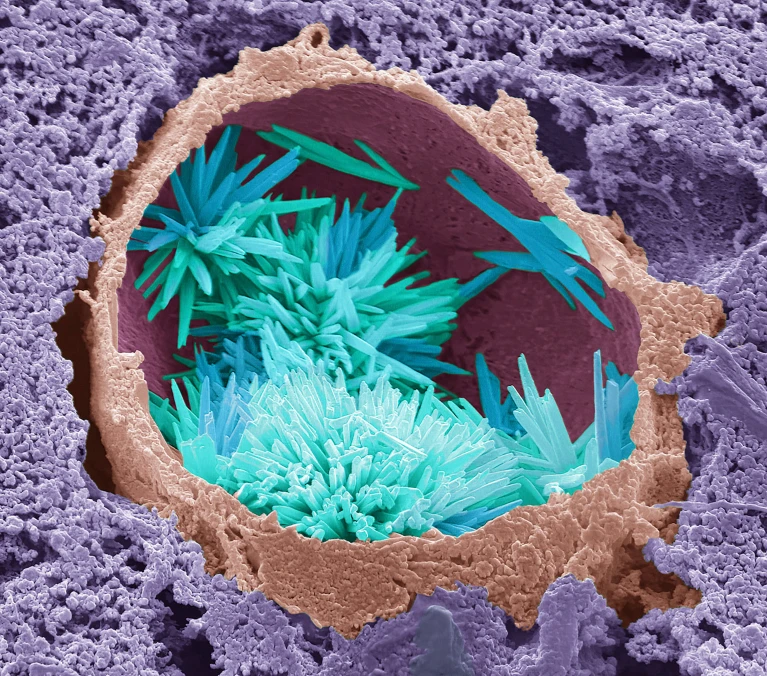
A single CRISPR infusion cut people’s cholesterol and triglycerides in half.
Yes - half.
From one treatment.
And if this holds up?
Heart disease may never look the same again.
Let me explain:
The target was a gene called ANGPTL3 — a tiny switch in your liver that controls how much LDL (“bad” cholesterol) and triglycerides float in your blood.
Some people are born with this gene naturally turned off.
They live their whole lives with ultra-low lipids.
And they almost never get heart disease.
Nature gave us the blueprint.
So researchers did something bold:
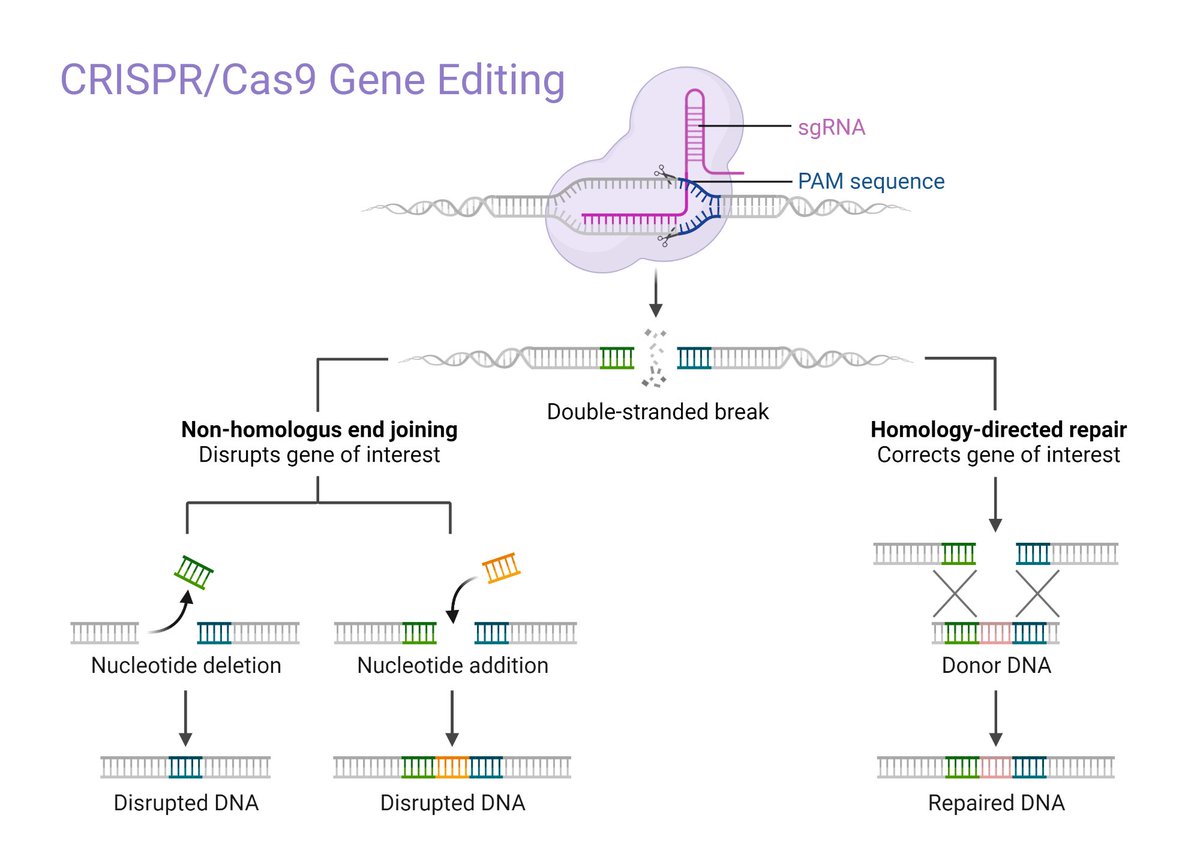
They used CRISPR–Cas9 to recreate that natural mutation.
Not a pill.
Not an injection every 2 weeks.
Not a lifetime of medication.
Just one IV infusion designed to permanently switch off ANGPTL3.
The results?
In the highest-dose group:
LDL dropped ~50%
Triglycerides dropped ~55%
After just 60 days
From a single treatment.
Let that sink in.
This isn’t controlling cholesterol.
It’s rewiring the biology that creates it.
And yes - this all happened in humans.
Not mice.
Not petri dishes.
Not hype.
15 real patients with severe lipid disorders got the therapy.
Is it early? Extremely.
But it’s the strongest signal so far that gene editing can target a common disease - not just rare ones.
Why does this matter?
Because cardiovascular disease is still the world’s #1 killer.
We already have statins, PCSK9 inhibitors, lifestyle programs…
But millions still can’t reach safe levels, can’t tolerate drugs, or can’t sustain lifelong treatment.
A “one-and-done” therapy changes the entire game.
Even the clinicians were stunned.
“We can move from chronic therapy to something that’s one-and-done.” - Luke Laffin, Cleveland Clinic
Imagine telling a patient:
“You’ll never need cholesterol medication again.”
That’s the scale of what’s being tested here.
But here’s the catch - and it’s a big one:
This is very early science.
15 people treated.
Only ~2 months of data.
Long-term risks unknown.
CRISPR editing inside the body.
Off-target effects must be monitored.
Large trials will require thousands of participants
No honest scientist will promise miracles yet.
The real shift is this:
For the first time, gene editing isn’t just for rare disorders.
It’s stepping into the diseases that kill millions.
Ten years ago, investors told researchers this would never happen.
Too risky. Too expensive. Too ambitious.
Now?
Dozens of companies are racing to bring CRISPR to heart disease. The field flipped.
The future is suddenly visible:
CRISPR for high blood pressure.
CRISPR for metabolic diseases.
CRISPR for common cancers.
CRISPR for high cholesterol.
CRISPR for heart failure.
CRISPR for diabetes.
We’re watching the beginning of gene editing as mainstream medicine.
Not science fiction.
Science translation.
If the safety data holds…
If the lipid reductions are durable…
If the therapy becomes affordable…
Then the world’s #1 killer - heart disease - might finally meet a challenger stronger than any pill.
And it started with 15 volunteers and one gene.
That’s the story:
CRISPR isn’t just fixing rare diseases anymore.
It’s coming for the diseases almost everyone has.
The next decade of medicine is going to look nothing like the last.
94
316
1,111
49,260
Edel O'Toole retweeted

10 Nov 2025
Fantastic thread 👇 if you care about who is going to treat you and your relatives ( @wesstreeting doesn’t) read on 👇 and share on your socials
Thankyou @Anisocyte 🙏
9 Nov 2025

Sadly it seems the Resident Doctor strikes are inevitable, and as usual @wesstreeting blames RDs and @theBMA for being unreasonable, that there’s no money.
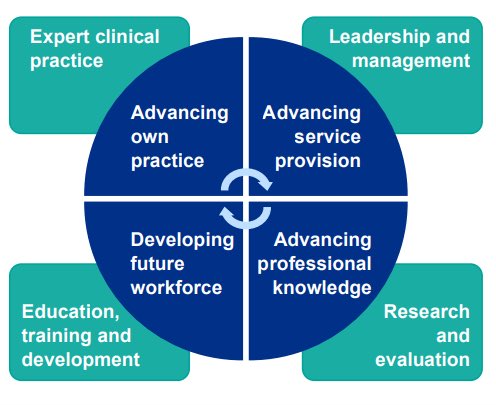
So I thought it’d be helpful to look at the workgroups Wes IS funding: ACPs
1/
1
12
18
1,801

5 Nov 2025
Online shopping for Christmas. Connemara sheep & Wool Centre | Gift Shop sheepandwoolcentre.com/?srsl…
78
Edel O'Toole retweeted

31 Oct 2025
@wesstreeting why mandate online triage access w/out increasing GP capacity?! Employ the 1000s of unemployed GPs,so pts like this elderly pt w cancer don’t suffer.
Evidently destroying the NHS thereby forcing vulnerable pts into private healthcare was your plan all along.
3/3
7
46
234
5,787
Edel O'Toole retweeted
27 Oct 2025
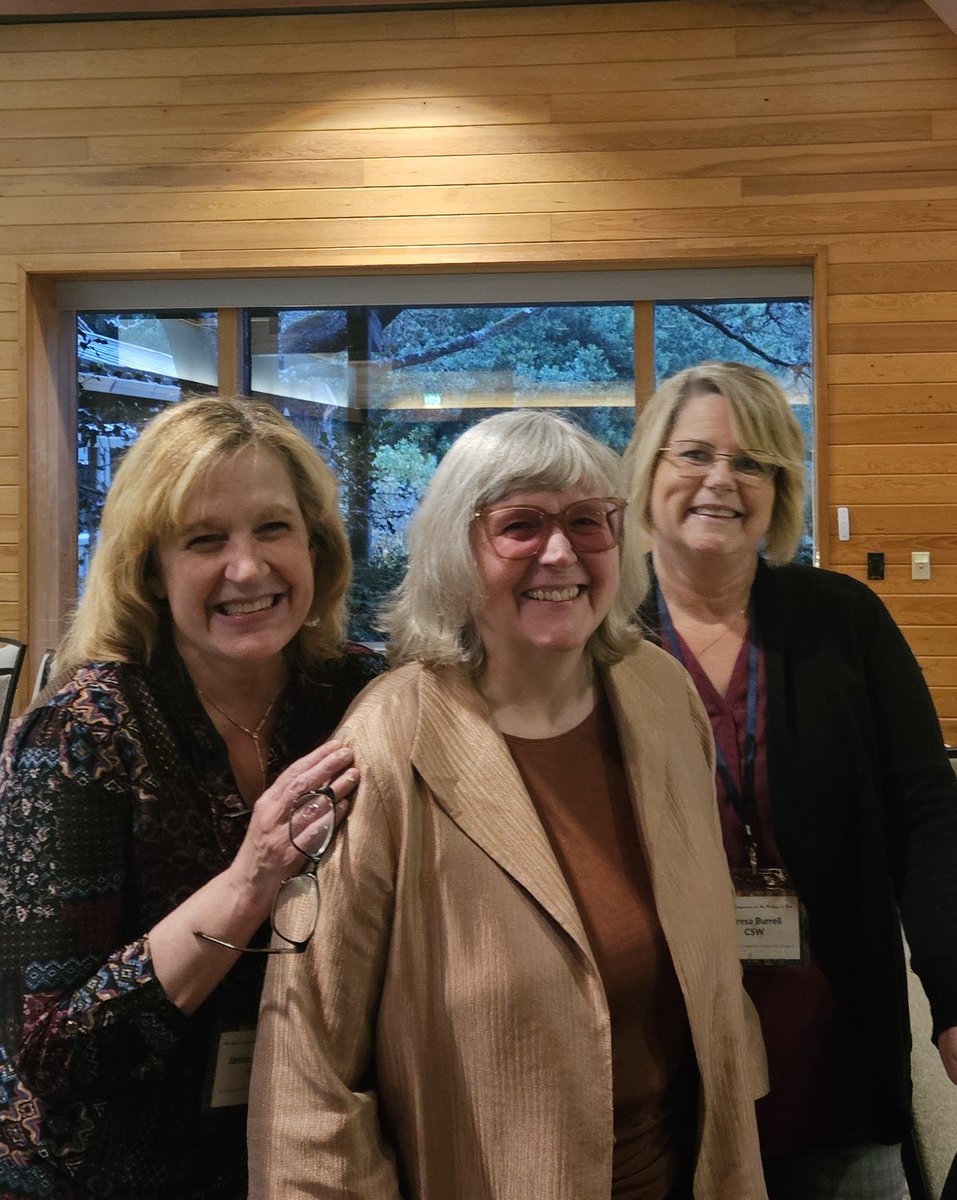
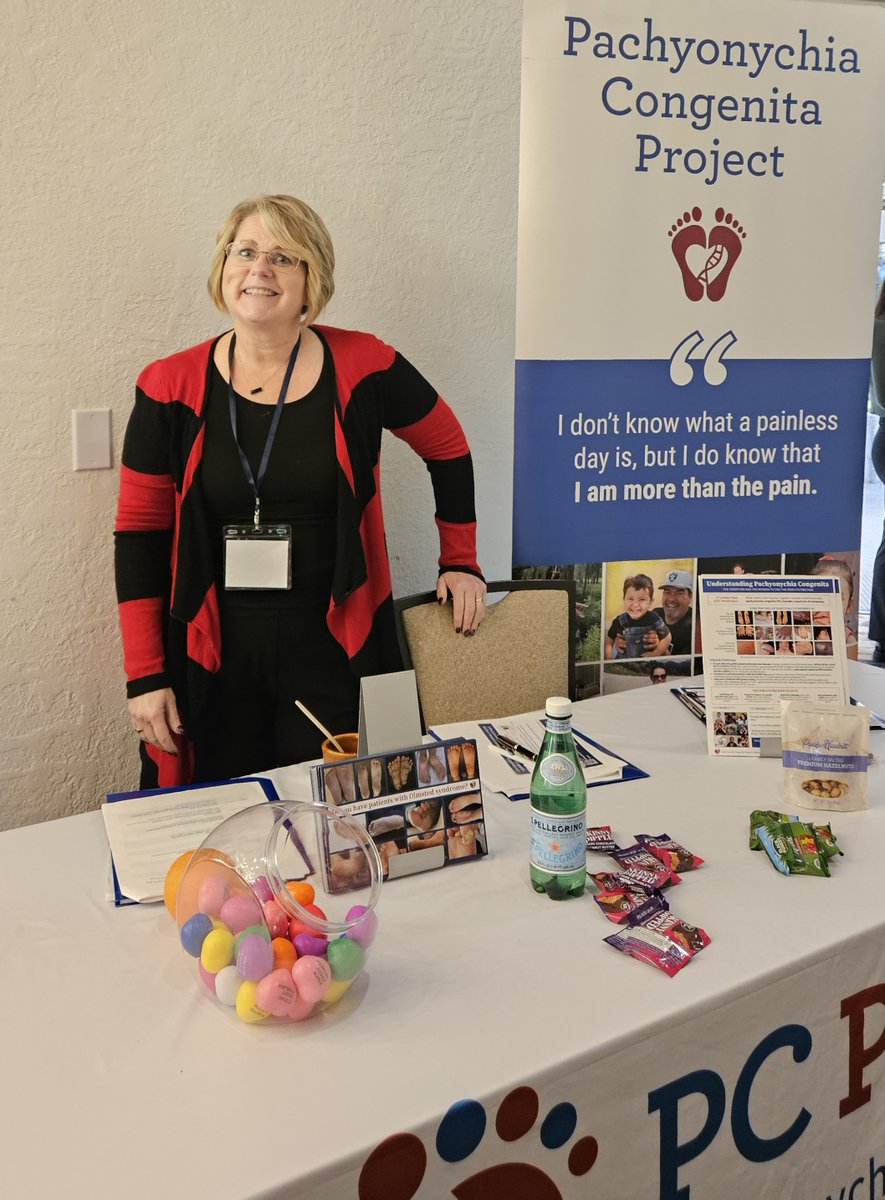
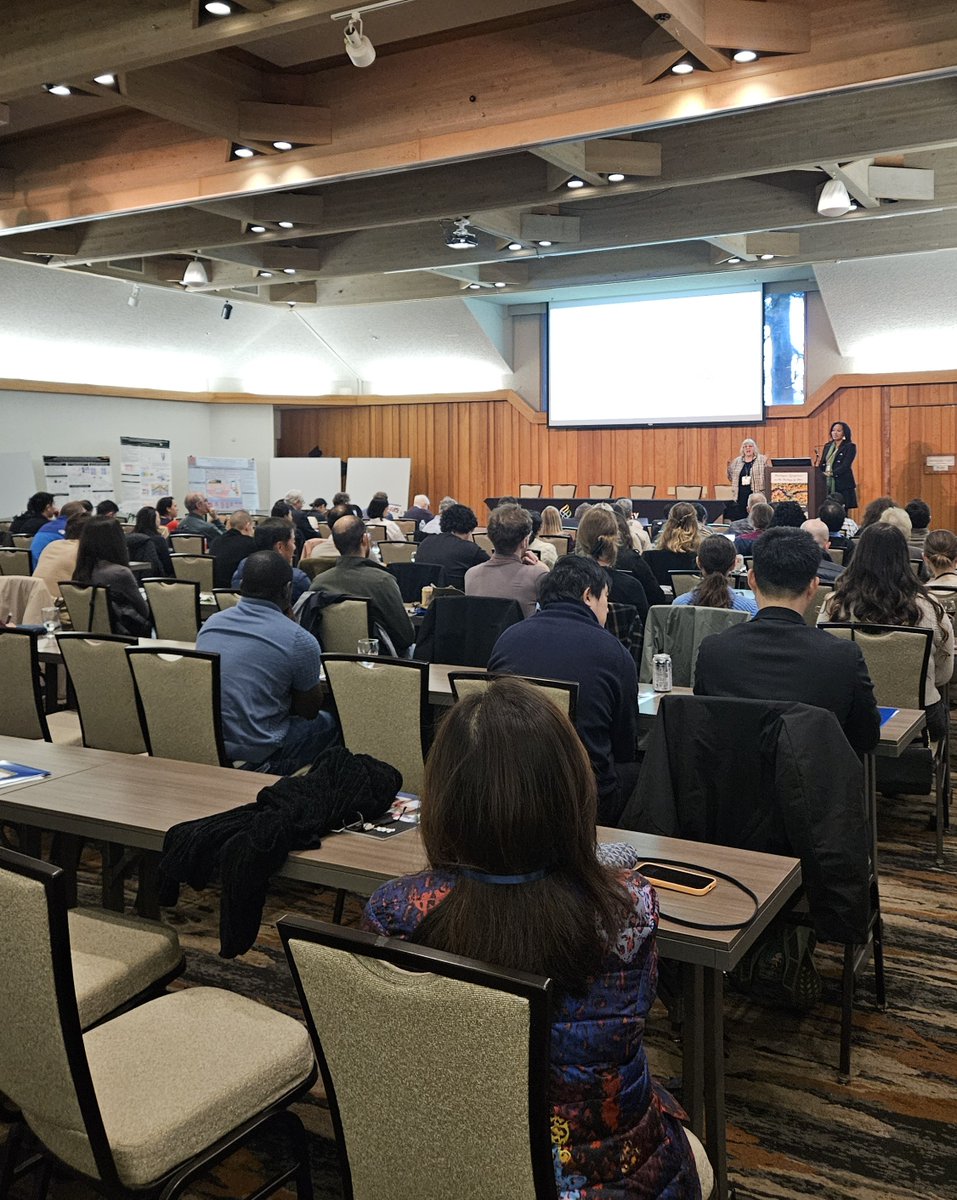
Thank you, Dr. Sancy Leachman, for the invitation to the Montagna Symposium in Oregon last week. What an amazing and fascinating research conference! We were especially impressed by the format and the many different activities that encouraged collaboration among all types of attendees. Even the organizers’ idea to place the break drinks and snacks on our PC Project exhibit table - bringing people directly to us - was genius and incredibly collaborative.
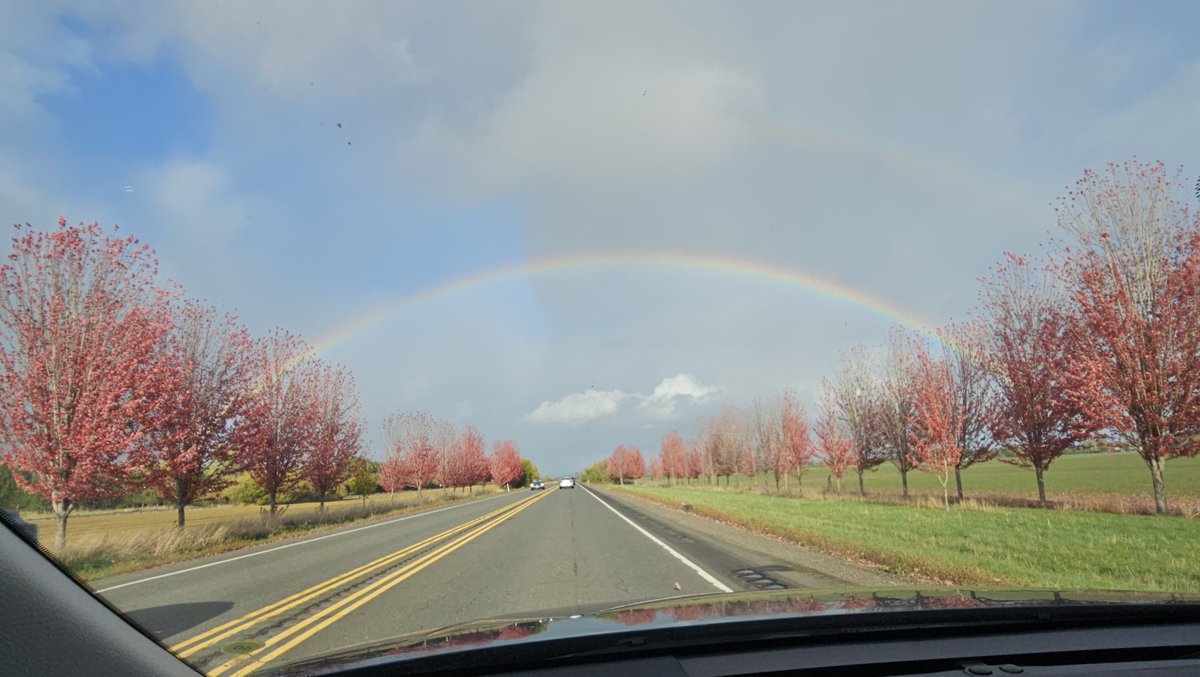
The new connections made for PC Project and the overall experience made the conference worth the time and effort to attend. The double rainbow on the drive back to the airport seemed the perfect wrap up to a remarkable symposium.
Thank you to the organizers for allowing PC Project - which focuses on advancing research - to have a presence at this extraordinary meeting, and again, thanks to Sancy for always looking out for PC Project and our patients!
3
6
251
Edel O'Toole retweeted

26 Sep 2025
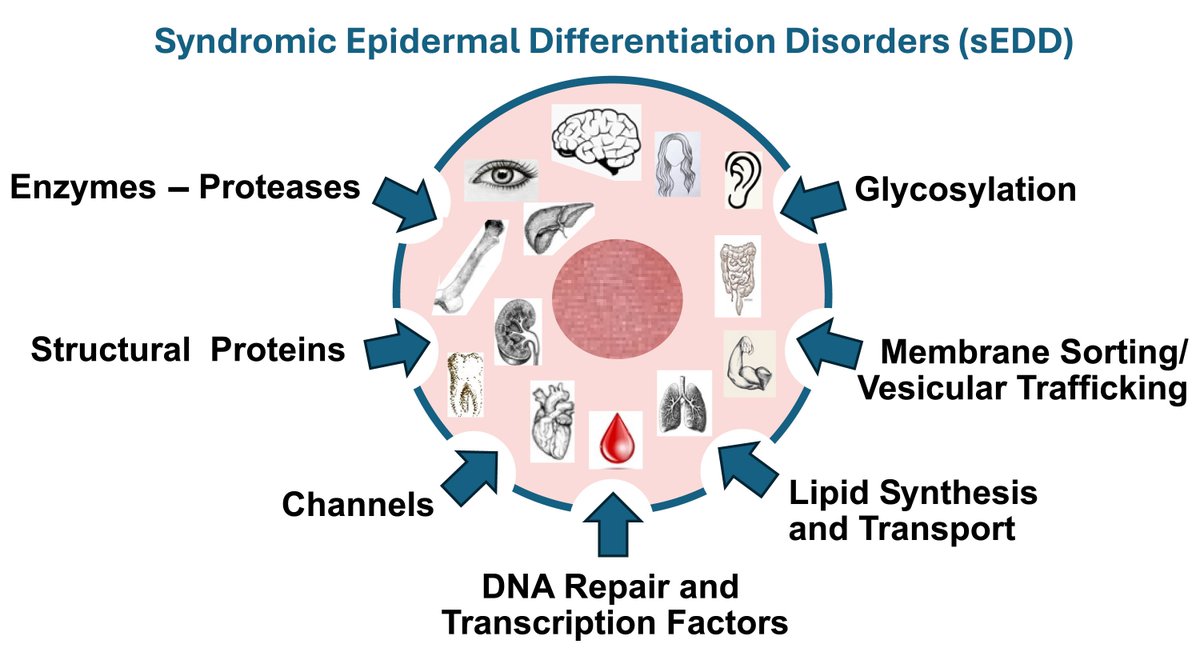
Syndromic epidermal differentiation disorders: a new classification toward pathogenesis-based therapy
The authors present a new gene- and protein product function-based classification for the group of disorders formerly called ichthyosis.
Read more: doi.org/10.1093/bjd/ljaf123
1
3
6
688
Edel O'Toole retweeted
21 Sep 2025
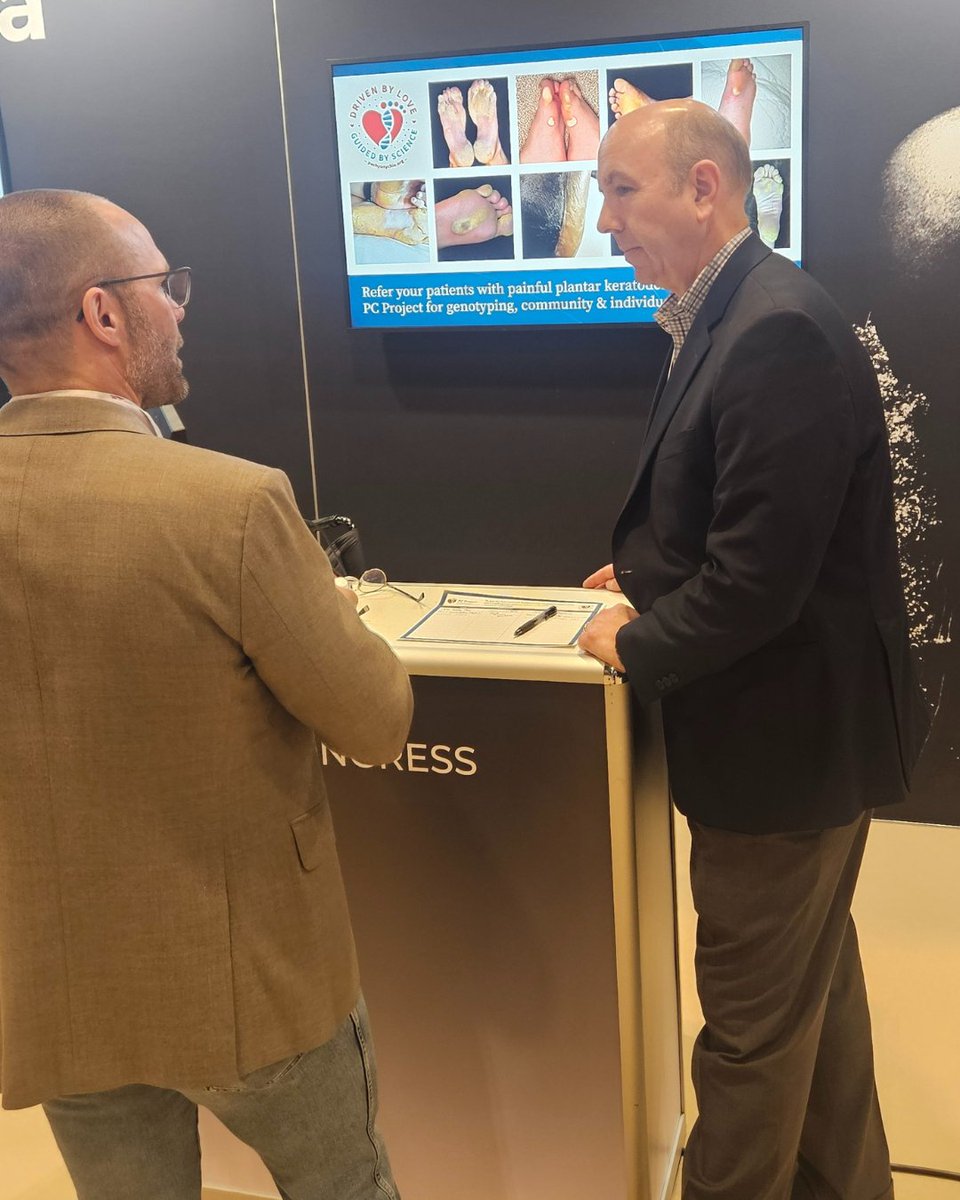
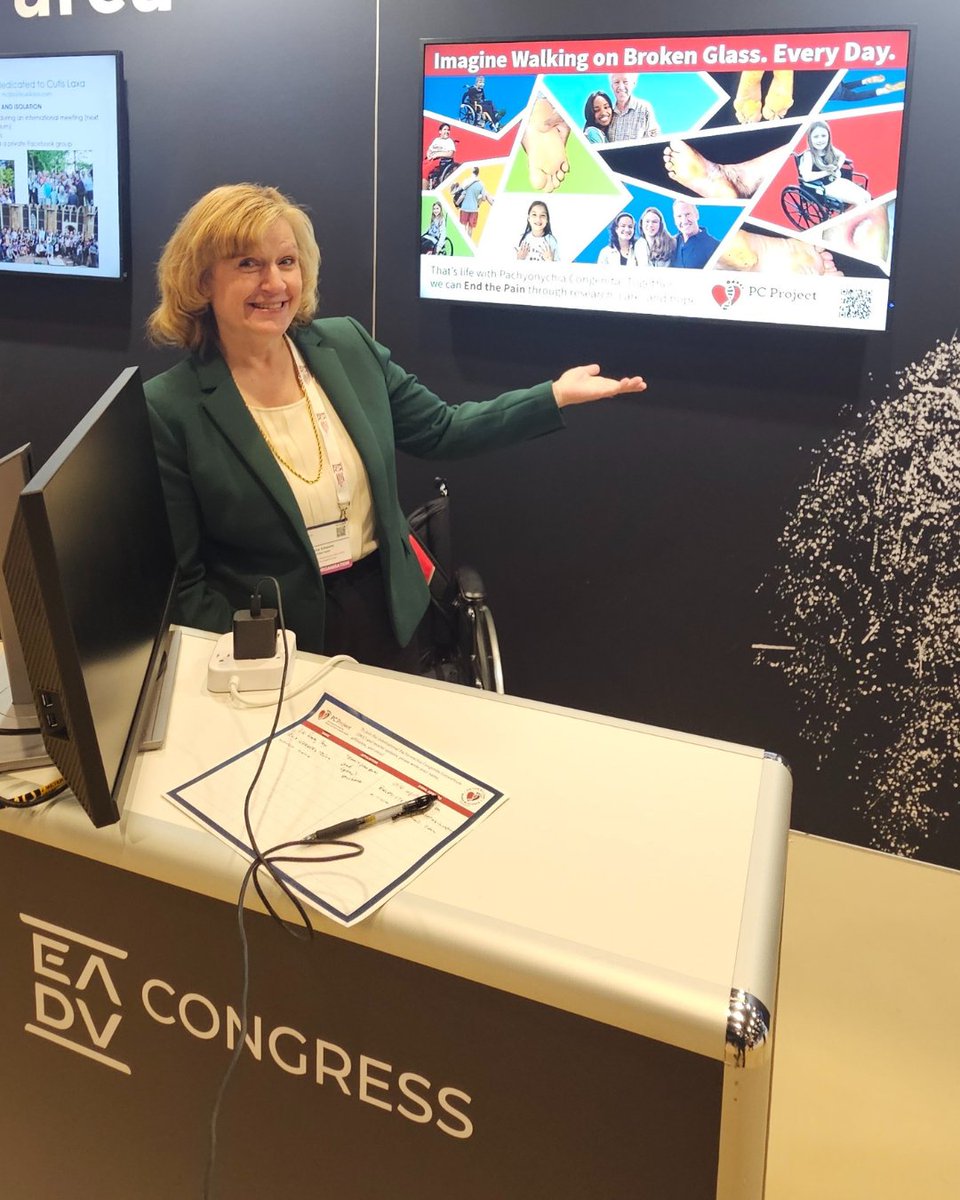
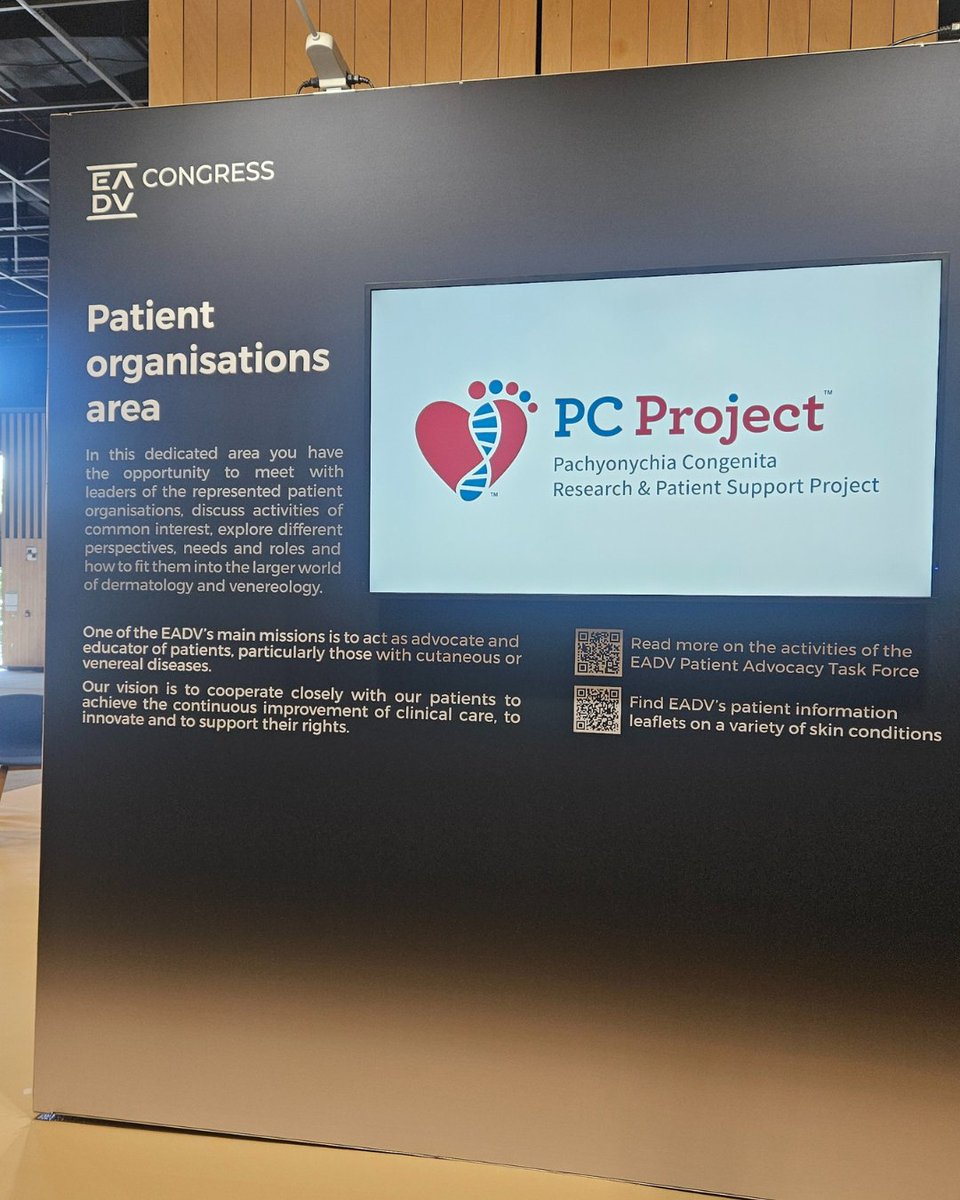
🌍✨ For the first time, PC Project was at #EADV2025 — one of the world’s biggest dermatology conferences with nearly 19,000 doctors!
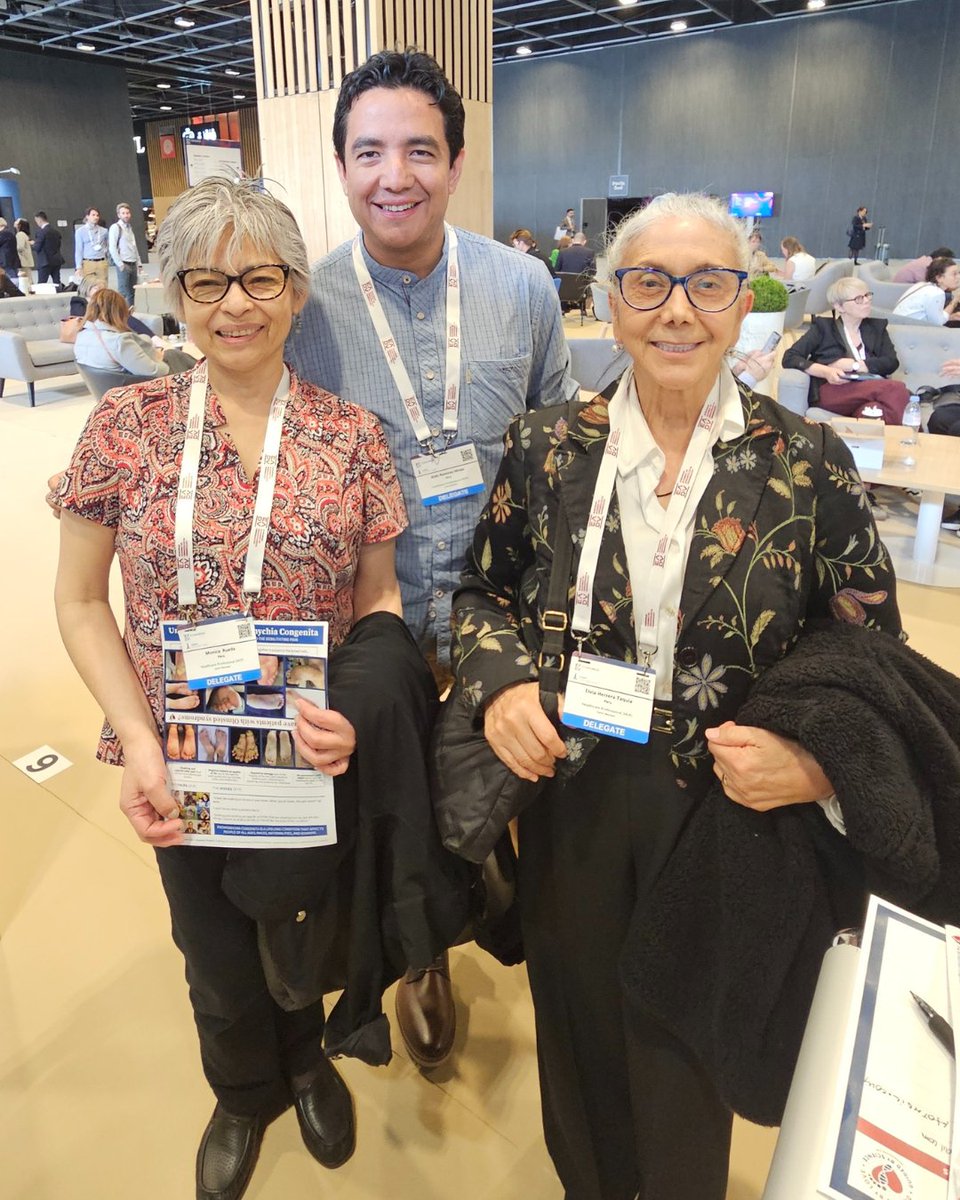
The highlight? When three dermatologists from Peru came straight to our booth to meet us and thank us personally for giving them the only resources available to help their local PC patients. 💙
This is what it means to be an international patient organization — connecting with doctors, researchers, and patients worldwide.
We may not change the whole world, but together we are changing the PC/PPK world — one doctor and one patient at a time. 🙌
#EndThePain #PachyonychiaCongenita #RareDisease #pEDDs
2
1
2
251
Edel O'Toole retweeted
10 Sep 2025
Palmoplantar epidermal differentiation disorders: a new classification toward pathogenesis-based therapy
doi.org/10.1093/bjd/ljaf054
4
4
527
4 Sep 2025
Fascinating paper on microbial induced IL17 signature in RDEB #epidermolysisbullosa #dermtwitter @CureEBorg @CharityDEBRA
4 Sep 2025

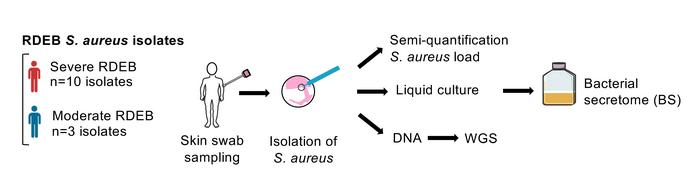
A new @ScienceTM study reveals how S. aureus skews the skin immune response toward an inflammatory IL-17 signature involving CD4 and MAIT cells in children with RDEB, and sheds light on the link between different strains and disease severity. scim.ag/45VfCMm
1
176
Edel O'Toole retweeted
4 Sep 2025
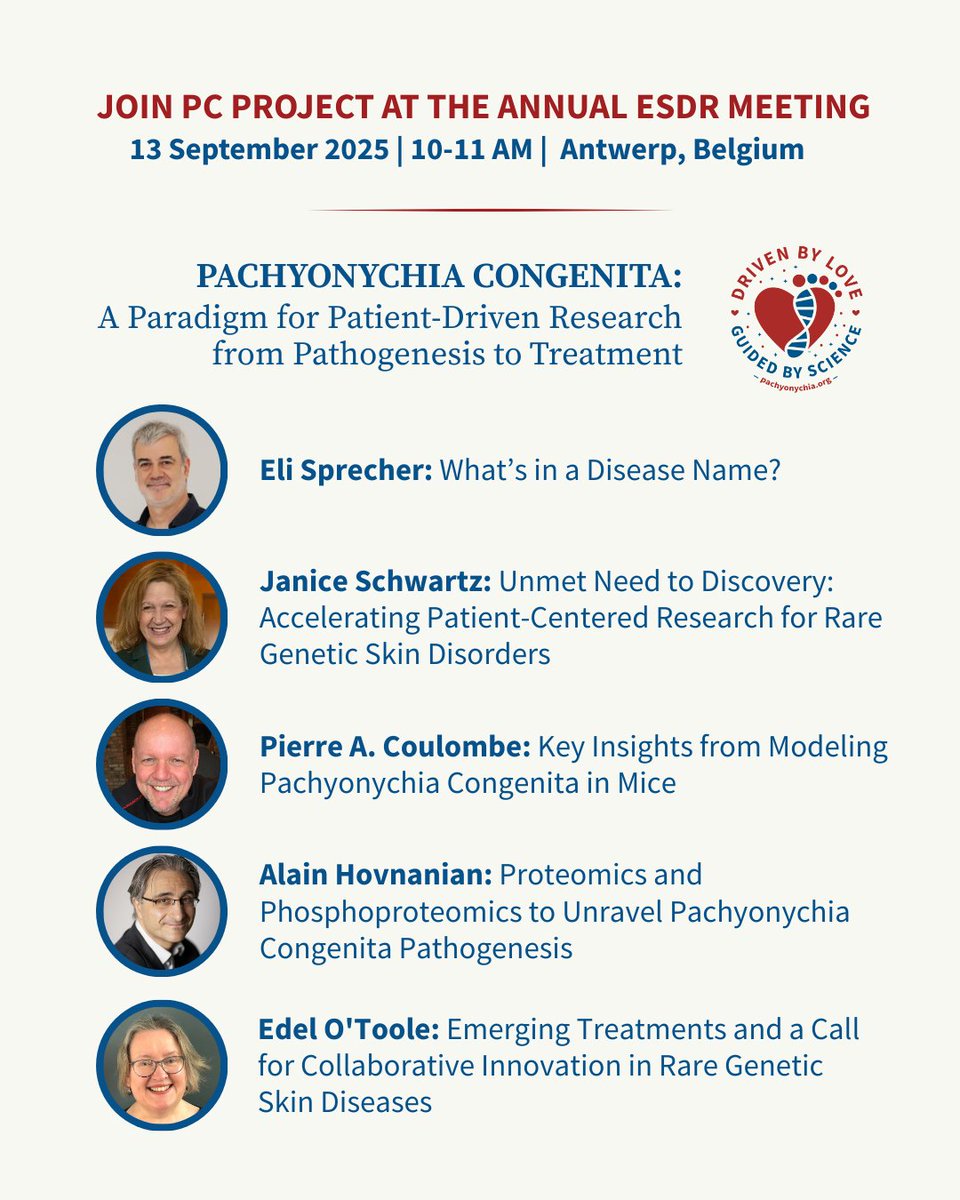
📣 The first-ever PC Project-sponsored research session at #ESDR2025 is just over a week away!
Researchers and physicians, join us in Antwerp, Belgium on Saturday, September 13, from 10–11 AM for a landmark session exploring how multi-omics analyses are guiding targeted therapies in skin disease. 🧬
#EndThePain #RareDisease #PainfulPPK #pEDD #PPK #Pachyonychia #PCProject
2
2
154
31 Aug 2025
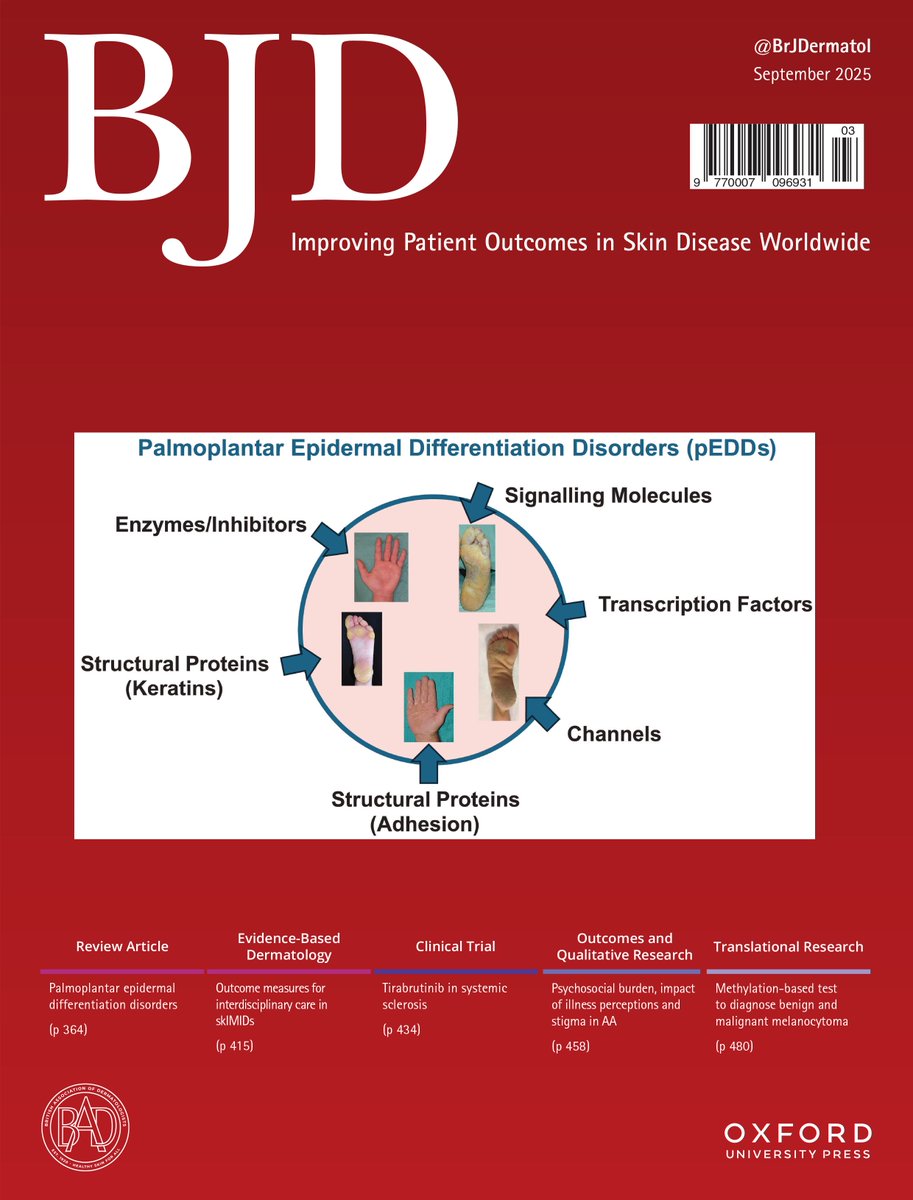
Great to see the new classification of palmoplantar Epidermal Differentiation Disorders (previously palmoplantar keratodermas) on the front cover. #dermtwitter @Pachyonychia
31 Aug 2025

🚨 The September 2025 issue of the BJD is here! 🚨
Issue highlights include a review of palmoplantar epidermal differentiation disorders, tirabrutinib in systemic sclerosis, and psychosocial burden in alopecia areata.
Read more: academic.oup.com/bjd/issue
6
222
Edel O'Toole retweeted

22 Aug 2025
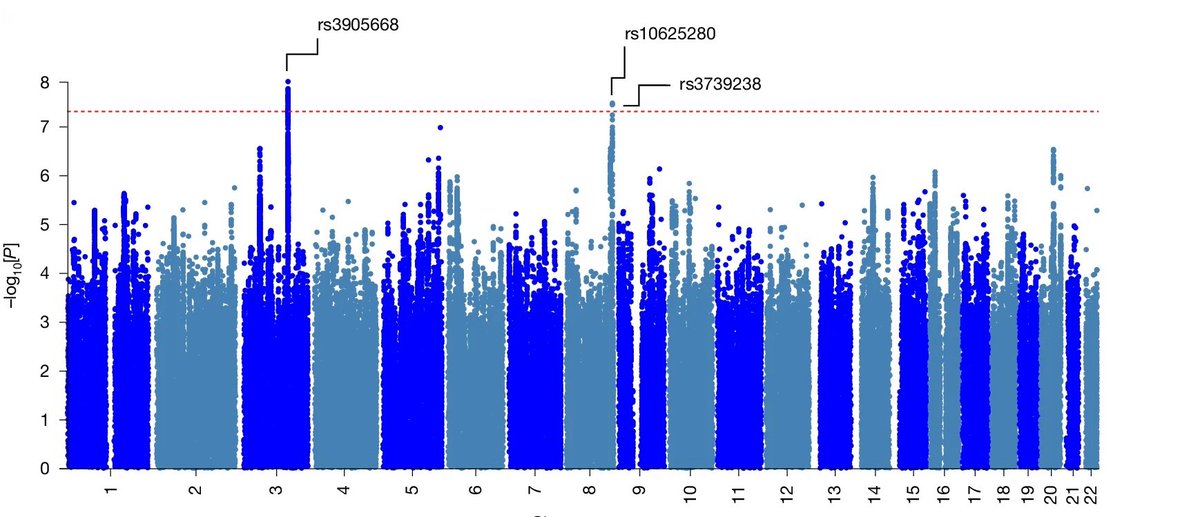
A massive genetic study in @Nature just identified why chronic pain hits some people harder than others.
They discovered the first neuronal “pain transporter” - and it could unlock entirely new ways to treat pain. 🧵
3
169
871
69,627
Edel O'Toole retweeted
11 Jul 2025
Management of congenital ichthyoses: guidelines of care
In Part 2 of the 2024 update to these guidelines, the authors discuss managing complications, neonatal considerations, and specific conditions such as Netherton syndrome.
Read more: doi.org/10.1093/bjd/ljaf077
3
6
555