CWNE #171. Sr. Solutions Architect, Comcast Business. Expert in Wi-Fi & Backhaul; Veteran in Lithography; Outlaw in Elsinore. All tweets are my own opinions.
Joined June 2014
- Tweets 12,302
- Following 797
- Followers 2,170
- Likes 121,685
299 Photos and videos







Jason D. Hintersteiner retweeted

Jun 13
🚨 BREAKING
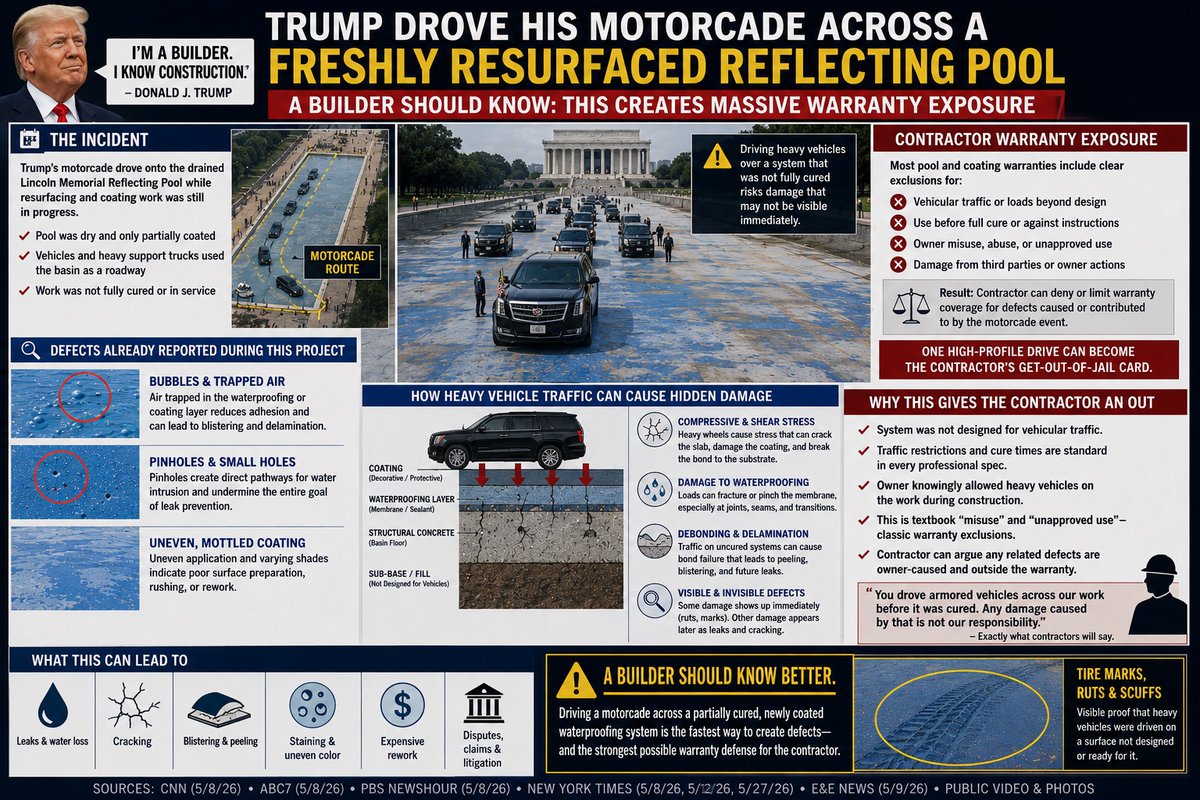
Trump drove his motorcade across the drained Lincoln Memorial Reflecting Pool while resurfacing work was still underway.
As someone who constantly reminds us he's a "builder," he should have known exactly what that means.
If leaks, blisters, delamination, cracking, or coating failures appear later, the contractor now has an obvious response:
"You drove armored vehicles across our work."
That's not a political argument.
That's a warranty argument.
Pool coatings and waterproofing systems typically come with cure requirements, traffic restrictions, and exclusions for owner-caused damage.
In construction, documented heavy vehicle traffic on a freshly resurfaced system is the kind of thing contractors point to when they deny warranty claims.
The irony is hard to miss.
A project intended to stop leaks now has documented coating defects.
And the owner created a highly public record of driving a motorcade across the very surface that was supposed to keep the water in.
166
1,730
3,747
119,371
Jason D. Hintersteiner retweeted

Jun 13
“President Trump himself will occupy an arena-level seat, positioned like a Roman emperor in his pulvinar—the imperial box—and surrounded by senators and dignitaries, if not the traditional six Vestal Virgins” theatlantic.com/ideas/2026/0…
171
727
1,519
223,254
Jason D. Hintersteiner retweeted

Jun 13
Jun 13

😅🤣😂 This should be one of the Kennedy Centers new productions
137
1,392
5,561
326,980
Jason D. Hintersteiner retweeted

Governor Abbott closed out his speech at the Texas GOP convention with a live elephant. It then peed on the floor as it left the room.
The perfect metaphor for the Texas Republican Party.
1,031
5,981
35,142
937,494
Jason D. Hintersteiner retweeted

Jun 12
Two weeks without mobile internet restored sustained attention to levels typical of someone ten years younger.
A recent preregistered randomized controlled trial published in PNAS Nexus demonstrates that simply disabling mobile internet access on smartphones—while retaining calls, texts, and computer-based browsing—can yield substantial psychological benefits in as little as two weeks.
Participants who blocked mobile data showed marked enhancements in sustained attention (with objective test performance improving to levels comparable to reversing a decade of typical age-related decline), mental health (including reductions in depression and anxiety symptoms exceeding those often seen with antidepressants), and subjective well-being (higher life satisfaction and positive affect). Notably, 91% of participants improved in at least one of these domains.
The key insight is that the intervention targets the unique "always-available" connectivity of smartphones, which drives constant interruptions and fragmented focus. Without this mobile tether, individuals reported reallocating time toward in-person socializing, exercise, and nature—activities that mediated much of the gains.
Although not all cognitive functions were affected equally, and full compliance varied, even partial adherence produced meaningful benefits. This evidence underscores how pervasive mobile connectivity may quietly erode mental clarity and mood, making targeted digital breaks a practical strategy for reclaiming focus in a hyper-connected era.
[Castelo, N., & Kushlev, K. (2025). Blocking mobile internet on smartphones improves sustained attention, mental health, and subjective well-being. PNAS Nexus, 4(2), pgaf017]

48
207
856
58,450
Jason D. Hintersteiner retweeted

Jun 10
You have noticed it. ChatGPT feels dumber than it used to. Your prompts that worked six months ago produce worse results now. The writing sounds flatter. The ideas sound safer. The internet itself feels like it is shrinking. Every article reads the same. Every email sounds the same. Every answer sounds like it was written by the same voice.
You thought it was you. It is not you.
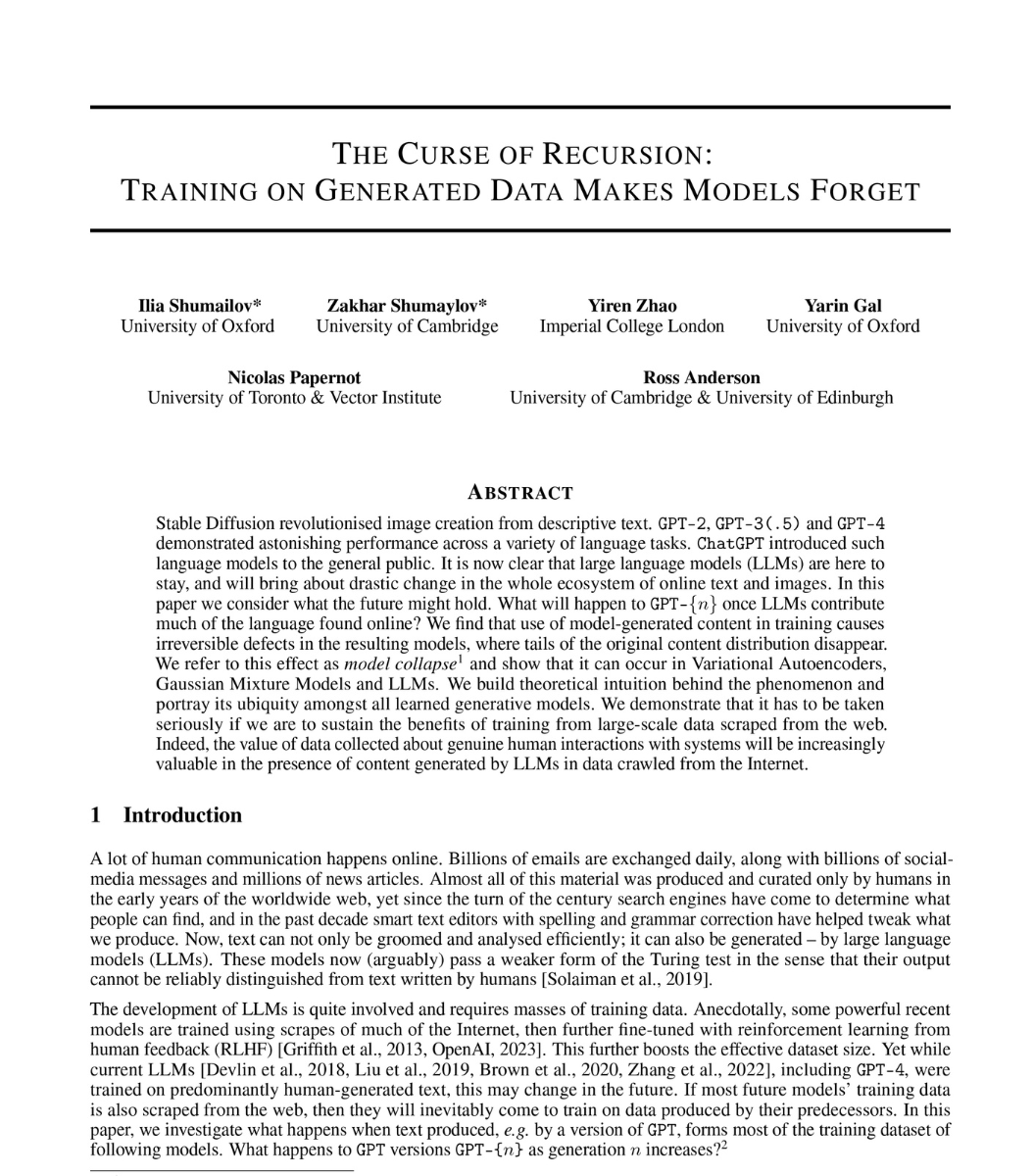
Researchers at Oxford and Cambridge published a paper in Nature proving what is happening. They call it Model Collapse.
Here is the mechanism in one sentence. AI trained on AI-generated data gets dumber every generation until it forgets what real human data looked like.
The internet is filling with AI-generated content. Blog posts. Articles. Reviews. Comments. Social media. AI companies scrape the internet to train the next generation of models. Which means the next generation of AI is being trained on the output of the current generation.
Each cycle loses information. Not randomly. It loses the rarest, most unusual, most creative parts first. The researchers call these the "tails of the distribution." The weird ideas. The unexpected perspectives. The things that made the internet feel human. Those disappear first.
What remains is the average. The safe. The expected. The bland.
Then the next generation trains on that. And loses more. And the next generation trains on that. And loses more. The researchers proved this is not a slow decline. Major degradation happens within just a few iterations. Even when some of the original human data is preserved.
They tested it on large language models. On image generators. On statistical models. The pattern was the same every time. The output converges toward a narrow, flattened version of reality that looks nothing like the original data.
The lead researcher put it plainly. "Large language models are like fire. A useful tool. But one that pollutes the environment."
The pollution is invisible. You cannot see which sentence on the internet was written by a human and which was written by AI. Neither can the AI that is about to train on it. And once the tails are gone, they do not come back. The damage is irreversible.
This is not a prediction anymore. It is a diagnosis.
The internet you grew up on was built by humans writing things no algorithm would have written. Strange, personal, imperfect, alive. That internet is being diluted. One generation of AI at a time. And the models trained on what remains are learning a smaller and smaller version of the world.
Model Collapse is not a technical problem. It is a cultural one. The thing that made the internet worth reading is the thing that disappears first.
1,138
6,389
17,726
2,232,019

iOS 27 officially ruins food porn!
Jun 10

😂 iOS 27’s new Visual Intelligence nutrition feature is too good.
I snapped a pic of my fried chicken sandwich and waffle fries and Siri AI basically said:
“Fernando… your diet is terrible.” 😭
Now even Siri is judging my life choices.
Honestly though, I do love how it doesn’t try to guess the calories or the macros it just tells you like “hey this is very fried and highly processed”
Just point your camera at food and get an instant nutrition breakdown.
🍔📸🤖 #iOS27 #SiriAI #AppleIntelligence #WWDC26


148
Jason D. Hintersteiner retweeted

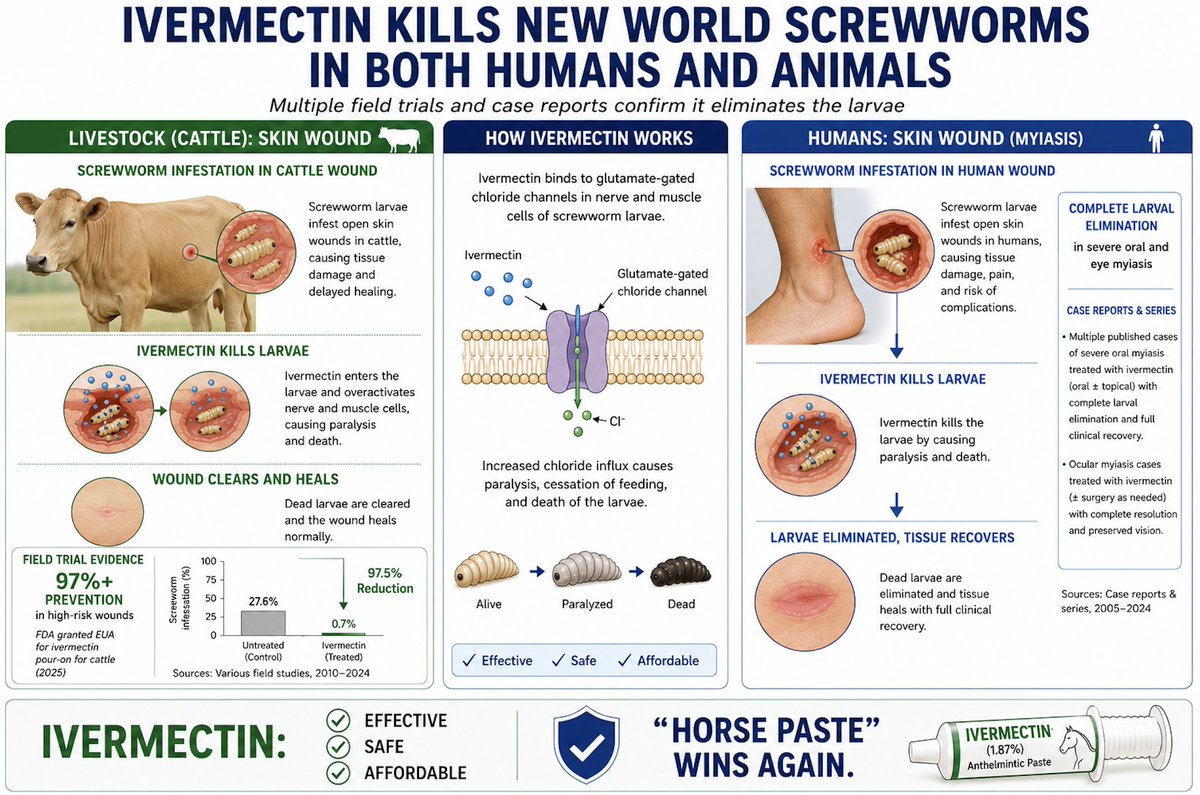
IVERMECTIN KILLS NEW WORLD SCREWWORMS IN BOTH HUMANS AND ANIMALS
LIVESTOCK: 12 studies found 97% prevention of New World screwworm infestation in cattle wounds
HUMANS: Documented complete larval elimination in severe oral and eye socket infestations
"Horse paste” wins again.

@USDA has confirmed multiple cases of New World Screwworm in Texas.
We’re moving fast and smart. Last year, I rolled out a bold five-point plan to protect American livestock and stop this pest in its tracks:
1. Invest into our sterile fly production through the construction of a massive $750M sterile fly production facility at Moore Air Base.
2. Protect the U.S. border at all costs through enhanced surveillance, sterile insect dispersal, trapping, and livestock movement controls.
3. Maximize readiness by partnering with states on emergency plans, training, and securing treatments.
4. Take the fight directly to the screwworm with increased sterile fly dispersals across the U.S. - Mexico border.
5. Innovate our way to eradication through cutting-edge research, more efficient production, better traps, and next-generation tools.
We’re already executing that plan on the ground:
• 20-km zones with strict movement controls around both detections.
• Heightened surveillance and trapping across the area.
• Millions of sterile flies released weekly, 2 million aerial drops twice a week plus ground releases in the area to break the pest’s life cycle.
• Strike teams, mobile labs, and emergency treatments deployed through unified command with Texas partners.
Faced with the irresponsibility of both the Biden regime and too much of the Mexican one, we needed time — to prepare, to coordinate, and to ready the infrastructure to beat what was coming. We acted, and we got the time. Now the task is to turn the tide.
We eradicated New World Screwworm once before, and we will do it again!
For any questions, guidance, or feedback on NWS please email: screwworm@usda.gov
348
6,347
12,111
700,821
Jason D. Hintersteiner retweeted

Jun 9
The lack of common sense shared standards when dealing with Israel never ceases to amaze me. Iran-backed Hezbollah, a terror army inside Lebanon, has fired over 1,000 rockets at northern Israel despite the April 2026 ceasefire. This again forced tens of thousands of Israeli citizens to evacuate their homes or live daily running to shelters. This is not Lebanon confronting Israel. It is a terror group that Lebanon, despite repeated promises and UN resolutions, does not control and cannot control. No other nation would accept this or be told to just take it. Israel responded by striking the terror organization. Then Iran launched 11 ballistic missiles directly at Israel, massively violating the ceasefire with the U.S. and Israel. Yet somehow Israel is the one constantly told to show restraint.
144
1,053
3,763
143,999

Jason D. Hintersteiner retweeted

Jun 7
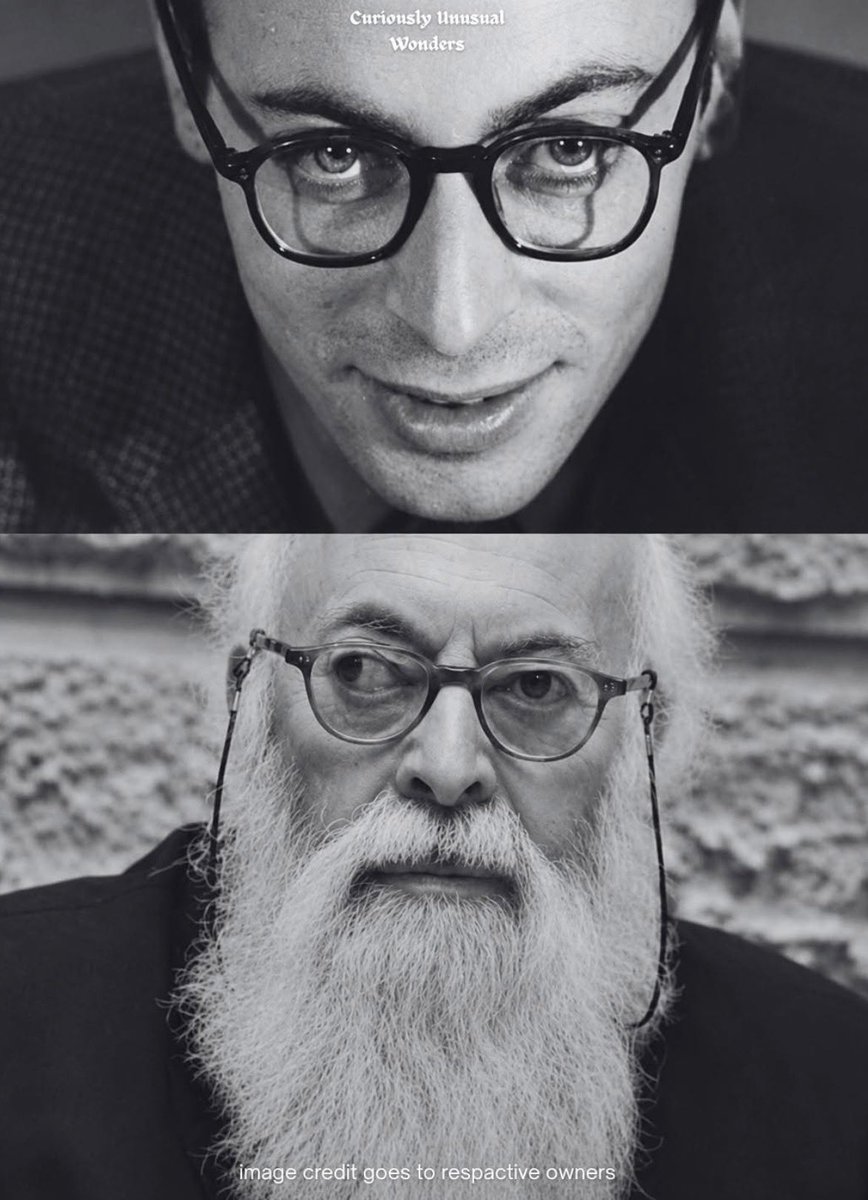
He was only eighteen years old. His weapon of choice was not a gun, but a tiny bottle of acid. Yet, this teenage boy managed to save fourteen thousand lives from certain death.
In 1943, Paris was a dark place under Nazi occupation. Adolfo Kaminsky was just a young apprentice working in a textile dyeing shop. He spent his days learning how colors reacted with chemicals, which solvents could dissolve certain pigments, and how to alter tones at a molecular level.
He had no idea that this highly specific knowledge about ink and fabric would soon become the thin line between life and death for thousands of innocent people.
During the occupation, the Gestapo used paperwork as their primary weapon to hunt down Jewish people. Identity cards, travel permits, and food rations were all strictly monitored. On the documents of Jewish citizens, the authorities stamped one single word in blue ink: "JUIF".
That one word was a direct ticket to a concentration camp.
The French Resistance desperately needed a way to erase that word without ruining the paper. Standard forgery techniques failed because the official ink was designed to be permanent.
Any attempt to scrape it off left obvious marks that would get someone killed.
They brought the problem to Kaminsky.
The boy analyzed the paper under a dim lamp and remembered a trick from his textile work. Lactic acid could dissolve that exact blue ink while leaving the paper fibers perfectly intact.
It worked.
But erasing the stamp was only the first step. He had to rewrite names, birthdays, and signatures perfectly. The Resistance set up a secret laboratory for him in a hidden attic on the Left Bank of Paris. The demands poured in constantly.
He needed to make fifty birth certificates for children escaping to Switzerland, two hundred food cards for families hiding in cellars, and hundreds of passes to Spain.
The conditions were brutal. Bleach and acid fumes filled the tiny room, burning his throat and making his eyes water constantly. His fingers were permanently stained with dark ink. Kaminsky realized that each document took him about two minutes to make.
That meant he could save thirty people every single hour.
This realization turned into an obsession that haunted him. He looked at the clock and thought, "If I sleep for an hour, thirty people will die."
So, he stopped sleeping.
One week, word came that a local orphanage with three hundred Jewish children was about to be raided by the Nazis. They needed fake papers immediately or they would be put on a train to Auschwitz. Kaminsky locked himself in the attic.
He worked for two straight days and nights without a pause. His vision blurred and his hand cramped so badly he had to physically massage his fingers to keep writing.
Eventually, his body gave out and he collapsed onto the desk.
He slept for exactly one hour. When he woke up, panic gripped him. He cried out, "Thirty people are dead because I was lazy!"
He refused to eat or rest until the remaining papers were finished.
Thanks to his sacrifice, the children were moved to safety in time.
Kaminsky spent years in that suffocating attic, constantly upgrading his skills as the Nazis upgraded their security measures.
When Paris was finally liberated in 1944, the young genius had saved roughly fourteen thousand people.
He never accepted a single penny for his work, believing that taking money to save a life was deeply wrong.
After the war, Kaminsky became a photographer and lived a quiet, modest life. He never bragged.
He did not tell his neighbors, his coworkers, or even his own children about his wartime heroism for decades.
He simply faded into the crowd as an ordinary man.
Adolfo Kaminsky passed away in 2023 at the age of ninety-seven.
He did not want monuments or medals. His true legacy lives on today in the children, grandchildren, and great-grandchildren of the thousands of people who survived the darkness simply because a brave teenager chose to stay awake.
32
464
1,366
29,187
Jason D. Hintersteiner retweeted

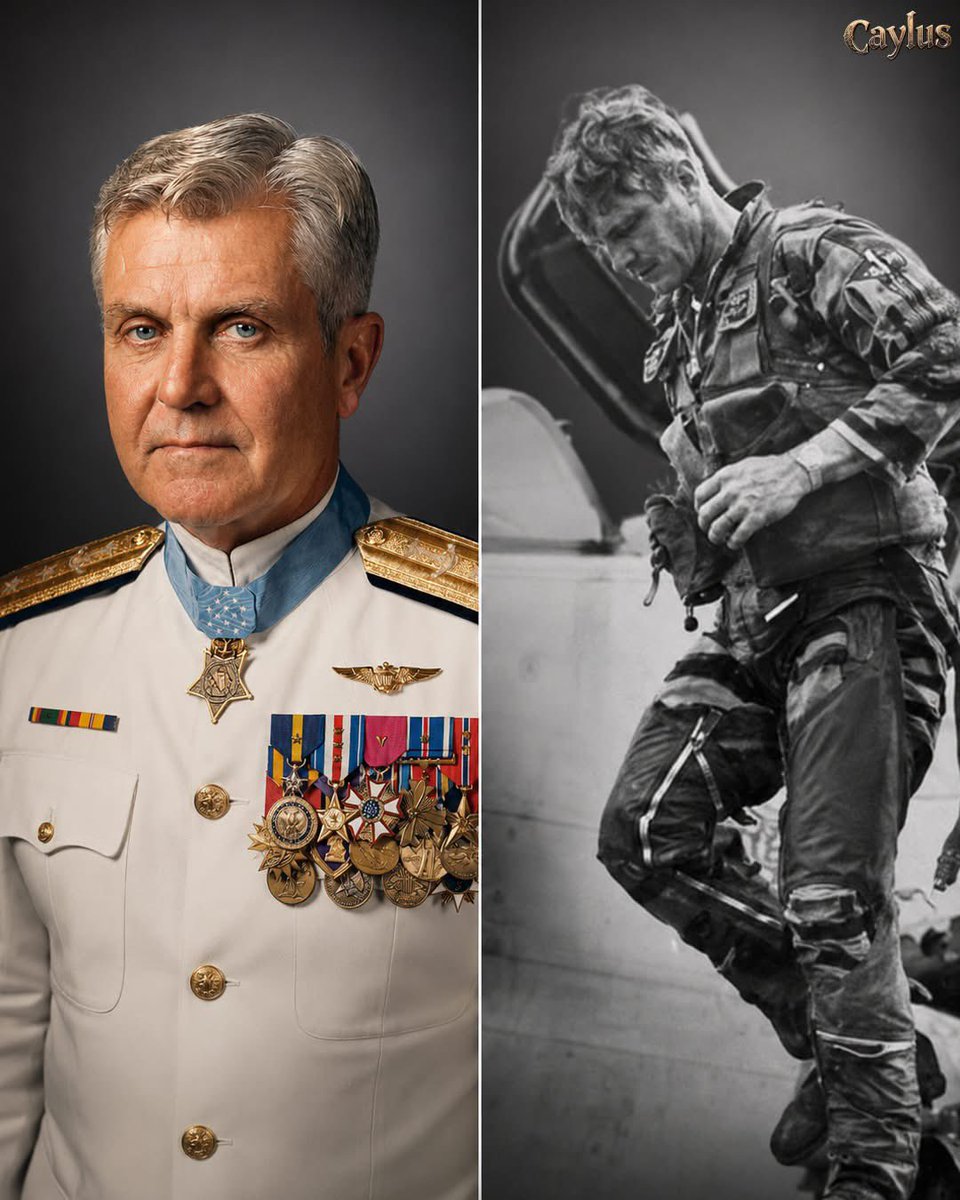
James Stockdale spent seven and a half years in the Hanoi Hilton. He was tortured fifteen times. He disfigured his own face with a razor so the North Vietnamese could not use him for propaganda.
He built a tap code that turned solitary confinement into a network. Prisoners who could not see each other kept their sanity through the walls.
Stockdale was a Navy commander when captured. He became the highest-ranking American prisoner of war in Vietnam. That rank made him a target.
The North Vietnamese wanted him to sign confessions. They wanted propaganda broadcasts. They wanted him on camera endorsing statements against the American war effort. Stockdale refused every request.
The refusal cost him. He endured physical coercion fifteen times. Rope bindings, beatings, and painful positions left permanent damage to his legs. He spent four years in solitary confinement. Two years were in leg irons.
When guards said he would be paraded before journalists, he went to his cell. He used a razor to slash his scalp. He beat his face with a wooden stool. Swelling and bruising made him unfilmable. The guards found him bloodied and abandoned the plan.
On another occasion, when guards threatened to harm other prisoners if he did not comply, he broke a window and cut his wrists. It was not surrender. It was a signal he would rather die than comply. The guards treated him and reduced their demands.
Stockdale’s greatest achievement was building a community inside the prison. He developed a tap code using a five-by-five grid of the alphabet. Each letter corresponded to its row and column, tapped in two sequences.
Messages traveled through walls, under doors, and between buildings. Prisoners who could not see each other communicated. They shared news, jokes, and orders. Stockdale passed commands down the chain and received information back.
The tap code gave structure, leadership, and the knowledge they were not alone. He established rules: resist as best as possible. Do not volunteer information. Recover after every interrogation. The rules gave broken men a framework to regain dignity. Resilience, not perfection, was the goal.
Stockdale was released on February 12, 1973. He walked out of Hoa Lo with permanent leg injuries. He was awarded the Medal of Honor.
He said, “You must never confuse faith that you will prevail in the end with the discipline to confront the most brutal facts of your current reality.”
168
1,447
5,920
102,874
Jason D. Hintersteiner retweeted

Jun 7
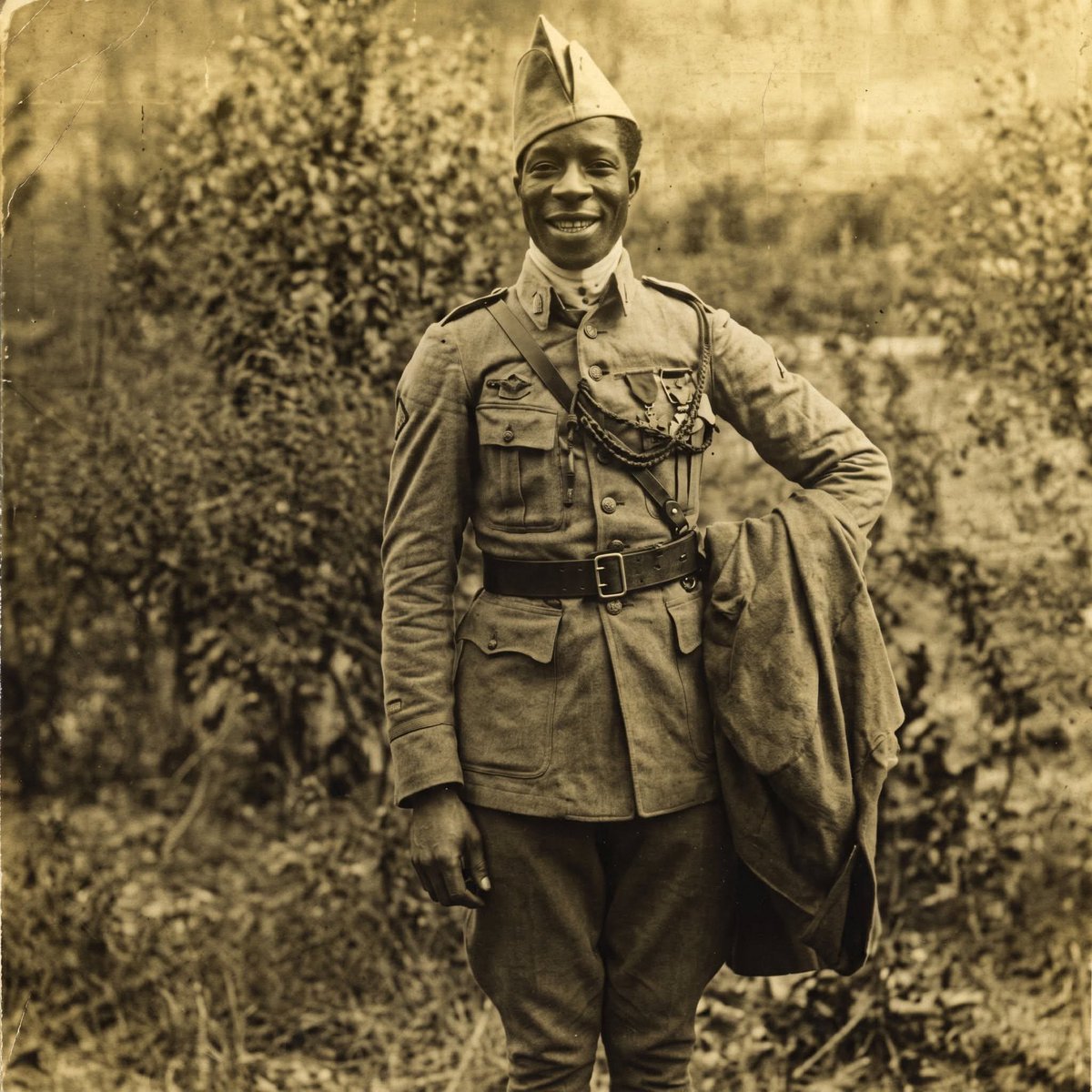
When the President of France visited the United States in April 1960, he asked the FBI to help him find a man.
The man he was looking for was an American citizen. He was sixty-four years old. He had been awarded fifteen French military decorations and — six months earlier, in a ceremony in Paris — had been made a Knight of the Légion d'honneur, the highest civilian honor France can give. The medal had been pinned to his chest by the President himself, who had publicly called him un véritable héros français. A true French hero.
The FBI located the man within a few days.
He was operating an elevator at Rockefeller Center in New York City.
The elevator operator's name was Eugene Bullard. He had been born in Columbus, Georgia, in 1895, the son of a man whose own father had been a slave.
He had run away from Columbus at the age of eleven, after watching a white mob nearly lynch his father.
He spent the next several years drifting through the American South. At sixteen, he stowed away on a German freighter at Norfolk, Virginia. He landed in Aberdeen, Scotland. From there he made his way to London, where he learned to box. By 1913, at eighteen, he was prizefighting in Paris.
When Germany invaded France in August 1914, Bullard was nineteen years old. He had no legal obligation to fight. He had no French citizenship.
He went to the recruiting office on October 19, 1914, and signed up for the French Foreign Legion.
He spent the next eighteen months as an infantryman in some of the worst fighting of the war — at the Somme, at Champagne, at Verdun. He was wounded three times. The third wound, on March 5, 1916, tore open his thigh and left him with permanent damage to his leg.
He was twenty years old. The doctors told him he would not return to the infantry.
He decided he wanted to fly.
In a Paris café in the spring of 1916, while he was recovering, Bullard mentioned to three white American friends that he was thinking of joining the French air service. A Mississippian named Jeff Dickson laughed.
Gene, Dickson said, you know damn well there aren't any Negroes in aviation.
Bullard answered: Sure do. That's why I want to get into it. There has to be a first to everything, and I'm going to be the first.
Dickson bet him two thousand dollars he would not make it.
Bullard took the bet. He earned his pilot's license on May 5, 1917. He won the bet.
He reported to the front in August 1917 and flew approximately twenty combat missions over the next three months in a SPAD VII. The fuselage was painted with a bleeding heart pierced by a knife and the French phrase Tout le Sang qui Coule est Rouge — All Blood that Flows is Red.
He carried, on every combat flight, a small capuchin monkey named Jimmy in the front of his flight jacket.
The French press began calling him L'Hirondelle Noire — the Black Swallow.
When the United States entered the war in 1917, Bullard immediately applied to transfer to the U.S. Army Air Service.
His application was rejected.
The U.S. Army Air Service had a policy, in 1917, of not accepting Black pilots. The other American pilots flying for France in his unit, all of them white, were transferred to the U.S. Air Service.
He was the only one who was not.
For the next twenty years, he was one of the most familiar faces in the Montmartre nightlife of Paris between the wars. He owned a nightclub called L'Escadrille. He spoke fluent French, English, and German. Hemingway drank there. Fitzgerald drank there. Langston Hughes drank there. Josephine Baker performed there. Louis Armstrong was a personal friend.
When Germany invaded Poland in 1939, Bullard was forty-four. His fluent German and his ownership of a nightclub frequented by German officers made him useful to the French Resistance. He became an intelligence agent — eavesdropping in his own bar on conversations between German officers who did not know he understood every word.
When France fell in June 1940, friends in the Resistance smuggled him across the Spanish border before the Gestapo could arrest him.
He came back to the United States for the first time in twenty-eight years.
He arrived in New York with thirty dollars in his pocket and a permanent limp.
He did not return to a hero's welcome. He returned to a country that had no idea who he was.
He worked at a perfume counter. He worked as a security guard. He worked at the Staten Island shipyards. By the late 1940s, he had taken the job that he would hold for most of the rest of his life.
He operated the elevator at Rockefeller Center.
He was wearing the elevator uniform on the day a producer from NBC came down from the studios upstairs to ask if he was the man Charles de Gaulle had been looking for.
A few weeks later, NBC sent a film crew to interview him in the lobby. The studios where NBC produced The Today Show were on the floors above. He had operated the elevator that took the network executives up to those studios every morning for nearly ten years. He had not been recognized as he did it.
He went back to operating the elevator the following Monday.
He died of stomach cancer on October 12, 1961, three days after his sixty-sixth birthday.
He was buried in the French War Veterans' section of Flushing Cemetery, in Queens, in the uniform of the French Foreign Legion. The casket was draped with the French flag.
In 1994 — thirty-three years after his death — the United States Air Force formally commissioned Eugene Jacques Bullard as a Second Lieutenant, posthumously.
It was the first commission the U.S. military had ever offered him.
He had been the first Black combat pilot in American history.
The French had been calling him a hero since 1917.
The Americans got around to it in 1994.
397
5,224
18,344
604,603
Jason D. Hintersteiner retweeted

The reason we think dandelions are weeds is because of a 1950s marketing campaign.
Dandelions, native to Europe and Asia, were brought to North America in the 1600s by European colonists who grew them deliberately.
Every part is edible. The leaves are a salad green, the flowers were made into wine, and the roots were roasted as a coffee substitute and used medicinally for liver and kidney conditions for thousands of years. They were a kitchen-garden staple well into the 1800s.
The shift happened after World War II, when 2,4-D (originally developed for chemical warfare research) was approved as a residential herbicide. Companies like Scotts built the modern lawn-care industry around the idea that a perfect green lawn meant zero broadleaf plants.
Dandelions, being bright yellow and resistant to mowing, became a visible enemy, and the campaign worked. By the 1970s, "dandelion-free" was synonymous with "well-kept."
They aren't native, but they aren't doing significant ecological harm either. The herbicides used to kill them, on the other hand, kill bees, contaminate groundwater, and have been linked to non-Hodgkin lymphoma in humans.
If you hate dandelions, it's most likely due to a marketing campaign that ran before you were born.

656
8,043
25,173
672,229
Jason D. Hintersteiner retweeted

Jun 1
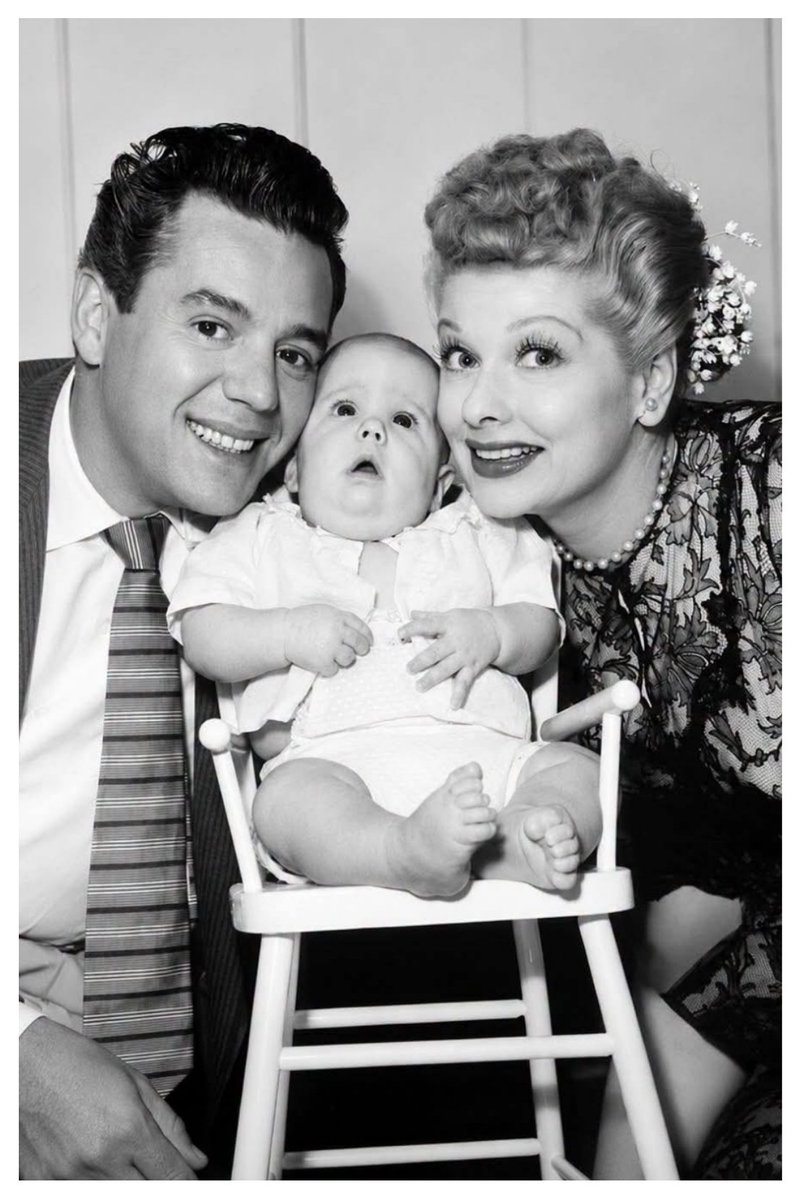
In 1952, CBS told Lucille Ball she couldn't show her pregnancy on TV.
The word "pregnant" was banned as "vulgar." Censors forced a priest, rabbi, and minister to vet every script.
So, Lucille executed a brilliant, unprecedented revenge plan...
Instead of hiding, Lucille used her leverage as the star of America’s #1 show.
She forced CBS to write the pregnancy into the script. But she didn't stop there.
She timed the production schedule with military precision to synchronize fiction with reality.
Her real-life cesarean section was scheduled for January 19, 1953.
That exact night, the episode "Lucy Goes to the Hospital" aired.
While Lucille was recovering in the hospital having given birth to Desi Jr., 44 million Americans tuned in to watch Lucy Ricardo give birth to Little Ricky.
That single episode pulled in 71.7% of all US television households.
To put that into perspective: More Americans watched Lucy give birth than watched Dwight D. Eisenhower’s presidential inauguration the very next day.
Before this, pregnancy on TV was treated as a shameful taboo. After it, it was entirely normalized.
Lucille Ball didn't just break the rules - she rewrote the entire playbook of Hollywood business, marketing, and cultural history.
She wasn't just a comedian. She was a genius.
47
639
5,959
236,998
Jason D. Hintersteiner retweeted

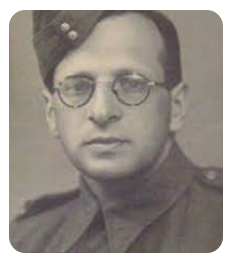
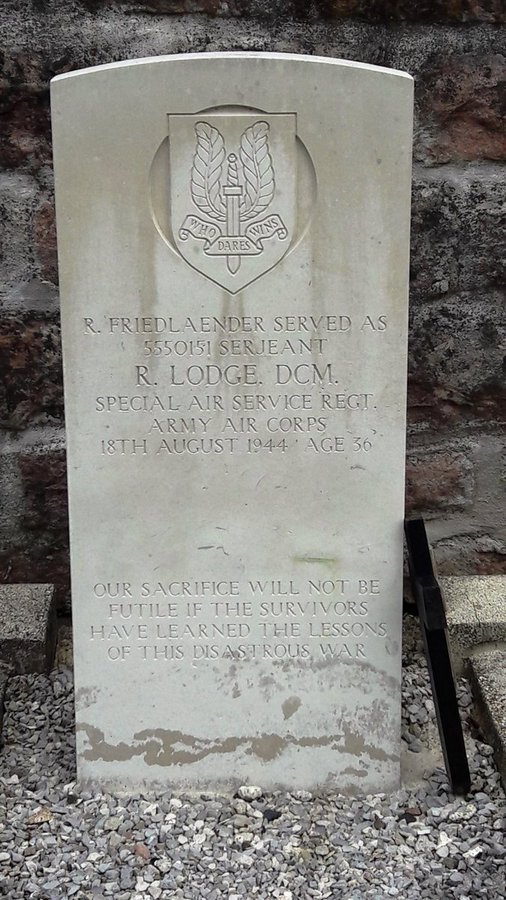
"I am happy to be able to fight for my principles and for Britain, the nation which now champions these principles and has become a second home to me. If I survive there will be only one ambition left: to be able to continue to fight for freedom and peace as a British citizen."
- Rudi Friedlaender, a German Jew, fought with great courage for Britain during WW2.
Tragically, he made the ultimate sacrifice in August 1944.
10
48
298
3,434


Jason D. Hintersteiner retweeted

May 30
Microsoft could stop researchers bothering them with security bug reports by simply not writing security bugs into their software.
20
47
278
12,813
Jason D. Hintersteiner retweeted

May 27
The execs that blindly went down this path deserve to lose their jobs. This pattern is the same as literally every previous new technology lifecycle. It's even got a name; The Hype Curve. We're at the top of that curve right now with AI and these execs are at the bottom of the dumbass curve too.
3
10
70
2,259