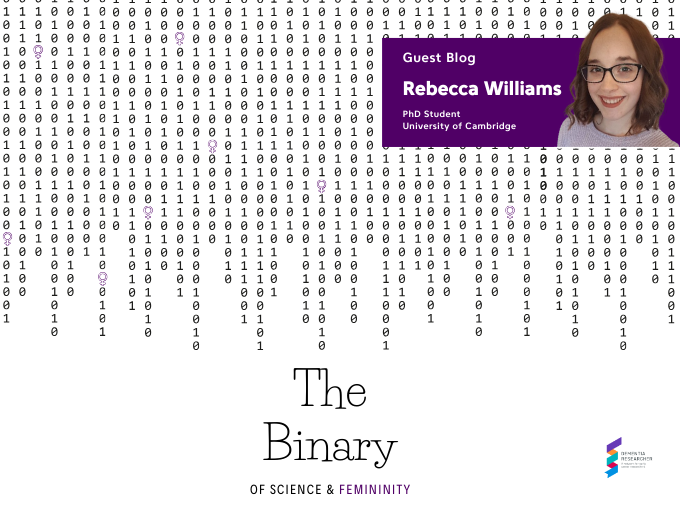
It took a good few years for me to realise that wearing nail polish in no way should affect the perception of my intelligence - thanks to @WomeninNeuroUK for prompting this reflection with my latest blog 💖
#phdlife
ALT
This image features a promotional graphic for "The Binary of Science & Femininity," a guest blog by Rebecca Williams, a PhD student at the University of Cambridge. The background consists of numerous rows of binary code in purple and white, symbolising the theme of binaries. Centred at the top right is a photo of Rebecca Williams, smiling, with the text "Guest Blog" and her name and title beneath it. The blog title "The Binary" is prominently displayed in large, bold white letters at the bottom.
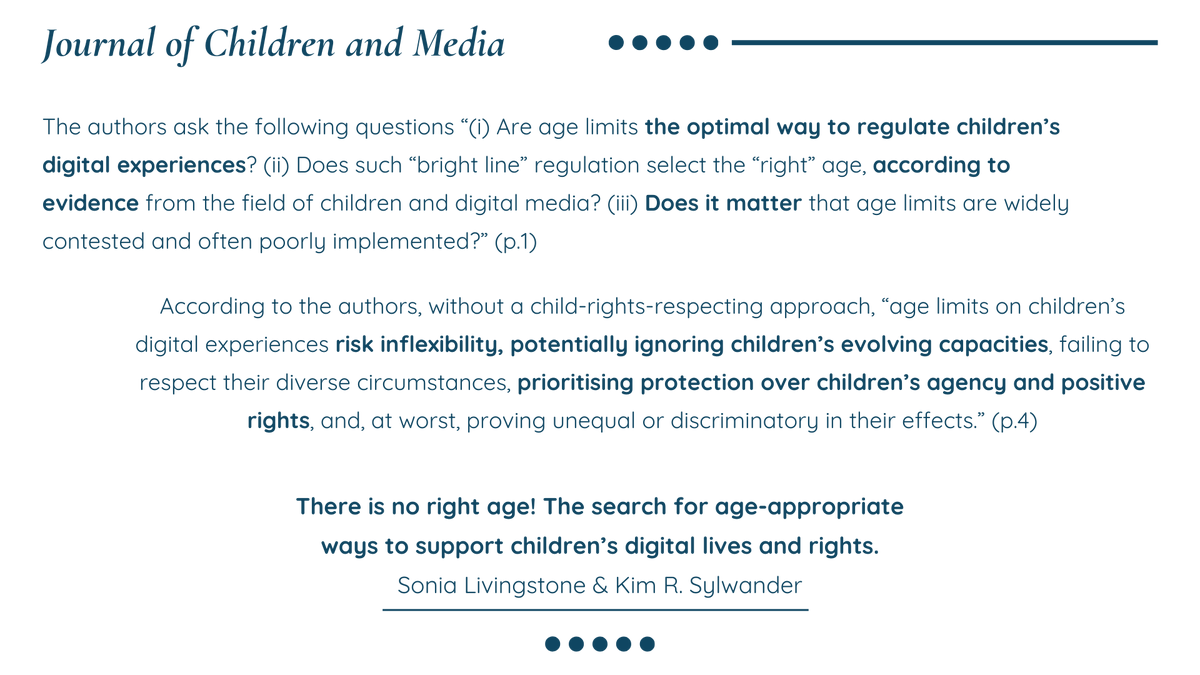
Part of this set are @Livingstone_S & Kim Sylwander, who question if age limits are the best way to protect children online. They argue that these arbitrary rules ignore children's views and evidence about children's development and well-being. (2/7)
tandfonline.com/doi/full/10.…
Chi promuove il divieto indiscriminato di smartphone e social media è davvero consapevole delle conseguenze che avrebbe sulle vite di ragazzi e ragazze?
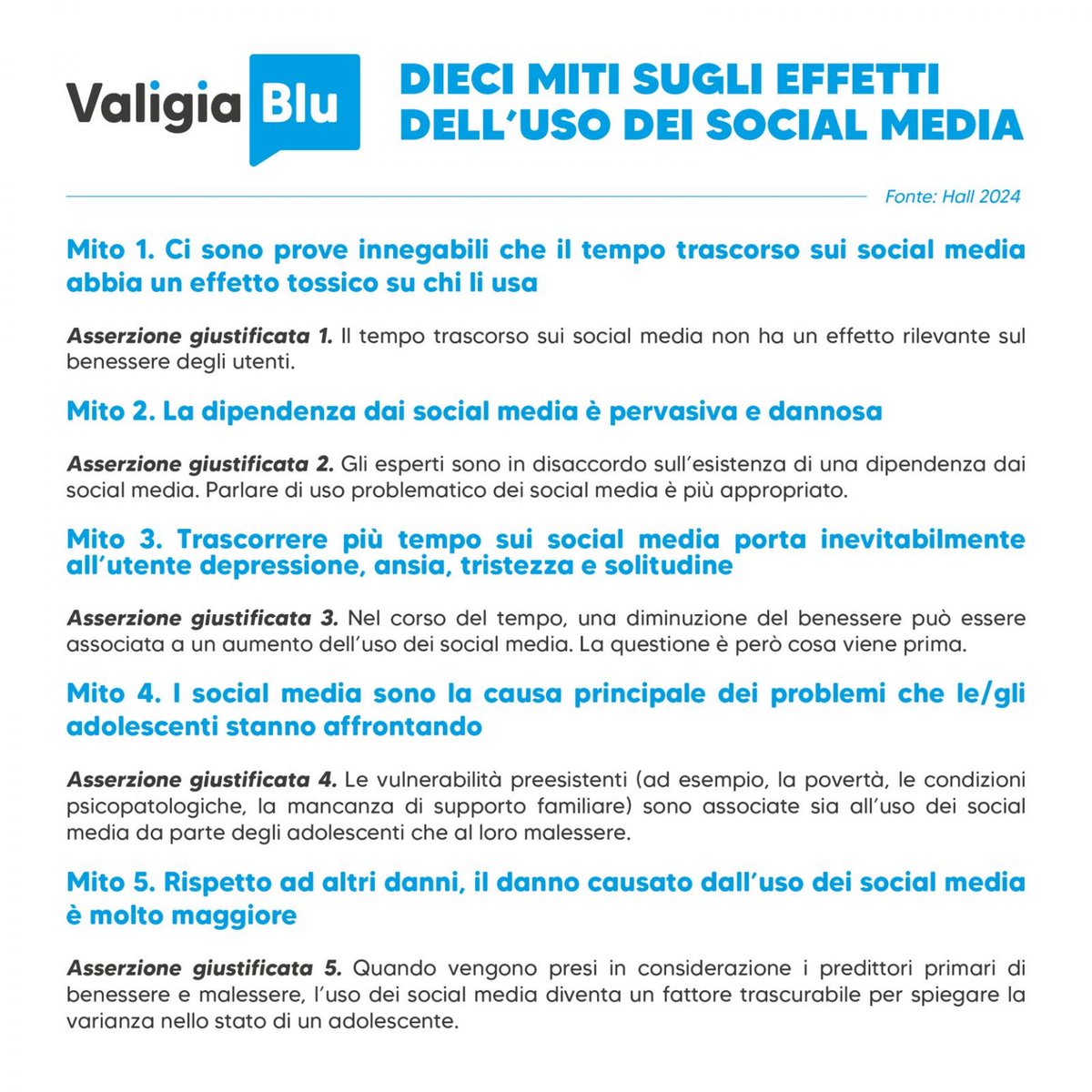
Queste preziose grafiche abbelliscono quanto ho scritto su Valigia Blu a proposito della legge australiana che vieterà i social media prima dei 16 anni: presenta più problemi che soluzioni.
Grazie per lettura e diffusione!
Dove cito anche @FassiLuisa
⬇️
ALT Grafica che riporta dal primo al quinto i Dieci miti sugli effetti dell'uso dei social media e le corrispondenti asserzioni giustificate che sono riportati anche nel testo dell'articolo.
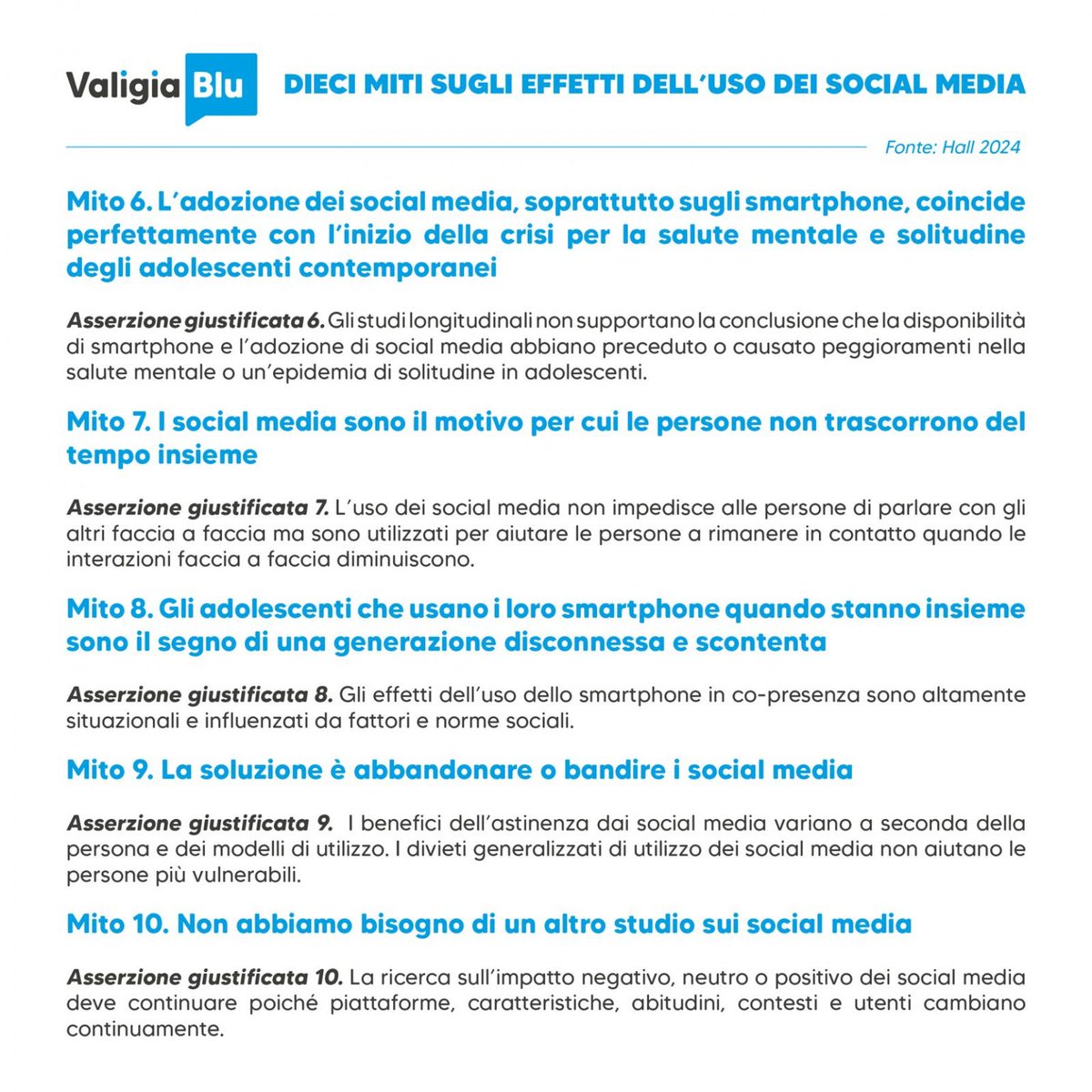
ALT Grafica che riporta dal sesto al decimo i Dieci miti sugli effetti dell'uso dei social media e le corrispondenti asserzioni giustificate che sono riportati anche nel testo dell'articolo.
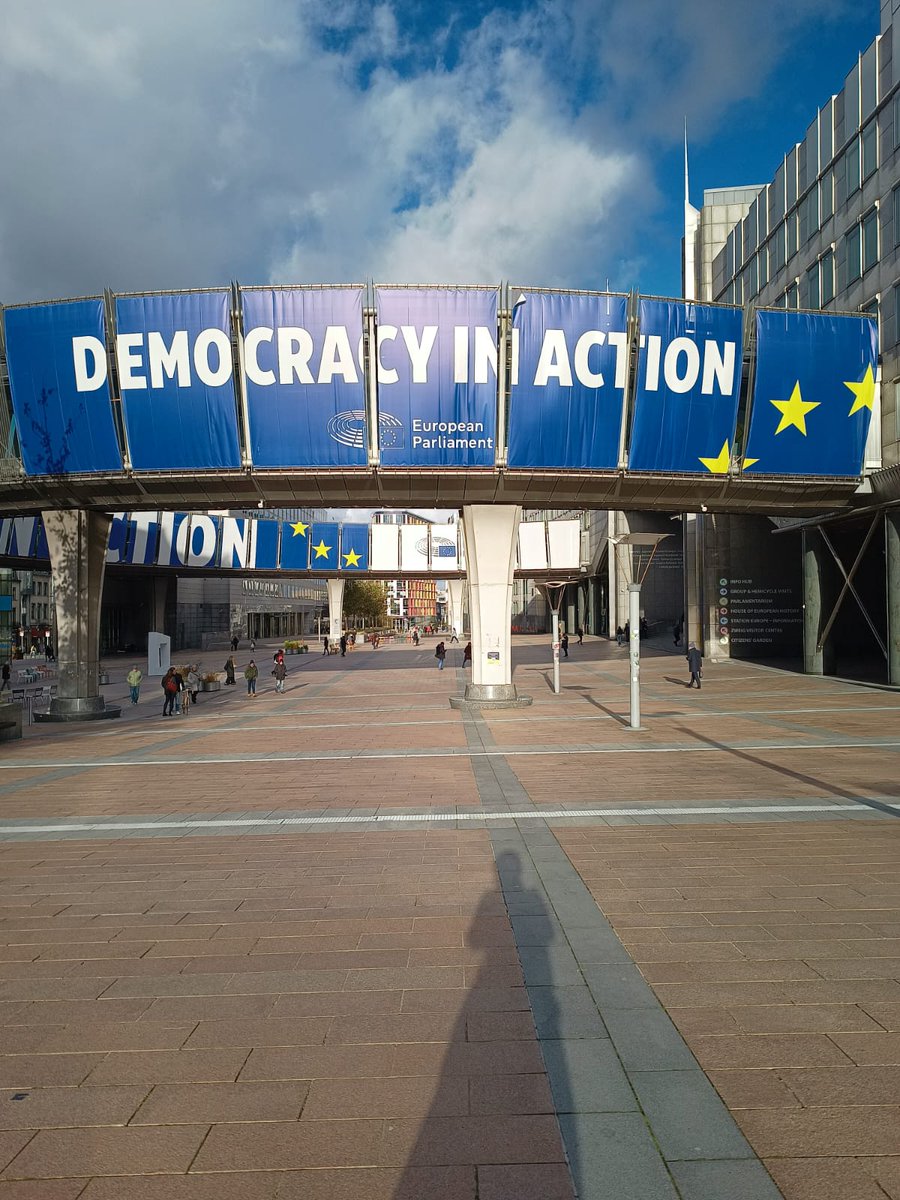
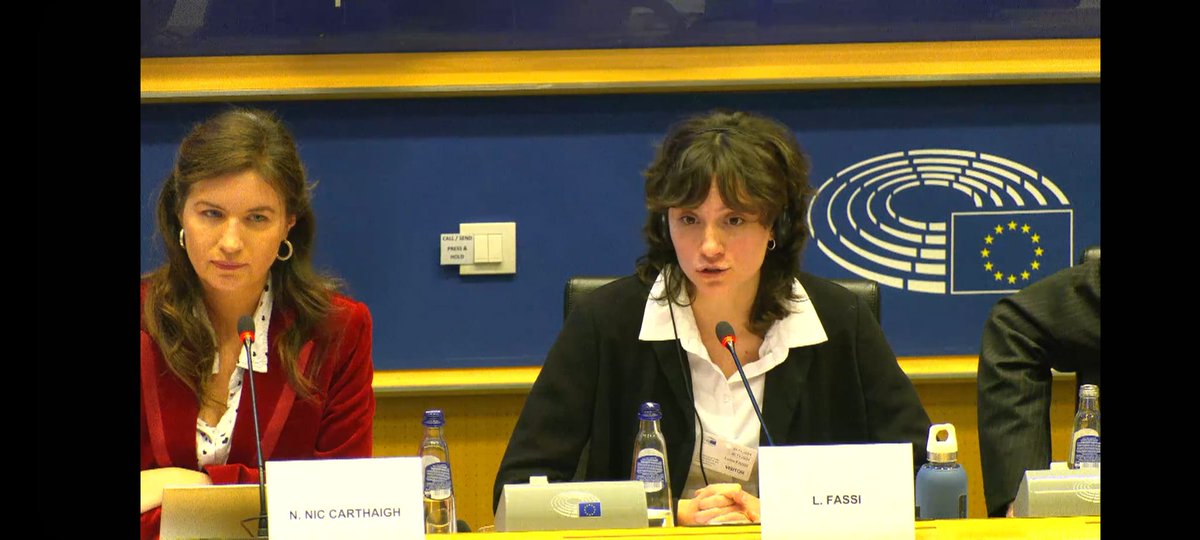
Yesterday, I had the privilege of presenting at the European Parliament (@Europarl_EN) on the current knowledge, gaps, and solutions concerning social media use and youth mental health:🧵
A big thank you to @OrbenAmy and the Digital Mental Health Group (orben.group/) for the invaluable support and the insightful discussions that continue to enrich my thinking about this complex topic.
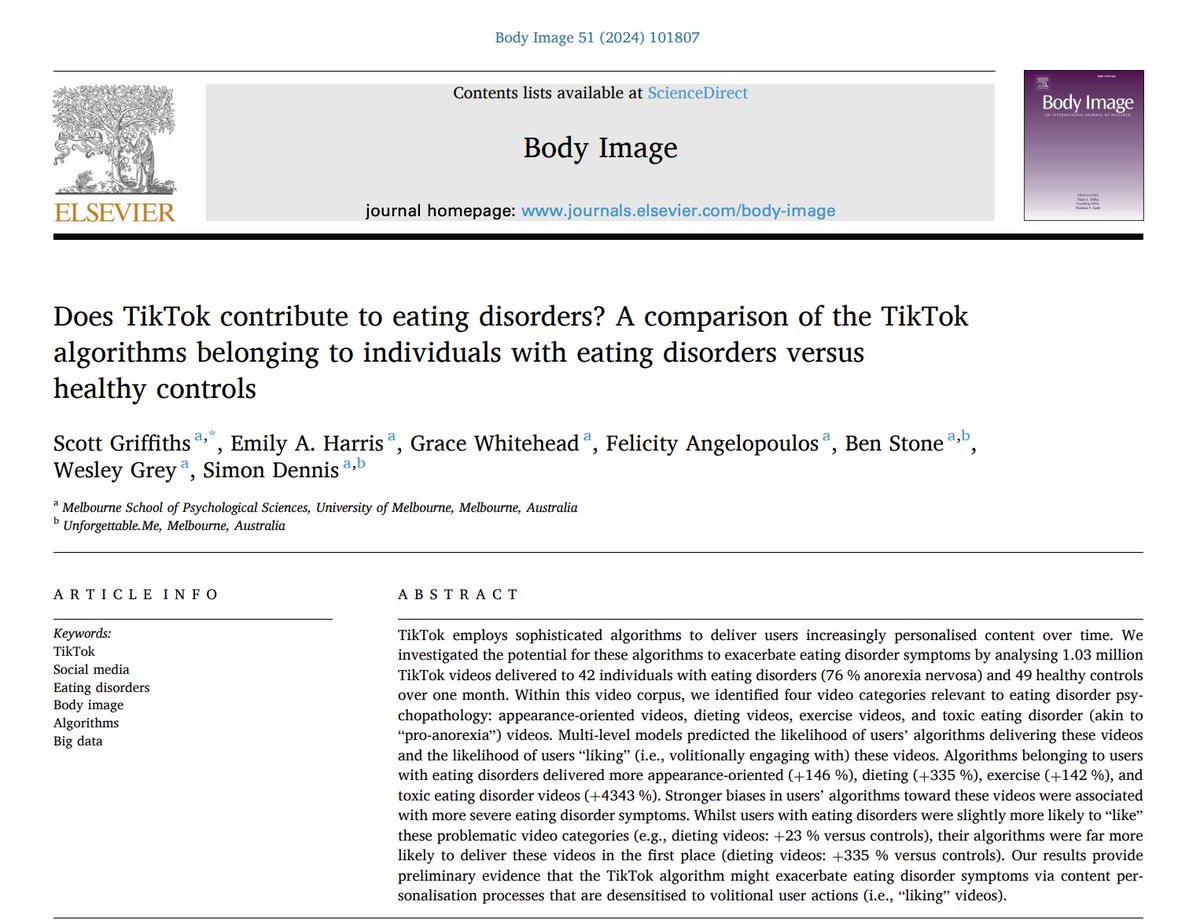
Our study on the TikTok algorithm and eating disorders is finally published (big thx 2 @emilya_harris). We scraped the metadata for ~1 million TikTok videos delivered to users w/ eating disorders versus users w/out eating disorders (i.e. healthy controls) sciencedirect.com/science/ar…
🚨New preprint 🚨
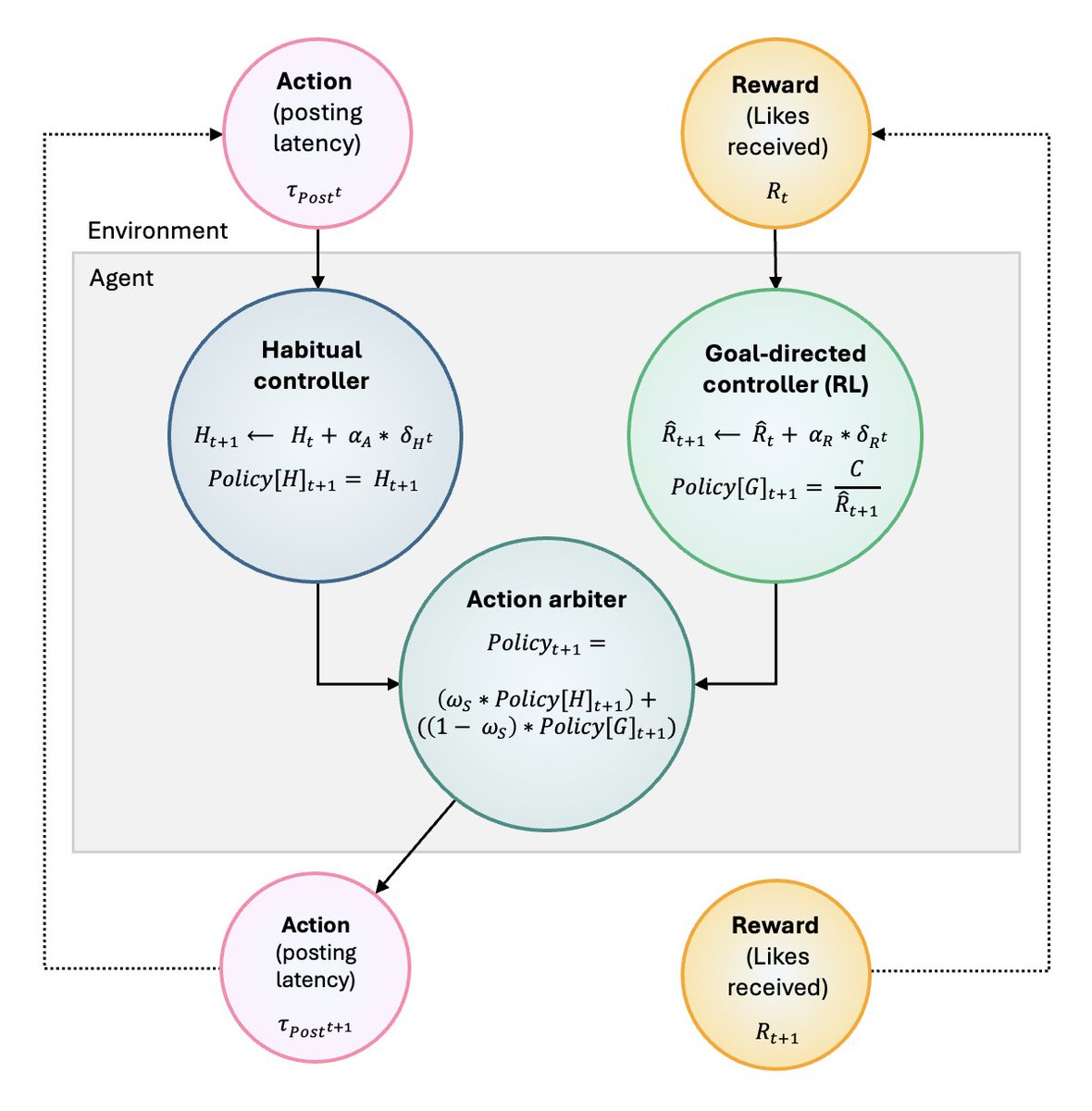
**A computational model of reward learning and habits on social media**
🧵
We develop a computational reward learning model of real-world social media data, which infers the separate goal-directed and habitual cognitive processes driving posting...
We're very excited to announce the launch of 'Turning Points', a new podcast presented by @HugoFleming_ and @_cmhood, and produced by @lukasgunschera. In each episode we interview a senior scientist about the pivotal moments in their career...
podcasts.apple.com/us/podcas…
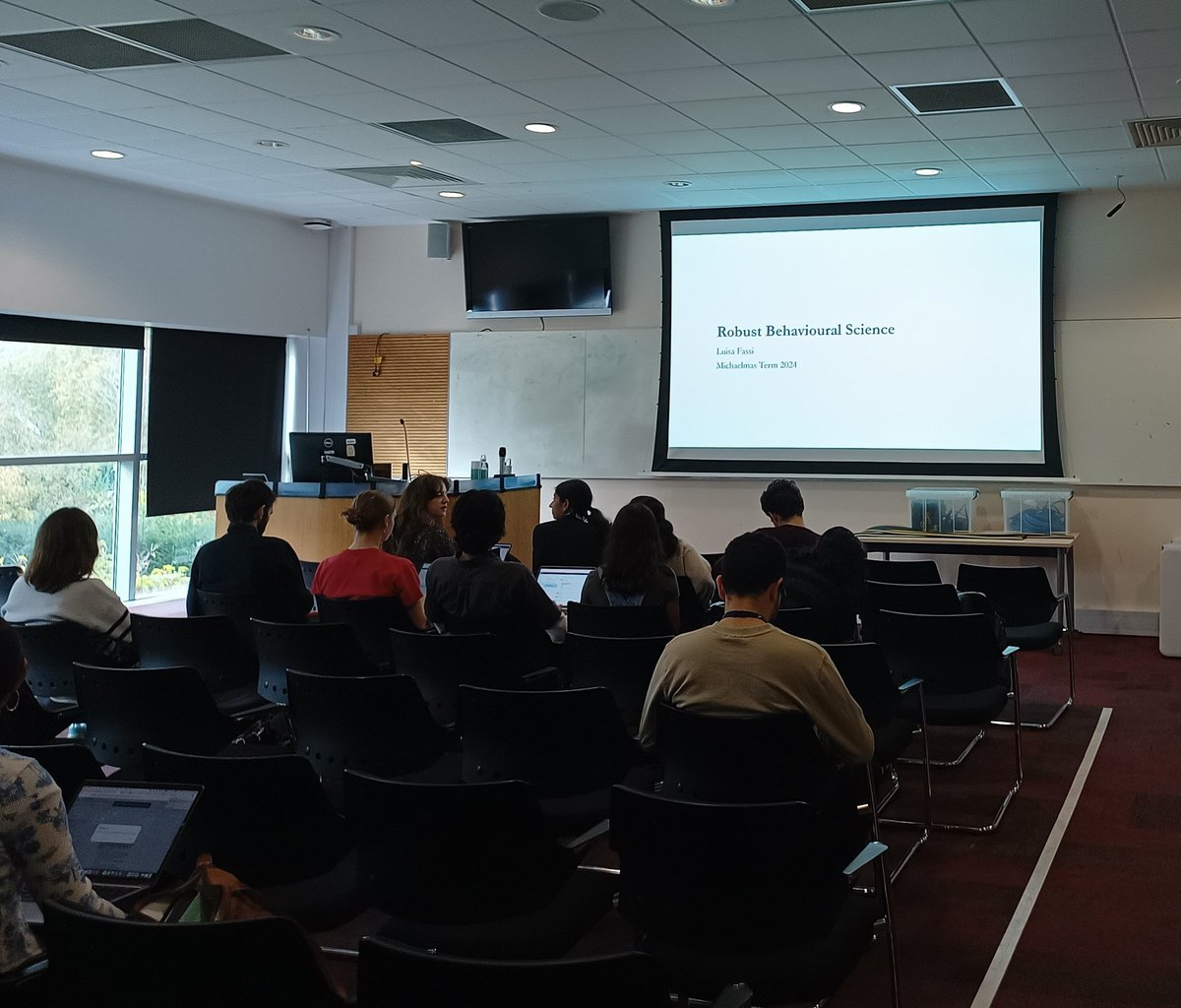
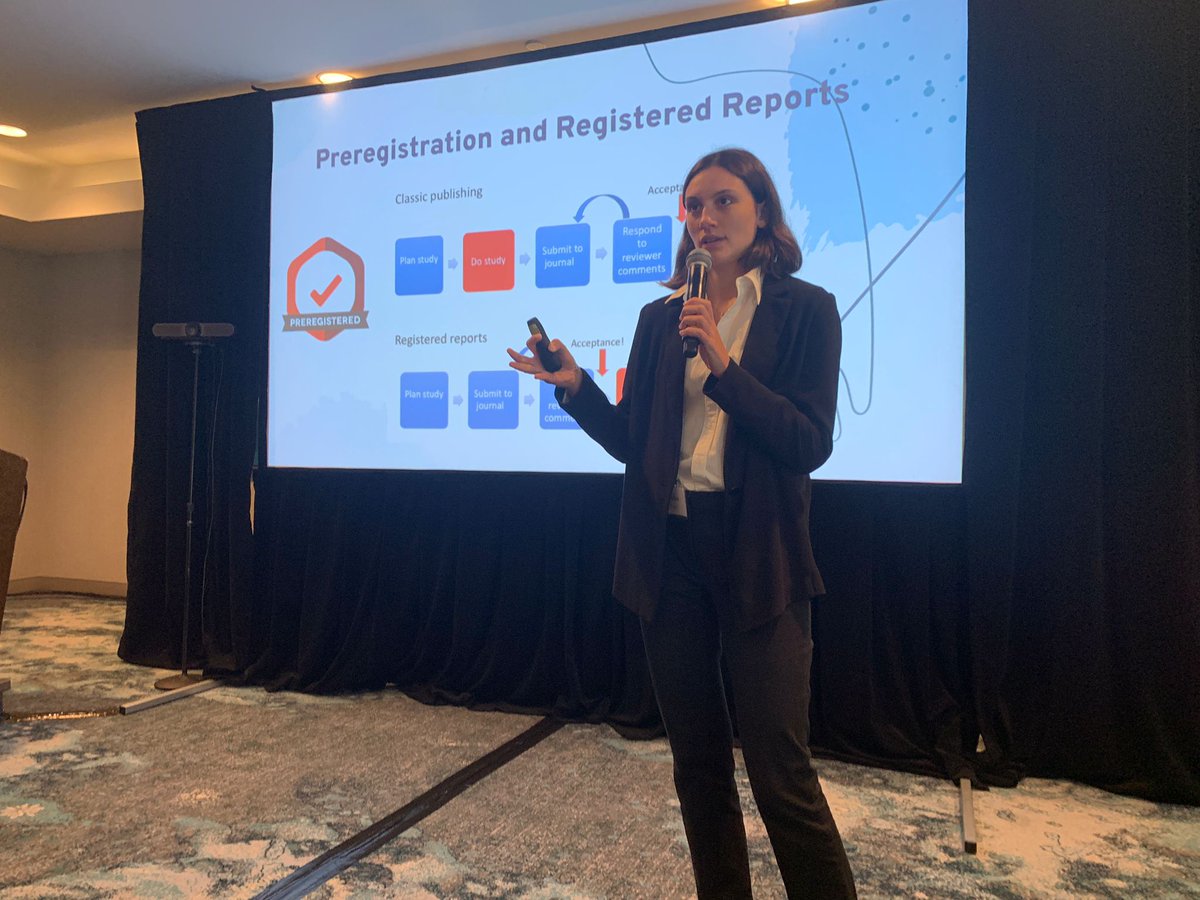
Exciting morning lecturing the MPhil and new PhD students at @mrccbu on confirmatory/exploratory research, pre-registration and registered reports.
Happy that #openscience teaching is taken seriously and is a milestone of their postgrad course at the Unit!
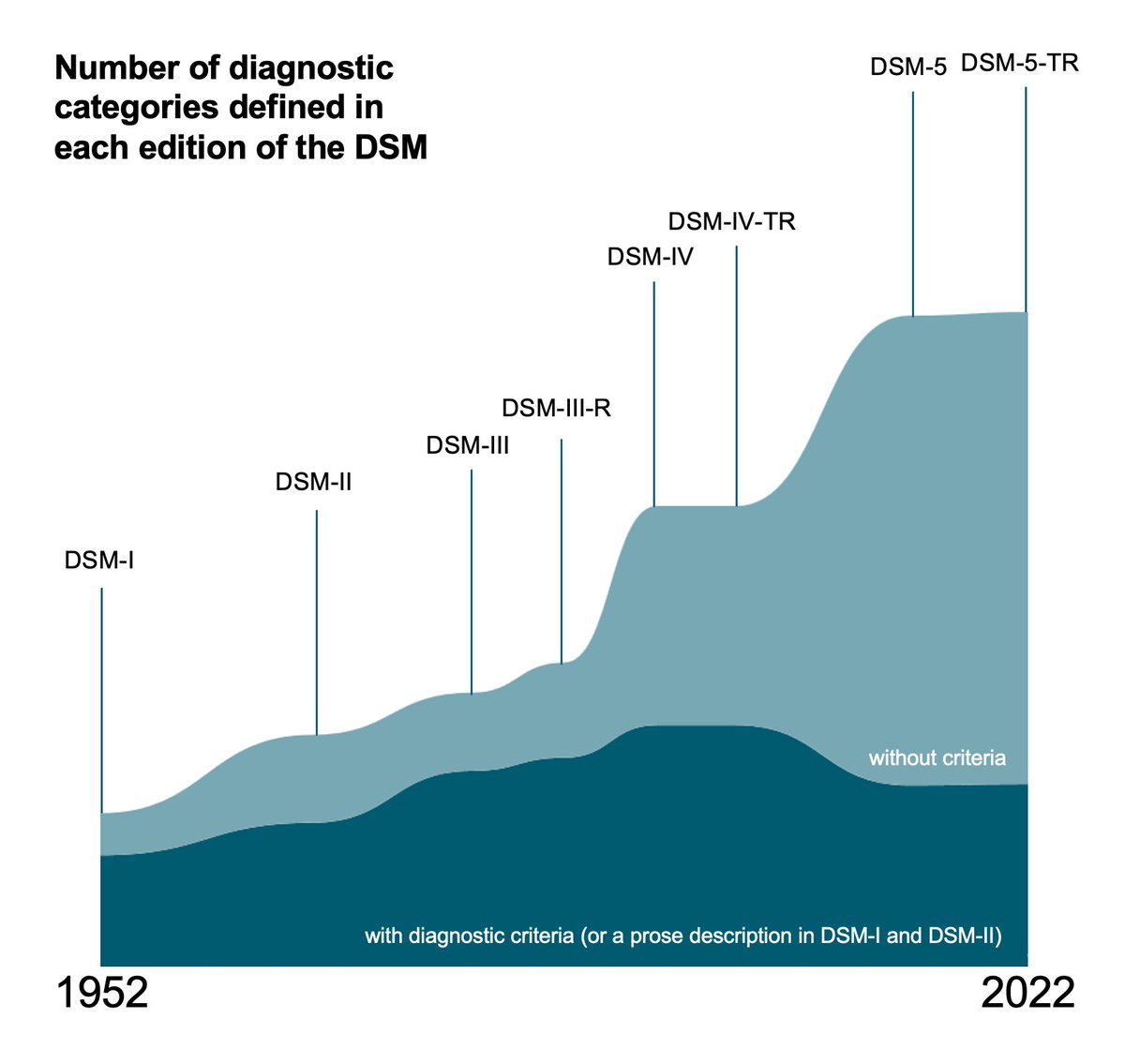
I was reading Blashfield et al. (2014) 'The Cycle of Classification: DSM-I Through DSM-5' today and made a plot of the increasing numbers of diagnostic categories defined in each edition of the DSM over the years—quadrupling from 128 in DSM-I (1952) to 544 in DSM-5-TR (2022):
ALT A plot of the number of diagnostic categories defined in each edition of the DSM that shows increases primarily in disorders with diagnostic criteria (or a prose description) from DSM-I to DSM-III-R, and then increases primarily in disorders without diagnostic criteria from DSM-III-R to DSM-5-TR.
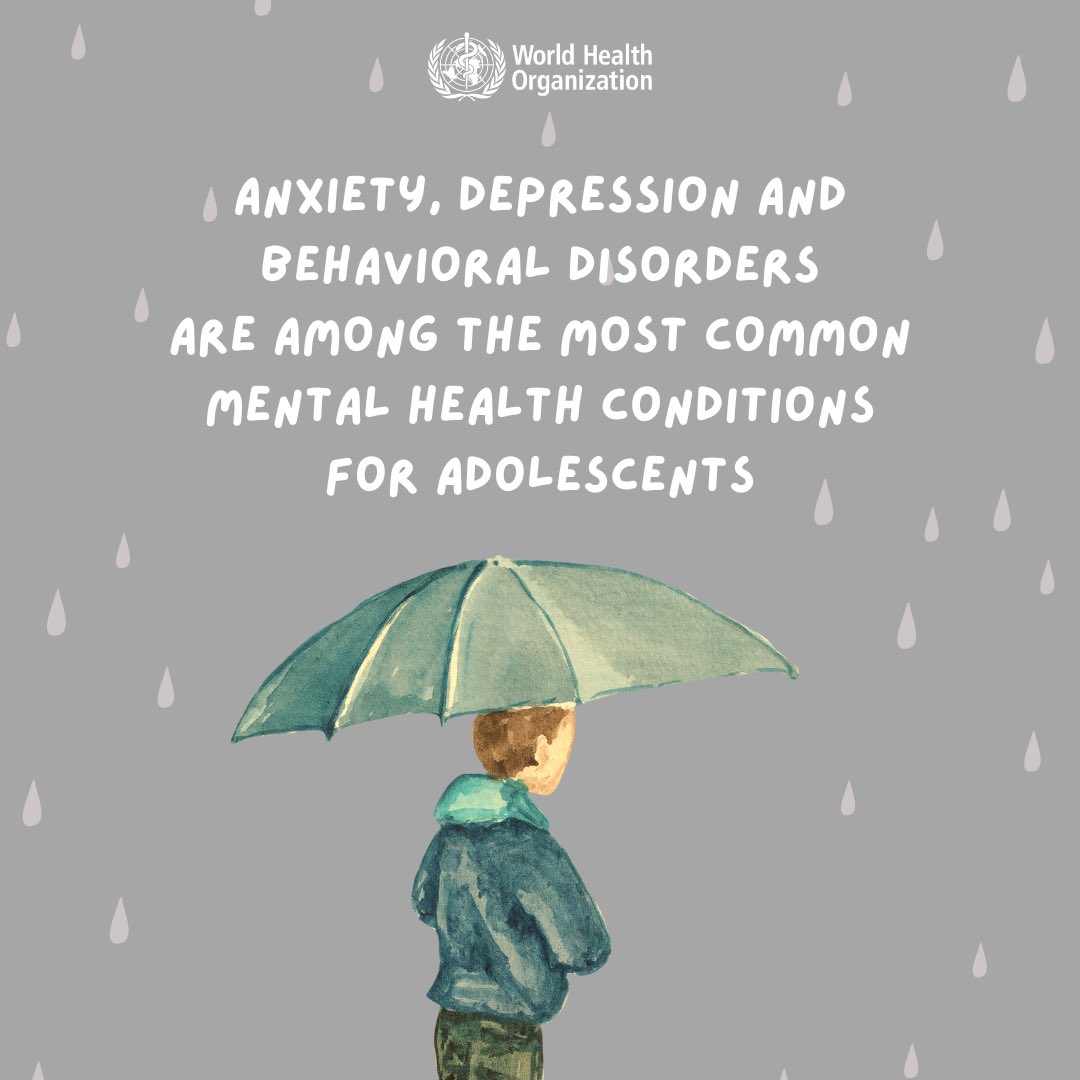
1 in 7 adolescents live with a #MentalHealth condition.
Without adequate support, these conditions can have long-lasting effects on their education, relationships, and overall well-being.
We’re calling on countries to invest in effective age-appropriate mental health services for young people and to address barriers to care.
bit.ly/4gX4GSS
Our paper on the relationship between perceived income inequalities and adolescent mental health difficulties has been featured as relevant for the UN Sustainable Goal of Reducing Inequalities.
Read it on the Wiley website:
Reducing inequality enables us to move forward together
Open access articles by Wiley, including our paper by @PieraPiSu on The relationship between perceived income inequality, adverse mental health and interpersonal difficulties in UK adolescents
wiley.com/en-gb/corporate-re…
#TheBetterPhoneProject invites you to the first session where we’ll explore the impact of smartphones and social media on mental health. Date: Wednesday, 2nd October 2024
🕔 Time: 5:00pm BST
Reserve your spot: go.hmd.com/Session1