
An initiative of @FlagshipPioneer accelerating AI/ML-based innovation in the life sciences and beyond.
Joined August 2023
- Tweets 103
- Following 95
- Followers 320
- Likes 187
40 Photos and videos
Pinned Tweet
One week until our Scientific Discovery Hackathon at @TechweekBoston. We're bringing together researchers & engineers building at the frontier of agentic AI & scientific discovery. We hope you'll join us! Spots are limited. RSVP here: partiful.com/e/QE3rf39P03sCE…
2
951
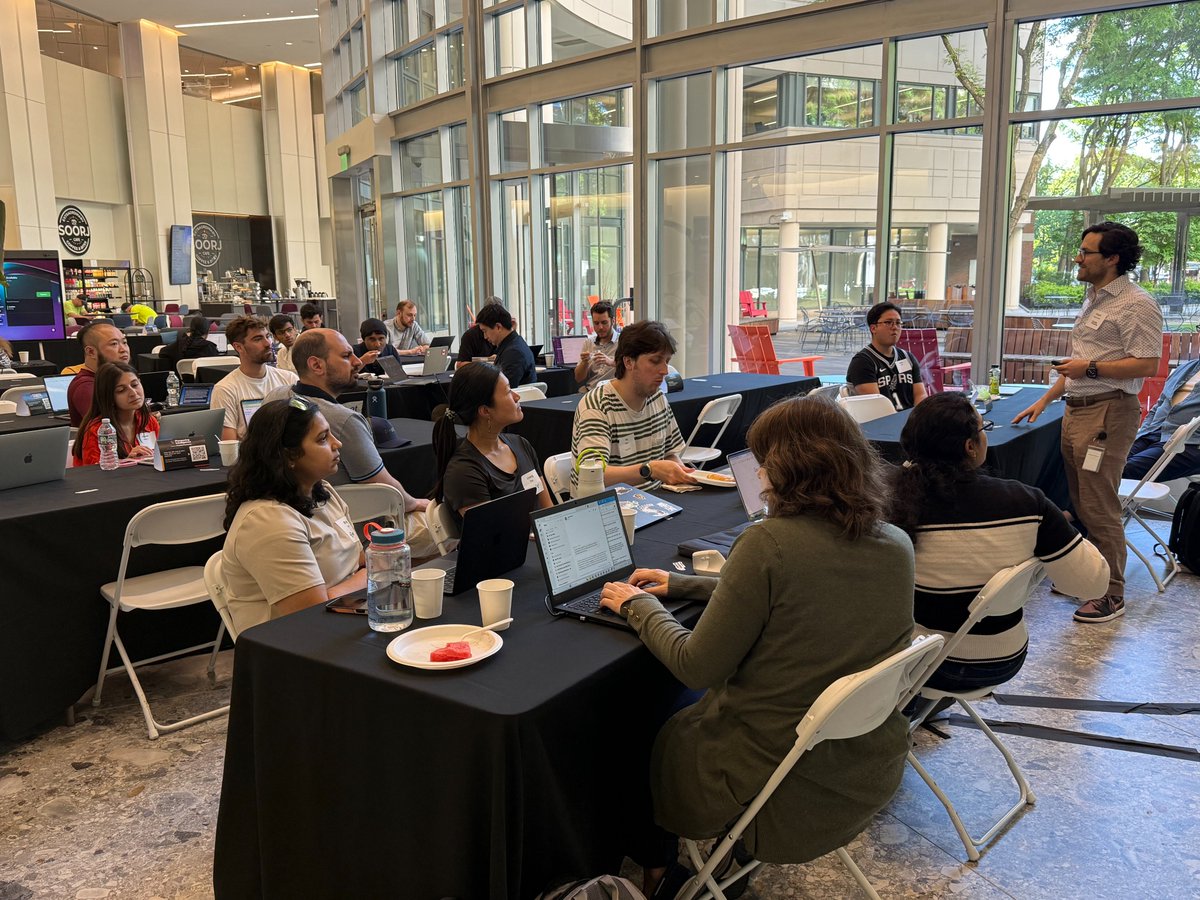
Our Scientific Discovery Hackathon at @techweekbos kicking off this morning! Researchers & engineers are coming together to explore what's possible at the frontier of agentic AI & scientific discovery. Excited to see the ideas, collaboration & breakthroughs that emerge over the course of the day. Let the building begin! #TechWeekBoston
1
2
8
650
Pioneering Intelligence retweeted
Join a team turning bold ideas into real world impact.
At Flagship, we build transformative companies developing bold solutions to the world’s greatest challenges. Hear directly from members of the Flagship team about their experiences and explore opportunities to join us.
Learn more: bit.ly/47IQqbs
#WeAreFlagship #BiggerLeaps
3
2
430
AI is reshaping how breakthrough ideas become real-world platforms. At @Flagship_PI , we’re building the systems and capabilities powering AI-native innovation across the Flagship ecosystem.
If you want to work on ambitious AI problems, explore our open roles: flagshippioneering.com/join/…

Our latest Flashcards reflect how AI is being applied across Flagship and our ecosystem as we continue to build integrated, AI-native companies and advance AI-driven drug discovery and development.
Learn how models map complex biological data through latent space, reason and act through agentic systems, read larger datasets through expanding context windows, and represent biological processes from molecule to organism through multiscale biological AI.
Together, these innovations are accelerating the path from insight to real-world impact across human health, sustainability, and beyond.
2
98
Join us for the Scientific Discovery Hackathon at @TechweekBoston, where teams will build autonomous AI agents that hypothesize, experiment, write & review scientific papers in a shared ecosystem. If you're building at the frontier of AI-driven science, this is the room to be in. #BosTechWeek. RSVP here: partiful.com/e/QE3rf39P03sCE…
4
177
AI is reshaping how life sciences companies are built. @FlagshipPioneer @AWS bring scalable cloud AI capabilities to power AI-native platforms—accelerating discovery and breakthrough development.
Today we announced a strategic collaboration with @AWS to accelerate building and scaling breakthrough life sciences companies. AWS will provide cloud, AI, and technical expertise to support Flagship and our companies. Learn more about this collaboration here: bit.ly/4836Z44
1
68
Pioneering Intelligence retweeted
⭐ 5 Takeaways from Flagship’s 2026 AI Summit ⭐
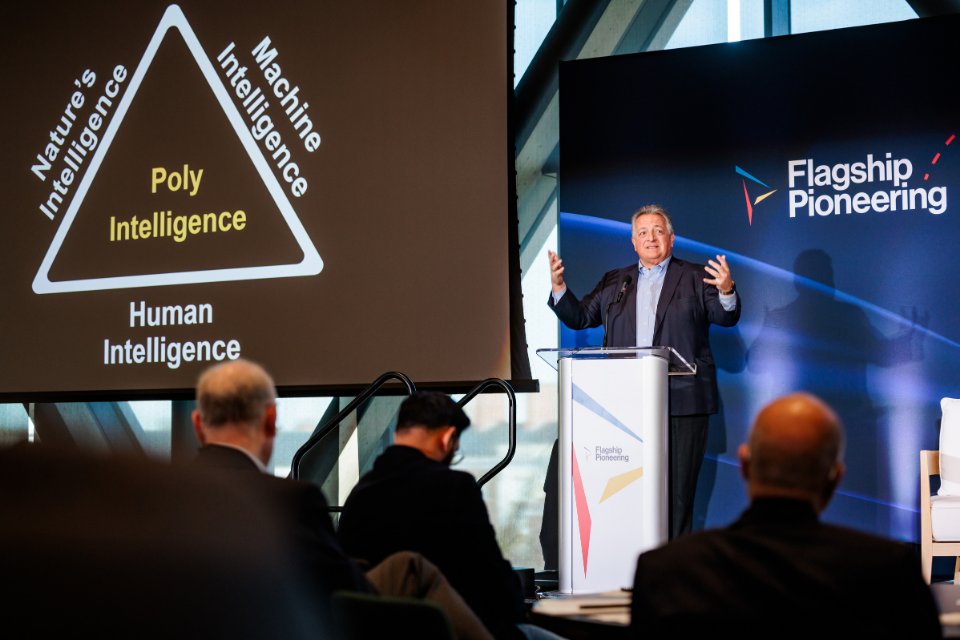
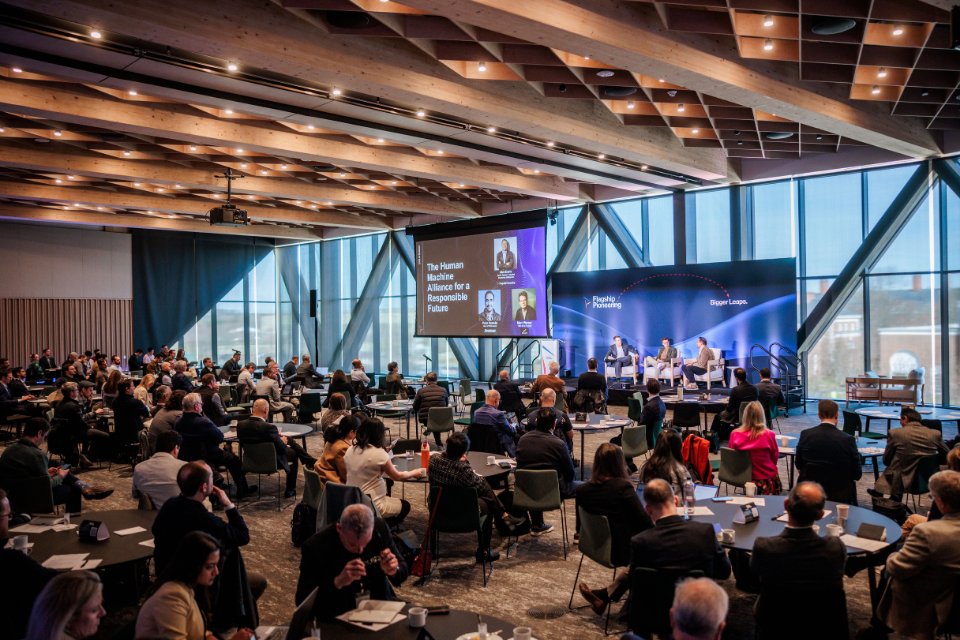
During our 2026 AI Summit this week, we explored the polyintelligent future— where human, machine, and nature work together as one. Here are five takeaways.
1. Polyintelligence is more than an intersection — it’s an unlock.
Polyintelligence is a dynamic integration where each intelligence unlocks and accelerates the other. Human insight informs better models, models accelerate and guide stronger experiments, and experiments reveal deeper biological truths. In turn, polyintelligence enables a new form of intelligence altogether, one that combines the strengths of humans, machines, and nature.
2. Acceleration and discernment must be in balance.
AI is making exploration effectively limitless, shifting the challenge from generating ideas to determining which questions actually matter. Real progress will come from balancing the speed of discovery with the discernment to ask the right questions, guide what data is gathered, and focus on what is most impactful. Without that balance, we risk amplifying noise over insight. With it, we can turn AI’s limitless possibility into meaningful insights and, ultimately, a healthier future.
3.Breakthroughs demand integration, not isolation.
The most important breakthroughs are happening at the intersections of disciplines, yet our collective knowledge often remains siloed, which limits innovation. The real fix will require prioritizing integration and experimentation. AI-native institutions will combine human and machine intelligence into a unified, interconnected system for learning and execution.
4. AI is converting agricultural signals into early warning systems.
Farms, crops, soil, and livestock constantly generate signals about environmental stress and ecosystem change, but historically these signals have been local, fragmented, and reactive. AI is unlocking the ability to interpret these signals at scale, transforming dispersed agricultural data into early warning systems for risks like soil degradation and disease. This application turns agriculture into a predictive system that can detect, respond to, and prevent disruption before it occurs.
5. AI reveals what we didn’t know to look for.
Our understanding of nature’s systems is fundamentally limited by how we observe and interpret the world, which we filter through human understanding, assumptions and biases. As a result, we may overlook signals or patterns that seem ancillary but might offer an unlock. AI offers a way to begin closing that gap by integrating diverse data and surfacing patterns we wouldn’t recognize, offering a holistic analysis of the tools and systems nature has evolved.
The future of AI will not be built in isolation, but through the synthesis of tools, intelligences, and partners coming together to create something greater. Our 2026 AI Summit brought this to life—surfacing new questions, exploring bold ideas, and highlighting the opportunities ahead.
2
8
934
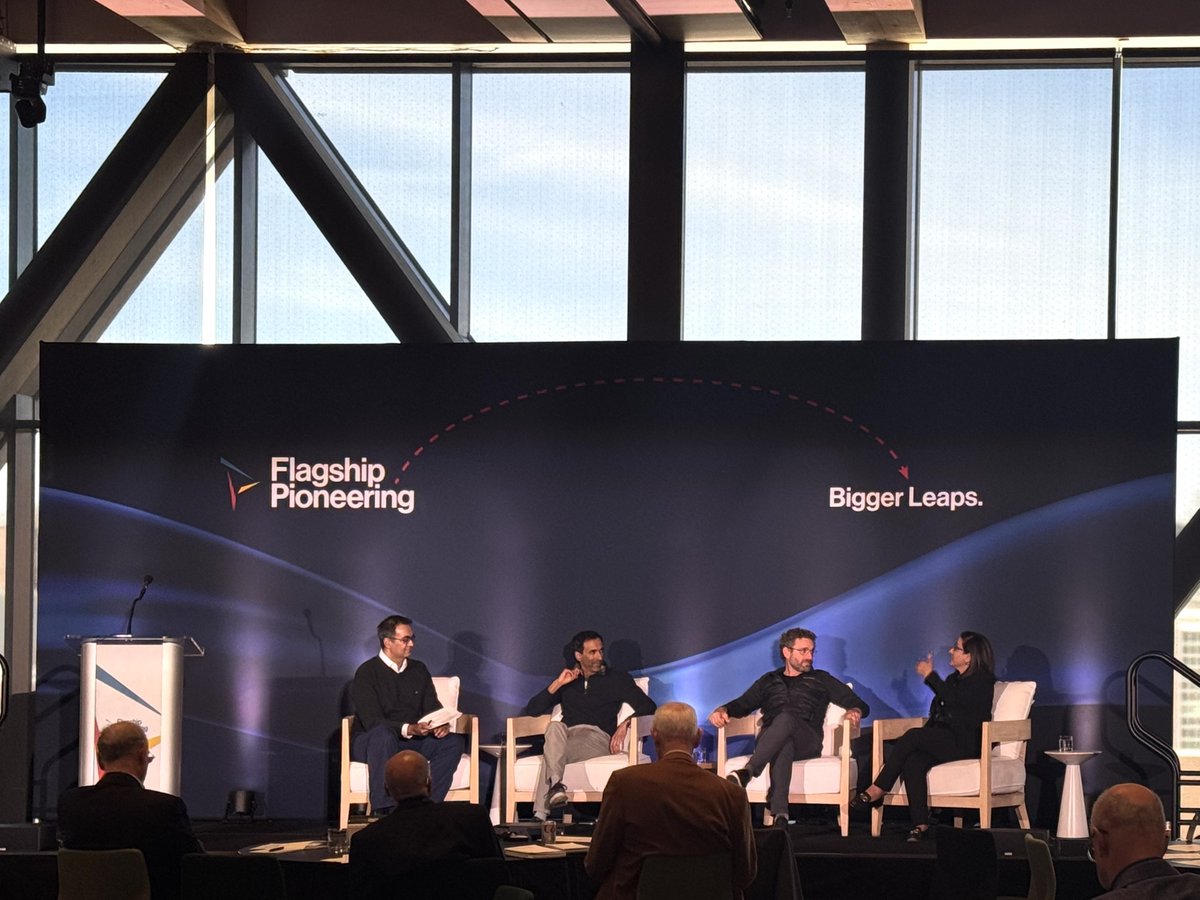
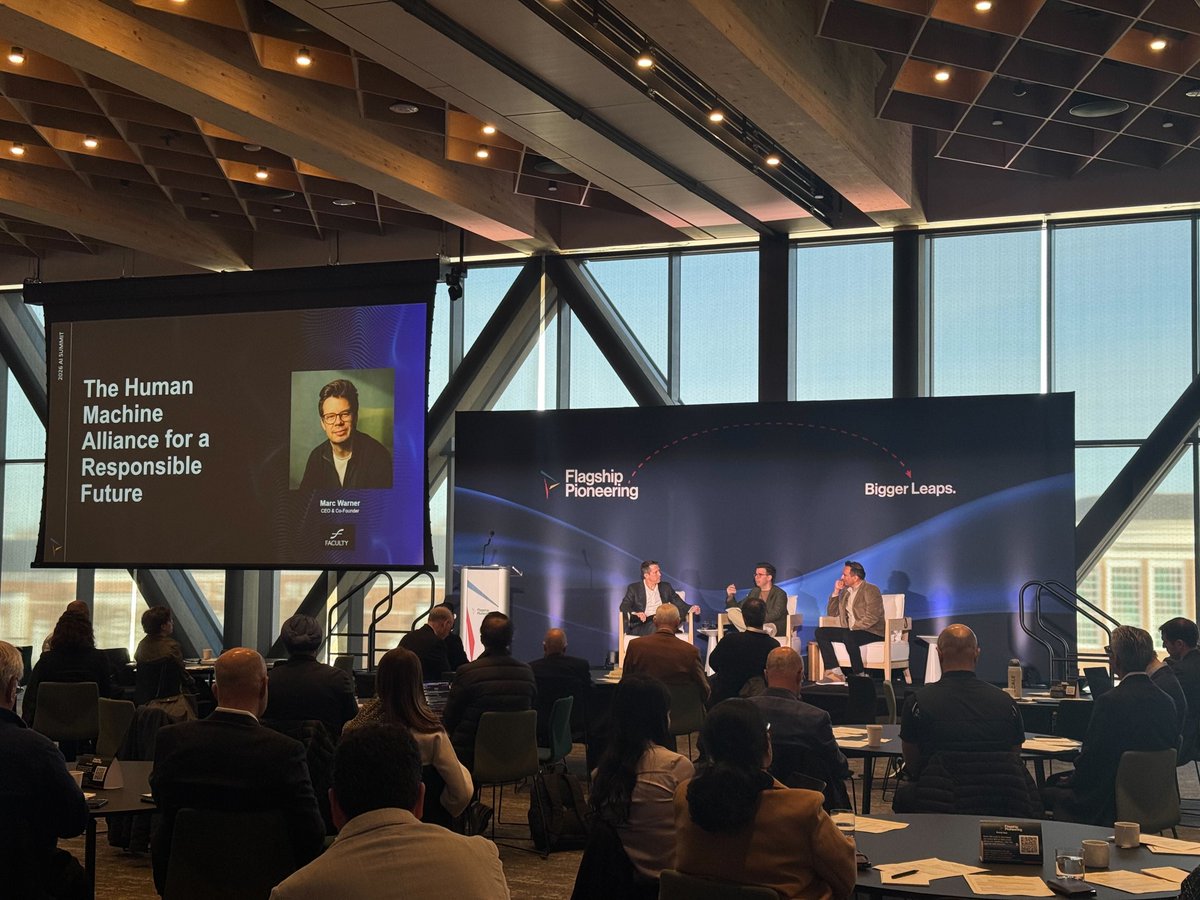
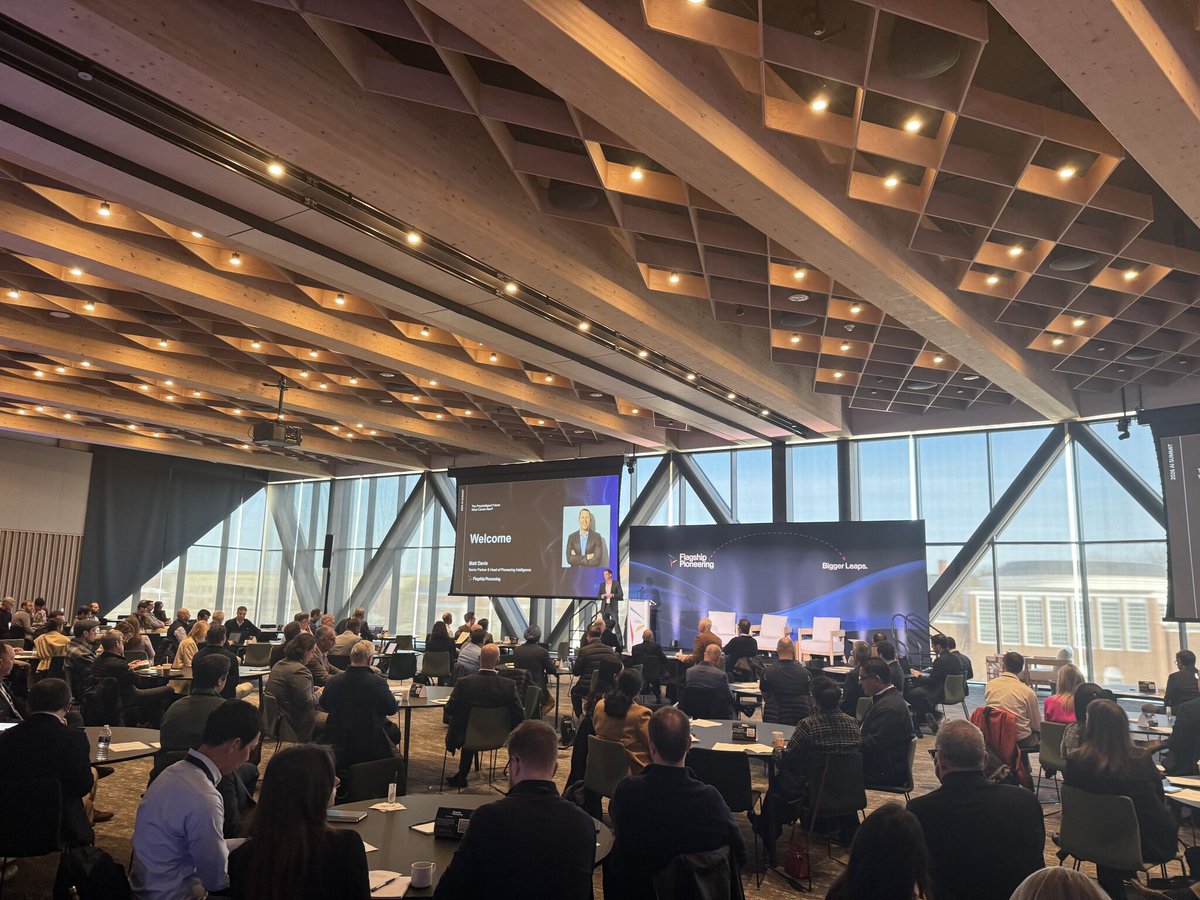
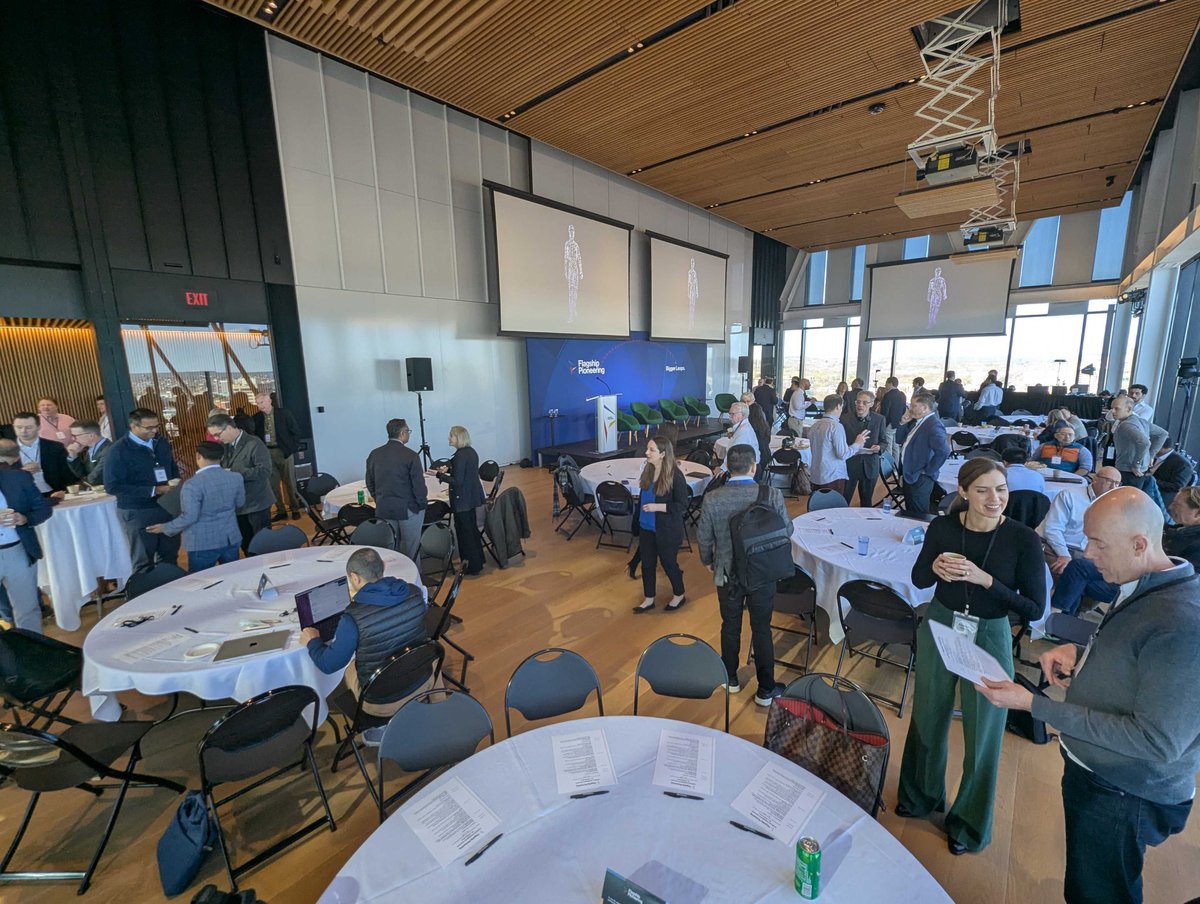
Kicking off Flagship Pioneering’s annual AI Summit where we're convening visionaries, industry leaders, and academics to discuss how AI is reshaping healthcare, sustainability, and beyond. This year, our summit focuses on the polyintelligent future — where human, machine, and nature’s intelligence converge to power the next generation of breakthroughs.
Make sure to tune into @FlagshipPioneer's social pages (LinkedIn, YouTube, X) for a livestream at 11:10AM during our “Decoding Nature: Nature’s Intelligence Meets Machine Intelligence” panel featuring @seemaychou (@ArcadiaScience ), @JCoolScience (@AnthropicAI), @gibsmk (Flagship Pioneering), and @allmeasures (@leashbio).
Where do you think polyintelligence will have the greatest impact?
1
3
143
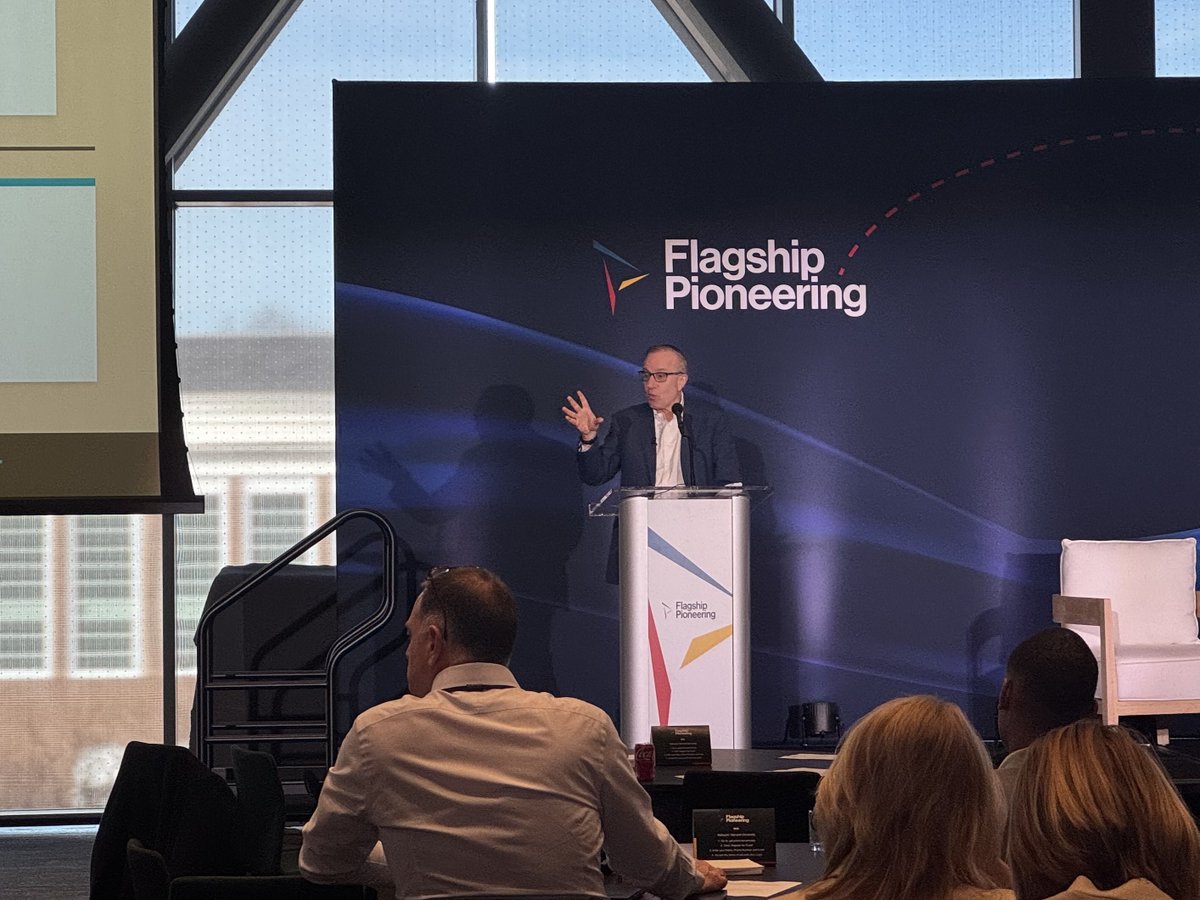
Chair of the Department of Biomedical Informatics,
at @harvardmed, @zakkohane delivers a keynote talk on how the interplay of human, machine, and biological intelligence is reshaping medicine, from biases in today’s systems to new opportunities for discovery.
2
1
6
615
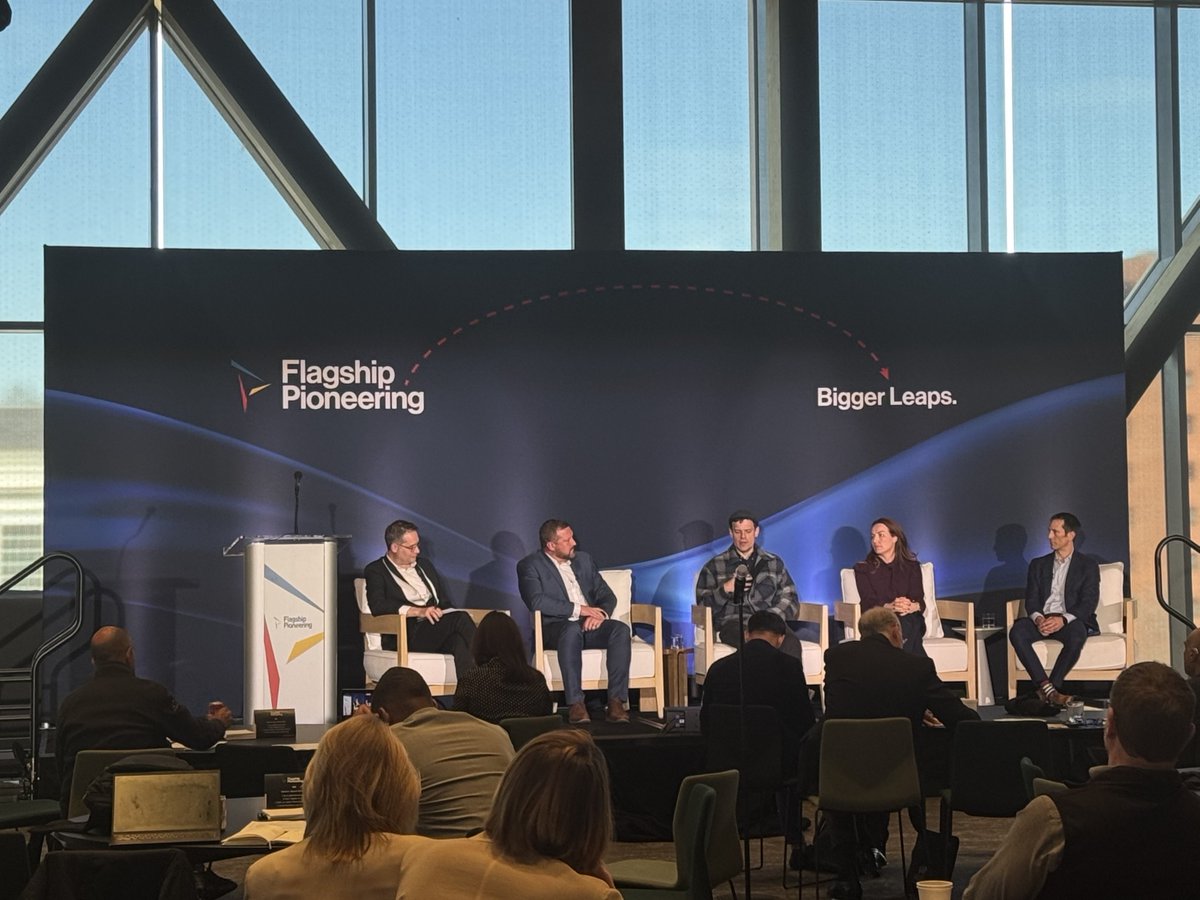
Scientific and technological progress increasingly depends on coordinating multiple forms of intelligence. @BramhavarSuraj (@ARIA_research), @ilangur (@ARIA_research), Lamya Shihabuddin (@MontaiHealth), and Flagship’s @drjbajwa explore how cross-sector, global partnerships can align these capabilities across health, biosecurity, and advanced AI in the final panel of our 2026 AI Summit.
1
33
Pioneering Intelligence retweeted
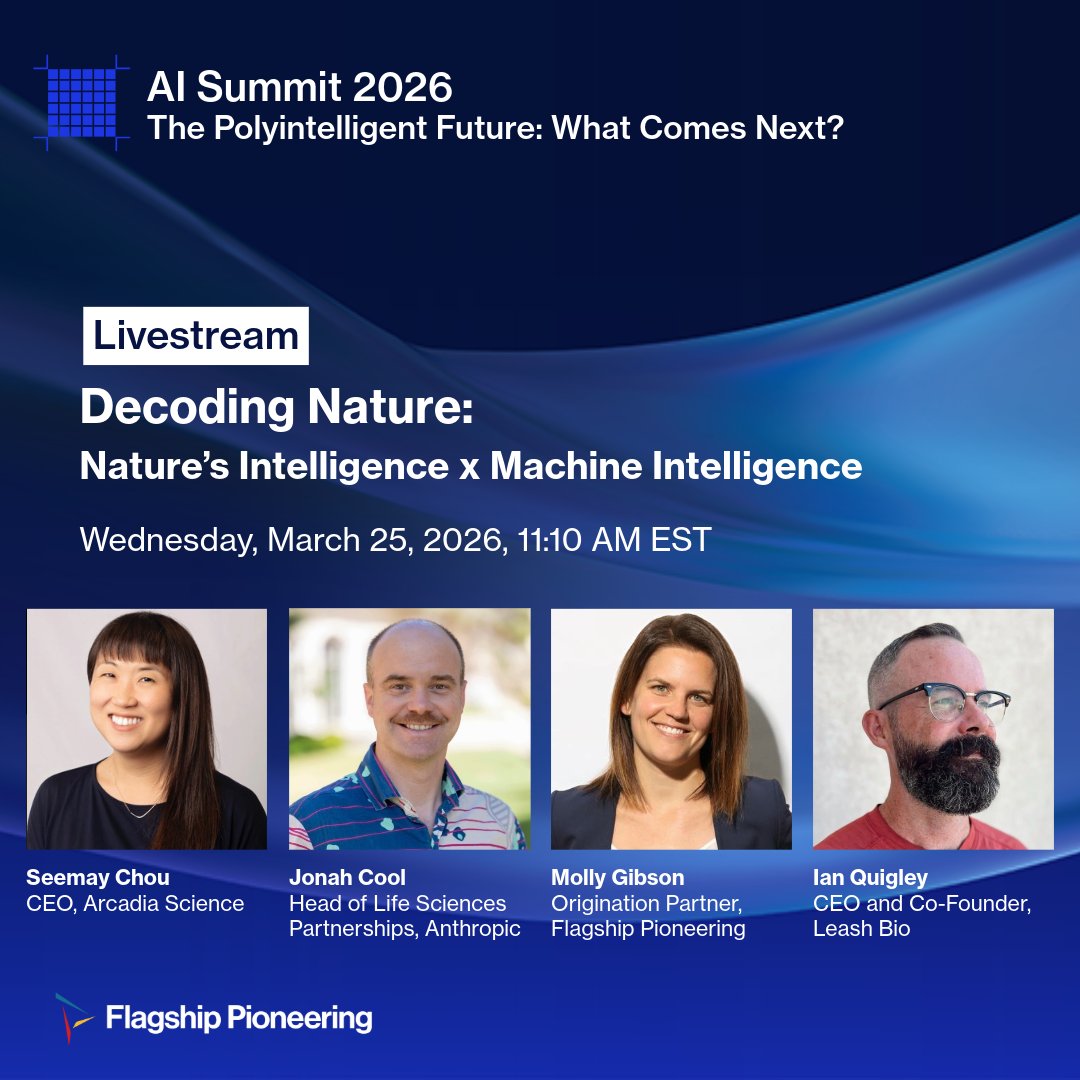
Join us today at 11:10 AM ET for a livestream from our 2026 AI Summit.
Flagship’s Molly Gibson will sit down with panelists @seemaychou (@ArcadiaScience ), @JCoolScience (@AnthropicAI ) and @allmeasures (@leashbio) for a conversation on exploring the challenges of understanding nature’s intelligence, and how AI can help turn those insights into real-world solutions.
Tune in to our X, LinkedIn, or YouTube channels to watch.
1
7
995
Pioneering Intelligence retweeted
Nature encodes function in many languages—from protein sequences shaped by evolution to animal communication and the chemistry of smell. Each is expressed through high dimensional patterns that are experimentally accessible yet resist neat, human-legible interpretation.
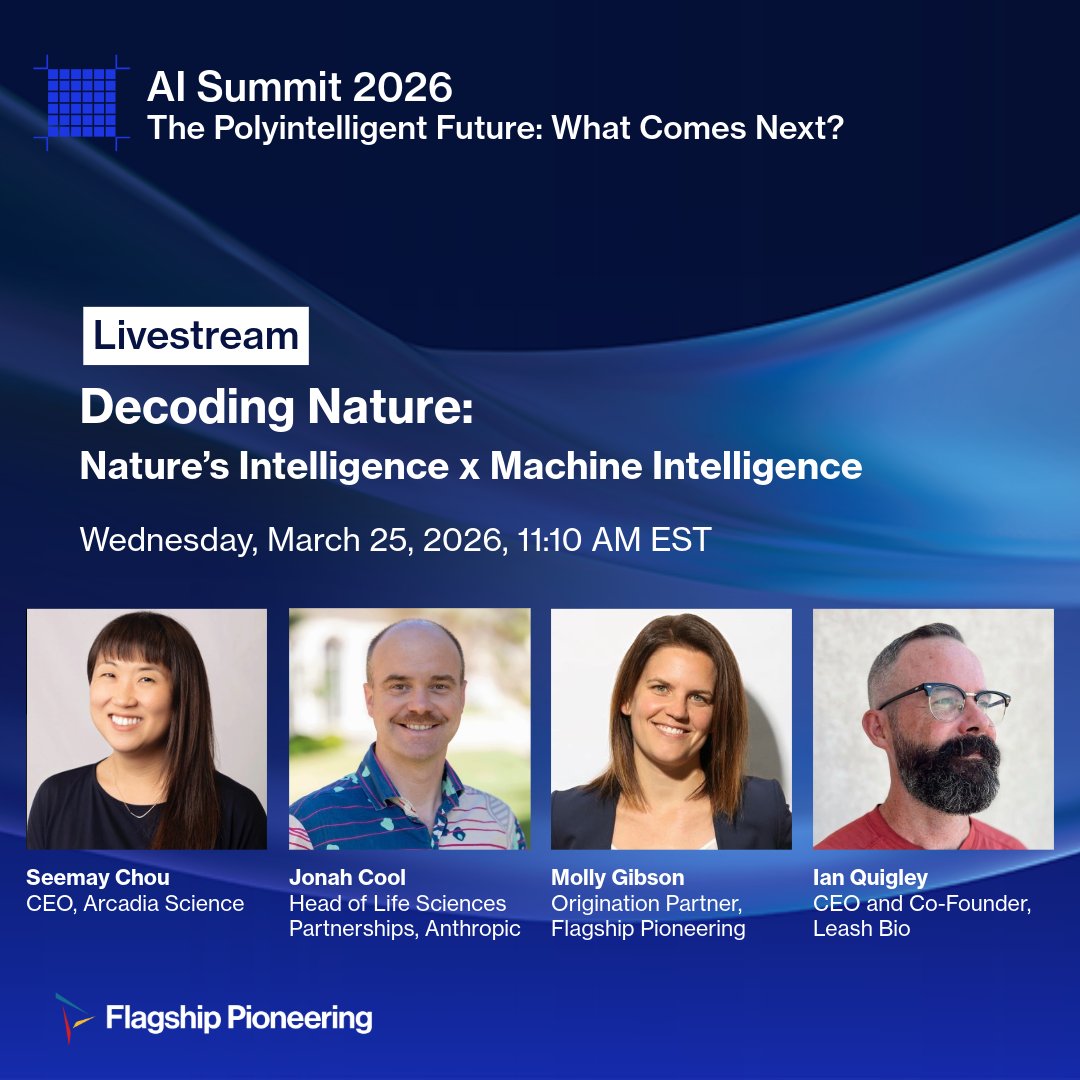
In our upcoming livestream from the annual Flagship AI Summit, panelists @seemaychou (@ArcadiaScience ), @JCoolScience (@AnthropicAI), @gibsmk (Flagship Pioneering), @allmeasures (@leashbio) will explore how modern AI can decode these patterns and re-encode them into new designs.
Stay tuned for details on how to watch on March 25th.
2
7
791

18 Sep 2025
AI has the potential to transform industries and today, with the launch of #FlagshipFounded @Extuitive_Inc , consumer product innovation and marketing are the next frontier. Congratulations to the Extuitive team on this exciting milestone. #FlagshipFounded
18 Sep 2025

We are Extuitive, pioneering the future of consumer product innovation and marketing with next-gen AI.
Our platform uses AI consumers to simulate real-world behavior, empowering entrepreneurs to rapidly create, validate, and launch products and targeted content.
We’re expanding the frontier of intelligence and democratizing product innovation today. Learn more here: Extuitive.com
1
121
27 May 2025
"Machine Learning models in structural biology struggle with large complexes: running out of memory, cropping structures down, omitting bigger structures, expensive inefficient trainings. Our @Flagship_PI team worked on Flash Invariant Point Attention (FlashIPA) -- an efficient form of geometric deep learning for proteins and RNA that allows for efficient training, allowing to train on previously unattainable sizes."
21 May 2025

Flash Invariant Point Attention
1.FlashIPA introduces a linear-scaling reformulation of Invariant Point Attention (IPA), a core algorithm in protein and RNA structure modeling. It achieves SE(3)-invariant geometry-aware attention with dramatically reduced memory and runtime, enabling training on sequences with thousands of residues.
2.IPA has been widely used in structural biology models like AlphaFold2, ESMFold, and FoldFlow, but its O(L²) scaling in sequence length severely limits training on long biomolecules. FlashIPA overcomes this with a factorized attention mechanism that leverages FlashAttention for efficient GPU usage.
3.FlashIPA maintains the geometric inductive bias of IPA by encoding pairwise spatial information via low-rank factorized representations, avoiding materializing full pairwise tensors. This preserves structural accuracy while dramatically reducing I/O costs.
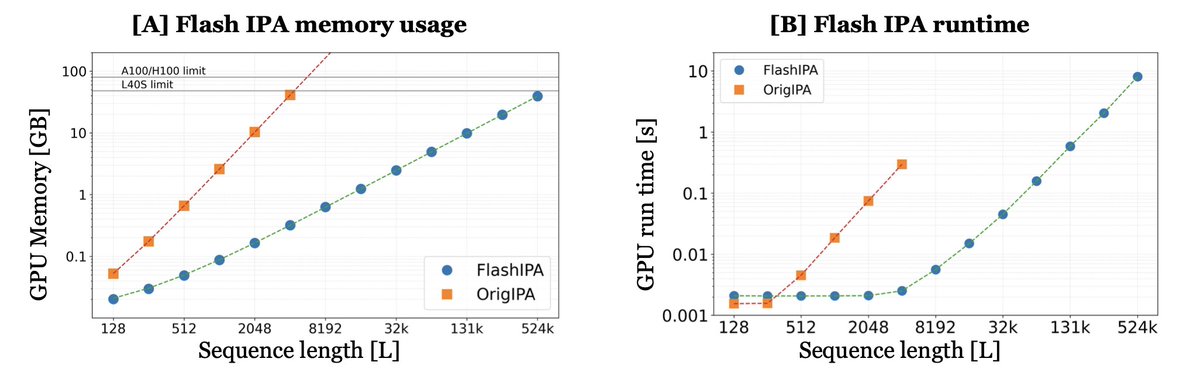
4.In benchmark tests, FlashIPA matches or outperforms original IPA on validation tasks, while requiring significantly less GPU memory. It reduces memory usage by over 90% at length 512 and enables batch sizes up to 39× larger compared to IPA on the same hardware.
5.Integrating FlashIPA into models like FoldFlow and RNA-FrameFlow showed faster convergence, better scaling, and extended generation capacity. For proteins, sc-RMSD scores improved when trained with FlashIPA, especially when trained on full-length data without truncation.
6.For RNA generation, FlashIPA enabled training and inference on sequences over 4000 nucleotides—impossible with standard IPA. Models trained on a single GPU with FlashIPA performed comparably to IPA trained on 4 GPUs, demonstrating cost efficiency.
7.FlashIPA runs up to 30× faster than IPA for long RNA sequences and scales linearly in both memory and runtime. This opens the door to modeling large protein complexes or long RNAs previously out of reach due to hardware limitations.
8.Despite using approximate factorized representations, FlashIPA retains SE(3) invariance and maintains modeling fidelity. Loss curves and self-consistency scores validate its effectiveness in both protein and RNA generative tasks.
9.FlashIPA is designed for easy drop-in replacement, with an interface similar to existing IPA modules. It is compatible with standard biomolecular modeling pipelines and paves the way for efficient, scalable geometric deep learning.
10.Future improvements may include extending FlashIPA to support arbitrary head dimensions and exploring fully linear attention mechanisms. This would push biomolecular modeling even further toward large-scale and real-time applications.
💻Code: github.com/flagshippioneerin…
📜Paper: arxiv.org/abs/2505.11580
#GeometricDeepLearning #ProteinFolding #RNA3D #FlashAttention #InvariantPointAttention #AlphaFold #ComputationalBiology #FlashIPA
6
294
1 May 2025
In hosting our second Artificial Intelligence Summit, we reflect on the central "what if" question that fueled the founding of @Flagship_PI 2 years ago - what if we could harness the latest AI advances to create breakthroughs and accelerate innovation across @FlagshipPioneer ? Today we are seeing that vision play out as we advance fundamental research and help shape a portfolio of AI-first companies that are pushing the boundaries of innovation. We invite you to watch some highlights below.
1 May 2025
"Although we live in interesting times, we also live in times of massive opportunity and I think it's our collective responsibility to embrace all of these tools, capabilities, between us and think about the breakthroughs we can have for the future." — Junaid Bajwa (@drjbajwa), Science Partner, Pioneering Intelligence; Flagship Senior Partner & Head of UK
Watch for more highlights from Flagship's second AI Summit, hosted by @Flagship_PI, including opening remarks by Flagship's @NoubarAfeyan and Armen Mkrtchyan, a keynote from @MSFTResearch's Christopher Bishop, a fireside chat on driving AI excellence with Governor Maura Healey, and a lightning talk with @MayoClinic's John Halamka. It was a pleasure to host friends and partners paving the future of AI along with panels on timely topics: The AI Mirage: Separating Buzz from Breakthrough; Beyond Tools: AI as a Collaborative Partner; Challenges: From Data to Models; and Greeting the Future.
#FSPAISummit | Office of Massachusetts Governor Maura Healey @MassGovernor
2
5
228
17 Apr 2025
And we’re off! Lots of excitement in the room for today's @FlagshipPioneer Artificial Intelligence Summit. Curious about the advances driving AI and discovery? Watch here for insights and more to come. #FSPAISummit
1
4
658
Pioneering Intelligence retweeted

16 Apr 2025
Tomorrow we’ll convene AI/ML thought leaders from across academia and the technology, pharmaceutical and biotechnology sectors for our Artificial Intelligence Summit. From novel applications of AI and the strategic integration of AI agents to value creation and the trends shaping the next 5 years, we’ll cover it all. Stay tuned as we share key takeaways from the day and highlight insights shared by our speakers including John Brownstein (@BostonChildrens), Najat Khan (@RecursionPharma), David Yang (Newo.AI), John Halamaka (@MayoClinic), Chris Bishop (@Microsoft) and more. #FSPAISummit
ALT Flagship Pioneering Artificial Intelligence Summit: AI x Discovery
1
2
7
738