29 Photos and videos





HBhogal retweeted

SAS Psychiatrists: your insight shapes our profession. The PSS is recruiting, and the deadline has been extended to 12/06/26. Join us.www.rcpsych.ac.uk/members…
4
2
108
HBhogal retweeted
What if the voice telling you that you are not good enough is doing more damage than you realise? Most doctors don't know that imposter syndrome is a direct risk factor for burnout, but the good news is that it is a modifiable risk factor. You just need to know how to tackle it effectively.
In the latest episode of Why Medics Matter, Dr. Amie Burbridge and Dr. Simon Frazer sit down with Dr. Claire Ashley, GP and author of The Burnout Doctor, to have an honest and genuinely useful conversation about imposter syndrome in medicine- the kind that gives you real tools and real understanding.
Here are three things we took from this conversation that every doctor needs to hear:
1. Imposter thoughts are not the problem. Imposter syndrome is.
Almost everyone questions themselves, it’s a form of self-reflection. The danger comes when those thoughts begin to drive overwork, self-sabotage, avoidance of career progression, and ultimately burnout. Knowing where the line is matters, but most of us were never taught to recognise it.
2. There are five types of imposter syndrome and you probably recognise yourself in at least one.
Dr. Claire Ashley walks through the five subtypes identified by researcher Dr. Valerie Young: the perfectionist, the natural genius, the soloist, the expert, and the superhuman. Each one shows up differently in clinical practice. The soloist who cannot ask for help. The expert who panics when they cannot answer a question. The superhuman who volunteers for everything until the wheels fall off. Knowing which pattern you fall into helps you understand why imposter syndrome shows up the way it does for you, and which practical techniques are most likely to help.
3. Success will not fix it but addressing the root thoughts will.
One of the most powerful moments in this conversation is when Dr. Ashley names the trap so many of us fall into: believing that the next qualification, the next promotion, the next milestone will finally silence the imposter thoughts. It will not. The relief is always temporary. Techniques from CBT and Acceptance and Commitment Therapy offer something more durable: the ability to notice a thought without being defined by it, and to keep showing up for what matters anyway.
For those in training or supervisory roles, there is a clear message here too. Role modelling vulnerability is not a weakness. It is one of the most protective things we can do for the doctors around us. Culture change takes time, but it starts with us.
This conversation is honest, practical, and packed with insight from someone who has lived it and spent years studying it. If you have ever wondered whether what you are feeling is normal, or whether there is something you can actually do about it, this episode is worth your time.
Watch on YouTube eu1.hubs.ly/H0vQ3Vd0
Listen on Spotify and iTunes
1
1
134
HBhogal retweeted

May 19
Doctors deal with uncertainty every single day.
So why do we never talk about it?
Because somewhere along the way we learned that uncertainty is a personal flaw. That not knowing means you don't know enough. That seniority is supposed to look like confidence, not doubt.
And our exam system reinforces all of it. MCQs. Single best answers. OSCEs with clear diagnoses you're expected to reach. The entire infrastructure of medical training signals that uncertainty is a failure state.
No wonder we carry it alone.
In the latest episode of Why Medics Matter, we sat down with Dr Jason Hancock, Consultant Psychiatrist and Director of Medical Education, who has made it his mission to understand how doctors respond to uncertainty and what supervisors can actually do about it.
Three things worth taking into your practice this week:
1. Name it out loud on the ward
Role modelling uncertainty in MDTs and ward rounds, sharing what you know and what you don't, is one of the most evidence-based things a senior doctor can do for their team. It builds psychological safety. It gives your juniors permission to not know either.
2. Expect less of people in their first two weeks
Every transition, new placement, new grade, new trust, temporarily reduces a person's ability to sit with uncertainty. This is evidenced. It is not a character flaw. Adjust your expectations in those early weeks accordingly.
3. Ask yourself: is this risk management or uncertainty avoidance?
There is a difference between ordering a test because it is clinically indicated and ordering it because you are uncomfortable. Knowing which one you are doing matters more than we admit.
The full podcast episode on Mastering Clinical Uncertainty: Why Curiosity is an Integral Skill for Every Doctor is out now!
Watch on YouTube eu1.hubs.ly/H0vpvv50
Listen on Spotify and iTunes
1
6
576
HBhogal retweeted

May 15
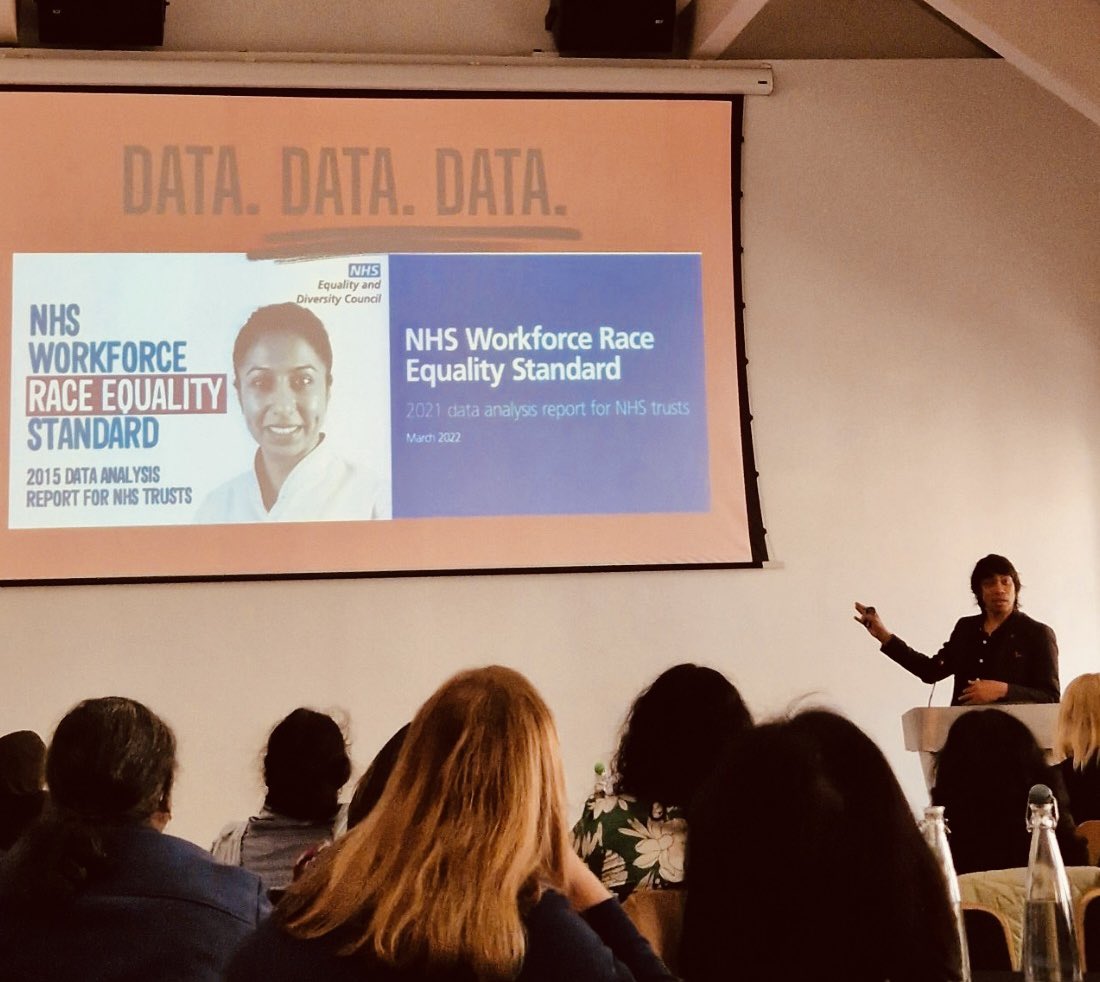
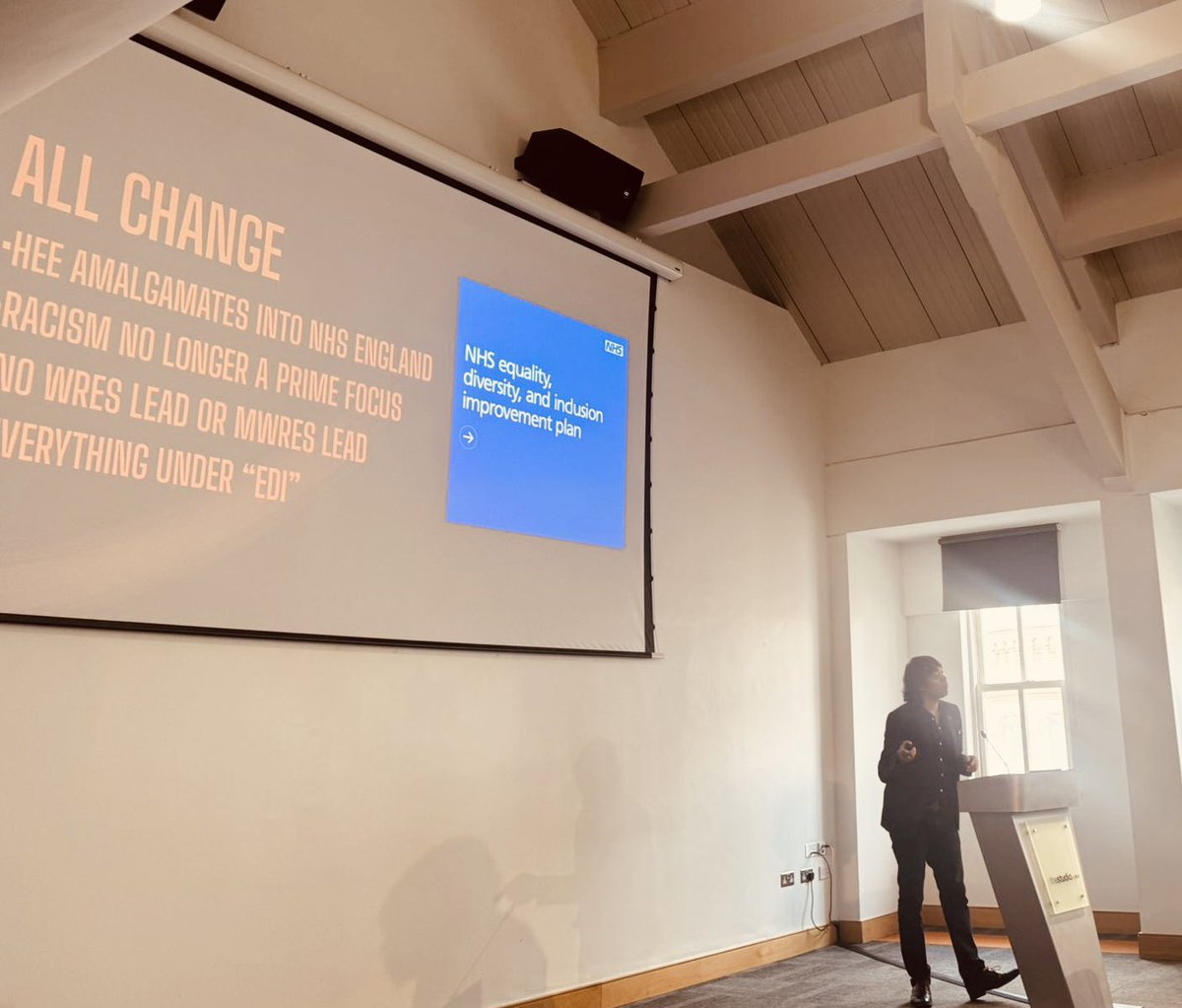
A quick trip to Birmingham
This time?
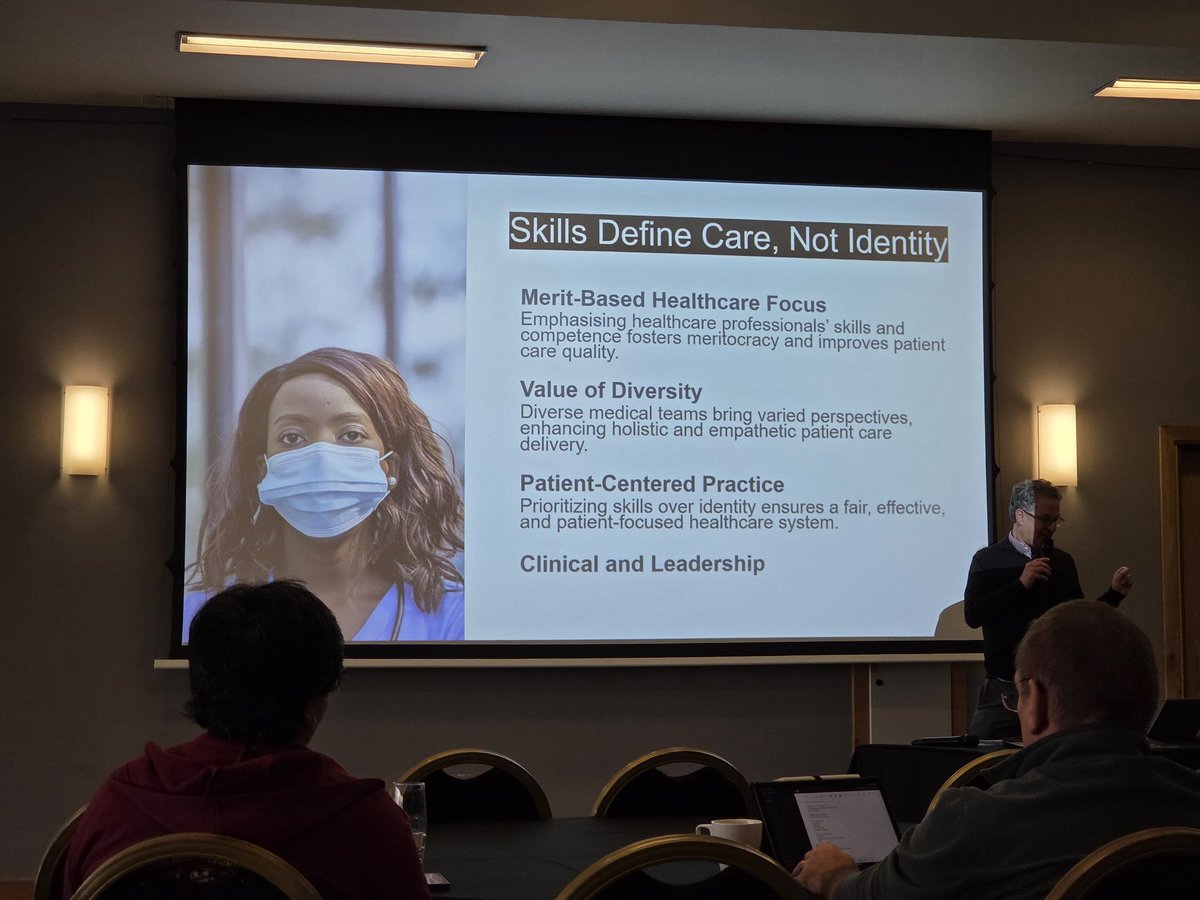
For the @rcpsych SAS colleagues event.
Always and forever an ally - raising the issue at hand of not being treated at par.
I will repeat- if @NHSE_WTE @NHSEngland @DHSCgovuk
spent a fraction of their energy in supporting SAS colleagues compared to the desperate attempts to have lesser trained people do healthcare beyond their scope?
The #NHS would be a far better place
And safer.
It’s also no surprise why they don’t.
The exact same reason LED doctors are treated the way they are.
I said what I said.
#Bias #NHS
3
18
48
3,031
HBhogal retweeted

May 15
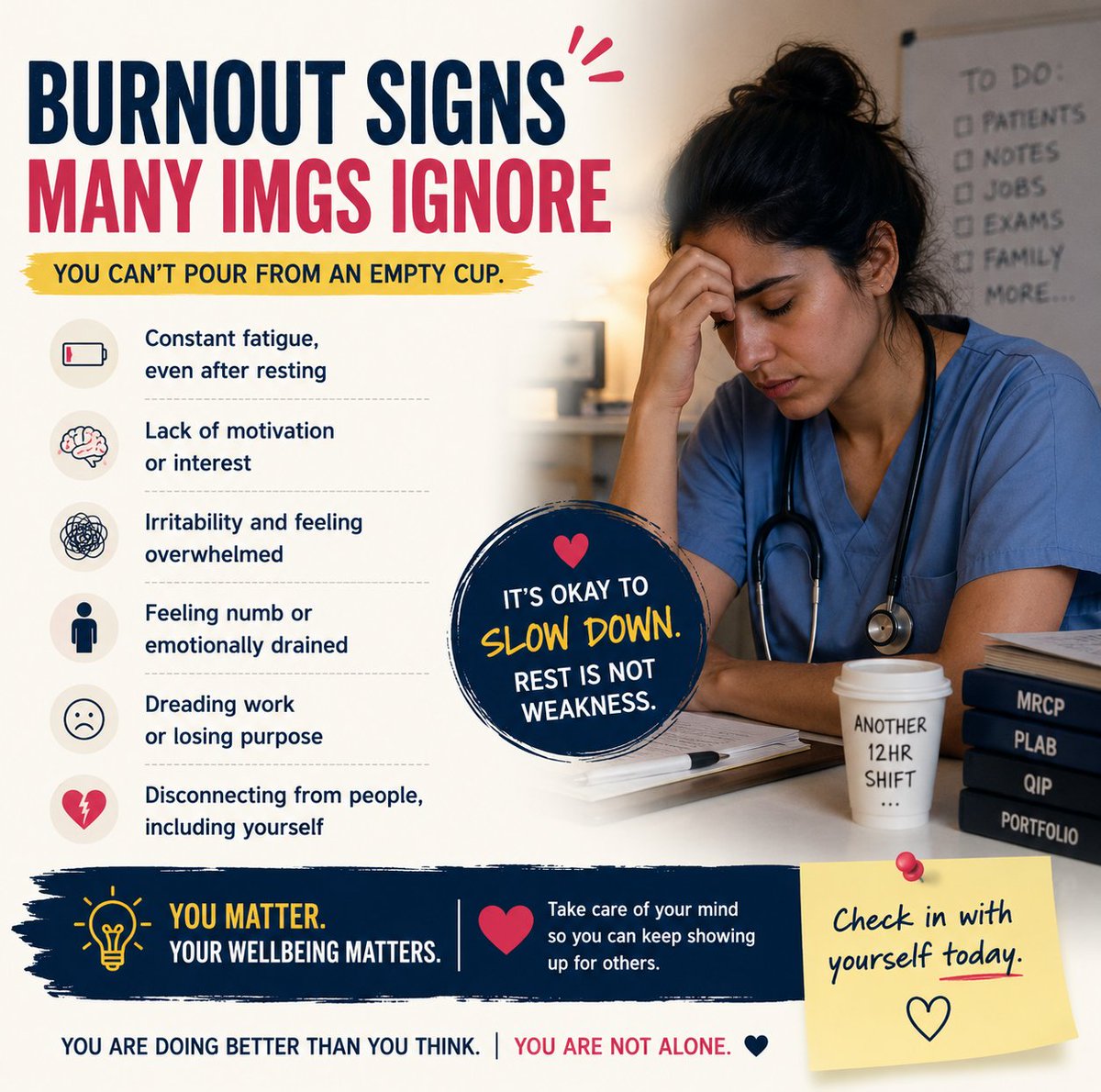
Nobody warned many IMGs that burnout can feel… normal.
You keep showing up.
You keep working.
You keep smiling.
1
1
3
34
HBhogal retweeted

May 15
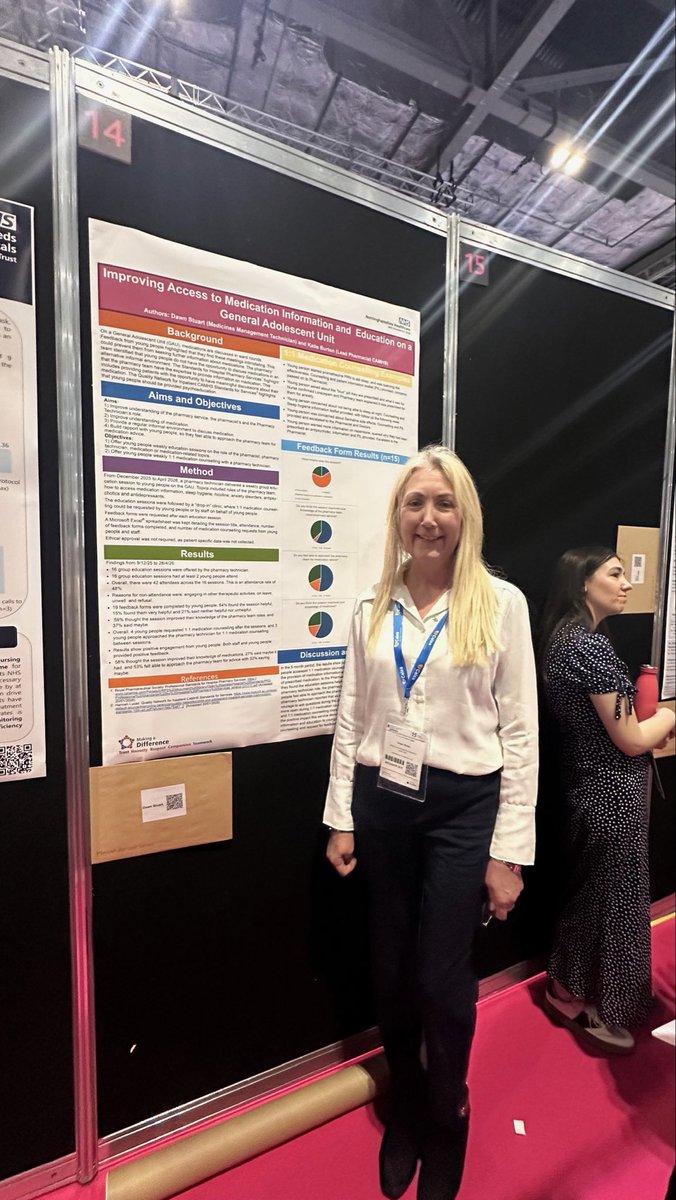
Shout to Dawn Stuart!
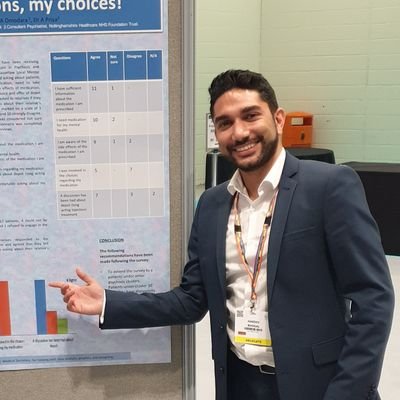
Our Pharmacy Technician presented her poster at Clinical Pharmacy Congress, showcasing the valuable role pharmacy plays in supporting medication counselling for children on our adolescent wards. 👏🏽👏🏽@NottsHealthcare @NottsHCPharmacy
1
1
36
HBhogal retweeted

May 13
Looking forward for @bipa_uk conference
Excellent line up of speakers @Derektracy1 @subodhdave1 @Fabida3
@sri_2050 @dr_a_shivram @shwetamittal80 @rrao9499

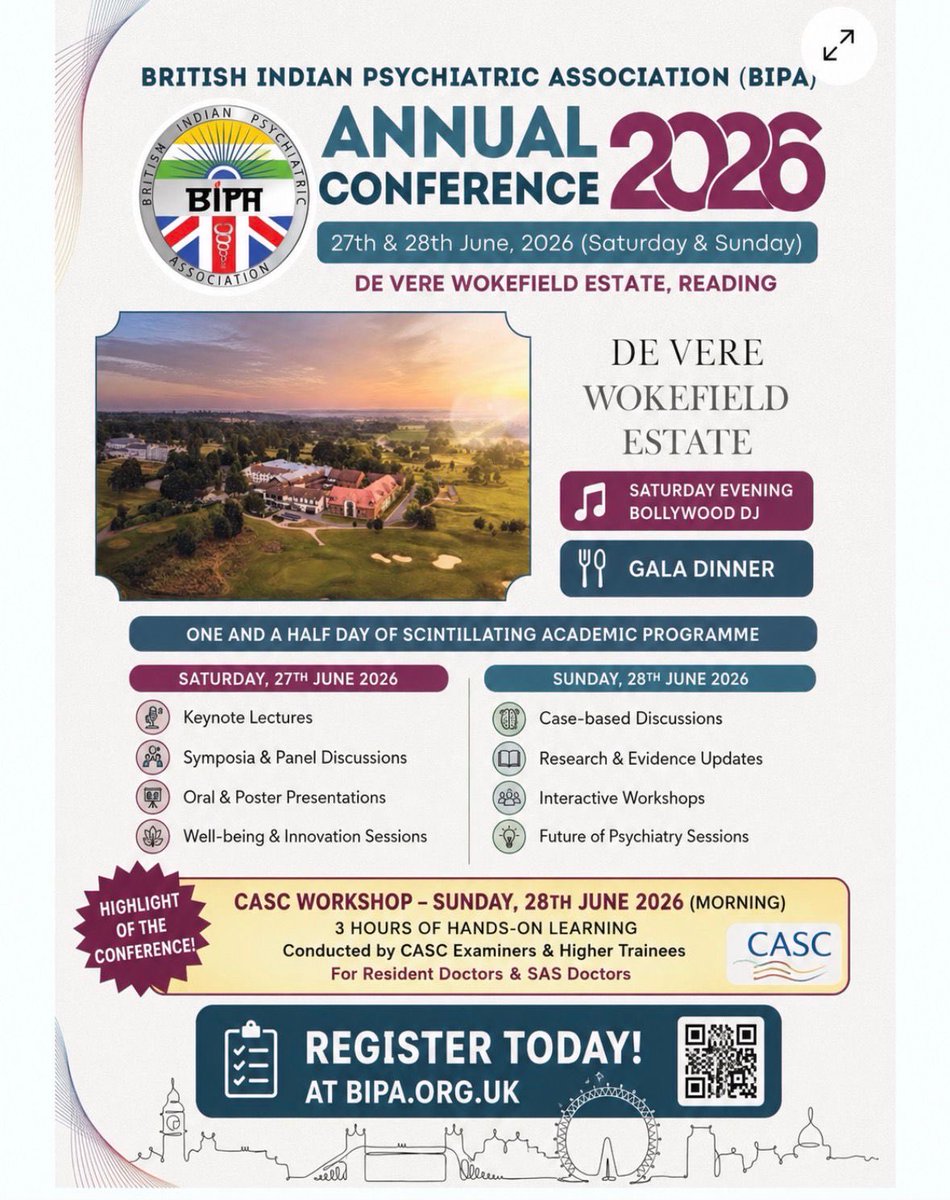
Preparing for CASC? Join us at the BIPA Annual Conference 2026 in Reading on 27, 28 June for a dedicated 3-hour CASC workshop led by experienced CASC examiners and Higher Resident Doctors. A great opportunity for in-person practice, feedback, networking, and exam preparation.
4
9
442
HBhogal retweeted

Our College has a new president elect!
Congratulations @subodhdave1 and our best wishes for your Presidency.
All 3 candidates - Prof Dave, @ProfRobHoward and @regalexa's campaigns showcased plans for supporting our nation's mental health - congratulations to all.

Congratulations to Professor Subodh Dave who has been elected as the next President of the Royal College of Psychiatrists.
2
5
19
1,059
HBhogal retweeted

Mar 29
#dcfcfans on Bank holiday Monday against Stoke City can you please bring with you flags, scarves, anything Black and White! Between the 21st minute and 30th minute, please join us in a chant, all sides of the ground.
After the incident last night within our City, this doesn’t break a Derbeian, it makes us stronger, bonds us together more, united as one!
We are also going to walk from the Steve Bloomer mural at 1:45pm to the ground if anyone would like to join us showing that no matter what is thrown at us, we are as one.
Also with the devastating news on the passing of young Birmingham City supporter Paul Pikes, we ask on the 18th minute we show our condolences to a fellow football supporter who was taken far too young after attending a football match following his club.
#dcfc #dcfcfans @dcfcofficial @phillowe1 @JK_dcfc @djgrantboden8 @PageDcfc @DerbyRetweets @RamsRationalist @ramsreview1 @SteveBloomerPod
9
49
234
27,812
HBhogal retweeted
Mar 17
“It wasn’t like that when I was a trainee”
If you work in medicine across generations, read this.
Generational differences in medicine are real, and they're not about attitude or commitment. They're about the world each of us grew up in.
In our latest Why Medics Matter episode, Dr. Amie Burbridge and Dr. Simon Fraser explore generational theory and what it means for how we lead, teach, and work together.
Here are 3 insights from the podcast every doctor should sit with:
1. Generational friction in the workplace is structural, not personal
Conflict between newer and more established clinicians often isn't about attitude or commitment. Instead, it reflects genuinely different formative experiences that shaped distinct values, communication styles, and expectations. Recognising this reframes "that junior is difficult" into "we were shaped by different worlds," which is a more productive and accurate starting point for any supervisory relationship.
2. Curiosity about colleagues is a professional responsibility, not a soft extra
The same curiosity expected of doctors in clinical practice should be directed at the people they work with. Understanding why a colleague or trainee behaves differently isn't just good management or a soft skill, it sits right at the heart of professional behaviour.
3. It's a two-way street, and trainers don't own whole responsibility
There's often an implicit assumption that senior clinicians must simply adapt to newer generations, but learners are equally responsible for being curious about why their trainers do things a particular way. Genuine workplace harmony requires mutual understanding across every generation, not just top-down accommodation.
Want to hear the full conversation?
Listen on Spotify and iTunes
Watch the episode on YouTube eu1.hubs.ly/H0sGGKK0
2
3
326
HBhogal retweeted

Feb 11
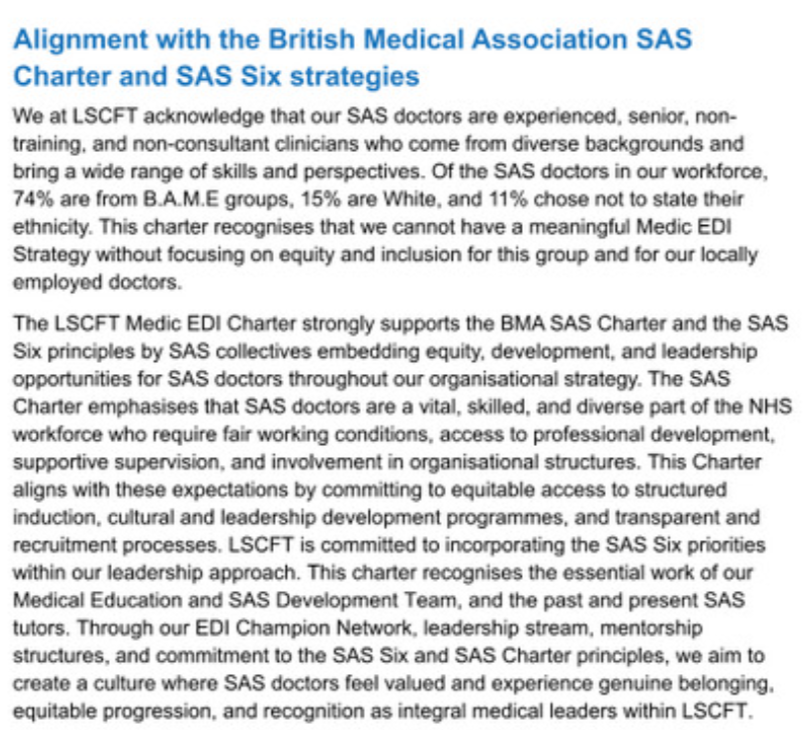
Another trust committing to #SASsix, to inclusion and fairness for all its doctors.
Great to see this @DrGarethEThomas @ChrisOliverNHS @WeAreLSCFT #ImranChati #LadipoAdepoju #SangbartaChattopadhyay @RCPsychSASdocs

Joining the #SASsix family today is @WeAreLSCFT. They launched today their impressive Medic EDI Charter including #SASsix.
Welcome to the family @WeAreLSCFT

2
6
211
HBhogal retweeted
Jan 30
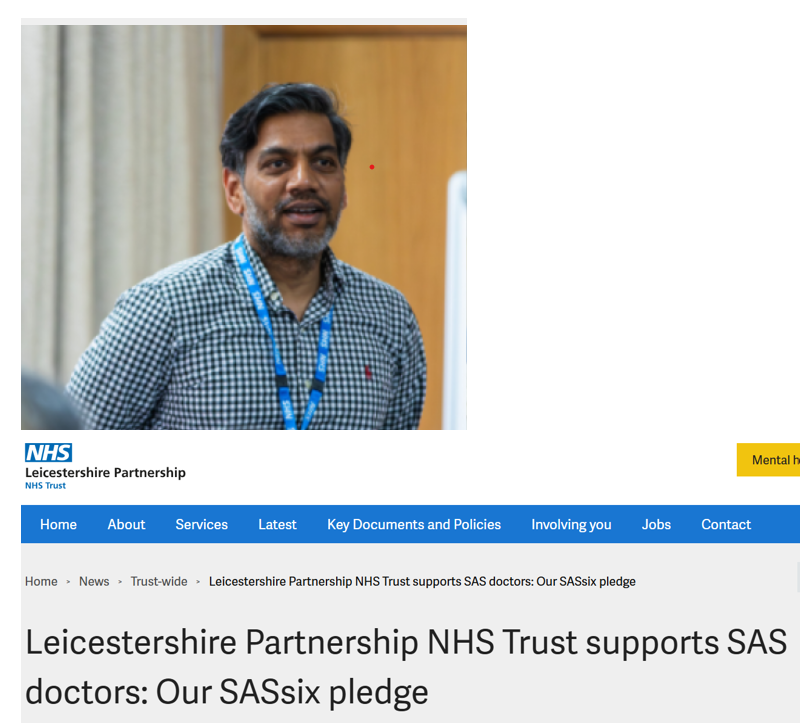
A great day in Derby today. And then, this👇
#SASsix all the way

And look what happened in the Midlands today too. 👏👏👏 @lptnhs @AngelaHillery
1
5
148
HBhogal retweeted
Jan 30
Looking forward to meeting colleagues from accross the region at this great event organised by Calin Cavaropol and the @derbyshcft.
A day of learning and connection and the traditional CMOs panel always the highlight of the day.
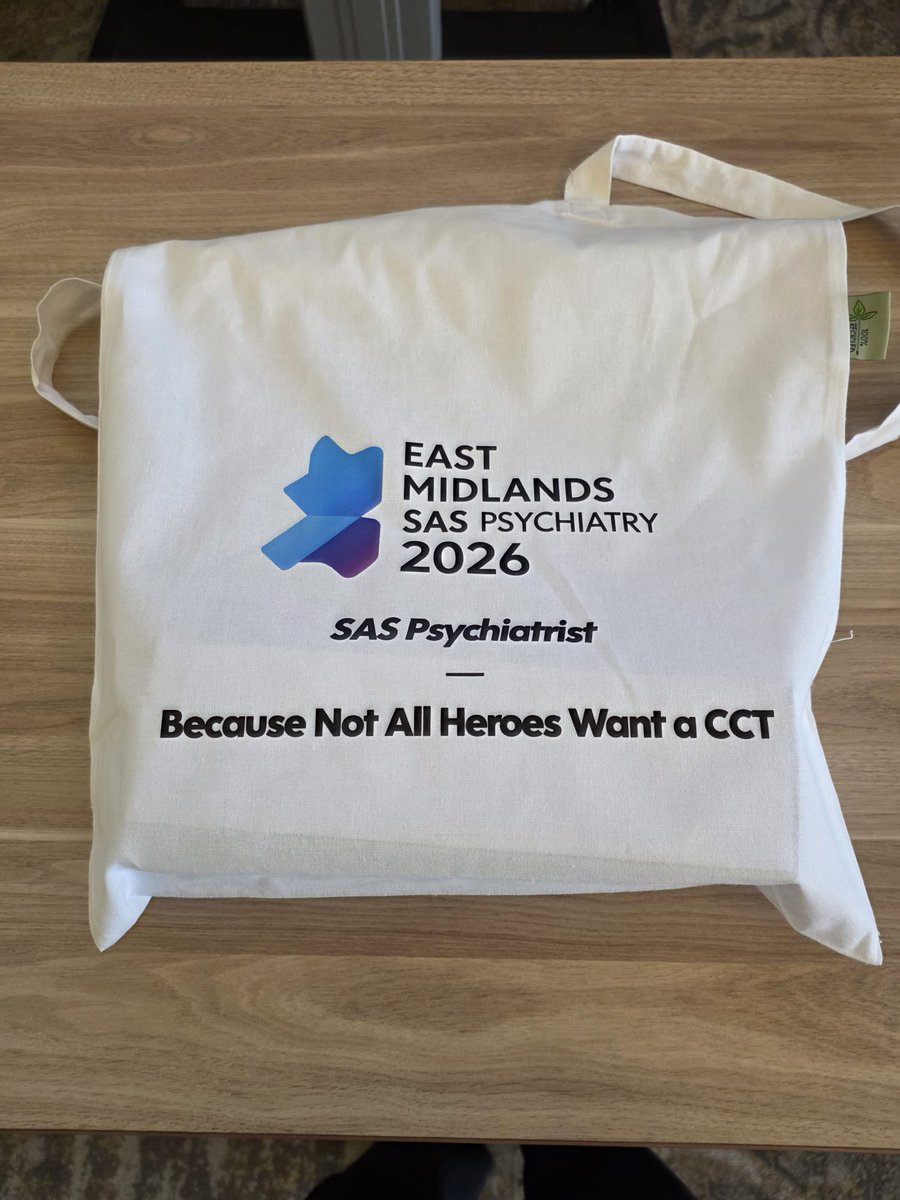
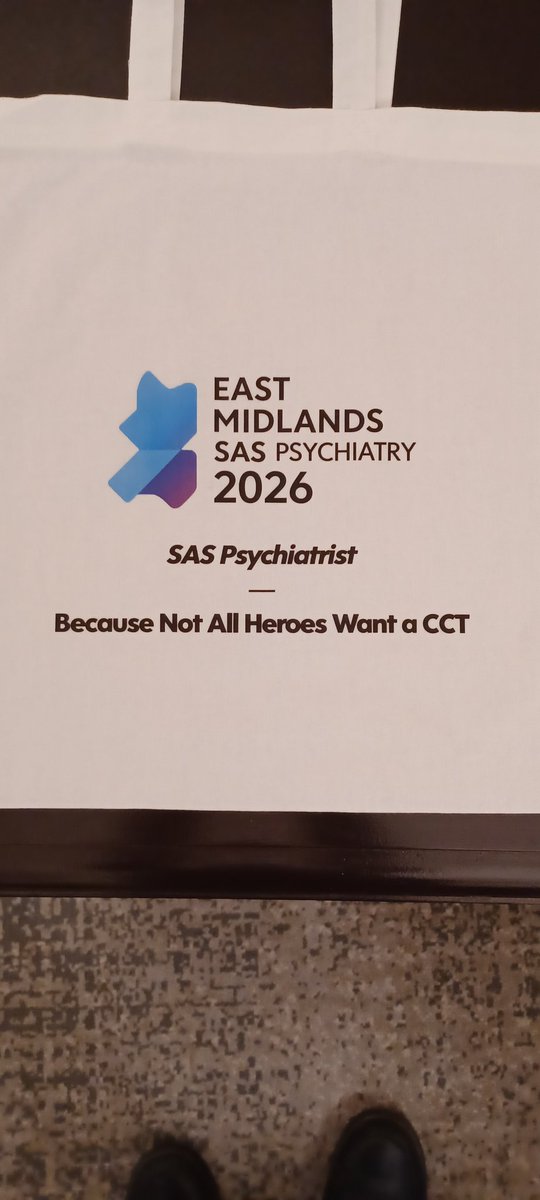
Midlands colleagues enjoying their annual conference today.
Look at the welcome bags!
1
5
202
HBhogal retweeted
Jan 28
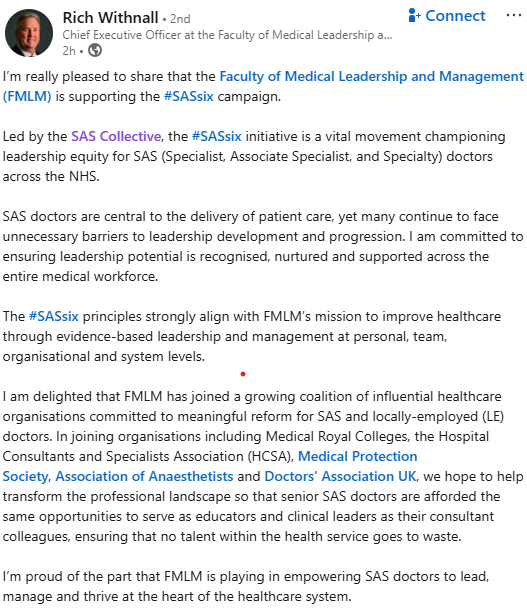
Professor @RichWithnall CEO of @FMLM_UK on the anouncement today that the organisation he leads has joined the #SASsix family.
6
12
315

HBhogal retweeted
Jan 28
not heard of SAS doctors at all Ian?
A fair few local graduates do that out of choice too
1
3
17
414
HBhogal retweeted

23 Dec 2025
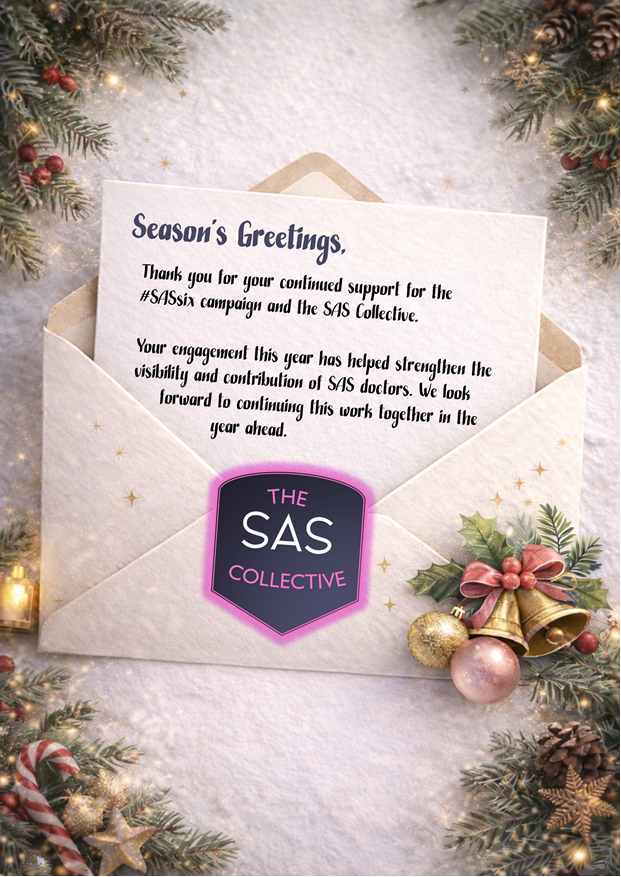
As 2025 ends, we are grateful for every SAS Collective member, ally and friend and for all SAS doctors joining us in our quest to implement #SASsix and the many national documents showing what should happen.
A wonderful Christmas and a impactful, joyous New Year to you all!
10
17
775
HBhogal retweeted
18 Dec 2025
Fantastic news that the Mental Health Act 2025 received Royal Ascent today.
A new era for people with mental illness, strengthening their rights, empowering them and addressing racial injustice.
I like today.
@RCPsychSASdocs
@HarryBho
@DrVic1987
@EmmelineLagunes
3
5
423
HBhogal retweeted
27 Nov 2025
Proud to see these colleagues. #SASsix
Thrive in Psychiatry: Episode 3 youtu.be/ILSiRg6Qx24?si=zw3Y… via @YouTube
1
1
6
418

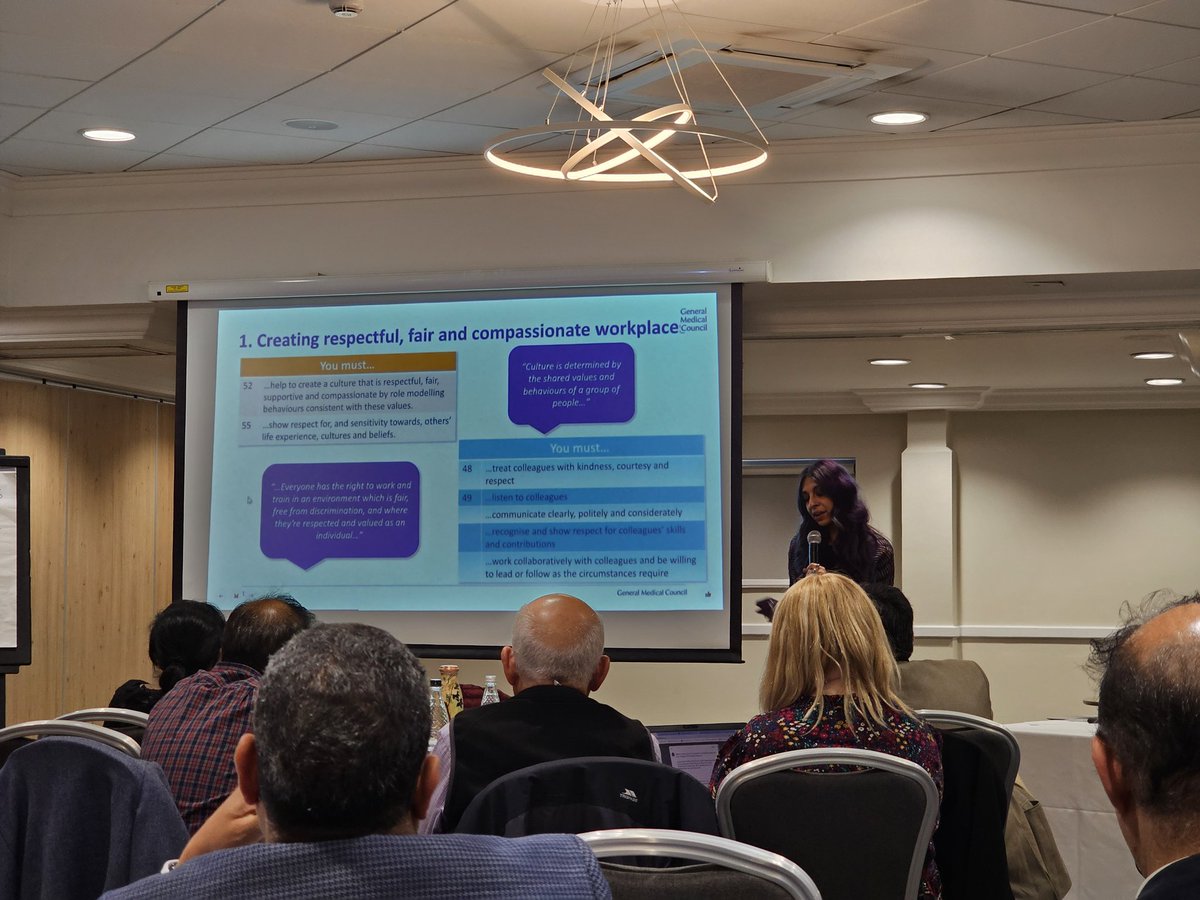
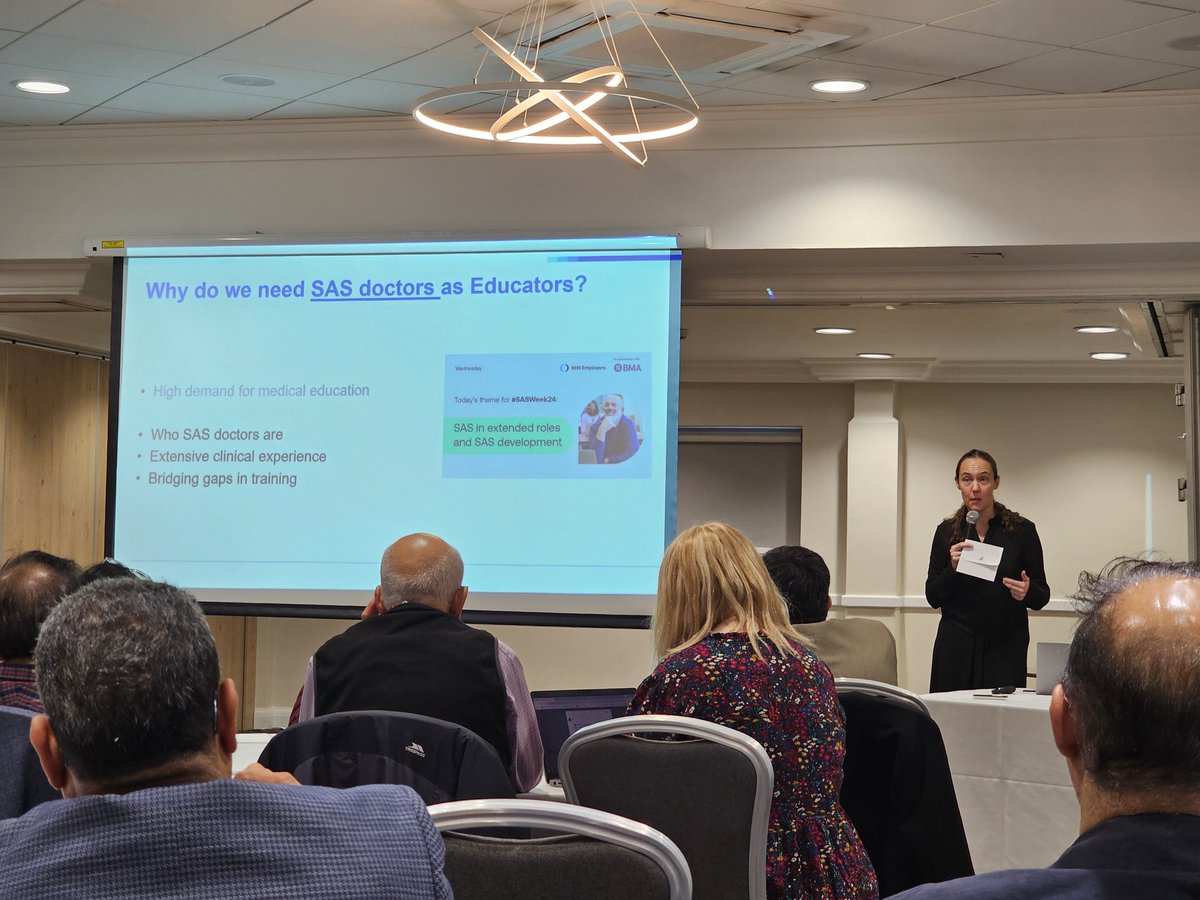
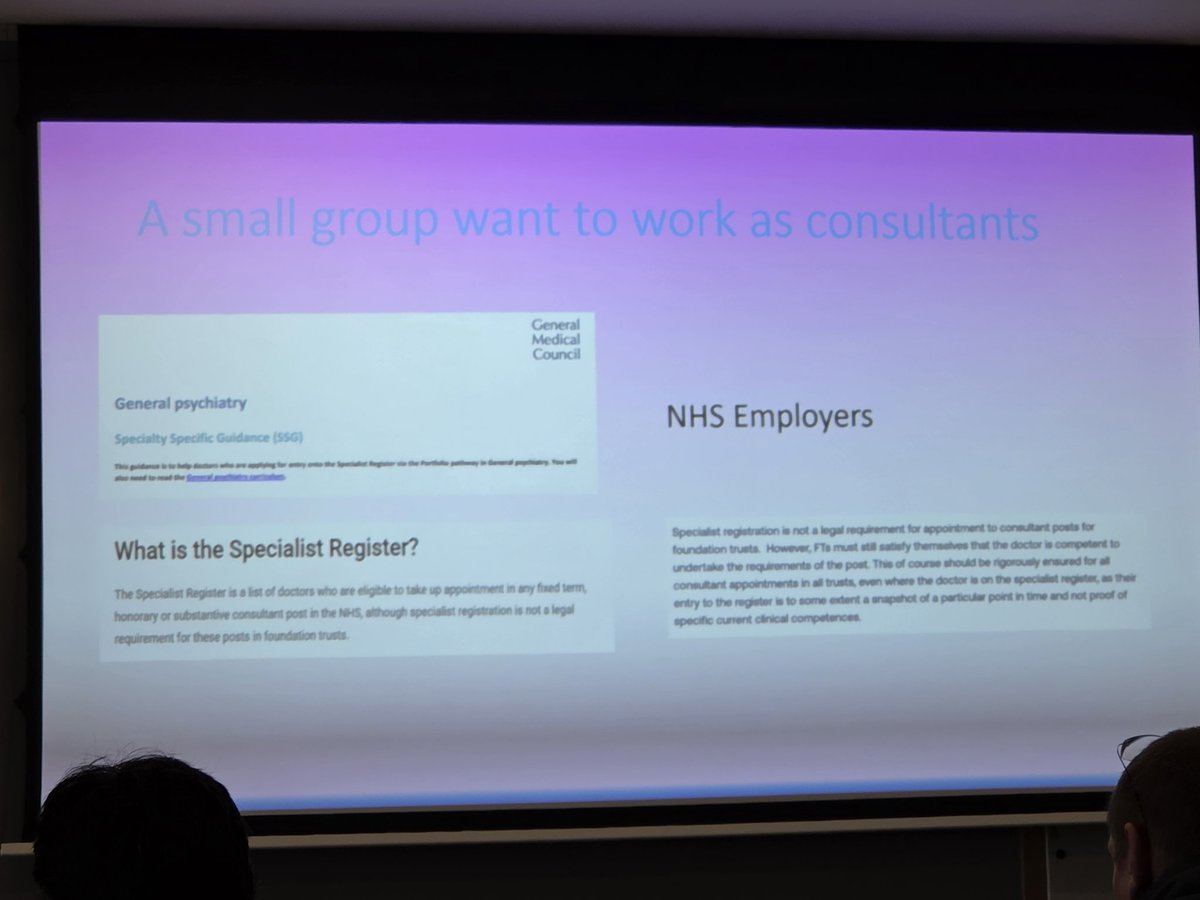
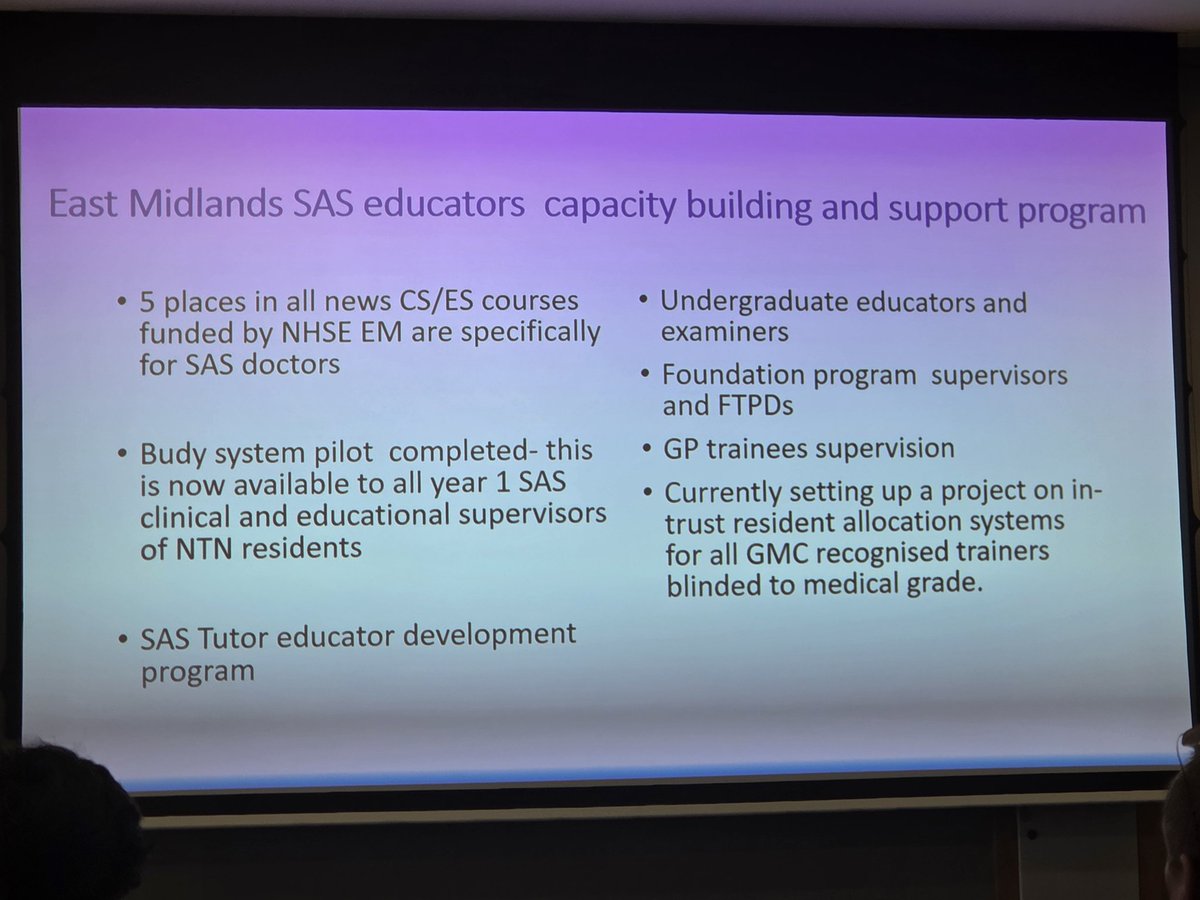
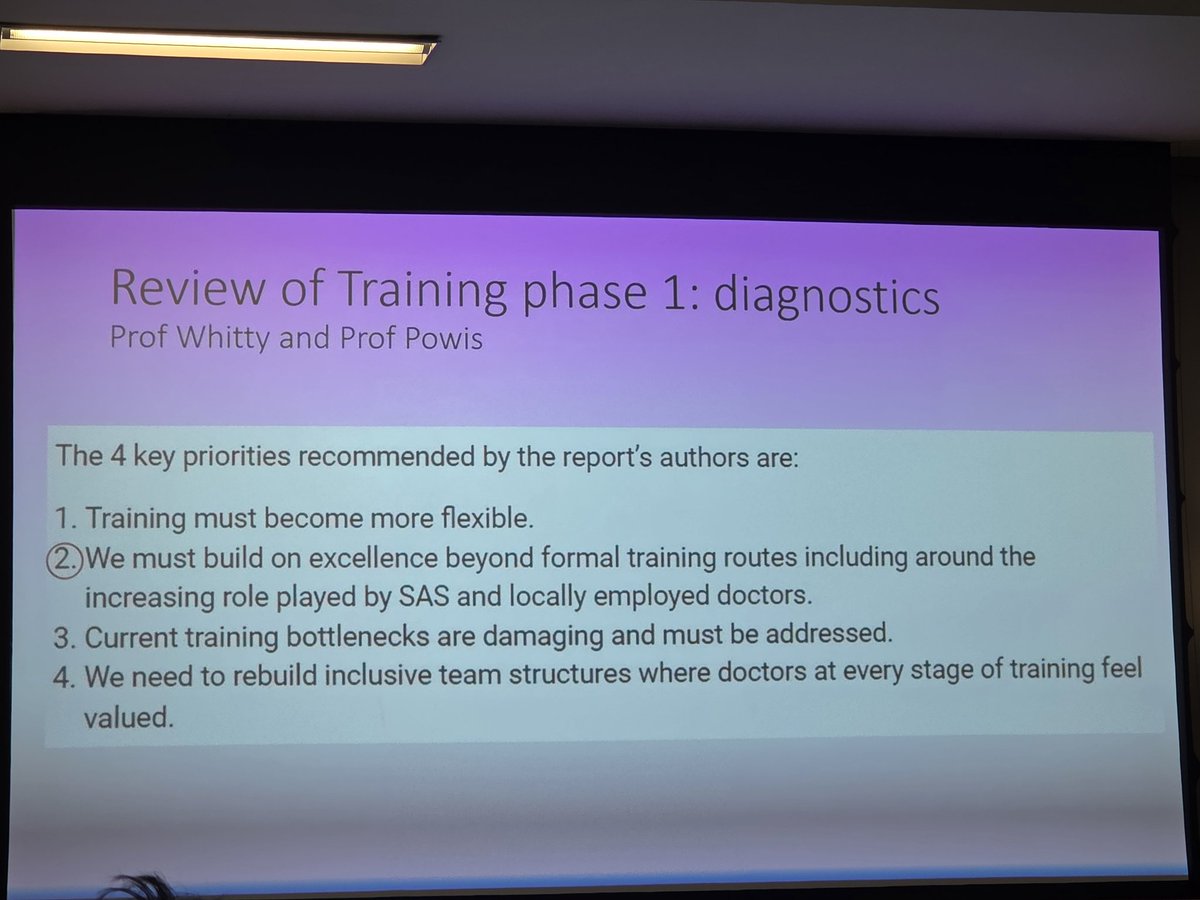
Really excited to attend NHSE WTE Midlands SAS Conference yesterday. We heard from so many about the changing occurring and upcoming which are in support of SAS doctors and their development. Thanks @clujinmyheart and @dr_fuadabid for organising. @theSAScollect @RCPsychSASdocs
6
6
461