
Retired Haskell programmer. Was pro drummer & still play hours/day. Science, Philosophy, Literature. DMs blocked unless shared interests.
Joined December 2012
- Tweets 48,411
- Following 1,311
- Followers 482
- Likes 57,497
199 Photos and videos

Frank Paul Mora retweeted
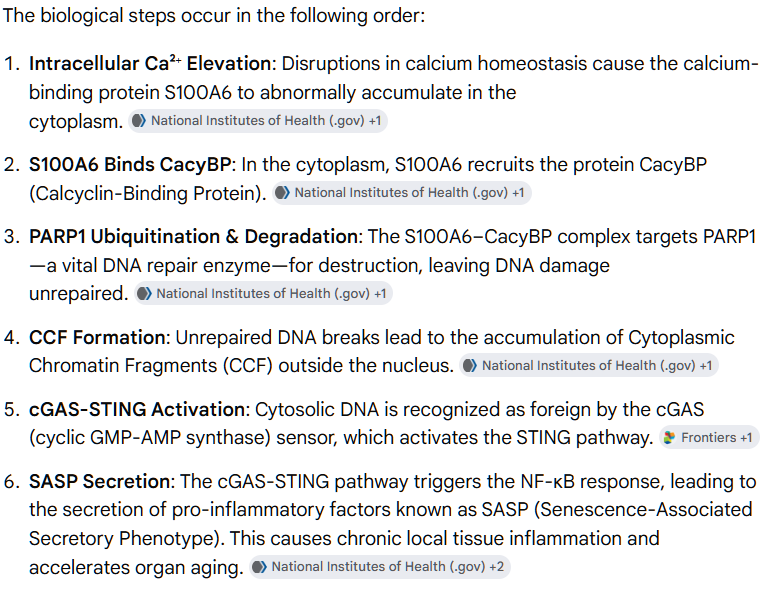
Targeting inflammaging in Alzheimer’s disease: molecular pathways and emerging pharmacotherapies
link.springer.com/article/10…
13
21
1,599
Frank Paul Mora retweeted

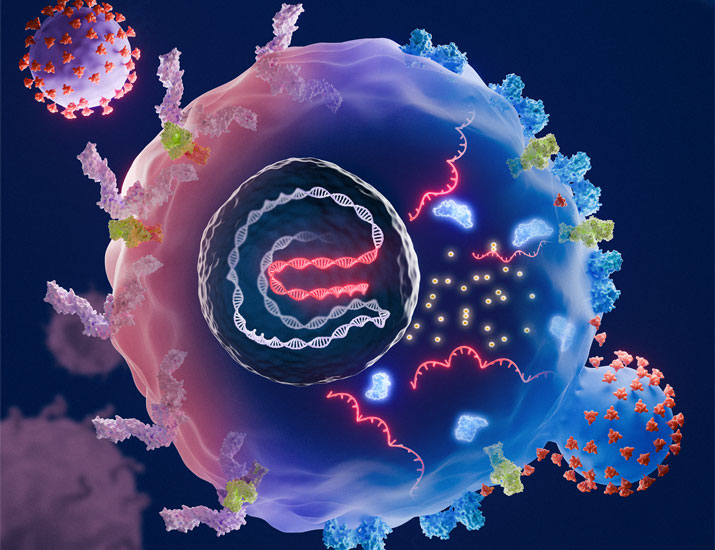
A landmark @ScienceTM study shows that latent #HIV can convert CD4 T cells to CD8 T cells and identifies the latter as a previously overlooked component of the viral reservoir—a surprising finding with critical implications for HIV cure efforts.
📄: scim.ag/4482ouU
2
10
57
15,686
Frank Paul Mora retweeted

10h
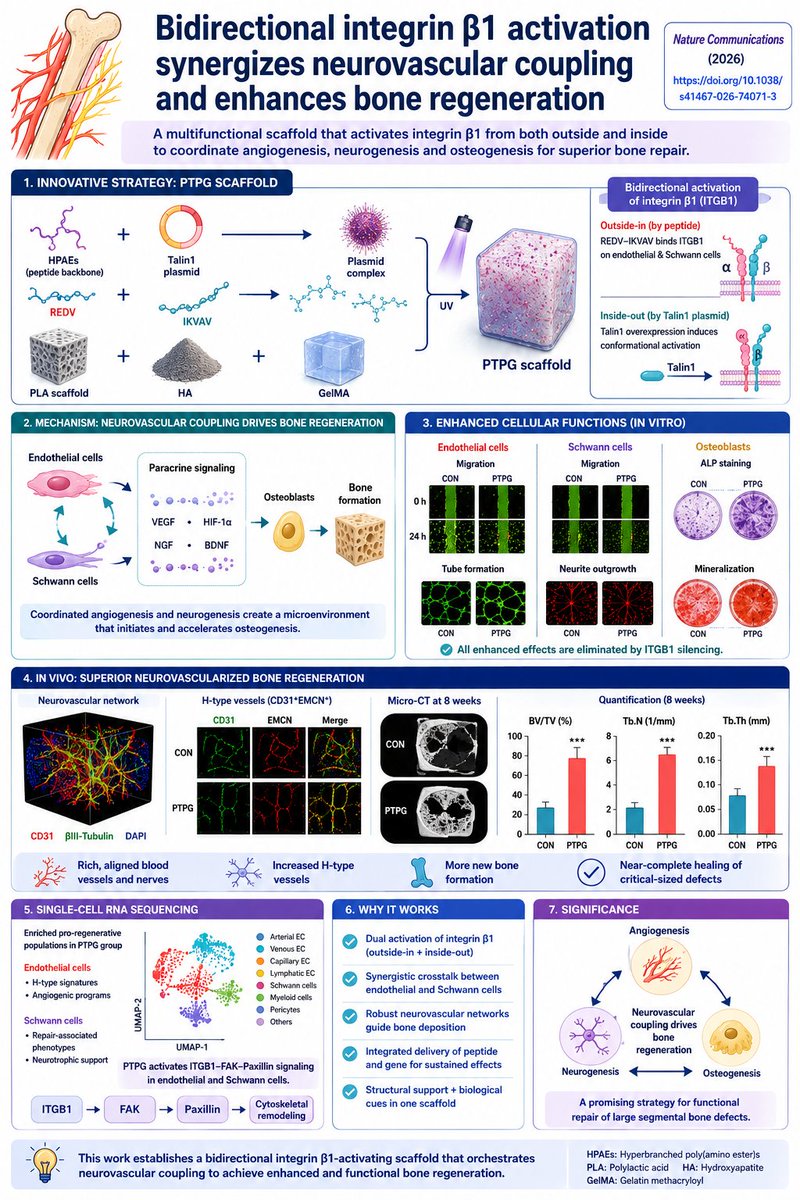
A fascinating new study demonstrates that bone regeneration is not just about osteoblasts—it requires coordinated neurovascular reconstruction.
Researchers engineered a multifunctional scaffold that simultaneously activates integrin β1 (ITGB1) through both extracellular ("outside-in") and intracellular ("inside-out") mechanisms, creating a regenerative niche where blood vessels, nerves, and bone form together.
🦴 Key innovation:
The PTPG scaffold combines:
• REDV–IKVAV peptide → activates endothelial and Schwann cell integrin β1 from outside
• Talin1 plasmid delivery → activates integrin β1 from inside
• 3D-printed PLA-HA scaffold → structural bone support
• GelMA hydrogel → sustained release platform
Together, these components create bidirectional ITGB1 activation.
Why does this matter?
Most bone grafts focus on osteogenesis alone.
But large segmental defects require:
🩸 Angiogenesis
⚡ Neurogenesis
🦴 Osteogenesis
working as an integrated system.
The authors show that vascular endothelial cells and Schwann cells communicate through paracrine signaling, producing VEGF, HIF-1α, NGF, and BDNF that ultimately drive osteoblast differentiation and bone formation.
Major findings:
✅ Enhanced endothelial migration and tube formation
✅ Increased Schwann-cell neurotrophic activity
✅ Robust H-type vessel formation (CD31⁺ EMCN⁺)
✅ Aligned neurovascular networks
✅ Greater bone volume and trabecular number
✅ Near-complete healing of critical-sized femoral defects
✅ Activation of the ITGB1–FAK–Paxillin signaling axis
✅ Single-cell RNA-seq confirms enrichment of pro-regenerative endothelial and Schwann-cell states
Perhaps the most interesting concept is the emergence of a neurovascular unit for bone repair.
Rather than treating blood vessels and nerves as separate targets, the scaffold promotes synchronized vessel–nerve growth, which then guides osteogenesis.
This represents a shift from:
"bone regeneration"
to
"neurovascularized organ-level regeneration."
The broader implication is that integrin β1 may function as a master coordinator linking vascular, neural, and skeletal repair programs.
A compelling example of how regenerative medicine is moving toward engineering entire tissue ecosystems rather than single cell types.
Reference
Wu F, An Y, Zhao Y et al.
Bidirectional integrin β1 activation synergizes neurovascular coupling and enhances bone regeneration.
Nature Communications (2026).
#RegenerativeMedicine #BoneRegeneration #Integrin #Biomaterials #TissueEngineering #NeurovascularCoupling #SingleCell #NatureCommunications #Bioengineering #TranslationalMedicine
3
9
238
Frank Paul Mora retweeted

Jun 13
Mitochondrial drivers of stem cell aging and inflammaging | npj Aging nature.com/articles/s41514-0…
5
15
1,041
Frank Paul Mora retweeted

Jun 12
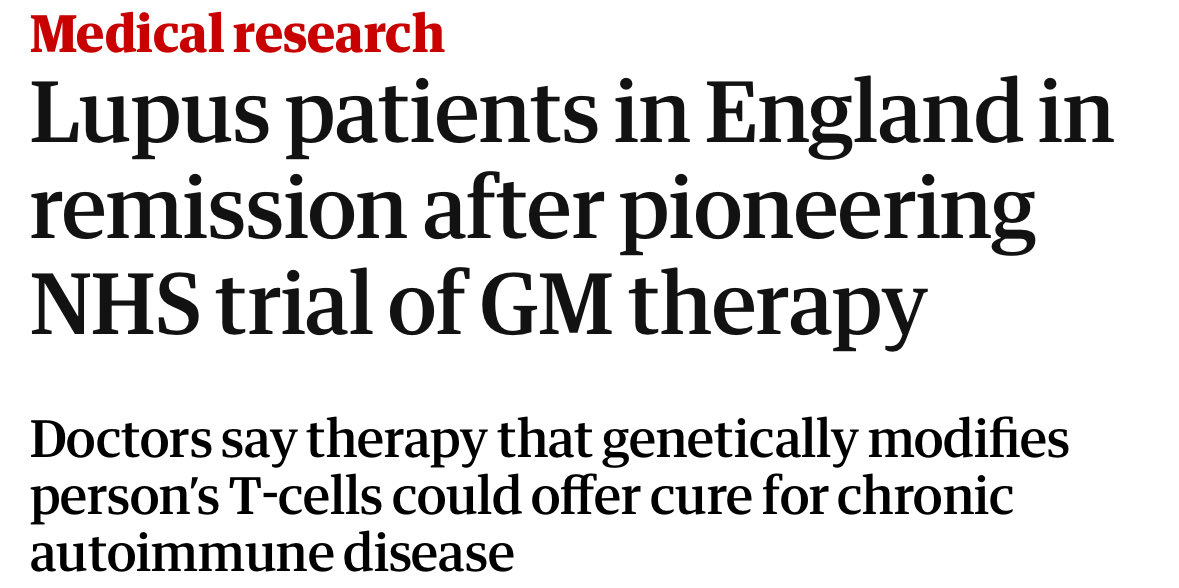
One of the most exciting developments in medicine right now!
Patients with lupus who had exhausted other treatment options entered remission after receiving CAR-T cell therapy.
A treatment developed for cancer may now be helping reset the immune system in autoimmune disease.
9
82
278
8,607
Frank Paul Mora retweeted

Neural synchrony between prefrontal and visual cortex supports visual working memory
doi.org/10.64898/2026.06.05.…
#neuroscience
3
16
93
4,079
Frank Paul Mora retweeted
Hundreds of scientists who study cancer and aging have made an easily avoidable but significant mistake, deploying the wrong antibody to test for a key protein, according to a researcher who exposes errors in the biomedical literature.
Learn more: scim.ag/4akPaP4 @NewsfromScience
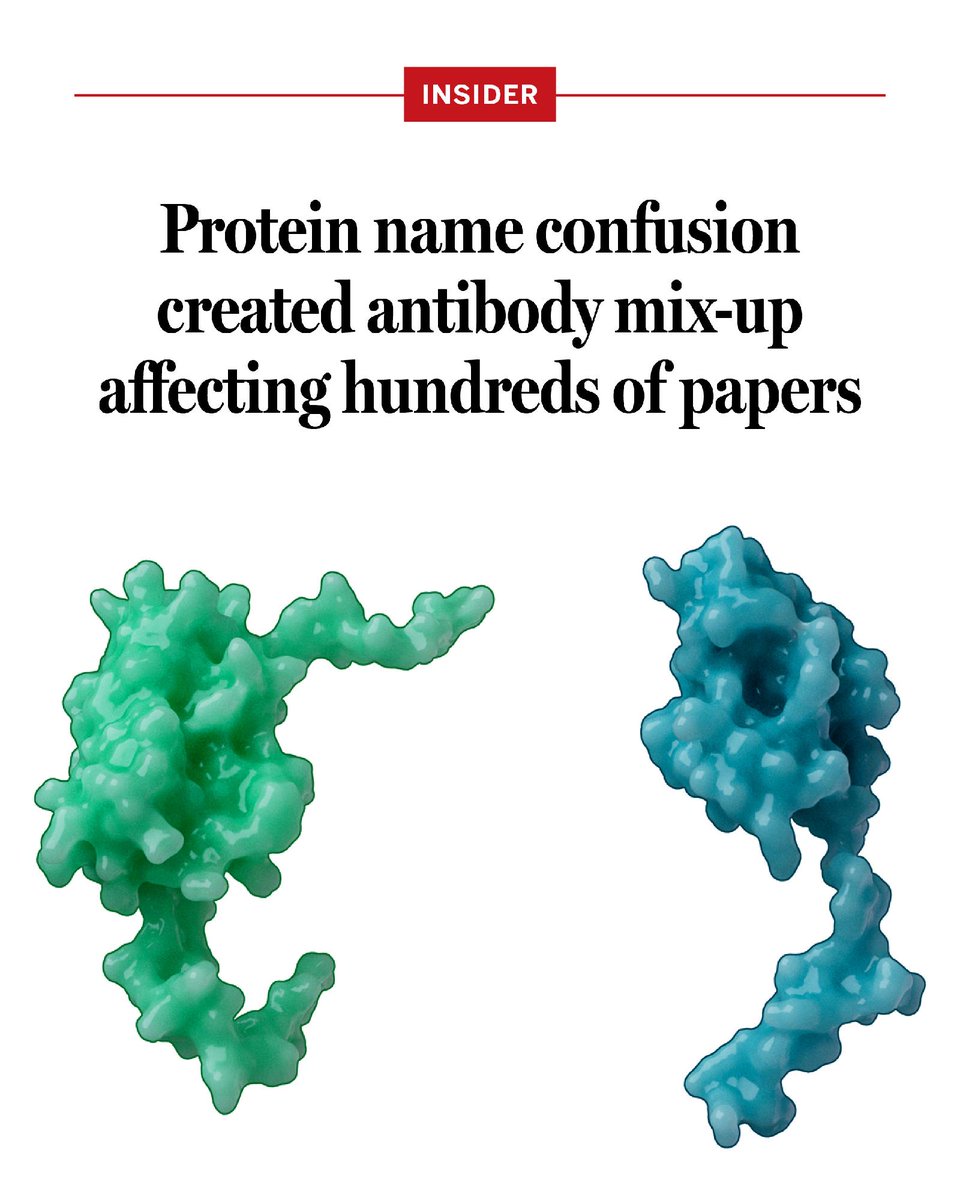
ALT Protein name confusion created antibody mix-up affecting hundreds of papers
17
71
252
36,392
Frank Paul Mora retweeted
Macroscale traveling waves link perception, response selection, and vocal production during marmoset vocal interactions
doi.org/10.64898/2026.05.15.…
#neuroscience
1
11
36
1,974
Frank Paul Mora retweeted

If you’d like to collect my art in small print format, delivered monthly to your mailbox by snail mail — Blooming Letter Mail Print Club is open for subscription 💌✨
verakober.com/mail-club
3
8
264

Frank Paul Mora retweeted

Jun 13
Distinct fibroblast and perivascular senotypes define spatial niches that regulate fibrosis
biorxiv.org/content/10.64898…
1
3
13
1,549
Frank Paul Mora retweeted

Jun 11
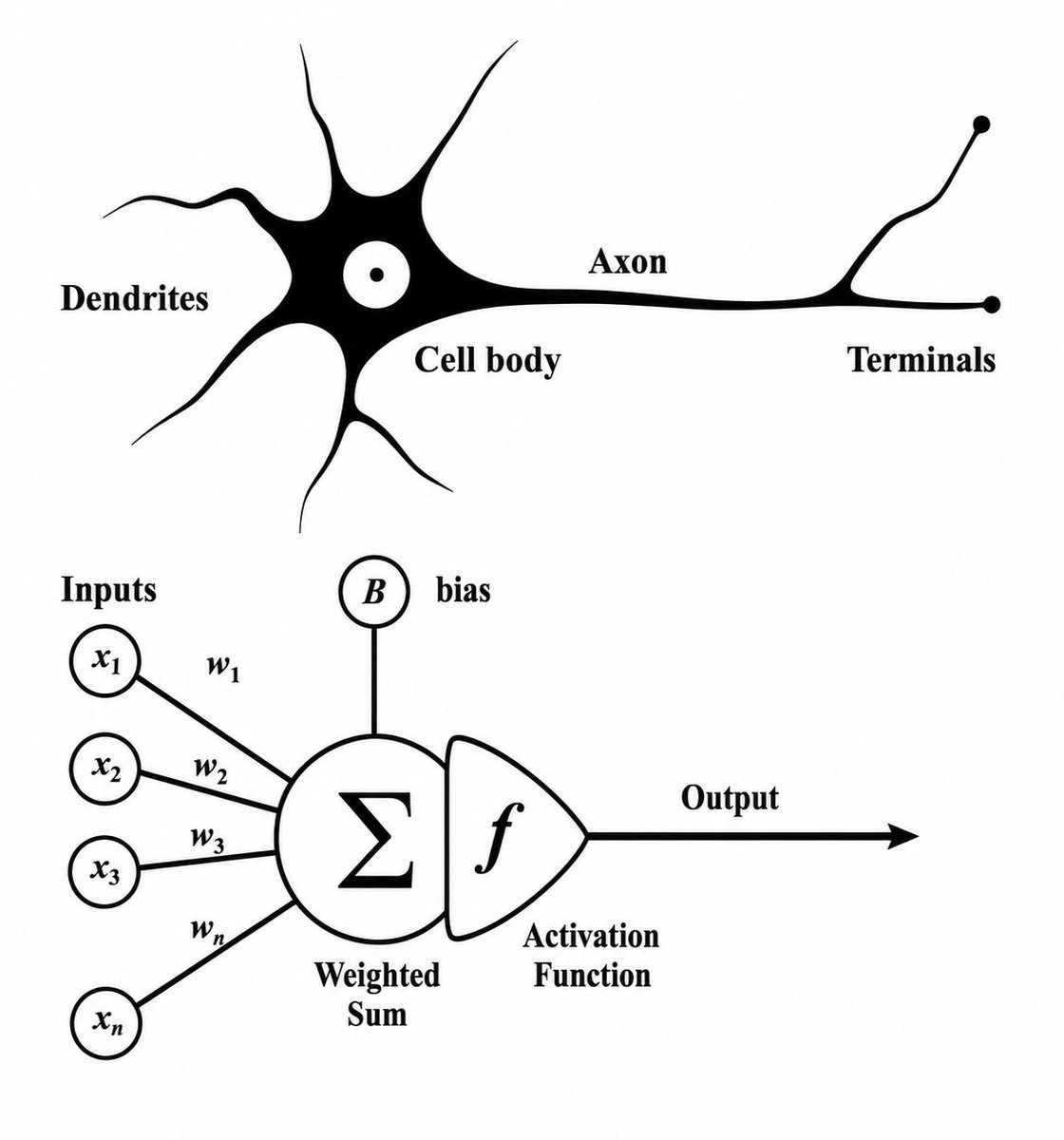
Biological neuron compared to the artificial neuron used in neural networks.
- The top shows a biologic neuron: dendrites receive signals, the cell body processes them, the axon transmits the signal, and terminals pass it onward.
- The bottom shows an artificial neuron: inputs x₁ to xₙ are weighted by w₁ to wₙ, summed with bias B, then passed through activation function f to produce output. This model is the basis for artificial neural networks.
It drives applications such as image classification in social media and voice recognition in virtual assistants.
29
378
1,736
50,175
Frank Paul Mora retweeted

rituximab is also in my book since two years
amazon.it/Long-Covid-No-Filt…
1
1
5
334
Frank Paul Mora retweeted

There is an interesting divergence between some models. For example, Codex absolutely cannot replicate unexpected experimental results relating to simplicity. It keeps "correcting" so that simplicity wins. Claude Code does not have this issue. Of course, it has... other issues
1
1
11
1,020
Frank Paul Mora retweeted
Jun 13
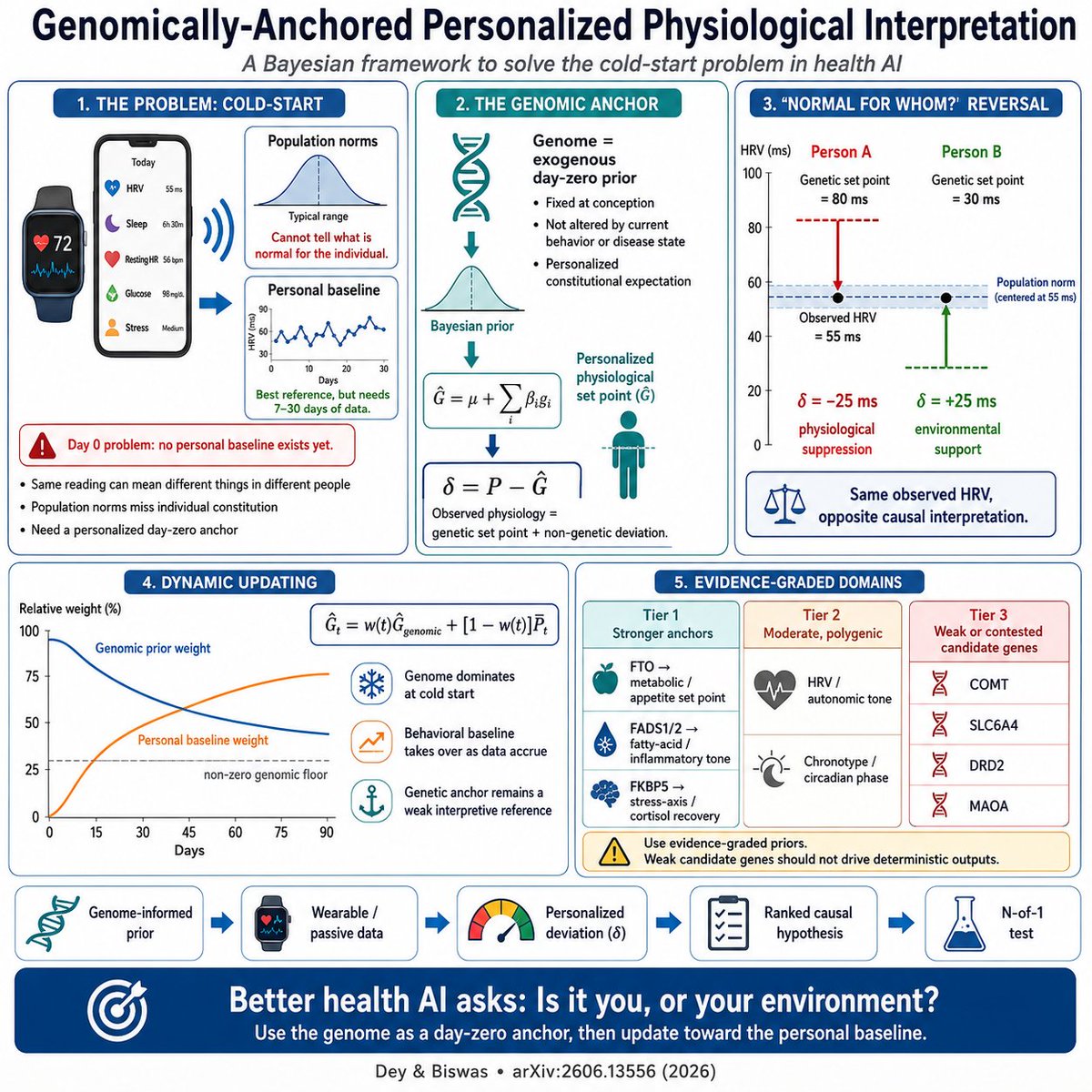
Personalized health AI has a cold-start problem.
Wearables can measure HRV, sleep, resting HR, glucose, cortisol proxies, activity, and stress signals from day one.
But they do not know what is normal for you.
Population norms are too blunt.
A personal baseline is better, but it needs days to weeks of data.
This paper proposes a provocative solution:
Use the genome as a day-zero Bayesian anchor.
The idea:
Your germline genotype is fixed at conception. It cannot be caused by your current sleep, diet, stress, exercise, or disease state.
So genomic information can serve as an exogenous prior for your constitutional physiological set point.
Then each observed physiological value can be interpreted as:
Observed signal = genomic set point non-genetic deviation
The key variable is the deviation:
δ = P − Ĝ
where P is the measured physiological signal and Ĝ is the genome-informed expected set point.
This changes interpretation.
Example:
Two people both show HRV = 55 ms.
For Person A, whose genetic prior predicts HRV ≈ 80 ms, this is a suppression signal.
For Person B, whose genetic prior predicts HRV ≈ 30 ms, this is an enhancement signal.
Same observed value.
Opposite causal interpretation.
That is the “normal for whom?” problem.
The framework also avoids genetic determinism by using uncertainty and prior decay.
At day zero, genomic priors help initialize interpretation.
As behavioral data accumulate, the model transitions toward the individual’s empirical baseline:
Ĝt = w(t)Ĝgenomic [1 − w(t)]P̄t
Strong anchors include FTO for appetite/metabolic set point, FADS1/2 for inflammatory fatty-acid biology, and FKBP5 for stress-axis recovery.
Weak or contested candidate genes—COMT, SLC6A4, DRD2, MAOA—should not drive deterministic outputs.
The best use case is not diagnosis.
It is attribution:
“Is this signal constitutional, or is something in the environment currently pushing you away from your set point?”
This is a useful framing for next-generation health AI:
genome-informed prior → wearable stream → personalized deviation → ranked causal hypothesis → n-of-1 test.
Reference:
Dey & Biswas. “Is It You or Your Environment? A Bayesian Inference Framework for Genomically-Anchored Personalized Physiological Interpretation.” arXiv 2026.
2
6
26
2,450
Frank Paul Mora retweeted
Jun 13
Cardiac therapy is entering a delivery-first era.
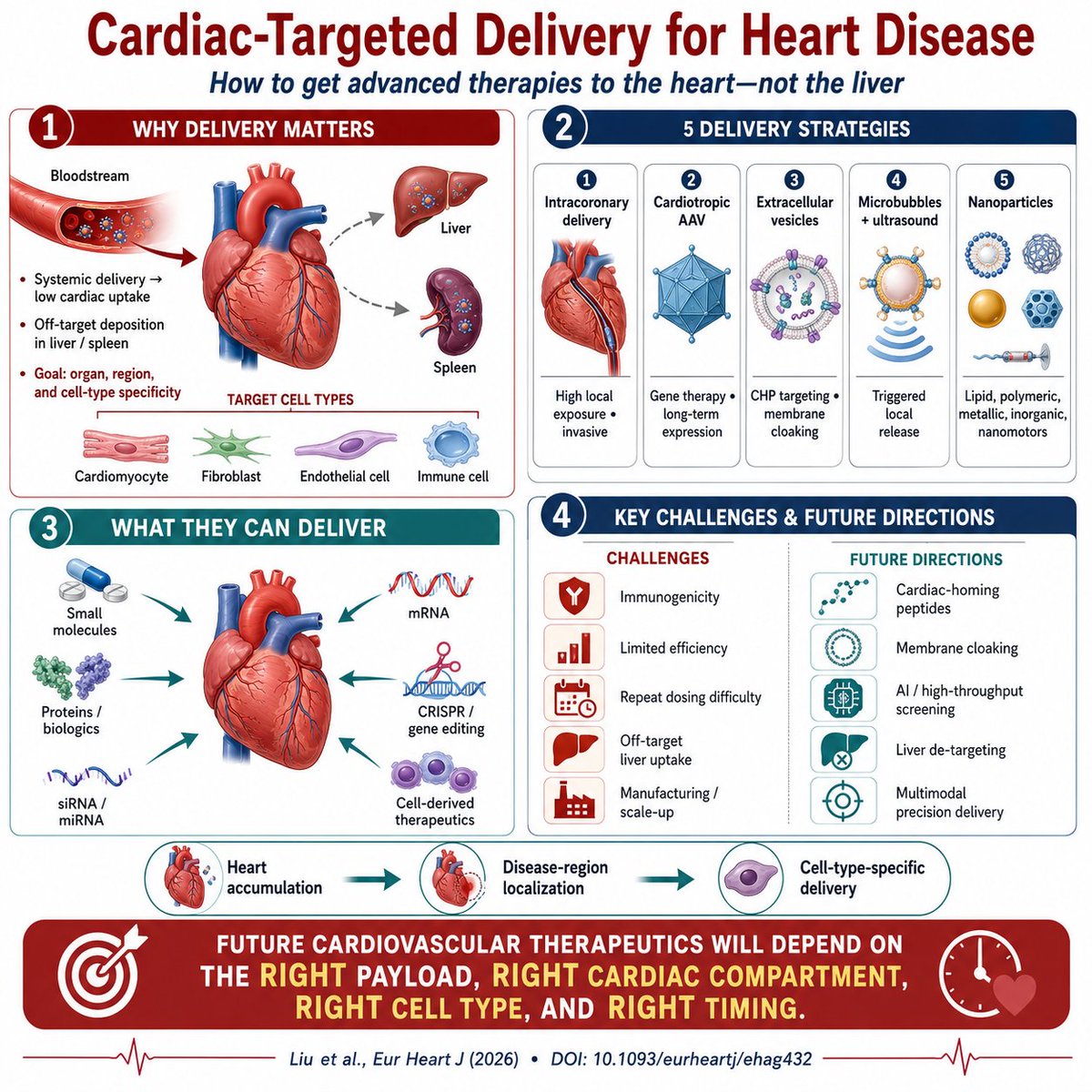
Many advanced therapies for cardiovascular disease already exist—small molecules, biologics, siRNA, mRNA, CRISPR systems, extracellular vesicles, AAV gene therapy, and nanoparticles.
But the bottleneck is simple:
How do we get the therapy to the heart, and not the liver/spleen?
A new European Heart Journal state-of-the-art review summarizes the emerging toolkit for cardiac-targeted delivery.
Core strategies:
Intracoronary delivery
Direct catheter-based delivery can raise local myocardial exposure, especially during PCI, but it remains invasive and difficult to repeat.
Cardiotropic AAV vectors
AAV9/SERCA2a, AAV-LAMP2B, MOG1, SOCS3, VEGF/Ang1, and CRISPR-based approaches show promise, but translation is limited by immune responses, liver uptake, dose toxicity, and packaging constraints.
Extracellular vesicles
EVs can be engineered with cardiac-homing peptides or membrane cloaking to increase uptake in cardiomyocytes, fibroblasts, and ischemic myocardium.
Microbubbles ultrasound
Ultrasound-targeted microbubble destruction enables local release of genes, drugs, or cells with spatial control.
Nanoparticles
Lipid, polymeric, metallic, inorganic, and nanomotor platforms are being designed for mRNA/siRNA delivery, anti-fibrotic therapy, anti-inflammatory targeting, and cardiac repair.
The key insight:
Cardiac targeting is not just “organ delivery.”
It requires three levels of precision:
heart accumulation → disease-region localization → cell-type-specific delivery
The future of cardiovascular therapeutics may depend less on discovering one more drug, and more on engineering the right delivery system:
right payload,
right cardiac compartment,
right cell type,
right timing.
Reference:
Liu et al. “Cardiac-targeted delivery of advanced medical therapies for heart disease.” European Heart Journal 2026. DOI: 10.1093/eurheartj/ehag432.
3
12
398
Frank Paul Mora retweeted

Jun 12
Stay tuned for some empirical work on individual differences in inner thinking - coming soon
1
1
5
334
Frank Paul Mora retweeted

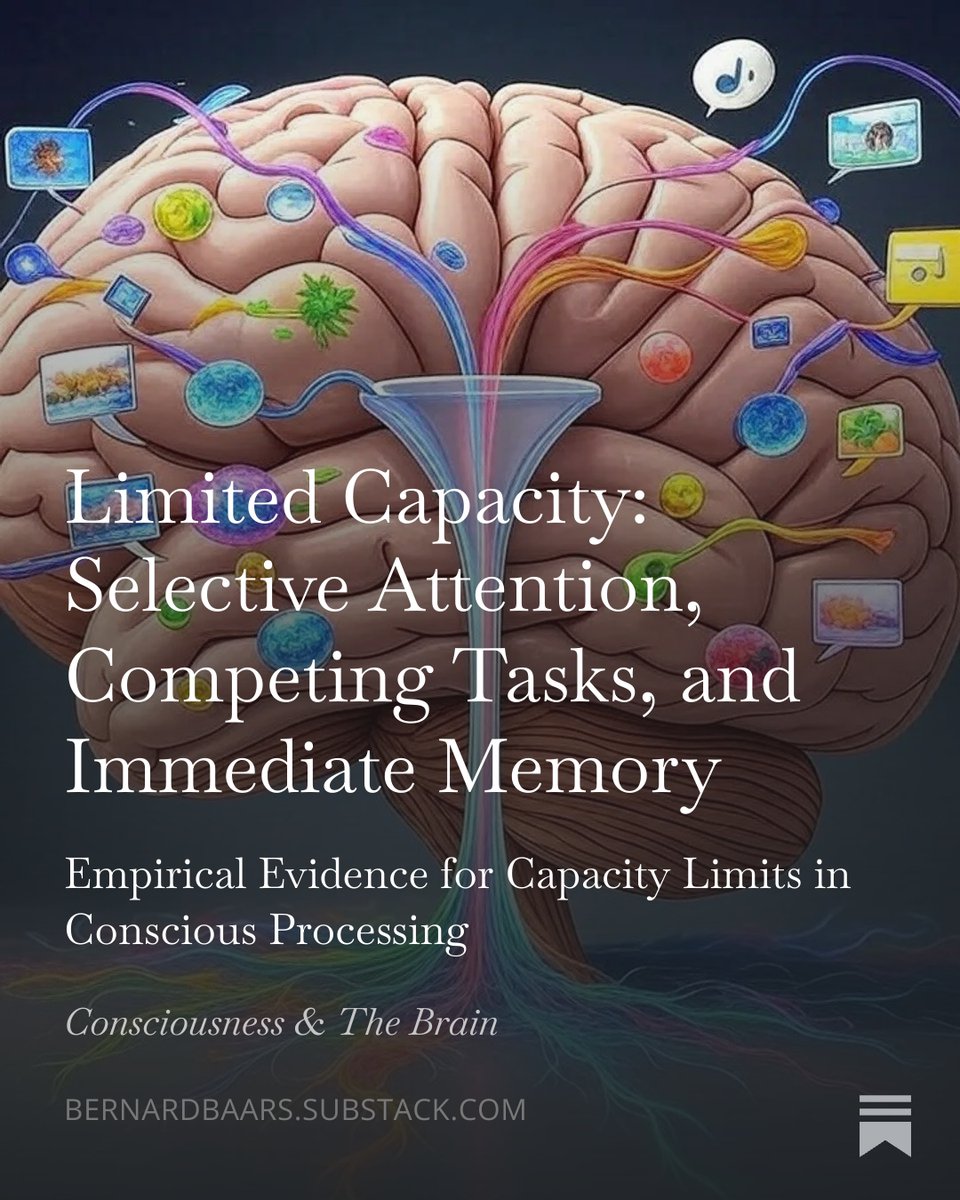
The brain is such an enormous, complex, and sophisticated organ that the narrow limits on conscious and voluntary capacity should come as a great surprise.
Cognitive psychologists rely on three sources of evidence about this “central limited capacity.”
5
36
134
5,131

Jun 13
"It's a miracle" meaning "very greatly appreciated."
Jun 12

“I believe that reading and writing are the most nourishing forms of meditation anyone has so far found. By reading the writings of the most interesting minds in history, we meditate with our own minds and theirs as well. This to me is a miracle.”
― Kurt Vonnegut

6