Marine invertebrate diversity, evolution, development, fluid mechanics, palaeontology, extracellular matrix structures, espiègle, flâneur. il/he/lui/him
Joined August 2013
- Tweets 2,367
- Following 909
- Followers 938
- Likes 2,720
441 Photos and videos


Hello friends, please follow me @invertevo.bsky.social.
If you are there, send me a "bleet"🐐 so that I can find & follow you.
134
Christopher B. Cameron - invertevo.bsky.social retweeted

22 Nov 2024
Discovery of a biodegradable, fully recyclable plastic
@ScienceMagazine
science.org/doi/10.1126/scie…
4
79
282
47,054
Postdoc on the impact of the circular economy on biodiversity: Towards an integrated approach to support decision-making.
mcgill.wd3.myworkdayjobs.com…
1
224
Canadian Museum of Nature Assistant Collection Manager, Invertebrates. English & French are essential.
qcbs.ca/qcbs-database/web/do…
2
2
314
Christopher B. Cameron - invertevo.bsky.social retweeted

14 Nov 2024
🚨Another little promotional piece, this time from our collaborators in Utah. I hope this blog post will help, even in a small way, to raise awareness among Utahns about the fantastic Cambrian paleontological archive their state holds. @NHMU @BLMUtah nhmu.utah.edu/articles/2024/…
12
29
1,583
Christopher B. Cameron - invertevo.bsky.social retweeted

13 Nov 2024
JOB! The Division of Paleontology at the @AMNH seeks an Assistant Curator of Invertebrate Paleontology to start on or after 1st July 2025. For more information see the website:
careers.amnh.org/postings/43…
1
46
70
7,572
North American Echinoderm Conference, University of Alaska Southeast, July 21-26, 2025
uas.alaska.edu/conferences/N…
1
4
10
754
Christopher B. Cameron - invertevo.bsky.social retweeted

11 Nov 2024
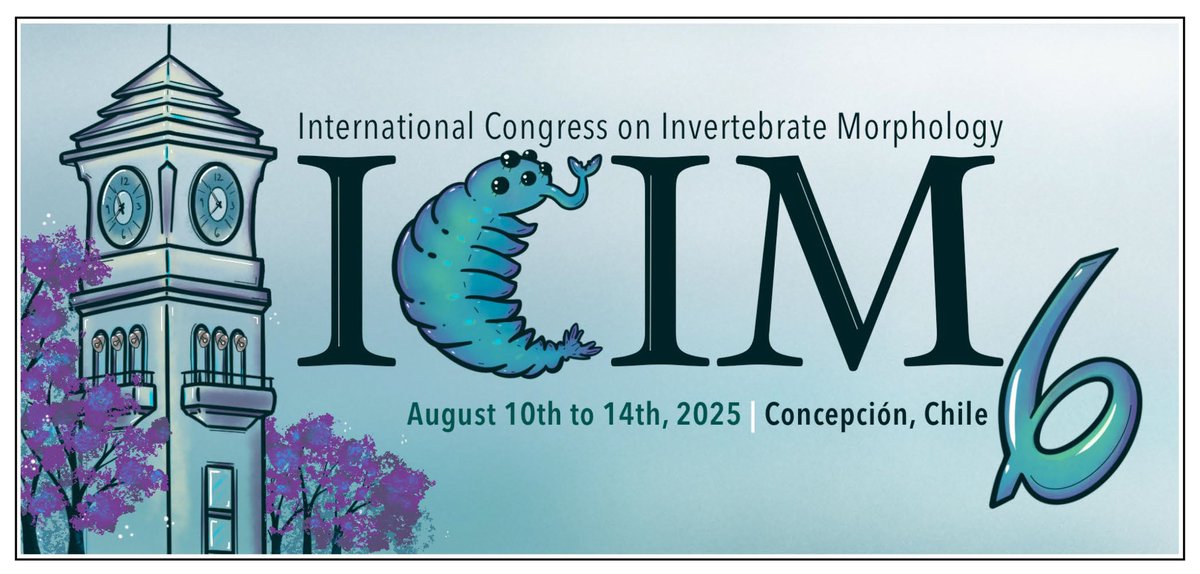
I´m excited to announce that we have a venue and dates for the next International Congress on Invertebrate Morphology (ICIM-6)! All invertebrate lovers, let's meet in 🇨🇱 next year from August 10th to 14th. 👇👇
1
28
85
10,845
Thrilled to see my friend Isabel Desgagné-Penix in this group of esteemed scientists. She’s a force of brilliance, daring & funnnnny. #Innu #FirstNations #BioChemistry #Scholar
7 Nov 2024

Woot, woot!! 🥳🎉🥳 Huge congratulations to this year’s Arthur B. McDonald Fellowship award winners - I believe this is the 1st time all 6 winners are women!! Something to celebrate in an otherwise bleak week. @NSERC_CRSNG - NSERC nserc-crsng.gc.ca/Prizes-Pri…
1
281
Christopher B. Cameron - invertevo.bsky.social retweeted

5 Nov 2024
Group Leader position available! Come join us. Fantastic place to do groundbreaking research!
5 Nov 2024

📢 We are hiring Group Leaders! 🌊
Come join our team @UiB to lead innovative research in molecular, cellular and organismal biology using marine/aquatic organisms! ⌛️ Application deadline Dec. 15. Share this exciting opportunity ⤵️
tinyurl.com/4bwn8u3n @embl @EMBRC_EU
1
14
24
6,286
Christopher B. Cameron - invertevo.bsky.social retweeted

25 Oct 2024
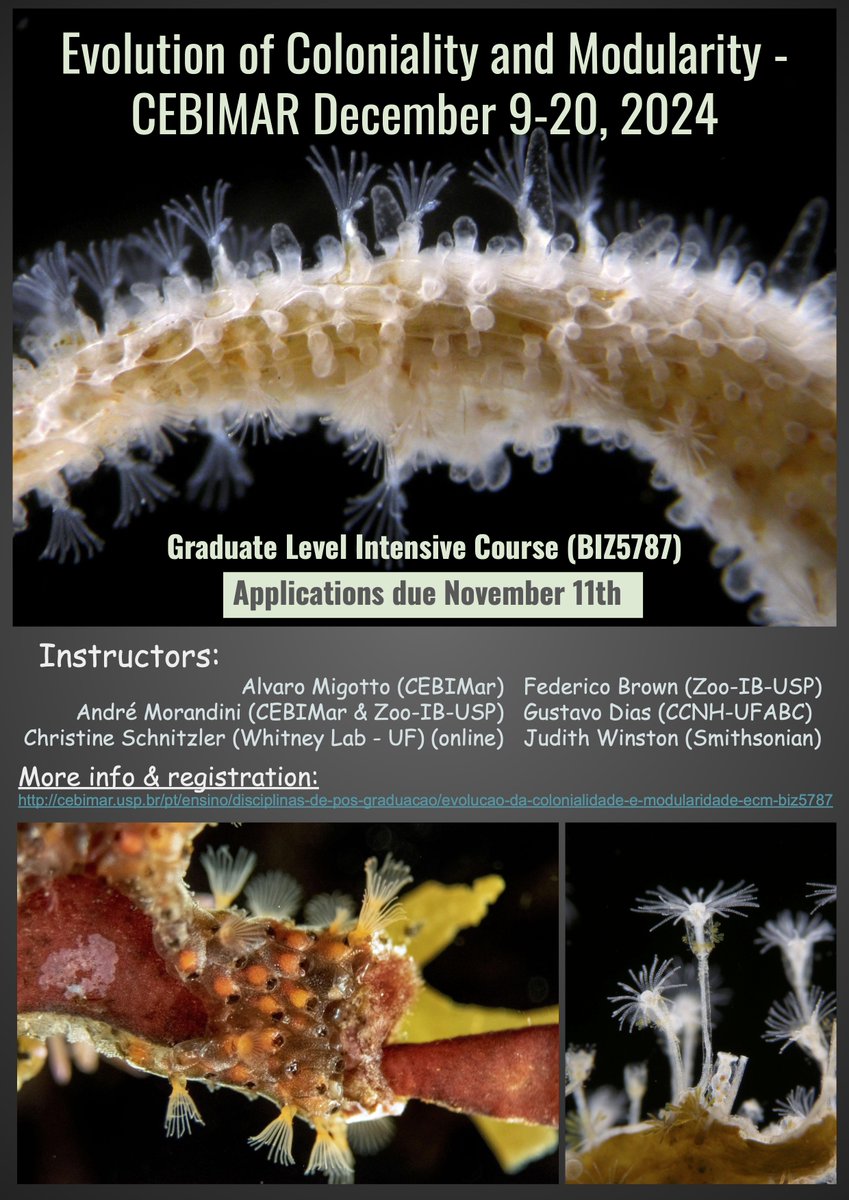
Are you a grad student interested in the evolution of animal coloniality and modularity? Then apply to the upcoming ECM 2024 intensive course at CEBIMar/USP (Dec. 9-20), Brazil. Applications due November 11th. More info at: cebimar.usp.br/.../evolucao-…...
1
5
10
563
Christopher B. Cameron - invertevo.bsky.social retweeted

A GREAT story about museum detective work w/specimen from the Steinbeck/Ricketts era! Behold OCTOPUS HUBBSORUM! featuring Mike Vecchione! #TaxonomyTuesday! smithsonianmag.com/blogs/nat…
5
12
670
Christopher B. Cameron - invertevo.bsky.social retweeted

22 Oct 2024
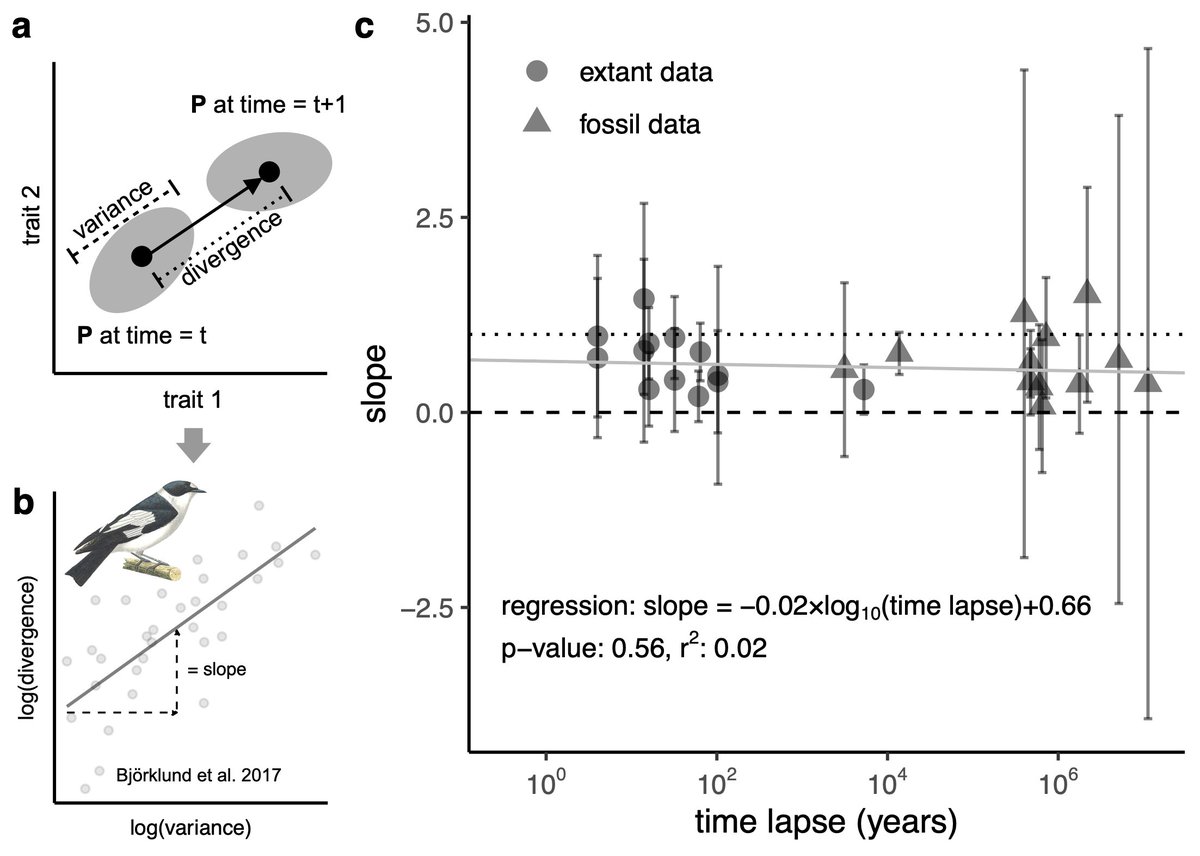
Delighted to share our new perspective article @JEvBio: rising evidence suggests unexpectedly robust link btw micro- and macroevolution. It challenges past views of evolution and calls for interdisciplinary research. #Evolution #EvoDevo #Paleontology 1/7
doi.org/10.1093/jeb/voae103
1
48
143
12,671
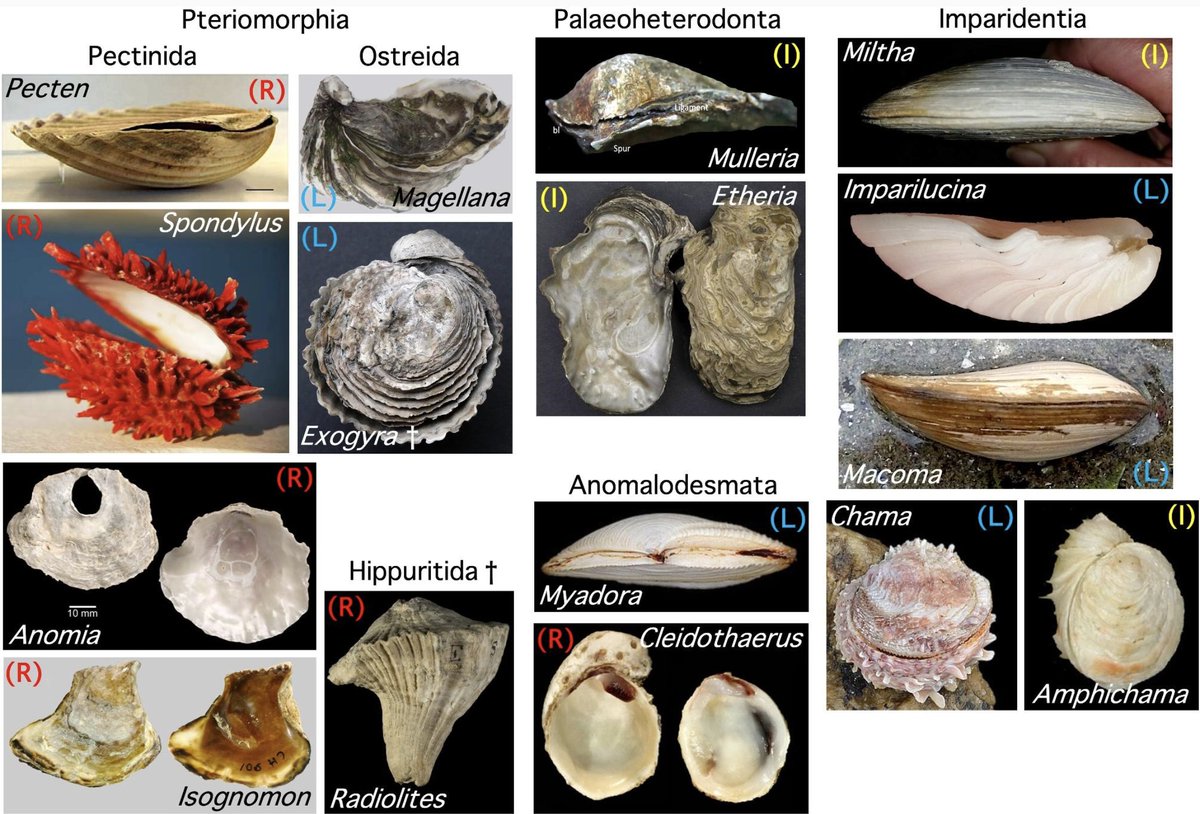
Side-resting evolved many times in #bivalves . Within some species individuals lie indifferently on either their right or left (randomly pleurothetic), whereas in others they lie consistently on one side (left-pleurothetic or right-pleurothetic).
academic.oup.com/mollus/arti…
9
41
1,916
A biological case for the pronoun 'they'. Two injured comb jellies merge to form one individual. #Mnemiopsis #allorecognition
cell.com/current-biology/abs…
1
4
237
Christopher B. Cameron - invertevo.bsky.social retweeted

18 Oct 2024
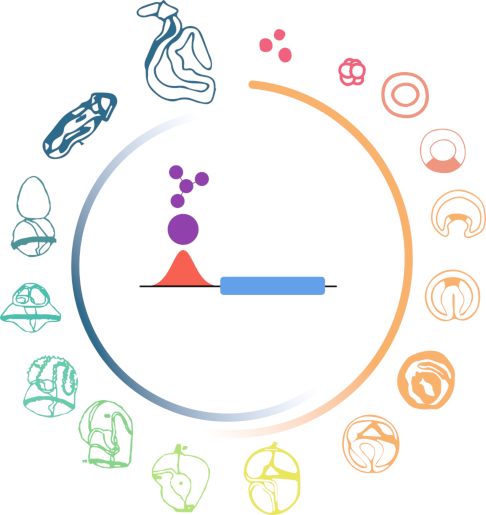
I am very happy to announce that our work on hemichordate gene expression and chromatin accessibility dynamics is now published on Nature Ecology and Evolution! nature.com/articles/s41559-0…
4
25
85
8,654
… spare a thought for the red-lipped batfish. @redlipblenny
theguardian.com/environment/…
1
119
Christopher B. Cameron - invertevo.bsky.social retweeted

11 Oct 2024
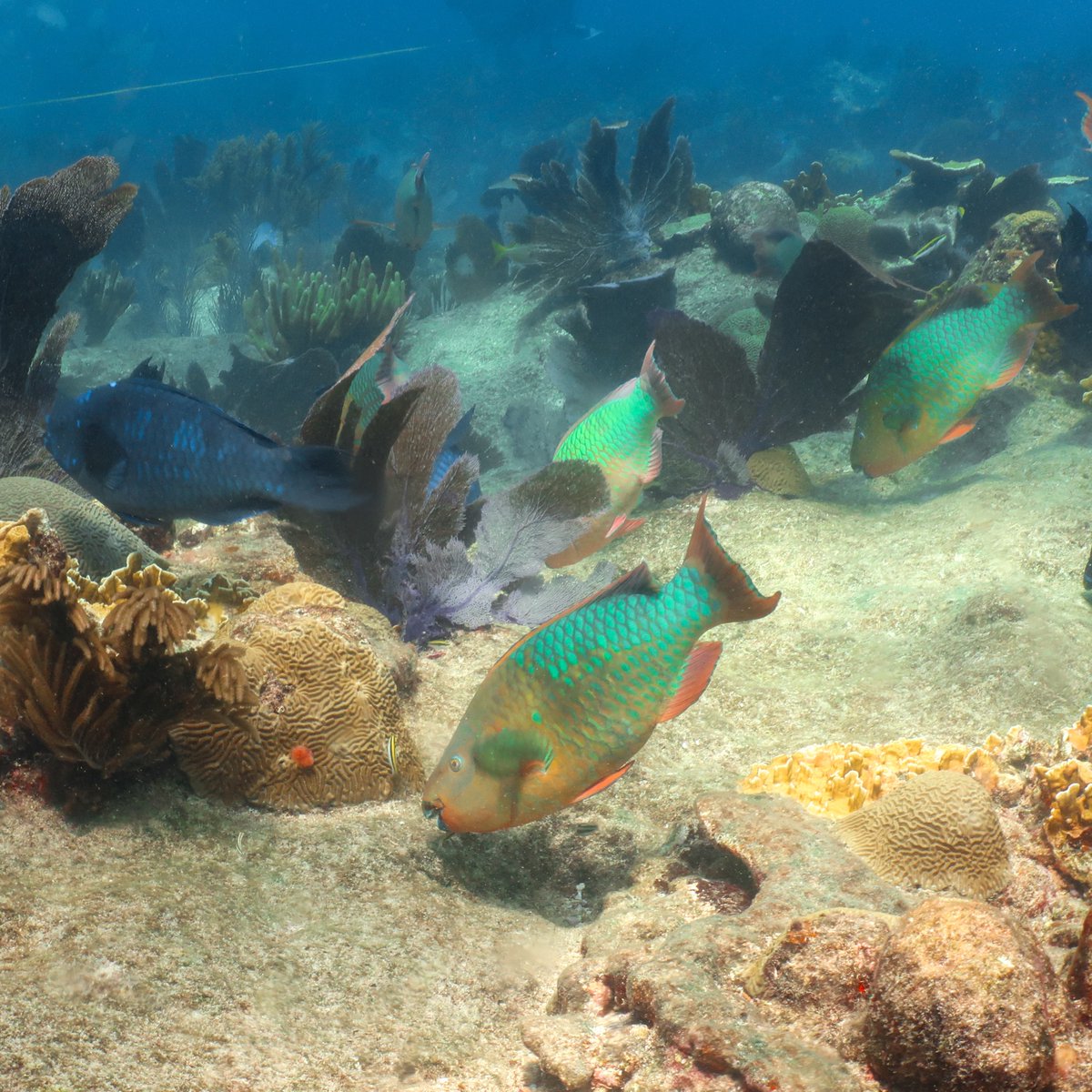
🪸🐟Our new paper is out in @ConLetters this week. In it, we review and discuss in a broader context one of the most fundamental paradigms in reef management and conservation—the parrotfish paradigm: doi.org/10.1111/conl.13058
with @ANAMLHZ
2
11
36
2,395
Christopher B. Cameron - invertevo.bsky.social retweeted

12 Oct 2024
Snails 🐚 are slow, but they can evolve fast! Our new paper shows how one ecotype evolved into another on a tiny island 🏝️ within 30 years - and that we could predict changes at the phenotypic, but also at the genetic 🧬 level. 1/3
#Evolution #Genomics
science.org/doi/10.1126/scia…
4
66
195
13,817
Christopher B. Cameron - invertevo.bsky.social retweeted

19 Mar 2024
Ever wondered if moths and butterflies are distinct phylogenetic groups? It turns out that butterflies form a monophyletic group, but moths don't. Butterflies are actually nested within moth branches on the phylogenetic tree. #2024MMM pnas.org/doi/full/10.1073/pn…
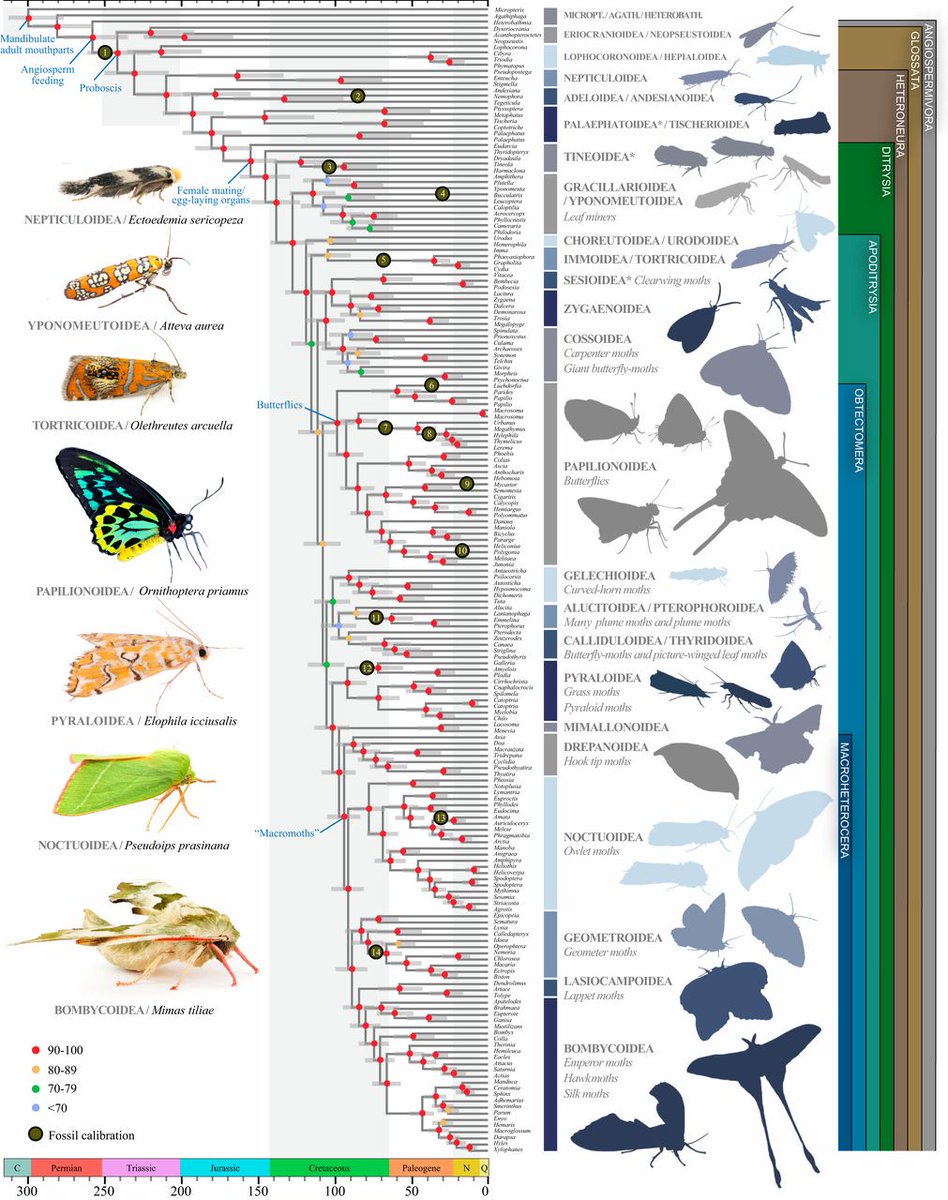
ALT Dated evolutionary tree of butterfly and moth relationships. The tree shows that butterflies (Papilionoidea) form a monophyletic group (ie a group that consists of all the species that share a single common ancestor, and no species that are not descended from that ancestor) with its origin dating to the Cretaceous Period. Moths are not a monophyletic group, as the figure shows Papilionoidea butterflies nested within the branches of different moth taxa.
5
136
488
53,259