
KimovaAI | Revolutionizing automating auditing with cutting-edge AI. Future of secure, fast, and accurate audits. #ISO27001 #Compliance #Automation #startup
- Tweets 316
- Following 86
- Followers 29
- Likes 424






ALT In early 2026, Anthropic—a company defined by its commitment to AI safety—suffered a "strategic hemorrhage" of intellectual property that rattled global markets and wiped trillions from the valuations of legacy software and cybersecurity firms. What happens when the "AI writes the code," but the human release checklist fails? In our latest case study by "Audit Digest" dives into the technical and operational failures that led to the exposure of 512,000 lines of proprietary Claude Code and the unannounced "Mythos" model roadmap. The Bottom Line: In the era of agentic AI, "moving fast and breaking things" can break the security of the entire ecosystem. High-velocity AI development requires even higher-velocity operational guardrails.
ALT The release of ISO/IEC 27701:2025 represents a seismic shift in the international privacy landscape, officially elevating the Privacy Information Management System (PIMS) to a standalone discipline. This updated standard removes the previous prerequisite of a mandatory ISO 27001 certification, allowing privacy-centric organizations to certify their data protection practices independently for the first time. By adopting the Harmonized High-Level Structure (Annex SL), the 2025 edition ensures seamless integration with modern management systems while introducing a refined framework of 78 specific controls for PII controllers and processors. Whether you are transitioning from the 2019 version or building a PIMS from scratch, ISO 27701:2025 is now the definitive benchmark for proving data stewardship and building trust in a data-driven world.
ALT In today's complex AI ecosystems, unclear responsibilities lead to audit failures, incident chaos, and compliance nightmares – especially with third-party vendors, data suppliers, and customers in the mix. ISO 42001 Annex A Control A.10.2 demands explicit allocation: every AI activity, from data handling and model training to deployment monitoring and incident response, must have named owners via RACI matrices, contracts, and living records. Organizations prove conformity by distinguishing internal vs. external roles, embedding accountability in SLAs, and reviewing assignments as AI systems evolve – auditors love seeing org charts, role descriptions, and timestamped sign-offs. From a cybersecurity auditor's lens (like yours at Kimova AI), this control plugs the most common governance hole: fuzzy boundaries that expose firms to risks like biased outputs or vendor breaches. Implement with periodic reviews and integrated AIMS structures for scalable, trustworthy AI.
ALT This analysis by Kimova AI, deconstructs the profound structural gap between U.S. corporate "responsible AI" policies and the technical evidentiary requirements mandated by the European Union’s Artificial Intelligence Act. While American leadership often treats the regulation as a regional compliance exercise, the Act’s extraterritorial reach exposes any entity whose AI outputs are used in the EU to unprecedented fines of up to 7% of total worldwide annual turnover. The report identifies a "governance mirage" where firms lack the "black box" infrastructure—including automated model inventories and quantitative validation logs—necessary to reconstruct algorithmic decisions for regulators. Furthermore, while a proposed "Digital Omnibus" may delay high-risk enforcement for some sectors until December 2027, the ongoing vacuum of technical standards and conflicting U.S. executive orders on deregulation have left many global enterprises paralyzed by regulatory uncertainty.
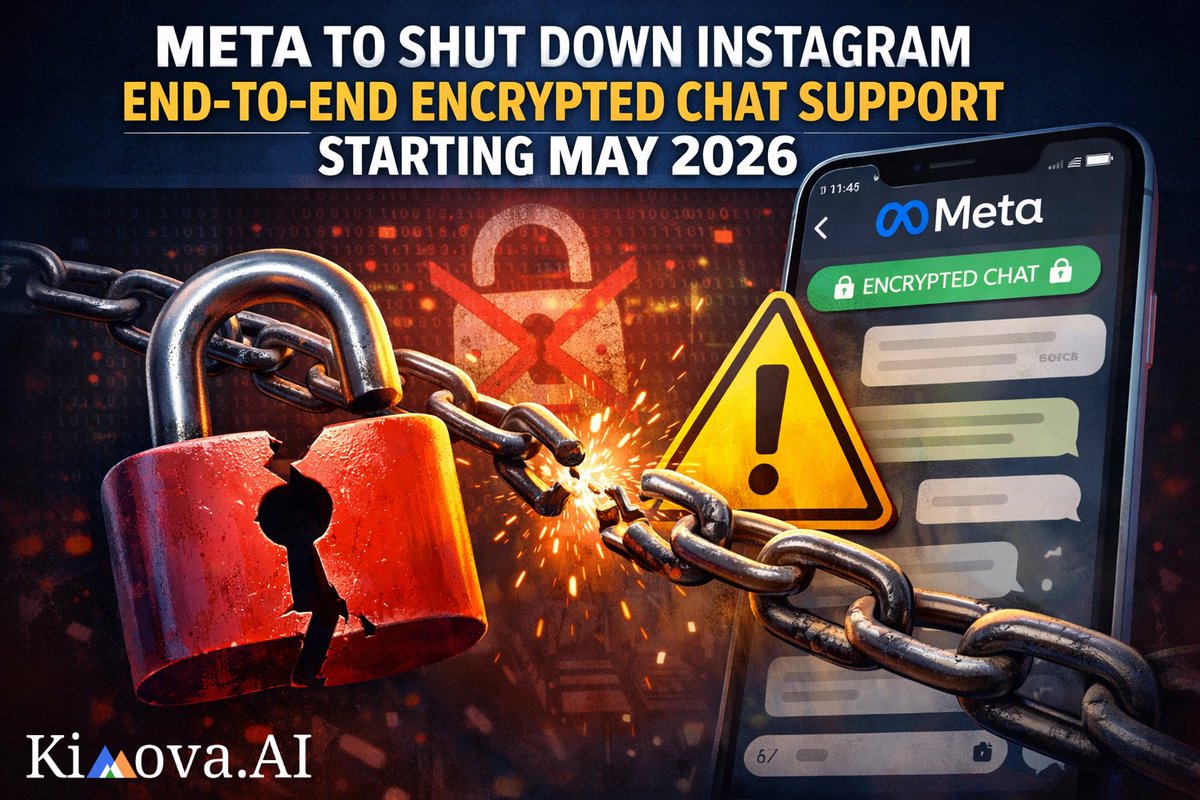
ALT Meta will permanently discontinue end-to-end encryption (E2EE) for Instagram direct messages effective May 8, 2026, citing low user adoption as the official reason for the rollback. This strategic reversal follows intense global regulatory pressure and a landmark $375 million jury verdict in New Mexico, which found Meta liable for endangering children and misleading the public about platform safety. Once support ends, Instagram communications will revert to a standard format technically accessible to Meta for content moderation and potential AI training, requiring users to manually export their encrypted chat histories before the deadline to avoid data loss. While Meta continues to offer default E2EE on WhatsApp, privacy advocates have criticized the Instagram decision as a significant retreat that prioritizes corporate oversight and data utility over secure user communication.
ALT HackerOne recently disclosed a supply chain data breach impacting 287 of its employees following a cyberattack on its U.S. benefits administrator, Navia Benefit Solutions. The incident, which affected approximately 2.7 million individuals nationwide, was facilitated by a Broken Object Level Authorization (BOLA) vulnerability in Navia's API that allowed unauthorized read-only access to sensitive systems between December 22, 2025, and January 15, 2026. Exfiltrated data included a "greatest hits" of identity theft information, such as Social Security numbers, full names, dates of birth, residential addresses, and specific health plan enrollment details for both employees and their dependents. Noting that while the breach was discovered on January 23, formal notice was not received until March—and the firm is now re-evaluating its partnership with the provider while offering affected staff up to 24 months of complimentary credit monitoring through Kroll.
ALT Unlock the full power of ISO/IEC 42001 Annex A Control A.10.1 (also B.10) – Third-Party and Customer Relationships – with Kimova AI's in-depth blog breakdown tailored for cybersecurity auditors, AI governance leads, and compliance pros. This critical control demands organizations extend their AI Management System (AIMS) beyond internal walls to tackle high-risk external vectors like AI vendors, cloud providers, data aggregators, pre-trained model suppliers, and even end-customers impacted by your systems. From an auditor's vantage, expect scrutiny of third-party inventories, risk assessment records, annotated contracts, supplier scorecards, customer comms logs, and breach response playbooks—gaps here tank audit scores despite stellar internal controls. Real-world risks? Non-compliant datasets poisoning models, opaque vendor black-boxes hiding vulnerabilities, or customers blindsided by AI failures leading to legal fallout.
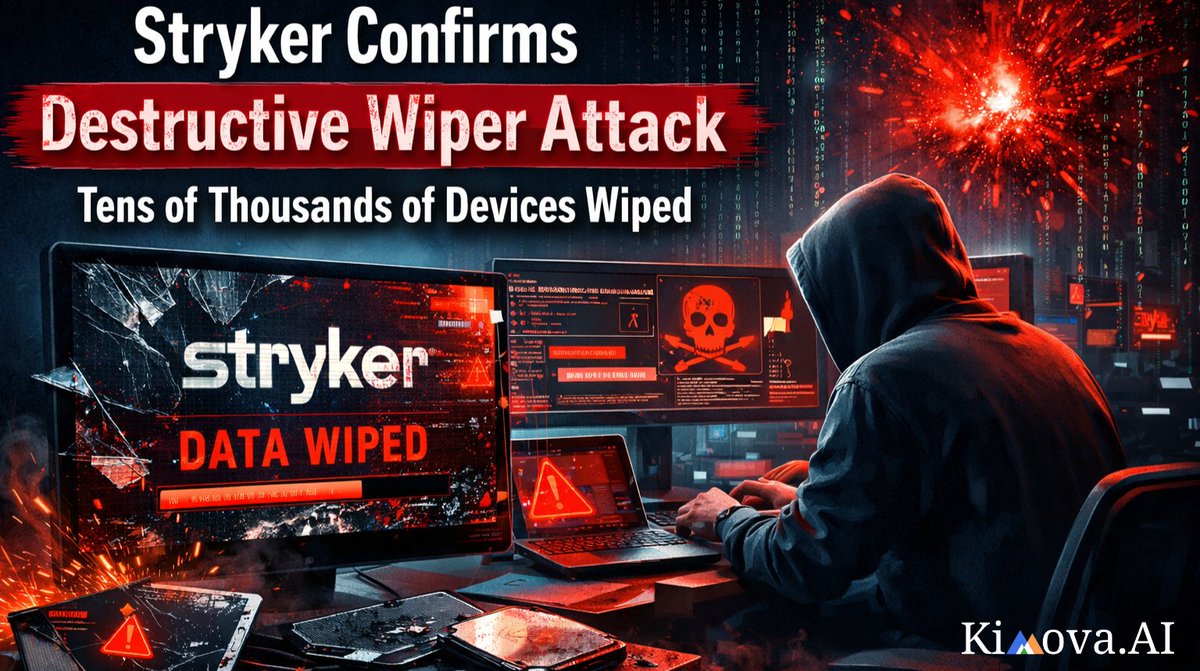
ALT The 2026 Stryker Wiper Attack represents a definitive evolution in cyber warfare, transitioning from financially motivated ransomware to ideologically driven "Administrative Sabotage" that turned a global corporation's own security tools against it. Attributed to the Iran-linked threat actor Handala—identified by researchers as a persona for Void Manticore (MOIS)—the operation successfully neutralized more than 200,000 endpoints across 79 countries in a single wave of destruction on March 11, 2026. The breach did not rely on sophisticated zero-day exploits; instead, it leveraged fundamental failures in identity hygiene, utilizing stale but valid administrative credentials for accounts such as admindev@stryker.com and adminqa@stryker.com that had been circulating in infostealer logs months prior to the attack.
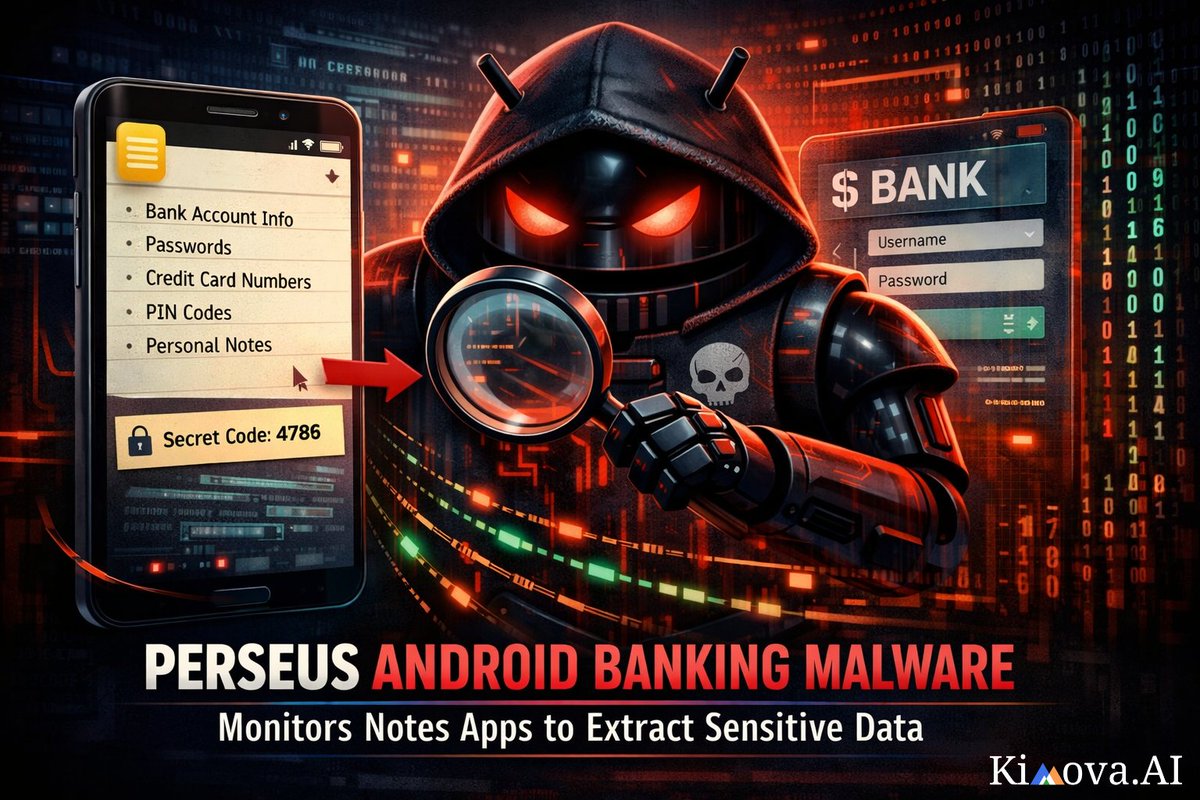
ALT Perseus is a sophisticated Android banking malware family disclosed in March 2026 by researchers at ThreatFabric that evolved from the Cerberus and Phoenix lineages. Distributed primarily through dropper apps masquerading as IPTV services, the malware is designed for comprehensive device takeover (DTO) and financial fraud. Its most distinctive feature is a specialized capability that uses Accessibility Services to programmatically extract sensitive data—such as passwords, cryptocurrency recovery phrases, and MFA codes—from popular note-taking applications like Google Keep, Samsung Notes, and Microsoft OneNote. Beyond this focus on unstructured personal data, Perseus employs advanced evasion tactics by calculating a "suspicion score" based on hardware and environment checks to identify and avoid security sandboxes. Current campaigns are heavily concentrated in Turkey and Italy, though they have also been detected across other parts of Europe and the Middle East.
ALT A high-severity local privilege escalation vulnerability, tracked as CVE-2026-3888 (CVSS 7.8), has been identified in default installations of Ubuntu Desktop 24.04 and later versions. Discovered by Qualys, the flaw arises from an unintended interaction between the snap-confine utility and systemd-tmpfiles cleanup processes, allowing an unprivileged local user to gain full root access. Exploitation requires a "patience-based" approach where an attacker waits 10 to 30 days for automated system maintenance to delete a specific temporary directory, which is then replaced with malicious payloads that the system executes as root. Canonical has released patches for the snapd package across all affected releases, and users are strongly advised to update their systems and reboot to fully mitigate the risk.
ALT Dive deep into ISO/IEC 42001 Annex A Control A.9.4 – 'Intended Use of the AI System' – through this comprehensive educational blog by Kimova AI. It unpacks the critical need for organizations to establish, document, and enforce clear boundaries for AI applications, covering the core objective of restricting usage to designed purposes while defining limitations, prohibited scenarios, user communication protocols, and technical/procedural safeguards against unintended applications. From an ISMS auditor's lens, the post highlights high-risk pitfalls like evolving use cases leading to inaccurate outputs, ethical lapses, regulatory breaches, and reputational harm – with practical evidence auditors seek, such as intended use statements, access logs, misuse incident records, and alignment checks between design and reality.
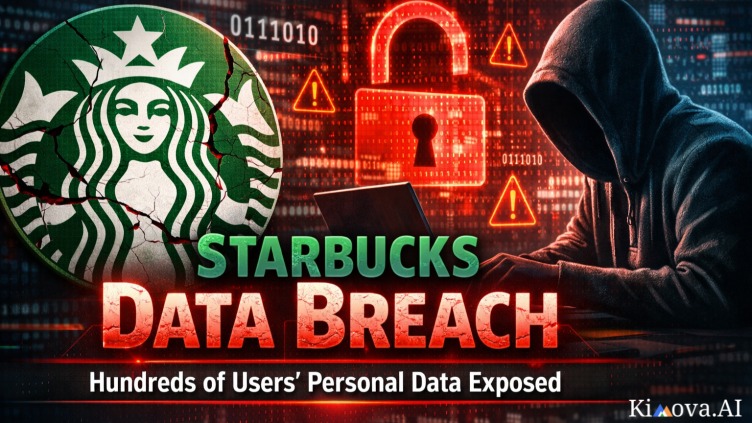
ALT In This report of Kimova AI, we provide a forensic analysis of the 2026 Starbucks Partner Central data breach, where unauthorized third parties compromised 889 internal accounts to access sensitive employee data, including Social Security numbers and bank routing details. It chronicles the incident from its inception on January 19 through discovery on February 6 and final containment on February 11, highlighting a three-week dwell time that allowed for systematic data harvesting.The report emphasizes the necessity of securing "durable identifiers"—such as Social Security numbers and bank routing details—to withstand the persistent threats posed by the modern "Digital Parasite". This approach establishes identity-centric defense and phishing-resistant authentication as the new standards for survival in a digital landscape increasingly defined by supply chain fragmentation and sophisticated social engineering.
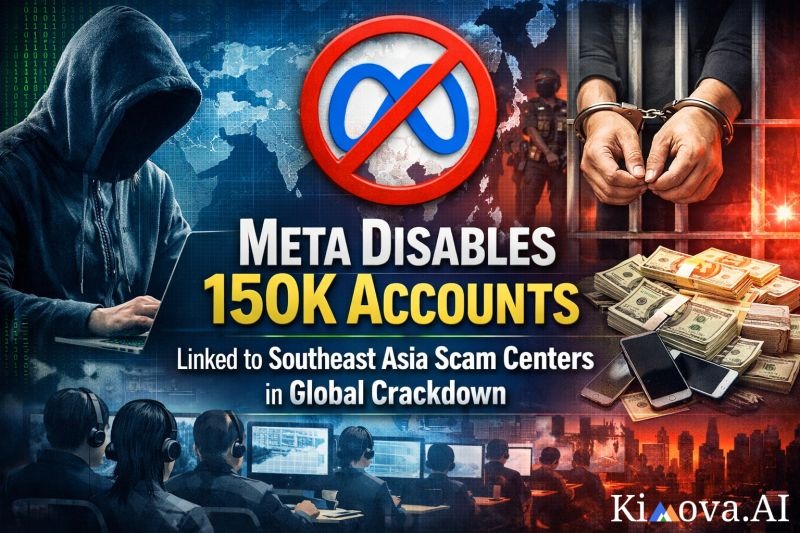
ALT In March 2026, Meta announced a major escalation in its fight against transnational organized crime, disabling more than 150,000 accounts linked to "industrialized" scam centers in Southeast Asia. This enforcement action, conducted during the second "Joint Disruption Week" in Bangkok, was the result of a coordinated effort with law enforcement from 11 countries, including the FBI, the US Department of Justice Scam Center Strike Force, and the Royal Thai Police, the latter of which made 21 arrests during the surge. The operation targeted sophisticated "pig butchering" and "digital arrest" schemes that utilize "phone farms" and trafficked labor in fortified compounds across Cambodia, Myanmar, and Laos to defraud victims of billions of dollars. These criminal syndicates employ advanced money laundering techniques, such as "spraying" and "funneling" cryptocurrency across thousands of unhosted wallets to obscure the source of stolen funds, with some operations estimated to generate upwards.
ALT As organizations rapidly adopt AI, responsible usage can’t rely on assumptions or informal practices. It requires clear objectives, governance structures, and measurable oversight. In our latest article, Kimova AI explores ISO/IEC 42001 – Annex A Control A.9.3: Objectives for Responsible Use of AI Systems. This control focuses on establishing defined, measurable objectives that guide how AI systems are used within an organization. By setting structured goals for fairness, transparency, accountability, and oversight, organizations can ensure AI is deployed in a way that aligns with ethical principles, regulatory expectations, and risk management practices.
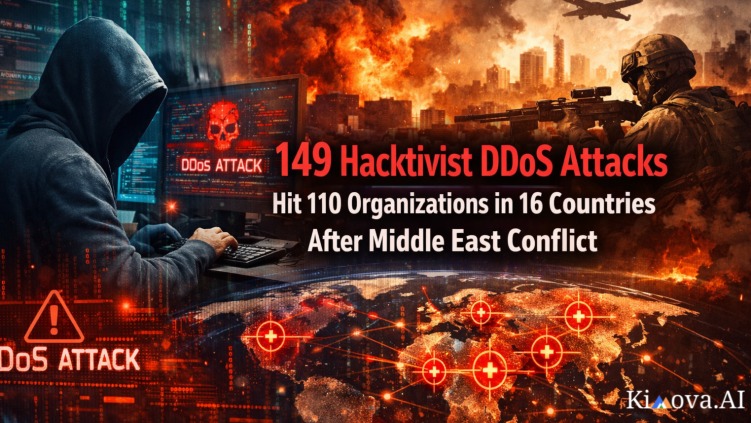
ALT In the immediate wake of the U.S.-Israel military campaigns "Operation Epic Fury" and "Roaring Lion" in late February 2026, the global digital landscape faced an unprecedented structural test. Between February 28 and March 2, a coordinated retaliatory surge of 149 DDoS attacks struck 110 organizations across 16 countries, signaling the complete industrialization of hacktivist operations. Led by groups like Keymous and DieNet—who accounted for nearly 70% of the activity—the offensive crippled government gateways and financial hubs primarily in Kuwait, Israel, and Jordan.
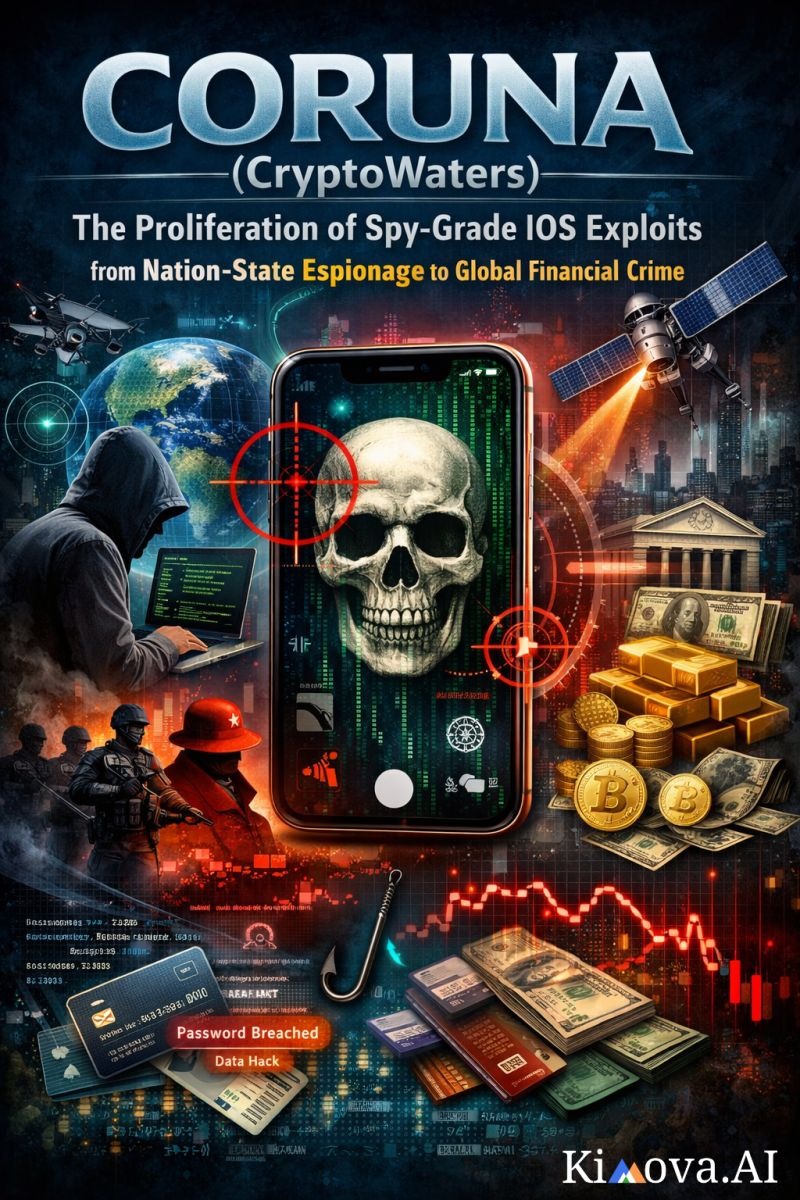
ALT The Coruna exploit kit, also known CryptoWaters, is a highly sophisticated iOS attack framework first identified by Google’s Threat Intelligence Group (GTIG) in early 2025. The toolkit comprises 23 exploits across five full exploit chains designed to target devices running iOS versions 13.0 through 17.2.1. Throughout 2025, researchers tracked its proliferation from highly targeted commercial surveillance operations to Russian espionage campaigns against Ukrainian users (UNC6353), and eventually to mass-scale financial fraud by a Chinese threat actor designated as UNC6691. The kit is known for deploying a stager binary called PlasmaLoader (or PLASMAGRID) that exfiltrates cryptocurrency wallets and scans Apple Notes for sensitive recovery phrases. Security experts emphasize that Coruna is ineffective against modern versions of iOS; users are urged to update to the current version, iOS 26.3.1, or enable Lockdown Mode, as the kit is programmed to "bail out" when such defenses are detected.
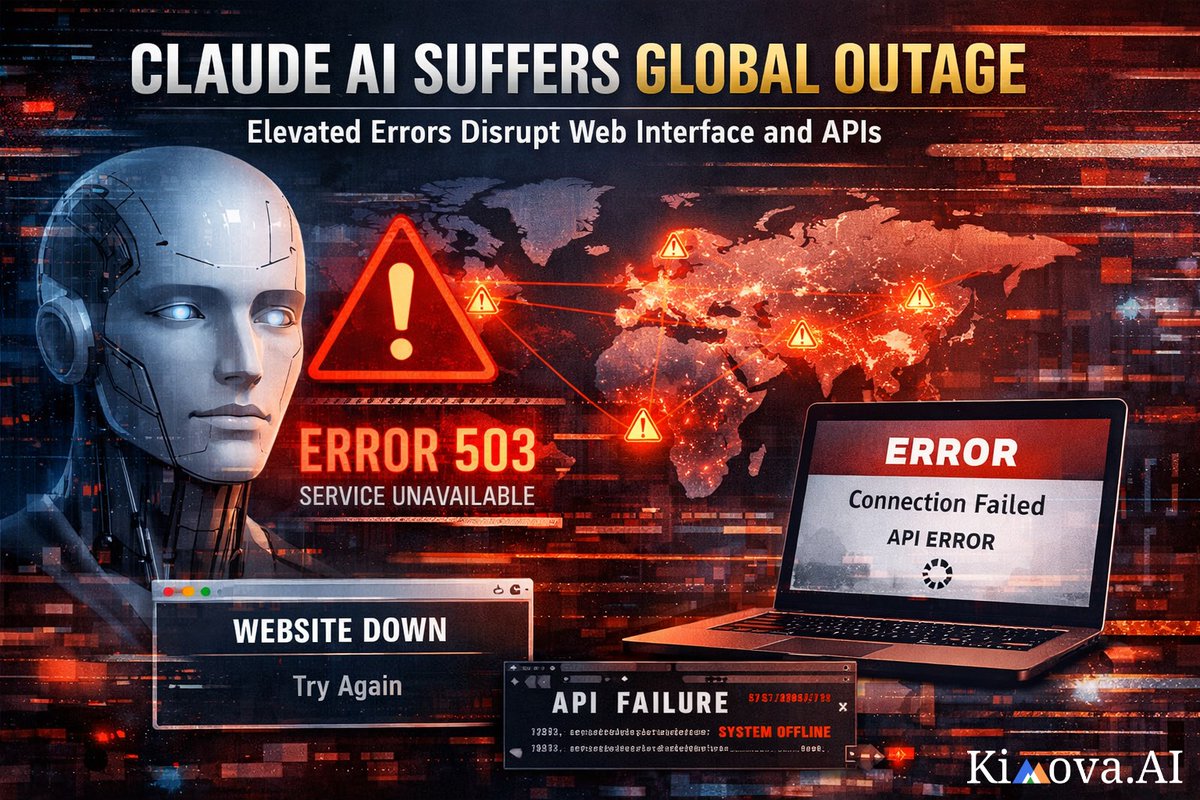
ALT Between March 2 and March 4, 2026, Anthropic’s Claude AI platform experienced a widespread global outage that impacted its web interface, API services, and specialized tools like Claude Code. This systemic disruption was fueled by a convergence of critical factors: a major geopolitical feud with the U.S. Department of War over ethical "red lines" regarding mass surveillance and autonomous weaponry, and physical drone strikes on AWS data centers in the Middle East that coincided with an "unprecedented" surge in user demand. Furthermore, the disclosure of high-severity security vulnerabilities (CVE-2025-59536 and CVE-2026-21852) by Check Point Research revealed that Claude Code could be exploited for remote code execution and API token theft through malicious repository configurations. Ultimately, the multi-day event exposed the inherent fragility of centralized AI infrastructure, demonstrating how a single provider's stability can be compromised by the simultaneous pressure of software.
ALT As AI systems power more decisions in our organizations—from predictive analytics to automated workflows—the risks don't vanish post-deployment. Enter ISO/IEC 42001 Annex A Control A.9.2: Processes for Responsible Use of AI Systems. This isn't just another checkbox; it's a blueprint for embedding ethical, secure, and risk-aware AI operations into your daily business fabric. In this Kimova AI's educational blog, A.9.2 mandates formalized processes that go beyond vague "acceptable use" policies. Here's the essence: Core Objective: Establish structured governance for AI usage, ensuring outputs influencing people, operations, or decisions are handled responsibly; continuously managing risks that persist through the AI lifecycle. Audit Real Talk: Don't mistake a policy doc for a control. Auditors want proof of operationalized processes; Think human review logs, training certs, and usage anomaly reports.