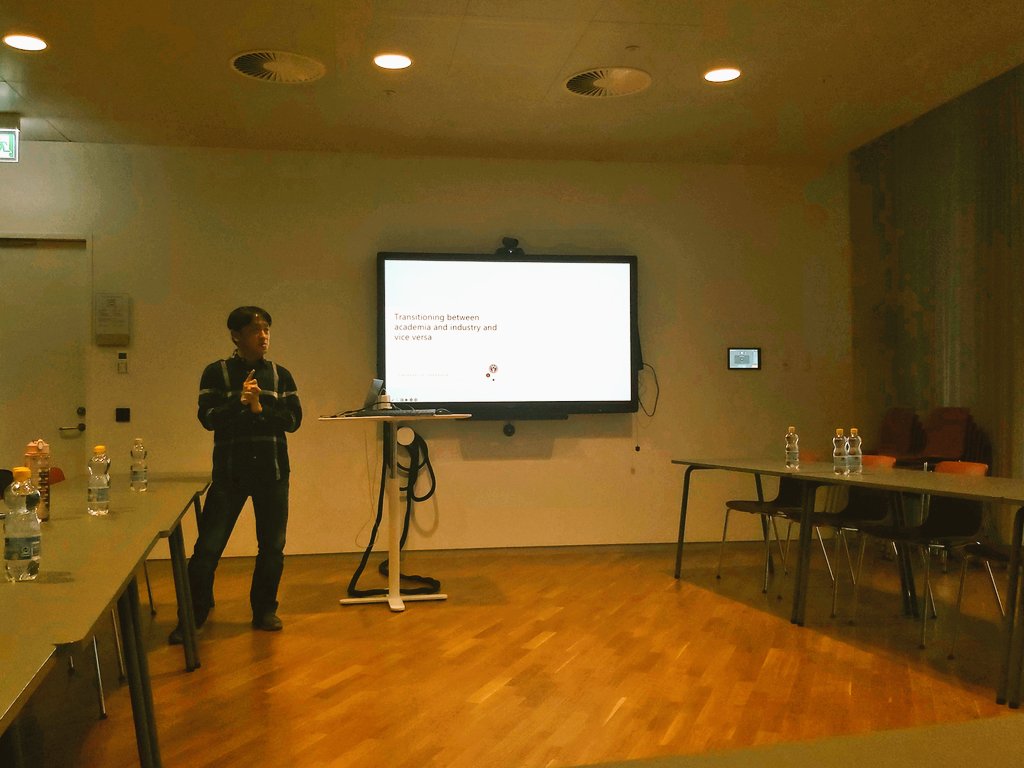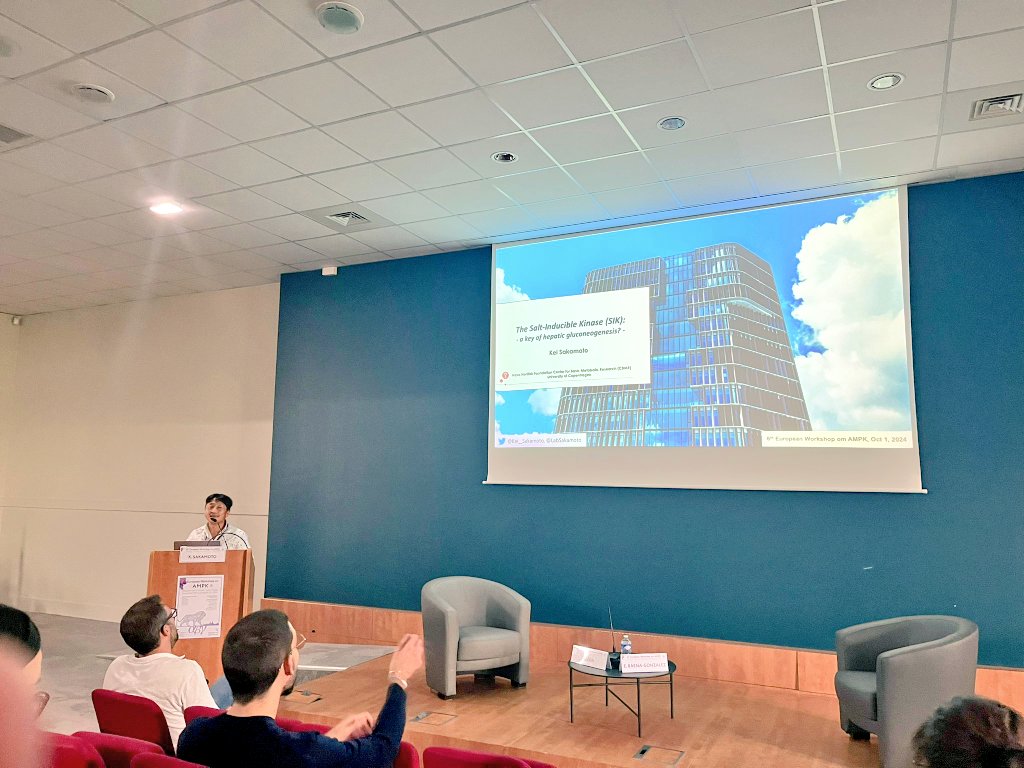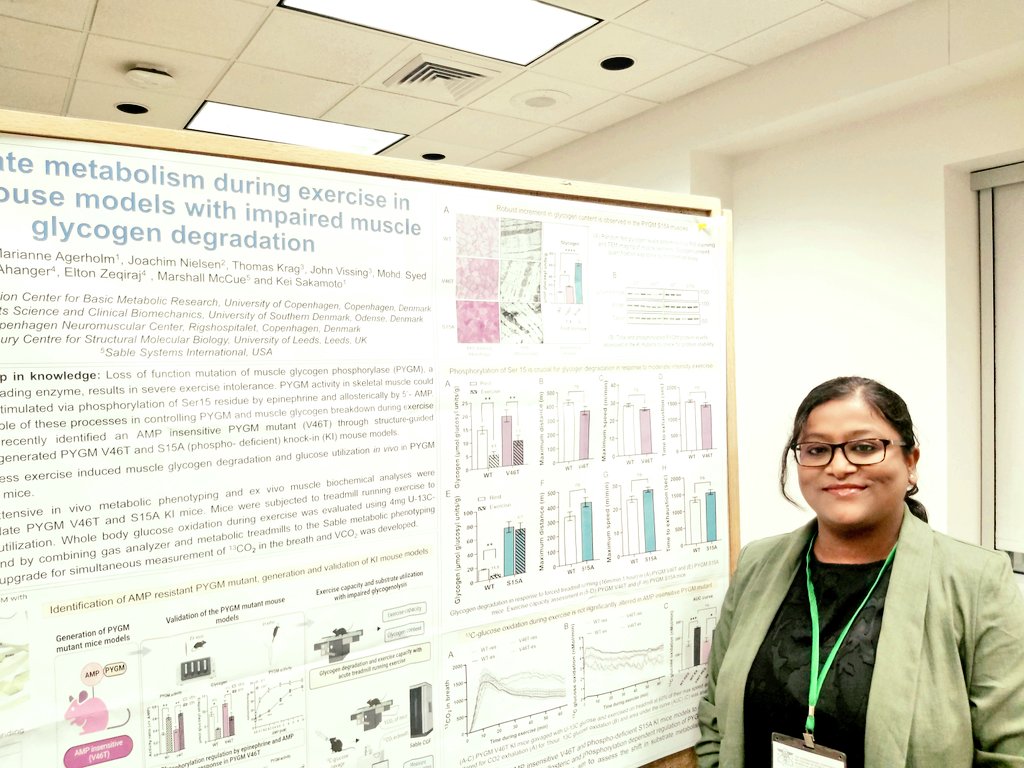
After 5 years here, we are phasing out & moving to @bluesky for good. Our lab profile will still be here but we will not be active anymore. Thank you to all our followers & hope to connect with you on the other platform.
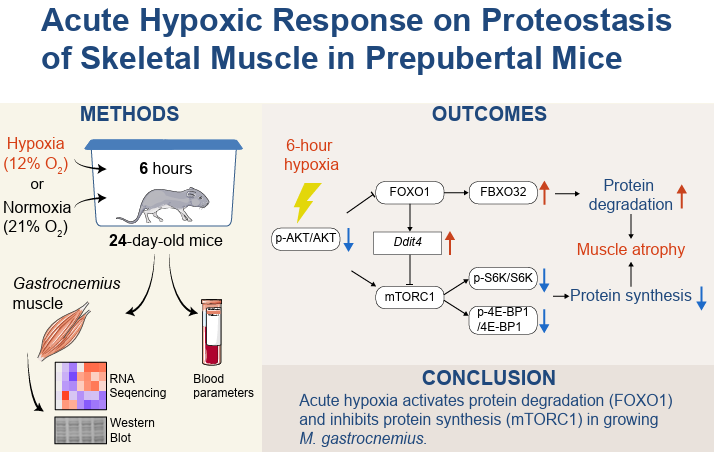
Special thanks to Wageningen University for bringing us today's #ArticleinPress#OpenAccess! Six-hour #hypoxia induced #protein degradation in M. gastrocnemius of 24-day-old mice by activating FOXO1 and suppressing AKT-mTORC1 (Jingyi Song et al.):
ow.ly/jz0v50VssYN
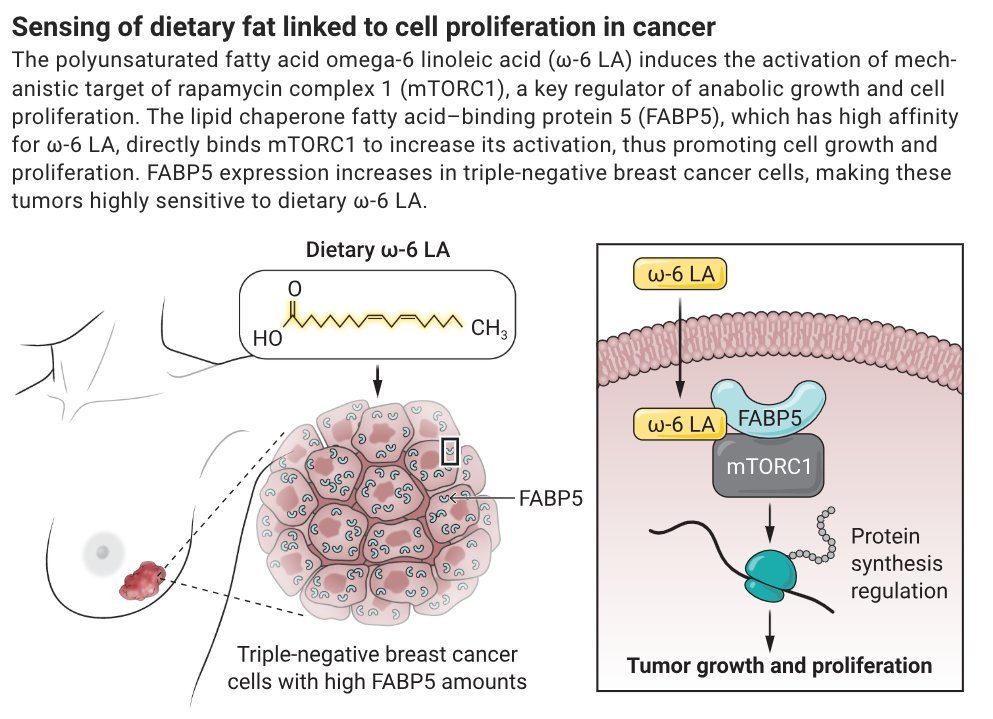
Linoleic acid is the most abundant polyunsaturated fatty acid in the Western-style diet and has been implicated in promoting inflammation and cancer.
In Science, researchers report a mechanism by which linoleic acid can activate the mTORC1 protein kinase, which coordinates growth and nutrient signals. Learn more: scim.ag/4bxxLSN#SciencePerspective
Finally the tides are starting to turn!!
Cancer isn’t all about DNA mutations, nor even mRNA levels.
We launched SyzOnc to map the proteins underlying deadly cancers that are not DNA-driven.
journals.plos.org/plosbiolog…
A bacterium makes a molecule that kills drug-resistant fungi in an unusual way — by targeting various phospholipid molecules in membranes.
go.nature.com/3FHmgwb
The time is now: accounting for time-of-day effects to improve reproducibility and translation of metabolism research | Nature Metabolism @NatMetabolism
Great collaboration led by @SatchinPanda and team! nature.com/articles/s42255-0…
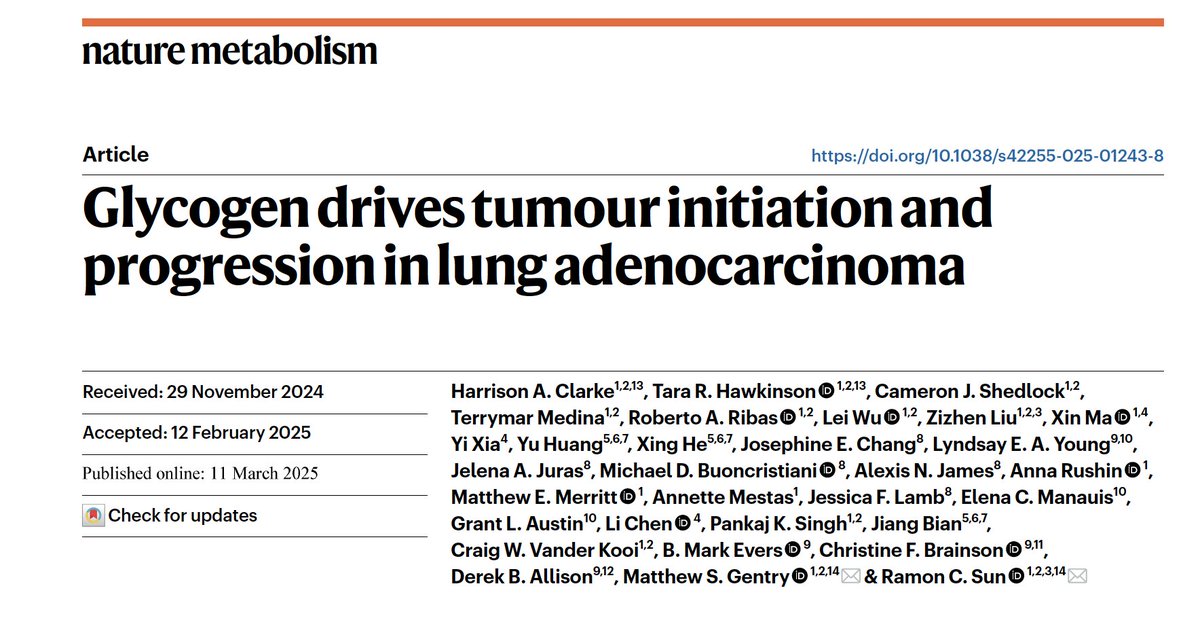
First time doing a X-tweetorial on our manuscript, be kind ! Our latest work in Nature Metabolism uncovers a striking role for glycogen accumulation in lung adenocarcinoma (LUAD) using spatial metabolomics & MALDI imaging. A thread 🧵 (1/)
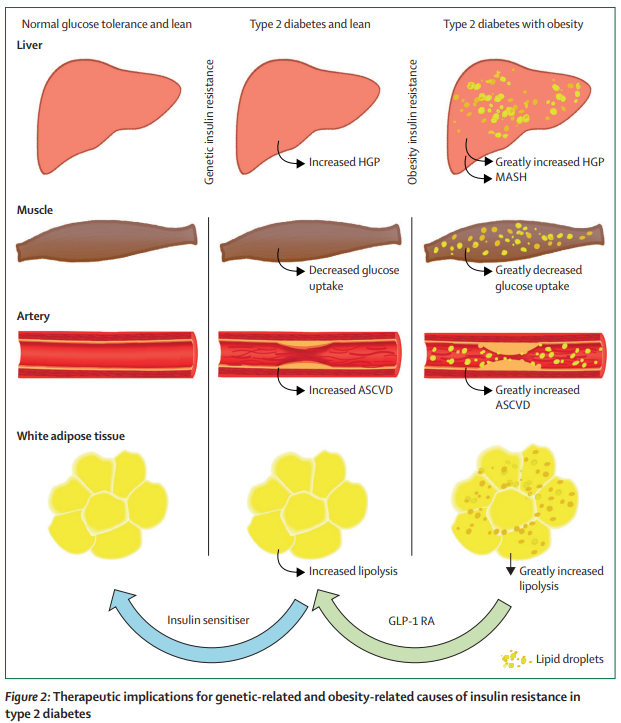
ALT Type 2 diabetes is characterised by insulin resistance involving multiple tissues including liver, kidney, skeletal and cardiac muscle, vasculature, adipose tissue, and β cells. The insulin resistance is genetic in origin and can be shown early in life in lean, glucose-tolerant individuals, long before the onset of overt diabetes. Excess caloric intake exacerbates the underlying genetic cause of the insulin resistance, placing stress on the β cells, which themselves are genetically predisposed to dysfunction. GLP-1 receptor agonists can reverse the component of insulin resistance that is related to obesity and lipotoxicity, but cannot correct the genetic component of insulin resistance, which only can be reversed by insulin-sensitising drugs that address the basic genetic or molecular causes of insulin resistance. HGP=hepatic glucose production. ASCVD=atherosclerotic cardiovascular disease. GLP-1 RA=glucagon-like peptide-1 receptor agonist.
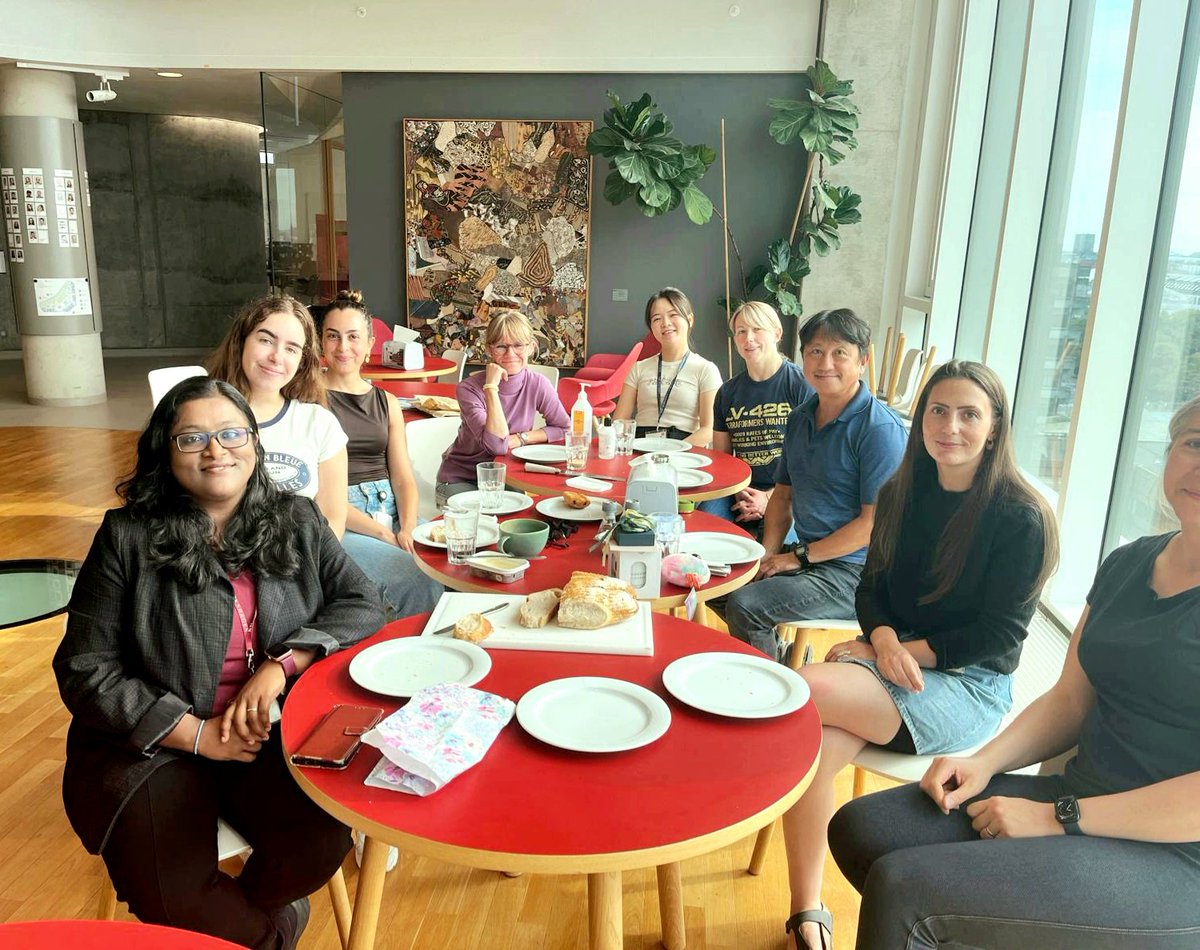
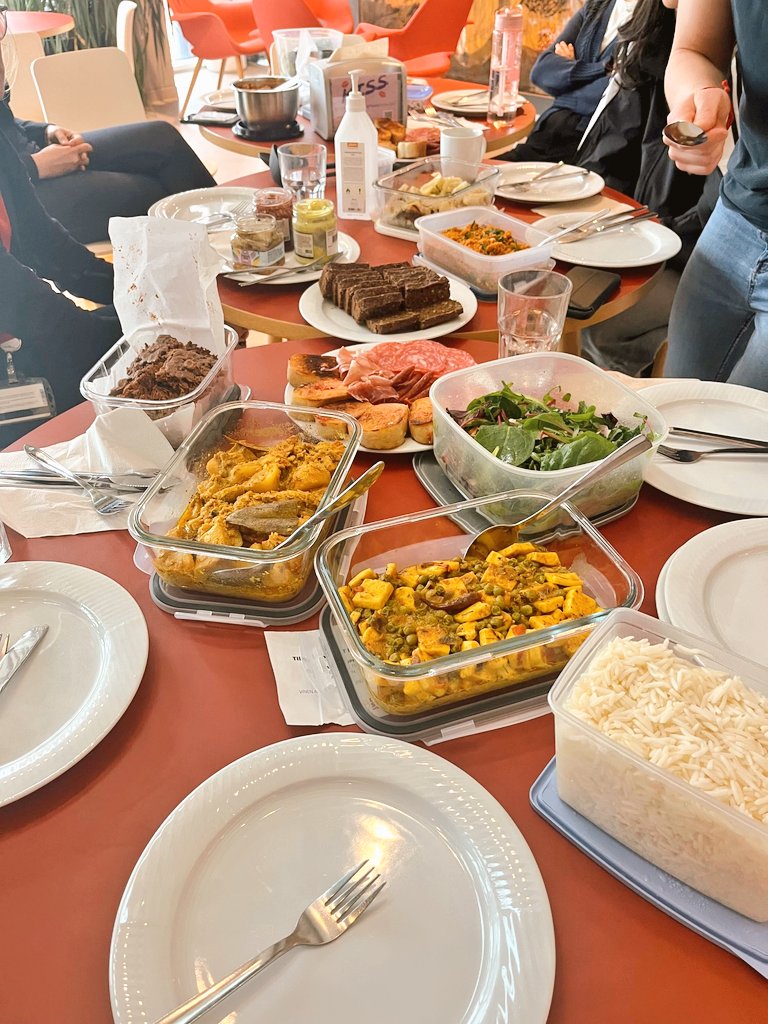
We are lucky to have incredible #diversity in our group where we learn about new #cultures, #languages, #traditions & most importantly, food! We did a potluck with traditional cuisines around the world & these scientists are not only brilliant, they have mad culinary skills too!
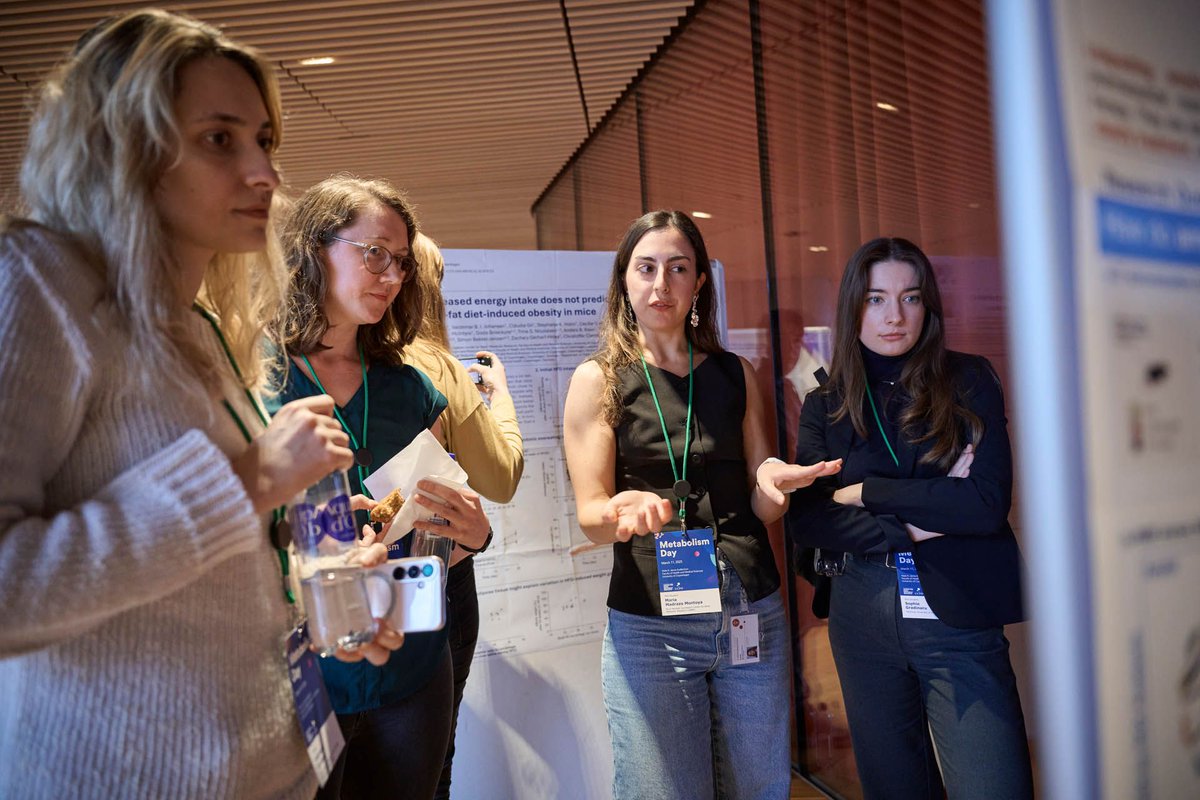
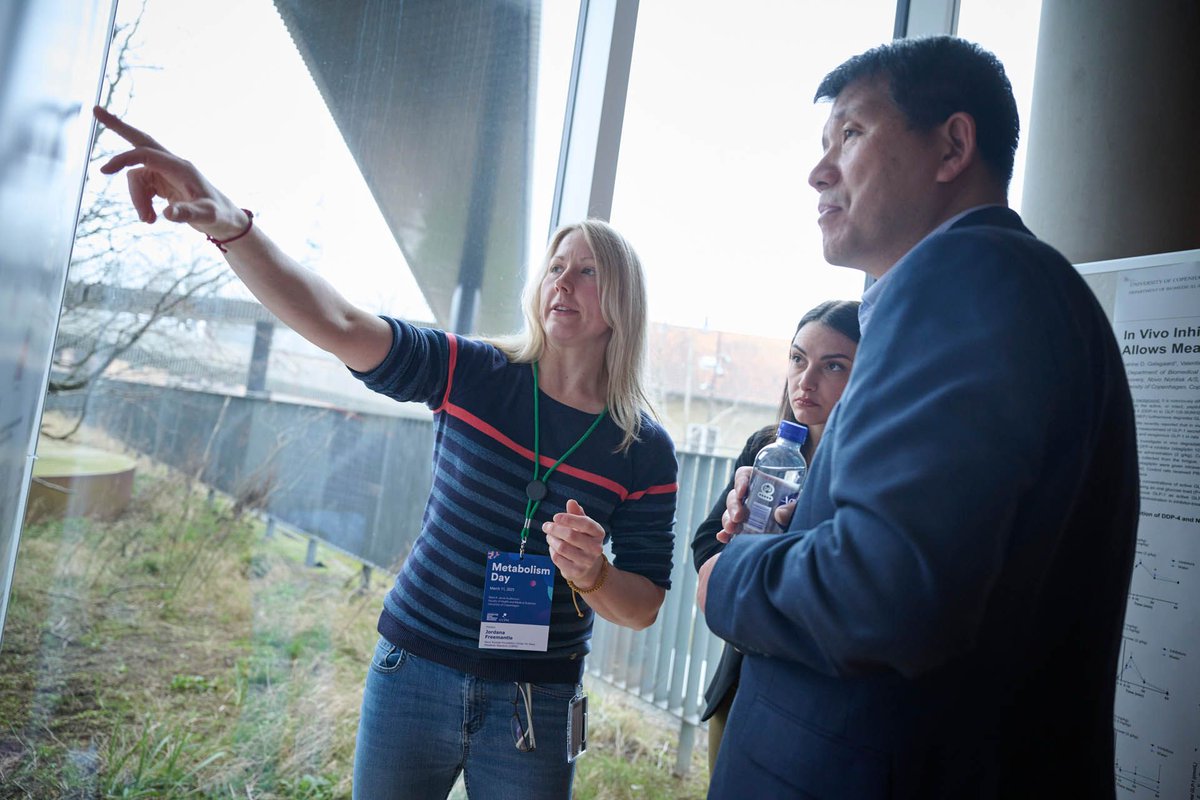
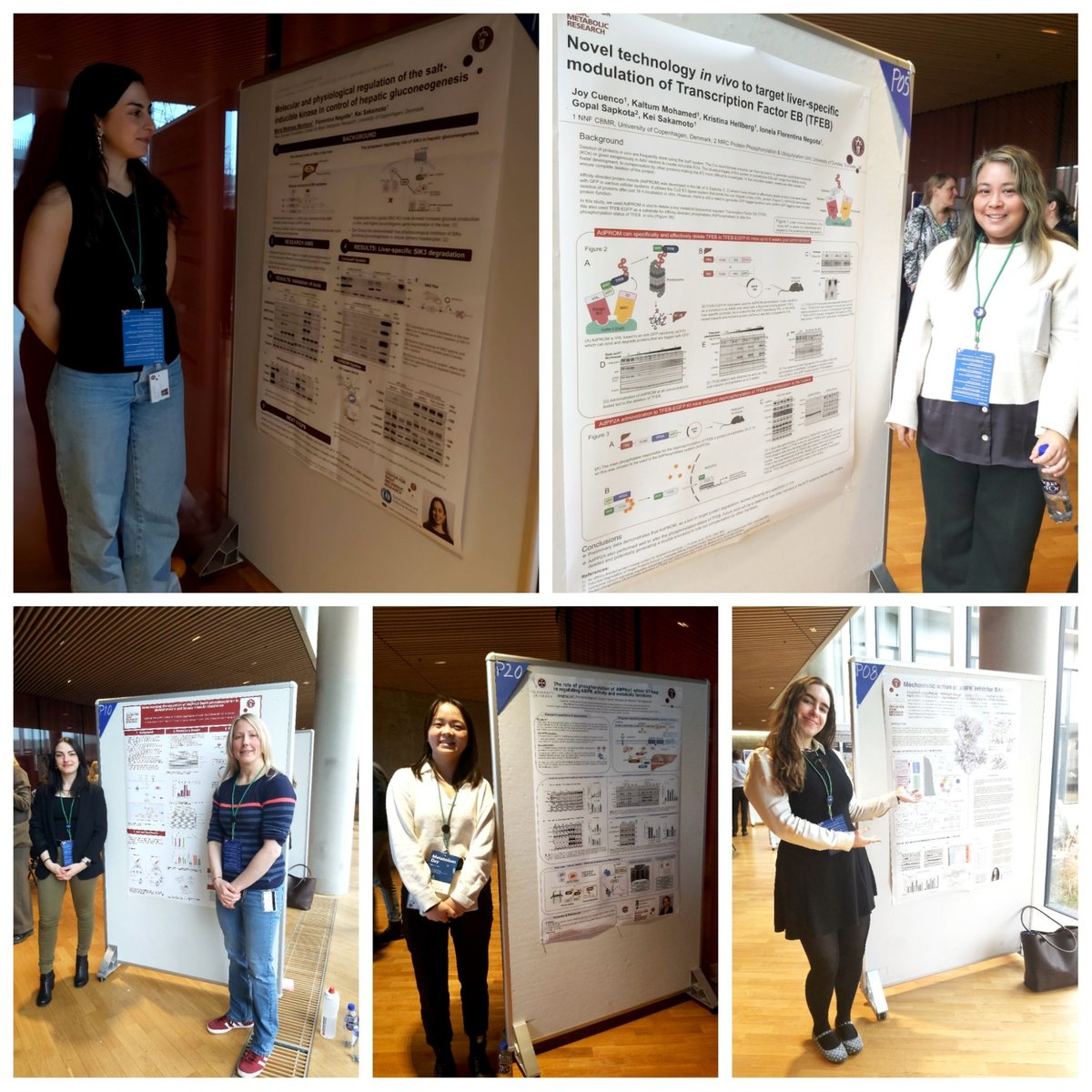
The Sakamoto group members in action on Metabolism Day #MD25 , a 1 day international conference about energy control and metabolism organized by @Metabolcenter , now in its 7th successful year!
We have a postdoc position available in our team to undertake a UKRI-funded project to develop a new cultured skeletal muscle model for studying glc metabolism and insulin action. jobs.cam.ac.uk/job/50597/@IMS_MRL Please RT. Please email if interested.
Happy to share the final version of our new paper published in @NatureComms describing a novel inducible, tissue specific #PolG mutation mouse model, that provides interesting insights into muscle specific #mitochondria induced stress responses
nature.com/articles/s41467-0…
Our group @Metabolcenter is now driven by an all women workforce (barring Kei), & we are incredibly fortunate to have these (multi)talented, hard working & generous women who support & elevate each other every day!
Happy International Women's Day!
#WomensDay2025