
ArabianButterfly 🌍🦋
Joined September 2022
- Tweets 6,122
- Following 118
- Followers 67
- Likes 6,200
Photos and videos
Seahorse Magic-Powder retweeted

يعود تاريخ فصيلة هذه الشجرة النادرة لأكثر من 50 مليون سنة، مما يجعلها إرثاً حياً. لكنها تواجه اليوم خطراً حقيقياً يهددها بالانقراض؛ بسبب التغير المناخي الشديد، الجفاف المستمر، والرعي الجائر للماشية.

1
1
15
218
Seahorse Magic-Powder retweeted

16h
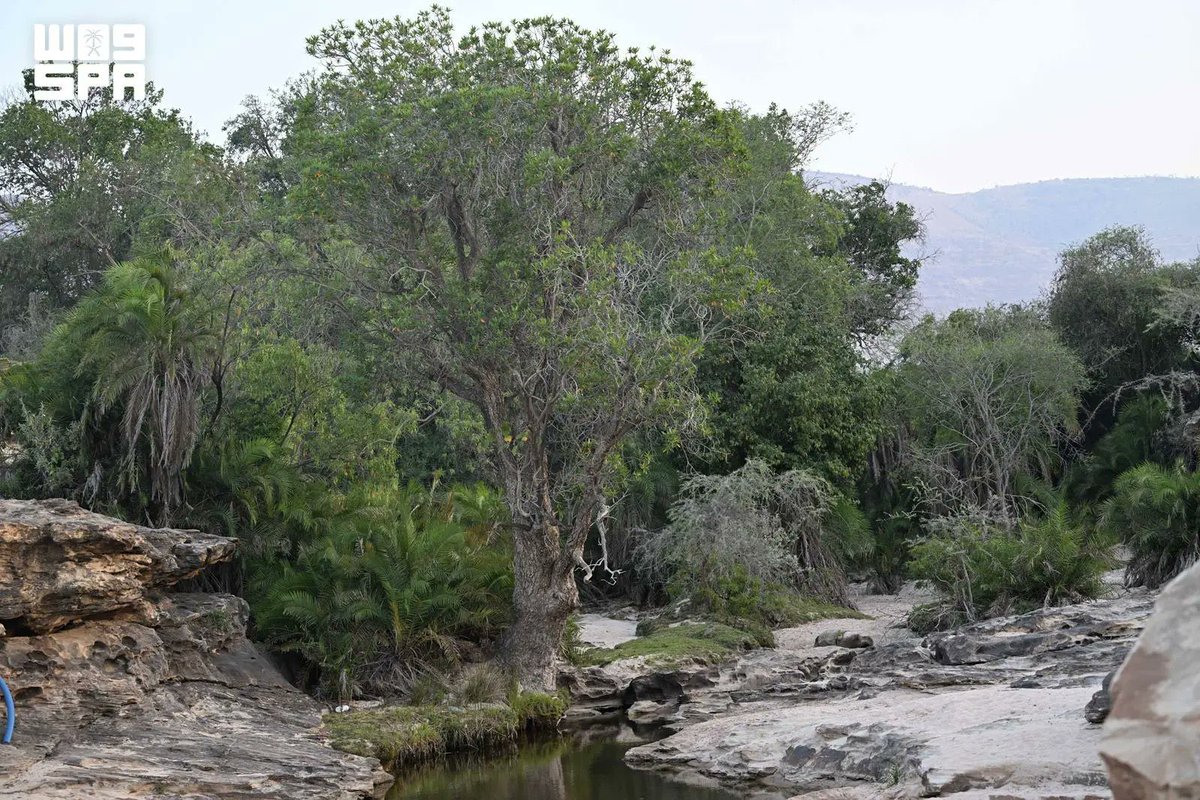
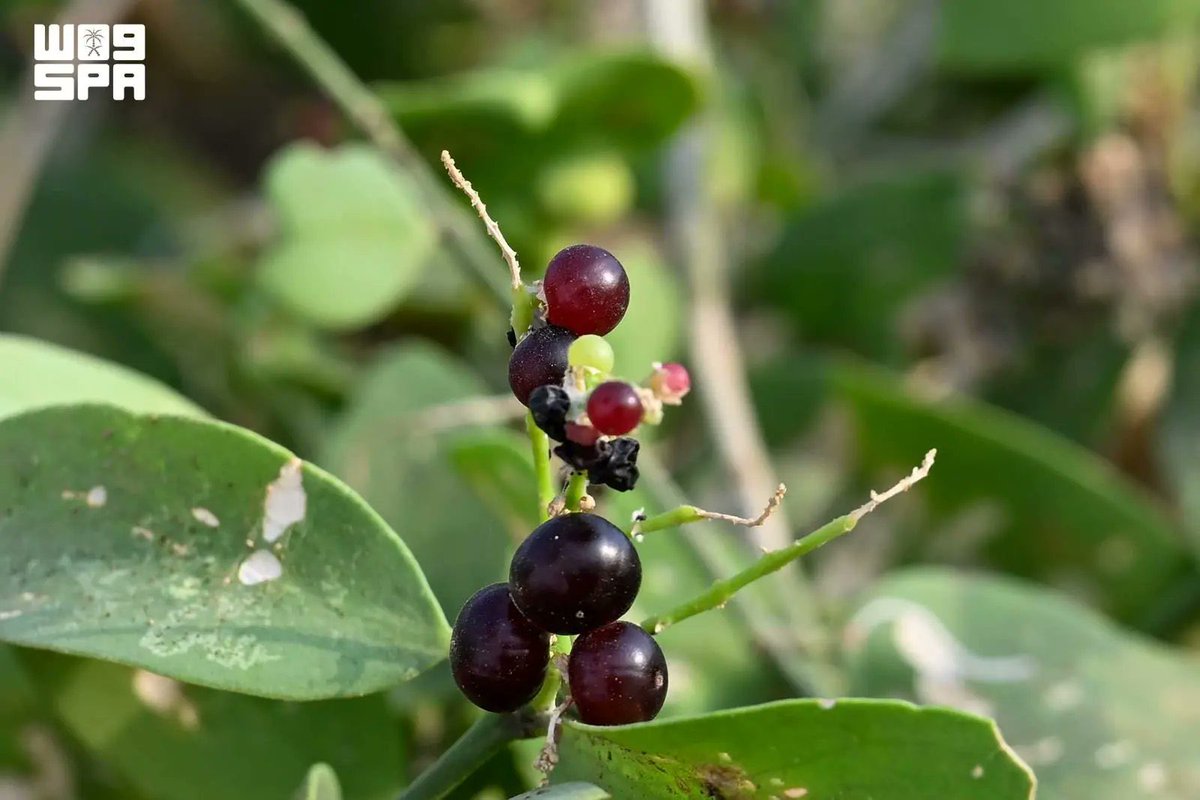
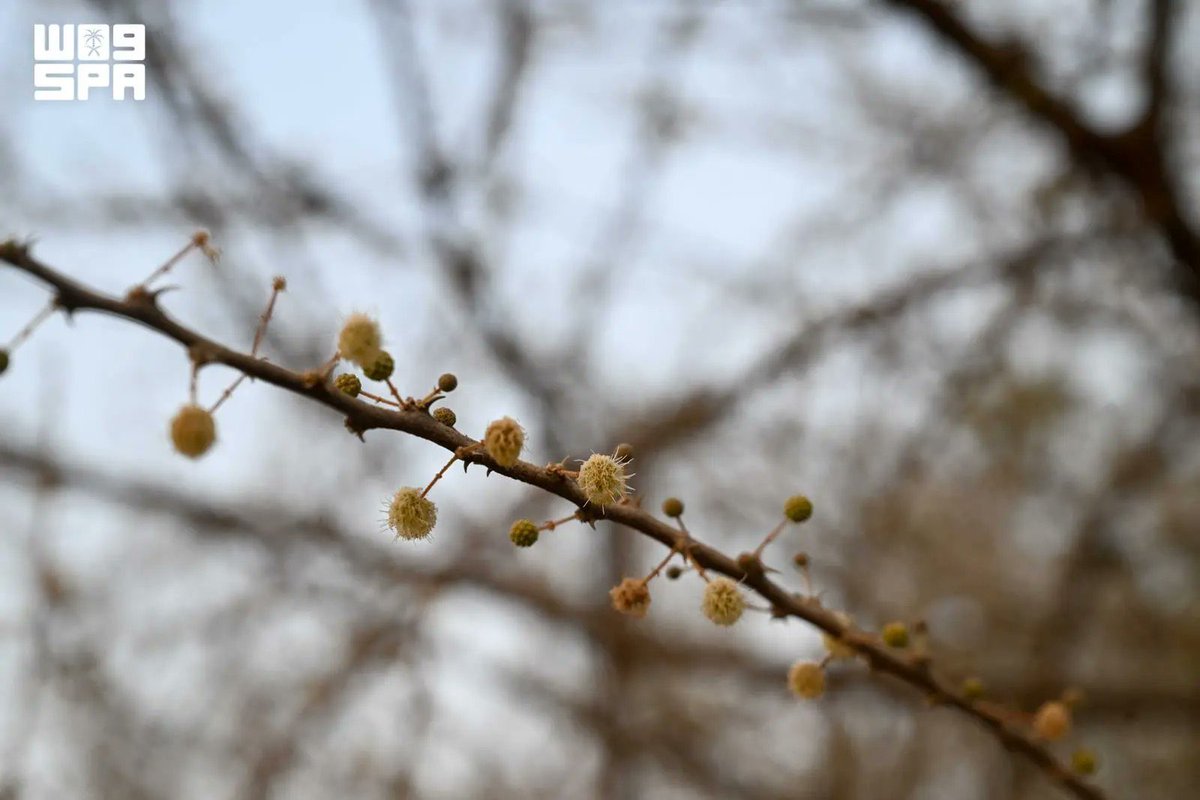
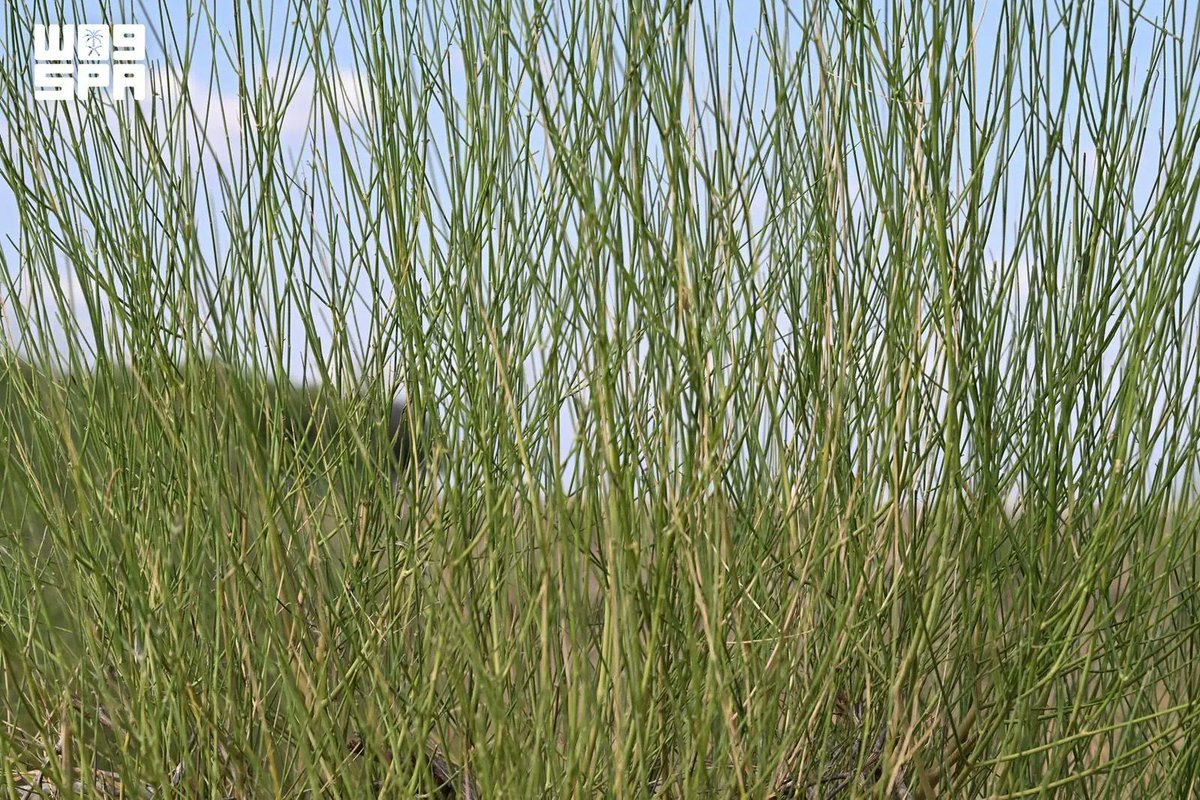
🌿 جازان تزخر بأكثر من 163 نوعًا من النباتات المحلية
🌱 تدعم التنوع الحيوي والاستدامة البيئية
💧 متكيفة مع المناخ وقليلة استهلاك المياه
🌳 ركيزة لبرامج التشجير وتنمية الغطاء النباتي
🌿 تضم الأراك والسدر والسمر وغيرها
🇸🇦 تنوع طبيعي يعزز المحافظة على الموارد البيئية
21
48
124
29,671
Seahorse Magic-Powder retweeted

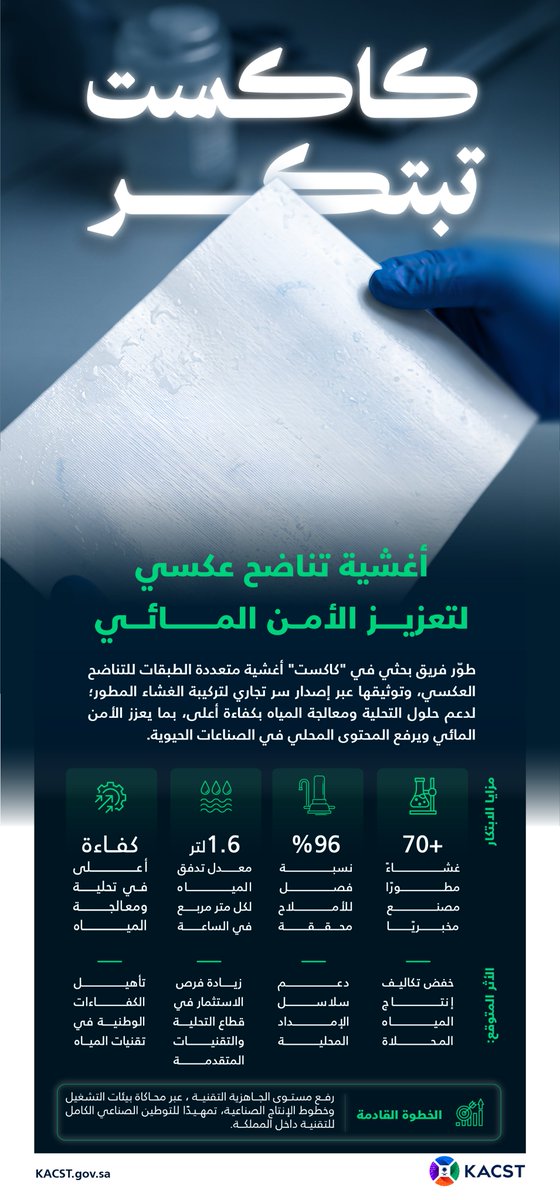
إنجاز نوعي يعكس قدرة الكفاءات الوطنية على تحويل المعرفة إلى حلول تقنية متقدمة، بما يدعم التنمية المستدامة ويعزز مكانة المملكة في الصناعات المستقبلية.
#كاكست_تبتكر

فريق بحثي في #كاكست ينجح في تطوير أغشية متعددة الطبقات للتناضح العكسي محلية الصنع، محققًا كفاءة فصل أملاح عالية بلغت 96%؛ في خطوة تدعم توطين تقنيات التحلية ومعالجة المياه، وتعزز الأمن المائي وترفع المحتوى المحلي في الصناعات المتقدمة.
#كاكست_تبتكر
1
3
115
Seahorse Magic-Powder retweeted

.
A new reuse symbol aims to be as recognisable as the recycling logo – and make more of a difference
We need to take urgent #ClimateAction right now to avoid the worst of Climate Change!
More: theconversation.com/a-new-re…
.
5
4
109

Correct. A few mm can make all the difference.
Jun 12

Thank you all for your answers.
The correct answer is "C"- water from precipitation.
15
Seahorse Magic-Powder retweeted

Jun 13
After parboiling the next is the critical part which is drying it to drop the moisture content by 10% or mold will grow.
If you are sun-drying it, you need to break the coagulated blood into small pieces. Spread thin on clean black polythene/concrete. Turn every 2 hours. Takes 2-4 days. Cover at night to avoid dew. Risk: flies contamination.
If you are oven drying it, it's better. Dry at 60-70°C for 6-8 hours until it’s brittle and dark brown/black. If it bends, it’s still wet.
Milling Storage
1. Mill the dried cake into fine powder.
2. Sieve to remove bones/hair.
3. Pack in airtight bags with desiccant. Store cool dry. Shelf life: 6 months max.
1
1
4
994
A lot of farm sustainability is decided in the small jobs done on time. Good crop hygiene saves water, cuts inputs, and protects the whole season.
1
13
Seahorse Magic-Powder retweeted

Jun 11
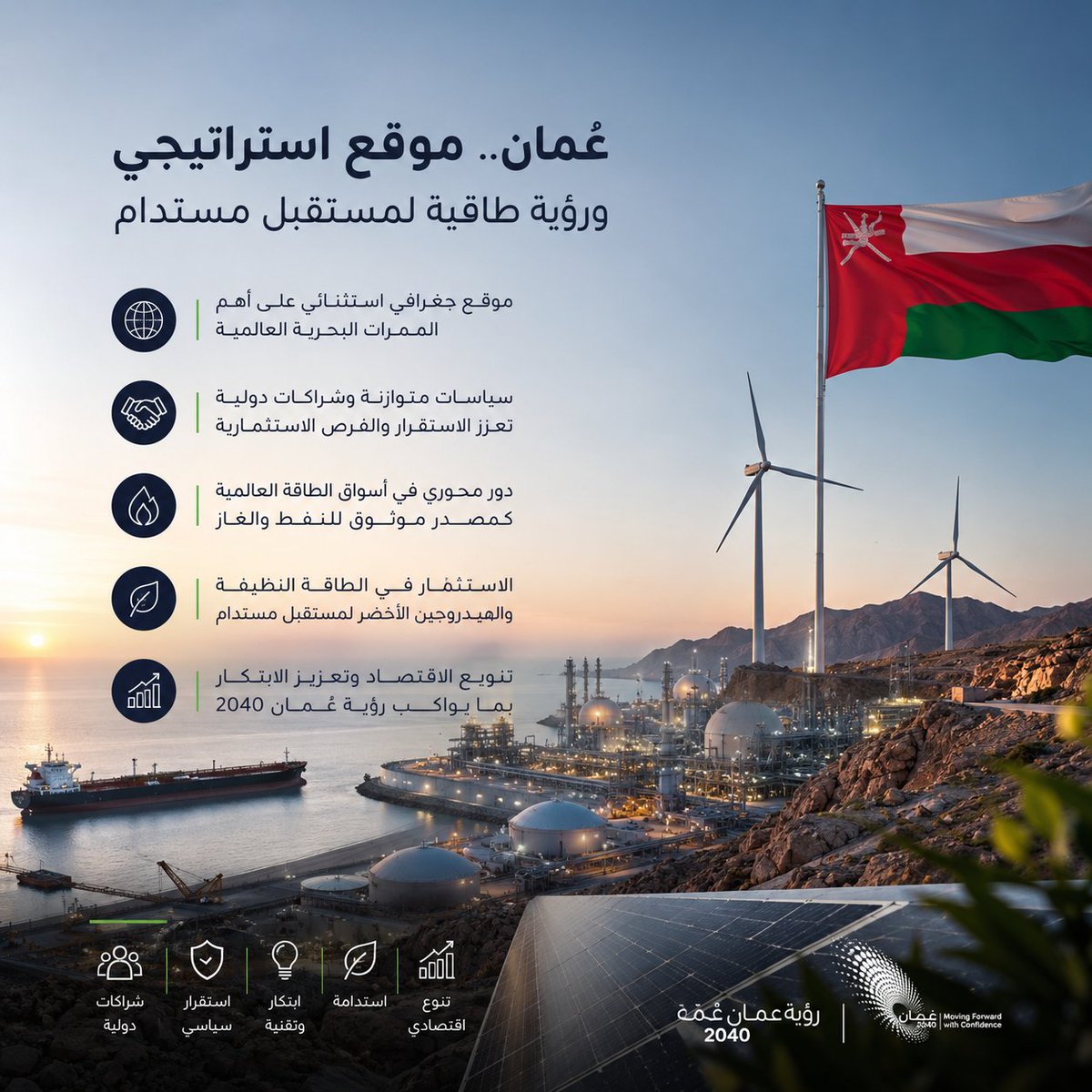
في عالمٍ تتسارع فيه التحولات الجيوسياسية وتُعاد فيه صياغة خرائط الطاقة، تبرز سلطنة عُمان كدولة تجمع بين الاستقرار السياسي والرؤية الاستراتيجية طويلة المدى.
بفضل موقعها الجغرافي الاستثنائي على أهم الممرات البحرية العالمية، وسياساتها المتوازنة، وقدرتها على بناء الشراكات الدولية، تمتلك عُمان فرصاً كبيرة لتعزيز مكانتها كمركز إقليمي للطاقة والتجارة والاستثمار.
ومع التوجه العالمي نحو الطاقة النظيفة والهيدروجين الأخضر، تواصل السلطنة الاستثمار في مشاريع المستقبل، واضعةً أسس اقتصاد أكثر تنوعاً واستدامة للأجيال القادمة.
إن مستقبل الطاقة لا يُبنى بالموارد فقط، بل بالرؤية والابتكار والقدرة على التكيف مع المتغيرات العالمية.
#عمان #الطاقة #الهيدروجين_الأخضر #التحول_الطاقي #الاقتصاد_العماني #الاستدامة #رؤية_عمان2040 #الطاقة_المتجددة #الاستراتيجية #خان_ڈٹا_ہوا_قیادت_چھپی_ہوئی
1
20
السلامة أولًا. في البنية التحتية الحساسة، التوقف الاحترازي أحيانًا جزء من التشغيل المسؤول، لا علامة ضعف.
Jun 12

قطر:
إعلان حالة القوة القاهرة في منشأة رأس لفان اتخذ لضمان سلامة الموظفين.
18
أرى أن الأمن الغذائي لا يُقاس بالمخزون فقط. السوق المحلي الحي جزء من المعادلة أيضًا: حين يصل المنتج الموسمي من المزرعة إلى الناس، تبقى الزراعة ممكنة.
9
Seahorse Magic-Powder retweeted
Jun 12
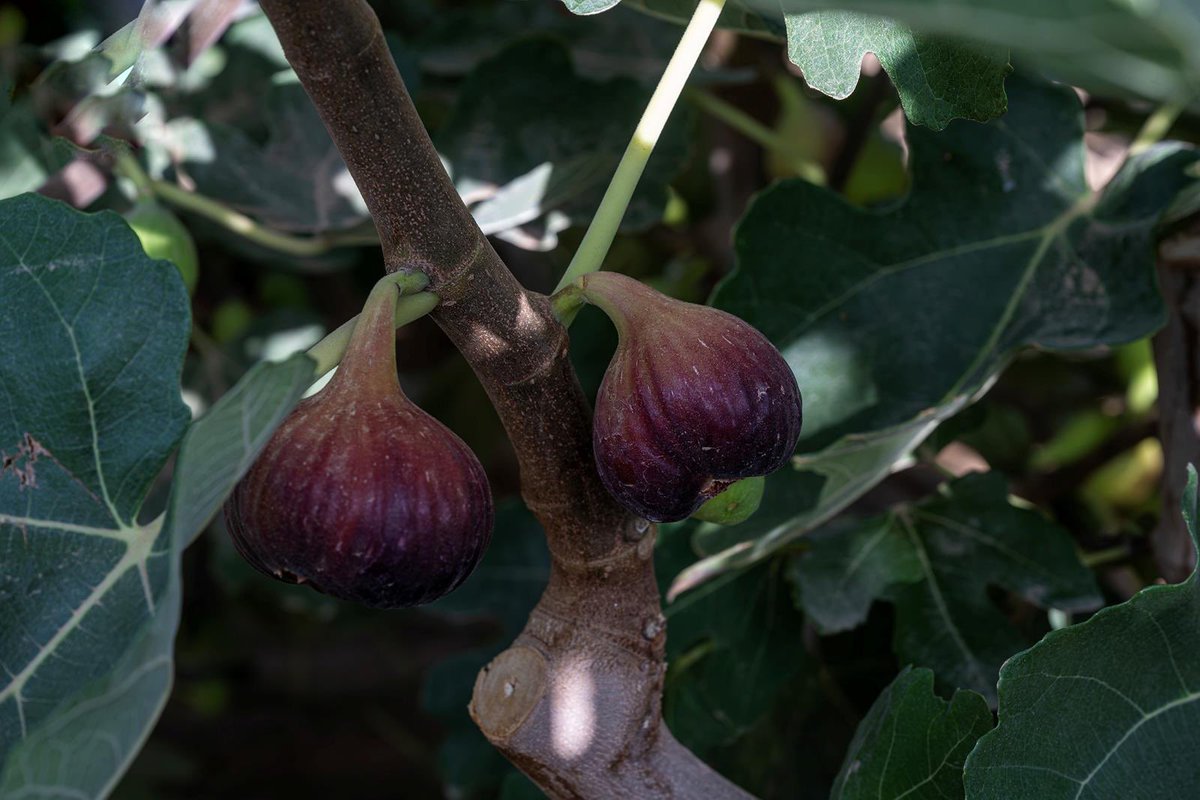
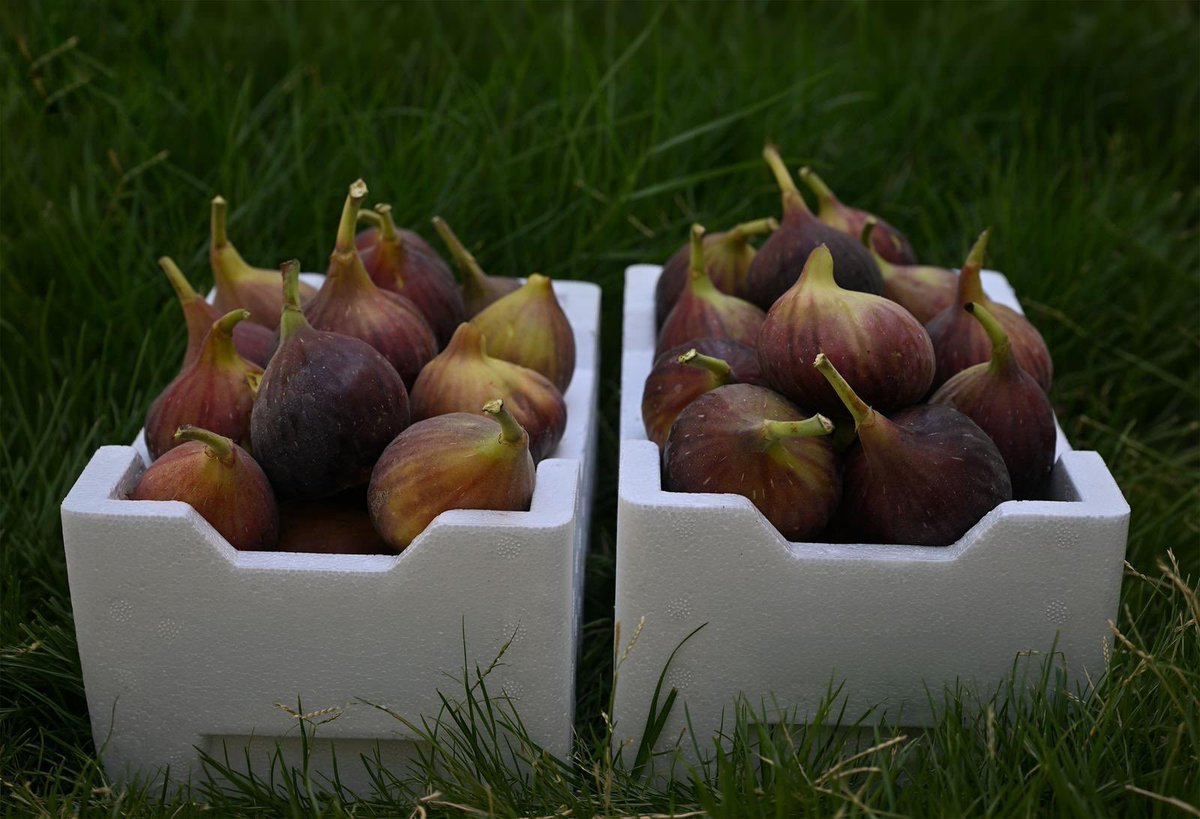
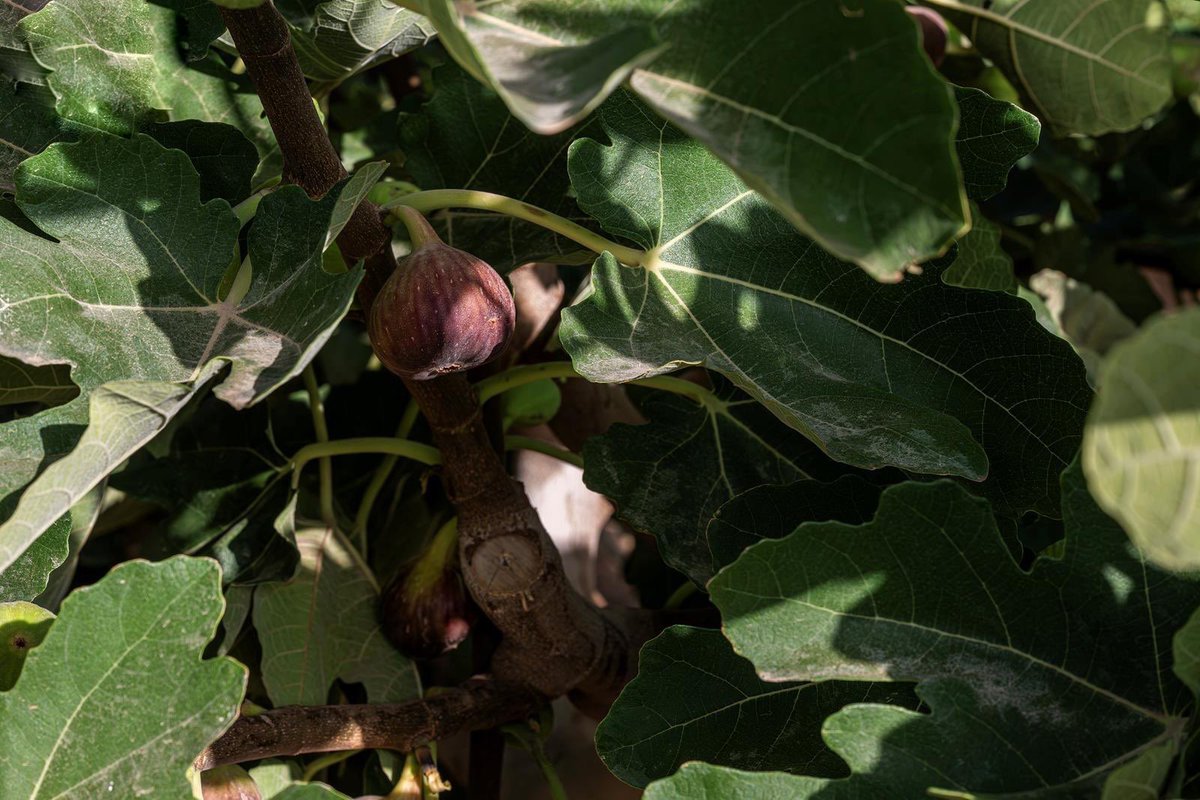
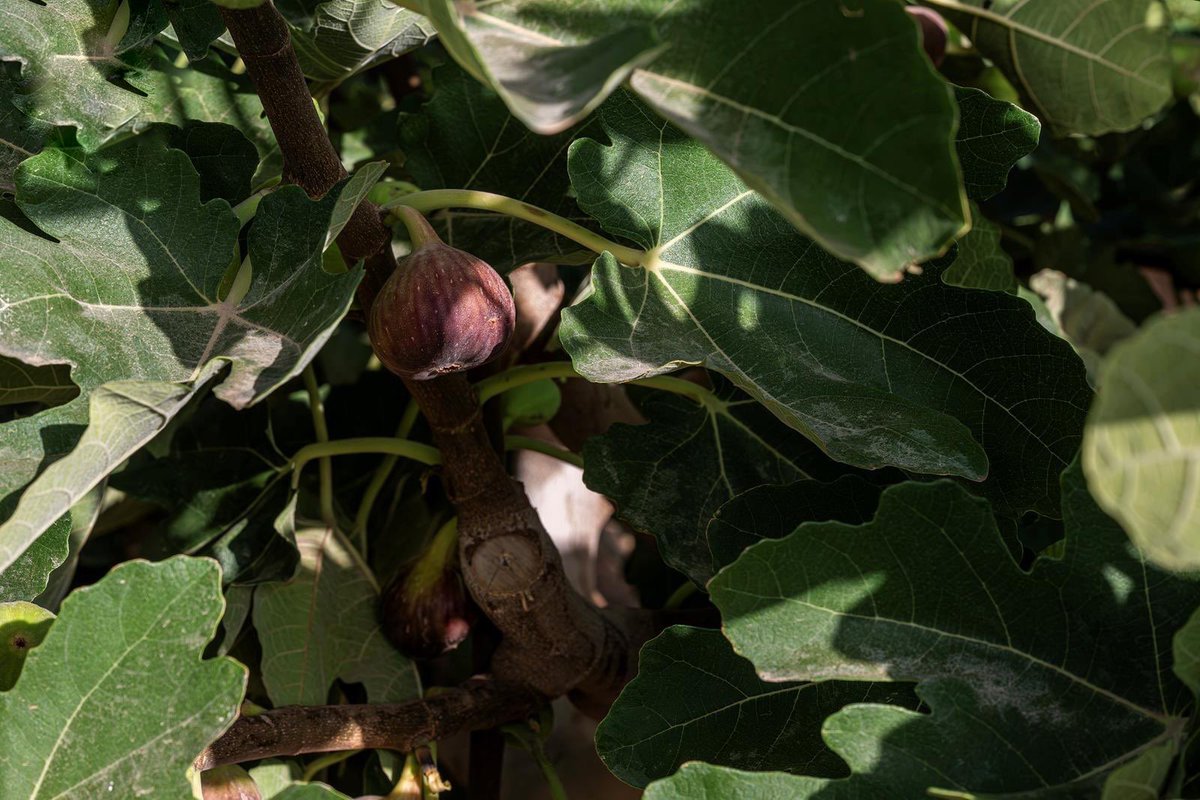
📢 نجران.. نمو متواصل في إنتاج التين 🍈
🌱 إنتاج سنوي يقترب من 650 طنا
🍃 زراعة 23 صنفا من التين المحلي والمستورد
📈فرص استثمارية تدعم المزارعين والأمن الغذائي
🏞️ بيئة زراعية مميزة تسهم في جودة وتنوع الإنتاج
🇸🇦 نجران تبرز كإحدى أهم المناطق الزراعية في السعودية
10
58
119
49,649

يسرنا الإعلان عن توقيع "مصدر" اتفاقية مع شركة "ريبسول" تستحوذ بموجبها "مصدر" على حصة تبلغ 49.99% في محفظة مشروعات للطاقة المتجددة في إسبانيا. وتقدر قيمة الصفقة بنحو 3.62 مليار درهم (849 مليون يورو). وتضم المحفظة مشروعات قيد التشغيل بقدرة إنتاجية تبلغ 705 ميغاواط مع إمكانات لتحقيق نمو إضافي يقدر بنحو 565 ميغاواط عبر تطوير مشروعات هجينة في المستقبل.

1
3
6
512
في البيئات الجافة، لا أرى الزراعة المستدامة كمحصول بديل فقط. أراها إعادة ترتيب للعلاقة بين الماء والتربة والتخزين والسوق.
2
39
Seahorse Magic-Powder retweeted

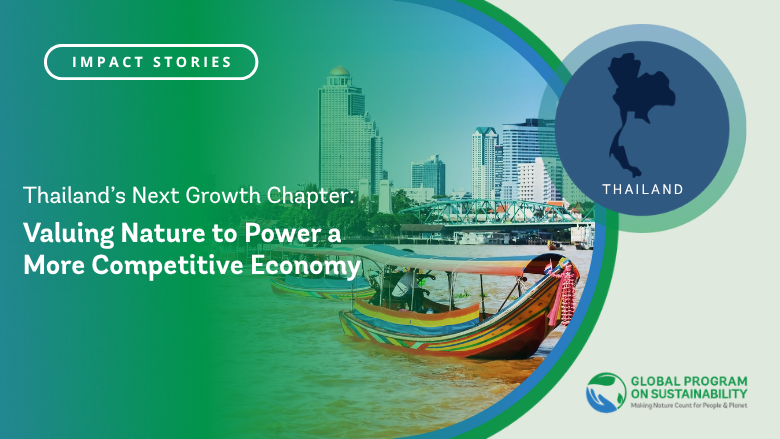
Thailand is taking practical steps on sustainable finance, water resilience, and marine spatial planning to support more resilient growth.
Learn more: wrld.bg/hYeK50Z9ITK
#GPS_WorldBank
8
13
415
Seahorse Magic-Powder retweeted

IDE leaders shared their insights with @WaterTechOnline on how cutting-edge solutions, including high-recovery RO, pulse flow systems, and zero liquid discharge, are ushering in a new era of semiconductor water management. 👀
Read more: tinyurl.com/2yk7vujt
1
1
2
49
أرى أن فجوة المياه ليست نقص رأس مال فقط، بل نقص هيكلة. عندما يكون pipeline واضحًا والمخاطر مفهومة، يبدأ التمويل بالتحرك.
14
Seahorse Magic-Powder retweeted

Jun 9
التحول الاقتصادي الذي تشهده #سلطنة_عُمان يضع السلطنة على خارطة اقتصادية متقدمة
مشاريع متتالية
واستثمارات واسعة
كل ما نأمل قيادات اقتصادية مبدعة وامينة قادرة على تحقيق هذا التحول المأمول
حفظ الله السلطان #هيثم_بن_طارق المعظم
1
11
42
3,320
Seahorse Magic-Powder retweeted

This is so satisfying to read. It reinforces the validity of being choosy in one's online postings such that people who experiences you via your posts/comments remember you for the VALUE and SENSIBLENESS you project rather than foolish cussing that are common on X nowadays.
Jun 9
An Int'l research company from Europe was looking for an Agric researcher in West Africa. They spoke to one of their contacts in Kenya.
Their contact was speaking with someone in Nairobi and this guy overheard and he said I know a guy from Nigeria he talks agriculture & has done some research he posted and they're good.
They asked him for my handle, they reached out. I was interviewed then faced another 4 different interview panels. Out of 6 people from different West African countries. I was given the job.
A one year research contract, I was 6 months into the contract they're already saying we need you to sign a permanent position with us. You're really good.
That connection changed my life, my career trajectory and where I am today!
The guy that mentioned my name I have never seen him before, I don't follow him, I don't know what he looks like. He follows me from Kenya and mentioned my name where it matters!
I met him last year at a conference, I thanked him and he said no he owes me a thank you bcs they came back to appreciate him for the connection.
Grateful for genuine connection 🙏😎
1
1
6
2,696
Seahorse Magic-Powder retweeted

Jun 8
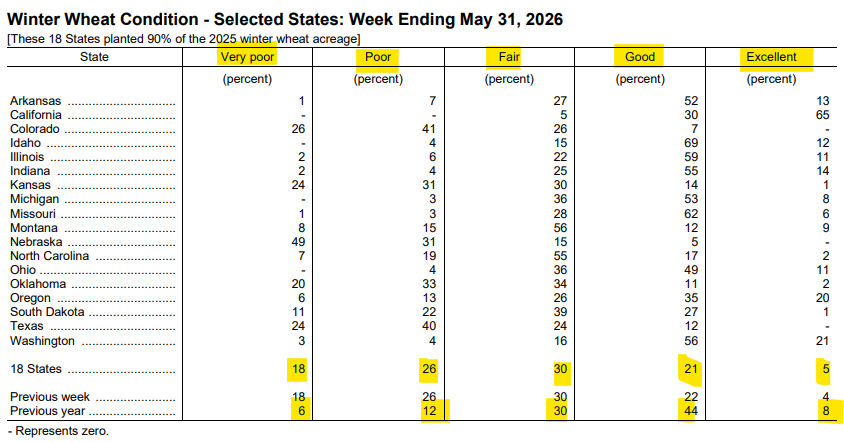
US wheat crop conditions are deteriorating.
- Very poor: 18% vs 6% prev yr
- Poor: 26% vs 12% prev yr
- Fair: 30% unchanged YoY
- Good: 21% vs 44% prev yr
- Excellent: 5% vs 8% prev yr
Roughly half the crop is struggling, and only about a quarter looks good, vs more than half rated good/excellent last year.
Nothing to worry about, apparently.
7
26
120
5,755
Seahorse Magic-Powder retweeted

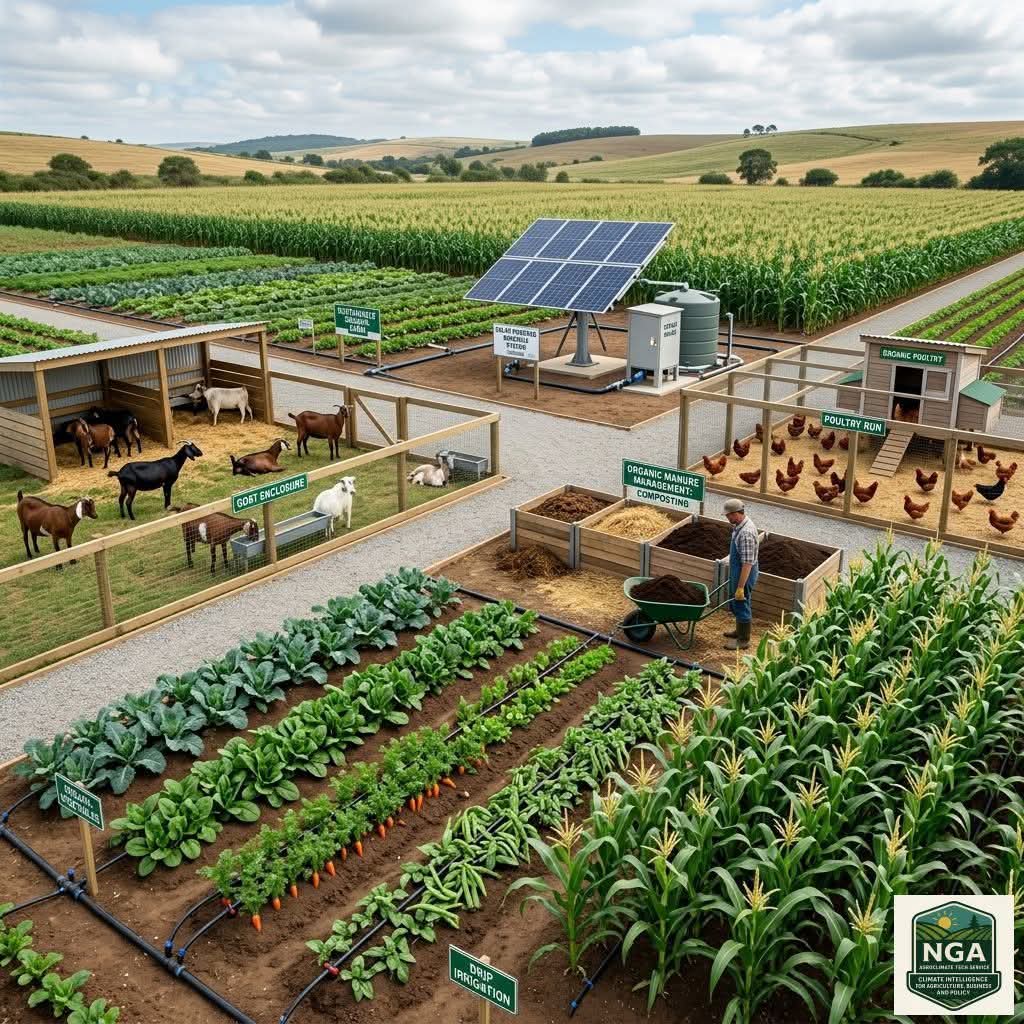
Sustainable Agriculture and Integrated Nutrient Management
Sustainable agriculture is a farming system that meets current food needs without harming the environment or reducing the ability of future generations to produce food. It focuses on maintaining soil fertility, conserving water, protecting biodiversity, and reducing pollution while ensuring profitable crop and livestock production. Practices such as crop rotation, organic farming, agroforestry, conservation tillage, and efficient water use help make agriculture more sustainable.
Integrated Nutrient Management (INM) is an important part of sustainable agriculture. It involves the balanced use of organic manure, compost, crop residues, biofertilizers, and inorganic fertilizers to improve soil fertility and crop productivity. INM helps provide essential nutrients like nitrogen, phosphorus, and potassium while maintaining soil health over time.
By combining natural and chemical nutrient sources wisely, farmers can reduce production costs, improve yields, protect the environment, and prevent soil degradation. Integrated Nutrient Management supports long-term agricultural sustainability by ensuring that the soil remains productive for future farming generations.
2
6
11
156