
Plant pathologist | Assistant Professor at @okstate | Alumnus @ufvplantpath | Research interests: epidemiology, crop loss assessment and disease risk
- Tweets 3,494
- Following 1,652
- Followers 10,225
- Likes 21,256



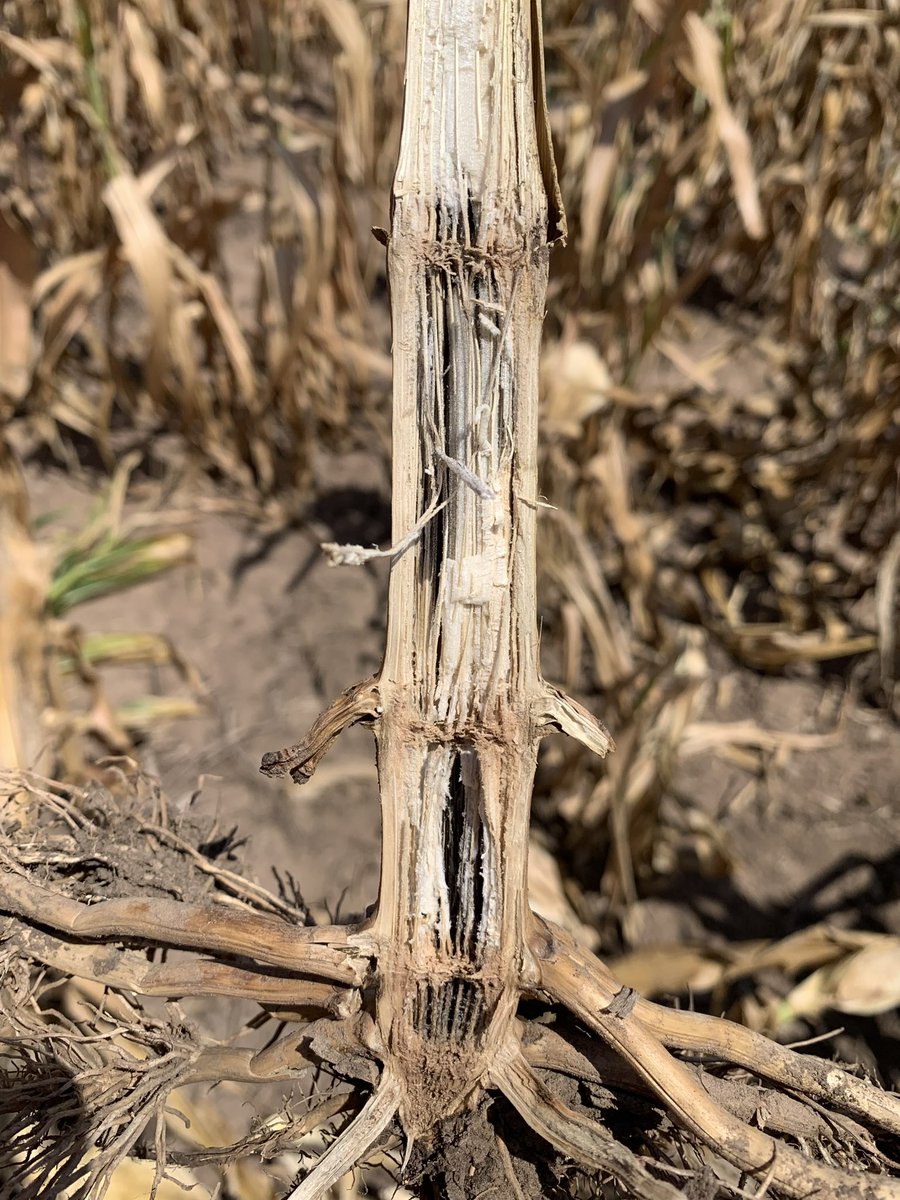


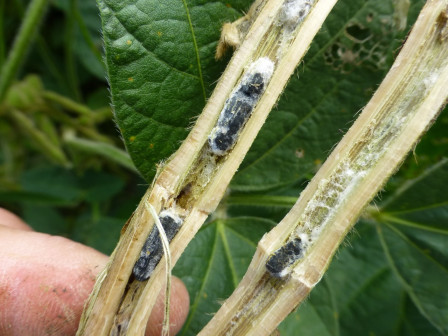
ALT White mold sclerotia in split soybean stem.
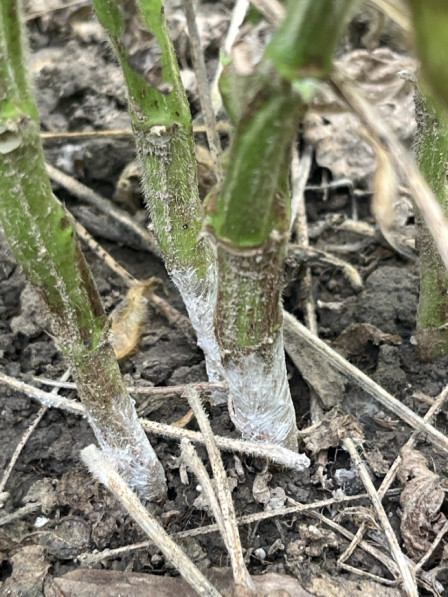
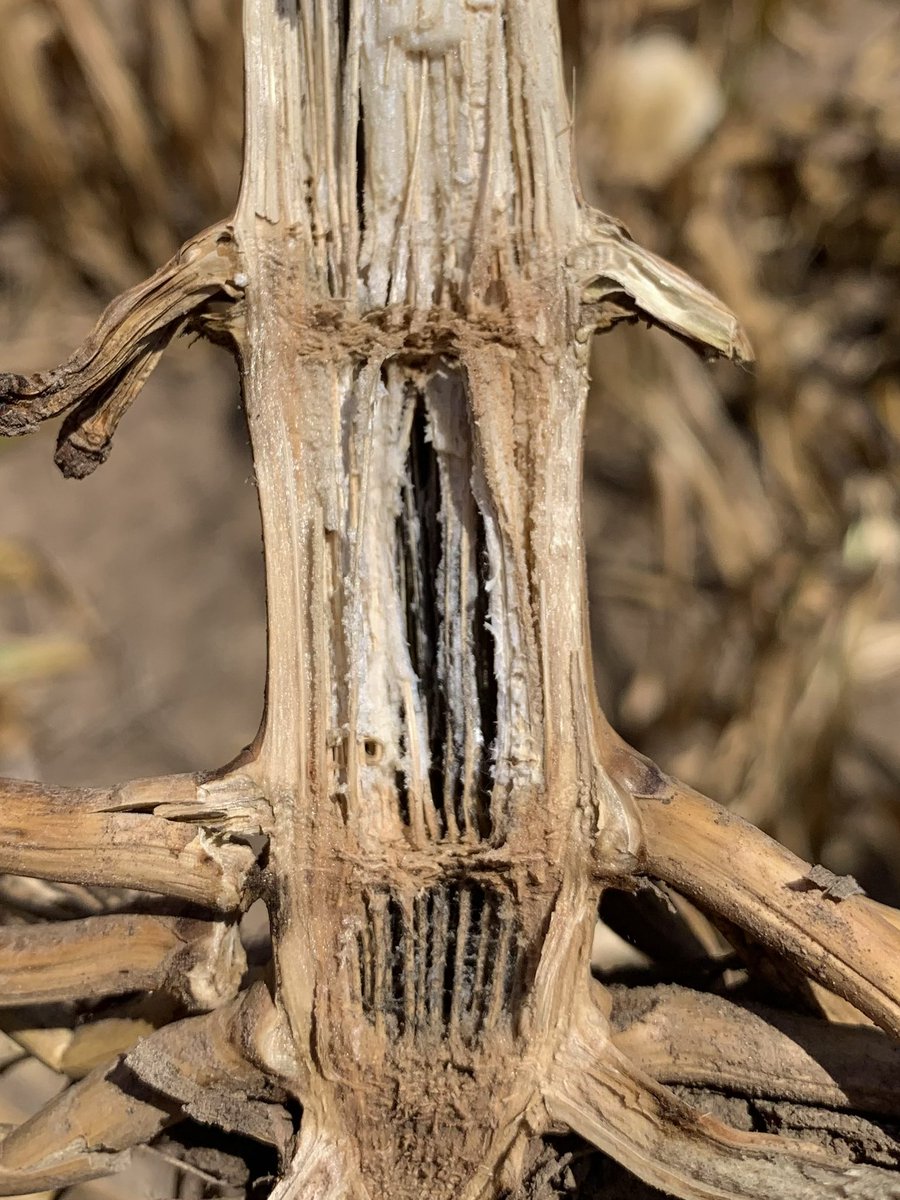
ALT Southern blight fungal growth at base of soybean stems.
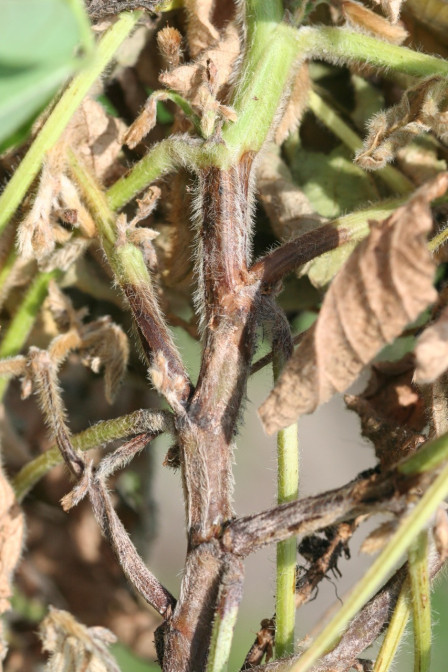
ALT Phytophthora root and stem rot stem lesion on soybean stem.
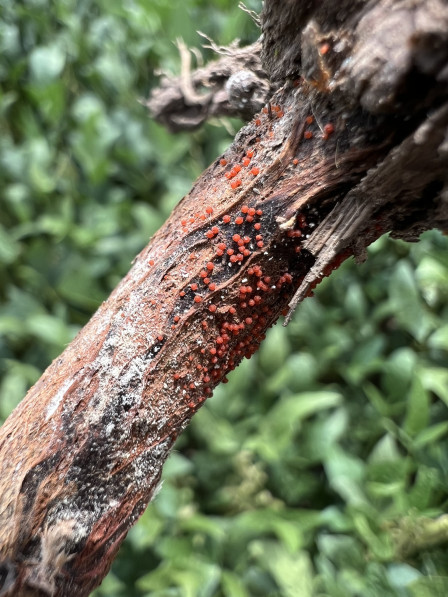
ALT Fungal growth indicating red crown rot on soybean stem.

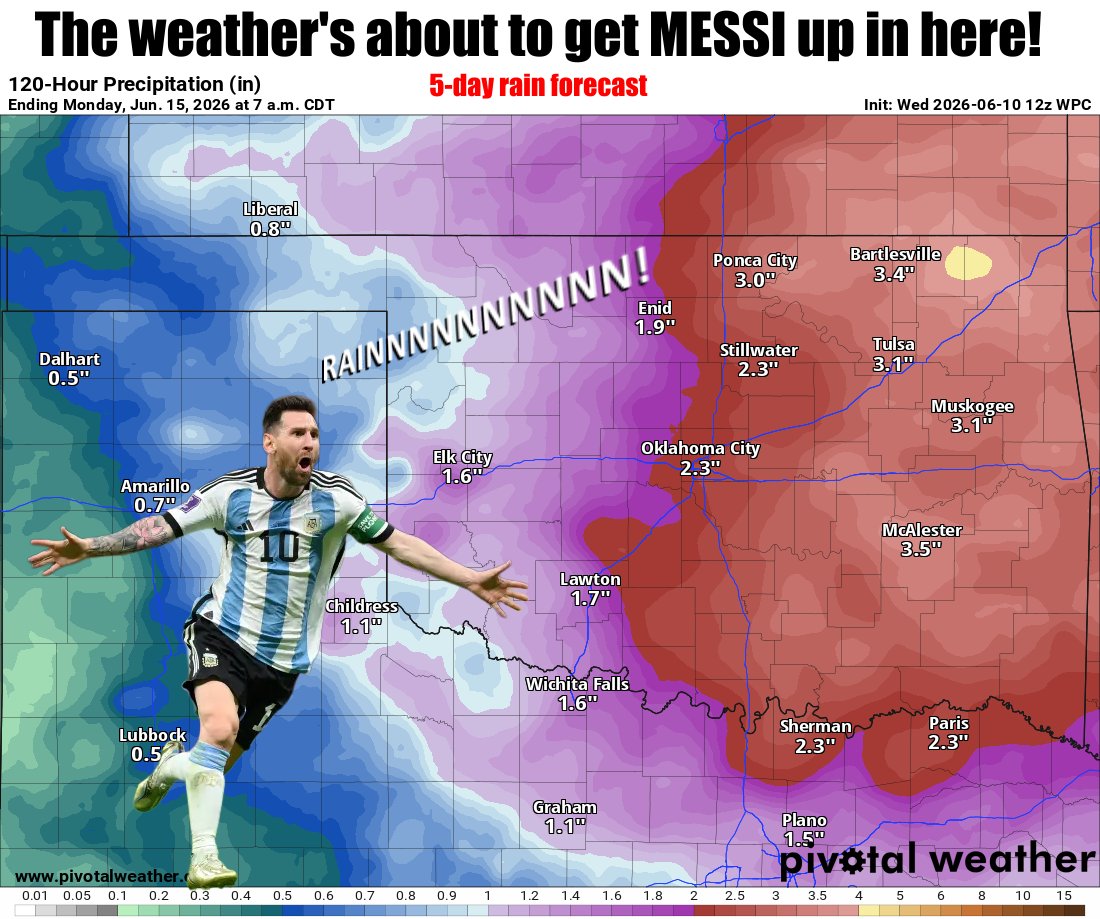
ALT Five-day rainfall forecast through June 15, 2026, titled “The weather’s about to get MESSI up in here!” The graphic shows a sharp west-to-east increase in forecast rainfall across Oklahoma, with widespread totals of 2-4 inches expected across central, eastern, and northeastern parts of the state. Forecast amounts include about 2.3 inches in Oklahoma City and Stillwater, 3.0 inches in Ponca City, 3.1 inches in Tulsa and Muskogee, 3.4 inches in Bartlesville, and 3.5 inches in McAlester. Western Oklahoma is forecast to receive lighter amounts, generally around 0.5 to 1.7 inches. For humor, soccer star Lionel Messi is shown celebrating with the caption “RAINNNNNNNN!” emphasizing the prospect of widespread beneficial rainfall across drought-affected areas of Oklahoma.


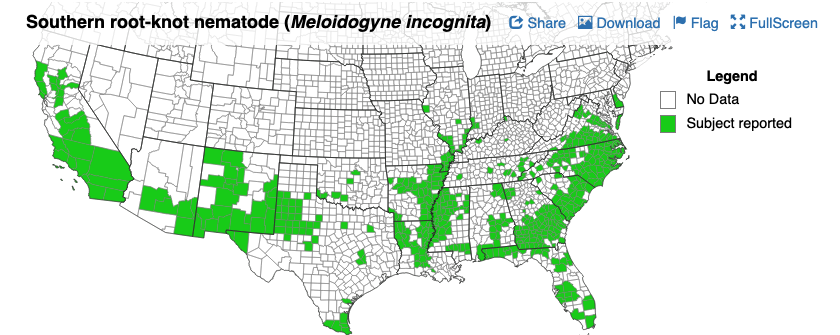
ALT Map of the distribution of southern root-knot nematode in the U.S.
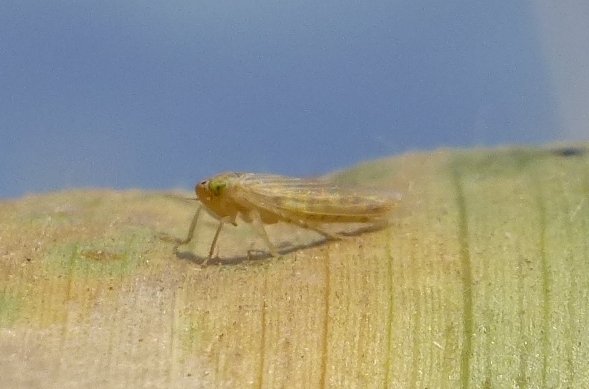
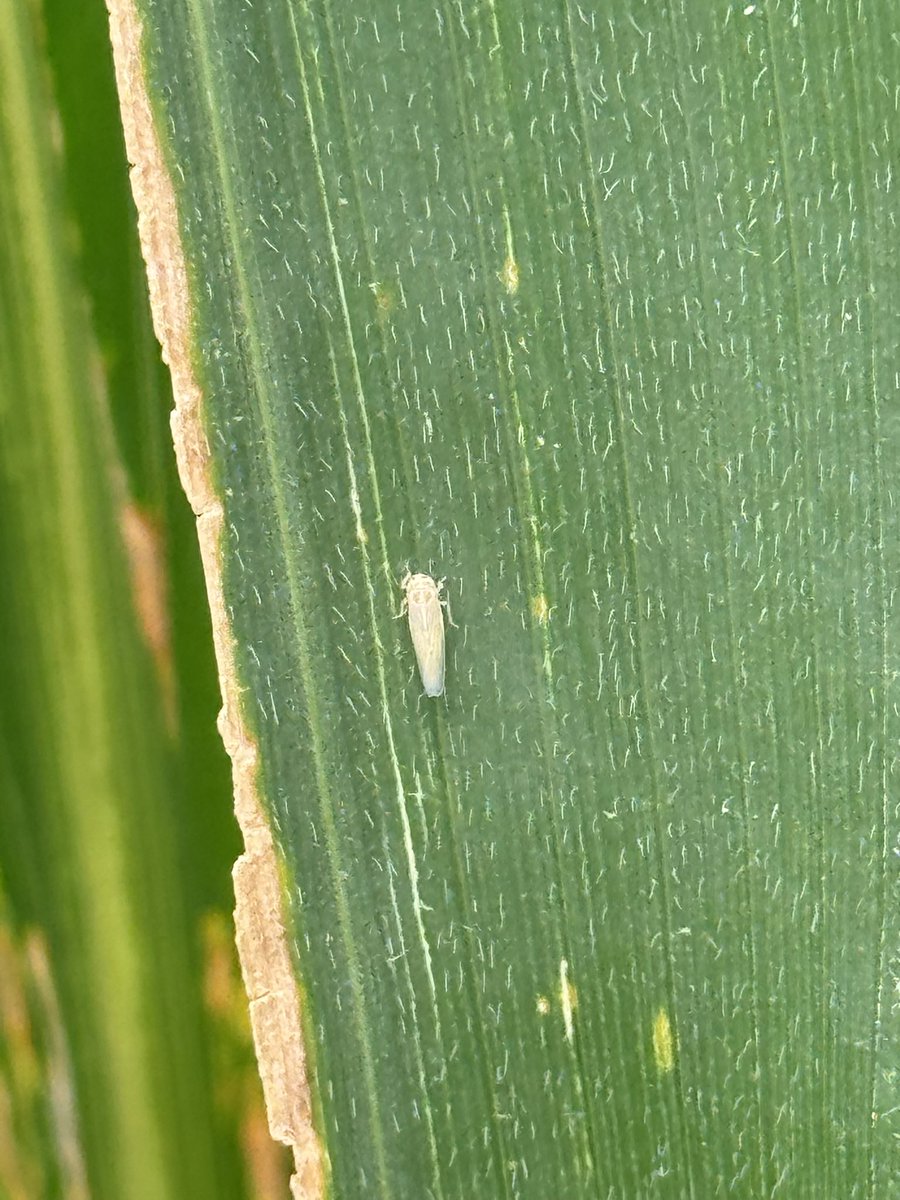
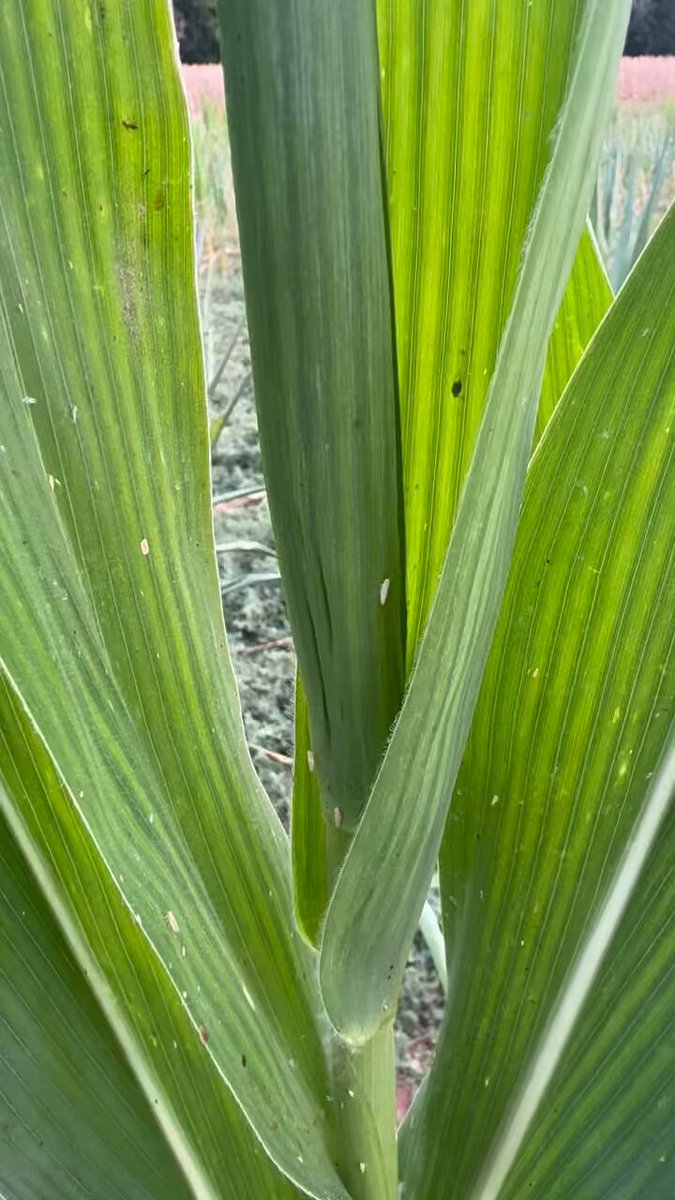
ALT Corn leafhopper close-up on leaf.
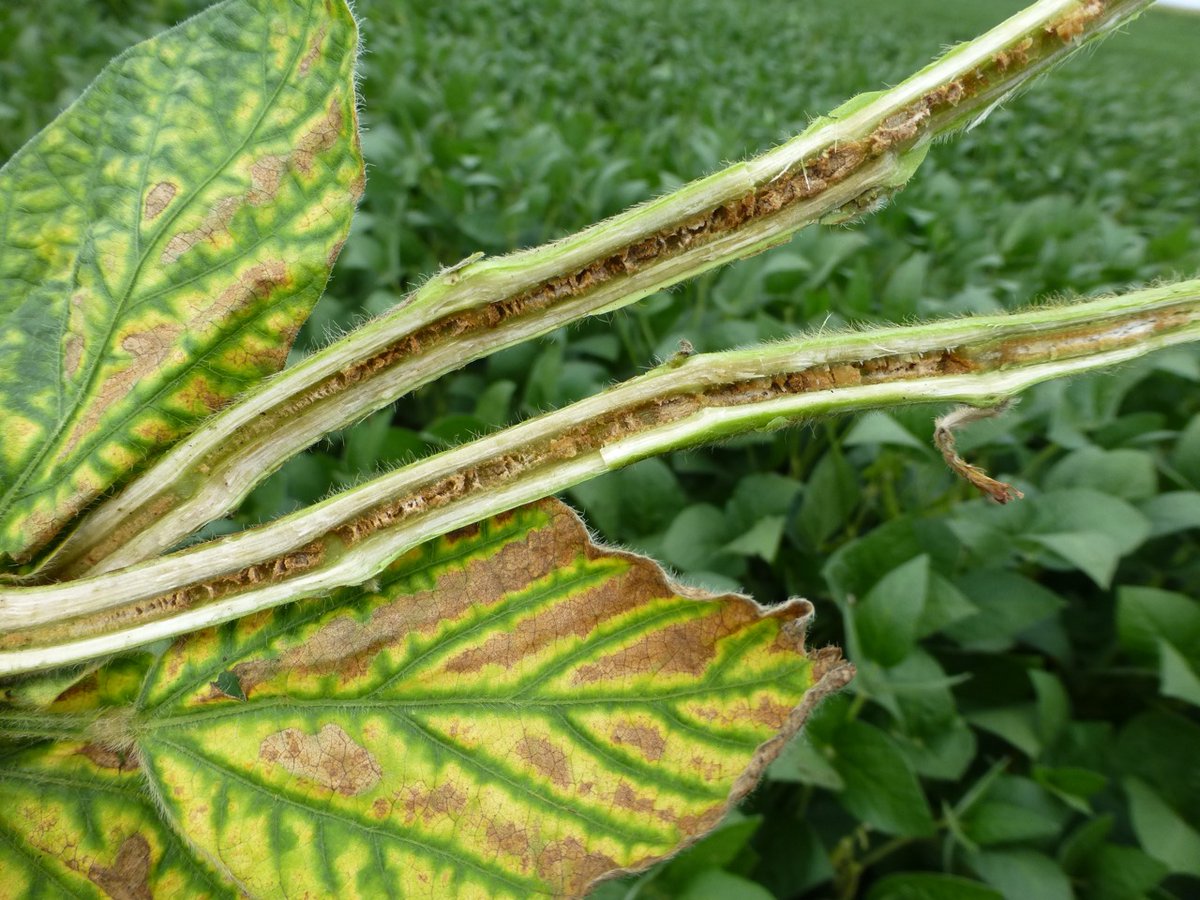
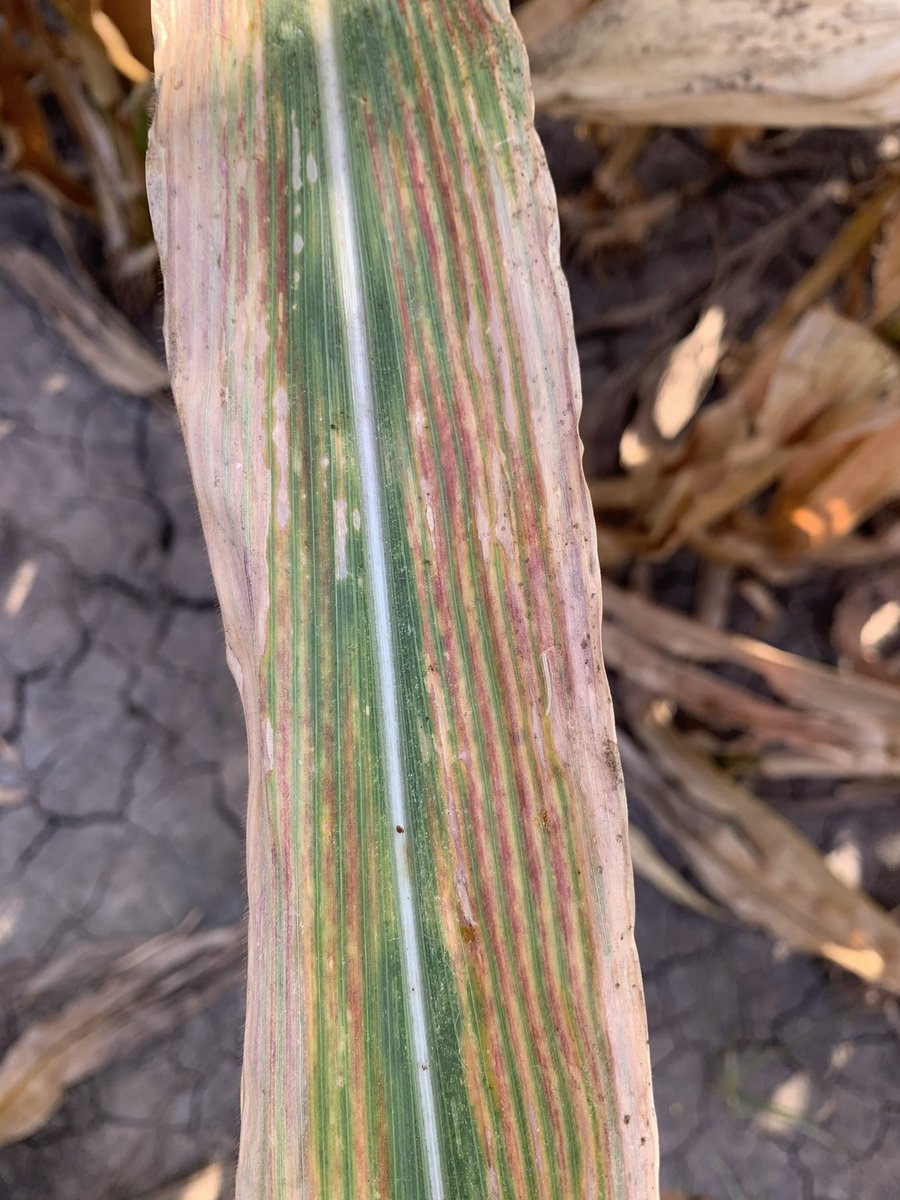
ALT Yellowing and dead tissue on soybean leaves and a split soybean stem with rot inside.
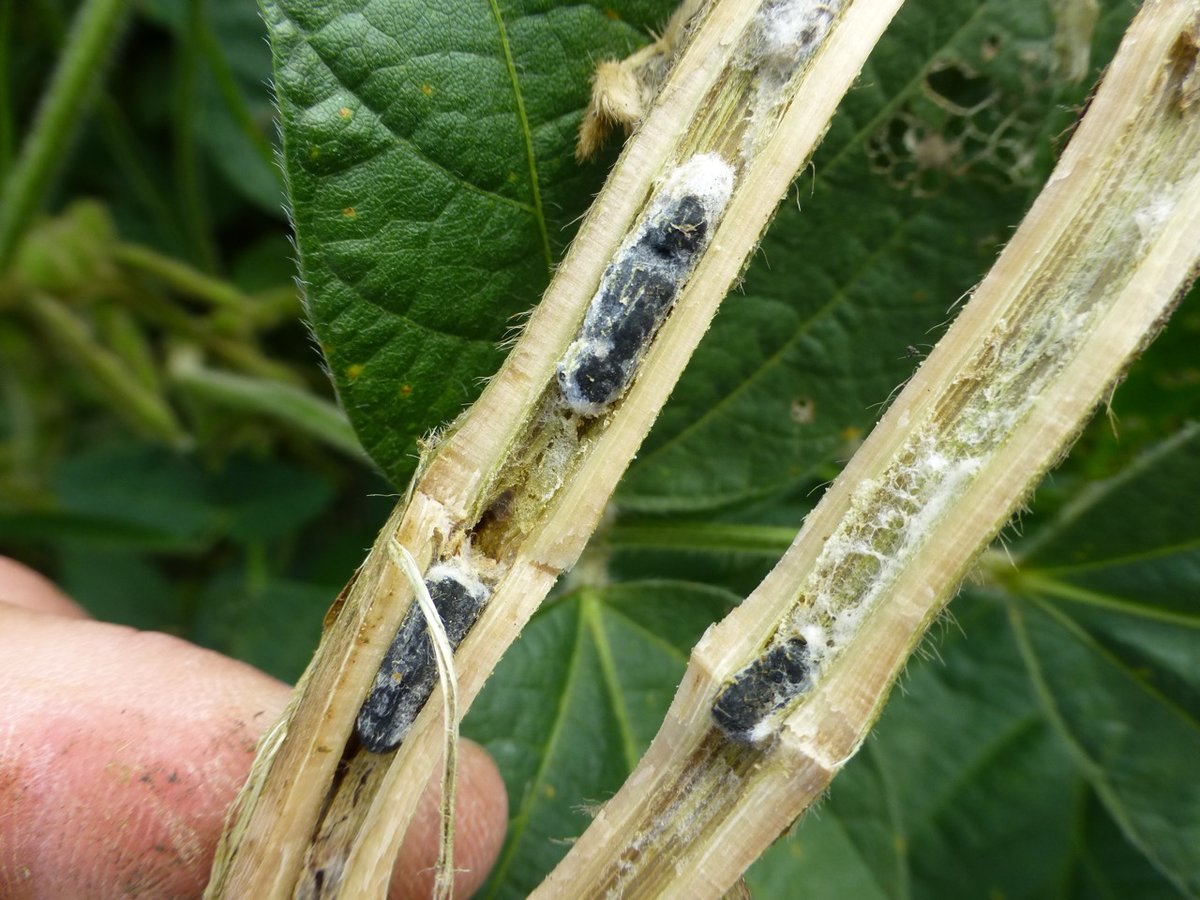
ALT Split soybean stem with white mold and dark colored sclerotia inside.
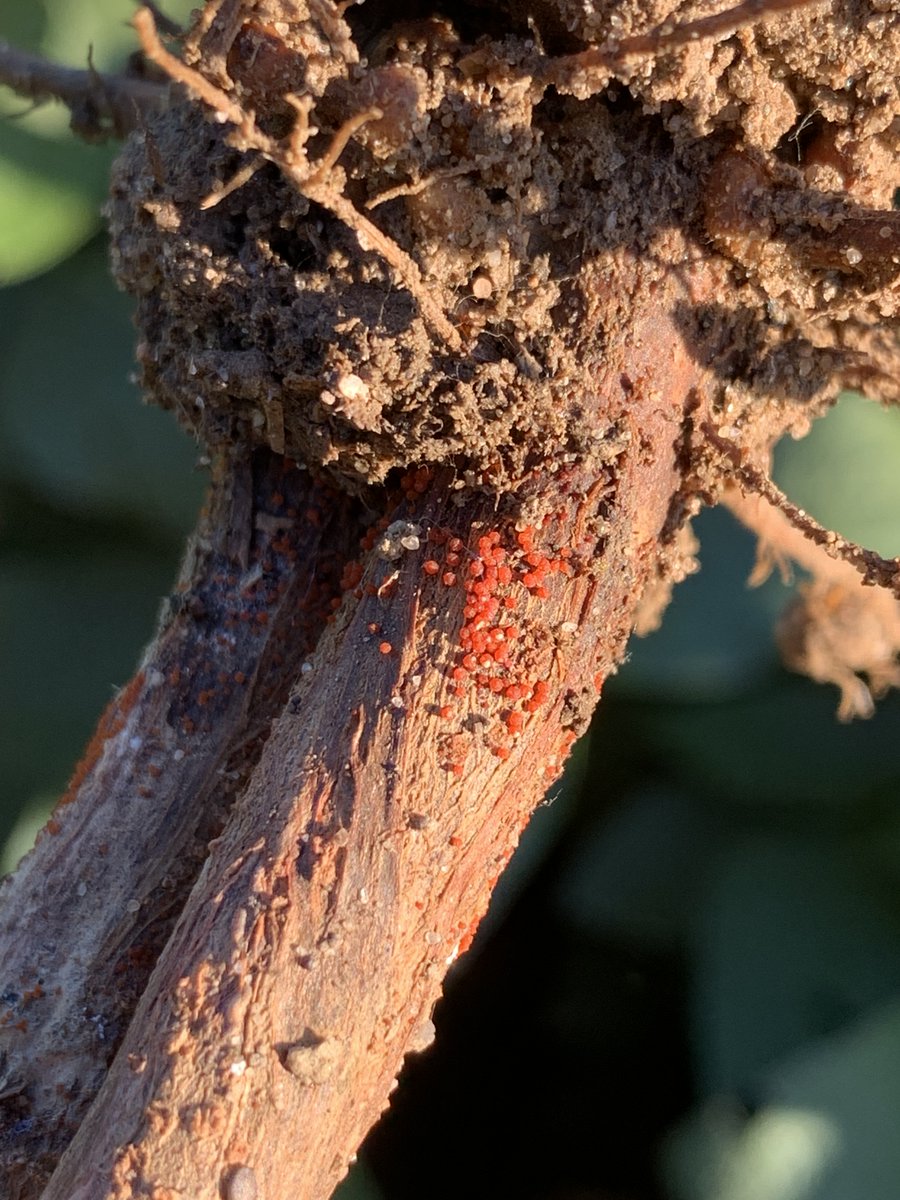
ALT Soybean stem base with red fungal growth.
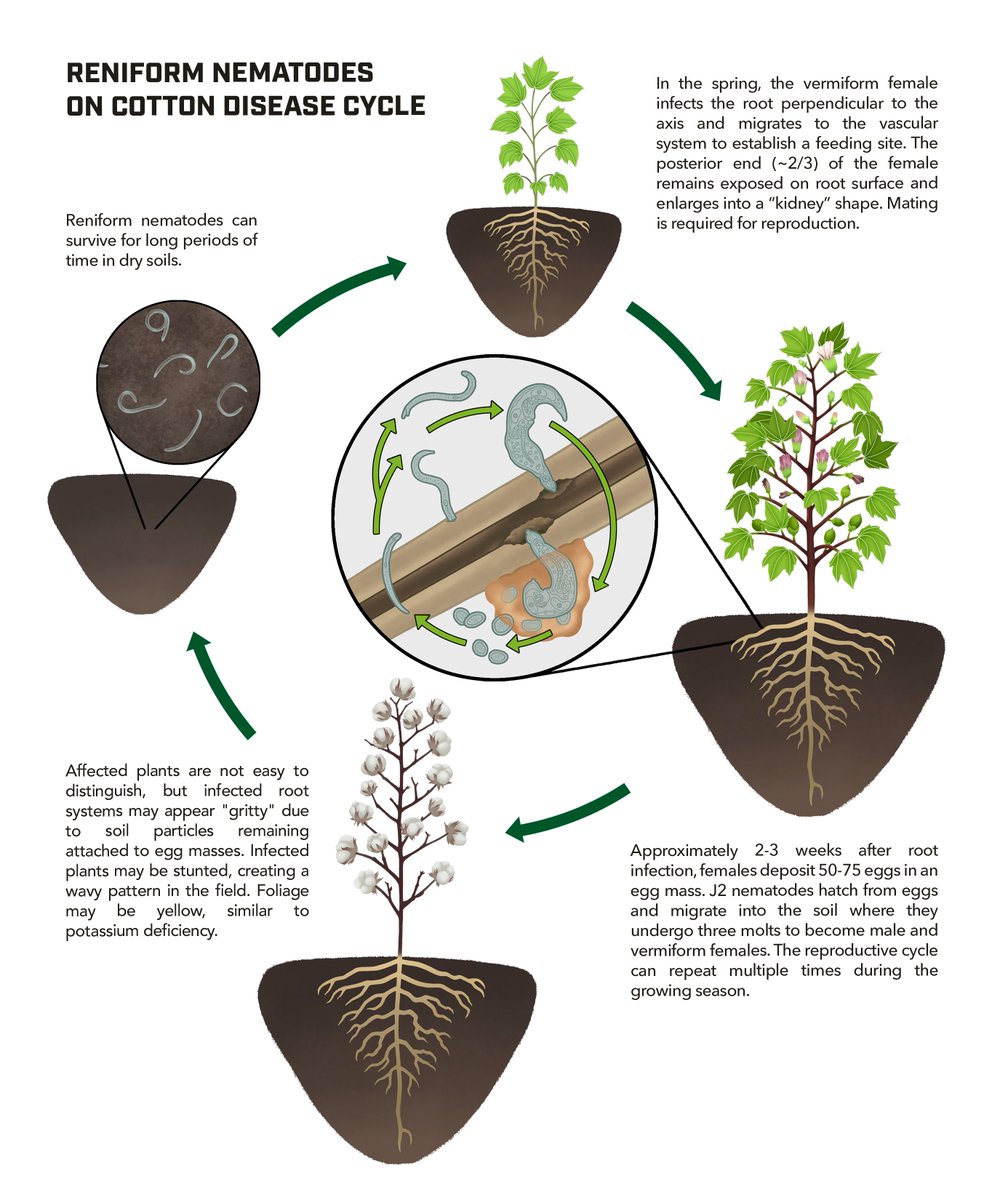
ALT Illustration of the reniform nematode life cycle in cotton including major life stages and how this nematode interacts with the cotton plant.


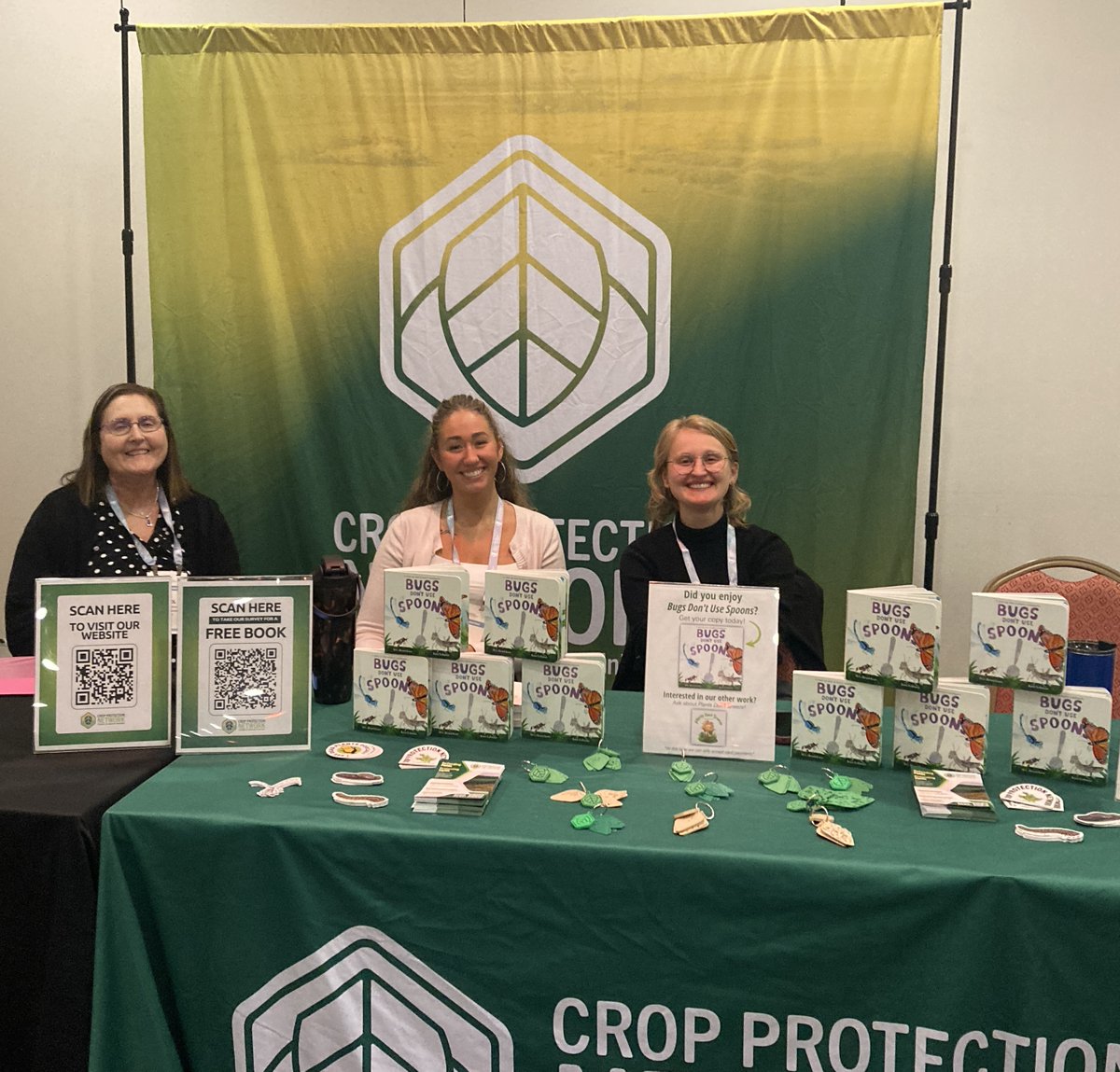
ALT Picture of people at trade show booth.
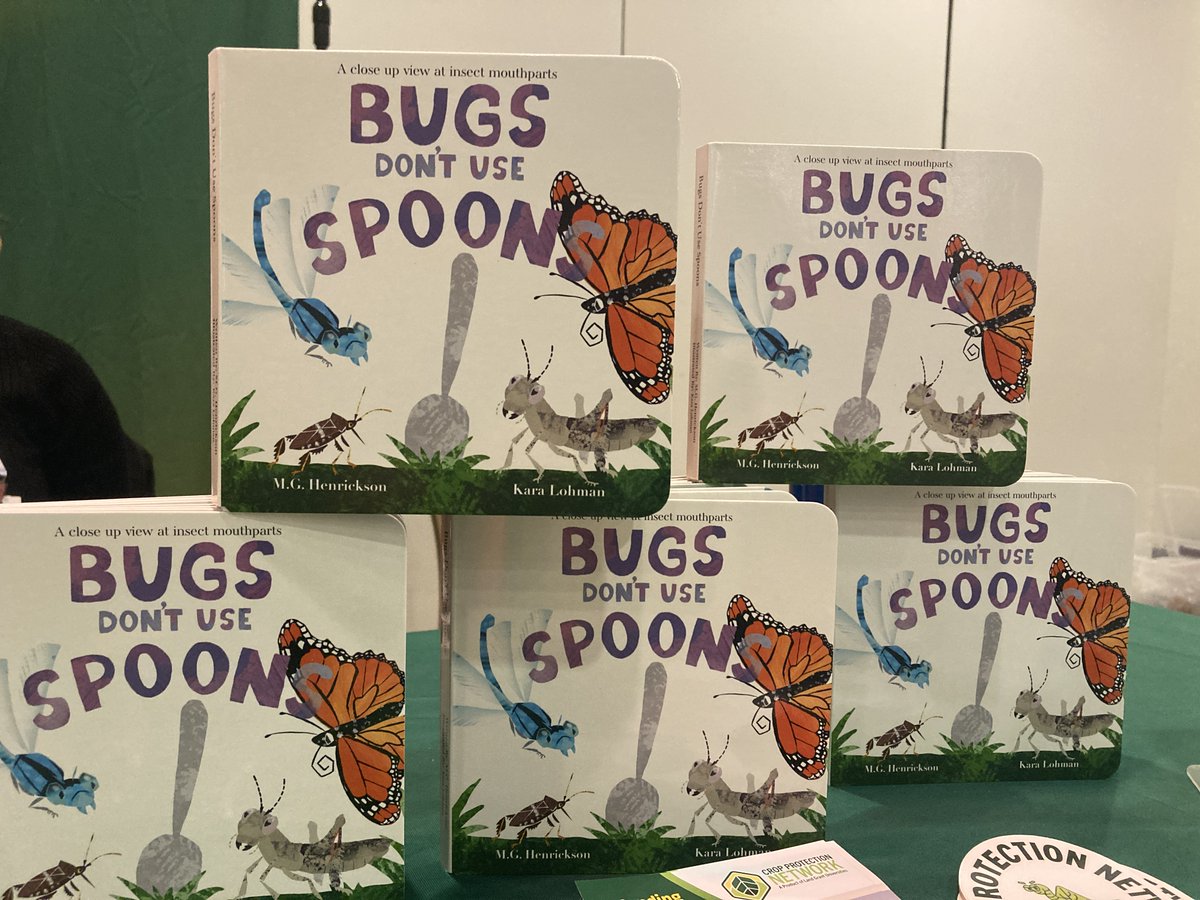
ALT Books in a stack.
ALT 3D printed leaves.
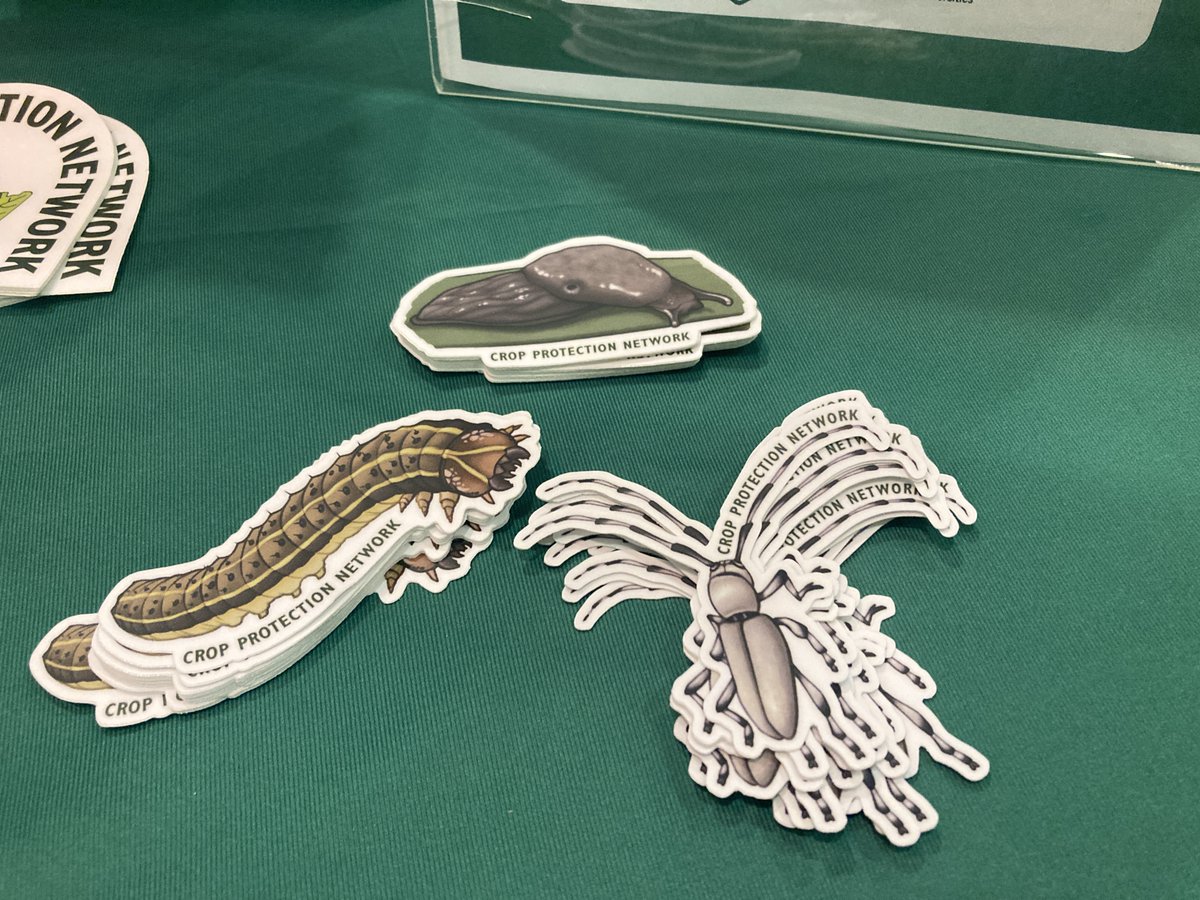
ALT Insect stickers.
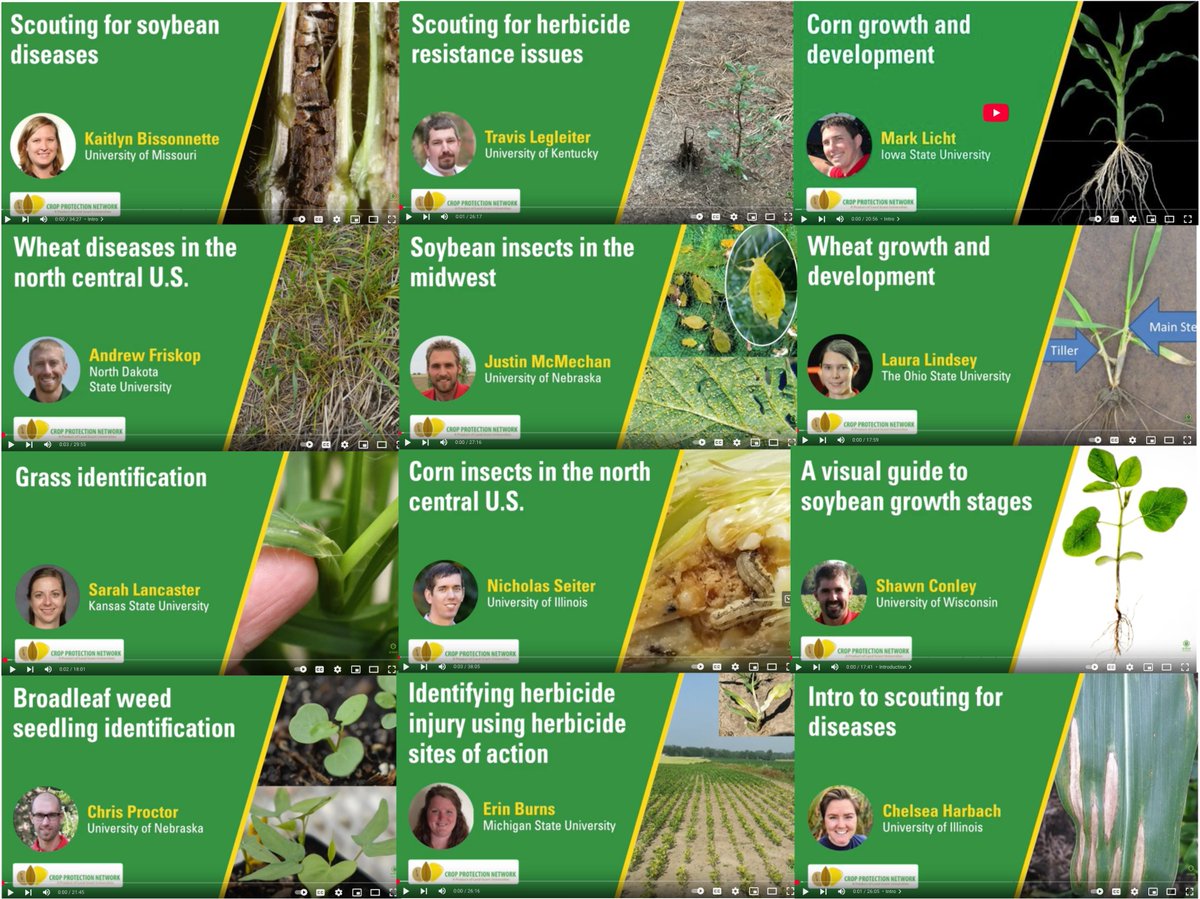
ALT Thumbnails of nine different crop scout school videos.

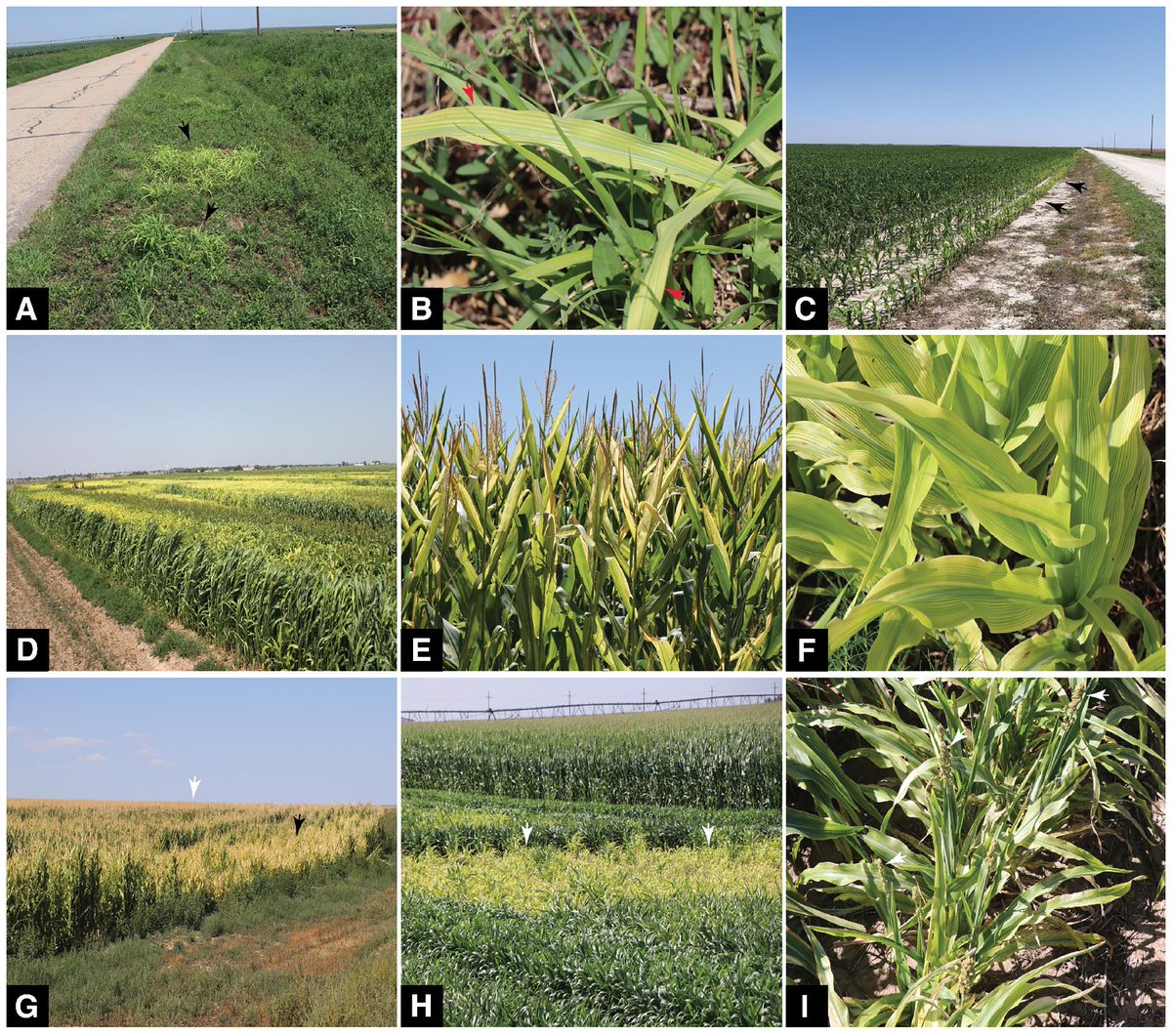
ALT FIGURE 1 A, Bright lemon-green foliar symptoms on Johnson grass (black arrow heads) on the side of a road in Moore County, TX. B, Associated interveinal chlorosis (red arrow heads) on Johnson grass; C, on young seedling corn plants (back arrow heads) at the edge of a corn field; and D, on maturing field sorghum plants. E, Maturing field corn plants at the reproductive stage of growth showing interveinal chlorosis. F, Close-up view of young sorghum plants with interveinal chlorosis and G, stunted corn plants (white arrow head) next to non-symptomatic plants. H, A patch of stunted sorghum plants (white arrow heads) with no panicle surrounded by non-symptomatic sorghum plants. I, Close-up image of mature sorghum plants with underdeveloped and shriveled panicles (white arrow heads).
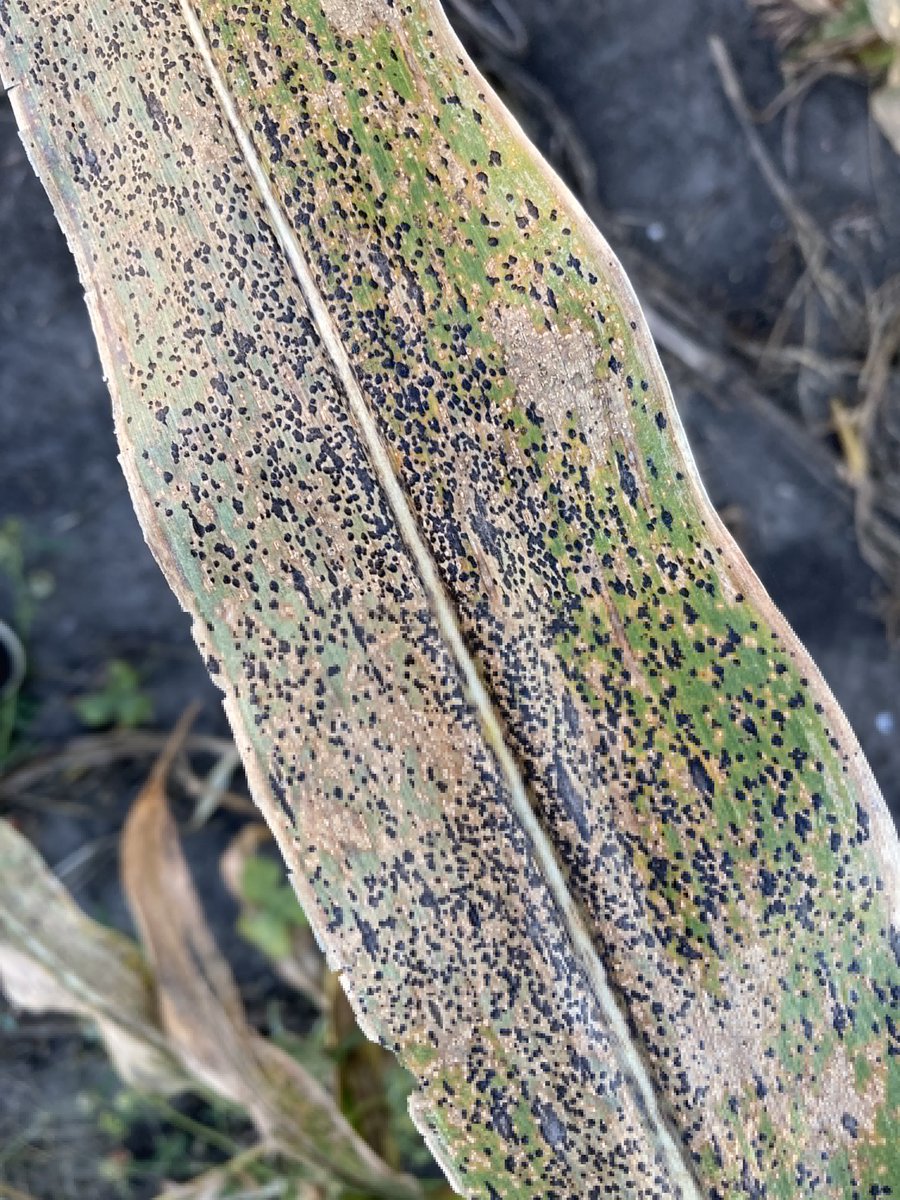
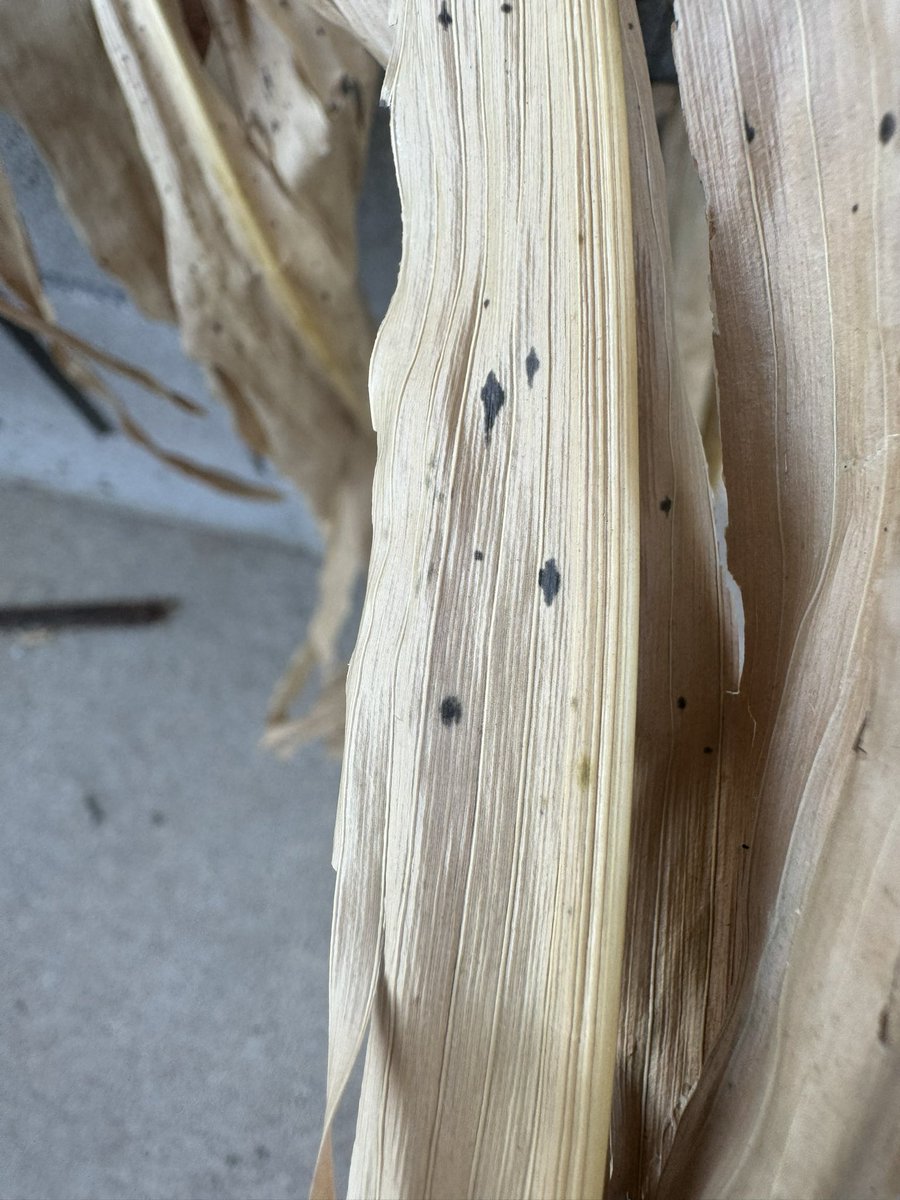
ALT Corn leaf with black fungal growth and dead spots.
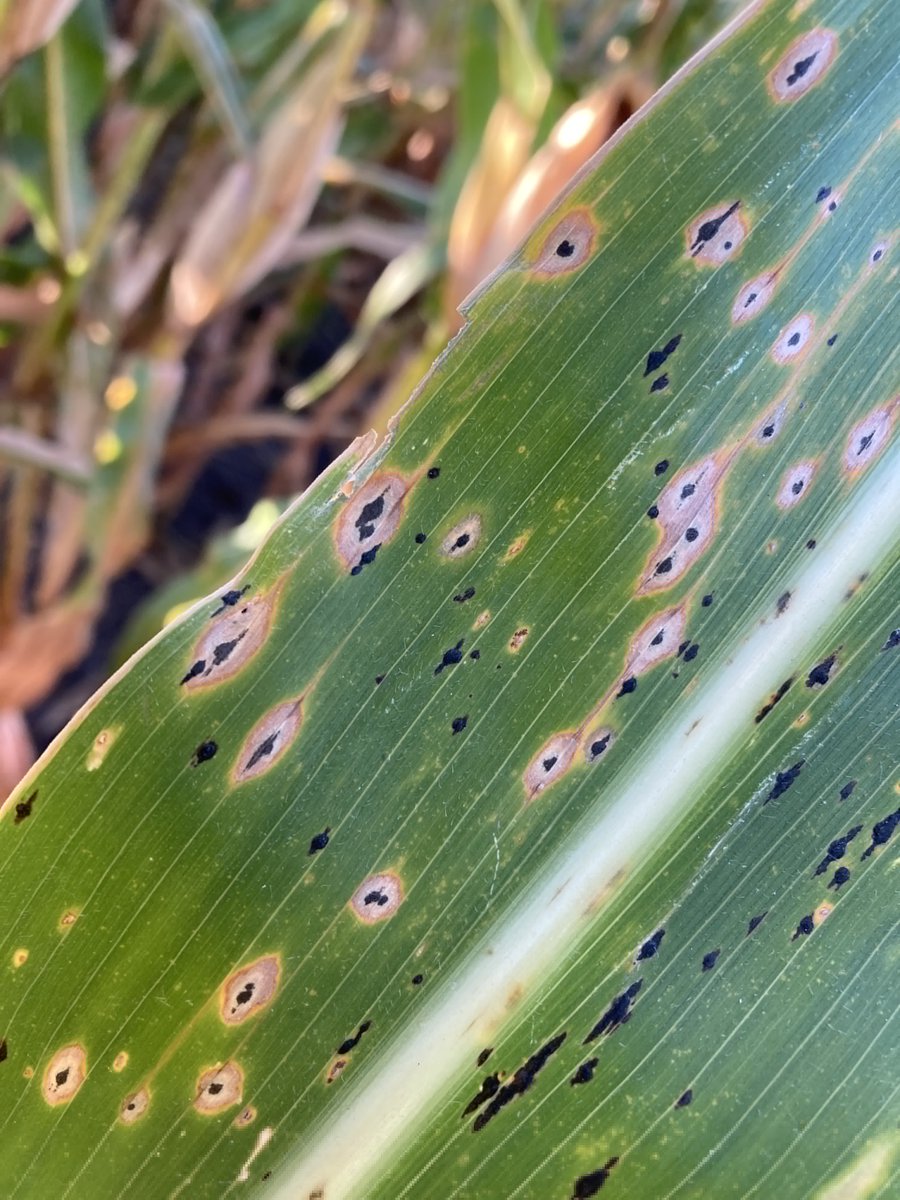
ALT Corn leaf with black fungal growth and dead spots.
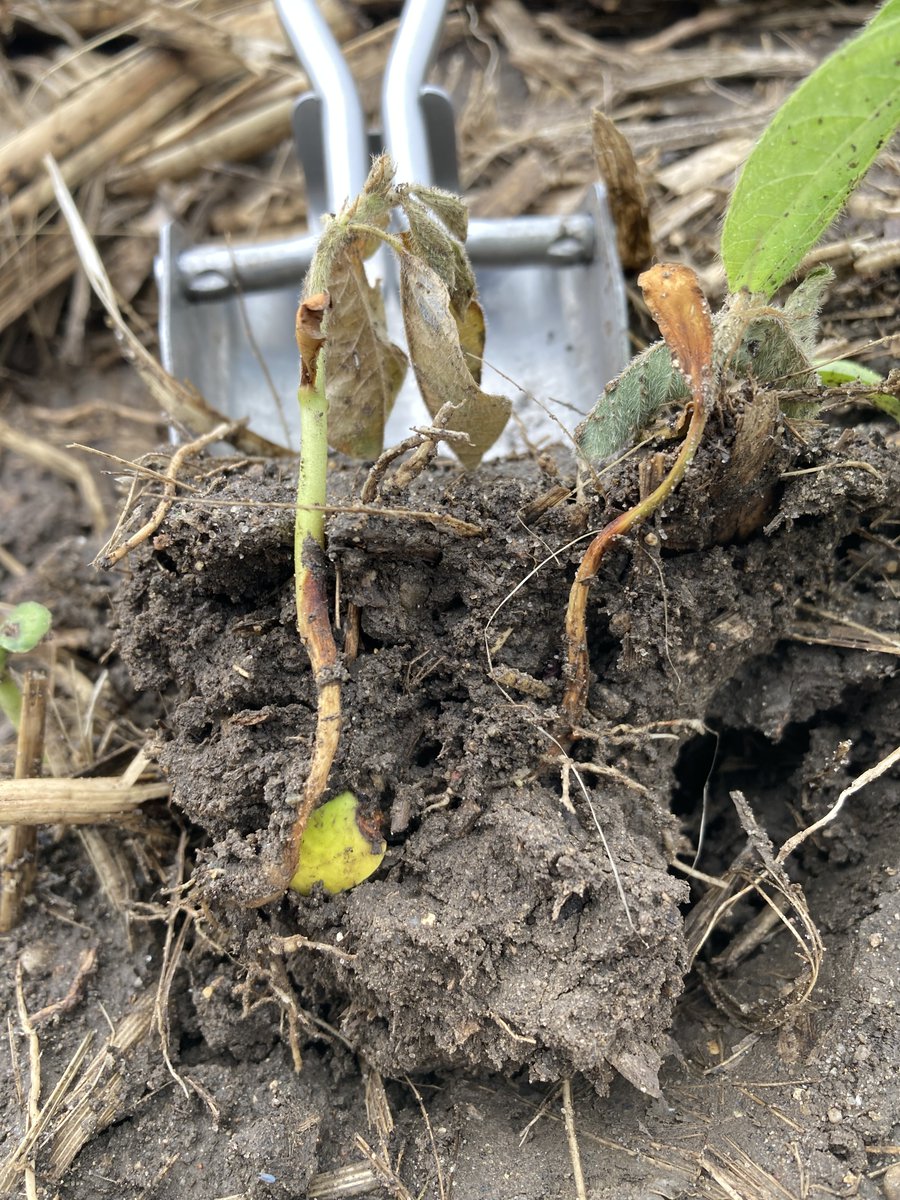
ALT Soybean seedlings dying from disease.
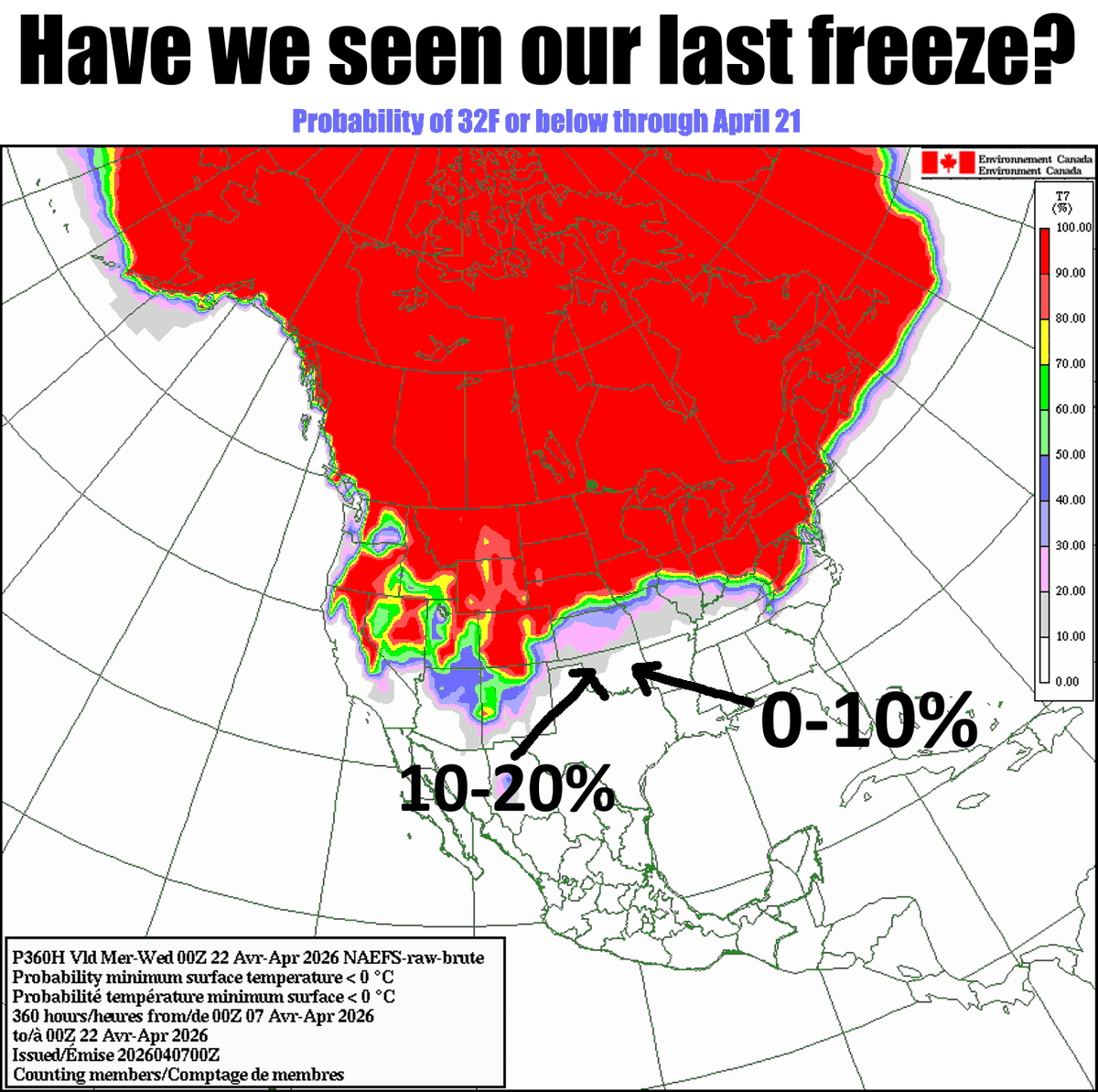
ALT Graphic titled “Have we seen our last freeze?” showing the probability of temperatures at or below 32°F across North America through April 21. The map indicates very high probabilities (near 100%) across most of the northern U.S. and Canada, with decreasing chances farther south. Across Oklahoma and the southern Plains, probabilities are low, generally around 0–10% in eastern Oklahoma and about 10–20% in far western Oklahoma and nearby areas of the High Plains. Arrows highlight these low probabilities over Oklahoma.
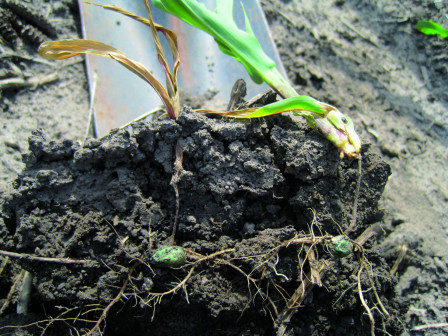
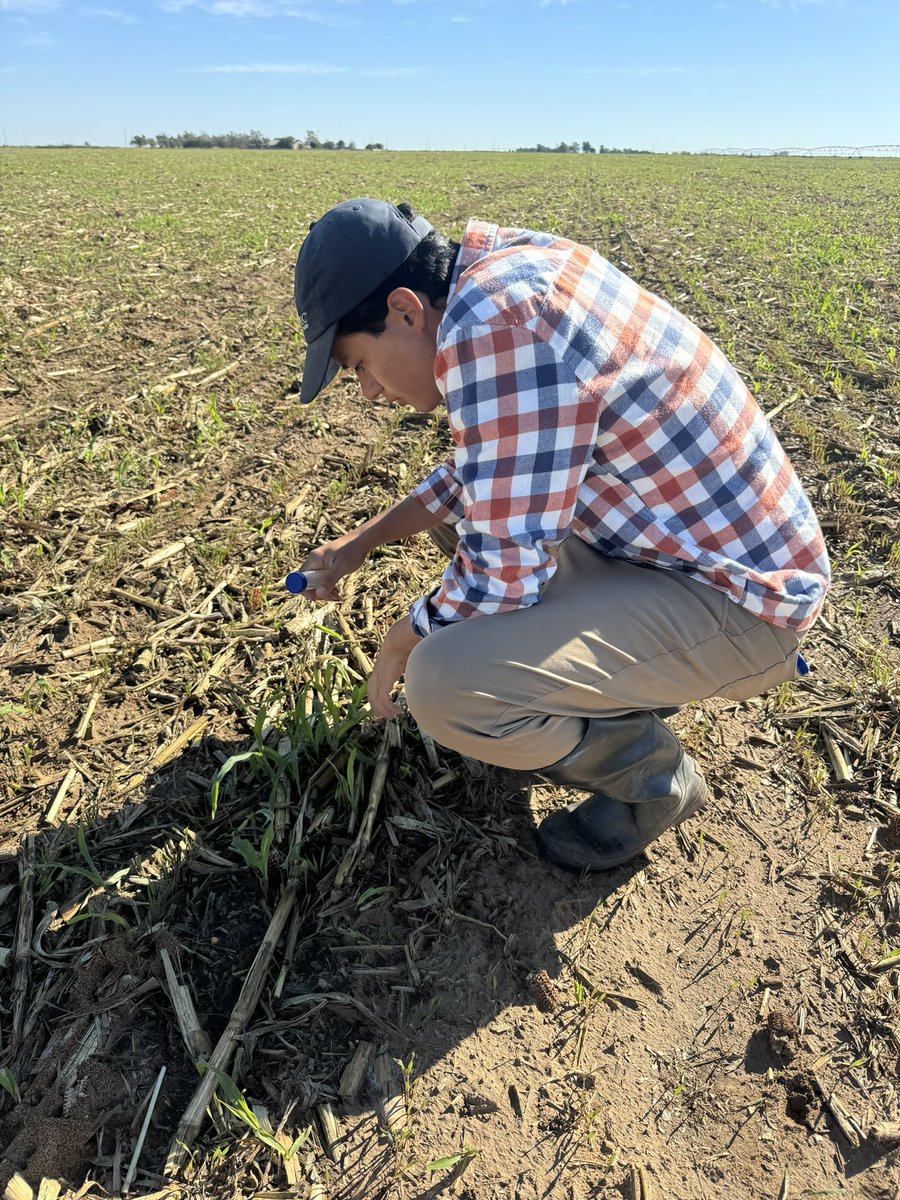
ALT Corn seedlings dug from the ground showing discoloration caused by disease.
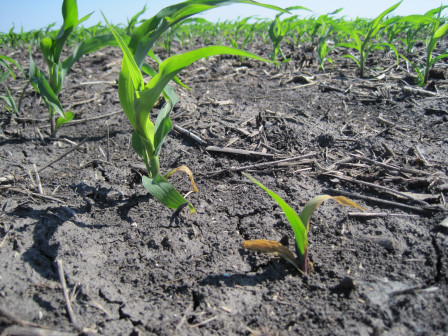
ALT Corn seedlings showing leaf discoloration caused by disease.
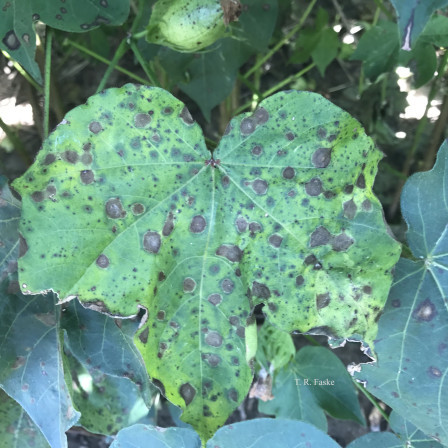
ALT Cotton leaf with discolored lesions.
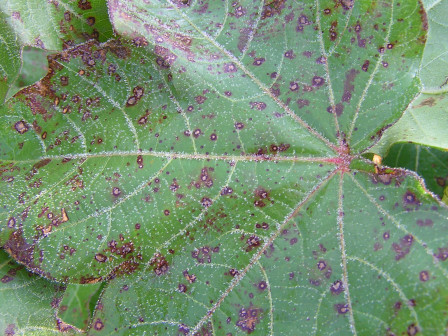
ALT Cotton leaf with discolored lesions.

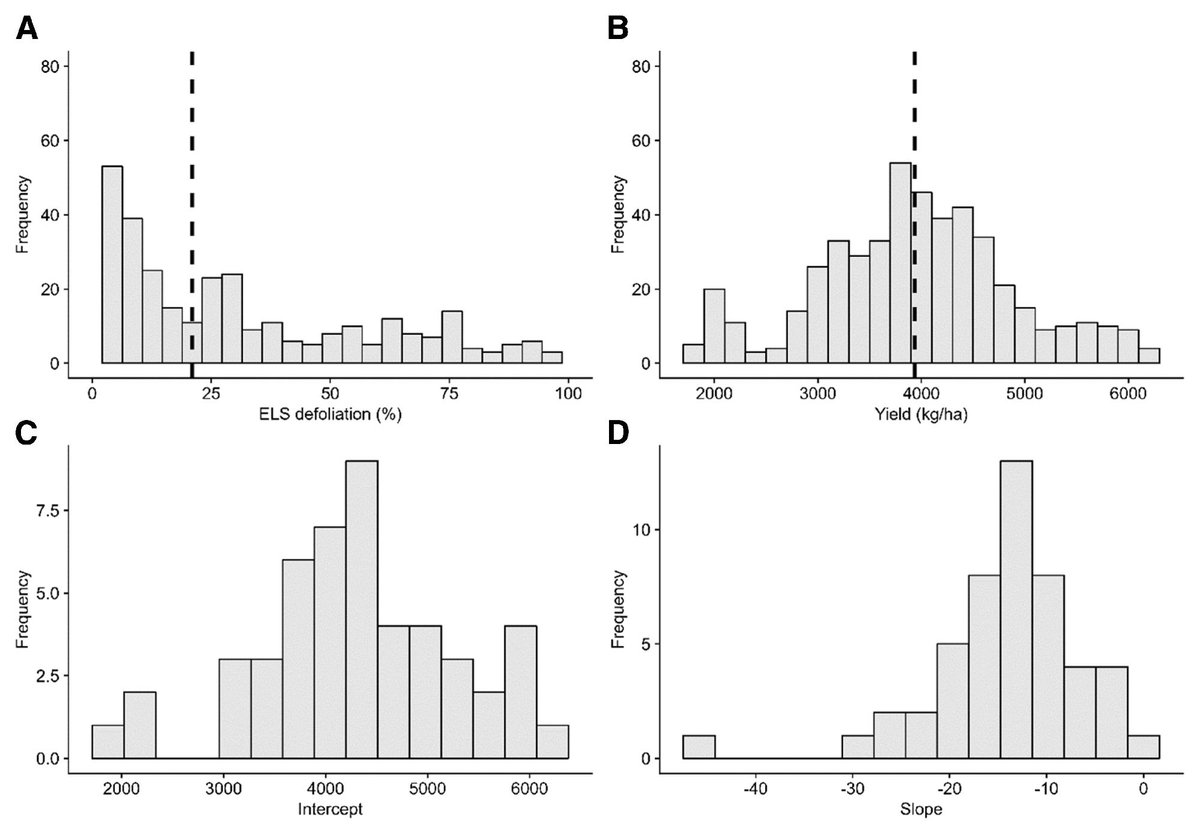
ALT Fig. 1. The distribution of early leaf spot (ELS) defoliation (percentage) (A) and peanut yield (B) for the 49 selected studies, with the vertical dashed thick lines representing the mean of the respective variable. The distribution of estimated intercepts (C) and slopes (D) estimated by simple linear regression.