The journal of the Meteoritical Society
Joined February 2021
- Tweets 1,223
- Following 839
- Followers 853
- Likes 2,541
3 Photos and videos
Meteoritics & Planetary Science retweeted

21 May 2024
Check out this new special issue of Philosophical Transactions A: "Dust in the Solar System and Beyond" compiled and edited by Nozair Khawaja and colleagues:
royalsocietypublishing.org/t…
2
3
11
905
Meteoritics & Planetary Science retweeted

23 May 2024
The Habitable Worlds Observatory Summer Face-to-Face Meeting
astrobiology.com/2024/05/the… #Astrobiology #Astronomy #telescope #exoplanet
11
20
1,699
Meteoritics & Planetary Science retweeted

22 May 2024
1
9
379
Meteoritics & Planetary Science retweeted

15 May 2024
More tantalizing observations from the #JunoMission! In October, our spacecraft will set out to take an even closer look. Here's how we'll use our science instruments to study Europa from the inside out: go.nasa.gov/3QPipzY
15 May 2024

New high-def images of Europa support the theory of a salty liquid ocean bubbling up through the moon's ice crust. These #JunoMission views reveal signs of possible plume activity and polar ice crust migration. More on @EuropaClipper's future destination: go.nasa.gov/3V2b8PC
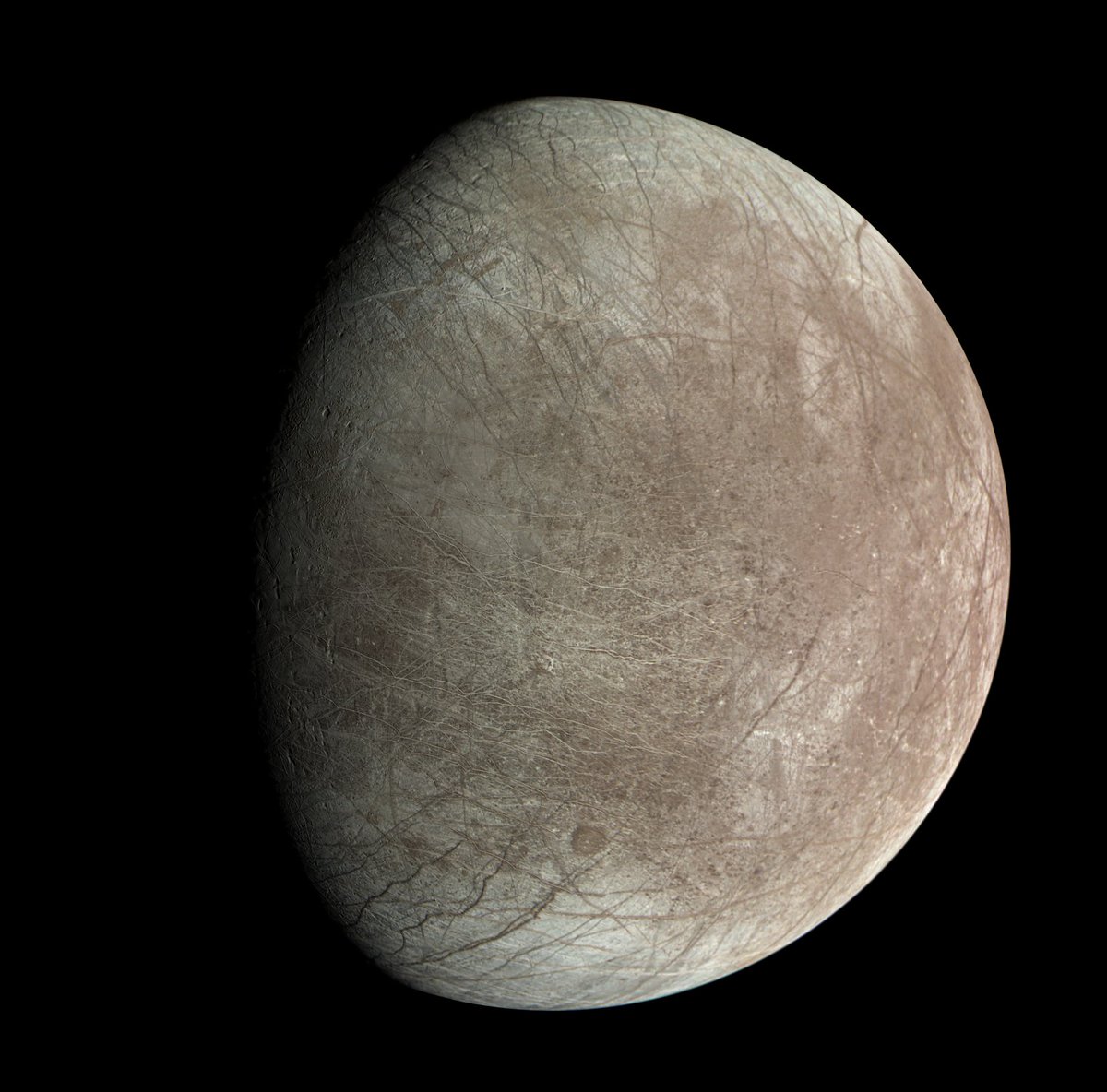
ALT The smooth, cracked surface of Jupiter's icy moon Europa seen against the darkness of space. The surface is criss-crossed by grooves and ridges. Image data: NASA/JPL-Caltech/SwRI/MSSS Image processing: Björn Jósson (CC BY 3.0)
4
48
260
44,765
Meteoritics & Planetary Science retweeted

11 Mar 2024
NEW VIDEO! Amanda Sickafoose (@planetarysci) & Mark Lewis (@Trinity_U) chat about their article on rings: youtu.be/-h28NkwiCXU
The AAS Journal Author Series connects authors w/ their article, their human story & the larger #astronomy community. #ExploreAstronomy #TheGoodStuff

20
65
625
Meteoritics & Planetary Science retweeted

21 May 2024
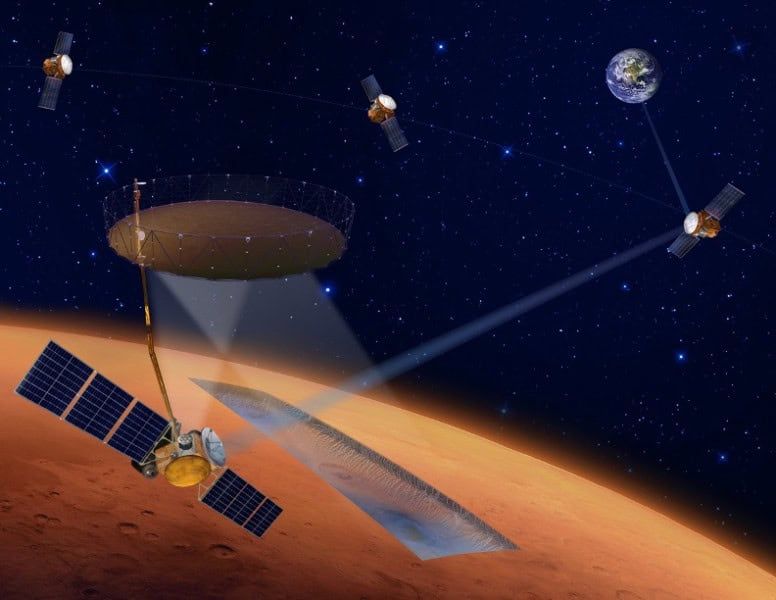
The International-Mars Ice Mapper (I-MIM) mission is a Mars orbiter developed by NASA in collaboration with the Japan Aerospace Exploration Agency (@JAXA_en), the Canadian Space Agency (@csa_asc), and the Italian Space Agency (@ASI_spazio).
1
2
3
214
Meteoritics & Planetary Science retweeted

23 May 2024
1/6 New paper is out: "Semi-implicit Solver for the Heat Equation with Stefan–Boltzmann Law Boundary Condition" doi.org/10.3847/PSJ/ad4351 via @AAS_Publishing @planetarysci @AAS_PSJ @OxUniEarthSci
1
3
5
813
Meteoritics & Planetary Science retweeted

24 May 2024
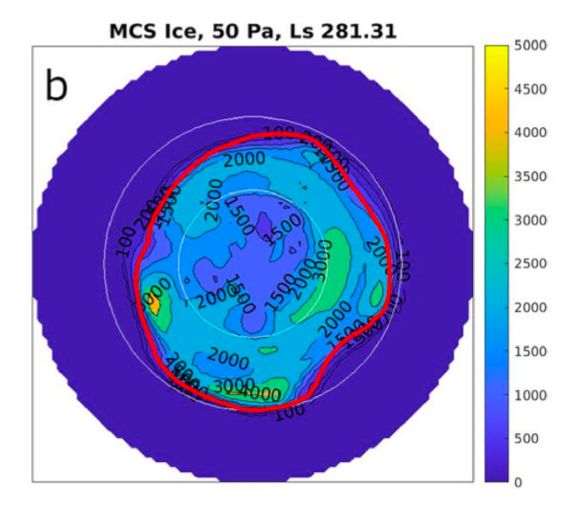
Water Transport in the Mars Northern Winter Polar Atmosphere: Observations and Simulations. buff.ly/3QWFRva Study finds that water enters the northern winter polar vortex in the middle atmosphere (10– 50 km) on Mars, forming a vertically extended ice cloud.
5
10
682
Meteoritics & Planetary Science retweeted

17 May 2024
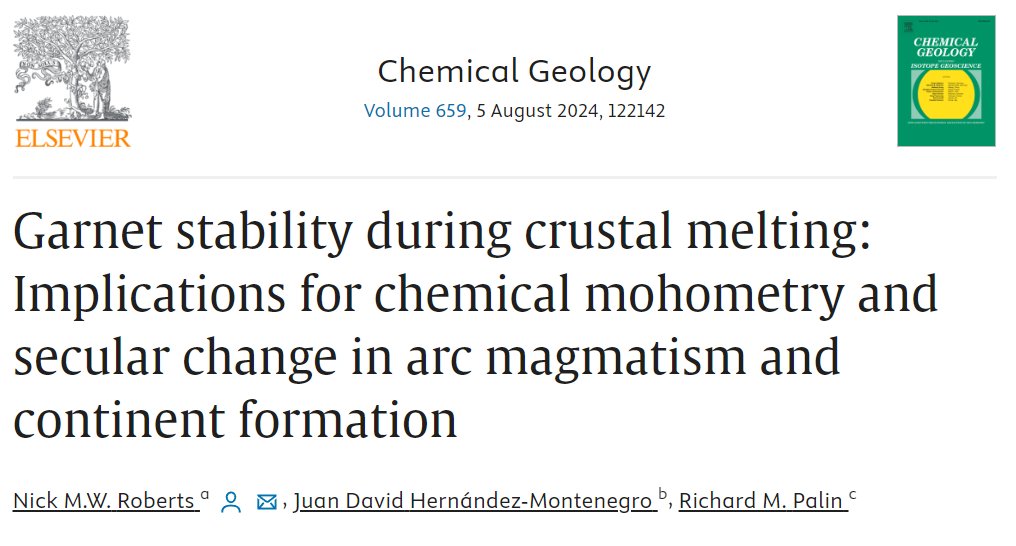
New paper led by @nickmwroberts and JDHM at @Caltech on how the trace element signature of crustal melts is not always a reliable indicator for depth of formation, and thus estimates of ancient crustal thickness... a cautionary tale!
sciencedirect.com/science/ar…
3
10
61
3,339
Meteoritics & Planetary Science retweeted
5 May 2024
Check out this new paper in Meteoritics & Planetary Science #MAPS by R. J. Macke et al. on "Low-temperature thermal and physical properties of lunar meteorites".
doi.org/10.1111/maps.14171
1
9
18
1,137

24 May 2024
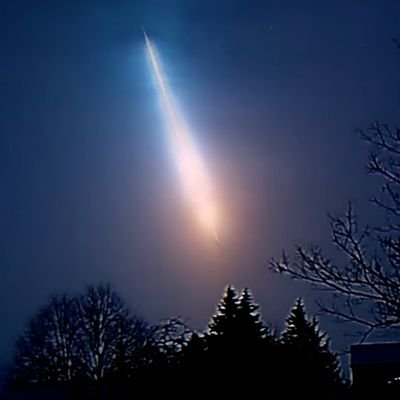
RT @RedSpmn: WE OBTAINED THE TRAJECTORY & HELIOCENTRIC ORBIT of the 18 May #superbolide over #Spain & #Portugal using #SPMN #CitizenScience…
20

A Caltech-led mission to map greenhouse gasses globally has been named a finalist by NASA.
caltech.edu/about/news/calte…
2
5
32
8,004
Meteoritics & Planetary Science retweeted

22 May 2024
#PPOD: Mimas drifts along in its orbit against the azure backdrop of Saturn's northern latitudes in this true-color view. The long, dark lines on the atmosphere are shadows cast by the planet's rings. Credit: NASA/JPL/Space Science Institute/CICLOPS
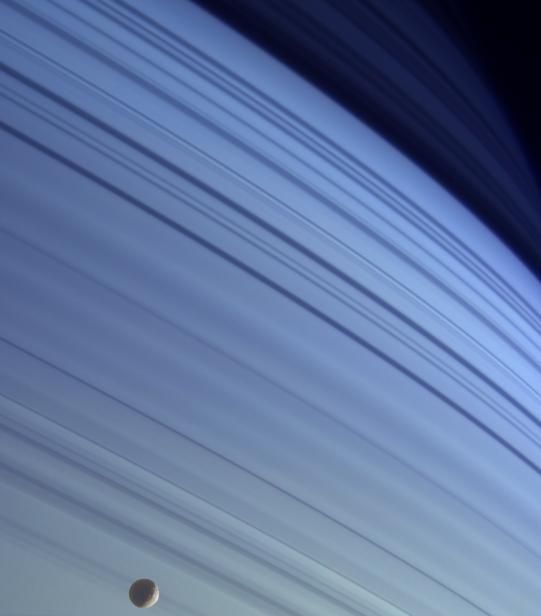
ALT The shadows of Saturn's rings on the hazy, blue surface of the gas giant dominate the entirety of this picture, spanning from almost white in the bottom left corner to the black of night in the top right corner. Tiny moon Mimas is seen in the bottom left against the Saturnian backdrop.
6
94
444
31,867
Meteoritics & Planetary Science retweeted

21 May 2024
We think of Earth as having all the water, but the outer solar system has us beat! Check out this free downloadable poster from the PLANETS project: planets-stem.org/sites/defau…
#STEM #STEAM
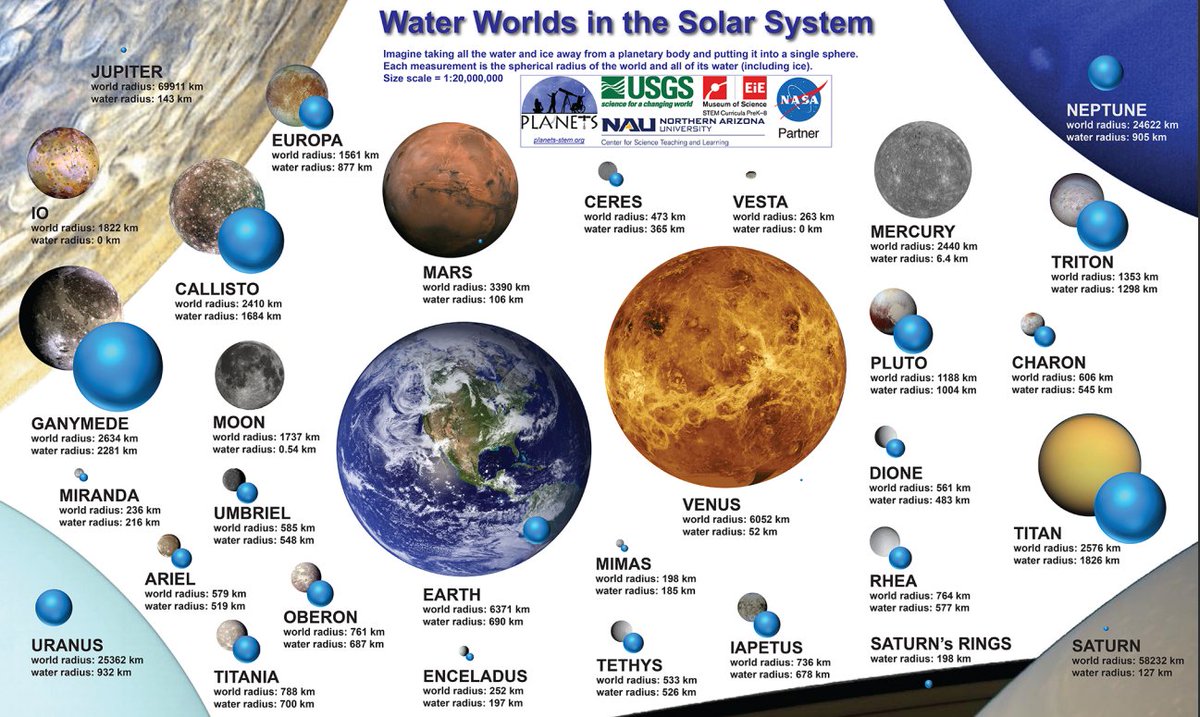
ALT Image of a poster of many planetary bodies, each with a blue sphere next to them that represents the spherical radius of the water on that planetary body.
49
129
16,589
Meteoritics & Planetary Science retweeted

24 May 2024
This Martian crater is not only enormous, it's smooth. Find out why ⬇️
planetary.org/the-downlink/m…
12
53
4,664
Meteoritics & Planetary Science retweeted

21 May 2024
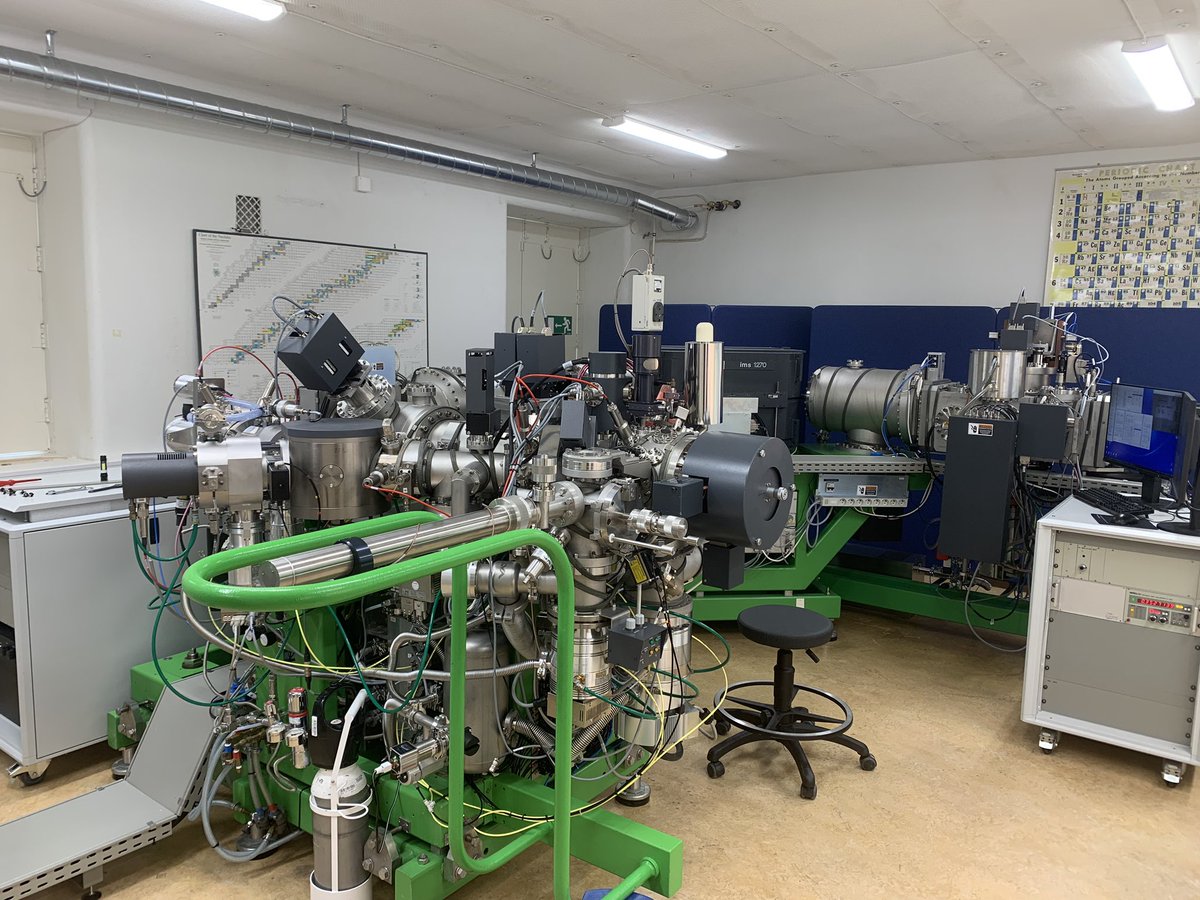
Gathering some extremely interesting data at #NordSIMS with Martin Whitehouse! 🔬 Can’t wait to present some of this at @MetSoc2024 & @BPSC2024Leic 🚀 See you soon ✨
3
13
537
Meteoritics & Planetary Science retweeted
23 May 2024
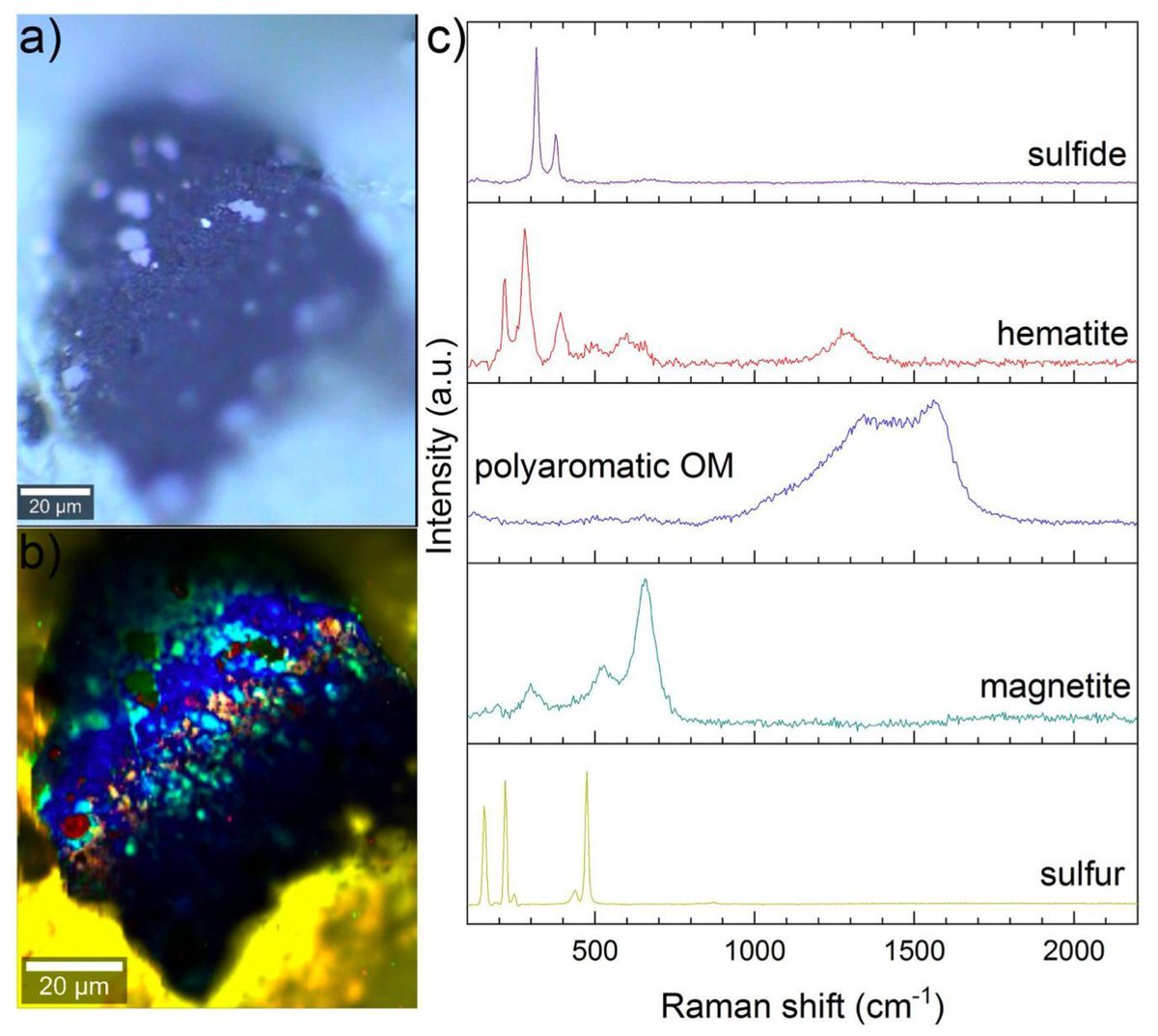
Nanoscale Spectroscopic Identification and Characterization of Minerals and Organic Matter in Ryugu Particles. buff.ly/4atd6Nn Ryugu particles show incomplete and heterogeneous aqueous alteration and experience minimal and varying thermal metamorphism.
2
5
17
794
Meteoritics & Planetary Science retweeted

19 May 2024
Now published. These show lunar lander blast is 4-10x worse than we had believed.
“Erosion rate of lunar soil under a landing rocket, part 1: Identifying the rate limiting physics.”
authors.elsevier.com/a/1j6tY…
“…part 2: Benchmarking & predictions.”
authors.elsevier.com/a/1j6NG…
No paywall for 50 days.
12
38
232
18,402
Meteoritics & Planetary Science retweeted

18 Apr 2024
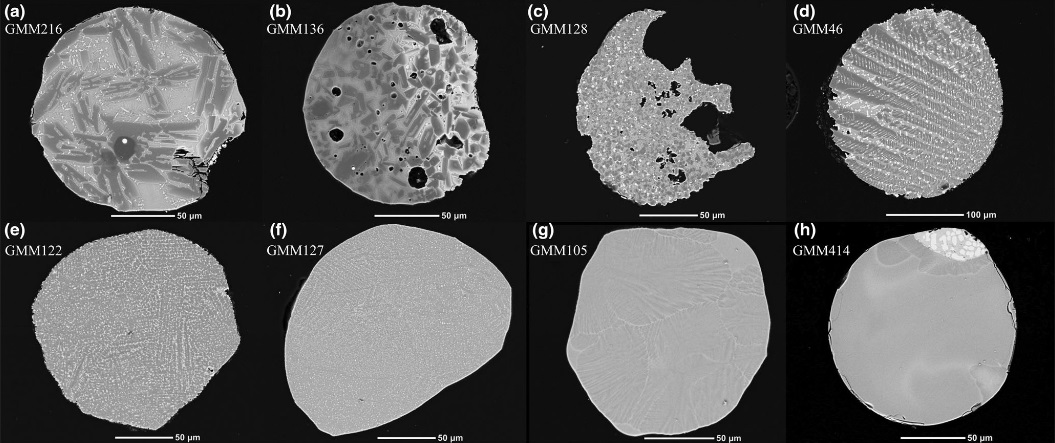
Could the Winchcombe meteorite unlock Solar System secrets? 🔬🚀
New @MeteoriticsPS (@MeteoriticalSoc) research reveals its complex history and unexpected compositions, challenging previous theories.
More in @IFLScience. ⬇️
ow.ly/rsuA50RjpI1
5
13
4,746