
Trying to CEO @zpmtechnology, shoving silicon photonics into MEMS semiconductor sensors to accelerate autonomy in positioning & navigation
Joined February 2009
- Tweets 9,790
- Following 2,647
- Followers 4,457
- Likes 24,095
1,108 Photos and videos
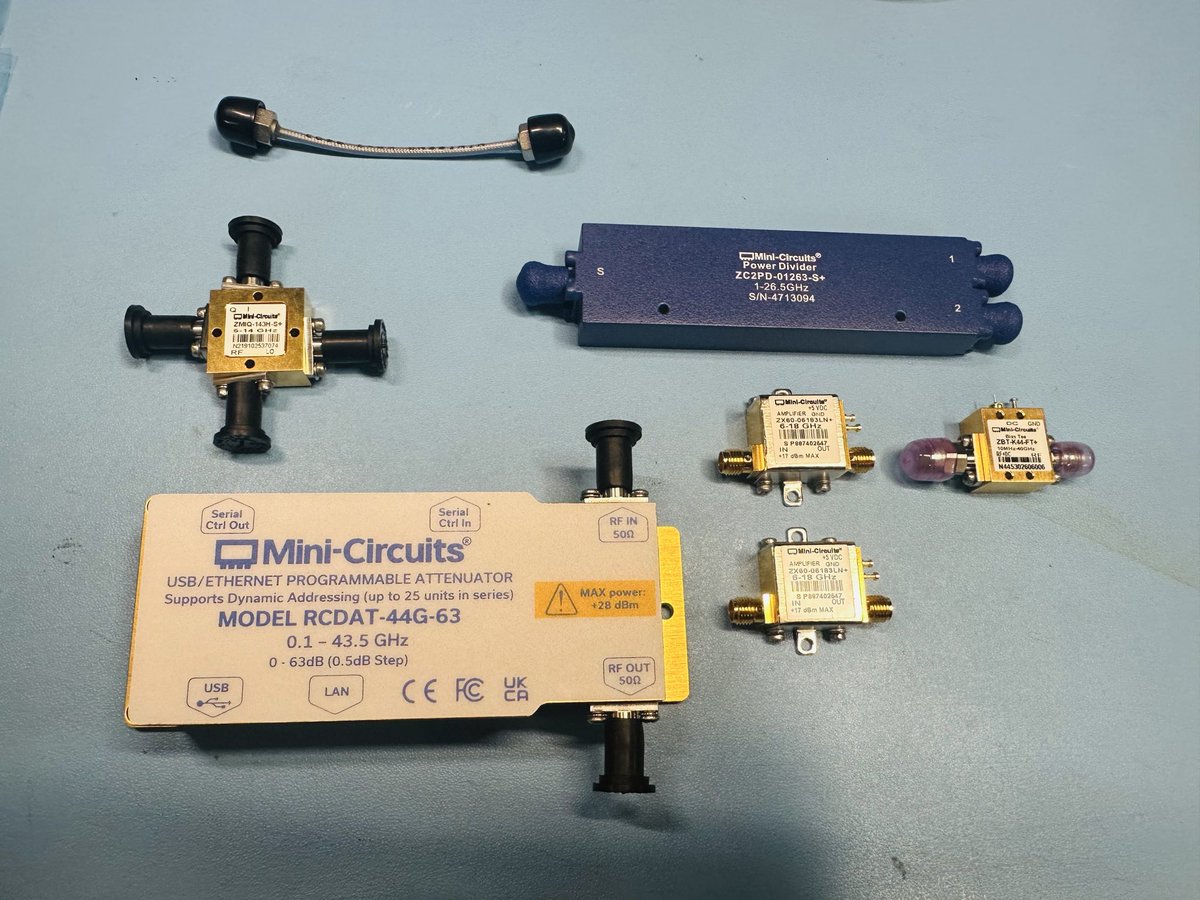
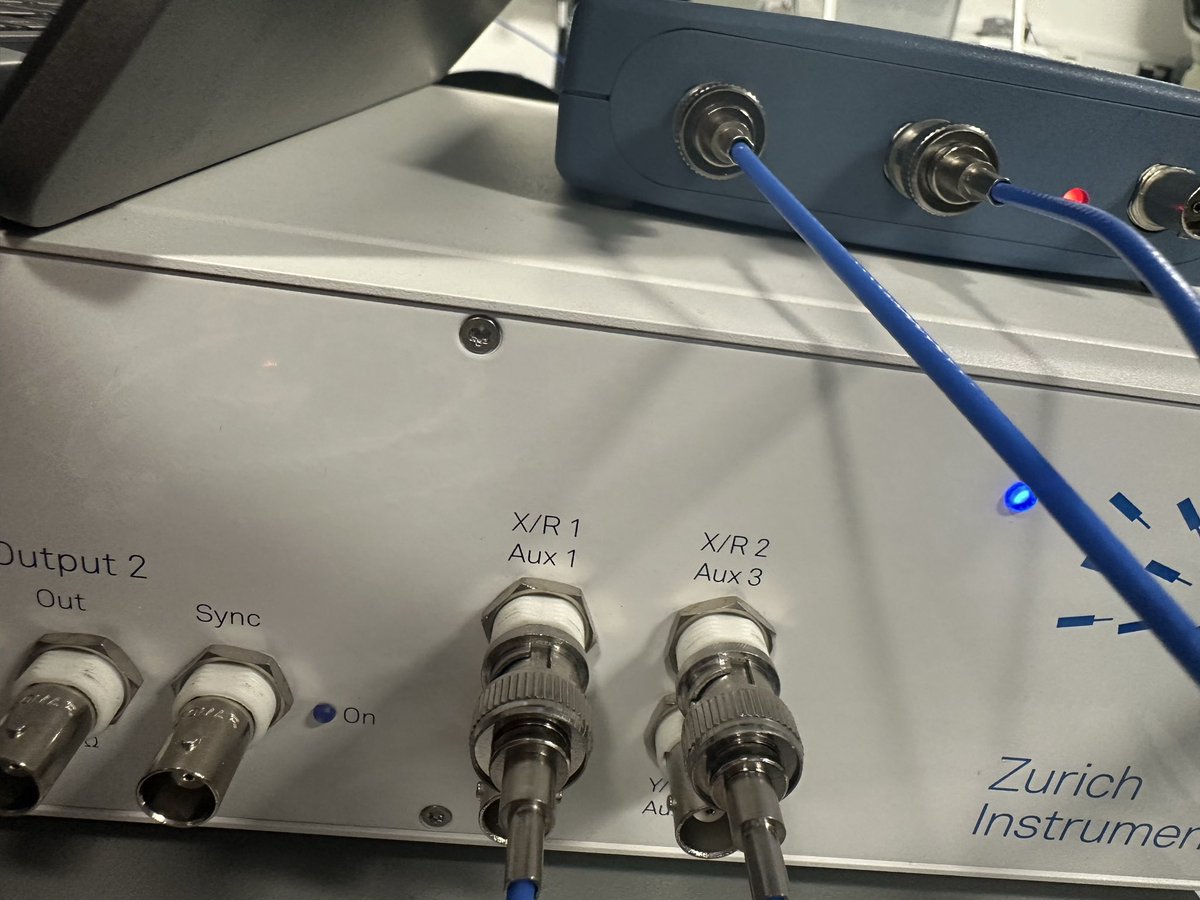
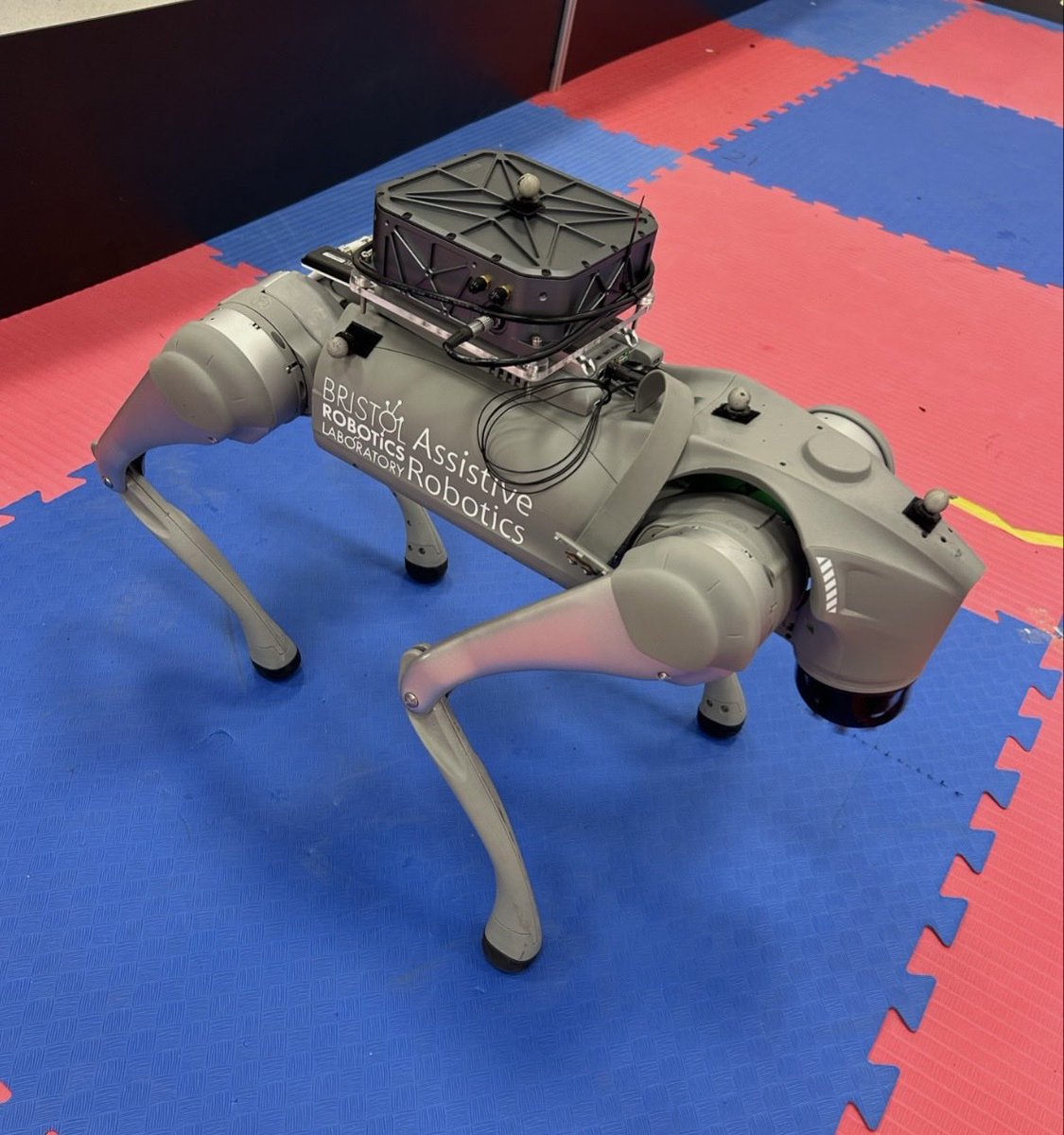


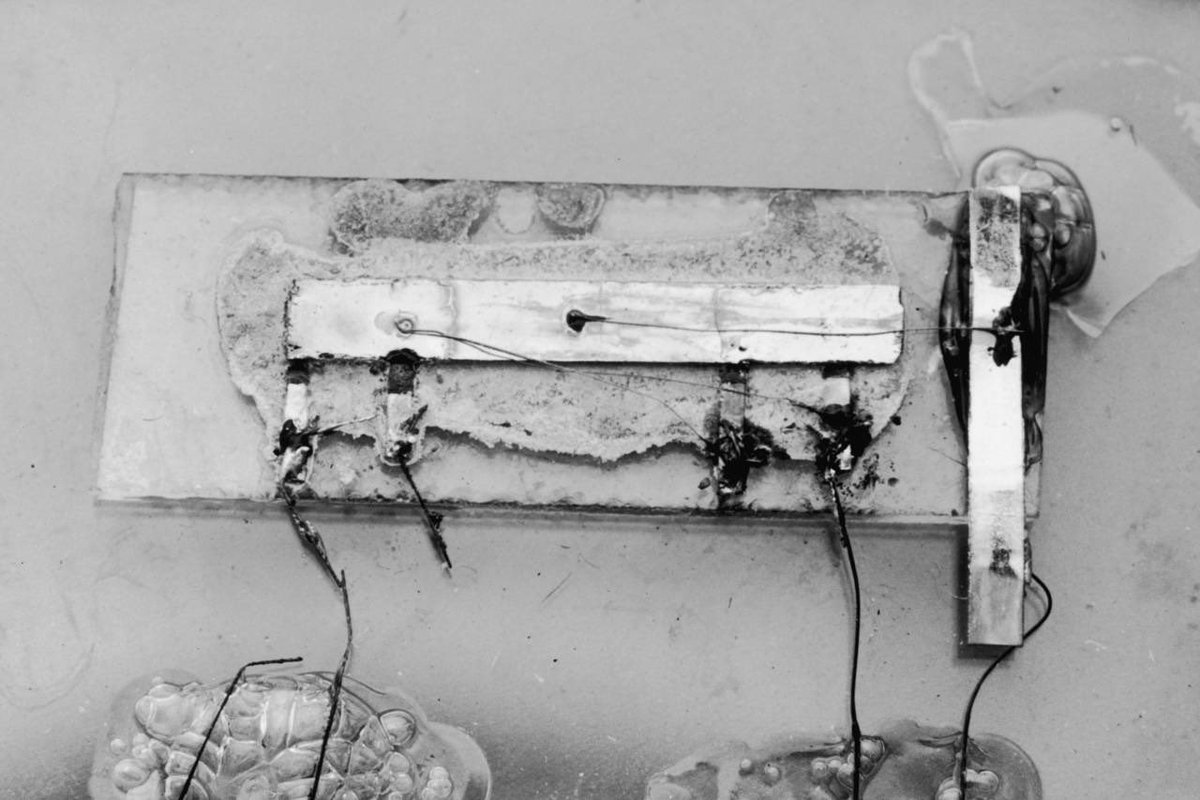
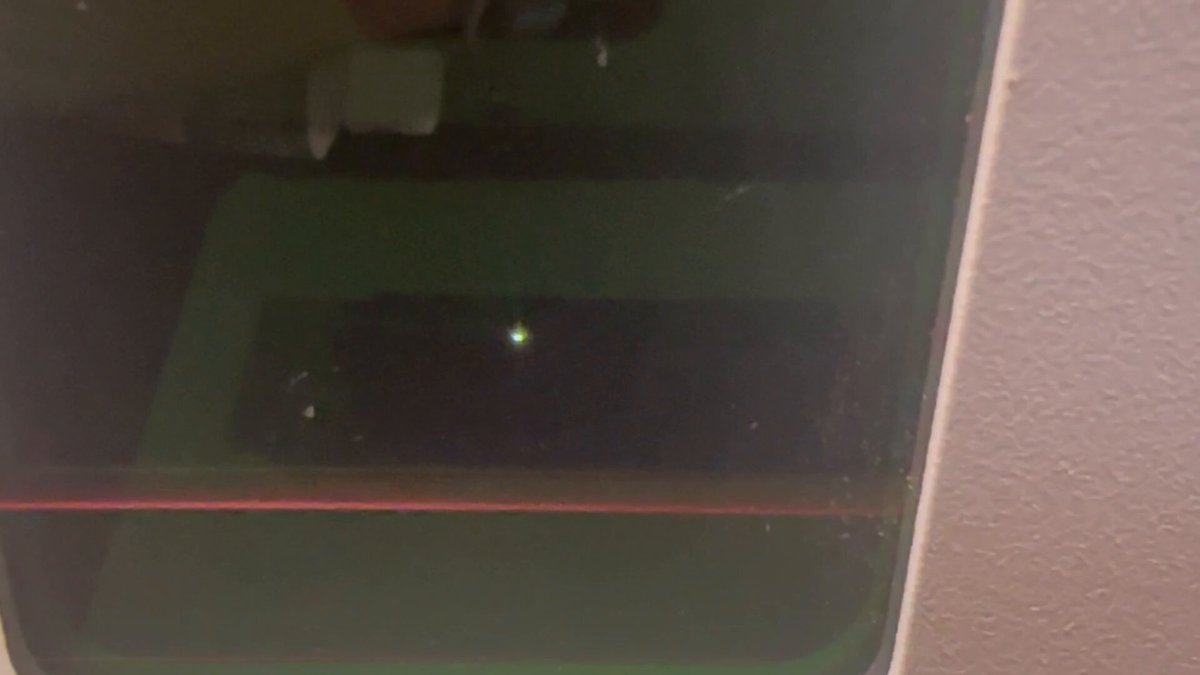
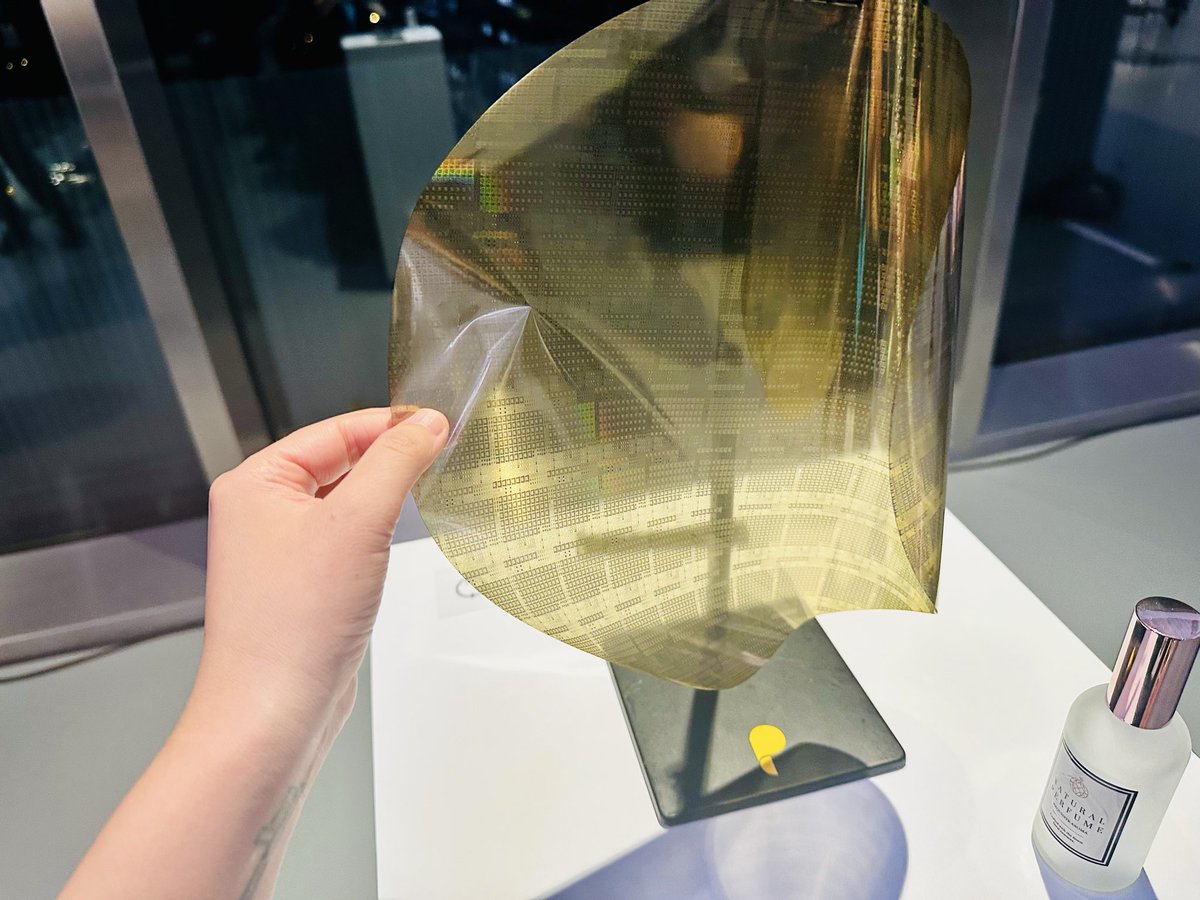

Photonics testing in action - @zpmtechnology loves ring resonators but not all rings are built the same - so we test thousands until there's 1 ring to rule them all
Robotics for the win🤖

our optical chip testing, automatic robot arm style @zpmtechnology
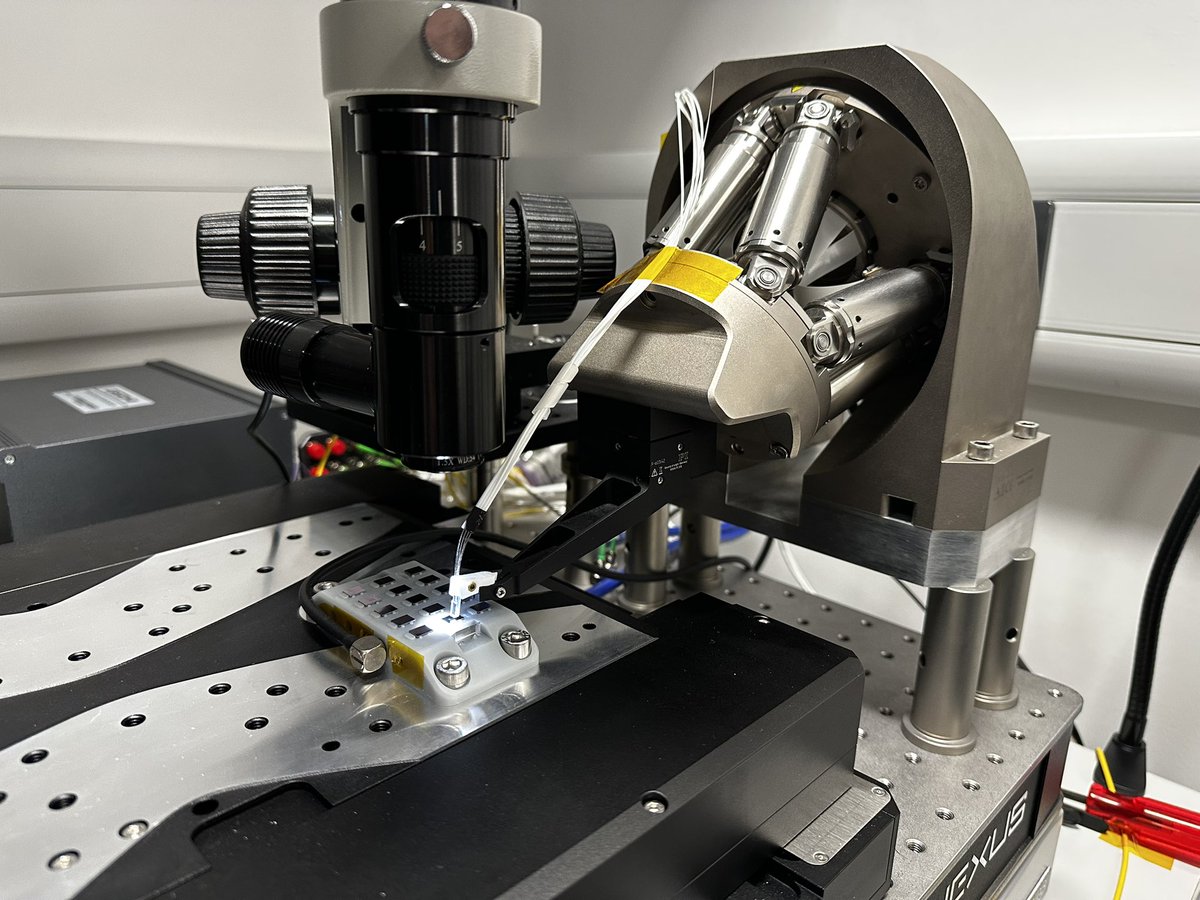
ALT hexapod with nanopositioning for automatic testing for photonics integrated circuits
3
2
35
6,387


Lia retweeted

Today in @NaturePhysics: after many years of electrons on helium (eHe) being proposed as an excellent qubit candidate, the team at EeroQ has now brought a peer reviewed eHe qubit state to life!
This now positions eHe as a powerful new entrant in the race to build a top-tier QC, with our team eventually using the spin state of the electron to build our qubits, then scaling rapidly to 10K qubits by using standard CMOS.
This accompanies the work we have already achieved on a scalable CMOS architecture with our Wonder Lake chip done at a commercial foundry, and I am so proud of our team (and all our supporters) for this terrific result on an eHe charge qubit and can't wait to share what is coming next to bring an eHe spin qubit QC to life!
8
9
46
3,454
Lia retweeted

Jun 14
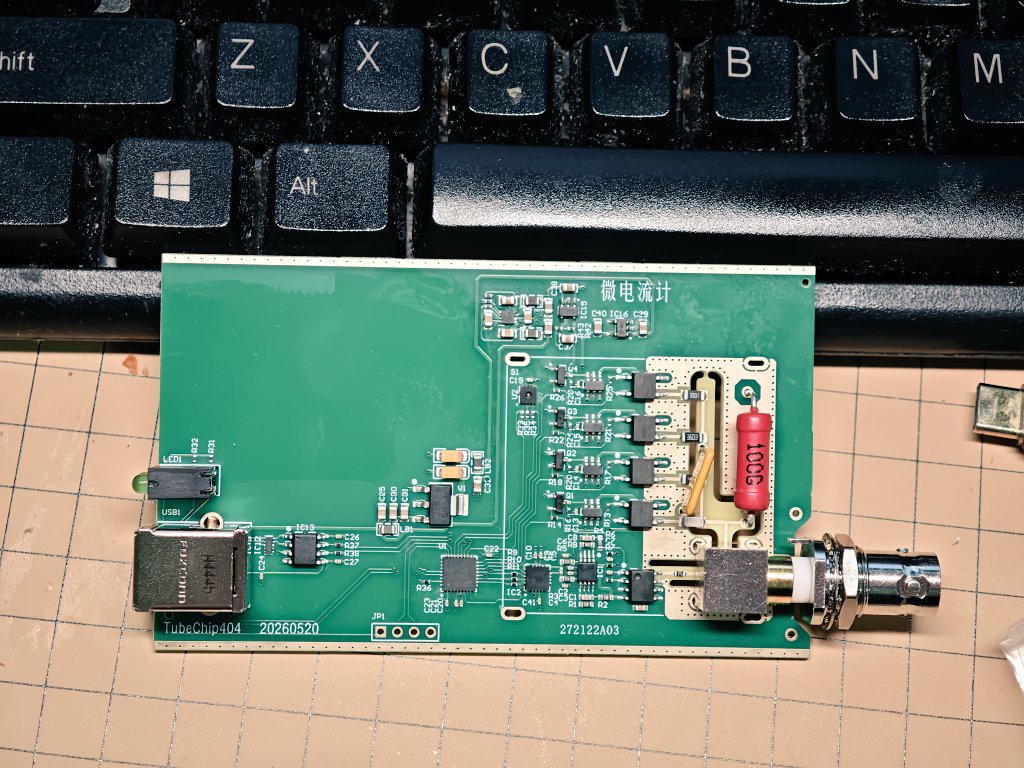
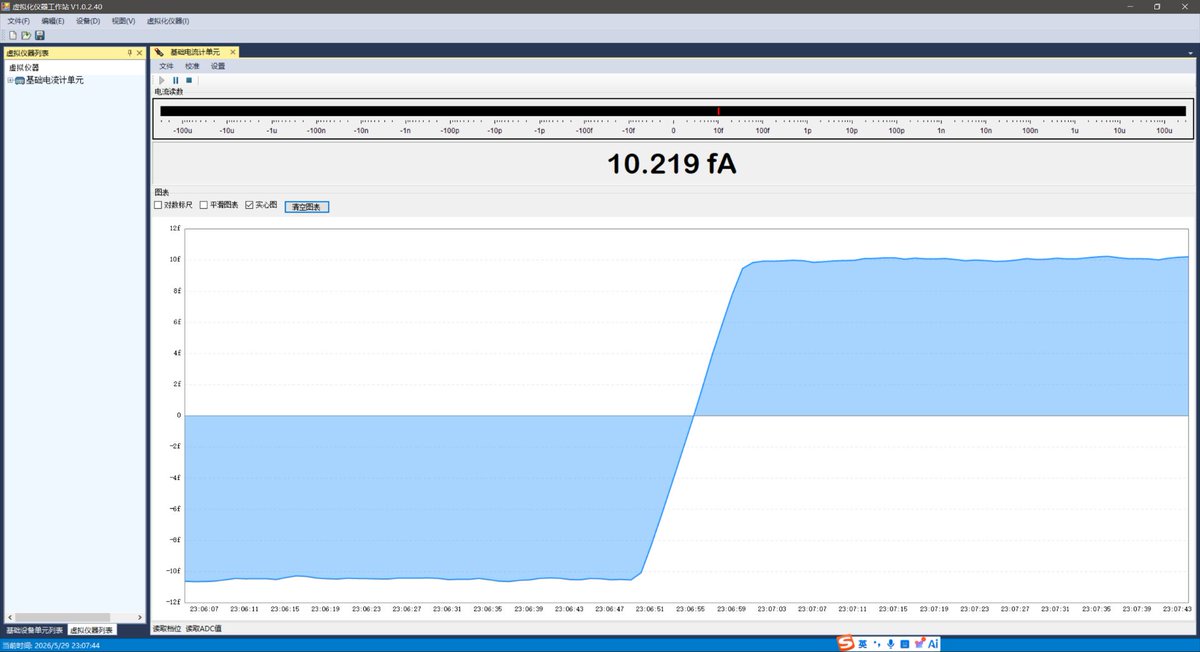
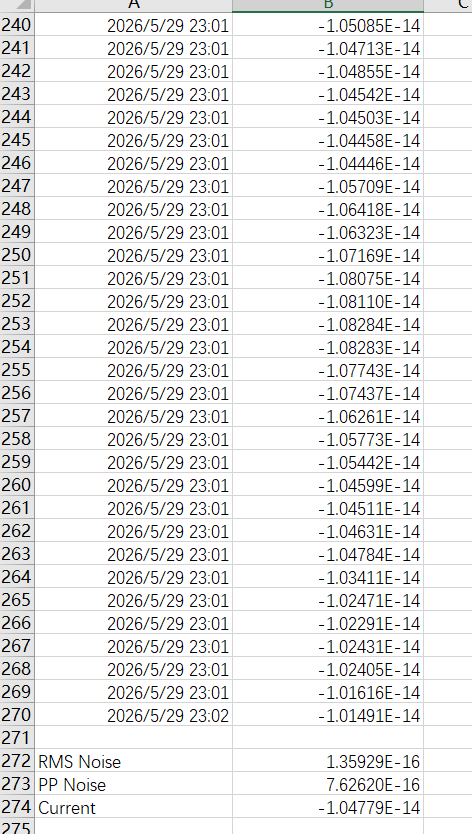
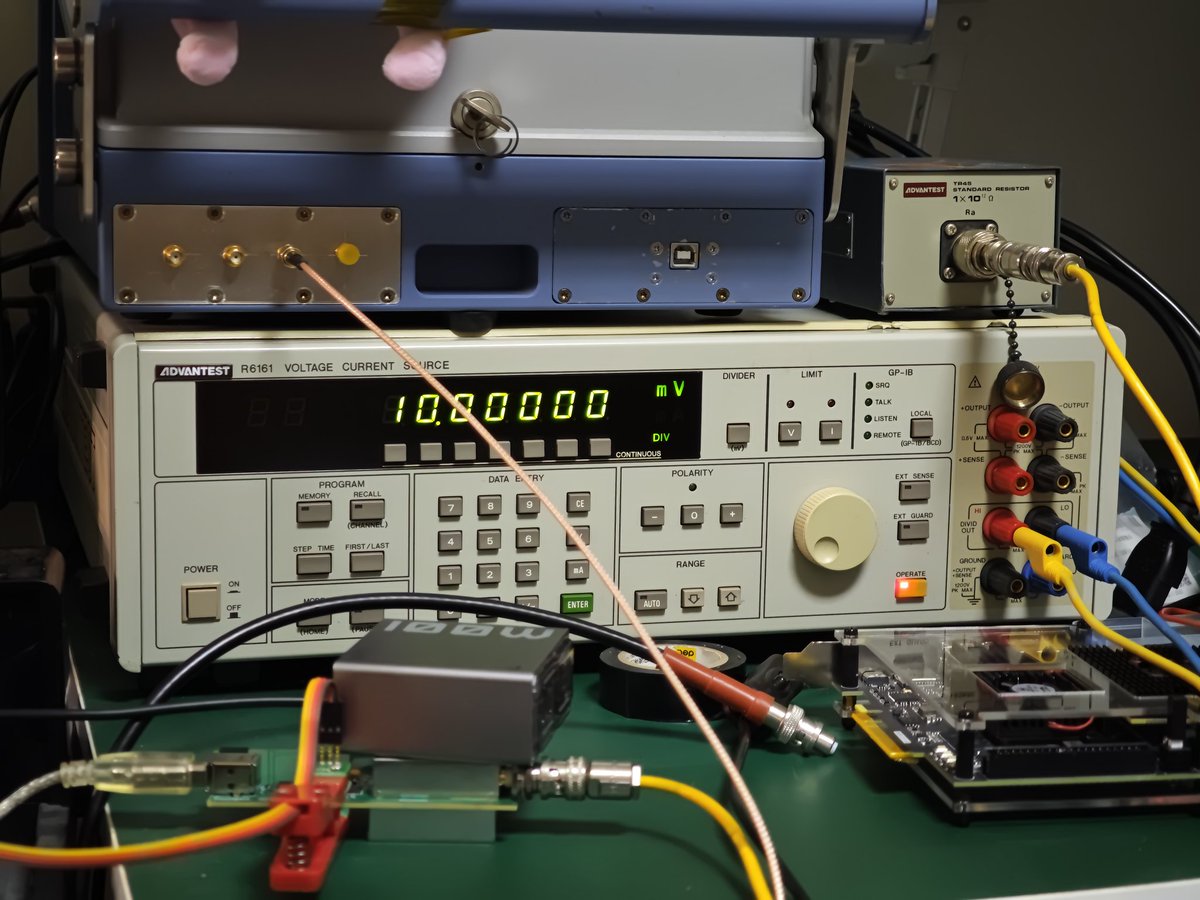
I designed this all-solid-state micro-ammeter. It covers a measurement range from 1 fA to 500 μA. Testing shows that the RMS noise of the readings is approximately 136 aA, meeting the requirement for 1 fA measurements.
20
27
426
37,520
Lia retweeted

Jun 11
LinkedIn was already slop. All that's changed is that it's now AI slop.
414
536
8,438
362,768
just saying, Gartner named Zero Point Motion as foundational for physical AI 😜

Applied Intuition CEO @qasar says the market for physical AI is "way, way bigger" than the market for white-collar AI:
"I used to be at Y Combinator. I was the COO, ran the firm, and funded lots of interesting companies. And one of the analogies I used to use to help founders understand market potential and size is: I grew up in Detroit. You're sitting in the Detroit metro airport at a gate, and you look around. How many of those people are using Claude Code? Frankly speaking, not many."
"But how many of those people drive? How many people work at construction sites? How many of those people ride in buses? How many of those people serve in our armed forces? The point is: a much, much larger group."
"The market for physical AI is way, way bigger. Purely because the surface area is much bigger."
From his appearance on the show in March.
1
1
149
Lia retweeted

Jun 10
Terrific release from @nvidia and my former PhD student @rohansawhney1:
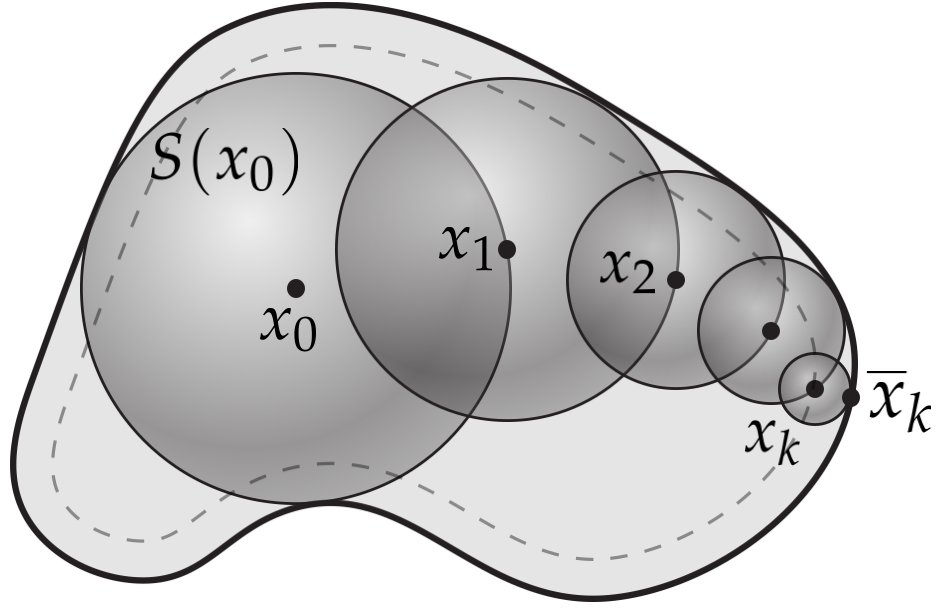
A GPU physics solver for fundamental problems like electrostatics and heat transfer, which handles extremely complex geometry without any mesh generation or basis approximation.
Based on Monte Carlo walk on spheres methods developed by our group and others. See this page for lots of background info/tutorials: rohan-sawhney.github.io/mcgp…
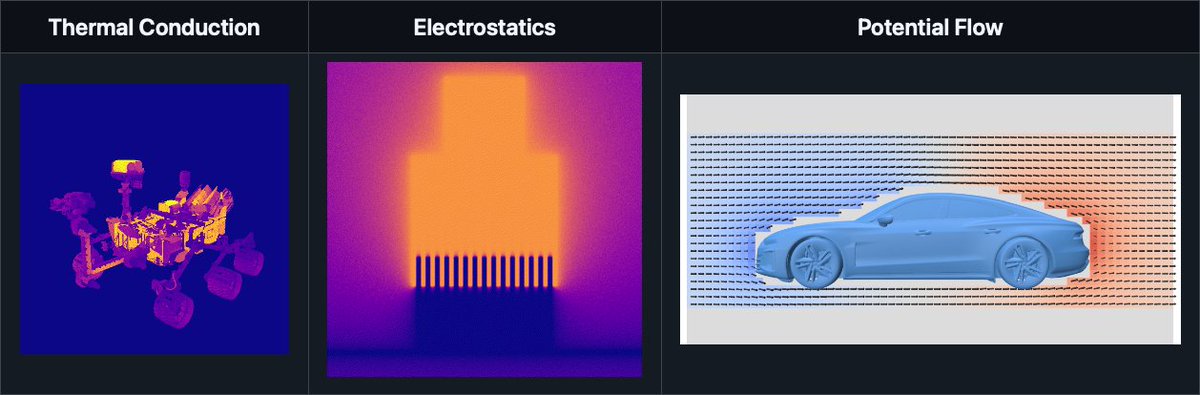

Releasing Walk on Spheres Extensions (WoSX): a GPU-accelerated C /Python library for Monte Carlo physics simulation on complex geometry
Think path tracing but for physics beyond light transport: heat, electrostatics, potential flow, deformation & more!
github.com/nv-tlabs/wosx
6
111
1,202
103,985

Lia retweeted

Jun 6
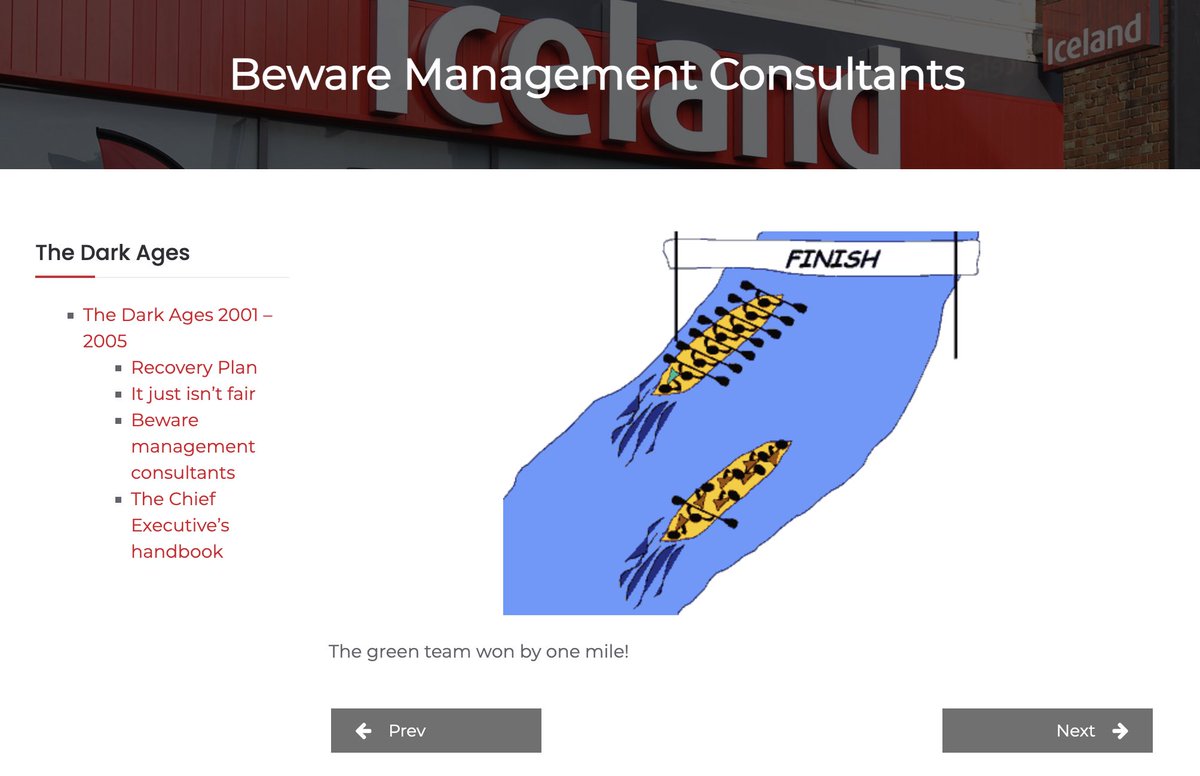
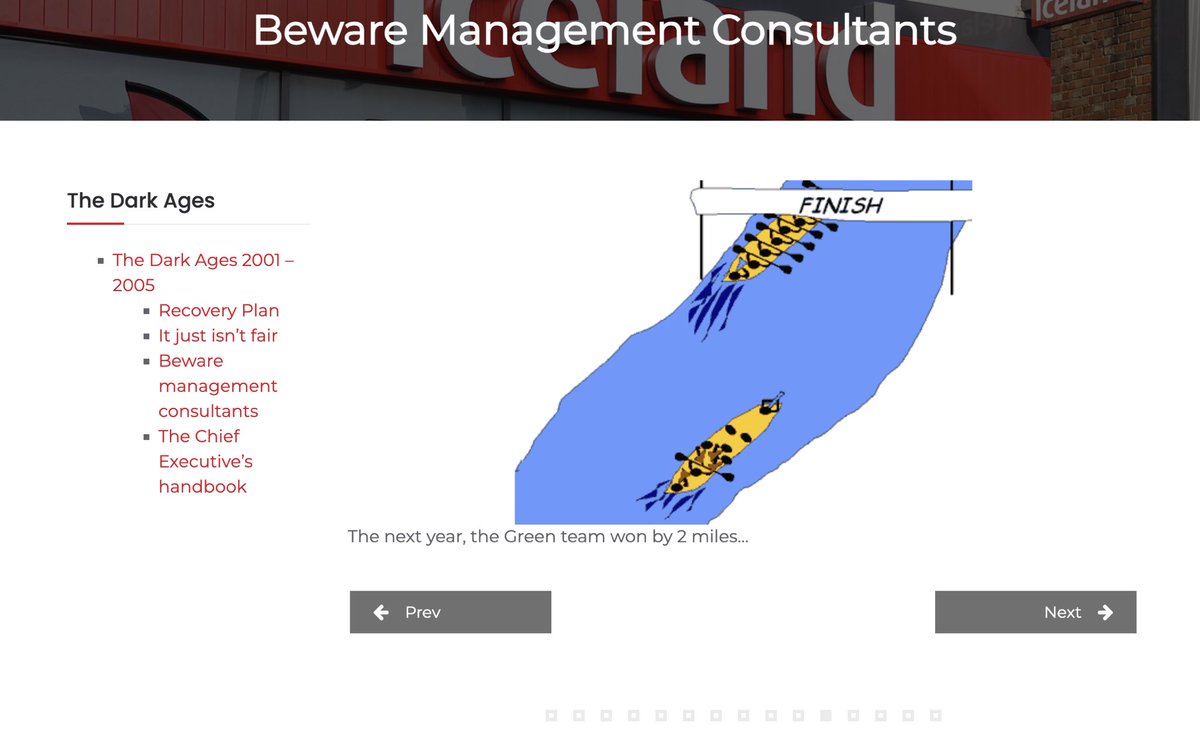
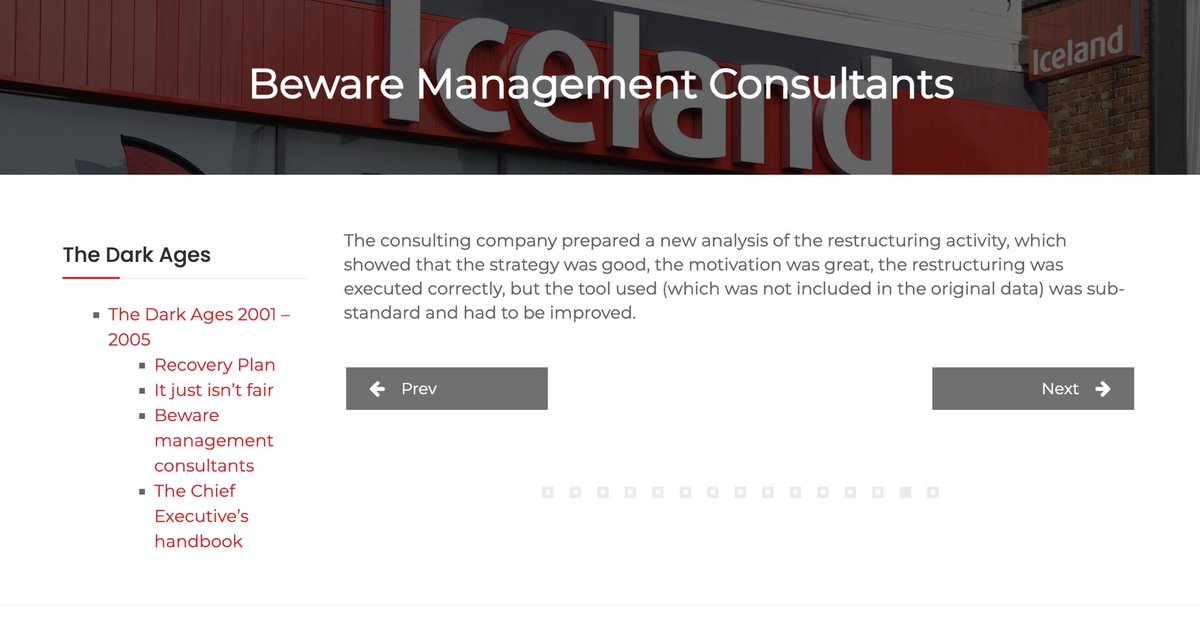
The British frozen-food supermarket chain Iceland has, on their website, a cartoon parable warning the unsuspecting customer of the perils of management consultancy.

17
264
3,509
181,857
Lia retweeted

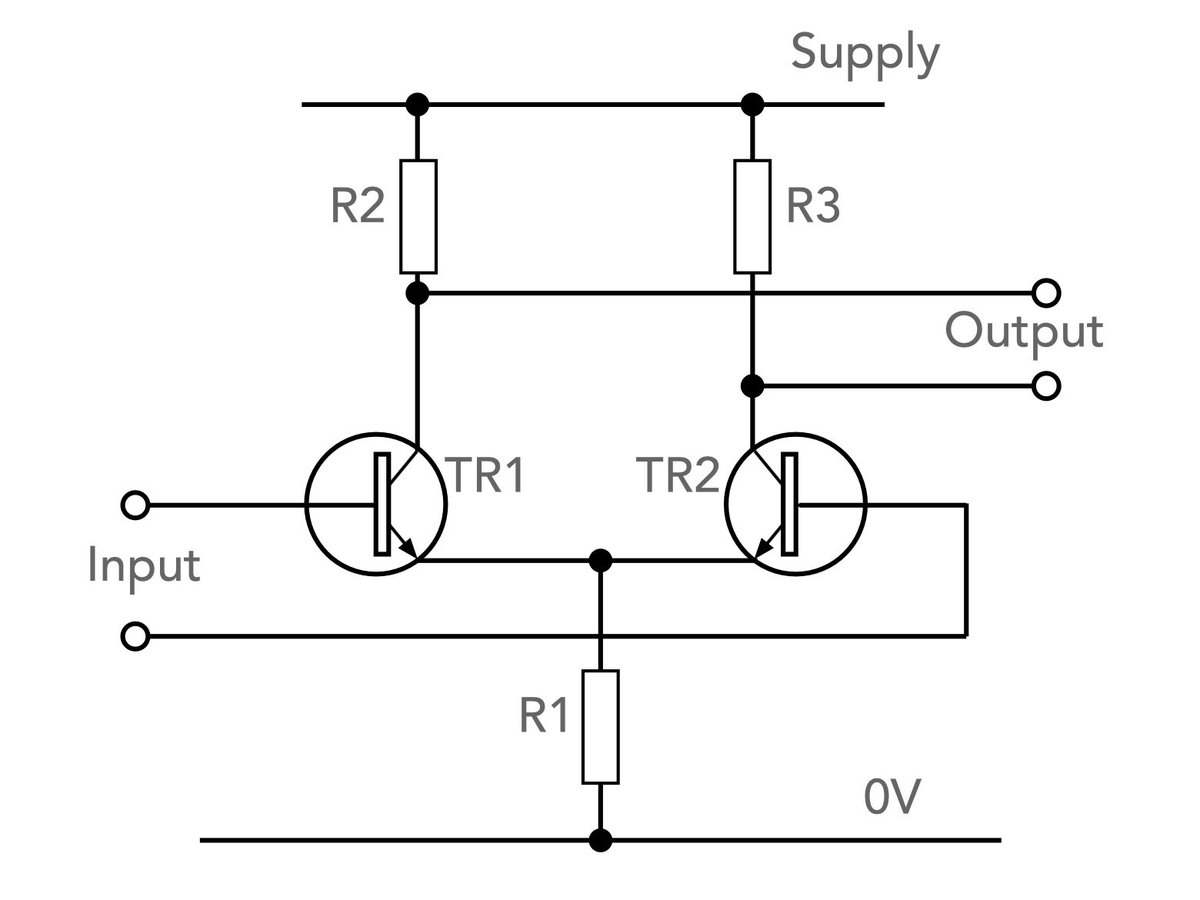
Why the "Differential Amplifier" is the Hero of Modern Electronics
If you’ve ever looked at the internal schematic of an Operational Amplifier (Op-Amp), you’ve seen it: the Transistor Differential Amplifier, also known as the Long-Tailed Pair (LTP).
But why is this specific configuration so critical to analog design?
Derived from the brilliant work of Alan Blumlein in the 1930s, the LTP transitioned from vacuum tubes to transistors to become the fundamental building block of high-performance amplifiers. Here’s why it’s a design "must-know":
🔹 Differential Gain vs. Common Mode Rejection: The circuit’s superpower is its ability to amplify the difference between two signals while ignoring noise that is common to both. This is quantified by the Common Mode Rejection Ratio (CMRR). High CMRR is the reason your audio and data cables can run through noisy environments without losing signal integrity.
🔹 The "Long Tail" Secret: The performance of the circuit relies on the "tail" resistor (or constant current source) connected to the emitters. The higher the impedance of this tail, the better the balance and the higher the CMRR. In ICs this is typically replaced by an active current source for better performance.
🔹 Symmetry is King: Because the circuit uses two matched transistors, it is inherently stable against temperature fluctuations. If the temperature rises, both transistors are affected equally, keeping the output balanced.
From precision instrumentation to high-fidelity audio and integrated circuits, the Long-Tailed Pair remains as relevant today as it was 80 years ago.
What are your experiences with this circuit? Let me know in the comments.
Check out the link in the comments for more information.
#ElectronicsEngineering #AnalogDesign #CircuitDesign #Transistors #ElectricalEngineering #TechHistory #electronicsnotes
8
47
310
10,195
Lia retweeted

Jun 2
The Robotic Origami Challenge is coming to IROS 2026 (Sept 26) and it's one of the most creative dexterous manipulation benchmarks we've seen.
The task: train a policy to fold a traditional Japanese paper airplane.
The judge: an Origami Grand Master from the Nippon Origami Association.
You got #SharpaWave robot hands? Good!
You don't? We will be providing real-world eval support remotely.
Excited to see what you will come up with, along with the organizers @chris_j_paxton @micoolcho @DJiafei
More info: robotic-origami-challenge.ne…
Jun 1

3 of us @micoolcho @chris_j_paxton @DJiafei are super excited to help organize the Robotic Origami Competition at IROS (Sept 2026), along with @BitRobotNetwork @SharpaRobotics @LightwheelAI @hq_fang @sanatem @Noriaki_Hirose @gao_young
Calling for teams!
1
10
35
5,893
Lia retweeted

Jun 2
Today a crazy quantum story just got wilder.
On March 31, the Google Quantum AI team published a landmark result on Shor's algorithm for elliptic curve cryptography. Technically, the paper was a bombshell: a dramatic 10x improvement over the state-of-the-art. As a stunt and wakeup call to the blockchain space, those optimisations were illustrated on secp256k1, the elliptic curve underlying Bitcoin and Ethereum signatures.
But perhaps the most striking part of the paper was sociological, not technical. Instead of following standard academic process, the optimisations were kept secret, hidden behind a zero-knowledge (ZK) proof. Google's accompanying blog post mentions they "engaged with the U.S. government". The ZK proof demonstrates the existence of algorithmic improvements without leaking details. Academic censorship with ZK, a historic first!
As a co-author of the Google paper I witnessed some of the context surrounding this censorship. To be honest, multiple aspects of that context don't sit well with me. As much as I believe the general public ought to know more, I am limited in my ability to whistleblow. Though let me be clear about one thing: the Google team's professionalism has been absolutely exemplary, and they deserve nothing but praise.
Censorship has a way of backfiring. The Streisand effect, where an attempt to bury something only draws more attention to it, is exactly what's unfolding today. First, Google's key optimisation has been rediscovered by the French. And in a thrilling turn of events, a collaborative Shor-at-home challenge just launched. The initiative, available at ecdsa[.]fail, breached a new Shor world record in a matter of hours.
Let's start with the rediscovery. Just two months after Google's paper, French quantum expert André Schrottenloher cracks the main secret optimisation. His paper, titled "Optimized Point Addition Circuits for Elliptic Curve Discrete Logarithms", landed on the arXiv today. Big congrats to André, who beat several other nerdsnipped experts to it. In a blog post also published today, Craig Gidney, the world expert on Shor optimisations, revealed that he'd been sitting on this very optimisation for a whole year under censorship pressure.
Interestingly, André missed a handful of minor optimisations, both from Google's original publication and from improvements found since. It's plausible there's still plenty of juice left to squeeze out of Shor, and this is exactly what the ecdsa[.]fail challenge is about. The verifier program developed for the ZK proof does double duty, automatically filtering for valid submissions. Dozens of compounding small and micro improvements are rolling in. As of the time of writing there's an 8.4% improvement to Google's circuit, as measured by the product of logical qubit count and Toffoli gate count. Nice!
The nerdsnipping ran deeper than anyone expected. Over the last few weeks it became clear it extended well beyond André and other quantum experts. Behind the scenes, a small army of amateurs quietly got to work. Inspired by Karpathy-style autoresearch, they turned AI on Shor. Ironically, the verifier program for the ZK proof makes an ideal reward function for AIs. The barrier to entry for this modern style of research is refreshingly low, with several non-experts, even a teenager, finding nice optimisations. Get in touch if you'd like to join a Telegram group with fellow autoresearchers :)
Part 2: neutral atoms and qday
The story doesn't end with Google. On the same day Google went public, a stealthy startup called Oratomic published its own Shor paper in a coordinated release. It made a splash, ultimately becoming the most upvoted paper on scirate[.]com, a website ranking arXiv papers.
Oratomic's claim was wild. By building on Google's logical optimisations and applying custom physical optimisations for neutral atoms, they claimed just 10K physical qubits were sufficient to run Shor's algorithm on secp256k1. That number is mind-bogglingly low.
Knowing essentially nothing about neutral atoms when Oratomic's paper landed, I was intrigued and decided to learn more about the tech. I fell straight down the rabbit hole and spent a couple hundred hours on the topic. I got a little obsessed and watched every YouTube video I could find and spoke to a bunch of experts.
My conclusion? The tech is real, very real. Even Google recently decided to start a neutral atom lab, a notable pivot from their sole focus on superconducting qubits. If you care about qday, i.e. the day a quantum computer will break the first piece of cryptography in production, neutral atoms demand your attention. I shared some of my learnings on Shor and neutral atoms in a 30min talk at the ZKProof cryptography conference. You can find it on YouTube by searching "zkproof neutral atom".
Here's an interesting observation about this duo of breakthrough papers: neither Google nor Oratomic say a word about what their results mean for qday. No timelines. Zero. Nada. That is especially baffling given that the whole point of whitehat quantum cryptanalysis is to inform qday estimations and help the general public make good decisions.
So let me attempt to partially fill the silence, similarly to what Scott Aaronson did in his April 29 post. Given everything I know, including scary non-public information, I now put the odds of qday by 2032 at 50%. 10% by 2030.
Anecdotally, the US government has its own date: 2035. Originating at the NSA and later adopted by NIST, it's when branches of the US government will be disallowed from using quantum-vulnerable cryptography. In plain language: with hindsight, that date is a joke and should be discounted entirely. I don't see how NIST avoids being forced to pull it forward by years.
Part 3: post-quantum cryptography
There are good reasons to sound the alarm today, but please do not panic. Rushing carelessly towards immature post-quantum cryptography is a recipe for disaster. IMO a good target date for migration is 2029, roughly 3.5 years out. 2029 happens to be the date selected by Google, Cloudflare, and the Ethereum Foundation.
These days most of my time goes to safely migrating Ethereum towards post-quantum cryptography as part of the broader lean Ethereum effort. There's a lot to do. We need to rip out and replace BLS signatures at the consensus layer, KZG commitments at the data layer, and ECDSA signatures at the execution layer.
The plan to get there is compelling, and is based on hash-based cryptography. Within the Ethereum Foundation we've developed a Swiss army knife called leanVM (github[.]com/leanEthereum/leanVM) powered by the magic of hash-based SNARKs. Thanks to truly exceptional work by Emile, Thomas, and others, its performance is derisked. Regarding security, leanVM is a jewel, a minimal zkVM crafted for end-to-end formal verification and maximum security.
Want to help? There are two $1M initiatives. First, the Proximity Prize (proximityprize[.]org). Solve a long-standing mathematical conjecture in coding theory, improve hash-based SNARKs, and go home a millionaire. Second, the Poseidon Initiative (poseidon-initiative[.]info), offers $1M for breaking Poseidon, the SNARK-friendly hash function.
410
1,127
6,255
3,710,248

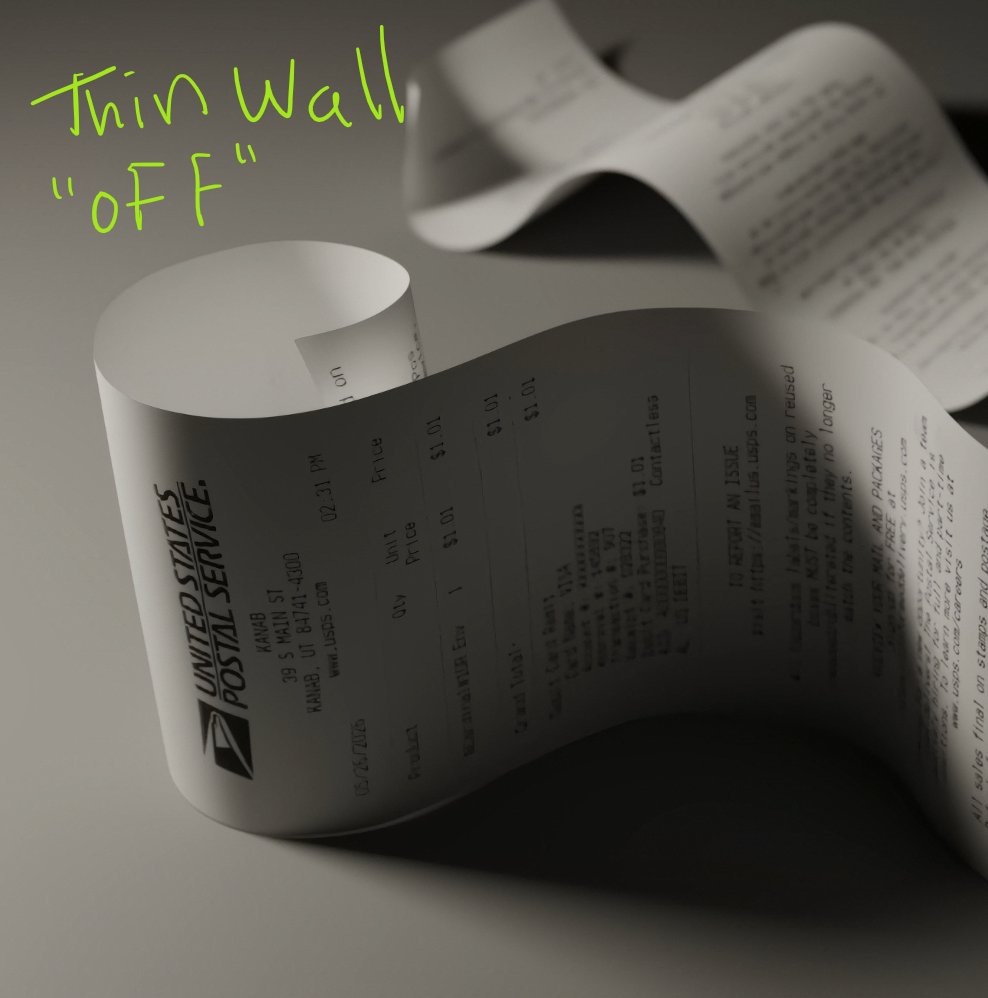
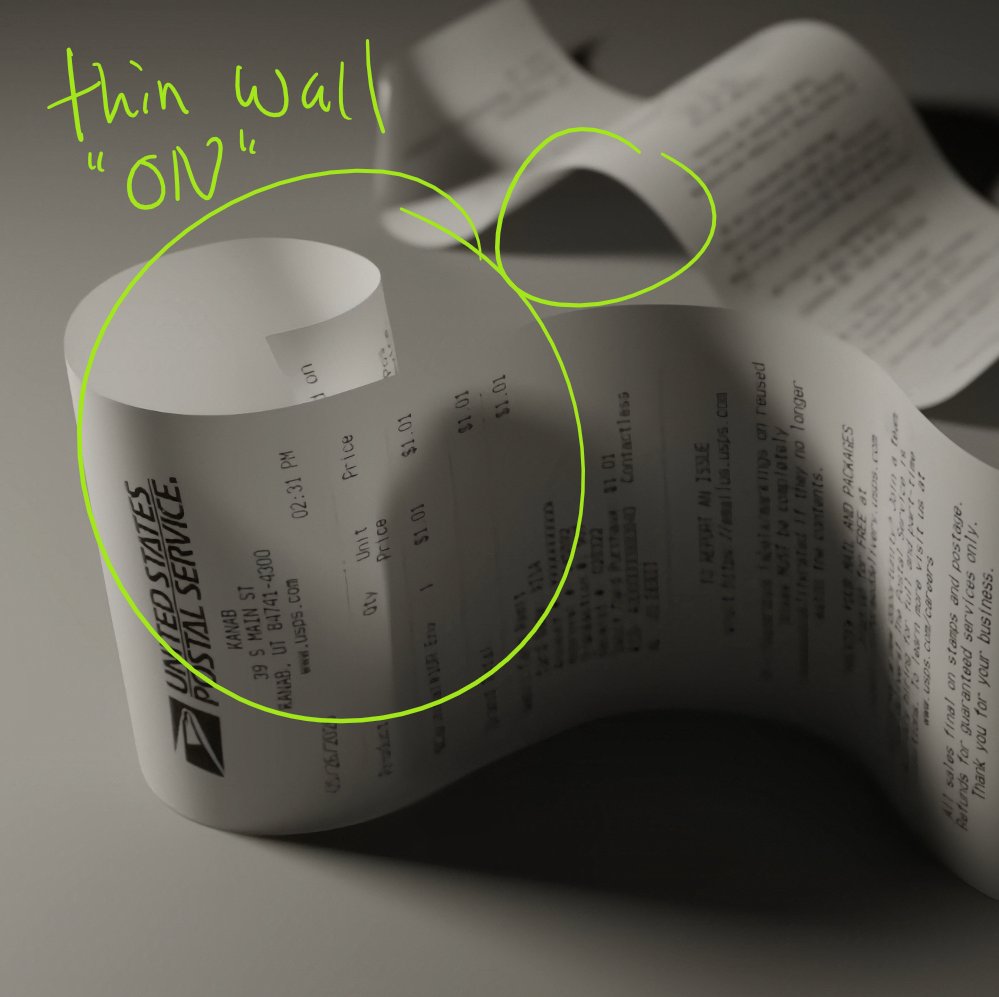
Blender 5.2 has a new shader feature called "thin wall" which is designed for meshes which have no thickness (or very little).
These can be anything from leaves, paper, tissues and some thin plastics
(images taken from Chritstopher3D's youtube video)
101
2,942
49,696
4,386,466
still gets me everytime

94
our startup gets to sit exactly in the middle, it’s painful but worth it - to make great sensors we had to become optical networking experts
mix the trauma of doing a tight budget extremely ambitious quantum PhD with the need to make something goddamn real, kinda clear why i never created a quantum sensor company despite our dope ass name
May 30

quantum computing people will accidentally make the best sensors, and sensor people will accidentally make the best optical networking devices (and thus quantum computing people will also be able to do so)
many people born spoiled just won't be capable to learn how to properly cherish every single photon and every single electron.
8
1,040
our startup gets to sit exactly in the middle, it’s painful but worth it - to make great sensors we had to become optical networking experts
mix the trauma of doing a tight budget extremely ambitious quantum PhD with the need to make something goddamn real, kinda clear why i never created a quantum sensor company despite our dope ass name
May 30
quantum computing people will accidentally make the best sensors, and sensor people will accidentally make the best optical networking devices (and thus quantum computing people will also be able to do so)
many people born spoiled just won't be capable to learn how to properly cherish every single photon and every single electron.
12
1,117
Lia retweeted

May 29
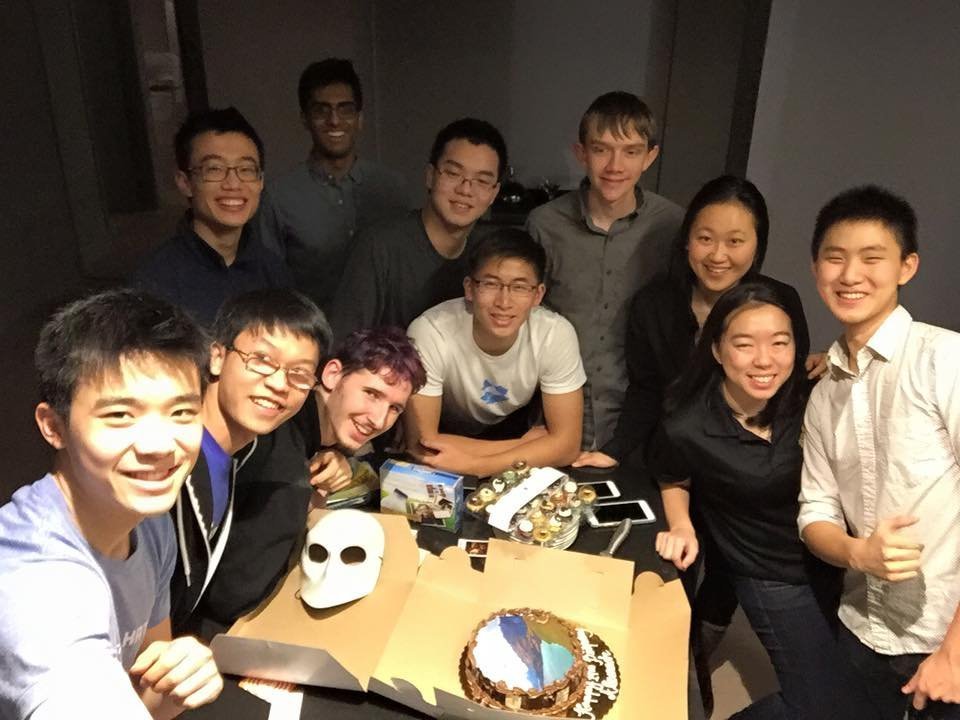
every guy who's broke and doom-scrolling some group photo of 11 nerds who all got billionaires
thinking "damn, how do i get in a room like that"
you will not out-grind your way to the top alone.
nobody does. the single highest-leverage asset you can own is....
a dense cluster of absurdly capable peers who all hit escape velocity around the same time and then pull each other up for the next 20 years. you don't find that room. you build it or you get in it early, before anyone knows it's the room.
it's the most copy-pasted pattern in the history of money.
paypal sold to ebay in 2002 for $1.5b. that's it. one mid exit. fortune coins "paypal mafia" in 2007. then watch what that one room turns into
musk -> tesla spacex.
thiel -> palantir founders fund, first outside check into facebook in 2004 for ~10% at a $4.9m valuation.
hoffman -> linkedin, sold to microsoft 2016 for $26.2b.
chen/hurley/karim -> youtube, sold to google 2006 for $1.65b.
stoppelman -> yelp.
levchin -> affirm.
botha -> runs sequoia. one $1.5b exit compounded into trillions across the network in two decades.
and it's not even the first time.
1957, eight engineers walk out on shockley, get called the "traitorous eight," start fairchild semiconductor. that one defection begets ~65 companies.
noyce moore -> intel.
jerry sanders -> amd.
eugene kleiner -> kleiner perkins.
don valentine -> sequoia.
so when you see a quant-firm intern class photo and feel the pull that's the right instinct, wrong takeaway.
doesn't matter which firm. doesn't matter who's who in the frame. the pattern is the pattern. top prop shops - hrt, jane street, citadel, two sigma are just dense rooms.
obsessive 22-year-olds, high trust, brutal feedback loops, everyone gets rich enough to take a swing, and crucially they stay in each other's group chat. ten years later half of them are founders or first checks and the other half are the ones they call first. the firm was never the prize. the cohort was.
here's why this matters for you specifically and why it's more winnable than it looks
the network does the heavy lifting, not the individual. one breakout in the room derisks everyone. their first hire is someone from the photo. their first angel check is someone from the photo. their warm intro to the fund is someone from the photo. you're betting on being in the room when one of them is.
just "get into a high-density room as early and as cheap as possible, then never leave the group chat."
21
63
771
83,239
Lia retweeted

May 26
I also got sick of opening photoshop to create dials. so here is artofpilgrim.github.io/Dials… where you can create your own. Save presets. Export as png/svg.
have fun
May 22

no more having to open photoshop to create alpha textures from photos artofpilgrim.github.io/level…
same process i use in photoshop: Black and White adjustment levels but now in the browser
85
619
6,574
341,358
Lia retweeted

May 19
semiconductor feng shui 101, session 4: which photodiode shape gives you the best quantum efficiency
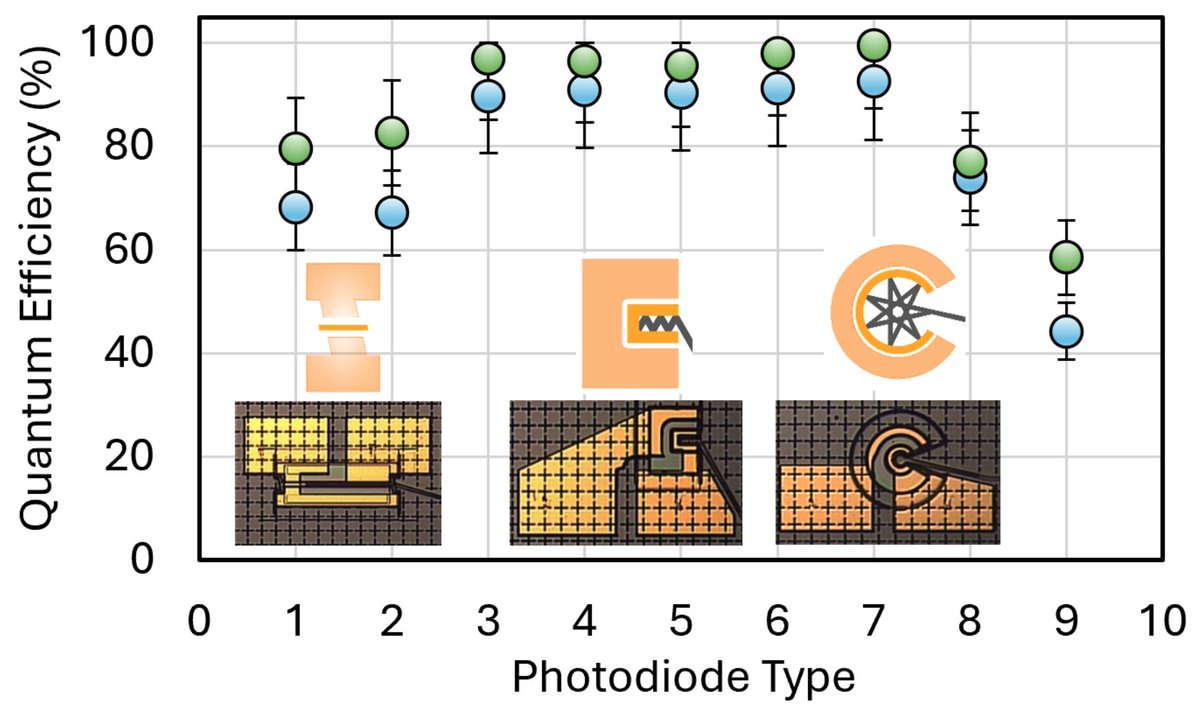
13 Jul 2025
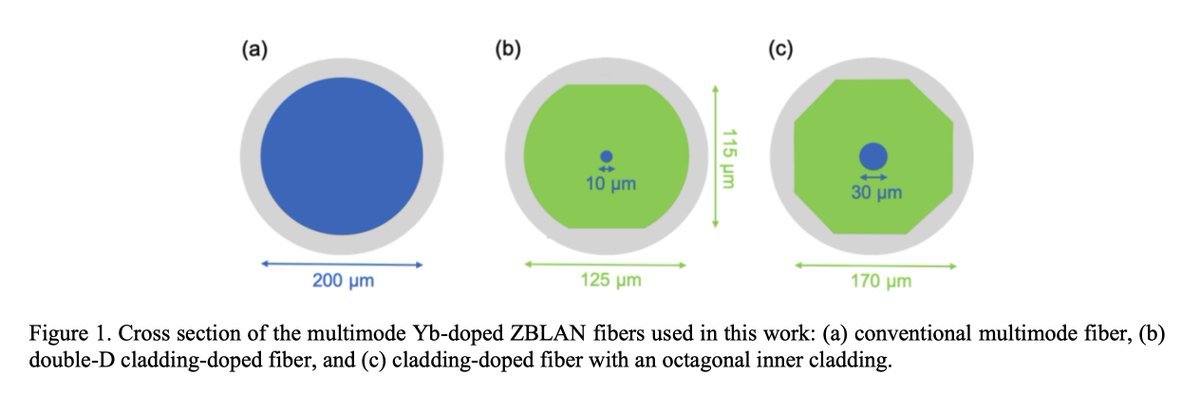
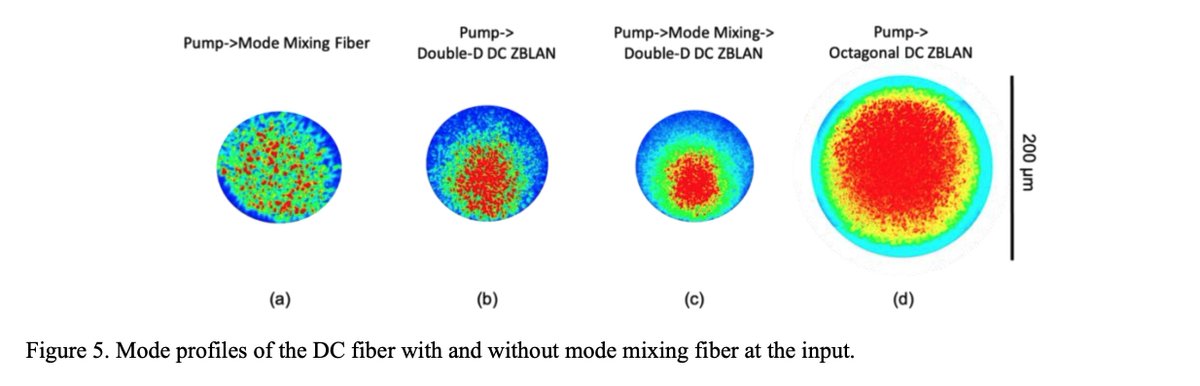
not really semiconductor nanofab but still feng shui: which fiber cladding shapes mix the optical modes better
(anti-Stokes-fluorescence cooling in a ZBLAN fiber with a Yb-doped cladding)
4
2
53
4,112