
Prended fuego a todo, pero pasad primero por recursos humanos para recibir formación reglada sobre el uso seguro de lanzallamas.
Joined June 2020
- Tweets 26,319
- Following 482
- Followers 503
- Likes 59,070
2,530 Photos and videos




ProfessionalInternetCommentator retweeted

Jun 12
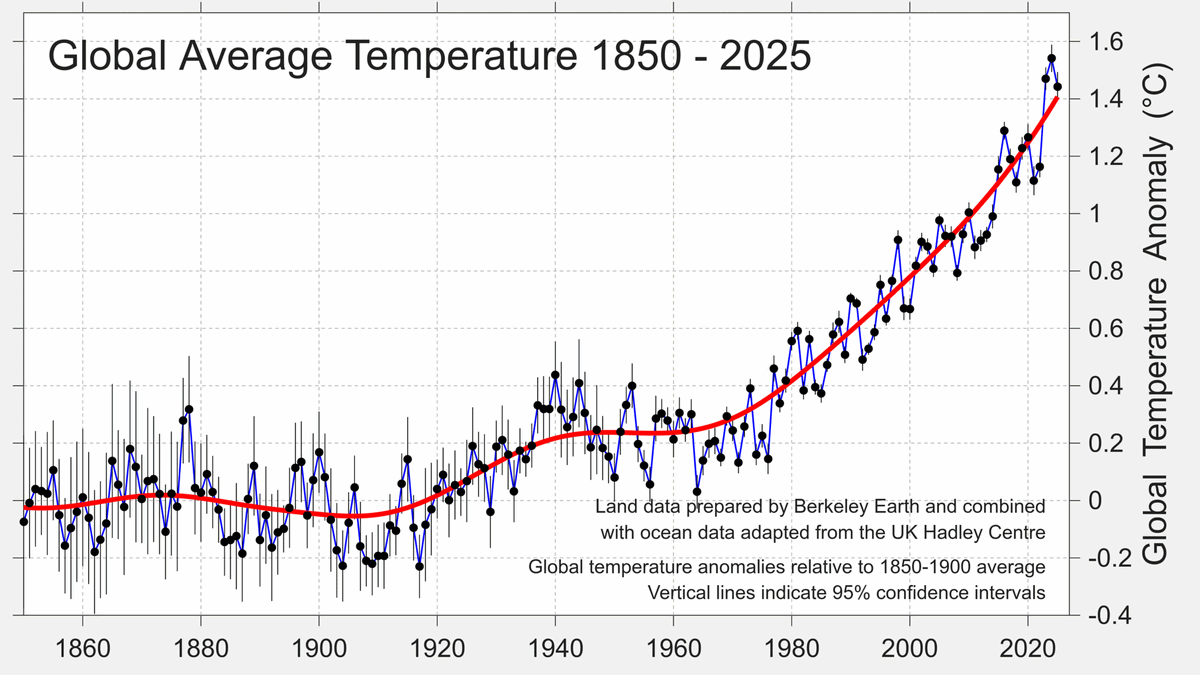
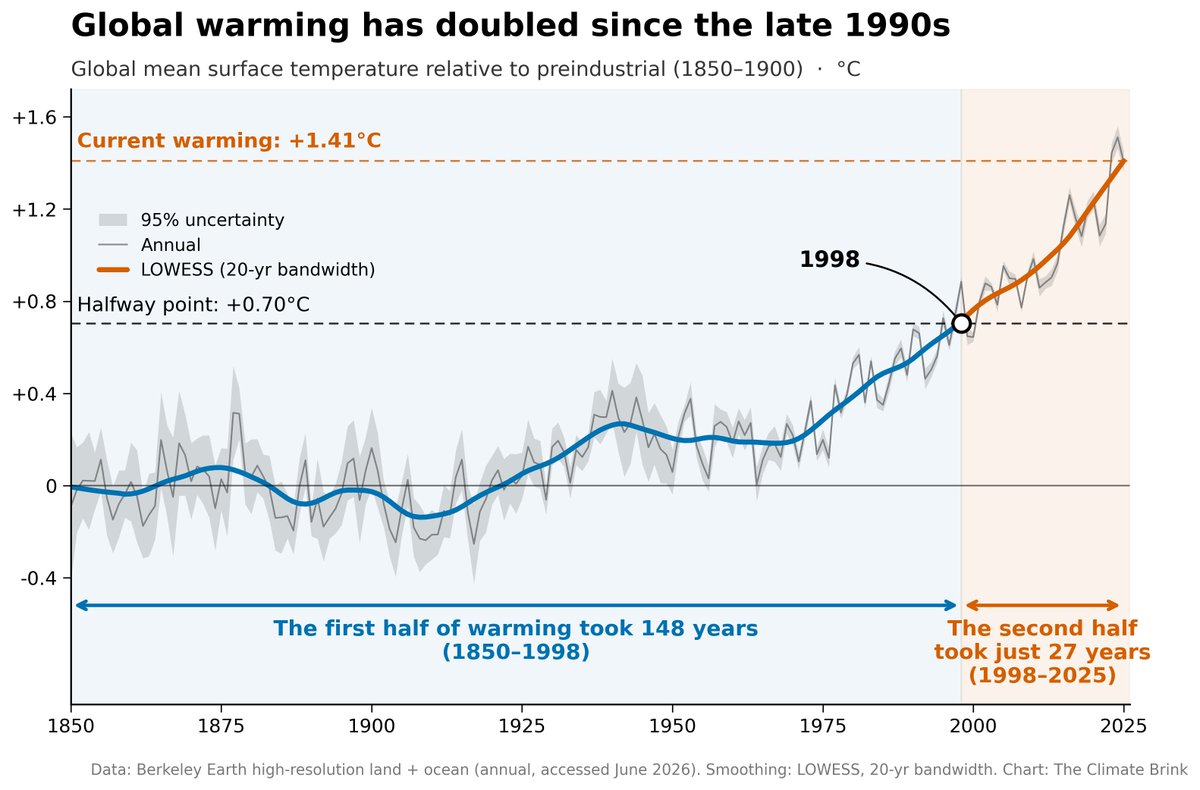
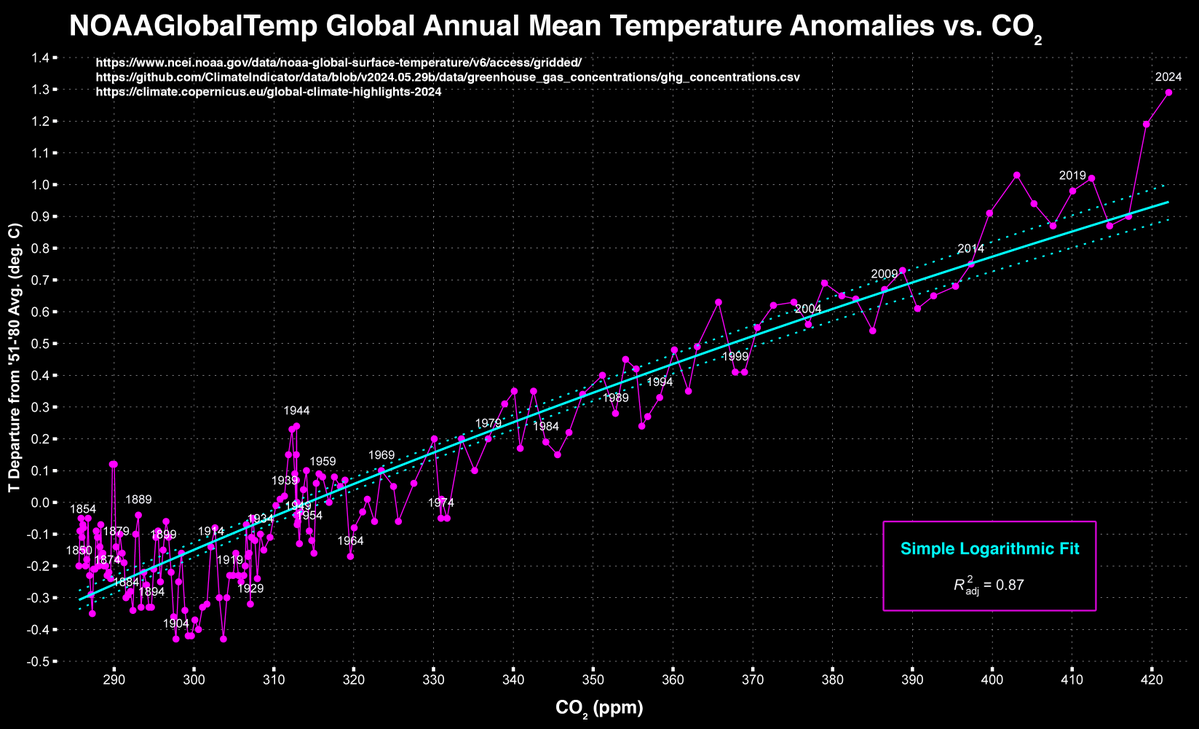
The world has warmed by around 1.4C since 1850.
It took 148 years for the first half of that warming to occur, and just 27 years for the second half!
146
533
1,814
124,527
ProfessionalInternetCommentator retweeted

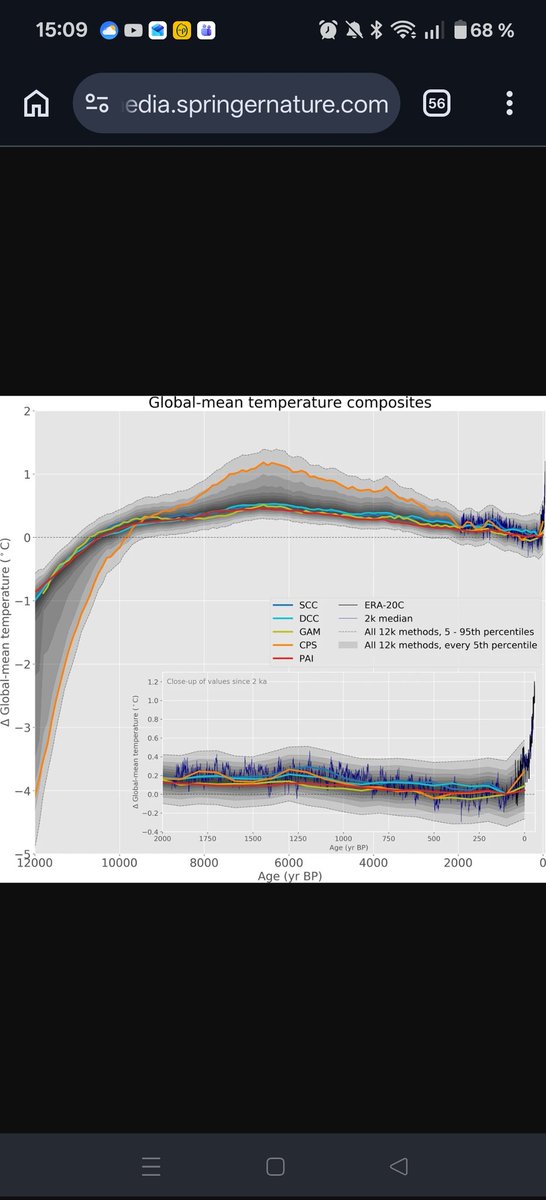
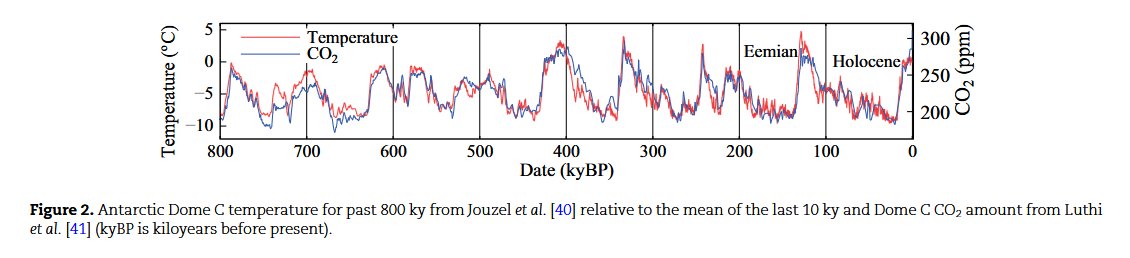
Milankovitch cycles are a very minor contributor
We've known about CO2 heat trapping qualities since Tyndall (1861) and modeled by Arrhenius (1896)
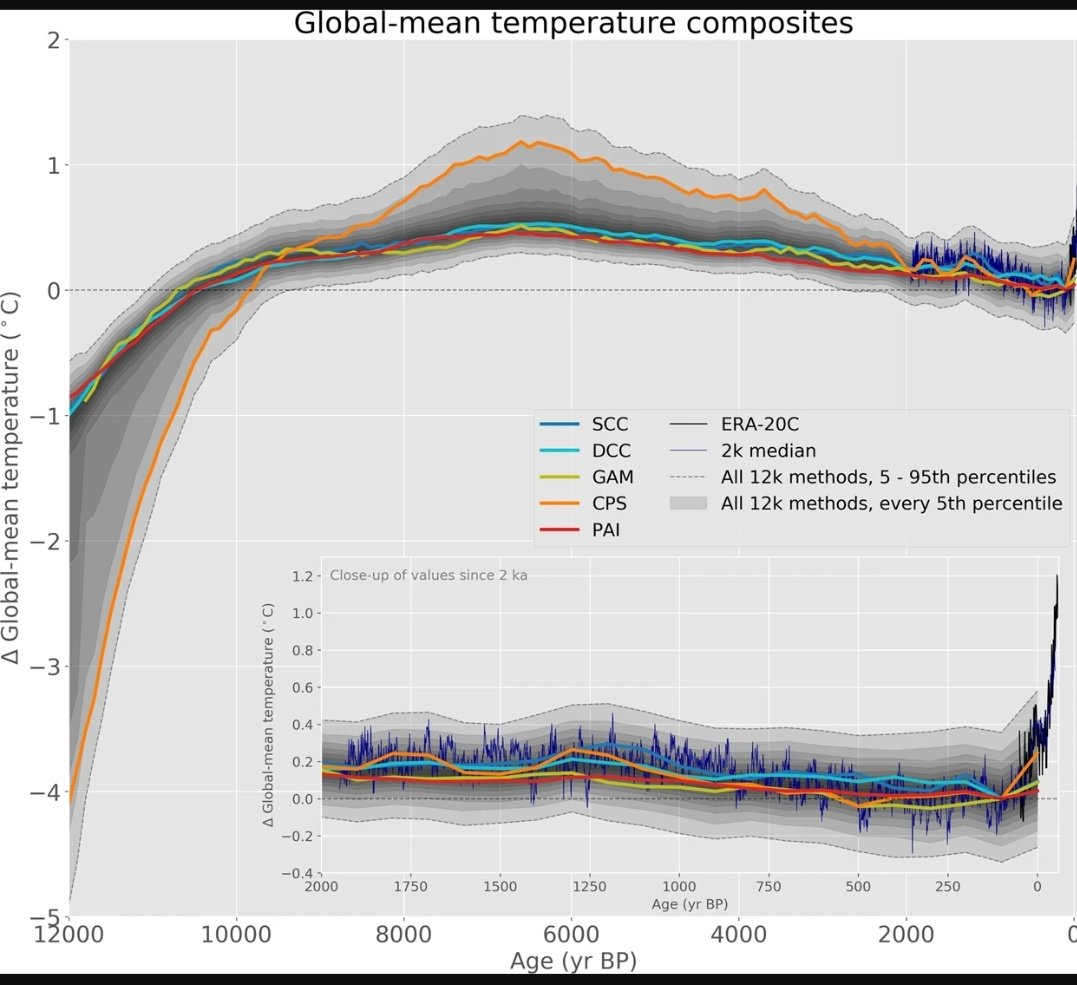
the evolution of modern humans (Homo sapiens), atmospheric carbon dioxide fluctuated in a natural cycle between 180 and 300 parts per million by volume (ppmv)
your problem is you've been f-ing with the control knob
@PeterDClack 's problem is he's a liar and a fraud
Hansen etal (2023)
CO2 in the Pipeline
DOI 10.1093/oxfclm/kgad008
2
4
30

Si algun día tienen que echar mano de los extraterrestres para justificar cualquier mierda con tal de no aceptar que el CO2 calienta la tierra lo harán, porque el nivel de majadería llega bastante profundo.
140
Al negacionismo más cazurro cualquier cosa le va a valer antes que el CO2.
Incluso un modelo mágico donde hay desde variables mágicas con 5 decimales hasta el fondo cósmico de microondas. Luego son los primeros en llorar con los modelos climáticos.

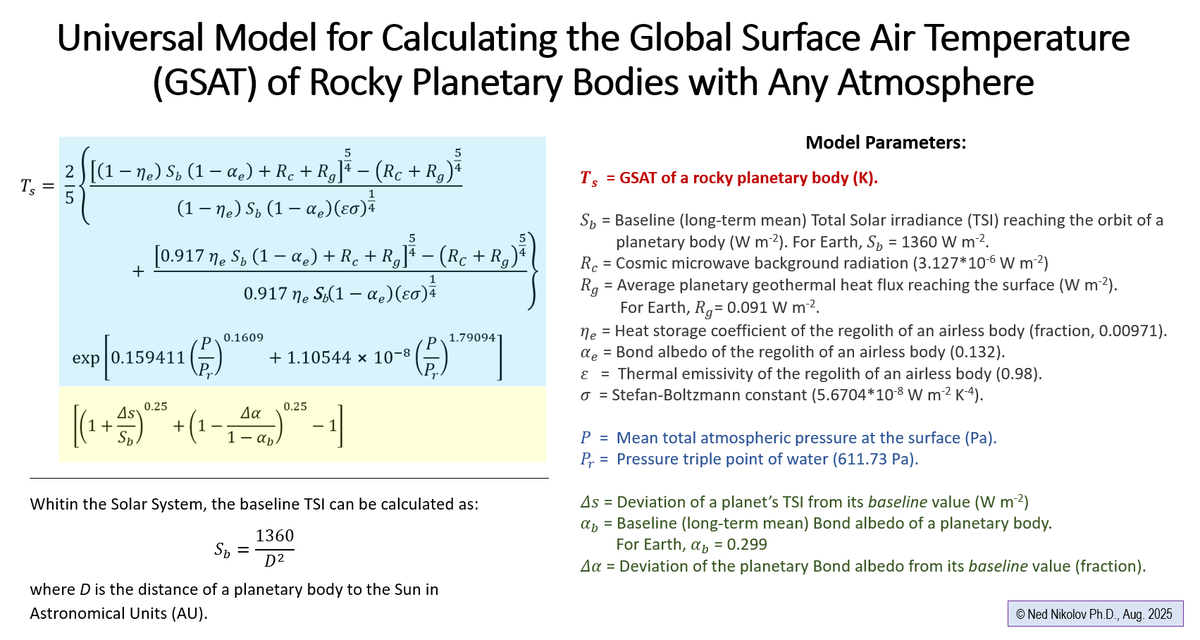
🚨Our Universal Planetary Temperature Model (shown below) derived from NASA data and first principles of physics and calculus accurately predicts the global surface temperatures of rocky planets & moons throughout the entire Solar System.
The "greenhouse" theory has not been unable to produce a single equation based on the so-called "GHG forcing" that rivals the scope of validity and accuracy of our universal model.
Note that our Equation uses no "GHG radiative forcing" and does not consider outgoing LW radiation. This implies that these parameters are NOT needed to predict planetary temperatures. That's because the GHG radiative forcing is a fictitious quantity generated by faulty computer models, while the atmospheric LW radiation is a byproduct of atmospheric and surface temperatures and, as such, it has NO effect on the global surface temperature of a planet. The current climate theory confuses effect for cause BIG time in this regard.
Yet, "climate experts" such as Roy Spencer and William Happer continue to tout the ridiculous claim that the Atmospheric Thermal Effect (aka "greenhouse effect") is a radiative phenomenon, while in reality it's a form of adiabatic heating caused by total pressure and quantified by the 2nd term in our Equation.
These "climate experts" continue to deny the fact that our Equation works for all rocky planets and moons, while their theory has failed to produce a single universal relationship valid across the Solar System... Ask these experts, why do they keep ignoring the empirical reality described by our Model?
2
1
2
510
ProfessionalInternetCommentator retweeted
Alejo, eres físico. Compórtate con un mínimo de decencia científica.
Ya se que hoy en día parece que no se puede ser de derechas si uno acepta las conclusiones de los últimos 180 años de ciencia del clima, pero no debería de ser así.
1
1
5
163
ProfessionalInternetCommentator retweeted

“Fact” 2 is an age old Exxon lie. Mankind’s emissions are well known since we know how much fossil fuels were produced and burnt. We have increased atmospheric CO2 by 50%, and that’s just half of what we emitted. The rest was absorbed by oceans & forests.
14
101
623
8,965
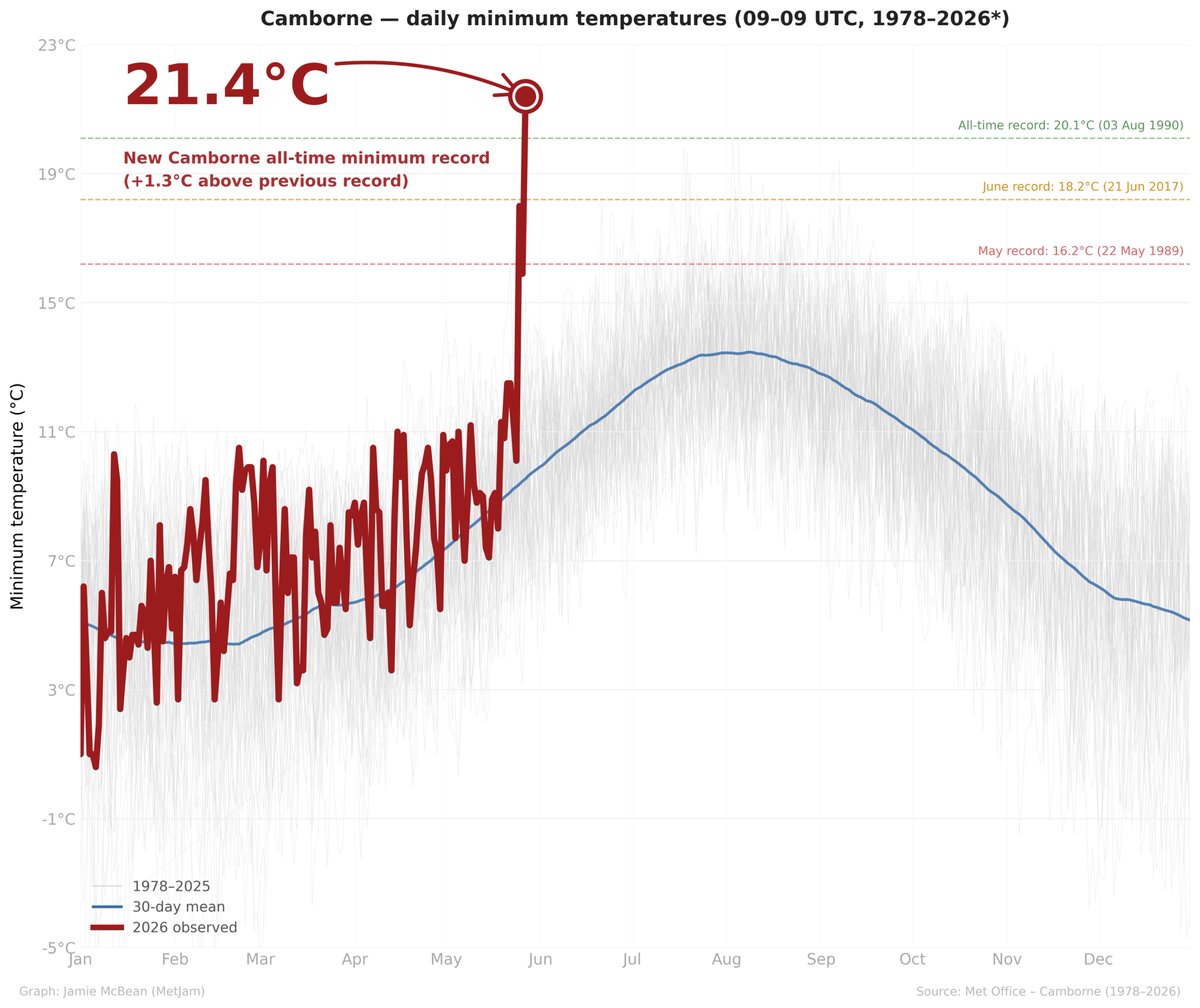
El cambio climático no es más que las oscilaciones pequeñas ligeramente por encima de los valores normales y de vez en cuando un picarral disparado para arriba, que van año tras año estirando de la linea azul hacia arriba.

Another day, another record. Camborne now provisionally holds the highest UK May minimum temperature record of 21.4ºC - continuing to break the old UK record of 18.9ºC set in 1947. This is an all-time record for the station by 1.3ºC and breaks its May record by OVER 5ºC!
71
El cáncer integral ya está completando el arco narrativo. Se le quedan pequeñas ya las conspiraciones del cáncer, el virus y las vacunas y el cambio climático y ya está entrando en los chemtrails. En breve, clímax final terraplanista y créditos.
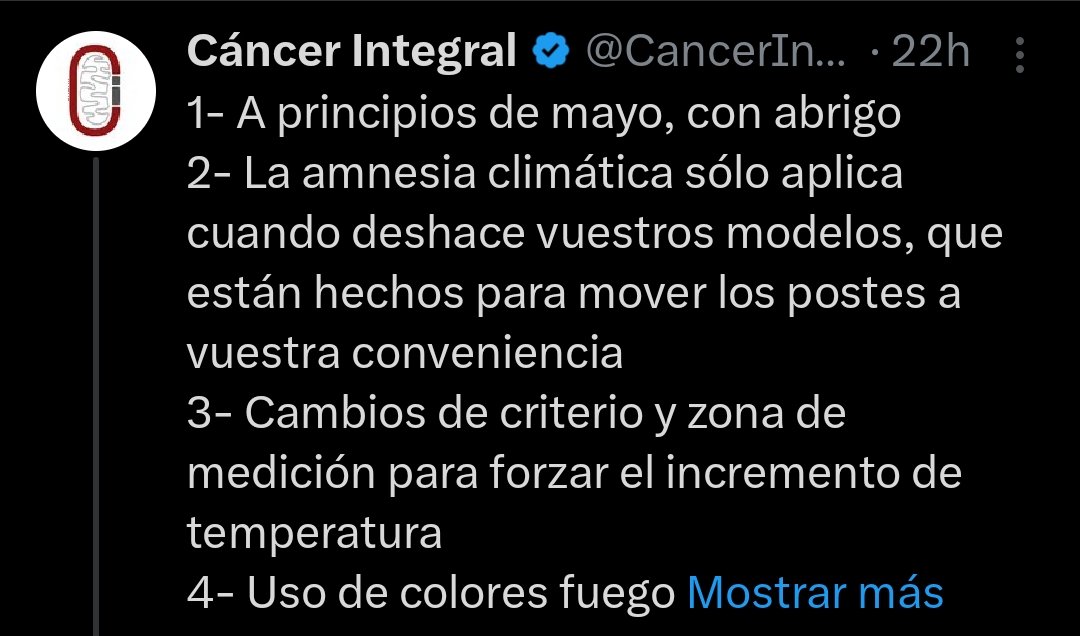
3
30
ProfessionalInternetCommentator retweeted

You're measuring adaptation, not hazard.
Climate deaths fell because we built early warning systems, evacuation networks, and emergency medicine, not because storms got weaker. CRED, whose data you use, has explicitly warned against this framing.
Polar bears recovered from the 1973 international hunting ban, not from a friendly Arctic. The 1960s baseline you cite wasn't a census; it was a guess. IUCN still lists them Vulnerable, and ice-dependent subpopulations are declining.
Global burned area fell because African savannas were converted to cropland. Forest burned area, the climate-relevant metric, has risen sharply. Canada 2023 set the all-time record.
Each of those numbers is a story about human capacity to cope with a worsening climate. Not evidence the climate isn't worsening.
Complacency is a worse policy adviser than panic.
May 26

An Inconvenient Truth for climate alarmists:
Al Gore’s dramatic climate warnings shaped a generation — but 20 years later, the data tell a very different story.
Climate-related deaths are down 97% over the past century, polar bears more than doubled since the 1960s, and global burned area has decreased by more than 25% over the past quarter century.
That's hardly a success of climate policy though: fossil fuels still provide 81% of world energy, emissions keep rising, and $16 trillion spent on green policies since Gore's movie came out hasn’t changed the trajectory.
A good reminder that panic is a terrible policy adviser.
newsweek.com/data-vs-drama-t…
35
67
294
10,069
ProfessionalInternetCommentator retweeted
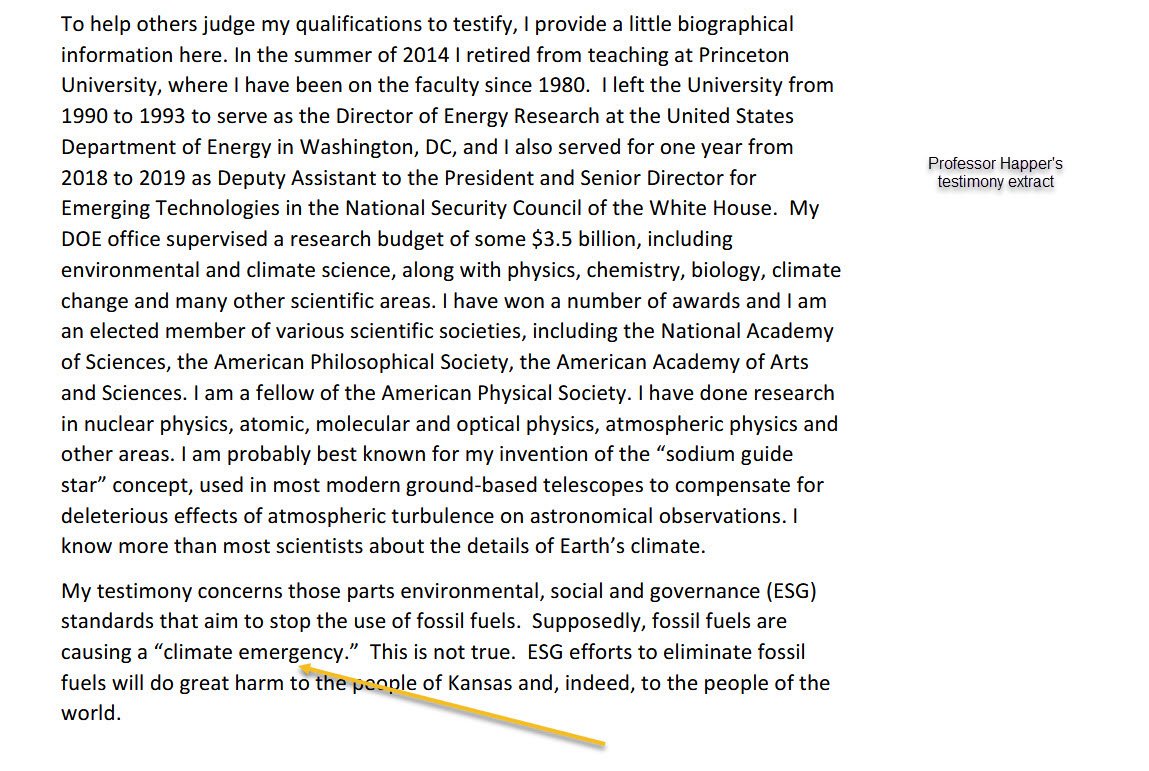
Will Happer has zero peer-reviewed climate publications. In 2015, Greenpeace caught him on tape agreeing to write a fossil-fuel-funded paper and route the payment through a third party to hide the source. He co-founded the CO2 Coalition. That's not expertise. That's a paid résumé. Try again.
May 24

An oil executive is a productive member of society. Climate Alarmists in contrast are involved in dogma, falses narratives, and seek to destroy both the economy and environment. #auspol #BBCNews
6
21
95
2,108
ProfessionalInternetCommentator retweeted

May 22
A scientific consensus isn't a group of scientists agreeing.
It's repeated results from independent studies all pointing the same way.
We don't agree vaccines saves lives.
We know - because study after study shows it.
Consensus = consistent evidence.
Not collective opinion.
204
1,138
3,951
49,106
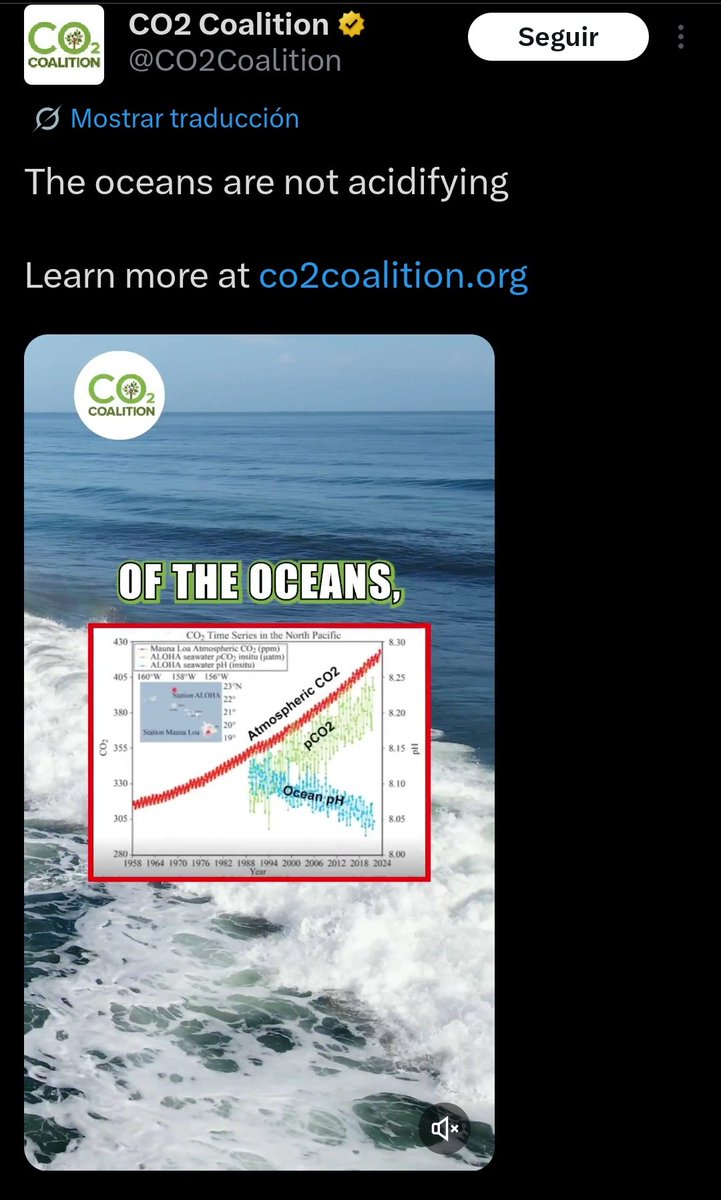
Probablemente la campaña más patética de F.U.D. contra el cambio climático de esta gente es intentar negar que el océano se está acidificando porque a pesar de que muestran la gráfica del pH bajando, dicen que todavía está en zona alcalina. 🤷
7
2
18
535
La gilipollez sería similar a decir que un avión cuando reduce altitud no está descendiendo porque aún está muy alto. Pero aquí en los comentarios hay un tío defendiendo el argumento :/
2
53
Este va a ser el titular que leáis más veces hoy.
May 20

#Granada Rescatan a un joven que cayó por un puente de Pinos Puente tras hacer el pino
ideal.es/granada/rescatan-jo…
1
65

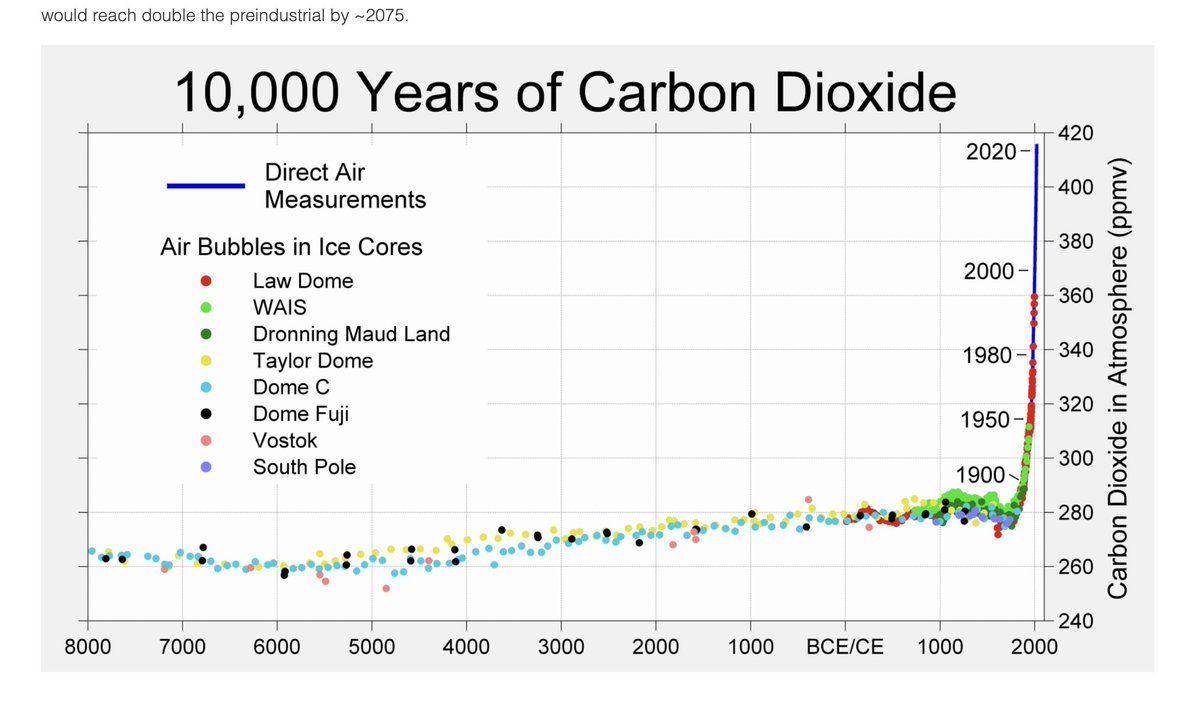
We’ve increased CO2 from 280 ppm to 430 ppm in just 150 years. More than a 50% jump. More than a 3rd of the current atmospheric CO2 is from humans burning fossil fuels.
It's already driven 1.4C of global warming, with 1.2C of it occurring in the last 50 years alone.
We’re already seeing the effects:
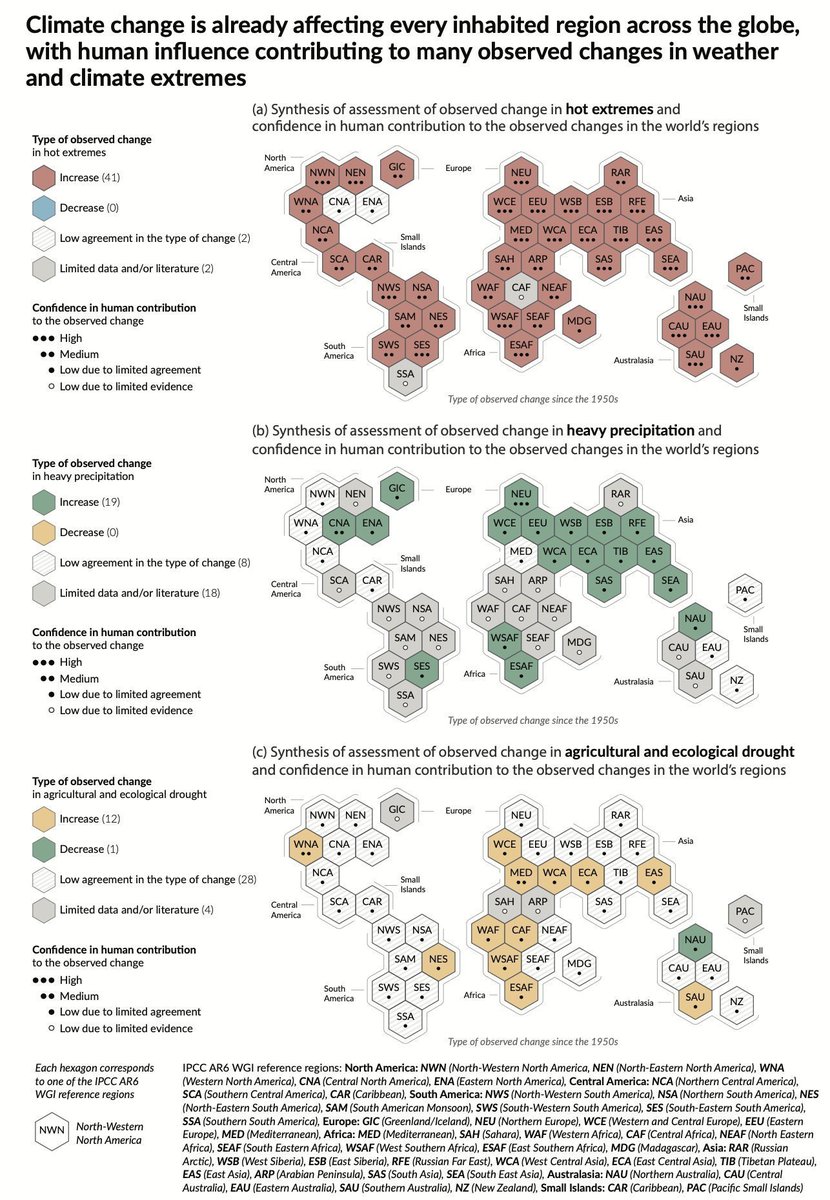
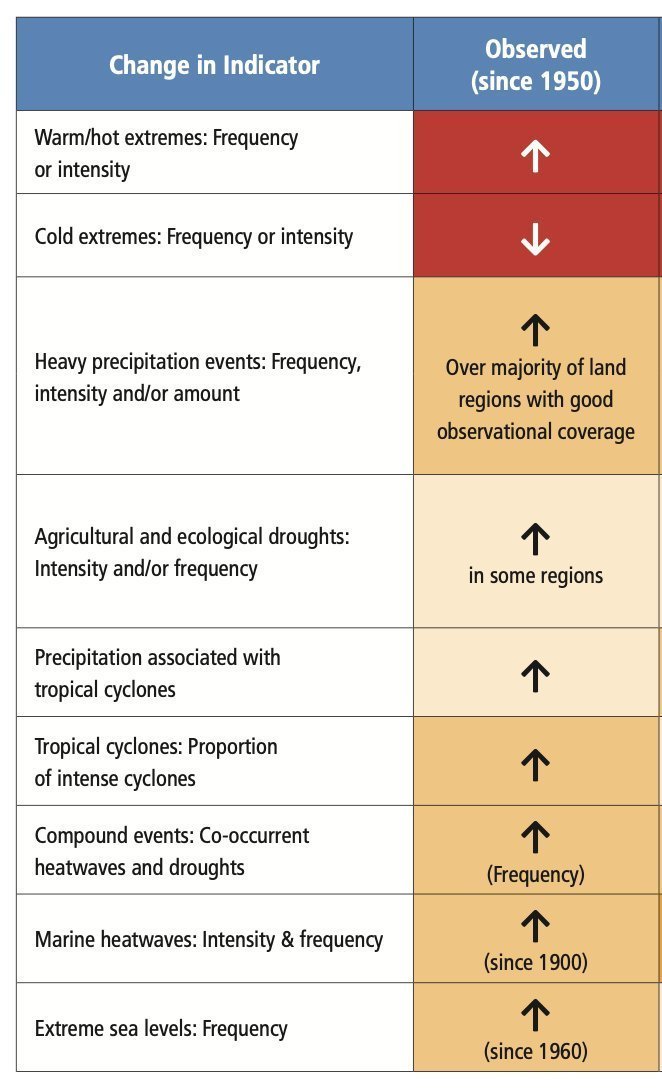
“Human-induced climate change is already affecting many weather and climate extremes in every region across the globe.
Evidence of observed changes in extremes such as heatwaves, heavy precipitation, droughts, and tropical cyclones -and, in particular, their attribution to human influence -has strengthened since AR5.” (IPCC AR6, Table TS.2 & Figure SPM.3)
ipcc.ch/report/ar6/wg1/resou… ipcc.ch/report/ar6/wg1/
berkeleyearth.wpengine.com/d…
1
3
14
317
RT @MichaelEMann: Future carbon emissions scenarios will be determined by politics. The warming *associated with* those scenarios will be d…
70
ProfessionalInternetCommentator retweeted

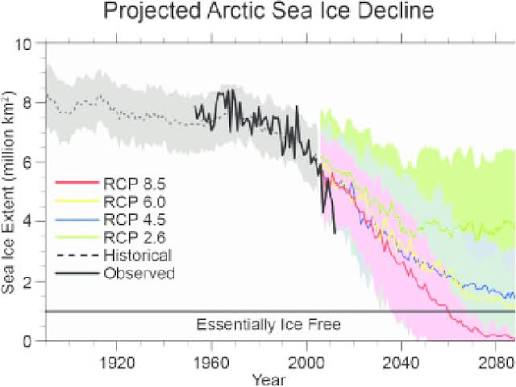
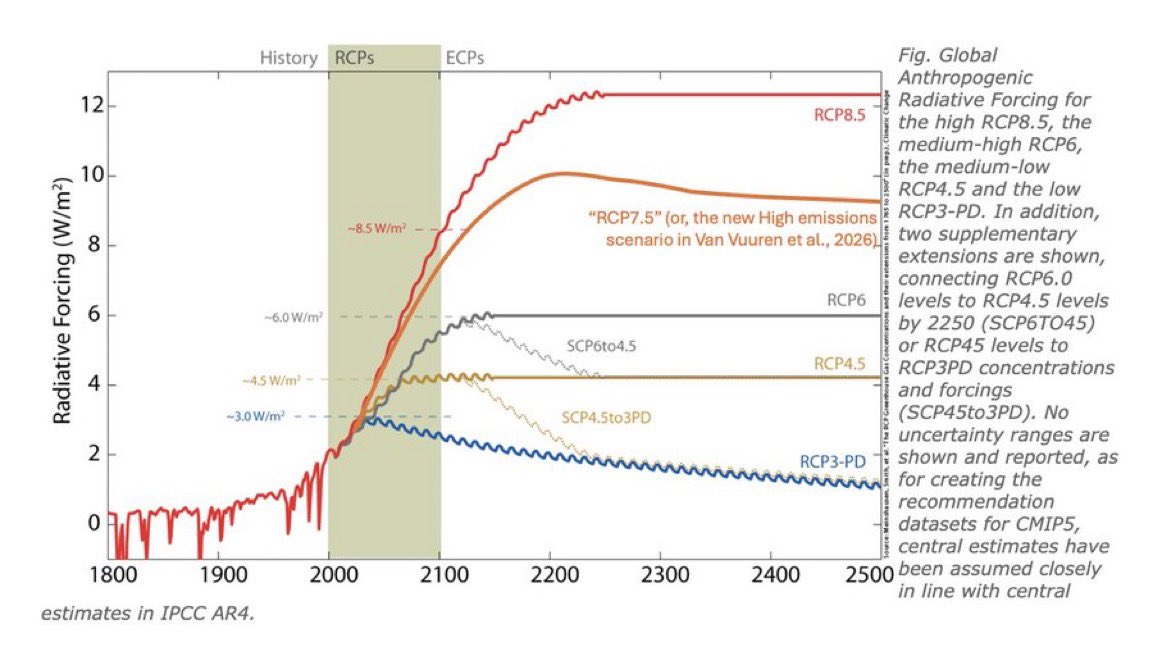
Basically when it comes down to it, they downgraded the highest emissions scenario from RCP8.5 to RCP7.5
That’s what everyone’s fighting about 🤷🏻♂️
20
25
123
10,304
ProfessionalInternetCommentator retweeted

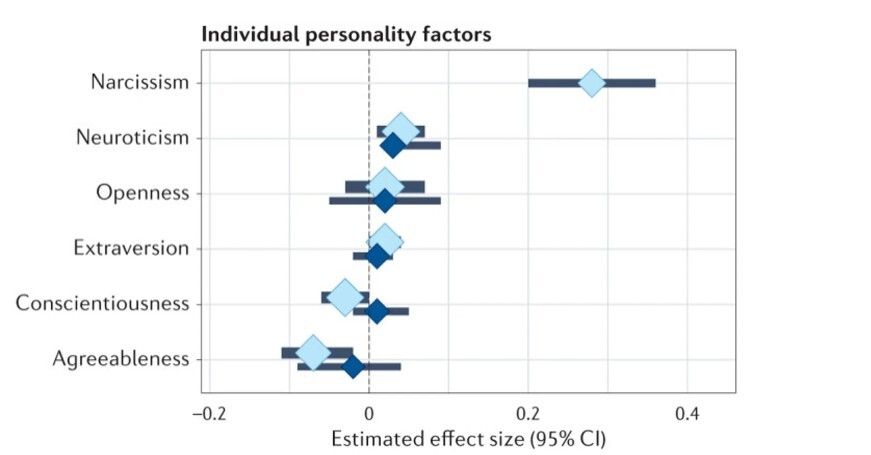
El predictor de personalidad más fuerte de creencia en teorías de la conspiración es el narcisismo
Tienen una fuerte necesidad de singularidad (yo sé la verdad que nadie sabe), de dominio [de la situación], son propensos a la paranoia y bastante crédulos
sciencedirect.com/science/ar…
10
117
399
31,495
ProfessionalInternetCommentator retweeted

False positives are vanishingly rare
You're way out of date
1
1
49
266
ProfessionalInternetCommentator retweeted

May 13
In 1985, Carl Sagan told Congress that continuing to burn fossil fuels will increase global temperature, cause climate change, melt glaciers and ice sheets, and cause sea level rise. Imagine if we had listened to him them.
No time to wait. #ActOnClimate
#climate
75
908
2,093
28,025