
Energy & Climate - science, technology, policy, economics & law. Innovation & optimism, not habit & fear. Adjunct Prof of Energy, @JHU
Joined April 2009
- Tweets 2,329
- Following 228
- Followers 1,284
- Likes 1,555
316 Photos and videos




Pinned Tweet

5 Dec 2018
#Energy rule #1 The energy system is complex & connected. Diverse sources, processes, & uses - issues of economics, science & tech., environment, culture & politics, security, access & equity & much more are all connected. Beware of simple, silver bullet, "just do this" answers.

1
12
35
11 Sep 2023
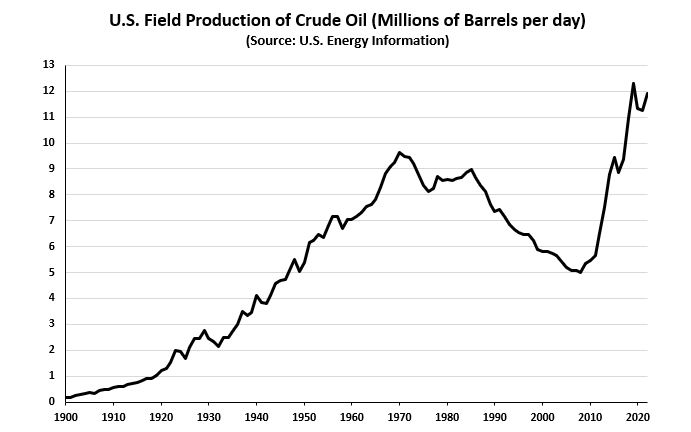
It is amazing how little most people know about the basics of oil in the United States. A few fundamentals for the interested. 1. Oil production in the U.S. is at record levels (still slightly below pre-pandemic levels)
7
1
5
452
11 Sep 2023
8. The transition away from oil is underway. In June 2023, the International Energy Agency announced that it expected the use of oil for transport fuels to decline after 2026 (because of EVs, biofuels, & efficiency) with peak oil demand in 2028-2030. iea.org/news/growth-in-globa…
91
11 Sep 2023
7. The U.S. continues to import "heavy" crude oil for refining because it has significant infrastructure (esp. "cokers") to "break" long-chain hydrocarbons. Thus, the U.S. imports heavy crude, refines it, and exports finished petroleum products.
68
11 Sep 2023
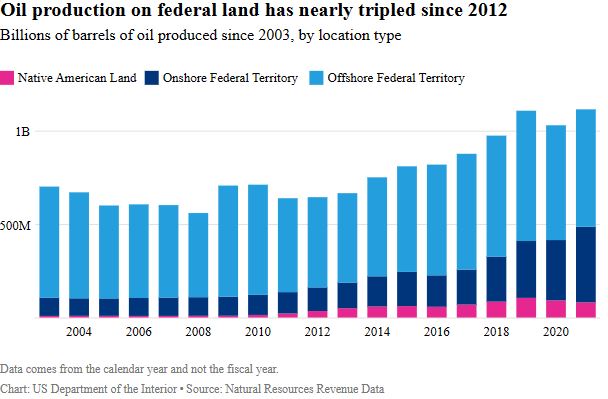
6. Only about one-quarter of U.S. oil production occurs on federal/public lands, most of it offshore. However, onshore oil production on federal lands has tripled in the last decade.
61
11 Sep 2023
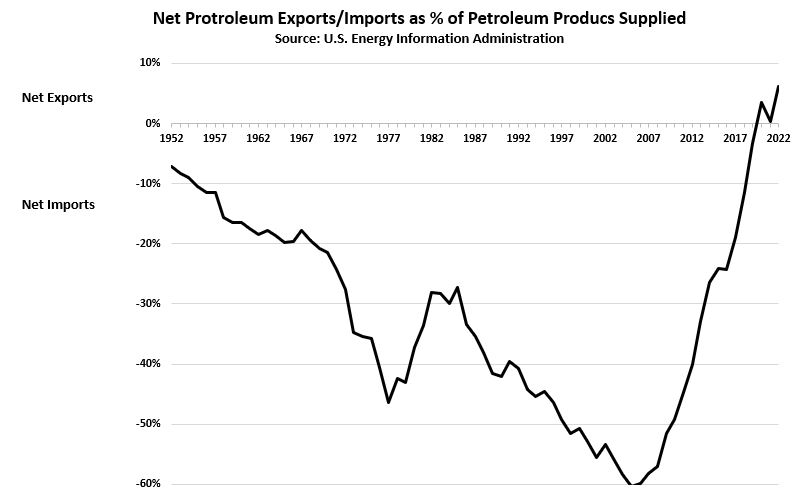
5. The U.S. is a net exporter of oil. In 2005 & 2006, the U.S. net importer (60% of the volume of petroleum products provided to consumers) while in 2022 it was a net exporter (6% of the volume of petroleum products provided to consumers).
1
72
11 Sep 2023
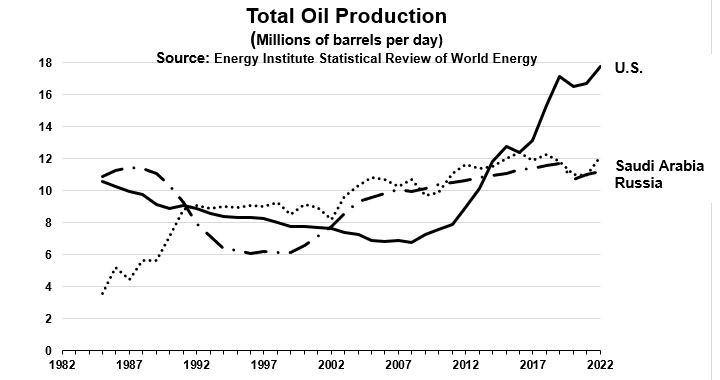
4. Note the difference in numbers between the first and second graphs. Reason? The U.S. gets a lot of oil from natural gas production. Natural gas comes out of the ground "wet" with "Natural Gas Liquids" which are separated and added to the flows of crude oil to refineries.
64
11 Sep 2023
3. The U.S. is the largest oil producer in the world, well ahead of Saudi Arabia and Russia. Again, note the increase after 2008 because of fracking.
1
68
11 Sep 2023
2. The reason for the sharp increase in production around 2008? Fracking. Fracking utilizes two technologies (hydraulic fracturing and horizontal drilling) which were decades in development. nesfircroft.com/resources/bl…
59
2 Jul 2022
Attention Montgomery County voters, the Democratic Central Committee may be “downballot” but please vote for Andrew. I may be biased, but if you know him, you know what a great person he is and how devoted to making our community a wonderful place to live for everyone.
2
13
Peter Saundry retweeted

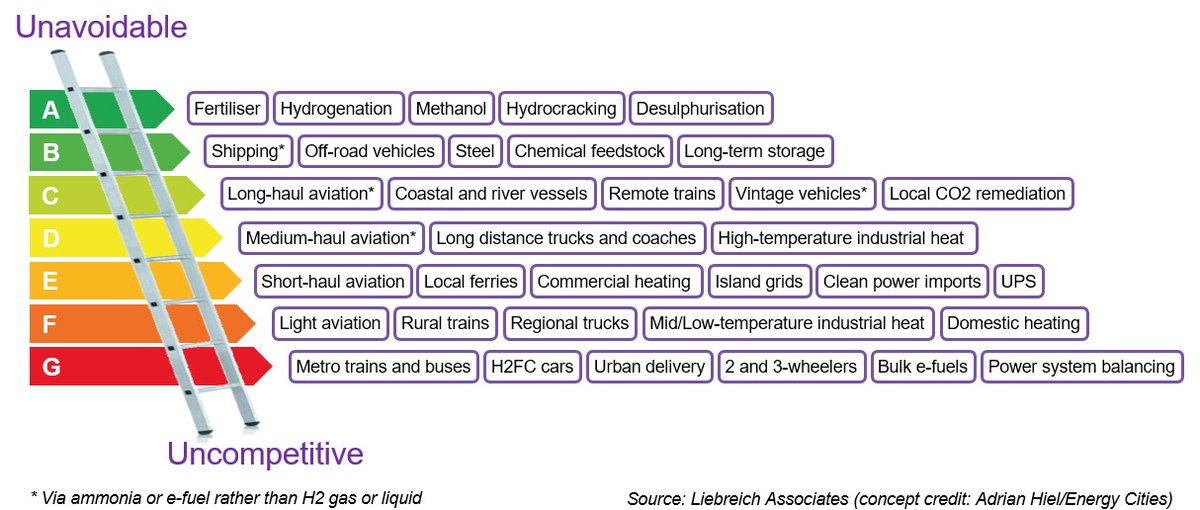
So, my lovelies, I just dropped Version 4 of the Clean Hydrogen Ladder! For anyone new to all this, the ladder is my attempt to put use cases for clean hydrogen into some sort of merit order, because not all use cases are equally likely to succeed. 1/10
61
395
1,196
Peter Saundry retweeted

28 Dec 2021
The Russian Supreme Court has banned Memorial, the organization dedicated to writing the true history of the Soviet union. It's an extremely bad omen. theatlantic.com/ideas/archiv…
130
1,060
2,786
Peter Saundry retweeted

30 Nov 2021
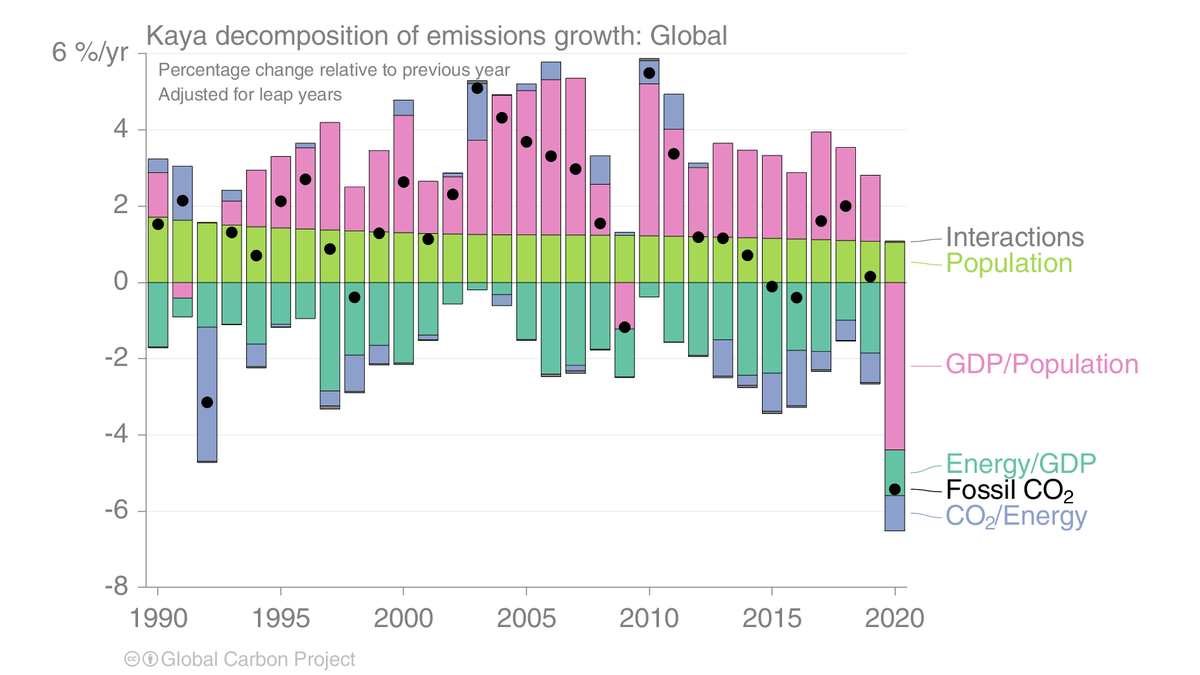
Annual growth in fossil CO₂ emissions (black dot) can be decomposed into:
↗ Population: constant growth
↗ GDP/Population: grows except in crises
↘ Energy/GDP: Efficiency & structural change
↘ CO₂/Energy: More renewables, 🤓Do we see an emerging signal in the last decade?
15
24
90
Peter Saundry retweeted

30 Nov 2021
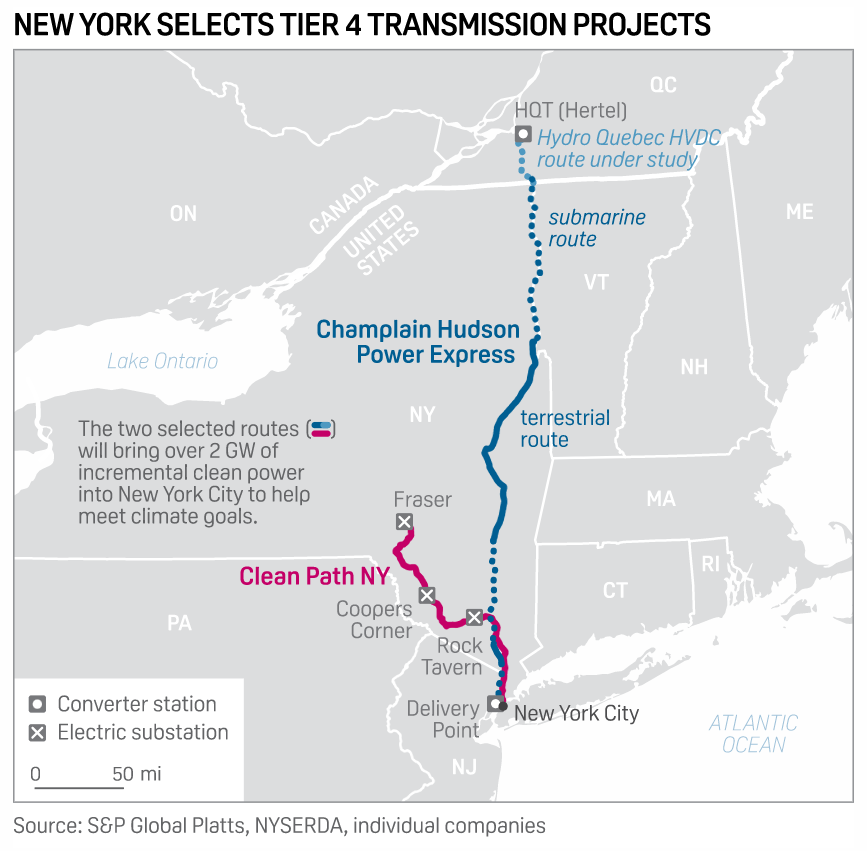
NY has one big advantage for new transmission: it doesn't need to get permission from another state to move power from Canada down to a major population center.

Contracts approved for transmission lines to bring #renewable #power into New York City | okt.to/bMDVa3
5
9
84
Peter Saundry retweeted

30 Nov 2021
An important @IEA report with some encouraging news comes out Wednesday 📢
Renewables 2021 explores the latest trends in renewable energy markets, with new forecasts for solar & wind capacity additions, biofuel production & more!
Watch the launch ⬇️
2
22
56
Peter Saundry retweeted

30 Nov 2021
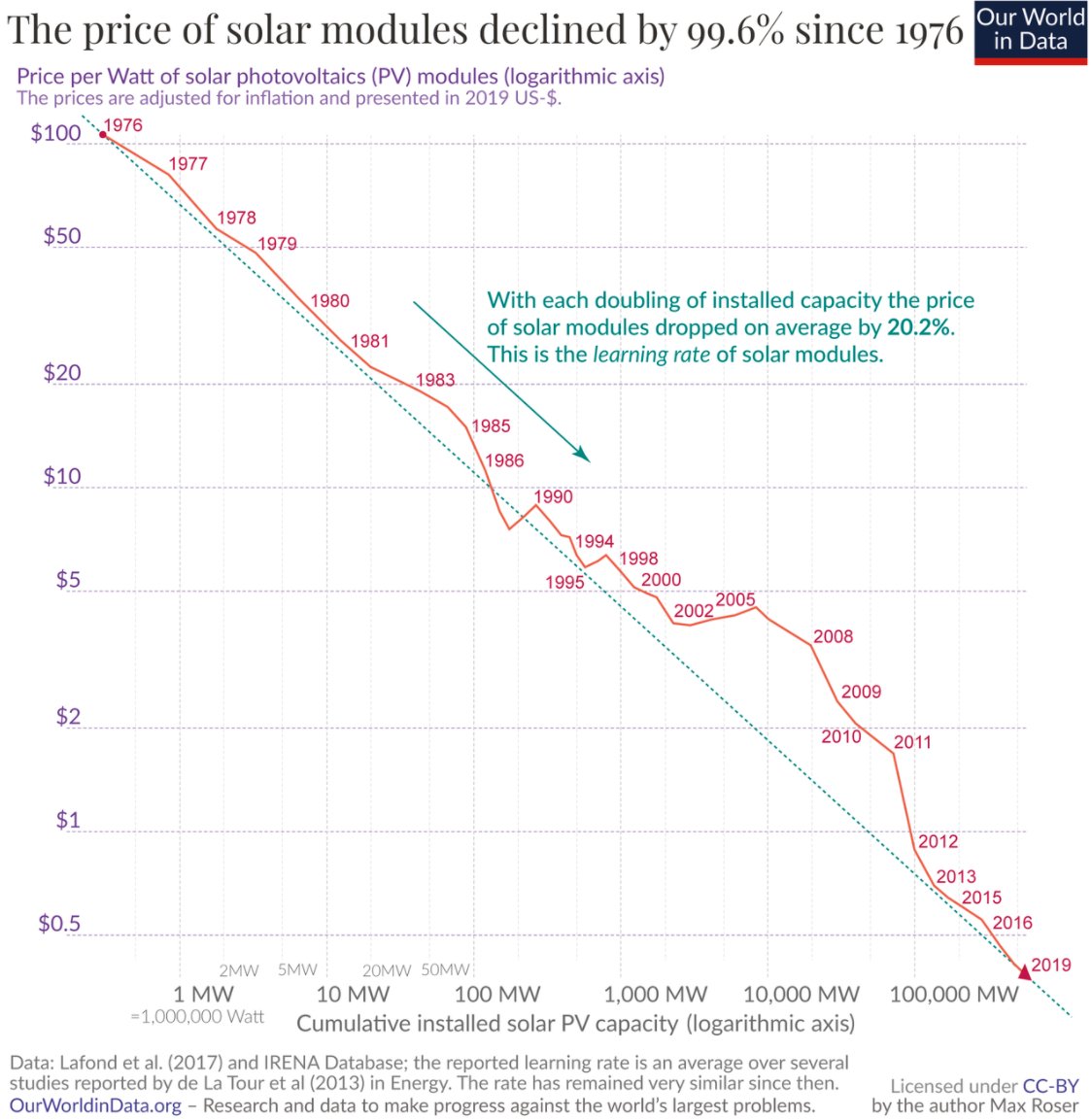
Since the late 1970s the price per watt from PV modules has fallen by 99.6%! @OurWorldInData
7
86
290
Peter Saundry retweeted

30 Nov 2021
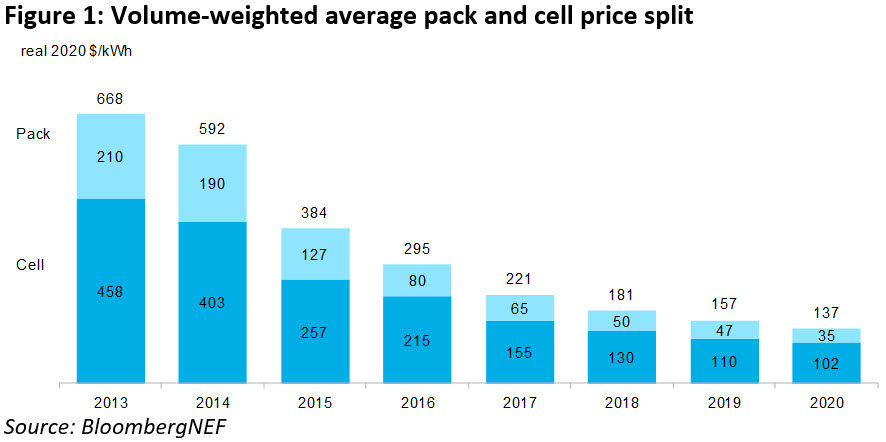
It’s here - @BloombergNEF 2021 lithium-ion battery price survey. Despite battery metals ⬆️, batteries themselves continue their downward trend to $132 per kilowatt-hour (from $1,220/kWh in 2010). Outstanding work from @JamesTFrith and team
11
183
509
Peter Saundry retweeted

30 Nov 2021
“Because when you stop and look around, this life is pretty amazing.” — Dr. Seuss
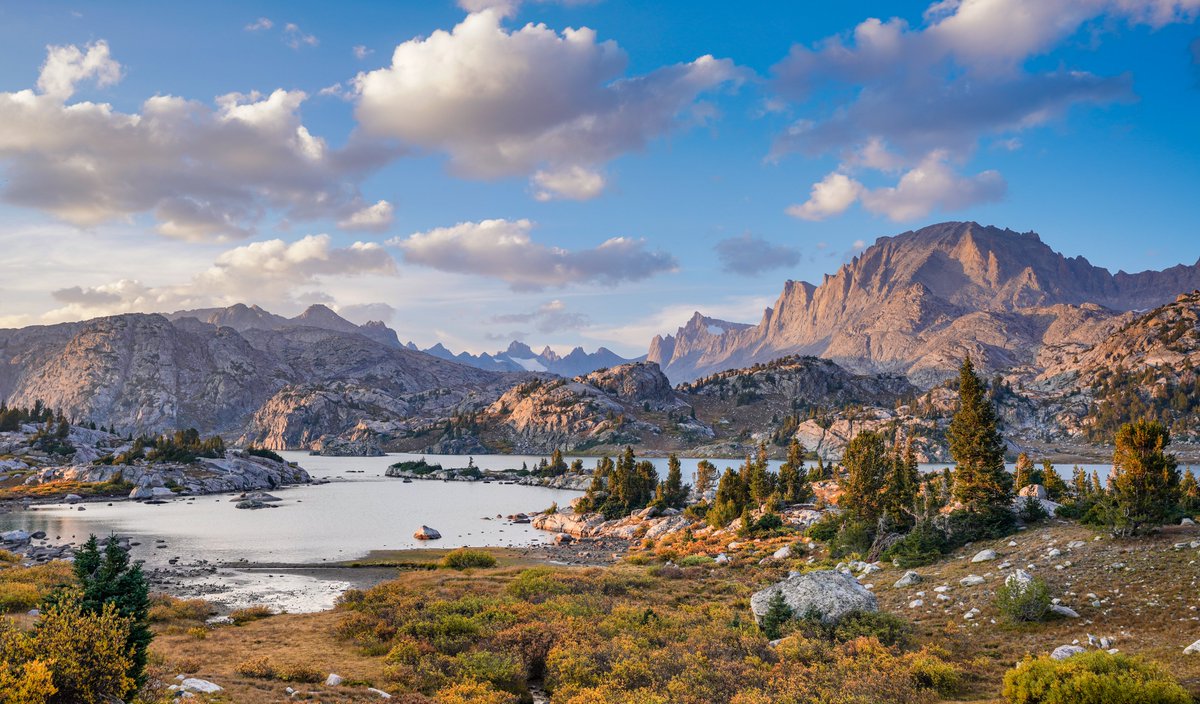
8
35
494
Peter Saundry retweeted

28 Nov 2021
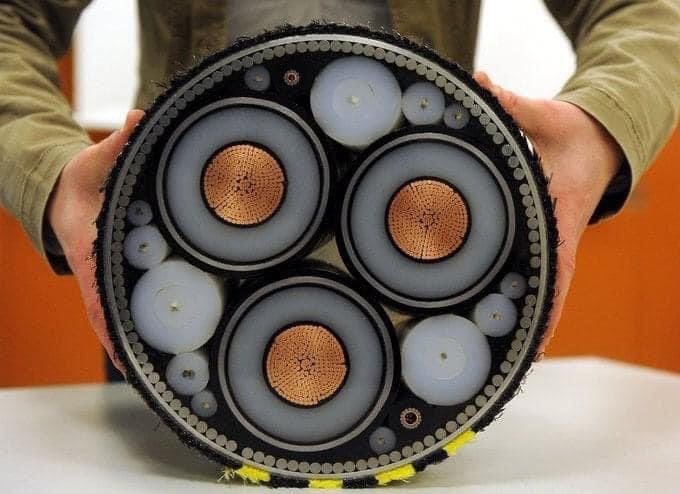
Submarine cable for an offshore wind turbine, 50kg/m of copper needed (Joey Keasberry)
131
511
3,325
Peter Saundry retweeted

29 Nov 2021
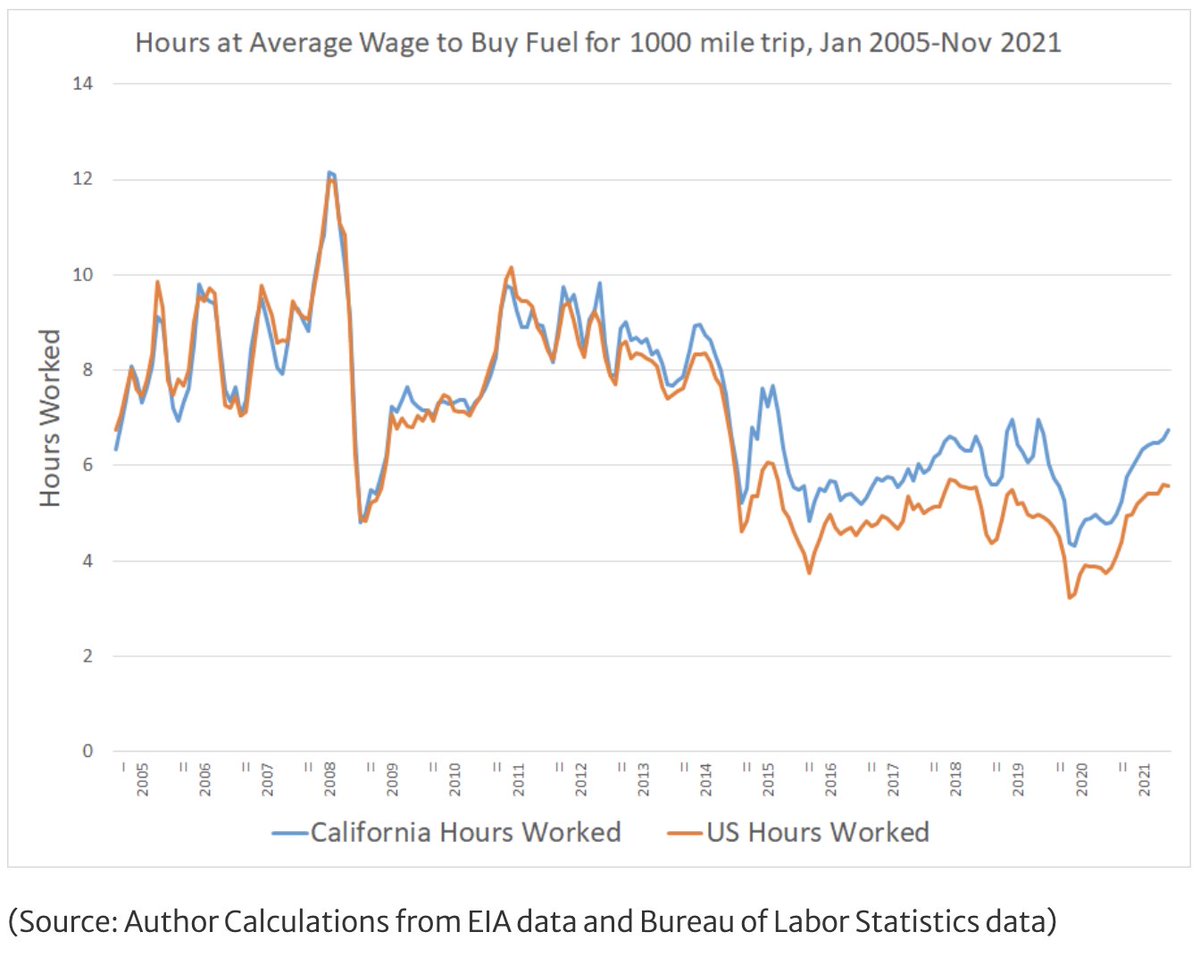
One way to look at current gasoline prices: After factoring in changes in inflation, incomes and fuel economy, the cost of operating a car is lower today than it's been for much of the last 15 years (though obviously higher than last year): energyathaas.wordpress.com/2… by @BorensteinS
1
21
36
Peter Saundry retweeted

22 Nov 2021
What are stars made of? Cecilia Payne gave the answer linkedin.com/posts/escapeyou…
1