
Building a football stadium; tech entrepreneur: founded, built & sold 2 SaaS companies, founder & ceo @copilotsearch; cofounder @ChicagoVentures
Joined July 2013
- Tweets 2,907
- Following 1,756
- Followers 2,260
- Likes 5,784
Photos and videos

Pat Ryan retweeted

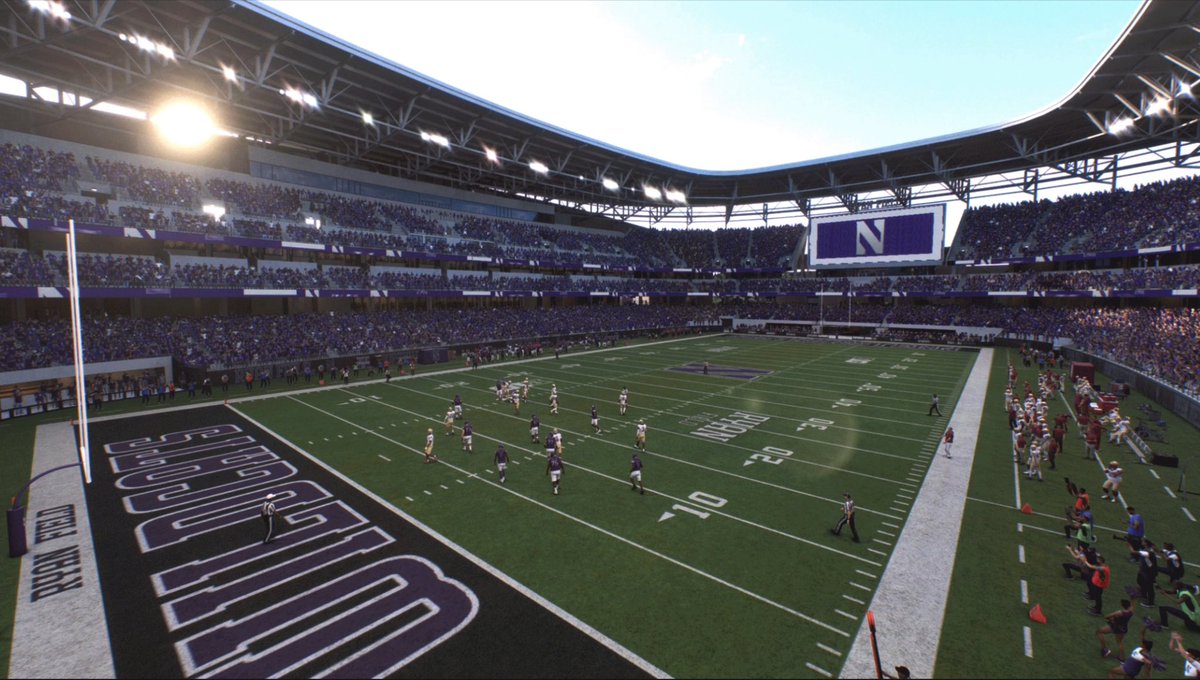
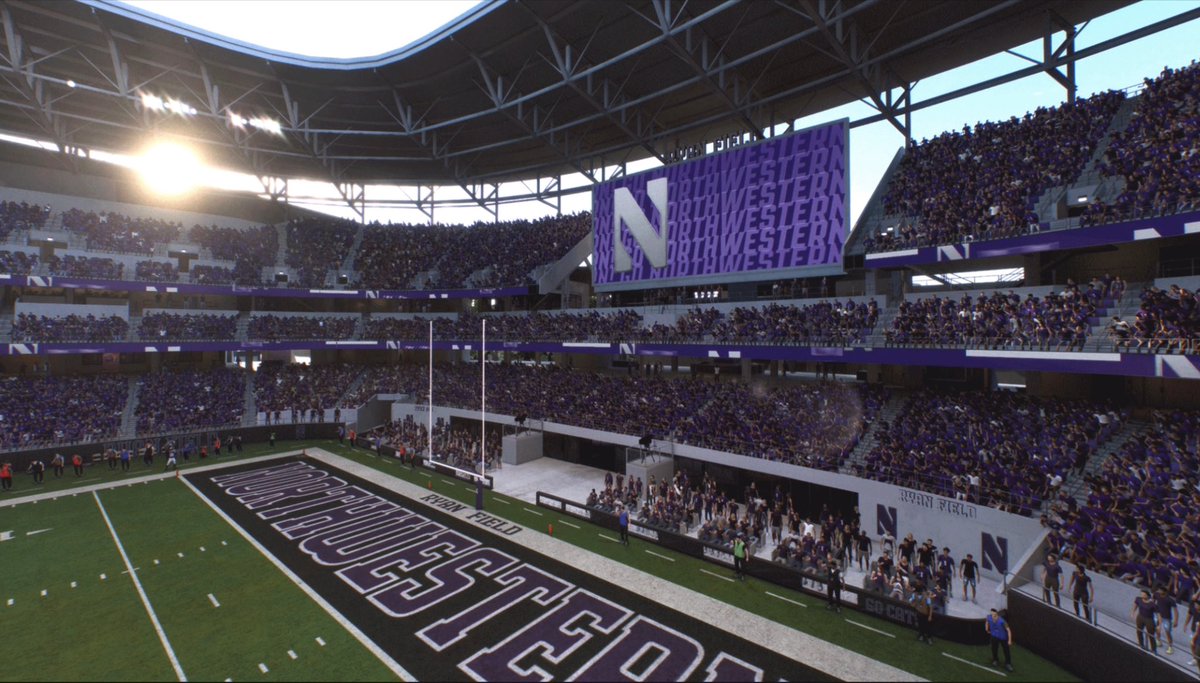
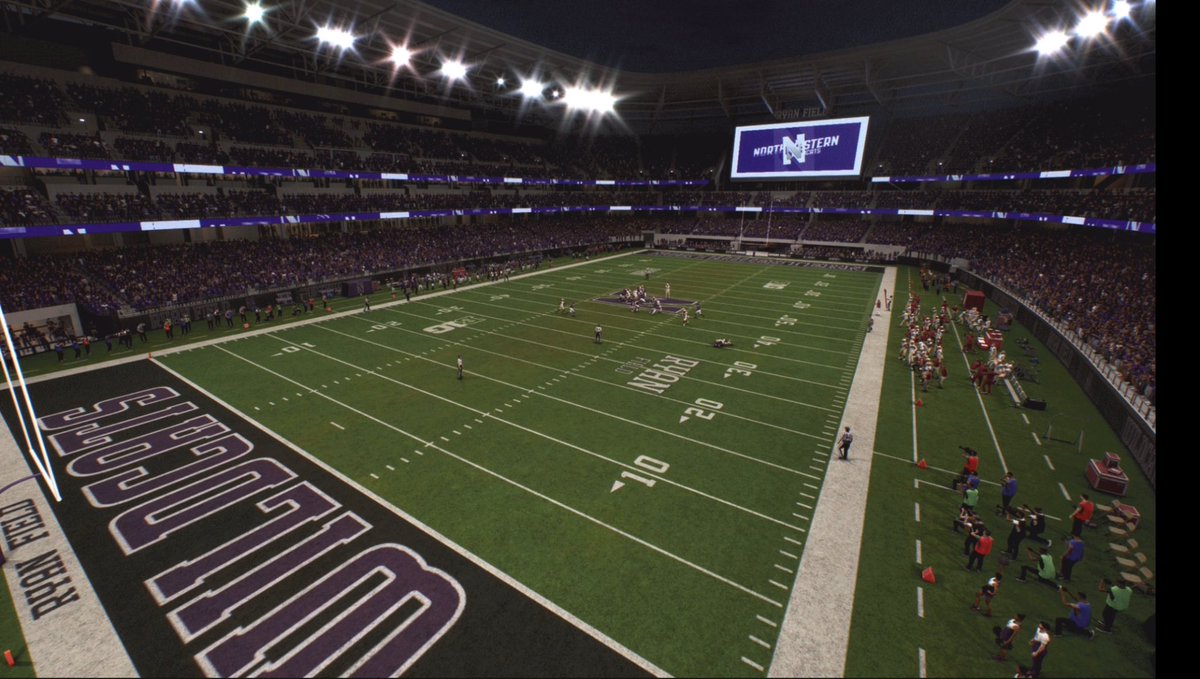
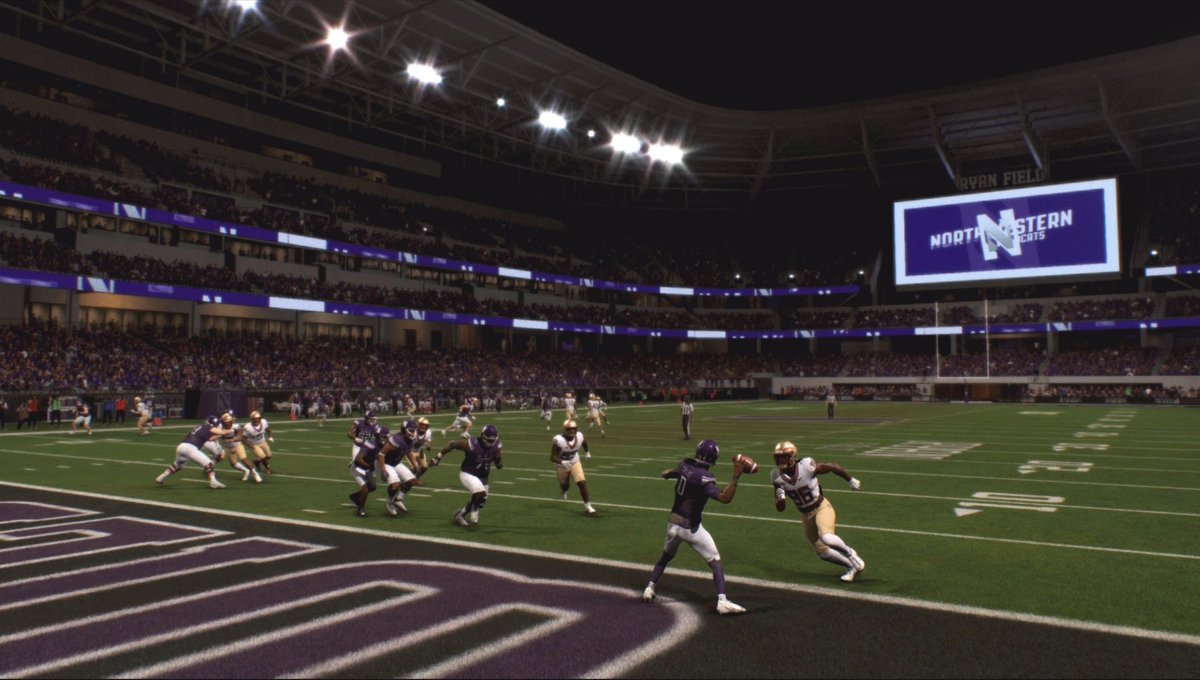
Northwestern announces $875 million Ryan Field in Evanston will host high school, community games chicagotribune.com/2026/05/2…
1
2
1,126
Pat Ryan retweeted

May 27
A Wildcat weekend for the books 🐾
President-elect Mung Chiang returned to campus to cheer on @NULax and tour the new Ryan Field. spr.ly/6011B8XWxW
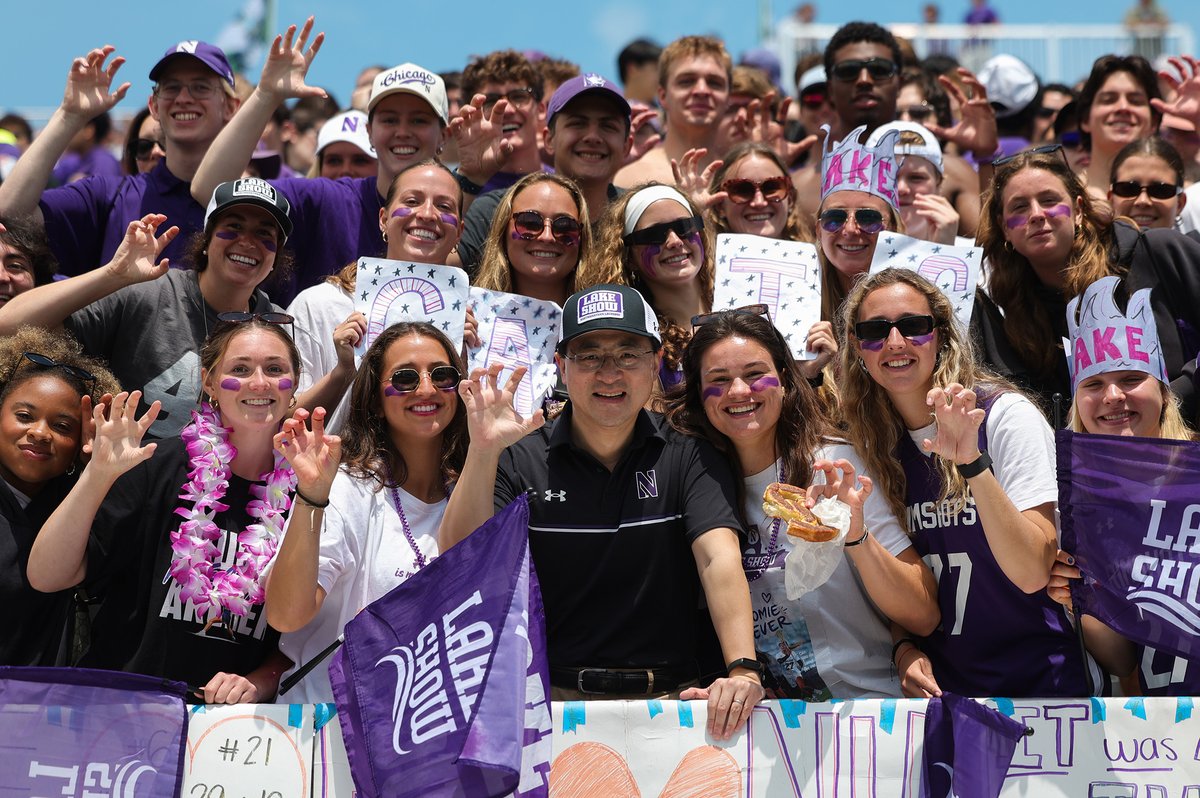
ALT President-elect Mung Chiang joins the Northwestern student section to cheer on the Wildcats during the Lacrosse NCAA Championship. The group poses with the Wildcat claw.
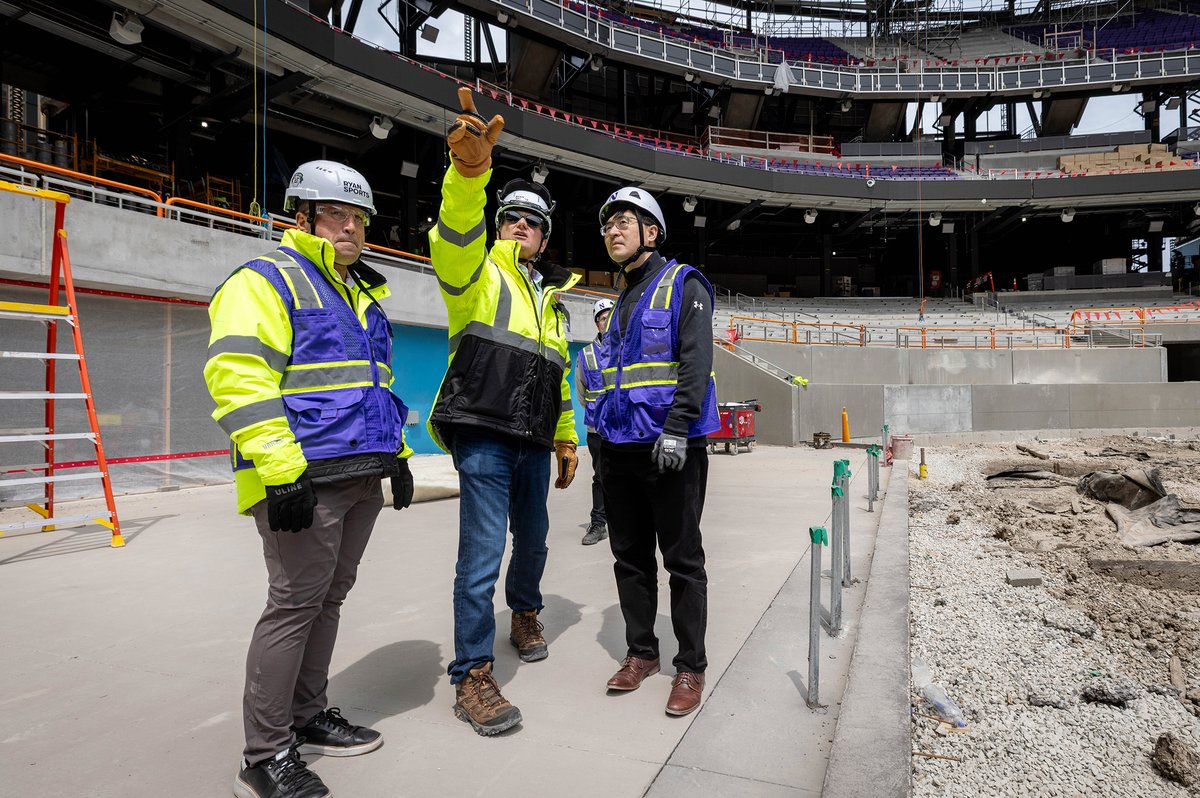
ALT President-elect Mung Chiang joins Pat Ryan Jr. and Mark Jackson on a tour of the new Ryan Field.
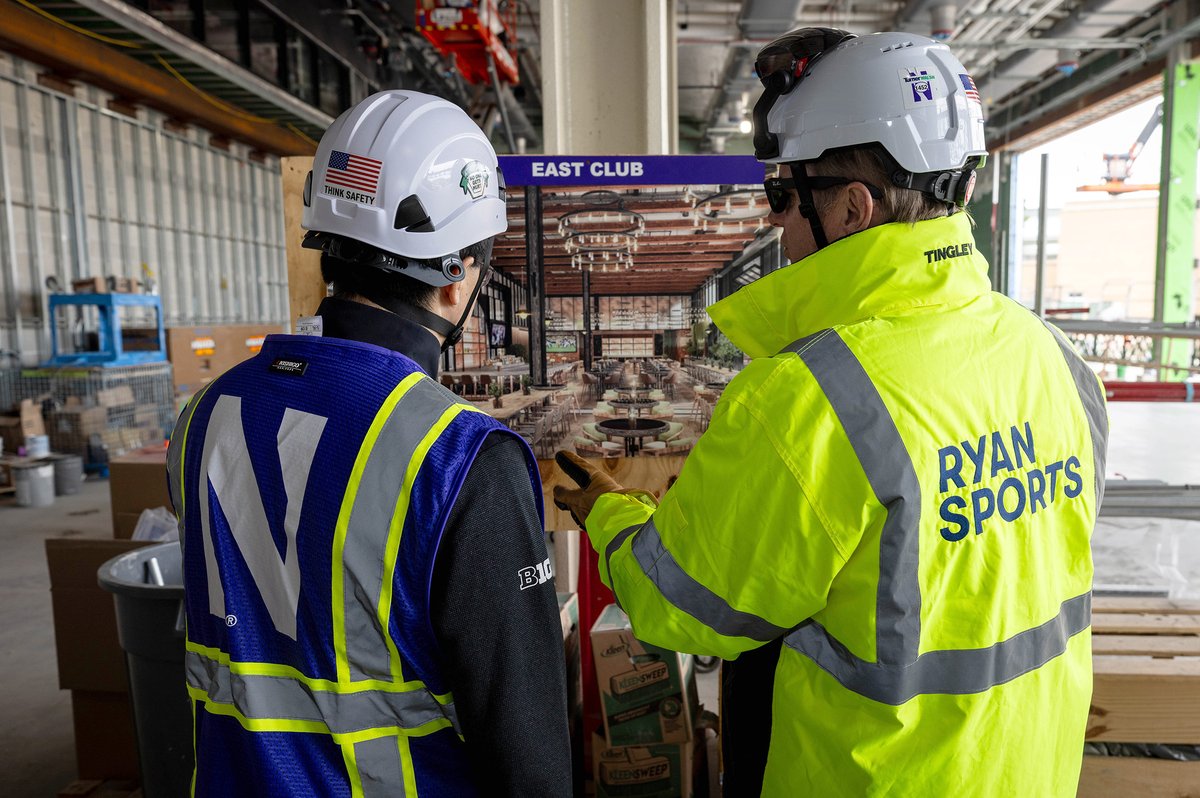
ALT President-elect Mung Chiang tours of the new Ryan Field.
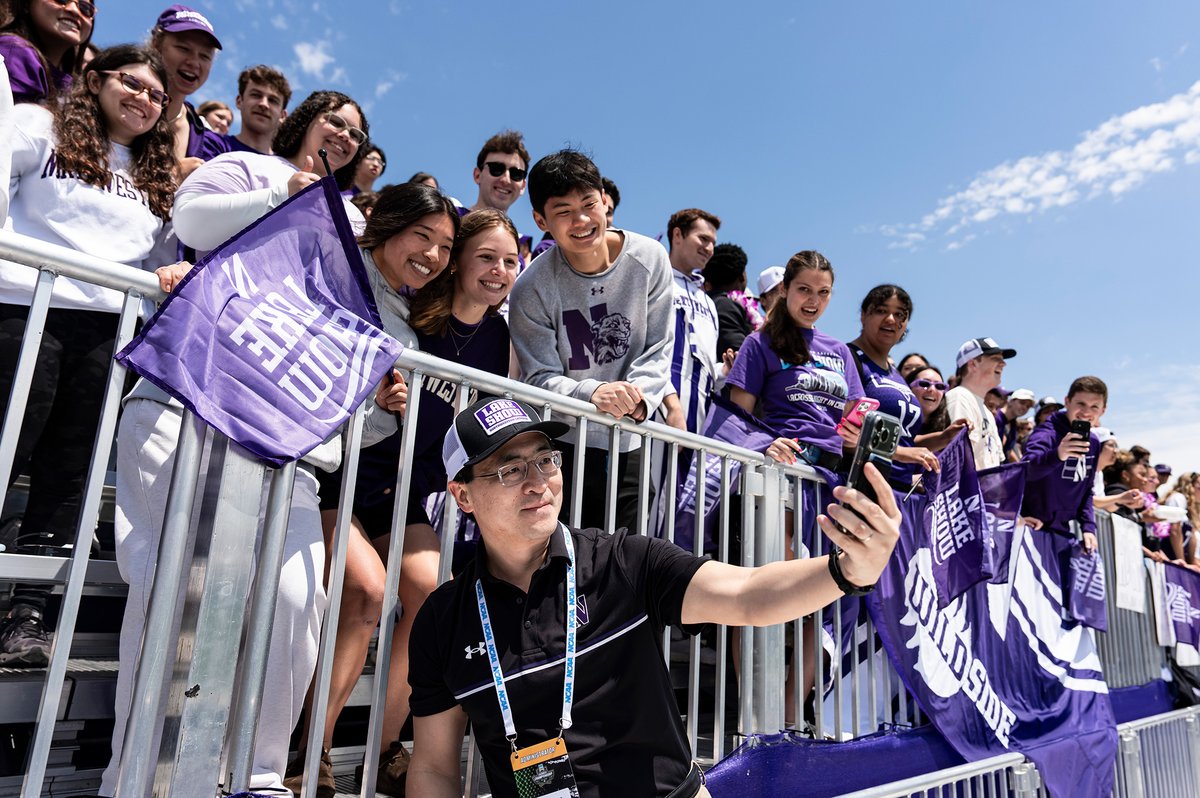
ALT President-elect Mung Chiang takes a selfie with the Northwestern student section at the Lacrosse NCAA Championship.
9
53
5,820

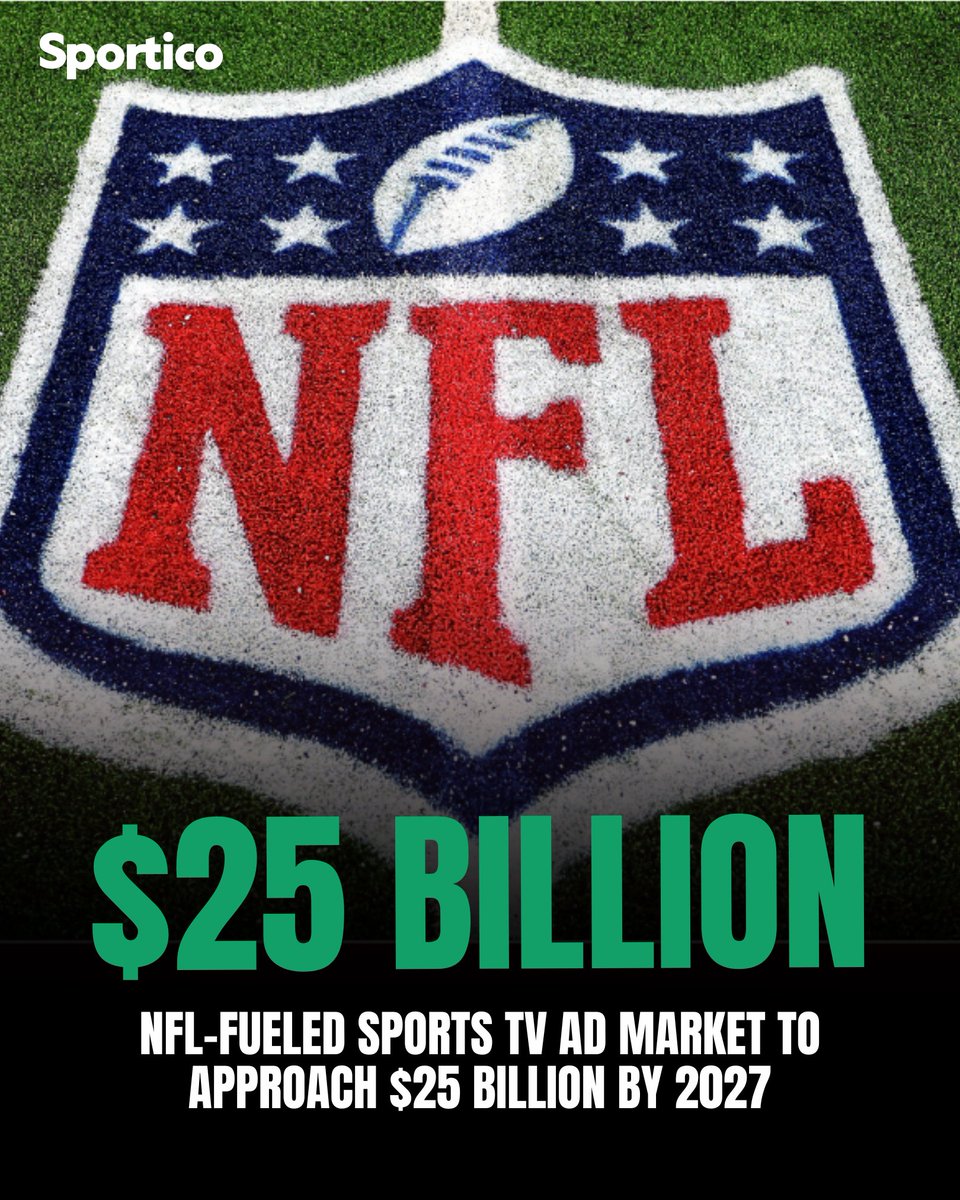
The NFL last year accounted for 47% of all sports TV advertising spend, with the NBA coming in a distant second at 10.8%.
According to a new report from eMarketer, sports’ share of converged ad spend—a catchall that includes investments across traditional and connected TV—will reach a smidge ( $30 million) over $20 billion in 2027, up 3% versus the $19.53 billion projected for this year. As such, sports will account for nearly a quarter (23%) of what’s expected to be an $87 billion U.S. TV market.
Full story: sportico.com/business/media/…
1
26
66
17,749
Pat Ryan retweeted

May 27
Evanston High School holds a 57-54-6 all-time lead over New Trier. The rivals will face off at Northwestern's brand-new Ryan Field in 2026. usatoday.com/story/sports/hi…
1
2
1,229
Pat Ryan retweeted

ETHS and New Trier High School will face off at the new Ryan Field on Oct. 16, CEO of Ryan Sports Development Pat Ryan Jr. announced Tuesday. The rivalry is one of many community events that will take place at the new stadium.
—
Reported by @YoniZacks dailynorthwestern.com/2026/0…
1
4
14
1,079
Pat Ryan retweeted

May 25
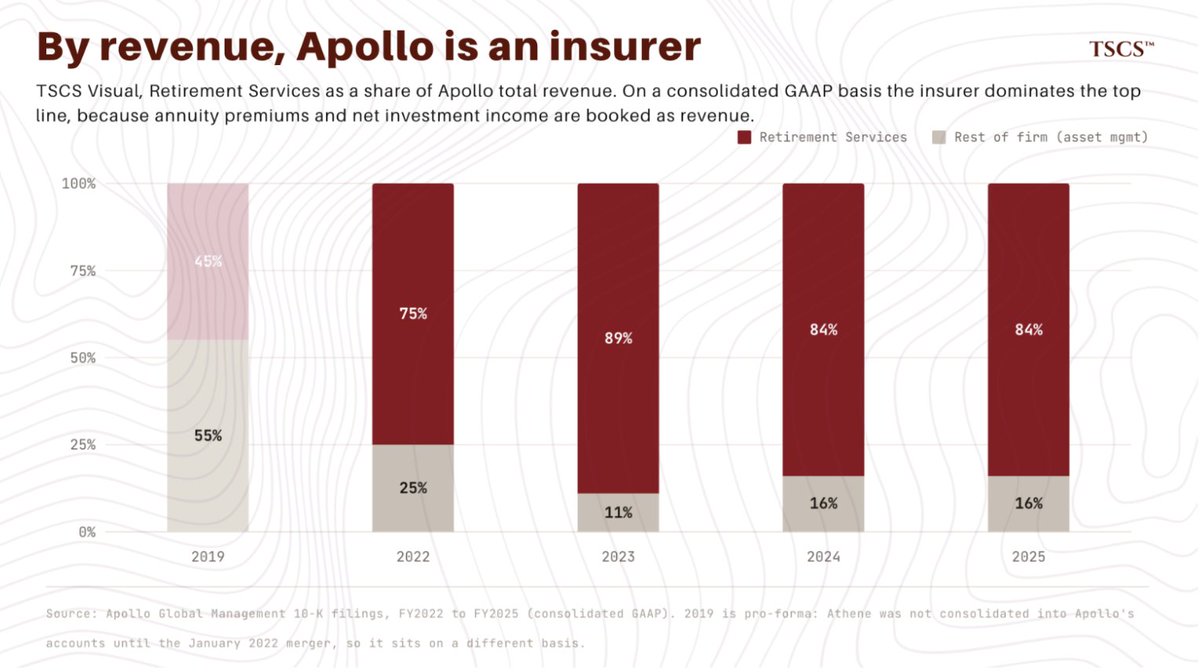
Everyone calls Apollo a private equity firm.
In 2025, 84% of its revenue ($27B of $32B) was insurance. Annuities sold to retirees.
The most conservative corner of finance got quietly rebuilt, in plain sight in public filings. Thread🧵👇
5
20
113
83,366
Pat Ryan retweeted

May 25
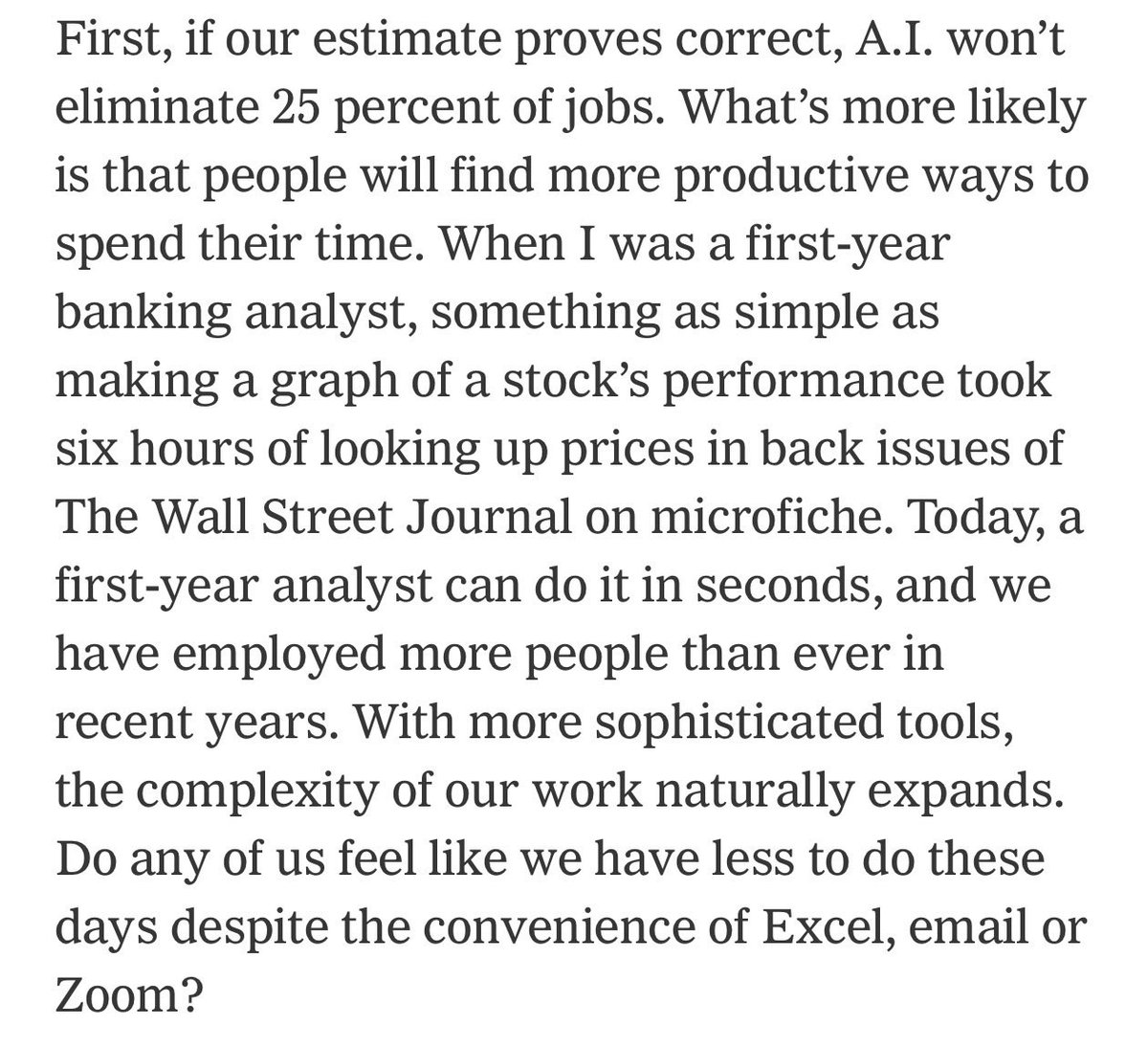
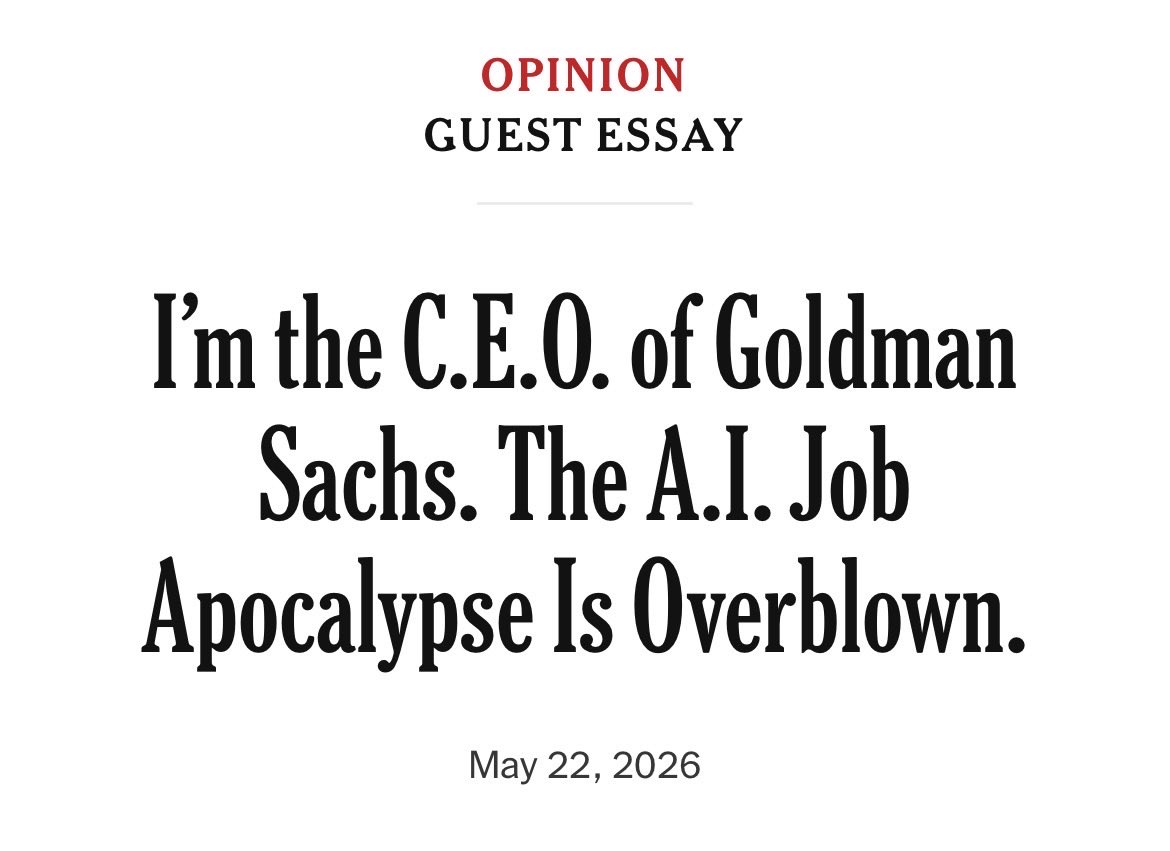
The CEO of Goldman Sachs is taking the other side on the pessimistic takes on AI and jobs.
If you looked at what work looked like a few decades ago and saw how much faster everything is or easier it is to produce the same thing as before - even before AI - you’d certainly have been convinced there’d be no jobs left.
What happens is we constantly just demand more from everything. Instead of automating a task and delivering the same value proposition, but cheaper, we just expect more from the overall product or service. Because some players in the market decides to do more with the automation, and it raises everyone’s expectations. So those that don’t respond can’t compete.
We get more financial analysis from analysts. We get much more comprehensive legal advice. We get more tailored financial services offerings. We get better software in niches we never thought we could automate. Our healthcare providers offer more tests and deeper medical advice. This just goes on and on.
When you move from believing the world is static and you’ll have a better view of how jobs evolve due to AI.

80
82
668
112,631
Pat Ryan retweeted

May 25
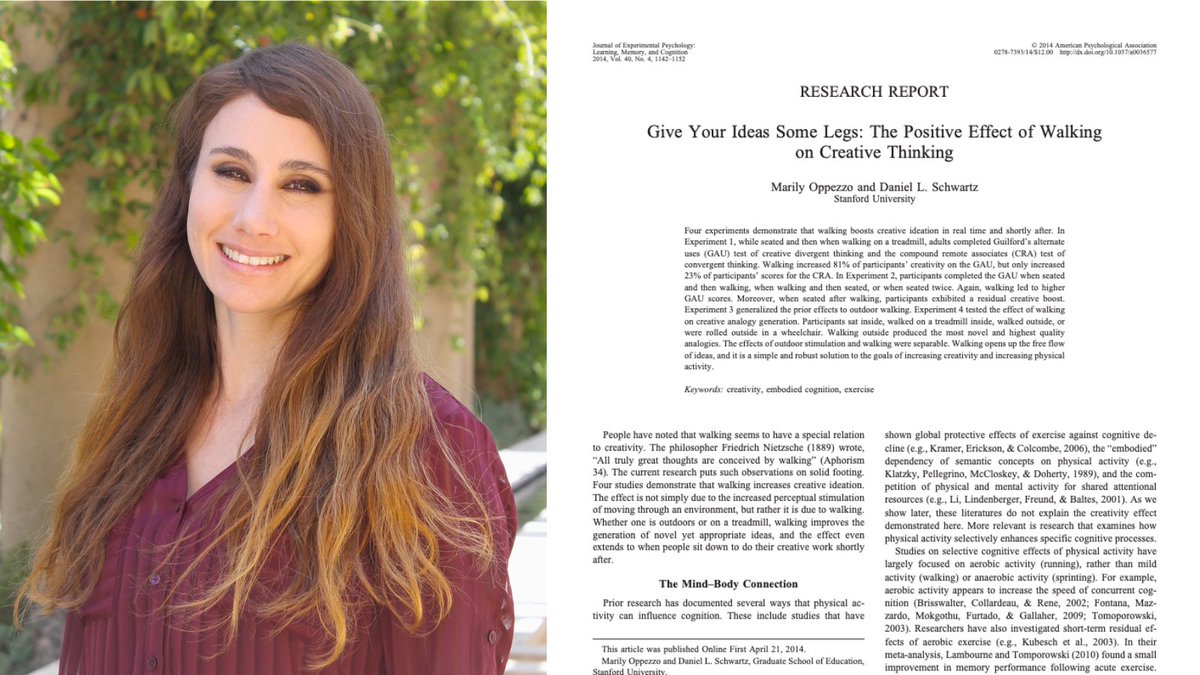
A Stanford psychologist spent 4 years proving that the simple act of walking generates 60% more creative ideas than sitting, and the experiment she designed to kill every alternative explanation is one of the most decisive findings in modern psychology.
Her name is Marily Oppezzo.
She got the idea for the study while walking with her advisor at Stanford to discuss her thesis topic, and the paper she eventually published in the Journal of Experimental Psychology in 2014 is sharp enough that it should have ended the seated meeting on the day it came out.
She ran 4 experiments on 176 people. Same person tested twice. Once sitting, once walking. The creativity tasks were the standard ones psychologists have used for decades to measure how good a brain is at generating novel useful ideas.
The result was almost too clean to publish.
81% of participants in the first experiment produced more creative ideas while walking than while sitting. In the second experiment, 88%. In the third, 100%. Every single person walked into a more creative version of themselves.
On average, people generated 60% more novel useful ideas the moment their legs started moving.
The skeptical question is the obvious one. Maybe it was the fresh air. Maybe it was the scenery passing by. Maybe it was the change of environment doing the work, not the walking itself.
Oppezzo killed every one of those explanations with one experimental decision.
She put people on a treadmill facing a blank wall. No scenery. No fresh air. No environmental change. Just legs moving in place while staring at white drywall. The 60% boost held.
Then she ran the experiment that closed the case completely. She took participants outside in two conditions. Half of them walked through a Stanford courtyard. The other half were pushed through the exact same courtyard in a wheelchair. Same outdoor stimulation. Same scenery passing at the same speed. The only difference was whether the legs were moving.
The walkers produced dramatically more novel high-quality ideas than the wheelchair group. The outdoors did almost nothing on its own. The walking did everything.
This is the part of the study that hit hardest when I read it the first time.
She also tested the opposite kind of thinking. Convergent thinking. The kind where there is one right answer and you have to narrow down to it.
Word puzzles where 3 words share a hidden fourth word that connects them. The seated participants did slightly better on these. Walkers got slightly worse.
Walking is not a general intelligence enhancer. It does one specific thing. It opens up the divergent search inside your brain. The part that generates options. The part that produces unexpected connections. The part that takes a problem and finds five ways into it instead of one.
When you need to converge on the single right answer, sit down. When you need to find the answer in the first place, get up.
The mechanism is now well understood. Walking selectively activates what neuroscientists call the default mode network, the system inside your brain that runs when you are not consciously focused on anything. The DMN is where mind-wandering happens. Where memories cross-reference each other. Where ideas that have been sitting in separate folders inside your head finally bump into each other.
When you sit at a desk and force yourself to concentrate, you suppress the DMN. When you walk at a natural pace, the executive part of your brain gets just busy enough handling the walking that the DMN comes online and starts doing the work that focus was blocking.
The most useful finding in the entire paper is the one almost nobody quotes.
The boost did not turn off the moment people stopped walking. Participants who walked first and then sat back down stayed elevated. Their next round of seated creativity work was still significantly better than people who had been sitting the whole time. The rest lingered for at least several minutes after the legs stopped moving.
You do not need to do creative work while walking. You need to walk before the creative work. The brain holds the state.
The history of this is the part that should haunt anyone who still does meetings in chairs.
Charles Darwin built a gravel loop behind his house in Kent called the Sandwalk and walked it 3 times a day for the rest of his life. The theory of evolution was developed one lap at a time on that path.
Nietzsche walked up to 10 hours a day during the years he wrote his most important books and openly said the work was conceived on his feet.
Beethoven composed for the morning and walked for 5 hours every afternoon with a pencil in his pocket for when something landed.
Kahneman said the best thinking of his Nobel Prize-winning career happened on leisurely walks with Amos Tversky. Steve Jobs refused to take important conversations sitting down. He held them on foot.
Every one of them was using the system Oppezzo would not measure until 2014. They just did not know what to call it.
The question worth sitting with is the one almost nobody asks.
Every meeting you have ever attended sitting around a table was a meeting held at a fraction of the brain power that was actually available to the people in the room. Every brainstorm that got stuck inside a conference room. Every problem you tried to solve at a desk and gave up on. Every idea you could not quite get to.
The intervention is the easiest one in modern science. No supplement. No app. No subscription. No training program. Just a pair of legs and 15 minutes.
The Stanford lab proved it. The philosophers knew it. The neuroscience explains it.
And almost everyone reading this is still trying to think their way out of problems sitting completely still.
282
3,040
11,847
1,588,795
Pat Ryan retweeted
May 23
This is a fantastic post about why jobs aren’t going away in the way some predict. We are constantly making the mistake of confusing task completion with AI with being able to eliminate the whole job.
Even as we can automate one or many tasks within a job, the definition of the job almost inevitably just expands to do vastly more of those tasks, do them at a higher quality, or move on to the type of task that hasn’t been automated yet.
And as a result of being able to do more of the tasks or at a higher quality level, the job becomes valuable in a new way. And in many cases for now an entirely new audience as well.
This will be true for coding, legal work, sales, or marketing. The small business or non-tech company that wants to now take on larger software projects finally can, and they’ll hire to do so. The small business that couldn’t afford a full marketing agency can hire or contract out to a marketer that can do as much as an agency did before now with agents. And so on.
Don’t fall into the trap of confusing tasks with jobs.
May 21

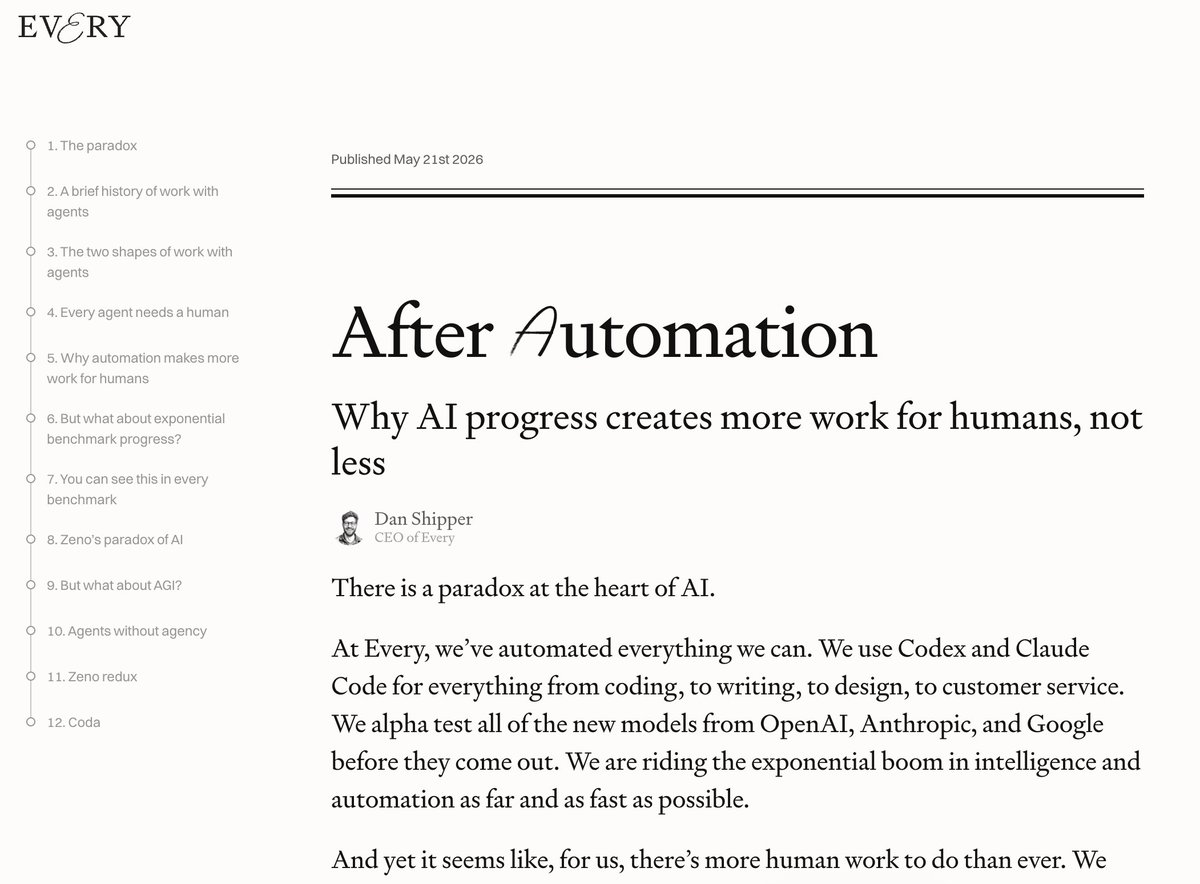
We’ve automated every single thing we can @every with AI agents.
And yet there’s way more human work to do than ever. We’ve gone from 4 -> 30 human employees since GPT-3.
I wrote a report on the structural reasons: how AI makes expert competence cheap, why that drives up demand for experts, and why the dynamic only intensifies as we approach AGI.
After Automation: every.to/p/after-automation
84
102
765
160,358
Pat Ryan retweeted

@RyanFieldABC Borussia Dortmund has the Yellow Wall.
Liverpool has The Kop.
Tottenham has the South Stand.
Aston Villa has the Holte End.
The Clippers have one at the Intuit Dome.
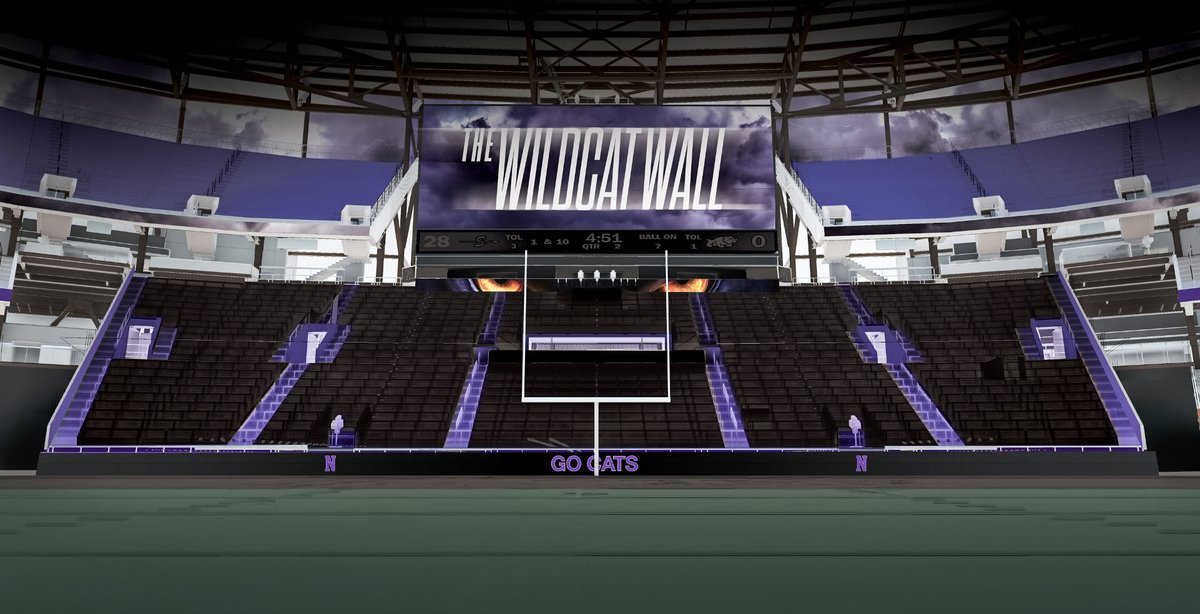
Now Northwestern will have one of their own when their new home — New Ryan Field — opens in October.
May 14

Northwestern is creating a 2,000-student "Wildcat Wall" behind the end zone of its $862M stadium, modeled after European soccer supports sections.
"No one's ever imported a supporter section from European football to create a student section."
2
1
557
Pat Ryan retweeted

May 14
Northwestern built something college football hasn't tried — and aims to intimidate - USA TODAY😎 apple.news/ALS_etmPnRHafjFuN…
1
1
65
Pat Ryan retweeted

May 15
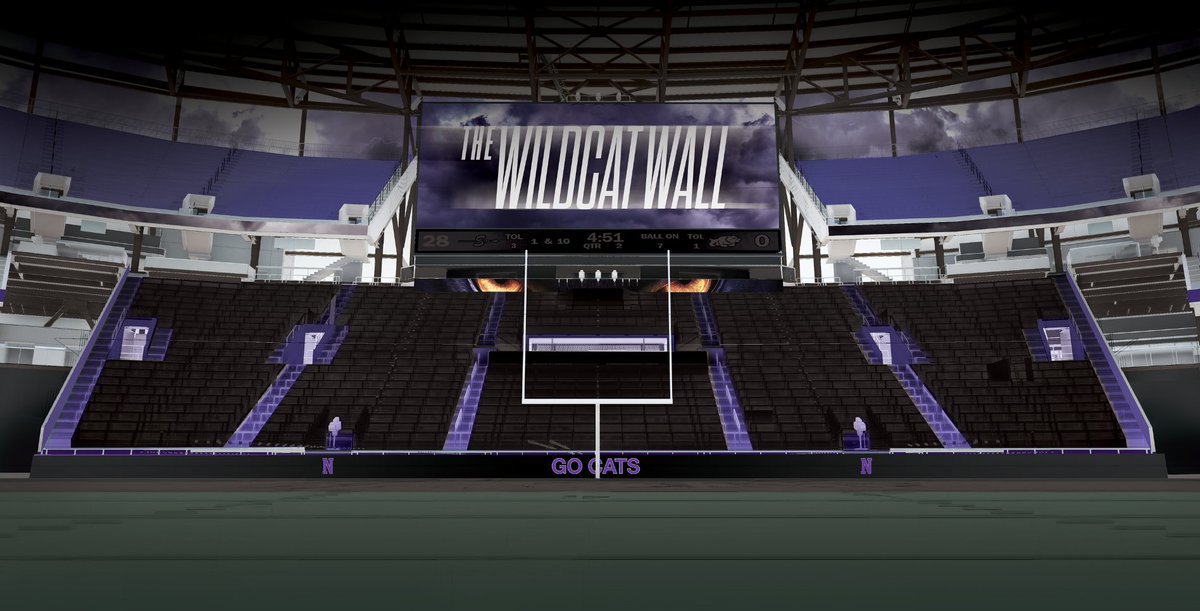
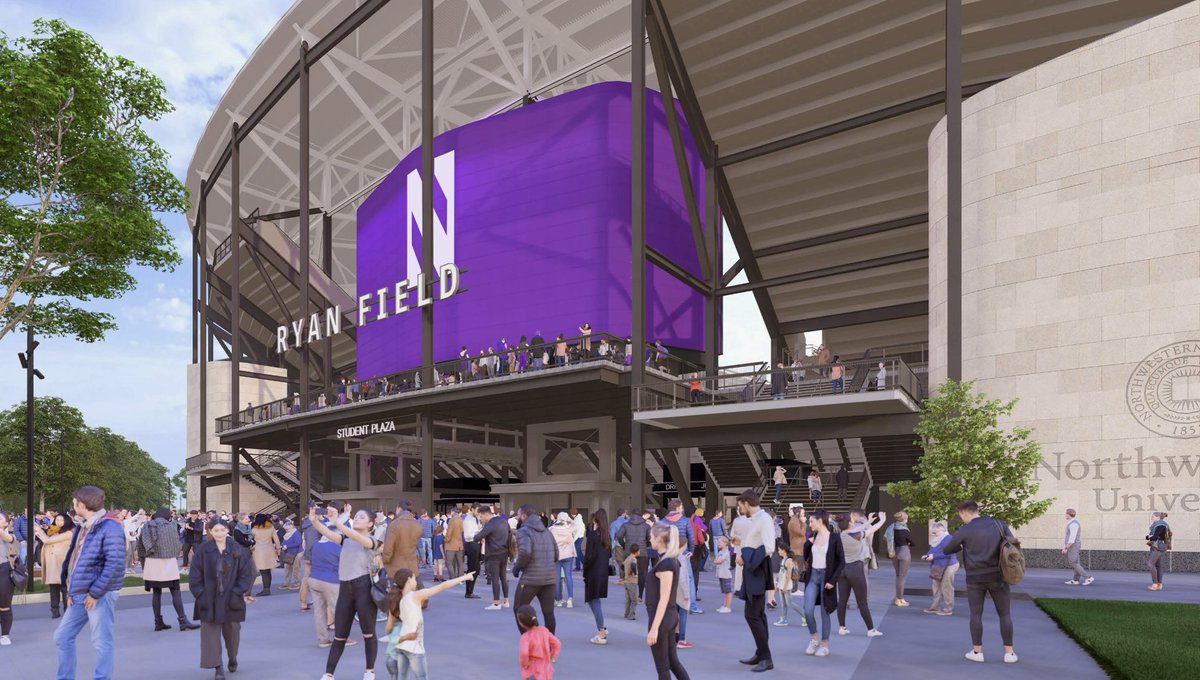
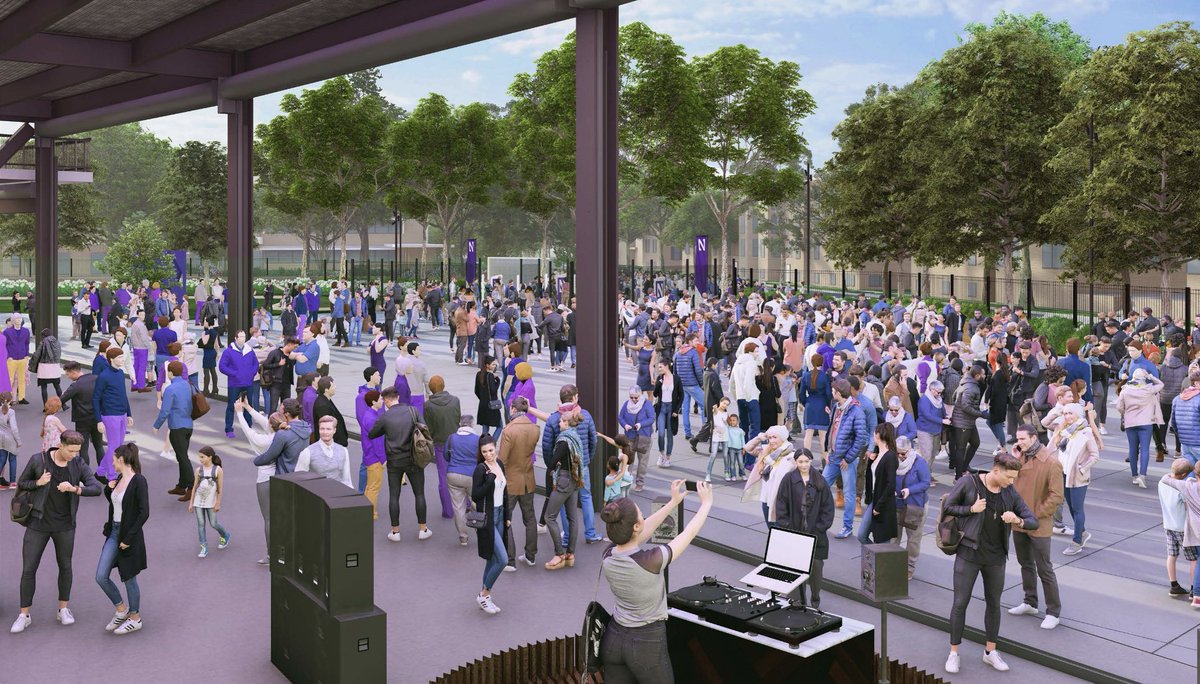
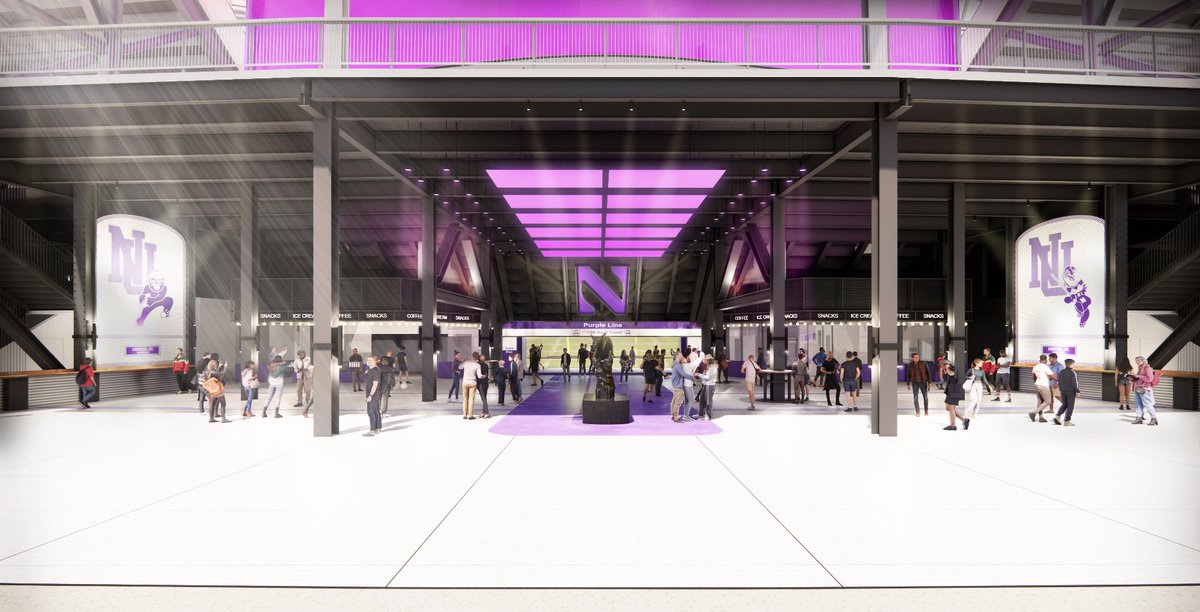
One Wildcat Wall.
One student hype tunnel.
One completely reimagined game day experience.
Introducing the Student Spaces at the #NewRyanField, designed to create one of the most electric and student-centered environments in all of college football.
1
5
21
1,471
Pat Ryan retweeted
May 14
Northwestern football's new stadium, Ryan Field, continues to evolve how college football stadiums are built. usatoday.com/story/sports/nc…
1
7
20
3,018
Pat Ryan retweeted

May 14
Northwestern is creating a 2,000-student "Wildcat Wall" behind the end zone of its $862M stadium, modeled after European soccer supports sections.
"No one's ever imported a supporter section from European football to create a student section."
29
58
680
177,668
Pat Ryan retweeted

The boys put on their hard hats to check out the progress on Northwestern’s incredible new stadium @NewRyanField
4
10
226
37,259
Pat Ryan retweeted

May 6
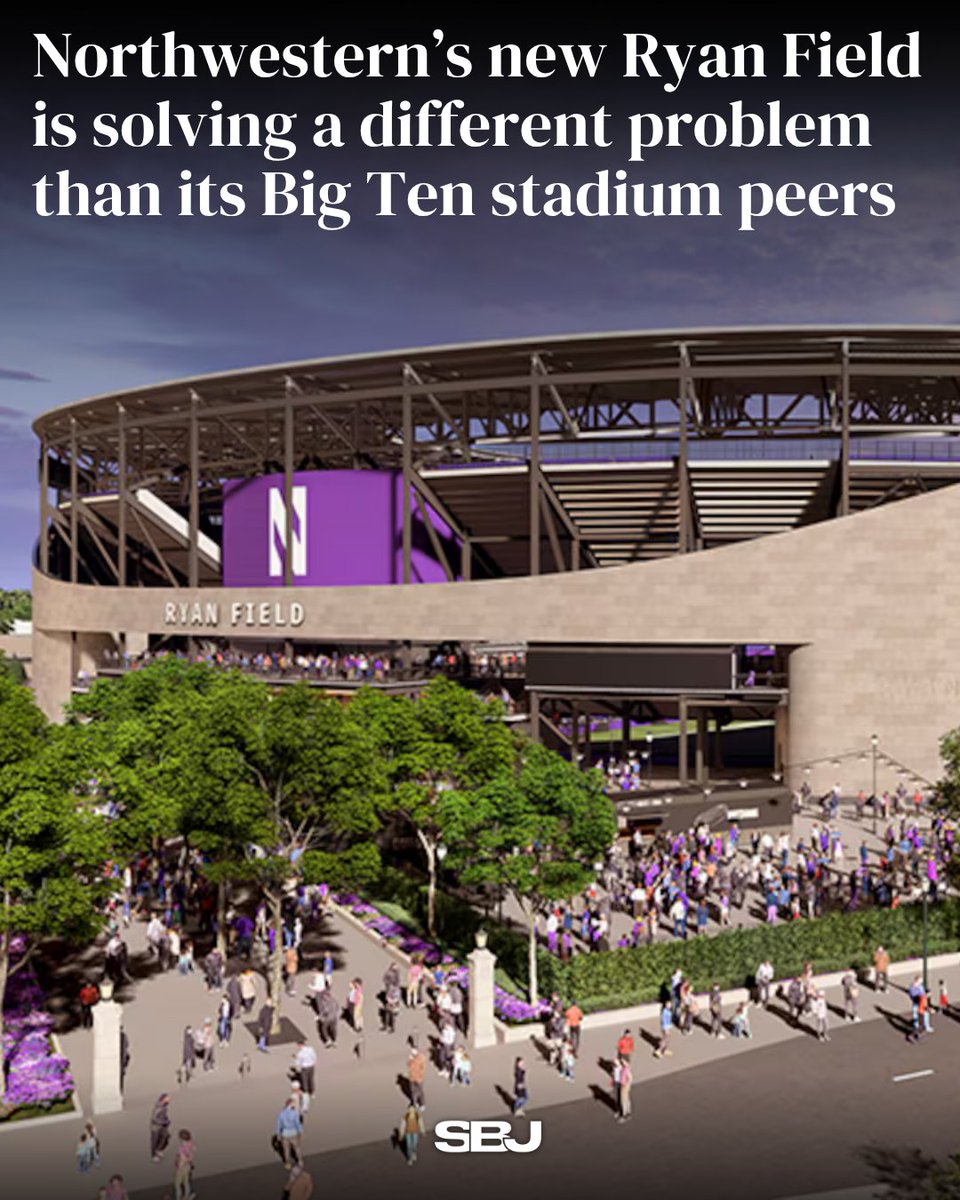
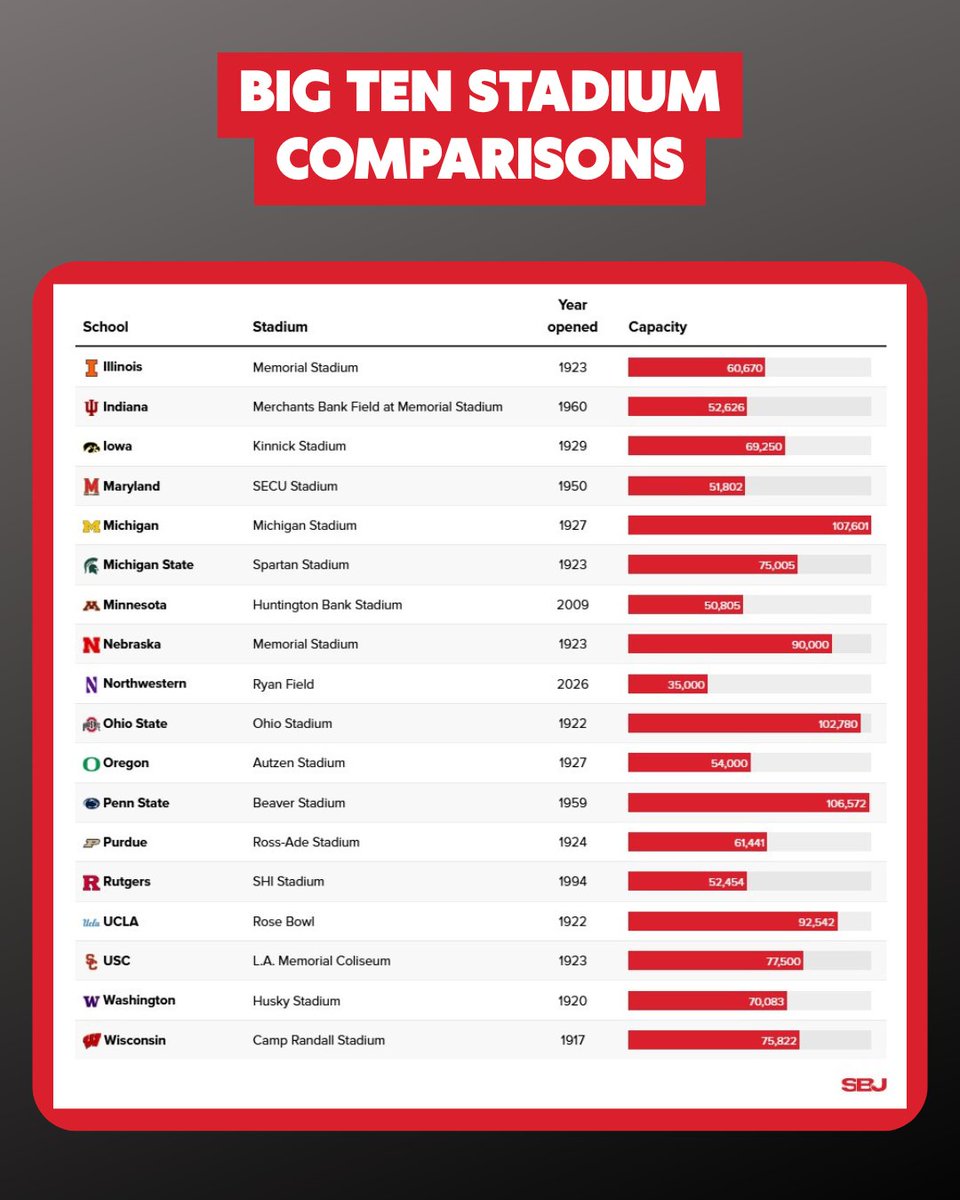
Northwestern’s new Ryan Field will be very different from other Big Ten football venues, with 35K seats and less than half the Big Ten stadium average 🏟️
While historic stadiums were built for capacity, Ryan Field is designed for a college football experience.
MORE: ow.ly/uBeN50YV2pM
10
31
143
43,557
Pat Ryan retweeted

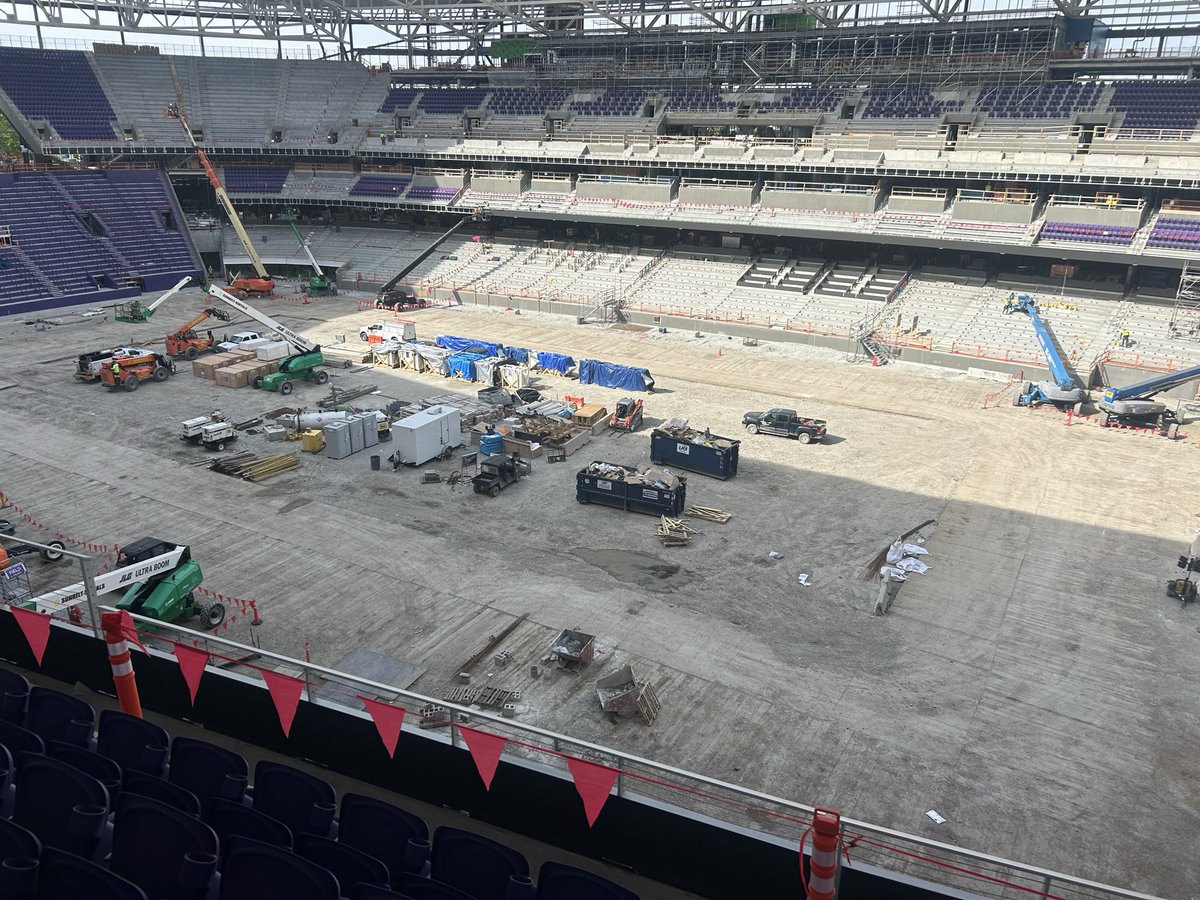
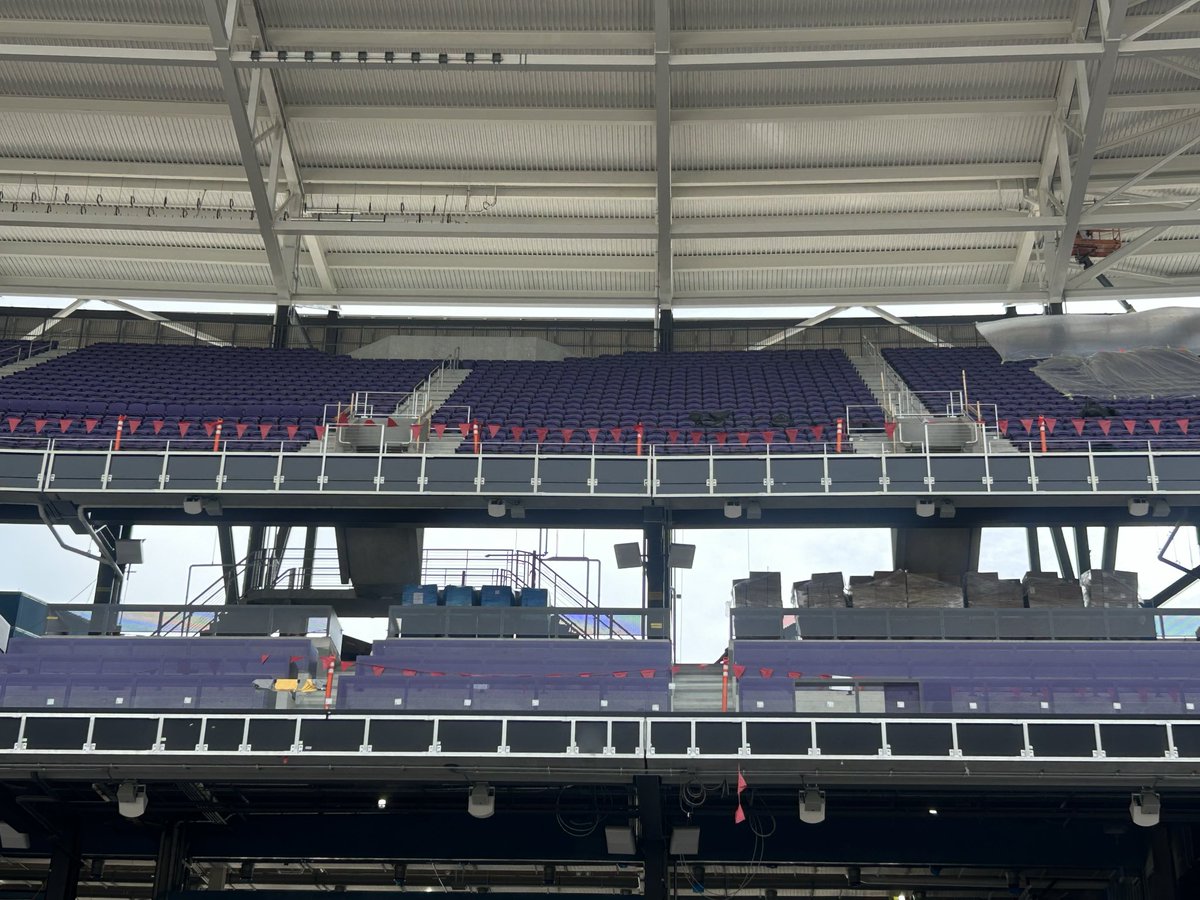
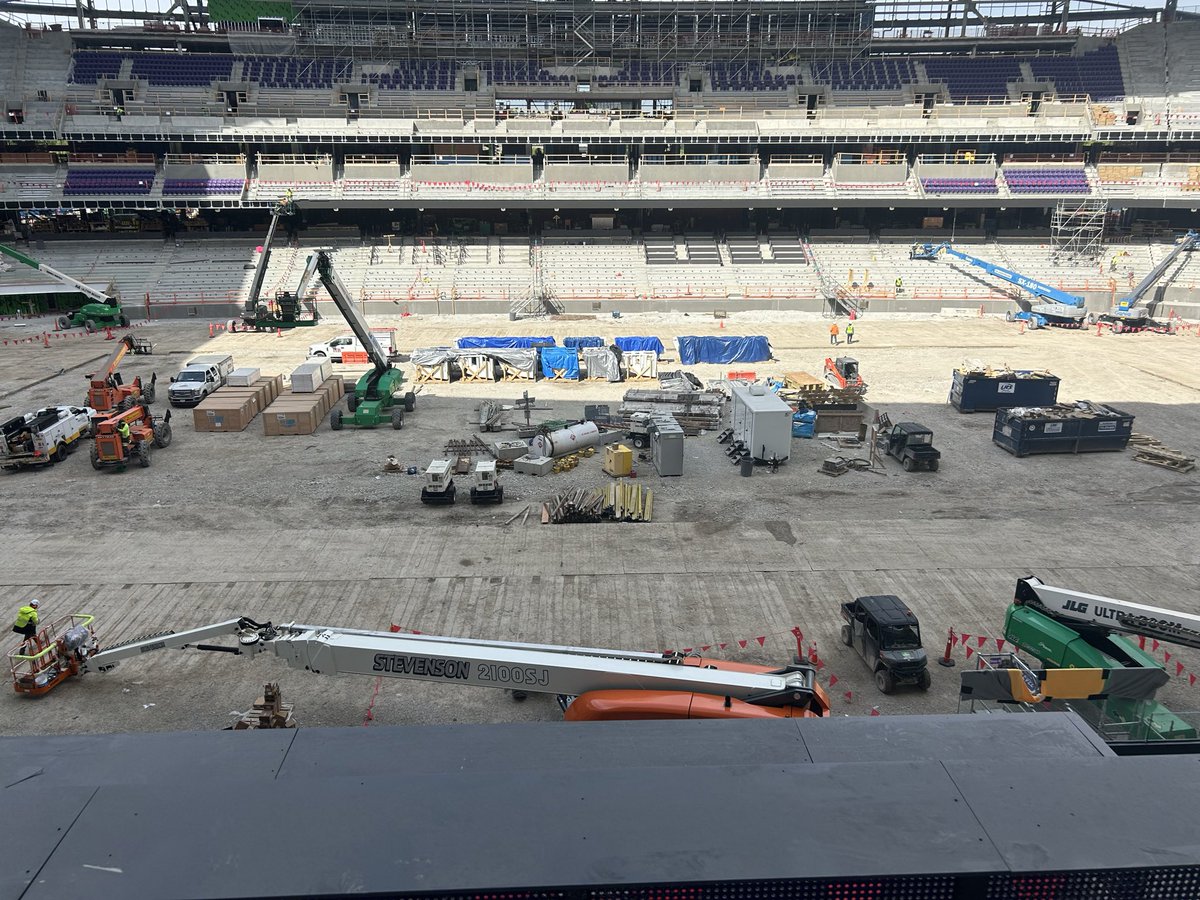
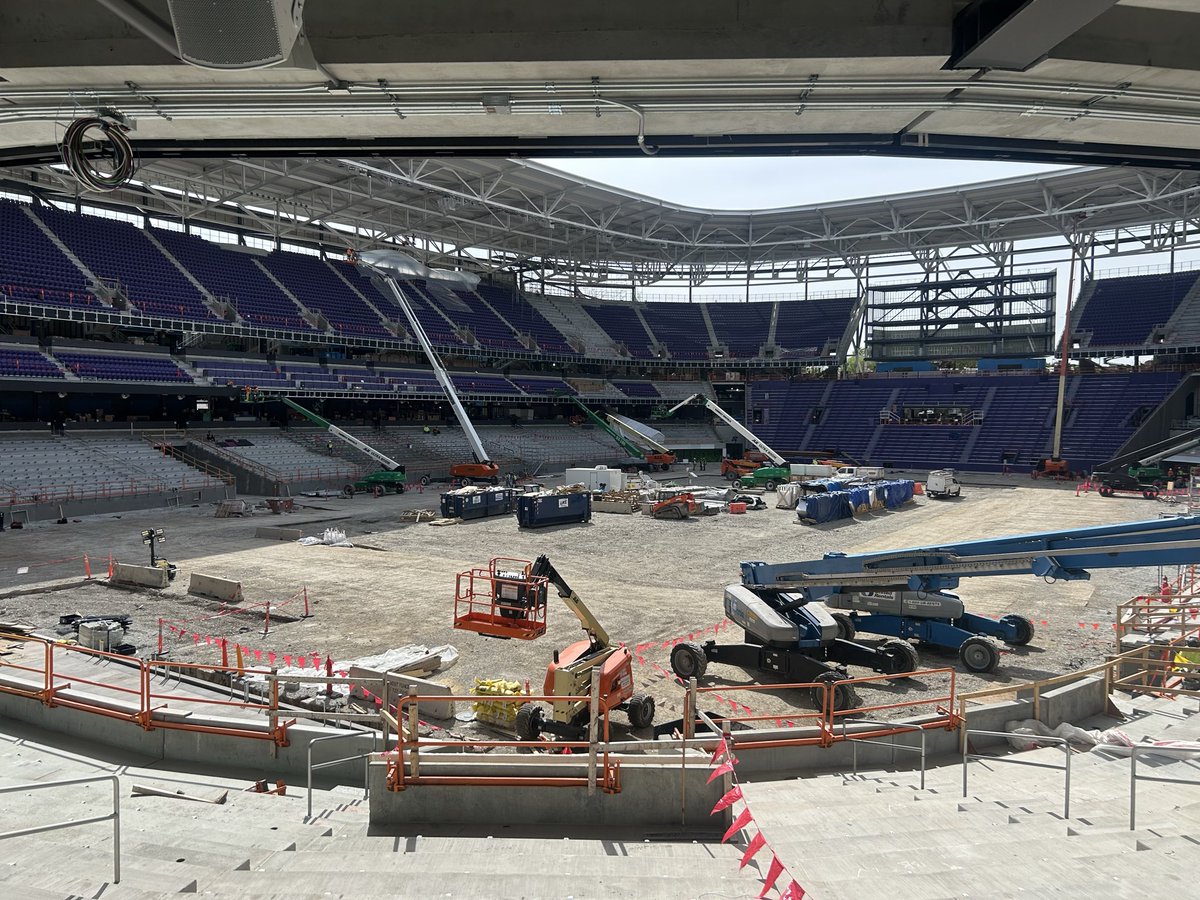
Toured @NewRyanField this AM and experienced the enhanced sightlines that will be the stadium’s signature trait. A very unique facility and one with elements that could be modeled by others, as CFB stadiums are reimagined.
Thanks to @PatRyanChicago and the Ryan Sports staff.
28
40
348
72,473
Pat Ryan retweeted

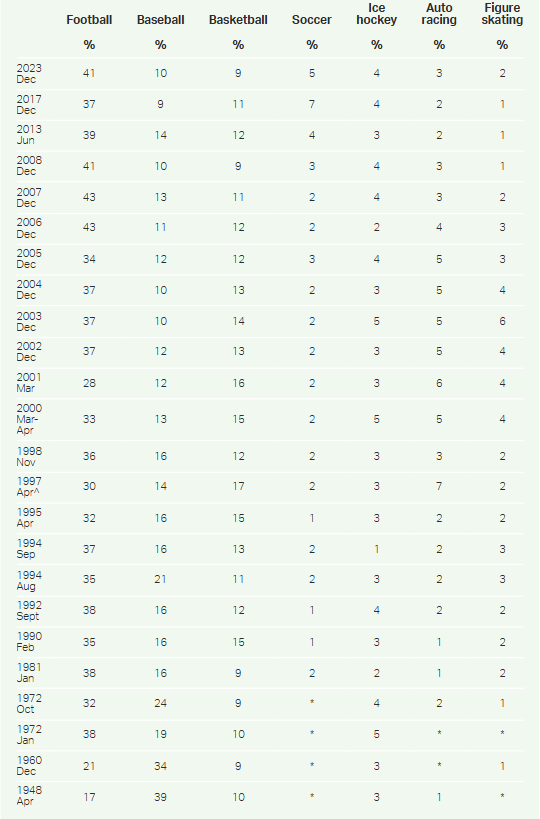
Gallup conducts a poll on the most favorite sport for Americans.
Up until the 60s, baseball was #1. Football took over and is now dominant.
16
22
226
104,985

Apr 29
RT @NewRyanField: You'll be on top of the action like no place else. Get first pick for season tickets at the game-changing New Ryan Field,…
5