
Joined January 2021
- Tweets 328
- Following 187
- Followers 107
- Likes 1,933
29 Photos and videos






Pinned Tweet

21 Jan 2021
1
12
Olive Laprévote 🌻 retweeted

5 Jun 2025
We are really excited to finally share this resource. We hope it becomes a useful starting point for biology students. Please let us know if you have any feedback!
5 Jun 2025

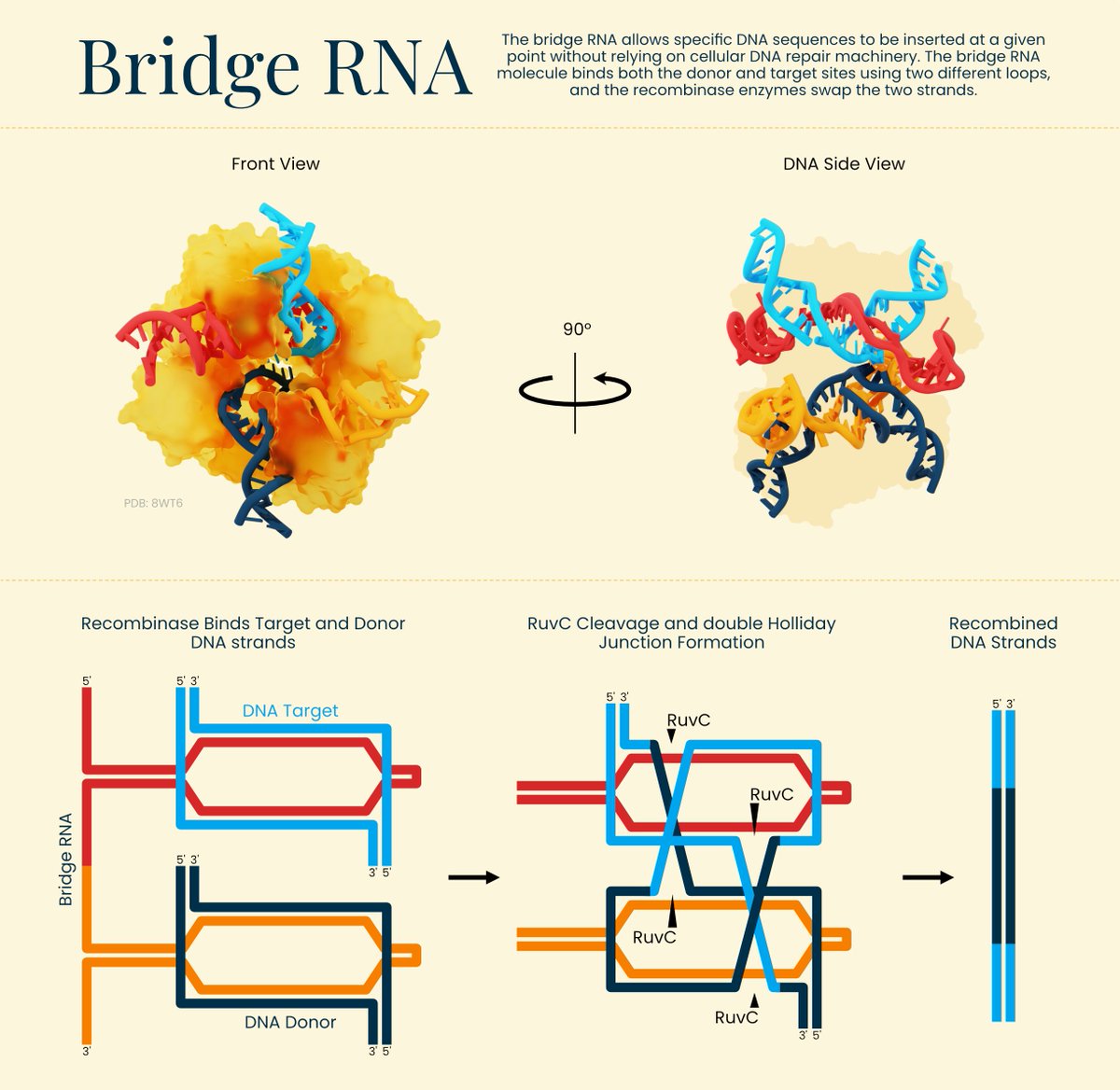
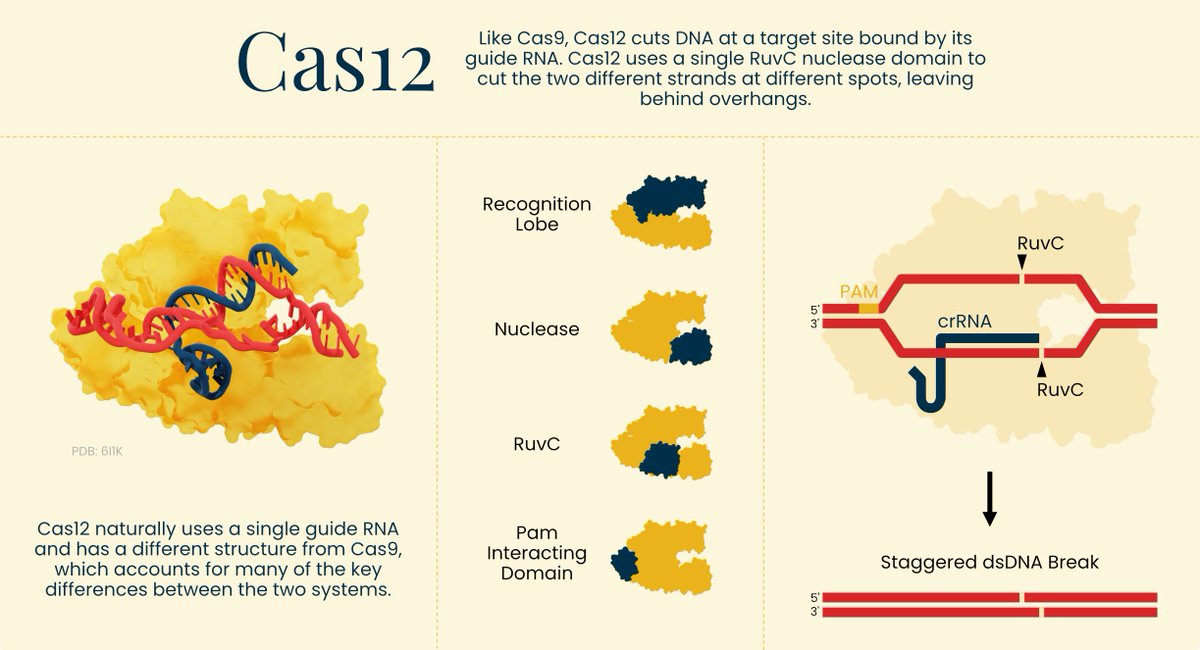
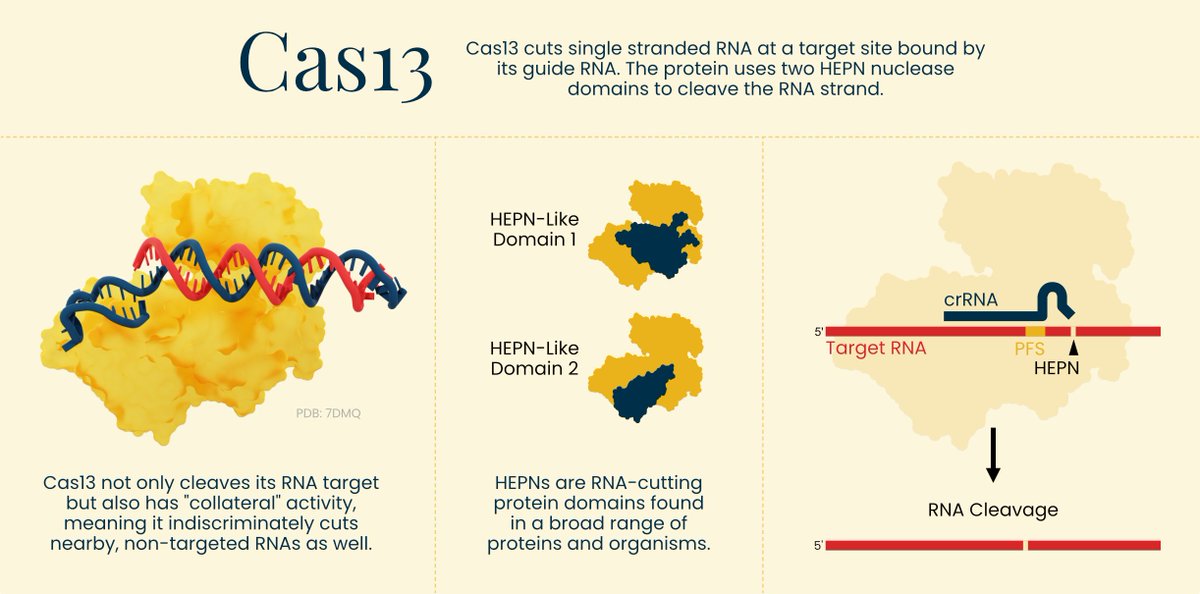
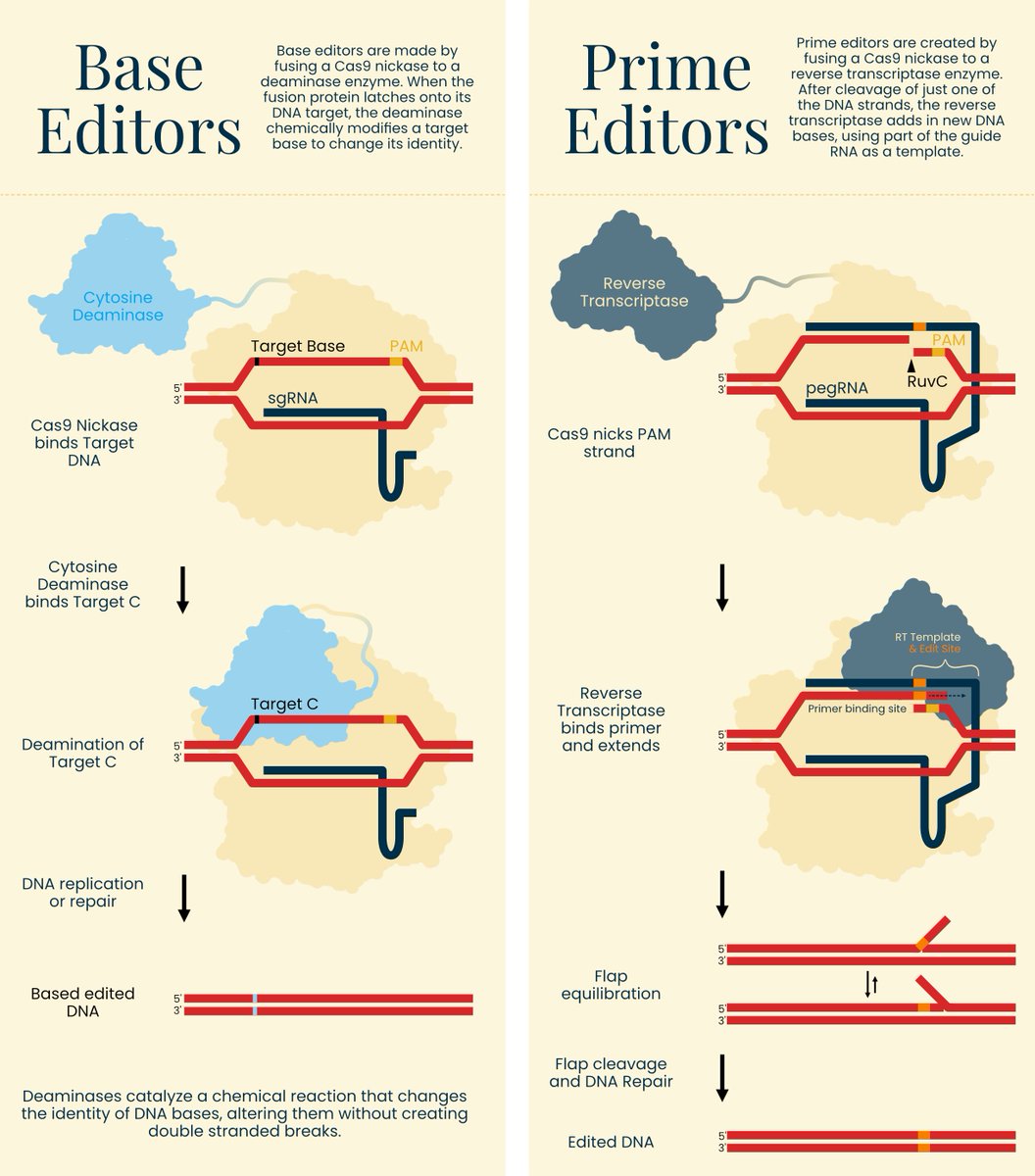
We've been working on this resource for months: A VISUAL GUIDE TO GENOME EDITORS.
Learn how tools like Cas9, Cas13, prime editors, and Bridge editors work - with diagrams!
We hope this becomes a valuable resource for the biology community and students.
8
18
192
9,111
Olive Laprévote 🌻 retweeted

25 Apr 2025
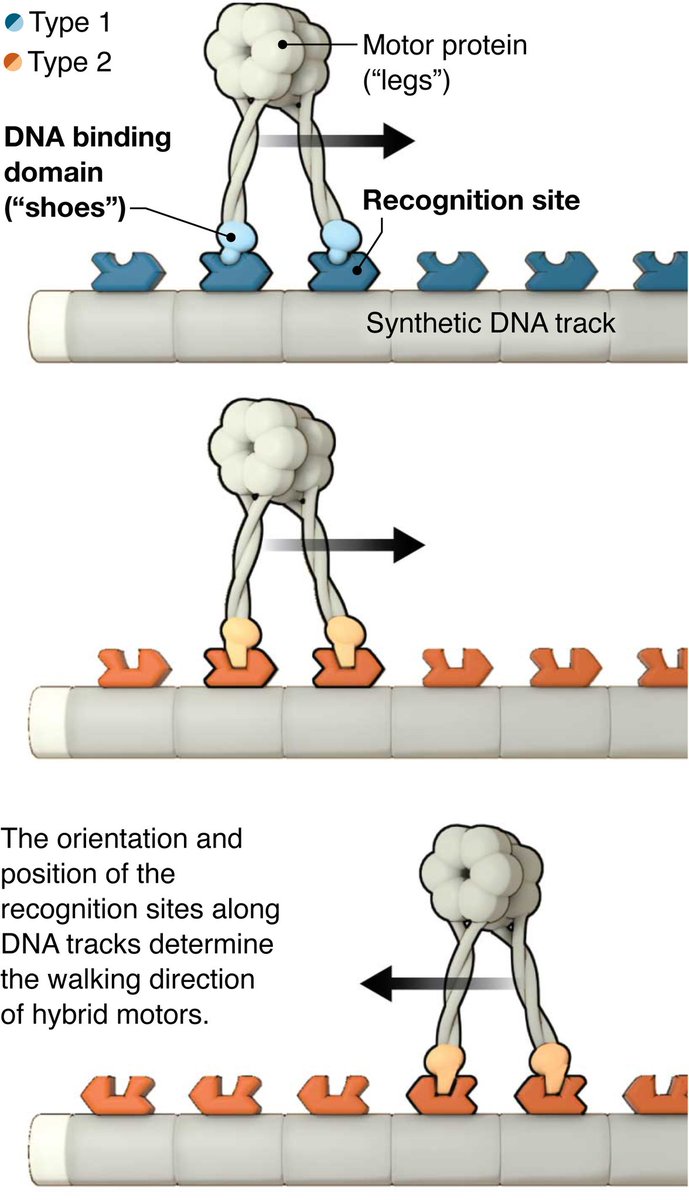
TINY. SHOES.
I repeat:
TINY
SHOES.
25 Apr 2025

Researchers have created hybrids of biological motor protein and nonmotor #DNA binding domains that walk unidirectionally on synthetic DNA tracks containing the recognition sites for the DNA binding domains.
Learn more on #DNAday: scim.ag/4lJFSQM
1
3
5
1,285
Olive Laprévote 🌻 retweeted

21 Mar 2025
A new resource for protein design: the Protein Design Archive
Protein designers have long aimed to explore the vast possibilities beyond nature’s existing structures, seeking to learn how amino acid sequences fold and function in ways that evolution never tested. Chronowska et al. unveil a new database and website known as the Protein Design Archive (PDA) that aggregates and curates experimentally validated protein designs from the past four decades. This resource highlights the astonishing progression from small, manually tweaked constructs to complex, computationally generated folds, providing a window into how de novo design can help address scientific and societal challenges.
The authors created the PDA by systematically scanning the Protein Data Bank (PDB) for synthetic sequences (taxonomy identifier 32630) and curating results to remove entries that were merely natural proteins with minor mutations. The database holds over 1,500 structures, each annotated with sequence-based and structure-based similarity metrics to provide insight into how these designs deviate from both one another and from known natural proteins. A user-friendly interface enables filtering by date of release, search terms, and novelty scores, while monthly updates ensure its data remain current. Throughout, the authors have balanced inclusivity (capturing a broad range of designs, including historic but unpublished examples) with rigorous hand-checking to maintain quality.
The researchers discovered that protein design efforts have accelerated dramatically, with a discernible shift around 2009–2010 when accessible computational tools like Rosetta further expanded de novo design’s reach. More recently, the advent of deep learning approaches has nearly tripled the annual output of new structures. The PDA not only showcases how designed proteins increasingly mirror the mass, complexity, and packing of their natural counterparts but also helps reveal persistent biases in secondary structure usage. By hosting a comprehensive, regularly updated collection, the archive empowers protein engineers to compare methods, pinpoint gaps, and pursue ambitious new directions that deepen our mastery of protein structure and function.
Paper: nature.com/articles/s41587-0…
Website: pragmaticproteindesign.bio.e…
1
57
221
12,492
Olive Laprévote 🌻 retweeted

17 Jan 2025
I'm hiring a new postdoc in protein design (wet lab) at Stockholm University/SciLifeLab. The work will focus on expanding our work on binder design and using new AI models that we are developing. Apply here: su.varbi.com/en/what:job/job…
2
43
193
26,781
Olive Laprévote 🌻 retweeted

1 Nov 2024
🍂NEW VIDEO🍂
All through Autumn, trees race against time to recycle their chlorophyll--and basically everything else in their leaves.
But why go through all this effort?
The answers are honestly mind-blowing:
rendered in #blender3d using @bradyajohnston's #molecularnodes
2
26
129
9,298
Olive Laprévote 🌻 retweeted

6 Jan 2025
I'm very happy to announce that I have retired! I'm equally happy that @janetiwasa has agreed to continue the Molecule of the Month @buildmodels. Read about this at cdn.rcsb.org/rcsb-pdb/genera…
31
65
503
25,828
Olive Laprévote 🌻 retweeted

3 Jan 2025
A picture speaks a thousand words.
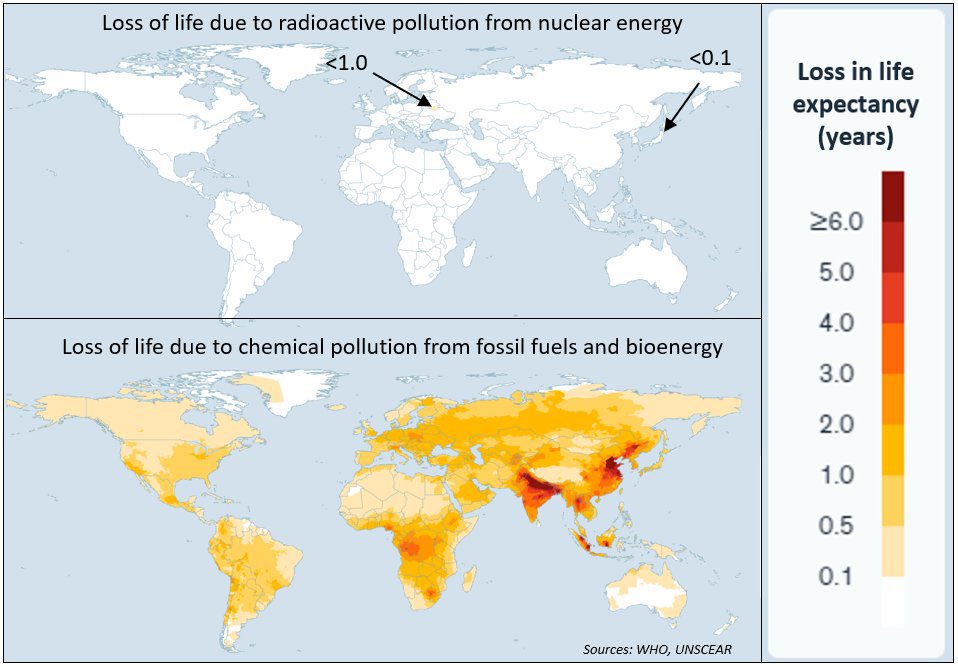
Air pollution is deadly. Displacing fossil fuels with nuclear energy saves lives.
4
52
236
6,046
Olive Laprévote 🌻 retweeted

14 Dec 2024
Just here to say that puberty blockers and hormone therapy turned my suicidal daughter into a thriving teen and award winner. She’s thriving.
#ListenToTransYouth
402
1,069
11,869
304,112
Olive Laprévote 🌻 retweeted

25 Nov 2024
Our experience with #alphafold3 🤖 (code recently released) and some of our most recent #cryoEM 🔬 structures (thread below) nature.com/articles/s41586-0…
nature.com/articles/s41467-0…
5
92
393
57,609
Olive Laprévote 🌻 retweeted

14 Nov 2024
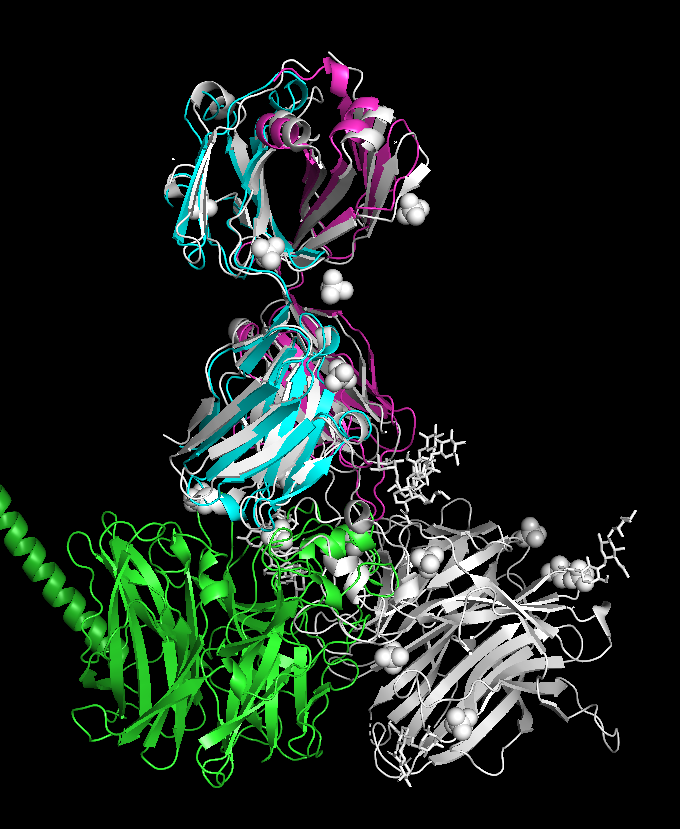
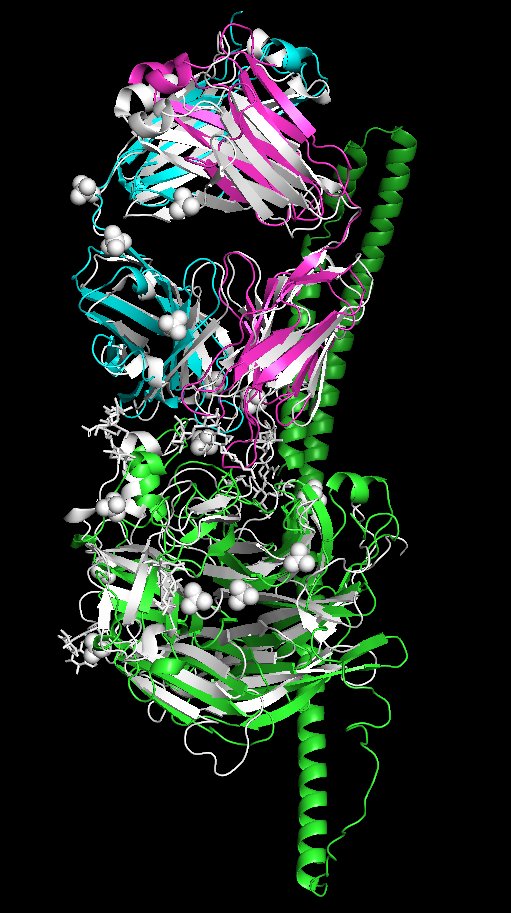
What a week! First, @GoogleDeepMind fulfilled its #AlphaFold3 promise, and now @chaidiscovery delivered a long-awaited killer feature - custom distance restraints: github.com/chaidiscovery/cha…! Here is a 7SYZ (AB-protein) example (x-ray in white).
2
6
39
4,605

Blender Foundation and the online developer community are proud to present Blender 4.3! 🎉
Packed with exciting improvements to existing tools (hello EEVEE Light Linking and multi-pass compositing!), performance boosts, and the foundations for the future (looking at you, Grease Pencil v3).
Plus, hundreds of contributions ranging from new features to accessibility enhancements—and as always: loads of fixes.
Read the notes: blender.org/download/release…
#b3d #DevFund
56
368
2,231
242,455

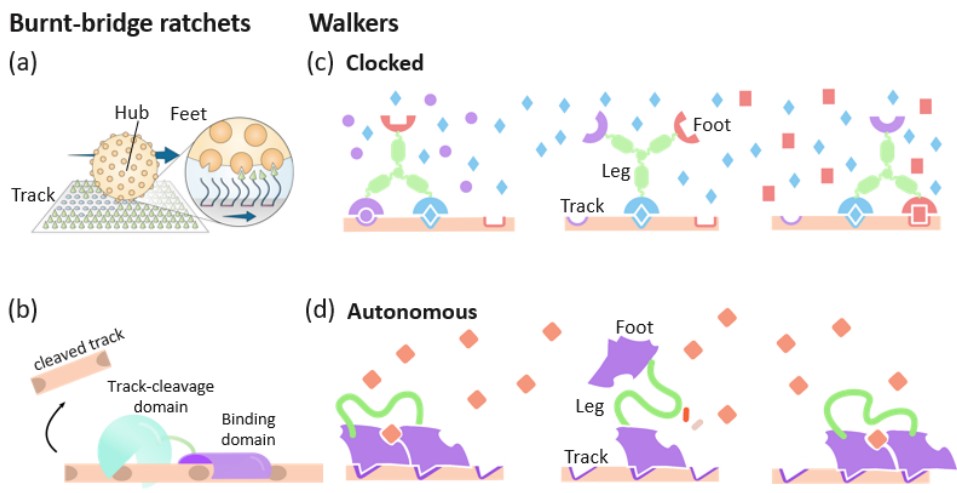
Walking by design: how to build artificial molecular motors made of proteins
In this beautiful article by @HeinerLinke et al @lunduniversity, the future design challenges and prospects of autonomous walking proteins are discussed.
Just Accepted:
iopscience.iop.org/article/1…
4
7
309
Olive Laprévote 🌻 retweeted

15 Nov 2024
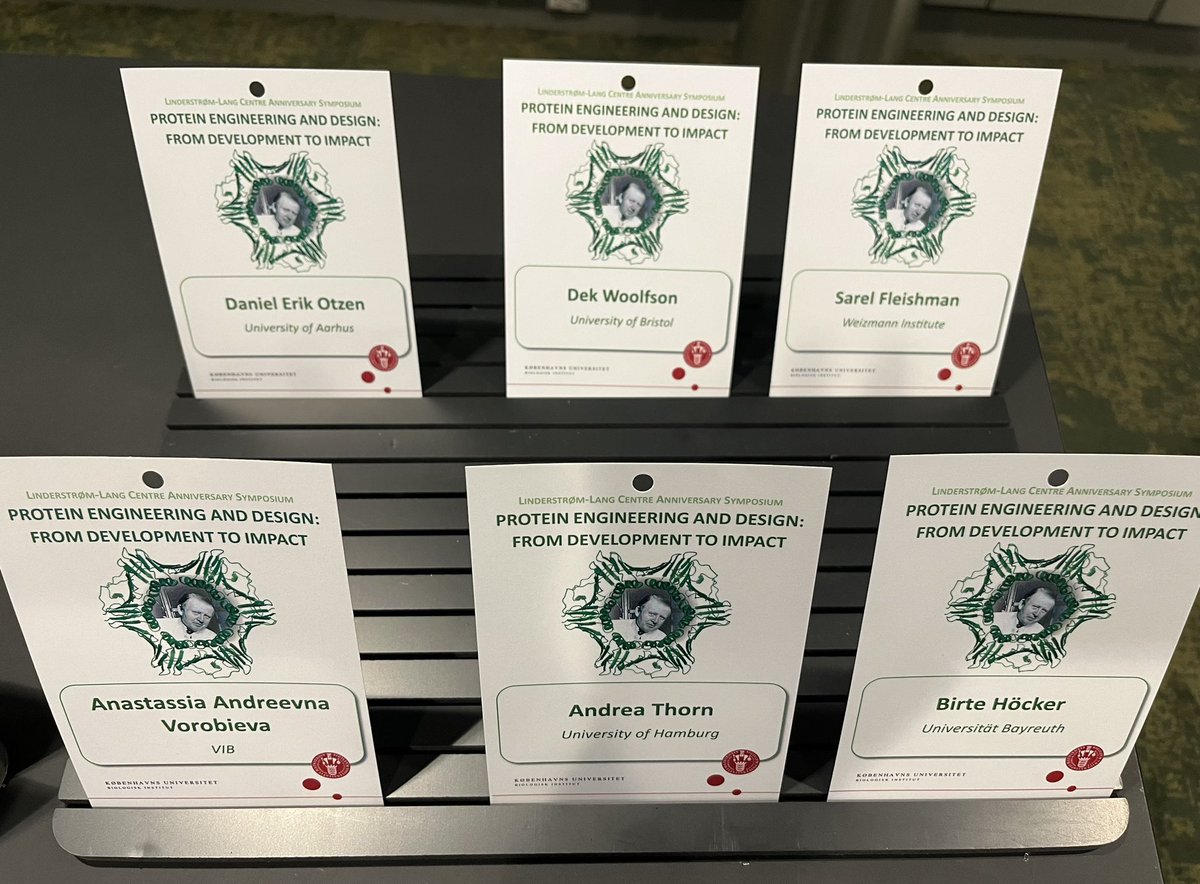
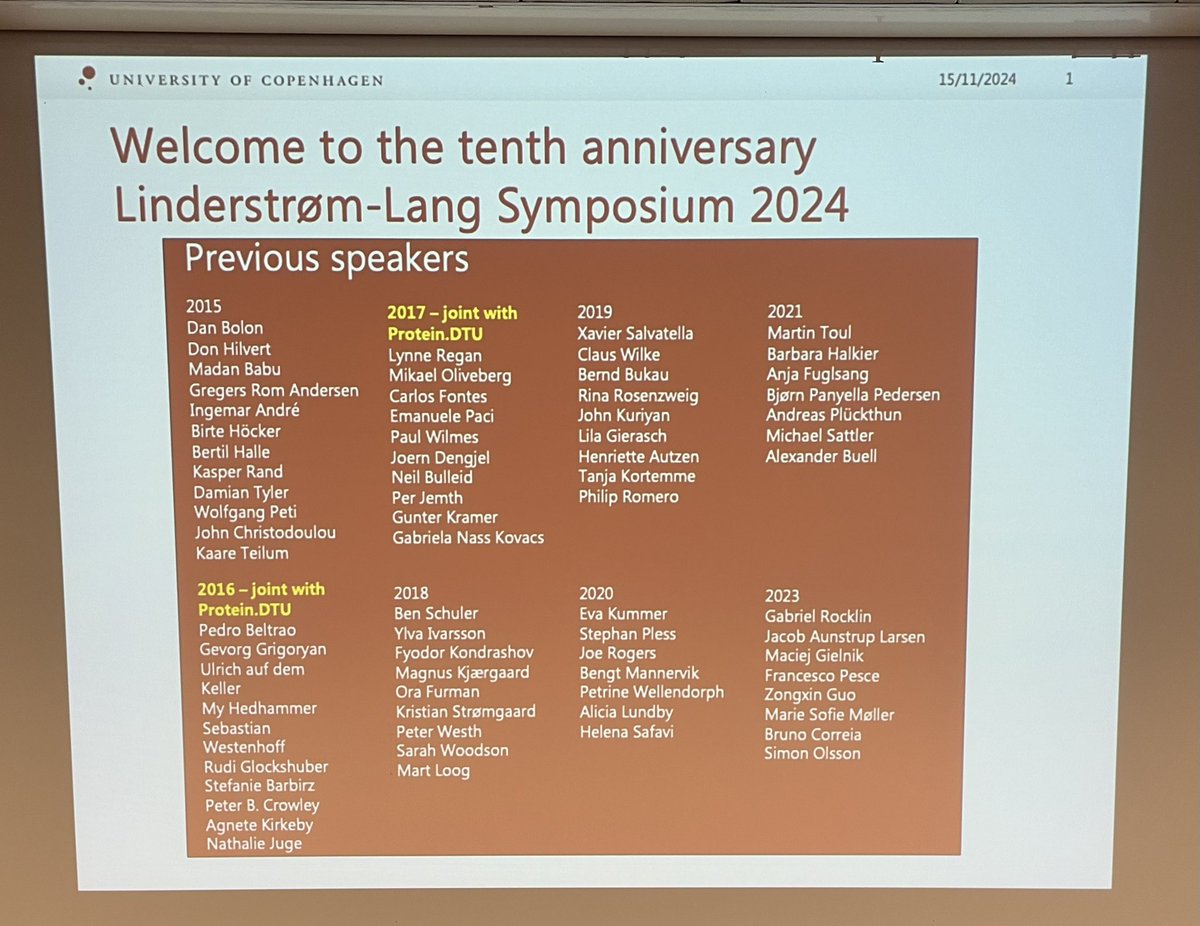
Looking forward to see 260 participants at the 10th annual Linderstrøm-Lang symposium today
Excellent speakers this year, as in previous years
2
31
2,039
6 Nov 2024
Let’s gooooooooo!!!! I have been waiting for the RC to test this baby, I’m so hyped!😍
6 Nov 2024

We are very happy to present GIMP 3.0.0 RC1! 🥳
Now is the time for everyone to test our first release candidate for what will be GIMP 3.0.0.
Result of years of work, we expect bugs (you should report!) but we hope you will still appreciate. 🤗
gimp.org/news/2024/11/06/gim…
1
58
Olive Laprévote 🌻 retweeted

21 Oct 2024
New Title Alert: Protkit- a Python library for structural bioinformatics, protein engineering, & machine learning.
Learn more here: buff.ly/3zI2XQE


12
26
1,940

Introducing Inkscape version 1.4!
New & updated features include Filter Gallery Dialog, Modular Grids, Swatches Dialog & more file import/export options. Power Users, this one's for you! Read all about 1.4: inkscape.org/news/2024/10/13… #ArtWithOpenSource #Inkscape

12
149
630
18,896
Olive Laprévote 🌻 retweeted

9 Oct 2024
BREAKING NEWS
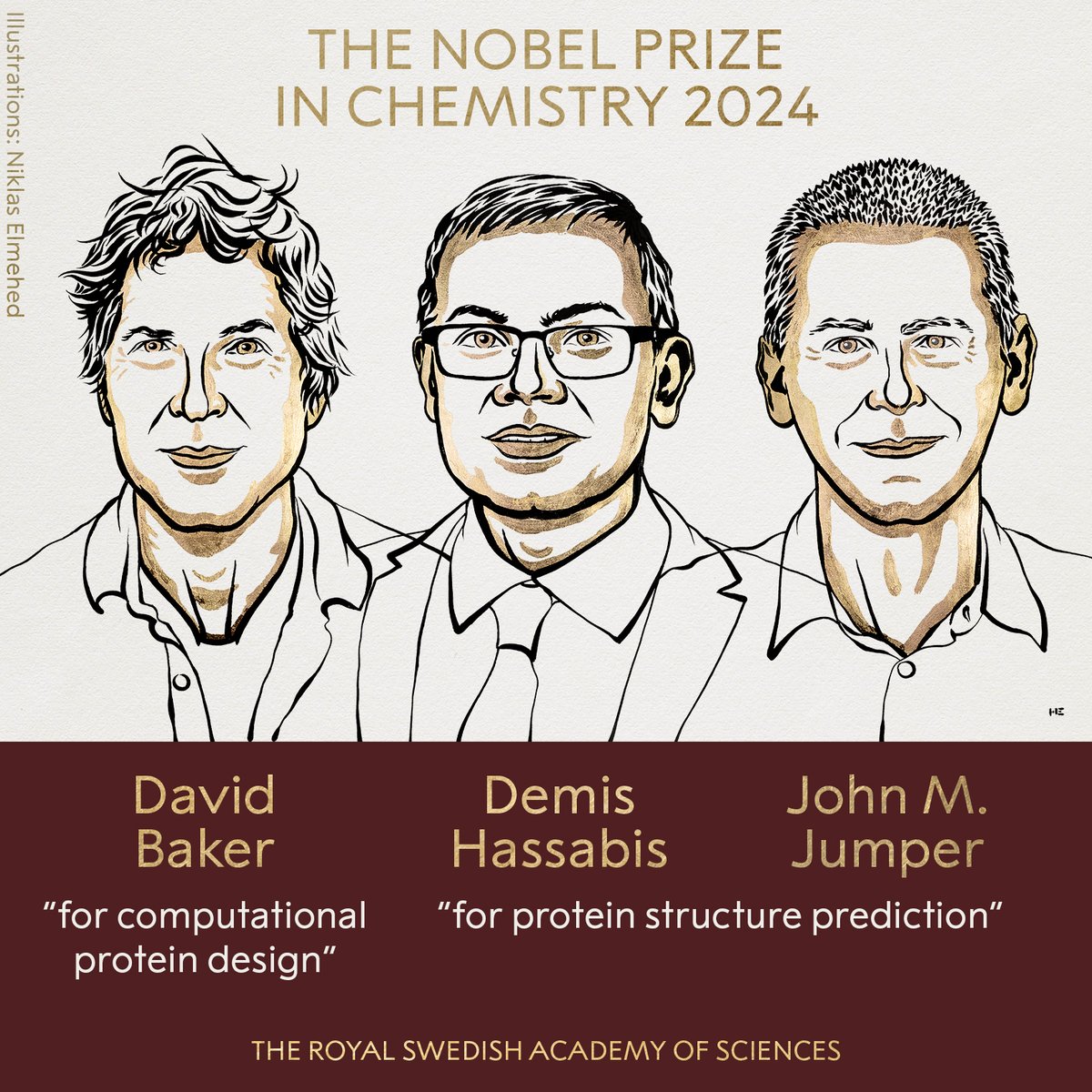
The Royal Swedish Academy of Sciences has decided to award the 2024 #NobelPrize in Chemistry with one half to David Baker “for computational protein design” and the other half jointly to Demis Hassabis and John M. Jumper “for protein structure prediction.”
510
8,374
19,236
9,097,093
Olive Laprévote 🌻 retweeted

2 Oct 2024
Have you ever wanted to design protein binders with ease? Today we present 𝑩𝒊𝒏𝒅𝑪𝒓𝒂𝒇𝒕, a user-friendly and open-source pipeline that allows to anyone to create protein binders de novo with high experimental success rates. @befcorreia @sokrypton
biorxiv.org/content/10.1101/…
27
423
1,769
300,717
Olive Laprévote 🌻 retweeted

11 Sep 2024
Published today in @Nature, we describe an approach for single-molecule protein reading on @nanopore arrays. By utilizing ClpX unfoldase to ratchet proteins through a CsgG nanopore, we achieved single-amino-acid sensitivity. nature.com/articles/s41586-0…
19
283
989
87,207
Olive Laprévote 🌻 retweeted

10 Sep 2024
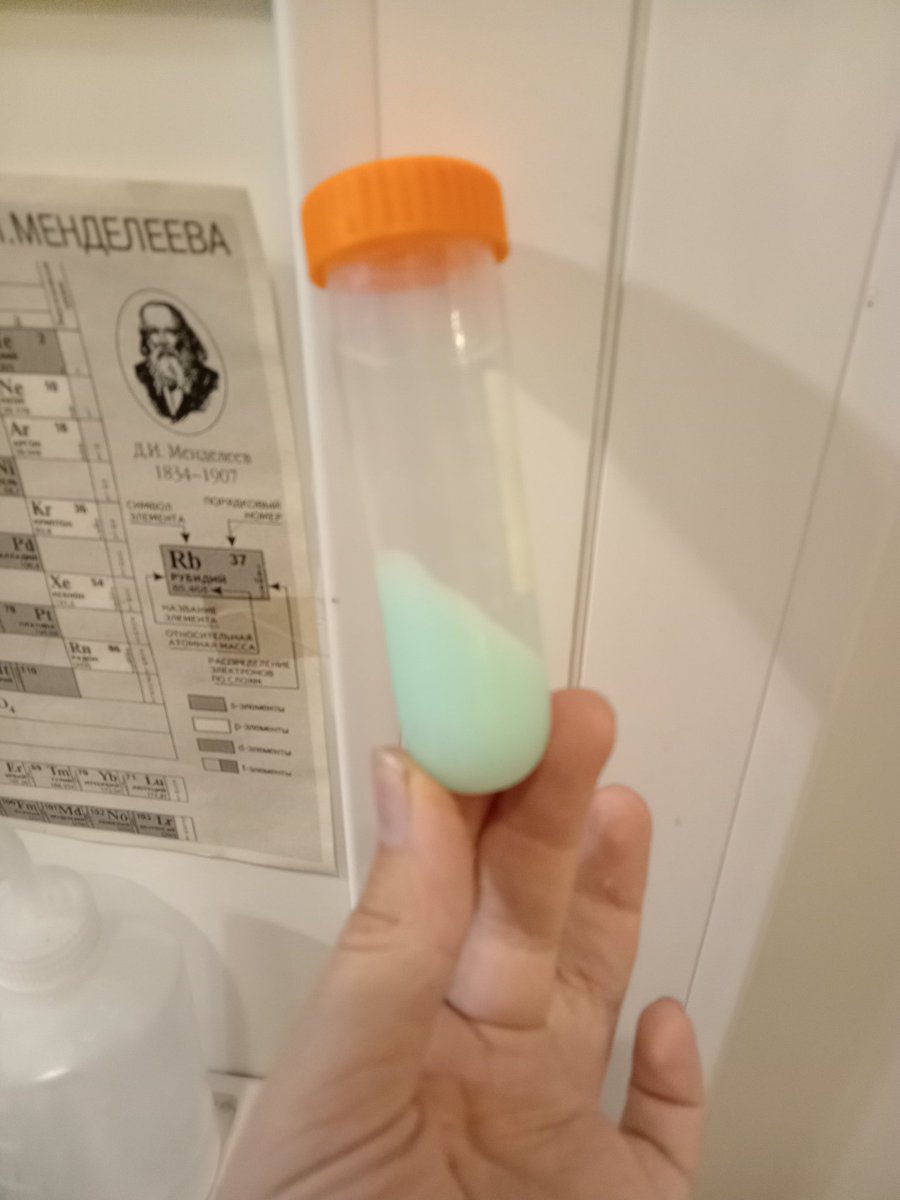
DIY metal-silica bead recipe just dropped!!! 👇👇👇
10 Sep 2024

Courtesy of @sisconsaturday
Protein purification immobilized metal affinity matrix from commercially available silica powder:
4
16
116
8,618